Hepatitis e virus igg Test and its Function
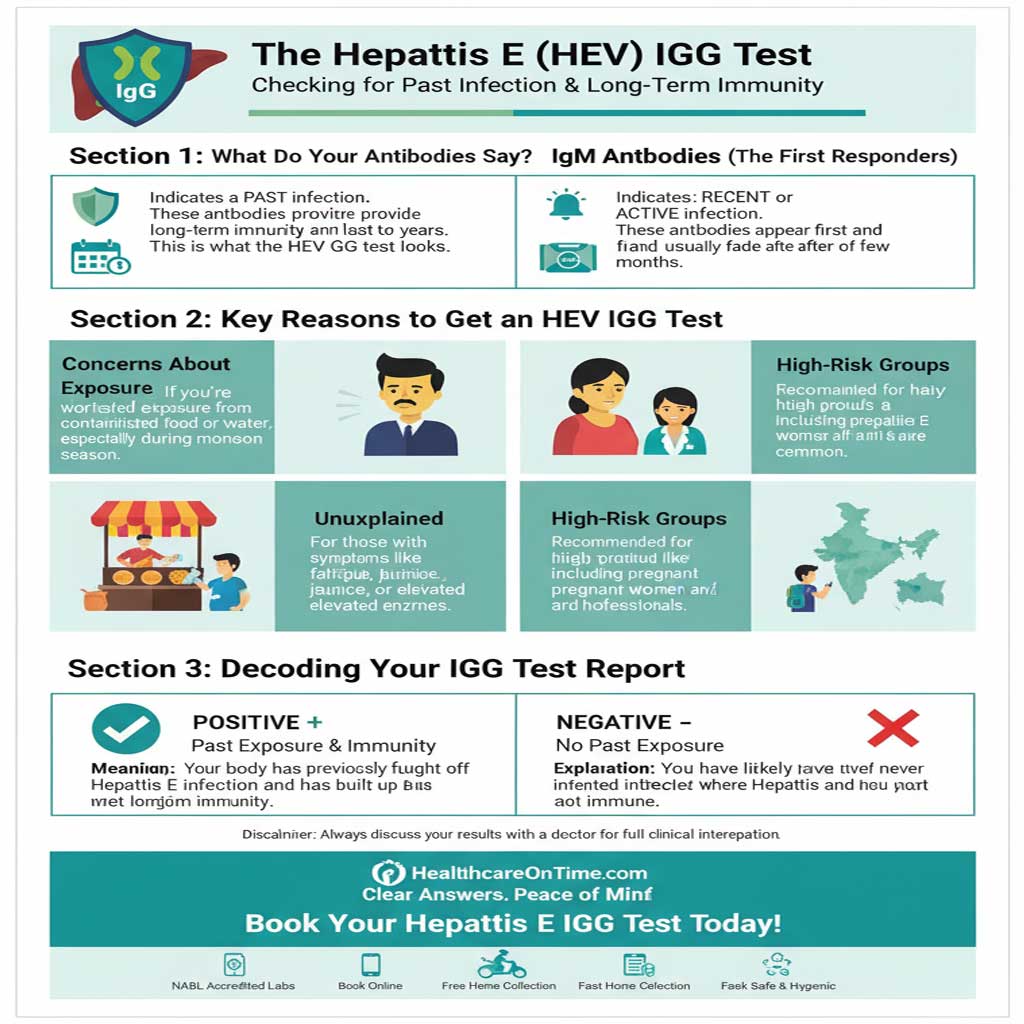
The Hepatitis E Virus IgG test is a serological blood test designed to detect Immunoglobulin G (IgG) antibodies specific to the Hepatitis E virus (HEV). These antibodies typically appear in the bloodstream several days after infection and can persist for years, indicating past exposure or immunity. Unlike IgM antibodies, which signal a recent or acute infection, IgG antibodies reflect a resolved infection or long-term immune response. This test is especially useful for identifying individuals who have previously contracted HEV, even if they were asymptomatic, and for assessing immunity in high-risk populations.
Conditions that may require Hepatitis e virus igg Test
This test is commonly recommended for individuals with unexplained liver symptoms such as jaundice, fatigue, abdominal pain, or elevated liver enzymes—especially in regions where HEV is endemic. It is also crucial for pregnant women in their third trimester, who face a higher risk of severe complications from HEV. Immunocompromised patients, organ transplant recipients, and travelers returning from HEV-prone areas may also be advised to undergo this test. Additionally, it serves as a screening tool for people with suspected past exposure through contaminated water or food sources.
Hepatitis e virus igg Test Procedure
The procedure involves a simple blood draw, typically from a vein in the arm. No fasting or special preparation is required. Once collected, the blood sample is sent to a laboratory where it undergoes enzyme immunoassay (EIA) analysis to detect the presence of HEV-specific IgG antibodies. The process is minimally invasive and usually completed within minutes. Results are typically available within 24 to 48 hours, depending on the testing facility.
Interpreting Hepatitis e virus igg Test Results
A positive IgG result indicates past exposure to the Hepatitis E virus and suggests that the individual has developed immunity. A negative result means no prior infection or exposure. Borderline or equivocal results may occur in early stages of antibody development or due to cross-reactivity with other antibodies; in such cases, repeat testing after 4–6 weeks may be recommended. It’s important to interpret these results in conjunction with clinical symptoms and other diagnostic markers like IgM or HEV RNA tests for a comprehensive assessment.
More Related Tests


Why To Book with HealthCareOnTime

17 Crores+ Samples Processed

World Class Technology Labs

25+ Years of Trust & Experience

Free Home Collection
FAQs Around Hepatitis e virus igg Test
How much does Hepatitis e virus igg Test cost?
The Hepatitis e virus igg Test cost is Rs.520, although it is now available for Rs.503 because of the offer.