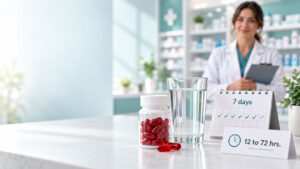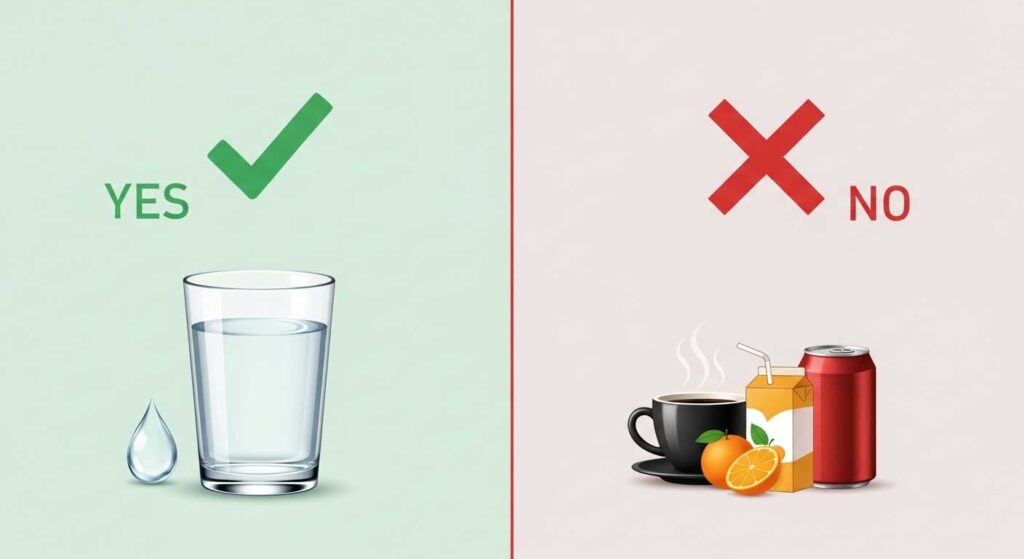
When fasting for a blood test, you can and should drink plain water to stay hydrated. Water does not contain calories, sugars, or fats that could alter your results. You must avoid all other drinks, including coffee, tea, juice, and soda, as they can significantly skew readings for glucose, cholesterol, and other important health markers. Always follow your doctor’s specific instructions for any fasting blood work.
- Safe and Unsafe Drinks for a Fasting Blood Test
- Defining a Medical Fast
- How Long Do I Need to Fast? (8 vs. 12 Hours)
- Does Drinking Water Affect Blood Test Results?
- How Staying Hydrated Makes the Blood Draw Easier
- Can I Drink Coffee Before a Fasting Blood Test?
- Are Tea and Herbal Infusions Off-Limits?
- Can I Have Water with Lemon or Other Flavored Waters?
- The Truth About Diet Sodas and "Sugar-Free" Drinks
- Can I Chew Gum or Have a Breath Mint?
- Is It Okay to Smoke Cigarettes or Vape?
- Should I Take My Prescription Medications?
- What About Vitamins, Supplements, and Biotin?
- Should I Avoid Exercise Before My Blood Test?
- Fasting for a Glucose (Blood Sugar) Test
- Fasting for a Cholesterol Test (Lipid Panel)
- Fasting for a Basic or Comprehensive Metabolic Panel (BMP/CMP)
- Do I Need to Fast for Liver or Kidney Function Tests?
- The Day Before Your Test (Pre-Fasting Checklist)
- During the Fasting Period (Tips to Make It Easier)
- What Should I Do If I Accidentally Broke My Fast?
- How Can I Manage Hunger, Headaches, or Dizziness?
Your doctor has ordered a routine blood test and mentioned you need to fast beforehand. Immediately, questions start flooding your mind about the Blood Test Fasting Rules. What does “fasting” actually mean? Can you have your morning coffee? What about a glass of water? The rules can seem confusing, and the last thing you want to do is accidentally compromise your test results.
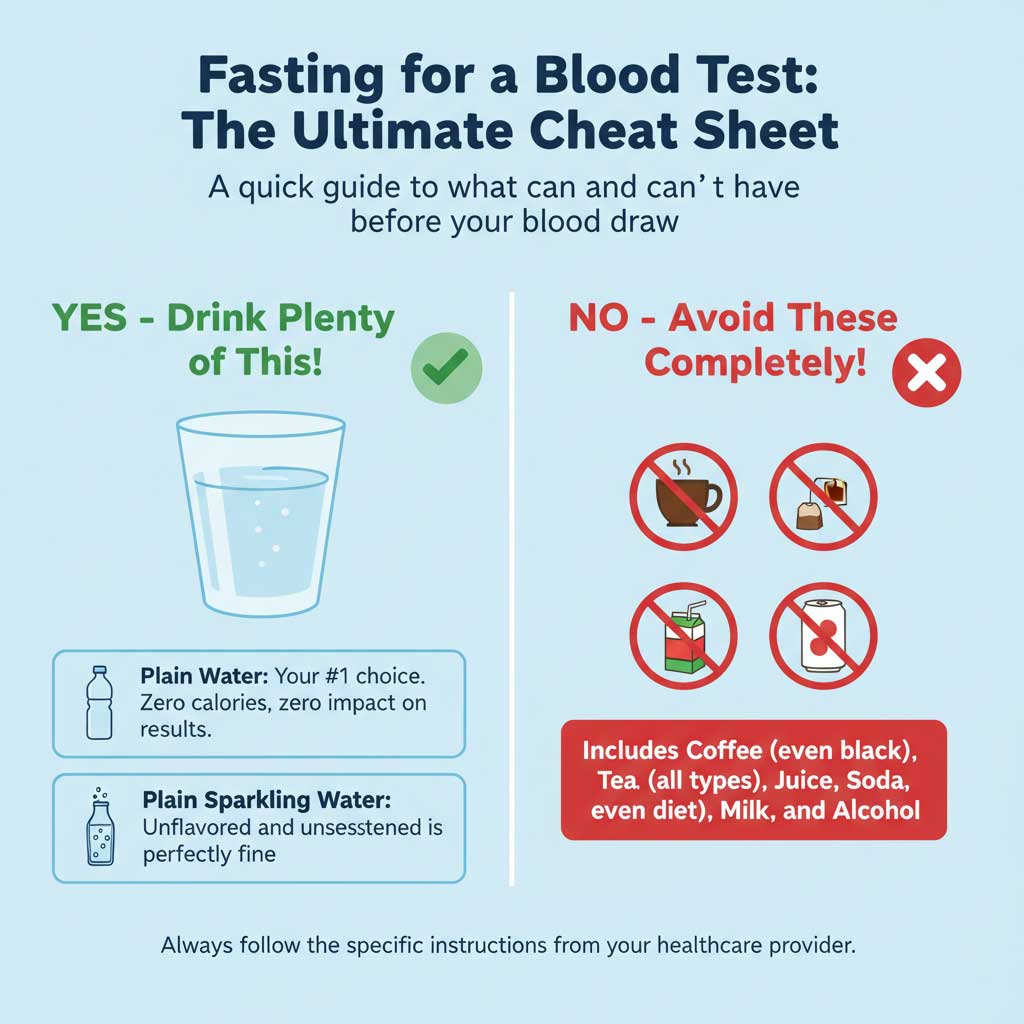
This guide provides a clear, comprehensive answer to every question you have about what you can drink while fasting for a blood test and Also Read What to Eat After Getting Blood Drawn? We’ll explore what’s safe, what’s forbidden, and the scientific reasons behind these rules. Our goal is to empower you with the knowledge to prepare for your test correctly, ensuring your results are as accurate as possible.
Safe and Unsafe Drinks for a Fasting Blood Test
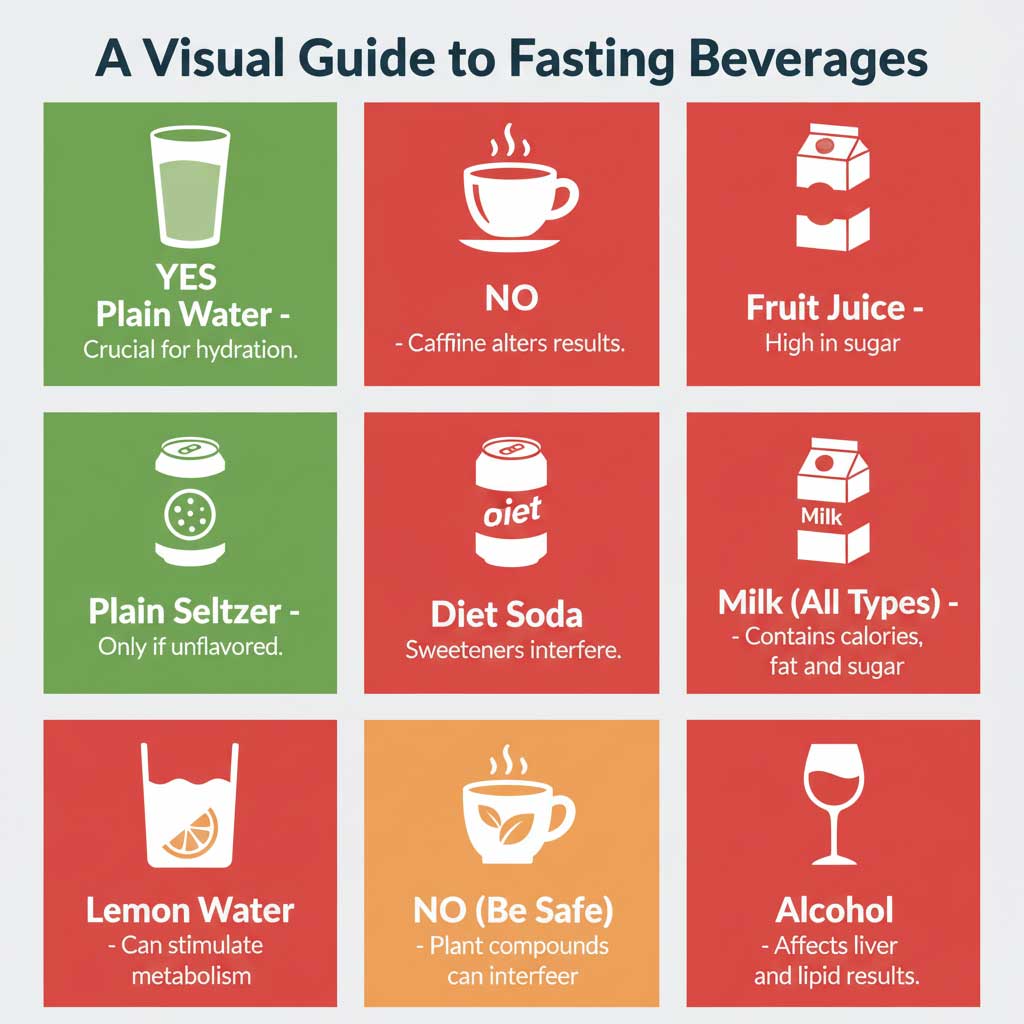
| Beverage | Can I Drink It While Fasting? | Detailed Explanation: Why or Why Not? |
| Plain Water | Yes (Recommended) | Zero calories, sugar, or fat. Does not affect results. Crucial for hydration, which makes veins fuller and the blood draw easier. |
| Sparkling/Seltzer Water | Yes (Plain Only) | Unflavored, unsweetened sparkling water is just carbonated water. It is safe and hydrating. Avoid any with added sugars or artificial sweeteners. |
| Water with Lemon/Lime | No | The small amount of sugar and citric acid from the fruit can slightly alter glucose levels and stimulate digestion. It’s best to stick to plain water. |
| Black Coffee (Caffeinated) | No | Caffeine is a stimulant and a diuretic. It can affect hydration, blood pressure, and may temporarily impact blood sugar and cortisol levels. |
| Decaf Coffee | No | Even decaf contains trace amounts of caffeine and other organic compounds that can stimulate your metabolic system, potentially skewing results. |
| Coffee with Cream/Sugar | Absolutely Not | This is a clear fast-breaker. The sugar, fat, and calories will directly and significantly impact glucose and lipid (cholesterol) readings. |
| Black or Green Tea | No | Contains caffeine and antioxidants that can affect metabolic processes. The rules are the same as for black coffee. |
| Herbal Tea (e.g., Mint, Chamomile) | No (To Be Safe) | While caffeine-free, the active compounds from the herbs could potentially interfere with specific liver enzymes or other markers. Avoid it to ensure accuracy. |
| Diet Soda / Sugar-Free Drinks | No | Artificial sweeteners (like aspartame or sucralose) can still trigger an insulin response in some individuals, which can alter metabolic panel results. |
| Juice (Apple, Orange, etc.) | Absolutely Not | Juice is high in natural sugars (fructose), which will cause a sharp spike in your blood glucose levels, making the test results invalid. |
| Alcohol (Beer, Wine, Liquor) | Absolutely Not | Alcohol must be avoided for at least 24 hours. It contains calories, affects liver function tests, and can drastically increase triglyceride levels. |
| Milk (Dairy, Almond, Oat) | Absolutely Not | All types of milk contain sugars, fats, and/or proteins. These are nutrients that will break your fast and alter your blood chemistry. |
| Bone Broth | No | Bone broth contains calories, protein, and fat. It is considered food and will break your fast immediately. |
What Does “Fasting for a Blood Test” Really Mean?
When your doctor orders a fasting blood test, they are looking for the most accurate snapshot of your baseline health. Eating and drinking introduce a flood of variables—sugars, fats, proteins, vitamins, and minerals—into your bloodstream. These can temporarily alter the levels of substances your doctor needs to measure.

Defining a Medical Fast
A medical fast means you must abstain from all food and beverages for a specific period before your blood is drawn. The goal is to allow your body to fully digest and absorb any previous meals so that your blood chemistry returns to a resting state. This ensures that the test results reflect your body’s true internal environment, not just what you had for breakfast. The only universal exception to this rule is plain water.
How Long Do I Need to Fast? (8 vs. 12 Hours)
The required duration for fasting blood work is not one-size-fits-all; it depends entirely on the specific test being performed. Always follow the instructions given by your healthcare provider.
- 8-Hour Fast: This is often the minimum requirement for tests like a fasting blood glucose test, which is used to screen for diabetes.
- 10- to 12-Hour Fast: This longer window is typically required for a lipid panel (cholesterol test). Triglycerides, a type of fat measured in this panel, are particularly sensitive to recent food intake and take longer to clear from the bloodstream.
Your doctor will provide the exact fasting time you need to follow. If you are unsure, it is always best to call their office and confirm.
The Golden Rule: Why Plain Water Is Your Best Friend
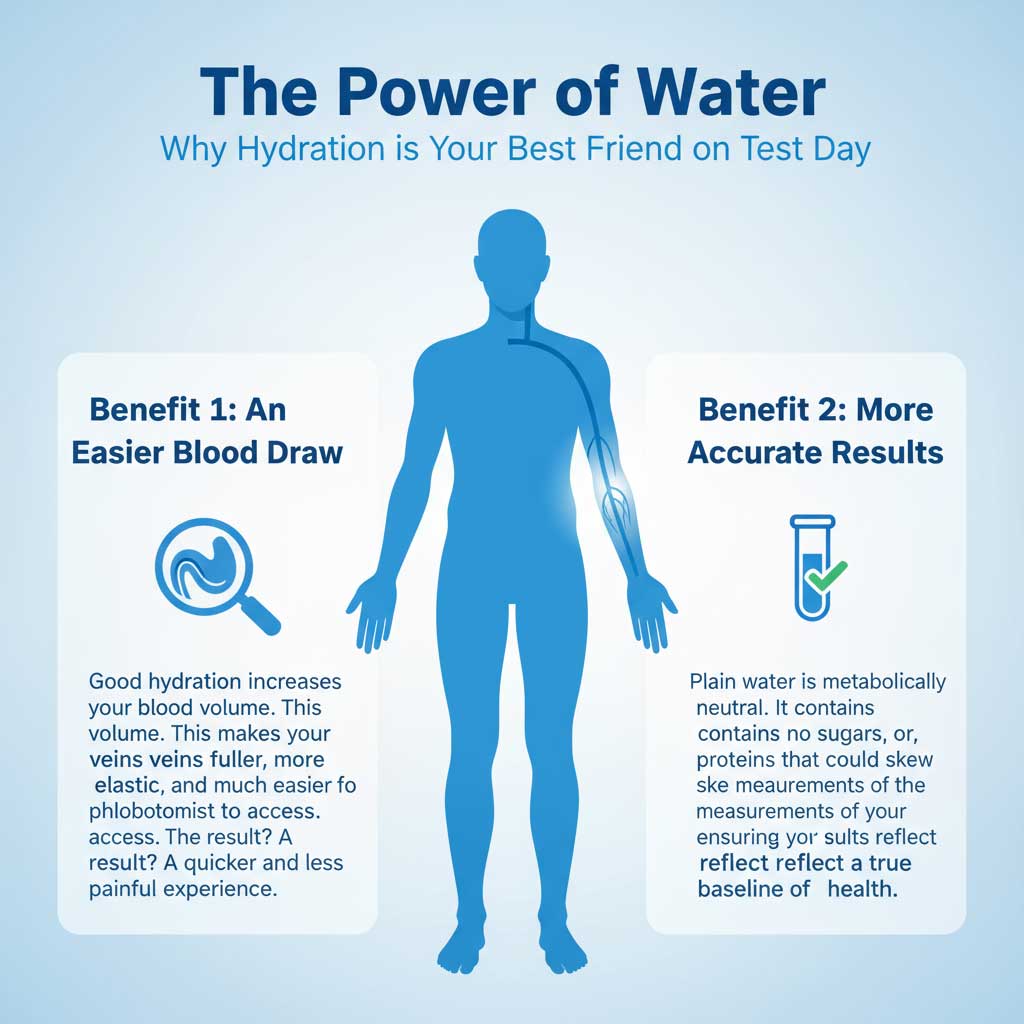
While fasting, not only can you drink water, but you are strongly encouraged to do so. Staying hydrated is one of the most important things you can do to prepare for your test.
Does Drinking Water Affect Blood Test Results?
No, drinking plain water does not affect the results of a fasting blood test. Water contains no calories, proteins, fats, or sugars. It is metabolically neutral, meaning your body doesn’t need to “process” it in a way that would alter key biomarkers like glucose or cholesterol. It passes through your system, aiding hydration without interfering with the test’s accuracy.
How Staying Hydrated Makes the Blood Draw Easier
The benefits of drinking water before a blood test go beyond just quenching your thirst. Good hydration has a direct physical impact on your veins, making the entire process smoother for both you and the phlebotomist.
When you are well-hydrated, your blood volume increases slightly. This makes your veins plumper, more elastic, and easier to locate. Dehydration, on the other hand, can cause veins to flatten and constrict, making them much more difficult to access. A successful blood draw on the first try is less painful and reduces anxiety associated with the procedure.
The “Forbidden List”: A Deeper Dive into Drinks to Avoid
Understanding why you must avoid certain drinks can make it easier to stick to the rules. It’s not an arbitrary request; it’s based on how specific substances interact with your body’s chemistry.
Can I Drink Coffee Before a Fasting Blood Test?
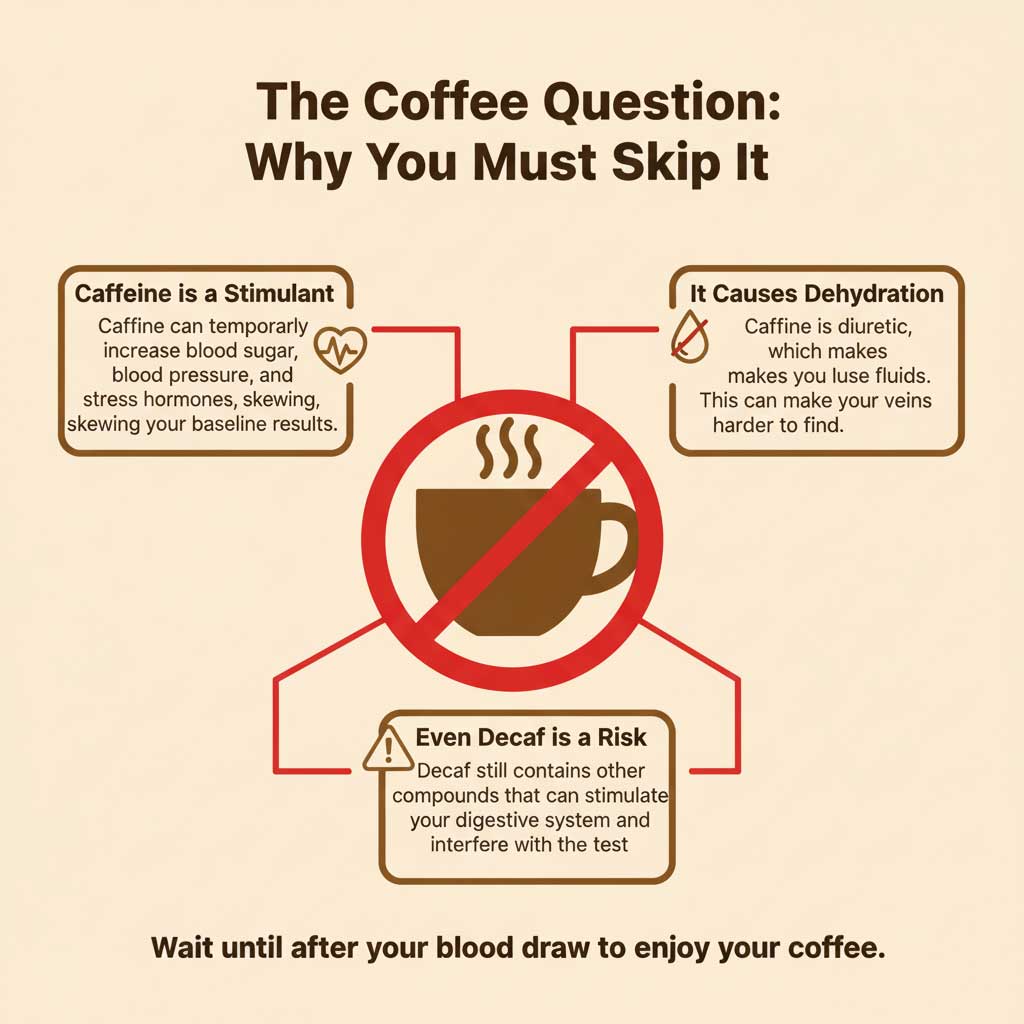
The short answer is no, not even black coffee. This is one of the most common points of confusion for patients, but the reasoning is clear and backed by science.
The Impact of Caffeine
Caffeine is a powerful stimulant that affects your body in several ways that can interfere with blood test results. It can temporarily increase your blood pressure and heart rate. More importantly, it can stimulate your body to release adrenaline, which may cause a temporary spike in your blood sugar levels. Caffeine is also a diuretic, meaning it makes you urinate more frequently, which can contribute to dehydration right when you need to be hydrated the most.
What About Decaf? Is it Truly Safe?
Even decaffeinated coffee is off-limits during a fast. While most of the caffeine has been removed, decaf still contains trace amounts. Furthermore, coffee contains hundreds of other organic compounds, including acids, that can stimulate your digestive system and metabolism. To ensure the most accurate results, it is best to avoid all types of coffee until after your blood has been drawn.
Are Tea and Herbal Infusions Off-Limits?
Yes, all types of tea should be avoided while fasting. Black, green, and oolong teas contain caffeine, putting them in the same category as coffee.
But what about caffeine-free herbal teas like chamomile, peppermint, or ginger? While they don’t contain caffeine, they are made from plants that have their own active compounds. These substances could potentially interact with your system in unpredictable ways, possibly affecting liver enzyme tests or other specific markers. Because their effects are not fully studied in the context of all blood tests, the safest approach is to avoid them completely.
Can I Have Water with Lemon or Other Flavored Waters?
It’s best to stick to plain water. Even a small squeeze of lemon or lime introduces citric acid and a small amount of fruit sugar (fructose) into your system. This can be enough to stimulate your metabolism and slightly alter your baseline glucose levels.
Similarly, commercially produced flavored waters should be avoided. Many contain “natural flavors,” which can be derived from various sources, and some may even have hidden sweeteners or additives like propylene glycol. The only guaranteed safe option is plain, unadulterated water or unflavored sparkling water.
The Truth About Diet Sodas and “Sugar-Free” Drinks
“Sugar-free” does not mean “fast-friendly.” Diet sodas and other drinks that use artificial sweeteners (like aspartame, sucralose, or stevia) are strictly forbidden during a fast. Research has shown that these non-nutritive sweeteners can still trigger a metabolic response. In some individuals, they can cause the pancreas to release insulin, which is one of the key hormones measured or affected by fasting tests.
Beyond Drinks: Other Fasting Rules You Must Follow
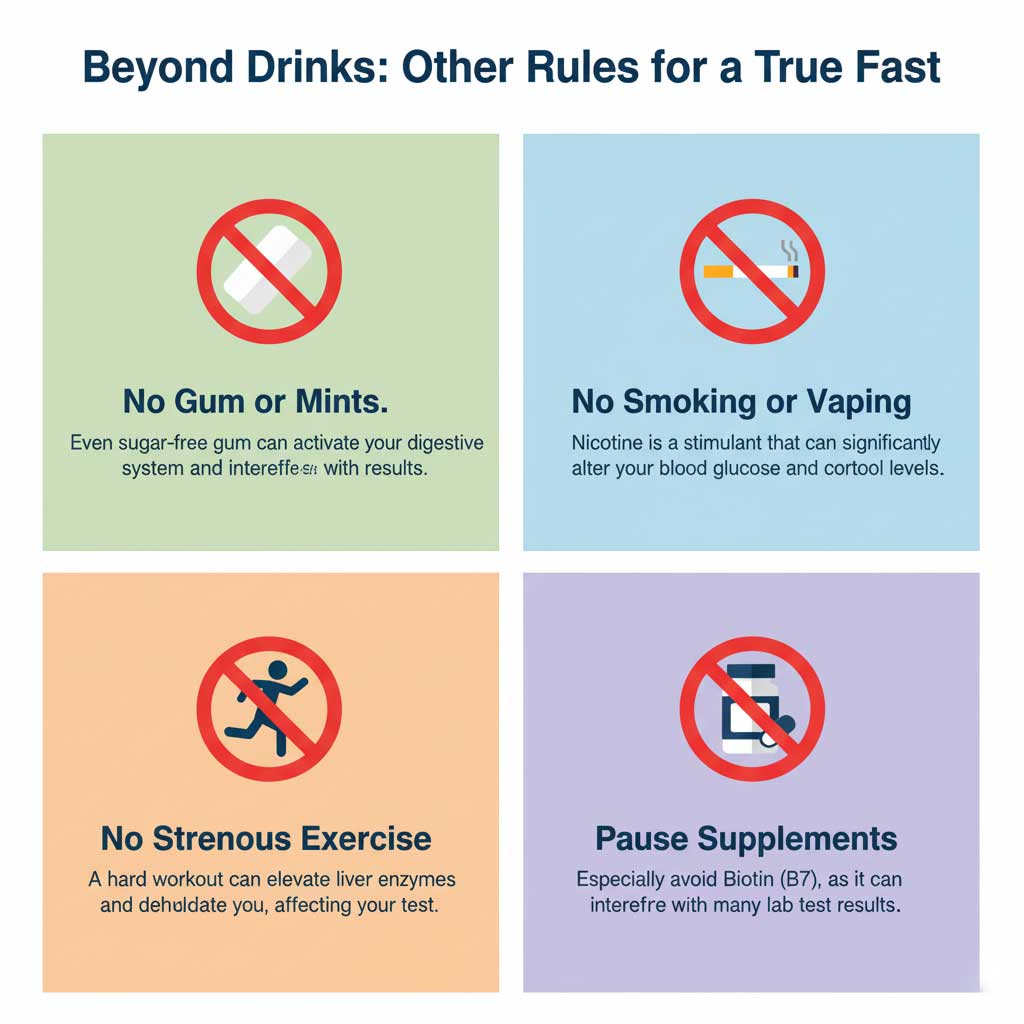
A true medical fast involves more than just monitoring what you drink. Several other activities can stimulate your metabolism and interfere with blood test results.
Can I Chew Gum or Have a Breath Mint?
No, you should not chew gum or have mints, even if they are sugar-free. The act of chewing itself signals your digestive system to prepare for food. Your stomach may begin to produce acid and other digestive enzymes, which moves you out of a true fasting state. Additionally, the sweeteners in sugar-free gum can have the same impact as those in diet sodas.
Is It Okay to Smoke Cigarettes or Vape?
You should avoid smoking or vaping before your blood test. Nicotine is a potent stimulant that can have a significant impact on your body’s chemistry. It can increase blood glucose, cortisol (the stress hormone), and levels of free fatty acids in your blood. These changes can lead to inaccurate results on metabolic and hormone panels.
Should I Take My Prescription Medications?
This is a critical question that you must discuss with your doctor. In most cases, you should continue to take your essential prescription medications as scheduled. Medications for conditions like high blood pressure, thyroid disorders, or heart disease are typically vital for your well-being. The risk of skipping a dose is usually far greater than any potential impact on the test.
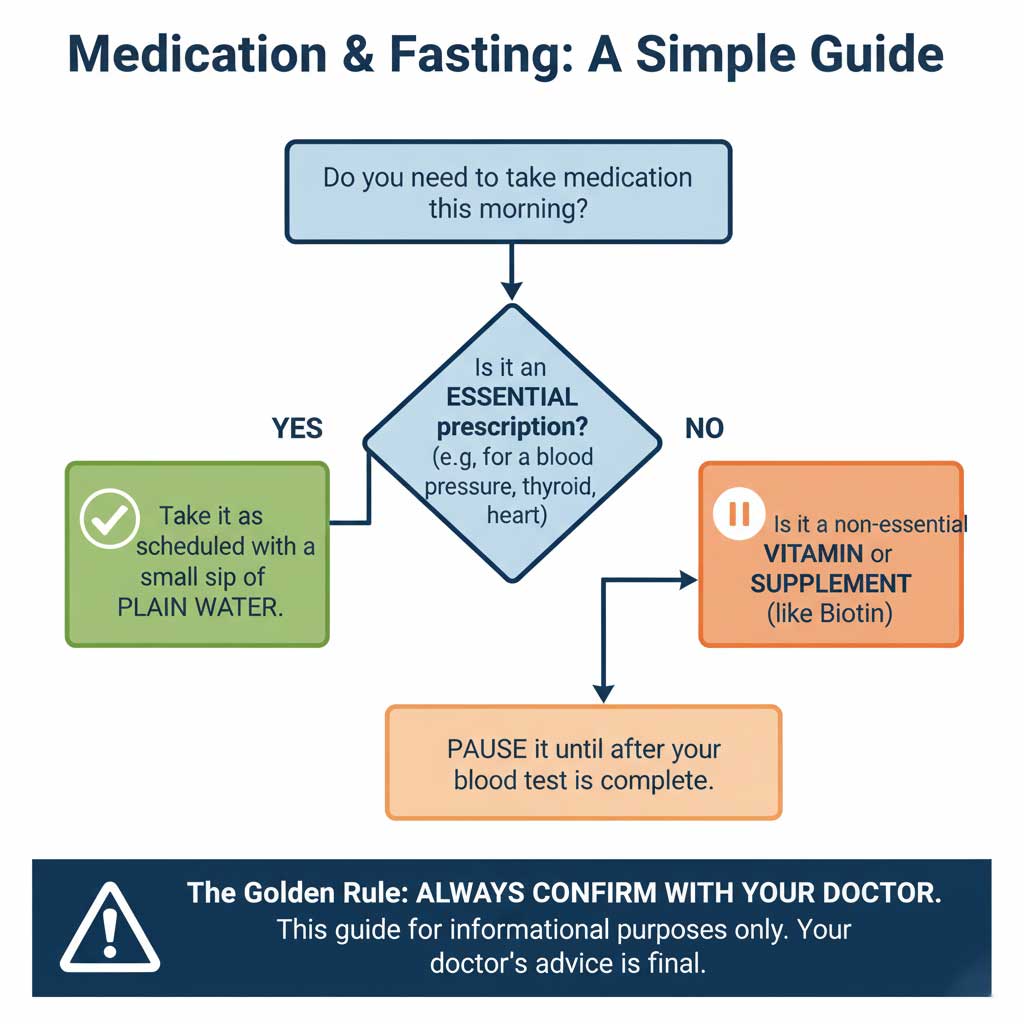
When you take your medication, do so with a small amount of plain water. Be sure to inform the phlebotomist about any medications you have taken before your blood draw.
What About Vitamins, Supplements, and Biotin?
It is best to pause all non-essential vitamins, minerals, and herbal supplements on the day of your test. Some supplements can directly interfere with test results.
Biotin (Vitamin B7) is a particularly important one to avoid. It is found in many multivitamins and supplements for hair, skin, and nail health. High levels of biotin in the blood are known to interfere with a wide range of lab assays, leading to falsely high or falsely low results for tests related to thyroid function, hormone levels, and even cardiac markers. It’s recommended to stop taking any supplements containing biotin for at least 72 hours before your blood test.
Should I Avoid Exercise Before My Blood Test?
Yes, you should avoid any strenuous exercise on the morning of your blood test. A vigorous workout can cause dehydration and temporarily elevate levels of certain substances in your blood, such as creatinine (a marker for kidney function) and certain liver enzymes. These elevations could be misinterpreted by your doctor as a sign of an underlying medical issue. A gentle walk is generally fine, but postpone your gym session, run, or high-intensity workout until after your test is complete.
Common Blood Tests and Their Fasting Rules
Different tests look at different things in your blood, which is why fasting requirements can vary. Here are some of the most common tests that require fasting.
Fasting for a Glucose (Blood Sugar) Test
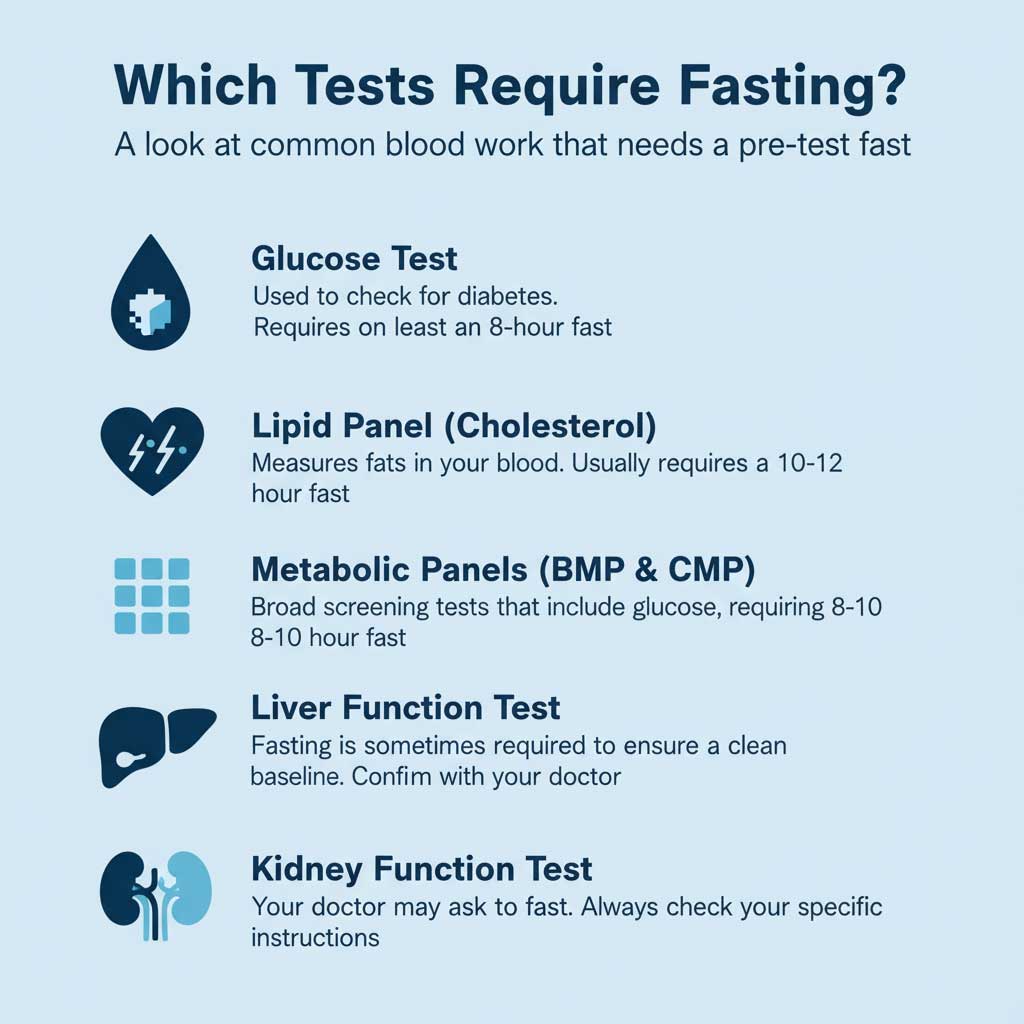
This test measures the amount of sugar in your blood to screen for diabetes or pre-diabetes. Since any food or drink with calories can raise your blood sugar, fasting for at least 8 hours is essential to get an accurate baseline reading. This category also includes the Oral Glucose Tolerance Test (OGTT), a longer test often used during pregnancy, which follows very strict fasting rules.
To understand more about how long you should fast before different types of blood tests, check out our in-depth guide — Which Blood Tests Require Fasting — And For How Long? And if you’re curious to know the tests that don’t require fasting, don’t miss our related article — Which Blood Tests Can Be Done Without Fasting?
Fasting for a Cholesterol Test (Lipid Panel)
A lipid panel measures several types of fat in your blood:
- Total Cholesterol
- LDL (“bad”) Cholesterol
- HDL (“good”) Cholesterol
- Triglycerides
Triglyceride levels are highly sensitive to recent food intake and can remain elevated for many hours after a meal. This is why a 10- to 12-hour fast is traditionally required. However, medical guidelines are evolving, and some doctors may no longer require fasting for certain cholesterol screenings. It is crucial to follow the specific instructions you were given.
Fasting for a Basic or Comprehensive Metabolic Panel (BMP/CMP)
These panels are broad screening tools that measure multiple substances at once, including glucose, calcium, electrolytes, and markers of kidney and liver function. Because a glucose measurement is part of the panel, fasting for at least 8-10 hours is almost always required.
Do I Need to Fast for Liver or Kidney Function Tests?
While not always mandatory, your doctor may ask you to fast before these tests to get the cleanest possible results. A recent meal can sometimes affect markers like BUN (Blood Urea Nitrogen), a measure of kidney function, or certain liver enzymes. Always confirm the fasting requirements with your provider.
Your Practical Checklist for a Smooth Fasting Experience
Preparation can make the fasting period much more manageable. Following a simple checklist can help you avoid common mistakes.
The Day Before Your Test (Pre-Fasting Checklist)
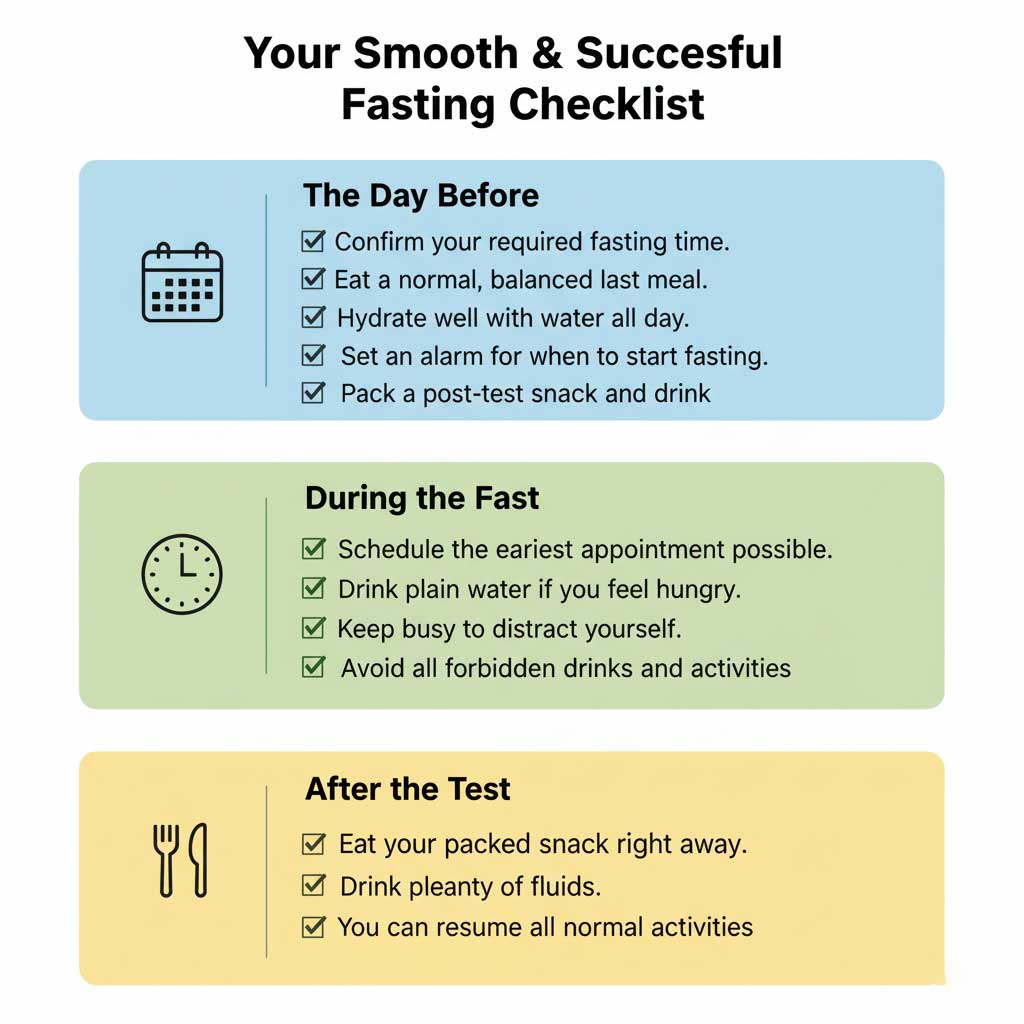
- Confirm Your Fasting Time: Double-check your doctor’s instructions for the exact number of hours you need to fast.
- Plan Your Last Meal: Eat a normal, balanced meal. Avoid an unusually heavy, fatty, or sugary meal, as this could still have lingering effects.
- Hydrate Well: Drink plenty of water throughout the day leading up to your fast.
- Set a Reminder: Set an alarm on your phone for the time your fast needs to begin (e.g., “Start fasting at 9 PM”).
- Prepare for After: Pack a healthy snack and a drink (like juice or a smoothie) to have immediately after your test is over.
During the Fasting Period (Tips to Make It Easier)
- Schedule an Early Appointment: Book the earliest lab appointment available. This way, you spend most of your fasting period sleeping.
- Drink Cold Water: If you feel hungry or thirsty, drink a large glass of cold water. It can help fill your stomach and curb hunger pangs.
- Stay Busy: Distract yourself from thoughts of food. Read a book, catch up on emails, or watch a movie to pass the time.
“What If?” — Troubleshooting Common Fasting Problems
Even with the best preparation, issues can arise. Here’s how to handle them.
What Should I Do If I Accidentally Broke My Fast?
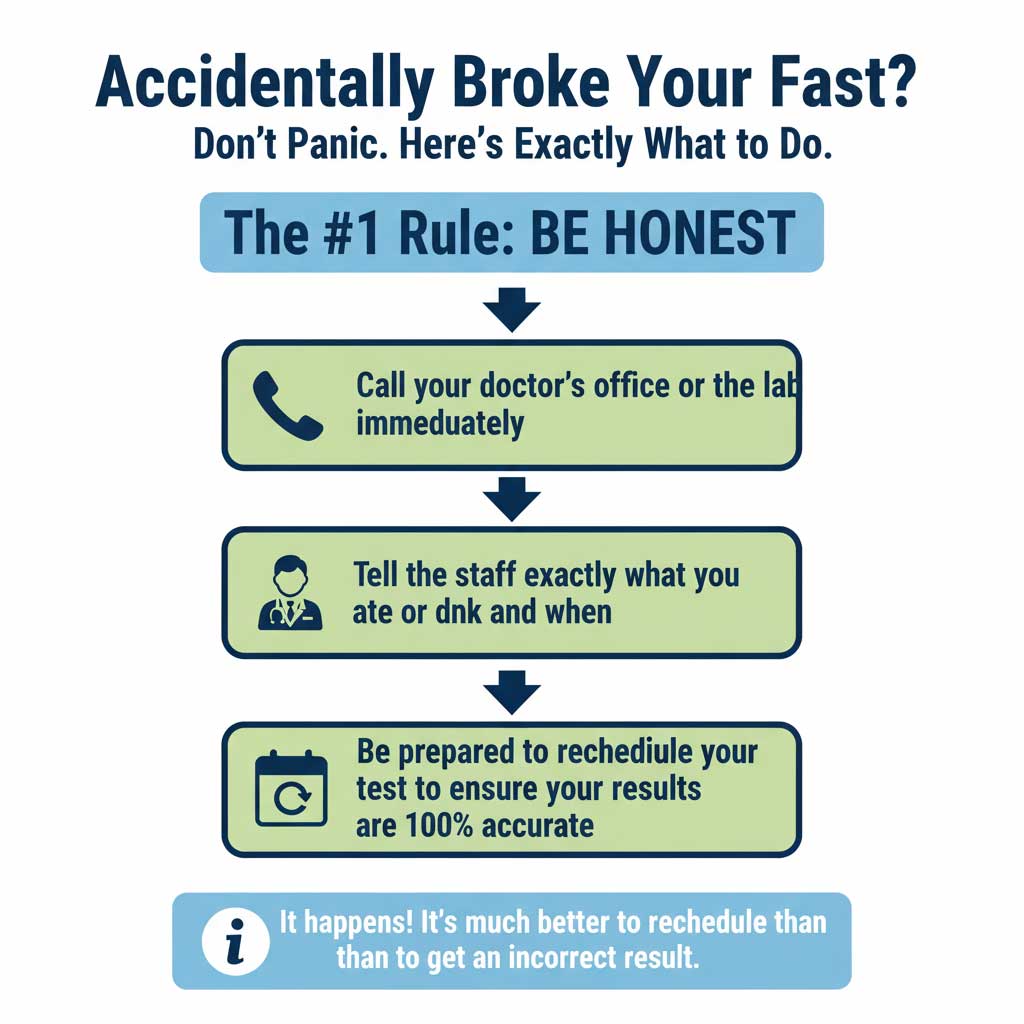
The single most important rule is to be honest. If you accidentally ate or drank something other than water, you must inform the clinic or the phlebotomist before they draw your blood.
Do not proceed with the test hoping it won’t matter. The results will be inaccurate and could lead to incorrect medical diagnoses or treatments. In most cases, the test will simply be rescheduled. It is always better to have a valid test on a different day than an invalid one today.
How Can I Manage Hunger, Headaches, or Dizziness?
Mild hunger is normal. Headaches can occur, often due to caffeine withdrawal or slight dehydration. Drinking water can help with both. If you feel dizzy or lightheaded, sit down immediately and rest. If these feelings are severe, or if you have a medical condition like diabetes, contact your doctor’s office for guidance. People with diabetes should receive specific instructions from their doctor on how to manage their blood sugar safely during a fast.