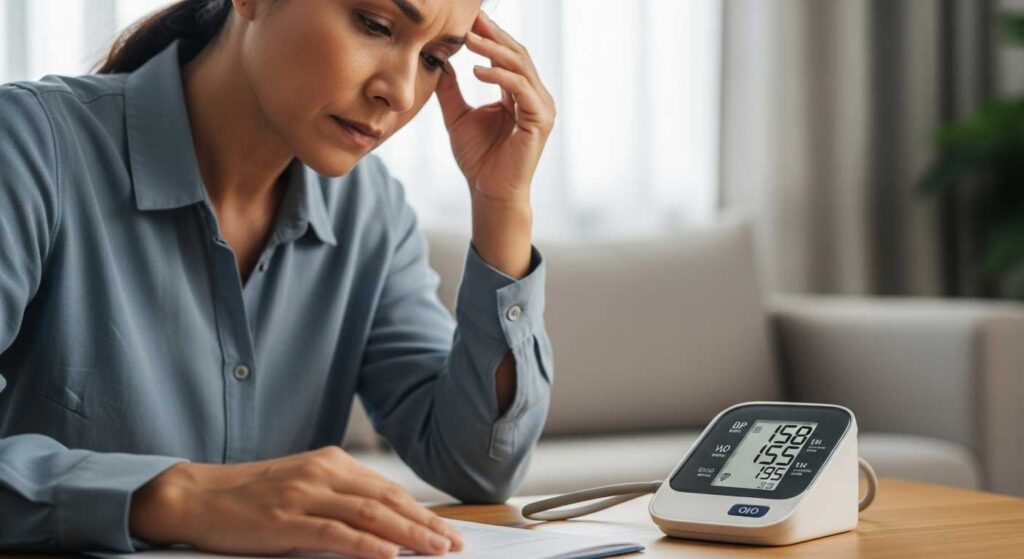
A sudden, pounding headache can be more than just painful; it can be a source of deep anxiety, especially when you suspect it’s linked to your blood pressure. The immediate urge is to find a quick fix, to learn how to get rid of high blood pressure headache instantly. While the desire for immediate relief is valid, the safe and correct approach is paramount. This guide provides a medically-grounded plan for both immediate home care and, most importantly, how to recognize a true medical emergency.
Table of Contents
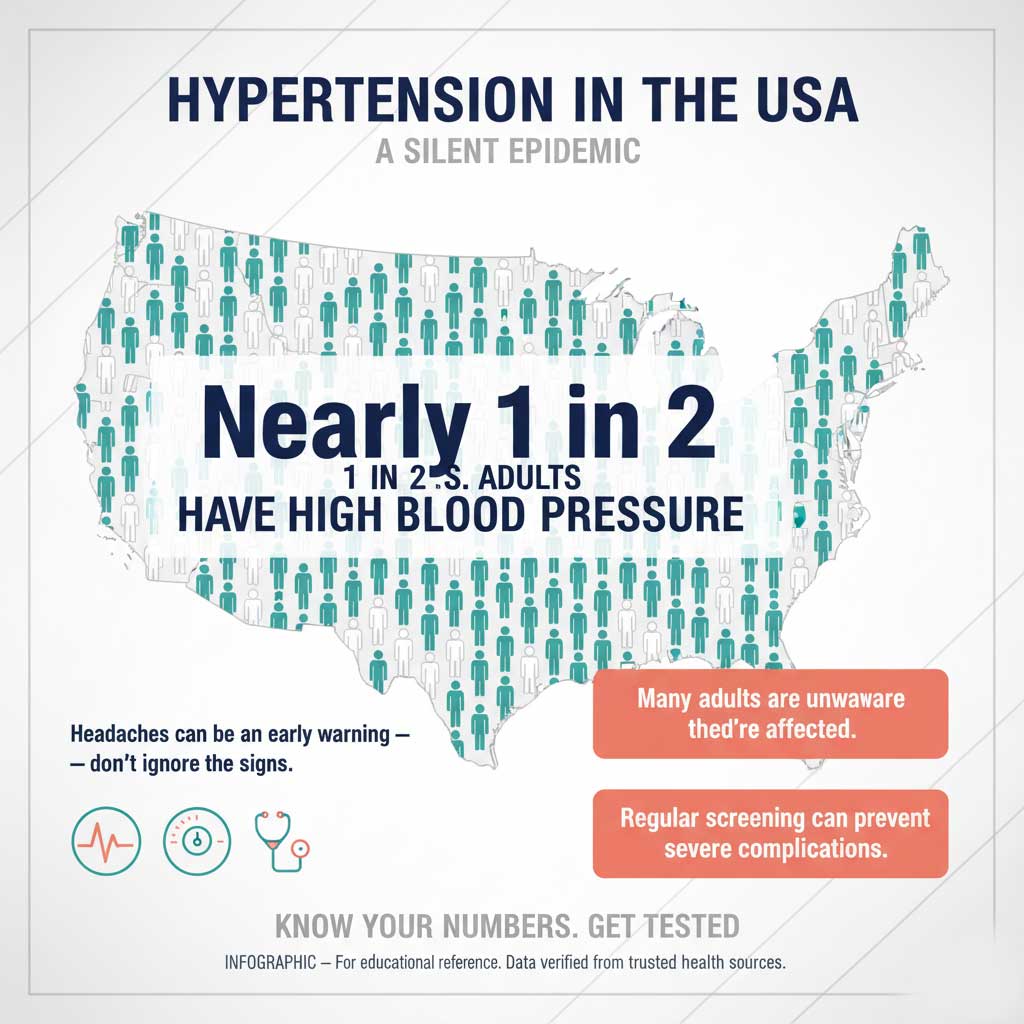
This is a critical health topic. According to the CDC, nearly half of adults in the United States have hypertension (high blood pressure), yet many are unaware of the risks it poses. This article synthesizes guidelines from leading health authorities like the American Heart Association and the Mayo Clinic to provide trustworthy, life-saving advice. Understanding what to do immediately if your blood pressure is too high is a skill that could protect your health.
URGENT MEDICAL WARNING: Is Your Headache a Hypertensive Crisis?
Before attempting any home remedies, you must first answer the most critical question: should I go to the ER for a headache with high blood pressure? A severe headache combined with extremely high blood pressure can signal a hypertensive crisis, a life-threatening event that demands immediate medical attention. Knowing the signs is the first step in effective high blood pressure headache relief.
The Critical Hypertensive Crisis Headache Warning Signs You Cannot Ignore
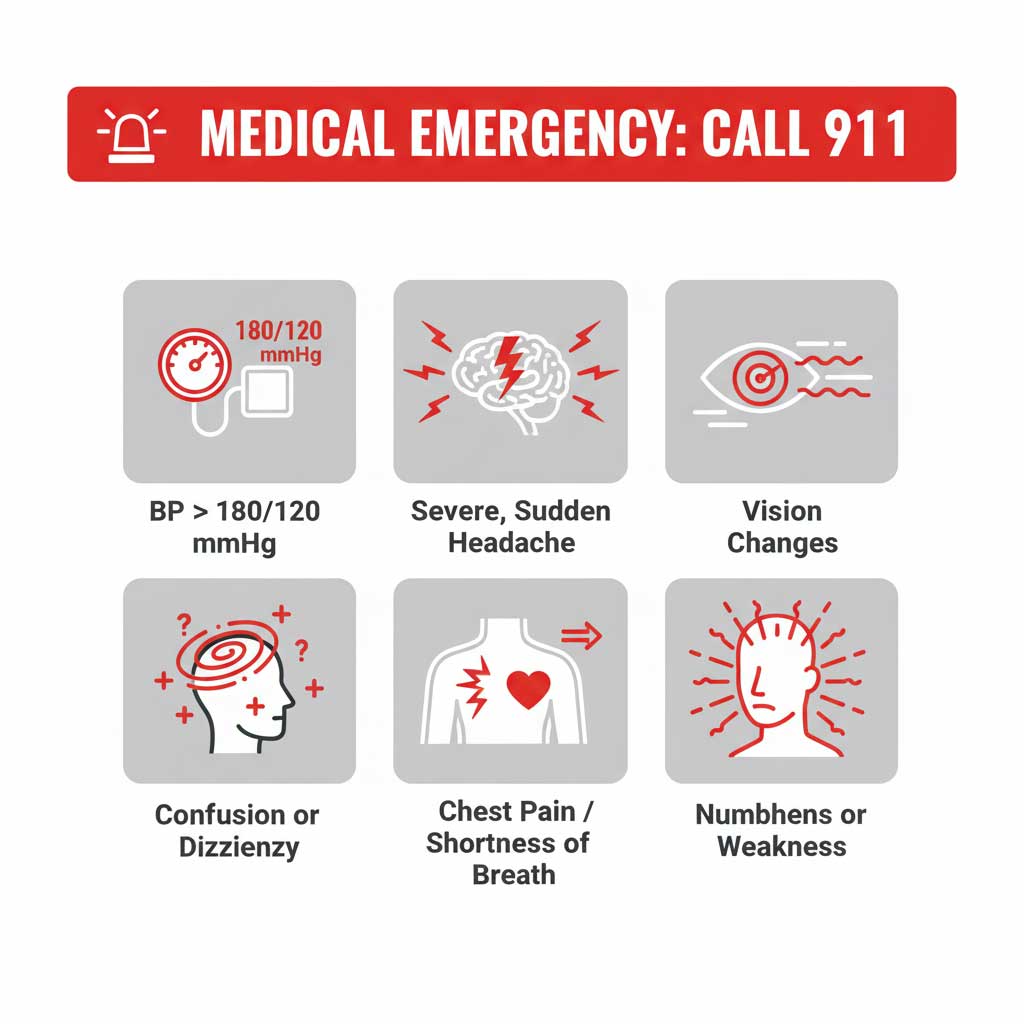
Attempting to manage a hypertensive crisis at home can have devastating consequences. These are not symptoms to wait on. If you have a headache accompanied by any of the following, call 911 immediately:
- A Blood Pressure Reading of 180/120 mmHg or Higher: This is the universal benchmark for a hypertensive crisis.
- A Severe, Sudden Headache: Often described as a “thunderclap headache,” it feels like the worst headache of your life and comes on abruptly. This can be a pre-stroke headache symptom.
- Vision Changes: Blurred vision, double vision, or sudden loss of sight.
- Neurological Symptoms: Confusion, severe dizziness, difficulty speaking or understanding speech, or numbness or weakness in the face, arm, or leg, especially on one side of the body.
- Chest Pain or Shortness of Breath: These signs may indicate cardiac distress.
- Sudden, Severe Nosebleeds: While not always present, a severe nosebleed alongside a headache and high BP is a red flag.
- Nausea or Vomiting: This often accompanies a severe increase in intracranial pressure.
What BP Level is Stroke Level? Understanding the Danger Zone
It is crucial to understand that a blood pressure reading of 180/120 mmHg or higher is considered to be at a stroke level. At these pressures, the force of the blood against your artery walls is so intense that it can damage blood vessels in the brain, leading to a stroke. The headache is your body’s alarm bell signaling this extreme internal pressure.
Seeking hypertension headache immediate relief in this scenario means getting professional medical help without delay.
What is the Emergency Treatment for High Blood Pressure at Home?
This question has a simple, non-negotiable answer: There is NO safe emergency treatment for high blood pressure at home. For a true hypertensive crisis, the only correct course of action is to call 911. Attempting to rapidly lower your blood pressure yourself can cause a sudden drop, leading to insufficient blood flow to the brain and other organs, which can be just as dangerous.
How to urgently bring down high blood pressure is a task for medical professionals in a controlled environment, where they can administer intravenous medications and monitor your vitals closely.

Core Concept: Understanding the Hypertensive Headache
To effectively manage a problem, you must understand its origin. A hypertensive headache is not a typical tension headache; it is a direct result of a dangerous physiological event. Knowing how to get high blood pressure headache relief starts with recognizing the symptom for what it is.
Can High Blood Pressure Cause Headaches? The Medical Reason Why
Yes, extremely high blood pressure can cause headaches, but it’s important to note that chronic, moderately high blood pressure usually has no symptoms. The headache typically occurs during a rapid and severe spike. According to a clinical review in PubMed, this sudden surge in pressure can disrupt the delicate blood-brain barrier. This barrier normally protects your brain, but when compromised, it can lead to fluid leakage and swelling (cerebral edema), increasing pressure inside your skull and causing a severe, painful headache.
What Does Your Head Feel Like When Your Blood Pressure is High?
Knowing how to tell if a headache is from pressure can help you respond appropriately. A classic hypertensive headache often has distinct characteristics that differentiate it from migraines or tension headaches:
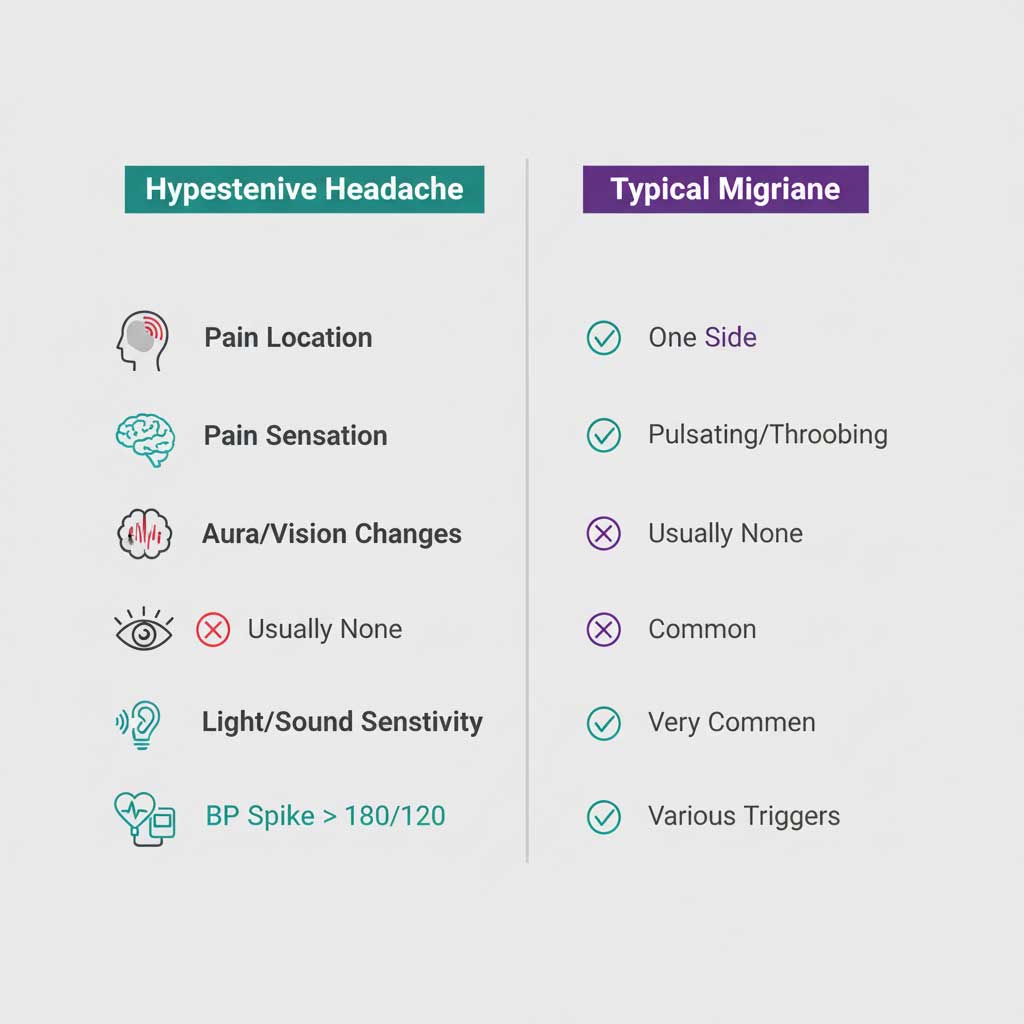
- Pulsating or Throbbing Sensation: It often feels like a pounding that is in sync with your heartbeat.
- Bilateral Pain: Unlike a migraine, which is often one-sided, a hypertensive headache is typically felt on both sides of the head.
- Worsens with Activity: The pain may intensify with any form of physical exertion.
- Location: While it can be felt all over, some people report it is more intense at the back of the head (occipital region).
What Triggers a High Blood Pressure Headache?
A headache during a hypertension spike is usually the result of blood pressure rising to dangerous levels very quickly. Common triggers for such a spike include:
- Forgetting to take prescribed blood pressure medication.
- Consuming a meal extremely high in sodium.
- Intense emotional stress, anxiety, or a sudden shock.
- Drug interactions or the use of illicit substances.
- Underlying kidney disease or other medical conditions.
Understanding your personal triggers is a key part of learning how to stop hypertension headaches before they start.
5 Steps for Immediate, Safe High Blood Pressure Headache Relief at Home (Non-Emergency)
If you’ve measured your blood pressure and it’s elevated but not in the 180/120 mmHg crisis range, and your headache is manageable, there are several high blood pressure headache home remedies you can use. These steps are designed to provide gentle, safe relief while you monitor your condition. This is what to do for a headache from high blood pressure in a non-emergency setting.
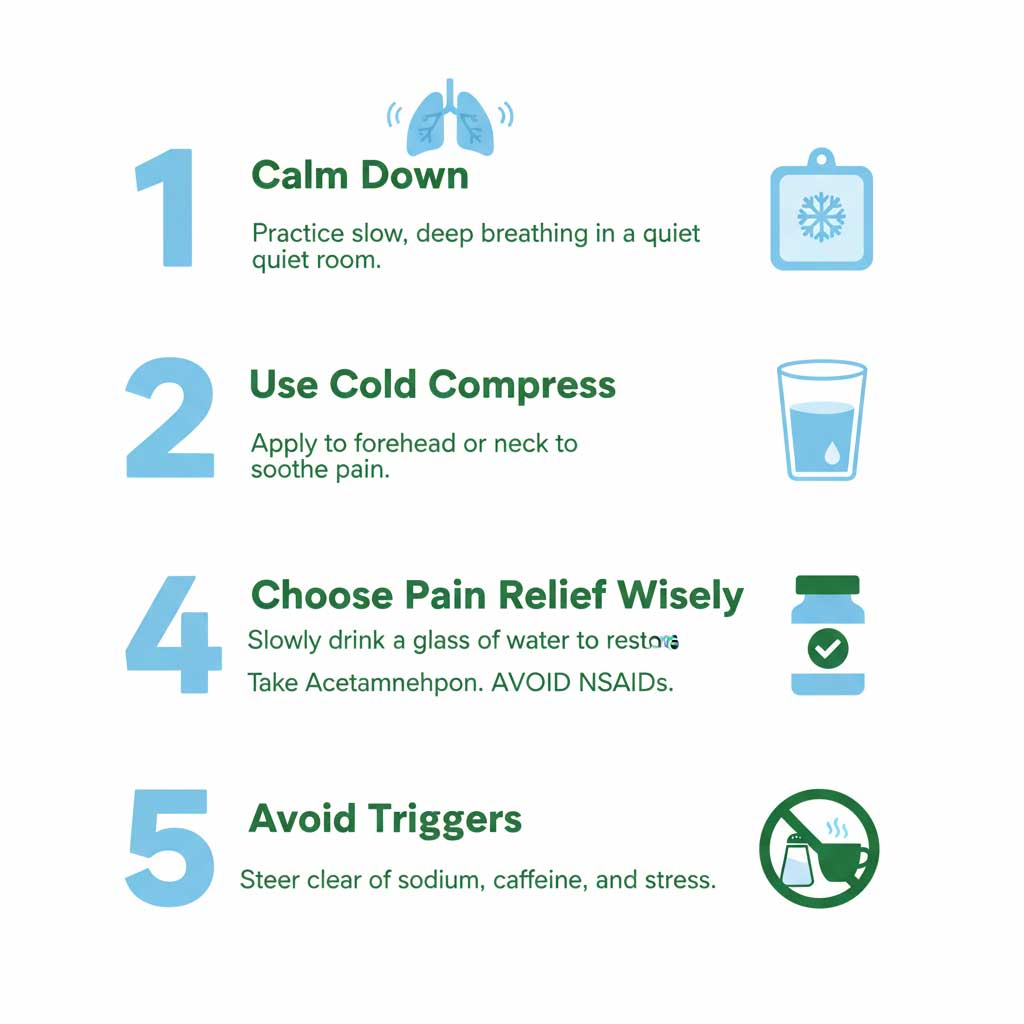
Step 1: How Do You Calm a High Blood Pressure Headache? Start with Your Breath
The moment you feel that familiar throbbing, stop all activity. Stress hormones like adrenaline and cortisol cause your blood vessels to constrict and your heart to beat faster, further raising your blood pressure.
Find a quiet, dimly lit room and sit down comfortably. Practice slow, diaphragmatic breathing. Inhale slowly through your nose for four counts, hold for seven, and exhale slowly through your mouth for eight counts. Repeating this several times sends a signal to your brain to calm down, helping to counteract the stress response and provide some immediate relief.
Step 2: Utilize a Quiet Environment and a Cold Compress
Reducing sensory input can significantly help manage the pain. A dark, quiet space minimizes strain on your brain. Concurrently, apply a cold compress to your forehead, temples, or the back of your neck. The cold temperature can provide some hypertension headache immediate relief by causing slight vasoconstriction (narrowing of blood vessels) and dulling the sensation of pain.
Step 3: The Role of Hydration: Can Drinking Lots of Water Lower Blood Pressure?
Yes, proper hydration plays a supportive role. When you’re dehydrated, your body conserves water by retaining sodium. Dehydration also causes your blood to become thicker, requiring your heart to pump harder, which can raise blood pressure.
Slowly drinking a glass of water can help restore fluid balance. While it won’t drastically lower your blood pressure in minutes, it addresses a common contributing factor and is a crucial part of any natural remedies for BP headache plan.
Step 4: What is the Best Pain Relief for High Blood Pressure Headaches?
This is a critical point where many people make a mistake. When you need pain relief, your choice of medication matters immensely. The best pain relief for high blood pressure headaches is generally acetaminophen (Tylenol), as it does not interfere with blood pressure.
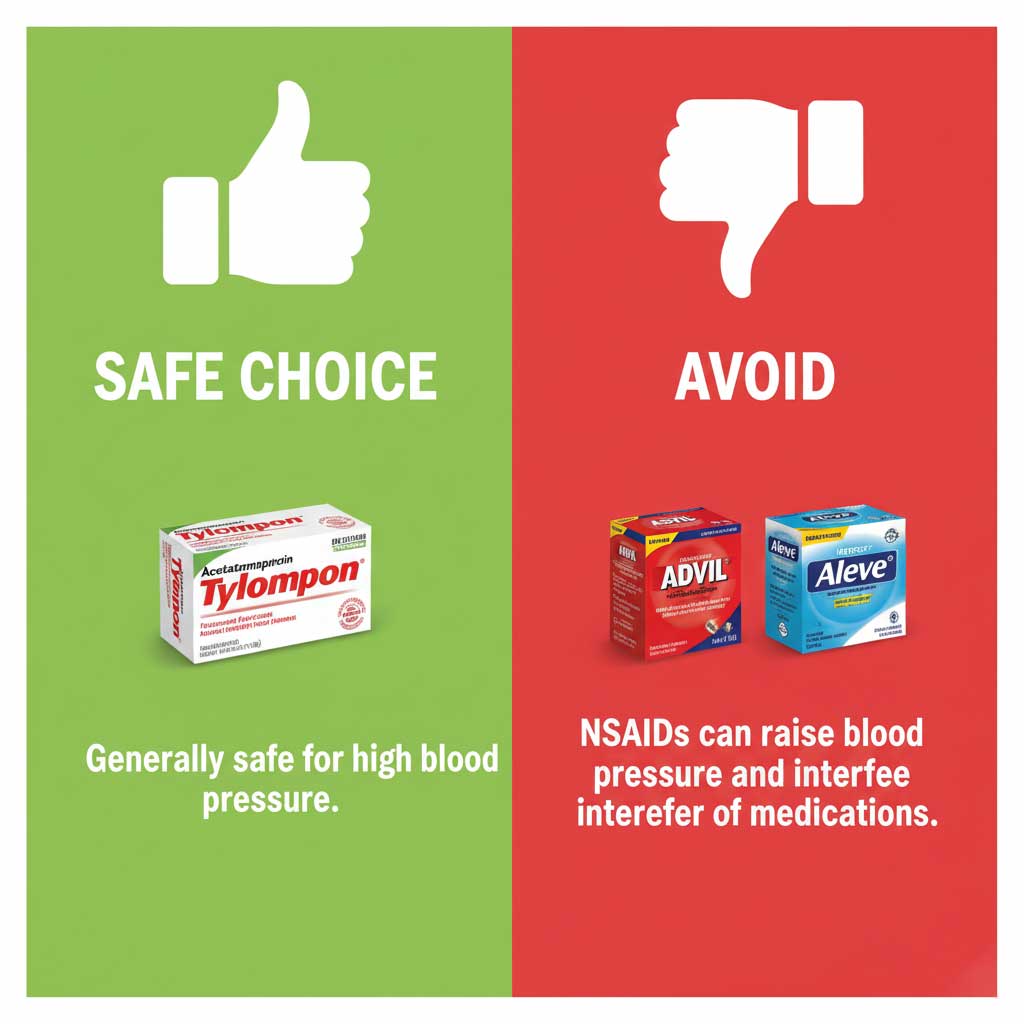
WARNING: You should avoid NSAIDs (Nonsteroidal Anti-Inflammatory Drugs). This category includes common painkillers like ibuprofen (Advil, Motrin) and naproxen (Aleve). NSAIDs can cause your body to retain fluid and decrease kidney function, both of which can raise blood pressure and counteract the effects of your prescribed BP medications.
Step 5: What to Avoid When You Have an Elevated BP Headache
Just as important as what you do is what you don’t do. To get high blood pressure headache relief, you must avoid things that can worsen the situation. Steer clear of:
- High-Sodium Foods: Avoid processed snacks, canned soups, and fast food.
- Caffeine and Alcohol: Both can cause temporary spikes in blood pressure.
- Tobacco Products: Nicotine is a potent vasoconstrictor.
- Strenuous Activity: Do not try to “walk off” the headache. Rest is essential.
Tools for Monitoring and Diagnosis: A Comparative Guide
Empowering yourself with the right knowledge and tools is fundamental to managing hypertension. Knowing when and how to measure your blood pressure is just as important as knowing what the numbers mean. Modern technology allows for effective home monitoring, which can prevent a crisis. Below is a comparison of tools used at home versus in an emergency setting.
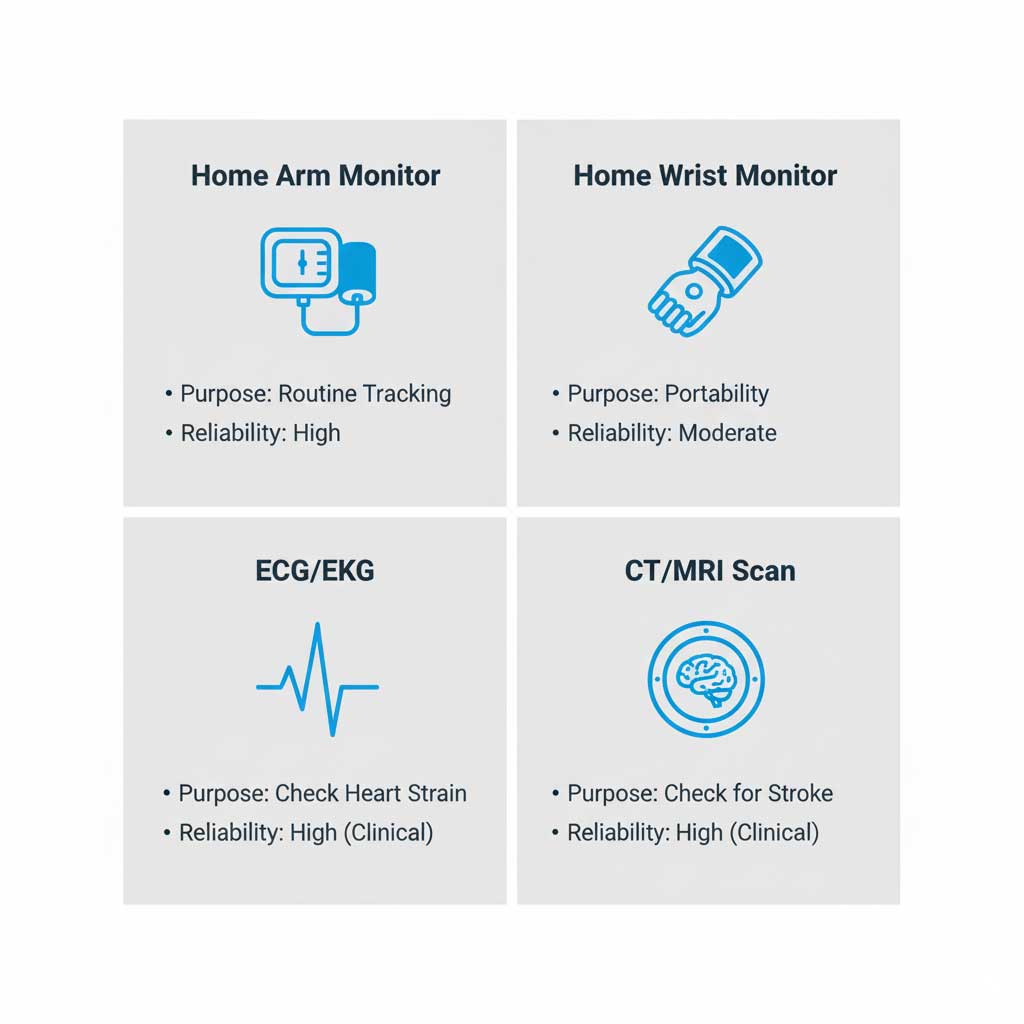
Comparison of Blood Pressure Tools and Tests
| Health Tool / Test | Purpose | Ideal Use | Accuracy / Reliability | Recommended By |
| Home BP Monitor (Arm Cuff) | Routine monitoring & tracking trends | Daily/weekly use at home for managing hypertension | High (when validated & used correctly) | American Heart Association (AHA) |
| Home BP Monitor (Wrist Cuff) | Portability & ease of use | For users who cannot use an arm cuff; requires precise positioning | Moderate (highly sensitive to arm position) | AHA (with caution) |
| ER Diagnostic Test: ECG/EKG | To check for heart strain or damage | During a suspected hypertensive emergency | High | Emergency Medicine Protocols |
| ER Diagnostic Test: CT/MRI Scan | To check for stroke or brain swelling | When neurological symptoms (confusion, weakness) accompany the headache | High | Emergency Medicine Protocols |
Special Focus: Headaches and High Blood Pressure During Pregnancy
High blood pressure during pregnancy presents unique risks and requires special attention. A headache is not just a headache; it can be a warning sign of a serious condition.
What Causes High Blood Pressure in Pregnancy?
Hypertension during pregnancy can be chronic (pre-existing) or it can develop after 20 weeks of gestation, a condition known as gestational hypertension. In some cases, it can progress to preeclampsia, a serious condition characterized by high blood pressure and signs of damage to another organ system, most often the liver and kidneys.
What BP is Too High for Pregnancy? (Is 140/90 High?)
Yes. A blood pressure reading of 140/90 mmHg or higher on two separate occasions is considered high in pregnancy and requires close monitoring by your healthcare provider.
How to Lower BP and Manage Headaches During Pregnancy
Managing blood pressure and headaches during pregnancy is about safety for both mother and baby.
How to Reduce BP During Pregnancy Naturally
While medical supervision is key, your doctor may recommend natural, supportive measures. Knowing how to lower BP fast while pregnant is about gentle, safe management, not drastic measures. This includes resting on your left side to improve blood flow to the placenta, managing stress through mindfulness or meditation, and staying well-hydrated. Regarding diet, addressing which food reduces blood pressure in pregnancy involves focusing on a balanced diet rich in magnesium (leafy greens, nuts) and potassium, while strictly limiting sodium, as advised by your doctor.
When to Worry About Headaches During Pregnancy
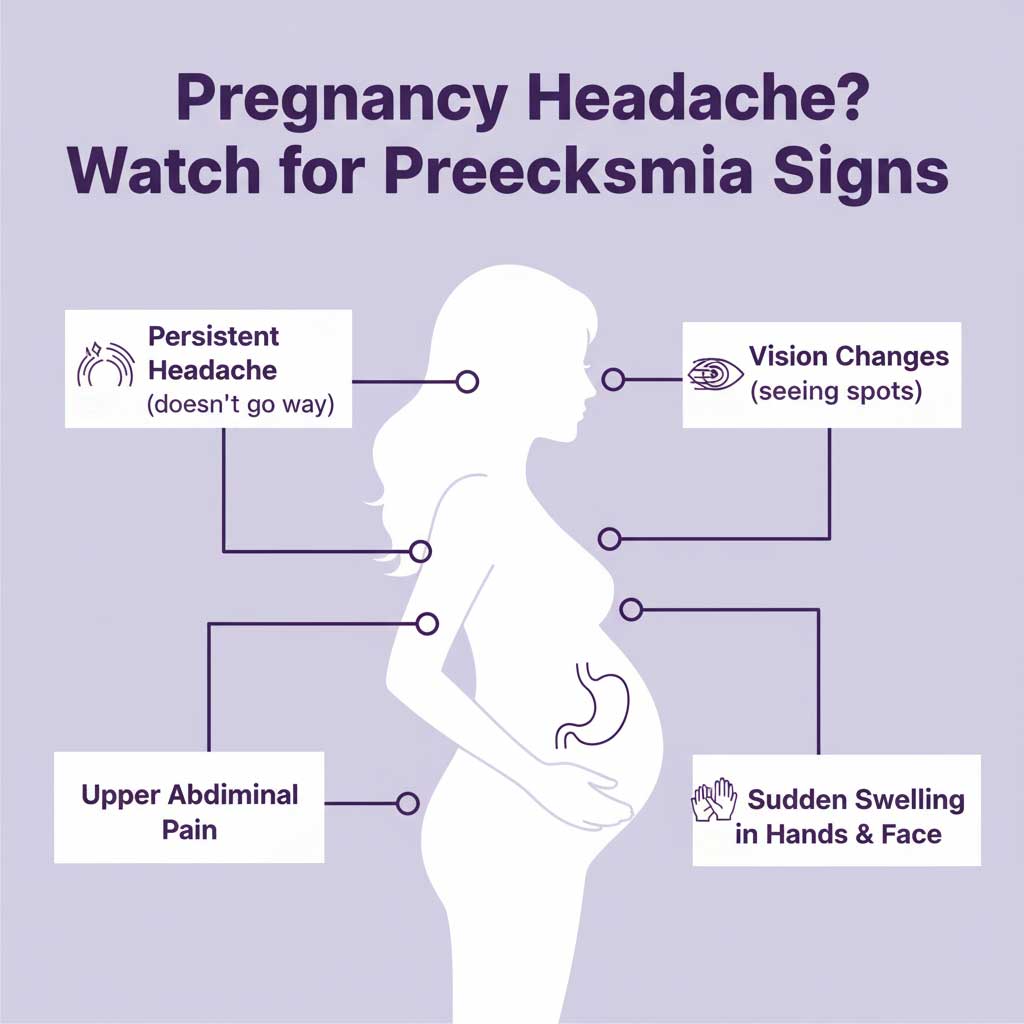
A persistent headache that doesn’t go away with rest or acetaminophen is a primary warning sign of preeclampsia. If your headache is accompanied by vision changes (like seeing spots), swelling in your hands and face, or pain in your upper abdomen, you must contact your doctor or go to the hospital immediately.
Summary & Key Takeaways: Your Action Plan for a High Blood Pressure Headache
When faced with this frightening symptom, your goal is to find high blood pressure headache relief safely and effectively. The answer to how to get rid of high blood pressure headache instantly depends entirely on the severity of your situation.
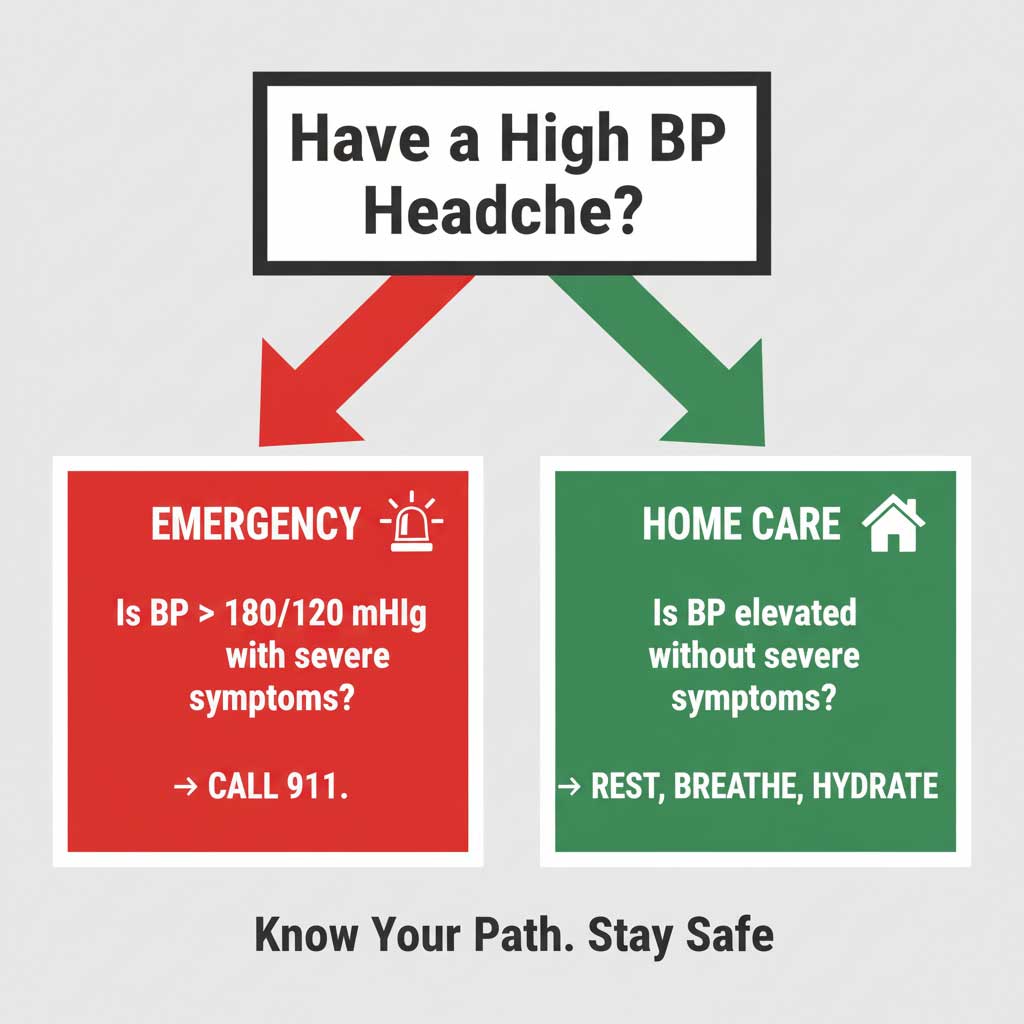
Here is your clear, two-path action plan:
- Path 1: Emergency Response: If your blood pressure is 180/120 mmHg or higher and is accompanied by severe symptoms like a thunderclap headache, confusion, vision loss, or chest pain, your only action is to call 911 immediately. This is a medical emergency.
- Path 2: Safe Home Care: For an elevated BP without emergency symptoms, the plan is Rest, Breathe, Hydrate, and use a Cold Compress. This is your first line of defense for non-critical hypertensive headache treatment.
- Know Your Medications: For pain relief, choose acetaminophen. Avoid NSAIDs like ibuprofen, which can worsen your blood pressure.
- Monitor and Prevent: The ultimate way to stop a blood pressure headache now and in the future is through prevention. Use a validated home blood pressure monitor regularly, take your medications as prescribed, and adopt a heart-healthy lifestyle.
Frequently Asked Questions (FAQ)
How can I bring my BP down quickly at home? How can I lower my BP in 5 minutes?
You cannot safely bring severely high blood pressure down in 5 or 10 minutes at home. Claims of a “60-second trick” are myths. For a minor elevation, calming breathing techniques can provide a small, safe reduction. A hypertensive crisis requires medical intervention to lower BP gradually and safely.
How long does a high BP headache last?
The headache will typically last as long as the blood pressure remains severely elevated. It should begin to subside as your BP returns to a safer range, either through rest at home or with medical treatment in a hospital.
How long is too long for a pressure headache?
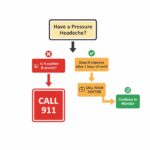
Any severe, sudden headache requires immediate attention. A milder headache that does not improve with rest and safe home care within an hour or two, or one that worsens, warrants a call to your doctor.
What’s the best sleeping position for high BP?
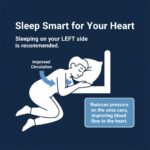
Sleeping on your left side is often recommended by experts. This position is thought to reduce pressure on the vena cava (a major vein), which can improve circulation back to your heart and help manage blood pressure.
Can hypertension cause ear pain?
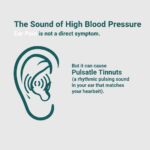
Ear pain is not a common symptom of hypertension. However, some individuals report experiencing pulsatile tinnitus—a rhythmic pulsing or whooshing sound in the ear that is in time with their heartbeat—during a blood pressure spike.
What foods quickly lower blood pressure?
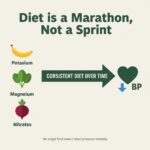
No single food can lower blood pressure “quickly” like a medication. However, a diet rich in potassium (bananas, spinach, sweet potatoes), magnesium (avocados, nuts), and nitrates (beets, arugula) is proven to help lower blood pressure over time as part of the DASH diet.
What does a pre-stroke headache feel like?
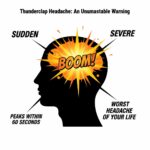
A pre-stroke headache, or a headache associated with a hypertensive crisis that could lead to a stroke, is often described as a “thunderclap headache.” It is intensely painful, peaks within a minute, and is unlike any headache you’ve had before.
How do you know if your headache is from blood pressure versus other causes?
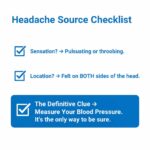
The only definitive way to know is to measure your blood pressure during the headache. However, clues include a pulsating sensation on both sides of the head and a lack of other typical migraine symptoms like light sensitivity or aura.
Is it possible to have a hypertensive headache even if my BP isn’t in the “crisis” range?
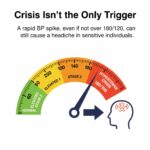
Yes. While classic hypertensive headaches are linked to crisis-level pressures, individuals who are very sensitive or who experience a rapid rise—even to a lower level like 160/100—can sometimes experience a headache.
Does a headache always mean my blood pressure is high?
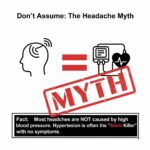
No, absolutely not. The vast majority of headaches are from other causes like tension, migraines, or dehydration. High blood pressure is often called the “silent killer” because it typically has no symptoms. A headache is usually a sign of severely high blood pressure, not moderate elevation.
Can high blood pressure cause nosebleeds even without a headache?
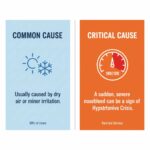
While a sudden, severe nosebleed can be a symptom of a hypertensive crisis, it is not a common symptom of chronic high blood pressure. Most nosebleeds are caused by dry air or minor irritation.
How quickly can I lower my blood pressure safely with medication?
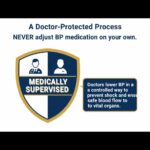
This is a process that must be managed by a healthcare professional. In an emergency, doctors aim to lower blood pressure in a controlled manner—not too fast—to prevent shock and ensure adequate blood flow to vital organs. Never adjust your medication dosage on your own to lower your BP “fast.”