What if one simple nutrient could act as your body’s master maintenance crew, performing critical, microscopic repairs on your brain, heart, skin, and immune system every single second of every single day?
Table of Contents
That nutrient is Vitamin E, a powerful, fat-soluble antioxidant that is not just beneficial, but absolutely fundamental to your long-term cellular health. Because your body cannot synthesize it, a diet rich in specific, high-impact foods is the only way to harness its profound protective power.
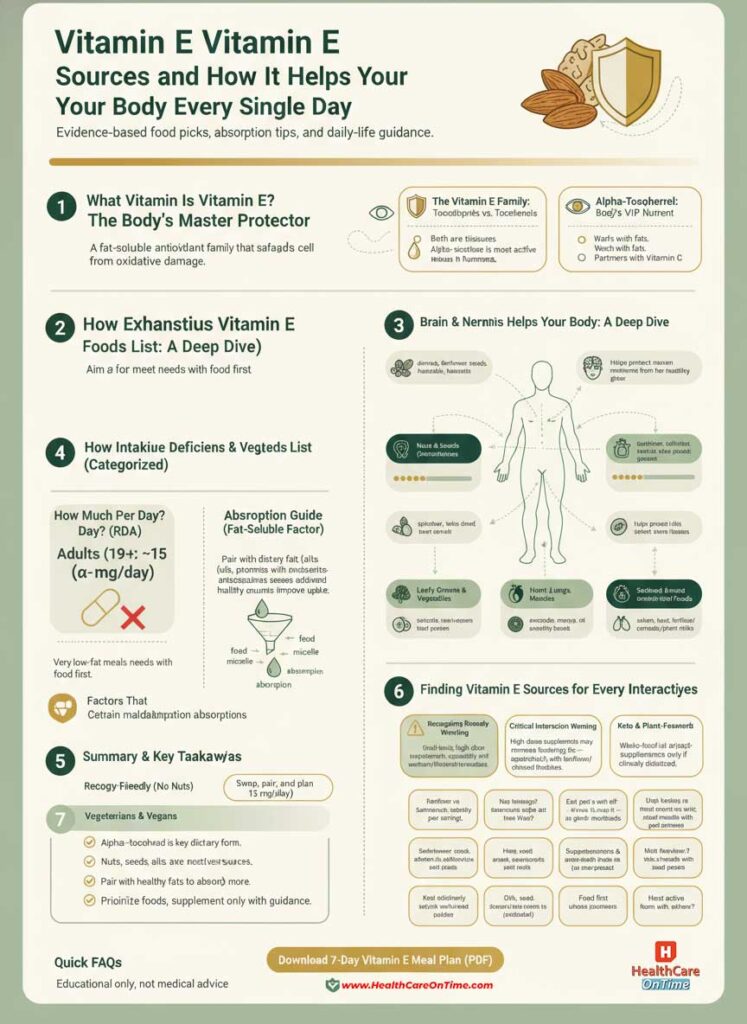
This definitive guide will move far beyond surface-level lists to provide a deep, authoritative exploration of the best vitamin e sources, meticulously categorized and compared with real data. We will break down how this nutrient works its magic on your key organs with scientific precision, detail the intricate process of absorption, and provide actionable strategies to ensure you are not just consuming Vitamin E, but fully utilizing it to build a more resilient, healthier body.
What Exactly is Vitamin E? The Body’s Master Protector
Vitamin E is not a single substance but a complex family of eight related, fat-soluble compounds. Its primary and most celebrated function is to act as a potent antioxidant. Imagine it as a cellular security guard: it relentlessly patrols your body, neutralizing unstable “rogue” molecules called free radicals that cause oxidative stress. This destructive chain reaction, if left unchecked, is a primary driver of the aging process and the development of numerous chronic diseases.
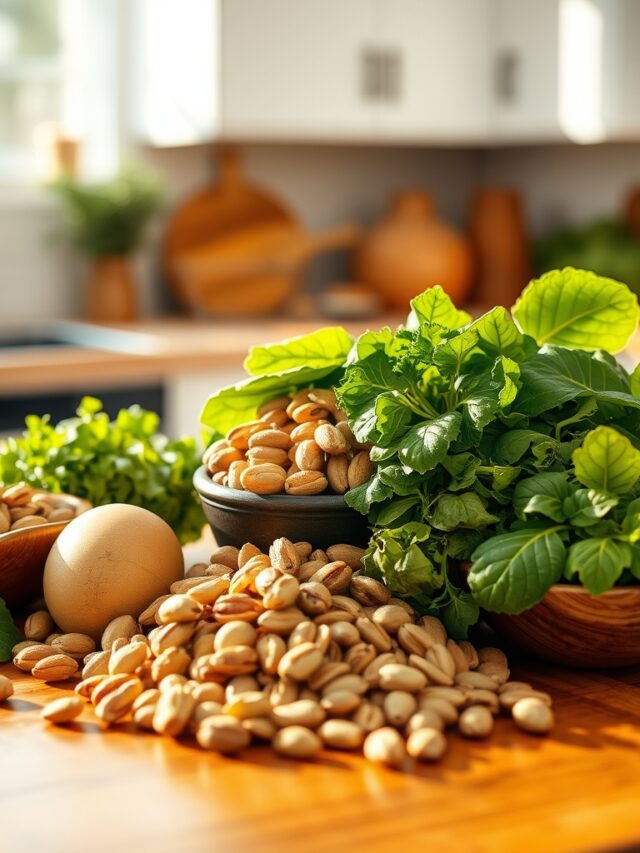
The Vitamin E Family: A Deeper Look at Tocopherols vs. Tocotrienols
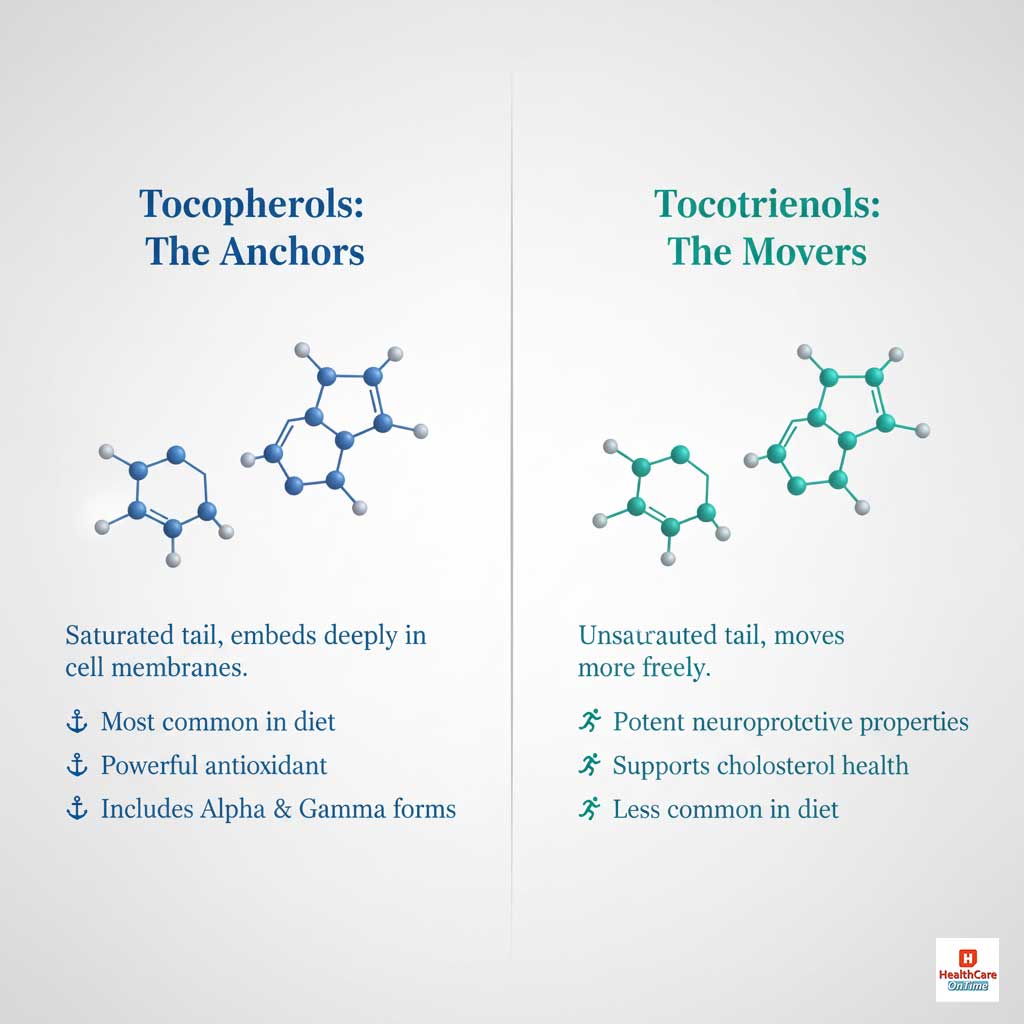
The Vitamin E family is divided into two main groups: tocopherols and tocotrienols. Each of these groups contains four different forms—alpha, beta, gamma, and delta—totaling eight unique compounds.
- Tocopherols: These are the most common forms found in our diet, with saturated side chains that allow them to embed deeply within cell membranes. Gamma-tocopherol, prevalent in the American diet from oils like soybean and corn, has unique anti-inflammatory properties distinct from alpha-tocopherol.
- Tocotrienols: These have unsaturated side chains, allowing them to move more freely. Emerging research suggests tocotrienols may possess potent neuroprotective, anti-cancer, and cholesterol-lowering properties that are different from their tocopherol cousins.
A diet incorporating a variety of whole foods provides a natural spectrum of these forms, offering a synergistic benefit that simply cannot be replicated by a single-compound supplement.
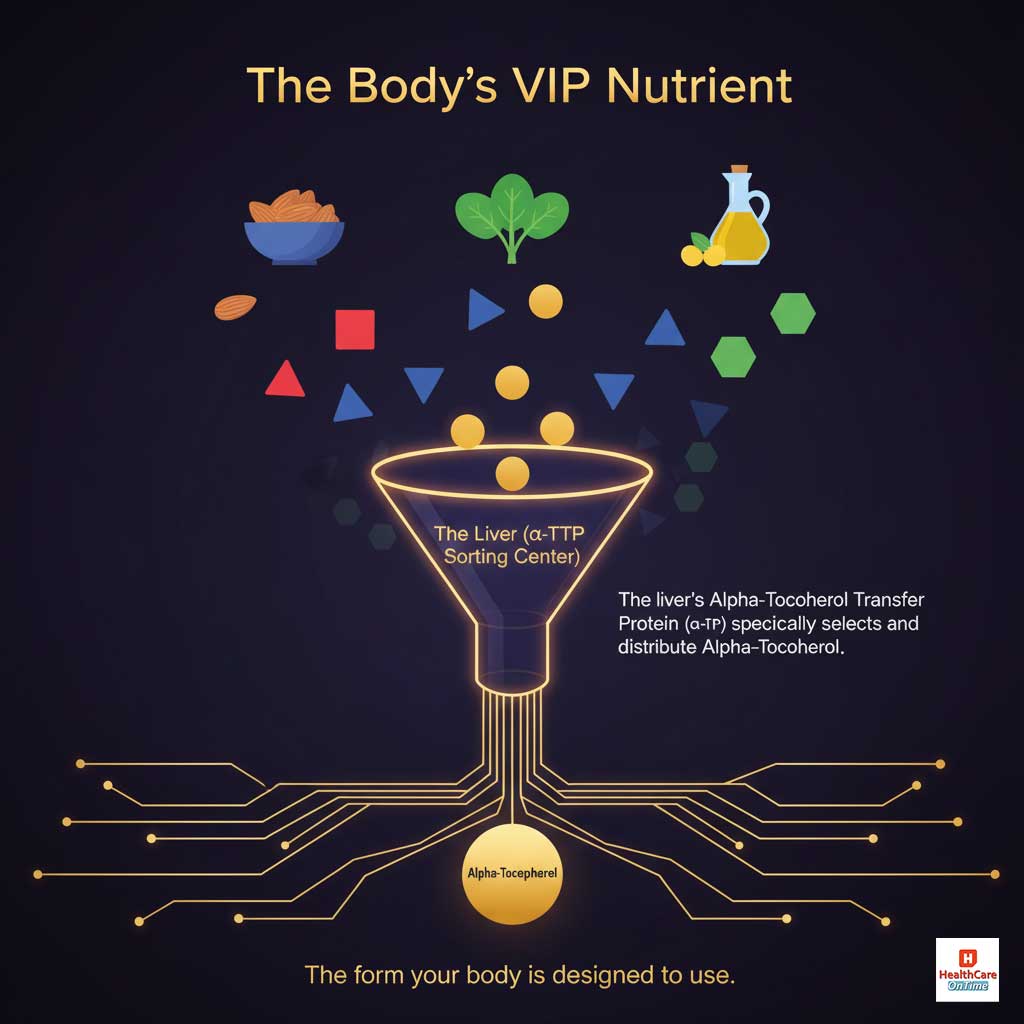
Alpha-Tocopherol: The Body’s VIP Nutrient
Among all eight forms, alpha-tocopherol is the one our bodies are specifically engineered to recognize and use. When you consume different vitamin e sources, your liver acts as a sophisticated sorting center. It utilizes a specific gatekeeper called the Alpha-Tocopherol Transfer Protein (α-TTP). This protein selectively picks up alpha-tocopherol and packages it for delivery throughout the body. The other forms are largely metabolized and excreted.
Because of this highly selective process, all official dietary requirements and supplement dosages are based on this single form. This makes consuming alpha tocopherol foods the most direct path to fulfilling your body’s critical needs.
How Vitamin E Helps Your Body: A Deep Dive into the Mechanisms
The vitamin e benefits for body health are profound and far-reaching. To truly appreciate its importance, we must look beyond simple statements and explore the specific biological mechanisms at play within your most vital organs and systems.
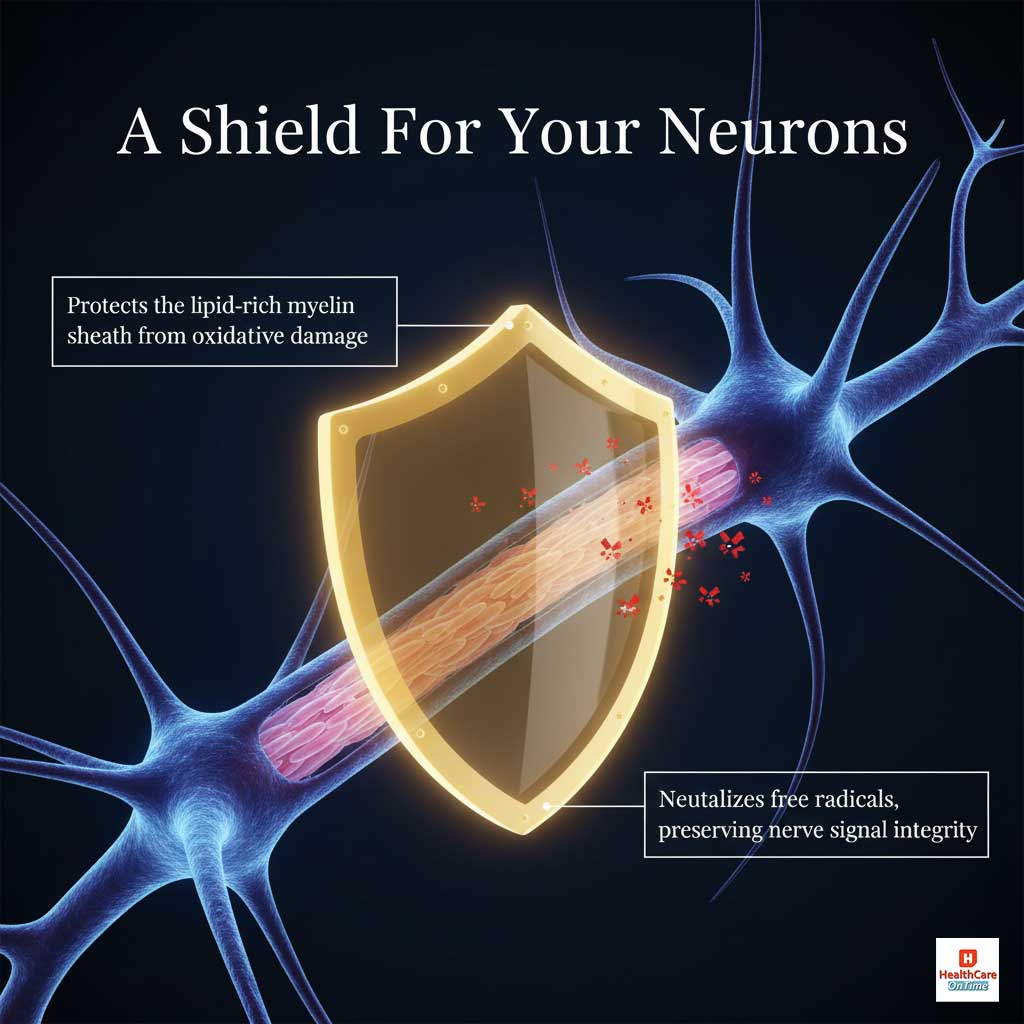
Your Brain and Nervous System: A Shield for Your Neurons
Your brain is uniquely vulnerable to oxidative stress. It makes up only 2% of your body weight but consumes 20% of its oxygen, all while being composed of delicate, fatty tissues. Vitamin E is a crucial line of defense here.
Protecting Polyunsaturated Fatty Acids (PUFAs)
Brain cell membranes are rich in PUFAs like DHA, which are highly susceptible to free radical damage. Vitamin E embeds directly into these membranes, acting as the first line of defense to protect these critical fats from oxidation, thereby preserving the structural integrity and signaling function of your neurons.
Delaying Cognitive Decline
By protecting neurons from this cumulative damage, a diet rich in high vitamin e foods is strongly associated with better long-term cognitive health and may play a role in delaying the onset of age-related cognitive decline.
Your Heart and Blood Vessels: The Cardiovascular Guardian
The role of Vitamin E in supporting vitamin e and heart health is multifaceted, extending beyond a single function.
The Science of Preventing LDL Oxidation
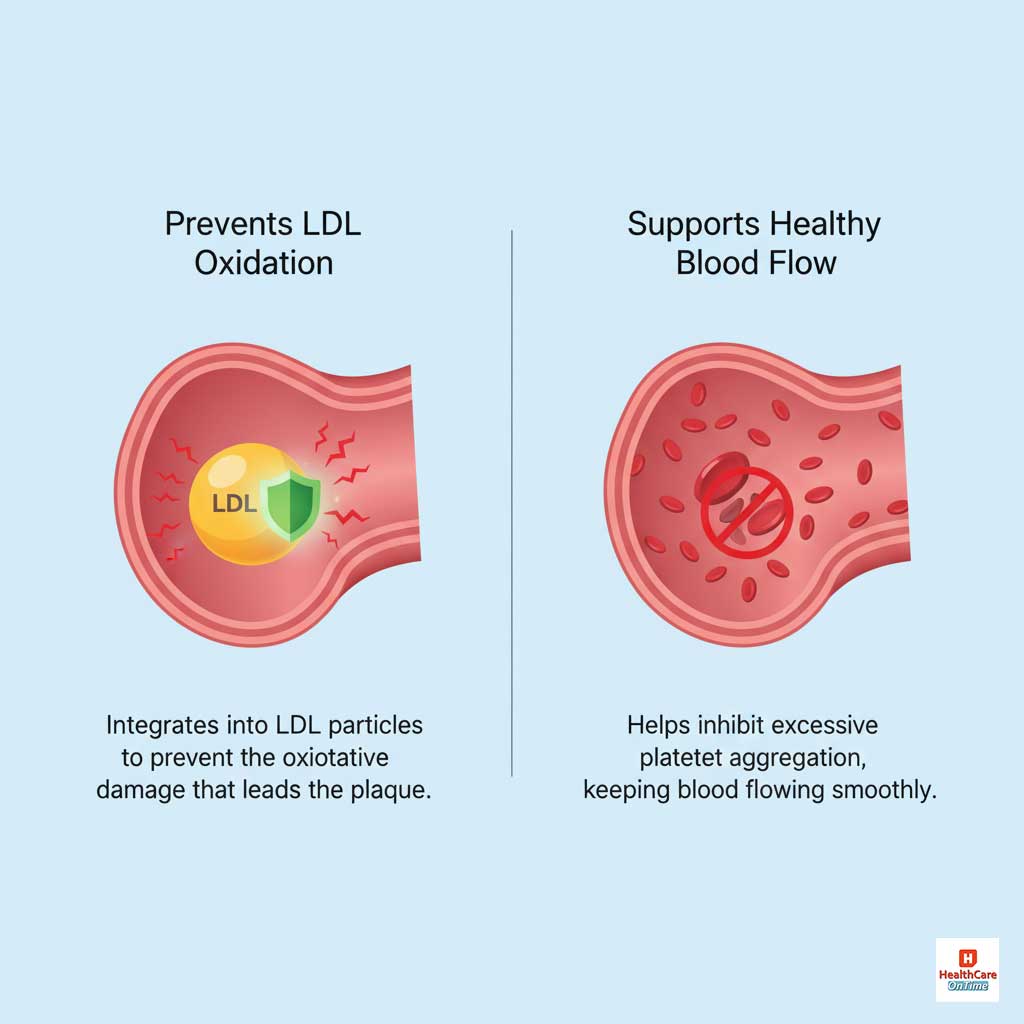
A critical first step in the formation of arterial plaque (atherosclerosis) is the oxidation of LDL (“bad”) cholesterol particles. Vitamin E, being fat-soluble, integrates into these LDL particles and acts as an onboard bodyguard, sacrificing itself to neutralize free radicals and prevent this harmful oxidation, helping to keep arteries clear.
Inhibiting Platelet Aggregation & Supporting Endothelial Function
Vitamin E also helps to inhibit platelet aggregation, which is the process of blood platelets clumping together. This helps maintain smooth blood flow and reduces the risk of dangerous clots. Furthermore, it supports the health of the endothelium, the thin lining of your blood vessels, helping them relax and contract properly.
The Immune System: Fortifying Your Body’s Defenses
Vitamin E is a potent immune-modulating nutrient, particularly important for maintaining a robust defense system, especially as we age.
Enhancing T-Cell and B-Cell Responses
Research has shown that Vitamin E is vital for the optimal function of T-cells, the “soldiers” of your immune system that hunt down and destroy infected cells. It also supports B-cells, which are responsible for producing antibodies. Adequate levels ensure these cells can proliferate and respond effectively to threats, leading to a stronger and faster immune response.
Your Skin: The Dual-Action Approach to a Healthy Glow
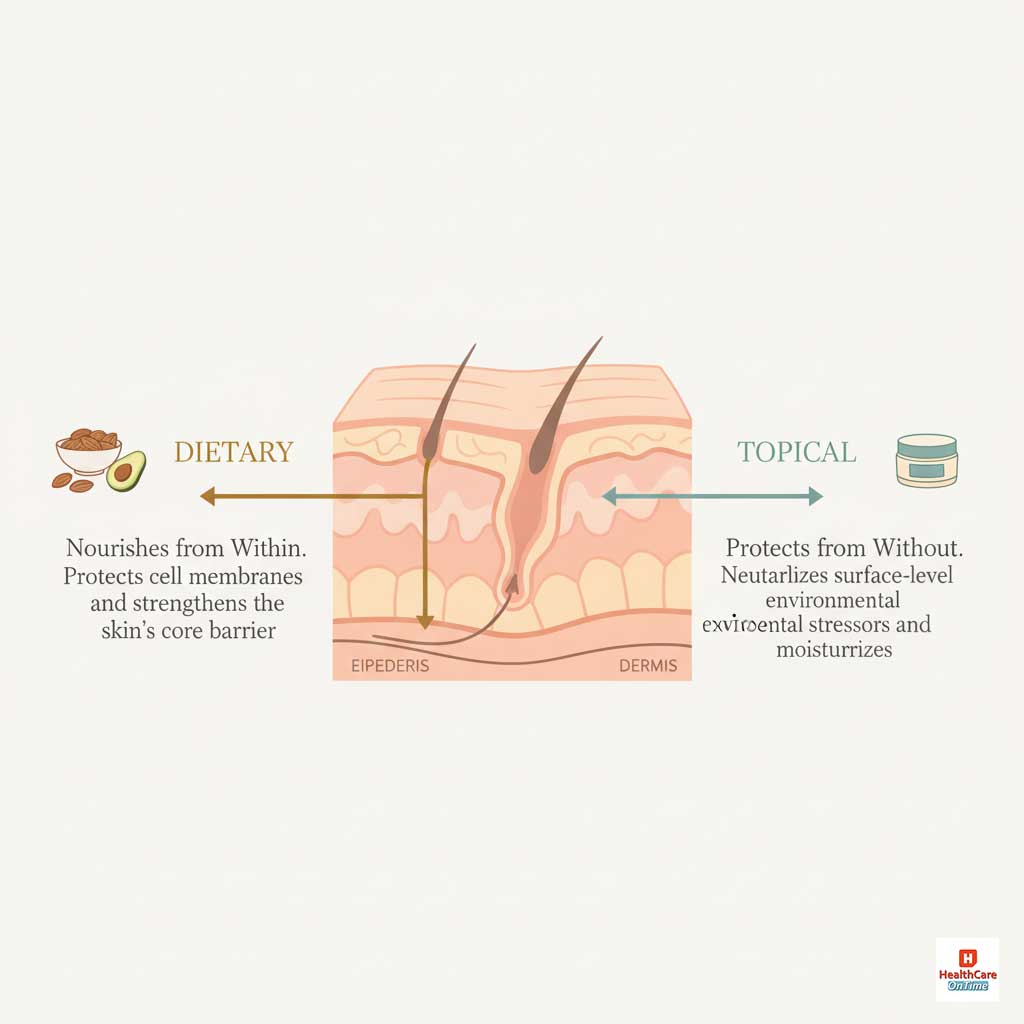
For radiant, resilient skin, a two-pronged strategy involving both internal consumption and external application of vitamin e sources yields the best results.
How Dietary Vitamin E Works from Within
When you consume Vitamin E, it is transported to your skin cells via sebum (your skin’s natural oil). There, it settles in the cell membranes and provides frontline protection against the damaging free radicals generated by UV radiation and environmental pollution. This internal shield strengthens the skin’s barrier, reduces inflammation, and plays a role in wound healing.
The Role of Topical Vitamin E and Skincare Sources Like Novage
While dietary Vitamin E works systemically, topical application provides targeted, localized benefits. In skincare, Vitamin E (often listed as tocopherol or tocopheryl acetate) is a celebrated antioxidant. For example, the advanced skincare line Novage by Oriflame often incorporates Vitamin E into its formulations to nourish the skin and fight visible signs of aging. This is an excellent way to harness the external vitamin e for skin and hair benefits.
Your Eyes: Preserving Precious Eyesight
The retina of your eye is a site of intense metabolic activity, making it a hotspot for oxidative stress. Vitamin E helps protect the delicate cells of the retina, especially the photoreceptors. By neutralizing free radicals in the lens of the eye, it may also help prevent the protein cross-linking that leads to the clouding of cataracts.
Liver, Lungs, and Muscles: The Unsung Benefits
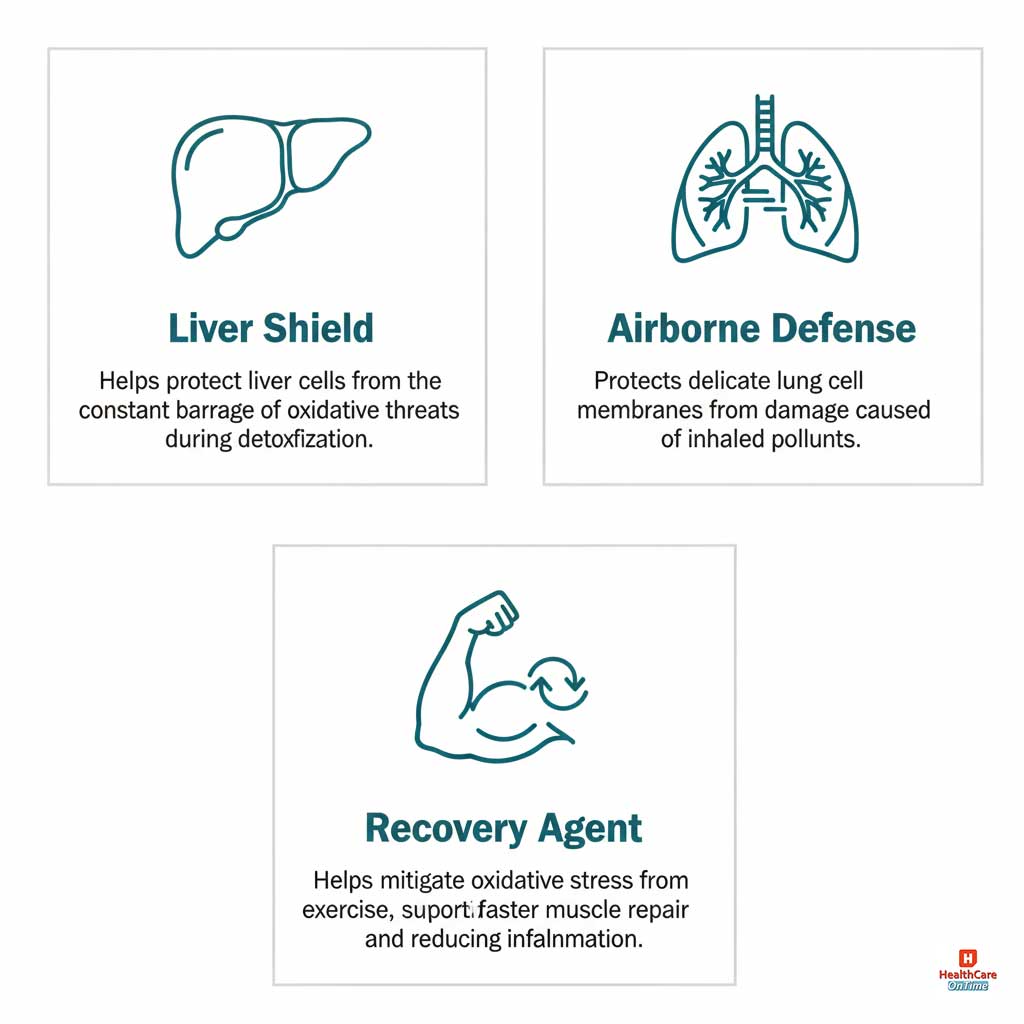
- Liver Health: The liver is your body’s primary detox organ and faces a constant barrage of oxidative threats. Vitamin E helps protect liver cells from damage, and it is being studied for its therapeutic role in conditions like non-alcoholic fatty liver disease (NAFLD).
- Lung Protection: As a first point of contact with environmental pollutants, your lungs benefit immensely from Vitamin E’s ability to protect cell membranes from airborne free radicals.
- Muscle Repair: Intense exercise generates a surge of free radicals that can lead to muscle damage and soreness. Vitamin E helps to mitigate this oxidative stress, potentially speeding up recovery and reducing inflammation.
An Exhaustive Vitamin E Foods List: Categorized for Your Needs
To truly master your intake, you need more than a short list. Here, we break down the absolute best vitamin e sources by category, complete with detailed data tables for easy comparison.
Category 1: Nuts & Seeds (The Powerhouses)
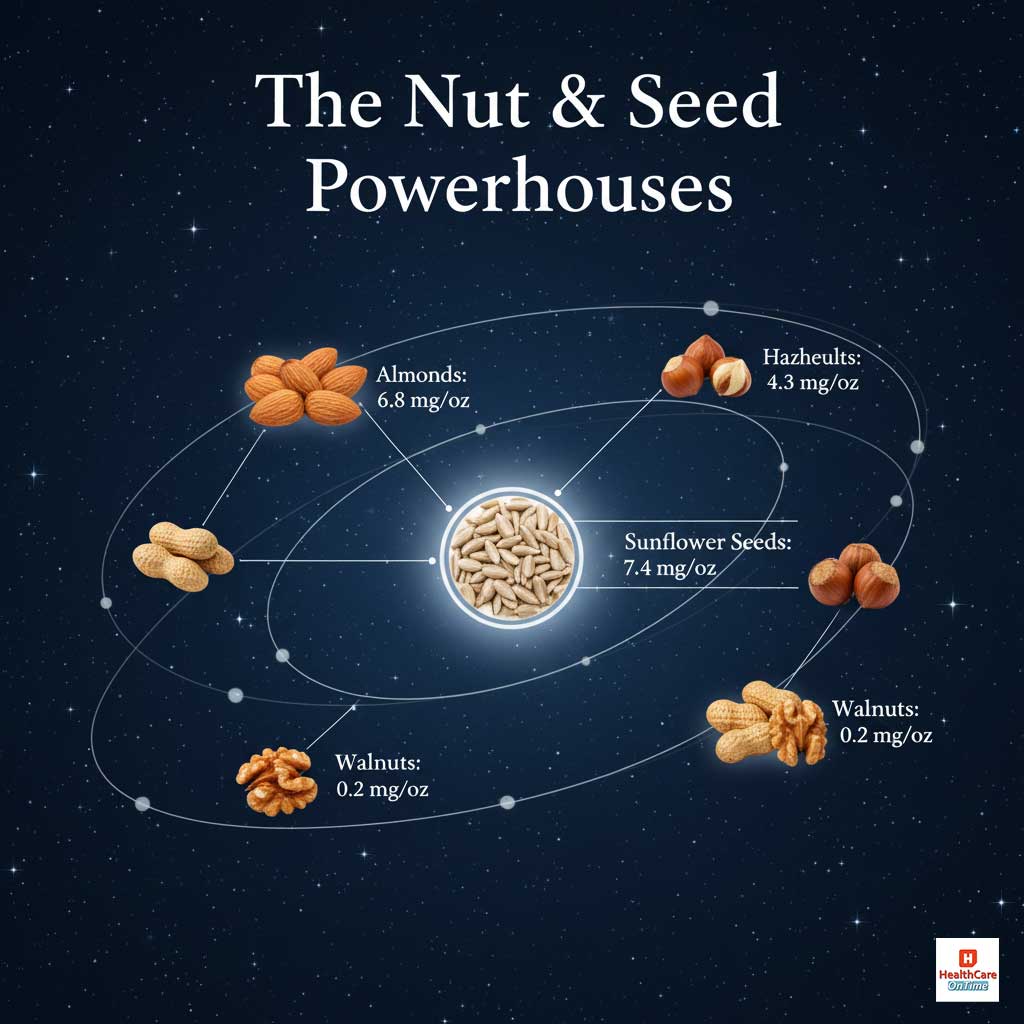
This is the most concentrated and efficient category for boosting your intake. They come pre-packaged with healthy fats that enhance vitamin e absorption.
| Nut or Seed (Roasted) | Serving Size (1 Ounce) | Vitamin E (mg) | Percent Daily Value (%DV) |
| Sunflower Seeds | ¼ cup | 7.4 mg | 49% |
| Almonds | ~23 nuts | 6.8 mg | 45% |
| Hazelnuts | ~21 nuts | 4.3 mg | 29% |
| Pumpkin Seeds | ¼ cup | 3.1 mg | 21% |
| Pine Nuts | ~167 kernels | 2.7 mg | 18% |
| Peanuts | ~28 nuts | 2.2 mg | 15% |
| Sesame Seeds | ¼ cup | 2.1 mg | 14% |
Category 2: Cooking Oils (The Concentrates)
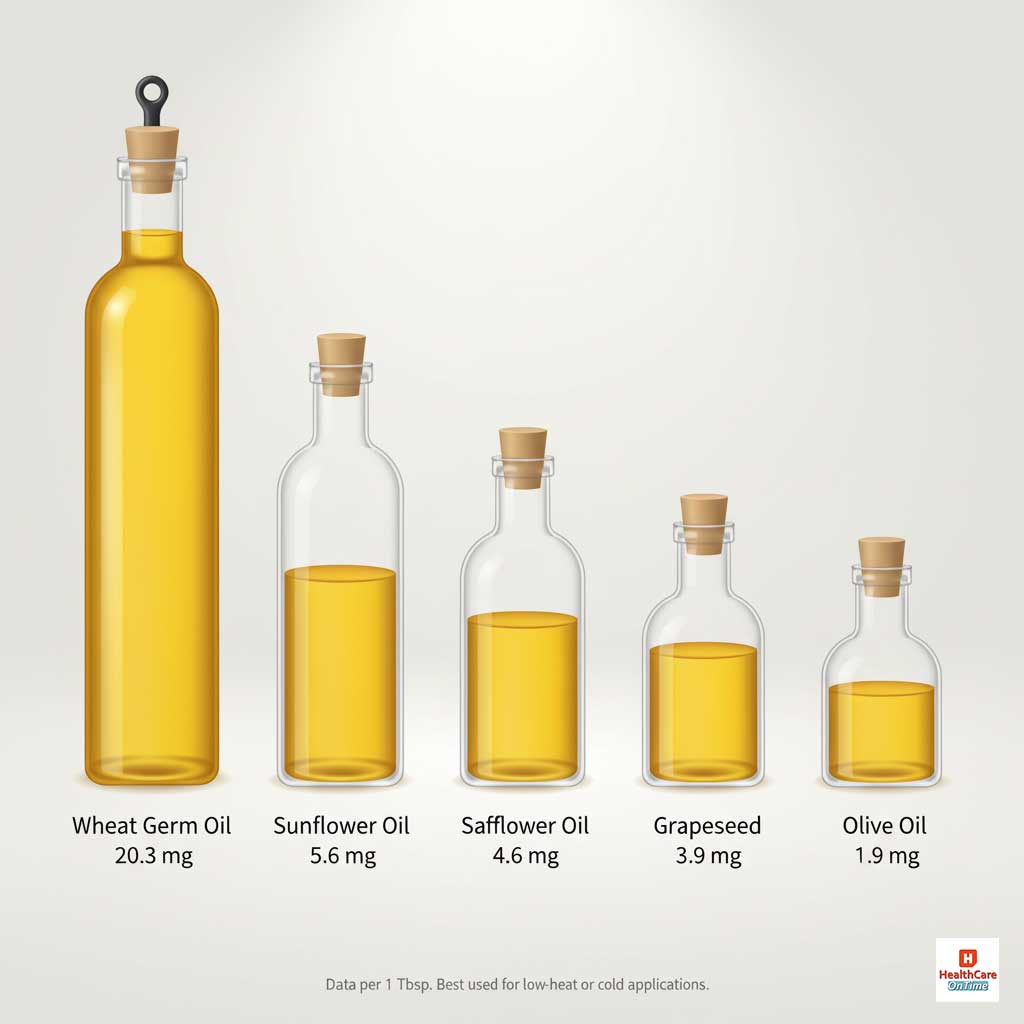
The type of oil you use can make a massive difference. Crucial Note: High heat destroys Vitamin E. Use these oils for low-heat cooking or, ideally, in cold applications like dressings.
| Oil | Serving Size (1 Tbsp) | Vitamin E (mg) | Percent Daily Value (%DV) |
| Wheat Germ Oil | 1 Tbsp | 20.3 mg | 135% |
| Sunflower Oil | 1 Tbsp | 5.6 mg | 37% |
| Safflower Oil | 1 Tbsp | 4.6 mg | 31% |
| Grapeseed Oil | 1 Tbsp | 3.9 mg | 26% |
| Avocado Oil | 1 Tbsp | 3.6 mg | 24% |
| Olive Oil | 1 Tbsp | 1.9 mg | 13% |
Category 3: Leafy Greens & Vegetables (The Everyday Contributors)
While lower in concentration, the volume in which we eat vegetables makes them a crucial contributor to a healthy vitamin e foods list.
| Vegetable | Serving Size (½ Cup, Boiled) | Vitamin E (mg) | Percent Daily Value (%DV) |
| Spinach | ½ cup | 1.9 mg | 13% |
| Swiss Chard | ½ cup | 1.6 mg | 11% |
| Turnip Greens | ½ cup | 1.6 mg | 11% |
| Asparagus | ½ cup | 1.5 mg | 10% |
| Beet Greens | ½ cup | 1.4 mg | 9% |
| Broccoli | ½ cup | 1.1 mg | 7% |
Category 4: Fruits (The Surprise Sources)
Several fruits, especially those with higher fat or dense pigment content, are good secondary sources.
| Fruit | Serving Size | Vitamin E (mg) | Percent Daily Value (%DV) |
| Avocado | ½ Fruit | 2.1 mg | 14% |
| Mango | 1 cup, sliced | 1.5 mg | 10% |
| Kiwi | 1 large | 1.1 mg | 7% |
| Blackberries | 1 cup | 1.7 mg | 11% |
| Papaya | 1 cup, cubed | 1.1 mg | 7% |
Category 5: Seafood and Fortified Foods
These categories are often overlooked but can be significant for certain diets.
| Food | Serving Size | Vitamin E (mg) | Percent Daily Value (%DV) |
| Rainbow Trout | 3 ounces | 2.0 mg | 13% |
| Atlantic Salmon | 3 ounces | 1.1 mg | 7% |
| Fortified Cereal | 1 serving | Varies (1-10 mg) | 6-67% |
| Fortified Margarine | 1 Tbsp | Varies (1-2 mg) | 6-13% |
Daily Intake and Optimal Absorption: Getting the Most from Your Food
Consuming these foods is step one. Ensuring your body can absorb and utilize the Vitamin E is step two. This is where understanding the science of vitamin e absorption becomes a game-changer.
How Much Vitamin E Per Day? A Detailed RDA Table
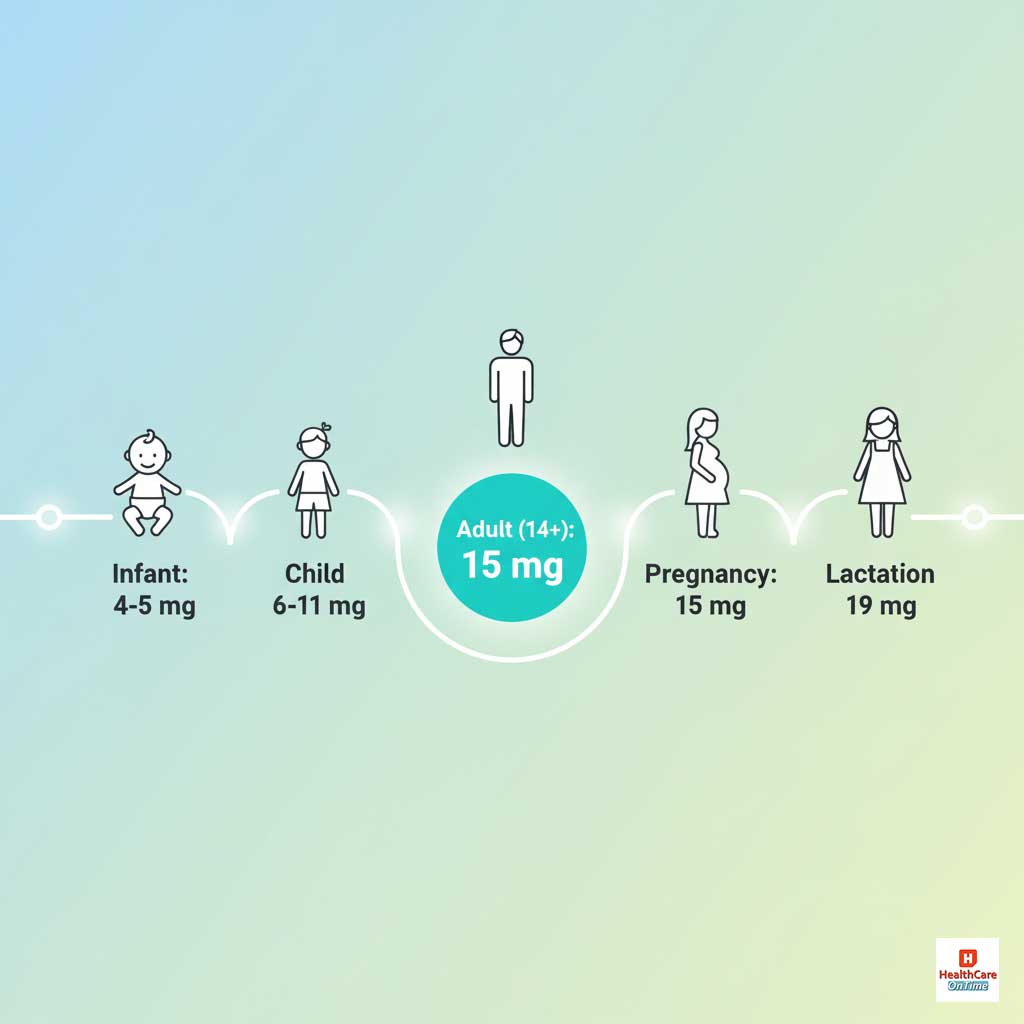
The Recommended Dietary Allowance (RDA) varies by age and life stage.
| Age Group | RDA (mg/day) |
| Infants 0-6 months | 4 mg |
| Infants 7-12 months | 5 mg |
| Children 1-3 years | 6 mg |
| Children 4-8 years | 7 mg |
| Children 9-13 years | 11 mg |
| Teens & Adults 14+ | 15 mg |
| Pregnant Women | 15 mg |
| Lactating Women | 19 mg |
The Fat-Soluble Factor: A Step-by-Step Guide to Absorption
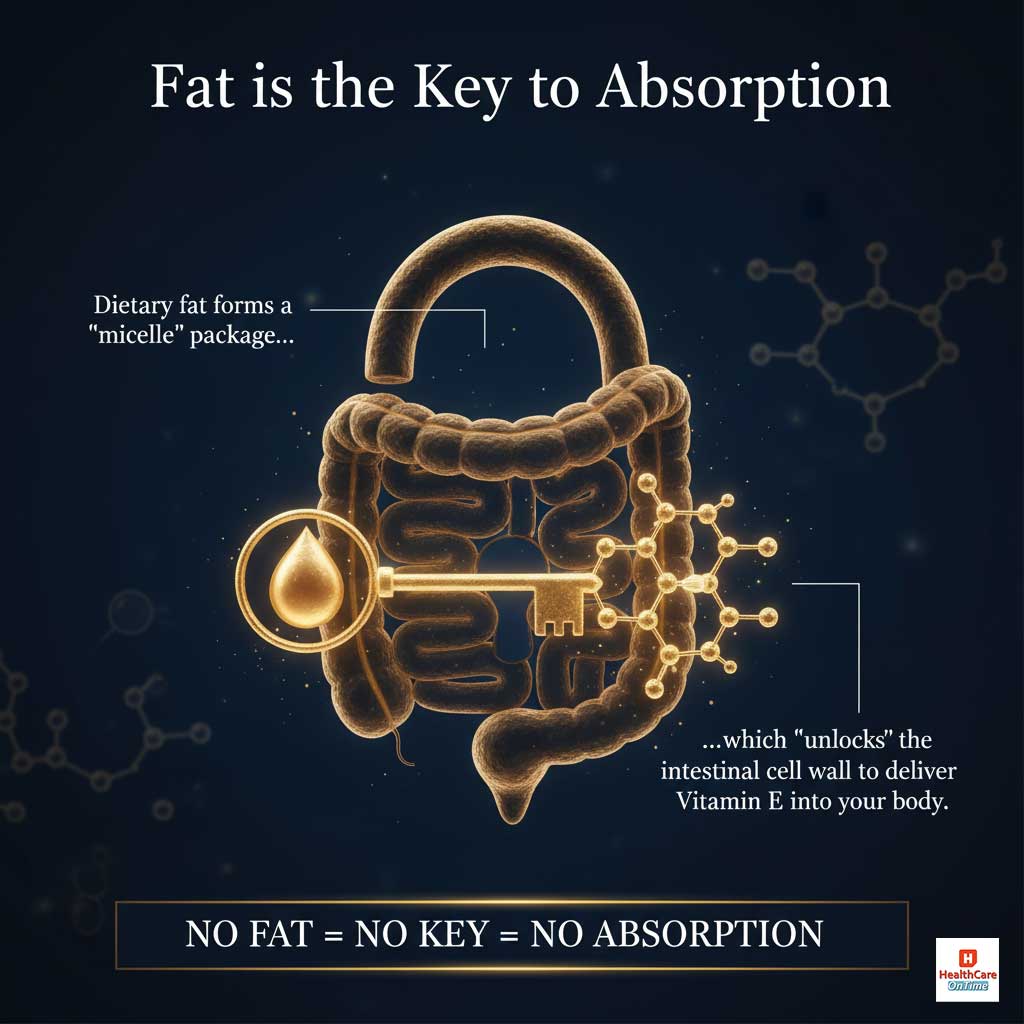
Does vitamin e need fat for absorption? Yes, this is non-negotiable. Here’s how it works:
- Emulsification: When you eat a meal with fat, your liver releases bile acids into the small intestine. Bile acts like a detergent, breaking down large fat globules into smaller droplets.
- Micelle Formation: These smaller droplets are then formed into tiny molecular packages called micelles.
- Dissolving: Vitamin E, being fat-soluble, dissolves into the fatty core of these micelles.
- Absorption: The micelles travel to the surface of your intestinal cells (enterocytes) and release the Vitamin E, which is then absorbed.
- Packaging & Transport: Inside the cell, Vitamin E is packaged into larger particles called chylomicrons, which are then released into your lymphatic system before entering your bloodstream for delivery.
Factors That Hinder Absorption
Certain conditions and substances can impair this delicate process, including medical conditions like Celiac disease, Crohn’s disease, and cystic fibrosis, as well as certain medications.
Safety First: Deficiency, Supplements, and Critical Interactions
While essential, it’s crucial to be aware of the signs of low vitamin e and the significant risks associated with excessive supplementation.
Recognizing Vitamin E Deficiency Symptoms
True vitamin e deficiency symptoms are rare in the general population but can be severe. They are primarily neurological and include:
- Peripheral neuropathy (numbness, tingling, pain in hands and feet)
- Ataxia (loss of control of body movements, poor balance)
- Myopathy (muscle weakness)
- Retinopathy (damage to the eye’s retina that can impair vision)
Critical Warning: Vitamin E Interactions with Warfarin and Blood Thinners
It is critically important to understand the risk of vitamin e interactions blood thinners. High-dose Vitamin E supplements can interfere with Vitamin K’s blood-clotting function, dramatically increasing the risk of bleeding. Anyone taking anticoagulant medications like warfarin MUST avoid Vitamin E supplements. It can also interact with certain chemotherapy drugs and statins. Always consult your doctor.
Whole-Food Vitamin E vs. Supplements: A Clear Winner
The evidence is overwhelming: prioritize whole-food vitamin e vs supplements. Whole foods provide a complete complex of tocopherols and tocotrienols, plus fiber and thousands of other phytonutrients, creating a synergistic effect that an isolated supplement cannot match.
| Feature | Natural (d-alpha-tocopherol) | Synthetic (dl-alpha-tocopherol) |
| Source | Derived from vegetable oils | Chemically synthesized |
| Bioavailability | High (recognized by the body) | Low (~50% as active) |
| Composition | Single isomer | Mixture of 8 isomers |
Finding Vitamin E Sources for Every Lifestyle
No matter your dietary pattern, there are abundant ways to meet your Vitamin E needs.
Vitamin E Sources for Vegetarians and Vegans
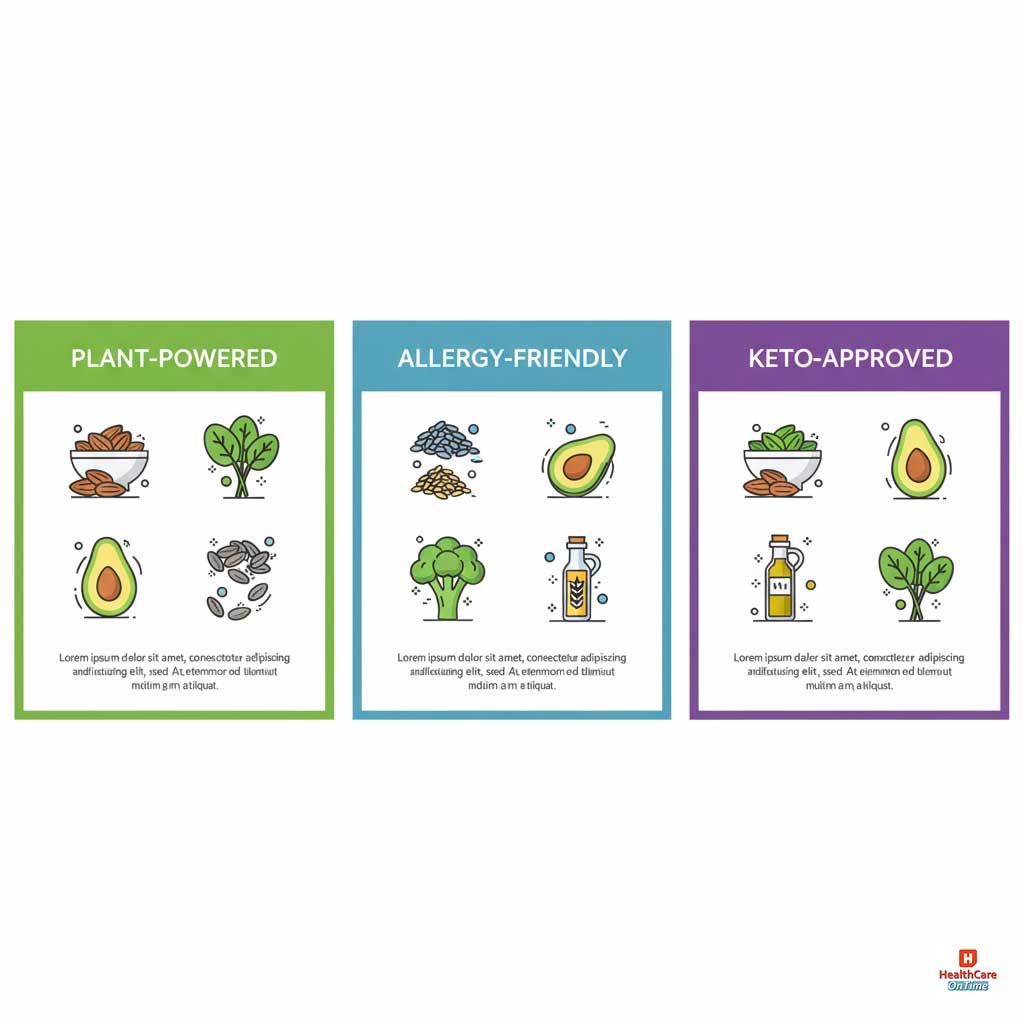
Plant-based diets are naturally rich in vitamin e sources for vegetarians and vegans. A daily plan including oatmeal with almonds, a large spinach and sunflower seed salad, and a tofu stir-fry with broccoli can easily exceed the 15 mg RDA.
Vitamin E Without Nuts: A Guide for Allergy Sufferers
If you’re looking for vitamin e sources without nuts, you still have plenty of excellent options. Sunflower seeds, pumpkin seeds, seed butters, avocado, spinach, broccoli, and wheat germ are all powerful, allergy-friendly choices.
Fitting Vitamin E into Keto and Plant-Forward Diets
Many of the best vitamin e sources align perfectly with modern diets. For those on a keto plan, avocados, almonds, seeds, and olive oil are staples. These same foods are cornerstones of healthy, plant-forward eating patterns, making it simple to get the vitamin e sources that fit keto and plant-forward diets.
Summary & Key Takeaways
Vitamin E is not just a vitamin; it is a fundamental guardian of your cellular health, protecting your brain, heart, and skin from the inside out. The adult RDA is 15 mg of alpha-tocopherol, and its absorption is entirely dependent on dietary fat. The overwhelming scientific evidence shows that a diet rich in a diverse range of vitamin e sources is vastly superior and safer than relying on supplements.
By strategically incorporating powerhouse foods like sunflower seeds, almonds, spinach, and avocado into your daily meals, you empower your body with the tools it needs to defend itself, repair damage, and thrive for years to come. For targeted skin benefits, topical products containing Vitamin E, such as those in the Novage line, can provide an additional layer of localized protection.
Frequently Asked Questions
What are the top five natural vitamin e sources in the U.S.?
The top five sources are wheat germ oil (by far the most concentrated), sunflower seeds, almonds, hazelnuts, and spinach.
Are almonds or sunflower seeds better for vitamin e?
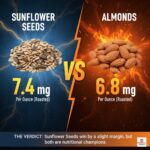
Both are excellent. Ounce for ounce, roasted sunflower seeds are slightly better, providing about 7.4 mg of Vitamin E, while almonds provide about 6.8 mg.
Does heating oil destroy the vitamin e content in meals?

Yes, high-heat cooking like deep frying can significantly reduce the Vitamin E content in oils. For maximum benefit, use Vitamin E-rich oils for finishing dishes or for low-to-medium heat sautéing.
How much vitamin e should adults get daily?
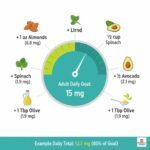
The Recommended Dietary Allowance (RDA) for adults 14 years and older is 15 milligrams (mg) of alpha-tocopherol per day.
Can I get enough vitamin e if I have a nut allergy?
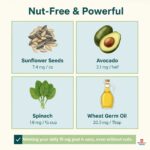
Absolutely. Excellent nut-free sources include sunflower seeds, pumpkin seeds, avocado, spinach, broccoli, and wheat germ oil.
What’s the difference between eating Vitamin E and using it on my skin?
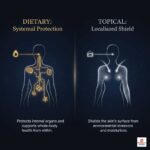
Eating Vitamin E provides systemic antioxidant benefits for your entire body. Applying it topically, like in Novage products, provides localized antioxidant protection and moisturizing benefits directly to the skin but does not affect your internal levels.
Can vitamin e supplements increase my bleeding risk?
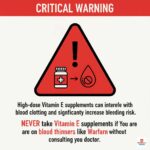
Yes, high-dose Vitamin E supplements can interfere with blood clotting and significantly increase the risk of bleeding, especially for individuals taking blood-thinning medications.
What are the main signs of a vitamin e deficiency?
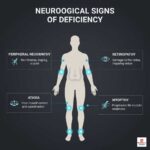
The main signs are neurological and include numbness or tingling in the limbs (peripheral neuropathy), poor muscle coordination (ataxia), muscle weakness, and vision problems.
Why do I need to eat fat to absorb vitamin e?

Vitamin E is fat-soluble. Your body needs dietary fat to create transport vehicles (micelles) in the intestine that carry the vitamin into your bloodstream. Without fat, it cannot be absorbed.
Is it better to get vitamin e from food or supplements?
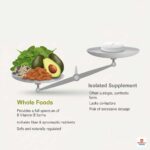
It is far better to get Vitamin E from whole-food sources. Food provides a complete complex of all eight forms of Vitamin E along with other beneficial nutrients that work together.
What are the best vitamin e sources that fit a keto diet?
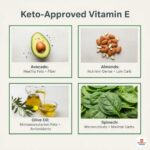
Excellent keto-friendly sources include almonds, sunflower seeds, avocados, spinach, and healthy oils like olive oil and avocado oil.
What’s the difference between alpha-tocopherol and other forms of vitamin e?

Alpha-tocopherol is the form of Vitamin E that the human body most actively uses and retains. While other forms also have benefits, alpha-tocopherol is the one used to set dietary recommendations.