Feeling constantly exhausted, weak, or breathless, even after a full night’s sleep? You’re not alone. For millions, these nagging symptoms are the first sign of low hemoglobin. While many people diligently try to increase hemoglobin levels through diet and supplements, they often remain stuck, wondering why their efforts aren’t paying off. The problem usually isn’t a lack of effort, but a few common, yet critical, mistakes that silently sabotage their progress.
Table of Contents
Low hemoglobin, a condition that can lead to anemia, is a significant public health issue. In the United States alone, data from August 2021 to August 2023 showed that an estimated 9.3% of people aged two and older had anemia.
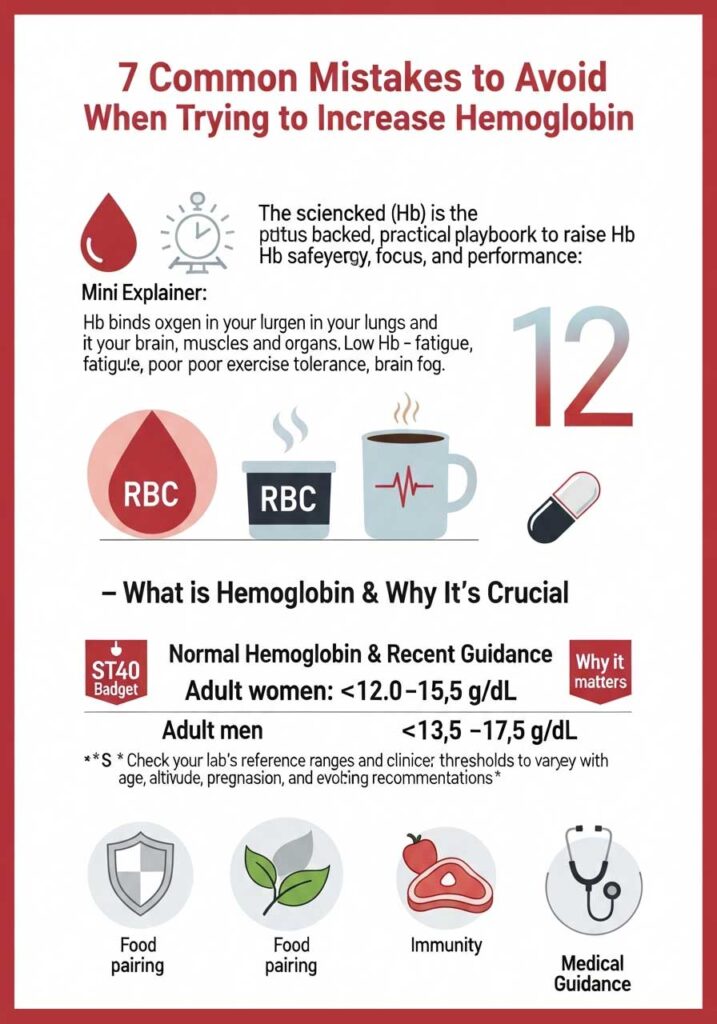
The good news is that for many, improving these levels is achievable. This guide will walk you through the seven most common mistakes that prevent you from being able to increase hemoglobin naturally and provide the evidence-based solutions you need to finally see results and reclaim your energy.
What is Hemoglobin and Why is it Crucial for Your Health?
Before diving into the mistakes, it’s essential to understand what hemoglobin is and why it’s so vital for your well-being. Think of hemoglobin as the essential oxygen-delivery service for your entire body.
Understanding Hemoglobin’s Role in the Body
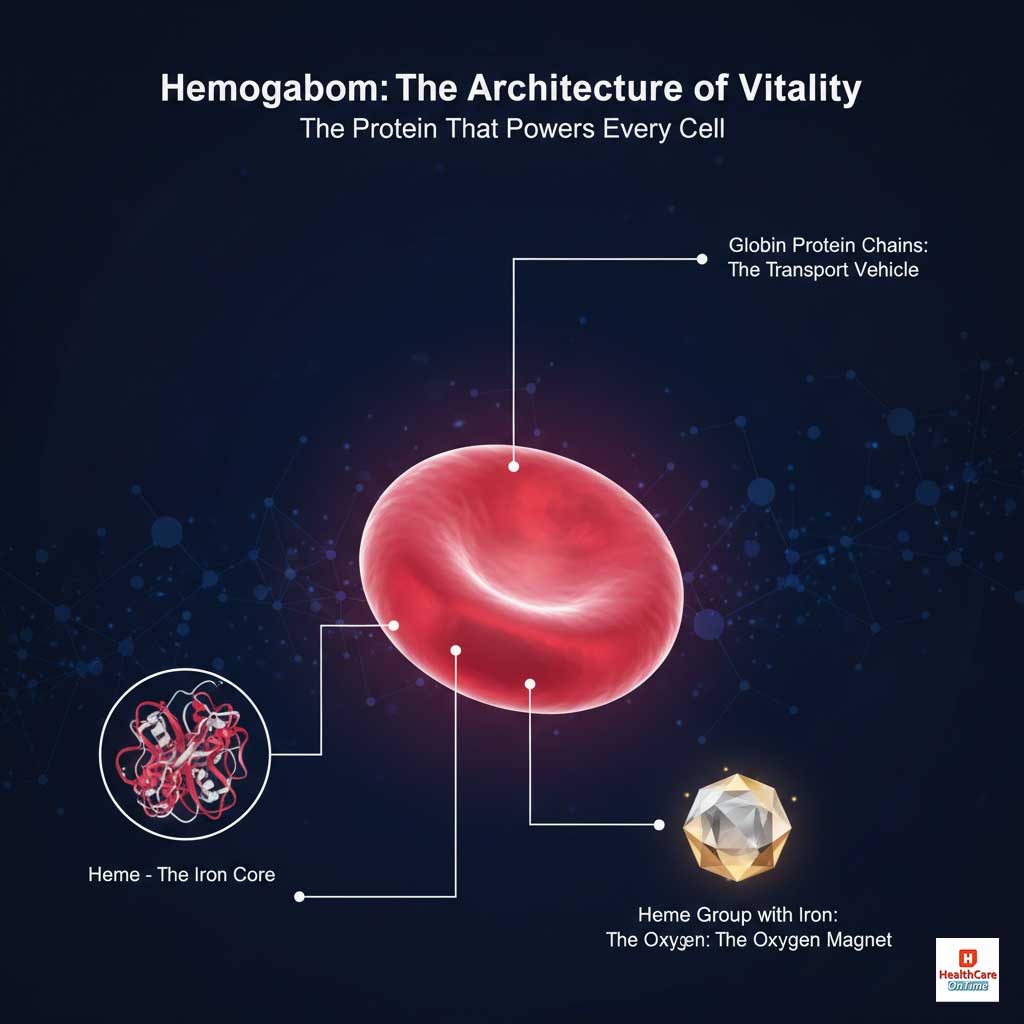
Hemoglobin is a protein found in your red blood cells. Its primary job is to pick up oxygen in your lungs and transport it to every tissue and organ, from your brain to your muscles. It’s made of two parts: “heme,” which contains iron and gives blood its red color, and “globin,” which is a protein chain. Without enough iron, your body cannot produce sufficient hemoglobin to meet its oxygen demands.
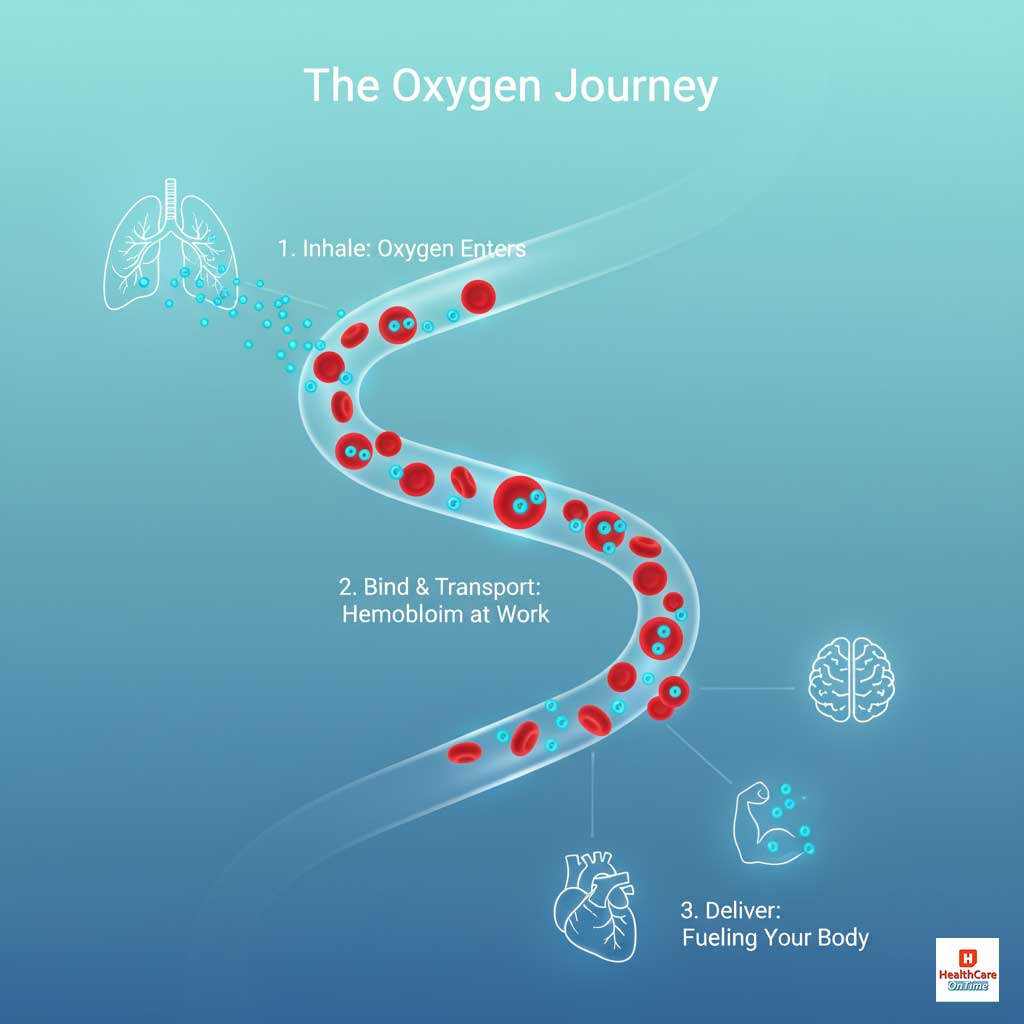
When hemoglobin levels drop too low, you develop anemia. This oxygen deficit is why the most common hemoglobin low symptoms include persistent fatigue, weakness, shortness of breath, dizziness, and pale skin.
Normal Hemoglobin Levels and Recent WHO Guidance
Knowing your numbers is the first step in managing your health. Hemoglobin is measured in grams per deciliter (g/dL). While specific ranges can vary slightly between laboratories, generally accepted normal levels are:
- For adult men: 13.5 to 17.5 g/dL
- For adult women (non-pregnant): 12.0 to 15.5 g/dL
- For pregnant women: 11.0 to 15.0 g/dL
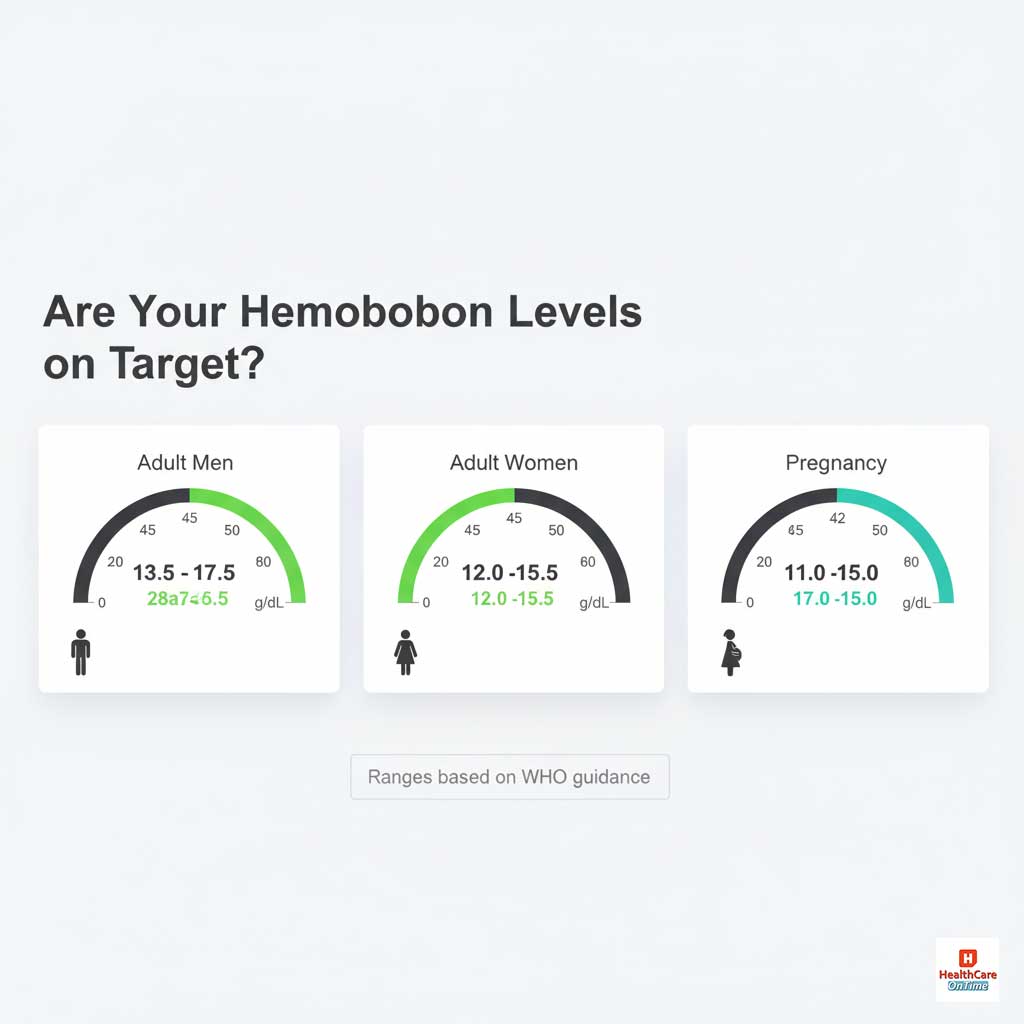
The World Health Organization (WHO) provides global guidelines for anemia cutoffs. While these standards are periodically reviewed, the core definitions have remained stable. If your levels fall below these thresholds, it’s a sign that you need to investigate the cause and begin an effective iron deficiency anemia treatment plan.
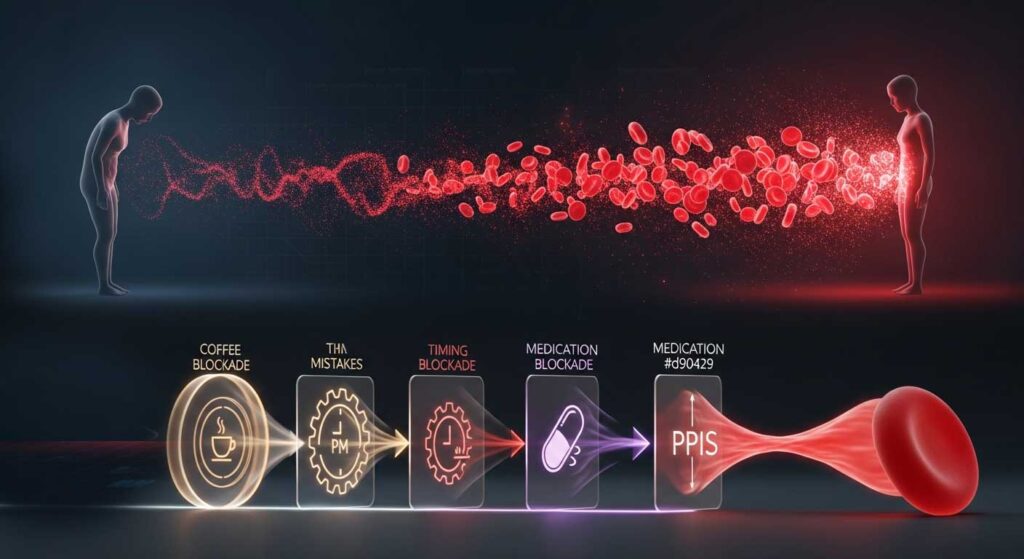
Mistake #1: The Coffee & Tea Habit: Timing Your Beverages Incorrectly
One of the most frequent and impactful mistakes is drinking coffee or tea with or immediately after an iron-rich meal or supplement. While it seems harmless, this simple habit can drastically undermine your ability to increase hemoglobin.
Why This is the #1 Blocker for Non-Heme Iron
Coffee and tea are packed with compounds called polyphenols, specifically tannins. These are powerful iron absorption inhibitors. When you consume them alongside a source of non-heme iron (the type found in plants and supplements), the tannins bind to the iron in your digestive system. This creates an insoluble complex that your body cannot absorb, and the iron is simply excreted.
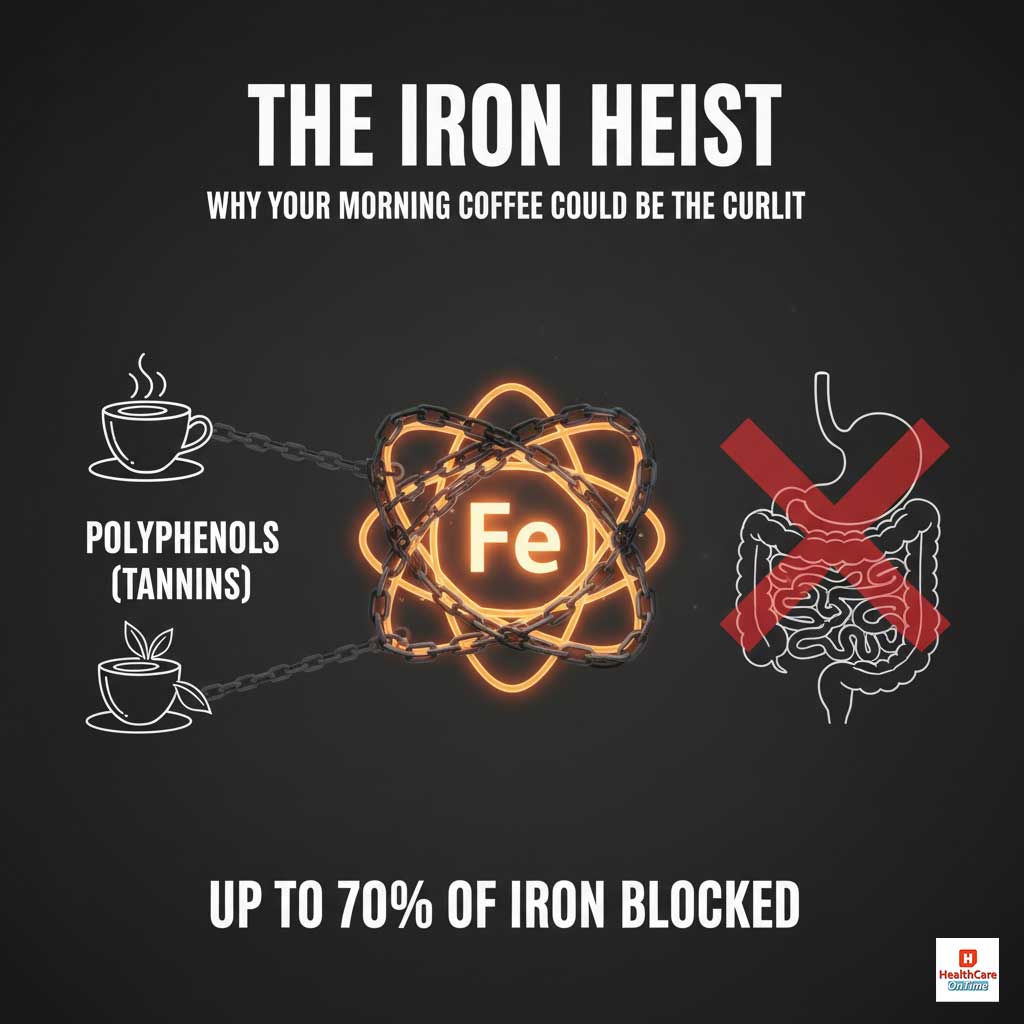
The effect is not minor. Research has shown that a single cup of coffee can reduce iron absorption from a meal by up to 60%. Tea, which is even richer in tannins, can inhibit it by 70% or more. This is especially problematic for vegetarians and vegans who rely entirely on non-heme iron from their diet. This directly answers the question: can coffee or green tea cause low hemoglobin in vegetarians? Yes, it absolutely can if consumption is not timed correctly.
The Actionable Fix: The 2-Hour Rule
The solution is simple: create a buffer zone. You don’t have to give up your favorite beverage, but you do need to be strategic about when you drink it.
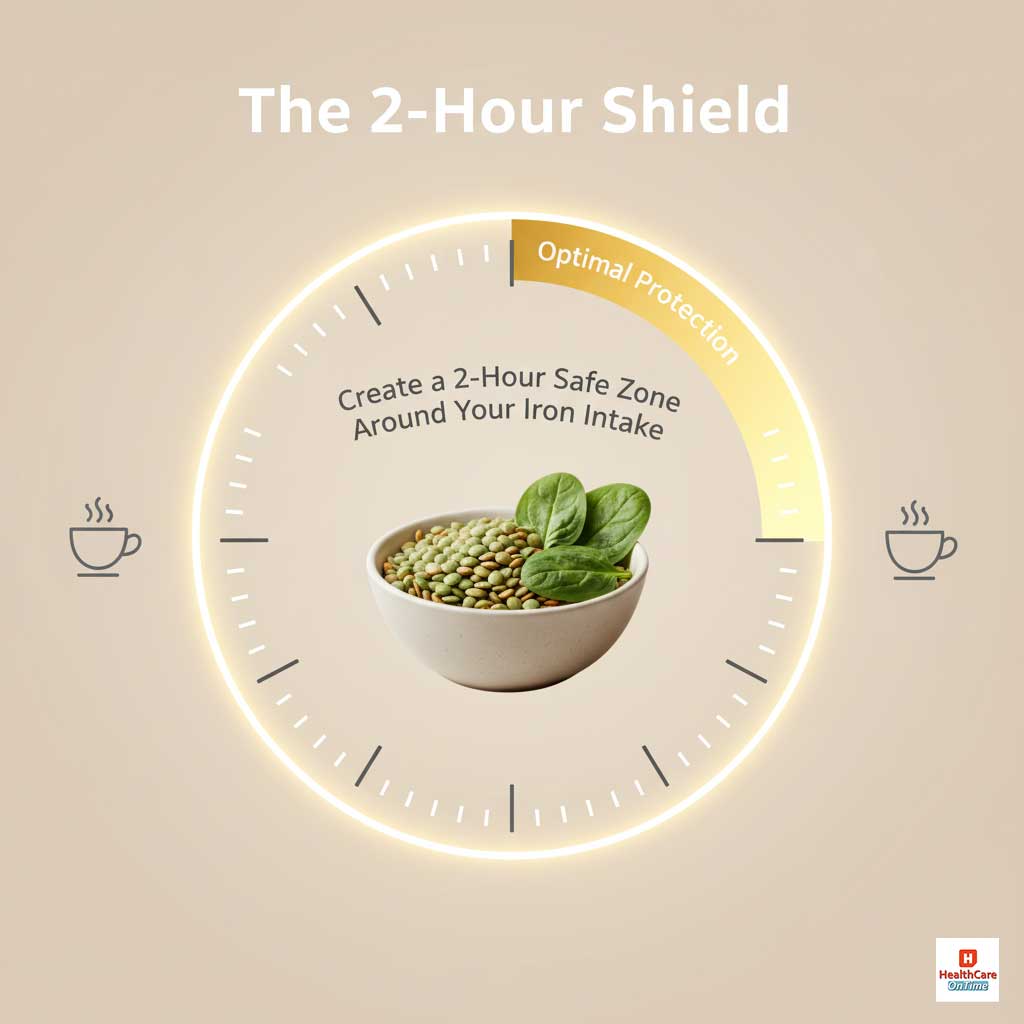
To prevent tea coffee inhibit iron absorption, follow the 2-Hour Rule:
- Wait at least one to two hours after taking your iron supplement or eating an iron-rich meal before you have a cup of coffee or tea.
- Similarly, avoid drinking them for at least an hour before your meal.
Mistake #2: Wrong Supplement Timing: Ignoring the Hepcidin Spike
Many people assume that taking iron supplements in small, divided doses throughout the day is the best strategy. However, groundbreaking research into a hormone called hepcidin has turned this conventional wisdom on its head. Understanding this mechanism is key to optimizing your iron supplement timing alternate day dosing.
The Science of Hepcidin: Your Body’s Iron Gatekeeper
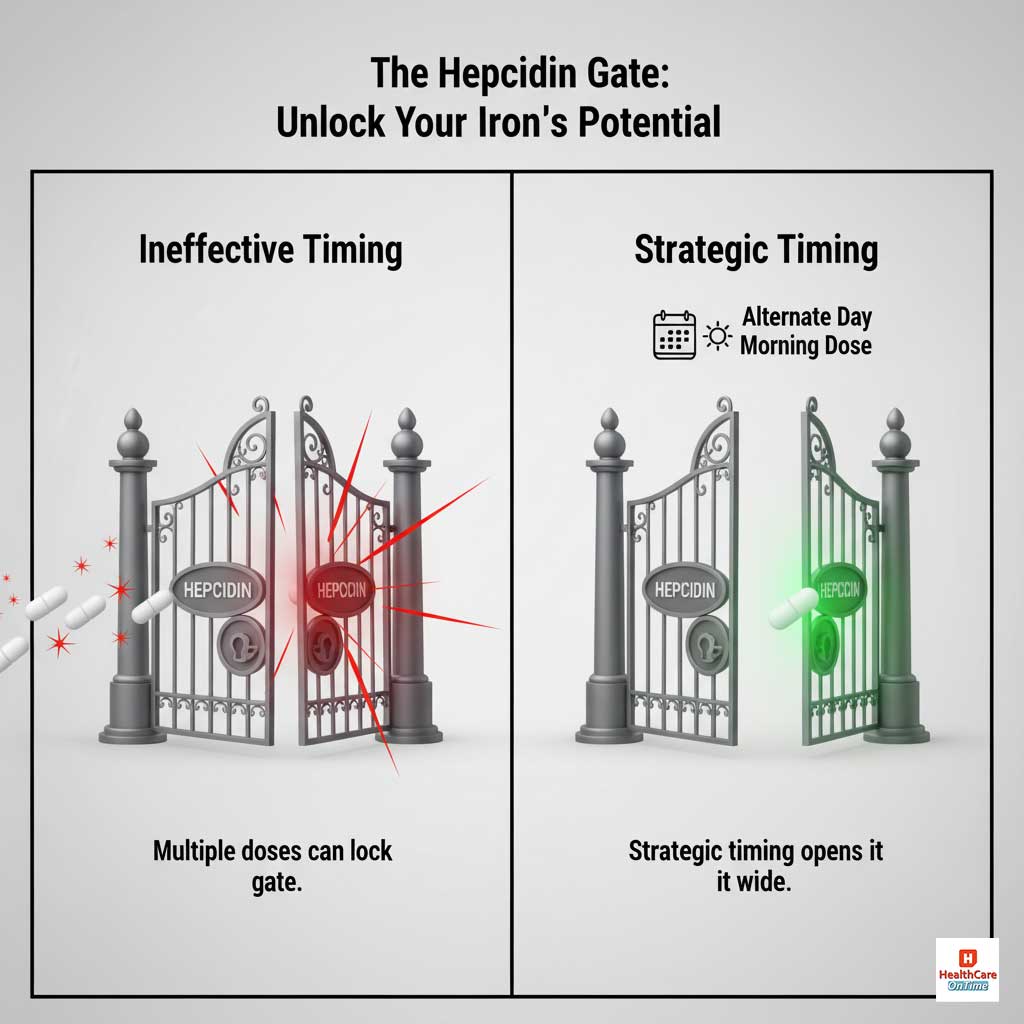
Hepcidin is the master regulator of iron in your body. When you absorb iron from a supplement or meal, your liver responds by releasing hepcidin. This hormone then works to temporarily block further iron absorption from your intestines for the next 12-24 hours. It’s a protective mechanism to prevent iron overload.
When you take multiple doses a day, you can trigger a prolonged hepcidin spike. The first dose is absorbed reasonably well, but the subsequent doses face a “closed gate,” leading to significantly lower absorption and making your efforts less effective.
Daily vs. Alternate-Day Dosing: What the Evidence Says
This understanding of hepcidin and iron timing has led to a new, more effective dosing strategy. Emerging clinical evidence shows that alternate-day vs daily iron dosing can increase overall iron absorption.
By taking a single, full dose every other day, you allow hepcidin levels to fall on the “off” day. This makes your body’s cells more receptive to iron on the “on” day, leading to greater absorption from each dose. This approach can also reduce the gastrointestinal side effects common with iron supplements.
The Pro Tip: When is the Best Time to Take Iron?
To maximize absorption, the best time to take your iron supplement is in the morning on an empty stomach. Hepcidin levels are naturally at their lowest in the morning. Combining this with an alternate-day schedule provides a powerful one-two punch to boost your levels and effectively increase hemoglobin.
Mistake #3: The Vitamin C Myth: Over-Relying on It for Supplements
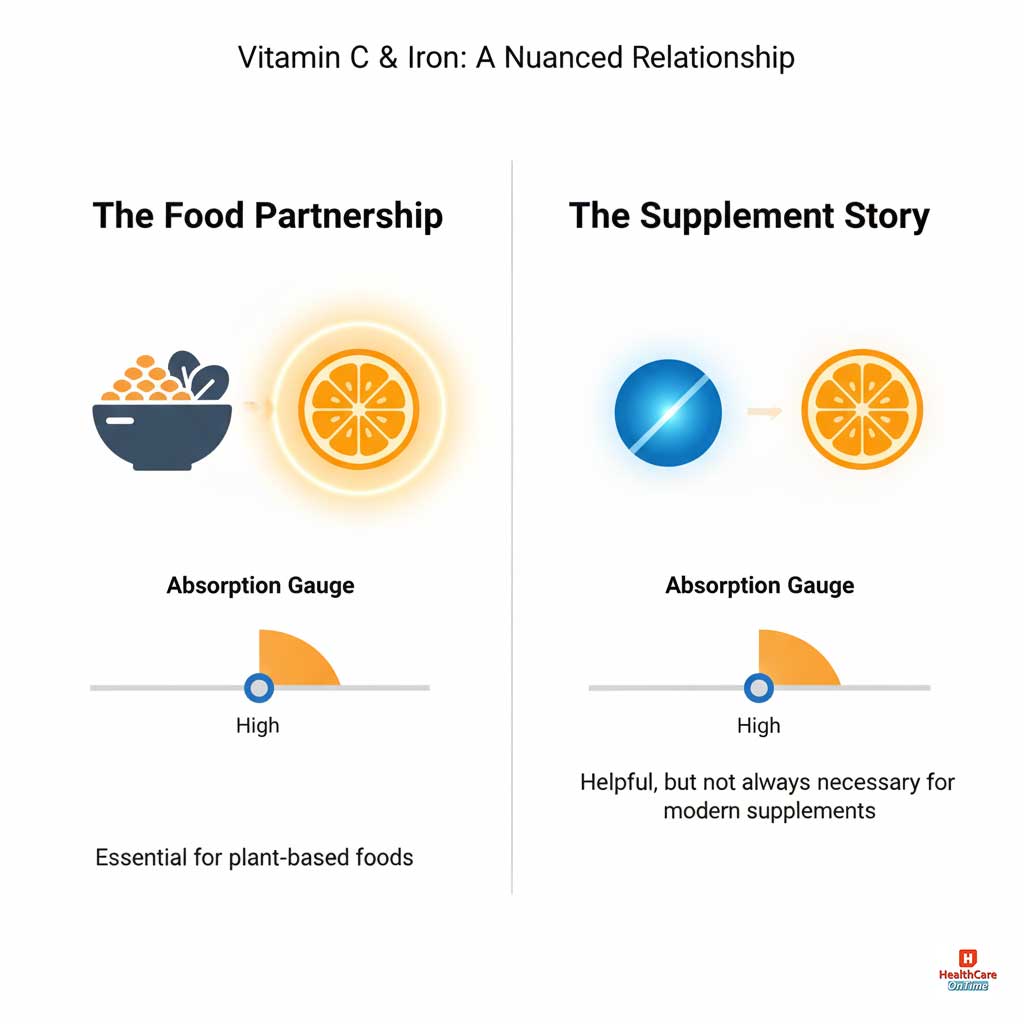
The advice to “always take iron with orange juice” is one of the most well-known nutrition tips. And it’s not wrong—vitamin C and iron absorption are closely linked, especially for dietary iron. But when it comes to modern supplements, the rule isn’t as black and white as it seems.
Vitamin C and Iron Absorption: The Classic Pairing
Vitamin C, or ascorbic acid, is a potent enhancer of non-heme iron absorption. It works by converting the less soluble form of iron found in plants (ferric, Fe3+) into the more easily absorbed form (ferrous, Fe2+). It also helps counteract the effects of iron absorption inhibitors like phytates found in grains and legumes. This is why pairing foods to increase hemoglobin, like lentils or spinach, with a source of vitamin C like bell peppers or tomatoes is a fantastic strategy.
Help or Hype? What Modern Research Reveals
While the vitamin C rule is crucial for meals, the narrative changes with supplements. Most modern iron supplements are already formulated as ferrous salts (e.g., ferrous sulfate), which are already in the highly absorbable Fe2+ form.
Recent randomized controlled trials (the gold standard of medical research) have shown that for treating iron deficiency anemia, taking iron supplements alone is just as effective as taking them with added vitamin C. The iron with vitamin C evidence (mixed findings) suggest that while it doesn’t hurt, it may not provide the significant boost many people expect from supplements. So, if you’re looking for an effective iron deficiency anemia treatment at home, focus more on supplement timing and consistency.
Mistake #4: The Medication Blind Spot: Overlooking PPIs
If your hemoglobin isn’t increasing despite doing everything else right, it’s time to look in your medicine cabinet. One of the most common yet overlooked culprits is the long-term use of Proton Pump Inhibitors (PPIs).
How Proton Pump Inhibitors (PPIs) Reduce Iron Absorption
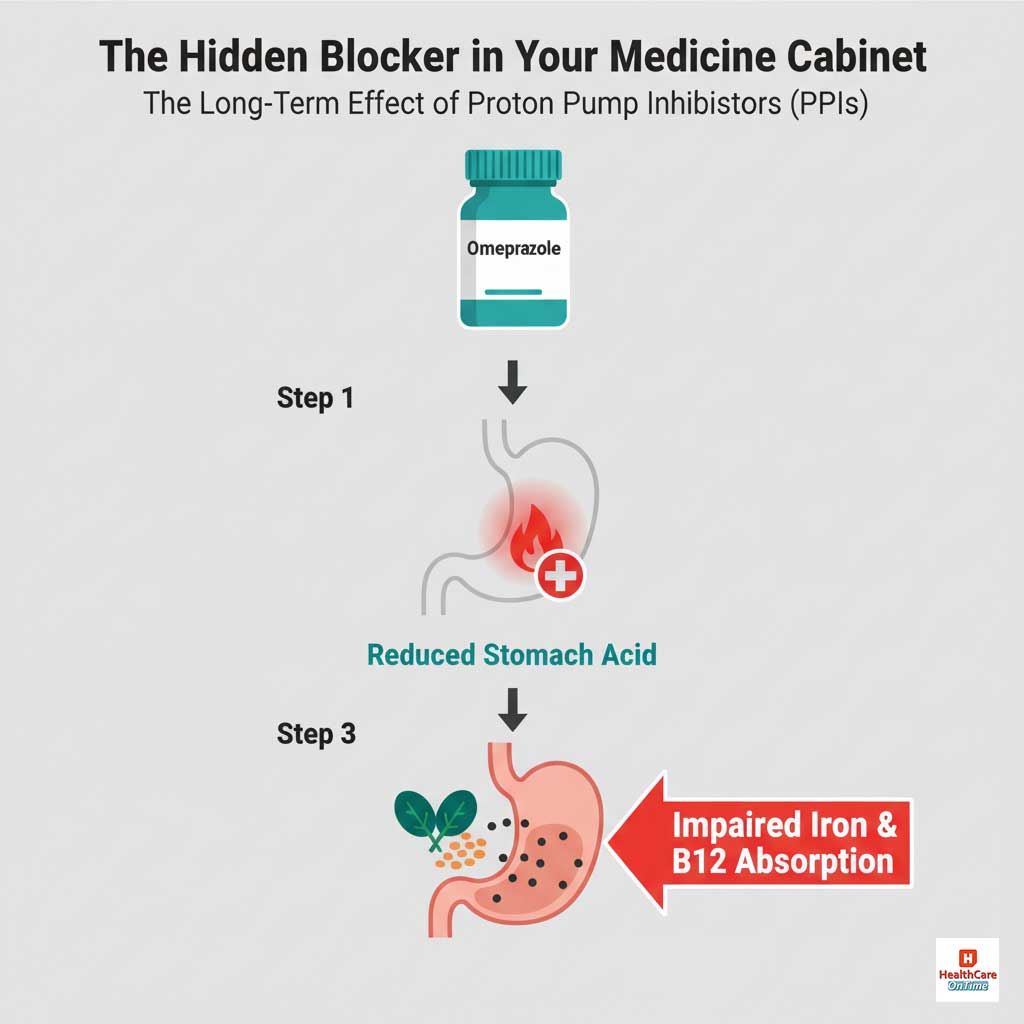
PPIs are a class of drugs, including popular medications like omeprazole and esomeprazole, used to treat acid reflux and GERD. They work by drastically reducing the production of stomach acid. While this relieves heartburn, it can interfere with nutrient absorption.
Stomach acid plays a vital role in releasing iron from the food you eat and converting it into a form your body can absorb. When acid levels are too low (a state called hypochlorhydria), the entire process is impaired. This is a critical point for anyone wondering, “Do PPIs like omeprazole reduce iron absorption?” The answer is a definitive yes, over the long term.
The Long-Term Impact on Iron and B12
The link between PPI long-term use and low iron/B12 is well-documented. Reduced stomach acid not only hinders iron but also impairs the absorption of Vitamin B12, another nutrient essential for red blood cell production. This can lead to a complex anemia that won’t resolve with iron supplements alone.
If you are on long-term PPI therapy and struggle with low hemoglobin, it is crucial to speak with your doctor. They can screen you for nutrient deficiencies and discuss alternative strategies for managing your gastrointestinal health without compromising your ability to increase hemoglobin.
Mistake #5: The Calcium Confusion: Fearing Dairy Unnecessarily
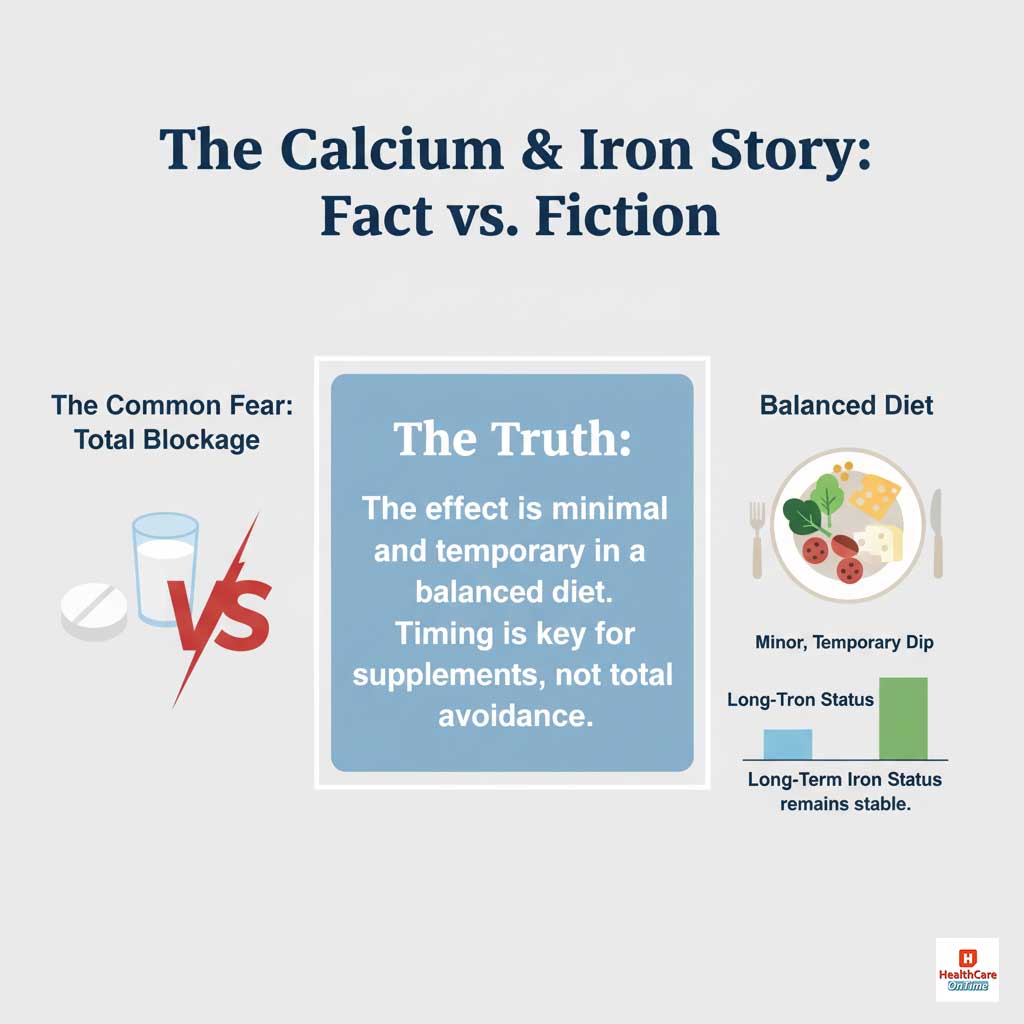
The fear that a sip of milk or a piece of cheese will completely negate your iron supplement is a common misconception. The calcium and iron interaction is real, but its impact is often exaggerated.
Calcium and Iron Interaction: Myth vs. Fact
Calcium can inhibit the absorption of both heme vs non-heme iron absorption in the short term. When consumed at the same time, the two minerals compete for the same absorption pathways in the gut.
However, human studies show that the body is remarkably adaptive. Over the long term, in the context of a varied and balanced diet, the inhibitory effect of calcium on iron status appears to be minimal. The body can regulate and compensate for these interactions over time.
Practical Guidance for Diet and Supplements
The practical takeaway is one of moderation and timing, not elimination.
- Avoid taking your iron supplement and a high-dose calcium supplement at the exact same time. Separate them by at least two hours.
- Do not take your iron pill with a large glass of milk.
- Do not feel you need to cut out healthy, calcium-rich foods like yogurt and cheese from your diet. Their overall nutritional benefits far outweigh the minor, temporary effect on iron absorption from a meal.
Mistake #6: The Wrong Diagnosis: Assuming All Anemia is Iron-Related
Anemia is a broad term for a condition where you lack enough healthy red blood cells. While iron deficiency is the leading cause worldwide, it is not the only one. A critical mistake is self-diagnosing and starting an iron deficiency anemia treatment without confirming the root cause.
Folate vs B12 Deficiency vs Iron Deficiency—How to Tell
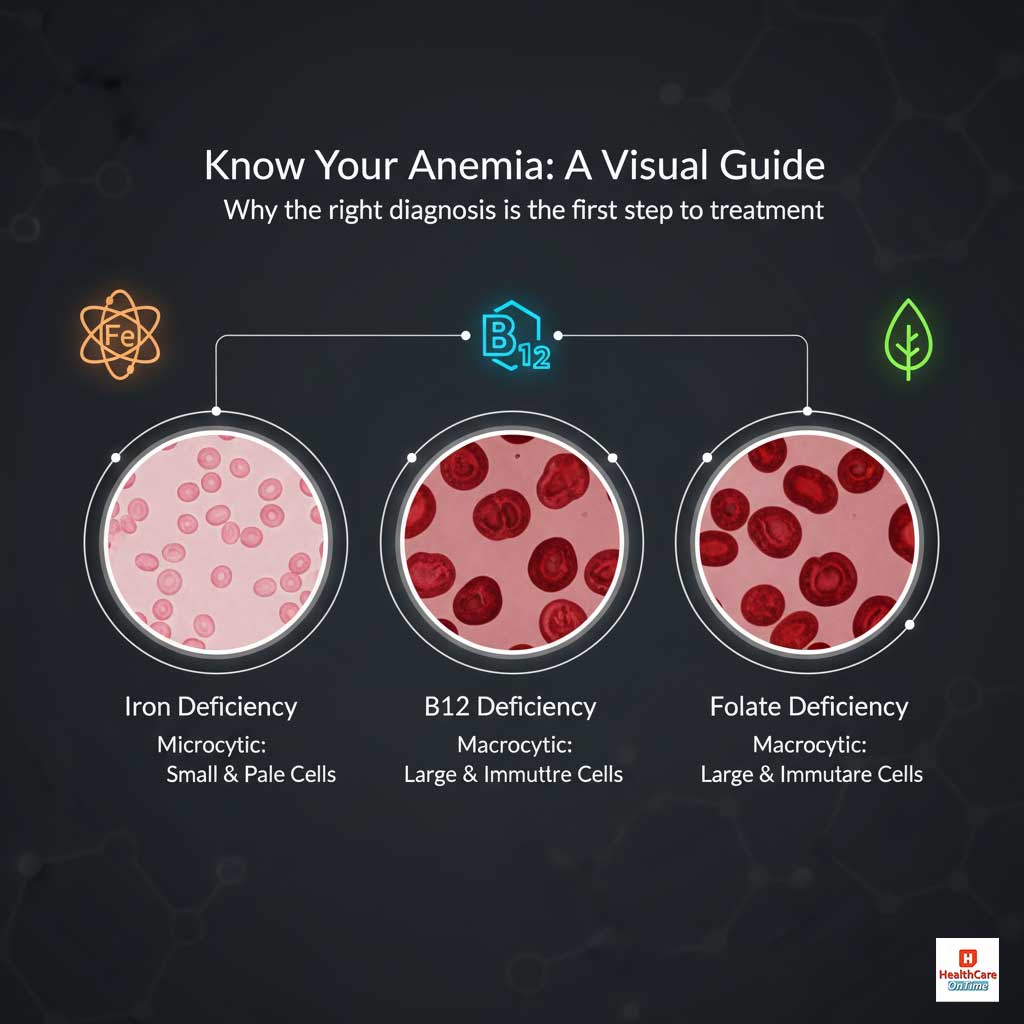
Deficiencies in two other crucial B-vitamins—folate (B9) and vitamin B12—can also cause anemia. The reason is that folate and B12 for hemoglobin production are just as essential as iron for the healthy maturation of red blood cells. Taking iron will not fix an anemia caused by a lack of these vitamins.
The only way to know the cause for sure is through a complete blood count (CBC) and further specific tests. These anemias have distinct characteristics:
- Iron Deficiency Anemia: Characterized by small, pale red blood cells (microcytic anemia).
- Folate or B12 Deficiency Anemia: Characterized by large, immature red blood cells (macrocytic or megaloblastic anemia).
This table breaks down the key differences:
| Feature | Iron Deficiency Anemia | B12 Deficiency Anemia | Folate (B9) Deficiency Anemia |
| Primary Cause | Inadequate intake, poor absorption, blood loss | Poor absorption (e.g., pernicious anemia), vegan diet | Inadequate intake, certain medications, alcoholism |
| Red Blood Cell Size | Small & Pale (Microcytic) | Large & Immature (Macrocytic) | Large & Immature (Macrocytic) |
| Key Symptoms | Fatigue, pale skin, cravings for ice (pica) | Fatigue, nerve issues (tingling), memory problems | Fatigue, mouth sores, changes in skin/hair color |
| Top Food Sources | Red meat, lentils, spinach | Animal products (meat, dairy, eggs) | Leafy greens, beans, fortified cereals |
Mistake #7: Ignoring the Root Cause: When Diet Isn’t the Problem
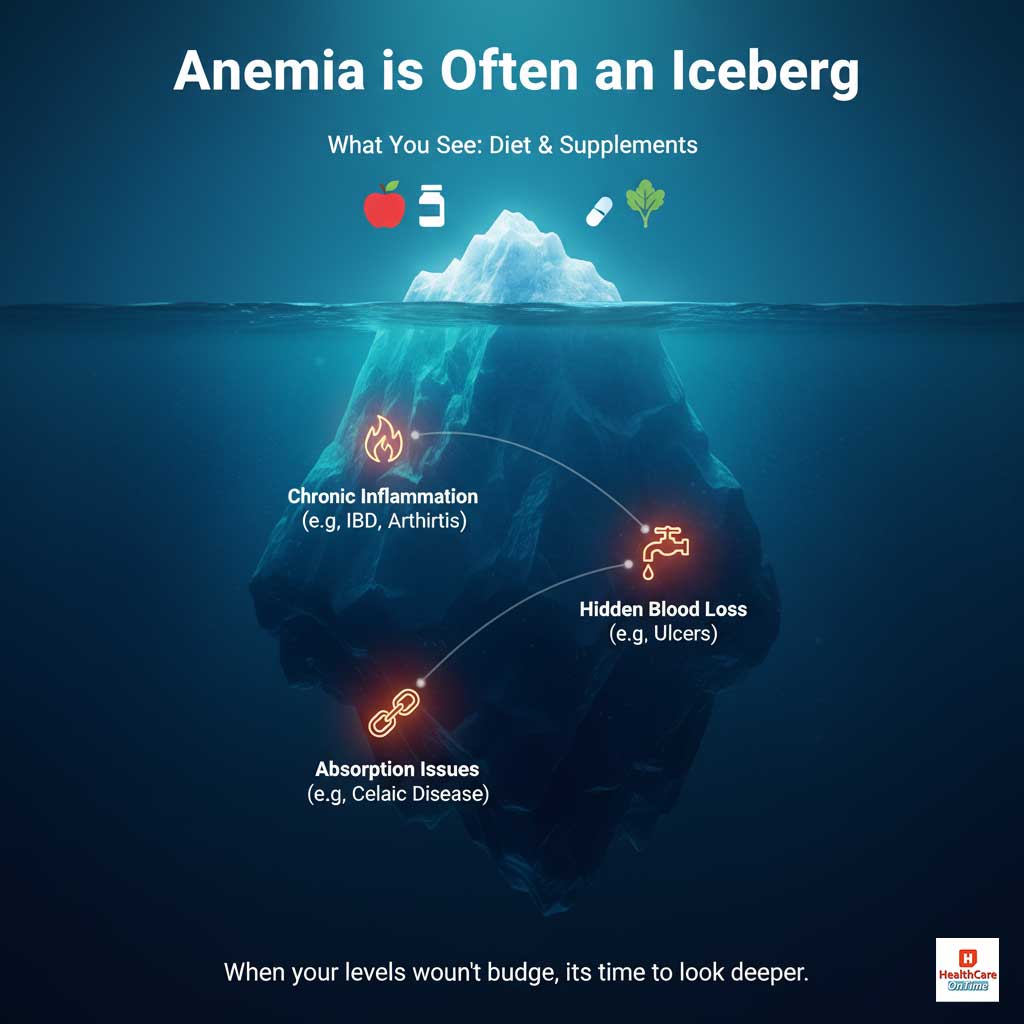
Sometimes, you can have a perfect diet and supplement regimen and still struggle with low hemoglobin. This is often a sign that the problem isn’t your intake but an underlying health issue. These are often the key signs your anemia isn’t iron related but caused by something else entirely.
Anemia of Chronic Disease and Inflammation
Many chronic inflammatory conditions can cause what is known as “anemia of chronic disease” or “anemia of inflammation.” In conditions like rheumatoid arthritis, inflammatory bowel disease (Crohn’s or colitis), or chronic kidney disease, the body is in a constant state of inflammation.
This inflammation triggers a massive increase in the hormone hepcidin. As we learned, hepcidin blocks iron absorption from the gut and also locks away the iron already in your body’s storage, preventing it from being used to make new red blood cells. In this case, the problem isn’t a lack of iron in the body, but a lack of access to it.
Investigating Hidden Blood Loss
One of the most common reasons why is my hemoglobin not increasing despite iron supplements is slow, chronic blood loss that you might not even be aware of. Conditions like stomach ulcers, colon polyps, or very heavy menstrual cycles can lead to a steady loss of iron over time that outpaces what you can absorb, making it impossible to increase hemoglobin.
Actionable Strategies to Increase Hemoglobin Naturally
Avoiding the seven mistakes is the first half of the battle. The second half is actively implementing strategies that work. This involves focusing on the right foods to increase hemoglobin and mastering smart food pairings.
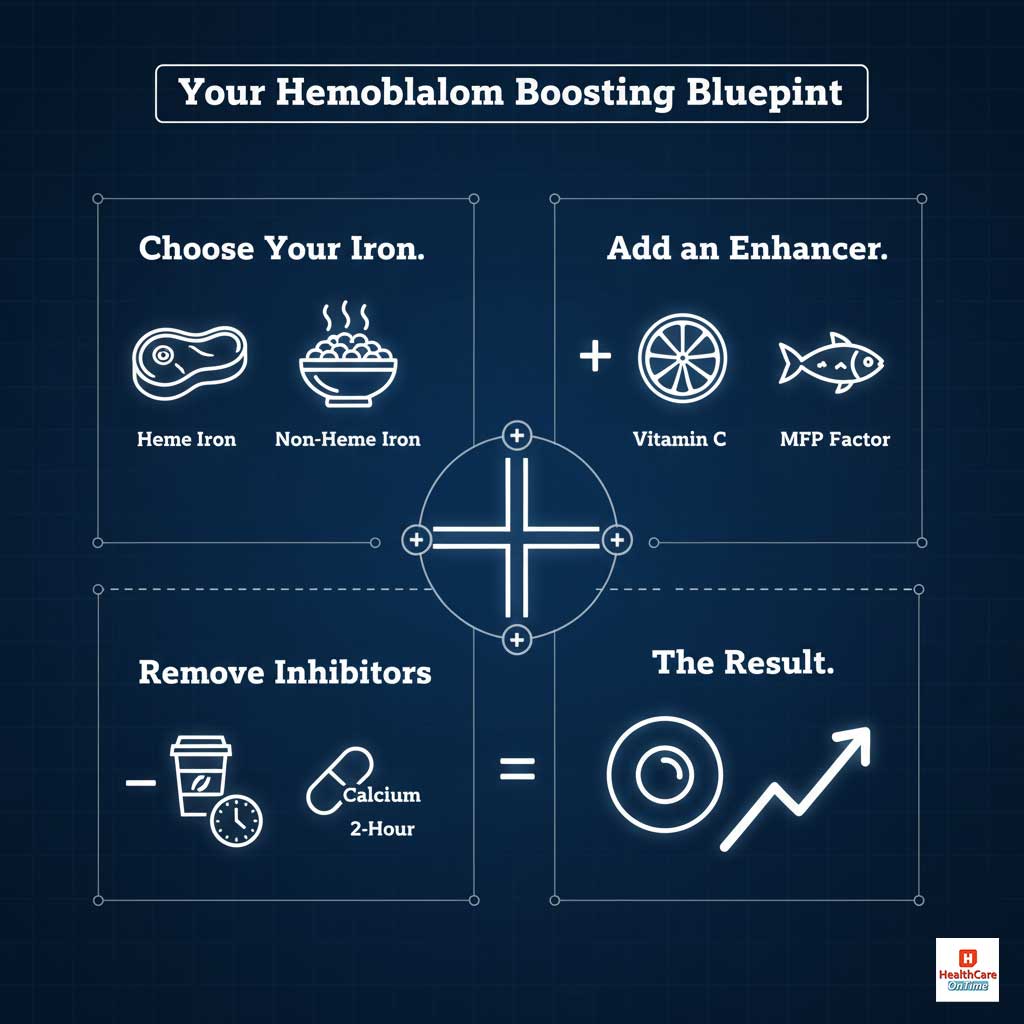
Building Your Hemoglobin-Boosting Plate: Foods & Pairings
Understanding the two types of dietary iron is crucial for building an effective eating plan.
- Heme Iron: Found in animal products like meat, poultry, and fish. It is highly bioavailable, and your body absorbs it much more efficiently (15-35%).
- Non-Heme Iron: Found in plant-based foods like lentils, beans, spinach, and fortified cereals. Its absorption is less efficient (2-20%) and is heavily influenced by the iron absorption inhibitors and enhancers in the same meal.
Top Foods to Increase Hemoglobin (Vegetarian & Non-Vegetarian)
Here are some of the best foods to incorporate into your diet:
- Top Heme Iron Sources (Non-Vegetarian):
- Lean red meat (beef, lamb)
- Oysters, clams, and mussels
- Chicken or turkey liver
- Dark meat poultry and fish like tuna and sardines
- Top Non-Heme Iron Sources (Vegetarian/Vegan):
- Lentils and chickpeas
- Tofu and tempeh
- Spinach and kale (cooked is better)
- Quinoa and oats
- Fortified breakfast cereals
- Pumpkin seeds and sesame seeds (tahini)
Mastering Food Pairings: The MFP Factor and Vitamin C
To maximize your efforts, especially on a plant-based diet, use these two powerful pairing strategies:
- The Vitamin C Enhancer: Always pair your non-heme iron sources with a food rich in Vitamin C. This can boost absorption several-fold. Examples include adding bell peppers to a bean salad, squeezing lemon juice over lentils, or having strawberries with your oatmeal.
- The MFP Factor: The “Meat, Fish, Poultry” factor is another powerful enhancer. The presence of heme iron in a meal significantly boosts the absorption of non-heme iron consumed at the same time. For example, adding a small amount of chicken to a large spinach salad will help you absorb more iron from the spinach.
This table summarizes the core lessons of this article, providing a quick reference guide to avoid common pitfalls and adopt effective solutions.
| Common Mistake | Why It Prevents Hemoglobin Increase | The Evidence-Based Solution |
| Drinking Coffee/Tea with Meals | Polyphenols bind to non-heme iron, blocking its absorption by up to 70%. | Wait at least 1-2 hours after your meal/supplement to have coffee or tea. |
| Ignoring Supplement Timing | Daily dosing can cause a “hepcidin spike,” which blocks subsequent iron absorption. | Take a single dose in the morning or try alternate-day dosing for better absorption. |
| Over-relying on Vitamin C | Modern iron supplements are already highly absorbable; adding Vitamin C offers minimal extra benefit. | Pair Vitamin C with plant-based meals, but don’t worry about taking it with your supplement. |
| Overlooking PPI Medications | These drugs reduce stomach acid, which is essential for absorbing iron from food. | If you’re on long-term PPIs and have low Hb, discuss it with your doctor. |
| Fearing Calcium & Dairy | While high doses can inhibit iron, the effect in a balanced diet is minimal and short-lived. | Avoid taking iron and calcium supplements together, but don’t eliminate dairy from your diet. |
| Assuming It’s Iron Deficiency | Anemia can also be caused by low B12 or Folate, which won’t respond to iron supplements. | Get a proper blood test to confirm the type of anemia before starting treatment. |
| Ignoring Underlying Conditions | Chronic inflammation or hidden blood loss can cause low hemoglobin regardless of diet. | If your Hb isn’t improving, work with a doctor to investigate non-dietary causes. |
Special Considerations: Pregnancy and Anemia
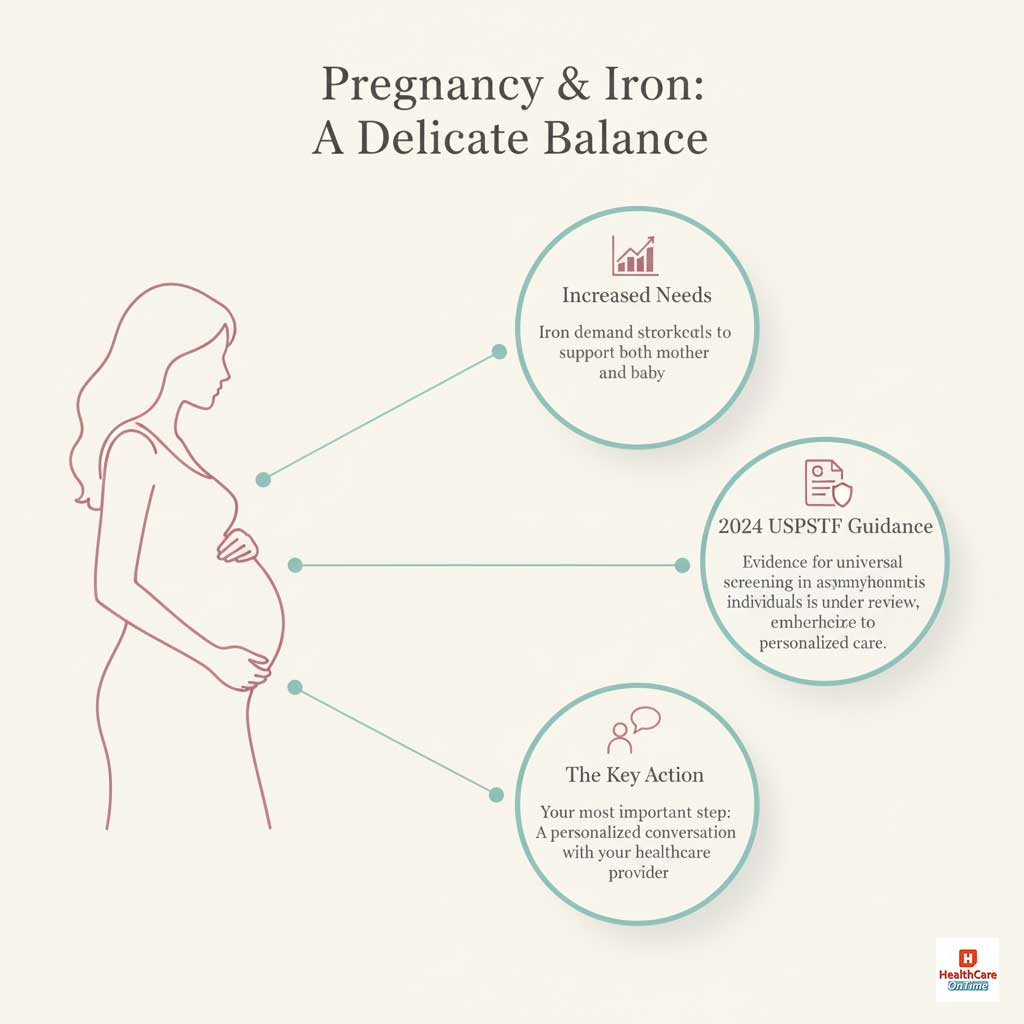
Iron requirements increase dramatically during pregnancy to support the developing baby and the mother’s expanded blood volume. For this reason, pregnancy anemia screening guidance is a critical topic.
What the Latest 2024 USPSTF Guidance Means
In 2024, the U.S. Preventive Services Task Force (USPSTF) issued an “I-statement” regarding screening for iron deficiency anemia in asymptomatic pregnant persons. This means they concluded that the current evidence is insufficient to assess the balance of benefits and harms of routine screening and supplementation for all pregnant individuals without symptoms. This doesn’t mean screening is unimportant; rather, it highlights the need for a personalized approach. It is essential for pregnant individuals to discuss their specific risk factors and screening needs with their healthcare provider.
Summary: Your Roadmap to Higher Hemoglobin
Successfully raising your hemoglobin levels is about working smarter, not just harder. It requires a strategic and informed approach that goes far beyond simply eating more iron-rich foods or taking a daily supplement. By avoiding the seven common mistakes outlined here, you can pave the way for effective absorption and real results.
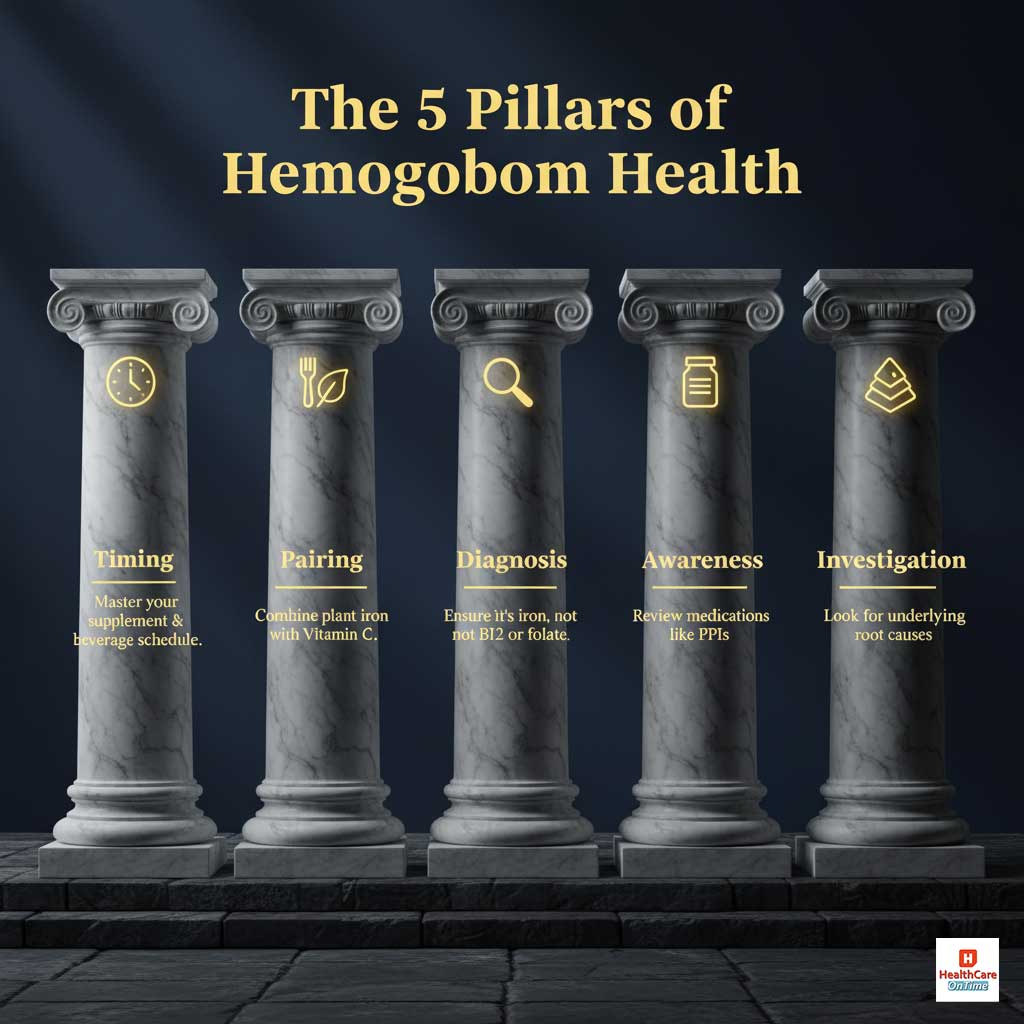
True progress comes from understanding the science—knowing when to take your supplements, how to pair your foods, what to avoid with your meals, and when to look beyond your diet for the root cause. This comprehensive strategy is the key to an effective iron deficiency anemia treatment at home and finally overcoming the symptoms of low hemoglobin.
Key Takeaways
- Timing is Everything: Take iron supplements in the morning or on alternate days to bypass the hepcidin spike and maximize absorption.
- Create a Buffer Zone: Separate your coffee, tea, and high-dose calcium from your iron-rich meals or supplements by at least 1-2 hours.
- Review Your Medications: If you are on long-term PPIs, discuss potential iron and B12 deficiencies with your doctor.
- Get the Right Diagnosis: Don’t assume your anemia is iron-related. A blood test can confirm if the cause is a deficiency in iron, folate, or B12.
- Master Smart Pairings: Boost non-heme iron absorption by pairing plant-based sources with Vitamin C or a small portion of meat, fish, or poultry.
- Investigate Deeper: If your levels don’t improve, work with a healthcare professional to rule out underlying conditions like chronic inflammation or hidden blood loss.
Frequently Asked Questions (FAQ)
What is the #1 mistake people make when trying to raise hemoglobin?
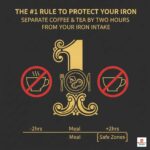
The most common and impactful mistake is consuming coffee or tea with iron-rich meals or supplements. The tannins in these beverages can block iron absorption by up to 70%, effectively neutralizing your efforts.
How long does it take for hemoglobin to increase after starting iron?
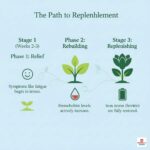
While some people may start to feel better within a couple of weeks, it typically takes at least 2 to 3 months of consistent and effective supplementation to correct iron deficiency anemia and see a significant rise in hemoglobin levels.
Is it better to take iron supplements in the morning or at night?
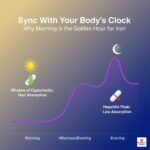
It is almost always better to take iron in the morning on an empty stomach. The body’s natural levels of hepcidin, a hormone that blocks iron absorption, are at their lowest in the morning, making your system more receptive.
Why is my hemoglobin still low even though I’m taking iron supplements?
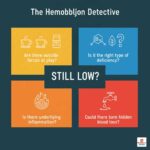
There are several possible reasons: you could be making timing mistakes, consuming iron inhibitors, taking medications like PPIs that block absorption, have an underlying condition like celiac disease or chronic inflammation, or your anemia might be caused by a B12 or folate deficiency, not iron.
Does vitamin C actually help with iron absorption from supplements?
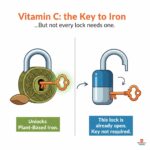
While Vitamin C is extremely helpful for absorbing non-heme iron from food, its benefit with modern iron supplements is minimal. Most supplements are already in a highly absorbable form, so adding vitamin C is not a necessity.
Can I drink milk if I am trying to increase my iron levels?
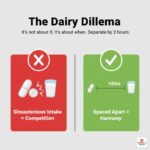
Yes, in moderation. While a large amount of calcium taken at the exact same time as iron can reduce its absorption, you do not need to eliminate dairy. Simply avoid taking your iron pill with a large glass of milk or a calcium supplement.
What is the difference between iron deficiency anemia and B12 deficiency anemia?
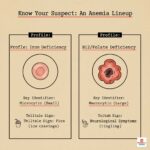
The primary difference is seen in a blood test. Iron deficiency causes small, pale red blood cells (microcytic), whereas B12 deficiency causes large, immature red blood cells (macrocytic). B12 deficiency can also cause neurological symptoms like tingling, which are not typical of iron deficiency.
Are alternate-day iron supplements more effective than taking them daily?
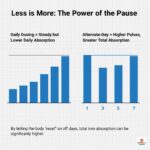
Emerging research strongly suggests that for many people, yes. Alternate-day dosing allows the iron-blocking hormone hepcidin to fall on the “off” day, which can lead to greater total iron absorption compared to daily dosing.
What are the first signs of low hemoglobin?
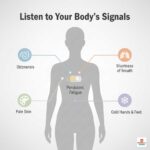
The earliest and most common signs are persistent fatigue, unexplained weakness, looking paler than usual, feeling short of breath during mild exertion, and experiencing dizziness or lightheadedness.
Can you increase hemoglobin without eating meat?
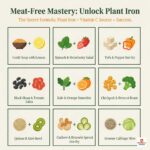
Absolutely. A well-planned vegetarian or vegan diet can provide sufficient iron. The key is to consistently eat iron-rich plant foods like lentils, beans, tofu, and quinoa, and always pair them with a source of Vitamin C to maximize absorption.
Do I need to worry about anemia during pregnancy if I have no symptoms?
Yes, it’s important to monitor. The 2024 USPSTF guidance notes insufficient evidence for universal screening in asymptomatic individuals, but this reinforces the need for personalized care. Discuss your individual risk factors and testing schedule with your doctor, as iron needs are much higher during pregnancy.
Which is better for iron: spinach or red meat?
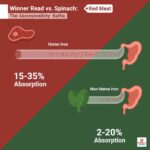
For pure iron absorption, red meat is superior. It contains heme iron, which is much more easily absorbed by the body than the non-heme iron found in spinach. While spinach is a good source of iron, its absorption is lower and hindered by other compounds within the plant.