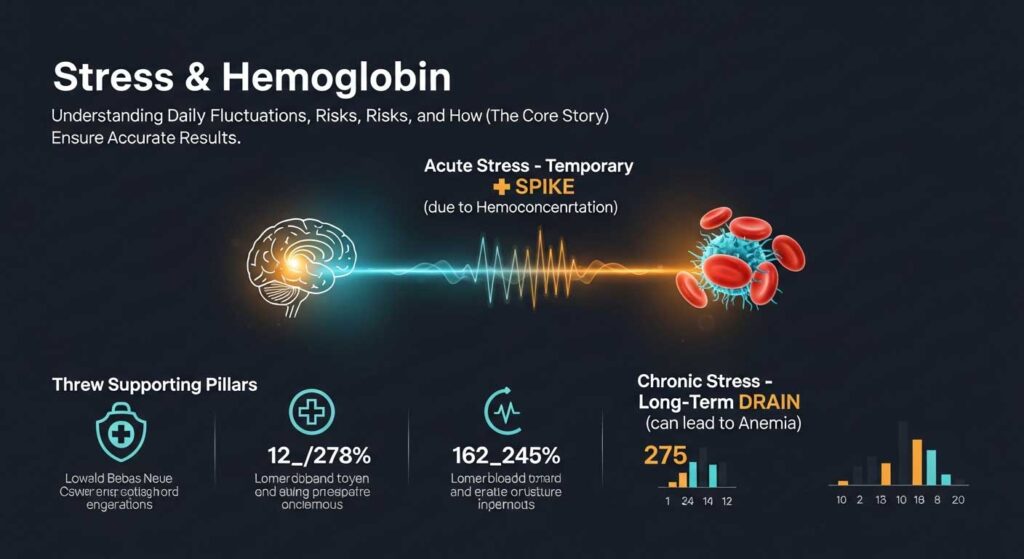
You just received your annual blood test results, and one number is flagged: hemoglobin. Before you turn to frantic internet searches or dismiss it as a fluke, it’s vital to understand that this single number tells a complex story. It’s a snapshot of your health influenced by everything from your stress levels and hydration to the time of day the blood was drawn. High or low hemoglobin levels can be concerning, but they are often misunderstood.
Table of Contents
This guide provides a comprehensive look at hemoglobin levels, exploring the surprising and significant link between stress and hemoglobin. We will break down why your levels can change daily, what causes them to be too high or too low, and provide safe, actionable steps for managing your health. We’ll differentiate between a temporary daily hemoglobin fluctuation and a true medical concern, using the latest data and guidelines for a 2025 USA audience.
What is Hemoglobin and Why is it a Key Health Marker?
Understanding your lab report begins with understanding the basics. Your hemoglobin levels are one of the most important metrics in a complete blood count (CBC), offering a window into your body’s ability to function efficiently.
Defining Hemoglobin: Your Body’s Essential Oxygen Delivery Service
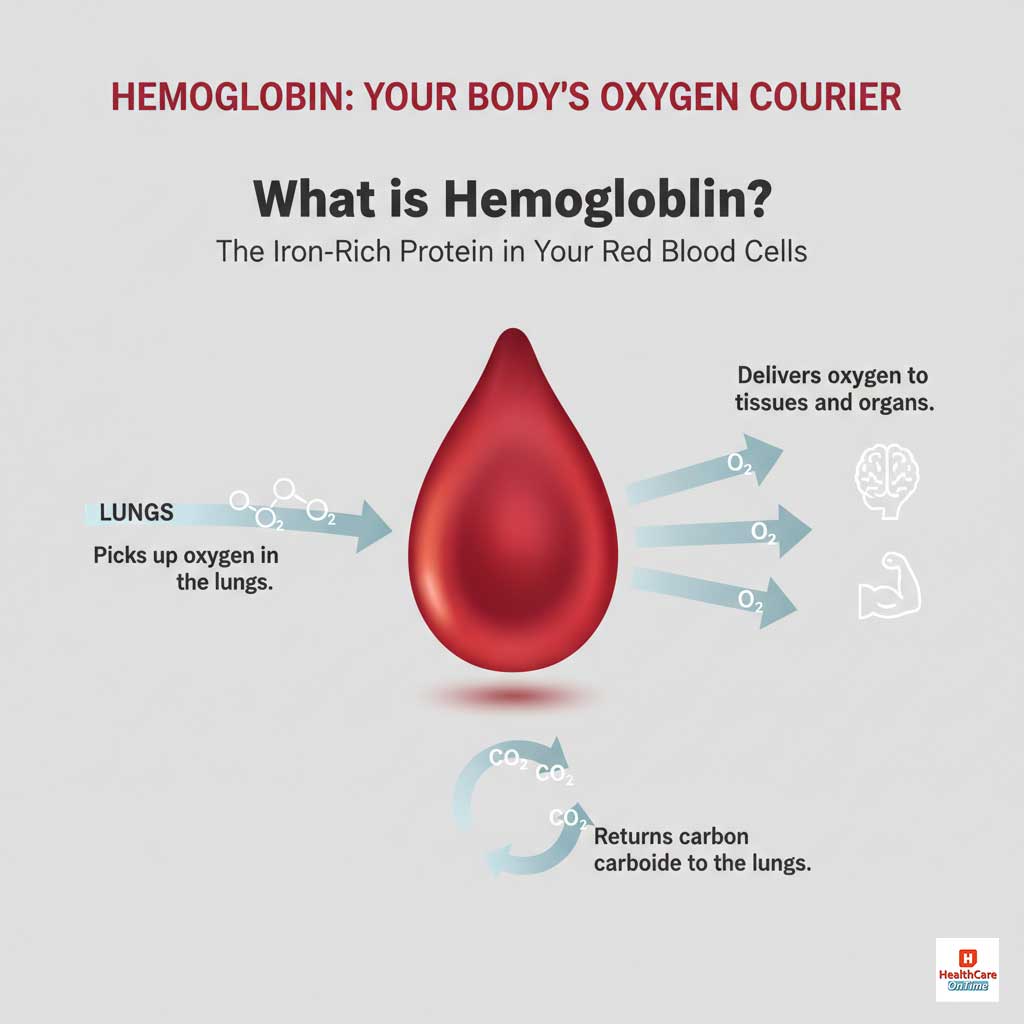
Hemoglobin is an iron-rich protein found within your red blood cells. Its primary and most critical job is to bind with oxygen in your lungs, transport it through your bloodstream to every tissue and organ, and then carry carbon dioxide back to the lungs to be exhaled. Think of it as the body’s essential oxygen delivery fleet, crucial for energy, cellular repair, and overall vitality. When your hemoglobin levels are optimal, your body is well-oxygenated and functions at its best.
Understanding Normal Hemoglobin Levels
While the concept is universal, the numbers that define “normal” can vary. In the USA, laboratories establish a reference range for normal hemoglobin levels based on a healthy population. It’s important to remember these are guidelines, not absolute rules, and your doctor will interpret them in the context of your personal health.
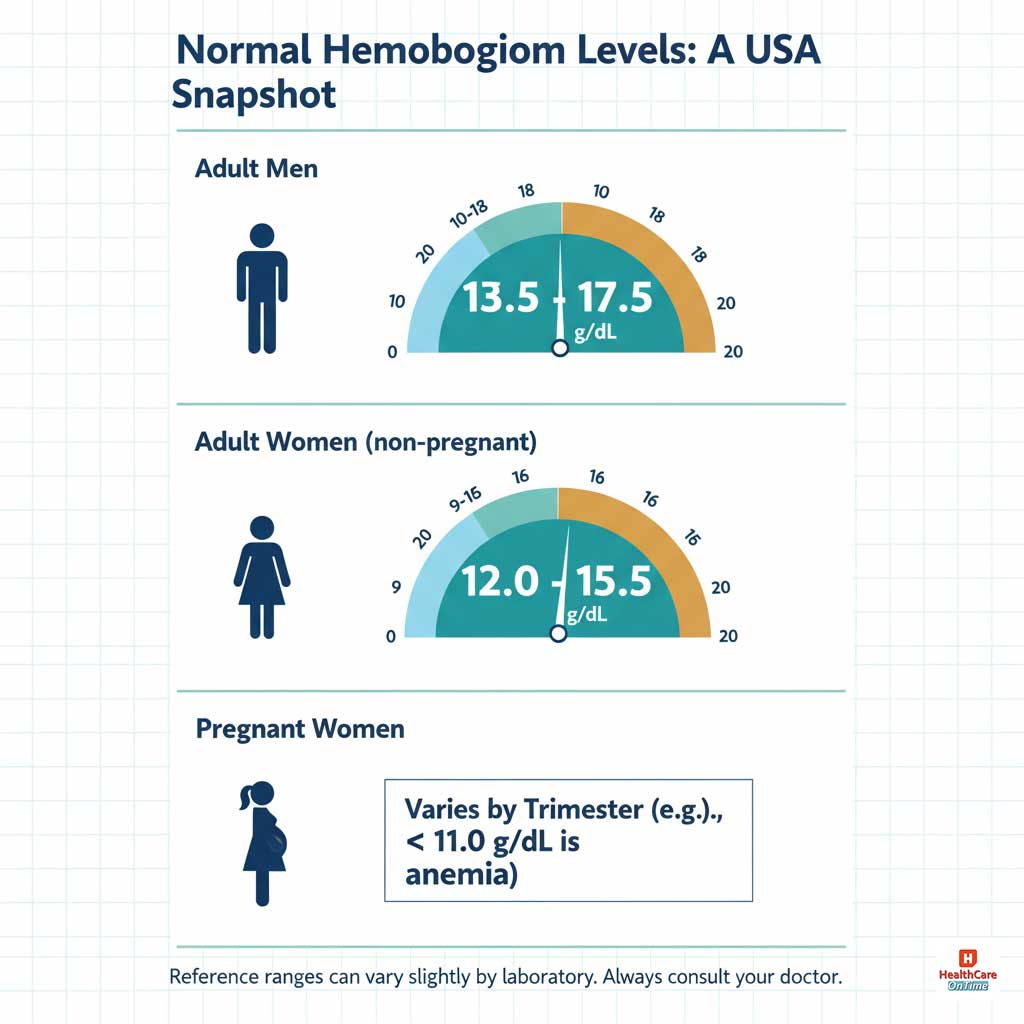
A typical reference range for hemoglobin levels includes:
- Adult Men: 13.5 to 17.5 grams per deciliter (g/dL)
- Adult Women (non-pregnant): 12.0 to 15.5 g/dL
These ranges are a crucial starting point for any discussion about your blood health, but they don’t tell the whole story, especially with evolving global standards. A result outside this range isn’t automatically a cause for alarm, but it does signal the need for a closer look.
The New Global Standard: Reconciling Lab Ranges with WHO 2024 Anemia Cutoffs
In 2024, the World Health Organization (WHO) issued updated guidance on the hemoglobin cutoffs used to diagnose anemia worldwide. These standards are now referenced by public health bodies in the USA, including the Centers for Disease Control and Prevention (CDC), for tracking anemia prevalence. This can sometimes create confusion for patients.
It’s essential to understand the difference:
- Lab Reference Range: Reflects the typical hemoglobin levels for healthy individuals in a specific local population.
- WHO Anemia Cutoffs 2024: Standardized global thresholds used to define and track the public health burden of anemia.
Here’s a quick look at the updated WHO hemoglobin cutoffs 2024 explained for adults:
- Anemia in Men (15+ years): Low hemoglobin defined as < 13.0 g/dL
- Anemia in Non-Pregnant Women (15+ years): Low hemoglobin defined as < 12.0 g/dL
- Anemia in Pregnant Women: Low hemoglobin defined as < 11.0 g/dL
Your doctor will use your lab’s range for initial assessment but may consider the WHO anemia cutoffs 2024 for broader diagnostic context, especially when evaluating causes of low hemoglobin.

The Core Question: Do Hemoglobin Levels Fluctuate Daily?
One of the most common questions from patients is, “Why was my hemoglobin different this time?” The simple answer is that daily hemoglobin fluctuation is not only possible but normal. Your hemoglobin levels are not static and are highly sensitive to changes in your body’s fluid balance.
Yes, Daily Hemoglobin Fluctuation is Normal. Here’s Why.
The concentration of red blood cells in your blood can change based on the volume of plasma (the liquid component). When plasma volume decreases, the blood becomes more concentrated, and the measured hemoglobin level rises. When plasma volume increases, the blood is more diluted, and the level falls. This is why a single reading must be interpreted with care.
Several factors drive this variability:

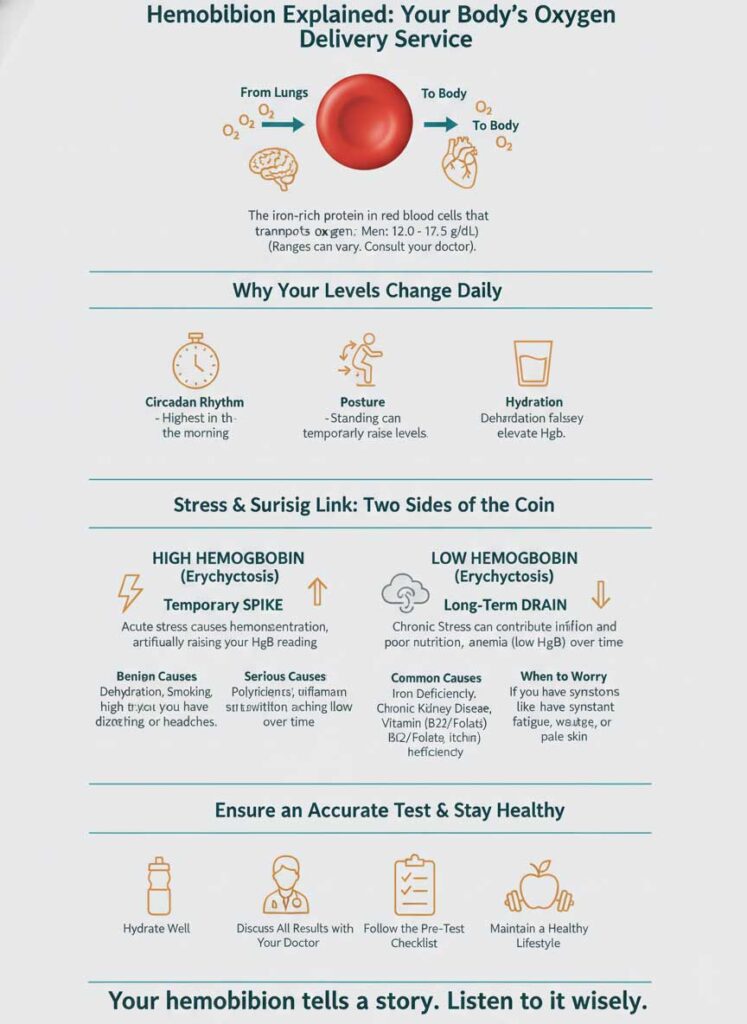
- Circadian Rhythm: Your body’s internal clock.
- Posture: Simply standing up versus lying down.
- Hydration: The amount of fluid you consume.
The Circadian Variation Hemoglobin Effect: Morning Highs, Afternoon Lows
Your body operates on a 24-hour cycle, and your blood is no exception. Studies on circadian variation hemoglobin show that hemoglobin levels are typically at their highest in the morning, often around 8 AM, and gradually decline by a small percentage throughout the day. This natural rhythm is why healthcare providers often recommend morning blood draws for consistent monitoring over time.
The Posture and Hydration Connection: Key Pre-Test Variables
Two of the biggest influencers of daily hemoglobin fluctuation are your posture and hydration status. This is where the concepts of hemoconcentration and hemodilution come into play.
- Hemoconcentration: This occurs when plasma volume decreases, making the blood more concentrated. Standing up for a prolonged period can cause this, as fluid shifts from your blood vessels into the surrounding tissues. More significantly, dehydration and hemoglobin are directly linked; insufficient fluid intake is a primary cause of hemoconcentration and a falsely high hemoglobin reading.
- Hemodilution: This is the opposite effect, where an increase in plasma volume dilutes the blood, lowering the measured hemoglobin. This can happen after drinking large amounts of fluid or receiving intravenous (IV) fluids.
The Stress-Hemoglobin Connection: Acute vs. Chronic Effects
Beyond predictable daily shifts, another powerful factor can influence your hemoglobin levels: your mental state. The relationship between stress and hemoglobin is complex, with acute and chronic stress affecting your body in very different ways.
Can Stress Increase Hemoglobin Temporarily? The Science of Stress-Induced Hemoconcentration
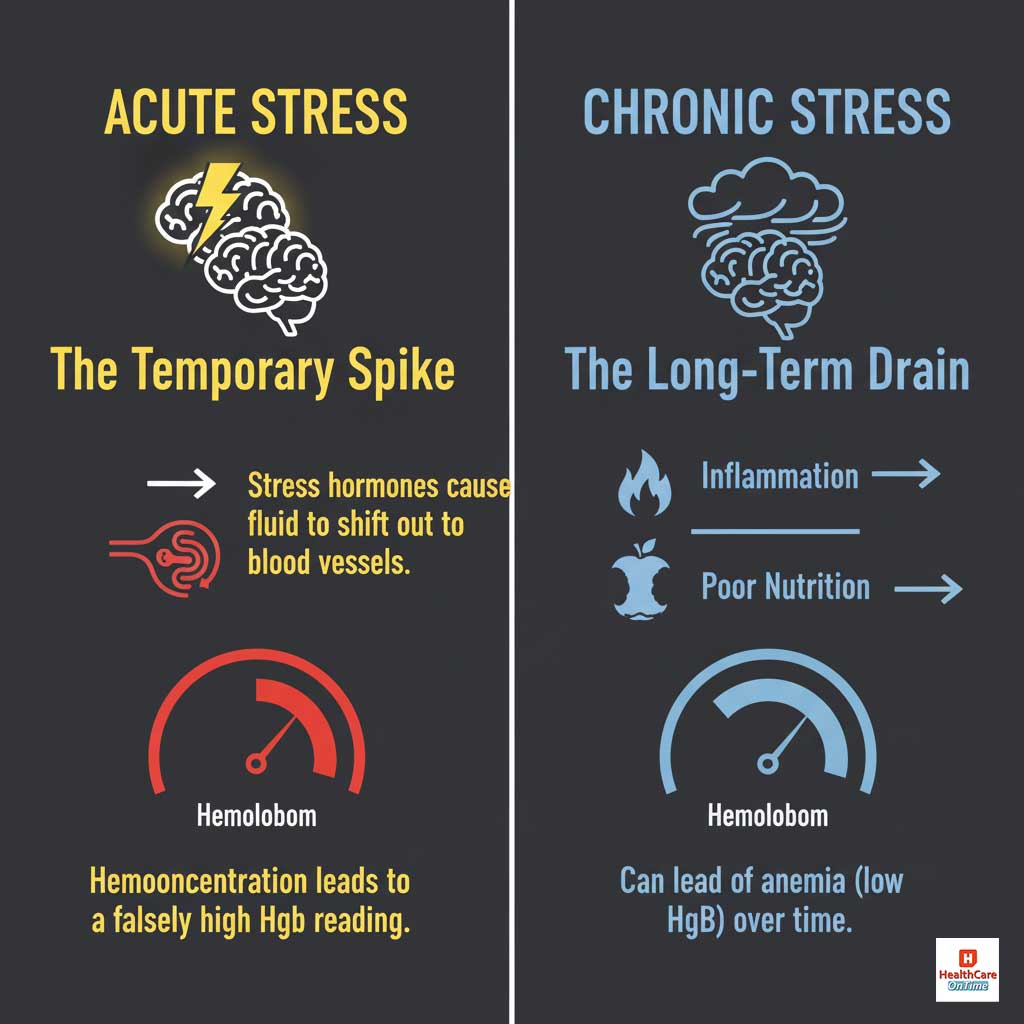
Yes, acute psychological stress can temporarily increase your hemoglobin. This is a direct result of stress-induced hemoconcentration. When you experience a sudden stressor—like a work deadline, a heated argument, or even the anxiety of a needle for a blood draw—your body releases stress hormones like cortisol and adrenaline.
This hormonal surge can cause a rapid shift of fluid out of your blood vessels and into your tissues, effectively thickening your blood. This is not a true increase in red blood cell production but a temporary change in concentration. This effect underscores the powerful link between stress and hemoglobin, explaining why a reading taken during a stressful moment might be higher than expected.
Can Chronic Stress or Depression Lower Hemoglobin Over Time?
While acute stress can cause a temporary spike, the long-term effects of chronic stress, anxiety, or depression on hemoglobin levels are more nuanced. Chronic stress is more likely to contribute to conditions that ultimately lower hemoglobin over time.
Here’s how:
- Chronic Inflammation: Long-term stress promotes low-grade inflammation, which can interfere with how your body uses iron and produces red blood cells, potentially leading to anemia of chronic disease.
- Poor Nutrition: People experiencing chronic stress may adopt poor eating habits, leading to deficiencies in key nutrients like iron, B12, and folate—all essential for healthy hemoglobin production. This is a common pathway to iron deficiency anemia.
So, while you might ask, “can stress lower hemoglobin over time?” the answer is often an indirect yes, mediated by its effects on diet and inflammation, which are well-known causes of low hemoglobin.
High Hemoglobin (Erythrocytosis): Benign Causes vs. Serious Risks
Receiving a lab report with a high hemoglobin count can be unsettling. However, it’s crucial to differentiate between a temporary, benign spike and a more serious, chronic condition. Your doctor’s job is to investigate the causes of high hemoglobin to determine the right course of action. The medical term for a high red blood cell count is erythrocytosis.
Differentiating Benign Spikes from Pathological Conditions
Context is everything. A single high hemoglobin reading, especially if it’s only slightly elevated, is often due to a reversible cause. A persistently high level across multiple tests, however, requires a more thorough medical evaluation. The question, “is it bad to have a high hemoglobin count if I feel fine?” is common, but feeling fine doesn’t rule out an underlying issue.
This comparison table helps distinguish the two scenarios:
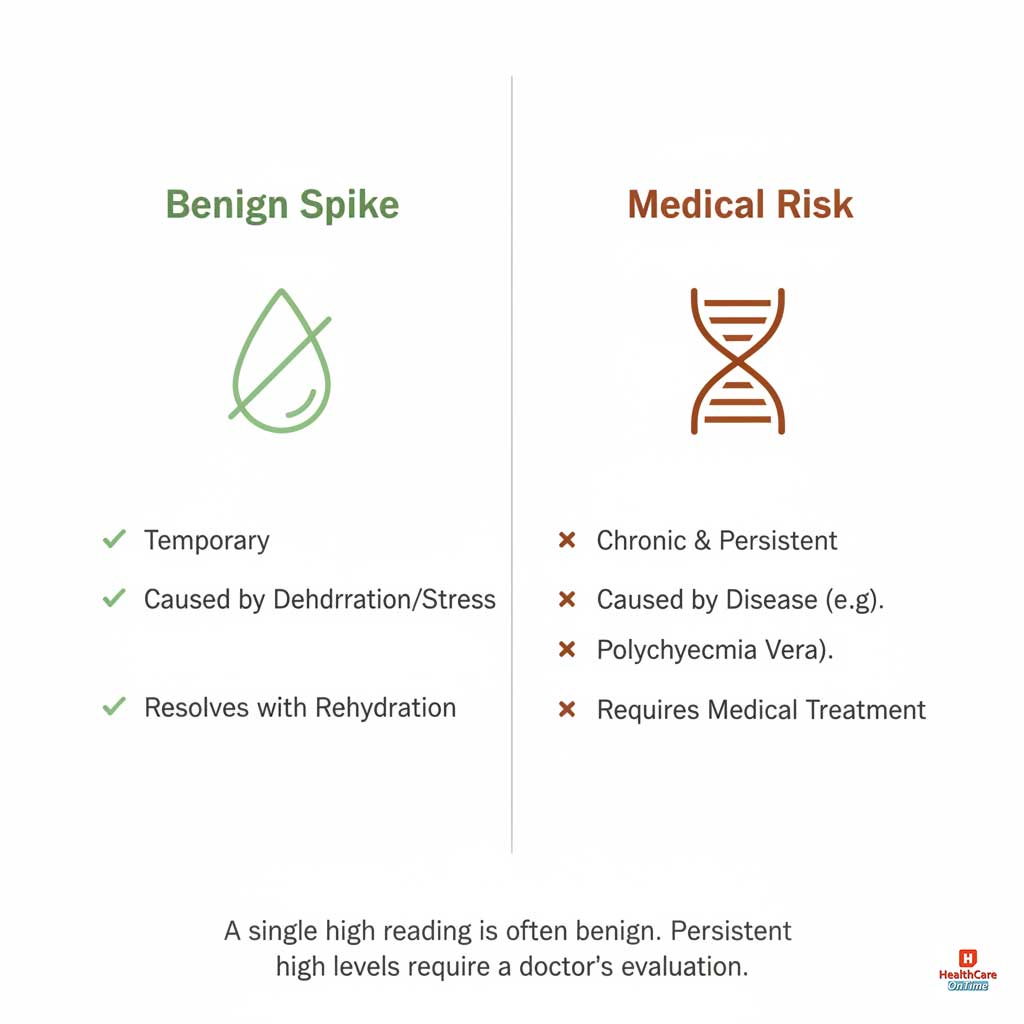
| Feature | Benign High Hemoglobin (e.g., Dehydration) | Pathological High Hemoglobin (e.g., Polycythemia Vera) |
| Onset & Duration | Acute, temporary, resolves with rehydration/rest | Chronic, persistent, and may worsen over time |
| Common Cause | Dehydration and hemoglobin link, acute stress and hemoglobin effect, changing posture | Bone marrow disorders (Polycythemia Vera), severe lung disease (COPD), kidney tumors |
| Accompanying Symptoms | Thirst, dry mouth, reduced urination | Itching (especially after a warm bath), fatigue, headaches, dizziness, shortness of breath |
| Other Lab Results | May show high BUN/creatinine (indicating dehydration) | May show high platelet/white blood cell counts, low EPO hormone level |
| Resolution | Rehydrating and re-testing under proper conditions | Requires medical diagnosis and long-term management (e.g., phlebotomy) |
Is High Hemoglobin Dangerous? The Hidden Risks
The primary danger of chronically high hemoglobin is increased blood viscosity, or thickness. When your blood is too thick, your heart has to work harder to pump it through your body. This strain increases the long-term risk of serious cardiovascular events, including:
- Blood clots (thrombosis)
- Heart attack
- Stroke
- Pulmonary embolism
This is why investigating the causes of high hemoglobin is so important, even in the absence of symptoms. Other significant causes of high hemoglobin include factors like altitude, smoking, and hemoglobin production, where the body compensates for lower oxygen availability by making more red blood cells.
Low Hemoglobin: A Deep Dive into Anemia Causes and Safe Fixes
Low hemoglobin, or anemia, is a far more common condition globally and in the USA. It occurs when your body doesn’t have enough healthy red blood cells to carry adequate oxygen, leading to symptoms like fatigue, weakness, and shortness of breath. There are many causes of low hemoglobin, each with a distinct mechanism.
Common Causes: From Iron Deficiency to Chronic Kidney Disease
Understanding what lowers hemoglobin is key to finding the right solution. The most prevalent causes of low hemoglobin include:
- Iron Deficiency Anemia: The most common type of anemia worldwide. Without enough iron, your body cannot produce enough hemoglobin for your red blood cells.
- Chronic Kidney Disease Anemia: Healthy kidneys produce a hormone called erythropoietin (EPO), which signals your bone marrow to create red blood cells. In chronic kidney disease anemia, damaged kidneys produce less EPO, leading to low hemoglobin.
- Vitamin-Deficiency Anemia: A lack of folate or vitamin B12 can lead to the production of large, immature, and dysfunctional red blood cells, resulting in anemia.
- Anemia of Inflammation or Chronic Disease: Conditions like rheumatoid arthritis, Crohn’s disease, or other chronic inflammatory disorders can interfere with red blood cell production.
This table provides a more detailed comparison of the major types of anemia:
| Feature | Iron-Deficiency Anemia | Anemia of Chronic Kidney Disease (CKD) | Vitamin-Deficiency Anemia |
| Core Mechanism | Insufficient iron to build hemoglobin | Low production of erythropoietin (EPO) hormone | Insufficient Folate or Vitamin B12 for red blood cell DNA synthesis |
| Key Lab Indicators | Low ferritin (iron stores), low serum iron | Normal or low EPO for the degree of anemia | Large, immature red blood cells (high MCV) |
| Common Symptoms | Fatigue, pale skin, shortness of breath, Pica (craving ice/dirt) | Fatigue, weakness (often alongside other CKD symptoms) | Fatigue, nerve problems (tingling), sore tongue |
| Primary Treatment | Iron supplements, iron-rich diet | Erythropoiesis-stimulating agents (ESAs), iron | Vitamin B12 injections or high-dose oral supplements, Folic acid |
Your Action Plan: Ensuring Test Accuracy and Knowing When to See a Doctor
Managing your health effectively starts with getting accurate data. Because of daily hemoglobin fluctuation, how you prepare for a blood test matters.
The Ultimate Pre-Blood Test Checklist for an Accurate Result
To minimize misleading results from your hemoglobin levels, follow this simple checklist before your next blood draw:
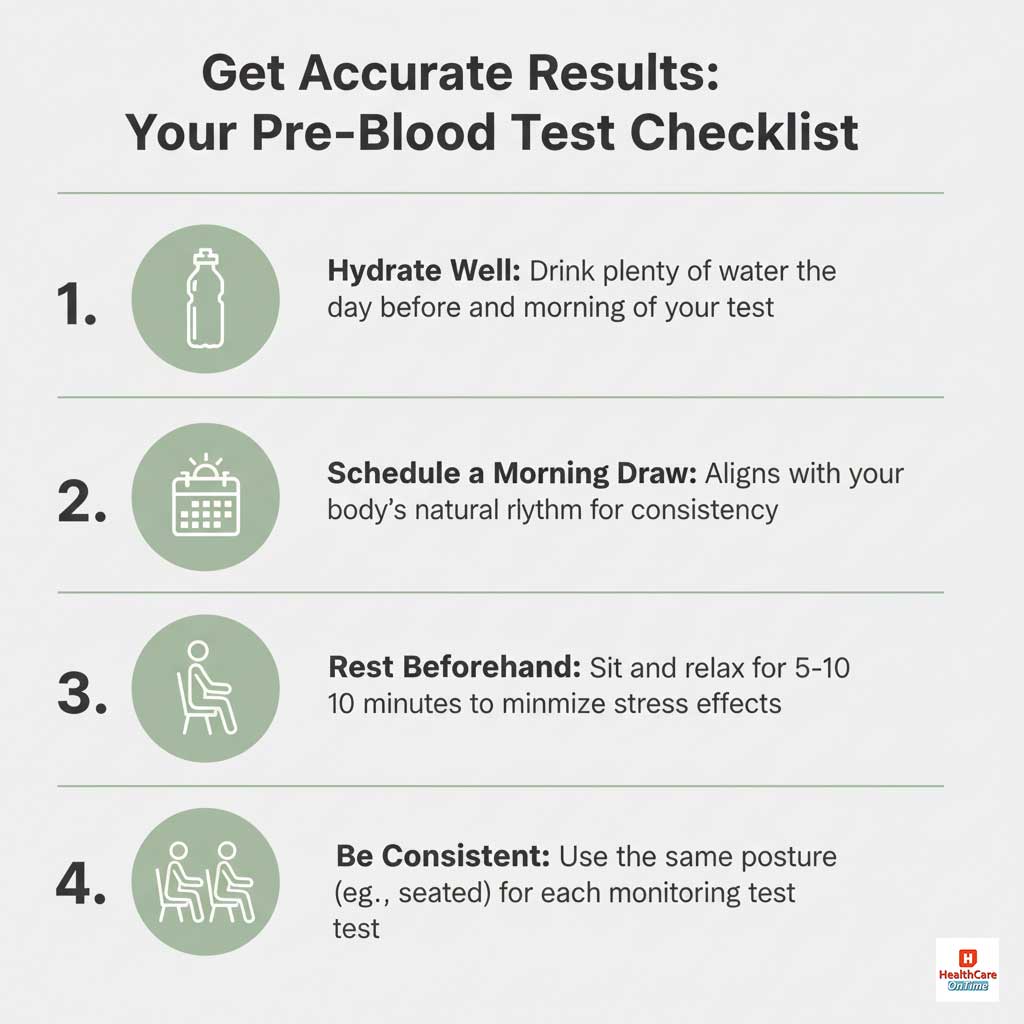
- Hydrate Well: Drink plenty of water the day before and the morning of your test to avoid dehydration-related hemoconcentration. How much can dehydration change hemoglobin results? Enough to push a normal reading into a high range.
- Schedule a Morning Appointment: This helps control for circadian variation hemoglobin, providing a more consistent baseline for comparison over time.
- Rest Before the Draw: Avoid intense exercise right before your test. Arrive a few minutes early and sit calmly for 5-10 minutes. This minimizes the impact of acute stress and hemoglobin.
- Be Consistent with Posture: If you are having your hemoglobin levels monitored regularly, try to have the blood drawn in the same position (e.g., seated) each time.
Red Flags: When to See a Doctor for Your Hemoglobin Count
You should always discuss your lab results with your healthcare provider. However, it’s particularly important to schedule a consultation if you notice any of the following:
- Persistently High or Low Readings: A single abnormal reading might be a fluke, but a consistent trend across multiple tests requires investigation.
- High Hemoglobin with Symptoms: If you have a high hemoglobin count accompanied by headaches, dizziness, shortness of breath, or unusual itching, seek medical advice promptly.
- Symptoms of Anemia: If you have signs of low hemoglobin, such as constant fatigue, weakness, pale skin, or feeling cold, it’s time to find the cause.
Knowing when to see a doctor for high hemoglobin count or low hemoglobin is the first step toward effective treatment and peace of mind.
Summary & Key Takeaways: Putting Your Hemoglobin Levels in Context
Navigating your health can feel complicated, but understanding the factors that influence your hemoglobin levels empowers you to be a more active participant in your care.
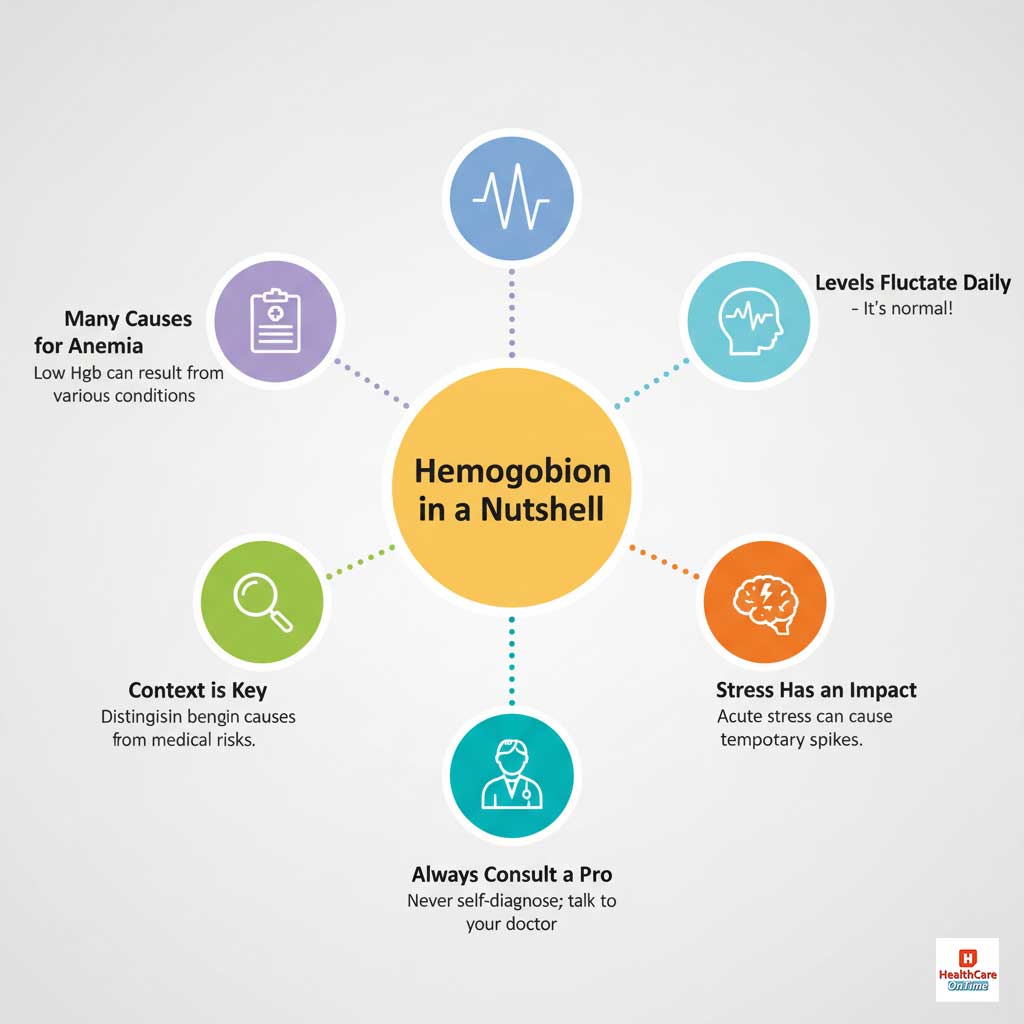
Here are the key takeaways:
- Your Hemoglobin Levels Fluctuate: Daily hemoglobin fluctuation is normal and heavily influenced by hydration, posture, and time of day.
- Stress and Hemoglobin are Linked: Acute stress can cause a temporary spike in hemoglobin levels due to stress-induced hemoconcentration, while chronic stress may contribute to anemia over time.
- Context is Crucial for High Hemoglobin: The causes of high hemoglobin range from benign dehydration to serious medical conditions like polycythemia. Don’t panic over one result.
- Low Hemoglobin Has Many Causes: Anemia is common, and understanding what lowers hemoglobin—from iron deficiency anemia to CKD—is key to effective treatment.
- Always Consult Your Doctor: Self-diagnosing based on a lab report is never a good idea. Your healthcare provider can interpret your hemoglobin levels in the context of your overall health.
Frequently Asked Questions (FAQs)
How much can stress really change my hemoglobin on a blood test?
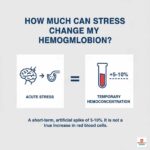
Acute stress can cause a temporary increase, often in the range of 5-10%, due to a fluid shift called hemoconcentration. This is a short-term effect and does not represent a true increase in your red blood cell count.
Can being dehydrated the night before my test artificially raise my hemoglobin?

Yes, absolutely. Dehydration and hemoglobin are strongly linked, and it’s one of the most common reasons for a falsely high hemoglobin reading. It concentrates your blood, making the level appear higher than it is.
Why is my hemoglobin high if I don’t smoke or live at high altitude?
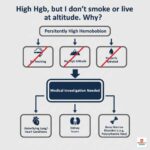
After ruling out dehydration, a doctor will investigate other potential causes of high hemoglobin, including underlying medical conditions affecting the heart, lungs, or kidneys, or a bone marrow disorder like polycythemia vera.
What is the difference between erythrocytosis and polycythemia vera?
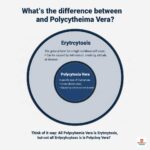
Erythrocytosis is the general medical term for a high red blood cell count. Polycythemia vera is a specific, rare blood cancer that is one of the primary, or disease-driven, causes of erythrocytosis.
Is a hemoglobin level of 18 g/dL dangerous for a man?
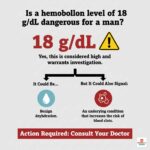
A hemoglobin level of 18 g/dL is considered high and warrants medical investigation. While it could be due to dehydration, this level of high hemoglobin could also signal an underlying condition that increases the risk of blood clots and requires management.
Can anxiety cause high hemoglobin?
Similar to acute stress, a sudden anxiety or panic attack before a blood draw can cause temporary hemoconcentration, leading to a higher reading. It does not cause a chronic, long-term increase in your hemoglobin levels.
What foods or habits lower hemoglobin levels?
For medically high hemoglobin, the most important habit is staying well-hydrated. No specific foods are proven to lower hemoglobin, but if you have low hemoglobin due to iron deficiency, eating iron-rich foods like lean meat, beans, and leafy greens can help.
How can I ensure my next hemoglobin test is accurate?
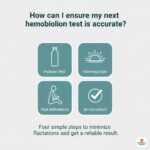
To ensure accuracy and account for daily hemoglobin fluctuation, stay well-hydrated, schedule a morning appointment, avoid intense exercise right before the test, and sit and rest for 5-10 minutes before the blood draw.
Does iron deficiency always mean my hemoglobin will be low?
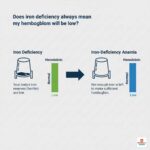
You can have low iron stores (low ferritin) without having full-blown iron deficiency anemia. This is called iron deficiency without anemia. Over time, if left untreated, it will likely lead to low hemoglobin.
Are the WHO 2024 anemia cutoffs stricter than my lab’s normal range?
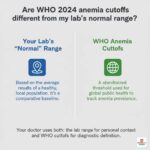
Not necessarily stricter, just different. The WHO anemia cutoffs 2024 are standardized global thresholds for public health. Your lab’s range for normal hemoglobin levels USA is based on a local healthy population. Your doctor uses both to interpret your results.
Can stress cause low hemoglobin?
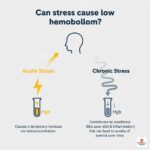
While acute stress can temporarily raise hemoglobin, chronic stress and hemoglobin are linked differently. Long-term stress can contribute to behaviors (like poor diet) or inflammation that may lead to conditions like iron-deficiency anemia.
What are the first signs of dangerously high hemoglobin?
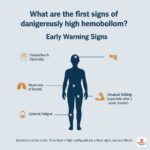
Early symptoms can be subtle. Is high hemoglobin dangerous? It can be. Look for persistent headaches, dizziness, fatigue, shortness of breath, and sometimes a red complexion or unusual itching, particularly after a hot shower.