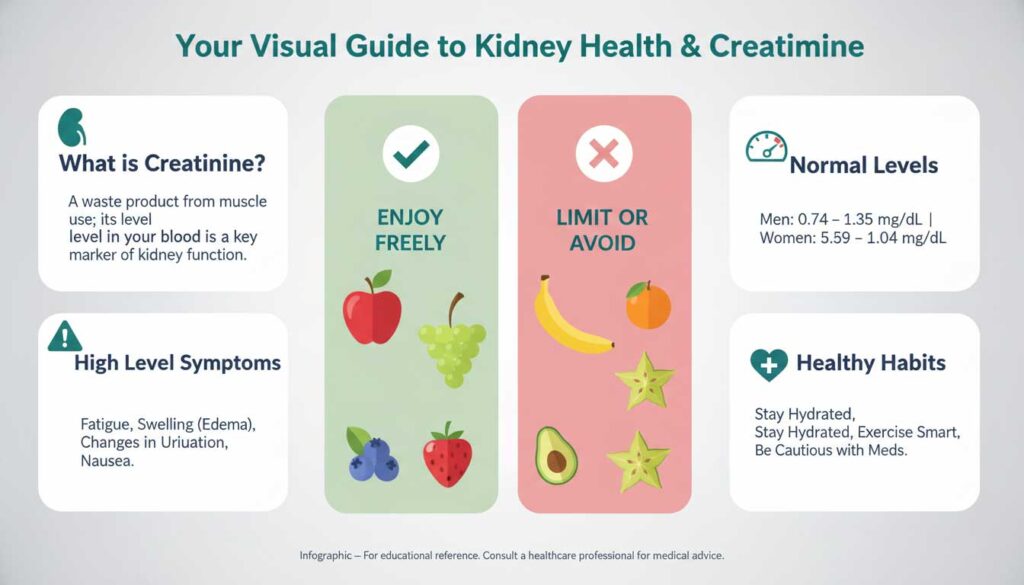
The normal amount of creatinine for adult men is approximately 0.74 to 1.35 mg/dL, and for adult women, it is 0.59 to 1.04 mg/dL. Fruits that are good for managing kidney creatinine levels include low-potassium options rich in antioxidants like cranberries, apples, blueberries, red grapes, and pineapple. These fruits support kidney health and can be part of a diet to help reduce creatinine naturally.
Table of Contents
This comprehensive guide explains everything you need to know about normal creatinine levels, the symptoms and causes of high creatinine, and provides a data-backed answer to which fruit is good for kidney creatinine. We will explore natural dietary strategies, lifestyle changes, and the best foods to support your kidneys, all based on the latest medical insights and health guidelines.
What Is Creatinine and Why Is It a Key Marker of Kidney Health?
Understanding your health often involves looking at specific markers that tell a story about how your body is functioning. When it comes to kidney health, one of the most important characters in that story is creatinine. It’s a term you may hear during a routine check-up, and knowing what it means is the first step toward proactive health management.
A Deeper Dive into Creatinine: From Muscle Metabolism to Waste Product
Creatinine is a natural chemical waste product generated from the everyday wear and tear on your muscles. Your body uses a high-energy molecule called creatine phosphate to fuel muscle contractions. As this molecule is used, it breaks down into creatinine, which is then released into your bloodstream.
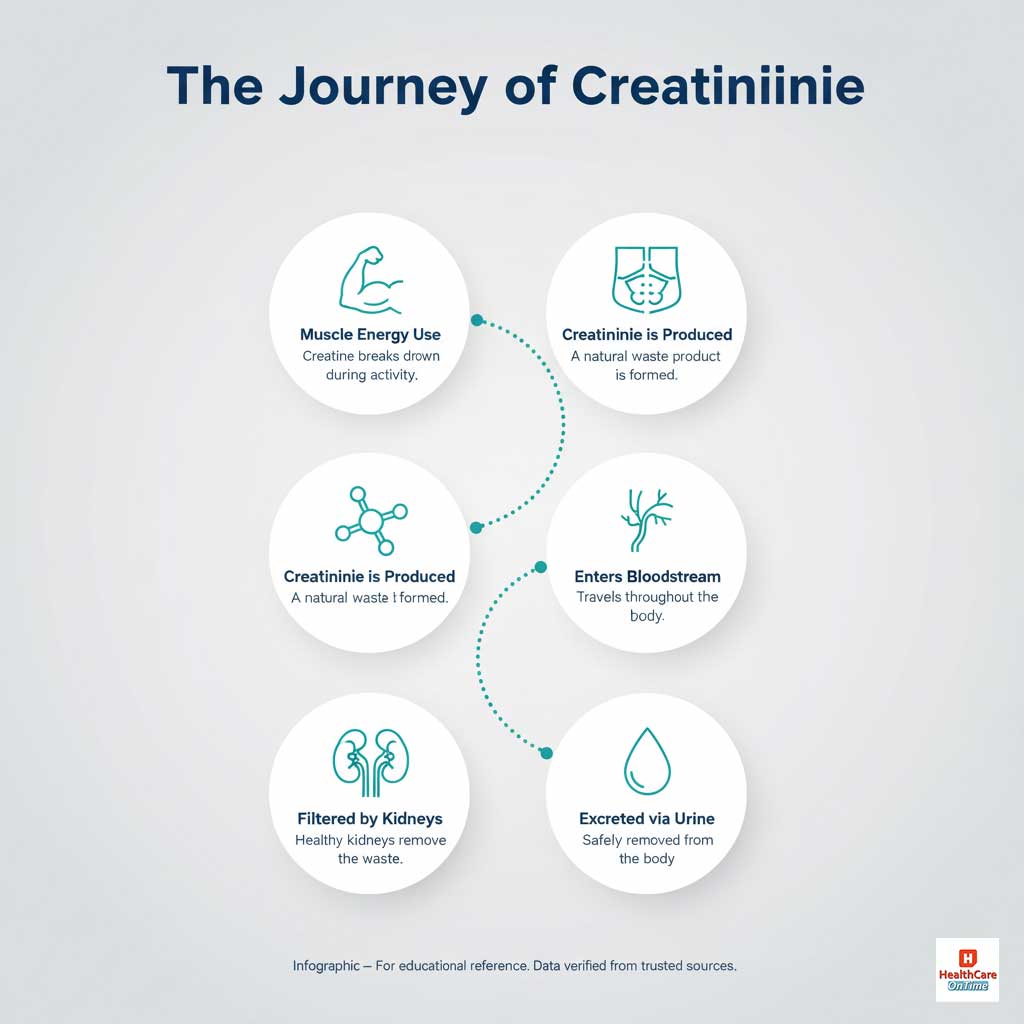
From there, it’s your kidneys’ job to act as a sophisticated filtration system. They constantly sift through your blood, removing waste products like creatinine, which is then expelled from your body through urine. A steady and normal amount of creatinine in your blood indicates that this entire process is running smoothly and your kidneys are doing their job efficiently.
How Is Creatinine Measured? Understanding Your Test Results
To determine if you have a healthy amount of creatinine, your doctor will order simple tests. These tests provide a clear window into your kidney function and are essential for diagnosing any potential issues early.
Serum Creatinine Test
This is the most common method, involving a simple blood draw. The serum creatinine reference values measured in this test tell your doctor how much creatinine is currently circulating in your bloodstream. It’s a direct snapshot of how well your kidneys are filtering waste at that moment.
eGFR (Estimated Glomerular Filtration Rate)
While the creatinine test is useful, modern medicine often uses it as part of a more accurate calculation called the eGFR. This formula uses your serum creatinine level along with your age, sex, and race to estimate how many milliliters of blood your kidneys are filtering per minute. The eGFR provides a more comprehensive view of your kidney function and is crucial for staging chronic kidney disease.
Creatinine Clearance Test
For a more detailed analysis, a creatinine clearance test may be used. This test compares the amount of creatinine in your blood to the amount in your urine, typically collected over a 24-hour period. It gives a precise measurement of how effectively your kidneys are clearing creatinine from your body.

What Is a Normal Creatinine Level? A Guide for Adults
Knowing the normal amount of creatinine is essential for interpreting your test results and understanding your kidney health. These ranges can vary slightly between laboratories but generally fall within established medical guidelines.
Normal Creatinine Levels by Age, Gender, and Muscle Mass
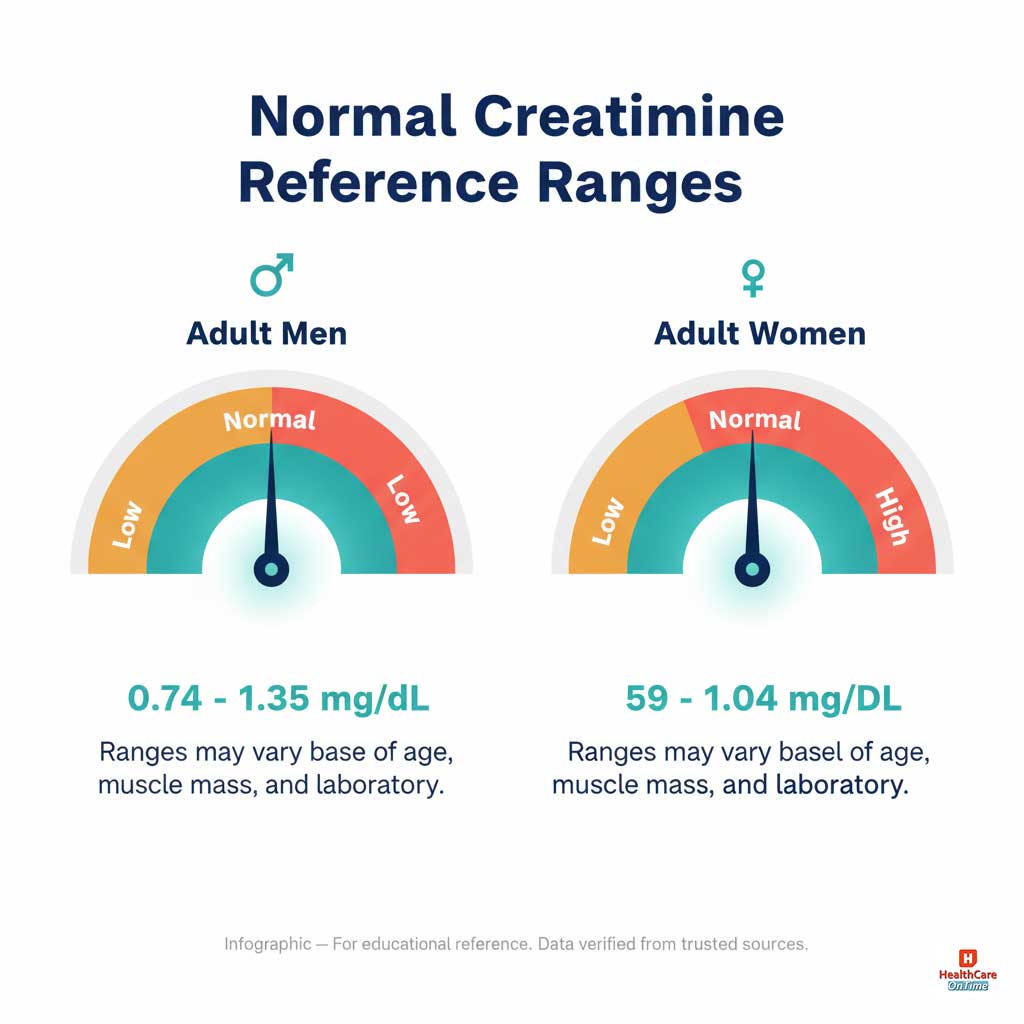
The healthy creatinine range for male and female adults differs primarily due to variations in average muscle mass. Since creatinine is a byproduct of muscle metabolism, individuals with more muscle mass will naturally produce and have slightly higher levels.
Here are the widely accepted reference ranges:
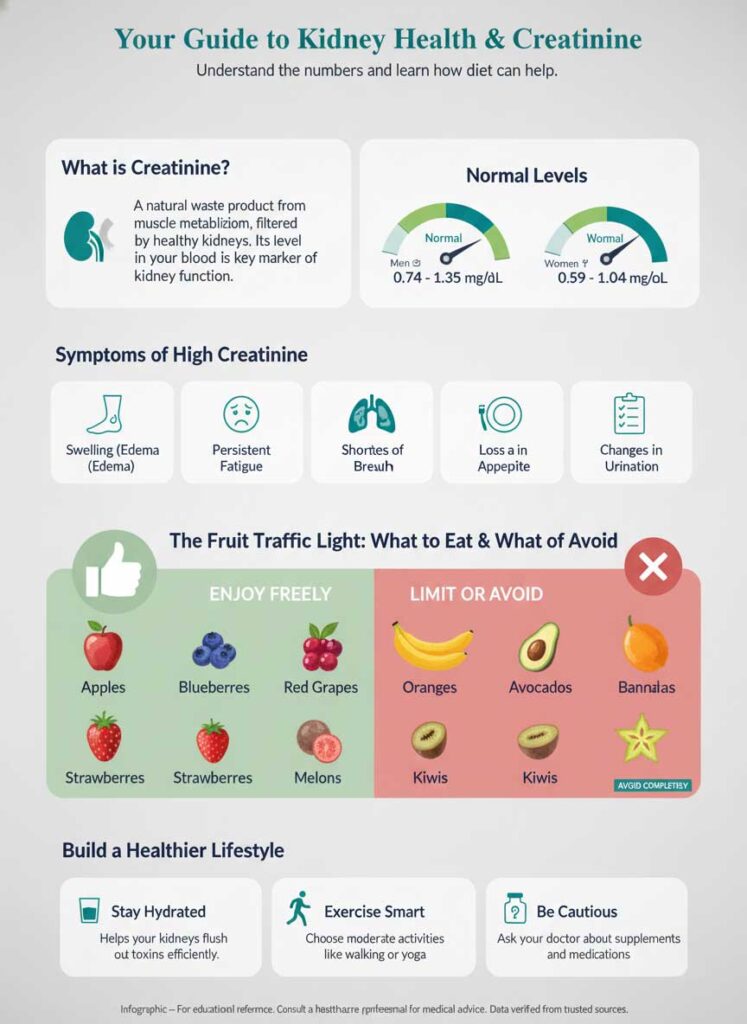
- Adult Men: 0.74 to 1.35 milligrams per deciliter (mg/dL)
- Adult Women: 0.59 to 1.04 milligrams per deciliter (mg/dL)
It’s also important to consider age. As people get older, they often lose muscle mass, which can lead to a lower natural creatinine level. Therefore, a level that might be normal for a 30-year-old could indicate a problem in an 80-year-old. Your healthcare provider will interpret your results using a normal creatinine level by age and gender chart and in the context of your personal health profile.
Comparison of Kidney Health Indicators
To fully assess kidney health, doctors look at several metrics together. This table breaks down the most common indicators to give you a clearer picture of what your lab report means.
| Metric | What It Measures | Why It’s Important | Normal Range (Example) |
| Serum Creatinine | Amount of creatinine in the blood. | A direct indicator of how well kidneys are filtering waste. | Men: 0.74-1.35 mg/dL<br>Women: 0.59-1.04 mg/dL |
| eGFR | Estimated rate of blood filtration by glomeruli. | A more accurate assessment of kidney function, staging kidney disease. | Above 90 mL/min is normal; <60 mL/min suggests kidney disease. |
| BUN (Blood Urea Nitrogen) | Amount of urea nitrogen (waste) in the blood. | Measures kidney and liver function; often checked with creatinine. | 7 to 20 mg/dL |
| Creatinine Clearance | Compares creatinine in blood vs. urine. | Measures how effectively kidneys are clearing creatinine. | Men: 97-137 mL/min<br>Women: 88-128 mL/min |

High Creatinine: Symptoms, Causes, and Health Implications
When your test results show creatinine levels above the creatinine test normal range, it’s a signal that your kidneys may not be filtering blood as effectively as they should. Understanding the effects of high creatinine and its symptoms is crucial for seeking timely medical attention.
Recognizing the Symptoms of High Creatinine
One of the challenges with kidney issues is that high creatinine symptoms can be subtle in the early stages and are often attributed to other causes like stress or fatigue. As levels rise, however, the signs become more apparent.

Key symptoms associated with poor kidney health include:
- Persistent Fatigue and Weakness: A buildup of toxins in the blood can leave you feeling drained and tired.
- Swelling (Edema): You may notice puffiness in your legs, ankles, feet, or around your eyes as your body retains fluid.
- Changes in Urination: This can include urinating less frequently, having foamy or bubbly urine (a sign of protein), or needing to urinate more often at night.
- Shortness of Breath: Fluid can build up in the lungs, making it difficult to breathe.
- Nausea or Vomiting: The accumulation of waste products can lead to an upset stomach and a loss of appetite.
- Muscle Cramps: Imbalances in electrolytes, which the kidneys regulate, can cause painful muscle cramping.
What Causes High Creatinine Levels?
Elevated creatinine doesn’t always mean you have chronic kidney disease. Various factors can cause levels to rise, which is why a proper diagnosis from a healthcare professional is essential. The causes can be broadly categorized into two groups.

Kidney-Related Causes
These causes directly impact the kidneys’ ability to function:
- Chronic Kidney Disease (CKD): This is a long-term condition where the kidneys gradually lose function. High blood pressure and diabetes are the leading causes of CKD.
- Acute Kidney Injury (AKI): This is a sudden episode of kidney failure or damage that happens within a few hours or days.
- Kidney Infections: Infections like pyelonephritis can temporarily impair kidney function.
- Reduced Blood Flow: Conditions that reduce blood flow to the kidneys, such as heart failure or atherosclerosis, can cause creatinine to rise.
Non-Kidney-Related Causes
Sometimes, high creatinine is not related to a kidney disease:
- Dehydration: Not drinking enough water concentrates the blood, temporarily increasing creatinine levels.
- High-Protein Diet: Consuming large amounts of cooked meat can slightly elevate creatinine.
- Strenuous Exercise: Intense physical activity leads to a faster breakdown of muscle, which can cause a temporary spike.
- Creatine Supplements: Taking creatine supplements to build muscle will directly increase the amount of creatinine in your blood.
- Certain Medications: Some drugs, including certain antibiotics and nonsteroidal anti-inflammatory drugs (NSAIDs) like ibuprofen, can affect kidney function.
How to Reduce Creatinine Naturally: A Diet-Centric Approach
While medical treatment is vital for managing diagnosed kidney conditions, your diet plays a powerful role in supporting your kidneys and helping to reduce creatinine naturally. Following established chronic kidney disease diet guidelines can significantly lessen the workload on your kidneys and improve your overall well-being.
The Pillars of a Kidney-Friendly Diet
The goal of a kidney-friendly diet is to limit the buildup of waste products and excess fluids in your blood. This involves being mindful of a few key nutrients.
The main principles are:
- Manage Protein Intake: Protein is essential, but too much can overwork the kidneys. Your doctor or a dietitian can recommend the right amount for you.
- Limit Sodium: Reducing salt intake helps control blood pressure, a major factor in protecting kidney health.
- Control Potassium and Phosphorus: Damaged kidneys can’t effectively filter these minerals, leading to dangerous buildups.
Best Foods for Lowering Kidney Creatinine (Beyond Fruits)
Creating a balanced meal plan with the best foods for lowering kidney creatinine can make a significant difference. Here are some excellent choices to incorporate into your diet:
- Vegetables: Onions, garlic, bell peppers, cauliflower, and cabbage are low in potassium and rich in vitamins and anti-inflammatory compounds.
- Grains: Whole grains like oatmeal can be beneficial, but portion control is important.
- Proteins: Opt for high-quality, lean proteins like egg whites, fish (which is rich in anti-inflammatory omega-3 fatty acids), and skinless poultry.
- Healthy Fats: Olive oil is a great choice for cooking as it provides healthy fats without straining your system.
For a great start to your day, focus on the best breakfast foods for creatinine control. A bowl of oatmeal topped with blueberries or scrambled egg whites with chopped red bell peppers and onions are both delicious and kidney-friendly options.
Which Fruit Is Good for Kidney Creatinine? Your Ultimate Guide
Fruits are a cornerstone of a healthy diet, packed with vitamins, fiber, and antioxidants. However, for individuals concerned about their kidney health, not all fruits are created equal. The key is to focus on low potassium fruits that support kidney function without adding unnecessary strain. This is the definitive answer to the question, “Which fruit is good for kidney creatinine?”.
The Role of Antioxidants and Low Potassium in Kidney Health
Oxidative stress is a process that can damage cells throughout your body, including in your kidneys. Antioxidants are powerful compounds found in many fruits that neutralize harmful free radicals and protect your organs from this damage.
At the same time, potassium is a mineral that healthy kidneys keep in balance. When kidney function is impaired, potassium can build up in the blood, leading to serious heart problems. This is why a list of fruits safe for kidney patients with high creatinine will always prioritize those with low potassium content.
Top 6 Fruits to Help Lower Creatinine Levels
If you are looking for which fruit lowers creatinine levels in blood fastest, it’s important to understand that no single fruit offers an overnight cure. However, consistently incorporating these kidney-friendly fruits into your diet can support your body’s efforts to manage creatinine. And You also must know 20 Foods & Fruits to Avoid With Kidney Disease
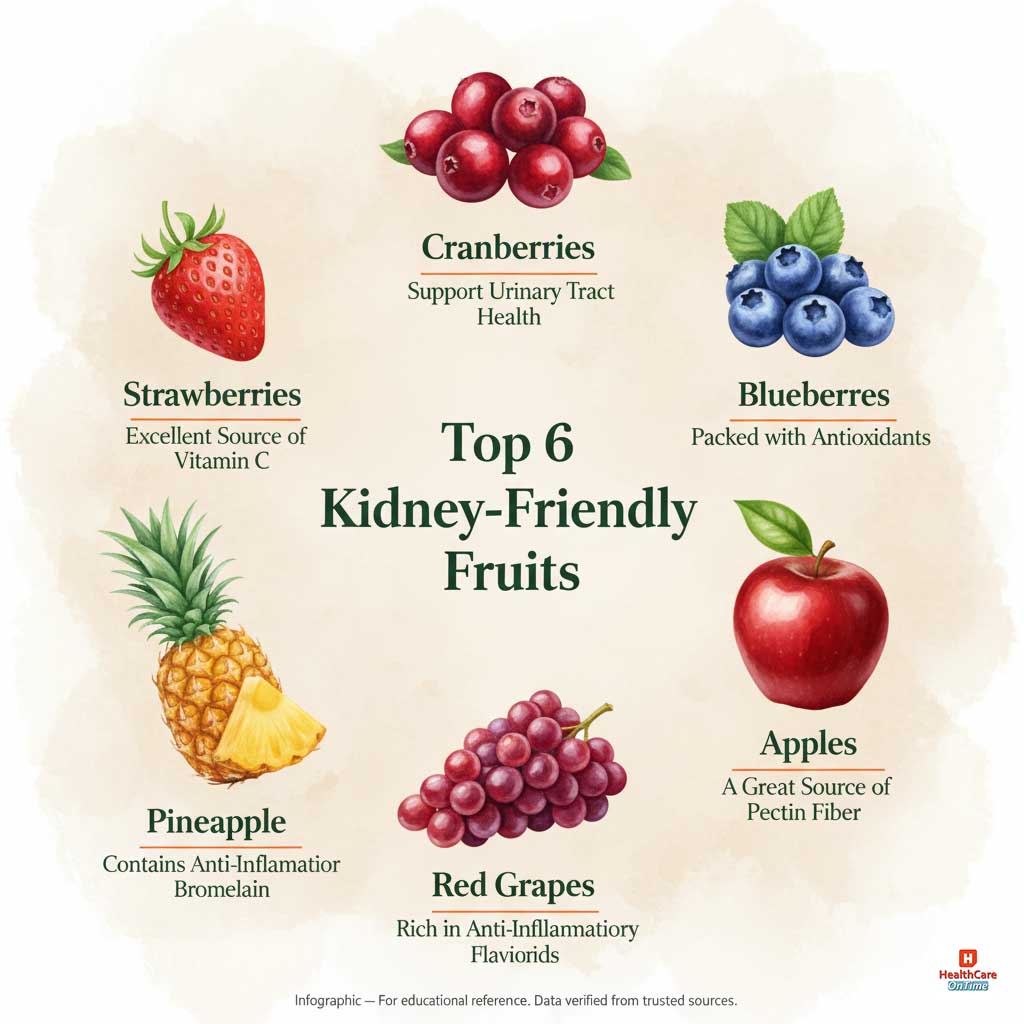
- Cranberries: These small berries are champions of urinary tract health. By preventing infections that can travel to and damage the kidneys, they play a protective role. The question does cranberry juice help lower creatinine? is common, and unsweetened cranberry juice can indeed be a beneficial part of a kidney-friendly diet.
- Blueberries: Packed with antioxidants called anthocyanins, blueberries are an anti-inflammatory powerhouse. They help protect kidney cells from oxidative stress and are exceptionally low in potassium and sodium.
- Apples: An apple a day might just help keep kidney problems away. Apples are a great source of pectin, a type of soluble fiber that can help lower cholesterol and blood sugar levels, both of which are important for kidney health.
- Red Grapes: These juicy fruits contain a flavonoid called resveratrol, which has been shown to have strong anti-inflammatory properties. Resveratrol can help protect against the type of damage associated with chronic kidney disease.
- Pineapple: This tropical fruit contains an enzyme called bromelain, which can help reduce inflammation throughout the body. It’s a sweet, low-potassium alternative to other tropical fruits like bananas and oranges.
- Watermelon: Many people ask, “is watermelon good for kidney creatinine?“. Due to its high water content, it’s excellent for hydration, which helps the kidneys flush out toxins. However, it contains a moderate amount of potassium, so portion control is key.
Comparison of Kidney-Friendly Fruits vs. High-Potassium Fruits
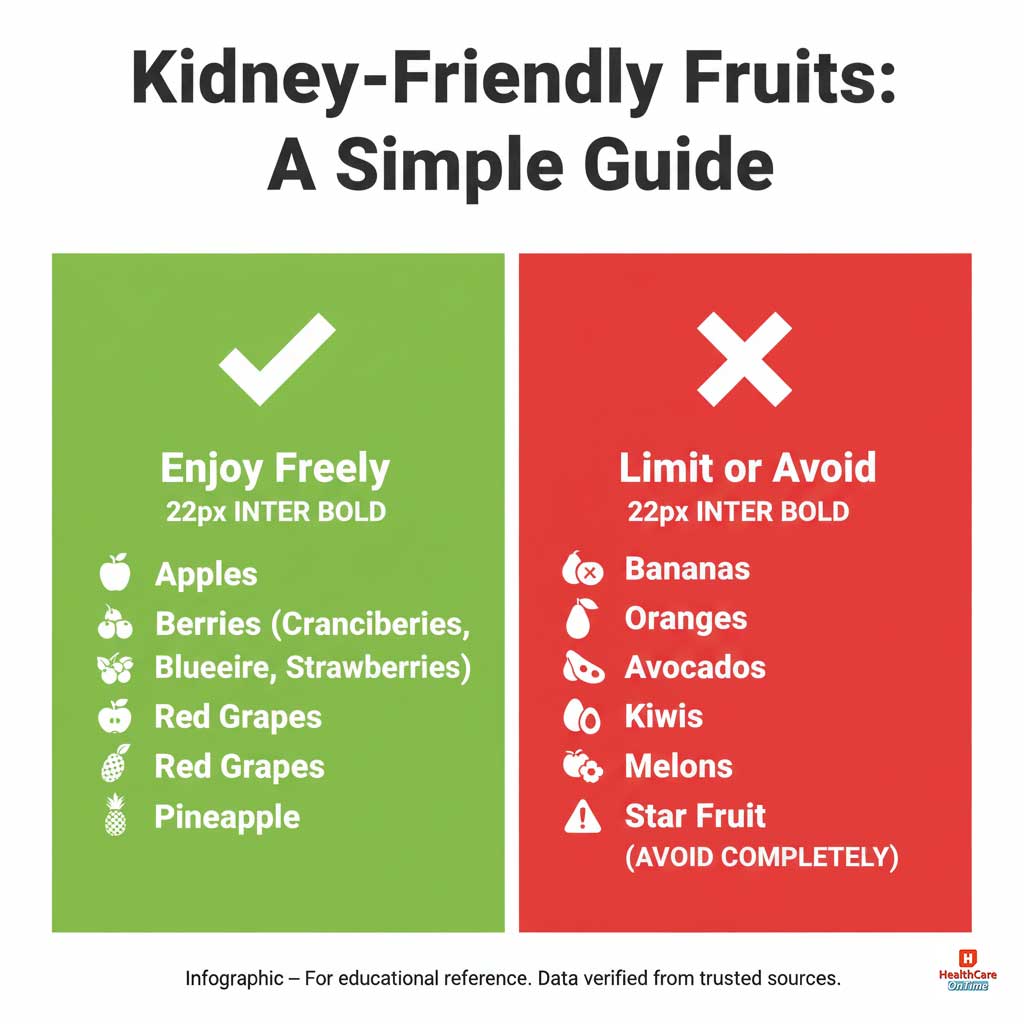
Choosing the right fruits is one of the most effective ways to manage your diet for better kidney health. This table provides a clear guide on which fruits to enjoy and which to limit.
| Kidney-Friendly Fruits (Low Potassium) | Why They Are Recommended | Fruits to Limit or Avoid (High Potassium) | Why Caution Is Needed |
| Cranberries | Rich in antioxidants, supports urinary tract health. | Bananas | Very high in potassium, can elevate blood levels. |
| Blueberries | Low in potassium, high in anti-inflammatory compounds. | Oranges & Orange Juice | High potassium and sugar content. |
| Apples | Good source of fiber (pectin), low in potassium. | Avocados | Extremely high in potassium and phosphorus. |
| Red Grapes | Contain flavonoids that reduce inflammation. | Cantaloupe & Honeydew | High potassium levels can strain kidneys. |
| Strawberries | Excellent source of Vitamin C and antioxidants. | Kiwis | A concentrated source of potassium. |
| Pineapple | Contains bromelain, an anti-inflammatory enzyme. | Star Fruit | Contains a neurotoxin harmful to kidney patients. |
Beyond Diet: Lifestyle Strategies for Creatinine Management
While diet is a powerful tool, a holistic approach is the best way to support your kidneys and manage your creatinine levels. Incorporating these lifestyle strategies can complement your dietary efforts and contribute to long-term health.

The Importance of Hydration
Staying properly hydrated is one of the simplest yet most effective ways to help your kidneys. Drinking enough water helps dilute the concentration of waste products like creatinine in your urine, making it easier for your kidneys to flush them out.
However, if you have been diagnosed with later-stage kidney disease, your doctor might recommend a fluid restriction. It is crucial to follow your healthcare provider’s advice on how much water is safe for you to drink daily.
Exercise and Creatinine Levels: Finding the Right Balance
Regular physical activity is fantastic for your overall health, including managing blood pressure and blood sugar. But a common question is, “Does exercise affect creatinine levels?” The answer is yes. Very intense, strenuous exercise can cause a temporary spike in creatinine because of the increased rate of muscle breakdown.
This doesn’t mean you should stop exercising. Instead, focus on moderate activities like walking, swimming, light cycling, or yoga. These forms of exercise provide all the health benefits without putting excessive strain on your muscles or kidneys.
Supplements and Medications to Use with Caution
Part of learning how to lower creatinine without medication involves being smart about what you put into your body. Some over-the-counter products can harm your kidneys or artificially inflate your creatinine readings.
Be particularly cautious with:
- Creatine Supplements: These are popular in the fitness world but will directly increase your blood creatinine levels. They should be avoided if you have any kidney concerns.
- NSAIDs: Nonsteroidal anti-inflammatory drugs like ibuprofen and naproxen can reduce blood flow to the kidneys and should be used sparingly, if at all.
- Certain Herbal Supplements: Some herbal remedies can be toxic to the kidneys. Always consult your doctor before starting any new supplement.
Summary & Key Takeaways: Your Path to Better Kidney Health
Navigating the world of kidney health starts with understanding key markers like the normal amount of creatinine. For most adults, this falls between 0.74-1.35 mg/dL for men and 0.59-1.04 mg/dL for women. Elevated levels serve as an important signal that your kidneys might need support.
The great news is that you have the power to make a positive impact through your lifestyle choices. Adopting a kidney-friendly diet is one of the most effective strategies. Focusing on the best foods for lowering kidney creatinine and knowing which fruit is good for kidney creatinine—like cranberries, blueberries, and apples—can reduce the strain on your kidneys. By combining a thoughtful diet with proper hydration, moderate exercise, and cautious use of supplements, you can actively participate in your own health journey.
Take control of your kidney health by making informed dietary choices and consulting regularly with your healthcare provider. Your kidneys work hard for you every day; taking these steps is the best way to work for them in return.
Frequently Asked Questions (FAQs)
What’s the safest creatinine level for adults?
The safest creatinine level falls within the standard normal range: 0.74 to 1.35 mg/dL for men and 0.59 to 1.04 mg/dL for women. Levels consistently outside this range, especially on the higher side, warrant a conversation with your healthcare provider.
Which foods increase creatinine fastest?
High-protein foods, particularly large portions of cooked red meat, can cause a temporary increase in creatinine levels. Creatine supplements used for bodybuilding will also directly and significantly raise your readings.
Why does my creatinine increase suddenly?
A sudden spike can be caused by acute dehydration, a very high-protein meal, intense exercise, or starting a new medication (like certain antibiotics or NSAIDs). It can also be a sign of an acute kidney injury, so it should always be investigated by a doctor.
Is apple cider vinegar good for creatinine?
There is very limited scientific evidence to support claims that apple cider vinegar directly lowers creatinine levels. While it may offer other health benefits, it should not be relied upon as a treatment for kidney issues.
What fruits should be completely avoided in kidney disease?
Star fruit (carambola) is a fruit that should be completely avoided by anyone with kidney disease. It contains a neurotoxin that impaired kidneys cannot filter out, which can lead to serious neurological complications.
How can I reduce my creatinine levels overnight?
It is not possible to significantly reduce creatinine levels overnight through natural means. Lowering creatinine is a gradual process that requires consistent, long-term dietary and lifestyle changes.
Should diabetic patients with CKD eat fruit?
Yes, but carefully. Diabetic patients with chronic kidney disease should focus on low-sugar, low-potassium fruits like berries and apples and be mindful of portion sizes to manage both blood sugar and kidney health.
Which juices are best for lowering creatinine?
Unsweetened or naturally sweetened cranberry, blueberry, and red grape juices are good choices. They provide antioxidants that support urinary tract and kidney health without excessive potassium or added sugars.
What are the best breakfast foods for creatinine control?
Excellent kidney-friendly breakfast options include oatmeal with fresh blueberries, scrambled egg whites with spinach and bell peppers, or whole-grain toast with a small amount of unsalted butter.
Can bananas actually increase creatinine levels?
Bananas do not directly increase creatinine production. However, because they are very high in potassium, they are often limited or avoided in a kidney-friendly diet, as impaired kidneys struggle to filter excess potassium, which is a separate but related concern for CKD patients.
What tests are essential for monitoring kidney health?
The three essential tests are the serum creatinine test, the eGFR (estimated glomerular filtration rate) calculation, and a urinalysis to check for albumin (a type of protein), which can be an early sign of kidney damage.
What does high creatinine feel like in the body?
In the early stages, high creatinine may have no symptoms. As levels rise, it can feel like persistent fatigue, general weakness, nausea, loss of appetite, and you may notice swelling in your feet and ankles.