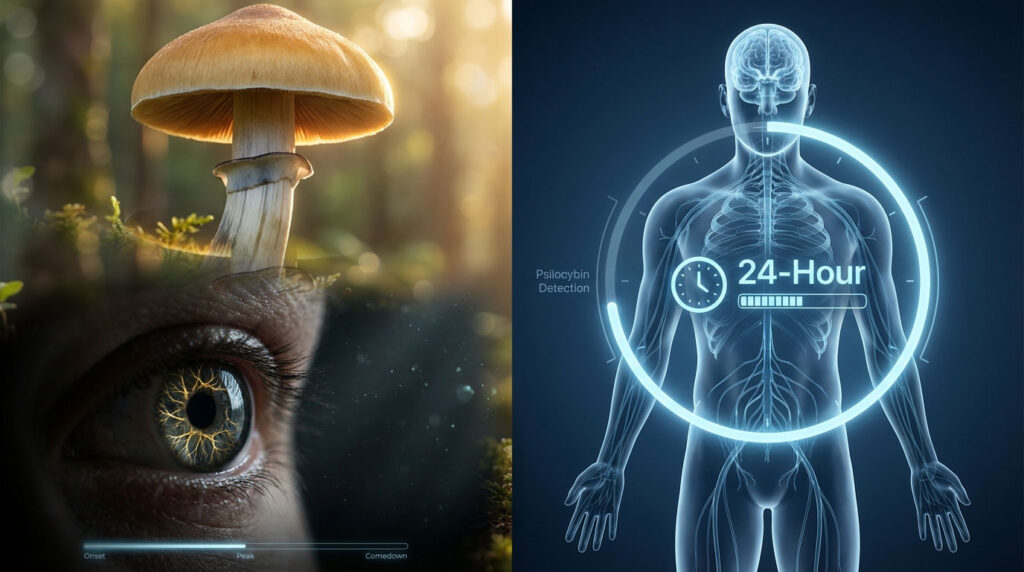
Shrooms, most commonly referred to as magic mushrooms, are naturally occurring fungi that contain the psychoactive compound psilocybin. When a person ingests these mushrooms, the human body metabolizes the psilocybin into a chemical called psilocin. This active metabolite interacts directly with serotonin receptors in the brain to produce profound hallucinogenic and cognitive effects.
Table of Contents
The most frequent question regarding these fungi usually concerns duration. How long do shrooms last? A standard psychedelic experience typically endures for 3 to 6 hours, with the peak intensity occurring roughly 90 minutes after ingestion.
For those concerned with detection, specifically regarding employment or legal screenings, the timeline is quite distinct from the duration of the high. Shrooms generally remain detectable in your system for 24 hours in urine and 12 to 15 hours in blood. However, hair follicle tests possess the capability to detect usage for up to 90 days post-ingestion.

The conversation surrounding psychedelics in the United States has undergone a radical transformation. For the better part of the last century, magic mushrooms were relegated to the fringes of society. They were viewed through a lens of skepticism, often categorized strictly as a counter-culture vice or a dangerous party drug with no redeeming value.
That narrative has flipped. We are currently witnessing a renaissance in mental health treatment and a shift in legislative perspective that was unimaginable a decade ago. You are likely reading this guide for one of two distinct reasons.
First, you might be genuinely curious about the psychedelic experience. You may have read reports about breakthrough therapies for treatment-resistant depression, or perhaps you are intrigued by the “microdosing” protocols that have become prevalent in high-performance professional circles from Silicon Valley to Wall Street.
Second, and often more urgently, you might be worried about a drug test. You need to know exactly how long do shrooms stay in your system and whether a recent weekend experience will jeopardize your career prospects on Monday morning.
This comprehensive guide is designed to cut through the noise and misinformation. We will explore the complex neuroscience of psilocybin, the precise timeline of its effects, practical and safety-focused dosage strategies, and the hard, scientific data regarding drug test detection windows.
Part I: The Core Concept and The Science of Magic Mushrooms
To truly understand what are shrooms, we must look beyond the physical mushroom itself and examine the chemistry that makes it unique. “Shrooms” is a colloquial catch-all term for over 200 distinct species of Basidiomycota fungi that contain the alkaloids psilocybin and psilocin.
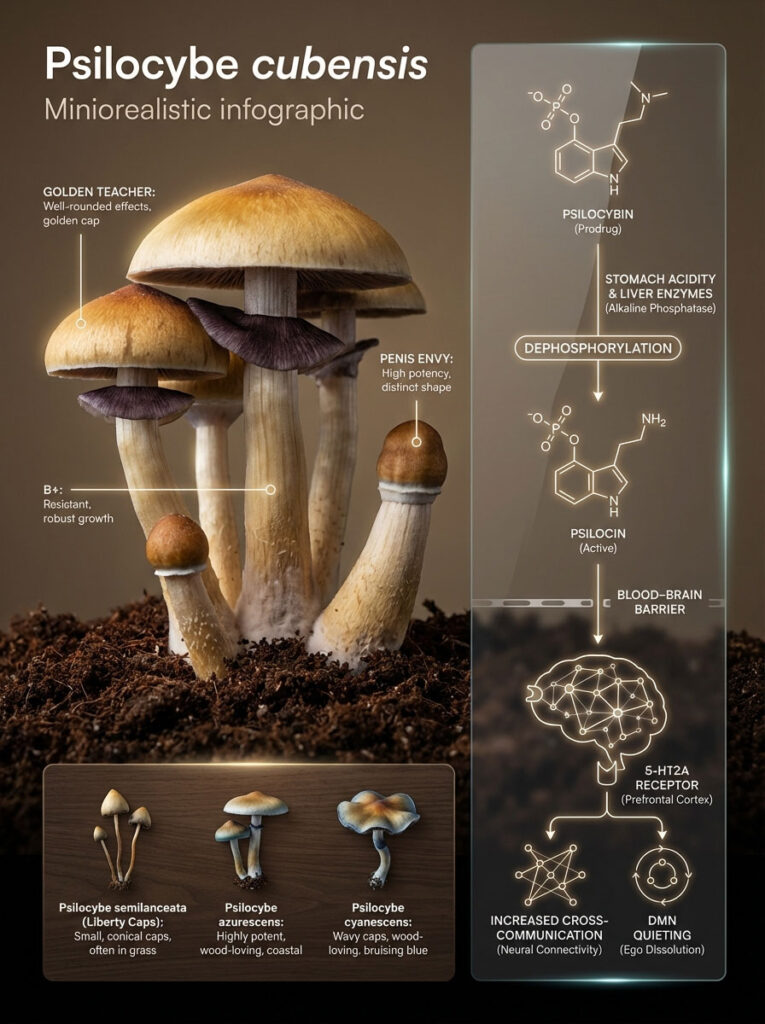
While there are many species, the one you are most likely to encounter in the United States is Psilocybe cubensis. This species is relatively easy to cultivate indoors, which accounts for its dominance in the market. Strains you may hear of, such as “Golden Teachers,” “B+,” or the highly potent “Penis Envy,” all belong to this single species.
However, they are not the only variety. In the wild, particularly in the cool, wet climates of the Pacific Northwest and the UK, growing enthusiasts often find Psilocybe semilanceata, commonly known as Liberty Caps. There are also wood-loving species like Psilocybe azurescens and Psilocybe cyanescens, which are noted for being significantly more potent by weight than their cubensis cousins.
The “Prodrug” Mechanism
A common misconception is that psilocybin is the chemical that causes the psychedelic trip. Technically, psilocybin is biologically inactive in its original form. It acts as a “prodrug.”
When you ingest magic mushrooms, the psilocybin is exposed to the highly acidic environment of the stomach and specific enzymes in the liver, particularly alkaline phosphatase. This biological process removes a phosphorus group from the psilocybin molecule. This process is called dephosphorylation.
The result of this conversion is psilocin. Psilocin is the active compound that creates the effect. Because psilocin’s molecular structure is strikingly similar to serotonin (5-hydroxytryptamine), the body’s natural “feel-good” neurotransmitter, it is able to cross the blood-brain barrier with remarkable ease.
The 5-HT2A Receptor Connection
Once psilocin enters the brain, it acts as a 5-HT2A receptor agonist. This means it binds to specific subtypes of serotonin receptors, primarily located in the prefrontal cortex. This area of the brain is responsible for complex cognitive behavior, personality expression, decision making, and moderating social behavior.
This binding process does not simply stimulate the brain; it fundamentally alters how information travels across neural highways. Under normal conditions, your brain operates efficiently by filtering out massive amounts of sensory data. It relies on established pathways to make quick sense of the world. Psilocin temporarily disrupts this filtering process. It allows regions of the brain that typically do not communicate to exchange information. This “cross-talk” is what leads to phenomena like synesthesia, where a person might “see” sounds or “taste” colors.
Quieting the Default Mode Network (DMN)
Groundbreaking research from institutions like the Johns Hopkins Center for Psychedelic & Consciousness Research and Imperial College London has identified a critical mechanism that explains the therapeutic potential of mushrooms. Psilocybin mushrooms dramatically reduce activity in a network of interacting brain regions known as the Default Mode Network (DMN).
You can think of the DMN as the brain’s “manager” or “conductor.” It is active when you are daydreaming, thinking about others, recalling the past, and planning for the future. It is the seat of your autobiography—the story you tell yourself about who you are. In people with depression or anxiety, the DMN is often hyperactive. This leads to rigid, repetitive loops of negative thinking, known as rumination.
When psilocybin quiets the DMN, the “manager” effectively goes on a lunch break. The rigid boundaries of the ego dissolve. This state is often referred to as “ego dissolution” or “ego death.” While this can sound frightening to the uninitiated, it is often the catalyst for therapeutic breakthrough. It allows the user to step outside their usual patterns of thought and view their life, trauma, and behavior from a completely new, objective perspective.
Part II: The Experience, Usage, and Timeline
If you decide to consume psilocybin mushrooms, understanding the timeline is vital for both physical safety and psychological well-being. The effects of shrooms are not instantaneous, and they follow a distinct pharmacokinetic curve that every user should respect.
Consumption Methods and Bioavailability
How you take them significantly impacts how long do shrooms last and how quickly the effects begin.
Raw or Dried Consumption:
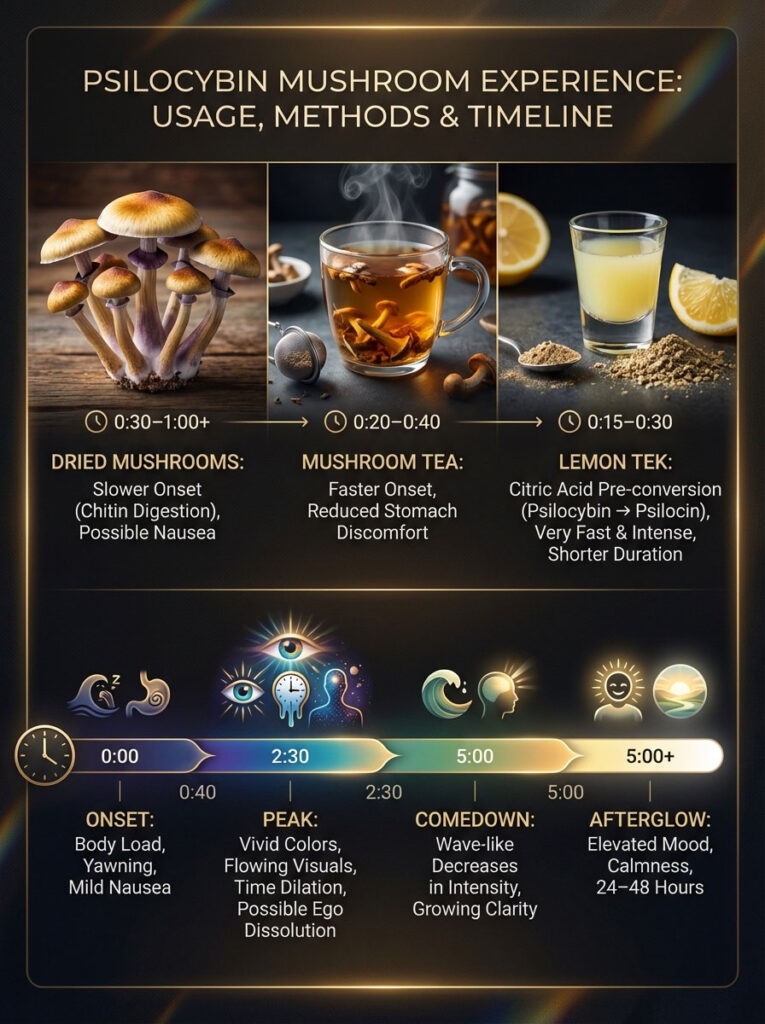
Eating the dried fruiting bodies is the most common method. However, mushroom cell walls are made of chitin, a tough substance that humans struggle to digest. This can lead to the nausea that is frequently reported during the early stages of a trip. When eaten whole, the onset is slower because the stomach must physically break down the mushroom material to release the psilocybin.
Mushroom Tea:
Steeping crushed or powdered mushrooms in hot water extracts the water-soluble psilocybin and psilocin. Users then drink the liquid and discard the fibrous mushroom material. This method is generally much easier on the stomach and speeds up the onset of effects, often kicking in within 20 to 30 minutes.
The Lemon Tek Method:
This is a popular technique among experienced psychonauts. It involves soaking ground mushrooms in pure lemon or lime juice for approximately 20 minutes before ingestion. The theory is that the citric acid in the juice mimics the acid in the stomach. It begins the process of converting psilocybin into psilocin ex-vivo (outside the body). The result is an extremely rapid onset (sometimes as fast as 15 minutes) and a more intense peak. However, it often shortens the total duration of the trip by an hour or more.
The Trip Timeline: What to Expect Hour-by-Hour
0:00 – 0:40 (The Onset and The Come Up)
After ingestion, there is a waiting period that can be anxiety-inducing for beginners. The first signs are often physical rather than visual. You may feel a “body load,” a sensation of heaviness or buzzing in the limbs. Excessive yawning is a very common physical reflex during this stage. Mild nausea often occurs because there are serotonin receptors in the gut as well as the brain, and the psilocin activates them simultaneously.
0:40 – 2:30 (The Peak)
This is the height of the psychedelic experience. The visual cortex becomes highly active. Static objects may appear to breathe, flow, or melt. Patterns in carpets or nature may begin to move. Colors become hyper-saturated and vivid.
Ideally, the user experiences a sense of euphoria, wonder, and connectivity. However, this is also where time dilation is most profound. Five minutes can subjectively feel like an hour. In high doses, this is where “ego dissolution” occurs. The boundary between “self” and “environment” blurs. You may feel indistinguishable from the room around you or the nature you are sitting in.
2:30 – 5:00 (The Comedown)
The intensity of the peak does not stop abruptly; it comes in waves. The waves of intensity become spaced further apart and less overwhelming. You retain more cognitive control and begin to “land” back into your normal reality. This is often a time of introspection, where users think about what they just experienced.
5:00+ (The Afterglow)
The acute visual effects are gone. However, many users report an “afterglow” lasting 24 to 48 hours. This is characterized by an elevated mood, reduced anxiety, a sense of openness, and a feeling of being “scrubbed clean” mentally.
Part III: Pharmacokinetics and Detection Windows
This section is critical for anyone facing an employment screening or legal test. The fear of a drug test often outweighs the desire for the experience. The good news for users is that the shrooms duration in system is incredibly short compared to other substances like cannabis, which is lipophilic (fat-soluble) and stays in the body for weeks.
The Metabolism of Psilocin
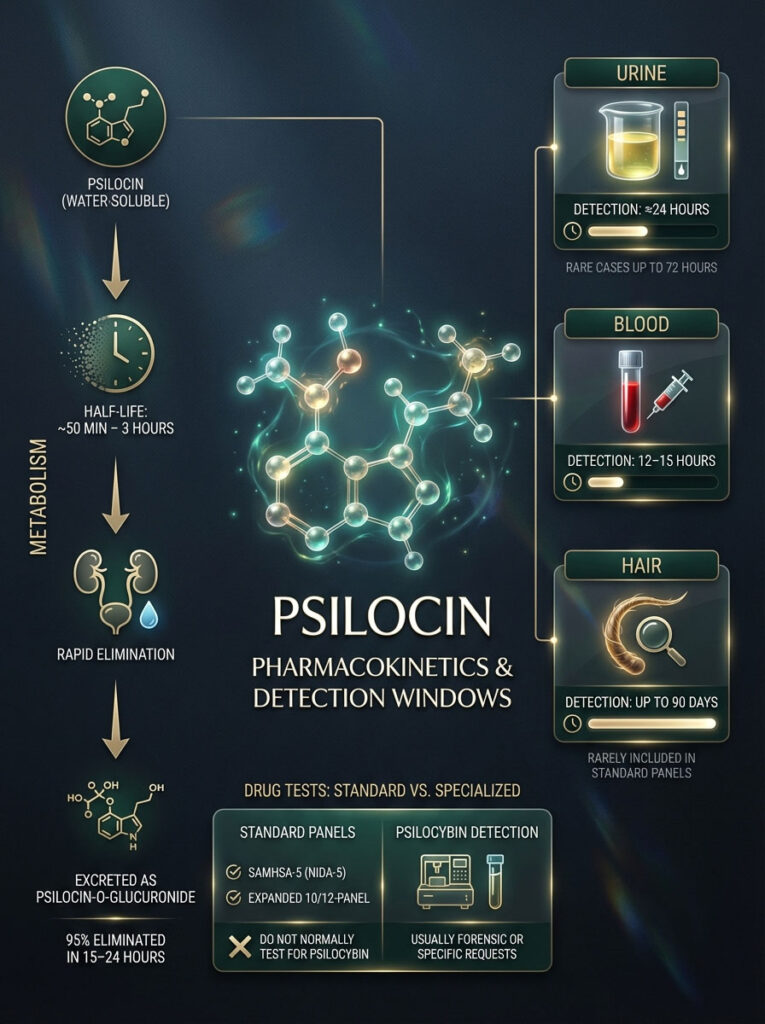
The human body treats psilocin almost like a food poisoning agent; it prioritizes getting rid of it. Psilocin is water-soluble. The psilocin half-life is roughly 50 minutes to 3 hours, depending on individual metabolism and urine pH.
This means that every 3 hours, the amount of the drug in your body is cut in half. Within 15 to 24 hours, over 95% of the compound is excreted via urine in the form of psilocin-O-glucuronide.
Detailed Detection Windows by Test Type
Urine Tests:
This is the most common form of drug testing. In a standard user, psilocybin metabolites are generally detectable for 24 hours. In rare cases of extremely high doses or chronic daily usage, this window might extend to 3 days, but this is an outlier. Hydration plays a major role here; a well-hydrated individual will flush the water-soluble metabolites faster.
Blood Tests:
Blood tests are invasive and expensive, making them rare for employment screening. They are mostly used in medical toxicology (e.g., if someone is hospitalized) or research settings. Because psilocin metabolizes so quickly, it is typically only detectable in blood for 12 to 15 hours after ingestion.
Hair Follicle Tests:
Hair testing is the gold standard for long-term detection. When you ingest a drug, metabolites circulate in the blood. These metabolites nourish the hair follicle and become trapped in the keratin structure of the hair shaft as it grows. Standard hair tests analyze the 1.5 inches of hair closest to the scalp, which represents a 90-day history of drug use. While hair tests can detect psilocybin, it is vital to note that few standard hair panels actually include it due to the cost and complexity of the specific assay required.
Do Standard Drug Tests Look for Shrooms?
This is the most frequent question asked by employees. Does psilocybin show up on a 10-panel drug test?
Generally, the answer is no.
The standard SAMHSA-5 panel, which is the federal standard used by most corporate employers, tests for:
- Cannabinoids (THC)
- Cocaine
- Amphetamines
- Opiates
- PCP
Even the expanded 10-panel or 12-panel tests, which are more rigorous, typically add Benzodiazepines, Barbiturates, Methadone, Propoxyphene, and Quaaludes. They do not routinely test for indole alkaloids like psilocybin.
Testing for mushrooms requires a specialized, expensive test. Unless an employer has a specific reason to suspect magic mushrooms usage—for example, if you were found possessing them at work—or if you are on strict criminal probation, it is highly unlikely to be part of a routine pre-employment screening.
However, military testing and tests for positions with high-level security clearances may be more exhaustive. In those contexts, the risk is never zero.
Part IV: Dosage Guide and Practical Strategies
Dosing is not one-size-fits-all. The difference between a therapeutic breakthrough and a psychological crisis often comes down to as little as 0.5 grams. We categorize doses into functional tiers. Note that these weights refer to dried Psilocybe cubensis. Fresh mushrooms are 90% water, so you would need to eat 10 times the weight for the same effect.

Dosage Tiers Breakdown
The Microdose (0.1g – 0.3g)
Microdosing shrooms has exploded in popularity. The goal here is not to get high. It is to take a sub-perceptual amount to boost creativity, focus, and energy. At this level, there are no visuals and no body load. Users are fully functional and can operate in social or professional settings. Protocols like the “Fadiman Protocol” (one day on, two days off) or the “Stamets Stack” (Psilocybin combined with Lion’s Mane mushroom and Niacin) are common.
The Low Dose / Museum Dose (0.5g – 1.5g)
This is often called a “museum dose” because you can still walk around an art gallery and appreciate the art, but you are definitely altered. Colors will look brighter. You may experience fits of giggling and a light body high. You are functional but impaired. You should absolutely not drive, but you can likely handle social interactions with friends.
The Moderate Dose (2.0g – 3.5g)
This is the classic psychedelic trip. At this level, visuals are obvious. Eyes-closed visuals (geometric patterns) are prominent. Emotions run deep. Time distortion is significant. You are not functional for normal tasks. You should be in a safe, comfortable space. This is the dosage range where therapeutic work often happens.
The Heroic Dose (5.0g+)
Coined by the late ethnobotanist Terence McKenna, the “Heroic Dose” is 5 dried grams taken in silent darkness. This is not for recreation. This level induces full ego death, out-of-body experiences, and intense spiritual encounters. It renders the user incapacitated. This should only be attempted by experienced users with a sober sitter present.
Safety Strategy: Set and Setting
If you are taking a macro-dose (above 1.5g), you must respect the golden rule of psychedelics: Set and Setting.
Set (Mindset):
How are you feeling internally? If you are grieving, angry, terrified, or trying to run away from a problem, the mushrooms will likely amplify those emotions rather than numb them. Enter the experience with a clear intention or a calm curiosity. “Surrender” is the best mental tactic; fighting the effects usually leads to anxiety.
Setting (Environment):
Where are you physically? A chaotic party, a crowded concert, or an unfamiliar city is a recipe for a bad trip for a beginner. A safe living room with soft lighting, a quiet nature spot, or a therapist’s office is ideal. You need to feel safe enough to be vulnerable.
The Trip Sitter:
For doses above 2.5g, having a sober friend present is a crucial safety net. Their job is not to guide you or interfere with your trip. Their job is to keep you physically safe, change the music if the vibe gets dark, and offer reassurance that you are safe and that the drug will wear off.
Part V: Therapeutic Uses and The Medical Market
The narrative that magic mushrooms are strictly for recreation is rapidly dissolving in the face of scientific data. We are witnessing the medicalization of psychedelics. The market for psychedelic therapies is projected to grow significantly, driven not by hype, but by rigorous clinical trials.
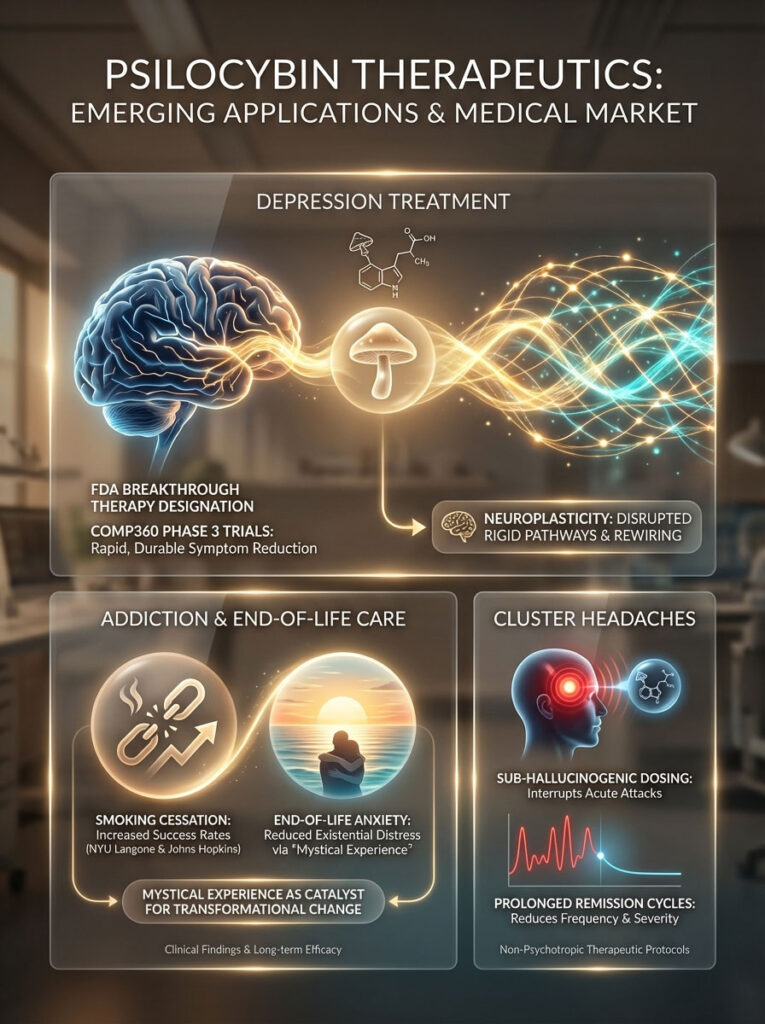
Psilocybin Therapy for Depression
The FDA has granted Breakthrough Therapy Designation to psilocybin for treatment-resistant depression (TRD). This designation is reserved for drugs that demonstrate substantial improvement over available therapy.
Companies like Compass Pathways have conducted large-scale Phase 3 trials using their synthetic psilocybin formulation, COMP360. The results indicate that a single high-dose session, accompanied by preparatory and integration psychotherapy, can induce remission in depression symptoms for up to 12 weeks.
The mechanism is believed to be neuroplasticity. Depression often involves rigid, repetitive neural pathways—the brain gets stuck in a rut of negative thinking. Psilocybin effects appear to disrupt these rigid paths, shaking the “snow globe” of the brain. This allows the brain to “rewire” itself and form new, healthier connections.
Addiction and End-of-Life Care
Researchers at NYU Langone and Johns Hopkins have also seen incredible success in treating addiction. Studies on smoking cessation showed significantly higher success rates with psilocybin therapy than with traditional nicotine replacement therapies.
Furthermore, terminally ill patients facing end-of-life distress have reported significant reductions in anxiety and a greater acceptance of death following psilocybin sessions. The “mystical experience” occasioned by the drug seems to fundamentally alter the patient’s relationship with their own mortality.
Cluster Headaches
There is also a niche but passionate community of patients suffering from cluster headaches, often called “suicide headaches” due to their intensity. Anecdotal evidence and emerging studies suggest that psilocybin (and LSD) can abort a cluster cycle or extend the remission period between attacks, often at sub-hallucinogenic doses.
Part VI: Legal Status of Shrooms in the USA
Understanding the legality of shrooms is confusing because state and federal laws are currently in direct conflict, creating a complex patchwork of regulations.
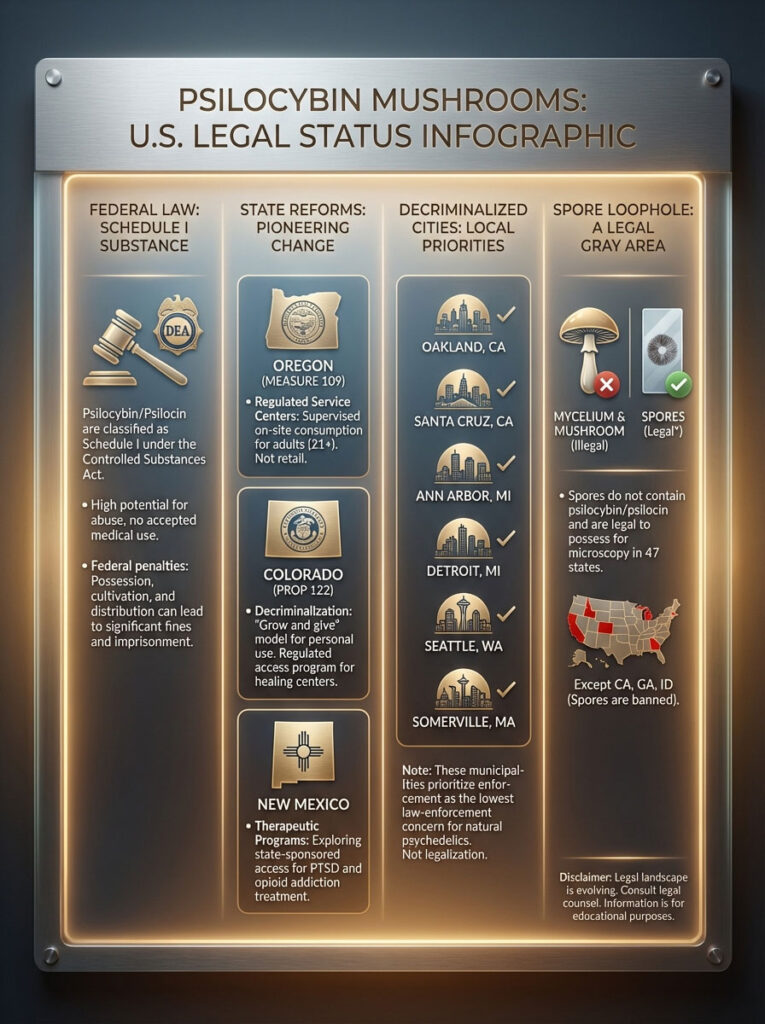
Federal Status
At the federal level, psilocybin and psilocin remain Schedule I controlled substances under the Controlled Substances Act of 1970. This classification means the Drug Enforcement Administration (DEA) considers them to have “no accepted medical use” and a high potential for abuse. Possession, cultivation, and distribution are technically federal felonies.
State Decriminalization and Regulation
Despite federal prohibition, several states have moved to reform their laws, exercising their rights to regulate health and safety within their borders.
Oregon (Measure 109):
Oregon was the pioneer. It did not just decriminalize; it created a regulated service industry. You cannot buy shrooms at a dispensary like you can with cannabis. Instead, you must pay to visit a licensed Service Center. There, you purchase the product and consume it on-site under the supervision of a licensed facilitator who stays with you for the duration of the experience.
Colorado (Proposition 122):
Colorado took a broader approach. It decriminalized the personal use, growing, and sharing of “natural medicines” (including psilocybin, DMT, ibogaine, and mescaline) for adults over 21. It creates a “grow and give” model alongside a regulated access program similar to Oregon’s.
New Mexico and Legislative Momentum:
States like New Mexico have also moved toward therapeutic access, establishing state-run programs targeting specific populations like veterans with PTSD and patients with opioid addiction. This legislative momentum suggests a continued trend toward state-level acceptance, even as federal law lags behind.
Decriminalized Cities:
Beyond state laws, dozens of municipalities—including Oakland, Santa Cruz, Ann Arbor, Detroit, Seattle, and Somerville—have passed measures ordering police to make magic mushrooms their lowest law enforcement priority. In these cities, while technically still illegal, arrests for personal possession are virtually non-existent.
The Spore Loophole
There is a unique legal quirk known as the “spore loophole.” Magic mushroom spores do not contain psilocybin. They only produce the compound once they germinate and form mycelium. Therefore, in 47 out of 50 states, buying, selling, and possessing spores for “microscopy purposes” or taxonomy is legal. However, once you use those spores to cultivate mushrooms, you are manufacturing a Schedule I drug. Three states—California, Georgia, and Idaho—have specific laws that ban the spores themselves, closing this loophole.
Part VII: Safety, Risks, and Side Effects
While shrooms are physically safe in terms of toxicity—you essentially cannot lethally overdose on the mushrooms themselves, as the amount required would be kilograms—they are not without risks.
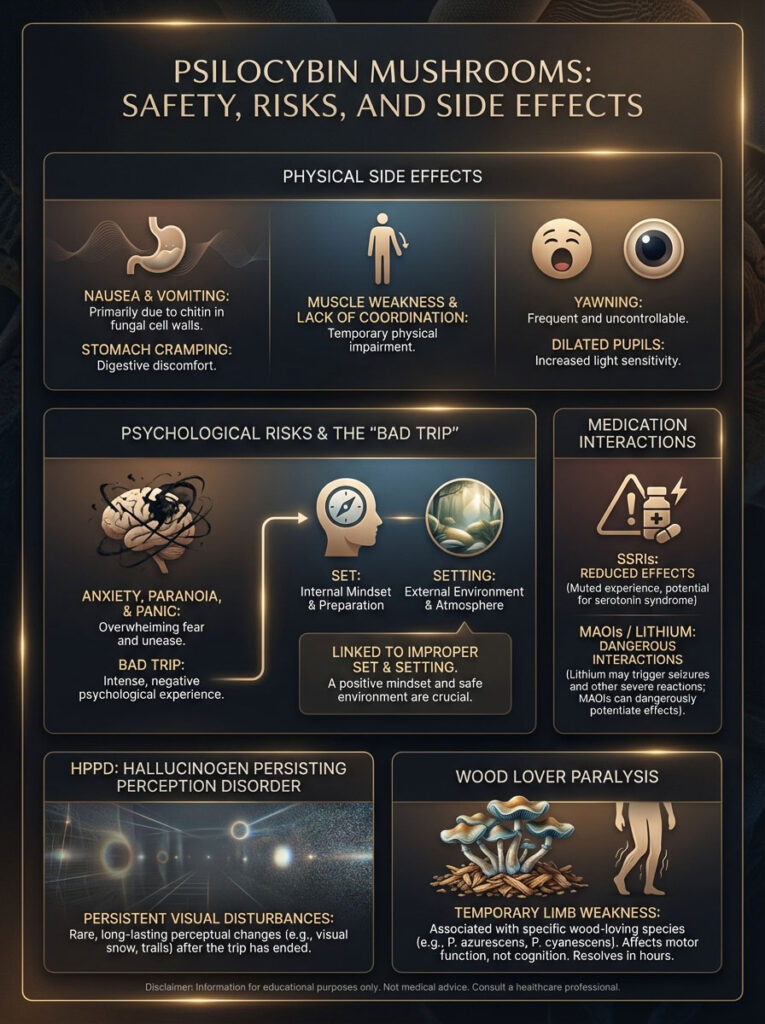
Physical Side Effects
Nausea is the most common physical complaint. As mentioned, the cell walls of mushrooms contain chitin, which humans struggle to digest. This often leads to stomach cramping or vomiting during the come-up. Other physical effects include muscle weakness, lack of coordination, yawning, and dilated pupils.
Psychological Risks: The Bad Trip
The “Bad Trip” is a very real phenomenon. It usually manifests as extreme anxiety, paranoia, or a feeling that you are going crazy or dying. Because the drug alters your perception of time, a panic attack during a trip can feel like it is lasting forever. This is why Set and Setting are non-negotiable.
Interaction with Antidepressants (SSRIs)
This is a critical safety note for millions of Americans. SSRIs (like Prozac, Zoloft, or Lexapro) work on the same serotonin system as psilocybin. They essentially “occupy” the receptors that psilocybin tries to bind to. This can blunt the effects of the mushrooms, making the trip weak or non-existent.
Conversely, combining psilocybin with MAOIs (Monoamine Oxidase Inhibitors) or Lithium can be physically dangerous. Lithium, in particular, combined with psychedelics can cause seizures.
HPPD (Hallucinogen Persisting Perception Disorder)
In rare cases, some users experience HPPD. This is a condition where visual disturbances—such as visual snow, halos around lights, or trails behind moving objects—persist for weeks, months, or even years after the drug has worn off. It is more common in users who abuse psychedelics frequently or mix them with other substances.
Wood Lover Paralysis
For those foraging wild species like Psilocybe azurescens or Psilocybe cyanescens, there is a documented phenomenon known as “Wood Lover Paralysis.” This causes temporary muscle weakness or paralysis in the limbs. While it wears off as the drug leaves the system and is not permanently damaging, it can be terrifying if the user is unprepared.
Key Takeaways
The world of psilocybin is complex and rapidly evolving. It sits at the intersection of ancient indigenous spirituality, cutting-edge modern neuroscience, and a convoluted, contradictory legal system.
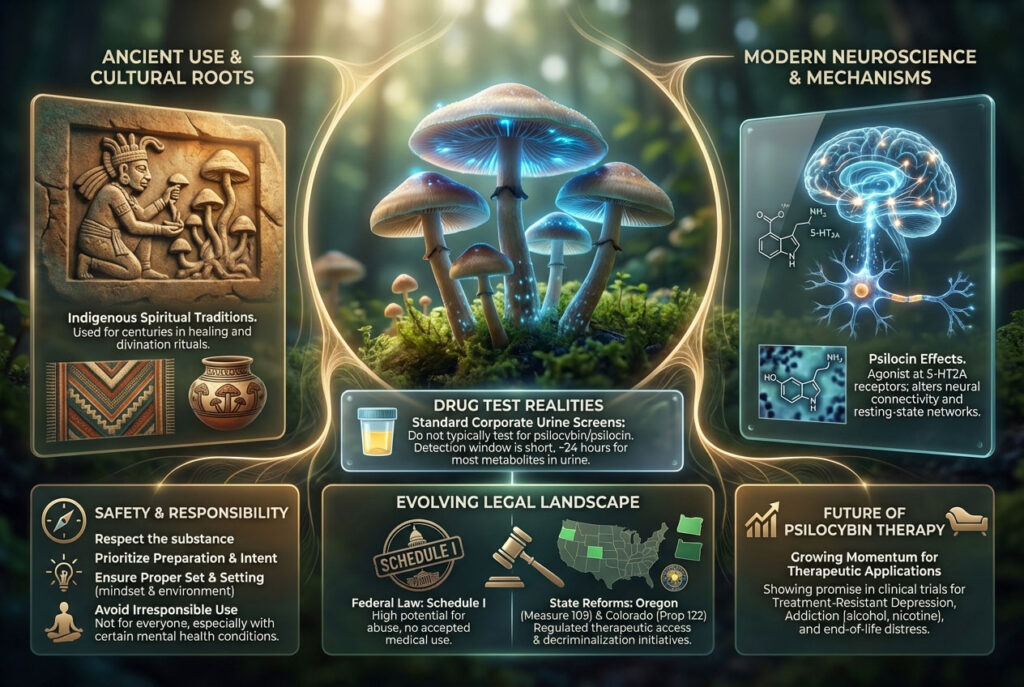
If you are exploring the effects of shrooms, remember that they are powerful tools, not toys. They alter the fundamental way your brain processes reality. They demand respect, preparation, and a safety-first mindset.
For those concerned about how long do shrooms last in the context of employment: You are likely safe if your test is a standard urine screen and it has been more than 24 hours since your last dose. Standard corporate tests are looking for opioids, stimulants, and depressants, not psychedelics.
As we look toward the future, we can expect to see more states following the lead of pioneers like Oregon and Colorado. The clinical data regarding psilocybin therapy for depression and addiction is too strong to ignore, and the cultural stigma that once shrouded these fungi is steadily fading away.
Frequently Asked Questions (FAQ)
Does psilocybin show up on a standard 12-panel drug test?
Generally, no. Most standard employment panels (5, 10, or 12-panel) test for opioids, amphetamines, cocaine, THC, and benzodiazepines. They do not screen for indole alkaloids like psilocybin unless the employer specifically orders a specialized hallucinate panel. These specialized tests are significantly more expensive and are rarely used for routine pre-employment screening.
How can I stop a shroom trip if it goes bad?
You cannot fully “stop” the biological process once it starts; there is no “off” switch. However, changing your setting is the most effective way to change the trajectory of the experience. Moving to a different room, changing the lighting, or switching the music can drastically alter the mood. In clinical settings, benzodiazepines are sometimes administered to abort a trip, but at home, the best strategy is “surrender” and waiting it out with a calm sitter.
Are shrooms addictive?
Physically, no. Magic mushrooms do not cause physical withdrawal symptoms, and the body builds tolerance so rapidly that “binging” is chemically ineffective. If you take them two days in a row, the second day will likely have no effect. However, people can develop a psychological pattern of wanting to escape reality, though this is less common than with dopamine-driven drugs like cocaine or alcohol.
How long does a microdose last in your system?
A microdose contains very little psilocybin, so it metabolizes quickly. The sub-perceptual effects last 2 to 4 hours. In terms of drug testing, the detection window remains roughly 24 hours for urine, but the significantly lower concentration might make it even harder to detect than a full macrodose, often falling below the cutoff levels of the test.
Can you drive on shrooms?
Absolutely not. Even a low dose distorts depth perception, reaction time, and peripheral vision. Driving under the influence of psilocybin is illegal (DUI) and extremely dangerous. The road may appear to bend or move, and your ability to judge the speed of other cars will be severely compromised.
What is the difference between Liberty Caps and Golden Teachers?
Psilocybe semilanceata (Liberty Caps) are small, wild mushrooms that are often significantly more potent by weight than the cultivated Psilocybe cubensis (Golden Teachers). 1 gram of Liberty Caps may feel equivalent to 1.5 or 2 grams of Cubensis. It is crucial to know which species you have to dose correctly.
Do magic mushrooms go bad?
Yes, they are organic matter. If they are not dried to a “cracker-dry” state (snaps when bent) and stored in an airtight container in a cool, dark place, they can grow mold or rot. Oxygen and light degrade psilocybin over time. Properly stored in a jar with a desiccant pack, they can retain potency for 1 to 2 years.
Is it legal to buy mushroom spores?
In most US states (47 out of 50), spores are legal to buy and possess because they do not technically contain psilocybin yet. However, once you use them to grow mushrooms (germination), you are manufacturing a Schedule I drug. California, Georgia, and Idaho have specific laws banning the spores themselves.
Can shrooms cause permanent brain damage?
Current research indicates that psilocybin is neuroprotective rather than neurotoxic. It encourages the growth of new neural connections, a process known as neurogenesis or neuroplasticity. However, it can trigger latent mental health issues, such as schizophrenia or bipolar psychosis, in individuals who are genetically predisposed to these conditions.
How does Lemon Tek change the duration?
The Lemon Tek method converts psilocybin to psilocin before you ingest it using the acidity of lemon juice. This usually results in a trip that starts faster (15–20 minutes), peaks harder, but ends sooner. The total duration might be 4 hours instead of the usual 6 hours.
What is “Ego Death”?
Ego death is the complete loss of subjective self-identity. It typically occurs on high doses (Heroic Doses). Users report feeling like they have merged with the universe or that they no longer exist as a separate entity. It can be a profound and therapeutic spiritual experience, or it can be terrifying if the user tries to fight the sensation.
Can shrooms help with alcohol addiction?
Yes. Studies, including those from NYU, suggest that psilocybin-assisted psychotherapy can significantly reduce heavy drinking days in people with Alcohol Use Disorder. It is believed to work by disrupting the rigid behavioral loops associated with addiction and allowing the patient to envision a life without dependency.
Disclaimer: The content provided in this article is for informational and educational purposes only. Psilocybin remains a Schedule I controlled substance in the United States at the federal level. This article does not encourage or endorse illegal acts. Always consult with a medical professional before making decisions regarding your health or substance use.
References:
- Johns Hopkins Center for Psychedelic & Consciousness Research. Psilocybin treatment for major depression effective for up to a year.
- National Institute on Drug Abuse (NIDA). Psilocybin (Magic Mushrooms).
- Compass Pathways. COMP360 psilocybin therapy in treatment-resistant depression: Phase 3 trial results.
- State of Oregon. Oregon Health Authority: Psilocybin Services Act (Measure 109).
- Imperial College London. The effects of psilocybin on the Default Mode Network.
- NYU Langone Health. Psilocybin-assisted treatment for alcohol dependence: a double-blind, placebo-controlled, randomized clinical trial.