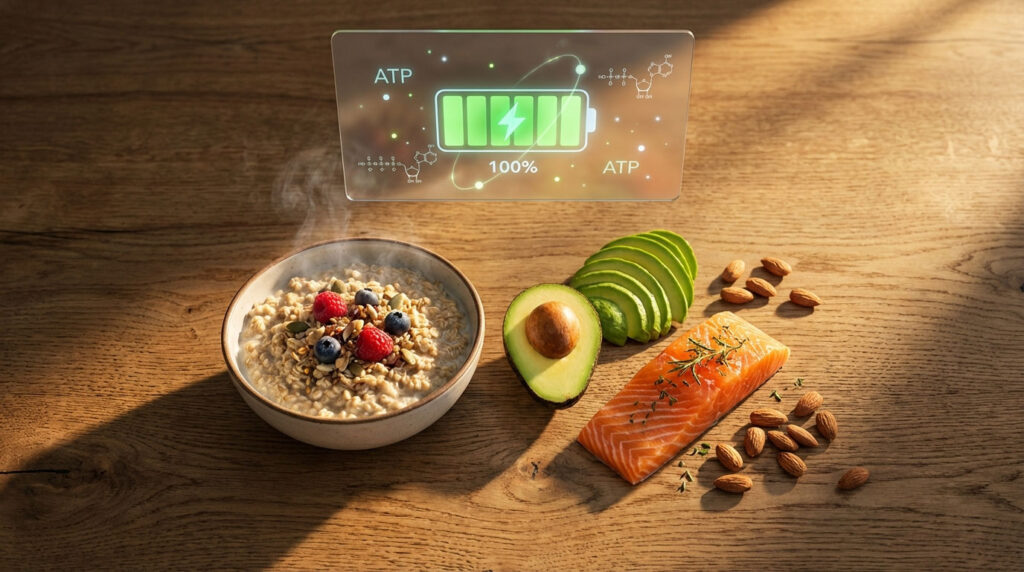
You know the feeling exactly. It hits around 2:00 PM. The morning coffee has worn off. Your eyelids feel heavy. Your focus drifts. You reach for a sugary snack or another energy drink, hoping for a spark. But within an hour, you crash harder than before. The mental fog returns, thicker than the last time, and the rest of the workday feels like wading through mud.
Table of Contents
This cycle is exhausting. Data suggests that nearly 68% of Americans experience this daily “afternoon slump,” and many simply accept fatigue as a normal part of life. It is not. True vitality does not come from a caffeine rush or a sugar high. It comes from cellular fuel. The human body was not designed to run on stimulants; it was designed to run on nutrients.
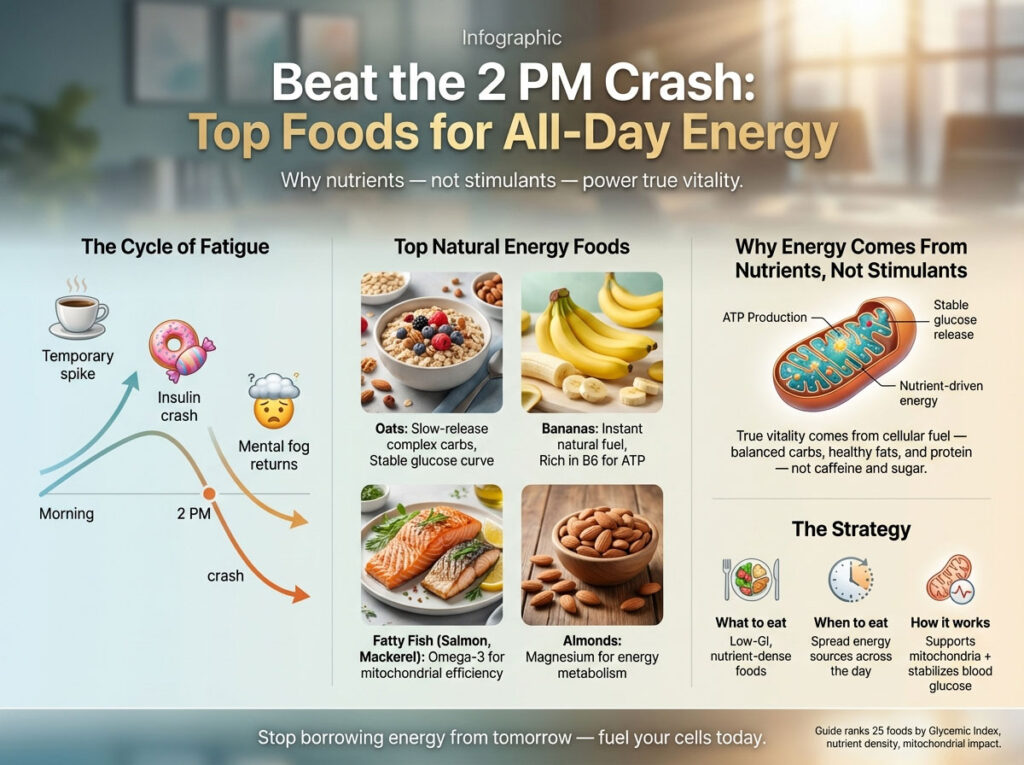
The best foods to give you energy provide a strategic balance of complex carbohydrates, healthy fats, and protein. Top-ranked natural energy boosters include oats for sustained release, bananas for instant fuel, fatty fish for mitochondrial support, and almonds for magnesium. Unlike sugary snacks that cause insulin spikes and crashes, these foods stabilize blood glucose and optimize ATP production for all-day vitality.
If you are tired of borrowing energy from tomorrow to get through today, you need a nutritional strategy. This guide ranks the top 25 foods based on their Glycemic Index, nutrient density, and ability to fuel your mitochondria. We will explore not just what to eat, but when to eat it, why it works on a molecular level, and how to combine these foods for maximum metabolic output.
How Food Gives You Energy: The Science of ATP and Blood Sugar
Before we dive into the list, we must understand the biology behind the buzz. Energy is not magic. It is a chemical process. When you search for what food gives the most energy, you are really asking how to maximize ATP (Adenosine Triphosphate). ATP is the “energy currency” of your cells. Every time you blink, think, digest food, or move a muscle, your body spends ATP.
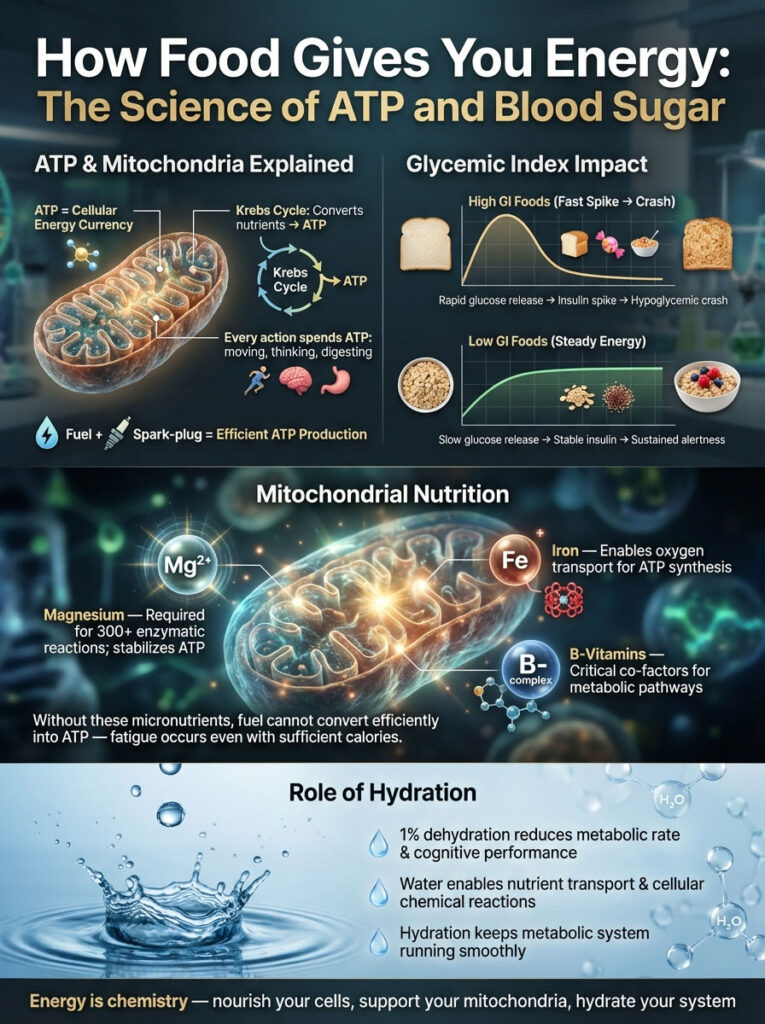
The body produces ATP through a complex biochemical pathway known as the Krebs cycle, which takes place inside your mitochondria. To keep this cycle running efficiently, you need a steady supply of substrates (fuel) and co-factors (spark plugs).
Glycemic Index Impact: Glucose vs. Complex Carbohydrates for Sustained Energy
Most energy comes from glucose, which is derived from carbohydrates. However, the delivery method matters immensely for energy boosting foods. The speed at which glucose enters your bloodstream dictates how you will feel for the next four hours.
High Glycemic Index (GI) Foods: These release glucose rapidly. Think white bread, candy, or sugary cereals. They give you a massive surge of energy, but your body counters with a massive spike of insulin. This insulin sweeps the sugar out of your blood too fast, leading to hypoglycemic rebound—also known as the crash. This roller coaster stresses the adrenal glands and leads to chronic fatigue over time.
Low Glycemic Index Foods: These are the gold standard for sustained energy. Complex carbohydrates like quinoa or oats release glucose slowly. This provides a steady drip of fuel that keeps you alert for hours without the jittery peak or the exhaustion valley. By moderating the insulin response, you maintain a steady state of cognitive and physical performance.
Mitochondrial Function Nutrition: Magnesium, Iron, and ATP Production
Your mitochondria are the power plants inside your cells. They take the breakdown products of food—fatty acids and glucose—and turn them into ATP.
For this factory to work, it needs workers. These workers are micronutrients. Magnesium, Iron, and B-Vitamins are essential co-factors. Magnesium alone is required for over 300 enzymatic reactions, including the stabilization of the ATP molecule. If you are deficient in magnesium, your mitochondria cannot produce ATP efficiently. You will feel tired even if you eat plenty of calories. This is why foods rich in B vitamins are often cited as the best natural energy foods. Without these micronutrients, the fuel sits in the tank, unable to ignite.
The Role of Hydration in Metabolic Rate
Water is often the missing variable in the energy equation. Research indicates that even mild dehydration of just 1% can drop your metabolic rate and cognitive function significantly. Water is the medium in which all energy reactions take place. It maintains the turgidity of cells and facilitates the transport of nutrients across cell membranes. Without adequate hydration, the blood thickens, oxygen transport slows down, and the entire metabolic system stalls.
Top 25 Natural Foods That Give You Energy: The Ultimate Ranking
We have categorized these natural energy foods based on how they affect your body. Some are for the long haul. Some are for instant power. Others repair the engine. We will breakdown the nutritional profile and the best way to consume each one.
Best Foods for Sustained Energy: Complex Carbohydrates That Last All Day
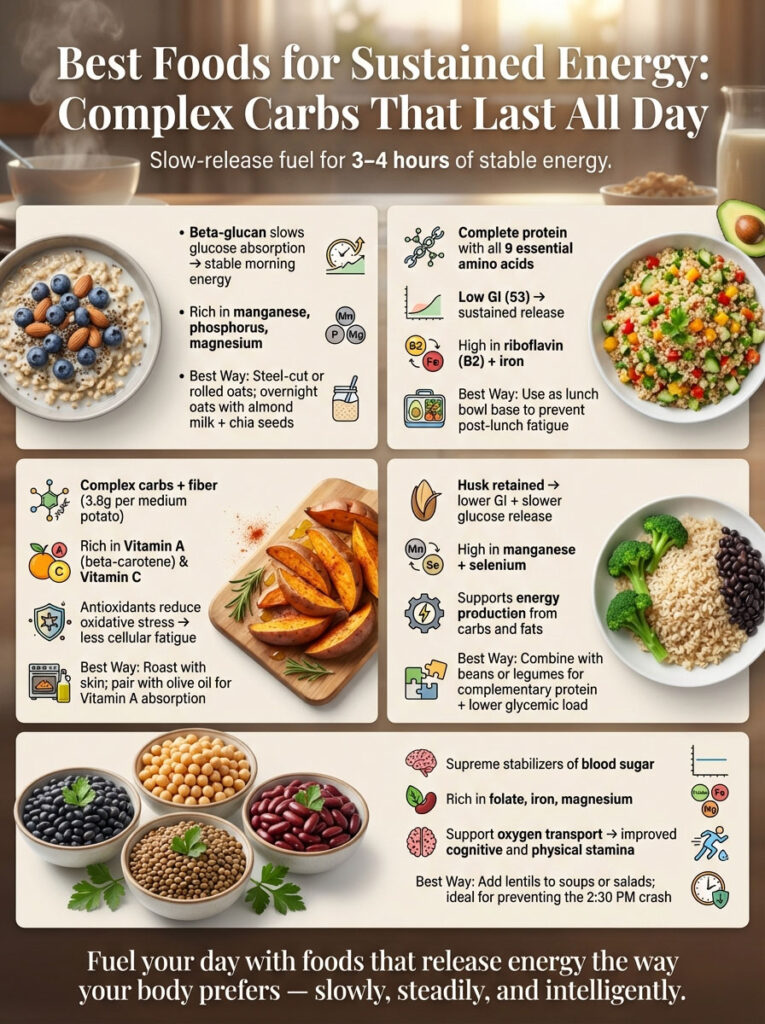
These foods are your workhorses. They provide complex carbohydrates and fiber for a slow, steady release of fuel that lasts 3 to 4 hours. These are the best breakfast foods for energy because they set the metabolic tone for the entire day.
1. Oats and Oatmeal for Morning Energy Stability
Oats are arguably the best food to give you energy in the morning. They contain beta-glucan, a specific type of soluble fiber that forms a thick gel in your gut. This gel slows down the absorption of glucose into the bloodstream, ensuring that your energy levels remain stable rather than spiking.
Nutritional Breakdown:
Oats are rich in Manganese, which is critical for enzyme production and bone health. They also contain significant amounts of phosphorus and magnesium.
Best Way to Eat:
Opt for steel-cut or rolled oats rather than instant packets, which often contain added sugars. Overnight oats soaked in almond milk with chia seeds provide a perfect grab-and-go energy breakfast.
2. Quinoa: The Complete Protein Complex Carb
Quinoa is a rare plant food that is a complete protein, meaning it contains all nine essential amino acids that the body cannot produce on its own. It has a low Glycemic Index (53), ensuring a slow release of energy.
Nutritional Breakdown:
Quinoa is high in riboflavin (Vitamin B2), which improves energy metabolism in brain and muscle cells. It also provides a substantial amount of iron.
Best Way to Eat:
Use quinoa as a base for lunch bowls. The protein content slows down carbohydrate digestion even further, preventing the post-lunch sleepiness that plagues many office workers.
3. Sweet Potatoes: Nutrient-Dense Slow Burning Fuel
Forget white potatoes which can spike blood sugar almost as fast as sugar. Sweet potatoes are energy-dense foods loaded with complex carbohydrates and fiber. One medium sweet potato contains up to 3.8g of fiber.
Nutritional Breakdown:
They are packed with Vitamin A (in the form of beta-carotene) and Vitamin C. These antioxidants help fight oxidative stress, which is a common cause of cellular fatigue.
Best Way to Eat:
Roasted with the skin on. The skin contains a significant portion of the fiber. Pair with a healthy fat like olive oil to increase the absorption of the fat-soluble Vitamin A.
4. Brown Rice for Long-Lasting Glucose Release
Unlike white rice, which has had the bran and germ removed, brown rice retains the husk. This husk provides the fiber necessary to lower the Glycemic Index.
Nutritional Breakdown:
Brown rice is rich in manganese and selenium. Manganese helps the body generate energy from protein and carbohydrates and is involved in the synthesis of fatty acids.
Best Way to Eat:
Combine brown rice with beans or legumes. This creates a complementary protein profile and further lowers the glycemic load of the meal.
5. Beans and Legumes to Prevent Energy Crashes
Black beans, lentils, chickpeas, and kidney beans are supreme stabilizers. Their high fiber content prevents blood sugar fluctuations better than almost any other food group.
Nutritional Breakdown:
Legumes are excellent sources of folate, iron, and magnesium. They replenish the body’s stores of iron, which is vital for transporting oxygen to working muscles.
Best Way to Eat:
incorporate lentils into soups or salads. A lentil-based lunch is one of the most effective strategies to prevent the brain fog that typically hits around 2:30 PM.
Foods That Give You Energy Fast: Natural Instant Boosters
Sometimes you need foods that give you energy fast. Perhaps you are about to hit the gym, or you are feeling hypoglycemic. These foods digest quickly to spike glucose availability, but they do so with natural sugars and electrolytes, avoiding the toxicity of processed sugar.
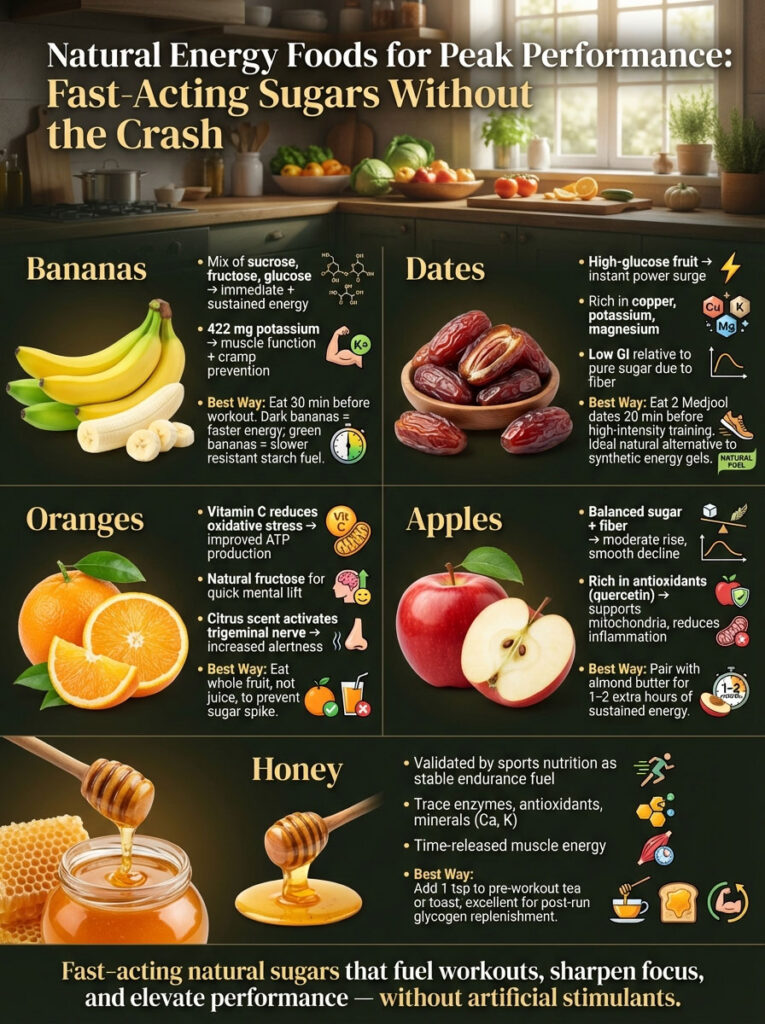
6. Bananas: The Ultimate Pre-Workout Energy Food
The athlete’s favorite. Bananas contain a unique mix of three sugars: sucrose, fructose, and glucose. This combination provides both immediate and slightly sustained energy.
Nutritional Breakdown:
A medium banana contains 422mg of potassium. This electrolyte is vital for muscle function and preventing the physical fatigue associated with cramping.
Best Way to Eat:
Eat a banana 30 minutes before a workout. The darker the banana, the higher the simple sugar content, which means faster energy. Green bananas contain more resistant starch and provide slower energy.
7. Dates: High-Glucose Fruit for Instant Power
Dates are nature’s candy. They are extremely high in glucose and digest rapidly, hitting the bloodstream almost immediately.
Nutritional Breakdown:
Dates are rich in copper, potassium, and magnesium. Despite their high sugar content, they have a low glycemic index relative to pure sugar because of their fiber content.
Best Way to Eat:
Eat two Medjool dates 20 minutes before a high-intensity workout. They are a superior natural alternative to synthetic energy gels used by endurance runners.
8. Oranges: Vitamin C for Oxidative Stress Reduction
The high Vitamin C content helps mitigate oxidative stress, which is a cellular cause of fatigue. When cells are under oxidative stress, they produce less ATP.
Nutritional Breakdown:
Oranges provide natural fructose for a quick mental lift. Furthermore, the scent of citrus alone has been shown in studies to stimulate the trigeminal nerve and increase alertness.
Best Way to Eat:
Eat the whole fruit rather than drinking the juice. The fiber in the pulp modulates the absorption of the fructose, preventing a “sugar rush” sensation.
9. Apples: The Balanced Fruit for Cognitive Alertness
An apple provides a balance of sugar (flesh) and fiber (skin). This allows for a quicker energy onset than oats, but a slower decline than candy.
Nutritional Breakdown:
Apples are high in antioxidants, specifically flavonoids like quercetin, which can improve mitochondrial health and reduce inflammation.
Best Way to Eat:
Pair an apple with almond butter. The fat in the nuts will sustain the energy boost from the fruit for an extra hour or two.
10. Honey: The Natural Alternative to Energy Gels
Studies in sports nutrition have validated honey as an effective fuel source. It maintains blood sugar levels more effectively than pure sucrose during endurance exercise.
Nutritional Breakdown:
Raw honey contains trace amounts of enzymes, antioxidants, and minerals like calcium and potassium. It acts as a time-released muscle fuel.
Best Way to Eat:
Add a teaspoon to pre-workout tea or drizzle over toast. It is especially effective for refueling glycogen stores immediately after a long run or intense training session.
High-Energy Foods With Healthy Fats and Protein for Satiety
Calories from fat are dense and slow-burning. Healthy fats provide the longest-lasting fuel source, while protein aids in satiety and muscle repair.
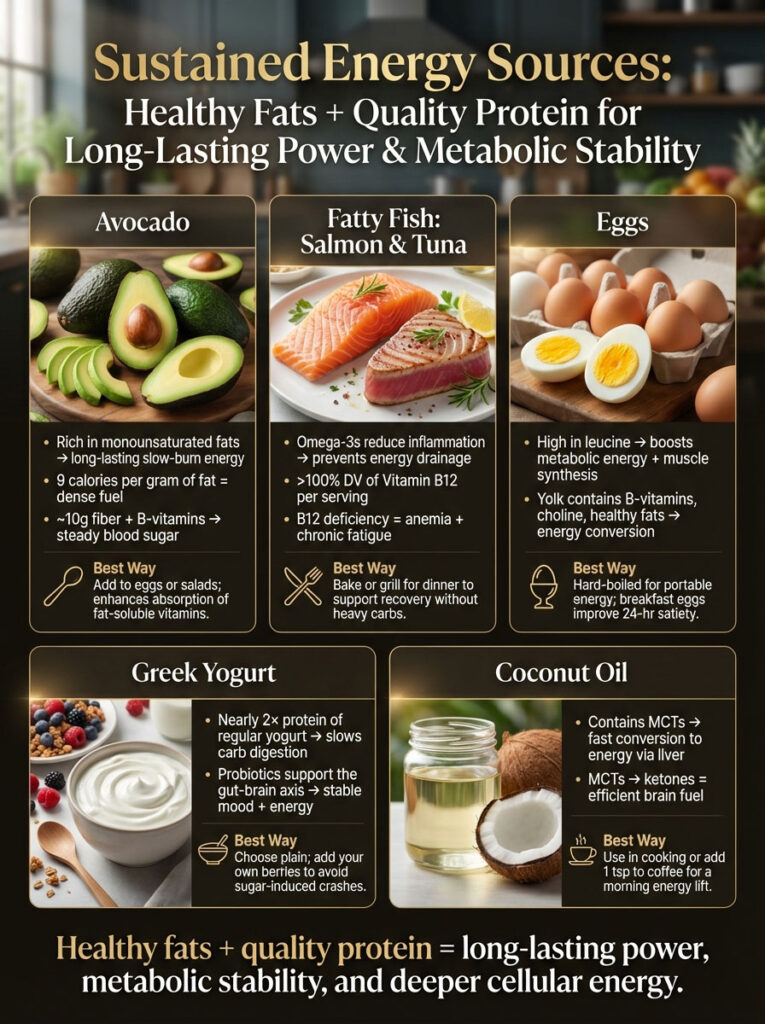
11. Avocado: Monounsaturated Fats for Mitochondrial Health
Loaded with healthy monounsaturated fats, avocados are a staple for sustained energy. Fat contains 9 calories per gram compared to 4 calories for carbs. This makes avocados a high-density energy source that keeps you full for hours.
Nutritional Breakdown:
Avocados are also high in B-vitamins and fiber (about 10g per fruit). This combination supports steady blood sugar levels.
Best Way to Eat:
Add avocado to breakfast eggs or lunch salads. The fat content helps your body absorb fat-soluble vitamins from other vegetables on your plate.
12. Fatty Fish (Salmon & Tuna): Omega-3s for Fatigue Fighting
Inflammation is a major energy thief. When the body is inflamed, it directs resources toward the immune system rather than energy production. The Omega-3 fatty acids in salmon reduce cellular inflammation.
Nutritional Breakdown:
Salmon provides over 100% of your daily Vitamin B12 requirement in a single serving. A deficiency in B12 is a leading cause of anemia and chronic tiredness.
Best Way to Eat:
Baked or grilled salmon for dinner ensures you get high-quality protein for recovery without a heavy carbohydrate load that might disrupt sleep.
13. Eggs: Leucine-Rich Protein for Metabolic Energy
Eggs are a powerhouse of Leucine, an essential amino acid that plays a key role in stimulating energy metabolism and muscle protein synthesis.
Nutritional Breakdown:
Do not skip the yolk. The yolk contains the B-vitamins, choline, and healthy fats required to convert food into energy. The white is mostly protein.
Best Way to Eat:
Hard-boiled eggs are the perfect portable energy snack. Eating eggs for breakfast has been shown to reduce calorie intake for the next 24 hours due to increased satiety.
14. Greek Yogurt: High Protein to Slow Digestion
Greek yogurt contains nearly twice the protein of regular yogurt. Protein has a high thermic effect and slows down the digestion of carbohydrates, stabilizing energy levels.
Nutritional Breakdown:
It is also a good source of probiotics. Emerging research on the gut-brain axis suggests that a healthy microbiome is essential for energy regulation and mood stability.
Best Way to Eat:
Choose plain, unsweetened Greek yogurt and add your own berries. Pre-flavored yogurts are often packed with enough added sugar to cause a crash.
15. Coconut Oil: MCTs for Quick Liver Energy
Coconut oil contains Medium Chain Triglycerides (MCTs). Unlike other fats that require complex digestion, MCTs are sent directly to the liver to be converted into immediate energy.
Nutritional Breakdown:
MCTs can be converted into ketones, which are a highly efficient fuel source for the brain, especially for those on low-carb diets.
Best Way to Eat:
Use small amounts in cooking or add a teaspoon to coffee (often called “bulletproof coffee”) for a morning brain boost.
Nutrient Enablers: Magnesium Foods for Energy Production
These foods do not necessarily provide massive calories, but they provide the spark plugs needed to burn the fuel. Without these minerals, the macronutrients cannot be converted into ATP.
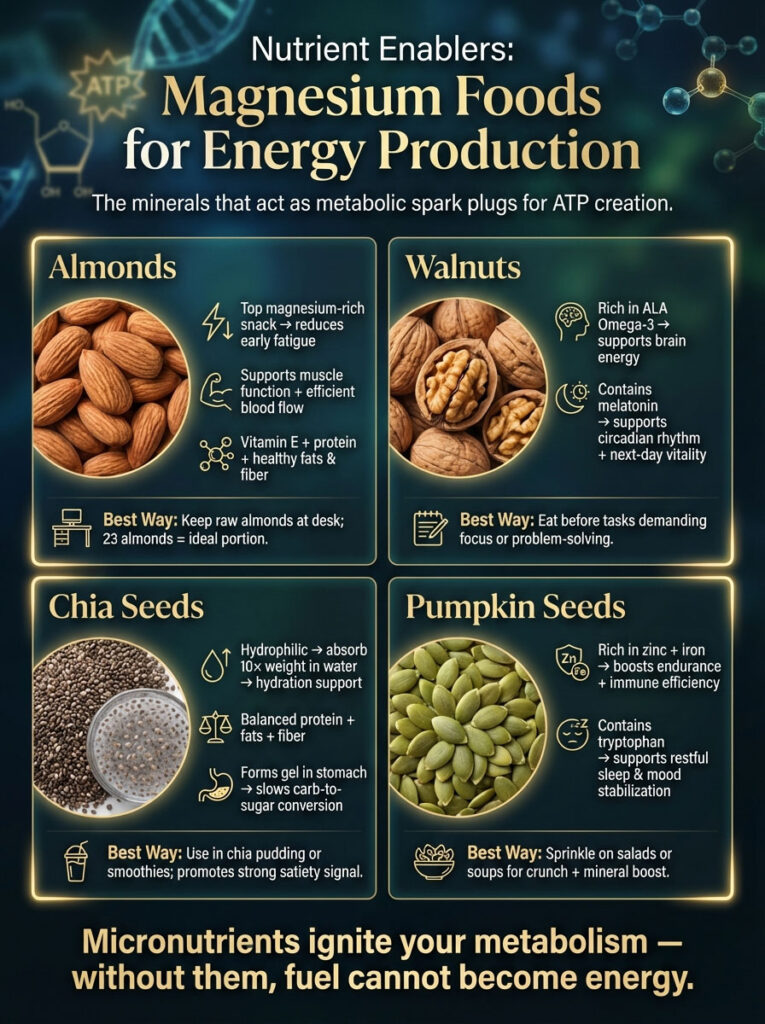
16. Almonds: Magnesium-Rich Snacks for Fatigue
Almonds are one of the best dietary sources of magnesium. Low magnesium levels force your body to work harder to move muscles and pump blood. This leads to early physical fatigue.
Nutritional Breakdown:
They are also rich in Vitamin E and protein. A small handful provides a trifecta of fat, protein, and fiber.
Best Way to Eat:
Keep raw almonds at your desk. Portion control is key; a single serving (about 23 almonds) is sufficient to provide an energy boost without excessive caloric intake.
17. Walnuts: Omega-3 Foods for Brain Energy
Walnuts are unique among nuts because they are rich in Alpha-Linolenic Acid (ALA), a plant-based Omega-3 fatty acid.
Nutritional Breakdown:
They also contain melatonin, which can help regulate circadian rhythms and improve sleep quality—the foundation of next-day energy.
Best Way to Eat:
Walnuts are excellent “brain food.” Eat them before a task requiring intense focus or problem-solving.
18. Chia Seeds: Hydration and Stable Energy Release
Chia seeds are hydrophilic; they absorb up to 10 times their weight in water. This helps maintain hydration levels in the digestive tract.
Nutritional Breakdown:
They provide a perfectly balanced ratio of protein, fats, and fiber. The gel they form in the stomach acts as a barrier that slows down the conversion of carbohydrates into sugar.
Best Way to Eat:
Make chia pudding or add them to smoothies. Because they swell up, they provide a strong signal of fullness to the brain.
19. Pumpkin Seeds: Zinc and Iron for Endurance
Pumpkin seeds, or pepitas, are one of the best natural sources of zinc and iron. Low zinc levels are linked to lower physical endurance and compromised immune function.
Nutritional Breakdown:
They are also a potent source of tryptophan, an amino acid that promotes restful sleep and mood regulation.
Best Way to Eat:
Sprinkle them on salads or soup for an added crunch and nutrient boost.
20. Spinach: Iron-Rich Foods to Combat Anemia
Iron is the carrier that transports oxygen to your cells via hemoglobin. Without iron, your cells suffocate, and you feel exhausted regardless of how much sleep you get. Spinach is a top plant-based iron source.
Nutritional Breakdown:
Spinach is also high in magnesium and potassium. However, the iron in spinach is non-heme iron, which is less easily absorbed than animal iron.
Best Way to Eat:
To maximize iron absorption, eat spinach with a source of Vitamin C, such as a splash of lemon juice or some bell peppers. This chemical synergy multiplies iron uptake.
Brain Fog Energy Foods: Cognitive Performance and Focus
These foods target cognitive energy and alertness rather than just physical stamina. They work by improving blood flow to the brain or modulating neurotransmitters.
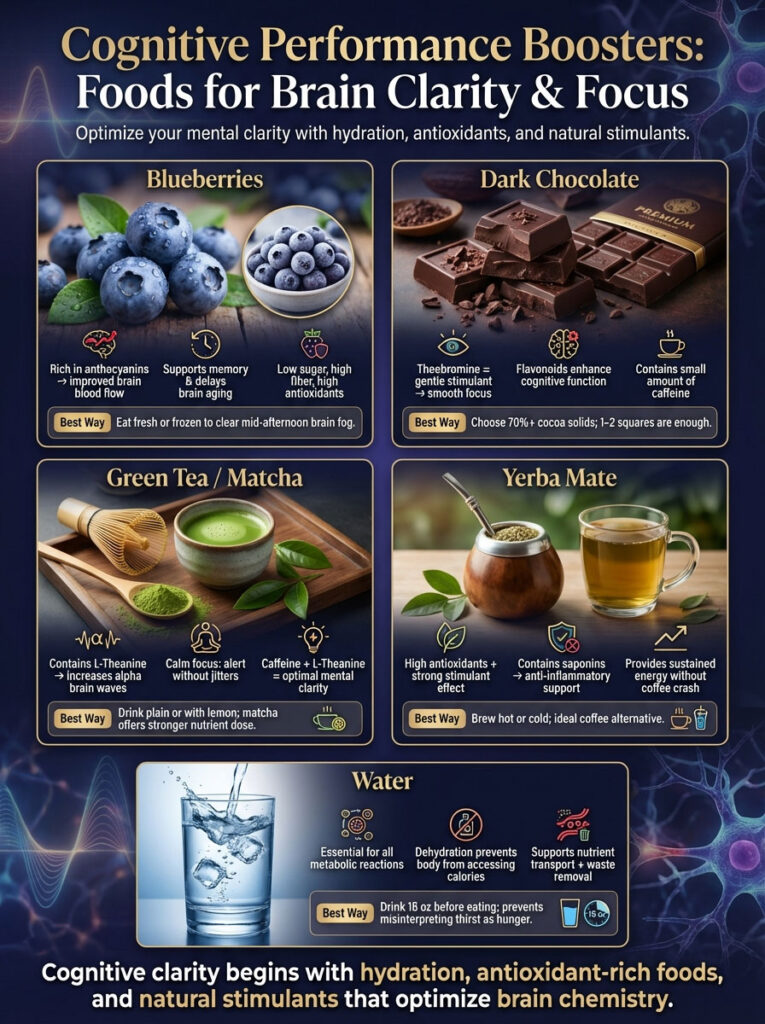
21. Blueberries: Antioxidants for Blood Flow
Blueberries are packed with anthocyanins, the pigment that gives them their color. These antioxidants have been shown to improve blood flow to the brain and may delay brain aging.
Nutritional Breakdown:
They are lower in sugar than many other fruits but higher in fiber and antioxidants.
Best Way to Eat:
Eat them fresh or frozen. They are excellent for clearing “brain fog” mid-afternoon.
22. Dark Chocolate: Theobromine for Focus Without the Crash
Dark chocolate contains Theobromine, a natural stimulant that boosts energy and mood similar to caffeine but gentler. It dilates blood vessels, decreasing blood pressure and improving circulation.
Nutritional Breakdown:
It also contains a small amount of caffeine. The flavonoids in dark chocolate have been shown to improve cognitive function.
Best Way to Eat:
The rule is simple: It must be at least 70% cocoa solids. Anything less is essentially candy. One or two squares are sufficient.
23. Green Tea: L-Theanine for Calm Energy
Green tea contains a modest amount of caffeine, but its secret weapon is L-Theanine. This amino acid crosses the blood-brain barrier and increases alpha brain waves.
Nutritional Breakdown:
The result of combining caffeine and L-Theanine is a state of “calm focus.” You get the alertness without the jittery, anxious feeling often associated with coffee.
Best Way to Eat:
Drink green tea plain or with lemon. Matcha, which involves consuming the whole powdered leaf, provides a more potent dose of nutrients.
24. Yerba Mate: High Antioxidant Natural Stimulant
A traditional South American tea, Yerba Mate provides a potent caffeine kick comparable to coffee but boasts a higher antioxidant load than green tea.
Nutritional Breakdown:
It contains saponins, natural compounds with anti-inflammatory properties. Many users report it provides a sustained buzz without the crash of coffee.
Best Way to Eat:
Brew it like tea. It can be consumed hot or cold and is an excellent morning substitute for those trying to reduce coffee intake.
25. Water: The Essential Element for Metabolic Function
We list this last to emphasize its foundational importance. It is the prerequisite for all metabolic processes. If you are tired, the first step should always be to drink 16oz of water.
Nutritional Breakdown:
Water contains zero calories, but without it, the body cannot access the calories in food. It transports nutrients and removes metabolic waste products that cause fatigue.
Best Way to Eat:
Drink water before you eat. Often, the brain confuses thirst signals with hunger signals. Staying hydrated ensures your appetite regulation is accurate.
The Science of Food Synergy: Combining Nutrients for Maximum Output
Eating these foods in isolation is good, but eating them in specific combinations is better. This concept is called food synergy—where the interaction between nutrients creates a combined effect greater than the sum of their parts.
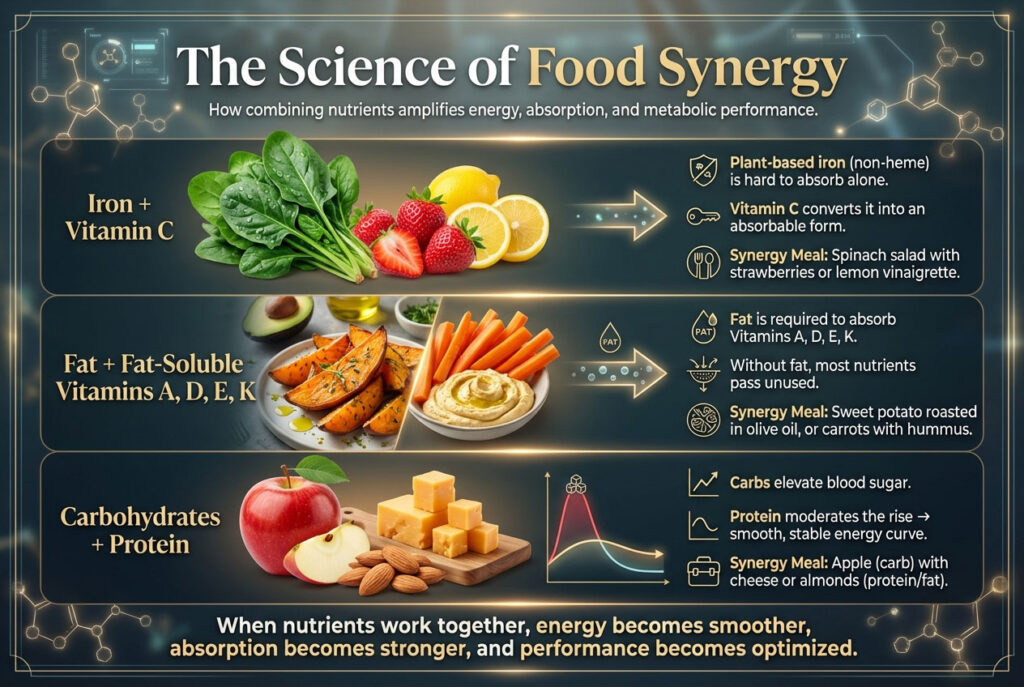
Iron + Vitamin C
As mentioned with spinach, plant-based iron (non-heme) is difficult for the body to absorb. Pairing it with Vitamin C creates a chemical environment that transforms the iron into a more absorbable form.
- Synergy Meal: Spinach salad with strawberries or a lemon vinaigrette.
Fat + Fat-Soluble Vitamins
Vitamins A, D, E, and K are fat-soluble. You can eat all the sweet potatoes (Vitamin A) you want, but without fat, you will excrete most of the nutrients.
- Synergy Meal: Sweet potato roasted in olive oil, or a carrot snack dipped in hummus.
Carbohydrates + Protein
Carbohydrates elevate blood sugar; protein dampens that elevation. Eating them together creates a smooth energy curve.
- Synergy Meal: Apple (carb) with cheese or almonds (protein/fat).
Foods That Drain Your Energy: The “Anti-Energy” List
Just as some foods fuel you, others actively rob you of vitality. To maximize energy, you must eliminate or minimize these “energy vampires.”
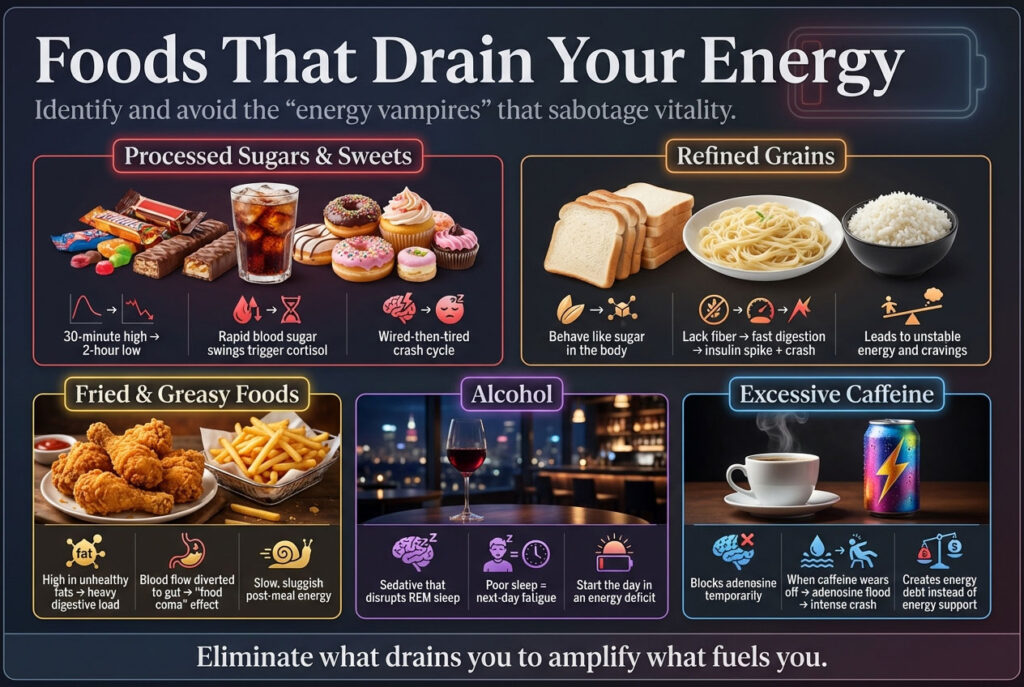
Processed Sugars and Sweets
Candy, soda, and pastries provide a 30-minute high followed by a 2-hour low. The rapid fluctuation in blood sugar triggers cortisol release, which leaves you feeling wired yet tired.
Refined Grains (The “White” Foods)
White bread, white pasta, and white rice act almost identically to sugar in the body. They lack the fiber needed to slow digestion, leading to the same insulin-crash cycle.
Fried and Greasy Foods
Fried chicken and french fries are heavy in unhealthy fats. The body requires immense amounts of energy to digest these fats, redirecting blood flow away from the brain and muscles to the gut. This induces the phenomenon known as the “food coma.”
Excessive Caffeine
While coffee can be a tool, relying on it creates a debt. Caffeine blocks adenosine, the chemical that makes you feel tired. When the caffeine wears off, the adenosine floods the brain all at once, leading to a crash harder than before.
Alcohol
Alcohol is a sedative. While a glass of wine might help you fall asleep, it destroys sleep quality by preventing the body from entering deep REM sleep. You wake up unrefreshed and start the day with an energy deficit.
Comparing Energy Boosting Foods: Which Fuel Source Do You Need?
Not all energy boosting foods are created equal. You must choose the right tool for the job. Below is a comparison to help you select the best option based on your immediate need.
| Food Category | Examples | Energy Duration | Glycemic Impact | Best Use Case |
| Complex Carbs | Oats, Quinoa, Brown Rice | 3–4 Hours | Low/Steady | Breakfast, Long Work Sessions |
| Quick Carbs | Bananas, Dates, Honey | 30–60 Mins | Moderate Spike | Pre-Workout, Hypoglycemia |
| Healthy Fats | Avocado, Almonds, Salmon | 4+ Hours | Neutral | Satiety, Ketogenic Diet |
| Proteins | Eggs, Greek Yogurt | Sustained | Minimal | Muscle Repair, Hunger Control |
| Micros | Spinach, Pumpkin Seeds | Long Term | None | Fighting Fatigue/Anemia |
Dietary Frameworks: Vegan, Keto, and Diabetic Energy Foods
Different diets require different energy strategies.
- Vegan Energy Foods: Relies heavily on complex carbohydrates (quinoa) and iron-rich foods (spinach/lentils) to compensate for the lack of heme iron from meat. Vegans must be vigilant about B12 intake.
- Keto Energy Foods: Relies entirely on healthy fats (avocado, coconut oil) to produce ketones for fuel. The energy from ketosis is often described as “cleaner” and more consistent than glucose energy, but it requires metabolic adaptation.
- Foods for Energy for Diabetics: Must strictly prioritize low Glycemic Index foods (beans, nuts, green vegetables) to manage blood sugar levels while maintaining energy. Consistency is key here; skipping meals is as dangerous as overeating.
Meal Timing Strategies: When to Eat Foods to Give You Energy
Knowing what food to give you energy is only half the battle. Timing is the other half. Your circadian rhythm dictates your insulin sensitivity and digestion speed throughout the day.
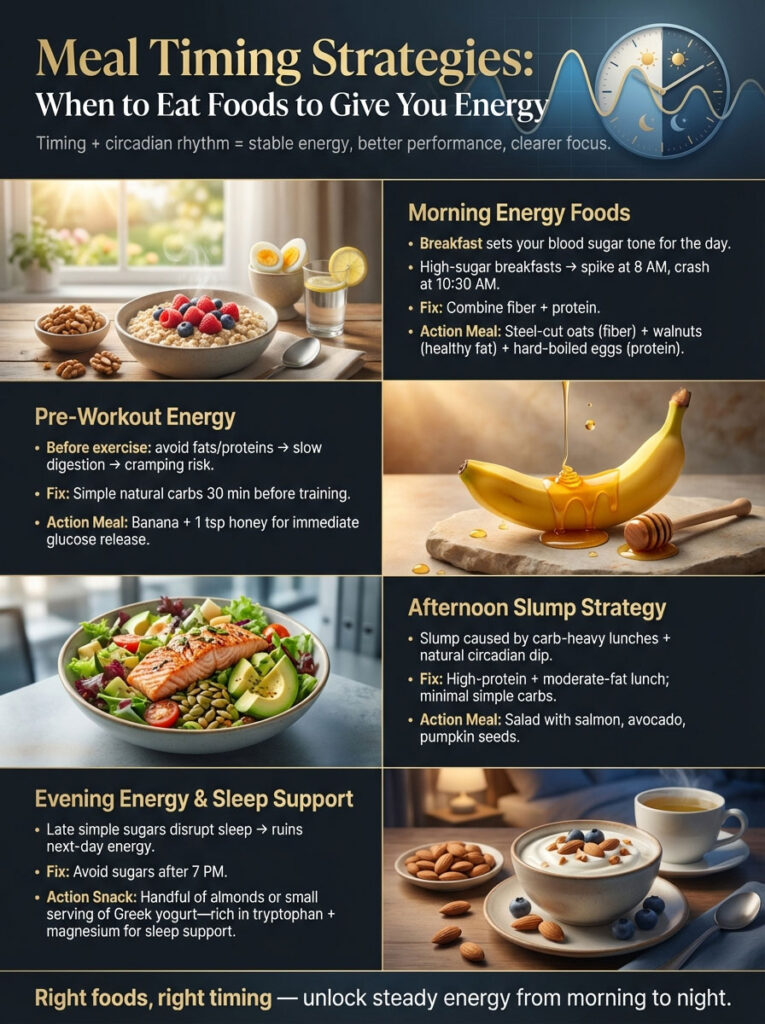
Morning Energy Foods: Building a Foundation Without Sugar
Breakfast sets the tone for your blood sugar all day. A common mistake is eating a high-sugar breakfast like cereal or a bagel. This spikes glucose and guarantees a crash by 10:30 AM.
- The Fix: Combine fiber and protein.
- Action: Steel-cut oats (fiber) topped with walnuts (healthy fat) and a side of hard-boiled eggs (protein). This combination ensures sustained release.
Pre-Workout Energy Foods: Timing for Athletic Performance
If you are about to exercise, you do not want heavy digestion. You want immediate fuel. However, eating fats or proteins right before a workout can cause cramping.
- The Fix: Simple, natural carbs 30 minutes before training.
- Action: A banana with a teaspoon of honey. The glucose hits the bloodstream quickly, fueling your muscles for the first intense sets.
Afternoon Energy Slump Foods: How to Beat the 2 PM Crash
The slump usually happens because your lunch was too carb-heavy (like a large sandwich or pasta). This triggers a massive insulin response. It also coincides with a natural dip in circadian alertness.
- The Fix: A high-protein, moderate-fat lunch with minimal simple carbs.
- Action: A salad with salmon, avocado, and pumpkin seeds. The healthy fats and protein provide satiety without the heavy drowsiness associated with carb digestion.
Foods for Energy and Sleep: The Evening Wind Down
Eating high-energy foods too late interferes with sleep quality, which ruins tomorrow’s energy. Digestion raises body temperature, which signals the body to stay awake.
- The Fix: Avoid simple sugars after 7:00 PM.
- Action: If you need a snack, choose a handful of almonds or a small portion of Greek yogurt. These contain tryptophan and magnesium which support sleep.
Why Am I Always Tired? Medical Reasons and Nutritional Deficiencies
Sometimes, diet isn’t the only factor. If you are eating natural energy foods and still feel drained, there may be deeper issues. Chronic fatigue is a complex condition that often requires a multi-faceted approach.
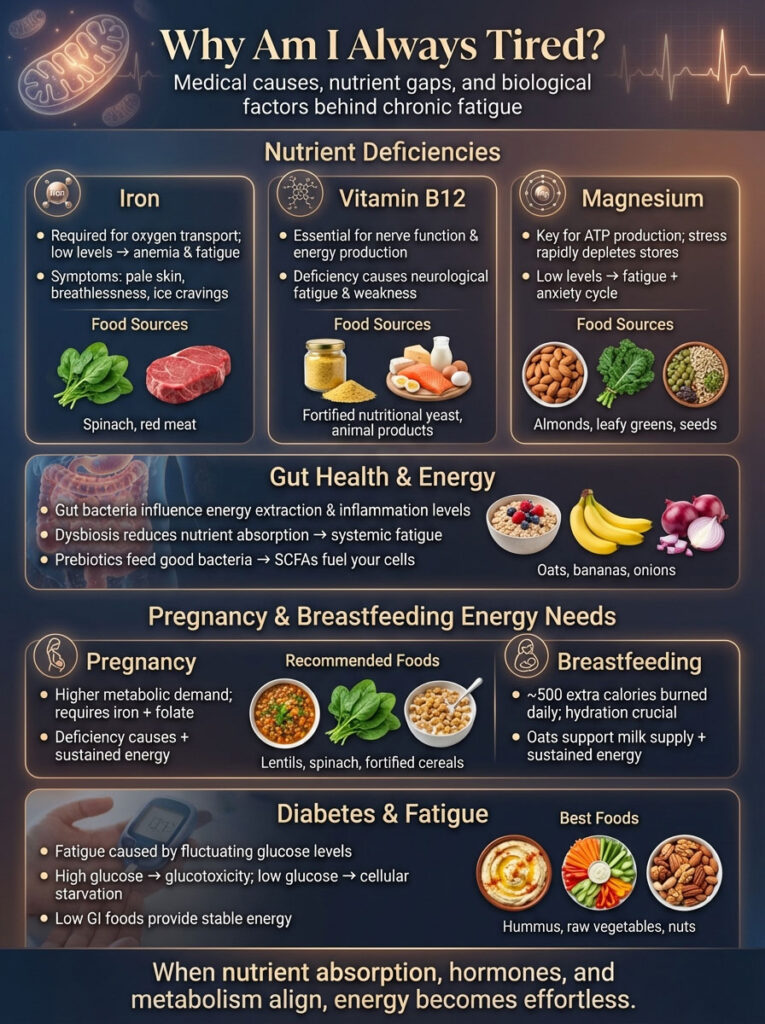
Chronic Fatigue Nutrition: Iron, B12, and Magnesium Deficiencies
Chronic fatigue often stems from nutrient deficiencies rather than a lack of calories. The body has plenty of fuel but lacks the spark plugs to ignite it.
The Deficiency Check:
- Iron: Essential for oxygen transport. Women are particularly prone to anemia due to menstruation. Symptoms include pale skin, shortness of breath, and ice cravings. Iron-rich foods like spinach and red meat are critical here.
- Vitamin B12: Vital for nerve function and energy production. Vegans often need supplementation or fortified foods like nutritional yeast. Deficiency leads to neurological fatigue and weakness.
- Magnesium: Involved in over 300 biochemical reactions, including ATP production. Stress depletes magnesium rapidly, creating a vicious cycle of fatigue and anxiety.
Gut Health and Energy: The Microbiome Connection
Emerging science shows that your gut bacteria play a massive role in energy extraction. An imbalance in gut flora (dysbiosis) can lead to poor nutrient absorption and systemic inflammation, both of which drain energy. Eating prebiotic foods like oats, bananas, and onions feeds the good bacteria, which in turn produce Short Chain Fatty Acids (SCFAs) that fuel your cells.
Foods for Energy When Pregnant or Breastfeeding
Pregnancy: The body is building a new human, which requires immense energy. The basal metabolic rate increases significantly. Foods for energy when pregnant should focus on iron and folate. Lentils, spinach, and fortified cereals are non-negotiable staples during this time.
Breastfeeding: Producing milk burns approximately 500 extra calories a day. Hydration is critical here; often fatigue in nursing mothers is actually dehydration. Oats are traditionally used to support milk supply while providing sustained energy.
Diabetes: Diabetics often struggle with fatigue due to fluctuating glucose levels. High blood sugar causes “glucotoxicity,” while low blood sugar causes cellular starvation. The best foods for energy for diabetics are those with a low Glycemic Index that provide steady fuel without the spike. Hummus, raw vegetables, and nuts are excellent choices.
Case Studies and Real World Data on Energy Foods
The shift from processed stimulants to whole foods is documented in performance data across various populations.
Endurance Athletes Switching to Natural Food Energy
Many ultra-runners have moved away from synthetic energy gels, which often cause gastrointestinal distress known as “gut rot.” Instead, they are utilizing dates and honey. These natural sources provide the same rapid glucose spike for performance but come with electrolytes that aid hydration and are easier on the stomach.
The Office Worker Diet Reset for Focus
Consider the “Standard American Diet” workday. It usually involves a sugary coffee, a donut, a sandwich, and a soda. This results in three distinct energy crashes per day. By switching to an oatmeal breakfast, a quinoa and chicken lunch, and a green tea afternoon pick-me-up, workers report consistent focus and the elimination of the 2:00 PM brain fog. This isn’t just a feeling; it is the result of stabilized blood sugar lines as verified on continuous glucose monitors (CGMs).
Summary & Key Takeaways: Your Action Plan for Endless Energy
Reclaiming your vitality isn’t about finding a magic pill or the strongest espresso; it is about respecting your biology. We have explored how specific natural energy foods fuel the mitochondria, stabilize blood sugar, and optimize ATP production. The difference between a day filled with focus and a day lost to brain fog often comes down to the fuel you put in the tank.
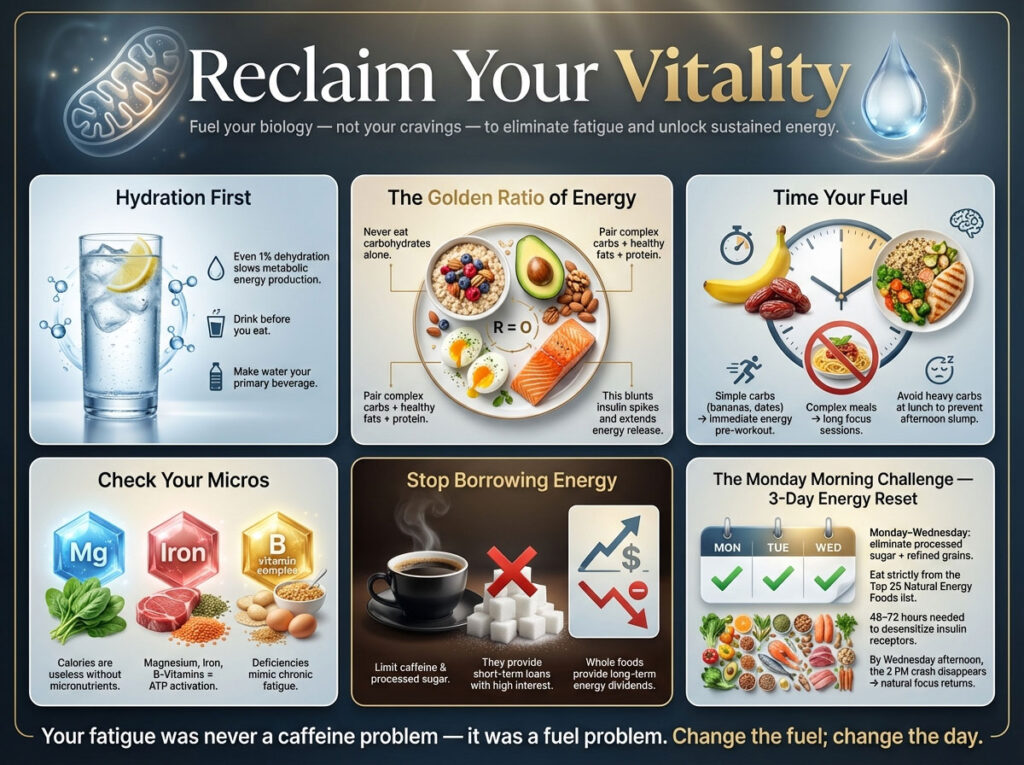
If you take nothing else from this guide, remember these core principles to banish fatigue for good:
- Hydration is the First Step: Before you eat, drink. Even a 1% drop in hydration slows down metabolic energy production. Make water your primary beverage.
- Follow the Golden Ratio: For sustained energy, never eat a carbohydrate alone. Always pair complex carbohydrates (like oats or quinoa) with healthy fats (avocado, nuts) and protein (eggs, salmon). This blunts the insulin spike and extends the energy release.
- Time Your Fuel: Eat simple carbs (bananas, dates) for immediate energy before workouts, and complex meals for long work sessions. Avoid heavy carbs at lunch to prevent the afternoon slump.
- Check Your Micros: Calories are useless without the spark plugs. Ensure you are getting enough Magnesium, Iron, and B-Vitamins to convert food into actual power.
- Stop Borrowing Energy: Limit caffeine and processed sugar. They are loans with high interest rates. Whole foods pay dividends in long-term health and stamina.
The Monday Morning Challenge: A 3-Day Energy Reset
To put this knowledge into practice, try the Monday Morning Challenge. This is a tactical, 3-day experiment designed to break the cycle of stimulant dependence and establish a new baseline for vitality.
For the first three days of the week (Monday through Wednesday), commit to eliminating all processed sugar and refined grains during working hours. Instead, strictly consume foods from the Top 25 Natural Energy Foods list.
- Why it works: It takes approximately 48 to 72 hours to desensitize insulin receptors and stabilize blood glucose levels.
- The Goal: By Wednesday afternoon, you will likely notice a distinct absence of the “2:00 PM crash” and a surge in natural focus. This proves that your fatigue was not a lack of caffeine, but a lack of proper fuel.
Frequently Asked Questions (FAQ)
What food gives the most energy immediately?
Foods high in natural simple sugars provide the fastest energy. Dates, bananas, and honey are top choices because they digest in roughly 15 to 30 minutes, delivering glucose to the bloodstream rapidly for instant fuel. Unlike candy, they provide potassium and magnesium which aid in the actual utilization of that energy.
How can I boost my energy when tired?
First, drink water, as dehydration is a common cause of fatigue. Then, eat a snack combining protein and complex carbs, such as an apple with almond butter or Greek yogurt with berries. This provides a quick lift from the fruit and sustained energy from the protein/fat source.
What foods drain your energy?
Highly processed foods drain energy. White bread, pastries, soda, and sugary cereals cause rapid blood sugar spikes followed by severe crashes. Heavy, greasy fast foods also induce “food comas” because they require immense energy to digest, diverting blood flow from the brain to the gut.
Which fruit is best for energy?
Bananas are generally considered the best all-around fruit for physical energy due to their potassium content and mix of sugars. However, blueberries are superior for mental energy and focus due to their high antioxidant properties which improve cerebral blood flow.
How long does food take to give you energy?
It depends on the macronutrient profile. Simple carbs (fruit) take 15–30 minutes to impact energy levels. Complex carbohydrates (oats) take 45–60 minutes. Fats and proteins take 2–4 hours to fully digest and provide sustained energy.
Are eggs good for energy?
Yes. Eggs are excellent for energy. They contain Leucine, an amino acid that aids energy metabolism, and the yolk is rich in B-vitamins which are essential for converting food into ATP. They provide satiety, preventing the hunger distraction that often feels like fatigue.
What is a natural energy booster instead of coffee?
Green tea is a great alternative as it provides a gentler caffeine boost with L-Theanine for focus. Ginseng and Yerba Mate are also effective natural stimulants. Additionally, a simple glass of cold water can wake up the metabolic system by correcting dehydration.
What foods help with chronic fatigue?
Foods that reduce inflammation are best for chronic fatigue. Focus on fatty fish (salmon), leafy greens (spinach), walnuts, and berries. These help repair cellular damage and optimize mitochondrial function. Avoiding gluten and dairy can also help some individuals if sensitivities are present.
What are the best energy foods for diabetics?
Diabetics need sustained energy without insulin spikes. The best foods include quinoa, lentils, Greek yogurt, and avocado. These have a low Glycemic Index and keep blood glucose stable, preventing the exhaustion associated with hyperglycemia.
Do energy drinks work better than food?
No. Energy drinks provide a temporary sensation of alertness due to caffeine and sugar, but they do not provide real nutritional fuel. They “borrow” energy from later in the day, leading to a crash. Whole foods provide actual calories and nutrients for true, sustainable energy.
What should I eat for all-day energy?
To achieve sustained energy, you need complex carbohydrates combined with healthy fats and protein. A lunch bowl with brown rice, salmon, and avocado is a perfect example of a meal that fuels you for 4+ hours.
Is peanut butter good for energy?
Yes. Peanut butter is a calorie-dense food rich in healthy fats and protein. It provides long-lasting fuel. However, it is crucial to choose natural peanut butter without added sugar or hydrogenated oils to avoid a glucose crash and inflammation.
Disclaimer
The information provided in this article is for educational purposes only and does not constitute medical advice. Chronic fatigue can be a symptom of underlying medical conditions such as thyroid disorders, anemia, sleep apnea, or depression. Always consult a healthcare professional or registered dietitian before making drastic changes to your diet or if you experience persistent unexplained tiredness.
References
- Harvard T.H. Chan School of Public Health. “The Nutrition Source: Carbohydrates and Blood Sugar.”
- Centers for Disease Control and Prevention (CDC). “Iron and Iron Deficiency.”
- National Institutes of Health (NIH). “Magnesium Fact Sheet for Health Professionals.”
- Journal of International Society of Sports Nutrition. “Effects of honey on exercise performance.”
- Sleep Foundation. “The Connection Between Hydration and Sleep.”
- American Journal of Clinical Nutrition. “Glycemic index, glycemic load, and chronic disease risk.”