If a good night’s sleep was the only cure for exhaustion, you would not be reading this right now. It is the most frustrating paradox in modern health: you sleep for eight hours, yet you still wake up hitting the snooze button, dragging yourself out of bed with a mental fog that coffee barely touches.
Table of Contents
We often blame our busy schedules, our stress levels, or even our age for this persistent lethargy. However, the true culprit is often sitting right on our plates. Most of us are not actually “tired” in the traditional sense; we are metabolically underpowered. We mistake stimulation—the temporary jitter from caffeine or sugar—for actual cellular energy.
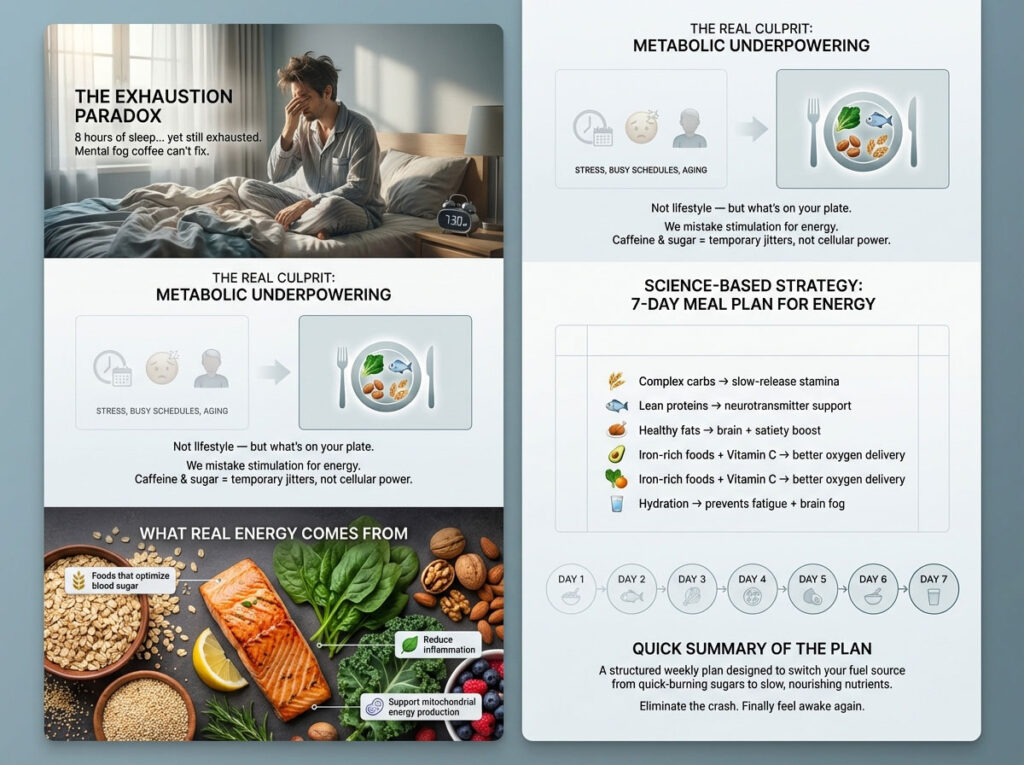
Real, sustainable stamina does not come from a temporary fix. It comes from foods that give you energy by optimizing your blood sugar and reducing internal inflammation. It is about biology, not willpower.
This guide moves beyond generic advice like “eat more vegetables.” Instead, we provide a strategic, science-based 7 day meal plan for energy. This plan is designed to switch your body’s fuel source from quick-burning sugars to slow-burning complex nutrients, helping you eliminate the crash and finally feel awake again.
Quick Summary of the Plan:
A scientifically backed 7 day meal plan to fight fatigue prioritizes complex carbohydrates for slow-release fuel, lean proteins to support neurotransmitter function, and healthy fats for satiety and brain health. Key components include oats, quinoa, fatty fish like salmon, leafy greens, and nuts. By combining iron rich foods for fatigue with Vitamin C and ensuring adequate hydration, this plan addresses the root nutritional causes of low stamina.
Understanding How a 7 Day Meal Plan to Fight Fatigue Works Scientifically
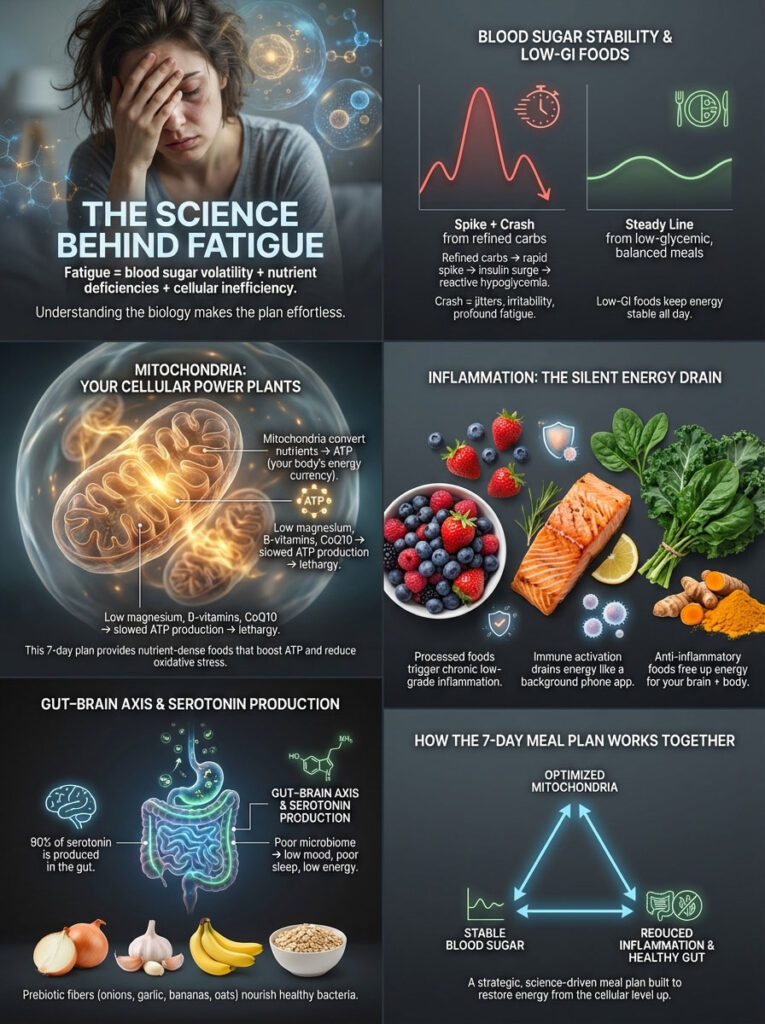
Before diving into the menu and recipes, it is critical to understand the biological mechanisms that dictate your energy levels. Fatigue is rarely just one thing; it is often a perfect storm of blood sugar volatility, nutrient deficiencies, and cellular inefficiency. When you understand the science, sticking to the plan becomes a logical choice rather than a chore.
How Mitochondrial Health and Nutrient Dense Foods Impact Energy
At the cellular level, energy is produced by tiny organelles called mitochondria. You can think of these as the power plants inside your cells. They convert the nutrients from your energy boosting diet plan (specifically glucose and fatty acids) into Adenosine Triphosphate (ATP). ATP is the actual currency of energy in your body; without it, your heart cannot beat, your muscles cannot contract, and your neurons cannot fire.
When your diet lacks specific micronutrients like magnesium, B-vitamins, or CoQ10, mitochondrial function slows down. The machinery gets “rusty.” This results in a feeling of heaviness, lethargy, and a lack of motivation. This 7 day meal plan for energy is specifically designed to provide the raw materials your mitochondria need to generate ATP efficiently. We focus on foods that reduce oxidative stress, which protects these delicate power plants from damage.
Using Low Glycemic Index Foods to Prevent Blood Sugar Crashes
One of the most common reasons for the afternoon slump is a phenomenon known as reactive hypoglycemia. When you eat refined carbohydrates, like a bagel, white rice, or a sugary yogurt, your blood sugar spikes rapidly. This feels good for about twenty minutes because your brain is flooded with glucose.
However, your pancreas responds by flooding your system with insulin to bring those high sugar levels down to a safe range. Often, especially if you are insulin sensitive, insulin does its job too well. It clears the sugar so fast that your blood glucose levels plummet below baseline. This crash triggers the release of stress hormones like cortisol and adrenaline, leading to jitters, irritability, and profound fatigue. By focusing on balanced meals for blood sugar control and low glycemic index foods, you keep your energy line flat and stable rather than chaotic. You stay in the “green zone” of energy all day.
Why Anti Inflammatory Foods for Energy Are Critical
Systemic inflammation acts like a background app on your smartphone that drains the battery without you realizing it. When you consume processed foods, high amounts of added sugar, or industrial seed oils (like soybean or corn oil), your immune system activates. It perceives these substances as threats.
This chronic low-grade immune response requires massive amounts of energy. Your body diverts resources away from cognitive tasks and muscle movement to “fight” this internal inflammation. This leaves less fuel for your brain and daily activities. Integrating anti inflammatory foods for energy such as berries, fatty fish, leafy greens, and turmeric is a non-negotiable part of this strategy. These foods calm the immune system, freeing up energy for you to use on your work and life.
The Gut-Brain Axis and Serotonin Production
Another often overlooked aspect of fatigue is gut health. Approximately 90% of your serotonin—a neurotransmitter that regulates mood and sleep—is produced in the gut. If your microbiome is unhealthy due to a lack of fiber or an excess of processed foods, your sleep quality suffers, and your waking energy plummets. This plan is rich in prebiotic fibers from onions, garlic, bananas, and oats to feed the good bacteria that support your energy systems.
Building an Energy Boosting Diet Plan with the “Energy Trifecta”
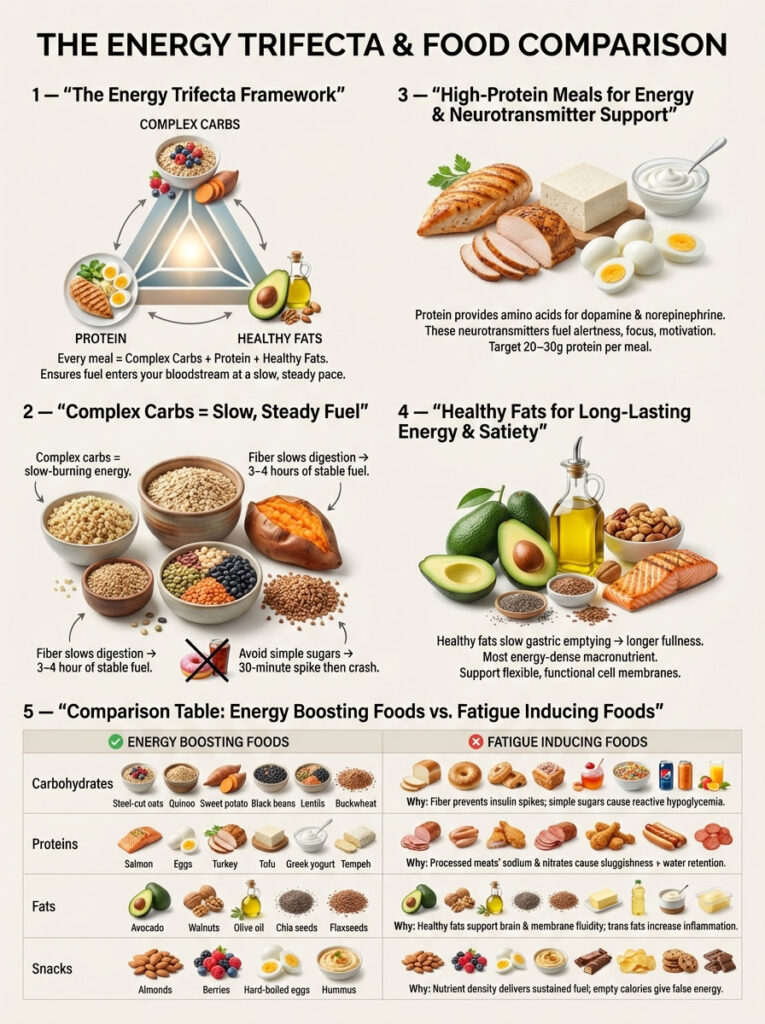
To create a high energy meal plan that sustains you from morning until night, you cannot rely on counting calories alone. You must consider the macronutrient composition of every single meal. Every time you eat, you should aim for the “Energy Trifecta.” This framework ensures that fuel enters your bloodstream at a controlled, steady pace.
Incorporating Complex Carbs for Steady Energy Instead of Simple Sugars
Carbohydrates are not the enemy; they are the body’s preferred fuel source, especially for high-intensity work and brain function. However, the structure of the carb matters immensely. Simple sugars provide a flash in the pan, whereas complex carbs for steady energy act like a slow-burning log on a fire.
Ingredients like quinoa, steel-cut oats, sweet potatoes, legumes, and buckwheat contain complex starch chains wrapped in fiber. Fiber acts as a physical barrier in the digestive tract, slowing down the enzymes that break starch into sugar. This ensures that your brain receives a steady stream of fuel for three to four hours rather than a flood for thirty minutes.
Choosing High Protein Meals for Energy and Neurotransmitter Support
Protein does more than build muscle. It provides amino acids like tyrosine, which are precursors to dopamine and norepinephrine. These are the catecholamines—neurotransmitters responsible for alertness, focus, drive, and motivation. If you are protein-deficient, your brain struggles to produce the chemicals that keep you awake and engaged.
Including high protein meals for energy in your day ensures you stay sharp. Sources like chicken breast, turkey, tofu, eggs, and Greek yogurt are staples in this 7 day meal plan to fight fatigue. We aim for at least 20 to 30 grams of protein per meal to trigger muscle protein synthesis and satiety signals.
Utilizing Healthy Fats for Long Lasting Energy and Satiety
Fat is the most energy-dense macronutrient. It provides nine calories per gram compared to four for carbs and protein. Healthy fats for long lasting energy help slow gastric emptying. When fat is present in the stomach, it signals the valve to the small intestine to release food more slowly. This keeps you full and satisfied, preventing the distraction of hunger pangs.
Avocados, nuts, seeds, olive oil, and fatty fish are essential. They also support cell membrane health. Your cell walls are made of fat; if those walls are rigid due to bad fats, nutrients cannot get in, and waste cannot get out. Healthy fats keep cell walls fluid and functional.
Comparison Table: Energy Boosting Foods vs. Fatigue Inducing Foods
| Food Category | Energy Boosting Foods (The Givers) | Fatigue Inducing Foods (The Takers) | Why It Matters for Energy |
| Carbohydrates | Steel-cut oats, Quinoa, Sweet Potato, Black Beans, Lentils, Buckwheat | White bread, Bagels, Pastries, Sugary cereal, Soda, Fruit Juice | Fiber prevents insulin spikes that lead to crashes; simple sugars cause reactive hypoglycemia. |
| Proteins | Salmon, Eggs, Turkey, Tofu, Greek Yogurt, Tempeh | Processed deli meats, Fried chicken, Hot dogs, Pepperoni | High sodium and nitrates in processed meats can cause sluggishness and water retention. |
| Fats | Avocado, Walnuts, Olive Oil, Chia Seeds, Flaxseeds | Margarine, Soybean oil, Vegetable shortening, Trans fats | Healthy fats support brain function and membrane fluidity; trans fats increase inflammation. |
| Snacks | Almonds, Berries, Hard-boiled eggs, Hummus | Candy bars, Potato chips, Cookies, Milk chocolate | Nutrient density ensures sustained fuel; empty calories provide a false sense of energy. |
Identifying Critical Nutrients and Foods That Give You Energy
A calorie-sufficient diet can still leave you exhausted if it is nutrient-poor. This is often called “hidden hunger.” You are eating enough food, but your cells are starving for the co-factors they need to run. This 7 day meal plan for energy is calibrated to hit the Recommended Daily Allowances (RDA) for the specific vitamins and minerals that drive energy metabolism.
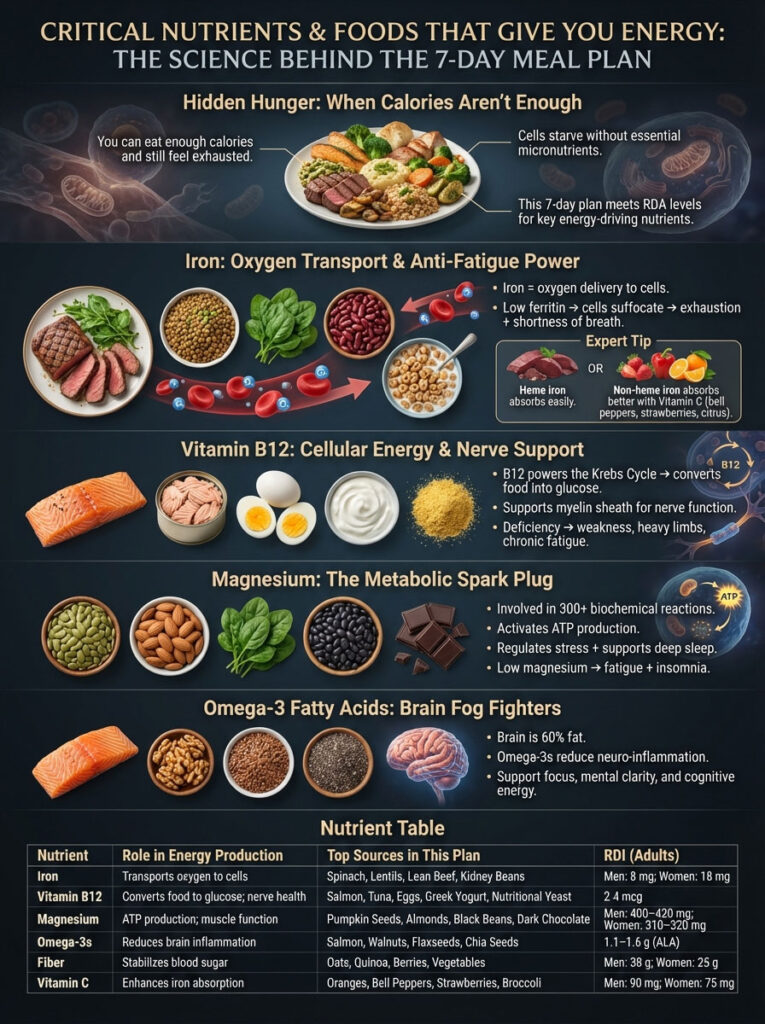
Consuming Iron Rich Foods for Fatigue and Oxygen Transport
Iron is the core component of hemoglobin, the protein in red blood cells that carries oxygen from your lungs to your tissues. If your iron stores (ferritin) are low, your cells literally suffocate. They cannot produce energy efficiently without oxygen, leading to profound physical exhaustion and shortness of breath.
We include iron rich foods for fatigue such as lean beef, lentils, spinach, kidney beans, and fortified cereals.
Expert Tip: Bioavailability matters. Heme iron (from meat) is absorbed easily. Non-heme iron (from plants) is harder to absorb. Always pair plant-based iron with Vitamin C (like bell peppers, strawberries, or citrus) to convert the iron into a more absorbable form.
Prioritizing Vitamin B12 Foods for Energy and Metabolic Function
Vitamin B12 is crucial for the Krebs Cycle (also known as the Citric Acid Cycle), which is the process of converting food into glucose. It also maintains the health of your nerve cells by maintaining the myelin sheath. A deficiency here is a leading cause of weakness, fatigue, and “heavy limbs.”
Since B12 is primarily found in animal products, vegans and vegetarians must be diligent. This plan includes vitamin B12 foods for energy like salmon, tuna, eggs, and Greek yogurt, as well as fortified nutritional yeast for plant-based eaters.
Selecting Magnesium Rich Foods for Tiredness and Muscle Recovery
Magnesium is involved in over 300 biochemical reactions in the body, including the breakdown of glucose into energy. It acts as a spark plug for your metabolism. It is also the “relaxation mineral,” helping to regulate the stress response and support deep sleep.
Low magnesium levels are linked to chronic fatigue and insomnia. Because modern soil is often depleted of magnesium, obtaining it from diet is critical. We incorporate magnesium rich foods for tiredness like pumpkin seeds, almonds, spinach, black beans, and dark chocolate into the daily snacks and meals.
The Role of Omega-3 Fatty Acids in Fighting Brain Fog
Your brain is approximately 60% fat. Omega-3 fatty acids, specifically EPA and DHA, are critical for cognitive function. They reduce neuro-inflammation, which is a common cause of brain fog and mental fatigue. By including fatty fish and walnuts, this plan ensures your brain structure is supported, allowing for clearer thinking and better focus throughout the day.
Detailed Nutrient Data for an Energy Boosting Diet Plan
| Nutrient | Role in Energy Production | Top Food Sources in This Plan | Recommended Daily Intake (Adults) |
| Iron | Transports oxygen to cells | Spinach, Lentils, Lean Beef, Kidney Beans | Men: 8mg; Women: 18mg |
| Vitamin B12 | Converts food to glucose; nerve health | Salmon, Tuna, Eggs, Greek Yogurt, Nutritional Yeast | 2.4 mcg |
| Magnesium | ATP production; muscle function | Pumpkin seeds, Almonds, Black beans, Dark Chocolate | Men: 400-420mg; Women: 310-320mg |
| Omega-3s | Reduces brain inflammation | Salmon, Walnuts, Flaxseeds, Chia seeds | 1.1 – 1.6g (ALA) |
| Fiber | Stabilizes blood sugar | Oats, Quinoa, Berries, Vegetables | Men: 38g; Women: 25g |
| Vitamin C | Enhances iron absorption | Oranges, Bell Peppers, Strawberries, Broccoli | Men: 90mg; Women: 75mg |
Step-by-Step 7-Day Meal Plan for Energy and Productivity
This energy boosting diet plan is designed for the busy individual. We understand that you do not have hours to spend in the kitchen every day. Therefore, it utilizes a “Cook Once, Eat Twice” methodology. You will notice that dinner often doubles as lunch for the next day. This reduces decision fatigue, saves money, and keeps you on track when willpower is low.
Day 1: Complex Carbs for Steady Energy Reset
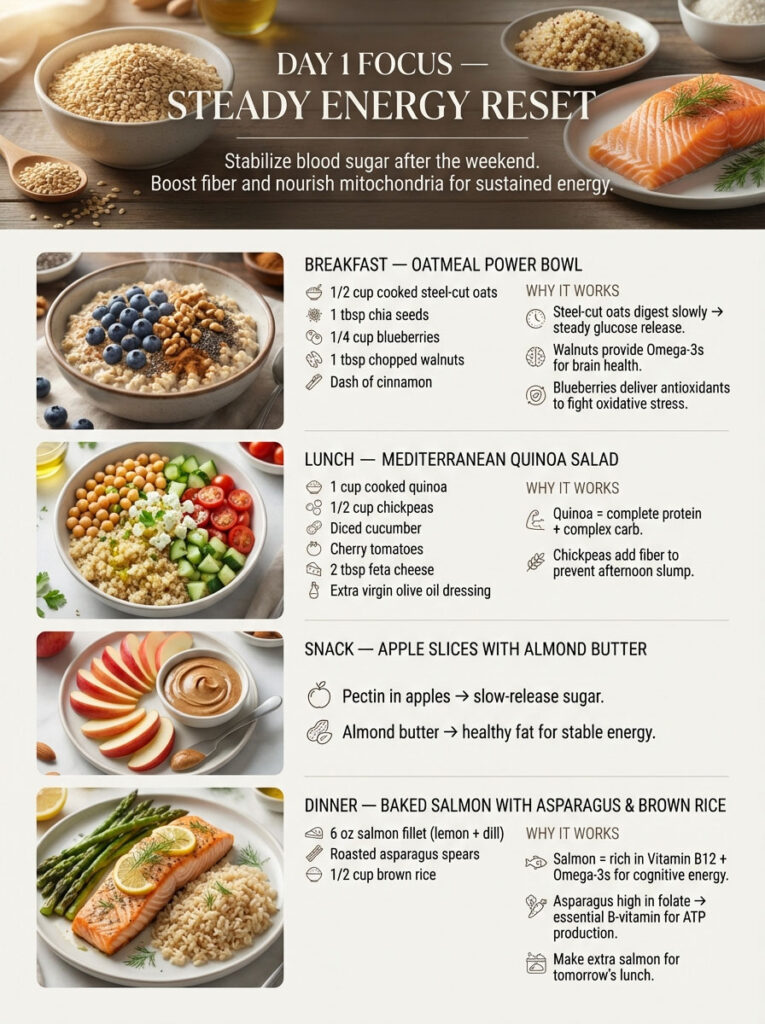
Focus: Stabilizing blood sugar after the weekend and loading up on fiber to reset the system.
- Breakfast:Oatmeal Power Bowl.
- Ingredients: 1/2 cup steel-cut oats (cooked), 1 tbsp chia seeds, 1/4 cup blueberries, 1 tbsp chopped walnuts, dash of cinnamon.
- Why it works: Steel-cut oats are less processed than instant oats, meaning they digest slower. The walnuts provide Omega-3s for brain health, while blueberries offer antioxidants to fight oxidative stress.
- Lunch:Mediterranean Quinoa Salad.
- Ingredients: 1 cup cooked quinoa mixed with 1/2 cup chickpeas, diced cucumber, cherry tomatoes, 2 tbsp feta cheese, and extra virgin olive oil dressing.
- Why it works: Quinoa is a complete protein (containing all nine essential amino acids) and a complex carb. Chickpeas add fiber to prevent the afternoon slump.
- Snack: Apple slices with almond butter. The pectin in apples provides slow-release sugar, while the almond butter adds healthy fat.
- Dinner:Baked Salmon with Asparagus & Brown Rice.
- Ingredients: 6oz salmon fillet seasoned with lemon and dill, roasted asparagus spears, 1/2 cup brown rice.
- Why it works: Salmon is a premier source of B12 and Omega-3s. Asparagus is rich in folate, another B-vitamin crucial for energy. Make an extra portion for tomorrow’s lunch.
Day 2: Iron Rich Foods for Fatigue Management
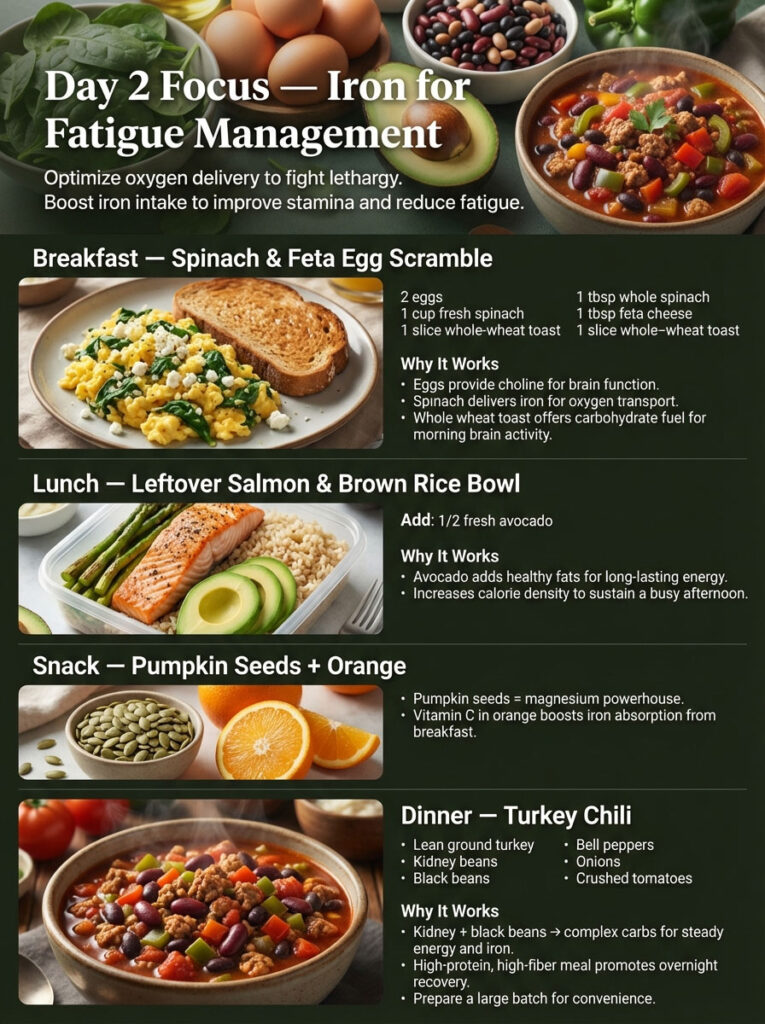
Focus: Optimizing oxygen transport to fight lethargy and improve physical stamina.
- Breakfast:Spinach & Feta Egg Scramble.
- Ingredients: Two eggs scrambled with a cup of fresh spinach and 1 tbsp feta cheese, served with a slice of whole-wheat toast.
- Why it works: Eggs provide choline for brain function. The spinach provides iron, and the whole wheat toast offers the carbohydrate fuel needed to start the brain.
- Lunch: Leftover Salmon and Brown Rice bowl.
- Addition: Add half a fresh avocado for healthy fats for long lasting energy. This increases the calorie density slightly to sustain you through a busy afternoon.
- Snack: A handful of pumpkin seeds (magnesium powerhouse) and an orange.
- Why it works: The Vitamin C in the orange boosts the absorption of the iron from the breakfast spinach and the zinc from the pumpkin seeds.
- Dinner:Turkey Chili.
- Ingredients: Lean ground turkey simmered with kidney beans, black beans, bell peppers, onions, and crushed tomatoes.
- Why it works: Kidney beans and black beans are excellent complex carbs for steady energy and are high in iron. This is a high-protein, high-fiber meal that aids in overnight recovery. Make a large batch.
Day 3: Anti Inflammatory Foods for Energy and Brain Fog
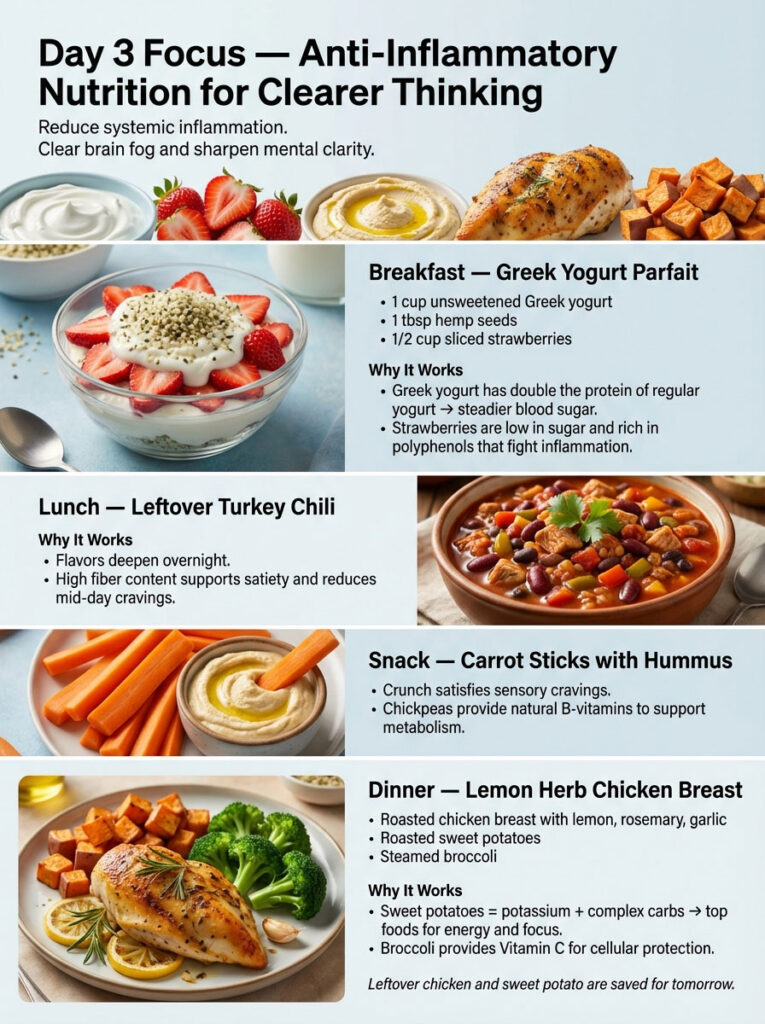
Focus: Reducing systemic inflammation to clear brain fog and improve mental clarity.
- Breakfast:Greek Yogurt Parfait.
- Ingredients: 1 cup unsweetened Greek yogurt (high protein), 1 tbsp hemp seeds, and 1/2 cup sliced strawberries.
- Why it works: Greek yogurt has double the protein of regular yogurt, stabilizing blood sugar. Strawberries are lower in sugar than bananas and high in polyphenols.
- Lunch: Leftover Turkey Chili.
- Why it works: Chili flavors often improve the next day. The fiber content ensures you stay full until dinner without needing a vending machine visit.
- Snack: Carrot sticks with hummus.
- Why it works: The crunch provides sensory satisfaction, while the chickpeas in hummus provide B-vitamins.
- Dinner:Lemon Herb Chicken Breast.
- Ingredients: Roasted chicken breast seasoned with lemon, rosemary, and garlic, served with roasted sweet potatoes and steamed broccoli.
- Why it works: Sweet potatoes are one of the best foods for energy and focus because they are high in potassium and complex carbohydrates. Broccoli adds Vitamin C. Save leftover chicken and sweet potato.
Day 4: Best Foods for Energy and Focus at Work
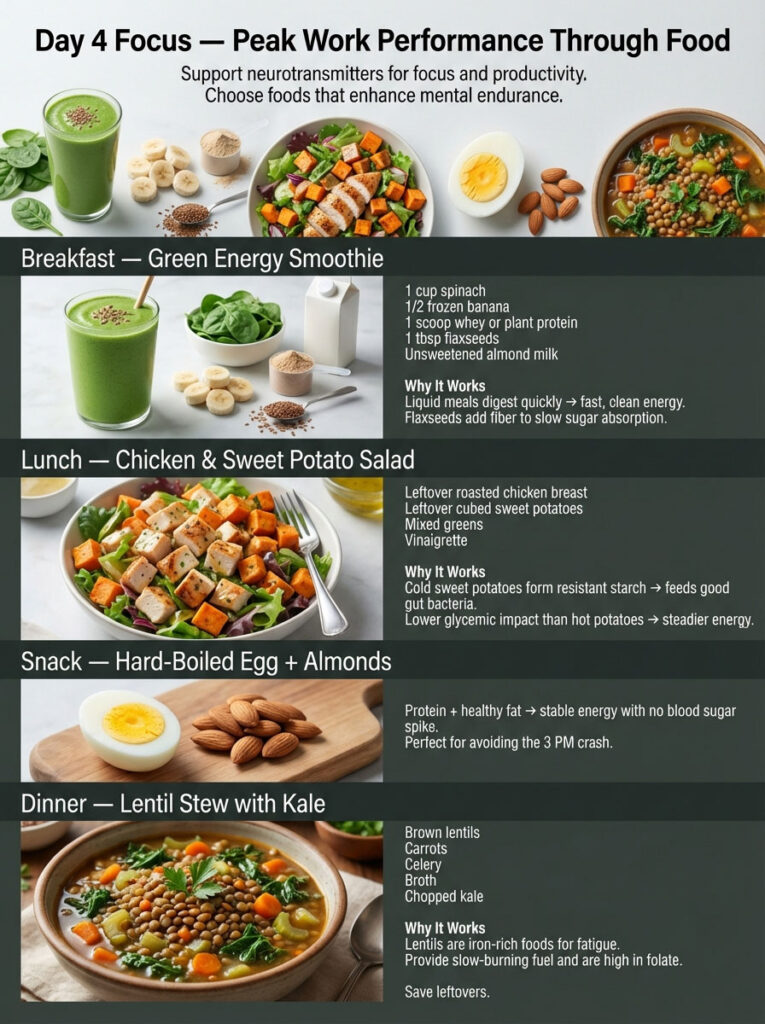
Focus: Ingredients that support neurotransmitters for peak work performance.
- Breakfast:Green Energy Smoothie.
- Ingredients: Blend 1 cup spinach, 1/2 banana (frozen), 1 scoop whey or plant protein powder, 1 tbsp flaxseeds, and unsweetened almond milk.
- Why it works: Liquid meals are easier to digest, providing quick energy without the heaviness. The flaxseeds provide fiber to slow absorption.
- Lunch:Chicken & Sweet Potato Salad.
- Ingredients: Use the leftovers from Wednesday. Serve the cold chicken and cubed sweet potato over mixed greens with a vinaigrette.
- Why it works: Cold potatoes develop “resistant starch,” which feeds good gut bacteria and has a lower glycemic impact than hot potatoes.
- Snack: Hard-boiled egg and a few almonds.
- Why it works: This provides a perfect protein-fat combination that has almost zero impact on blood sugar, perfect for the 3:00 PM hour.
- Dinner:Lentil Stew with Kale.
- Ingredients: Brown lentils simmered with carrots, celery, broth, and finished with chopped kale.
- Why it works: Lentils are incredibly iron rich foods for fatigue and provide sustained burning fuel. They are also high in folate. Save leftovers.
Day 5: Gut Health and High Protein Meals for Energy
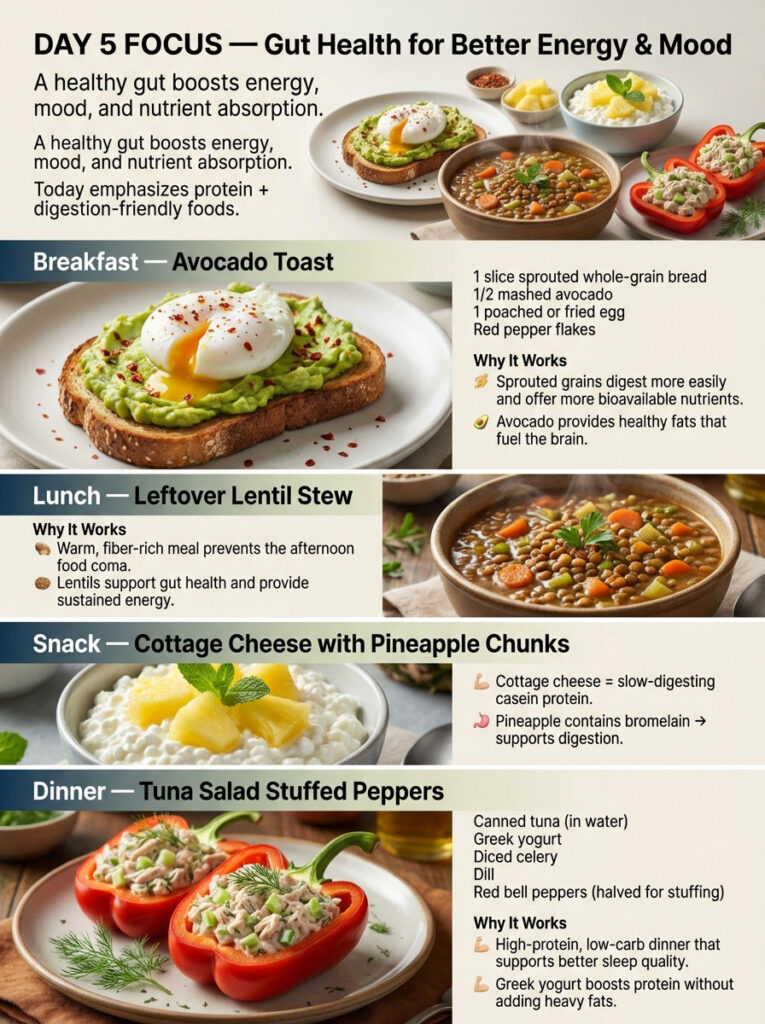
Focus: Supporting the microbiome, which influences energy levels and mood.
- Breakfast:Avocado Toast.
- Ingredients: 1 slice sprouted whole-grain bread topped with 1/2 mashed avocado, a poached or fried egg, and red pepper flakes.
- Why it works: Sprouted grain bread is easier to digest and has more bioavailable nutrients. The healthy fats from avocado fuel the brain.
- Lunch: Leftover Lentil Stew.
- Why it works: A warm, fiber-rich lunch prevents the “food coma” often associated with heavy sandwiches or pasta dishes.
- Snack: Cottage cheese with pineapple chunks.
- Why it works: Cottage cheese is rich in casein protein, which digests slowly. Pineapple contains bromelain, an enzyme that aids digestion.
- Dinner:Tuna Salad Stuffed Peppers.
- Ingredients: Canned tuna (in water) mixed with Greek yogurt (instead of mayo) for extra protein, diced celery, and dill, stuffed into halved red bell peppers.
- Why it works: This is a light, low-carb dinner perfect for promoting better sleep quality, which is essential for tomorrow’s energy.
Day 6: Hydration and Electrolytes for Sustained Stamina
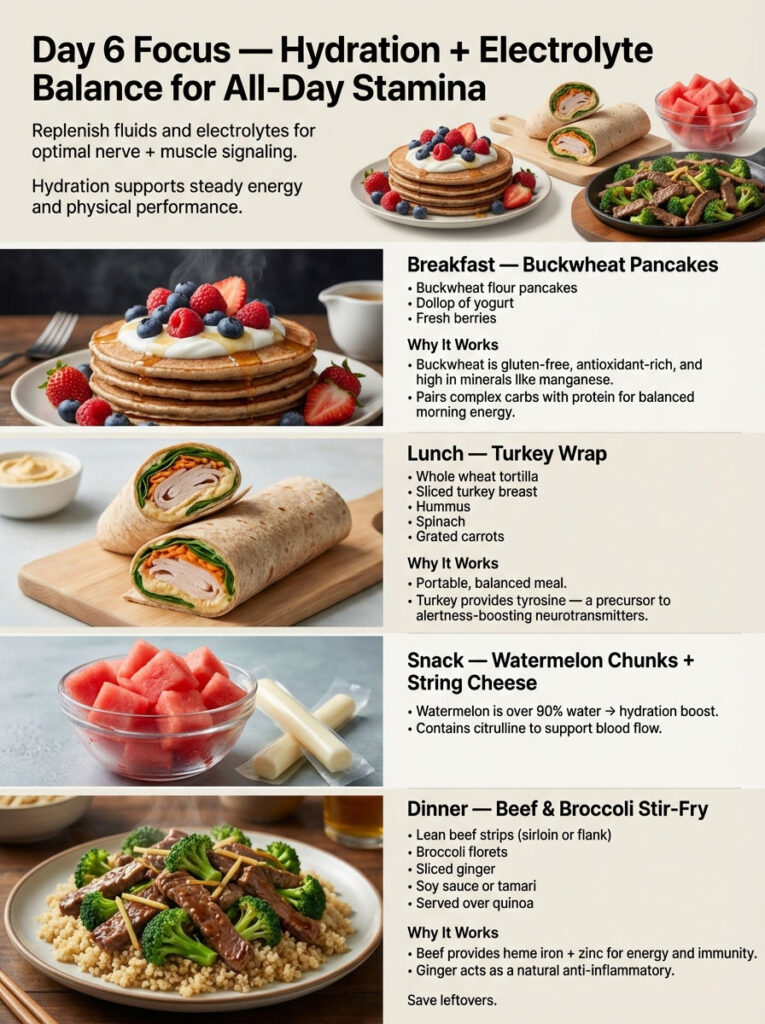
Focus: Replenishing electrolytes and fluids to maximize electrical signaling in the body.
- Breakfast:Buckwheat Pancakes.
- Ingredients: Pancakes made with buckwheat flour, topped with a dollop of yogurt and fresh berries.
- Why it works: Despite the name, buckwheat is gluten-free and is a nutrient-dense seed high in antioxidants and minerals like manganese.
- Lunch:Turkey Wrap.
- Ingredients: Whole wheat tortilla filled with sliced turkey breast, hummus, spinach, and grated carrots.
- Why it works: It is portable and balanced. The protein from turkey provides tyrosine for alertness.
- Snack: Watermelon chunks and a string cheese.
- Why it works: Watermelon is over 90% water and contains citrulline, which helps blood flow.
- Dinner:Beef & Broccoli Stir-Fry.
- Ingredients: Lean beef strips (sirloin or flank), broccoli florets, sliced ginger, and soy sauce (or tamari) served over quinoa.
- Why it works: Beef is a rich source of heme iron and zinc. Ginger acts as an anti-inflammatory agent. Save leftovers.
Day 7: Meal Prep Ideas for Energy Boosting Diet Plan
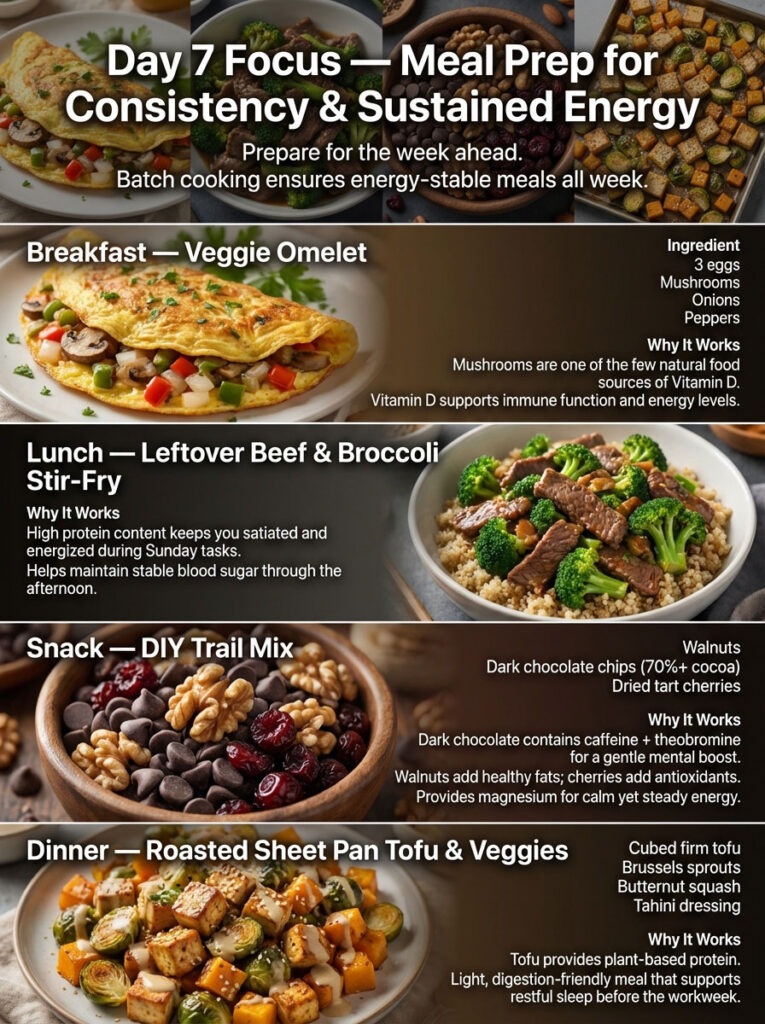
Focus: Batch cooking and preparing for the week ahead to ensure consistency.
- Breakfast:Veggie Omelet.
- Ingredients: 3-egg omelet loaded with mushrooms, onions, and peppers.
- Why it works: Mushrooms are one of the few food sources of Vitamin D, which is vital for immune function and energy.
- Lunch: Leftover Beef & Broccoli Stir-Fry.
- Why it works: High protein content keeps you satiated during Sunday activities or chores.
- Snack:DIY Trail Mix.
- Ingredients: A homemade mix of walnuts, dark chocolate chips (70%+ cocoa), and dried tart cherries.
- Why it works: Dark chocolate contains small amounts of caffeine and theobromine for a mental boost, plus magnesium.
- Dinner:Roasted Sheet Pan Tofu & Veggies.
- Ingredients: Cubed firm tofu, Brussels sprouts, and butternut squash roasted with a tahini dressing.
- Why it works: Tofu is a great plant-based protein. This meal is light on the digestive system, preparing you for a restful sleep before the work week begins.
Optimizing Snacks, Hydration, and Supplements for Better Energy
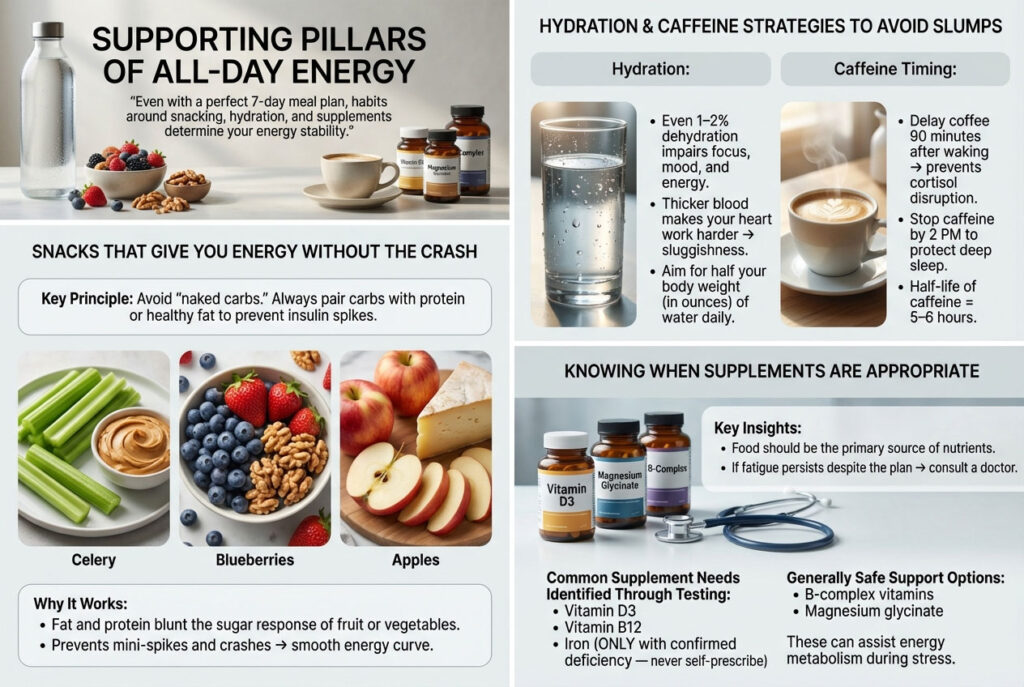
Even with a perfect 7 day meal plan for energy, overlooking the small details like hydration or snacking habits can derail your progress. These are the supporting pillars that hold up your energy levels.
Choosing Snacks That Give You Energy Without the Crash
The goal of a snack is to bridge the gap between meals without spiking insulin. A common mistake is eating a “naked carb,” like a handful of pretzels or a piece of fruit alone. This causes a mini-spike and crash. To avoid this, always pair a carbohydrate with a protein or a healthy fat.
Great options include celery with peanut butter, berries with a handful of walnuts, or a piece of cheese with an apple. These are snacks that give you energy because the fat and protein blunt the sugar response of the fruit or vegetable. This keeps your energy curve smooth rather than jagged.
Strategies for Hydration and Caffeine Intake to Avoid Slumps
Dehydration mimics the symptoms of fatigue perfectly. A loss of just 1-2% of body water can impair cognitive performance, mood, and concentration. Your blood actually becomes thicker when you are dehydrated, forcing your heart to work harder to pump oxygen and nutrients to your brain and muscles. This leads to a palpable feeling of sluggishness. Aim to drink half your body weight in ounces of water daily.
Regarding caffeine, it is a tool, not a crutch. The mistake most people make is drinking coffee immediately upon waking. When you wake up, your cortisol levels are naturally high to help you get out of bed. If you add caffeine on top of that, you increase stress and tolerance. To avoid disrupting your circadian rhythm, delay your first cup until 90 minutes after waking. This allows your natural cortisol levels to rise and fall appropriately. Furthermore, stop all caffeine intake by 2:00 PM to ensure deep restorative sleep. Caffeine has a half-life of about 5-6 hours, meaning if you drink a cup at 4:00 PM, half of that caffeine is still in your system at 10:00 PM.
Knowing When to Use Supplements for Chronic Fatigue Support
While foods that give you energy should be your primary source of nutrients, some individuals may need additional support due to absorption issues or specific genetic factors. If you follow this 7 day meal plan to fight fatigue diligently and still feel exhausted, it is time to consult a doctor.
Blood tests may reveal a need for Vitamin D3 (common in winter months), B12 (common in vegans or elderly), or iron supplementation. Important Note: Never self-prescribe iron without a blood test confirming deficiency, as high iron levels can be toxic and inflammatory. However, a high-quality B-complex vitamin or magnesium glycinate supplement is generally safe for most people and can support energy metabolism during high-stress periods.
Real World Results: Case Study on Diet Plans for Fatigue
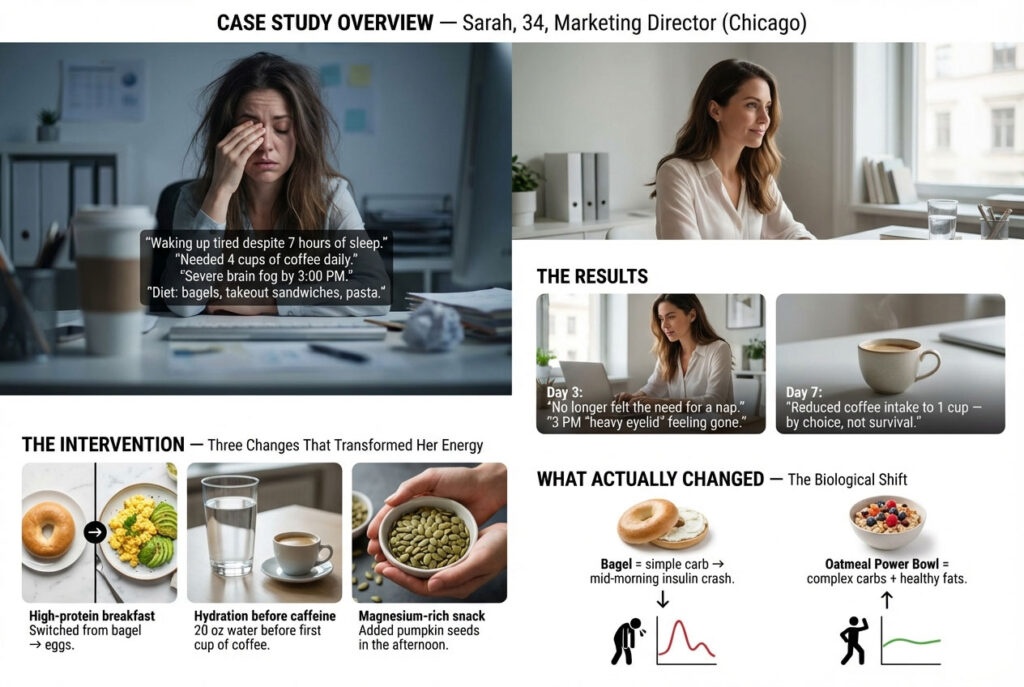
To illustrate the power of dietary changes, consider the case of Sarah, a 34-year-old Marketing Director based in Chicago. Sarah reported waking up tired despite getting 7 hours of sleep. She relied on four cups of coffee to function and experienced severe brain fog by 3:00 PM daily. Her diet consisted mostly of convenient options: bagels for breakfast, takeout sandwiches for lunch, and pasta for dinner.
The Intervention:
Sarah adopted this 7 day meal plan for energy, specifically focusing on three changes:
- High protein meals for energy at breakfast (switching from bagel to eggs).
- Hydrating with 20oz of water before her first coffee.
- Adding magnesium-rich pumpkin seeds to her afternoon routine.
The Results:
- Day 3: Sarah reported that she no longer felt the desperate need for a nap after work. The “heavy eyelid” feeling at 3:00 PM had vanished.
- Day 7: She reduced her coffee intake to one cup solely for enjoyment, not necessity.
- The Change: By swapping her morning bagel (simple carb) for the Oatmeal Power Bowl (complex carb + healthy fat), she eliminated the mid-morning insulin crash that had been plaguing her for years. Her blood sugar stabilized, and her energy followed suit.
Summary & Key Takeaways for Your Energy Boosting Diet Plan
Before you hit the grocery store, here are the most critical points to remember from this guide. Implementing these takeaways will maximize the effectiveness of the 7 day meal plan for energy.
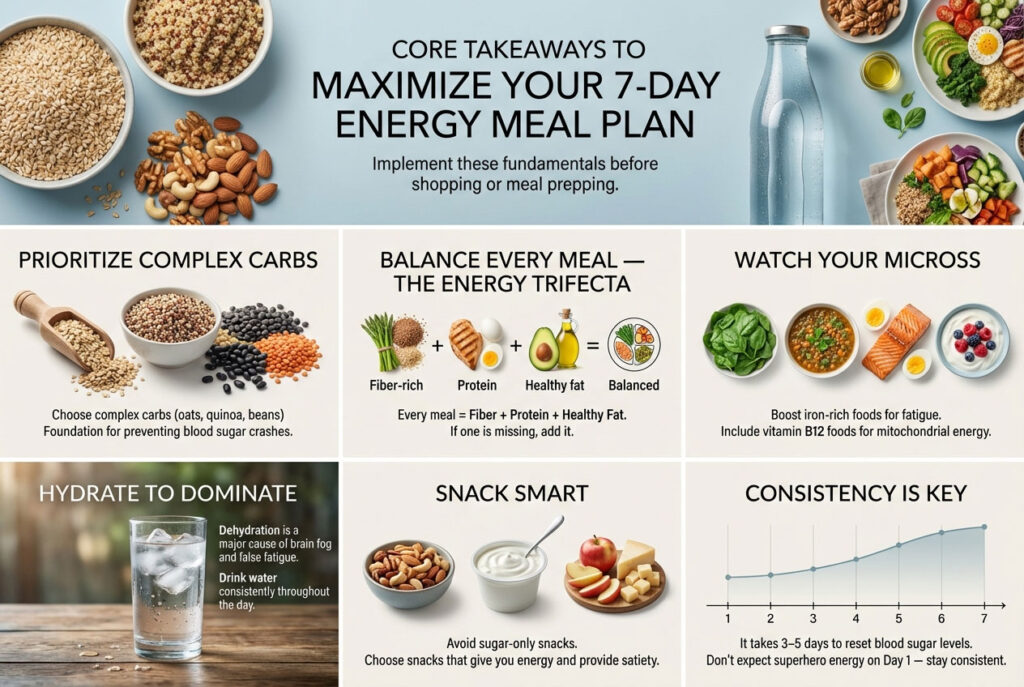
- Prioritize Complex Carbs: Always choose oats, quinoa, and beans over white bread and sugar to ensure complex carbs for steady energy. This is the foundation of preventing crashes.
- Balance Every Meal: Use the “Energy Trifecta” formula: Fiber + Protein + Healthy Fat. If a meal is missing one of these, add it.
- Watch Your Micros: Ensure you are getting enough iron rich foods for fatigue and vitamin B12 foods for energy to support mitochondrial health.
- Hydrate to Dominate: Drink water consistently; dehydration is a primary cause of brain fog and false fatigue.
- Snack Smart: Avoid sugar-only snacks; choose snacks that give you energy like nuts and yogurt that provide satiety.
- Consistency is Key: It typically takes 3 to 5 days to reset your blood sugar levels and feel the full effects of this energy boosting diet plan. Do not give up if you don’t feel like a superhero on Day 1.
Frequently Asked Questions (FAQs)
What foods give you energy all day without a crash?
The best foods for sustained energy are those that combine fiber, protein, and healthy fats. Examples include oatmeal with nuts, quinoa bowls with chicken, and Greek yogurt with berries. These foods digest slowly, providing a steady release of glucose into the bloodstream rather than a spike and drop. Foods high in fiber specifically modulate the release of sugar, keeping your energy stable for hours.
How long does it take for a meal plan to fight fatigue to work?
Most people feel a difference in their energy levels within 3 to 5 days of switching to a high energy meal plan. Stabilizing blood sugar happens almost immediately, often within 24 hours. However, replenishing nutrient deficiencies like iron or B12 is a slower process and may take a few weeks of consistent eating to fully rectify.
Can I follow this 7-day meal plan for energy if I am vegetarian?
Yes, simply swap the meat proteins for plant-based alternatives. Use tofu, tempeh, lentils, or chickpeas in place of chicken or beef. Because plant iron is harder to absorb, ensure you consume iron rich foods for fatigue like spinach and kidney beans paired with Vitamin C sources like lemon juice or bell peppers to maximize absorption.
Why do I feel tired after eating lunch?
This is often called the “post-prandial slump.” It usually happens if your lunch was too high in refined carbohydrates or heavy fats, or simply too large in volume. This requires significant energy for digestion, diverting blood flow from the brain to the gut. Switching to balanced meals for blood sugar control with lean protein and fiber, and keeping portion sizes moderate, can prevent this.
What are the best snacks for energy at work?
Keep non-perishable options at your desk to avoid the vending machine trap. Snacks that give you energy include almonds, walnuts, roasted chickpeas, or an apple with a single-serve packet of almond butter. Hard-boiled eggs are also excellent if you have access to a refrigerator. Avoid snacks where sugar is the first ingredient.
Is coffee bad for chronic fatigue?
Not inherently, but reliance on it is. Using coffee to mask fatigue creates an “energy debt” you eventually have to pay. If you are chronically tired, caffeine just hides the symptoms without fixing the root cause. Use this 7 day meal plan to fight fatigue to build natural energy, and use coffee sparingly as a performance enhancer rather than a survival tool.
How does dehydration affect energy levels?
Blood volume decreases when you are dehydrated. This forces your heart to work harder to pump oxygen and nutrients to your brain and muscles, leading to a feeling of sluggishness. Even mild dehydration of 1% can lower cognitive function. Drinking water is the cheapest, fastest, and most effective way to boost energy immediately.
What is the best breakfast for all-day energy?
A savory breakfast is often better than a sweet one for energy stability. Eggs with avocado and whole-grain toast provides a perfect balance of protein, healthy fat, and fiber. If you prefer sweet, choose steel-cut oats with nuts rather than sugary cereals or pastries, which set you up for a mid-morning crash.
Can gluten sensitivity cause low energy?
Yes. For those with non-celiac gluten sensitivity or Celiac disease, eating gluten triggers an immune response and systemic inflammation. This consumes vast amounts of energy. If you suspect this, try swapping the grains in this plan for gluten-free certified oats and rice for a week to see if your energy improves.
Which vitamins are best for low energy and tiredness?
Vitamin B12, Iron, Magnesium, and Vitamin D are the “Big 4” for energy. B12 and Iron support oxygen and glucose transport, Magnesium supports ATP production, and Vitamin D supports immune function. However, it is best to get these from nutrient dense foods like salmon, leafy greens, and seeds before turning to supplements, as food offers better bioavailability.
Is intermittent fasting good for low energy levels?
It depends on the individual. For some, intermittent fasting improves energy by stabilizing blood sugar and increasing mental clarity (due to ketone production). For others, especially those with adrenal fatigue or high stress, skipping meals can spike cortisol and worsen tiredness. This 7 day meal plan for energy focuses on regular meals to ensure consistent fuel, which is generally safer for those struggling with chronic fatigue.
How much protein do I need to stay energized?
To maintain muscle mass and neurotransmitter function, aim for at least 1.2 to 1.6 grams of protein per kilogram of body weight. In practical terms, this means including a palm-sized portion of protein (20-30g) at every meal. High protein meals for energy are essential for preventing the muscle breakdown that can lead to physical weakness.
Disclaimer: The content provided in this 7 day meal plan for energy is for educational purposes only and does not constitute medical advice. Chronic fatigue can be a symptom of underlying medical conditions such as thyroid disorders, sleep apnea, or anemia. Always consult with a healthcare professional before making significant dietary changes or starting new supplements.
References:
- National Institutes of Health (NIH): Iron-Deficiency Anemia Guidelines & Management.
- Harvard T.H. Chan School of Public Health: The Nutrition Source – Carbohydrates and Blood Sugar Regulation.
- Journal of Nutrition: Magnesium and its role in ATP production and energy metabolism.
- Academy of Nutrition and Dietetics: Eating for Energy and Focus in the Workplace.
- American Journal of Clinical Nutrition: The effects of hydration on cognitive function.