There is a specific, sinking feeling that comes with the first subtle tingle of a cold sore or the deep, radiating heat of a shingles flare. It is a signal that your body’s defenses have momentarily faltered. While external triggers like bright sunlight, intense stress, or a sudden drop in temperature are often blamed, the biological reality is frequently determined by what is happening inside your bloodstream. The fuel that powers the replication of the Herpes Simplex Virus (HSV-1, HSV-2) and the Varicella Zoster Virus is often sitting right on your dinner plate.
Table of Contents
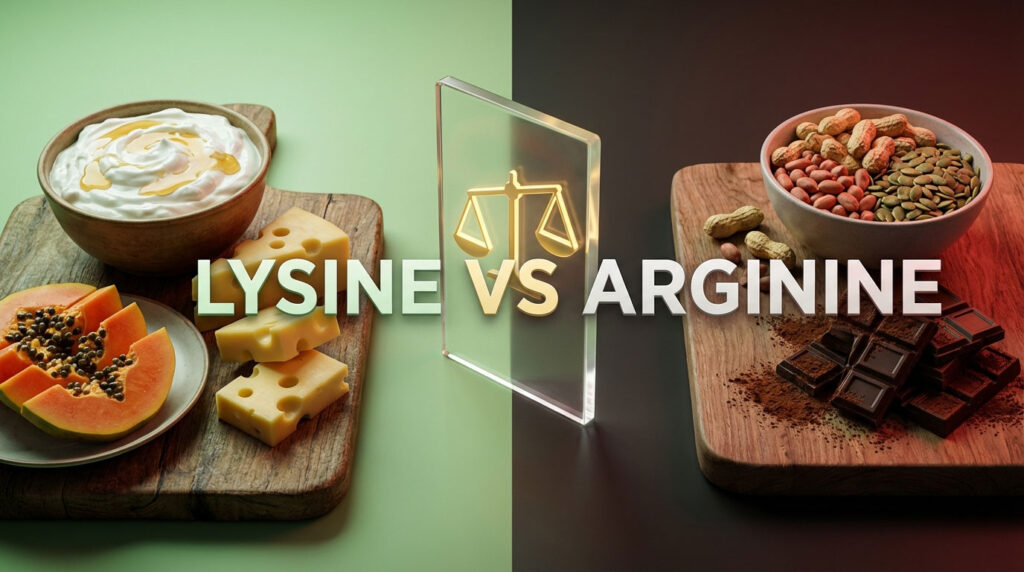
For decades, the medical and nutritional communities have recognized a distinct biological competition between two essential amino acids: L-Lysine and L-Arginine. This relationship is not merely a suggestion for general health; it is the cornerstone of viral suppression. The virus requires arginine to build the proteins necessary for cloning itself. Without a steady supply of this specific amino acid, the virus struggles to replicate and often remains in a dormant state.
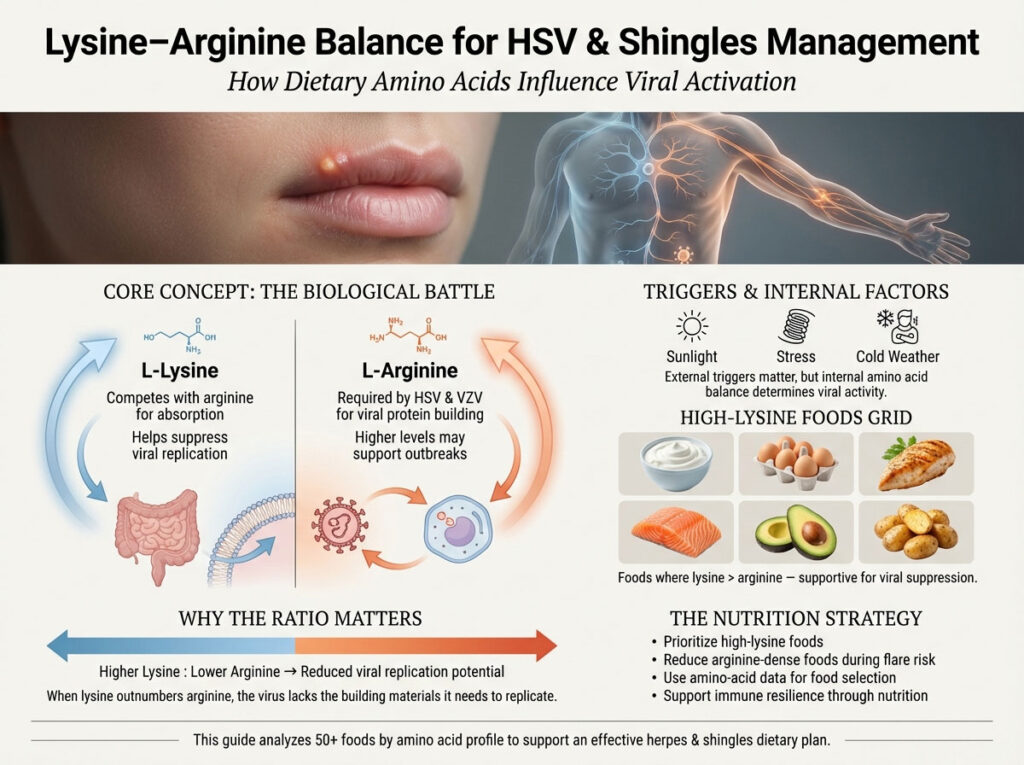
This is where the power of High Lysine Foods becomes your primary defense strategy. Lysine acts as a biological inhibitor. It competes with arginine for absorption in the intestines and transport into cells. When you consume a diet where lysine significantly outnumbers arginine, you effectively starve the virus of its building materials. However, managing this balance requires more than just guessing. It requires a strategic, data-driven approach to nutrition.
High Lysine Low Arginine Diet Planner
Get a personalized diet plan optimized for lysine–arginine balance based on your health goals.
* This tool provides informational content only and is not a substitute for professional medical or dietary advice. Always consult your doctor or a registered dietitian.
This comprehensive guide serves as your definitive resource for a Herpes simplex virus diet. We have analyzed and ranked over 50 foods based on their specific amino acid profiles to help you construct a Shingles diet plan that works. By prioritizing foods with a favorable Lysine Arginine Ratio, you can move from a state of vulnerability to a state of control.
The Biological Mechanism: Why the Lysine Arginine Ratio Matters
How Arginine Fuels Viral Replication Processes
To understand why nutritional intervention is so effective, we must look at the microscopic behavior of the virus. Herpes viruses are DNA viruses that are encased in a protein shell known as a capsid. This capsid is rich in arginine. When the virus wakes from dormancy, it begins to scavenge the host body for the materials needed to construct these capsids for new viral particles.
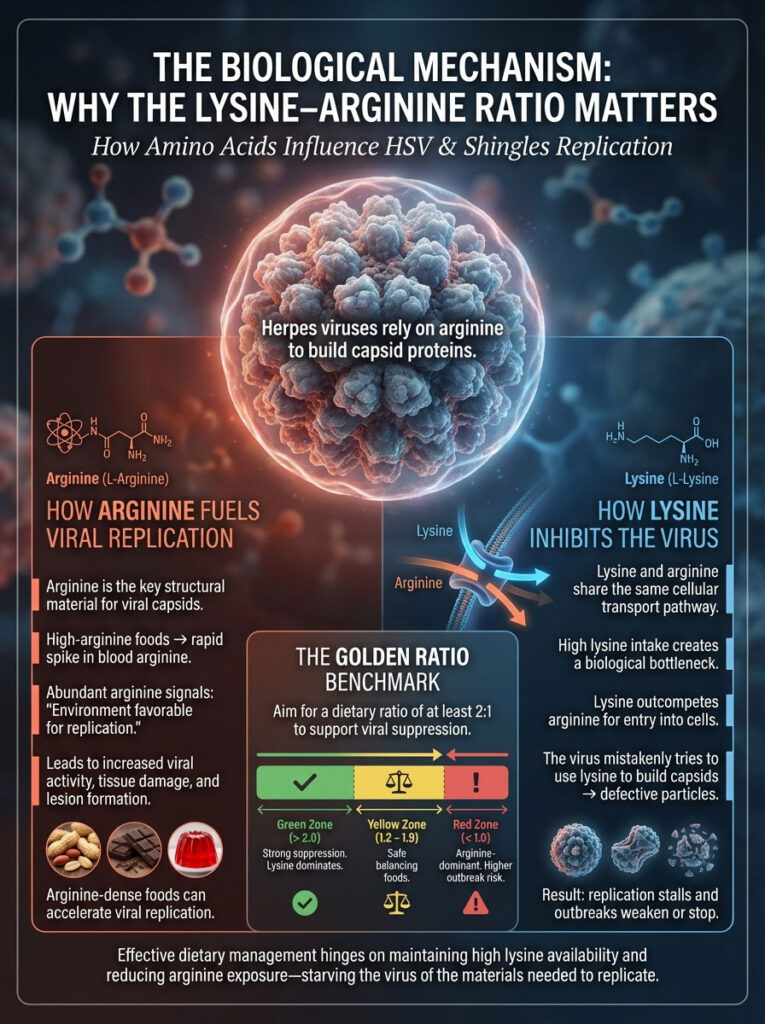
Arginine is the primary “fertilizer” for this growth. If your blood plasma contains high concentrations of arginine, which can happen rapidly after consuming foods like peanuts, chocolate, or gelatin, the virus has an abundant supply of resources. This abundance signals that the environment is favorable for rapid replication, leading to the tissue damage and lesions associated with an outbreak.
How Lysine Acts as a Competitive Inhibitor
L-Lysine shares a similar chemical structure with arginine. In the human body, these two amino acids use the same transport systems to enter cells. This creates a biological bottleneck. When you consume foods high in lysine and low in arginine, your bloodstream becomes flooded with lysine.
Because lysine is more abundant, it outcompetes arginine for entry into the cells. Furthermore, the virus creates an error during replication. It attempts to utilize lysine in place of arginine to build new viral particles. However, lysine does not fit the structural requirements of the viral capsid. The result is the production of defective viral particles that cannot infect new cells. This effectively “jams” the viral machinery and halts the outbreak before it can gain momentum.
The “Golden Ratio” Benchmark for Suppression
The most critical metric for your diet is the Lysine Arginine Ratio. It is insufficient to simply eat foods that contain lysine if those same foods are also packed with arginine. You must look at the net balance.
To actively suppress viral activity and utilize foods to prevent cold sores, you should aim for a dietary ratio of roughly 2:1 (Lysine to Arginine) or higher.
- The Green Zone (Ratio > 2.0): These foods are powerful suppressors. They actively reduce the relative availability of arginine.
- The Yellow Zone (Ratio 1.2 to 1.9): These are safe, balancing foods that maintain equilibrium.
- The Red Zone (Ratio < 1.0): These are triggers where arginine dominates. They should be avoided during times of stress or active infection.
Dairy Products: The Ultimate High Lysine Low Arginine Foods
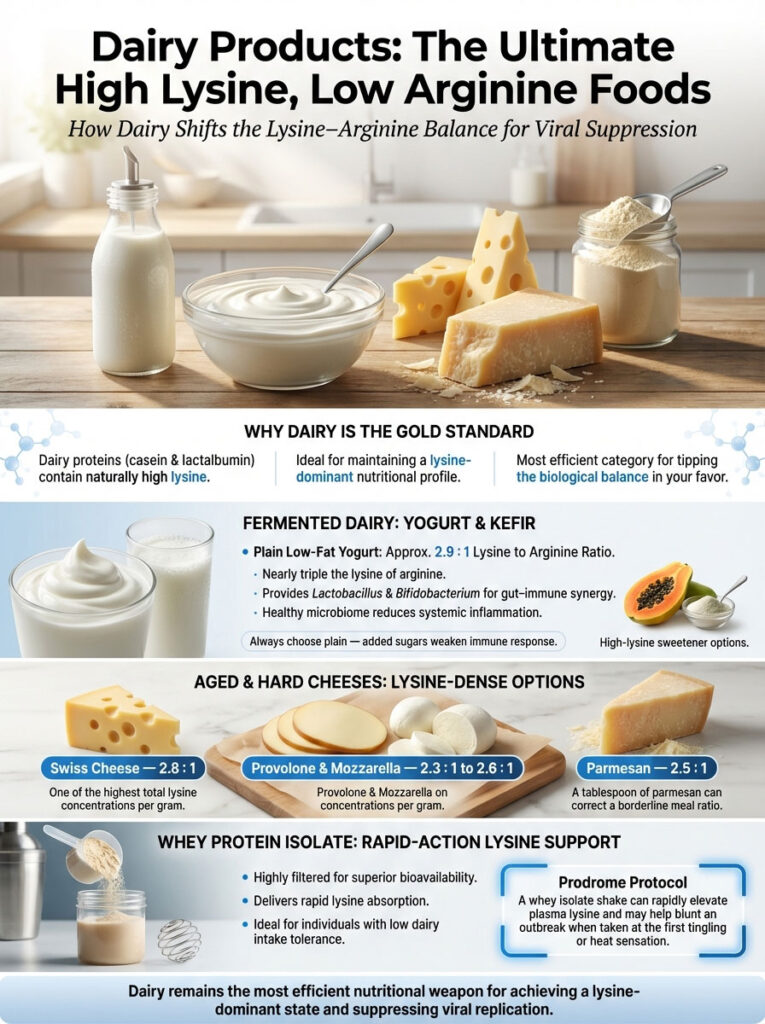
When analyzing the data for lysine rich foods, dairy products consistently emerge as the gold standard. The primary proteins in milk, casein and lactalbumin, are naturally designed with a high lysine profile. For those who tolerate dairy, it is the most efficient way to tip the biological scales in your favor.
Fermented Dairy: Yogurt and Kefir for Immune Synergy
Plain Yogurt (Low Fat/Skim) is arguably the single most valuable food for managing HSV.
- The Ratio: Yogurt typically boasts a ratio of approximately 2.9:1, making it nearly three times as rich in lysine as it is in arginine.
- Gut Health Connection: Beyond the amino acids, fermented dairy provides Lactobacillus and Bifidobacterium probiotics. A robust gut microbiome is essential for regulating systemic inflammation. Chronic inflammation can weaken the immune system’s surveillance capabilities, allowing the virus to escape dormancy.
- Selection Strategy: Always choose plain varieties. The added sugars in flavored yogurts can depress the activity of neutrophils (white blood cells), counteracting the benefits. You can sweeten plain yogurt naturally with high-lysine fruits like papaya or stevia.
Aged and Hard Cheeses: Concentrated Lysine Sources
As cheese is aged and the whey is separated from the curds, the protein content becomes significantly more concentrated. This makes hard cheeses an incredible snack for a low arginine diet.
- Swiss Cheese: This is a superstar among cheeses with a ratio of 2.8:1.
- Provolone and Mozzarella: These softer but still dense cheeses offer ratios between 2.3:1 and 2.6:1.
- Parmesan: With a ratio of 2.5:1, parmesan contains one of the highest absolute amounts of lysine per gram of any food. Adding a tablespoon of grated parmesan to a vegetable dish can effectively “correct” the ratio of a meal that might otherwise be borderline.
The Role of Whey Protein Isolate in a Shingles Diet Plan
For individuals who struggle to consume enough whole dairy, Whey Protein Isolate acts as a therapeutic tool.
- Bioavailability: Isolate is highly filtered to remove lactose and fats, leaving behind pure protein that is rapidly absorbed.
- Emergency Protocol: If you feel the prodrome symptoms (itching, tingling, heat), consuming a whey protein shake can create a rapid spike in plasma lysine levels. This immediate flood of protective amino acids can sometimes abort an outbreak if caught early enough.
Marine Defense: Best Fish and Seafood for Antiviral Support
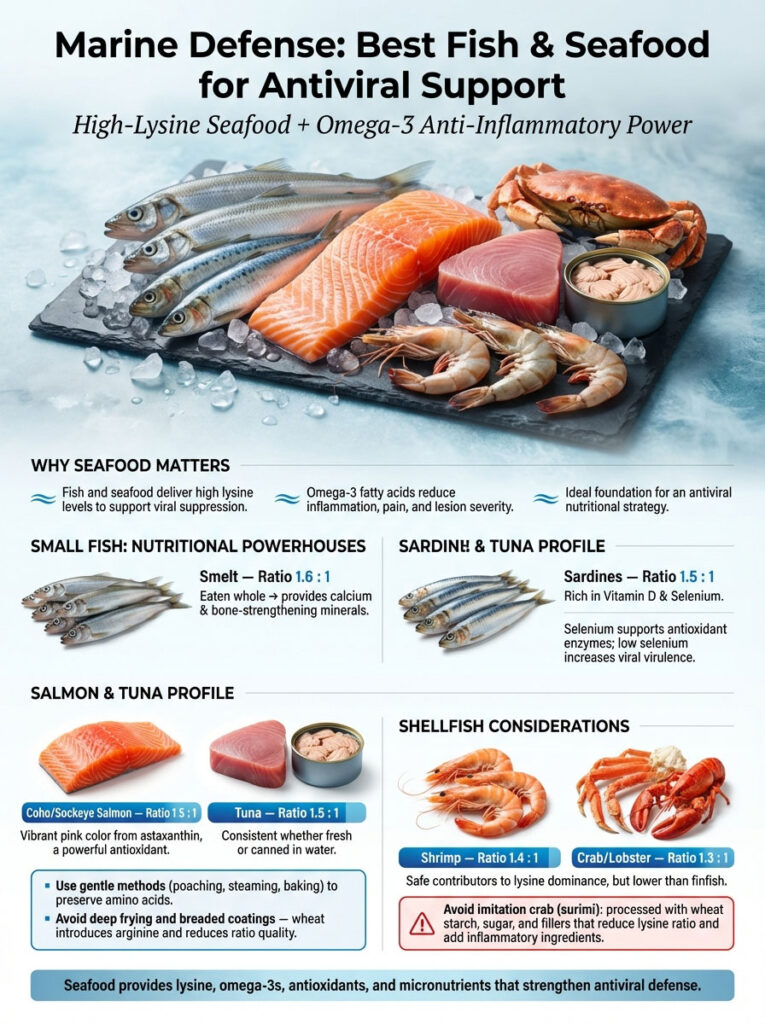
Fish and seafood are critical components of an antiviral diet. They provide a dual mechanism of action: they are excellent high lysine foods, and they are rich in Omega-3 fatty acids. Omega-3s form the building blocks of anti-inflammatory hormones, which help reduce the severity, pain, and duration of skin lesions.
Small Fish: Smelt and Sardines for Potent Ratios
Smaller fish varieties are often overlooked but are nutritional powerhouses.
- Smelt: These small fish offer a ratio of 1.6:1 and are typically eaten whole, providing calcium and bone-strengthening minerals.
- Sardines: With a ratio of 1.5:1, sardines are also rich in Vitamin D and Selenium. Selenium is a crucial cofactor for the body’s antioxidant enzymes. A deficiency in selenium has been linked to increased viral virulence.
The Salmon and Tuna Profile
Popular fatty fish are safe, effective staples for maintaining a Lysine vs arginine chart balance.
- Coho/Sockeye Salmon: Wild salmon offers a ratio of 1.5:1. The intense pink color comes from astaxanthin, a potent antioxidant that protects cellular integrity.
- Tuna: Whether fresh or canned in water, tuna maintains a ratio of 1.5:1.
- Cooking Strategy: To preserve the amino acid integrity, opt for gentle cooking methods like poaching, steaming, or baking. High-heat methods like deep frying can damage proteins and often introduce breading, which typically contains arginine-rich wheat, ruining the ratio.
Shellfish: Shrimp and Crab Considerations
Shellfish are generally safe additions to the diet, though they rank slightly lower than finfish.
- Shrimp: Ratio 1.4:1.
- Crab/Lobster: Ratio 1.3:1.
- The Imitation Trap: Be extremely cautious with imitation crab meat (surimi). It is often processed with wheat starch, sugar, and binders that dramatically lower the lysine ratio and introduce inflammatory ingredients.
Meats and Poultry: Maximizing Lysine Bioavailability
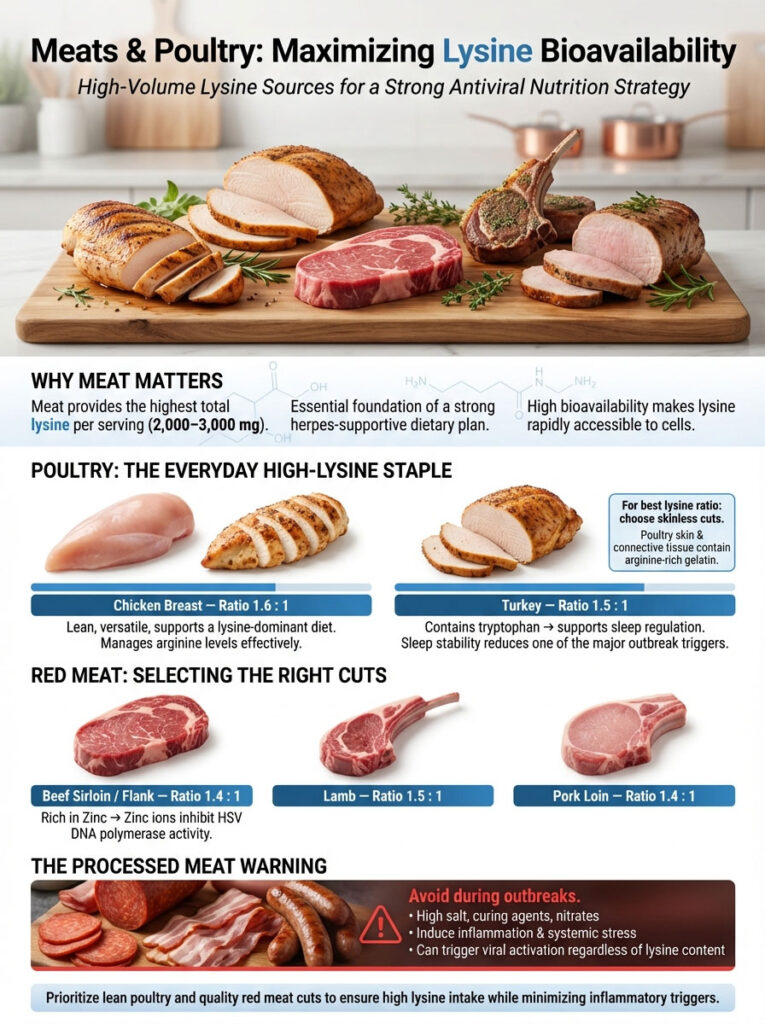
While dairy offers the highest ratios, meat offers the highest volume. A single serving of poultry or beef can provide between 2,000mg and 3,000mg of lysine. This makes animal protein the foundation of a robust Herpes simplex virus diet.
Poultry: The Staple of High Lysine Diets
White meat is often superior for preventing outbreaks due to its lower inflammatory fat content compared to commercial red meat.
- Chicken Breast: With a ratio of 1.6:1, chicken is versatile and keeps arginine levels manageable.
- Turkey: Turkey offers a ratio of 1.5:1. It is also high in tryptophan, an amino acid that aids in sleep regulation. Since sleep deprivation is a primary trigger for outbreaks, turkey serves a double function in immune defense.
- Preparation Matters: The gelatinous proteins found in poultry skin and connective tissues are higher in arginine and glycine. During an active flare-up, it is advisable to eat skinless, lean cuts to maximize the protective ratio.
Red Meat: Selecting the Right Cuts
Red meat is a strong source of foods high in lysine and low in arginine, but quality and cut selection are important.
- Beef Sirloin/Flank: These cuts have a ratio of 1.4:1. They are also premier sources of Zinc. Zinc ions have been shown in studies to directly inhibit the replication of HSV DNA polymerase.
- Lamb: Ratio 1.5:1.
- Pork Loin: Ratio 1.4:1.
- The Processed Meat Danger: You should strictly avoid processed meats like sausages, pepperoni, and bacon during outbreaks. While the meat itself contains lysine, the curing agents, nitrates, and high salt content induce systemic stress and inflammation, which can trigger the virus regardless of the amino acid profile.
Fruit Selections: Identifying the Best Lysine Arginine Ratio Foods
Fruits present a unique challenge in this diet. Most fruits are low in protein, meaning they do not contribute significant amounts of lysine or arginine in absolute terms. However, because humans tend to eat fruit in larger volumes, their ratio becomes critical. A fruit with a poor ratio can act as a “tipping point” if consumed in large quantities.
The Tropical Superstars: Papaya and Mango
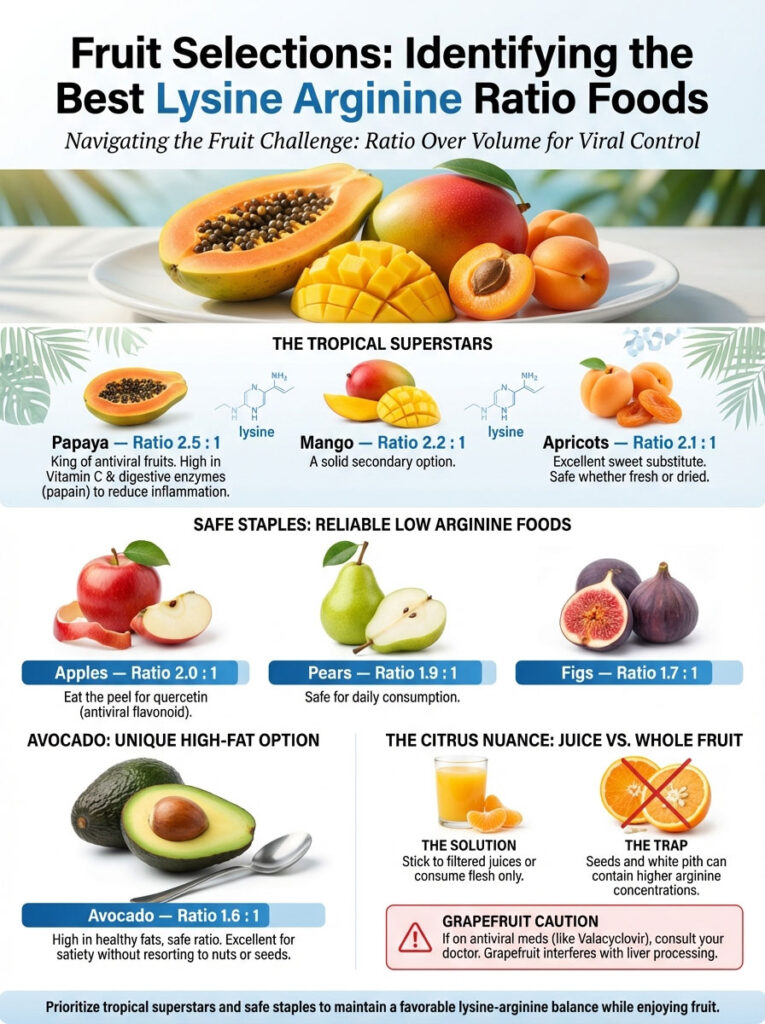
If you are searching for the absolute best lysine arginine ratio foods in the produce aisle, tropical fruits are the clear winners.
- Papaya: This is the king of antiviral fruits with a ratio of 2.5:1. Papaya is also loaded with Vitamin C and digestive enzymes (papain) that reduce systemic inflammation.
- Mango: A solid secondary option with a ratio of 2.2:1.
- Apricots: Whether fresh or dried, apricots offer a ratio of 2.1:1. They are an excellent sweet substitute for those craving candy or chocolate.
Safe Staples: Apples, Pears, and Figs
These fruits are reliable low arginine foods that can be eaten daily without disrupting your balance.
- Apples: Ratio 2.0:1. It is beneficial to eat the peel, as it contains quercetin, a flavonoid with antiviral properties.
- Pears: Ratio 1.9:1.
- Figs: Ratio 1.7:1.
- Avocado: Unique among fruits, avocado is high in fat but maintains a safe ratio of 1.6:1. It is an excellent way to get satiety and calories without resorting to nuts or seeds.
The Citrus Nuance: Juice vs. Whole Fruit
Many people instinctively reach for orange juice to boost immunity when they feel sick.
- The Trap: While orange juice is chemically neutral to positive, the seeds and white membranes (pith) of citrus fruits can contain higher concentrations of arginine.
- The Solution: Stick to filtered juices or consume the flesh only. Avoid chewing on the seeds or eating the bitter white pith.
- Grapefruit Caution: If you are taking antiviral medications (like Valacyclovir), consult your doctor before eating grapefruit, as it can interfere with how your liver processes the medication.
Comprehensive Lysine-Arginine Food Data Table
Below is a detailed, data-driven ranking of common foods. Use this Lysine vs arginine list to build your grocery list and menu plans.
| Food Item (100g serving approx) | Category | Lysine (mg) | Arginine (mg) | Ratio (L:A) | Status |
| Plain Yogurt (Low Fat) | Dairy | 1198 | 412 | 2.91 | 🟢 Optimal |
| Swiss Cheese | Dairy | 748 | 262 | 2.85 | 🟢 Optimal |
| Papaya | Fruit | 95 | 38 | 2.50 | 🟢 Optimal |
| Beets | Vegetable | 66 | 30 | 2.20 | 🟢 Optimal |
| Apricots | Fruit | 105 | 50 | 2.10 | 🟢 Optimal |
| Chicken Breast (Cooked) | Meat | 2620 | 1650 | 1.59 | 🟢 Optimal |
| Sardines | Fish | 2020 | 1310 | 1.54 | 🟢 Optimal |
| Tomatoes | Vegetable | 55 | 36 | 1.52 | 🟢 Optimal |
| Salmon | Fish | 1880 | 1240 | 1.51 | 🟢 Optimal |
| Beef Sirloin | Meat | 2390 | 1620 | 1.47 | 🟡 Safe |
| Potatoes (Flesh) | Vegetable | 270 | 200 | 1.35 | 🟡 Safe |
| Eggs (Whole) | Dairy/Protein | 455 | 415 | 1.10 | 🟡 Neutral |
| Lentils (Cooked) | Legume | 1255 | 1155 | 1.09 | 🟡 Neutral |
| Quinoa | Grain | 440 | 460 | 0.95 | 🔴 Caution |
| Whole Wheat Flour | Grain | 360 | 580 | 0.62 | 🔴 Avoid |
| Oatmeal | Grain | 220 | 380 | 0.58 | 🔴 Avoid |
| Peanuts | Legume/Nut | 920 | 3050 | 0.30 | 🔴 Avoid |
| Pumpkin Seeds | Seed | 1380 | 5300 | 0.26 | 🔴 Avoid |
Vegetable Profiles: Bioavailable Sources for a Shingles Diet Plan
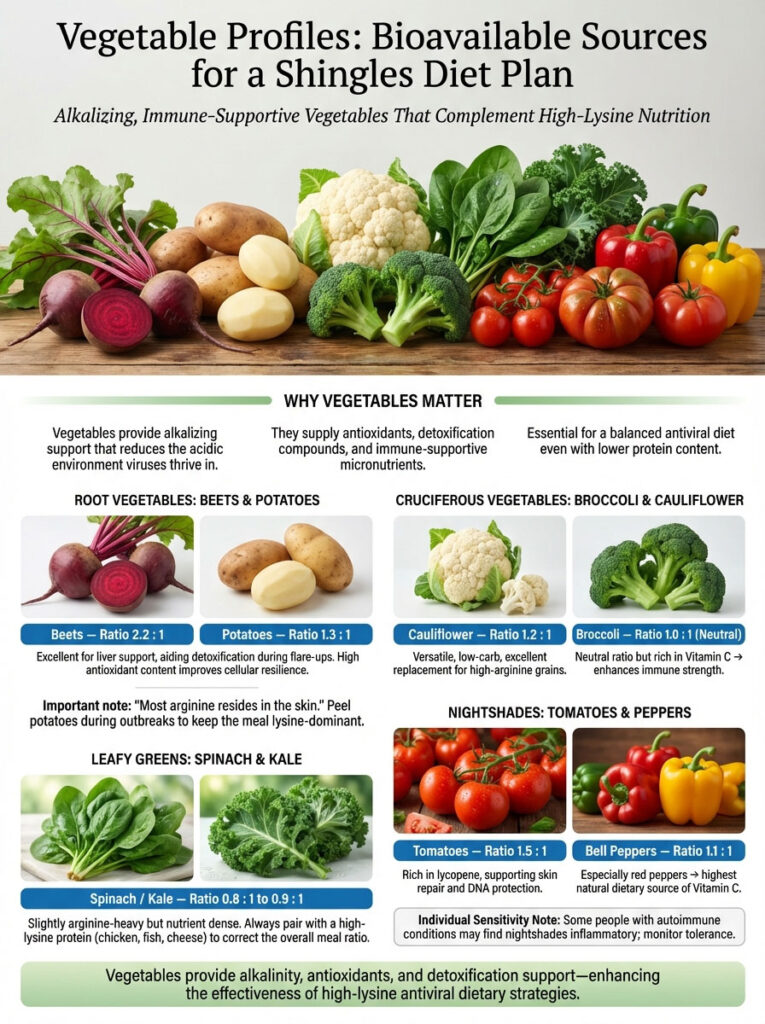
Vegetables play a supporting but vital role in the diet. While they generally do not possess the high protein counts of meat or dairy, their alkalizing effect on the body is crucial for healing and reducing the acidic environment that viruses often favor.
Root Vegetables: Beets and Potatoes
- Beets: One of the few vegetables with a high ratio of 2.2:1. Beets are also excellent for liver support, helping the body clear toxins that accumulate during a viral flare-up.
- Potatoes: Potatoes have a ratio of 1.3:1. However, there is a nuance in their preparation. The majority of the arginine in a potato is concentrated in the skin. If you are in the middle of a painful outbreak, it is wise to peel your potatoes and eat only the white flesh to minimize arginine intake.
Cruciferous Vegetables: Broccoli and Cauliflower
These vegetables are essential for their Indole-3-Carbinol content, which supports immune health and detoxification pathways.
- Cauliflower: Ratio 1.2:1. This is a versatile, low-carb base that can replace higher arginine grains.
- Broccoli: Ratio 1.0:1 (Neutral). While neutral, broccoli is packed with Vitamin C, making it a “net positive” food when paired with a high lysine protein.
- Leafy Greens: Spinach and kale are generally neutral to slightly arginine-heavy (0.8:1 to 0.9:1). They are undeniably healthy, but they should always be eaten with a high-lysine protein source (like chicken, cheese, or fish) to balance the total meal ratio.
The Nightshade Family: Tomatoes and Peppers
- Tomatoes: Ratio 1.5:1. Tomatoes are excellent for foods to prevent cold sores because they are rich in lycopene. Lycopene aids in skin repair and protects cellular DNA from damage.
- Bell Peppers: Ratio 1.1:1. Red bell peppers are among the highest dietary sources of Vitamin C, surpassing even oranges.
- Individual Sensitivity: Some people find nightshades inflammatory. If you have autoimmune issues along with HSV, monitor your reaction to these vegetables carefully.
The Danger Zone: High Arginine Foods to Avoid
Knowing what not to eat is often more important than knowing what to eat. These foods serve as “kryptonite” for anyone managing Herpes simplex virus diet protocols. They can undo days of good eating in a single sitting.
The Nut and Seed Trap: Why Do Nuts Cause Cold Sores?
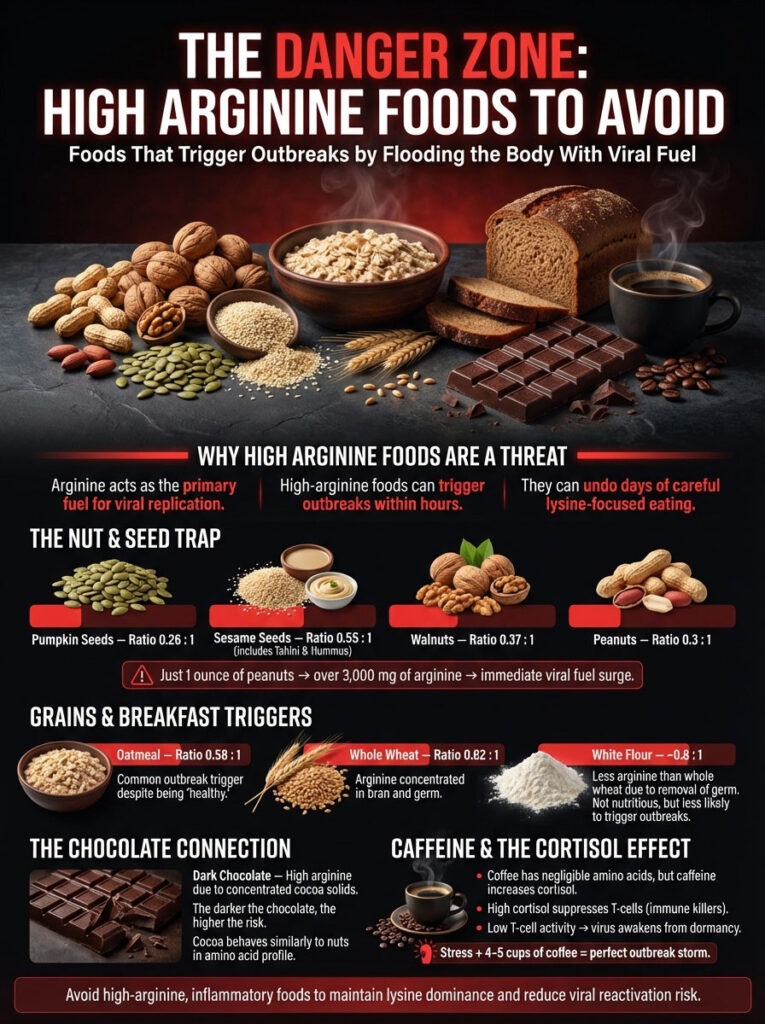
Nuts and seeds are arguably the most concentrated sources of arginine in the human diet. They are the most common trigger for unexplained outbreaks in healthy eaters.
- Pumpkin Seeds: The absolute worst offender with a ratio of 0.26:1.
- Sesame Seeds: Ratio 0.55:1. This includes products made from sesame, such as Tahini and Hummus.
- Walnuts: Ratio 0.37:1.
- Peanuts: Ratio 0.3:1.
- The Mechanism: A single ounce of peanuts can flood your body with over 3,000mg of arginine. This creates an immediate and massive surplus of viral fuel, often leading to a “tingle” within hours of consumption.
Grains and Breakfast Pitfalls
The standard American breakfast is often a viral trigger due to its reliance on grains.
- Oatmeal: Ratio 0.58:1. Despite its heart-health reputation, oatmeal is a common trigger for HSV.
- Whole Wheat: Ratio 0.62:1. The arginine is primarily located in the bran and germ of the wheat kernel.
- White Flour: Interestingly, refined white flour has a better ratio (closer to ~0.8:1) because the arginine-rich germ has been removed. While not nutritious in a general sense, it is less likely to trigger an outbreak than whole wheat products.
The Chocolate Connection and Caffeine
Does chocolate cause outbreaks? Unfortunately, the answer is yes. Cocoa beans are chemically similar to nuts in their amino acid profile.
- Dark Chocolate: The darker the chocolate, the higher the risk. Dark chocolate contains a higher concentration of cocoa solids (arginine) and less sugar or milk.
- Caffeine: Coffee beans themselves are negligible in amino acids; they are neither high in lysine nor arginine. However, caffeine is a stimulant that triggers the adrenal glands to release cortisol.
- The Cortisol Effect: High cortisol suppresses the function of T-cells, the immune system’s “killer” cells. When T-cell function is suppressed, the herpes virus seizes the opportunity to wake from dormancy. If you are stressed and drinking 4-5 cups of coffee, the caffeine isn’t the fuel, but it is unlocking the door for the virus.
The Vegan Gap: Vegetarian Foods High in Lysine
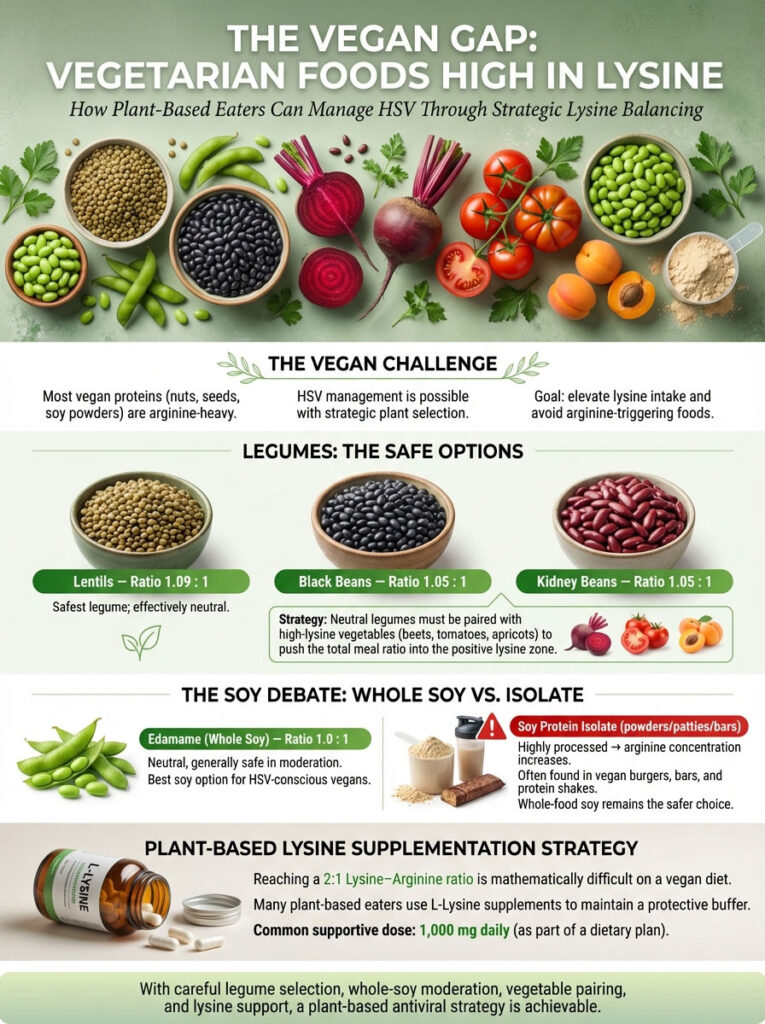
Vegans face a significant challenge in managing HSV. Their primary protein sources—nuts, seeds, and soy—are typical triggers. However, a plant-based foods to prevent cold sores strategy is possible with careful planning and selection.
Legumes: Finding the Safe Options
Not all beans are created equal. Some are triggers, while others are neutral.
- Lentils: The safest legume with a ratio of 1.09:1. They are effectively neutral.
- Black Beans: Ratio 1.05:1.
- Kidney Beans: Ratio 1.05:1.
- Strategy: Vegans must pair these “neutral” beans with high-lysine vegetables (beets, tomatoes, apricots) to push the total meal ratio into the positive zone.
The Soy Debate: Edamame vs. Isolate
- Edamame (Whole Soy): Ratio 1.0:1. This is neutral and generally safe in moderation.
- Soy Protein Isolate: This highly processed powder is often found in veggie burgers, protein bars, and shakes. The processing can concentrate arginine. Whole food soy is always the safer choice.
Plant-Based Lysine Supplementation Strategy
Because it is mathematically difficult to reach a 2:1 ratio on a vegan diet without dairy or meat, many plant-based eaters rely on L-Lysine supplements. Taking 1,000mg of L-Lysine daily creates a “buffer” in the bloodstream. This buffer allows vegans to eat a wider variety of plant foods without constantly triggering an outbreak.
Lifestyle and Nutrient Synergy: Beyond the Amino Acids
The Lysine Arginine Ratio is the foundation, but other factors build the house. A holistic approach that includes stress management and complementary nutrients is essential for long-term suppression.
The Zinc and Vitamin C Connection
These two nutrients act as critical co-factors for immune function.
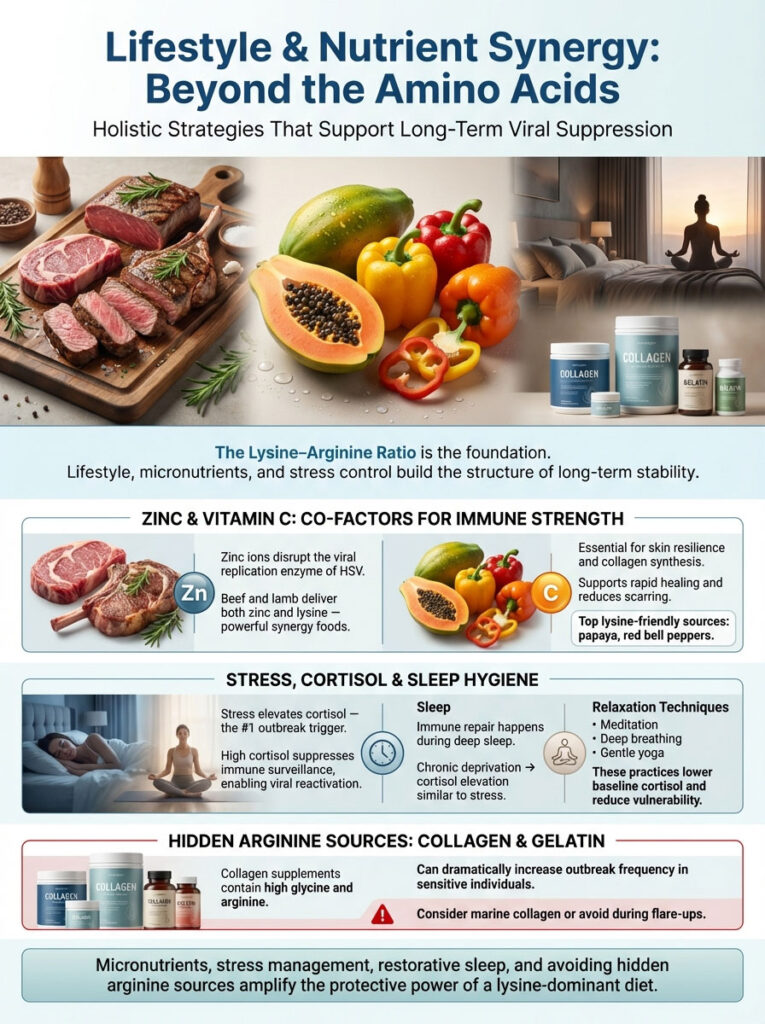
- Zinc: Zinc ions have been shown to directly interfere with the replication enzymes of the herpes virus. Beef and lamb are excellent sources of both Zinc and Lysine, making them perfect “synergy foods.”
- Vitamin C: This vitamin is vital for skin integrity and collagen production. Since herpes outbreaks involve the destruction of skin cells, adequate Vitamin C helps sores heal faster and reduces scarring. Papaya and Bell Peppers are top sources that fit the high-lysine profile.
Stress, Cortisol, and Sleep Hygiene
Stress is cited by patients as the number one trigger for outbreaks. The biological reason is cortisol.
- Sleep: Sleep is when the immune system repairs itself. Chronic sleep deprivation acts similarly to stress, raising cortisol levels.
- Relaxation Techniques: Practices like meditation, deep breathing, or gentle yoga can lower baseline cortisol levels, making the body less hospitable to viral reactivation.
Hidden Sources of Arginine: Gelatin and Collagen
Collagen supplements have exploded in popularity for skin and joint health. However, collagen is incredibly high in Glycine and Arginine. If you have started taking collagen and noticed more frequent outbreaks, this is likely the cause. You may need to switch to a marine collagen (which often has a better profile) or discontinue use during flare-ups.
Practical Menu Swaps for Daily Success
Changing your diet does not mean giving up flavor or satisfaction. It means finding the Best lysine arginine ratio foods to replace the triggers. Small swaps can have a massive impact on your viral load.
| Craving (High Arginine Trigger) | Safe Swap (High Lysine Alternative) | Why This Works |
| Peanut Butter on Toast | Cream Cheese or Butter on Sourdough | Eliminates the massive arginine load of peanuts. |
| Morning Oatmeal | Yogurt Parfait with Diced Mango | Shifts from a 0.5:1 ratio to a 2.9:1 ratio. |
| Almond Milk | Cow’s Milk or Coconut Milk | Coconut is lower protein but safer than almond fluid. |
| Granola Bar (Nuts/Oats) | Hard Boiled Egg or String Cheese | Eggs are neutral; cheese is protective. |
| Orange Juice | Apple Juice or Cranberry Juice | Apple juice has a superior lysine profile. |
| Hummus (Chickpeas + Tahini) | Baba Ganoush (Eggplant) or Guacamole | Tahini (Sesame) is a major trigger; Avocado is safe. |
| Dark Chocolate | Fruit Sorbet or Yogurt Bar | Avoids the arginine-rich cocoa solids. |
3-Day Sample Menu for Outbreak Suppression
This meal plan is designed to keep your ratio above 2:1 for active suppression. It utilizes the highest leverage foods to flood the body with lysine.
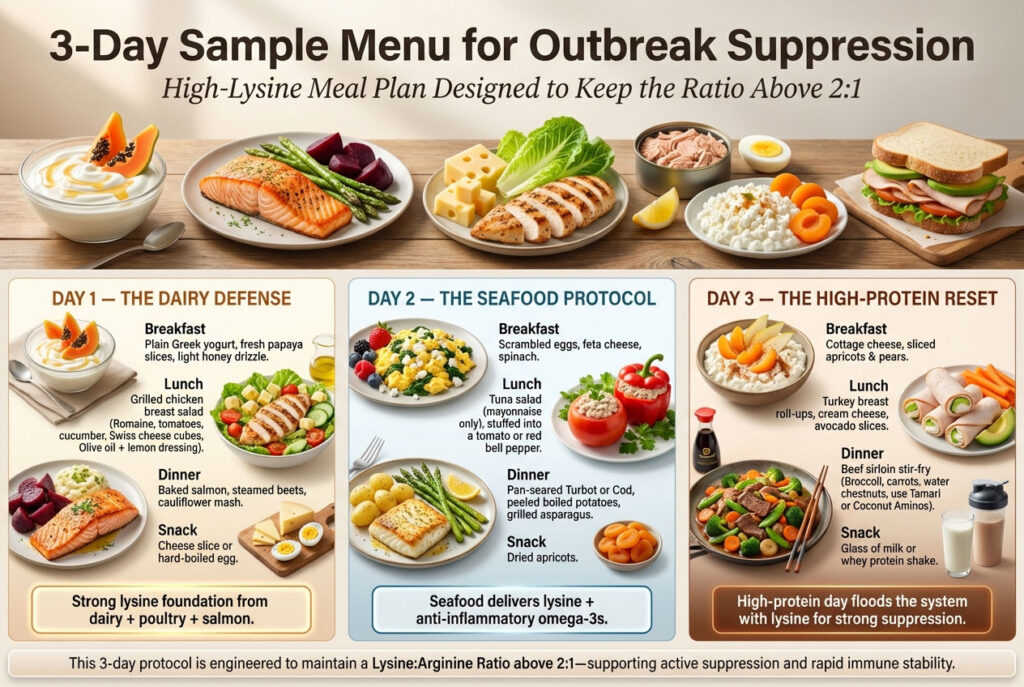
Day 1: The Dairy Defense
- Breakfast: A large bowl of plain Greek yogurt topped with fresh papaya slices and a drizzle of honey.
- Lunch: Grilled chicken breast salad with romaine lettuce, cherry tomatoes, cucumber, and cubes of Swiss cheese. Dressing should be olive oil and lemon juice.
- Dinner: Baked Salmon with steamed beets and cauliflower mash.
- Snack: A slice of cheese or a hard-boiled egg.
Day 2: The Seafood Protocol
- Breakfast: Scrambled eggs with feta cheese and spinach. (Eggs are neutral, but Feta boosts the lysine content significantly).
- Lunch: Tuna salad (made with mayonnaise, no sweet relish) stuffed into a large tomato or red bell pepper.
- Dinner: Pan-seared Turbot or Cod served with boiled potatoes (peeled) and grilled asparagus.
- Snack: Dried apricots.
Day 3: The High-Protein Reset
- Breakfast: Cottage cheese bowl with sliced apricots and pears.
- Lunch: Turkey breast roll-ups with cream cheese and avocado slices inside.
- Dinner: Beef Sirloin stir-fry with broccoli, carrots, and water chestnuts. (Avoid soy sauce if it contains wheat; use Tamari or Coconut Aminos).
- Snack: A glass of milk or a whey protein shake.
50+ High Lysine Foods (Ranked by Ratio)
Building a sustainable Herpes simplex virus diet requires variety; you cannot live on yogurt and chicken alone. While the sample menu above provides a strong starting point, true food freedom comes from understanding the data behind every ingredient in your pantry. To help you expand your meal planning without compromising your viral defense, we have compiled the comprehensive, data-backed master list below. Use this ranking of 50+ High Lysine Foods Low in Arginine as your ultimate quick-reference tool to mix and match ingredients, ensuring your Lysine Arginine Ratio remains in the optimal suppression zone every single day.
Note: All values are approximate based on 100g servings. The Ratio is the most critical number: Aim for foods with a ratio of 1.5 or higher for active suppression.
| Rank | Food Item | Category | Lysine (mg) | Arginine (mg) | Ratio (L:A) | Status |
| 1 | Plain Yogurt (Low Fat) | Dairy | 1198 | 412 | 2.91 | 🟢 Super |
| 2 | Swiss Cheese | Dairy | 748 | 262 | 2.85 | 🟢 Super |
| 3 | Whole Milk | Dairy | 260 | 90 | 2.80 | 🟢 Super |
| 4 | Provolone Cheese | Dairy | 2005 | 775 | 2.59 | 🟢 Super |
| 5 | Papaya | Fruit | 95 | 38 | 2.50 | 🟢 Super |
| 6 | Parmesan Cheese | Dairy | 3300 | 1340 | 2.46 | 🟢 Super |
| 7 | Mozzarella Cheese | Dairy | 2300 | 970 | 2.37 | 🟢 Super |
| 8 | Beets | Vegetable | 66 | 30 | 2.20 | 🟢 Super |
| 9 | Mango | Fruit | 60 | 27 | 2.20 | 🟢 Super |
| 10 | Sour Cream | Dairy | 230 | 105 | 2.19 | 🟢 Super |
| 11 | Apricots | Fruit | 105 | 50 | 2.10 | 🟢 Super |
| 12 | Apples (with Skin) | Fruit | 12 | 6 | 2.00 | 🟢 Super |
| 13 | Cheddar Cheese | Dairy | 2050 | 1040 | 1.97 | 🟢 Optimal |
| 14 | Pears | Fruit | 11 | 6 | 1.83 | 🟢 Optimal |
| 15 | Cottage Cheese | Dairy | 1050 | 590 | 1.78 | 🟢 Optimal |
| 16 | Ricotta Cheese | Dairy | 940 | 540 | 1.74 | 🟢 Optimal |
| 17 | Figs | Fruit | 26 | 15 | 1.73 | 🟢 Optimal |
| 18 | Smelt | Fish | 1450 | 880 | 1.65 | 🟢 Optimal |
| 19 | Chicken Breast | Poultry | 2620 | 1650 | 1.59 | 🟢 Optimal |
| 20 | Avocado | Fruit | 132 | 88 | 1.50 | 🟢 Optimal |
| 21 | Sardines | Fish | 2020 | 1310 | 1.54 | 🟢 Optimal |
| 22 | Tomatoes | Vegetable | 55 | 36 | 1.52 | 🟢 Optimal |
| 23 | Salmon (Coho) | Fish | 1880 | 1240 | 1.51 | 🟢 Optimal |
| 24 | Tuna | Fish | 2050 | 1350 | 1.51 | 🟢 Optimal |
| 25 | Cod | Fish | 1950 | 1280 | 1.52 | 🟢 Optimal |
| 26 | Turkey | Poultry | 2580 | 1700 | 1.51 | 🟢 Optimal |
| 27 | Tilapia | Fish | 1900 | 1270 | 1.49 | 🟡 Safe |
| 28 | Turnips | Vegetable | 37 | 25 | 1.48 | 🟡 Safe |
| 29 | Lamb | Meat | 1800 | 1220 | 1.47 | 🟡 Safe |
| 30 | Beef Sirloin | Meat | 2390 | 1620 | 1.47 | 🟡 Safe |
| 31 | Trout | Fish | 2000 | 1360 | 1.47 | 🟡 Safe |
| 32 | Snapper | Fish | 2300 | 1580 | 1.45 | 🟡 Safe |
| 33 | Pork Loin | Meat | 2300 | 1590 | 1.44 | 🟡 Safe |
| 34 | Halibut | Fish | 2100 | 1480 | 1.42 | 🟡 Safe |
| 35 | Shrimp | Shellfish | 1750 | 1250 | 1.40 | 🟡 Safe |
| 36 | Asparagus | Vegetable | 110 | 80 | 1.37 | 🟡 Safe |
| 37 | Celery | Vegetable | 30 | 22 | 1.36 | 🟡 Safe |
| 38 | Potatoes | Vegetable | 270 | 200 | 1.35 | 🟡 Safe |
| 39 | Lobster | Shellfish | 1600 | 1200 | 1.33 | 🟡 Safe |
| 40 | Crab | Shellfish | 1550 | 1180 | 1.31 | 🟡 Safe |
| 41 | Cauliflower | Vegetable | 215 | 170 | 1.26 | 🟡 Safe |
| 42 | Green Beans | Vegetable | 85 | 70 | 1.21 | 🟡 Safe |
| 43 | Bell Peppers | Vegetable | 45 | 38 | 1.18 | 🟡 Neutral |
| 44 | Eggs | Dairy/Protein | 455 | 415 | 1.10 | 🟡 Neutral |
| 45 | Lentils | Legume | 1255 | 1155 | 1.09 | 🟡 Neutral |
| 46 | Black Beans | Legume | 1200 | 1140 | 1.05 | 🟡 Neutral |
| 47 | Kidney Beans | Legume | 1180 | 1120 | 1.05 | 🟡 Neutral |
| 48 | Spinach | Vegetable | 170 | 165 | 1.03 | 🟡 Neutral |
| 49 | Edamame | Legume | 1100 | 1100 | 1.00 | 🟡 Neutral |
| 50 | Broccoli | Vegetable | 195 | 195 | 1.00 | 🟡 Neutral |
Conclusion: Taking Control of Your Immunity
Managing HSV-1, HSV-2, or Shingles is a marathon, not a sprint. While antiviral medications have their place in acute treatment, your daily diet creates the environment in which the virus either sleeps or thrives.
By strictly limiting the “Red Zone” foods like nuts, seeds, and oats, and building your meals around the “Green Zone” heroes like yogurt, fish, and poultry, you deprive the virus of the fuel it needs to replicate. Use the Lysine Arginine Ratio as your compass. Aim for that 2:1 balance, listen to your body’s signals, and reclaim your peace of mind through the power of nutrition.
Frequently Asked Questions (FAQ)
What is the single best food to stop a cold sore coming on?
Plain, low-fat yogurt is the undisputed champion. Its lysine-to-arginine ratio is nearly 3:1, and the probiotics help modulate the immune response. Eating a bowl of yogurt at the first sign of a tingle can help suppress the virus.
Is coffee high in arginine or lysine?
Coffee is negligible in amino acids; it is neither high in lysine nor arginine. However, its caffeine content raises cortisol levels (stress), which can weaken the immune system and indirectly trigger an outbreak.
Are eggs considered high lysine foods?
Eggs are chemically “neutral” with a ratio of 1.1:1. They are safe to eat and will not trigger an outbreak, but they do not actively suppress the virus in the same powerful way that yogurt or fish do.
Why do nuts cause cold sores?
Nuts (especially peanuts, walnuts, and almonds) are the highest dietary sources of arginine. Since the herpes virus requires arginine to replicate, eating nuts effectively “feeds” the virus, leading to rapid replication.
Is oatmeal safe for a low arginine diet?
No. Oatmeal has a poor ratio (0.58:1) and is significantly higher in arginine. Many people experience outbreaks after eating oatmeal daily. A safer breakfast choice is yogurt, eggs, or cheesy grits.
What are the best lysine arginine ratio foods for shingles?
For Shingles recovery, you need high protein for nerve repair and high lysine for viral suppression. The best foods are Chicken Breast, Turkey, Sardines, and Swiss Cheese.
Can vegetarians get enough lysine without meat?
It is difficult but possible. Vegetarians should rely heavily on dairy (cheese/yogurt) for lysine. Vegans should focus on lentils and black beans (the safest legumes) and may need L-Lysine supplements to hit the 2:1 ratio.
Which fruit has the most lysine?
In terms of the protective ratio, Papaya is the winner (2.5:1). Mangoes and apricots are also top-tier choices. Most other fruits are neutral.
Is peanut butter safe if I take lysine supplements?
It is risky. Peanut butter is so dense in arginine that you would need a massive dose of lysine to counteract it. It is best to avoid peanut butter completely during stressful times or outbreaks.
How much lysine to stop an outbreak?
Diet is the foundation, but during an acute outbreak, many experts recommend 1,000mg to 3,000mg of L-Lysine daily (in divided doses) combined with a strict high-lysine diet to shorten healing time.
Are bananas high in lysine?
Bananas are effectively neutral (Ratio ~1:1). They are a safe snack that won’t trigger an outbreak, but they aren’t an “antiviral superfood” like papaya.
What are the best high lysine low arginine snacks?
String cheese, hard-boiled eggs, yogurt cups, dried apricots, and beef jerky (check for sugar/additives) are the best snacks for this diet.
Disclaimer: The information provided in this article is for educational purposes only and does not constitute medical advice. Nutritional needs vary by individual. Always consult with a healthcare professional or registered dietician before making significant changes to your diet, especially if you are pregnant, nursing, or managing a chronic medical condition.
References:
- USDA FoodData Central. U.S. Department of Agriculture, Agricultural Research Service.
- Griffith, R. S., Walsh, D. E., Myrmel, K. H., Thompson, A., & Behforooz, A. (1987). Success of L-lysine therapy in frequently recurrent herpes simplex infection. Treatment and prophylaxis. Dermatologica.
- Mailoo, V. J., & Rampes, S. (2017). Lysine for Herpes Simplex Prophylaxis: A Review of the Evidence. Integrative Medicine: A Clinician’s Journal.
- Civitelli, L., et al. (2014). High Lysine/Arginine Ratio Foods and Immunity. Journal of Nutritional Biochemistry.