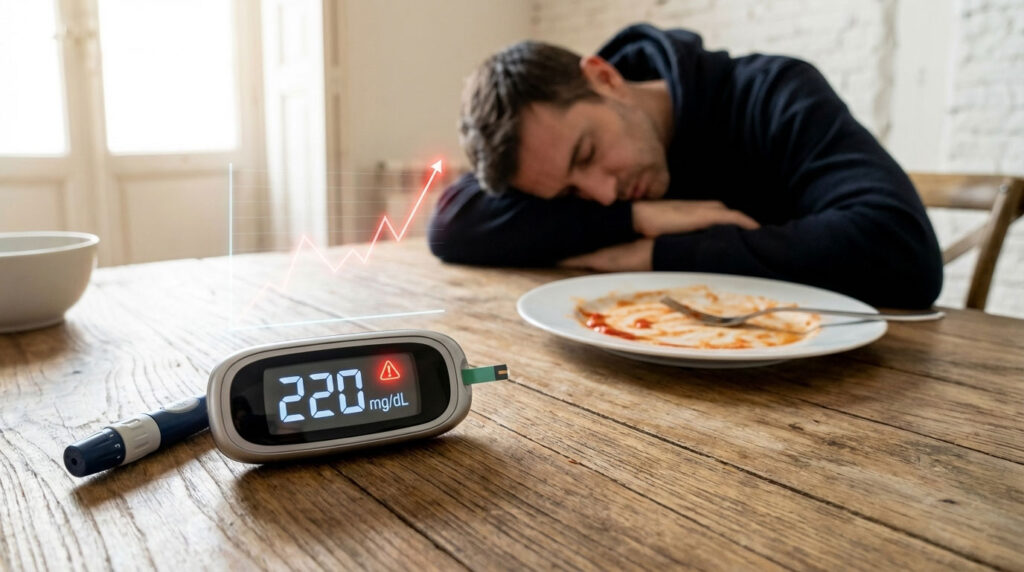
Does high blood sugar make you sleepy? Yes. Hyperglycemia triggers profound physical and cognitive fatigue through two primary biological mechanisms that disrupt your body’s energy systems. First, excess glucose actively inhibits Orexin (also known as hypocretin), the specific neuropeptide in the brain responsible for regulating wakefulness and arousal. This effectively turns off your “alertness” switch. Second, insulin resistance prevents glucose from moving from your bloodstream into your cells. This leads to a paradoxical state of “cellular starvation” where your body lacks energy despite having high blood sugar levels. This debilitating exhaustion is medically known as hyperglycemia fatigue.
Table of Contents
The Nap That Is Not Normal
We have all experienced that heavy and lidded feeling after a massive Thanksgiving feast or a heavy Sunday brunch. You eat too much. You unbutton your pants. You drift off on the couch while the football game plays in the background. That is a standard physiological response to digestion known as postprandial somnolence. It is your body diverting resources to process a massive caloric load.
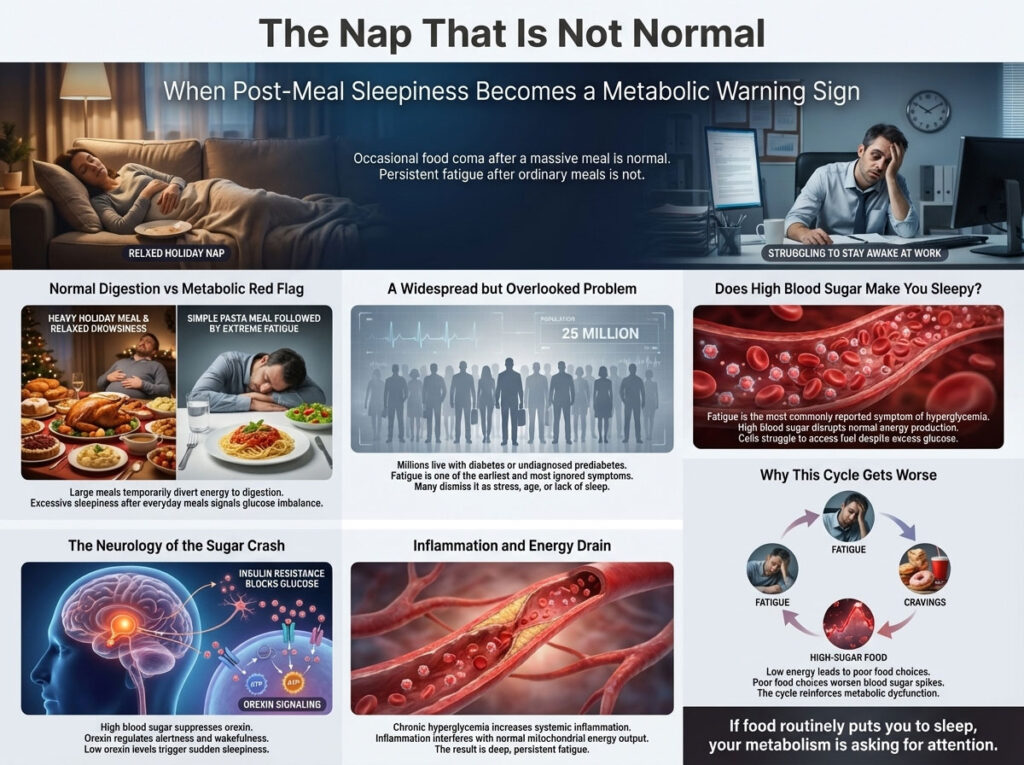
However, for the 38.4 million Americans currently managing diabetes and the 97.6 million living with undiagnosed prediabetes, this sleepiness is not just a harmless food coma. It is a biological red flag. It is a warning siren from your metabolism.
When you find yourself fighting to keep your eyes open at your desk at 2:00 PM or feeling like you have been drugged after a simple pasta dinner, your body is trying to communicate something urgent. This fatigue is often the very first and most overlooked symptom of metabolic dysfunction. It is not just about needing more coffee or getting an extra hour of sleep. It is about how your body processes fuel.
The question “Does high blood sugar make you sleepy?” is one of the most common queries in health search engines for a good reason. Fatigue is the number one reported symptom of hyperglycemia. It disrupts productivity. It strains relationships. It creates a vicious cycle of low energy and poor food choices that makes the problem worse.
This guide goes beyond the surface-level advice of “eat better” or “exercise more.” We will dismantle the specific neurology and biology behind why sugar knocks you out. We will look at the role of Orexin, the paradox of cellular starvation, the impact of inflammation, and provide you with immediate and actionable fixes to wake your body up when the sugar crash hits.
Core Concept: The Biology of Hyperglycemia Fatigue
To control your energy, you must understand the engine that drives it. Most people assume they are tired because their body is using energy to digest food. While partially true, hyperglycemia fatigue involves complex neurological and cellular failures that go far beyond simple digestion.
The Orexin Connection and Brain Function Inhibition
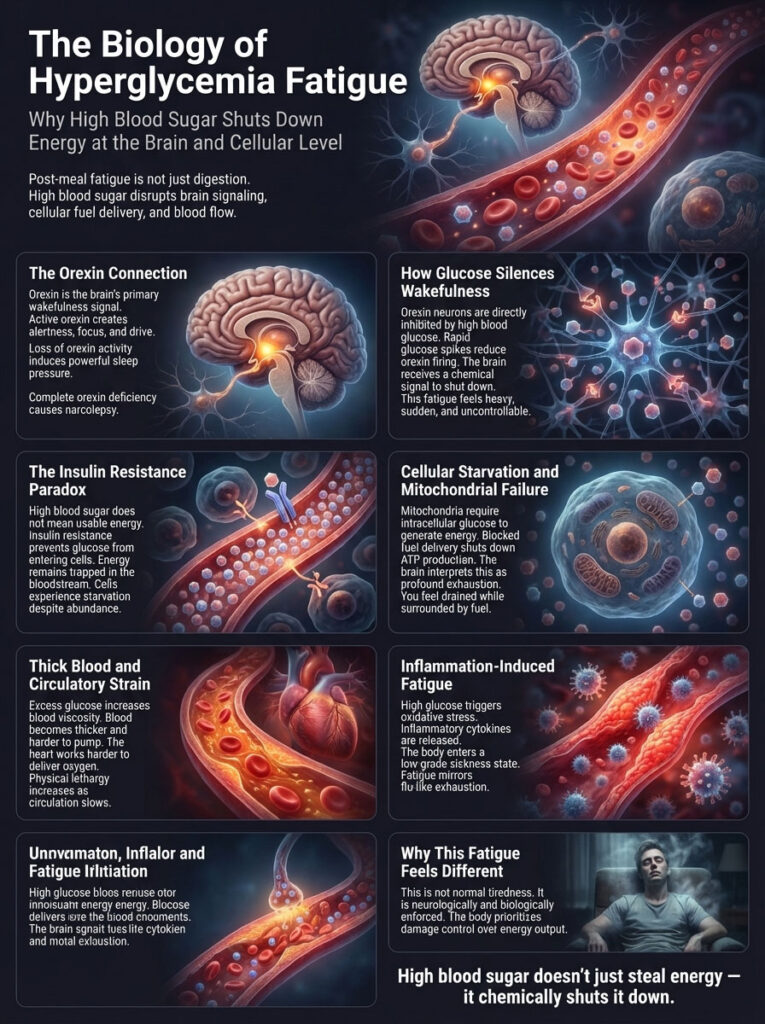
For years, scientists were puzzled by the specific link between carbohydrates and sleepiness. They knew it happened, but they did not understand the molecular pathway. The answer lies deep in the hypothalamus with a neuropeptide called Orexin (also known as hypocretin).
Orexin is your brain’s internal “On” switch. It is responsible for arousal, wakefulness, and appetite. When Orexin neurons fire, you feel alert, alive, and focused. When they stop firing, you sleep. In fact, a total lack of Orexin is the cause of narcolepsy.
Recent neuroscientific research has uncovered a direct and antagonistic relationship between glucose and Orexin. Studies show that tiny variances in blood glucose levels can modulate the firing rate of these neurons.
When blood glucose levels spike rapidly, they physically inhibit Orexin neurons. The high sugar environment silences the very chemical that keeps you awake. This is why the fatigue associated with high blood sugar feels so heavy and impossible to fight. It is almost narcoleptic in nature because the neurological signal for “wakefulness” has been chemically suppressed. You are not just tired; your brain is being chemically instructed to shut down.
Cellular Starvation and The Insulin Resistance Paradox
The second cause of diabetes fatigue is a cruel physiological paradox. You are tired because you have too much energy, just in the wrong place.
Think of your body like a bustling neighborhood. Your blood vessels are the streets. Your cells are the houses. Glucose is the package delivery. Insulin is the key that unlocks the front door of the house to let the package inside.
In a healthy body, the truck (blood) arrives. The key (insulin) works. The package (glucose) is delivered. The house (cell) has energy to run the lights and appliances.
However, in cases of insulin resistance, the lock is jammed. The pancreas pumps out insulin to ring the doorbell, but the cell doors refuse to open.
The result is “cellular starvation.” Your bloodstream is clogged with delivery trucks full of energy (hyperglycemia), but the houses are empty and dark. Your mitochondria, the power plants inside your cells, have no fuel to burn. Your brain registers this lack of intracellular fuel as profound exhaustion. You feel drained not because you lack fuel, but because you cannot access it. This is why you can have high blood sugar and still feel like you are running on empty.
The Thick Blood and Systemic Inflammation Factor
There is also a purely mechanical reason for high blood sugar symptoms. Glucose is sticky. If you have ever spilled syrup on the counter, you know how viscous it becomes.
When sugar levels remain chronically high, your blood viscosity increases. It essentially turns from free-flowing water into sludge or syrup. This condition is known as hyperviscosity.
Your heart must work significantly harder to pump this “thick blood” through your tiny capillaries to deliver oxygen to your tissues. This places a massive strain on your cardiovascular system. The result is physical lethargy. Your body has to expend more energy just to move blood around, leaving less energy for you to move your body.
Furthermore, high blood sugar triggers an immune response. Excess glucose causes oxidative stress, prompting the body to release pro-inflammatory cytokines like IL-6 and TNF-alpha. This creates a state of low-grade, chronic inflammation.
The fatigue you feel from this inflammation is similar to what you feel when you have the flu. Your body is directing its energy resources toward fighting what it perceives as an internal injury caused by glucose toxicity. This “sickness behavior” includes a desire to rest and withdraw from activity.
Differentiating Symptoms: Is It Digestion or Diabetes?
It is critical to distinguish between normal postprandial somnolence (the “food coma”) and pathological hyperglycemia fatigue. One is a natural result of the parasympathetic nervous system (“rest and digest”), while the other is a sign of metabolic distress that requires attention.

Postprandial Somnolence vs Hyperglycemia Fatigue Symptoms
Normal digestion does require energy. When you eat, blood flow is diverted to the stomach and intestines to aid digestion. This stimulates the vagus nerve and can cause a mild dip in energy. However, this feeling should be relaxing, comfortable, and temporary. It should not prevent you from functioning.
Hyperglycemia fatigue is different. It is often accompanied by cognitive dysfunction, commonly known as “brain fog.” You might feel dizzy, irritable, or unable to focus your eyes. You might feel a heaviness in your limbs that makes walking feel like wading through mud.
If you find that you need a nap to function after a standard lunch, or if the sleepiness is accompanied by an unquenchable thirst, you are likely dealing with a glucose spike, not just digestion.
Comparison Table of Fatigue Types
The following table breaks down the specific differences to help you identify what you are experiencing.
| Feature | Normal “Food Coma” | High Blood Sugar Fatigue |
| Timing of Onset | 30 to 60 minutes after a very large meal. | Can happen anytime, even after normal meals or snacks. |
| Duration | Short. Usually passes within 30 to 45 minutes. | Long. Can last for hours; difficult to shake off. |
| Thirst Levels | Normal thirst. | Extreme Thirst (Polydipsia). You cannot drink enough water. |
| Urination | Normal frequency. | Frequent (Polyuria). Waking up at night to urinate. |
| Vision | Clear. | Blurry. Glucose causes the lens of the eye to swell. |
| Mood State | Relaxed, lazy, content. | Irritable, anxious, confused. |
| Wakefulness | Easy to wake up if needed. | Feels like being drugged; extremely heavy limbs. |
| After Effects | You feel fine once it passes. | You may feel groggy or have a headache afterward. |
The Danger Zone Thresholds for Blood Glucose
Understanding your numbers is power. You cannot manage what you do not measure. In a healthy individual, blood glucose levels rarely exceed 140 mg/dL (7.8 mmol/L) even after a heavy meal.
Fatigue typically begins to set in when levels rise above 180 mg/dL (10 mmol/L). This is the renal threshold, the point at which your kidneys start dumping sugar into your urine because they can no longer filter it all.
If your levels exceed 250 mg/dL (13.9 mmol/L) and you feel extreme exhaustion combined with nausea, rapid breathing, or fruity-smelling breath, this is a medical emergency known as Diabetic Ketoacidosis (DKA). This requires immediate medical attention.
The Vicious Cycle: Dehydration and Sleep Quality
The relationship between does high blood sugar make you sleepy and actual sleep quality is a two-way street. High sugar ruins your sleep quality, and poor sleep quality ruins your blood sugar control.
The Kidney Filtration Loop and Dehydration
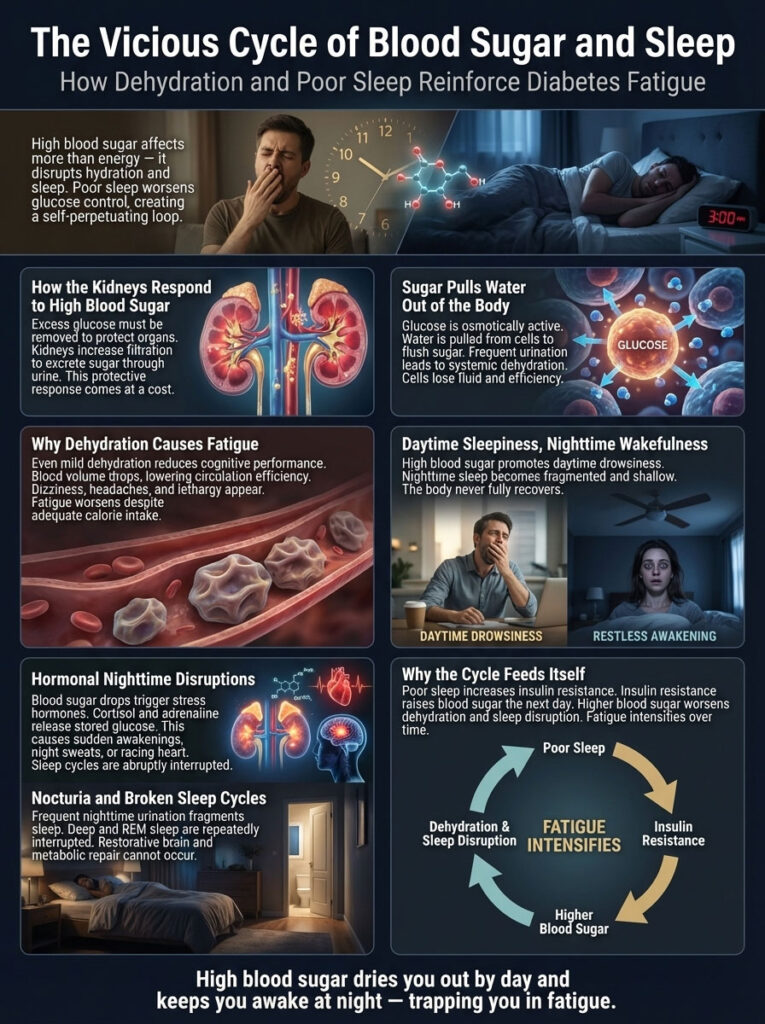
When blood glucose levels spike, your kidneys go into overdrive. They attempt to filter the excess sugar out of your blood and excrete it through urine to protect your organs.
However, sugar cannot travel alone. It is an osmotically active substance, meaning it drags water with it. To flush the glucose, your kidneys pull water from your cells and tissues. This leads to frequent urination (polyuria).
The result is systemic dehydration. Even mild dehydration is a known cause of fatigue, headaches, and cognitive decline. You feel tired because your cells are literally drying out as your body sacrifices hydration to lower toxicity. This drop in blood volume can also lower your blood pressure, leading to dizziness and lethargy.
Does High Blood Sugar Cause Insomnia and Nocturia?
Ironically, while high sugar makes you sleepy during the day, it often keeps you awake at night.
This can happen due to several factors. First is the “Dawn Phenomenon” or the “Somogyi Effect.” If your sugar crashes while you sleep (after a high spike), your body releases stress hormones like cortisol, adrenaline, and glucagon to wake you up and release stored glucose. This jolts you awake, often with a racing heart or night sweats.
Furthermore, the need to urinate frequently (nocturia) interrupts your sleep cycles. You may wake up three or four times a night to use the bathroom. This fragmentation prevents you from reaching the deep, restorative REM sleep needed to repair your body and brain. This leads to waking up exhausted, which increases insulin resistance the next day, perpetuating the cycle of diabetes fatigue.
5 Immediate Fixes: The Wake Up Protocol
If you are reading this while fighting to keep your eyes open, you need immediate metabolic intervention. You cannot simply “wait it out” without consequences. Here are five actionable steps to lower your blood glucose levels and regain alertness immediately.

1. The Hydration Flush Protocol
The very first thing you must do is support your kidneys in their effort to detoxify your blood.
Action:
Drink 24 to 32 ounces of water immediately. If possible, add a pinch of high-quality salt or electrolytes (potassium and magnesium).
Why It Works:
This helps dilute the concentration of glucose in your bloodstream, making it less viscous. It also replenishes the fluids your cells have lost, reversing the cellular dehydration that is contributing to your brain fog. The electrolytes help maintain the electrical balance of your cells, which is crucial for energy production.
2. The 15-Minute Glucose Walk
Exercise is medicine, but you do not need to run a marathon. In fact, high-intensity exercise might spike cortisol and raise sugar temporarily. You need steady, low-impact movement.
Action:
Go for a brisk 15-minute walk. Do not run; just walk at a pace where you can still hold a conversation.
Why It Works:
Your muscles are the largest glucose sink in your body. When you contract your large leg muscles (quadriceps and hamstrings), they activate a transporter called GLUT4. This transporter allows glucose to enter the muscle cells without the need for insulin.
Walking for just 15 minutes can lower blood glucose levels by 20 to 40 points, effectively bypassing insulin resistance and reducing the Orexin suppression in your brain. This is the fastest way to manually lower your blood sugar.
3. The Vinegar Bio-Hack
This is a scientifically validated hack to mitigate a spike that is already happening.
Action:
Mix 1 tablespoon of organic Apple Cider Vinegar in a tall glass of water and drink it.
Why It Works:
A study published in Diabetes Care found that acetic acid (the active ingredient in vinegar) can improve insulin sensitivity by 19% to 34% during a high-carb meal. It works by suppressing disaccharidase activity, which slows the breakdown of carbohydrates into sugar. Even taken after the fact, it can help blunt the ongoing spike and aid in digestion.
4. Avoid the Caffeine Trap
Your instinct when you feel diabetes fatigue is likely to reach for a second or third cup of coffee or an energy drink. You must resist this urge.
Why It Works:
Caffeine increases cortisol and adrenaline. While this might give you a temporary buzz, cortisol signals your liver to dump more glucose into your bloodstream (a process called gluconeogenesis). If your sugar is already high, caffeine can make the insulin resistance worse in the short term. Stick to water or herbal tea until your levels stabilize.
5. Breathing and Stress Management Techniques
Panic and stress regarding your fatigue will only keep your numbers high.
Action:
Practice “Box Breathing.” Inhale for 4 seconds, hold for 4 seconds, exhale for 4 seconds, hold for 4 seconds. Repeat this cycle for two minutes.
Why It Works:
This activates your parasympathetic nervous system (the “rest and digest” mode). Lowering stress hormones prevents the liver from releasing stored glycogen, allowing your blood glucose levels to drop naturally. It also helps oxygenate the brain, clearing some of the cognitive fog.
Long-Term Prevention: Eating for Energy
Once you have managed the immediate crash, the goal is to prevent it from happening again. This requires a shift in how you structure your meals to avoid hyperglycemia fatigue.
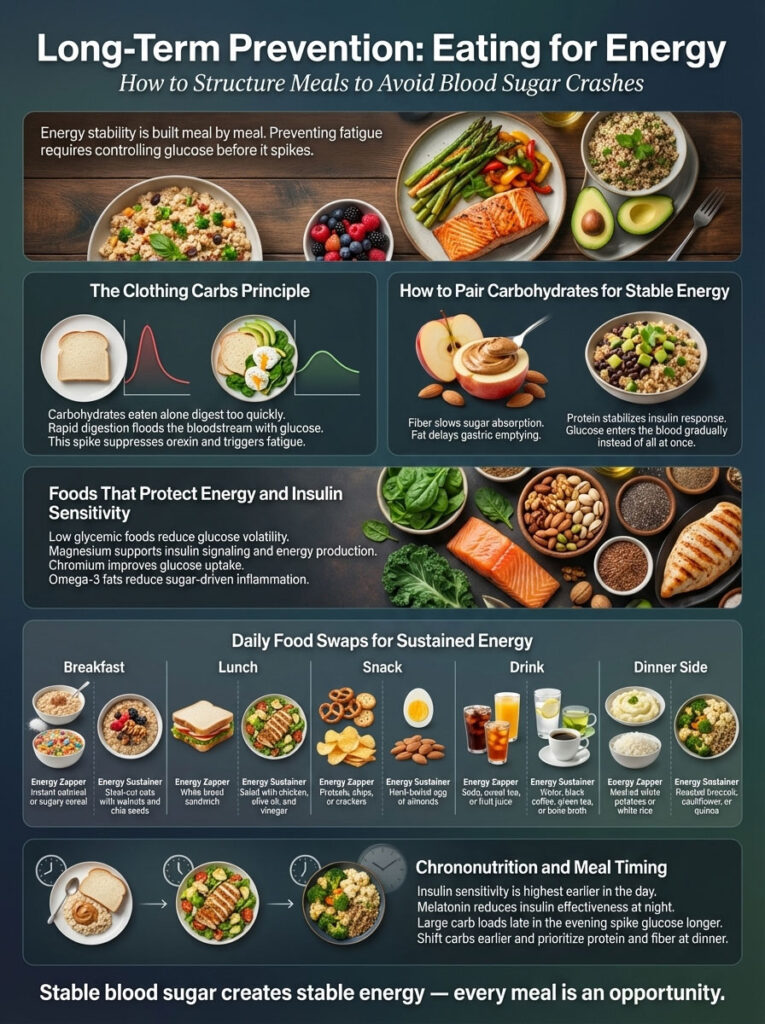
The “Clothing Carbs” Technique for Stable Energy
The golden rule for preventing postprandial somnolence is to never eat a “naked” carbohydrate.
A naked carb is a carbohydrate eaten alone, like a piece of toast, a banana, a bagel, or a bowl of pasta. These digest rapidly and flood the bloodstream with glucose because there is nothing to slow them down.
To “clothe” a carb, you must pair it with fiber, fat, or protein.
- Naked: An apple.
- Clothed: An apple with almond butter (Fat/Protein).
- Naked: Rice.
- Clothed: Rice mixed with beans and avocado (Fiber/Fat).
The fat and protein slow down gastric emptying. The glucose enters your blood as a trickle rather than a flood. This prevents the rapid spike that shuts down Orexin and prevents the subsequent crash.
Foods That Fight Fatigue and Boost Orexin
To combat insulin resistance and keep energy high, focus on low glycemic foods.
Leafy greens, lean proteins, and healthy fats should be the foundation of your diet. Additionally, seek out foods rich in Magnesium and Chromium. These minerals are essential for insulin signaling. High blood sugar causes you to excrete magnesium, so replenishing it is vital for energy production.
Foods rich in Omega-3 fatty acids, like salmon and walnuts, reduce the inflammation caused by high sugar.
Comparison Table: Energy Zappers vs Energy Sustainers
Make these simple swaps to keep your blood glucose levels stable throughout the day and avoid the afternoon slump.
| Food Category | Energy Zapper (High Spike) | Energy Sustainer (Stable Glucose) |
| Breakfast | Instant Oatmeal or Sugary Cereal. | Steel-Cut Oats with Walnuts and Chia Seeds. |
| Lunch | White Bread Sandwich. | Salad with Chicken, Olive Oil, and Vinegar. |
| Snack | Pretzels, Chips, or Crackers. | Hard-Boiled Egg or a handful of Almonds. |
| Drink | Soda, Sweet Tea, or Fruit Juice. | Water, Black Coffee, Green Tea, or Bone Broth. |
| Dinner Side | Mashed White Potatoes or White Rice. | Roasted Broccoli, Cauliflower, or Quinoa. |
Chrononutrition and Meal Timing
When you eat matters almost as much as what you eat. Your insulin sensitivity is not static; it follows a circadian rhythm. You are most insulin sensitive in the morning and least sensitive at night.
Eating a massive carbohydrate load at dinner (when melatonin is rising) can lead to a higher and longer glucose spike than eating the same meal at breakfast. Melatonin suppresses insulin secretion. To avoid waking up tired, try to consume your largest carbohydrate portions earlier in the day and focus on protein and fiber at dinner.
The Role of Gut Health in Blood Sugar and Energy
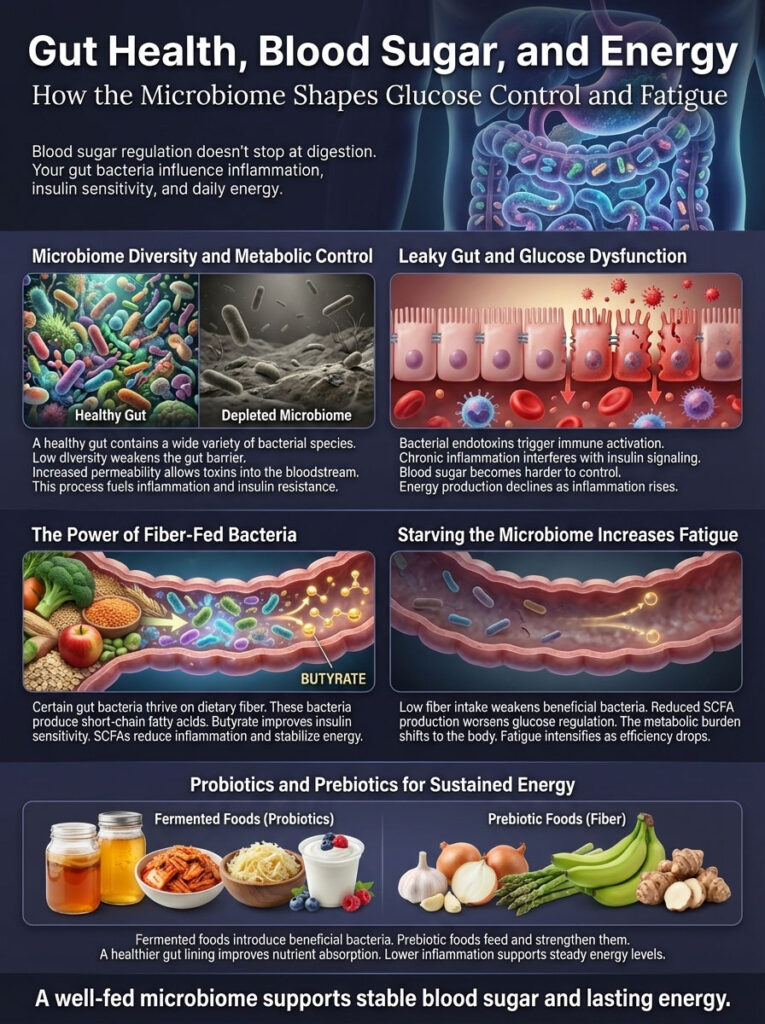
Emerging research connects the microbiome to diabetes fatigue. Your gut bacteria play a crucial role in how you metabolize food.
Microbiome Diversity and Glucose Metabolism
A lack of diversity in gut bacteria can lead to increased gut permeability, often called “leaky gut.” This allows bacterial endotoxins (LPS) to enter the bloodstream, which triggers systemic inflammation and insulin resistance.
Certain bacteria, particularly those that feed on fiber, produce Short-Chain Fatty Acids (SCFAs) like butyrate. Butyrate improves insulin sensitivity and reduces inflammation. If you are not eating enough fiber, you are starving these beneficial bacteria, making glucose control harder.
Probiotics and Prebiotics for Energy
Incorporating fermented foods like sauerkraut, kimchi, and kefir can introduce beneficial bacteria. Prebiotic foods like garlic, onions, and asparagus feed these bacteria. A healthy gut lining ensures that nutrients are absorbed efficiently, and inflammation is kept in check, reducing the overall burden of fatigue on the body.
The Psychological Toll of Hyperglycemia
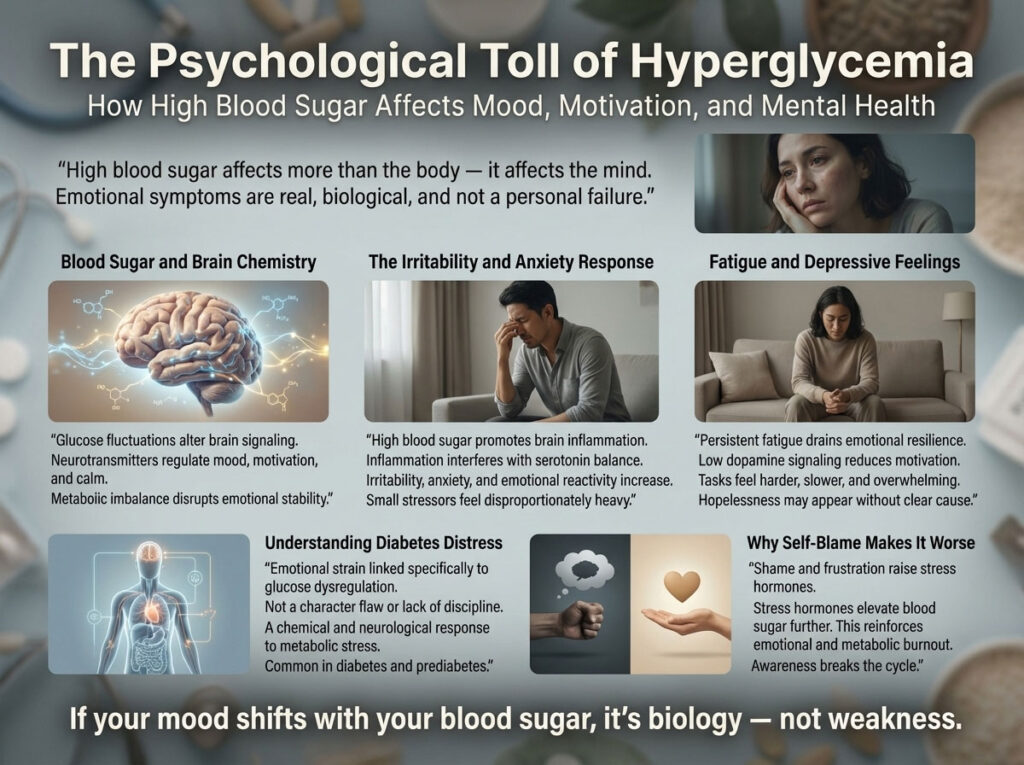
It is important to acknowledge that high blood sugar symptoms are not just physical. They are emotional and psychological.
The Irritability and Depression Link
Fluctuating blood sugar affects neurotransmitters like serotonin and dopamine. When sugar is high, and the brain is inflamed, it is common to feel irritable, anxious, or depressed. This is sometimes referred to as “diabetes distress.”
The fatigue can make simple tasks feel overwhelming, leading to a sense of failure or burnout. Recognizing that these feelings are a chemical result of hyperglycemia and not a personal failing is a crucial step in mental health management for diabetics.
Summary & Key Takeaways
Understanding the answer to “Does high blood sugar make you sleepy?” is the first step toward reclaiming your vitality. It is not a character flaw or laziness; it is biology.

- Biology is Key: Fatigue is caused by the chemical suppression of Orexin in the brain and cellular starvation in the body due to insulin resistance.
- Know the Signs: Differentiate between a normal food coma and high blood sugar symptoms like extreme thirst, blurry vision, and frequent urination.
- Move to Improve: The most effective immediate fix is a 15-minute walk to activate muscle glucose uptake without insulin.
- Hydrate: Combat the systemic dehydration caused by kidney filtration by drinking water with electrolytes.
- Prevention: Adopt the “clothing carbs” technique to prevent future spikes.
- Timing Matters: Eat carbohydrates earlier in the day when insulin sensitivity is higher.
- Mental Health: Acknowledge that irritability and brain fog are symptoms of the condition, not personal failures.
If you experience hyperglycemia fatigue daily, it is crucial to consult an endocrinologist. Chronic fatigue is often the only warning sign you get before diabetes progresses significantly. Listen to your body, check your numbers, and take action.
Frequently Asked Questions
Why do I fall asleep immediately after eating sugar?
This occurs because a rapid spike in glucose inhibits Orexin neurons in your brain. Orexin is the neuropeptide responsible for wakefulness. When sugar silences these neurons, you experience immediate, uncontrollable drowsiness, often described as a “sugar crash” or narcoleptic feeling.
What blood sugar level causes tiredness?
While individual tolerance varies, fatigue often sets in when blood glucose levels rise above 180 mg/dL (10 mmol/L). However, people with chronic hyperglycemia might not feel symptoms until levels are significantly higher, while those with reactive hypoglycemia may feel tired as levels drop rapidly after a spike.
Is being tired a sign of high or low blood sugar?
It can be both, but the sensation is different. Low blood sugar (hypoglycemia) typically causes sudden weakness, shakiness, sweating, and dizziness. High blood sugar (hyperglycemia) causes a heavy, sluggish, “drugged” feeling, often accompanied by extreme thirst and frequent urination.
How can I get energy back when my blood sugar is high?
The fastest way is to perform 15 minutes of low-intensity exercise, such as walking. This helps muscles absorb glucose via the GLUT4 pathway without needing insulin. Simultaneously, drink a large glass of water to help your kidneys flush excess sugar and rehydrate your cells.
Does high blood sugar cause brain fog?
Yes. High glucose levels cause inflammation in the brain (neuroinflammation) and disrupt neurotransmitter function. This leads to cognitive impairment, difficulty focusing, slow processing speeds, and memory lapses, commonly referred to as brain fog.
Can prediabetes make you tired all the time?
Yes. Even before a full diabetes diagnosis, insulin resistance prevents cells from getting adequate fuel. This “cellular starvation” results in chronic, low-level fatigue that sleep does not resolve because the issue is metabolic, not restful.
What is a “sugar crash” vs. high blood sugar?
A “sugar crash” usually refers to reactive hypoglycemia, where blood sugar spikes and then drops too low, causing fatigue and hunger. High blood sugar fatigue happens during the spike and prolonged elevation, due to Orexin suppression and inflammation.
Does drinking water lower blood sugar?
Yes. Drinking water increases blood volume and helps the kidneys filter excess glucose out through urine. It does not neutralize sugar like insulin does, but it aids the body’s natural elimination processes and prevents the dehydration that worsens fatigue.
Why am I so tired after lunch every day?
This is likely due to the carbohydrate content of your lunch. If your meal has a high glycemic load (e.g., pasta, sandwiches, soda), it triggers a spike that shuts down Orexin. Try “clothing your carbs” with protein, healthy fats, and greens to prevent this.
Can high blood sugar cause insomnia?
Yes. Fluctuating blood glucose levels can trigger the release of stress hormones like cortisol, adrenaline, and glucagon during the night to regulate levels, which wakes you up. Additionally, the need to urinate frequently (nocturia) disrupts sleep cycles, preventing deep sleep.
Do artificial sweeteners make you tired?
For some people, yes. While they don’t spike blood sugar directly, some studies suggest they can affect insulin sensitivity, alter gut bacteria, or trigger a cephalic phase insulin response, potentially leading to energy dips or cravings for real sugar.
What vitamins help with diabetes fatigue?
Magnesium, Vitamin B12, and Vitamin D are crucial. Metformin (a common diabetes drug) can deplete B12, leading to anemia and fatigue. Magnesium aids in glucose metabolism. Chromium and Alpha-Lipoic Acid are also helpful. Always consult a doctor before starting supplements.
Disclaimer
This article is for informational purposes only and does not constitute medical advice, diagnosis, or treatment. Always consult with a qualified healthcare professional, registered dietitian, or endocrinologist regarding your blood sugar levels, especially if you are experiencing chronic fatigue or symptoms of diabetes. If you suspect you are in Diabetic Ketoacidosis (DKA), seek emergency medical attention immediately.
References:
- Centers for Disease Control and Prevention (CDC). “National Diabetes Statistics Report.”
- American Diabetes Association (ADA). “Hyperglycemia (High Blood Glucose).”
- Diabetes Care. “Vinegar Ingestion at Bedtime Moderates Waking Glucose Concentrations.”
- Frontiers in Neuroendocrinology. “The Role of Orexin in Glucose Metabolism.”
- Journal of Clinical Investigation. “Insulin Resistance and Cellular Energy Metabolism.”
- Nature Reviews Endocrinology. “The impact of circadian rhythms on insulin sensitivity.”