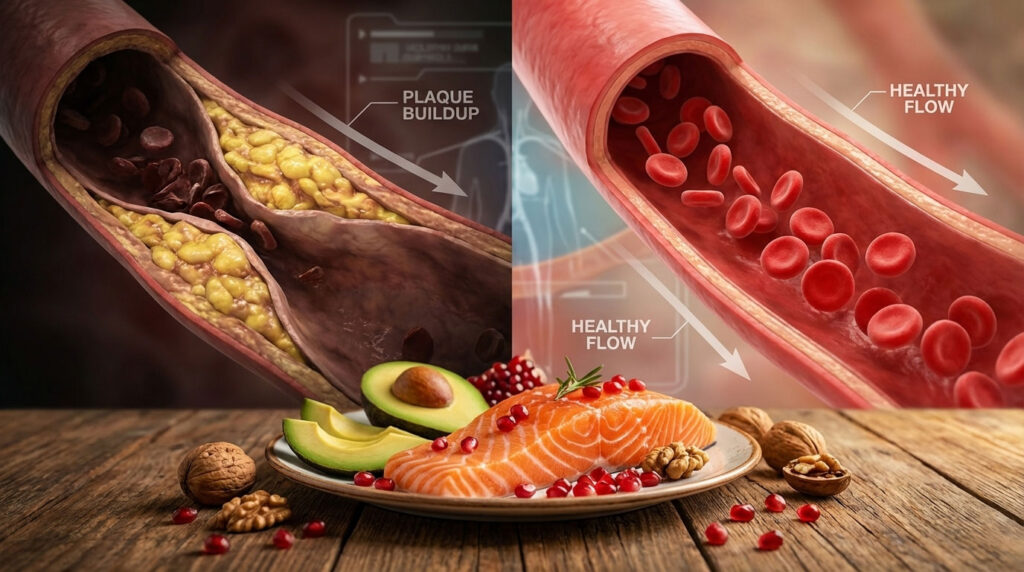
Your heart beats approximately 100,000 times every single day. It pushes five quarts of blood through a complex superhighway of vessels that, if laid end-to-end, would wrap around the Earth multiple times. Yet for millions of Americans, this flow is compromised. The diagnosis of atherosclerosis often feels like a mechanical failure, as if the pipes in your home are rusted and clogged. The immediate instinct is to look for a quick fix or a surgical intervention. However, the biology of your blood vessels is far more dynamic and forgiving than copper plumbing.
Table of Contents
Cardiovascular health is not a static state. It is a constant balance between injury and repair. Every time you eat, you have the opportunity to tip that balance. You can either fuel the inflammation that hardens plaque, or you can provide the raw materials your body needs to heal. This is not about dieting for vanity. This is about a strategic heart healthy meal plan designed to intervene in the biological processes of heart disease.
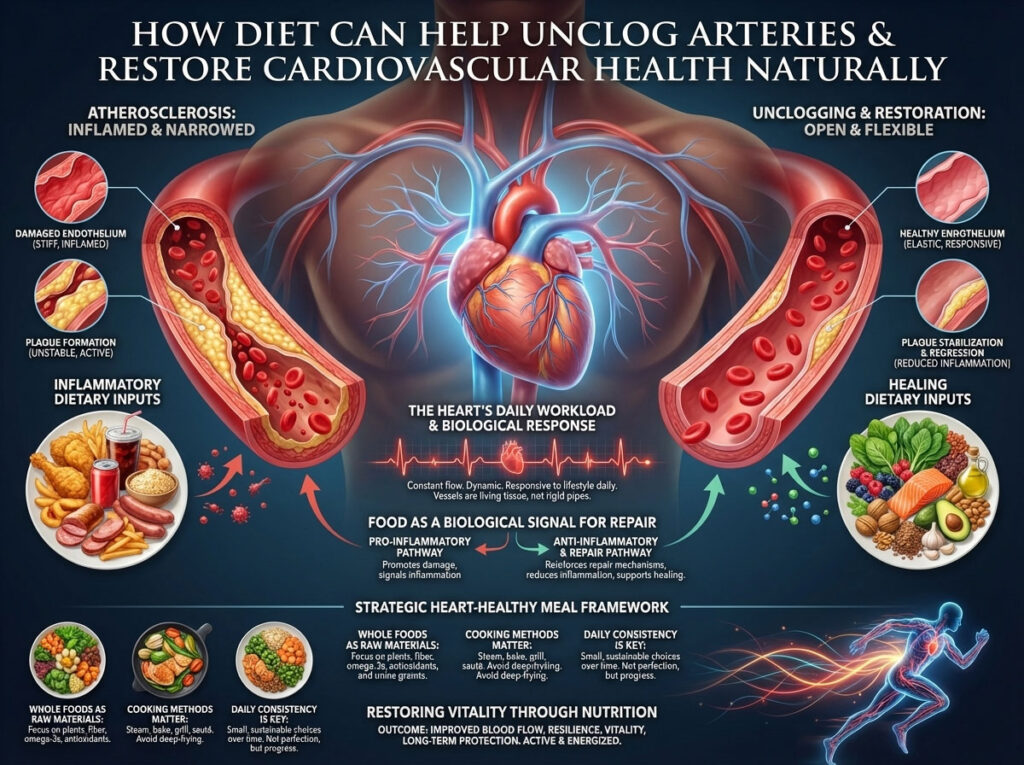
While the term “unclog” suggests a drain cleaner, the physiological reality is more elegant. By adopting a specific diet to unclog arteries, you can stabilize volatile plaque, shrink fatty deposits, and restore the elasticity of your endothelium. This guide provides a comprehensive, science-based roadmap. We will move beyond generic advice and dive deep into the specific nutrients, cooking methods, and daily protocols required to unclog arteries naturally and reclaim your vitality.
Understanding Arterial Plaque Buildup and the Biology of Atherosclerosis
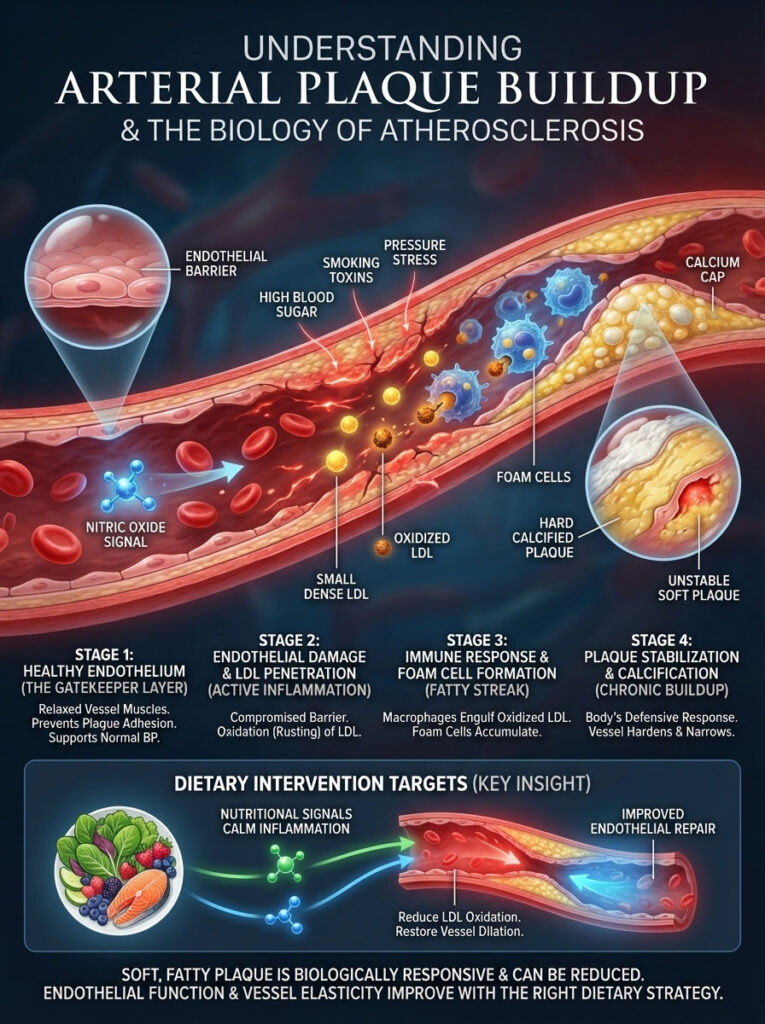
To effectively treat a condition with food, you must first understand the mechanism of the disease. Atherosclerosis is not simply the accumulation of grease on the artery walls. It is a complex, active inflammatory disease. The process begins long before you feel a symptom. It starts with the endothelium, the single layer of cells that lines the interior of your vascular system.
The Critical Role of Endothelial Function in Cardiovascular Health
The endothelium is the gatekeeper of your cardiovascular system. When it is functioning correctly, it produces nitric oxide, a powerful molecule that signals the arterial muscles to relax. This relaxation widens the vessel, allowing blood to flow freely and reducing blood pressure. A healthy endothelium is slippery. Plaque cannot easily stick to it.
However, modern lifestyle factors damage this lining. High blood pressure, smoking, and chronically high blood sugar act like sandpaper on the endothelium. Once this lining is damaged, it becomes sticky. This is where LDL cholesterol enters the picture. Specifically, small, dense LDL particles penetrate the damaged arterial wall. Once trapped inside the wall, they oxidize. This oxidation process is similar to iron rusting.
How Systemic Inflammation Drives Arterial Clogging
Your immune system perceives this oxidized LDL as a foreign invader. It sends white blood cells, known as macrophages, to consume the cholesterol. These macrophages gorge themselves on the fat until they die, becoming what scientists call “foam cells.” These foam cells pile up, creating a fatty streak. Over time, the body tries to contain this inflammation by building a calcium cap over the mess. This is hard plaque.
A diet to unclog arteries targets this specific cycle. It aims to stop the initial injury to the endothelium, prevent the oxidation of LDL, and reduce the systemic inflammation that calls the immune system to the site. By halting the “rusting” process, you allow the body to heal the endothelium. While calcified plaque is stubborn, the soft, fatty plaque can be reduced, and the vessel’s ability to dilate can be restored.
The Three Pillars of a Diet to Unclog Arteries Naturally
You cannot reverse heart disease by simply cutting calories or avoiding meat. You must aggressively flood the body with specific therapeutic nutrients. This heart healthy meal plan is built on three non-negotiable nutritional pillars that work synergistically to improve cardiovascular health.

Consuming Soluble Fiber for Heart Health to Lower LDL Cholesterol
Fiber is often dismissed as a digestive aid, but it is actually a potent cholesterol-lowering medication found in nature. There are two types of fiber: soluble and insoluble. For arterial health, soluble fiber for heart health is the hero. Found in oats, legumes, flaxseeds, and citrus fruits, soluble fiber dissolves in water to form a thick, gel-like substance in the gut.
This gel acts as a sponge. It binds to bile acids, which are secreted by the gallbladder to help digest fats. Bile acids are made of cholesterol. When the fiber binds to them, your body excretes them in waste rather than reabsorbing them. To replace the lost bile, your liver must pull LDL cholesterol out of your bloodstream. This mechanism forces your body to use its own cholesterol stores, naturally lowering your circulating levels.
Utilizing Omega-3 Fatty Acids Sources to Reduce Arterial Stiffness
Inflammation is the fire that hardens arteries. Omega-3 fatty acids sources are the cooling water. These essential fats, found in fatty fish like salmon and mackerel (EPA and DHA) and in plants like walnuts (ALA), integrate themselves into the cell membranes of your blood vessels.
Research shows that Omega-3s reduce the production of molecules that cause inflammation. More importantly, they help reduce arterial stiffness. Stiff arteries force the heart to pump harder, raising blood pressure and increasing the risk of rupture. By consuming high-quality Omega-3s, you improve the flexibility of the arterial wall. This plan prioritizes marine sources for their superior bioavailability, but also includes plant sources for a complete profile.
Nitric Oxide Boosters to Dilate Vessels and Improve Blood Flow
If nitric oxide were a drug, it would be a bestseller. This gas is responsible for vasodilation, the widening of blood vessels. As we age, our body’s natural ability to produce nitric oxide diminishes, leading to tighter, narrower arteries.
We can bypass this decline through diet. Certain vegetables, particularly beets, spinach, arugula, and celery, are rich in inorganic nitrates. When you chew these foods, bacteria in your mouth convert the nitrates into nitrites. Once swallowed, the stomach acid converts nitrites into nitric oxide. This creates a measurable improvement in blood flow and blood pressure within hours of a meal. A true diet to unclog arteries must include these nitrate-rich foods every single day.
Mediterranean Diet Benefits vs DASH Diet for Heart Disease Prevention
In the world of nutrition science, two dietary patterns stand out for their proven ability to combat heart disease: the Mediterranean Diet and the DASH (Dietary Approaches to Stop Hypertension) Diet. Rather than choosing one, our heart healthy meal plan combines the specific therapeutic strengths of both to maximize results.
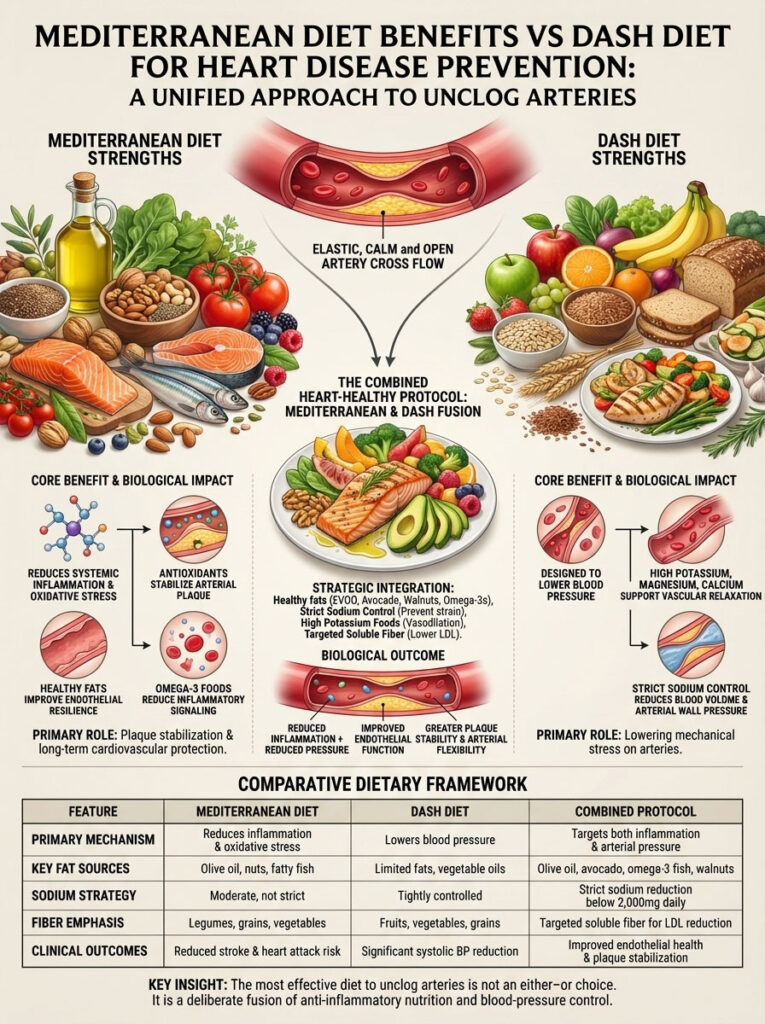
Mediterranean Diet Benefits are largely derived from its focus on healthy fats. It emphasizes extra virgin olive oil, nuts, and seeds, which reduce oxidative stress. The DASH diet, conversely, was engineered by the National Institutes of Health specifically to lower blood pressure. It focuses on the mineral balance of calcium, potassium, and magnesium while strictly limiting sodium.
By merging these approaches, we create a hybrid strategy. We utilize the olive oil and antioxidant-rich plants of the Mediterranean approach to stabilize plaque, while adopting the sodium restrictions and potassium loading of the DASH diet to reduce physical pressure on the arterial walls.
Comparative Analysis of Heart Health Dietary Protocols
| Feature | Mediterranean Diet Focus | DASH Diet Focus | Combined Heart Healthy Protocol |
| Primary Mechanism | Reduces systemic inflammation and oxidative stress | Lowers blood volume and arterial pressure | Targets both inflammation and arterial pressure |
| Key Fat Sources | Extra virgin olive oil, nuts, fatty fish | Low-fat dairy, limited meats, vegetable oils | Olive oil, Avocado, Omega-3 rich fish, Walnuts |
| Sodium Guidelines | Moderate (No specific limit, but generally lower) | Strict (1,500mg to 2,300mg daily) | Strict (<2,000mg) to prevent vessel strain |
| Fiber Sources | Legumes, whole grains, vegetables | Fruits, vegetables, whole grains | Focus on soluble fiber specifically for LDL reduction |
| Outcomes | Reduced risk of stroke and heart attack | Significant reduction in systolic blood pressure | Improved endothelial function and plaque stabilization |
Your Comprehensive 7-Day Heart Healthy Meal Plan for Vascular Restoration
This 7-day heart healthy meal plan is not a suggestion. It is a prescription for your kitchen. It is designed to provide approximately 1,800 to 2,000 calories per day, but the focus should be on nutrient density rather than calorie counting. The goal is to saturate your body with foods that clean arteries while eliminating the inflammatory triggers that cause clogging.
Day 1: The Soluble Fiber Loading Phase
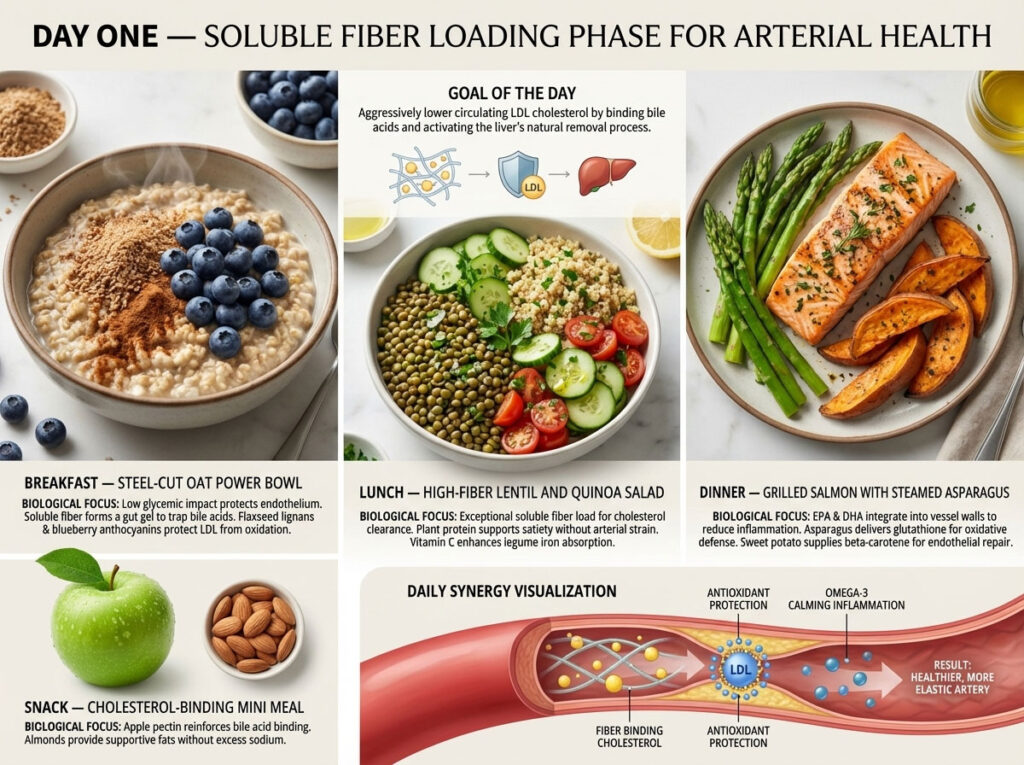
We begin by aggressively targeting LDL cholesterol clearance. Today’s menu is designed to bind bile acids and kickstart the liver’s clean-up process.
- Breakfast: Steel-Cut Oat Power Bowl.
Do not use instant oats. Steel-cut oats have a lower glycemic index. Simmer 1/2 cup of oats in water or unsweetened soy milk. Once cooked, stir in 1 tablespoon of ground flaxseeds (rich in lignans) and 1/2 teaspoon of cinnamon. Top with 1/2 cup of fresh blueberries. The anthocyanins in blueberries protect the cholesterol from oxidizing. - Lunch: High-Fiber Lentil and Quinoa Salad.
Combine cooked green lentils with quinoa. These are two of the best sources of soluble fiber for heart health. Toss with diced cucumber, cherry tomatoes, and fresh parsley. Dress with lemon juice and extra virgin olive oil. The Vitamin C in the lemon helps absorb the iron from the lentils. - Dinner: Grilled Salmon with Steamed Asparagus.
A 6oz portion of wild-caught salmon provides a massive dose of EPA and DHA. Season with dill and lemon, avoiding salt. Serve with a large portion of steamed asparagus. Asparagus contains glutathione, a master antioxidant. Add a side of roasted sweet potato for beta-carotene. - Snack: A Granny Smith apple with skin on (pectin source) and 10 raw almonds.
Day 2: The Nitric Oxide and Vasodilation Protocol
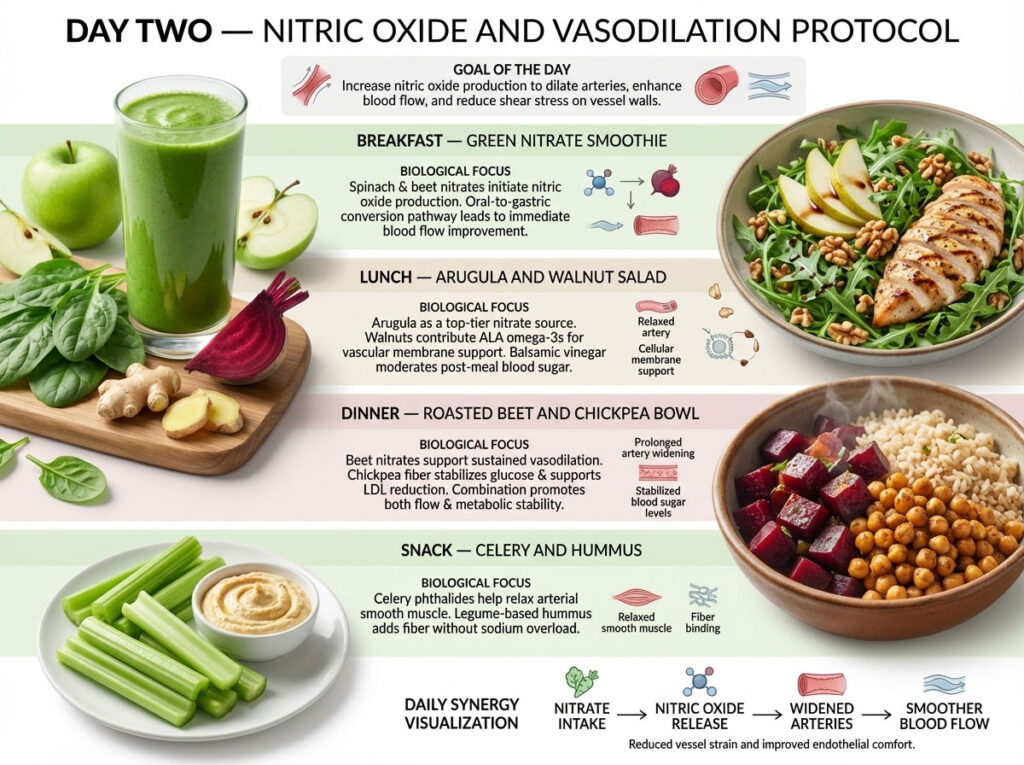
Today we focus on expanding the arteries to improve blood flow and reduce the shear stress on the vessel walls.
- Breakfast: The Green Nitrate Smoothie.
In a high-speed blender, combine 1 cup of tightly packed baby spinach, 1/2 a green apple, 1/4 of a raw beet (peeled), 1 inch of fresh ginger, and water. The beet and spinach combination triggers a surge in nitric oxide production. - Lunch: Arugula and Walnut Salad.
Arugula is one of the highest nitrate vegetables available. Use it as a base. Top with 1/4 cup of walnuts (for ALA Omega-3s), sliced pear, and grilled chicken breast. Dress with balsamic vinegar. The vinegar helps blunt any blood sugar spike. - Dinner: Roasted Beet and Chickpea Bowl.
Roast cubed beets and chickpeas with cumin and a touch of olive oil. Serve this over a bed of brown rice. The fiber in chickpeas combined with the nitrates in beets makes this a powerful meal for cardiovascular health diet goals. - Snack: Celery sticks dipped in hummus. Celery contains phthalides, which help relax the muscles around the arteries.
Day 3: The Plant-Based Anti-Inflammatory Reset
By eliminating animal proteins for one day, we reduce the intake of saturated fat and heme iron, giving the body a break from oxidative stressors.
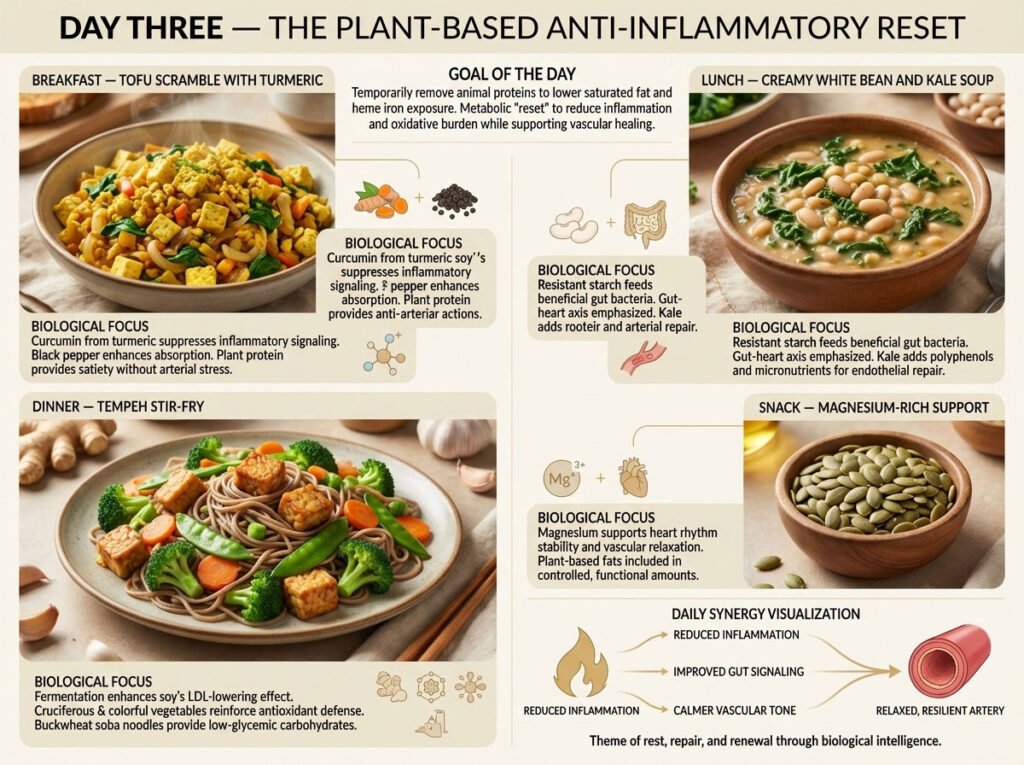
- Breakfast: Tofu Scramble with Turmeric.
Crumble firm tofu and sauté with onions, bell peppers, and spinach. Season generously with turmeric and black pepper. Curcumin, the active compound in turmeric, is a potent anti-inflammatory, but it needs black pepper for absorption. - Lunch: Creamy White Bean and Kale Soup.
Simmer Cannellini beans with vegetable broth, garlic, rosemary, and chopped kale. Blend half the soup to make it creamy without adding dairy. The beans provide resistant starch, which feeds healthy gut bacteria linked to lower heart disease risk. - Dinner: Tempeh Stir-Fry.
Tempeh is fermented soy, which reduces LDL cholesterol. Stir-fry cubed tempeh with broccoli, snow peas, and carrots using ginger and garlic. Serve over buckwheat soba noodles. - Snack: A small handful of pumpkin seeds. These are high in magnesium, which is crucial for heart rhythm stability.
Day 4: The Mediterranean Healthy Fat Integration
Today we reintroduce healthy fats to support cell membrane integrity and further lower inflammation.
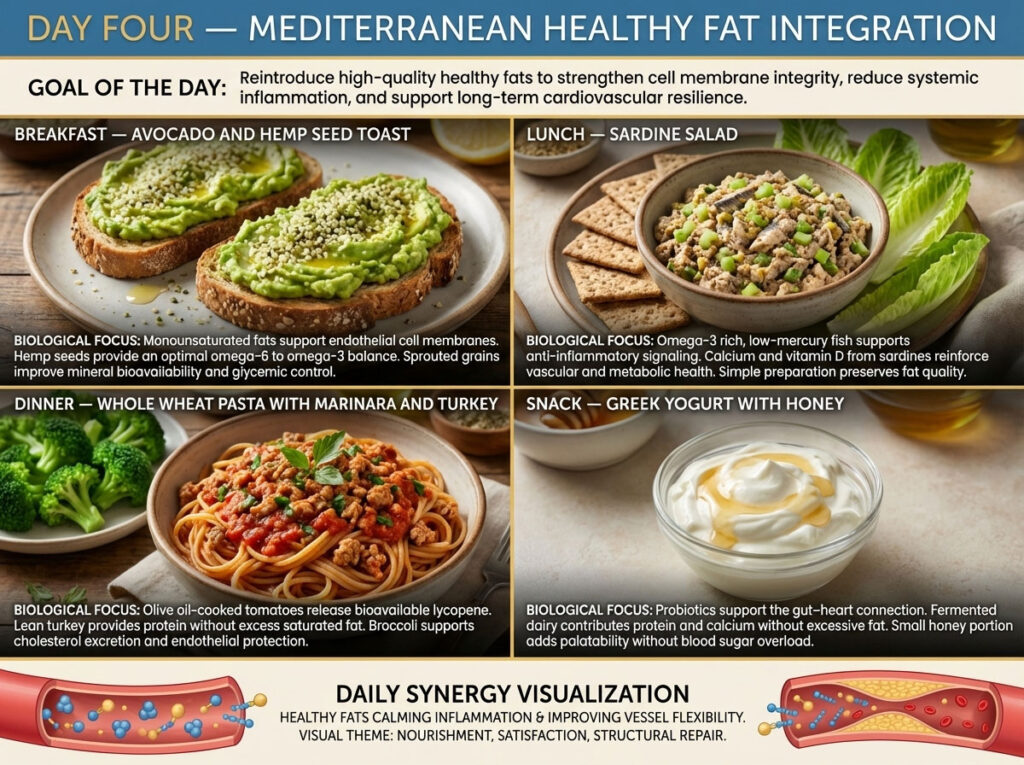
- Breakfast: Avocado and Hemp Seed Toast.
Toast two slices of sprouted grain bread (like Ezekiel bread). Top with half a smashed avocado. Sprinkle with 1 tablespoon of hemp seeds. Hemp seeds offer a perfect ratio of Omega-6 to Omega-3 fats. Add a squeeze of lemon. - Lunch: Sardine Salad (The Unsung Hero).
Sardines are arguably the healthiest fish for the heart as they are low in mercury and high in Omega-3s. Mash boneless, skinless sardines with mustard and diced celery. Serve on whole-grain crackers or inside lettuce boats. - Dinner: Whole Wheat Pasta with Marinara and Turkey.
Use a whole wheat or legume-based pasta. Top with a homemade marinara sauce (tomatoes cooked in olive oil release lycopene). Add lean ground turkey breast. Serve with a side of steamed broccoli to block cholesterol absorption. - Snack: Greek yogurt with a drizzle of honey. The probiotics support the gut-heart axis.
Day 5: The DASH Diet Sodium Flush
We focus on high-potassium foods to help the kidneys excrete excess sodium and lower blood pressure.
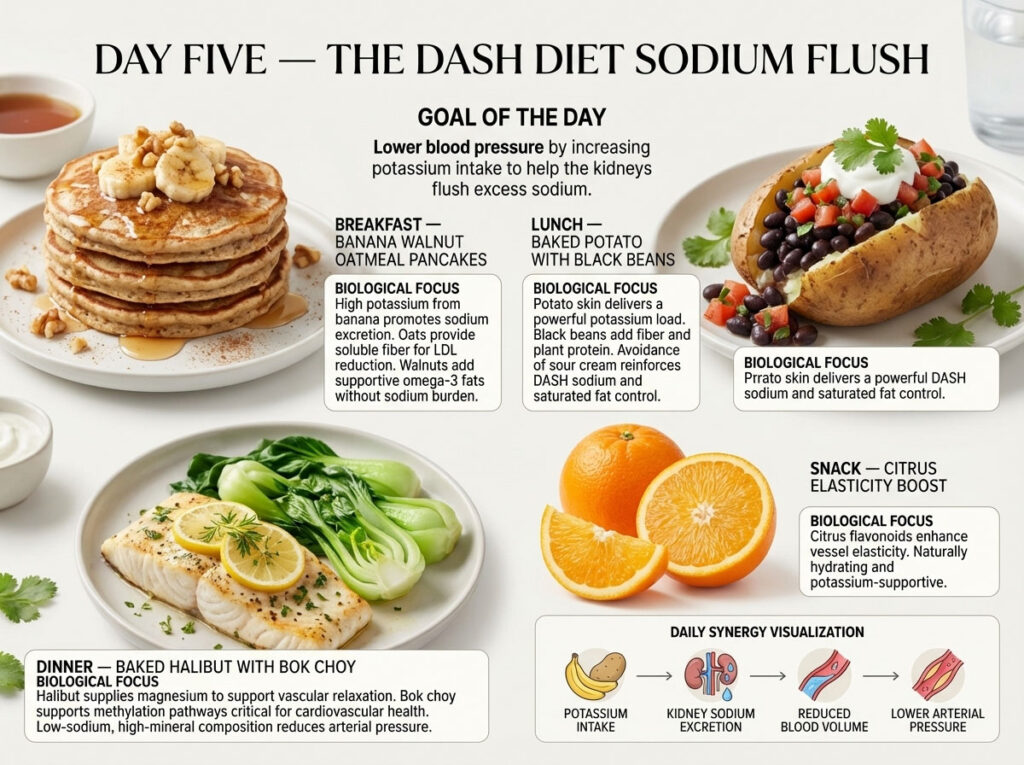
- Breakfast: Banana Walnut Oatmeal Pancakes.
Mash a ripe banana (high potassium) with oats and egg whites. Cook on a griddle with minimal oil. Top with crushed walnuts. - Lunch: Baked Potato Stuffed with Black Beans.
A baked potato with the skin is one of the highest sources of potassium. Stuff it with seasoned black beans and salsa. Skip the sour cream and use Greek yogurt or avocado instead. - Dinner: Baked Halibut with Bok Choy.
Halibut is a lean white fish rich in magnesium. Bake it with lemon and herbs. Serve with sautéed bok choy. Bok choy is a cruciferous vegetable that supports methylation, a biochemical process vital for heart health. - Snack: An orange. Citrus flavonoids improve vessel elasticity.
Day 6: The Antioxidant Defense Day
Oxidative stress is the enemy. Today we flood the system with colors to neutralize free radicals.
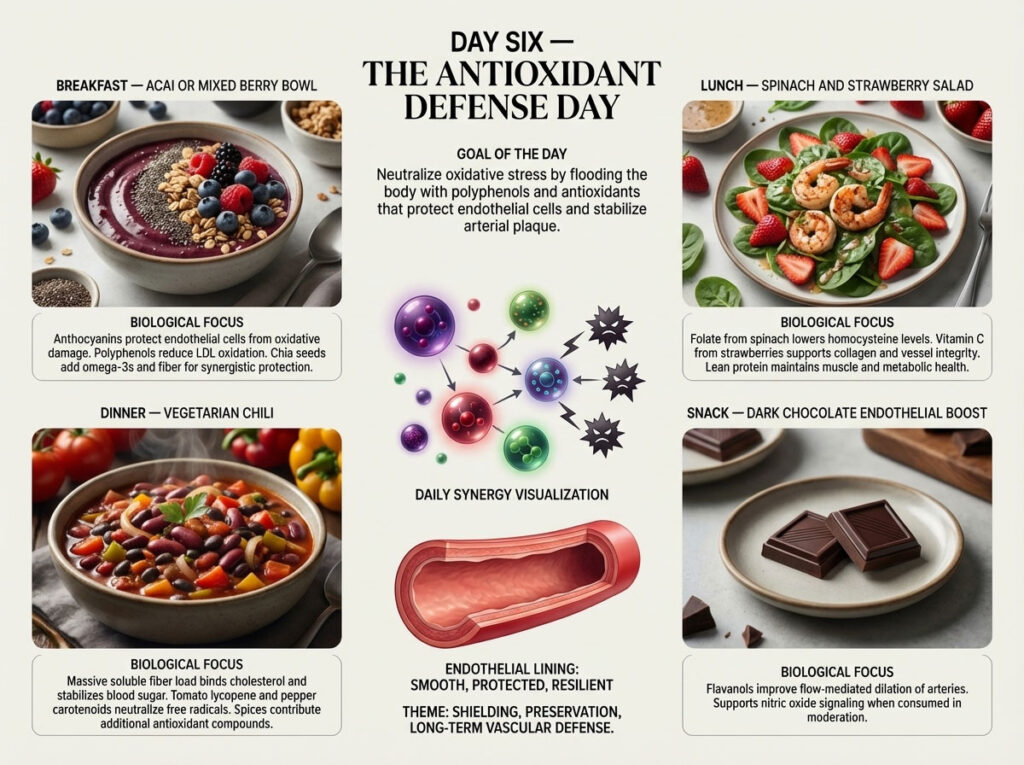
- Breakfast: Acai or Berry Bowl.
Blend unsweetened acai or frozen mixed berries with a splash of almond milk. Top with chia seeds and granola. The dark pigments in these fruits are powerful antioxidants that protect endothelial cells. - Lunch: Spinach and Strawberry Salad.
Spinach provides folate, which lowers homocysteine (an amino acid linked to heart disease). Strawberries provide Vitamin C. Top with grilled shrimp for lean protein. - Dinner: Vegetarian Chili.
Make a large pot of chili using kidney beans, black beans, tomatoes, onions, and bell peppers. Spices like chili powder and cumin also have antioxidant properties. The soluble fiber here is massive. - Snack: Two squares of 85% dark chocolate. Dark chocolate improves flow-mediated dilation of arteries.
Day 7: Sustainable Habits and Maintenance
This day is about balance and preparing for the long haul.
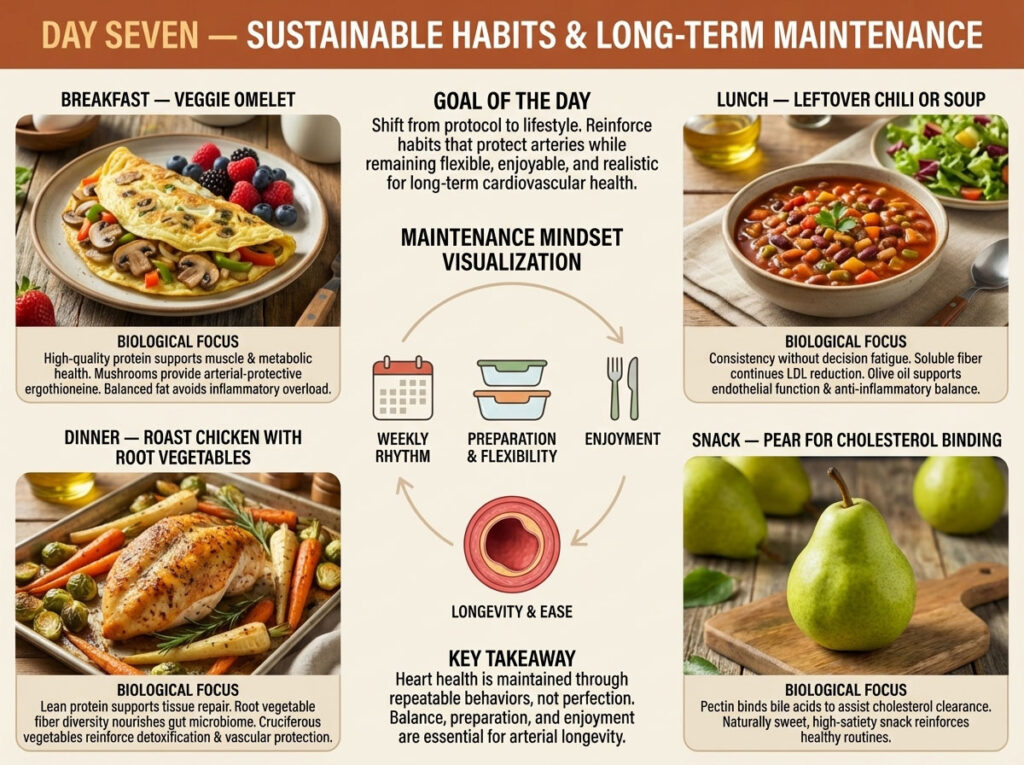
- Breakfast: Veggie Omelet.
Use one whole egg and two egg whites. Fill with mushrooms, onions, and peppers. Mushrooms contain ergothioneine, an antioxidant that protects arterial health. - Lunch: Leftover Chili or Soup.
Utilizing leftovers makes the plan sustainable. Serve with a side salad dressed in olive oil. - Dinner: Roast Chicken with Root Vegetables.
Roast a skinless chicken breast with carrots, parsnips, and Brussels sprouts. The variety of fibers in root vegetables supports the microbiome. - Snack: A pear. Pears are excellent for binding bile acids.
Top Foods That Clean Arteries and Reduce Oxidative Stress
While the meal plan covers the macro structure, certain foods act almost medicinally. These “hero ingredients” should be staples in your kitchen. They have specific biological mechanisms that actively work to unclog arteries naturally and improve cardiovascular health.
We have categorized these foods based on their active compounds and their specific benefit to the arterial system.
Hero Ingredients for Vascular Health
| Food Item | Active Compound | Specific Benefit to Arteries |
| Pomegranate | Punicalagins | Potently reduces oxidative stress; shown to reduce plaque thickness in carotid arteries |
| Garlic | Allicin | Relaxes blood vessels to lower pressure; prevents calcification of soft plaque |
| Oats | Beta-glucan | Forms a gel in the gut to bind cholesterol and remove it from the body |
| Turmeric | Curcumin | Reduces vascular inflammation; prevents platelets from clumping together |
| Fatty Fish | EPA & DHA | Stabilizes heart rhythm; lowers triglycerides; resolves inflammation in vessel walls |
| Walnuts | Alpha-Linolenic Acid | Improves endothelial elasticity allowing vessels to dilate more easily |
| Spinach | Inorganic Nitrates | Converts to nitric oxide upon ingestion to immediately widen arteries |
| Green Tea | EGCG | Prevents the oxidation of LDL cholesterol molecules within the artery wall |
Practical Strategies to Maintain a Cardiovascular Health Diet Long-Term
The challenge with any diet to unclog arteries is not the first week; it is the first year. Motivation fades, but habits remain. To ensure success, you must build systems that make heart healthy meal plan adherence the path of least resistance.
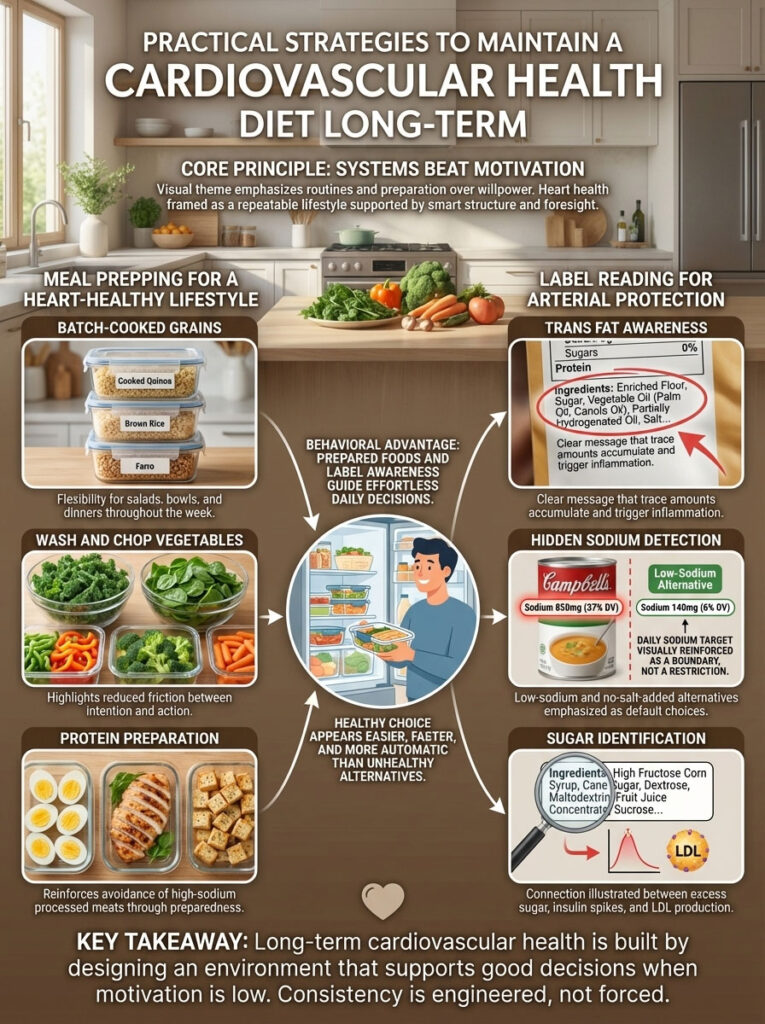
Meal Prepping Techniques for a Heart Healthy Lifestyle
Preparation is your defense against poor choices.
- Batch Cook Grains: On Sunday, cook a large batch of quinoa, brown rice, or farro. These grains keep well in the fridge for 4-5 days and can be added to salads or used as a dinner base.
- Wash and Chop: A vegetable that is washed and chopped is a vegetable that gets eaten. If you have to wash kale at 6:00 PM when you are tired, you might skip it. If it is already ready, you will use it.
- Protein Prep: Boil a dozen eggs, grill several chicken breasts, or bake tofu cubes. Having ready-to-eat protein prevents you from reaching for processed deli meats which are high in sodium and nitrates.
How to Read Labels to Avoid Trans Fats and Hidden Sodium
The food industry is adept at hiding ingredients that damage your heart. You must become a vigilant label reader.
- The Trans Fat Trap: A label can say “0g Trans Fat” if it has less than 0.5g per serving. If you eat four servings, you are consuming 2g of trans fat, which is enough to trigger significant inflammation. Always read the ingredient list. If you see “partially hydrogenated oil,” put the product back. It is toxic to your arteries.
- The Sodium Game: Bread, sauces, and canned soups are sodium bombs. Look for “Low Sodium” or “No Salt Added” versions. Your goal is to keep sodium under 2,000mg per day.
- Sugar Synonyms: High fructose corn syrup, cane sugar, dextrose, and maltose are all sugars. Excess sugar spikes insulin, which in turn causes the liver to produce more bad cholesterol.
Clinical Evidence and Case Studies on Reversing Heart Disease with Food
Skeptics often ask if food is powerful enough to make a difference. The clinical data is robust and compelling.
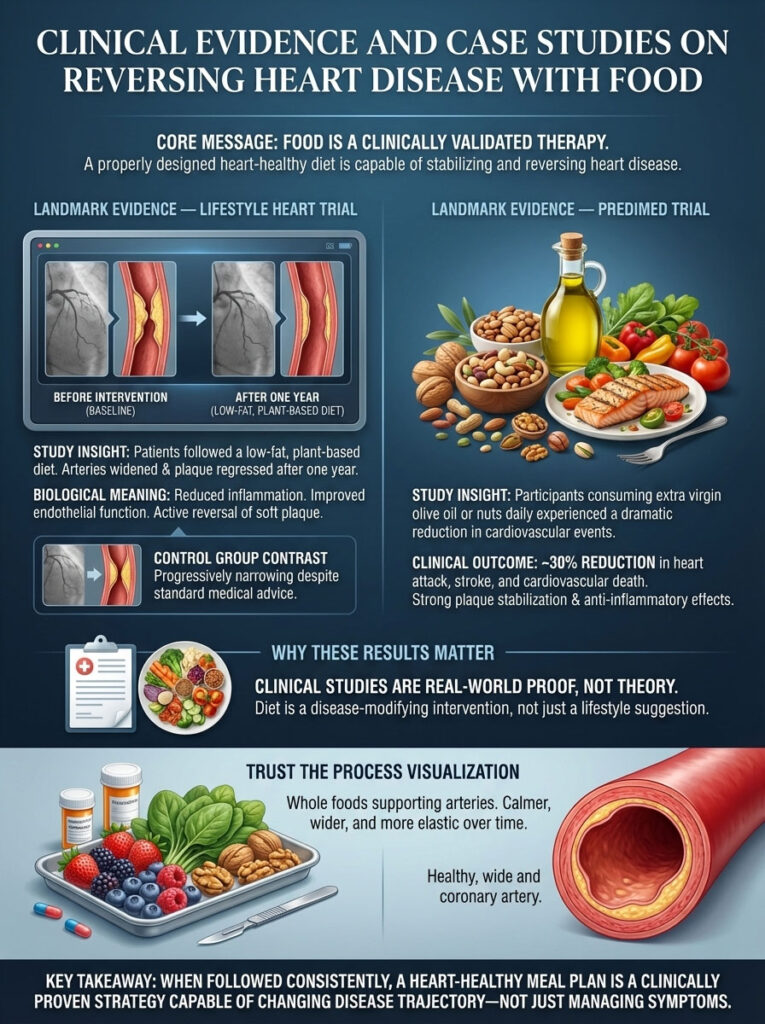
The Lifestyle Heart Trial (Dr. Dean Ornish)
This is perhaps the most famous study regarding the potential to unclog arteries naturally. Patients with moderate to severe heart disease were placed on a low-fat, plant-based diet, exercised moderately, and practiced stress management. After one year, angiography (imaging of the arteries) showed that the diameter of their arteries had actually widened. The plaque had regressed. The control group, following standard medical advice, saw their arteries get worse.
The PREDIMED Study
This large-scale trial in Spain focused on the Mediterranean diet benefits. Thousands of participants were given extra virgin olive oil or nuts daily. The study had to be stopped early because the results were so positive it was deemed unethical not to offer the diet to the control group. The diet reduced the risk of major cardiovascular events (stroke, heart attack, death) by approximately 30%.
These instances provide the proof points necessary to trust the process. When you follow a heart healthy meal plan, you are utilizing a clinically proven modality for disease management.
Frequently Asked Questions
What is the fastest way to unclog arteries naturally?
While “fast” is relative in biology, the most rapid improvements are seen with a strict whole-food, plant-based diet low in oil and refined sugar, combined with daily aerobic exercise. Studies show angina symptoms can improve within weeks, though physical plaque regression takes months or years.
Can apple cider vinegar clear blocked arteries?
There is no direct evidence that apple cider vinegar dissolves plaque. However, consuming it before meals can improve insulin sensitivity and blunt blood sugar spikes. Since high blood sugar damages arteries, it is a helpful tool, but not a cure-all.
How do I know if my arteries are clearing?
You cannot feel plaque shrinking, but you can track proxy markers. Improvements in erectile dysfunction (in men), increased exercise stamina without breathlessness, and lower blood pressure are physical signs. Blood tests showing lower LDL and CRP (inflammation) confirm the biochemistry is working.
Are eggs safe for a heart blockage diet?
This is a nuanced topic. Egg whites are perfectly safe. Egg yolks contain high cholesterol. While dietary cholesterol affects blood cholesterol less than saturated fat does, those with established heart disease should exercise caution. Limiting yolks to 2-3 per week is a prudent strategy for high-risk individuals.
What vitamins help clean arteries?
Vitamin K2 is essential as it helps direct calcium into the bones and teeth, preventing it from depositing in the arteries. Vitamin B3 (Niacin) can boost HDL, and Vitamin C supports the endothelial lining. Supplements should never replace a diet to unclog arteries.
Is fasting good for clogged arteries?
Intermittent fasting (e.g., eating only within an 8-hour window) can reduce insulin resistance and oxidative stress. It also triggers autophagy, a cellular cleanup process that may help repair damaged endothelial cells.
Can stress cause clogged arteries even if I eat healthy?
Absolutely. Chronic stress floods the body with cortisol and adrenaline. These hormones constrict blood vessels and can cause micro-tears in the endothelium, creating the perfect spot for plaque to form. Stress management is as important as diet.
What is the best drink for heart health?
Water is paramount for blood viscosity. Beyond water, green tea and hibiscus tea are superior choices. Hibiscus tea has been shown in studies to lower blood pressure as effectively as some medications due to its anthocyanin content.
Do I need to stop eating meat completely?
You do not have to be vegan, but a cardiovascular health diet is predominantly plant-based. Red meat and processed meats (bacon, sausage) are strongly linked to heart disease. Treat high-quality meat as a condiment or side dish rather than the main event.
How does sugar affect arterial plaque?
Excess sugar attaches to proteins in your blood, creating “sticky” molecules called Advanced Glycation End-products (AGEs). These AGEs damage the vessel walls and make them more prone to plaque accumulation.
Is butter or margarine better for my heart?
Margarine containing trans fats is the worst possible option. Butter is high in saturated fat which raises LDL. The best choice is neither. Use extra virgin olive oil, avocado oil, or nut butters. If you need a spread, look for plant sterol-fortified spreads.
Can exercise alone unclog arteries?
Exercise is crucial for building collateral circulation (natural bypasses) and making vessels more flexible, but you cannot out-exercise a bad diet. If you run 5 miles but eat fried food, you are still damaging the endothelium. The combination of diet and movement is non-negotiable.
Conclusion & Key Takeaways
Reclaiming your cardiovascular health is a marathon, not a sprint. The damage to your arteries likely occurred over decades; it will take time to heal. However, the body’s capacity for repair is profound. By adopting this 7-day heart healthy meal plan, you are not just eating food; you are administering daily medicine to your vascular system.
Summary & Action Plan:
- Commit to the Power Three: Ensure every meal contains soluble fiber, omega-3s, or nitric oxide boosters.
- Eliminate the Irritants: Remove trans fats, excess sodium, and refined sugars that constantly injure the endothelium.
- Monitor and Adjust: Use blood work (Lipid Panel, CRP, HbA1c) to track your progress and adjust your diet to unclog arteries as needed.
Your health is in your hands. Start with your next meal.
Disclaimer: This article is for informational purposes only and does not constitute medical advice. Heart disease is a serious, life-threatening condition. Always consult with a cardiologist or qualified healthcare provider before making significant dietary changes, starting a new exercise regimen, or altering medication.
References:
- Estruch R, et al. Primary Prevention of Cardiovascular Disease with a Mediterranean Diet. New England Journal of Medicine.
- Ornish D, et al. Intensive Lifestyle Changes for Reversal of Coronary Heart Disease. JAMA.
- Appel LJ, et al. A Clinical Trial of the Effects of Dietary Patterns on Blood Pressure (DASH). New England Journal of Medicine.
- Esselstyn CB Jr. Resolving the Coronary Artery Disease Epidemic through Plant-Based Nutrition. Preventive Cardiology.