The statistics surrounding women’s metabolic health in the United States are startling. Despite an abundance of food, the vast majority of women are nutritionally starved of one specific macronutrient. Data indicates that nearly 95% of American women fail to meet the recommended daily intake of 25 grams of fiber. This deficiency is not merely a matter of digestion or irregularity. It is a fundamental gap in metabolic health that contributes to weight gain, hormonal instability, and the increasing prevalence of diverticular disease.
Table of Contents
When we discuss the best fiber supplement for women, we are looking beyond simple bowel regularity. We are identifying a potent biological tool. In an era dominated by pharmaceutical weight loss interventions, high-quality fiber remains the most effective natural method for controlling hunger hormones. By strategically utilizing soluble fiber, you can mimic the physiological effects of satiety drugs. You can slow gastric emptying, stabilize insulin spikes, and naturally stimulate the release of GLP-1.
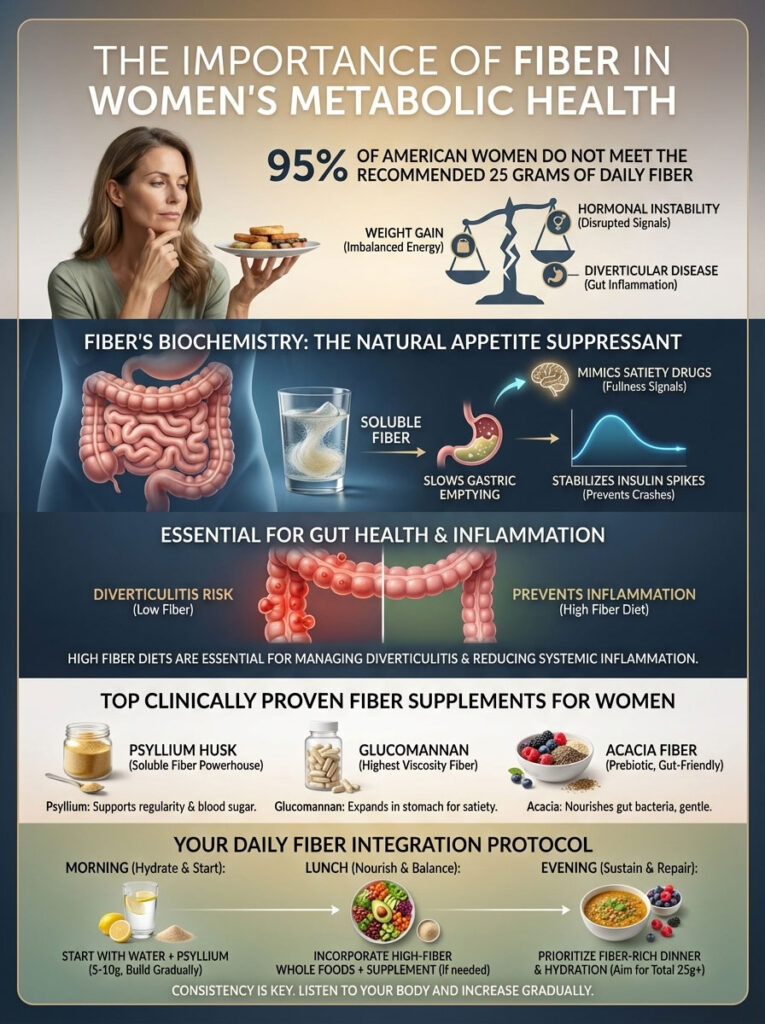
Furthermore, for the millions of women navigating the complexities of gut health, adhering to a diverticulitis high fiber diet is a clinical necessity. It is the primary defense against the recurrence of painful inflammation. This comprehensive guide serves as an expert roadmap. We will explore the biochemistry of satiety boosting supplements, analyze the top clinically proven fibers, and provide a precise protocol for integrating them into your life to reclaim your health.
The Metabolic Science Behind Satiety Boosting Supplements
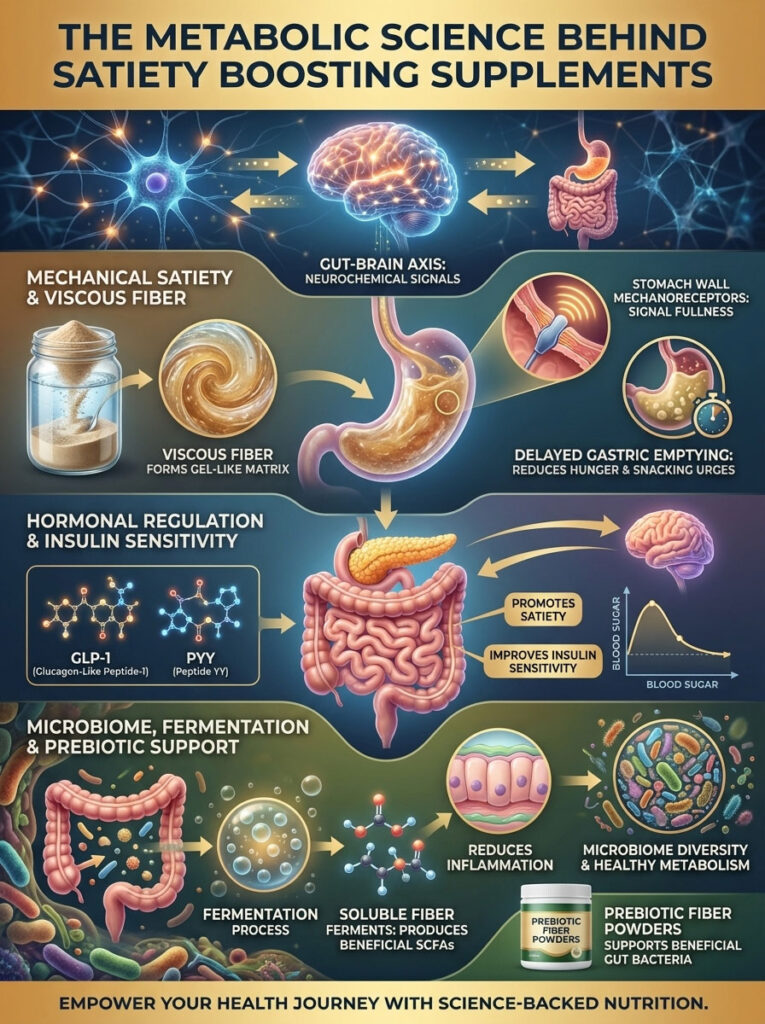
To understand why fiber is the best fiber for weight loss, we must deconstruct the gut-brain axis. Satiety is not a simple sensation of a full stomach. It is a complex neurochemical event involving the vagus nerve, the hypothalamus, and a cascade of hormones.
How Viscous Fiber Acts as a Natural Appetite Suppressant for Women
The most effective satiety boosting supplements rely on a physical property known as viscosity. When you ingest specific soluble fibers, they do not merely sit in the stomach. They hydrate. They mix with gastric fluids to form a thick, gel-like matrix. This is not passive bulk. This is a functional physiological tool.
This viscous gel performs two critical actions. First, it presses against the stomach walls, triggering mechanoreceptors. These stretch receptors send immediate signals to the brain that volume has been achieved, reducing the urge to continue eating. Second, this gel physically slows the rate at which food leaves the stomach and enters the small intestine. This delayed gastric emptying is the exact mechanism that pharmaceutical appetite suppressants attempt to replicate. By using a fiber supplement for women with high viscosity, you can extend the feeling of fullness between meals by several hours, effectively eliminating the urge to snack on empty calories.
The Role of Soluble Fiber for Weight Management and GLP-1 Production
The distinction between soluble fiber for weight management and insoluble fiber is profound. Insoluble fiber acts as a “broom” for the colon, which is essential for motility. However, soluble fiber is metabolic fuel.
When soluble fiber reaches the large intestine, it undergoes fermentation by the gut microbiome. This process produces Short-chain fatty acids (SCFAs), including butyrate, acetate, and propionate. These SCFAs are powerful chemical signaling agents. They directly stimulate the L-cells in the intestinal lining to secrete GLP-1 (Glucagon-like peptide-1) and PYY (Peptide YY).
GLP-1 is the hormone responsible for signaling deep satiety and improving insulin sensitivity. By increasing your intake of fermentable fiber, you are naturally boosting your body’s own production of this weight-regulating hormone. This confirms that selecting the right natural appetite suppressants for women is not about deprivation but about feeding the gut the specific substrates it needs to regulate body weight autonomously.
Enhancing Microbiome Diversity with Prebiotic Fiber Powder
A lean metabolism relies on a diverse ecosystem of gut bacteria. Microbiome diversity is strongly correlated with lower body mass index (BMI) and reduced visceral fat. Using a prebiotic fiber powder such as acacia or partially hydrolyzed guar gum provides the specific food source for beneficial bacteria like Akkermansia muciniphila.
Research suggests that Akkermansia plays a key role in maintaining the gut barrier and preventing systemic inflammation. A low-fiber diet starves these beneficial microbes, allowing inflammatory pathogens to thrive. This state of dysbiosis is often a hidden driver of metabolic syndrome and stubborn weight gain.
Managing Diverticulitis with a High Fiber Diet Strategy
While weight management is a common goal, for many women, fiber is a matter of pain prevention. A diverticulitis high fiber diet is the gold standard for preventing the recurrence of diverticulitis, a condition that results in hospitalized inflammation of the colon.
The Biological Mechanism of Diverticular Disease and Prevention
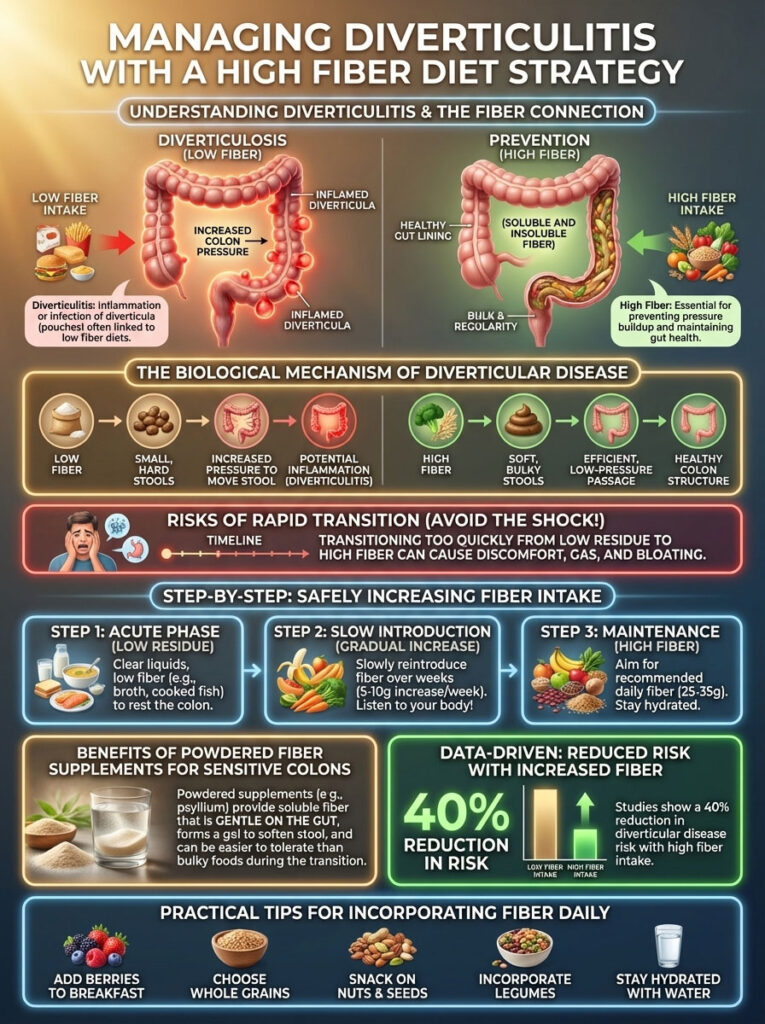
Diverticulosis involves the formation of small, bulging pouches (diverticula) in the lining of the digestive system. These pouches form primarily due to high intracolonic pressure caused by straining to move hard, low-volume stools. When these pouches become infected, the condition progresses to diverticulitis.
The clinical strategy for prevention focuses on reducing this pressure. By consistently adhering to a diverticulitis high fiber diet, you ensure that stool remains soft and bulky. This allows it to move through the colon with minimal resistance, preventing the pressure buildup that forces pouches to form or rupture. Data from the American Gastroenterological Association suggests that increasing dietary fiber can reduce the risk of diverticular disease progression by over 40%.
Navigating the Transition from Low Residue to High Fiber Intake
The transition is the most critical phase. Many women fail because they attempt to move from a “Low Residue Diet” (prescribed during a flare-up) directly to a high-roughage diet. This rapid shift can cause severe gas, distension, and pain.
A successful strategy involves a graded introduction.
- Phase 1 (Stabilization): Post-flare, the focus is on healing. Fiber is kept low.
- Phase 2 (Soluble Introduction): This is where a fiber supplement for women becomes essential. Supplements like Methylcellulose or Wheat Dextrin allow for the introduction of fiber without the abrasive “roughage” of skins, seeds, or nuts.
- Phase 3 (Maintenance): Gradual increase to the target of 25-35 grams daily, incorporating both supplements and whole foods.
Why Powdered Supplements Are Safer for Sensitive Colons
For a woman with a history of diverticulitis, consuming 30 grams of fiber exclusively from food can be daunting. Raw vegetables and coarse grains can be physically irritating to a sensitive bowel.
A powdered fiber supplement for women offers a controlled variable. It provides the necessary water-holding capacity to soften stool without the risk of physical irritation. This allows you to build topical authority over your own digestion, managing the exact dosage to ensure regularity without triggering symptoms.
Comprehensive Review of the Best Fiber Supplements for Women
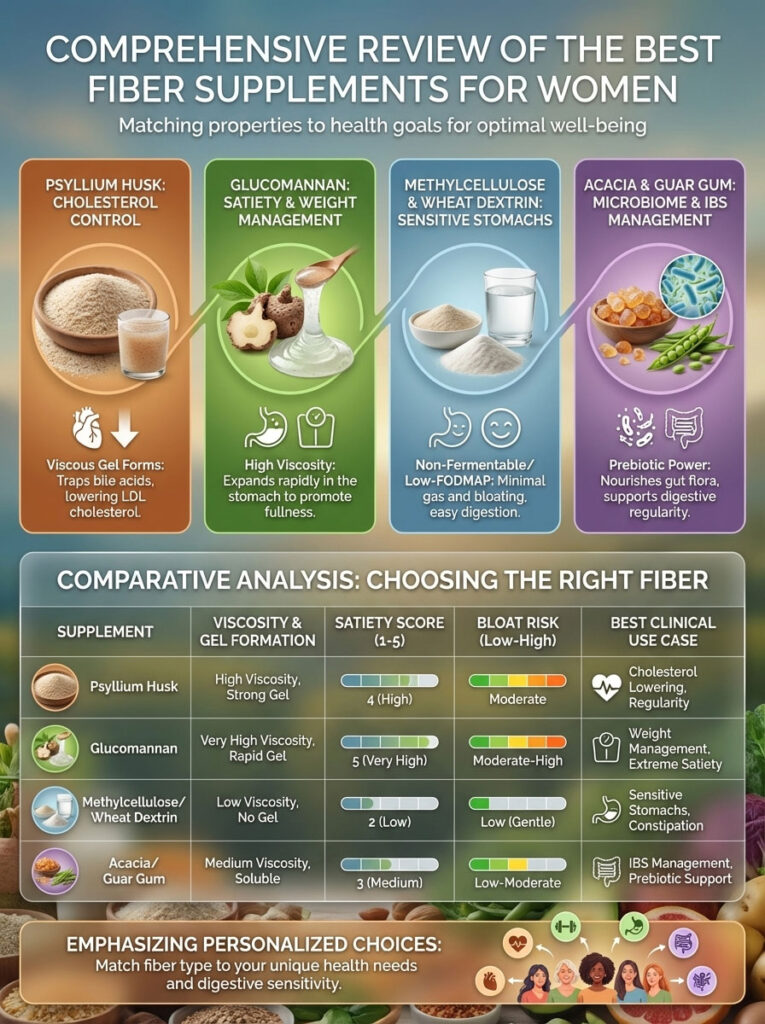
Not all fiber is identical. To select the best fiber supplement for women, you must align the fiber’s physicochemical properties with your health goals. Whether you seek satiety boosting supplements or gentle support for a sensitive gut, the choice matters.
Psyllium Husk Benefits for Women and Cholesterol Control
Psyllium husk benefits for women are supported by decades of clinical research. Derived from the seeds of Plantago ovata, psyllium is a soluble, gel-forming fiber.
- Mechanism of Action: Psyllium absorbs water to form a viscous gel that traps bile acids and sugars.
- Primary Benefit: It is the top choice for satiety boosting supplements due to its high viscosity. It physically occupies space in the stomach.
- Clinical Application: Ideal for women dealing with high cholesterol or metabolic syndrome.
- User Experience: It has a distinct texture that thickens quickly. It must be drunk immediately after mixing.
Glucomannan for Satiety and Aggressive Weight Loss
Glucomannan is extracted from the konjac root and boasts the highest water-holding capacity of any natural fiber. It can absorb up to 50 times its weight in water.
- Mechanism of Action: Extreme expansion in the stomach.
- Primary Benefit: Glucomannan for satiety is unrivaled. Even small doses create a significant sensation of fullness.
- Clinical Application: Often used in caloric restriction protocols to prevent hunger pangs.
- User Experience: It is usually sold in capsules because the powder expands too rapidly to drink comfortably. Hydration is critical to prevent esophageal blockage.
Methylcellulose vs Wheat Dextrin for Sensitive Stomachs
When the goal is avoiding gas, the debate often settles on Methylcellulose vs Wheat Dextrin.
- Methylcellulose (Citrucel): This is a non-fermentable fiber. Because gut bacteria cannot break it down, it produces zero gas. It acts strictly as a bulking agent. It is the safest starting point for a diverticulitis high fiber diet.
- Wheat Dextrin (Benefiber): This is a fully soluble, fermentable fiber. It dissolves completely in water without thickening. It is excellent for “hiding” fiber in food but does not provide the same satiety benefits as viscous fibers. It is a potent prebiotic fiber powder that feeds gut bacteria with a lower risk of bloating compared to inulin.
Acacia and Guar Gum for Microbiome Diversity and IBS
Partially Hydrolyzed Guar Gum (PHGG) and Acacia fiber are gentle prebiotics.
- Mechanism of Action: These fibers ferment slowly in the gut, providing a steady supply of fuel for bacteria without the rapid gas production of other fibers.
- Primary Benefit: Improving microbiome diversity and regulating bowel transit time. They are effective for both constipation and diarrhea.
- Clinical Application: The preferred choice for women with IBS or SIBO (Small Intestinal Bacterial Overgrowth) who need to tolerate fiber.
Comparative Analysis of Top Fiber Supplements
| Supplement Type | Viscosity & Gel Formation | Satiety Score (1-10) | Bloat Risk | Best Clinical Use Case |
| Psyllium Husk | High / Thick Gel | 9/10 | Moderate | Maximum appetite suppression and cholesterol management. |
| Glucomannan | Extreme / Solid Gel | 10/10 | Moderate | Aggressive weight loss and calorie restriction support. |
| Methylcellulose | None / Bulking Only | 4/10 | Very Low | Sensitive stomachs and initial diverticulitis high fiber diet. |
| Wheat Dextrin | None / Dissolves | 3/10 | Low | Improving microbiome diversity without texture changes. |
| Acacia/Guar Gum | Low / Gentle | 6/10 | Low | IBS-C management and steady blood sugar control. |
Optimizing Dosage and Timing for Maximum Satiety
Possessing the best fiber supplement for women is only the first step. The efficacy of the fiber depends entirely on how and when it is consumed.
The 30-Minute Pre-Meal Protocol for Appetite Suppression
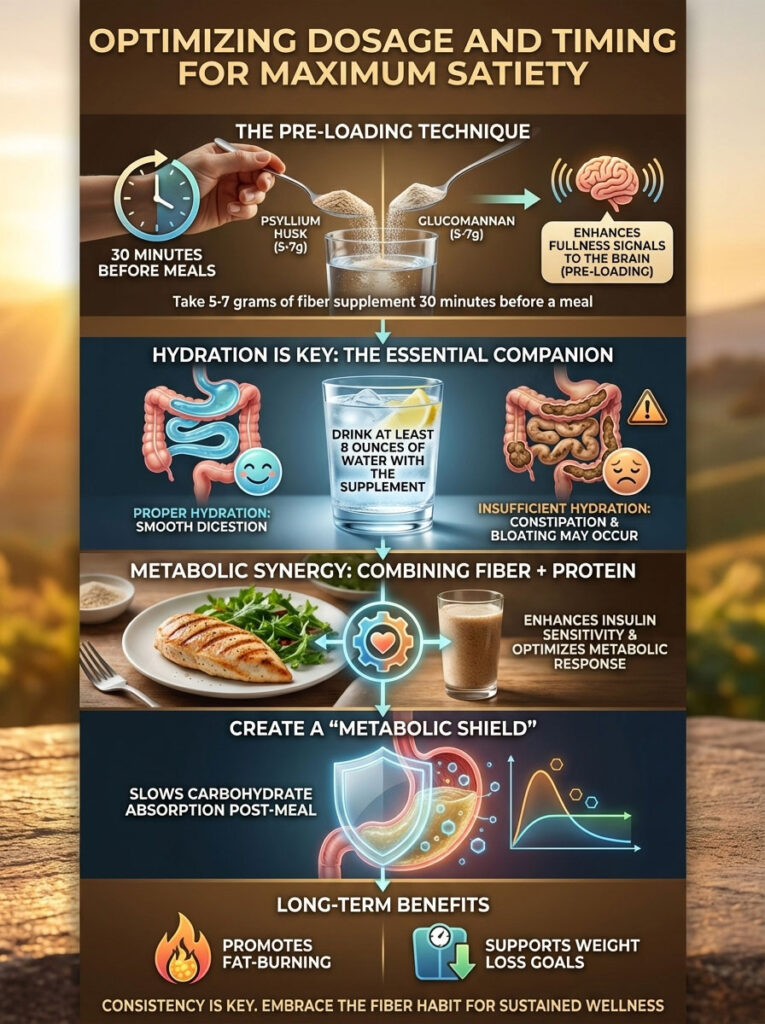
Timing is the variable that unlocks the weight loss potential of fiber. Taking a supplement after a meal minimizes its impact on satiety. The gold standard protocol for best fiber for weight loss is the 30-minute rule.
You should consume 5 to 7 grams of psyllium husk or glucomannan exactly 30 minutes before your largest meal. This duration allows the fiber to travel to the stomach, hydrate fully, and expand. By the time you begin eating, the mechanoreceptors in your stomach are already signaling fullness to the brain. This “pre-loading” technique is proven to reduce caloric intake at the subsequent meal significantly.
Hydration Rules for Preventing Constipation and Bloating
Fiber acts as a sponge. If a sponge is pushed through a dry pipe, it creates a blockage. If it is pushed through a wet pipe, it cleans.
When increasing your intake of a fiber supplement for women, you must adhere to strict hydration guidelines. The rule of thumb is at least 8 ounces of water with the supplement, followed by consistent hydration throughout the day. Failing to drink enough water can lead to severe constipation, which counteracts the goals of the diverticulitis high fiber diet.
Combining Fiber with Protein for Metabolic Synergy
To maximize insulin sensitivity, combine your pre-meal fiber habit with a high-protein diet. Protein is another potent stimulator of GLP-1. By stacking a viscous fiber supplement with a protein-rich meal, you create a “metabolic shield.” This combination slows the absorption of carbohydrates, blunting the insulin spike that typically follows a meal. This keeps the body in a fat-burning state for a longer duration.
Tailoring Fiber Intake for Hormonal Health and Life Stages
A woman’s physiological needs change over time. The best fiber supplement for women changes depending on whether she is navigating pregnancy, postpartum recovery, or menopause.
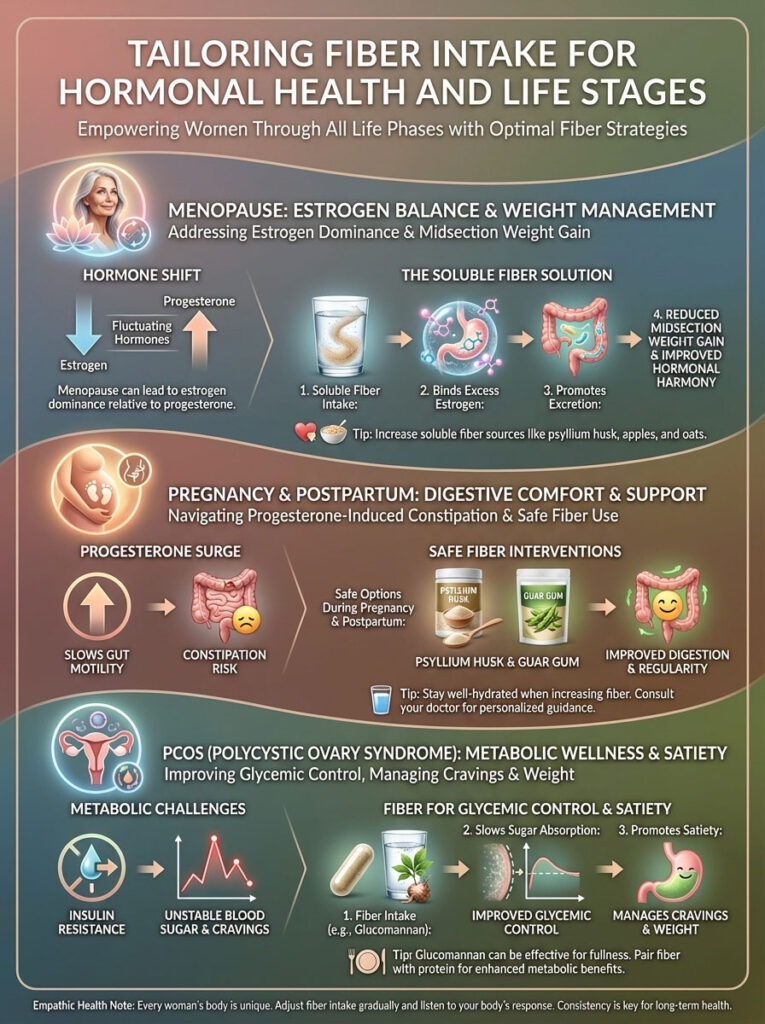
Fiber Supplements for Menopause and Estrogen Dominance
During perimenopause and menopause, hormonal fluctuations can lead to a condition known as estrogen dominance, where the ratio of estrogen to progesterone is unbalanced. This is often associated with weight gain around the midsection.
Soluble fiber plays a critical role in estrogen metabolism. It binds to excess estrogen in the digestive tract, ensuring it is excreted in the stool rather than reabsorbed into the bloodstream. Furthermore, soluble fiber for weight management specifically targets visceral adipose tissue. Studies have shown that increased soluble fiber intake correlates with reduced belly fat accumulation, making it a vital tool for managing the “menopause middle.”
Managing Pregnancy Constipation Safely with Fiber
Rising progesterone levels during pregnancy cause smooth muscle relaxation, which slows down bowel motility and leads to chronic constipation.
A gentle fiber supplement for women is often safer than stimulant laxatives. Psyllium husk and guar gum are generally considered safe (Category B) and effective for maintaining regularity. They help prevent hemorrhoids and pelvic floor strain. However, pregnant women should always consult their obstetrician before starting any new supplement and must be vigilant about hydration.
Fiber Strategies for PCOS and Insulin Resistance
Polycystic Ovary Syndrome (PCOS) is fundamentally a metabolic disorder characterized by insulin resistance. For women with PCOS, psyllium husk benefits for women are two-fold. First, the fiber improves glycemic control by slowing sugar absorption. Second, it aids in satiety, helping to manage the intense carbohydrate cravings often associated with insulin resistance. Using glucomannan for satiety can also be an effective strategy for women with PCOS trying to manage their weight.
Real-World Integration and Meal Planning
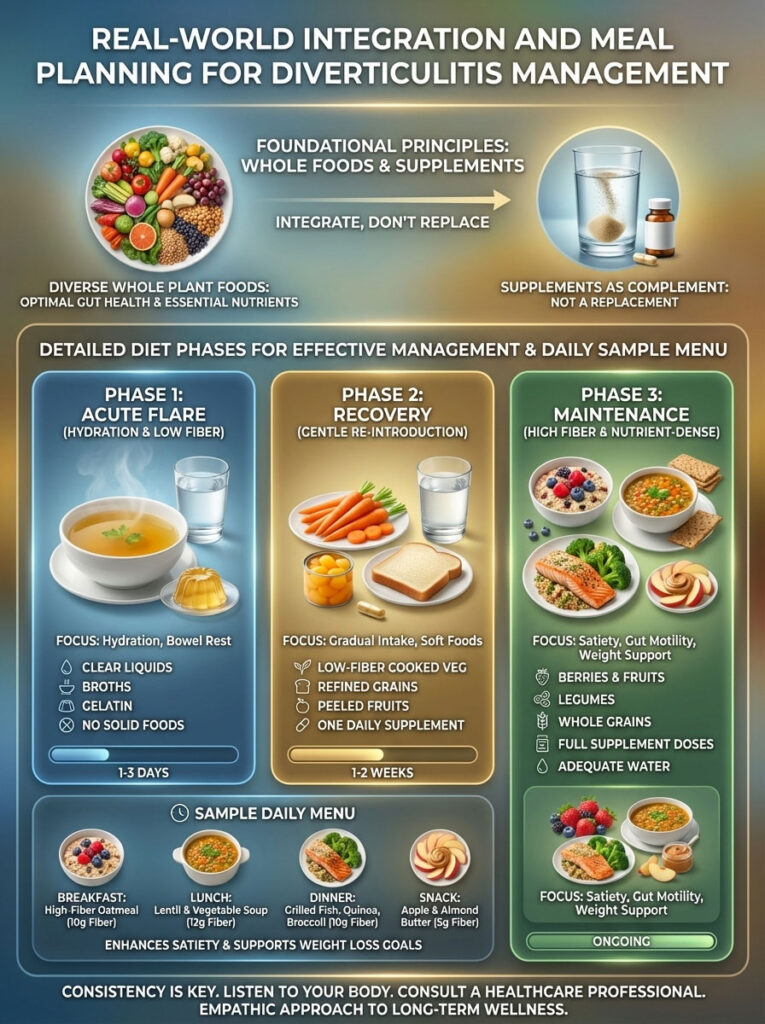
Supplements are intended to supplement, not replace. The foundation of a diverticulitis high fiber diet must be a diverse intake of whole plant foods.
High Fiber Foods to Pair with Supplements
Your supplement might provide 10 to 15 grams of your daily fiber, but the remaining 15 grams should come from nutrient-dense foods.
- Berries: Raspberries and blackberries are among the highest fiber fruits, offering potent antioxidants alongside roughage.
- Legumes: Lentils, chickpeas, and black beans act as whole-food satiety boosting supplements.
- Seeds: Chia seeds and flaxseeds provide omega-3 fatty acids and gel-forming fibers that complement psyllium.
- Cruciferous Vegetables: Broccoli and Brussels sprouts are excellent, though they should be cooked well for those on a sensitive diverticulitis high fiber diet.
Sample Daily Menu for Diverticulitis Prevention and Weight Loss
This protocol mimics a high-satiety day designed to keep insulin low and gut health high.
- Upon Waking (7:00 AM): 1 tsp Psyllium Husk mixed in 12oz water. Drink immediately. Follow with black coffee.
- Breakfast (8:00 AM): Oatmeal cooked with chia seeds and topped with raspberries. (High soluble fiber).
- Lunch (12:30 PM): Large salad with grilled chicken, half an avocado, and kidney beans. (Protein + Fiber combination).
- Afternoon Snack (3:30 PM): 1 dose Wheat Dextrin or Glucomannan in a glass of water to curb the afternoon energy crash.
- Dinner (6:30 PM): Lean beef or tofu stir-fry with zucchini, carrots, and brown rice.
- Evening: Peppermint tea.
Detailed Diet Phases for Diverticulitis Management
| Phase | Goal | Fiber Target | Recommended Foods | Supplement Strategy |
| 1. Acute Flare | Bowel Rest | < 10g / day | White rice, bone broth, eggs, cooked poultry. | Stop all fiber supplements. Focus strictly on hydration and antibiotics if prescribed. |
| 2. Recovery | Gentle Re-introduction | 10-15g / day | Cooked carrots, bananas, white toast, melon. | Introduce Methylcellulose (1 dose daily). It provides bulk without gas. |
| 3. Maintenance | Prevention & Wt. Loss | 25-35g / day | Beans, whole grains, berries, nuts, broccoli. | Psyllium Husk or Glucomannan (full dose) for maximum satiety and prevention. |
| 4. Optimization | Microbiome Bloom | 35g+ / day | Fermented foods, artichokes, garlic, onion. | Add prebiotic fiber powder (Acacia) to feed beneficial gut bacteria. |
Summary & Key Takeaways
The path to metabolic resilience and digestive health is paved with fiber. We are currently facing a nutritional crisis where the “fiber gap” is undermining the health of millions of women, leading to unnecessary weight gain and preventable digestive diseases.
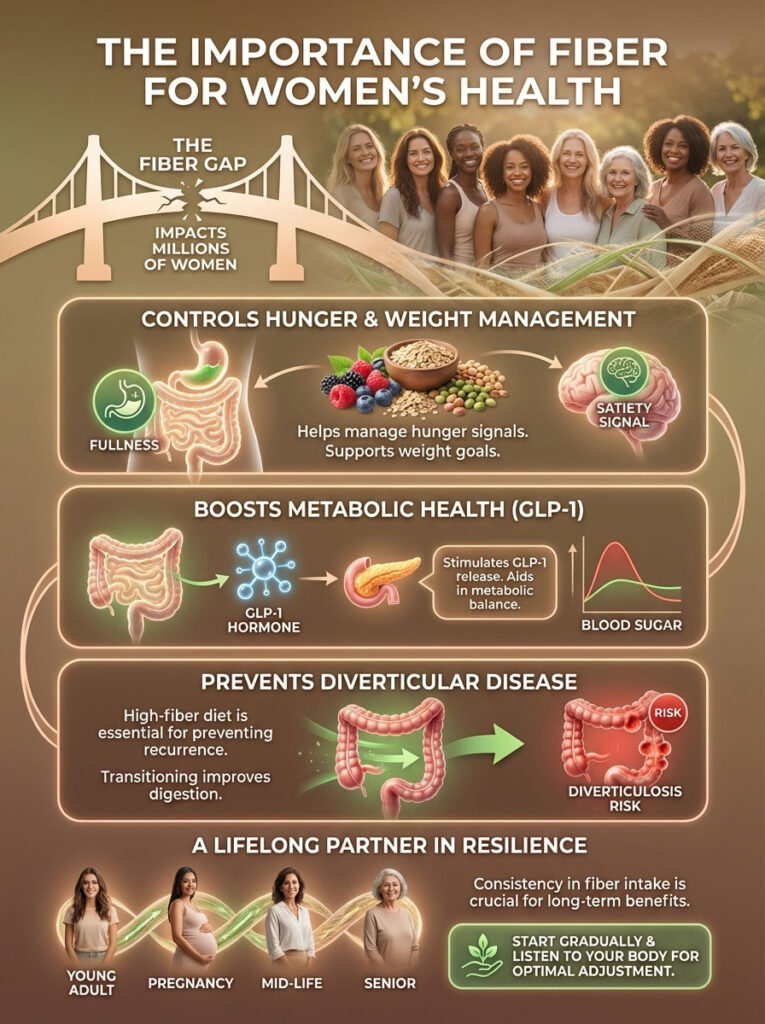
Identifying and utilizing the best fiber supplement for women is an act of empowerment. It allows you to take control of your hunger signals, naturally stimulate powerful hormones like GLP-1, and build a defense against metabolic syndrome.
For the woman managing diverticular disease, the diverticulitis high fiber diet is not optional; it is the primary method of preventing disease recurrence. By transitioning intelligently from a low-residue diet during flares to a robust, high-fiber lifestyle for maintenance, you safeguard your future health.
- For Maximum Satiety: Choose Psyllium Husk or Glucomannan.
- For Sensitive Stomachs: Begin with Methylcellulose.
- For Versatility: Utilize Wheat Dextrin.
- For Protocol: Adhere to the 30-minute pre-meal rule and hydrate aggressively.
Consistency is the metric of success. Fiber is not a quick fix but a lifelong metabolic partner. Start slowly, listen to your body, and close the fiber gap to unlock sustainable weight management.
Frequently Asked Questions (FAQ)
What is the best fiber supplement for women’s weight loss without bloating?
The best options for avoiding bloat are non-fermentable fibers like Methylcellulose (Citrucel) or Partially Hydrolyzed Guar Gum (Sunfiber). These provide the necessary benefits of satiety and regularity without undergoing rapid fermentation in the gut, which is the primary cause of gas and distension in sensitive individuals.
Can a high fiber diet reduce diverticulitis flare-ups?
Yes, extensive clinical research indicates that a high fiber diet is crucial for preventing diverticulitis. By keeping the stool soft and moving efficiently, fiber reduces the intracolonic pressure that causes diverticula pouches to form and become inflamed. However, high fiber should only be consumed during the maintenance phase, not during an active infection.
How much fiber should a woman take for satiety?
For effective appetite suppression, aim for 5 to 10 grams of soluble fiber taken approximately 30 minutes before a meal. This dosage is sufficient to trigger the mechanoreceptors in the stomach wall and stimulate satiety hormones, helping you feel full sooner and eat less.
Is psyllium husk safe for diverticulitis prevention?
Yes, psyllium husk is often recommended by gastroenterologists for the prevention of diverticulitis. It acts as a bulking agent that reduces pressure in the colon. It is essential to drink copious amounts of water with psyllium to ensure it moves smoothly through the digestive tract.
Does fiber help with hormonal weight gain in menopause?
Absolutely. Soluble fiber helps bind to and excrete excess estrogen in the digestive tract, which can otherwise contribute to weight gain. Additionally, fiber improves insulin sensitivity, which is often compromised during menopause, helping to prevent the accumulation of visceral belly fat.
What is the difference between soluble and insoluble fiber for weight management?
Soluble fiber dissolves in water to form a gel, which slows digestion and keeps you feeling full longer (satiety). Insoluble fiber does not dissolve; it adds bulk to stool and speeds up transit time (regularity). For weight loss goals, soluble fiber is generally more effective due to its hormonal impact.
How long does it take for fiber supplements to start working for weight loss?
The satiety effects are immediate; you should feel fuller during the meal following your supplement dose. However, measurable weight loss results typically appear within 4 to 8 weeks of consistent use, assuming a balanced diet and calorie deficit are maintained alongside the supplementation.
Can I take fiber supplements with medications like Ozempic?
You should exercise caution. Since fiber supplements slow gastric emptying, stacking them with GLP-1 agonists (which also slow gastric emptying) can lead to severe discomfort or gastrointestinal paralysis. Always consult your doctor before combining these therapies to ensure safety.
Which is better: Metamucil vs. Benefiber for appetite control?
Metamucil (Psyllium) is generally superior for appetite control because it is a viscous fiber that gels and takes up physical space in the stomach. Benefiber (Wheat Dextrin) dissolves completely and does not provide the same physical sensation of fullness or gastric stretching.
Do fiber gummies work as well as powder?
Generally, no. Fiber gummies often contain much lower doses of fiber per serving compared to powders. Furthermore, they rarely contain the viscous, gel-forming fibers (like psyllium) that are necessary for significant satiety benefits. They are better than nothing, but powders are superior for clinical results.
Does fiber reduce belly fat?
Yes. A study published in medical journals found that for every 10-gram increase in daily soluble fiber intake, visceral fat accumulation decreased by 3.7% over five years, independent of other dietary changes or exercise habits.
Can fiber supplements cause weight gain?
It is functionally impossible to gain fat from fiber supplements as they are not digested for calories. However, you may experience temporary weight fluctuation due to water retention, as fiber holds water in the gut. This is not fat gain and usually resolves as your body adjusts.
Disclaimer: The information provided in this article is for educational purposes only and does not constitute medical advice. Always consult with a healthcare professional or gastroenterologist before starting any new supplement regimen, especially if you have a history of diverticulitis or other gastrointestinal conditions.
References:
- USDA Dietary Guidelines for Americans.
- American Gastroenterological Association (AGA) Guidelines on Diverticular Disease.
- Harvard Health Publishing: Fiber and Metabolic Health.
- Mayo Clinic: Nutrition and Healthy Eating.
- Journal of Nutrition: Viscosity of Dietary Fiber and Satiety.