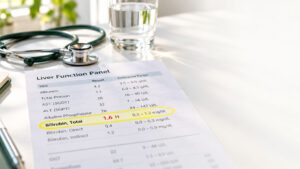
You are doing everything right. You take your medication on time, you prioritize sleep, and you try to eat “clean.” Yet, the scale refuses to budge. The brain fog persists. This is the clinical reality for millions of Americans living with a slowed metabolism. The frustration often stems from a misunderstanding of how specific foods interact with the Insulin-Thyroid Inflammatory Axis. Even healthy options like fruit can be problematic if not chosen carefully. That is why identifying the best fruits for hypothyroidism is a critical step in your healing journey.
Table of Contents
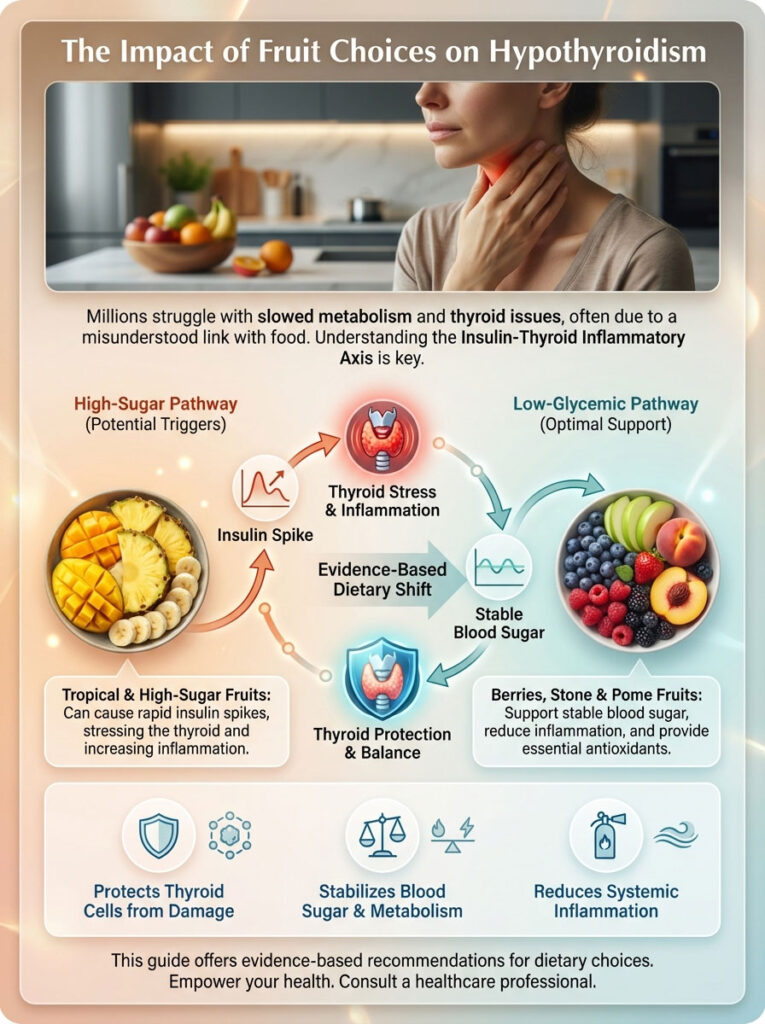
Standard nutritional advice suggests eating more fruits and vegetables indiscriminately. However, thyroid physiology requires a more nuanced approach. For a patient with Hashimoto’s Thyroiditis or subclinical hypothyroidism, a bowl of high-sugar tropical fruit can trigger an insulin spike. This spike suppresses thyroid function. It increases antibody production. Conversely, choosing the right low-glycemic options can reduce inflammation. The right fruits support the liver’s ability to convert T4 into the active T3 hormone.
Quick Answer: What are the best fruits for hypothyroidism?
The optimal fruits for thyroid health are those with a low Glycemic Index (GI) and high antioxidant content. Berries (blueberries, raspberries), stone fruits (cherries, plums), and pome fruits (apples, pears) are superior choices. These fruits stabilize blood sugar. They prevent the insulin spikes that can worsen thyroid dysfunction. They also provide anthocyanins to lower inflammation.
This guide moves beyond generic advice. We will examine the biochemistry of fruit sugar. We will identify specific antioxidants that protect thyrocytes (thyroid cells). We will provide a definitive, evidence-based roadmap for what to eat and what to avoid to support your endocrinologist’s treatment plan.
Key Statistics: The Thyroid-Metabolic Connection
- 20 Million: The estimated number of Americans with some form of thyroid disease (American Thyroid Association).
- 50%: The percentage of hypothyroid patients who also struggle with insulin resistance or metabolic syndrome.
- 80%: The amount of T4 (inactive hormone) converted to T3 (active hormone) in the liver. This process is hindered by excess fructose.
- 60 Minutes: The minimum time you must wait after taking Levothyroxine before consuming calcium or iron-rich foods.
- 5x Higher: The risk of developing Type 2 diabetes in patients with untreated hypothyroidism compared to the general population.
The Biochemistry of Fruit and Thyroid Function
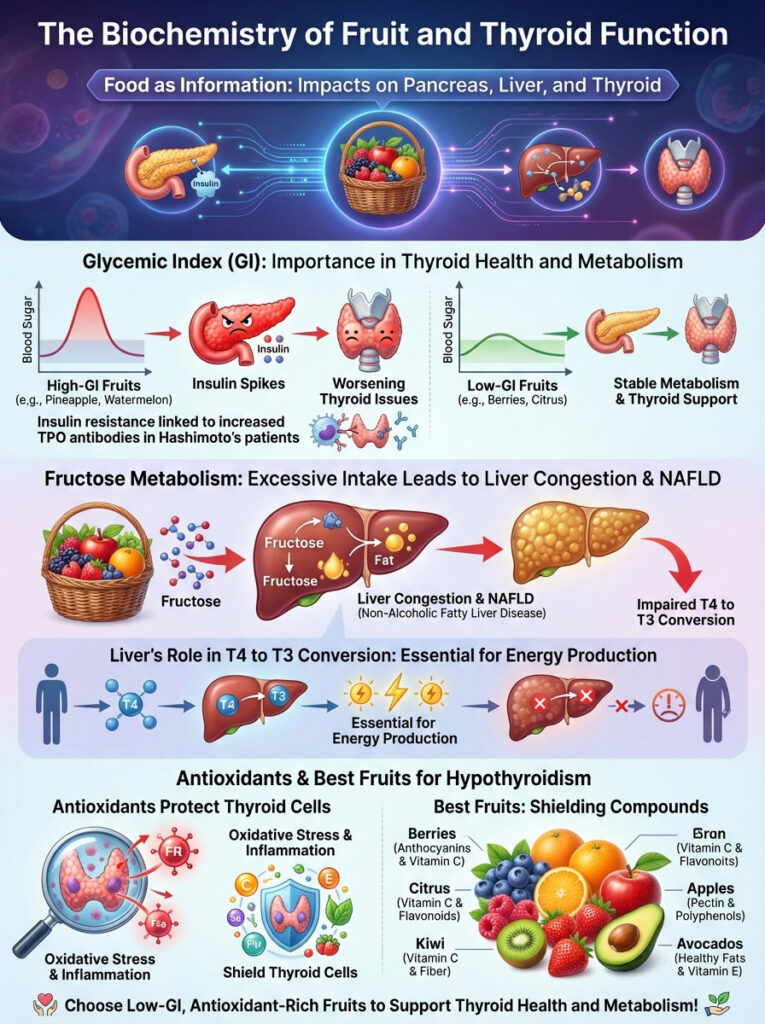
To understand why selection matters, we must look at the cellular level. Food is not just fuel. It is information. When you consume fruit, you are sending specific chemical signals to your pancreas, liver, and thyroid gland. The body reads these signals and adjusts hormone production accordingly.
Understanding the Glycemic Index (GI) and Thyroid Health
The Glycemic Index (GI) measures how quickly a food raises blood sugar levels. For the general population, a moderate spike is manageable. However, for those with a compromised thyroid, the glycemic index thyroid connection is critical. Hypothyroidism naturally slows down glucose metabolism. Your cells are not as efficient at pulling sugar from the blood.
When you consume high-GI fruits, glucose floods the bloodstream faster than your cells can absorb it. This forces the pancreas to pump out insulin. Here is the problem. High levels of circulating insulin are clinically correlated with increased thyroid destruction. Research indicates that insulin resistance can drive up Thyroid Peroxidase (TPO) antibodies in Hashimoto’s patients. Essentially, chronic blood sugar spikes fan the flames of the autoimmune attack on the thyroid gland.
Why does this happen? Insulin is a growth factor. In excess, it promotes inflammation and cell proliferation. In the thyroid gland, this can manifest as the growth of nodules or goiters. It creates a vicious cycle. Hypothyroidism causes insulin resistance. Insulin resistance worsens hypothyroidism. Breaking this cycle requires strict control of blood sugar excursions.
The Liver Connection: Fructose and T3 Conversion
We must consider hepatic (liver) function. As noted, roughly 80% of the conversion of T4 (the storage hormone produced by your thyroid or taken as medication) into T3 (the active hormone that gives you energy) happens in the liver. The liver is the engine of your metabolism.
Excessive fructose consumption burdens the liver. Fructose is metabolized differently than glucose. It goes straight to the liver. If you consume too much, typically from fruit juices or very sweet tropical fruits, it causes hepatic congestion. Over time, this can lead to Non-Alcoholic Fatty Liver Disease (NAFLD). This condition physically impairs the liver’s ability to perform the T4 to T3 conversion. If your liver is congested with fructose, your thyroid medication cannot work effectively. You will feel hypothyroid symptoms even if your TSH labs look “normal.”
The Role of Antioxidants in Thyrocyte Protection
The thyroid is a highly active organ. It produces free radicals during hormone synthesis. This creates a state of oxidative stress. If the body lacks sufficient antioxidants, this oxidative stress damages the thyroid cells (thyrocytes). This leads to inflammation and eventual fibrosis (scarring) of the gland.
This is where the best fruits for hypothyroidism play a medicinal role. We are looking for fruits rich in specific compounds. These compounds act as a shield for your thyroid cells.
- Anthocyanins: The pigments that give berries their dark color. They are known to reduce systemic inflammation.
- Quercetin: A flavonoid often found in apples and citrus. It stabilizes mast cells and reduces histamine reactions. Histamine intolerance is common in autoimmune thyroid disease.
- Vitamin C: Essential for adrenal health. The adrenal glands and thyroid work in tandem. Supporting one supports the other.
- Glutathione precursors: Compounds that help the body produce its master antioxidant.
The Best Fruits for Hypothyroidism (The “Green Light” List)
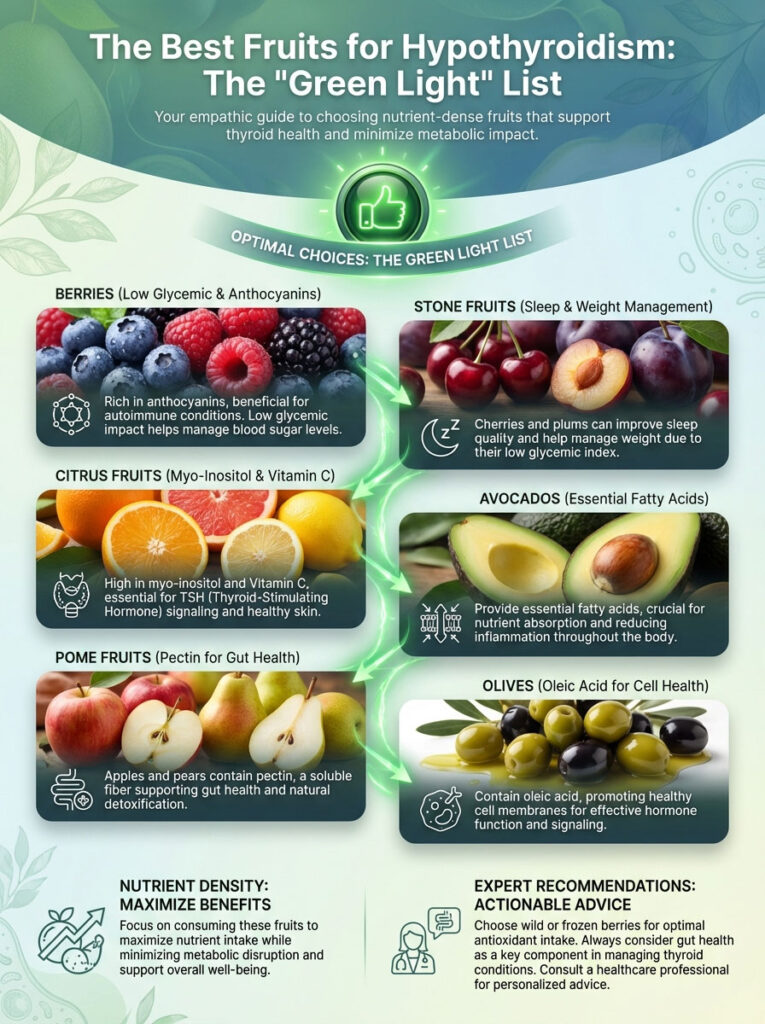
Based on glycemic load and nutrient density, the following categories represent the gold standard for patients managing thyroid conditions. These fruits provide maximum nutrient density with minimum metabolic disruption.
Berries: The Anthocyanin Powerhouses
Blueberries, raspberries, blackberries, and strawberries should be the staples of your fruit intake. They possess the lowest glycemic impact of almost all fruits. This means they do not trigger the insulin surge that threatens thyroid function.
The primary benefit here lies in anthocyanins. A study referenced in the Journal of Clinical Endocrinology & Metabolism suggests that dietary antioxidants can lower TPO antibody levels in women with Hashimoto’s. Berries act as a buffer. They neutralize the oxidative stress that occurs during the inflammatory process of autoimmune disease.
Raspberries are particularly high in fiber. Fiber is crucial for binding to excess estrogen in the gut and removing it. Estrogen dominance is a common driver of thyroid issues. By eating high-fiber berries, you are actively helping your body detoxify hormones.
Expert Insight: Wild blueberries have twice the antioxidant capacity of cultivated blueberries. They are smaller and denser in nutrients. If possible, opt for frozen wild blueberries. They are often flash-frozen at peak ripeness, preserving their nutrient profile better than fresh berries that have traveled thousands of miles.
Citrus Fruits: Bioavailability and Signaling
Oranges, lemons, and grapefruits (with specific medication caveats discussed later) are excellent for thyroid health. Beyond Vitamin C, citrus fruits are rich in myo-inositol. Inositol acts as a secondary messenger for TSH (Thyroid Stimulating Hormone).
Here is how it works. When TSH knocks on the door of your thyroid cells, inositol is the one that opens the door. It helps the cells “hear” the signal from the pituitary gland to produce thyroid hormone. Without sufficient inositol, TSH resistance can occur. This leads to higher TSH levels despite adequate hormone production.
Additionally, Vitamin C is a cofactor for collagen synthesis. Many hypothyroid patients suffer from hair thinning and dry skin. Adequate Vitamin C intake from citrus aids in restoring skin barrier integrity. It also strengthens the hair follicle.
Pome Fruits: Pectin and Gut Health
Apples and pears are often overlooked. They are metabolic heroes. The secret lies in the skin. The skin contains high concentrations of pectin. Pectin is a gelatinous fiber that acts as a prebiotic. It feeds beneficial gut bacteria.
Why does gut health matter for the thyroid? Roughly 20% of T4 to T3 conversion occurs in the gut. This is facilitated by healthy bacteria through an enzyme called intestinal sulfatase. If your gut flora is imbalanced (dysbiosis), this conversion drops. You lose 20% of your active thyroid hormone.
Furthermore, pectin aids in the excretion of heavy metals. Mercury and lead can displace iodine in the thyroid gland. Pectin binds to these toxins in the digestive tract and removes them. By eating apples (skin on), you assist the body in clearing toxins and old estrogen. This frees up your thyroid hormones to do their job.
Stone Fruits and Low-GI Options
Cherries, plums, apricots, and peaches fall into the stone fruit category. Tart cherries, in particular, are beneficial due to their natural melatonin content. Hypothyroidism often disrupts sleep architecture. This leads to non-restorative sleep.
Consuming tart cherries can support the circadian rhythm. This allows for the deep sleep phases where tissue repair and hormone regulation occur. Sleep is when the thyroid regenerates. Anything that supports sleep supports the thyroid.
These fruits also have a relatively low glycemic index. This makes them safe options when portion sizes are controlled. Plums contain phenols that have been shown to combat obesity and insulin resistance. This is vital for the hypothyroid patient struggling with weight gain.
Functional “Fruits” (Avocado and Olives)
While culinarily treated as fats, botanically, avocados and olives are fruits. For the thyroid patient, they are non-negotiable. Thyroid health relies heavily on fat-soluble vitamins. These include Vitamin A, D, E, and K. You can consume all the nutrients in the world. But without dietary fat, you cannot absorb them.
Avocados provide monounsaturated fats that reduce inflammation. They are also rich in potassium. Potassium helps combat the water retention and bloating often associated with a sluggish thyroid. This electrolyte balance is crucial for cellular hydration.
Olives contain oleic acid. This fatty acid supports cell membrane health. Healthy cell membranes are required for hormone receptors to function. If the cell membrane is rigid, the thyroid hormone cannot get inside the cell.
Comparative Analysis: Glycemic Index of Popular Fruits
To make informed decisions, we must look at the data. The following table compares common fruits based on their impact on blood sugar. It also highlights their specific relevance to thyroid pathology.
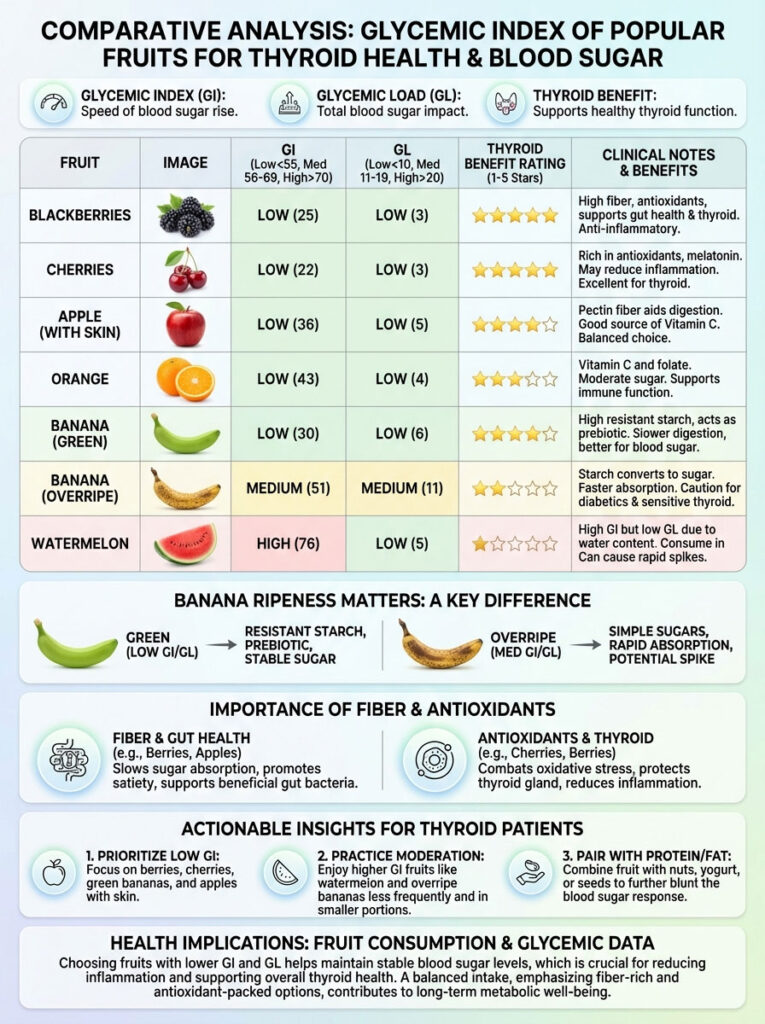
| Fruit (100g serving) | Glycemic Index (GI) | Glycemic Load (GL) | Thyroid Benefit Rating | Clinical Notes |
|---|---|---|---|---|
| Blackberries | 25 (Low) | 2 (Low) | High | Rich in fiber and antioxidants; negligible blood sugar impact. |
| Cherries (Tart) | 22 (Low) | 3 (Low) | High | Potent anti-inflammatory properties; supports sleep cycles. |
| Grapefruit | 25 (Low) | 3 (Low) | Moderate/High | Excellent for insulin sensitivity; watch for medication interactions. |
| Apples (with skin) | 36 (Low) | 5 (Low) | High | High pectin content supports gut motility and detoxification. |
| Banana (Green) | 42 (Low) | 11 (Medium) | Moderate | Contains resistant starch; better than ripe bananas. |
| Banana (Overripe) | 62 (Medium) | 16 (Medium) | Low | High sugar content triggers insulin; consume with protein. |
| Pineapple | 59 (Medium) | 7 (Medium) | Moderate | Contains bromelain (anti-inflammatory) but high sugar requires caution. |
| Watermelon | 72 (High) | 4 (Low*) | Low | Very high GI causes rapid glucose spike; low nutrient density for thyroid. |
| Dates (Dried) | 42-100+ | High | Very Low | Highly concentrated sugar; often triggers fatigue in hypothyroid patients. |
Analysis: The distinction between green and overripe bananas is a perfect example of how food chemistry changes. A green banana contains resistant starch. This acts more like a fiber. It feeds gut bacteria and keeps insulin low. As the banana ripens and spots appear, that starch converts to simple glucose and fructose. This significantly raises the GI. For a thyroid patient, a green banana is a functional food. A brown banana is essentially a dessert.
Fruits to Consume with Caution (The “Yellow/Red Light” List)
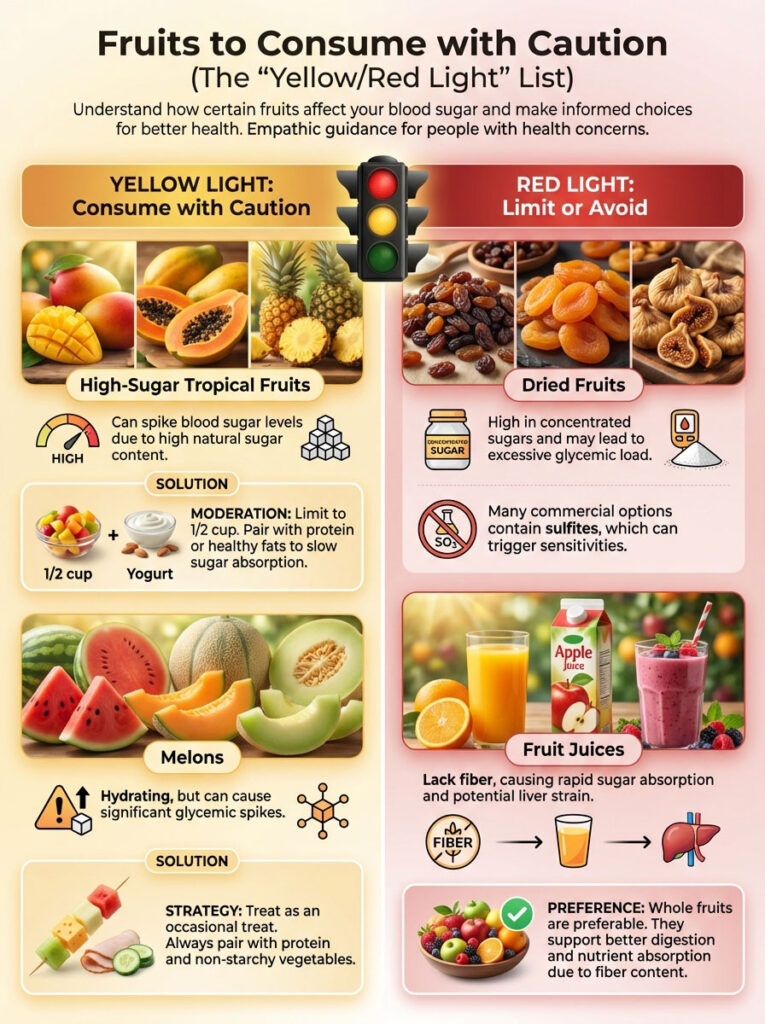
Not all fruits are created equal in the context of endocrine health. While natural, some options can work against your metabolic goals. Understanding which fruits to limit is just as important as knowing which to eat.
The Problem with High-Sugar Tropical Fruits
Mangoes, papayas, and very ripe pineapples are delicious. But they are extremely dense in sugar. In a healthy metabolism, the body handles this load easily. In a hypothyroid metabolism, the glucose entry into the bloodstream is rapid.
This often results in a “sugar crash” or reactive hypoglycemia. You might feel a burst of energy, followed by intense fatigue and brain fog. This rollercoaster stresses the adrenal glands. Since the adrenals and thyroid are connected, stressing one weakens the other.
Strategy: If you love these fruits, practice strict portion control. Limit your intake to 1/2 cup. Never eat them “naked.” Always pair them with a protein or fat source. Greek yogurt or a handful of walnuts works well. This blunts the glucose curve.
Why Dried Fruit is a “Metabolic Trap”
Dried fruits like raisins, dates, and dried cranberries are problematic for two reasons. First, the removal of water concentrates the sugar content. It is easy to consume 50 grams of sugar in a single sitting without feeling full. This is a massive glycemic load.
Second, many commercial dried fruits contain sulfites as preservatives. Sulfites can trigger sensitivities in autoimmune patients. They can exacerbate histamine responses and inflammation. For someone managing fruits for Hashimoto’s, fresh is almost always superior to dried. If you must eat dried fruit, ensure it is organic and sulfite-free.
The Juice Controversy
Drinking fruit juice is metabolically distinct from eating whole fruit. When you juice an orange, you remove the fiber matrix. Without fiber to slow digestion, the fructose hits the liver almost instantly. This contributes to hepatic strain and insulin resistance.
For thyroid health, we want to support the liver. We do not want to stress it. Liquid sugar is one of the fastest ways to induce fatty liver changes. Avoid fruit juices. Stick to whole foods where the fiber is intact. The act of chewing also stimulates digestive enzymes, which prepares your gut for nutrient absorption.
Melons and Glycemic Spikes
Watermelon and cantaloupe have very high Glycemic Indexes. While their Glycemic Load is lower due to water content, they still cause a rapid rise in blood glucose. For patients with severe insulin resistance, melons should be treated as a treat, not a staple.
If you consume melon, avoid eating it alone. Eat it after a meal containing protein and vegetables. This slows down the absorption of the sugar.
Medication Interactions and Synergy
One of the most common questions in endocrinology clinics involves the interaction between diet and medication. Specifically, patients worry about thyroid medication and fruit. There are both positive synergies and negative interactions to be aware of.
Vitamin C and Levothyroxine Absorption
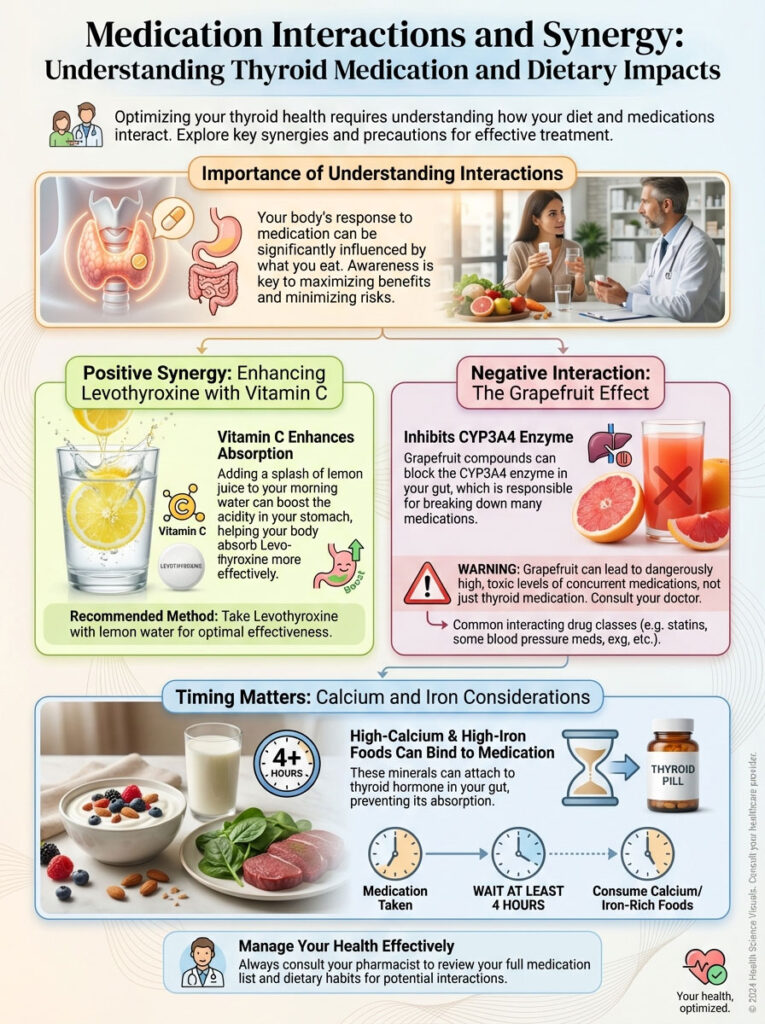
Here is a positive interaction that many patients are unaware of. Levothyroxine (Synthroid, Tirosint) requires an acidic environment in the stomach for optimal dissolution and absorption. Many hypothyroid patients suffer from hypochlorhydria (low stomach acid).
Research published in the Journal of Clinical Endocrinology has demonstrated that taking Levothyroxine with Vitamin C (ascorbic acid) can improve TSH levels. While you should generally take meds with water, adding a splash of fresh lemon juice to that water can create the acidic pH necessary for better drug absorption. This is a simple, actionable way to potentially improve your labs without changing your dose.
The Grapefruit Warning (CYP3A4 Enzyme)
Grapefruit contains compounds called furanocoumarins. These compounds inhibit the CYP3A4 enzyme in the liver and intestines. This enzyme is responsible for metabolizing nearly 50% of all pharmaceuticals.
While grapefruit does not directly render thyroid medication useless, it dramatically affects other medications often prescribed to thyroid patients. These include statins for cholesterol or blood pressure medications. If you are on multiple prescriptions, the “grapefruit effect” can cause those other drugs to build up to toxic levels in your blood. Always consult your pharmacist regarding your specific medication list before consuming grapefruit regularly.
Calcium and Iron Timing
Some fruits are fortified with calcium (like some orange juices). Others are naturally high in iron (like dried apricots). Both calcium and iron can bind to thyroid medication in the stomach. This prevents the medication from getting into your bloodstream.
You must maintain a strict separation window. Wait at least 4 hours after taking your thyroid medication before consuming high-calcium or high-iron foods. This ensures your medication is fully absorbed before these minerals enter the system.
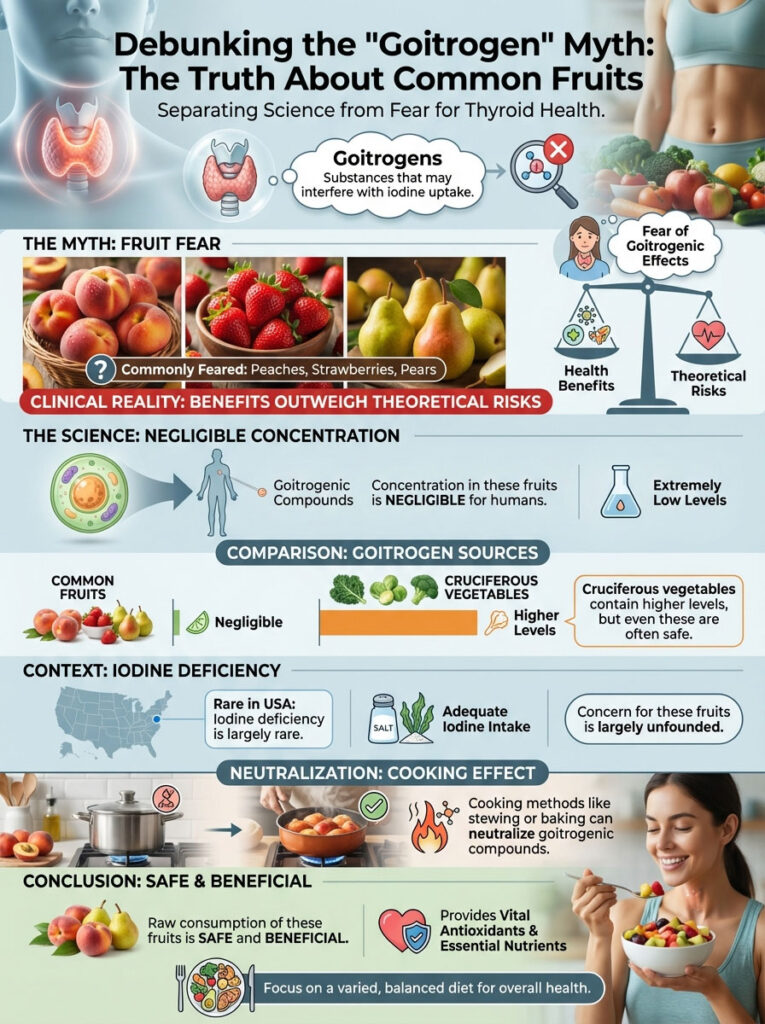
Debunking the “Goitrogen” Myth
For decades, patients have been warned to avoid “goitrogenic” foods. These are substances that can theoretically interfere with iodine uptake in the thyroid. This fear often extends to fruits like peaches, strawberries, and pears.
The Truth About Peaches, Strawberries, and Pears
It is time to set the record straight. The clinical benefit of these fruits vastly outweighs the theoretical risk. The concentration of goitrogenic compounds in these fruits is negligible for humans. This is especially true when compared to cruciferous vegetables like kale or Brussels sprouts.
Unless you are consuming bushels of raw peaches daily and have a severe iodine deficiency (which is rare in the USA due to iodized salt), these fruits will not harm your thyroid. In fact, avoiding them means missing out on vital antioxidants that reduce thyroid inflammation. Do not fear the produce aisle based on outdated data.
Furthermore, cooking neutralizes many goitrogenic compounds. If you are truly concerned, stewing your pears or baking your peaches will reduce any potential risk to near zero. But for the vast majority of patients, raw consumption is perfectly safe and beneficial.
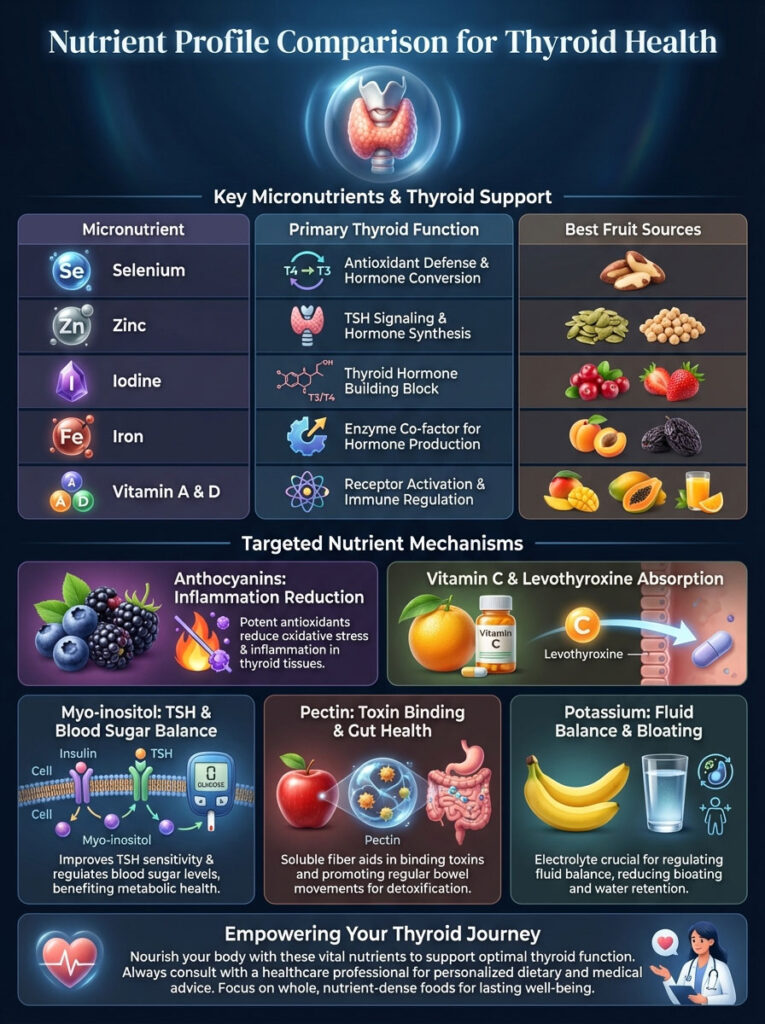
Nutrient Profile Comparison for Thyroid Health
To further refine your grocery list, this table highlights the specific micronutrients found in fruit that directly support thyroid mechanisms. We are matching the nutrient to the physiological need.
| Nutrient Category | Primary Thyroid Function | Best Fruit Sources |
|---|---|---|
| Anthocyanins | Reduces thyroid gland inflammation and oxidative stress. | Blueberries, Raspberries, Blackberries, Pomegranate. |
| Vitamin C | Enhances Levothyroxine absorption; supports adrenal glands. | Kiwi, Oranges, Strawberries, Guava, Lemons. |
| Myo-Inositol | Improves TSH sensitivity; helps regulate blood sugar. | Cantaloupe, Citrus Fruits (Oranges/Grapefruit). |
| Pectin (Fiber) | Binds to toxins/heavy metals; aids regular bowel movements. | Apples, Pears, Plums (Prunes). |
| Potassium | Helps reduce bloating and water retention common in hypothyroidism. | Bananas, Avocados, Cantaloupe, Apricots. |
| Selenium (Trace) | Essential for T4 to T3 conversion. | Dates, Bananas (contain small amounts, pair with Brazil nuts). |
Expert Strategies for Incorporation
Knowing sugar and thyroid health are linked is one thing. Applying that knowledge to daily life is another. Here are expert strategies to incorporate fruit without disrupting your metabolic stability.
Optimal Timing for Fruit Consumption
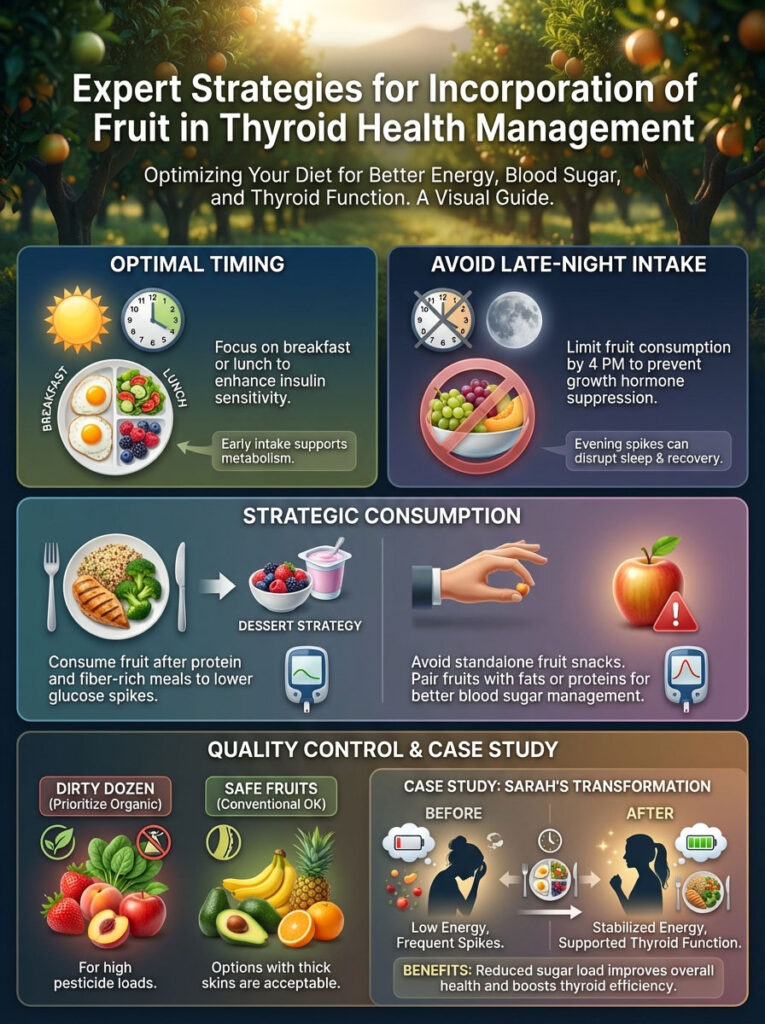
The timing of carbohydrate intake matters. The body is generally more insulin sensitive earlier in the day. Your cortisol levels are naturally higher in the morning, which helps mobilize glucose. Consuming your fruit servings with breakfast or lunch is preferable to late-night snacking.
Late-night sugar intake can disrupt growth hormone release. Growth hormone is essential for body repair. If insulin is high at night, growth hormone is suppressed. Try to finish your fruit intake by 4 PM.
The “Dessert Strategy”
Adopt the “Dessert Strategy.” Eating fruit after a meal rich in protein and fiber results in a much lower glucose spike than eating fruit on an empty stomach. The protein and fiber from the meal create a physical barrier in the digestion process. This slows down the absorption of fruit sugars.
Never eat fruit as a standalone snack if you are struggling with weight loss. Always add a fat or protein. Apple slices with almond butter. Berries with Greek yogurt. Pear with a slice of cheese. This is the golden rule of blood sugar management.
The “Dirty Dozen” and Endocrine Disruptors
Thyroid patients are often more sensitive to environmental toxins. Pesticides can act as endocrine disruptors. They mimic hormones or block hormone receptors. The Environmental Working Group (EWG) publishes a “Dirty Dozen” list of produce with the highest pesticide loads.
Strawberries, peaches, apples, and nectarines frequently top this list. Because you eat the skin of these fruits, buying organic is highly recommended to reduce your toxic load. Your liver is already busy converting thyroid hormones. Do not give it the extra job of detoxifying pesticides.
For fruits with thick skins that you discard (like avocados, bananas, or pineapples), conventional options are generally safe. These are often on the “Clean Fifteen” list. Save your budget for organic berries and apples.
Case Study: Managing TSH with Diet
Consider “Sarah,” a 42-year-old patient with Hashimoto’s. She complained of persistent fatigue despite normal TSH levels. Her diet analysis revealed she started every morning with a large smoothie containing two ripe bananas, mango, and orange juice. She thought she was being healthy.
The Intervention: We switched her to a smoothie with 1/2 cup of blueberries, a scoop of protein powder, spinach, and avocado. We replaced the orange juice with water and lemon. We replaced the high-sugar fruits with high-fiber, high-fat options.
The Outcome: Within 12 weeks, her energy levels stabilized. She lost 8 pounds. By removing the massive sugar load in the morning, we stopped the insulin spike-and-crash cycle. This allowed her thyroid medication to function more efficiently and reduced her overall inflammatory load.
Advanced Topics: Gut Microbiome and Fruit Fibers
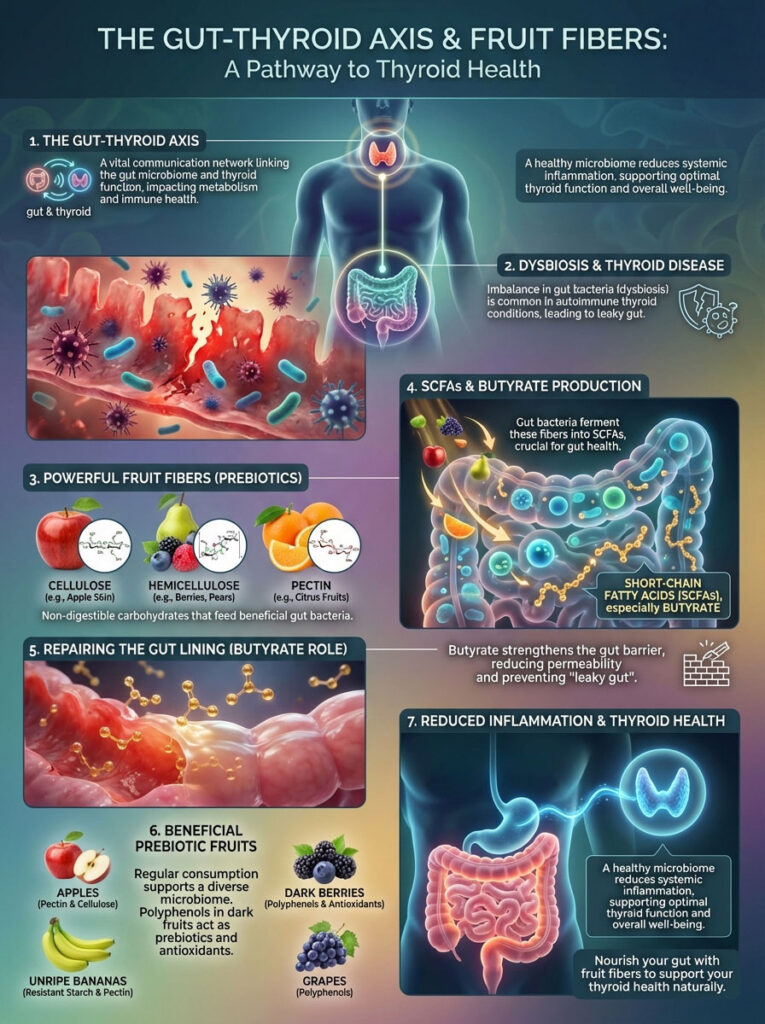
The connection between the gut and the thyroid is often called the “Gut-Thyroid Axis.” Dysbiosis, or an imbalance of gut bacteria, is found in a significant percentage of patients with autoimmune thyroid disease. Fruit plays a unique role here due to specific types of fibers.
Prebiotics in Fruit
Fruits are not just sugar; they are complex structures containing cellulose, hemicellulose, and pectin. These are prebiotics. They are food for your good bacteria. When your good bacteria eat these fibers, they produce Short-Chain Fatty Acids (SCFAs) like butyrate.
Butyrate is critical for thyroid health. It helps repair the gut lining, preventing “leaky gut.” Leaky gut allows antigens to enter the bloodstream, which triggers the immune system to attack the thyroid. By eating prebiotic-rich fruits like apples and unripe bananas, you are essentially sealing your gut lining.
The Role of Polyphenols
Polyphenols are plant compounds that act as prebiotics and antioxidants. Dark-colored fruits are rich in polyphenols. These compounds have been shown to selectively inhibit the growth of pathogenic bacteria while promoting beneficial strains like Bifidobacteria. A healthy microbiome reduces systemic inflammation, which takes the pressure off the thyroid gland.
Summary & Key Takeaways
Navigating nutrition with a thyroid condition requires nuance. The connection between insulin and the thyroid is undeniable. Protecting one protects the other. By choosing the best fruits for hypothyroidism, you are not just managing weight. You are actively lowering inflammation. You are supporting the conversion of thyroid hormones. You are feeding your microbiome.
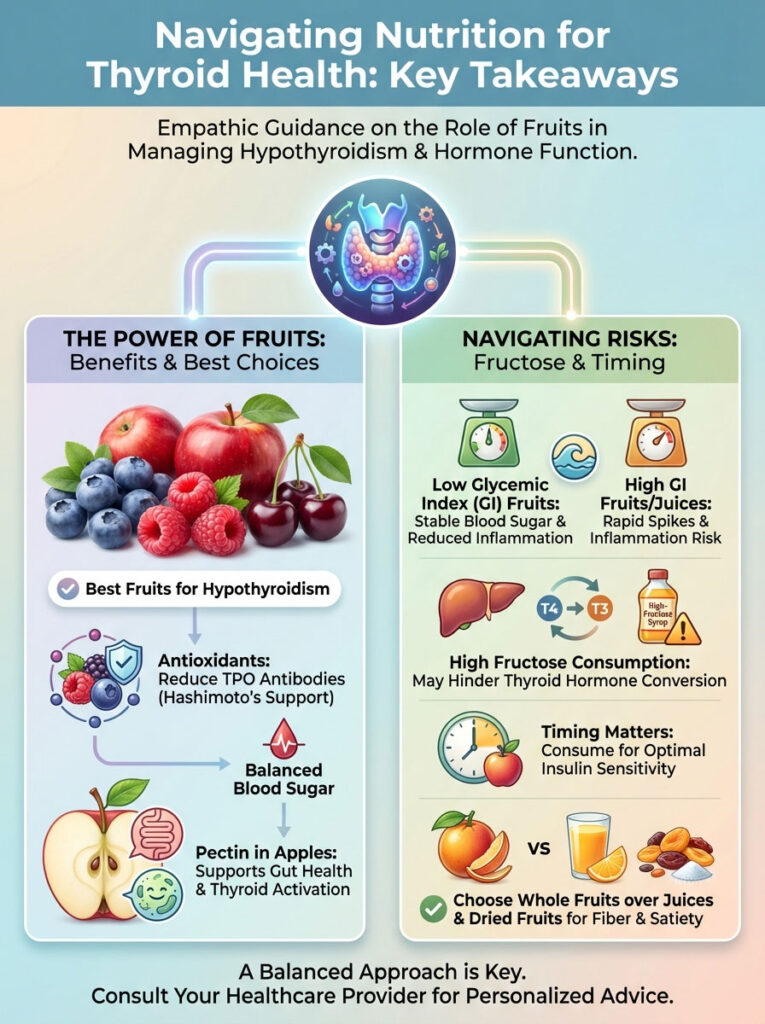
- Prioritize Low GI: Stick to berries, apples, pears, and stone fruits. These should be 80% of your fruit intake.
- Support the Liver: Avoid high-fructose juices that congest the liver and hinder T4 to T3 conversion.
- Timing Matters: Eat fruit with meals, not alone, to blunt the insulin response. Eat fruit earlier in the day.
- Don’t Fear Goitrogens: The benefits of strawberries and peaches outweigh the myths.
- Use Lemon: A splash of lemon in water can aid medication absorption.
- Go Organic for Skin-On Fruit: Avoid endocrine-disrupting pesticides by choosing organic apples, berries, and stone fruits.
Food is a powerful tool in your treatment arsenal. While medication replaces the hormone, nutrition heals the environment in which that hormone must work. Make your fruit choices intentional, and your thyroid will thank you.
Frequently Asked Questions
Which fruits are considered the best for managing hypothyroidism symptoms?
The most beneficial fruits are those with a low Glycemic Index and high antioxidant profiles, such as blueberries, raspberries, apples, and cherries. These choices stabilize blood sugar levels and provide anthocyanins that protect thyroid cells from oxidative stress. By minimizing insulin spikes, these fruits help prevent the inflammatory cascades that often worsen thyroid dysfunction.
How does high fructose consumption impact thyroid hormone conversion?
Excessive fructose, particularly from fruit juices or high-sugar tropical fruits, can lead to hepatic congestion and Non-Alcoholic Fatty Liver Disease. Since approximately 80% of T4 to T3 conversion occurs in the liver, a congested liver cannot efficiently produce the active hormone your body needs. Maintaining a healthy liver through low-fructose fruit choices is essential for metabolic energy.
Can eating certain fruits help lower TPO antibodies in Hashimoto’s patients?
Yes, clinical research suggests that antioxidant-rich fruits like wild blueberries and tart cherries can help mitigate the autoimmune response. These fruits contain high concentrations of flavonoids and anthocyanins that reduce systemic inflammation and oxidative stress within the thyroid gland. Lowering this inflammatory load is a key component in reducing Thyroid Peroxidase (TPO) antibody levels.
Is it safe to consume fruit immediately after taking thyroid medication like Levothyroxine?
You should wait at least 60 minutes after taking Levothyroxine before consuming any food, including fruit. Certain fruits fortified with calcium or those high in iron can bind to the medication in the gut, significantly reducing its absorption. However, a small amount of lemon juice in water may actually improve absorption by creating a more acidic gastric environment.
Why are berries preferred over tropical fruits for patients with a slow metabolism?
Berries have a much lower glycemic load compared to tropical fruits like mangoes or pineapples, meaning they cause a slower rise in blood glucose. Patients with hypothyroidism often struggle with insulin resistance, and the rapid sugar spikes from tropical fruits can trigger insulin surges that suppress thyroid function. Berries provide the necessary nutrients without the metabolic “sugar crash.”
Does grapefruit interfere with thyroid hormone replacement therapy?
While grapefruit does not directly block thyroid hormone, it inhibits the CYP3A4 enzyme, which metabolizes many other medications frequently taken by thyroid patients, such as statins or blood pressure drugs. This can cause those medications to reach toxic levels in the bloodstream. If you are on multiple prescriptions, it is best to consult your pharmacist before making grapefruit a dietary staple.
Are peaches and strawberries considered goitrogenic and dangerous for the thyroid?
The concern regarding goitrogens in fruits like peaches and strawberries is largely a myth in clinical practice. The concentration of these compounds is extremely low and poses no threat to thyroid health for the vast majority of patients. The anti-inflammatory benefits and fiber content of these fruits far outweigh any theoretical risk of interfering with iodine uptake.
How does the pectin in apples support the gut-thyroid axis?
Pectin is a prebiotic fiber that feeds beneficial gut bacteria, which are responsible for roughly 20% of the T4 to T3 conversion via the enzyme intestinal sulfatase. Furthermore, pectin binds to heavy metals like mercury that can interfere with thyroid function. By supporting gut health and detoxification, apples with the skin on play a vital role in thyroid hormone activation.
What is the best time of day for a hypothyroid patient to eat fruit for weight management?
It is best to consume fruit earlier in the day, such as during breakfast or lunch, when insulin sensitivity is naturally higher. Avoid consuming fruit late at night, as the resulting insulin spike can suppress the nocturnal release of growth hormone, which is essential for tissue repair and metabolic regulation. Always pair fruit with a protein or healthy fat to further stabilize blood sugar.
Can citrus fruits improve the way my body responds to TSH signals?
Citrus fruits like oranges and grapefruits are rich in myo-inositol, which acts as a secondary messenger for Thyroid Stimulating Hormone (TSH). Myo-inositol helps your thyroid cells “hear” the TSH signal more clearly, which can improve hormone production efficiency. This is particularly helpful for patients dealing with TSH resistance or subclinical hypothyroidism.
Why is dried fruit often discouraged for those with thyroid-related insulin resistance?
Dried fruits are a “metabolic trap” because the removal of water concentrates the sugar, leading to a massive glycemic load in a very small serving size. Additionally, many commercial dried fruits contain sulfites as preservatives, which can trigger inflammation and histamine reactions in sensitive autoimmune patients. For thyroid health, fresh or frozen whole fruit is always the superior choice.
Is fruit juice a suitable alternative to whole fruit for thyroid health?
Fruit juice is generally not recommended because it lacks the fiber matrix required to slow down sugar absorption. Drinking juice sends a rapid flood of fructose directly to the liver, which can contribute to insulin resistance and impair the liver\’s ability to convert thyroid hormones. Consuming the whole fruit ensures you get the fiber necessary for gut health and metabolic stability.
Disclaimer
This article is for informational purposes only and does not constitute medical advice. Hypothyroidism and Hashimoto’s are complex clinical conditions that require professional oversight. Always consult a qualified healthcare professional or endocrinologist before making significant changes to your diet or medication routine.
References
- American Thyroid Association – thyroid.org – Provided statistics on the prevalence of thyroid disease and the metabolic connection to insulin.
- Journal of Clinical Endocrinology & Metabolism – “Antioxidant Supplementation and TPO Antibody Levels” – Source for the clinical correlation between anthocyanins and reduced thyroid inflammation.
- Journal of Clinical Endocrinology – “The Effect of Vitamin C on Levothyroxine Absorption” – Supporting data for using ascorbic acid to improve medication bioavailability.
- Environmental Working Group (EWG) – ewg.org – Source for the “Dirty Dozen” list and the impact of pesticides on endocrine function.
- National Institute of Diabetes and Digestive and Kidney Diseases (NIDDK) – Research on fructose metabolism and its role in Non-Alcoholic Fatty Liver Disease (NAFLD).
- Thyroid Research Journal – “The Gut-Thyroid Axis and the Role of Prebiotics” – Insights into how fruit fibers like pectin influence T4 to T3 conversion in the gut.