Using selenium and zinc for thyroid optimization is essential because these minerals act as the biological ignition keys for your metabolism. Selenium powers the deiodinase enzymes that convert inactive T4 hormone into the active T3 form. Zinc builds the receptors that allow this energy-giving hormone to actually enter your cells. Clinical data indicates that pairing these specific nutrients can lower thyroid antibodies, restore energy levels, and fix the “cellular hypothyroidism” that standard blood tests frequently miss.
Table of Contents
You have likely sat in a doctor’s office, exhausted and losing hair, only to be told your labs look “normal.” This is the single most common frustration in modern endocrinology. The standard of care often focuses entirely on TSH (Thyroid Stimulating Hormone) and T4 (Levothyroxine) levels. This approach ignores the cellular reality of how hormones actually function.
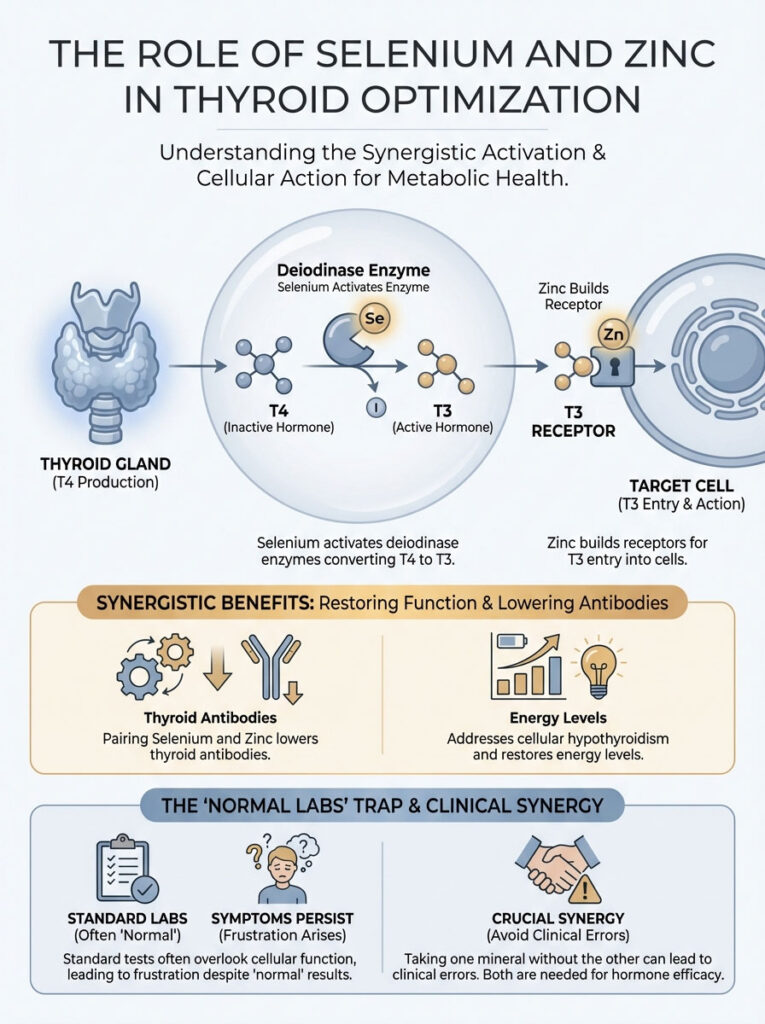
The synergy between selenium and zinc for thyroid function is the missing link for thousands of patients. Without these specific minerals, the medication you take or the hormones your gland produces cannot do their job. It is akin to having a key but no lock. The hormone floats in your bloodstream. It remains inactive. It becomes useless.
In this comprehensive analysis, we will examine the biochemistry of conversion. We will explore the role of these minerals in Hashimoto’s thyroiditis. We will also explain why taking one without the other is a clinical error.
Key Statistics & Data Points
- 40% Antibody Reduction: Studies in the Journal of Clinical Endocrinology & Metabolism show selenium can reduce TPO antibodies by up to 40% in 3 to 6 months.
- 200mcg Ceiling: The standard therapeutic ceiling for selenium dosage is 200mcg; exceeding this often yields diminishing returns and potential toxicity.
- 300 Enzymes: Zinc is a cofactor for over 300 enzymatic processes, including the synthesis of TSH in the pituitary gland.
- 15:1 Ratio: The critical safety ratio of Zinc to Copper is approximately 15:1 to prevent induced anemia and neurological issues.
- 90% Absorption Rate: Selenomethionine has an absorption rate over 90%, compared to roughly 50% for inorganic forms like sodium selenite.
- 30% of T4 to T3 Conversion: Roughly one-third of peripheral T4 to T3 conversion is dependent on zinc-containing enzymes in the liver.
- 21 Days: The half-life of IgG antibodies is about 21 days, meaning supplement protocols require patience before labs change.
The Biochemistry of Conversion: How the HPT Axis Actually Works
To understand why you feel tired despite medication, you must understand the HPT (Hypothalamic-Pituitary-Thyroid) axis. The thyroid gland predominantly produces T4 (Thyroxine). T4 is a storage hormone. It is metabolically inactive. It does almost nothing for your symptoms.
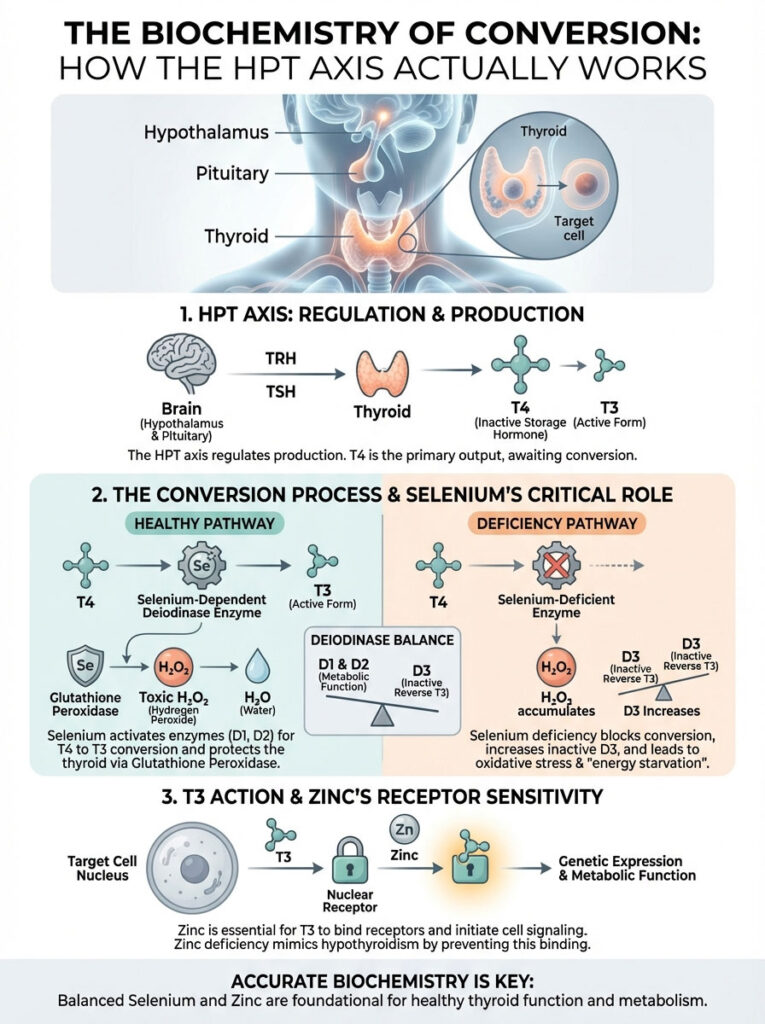
For you to feel energetic, burn fat, and grow hair, T4 must be converted into T3 (Triiodothyronine). This is the active fuel. This conversion does not happen by magic. It requires specific enzymes and minerals to strip away iodine atoms.
The Selenium Engine: Deiodinase Enzymes and T3 Production
Selenium is not just an antioxidant. It is the fuel for the engine. The enzymes responsible for stripping an iodine atom off T4 to create T3 are called iodothyronine deiodinases. These are selenoproteins. They contain selenocysteine. This is an amino acid with selenium at its active center.
Here is the critical part:
If you lack selenium, these enzymes essentially go on strike. The conversion process halts. Your T4 builds up, or gets diverted, while your cells starve for energy.
Understanding the Three Deiodinases
There are three primary deiodinases that control your metabolic destiny:
- Type 1 (D1): This is found primarily in the liver and kidneys. It is responsible for providing T3 to the bloodstream. It is highly sensitive to selenium levels.
- Type 2 (D2): This is found in the brain, pituitary, and skeletal muscle. It maintains intracellular T3. This explains why you might have “brain fog” even if your blood labs look okay.
- Type 3 (D3): This is the “brake.” It converts T4 into Reverse T3 (rT3). This is an inactive isomer that blocks receptors and lowers metabolism.
When you are selenium deficient, the activity of D1 and D2 drops significantly. Your body prioritizes survival over energy. Consequently, T4 is shunted toward the D3 pathway. This increases Reverse T3 levels. You may have plenty of T4 in your blood. However, your cells are starving for T3.
Glutathione Peroxidase and Oxidative Stress
The thyroid gland has the highest concentration of selenium per gram of tissue in the entire body. This is necessary for protection. The production of thyroid hormones generates hydrogen peroxide (H2O2) as a byproduct.
While H2O2 is necessary for iodine oxidation, it is highly toxic to thyrocytes (thyroid cells). It acts like bleach inside the gland. If left unchecked, it destroys the tissue.
Selenium is the primary component of Glutathione Peroxidase. This is the enzyme that neutralizes hydrogen peroxide into harmless water. Without adequate selenium, oxidative stress damages the thyroid gland. This triggers inflammation. It invites an autoimmune attack. This is a primary driver of tissue destruction in Hashimoto’s thyroiditis.
The Zinc Key: Receptor Sensitivity and Genetic Expression
If selenium helps manufacture the active hormone, zinc builds the landing pad. Zinc deficiency symptoms often mimic hypothyroidism exactly. This occurs because the mechanism of failure is at the receptor level.
You can have all the T3 in the world. If the receptor is broken, the signal never gets through.
Zinc Finger Proteins
Thyroid hormones function by entering the nucleus of a cell. They bind to DNA to change genetic expression. This is how they tell the mitochondria to burn energy or the hair follicle to grow. The receptor that sits on the DNA is stabilized by “Zinc Fingers.”
These are small protein structural motifs coordinated by zinc ions. Consider the lock-and-key analogy. T3 is the key. The nuclear receptor is the lock. Zinc is the internal mechanism that allows the lock to turn.
If you are zinc deficient, the receptor shape changes. T3 cannot bind effectively. This state is often referred to as “Type 2 Hypothyroidism” or cellular resistance. Blood tests show adequate hormone levels. Yet the patient exhibits all clinical signs of low thyroid function.
Zinc’s Role in TSH Synthesis
The pituitary gland requires zinc to synthesize TRH (Thyrotropin-Releasing Hormone) and TSH. In severe zinc deficiency, TSH levels may appear falsely low or suppressed. This creates a diagnostic nightmare.
A clinician might believe a patient is hyperthyroid or adequately medicated because the TSH is low. In reality, the pituitary gland is simply unable to signal the thyroid due to mineral starvation. The patient is hypothyroid, but the feedback loop is broken.
Comparative Analysis: Forms, Sources, and Bioavailability
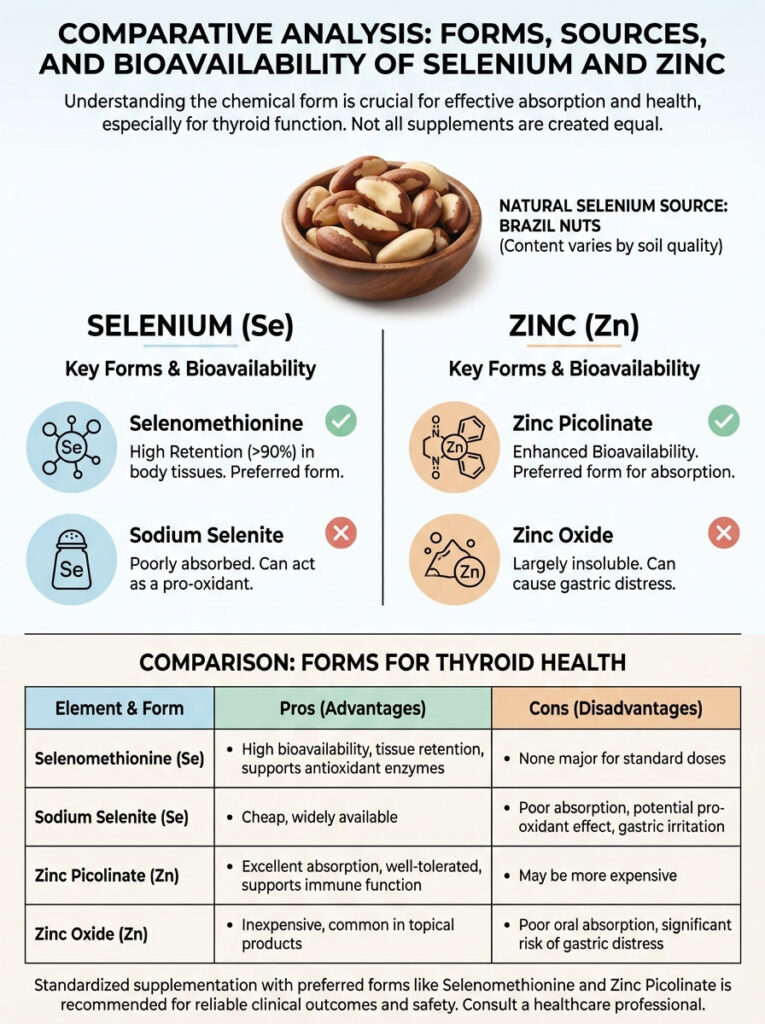
Not all supplements are created equal. The chemical structure of the mineral determines whether it reaches your thyroid tissue or is excreted in urine. Choosing the wrong form is a waste of money and biological potential.
The Great Debate: Food vs. Supplements
You will often hear the advice: “Just eat two Brazil nuts a day.” While Brazil nuts are indeed the richest food source of selenium, relying on them for clinical therapy is problematic.
The Brazil Nut Protocol (and its Flaws)
The selenium content in a Brazil nut depends entirely on the soil in which the tree grew. A nut from one region might contain 50mcg of selenium. A nut from a mineral-depleted region might contain only 5mcg.
Conversely, some nuts are so potent that they pose a risk of toxicity. In a clinical setting, precise dosage is required to lower Hashimoto’s thyroiditis antibodies. Standardized supplementation is the only way to ensure safety and efficacy.
Bioavailability of Supplement Forms
Selenomethionine is the organic form of selenium. It is bound to the amino acid methionine. It is naturally found in food and has a retention rate of over 90% in body tissues. Inorganic forms like sodium selenite are poorly absorbed. They can act as pro-oxidants at higher doses.
For zinc, Zinc Picolinate is widely regarded as the gold standard for absorption. The picolinic acid acts as a chelator. It ferries the zinc across the intestinal wall efficiently. Zinc Oxide, common in cheap multivitamins, is largely insoluble. It creates gastric distress and offers little systemic benefit.
Comparison Table: Selenium Forms for Thyroid Health
| Form of Selenium | Bioavailability | Clinical Use Case | Pros | Cons |
|---|---|---|---|---|
| L-Selenomethionine | High (>90%) | Hashimoto’s & Antibody Reduction | Best retention in tissues; mimics food sources | Can accumulate if overused |
| Sodium Selenite | Low to Moderate | Acute Deficiency | Cheap; inorganic | Pro-oxidant at high doses; poor retention |
| Selenium Enriched Yeast | Moderate | General Health | Natural complex | Potential allergen for yeast-sensitive patients |
| Methylselenocysteine | High | Cancer Prevention Research | Potent antioxidant | Less data specifically for thyroid antibodies |
Autoimmunity: Managing Hashimoto’s and Graves’ Disease
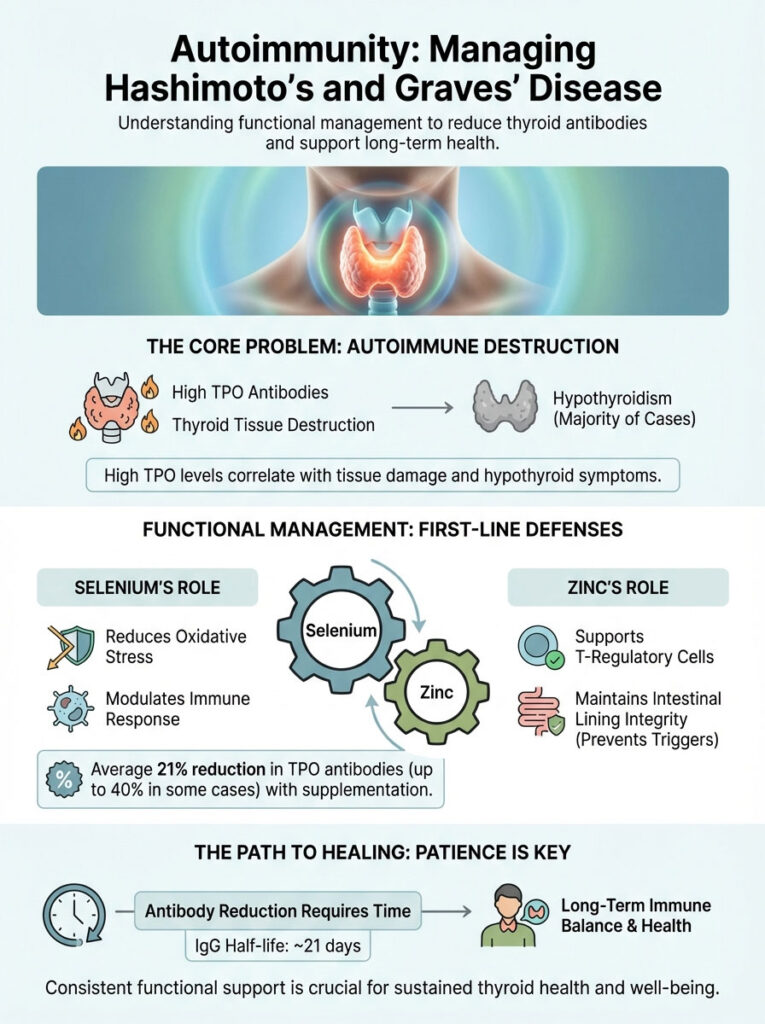
The majority of hypothyroid cases in the Western world are autoimmune in nature. Reducing thyroid antibodies is the primary goal in functional management. Selenium and zinc for thyroid protocols are the first line of defense in this battle.
Reducing TPO and Tg Antibodies with Mineral Therapy
Thyroid peroxidase antibodies (TPO) are the markers that indicate the immune system is attacking the enzyme responsible for iodine organification. High TPO levels correlate with thyroid tissue destruction. This eventually leads to permanent hypothyroidism.
Clinical studies suggest that selenium supplementation can significantly lower these antibodies. A pivotal study referenced in endocrine literature demonstrated that patients taking 200mcg of selenomethionine saw a reduction in TPO antibody titers by an average of 21%. Some cohorts reached a 40% reduction.
The mechanism is twofold. First, it reduces oxidative stress via glutathione peroxidase. Second, it modulates the immune response directly.
Expert Insight: Patience is mandatory. Antibody reduction is not immediate. The half-life of IgG antibodies is approximately 21 days. However, the modulation of the immune system takes longer. Most successful protocols require 3 to 6 months of consistent supplementation before serological changes are visible on lab work.
Zinc as an Immune Modulator
Zinc plays a vital role in the development and function of T-regulatory cells (T-regs). These cells are the peacekeepers of the immune system. They differentiate between “self” and “invader.”
A deficiency in zinc shifts the immune balance. This often exacerbates the Th1/Th2 cytokine dominance seen in autoimmune conditions. By restoring zinc levels, we support the thymus gland in producing T-regs. This dampens the autoimmune attack on the thyroid tissue.
Furthermore, zinc is crucial for maintaining the integrity of the intestinal lining. “Leaky gut” or intestinal permeability is a known trigger for Hashimoto’s. Zinc helps tighten the junctions between gut cells. This prevents antigens from entering the bloodstream and triggering further immune flare-ups.
The Clinical Protocol: Dosage, Timing, and Interactions
Implementing a protocol requires precision. More is not better. Better is better. The therapeutic window for these minerals is narrow. Deviating from safe ranges can cause harm.
Determining Your Optimal Dosage
The Selenium Sweet Spot
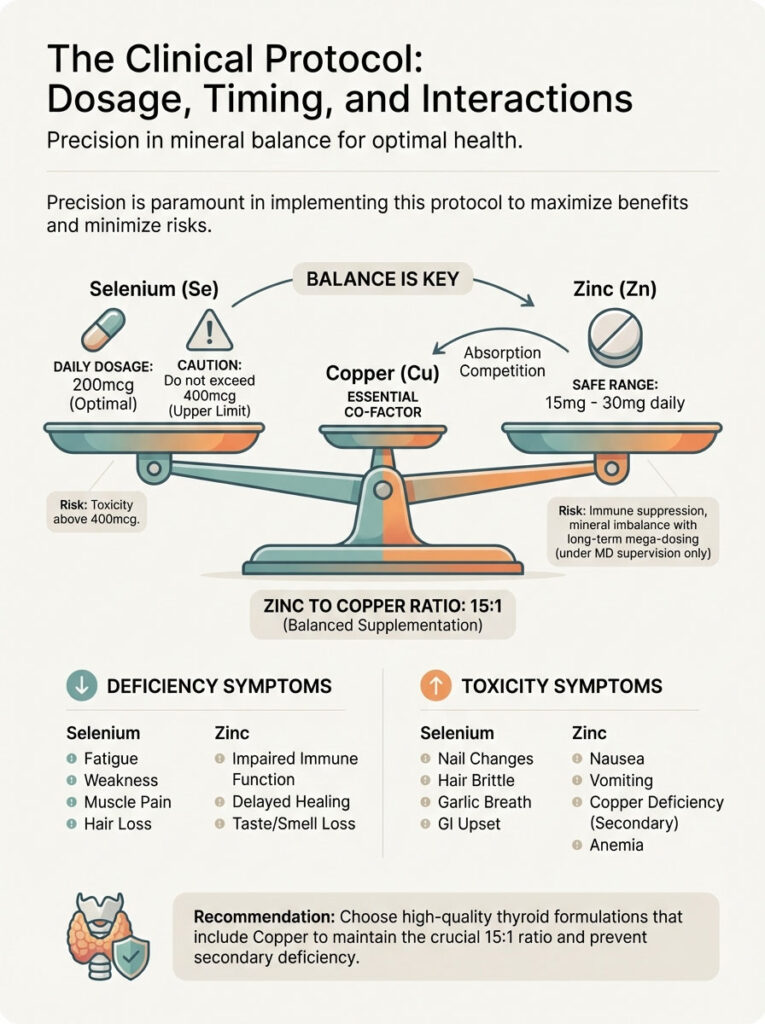
The general consensus in functional medicine is a daily dose of 200mcg of Selenium. Selenomethionine is the preferred form. Studies indicate that doses up to 400mcg do not offer additional benefits for Thyroid peroxidase antibodies (TPO) reduction.
In fact, doses consistently above 400mcg may approach the threshold for toxicity. If you are consuming significant amounts of selenium-rich foods, a maintenance dose of 100mcg may be sufficient.
The Zinc Dosage Window
For most adults, 15mg to 30mg of Zinc daily is the safe therapeutic range. Mega-dosing (50mg or higher) should only be done under strict physician supervision. This is usually reserved for short periods to correct a confirmed severe deficiency.
High doses of zinc taken long-term can suppress immune function. It can also disrupt other mineral balances, specifically copper and iron.
The Copper Connection (Critical Safety Warning)
One of the most overlooked aspects of zinc supplementation is its relationship with copper. Zinc and copper compete for absorption in the intestines. They use the same transport channels.
But wait, there is more complexity. High zinc intake upregulates the production of metallothionein. This is an intestinal protein that binds copper and prevents it from entering the bloodstream.
This can lead to a secondary copper deficiency. Symptoms include neutropenia (low white blood cells), anemia, and neurological issues. To prevent this, we adhere to the 15:1 ratio rule. For every 15mg to 30mg of Zinc, ensure you are getting roughly 1mg to 2mg of Copper. Many high-quality thyroid formulations include copper for this exact reason.
Comparison Table: Deficiency vs. Toxicity Symptoms
| Mineral | Deficiency Symptoms (Hypo-function) | Toxicity Symptoms (Hyper-function) |
|---|---|---|
| Selenium | Brain fog, muscle weakness, whitening of nail beds, cardiomyopathy, poor T4 to T3 conversion | Garlic breath, metallic taste, hair loss, brittle nails, neuropathy, gastrointestinal upset |
| Zinc | Loss of taste/smell, thinning hair, acne, frequent infections, white spots on nails, low libido | Nausea, vomiting, copper deficiency anemia, suppressed immunity, HDL cholesterol reduction |
Advanced Considerations & Nutrient Interactions
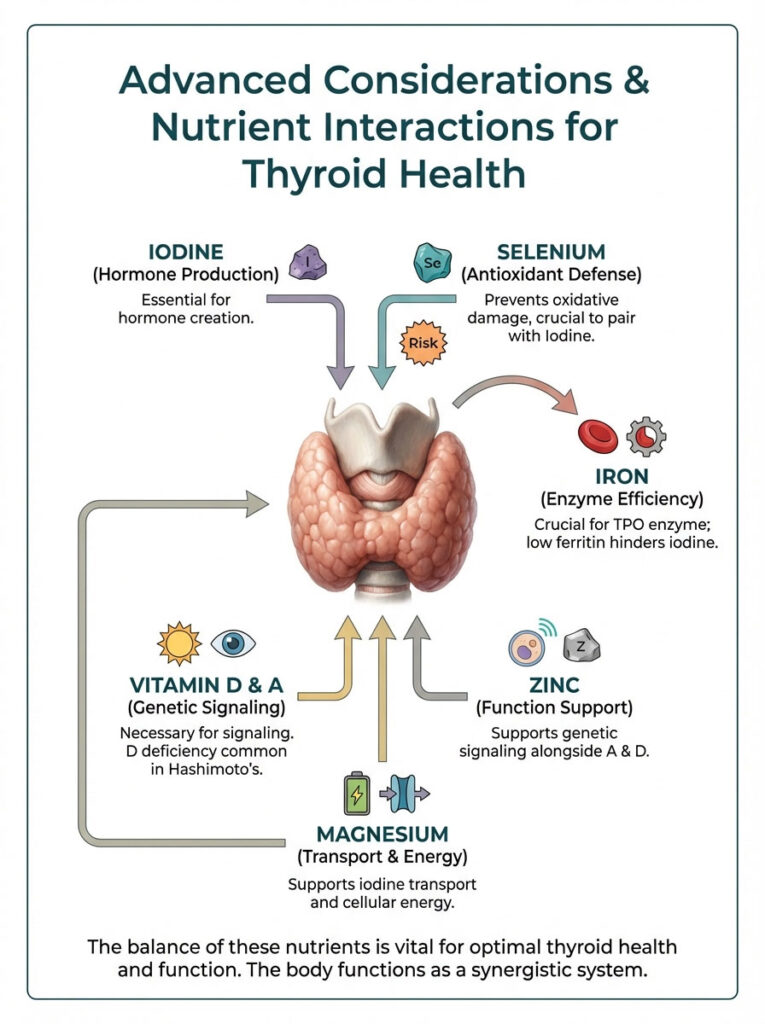
The body functions as a complex orchestra, not a solo act. Selenium and zinc for thyroid health are the conductors. However, other instruments must be in tune for the music to play correctly.
Other Synergistic Nutrients
Iodine: The “Goldilocks” Mineral
Iodine is the raw material for thyroid hormone. However, taking iodine without adequate selenium is dangerous for autoimmune patients. As discussed, iodine oxidation creates hydrogen peroxide.
If you lack selenium (and thus Glutathione Peroxidase), adding iodine is like throwing gasoline on a fire. It can trigger a “cytokine storm.” This rapidly destroys thyroid tissue. Always establish selenium levels before introducing iodine supplements.
Iron (Ferritin)
Iron is required for the Thyroid Peroxidase enzyme to function. If your Ferritin levels are below 50 ng/mL, your thyroid cannot utilize iodine efficiently. Hair loss is a common symptom where iron deficiency and zinc deficiency symptoms overlap.
Vitamin A & D
While zinc opens the receptor lock, Vitamin A and Vitamin D are required to form the heterodimer complex on the DNA. They work in unison with zinc to ensure the genetic signal is received. A deficiency in Vitamin D is almost universally found in patients with Hashimoto’s thyroiditis.
Magnesium
Magnesium is required for the active transport of iodine into the thyroid gland. It is also essential for energy production within the cell. Without magnesium, the metabolic boost provided by T3 cannot be fully realized by the mitochondria.
When to Test and What to Look For
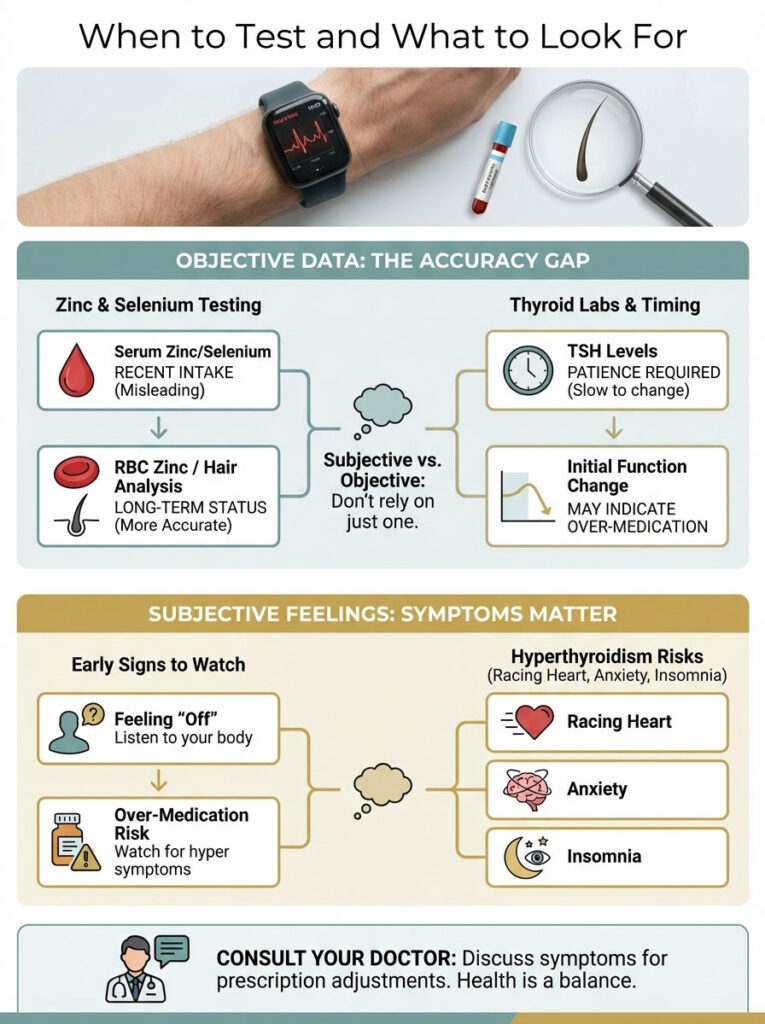
Subjective feelings are important. However, objective data is mandatory for safety. Knowing when to test can save you from toxicity and wasted effort.
Serum vs. RBC Testing
Standard blood tests measure serum zinc. This can be misleading. Serum levels fluctuate with daily intake, stress, and inflammation. For a more accurate picture of tissue stores, request a Red Blood Cell (RBC) Zinc test. This reflects the mineral status over the last 3 to 4 months.
Testing selenium is trickier. Serum selenium is the standard, but it also reflects recent dietary intake. Hair mineral analysis (HTMA) can sometimes provide a better long-term view. However, it has its own variables, such as hair treatments and environmental exposure.
Monitoring Thyroid Labs
When you start a protocol of selenium and zinc for thyroid support, do not expect TSH to drop overnight. The biochemistry takes time to shift. The first changes you will likely see are:
- An increase in Free T3 (as conversion improves).
- A decrease in Reverse T3 (as the metabolic brake is released).
- A gradual reduction in TPO antibodies over 3 to 6 months.
If your conversion improves significantly, you may actually become “over-medicated” on your current dose of Levothyroxine. Watch for signs of hyperthyroidism. These include racing heart, anxiety, and insomnia. Consult your doctor immediately to adjust your prescription if these occur.
The Role of Stress and Lifestyle
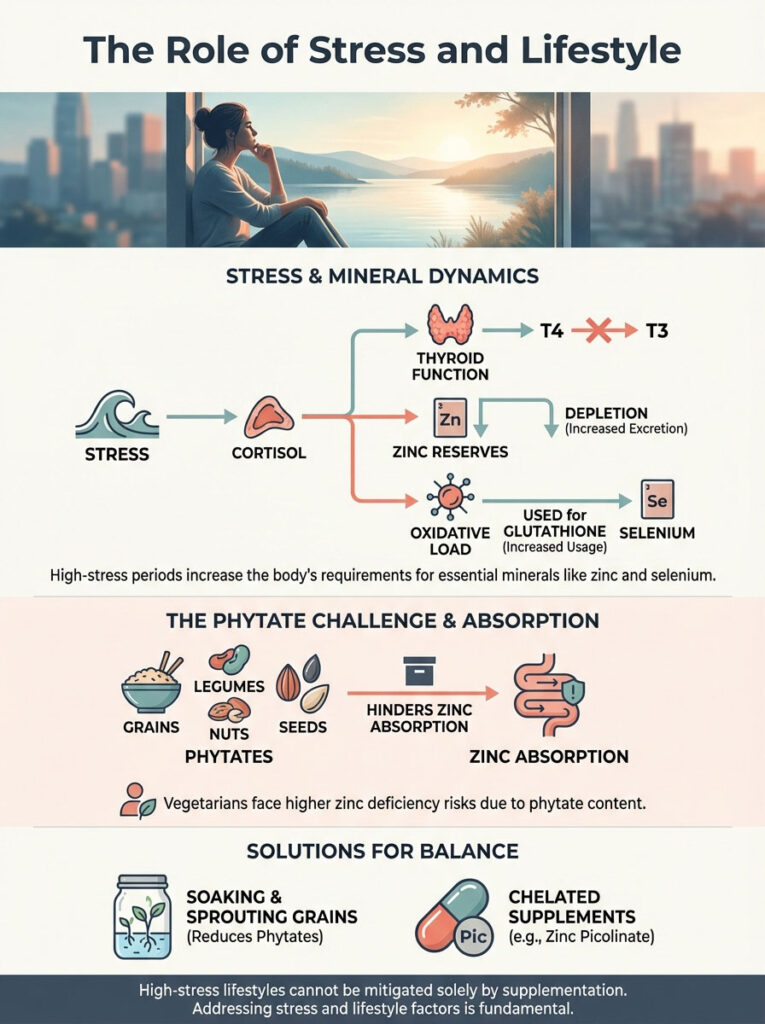
You cannot supplement your way out of a high-stress lifestyle. Cortisol, the stress hormone, has a direct antagonistic relationship with thyroid function.
The Cortisol Steal
High cortisol inhibits the conversion of T4 to T3. It also depletes zinc reserves. Zinc is excreted in urine at a much higher rate during periods of acute and chronic stress.
Simultaneously, stress increases oxidative load. Your body burns through selenium reserves to produce glutathione to combat this stress. If you are under high stress, your requirement for these minerals increases. A standard maintenance dose may not be enough during crisis periods.
Dietary Blockers: Phytates
If you rely on plant sources for zinc, be aware of phytates. Phytic acid is found in grains, legumes, nuts, and seeds. It binds to zinc and prevents absorption.
This is why vegetarians are often at higher risk for zinc deficiency. Soaking nuts and seeds, or sprouting grains, can reduce phytic acid content. However, for therapeutic purposes, chelated supplements (like zinc picolinate) bypass this absorption issue.
Summary & Key Takeaways
The management of thyroid disease requires more than a prescription pad. It requires a deep understanding of cellular biology. The synergy of selenium and zinc for thyroid function is undeniable. Selenium protects the gland from oxidative damage and drives the deiodinase enzymes responsible for T3 production. Zinc ensures that the hormone can actually dock onto the cell receptor and do its job.
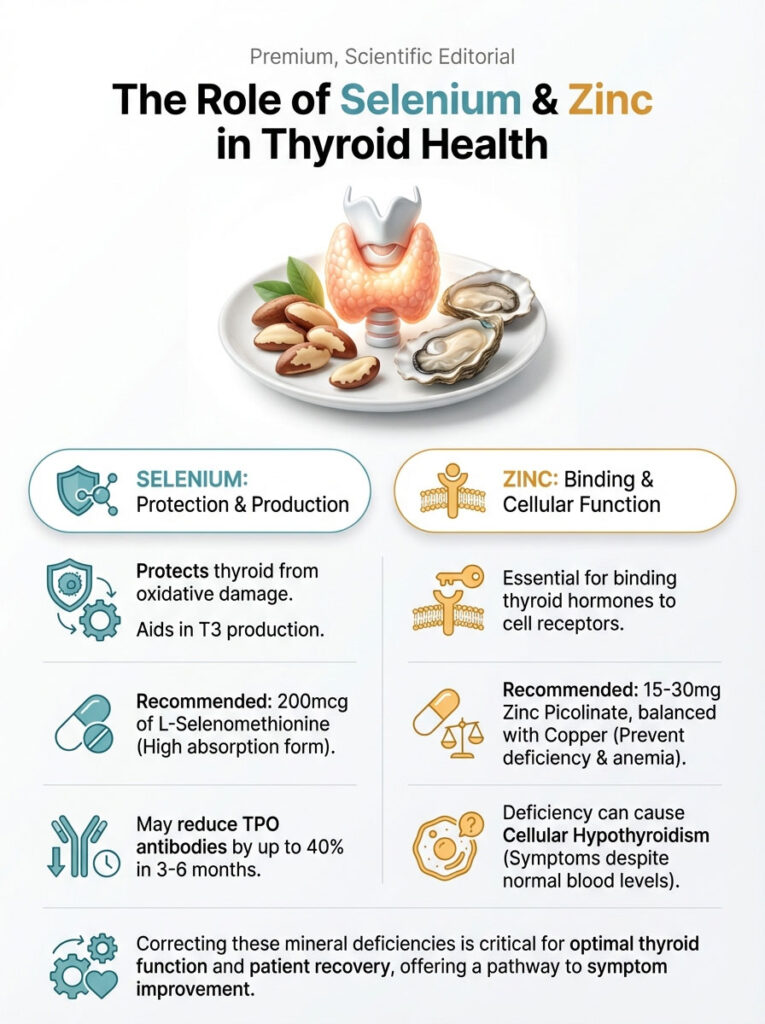
For the patient suffering from Hashimoto’s thyroiditis or unexplained fatigue, correcting these mineral deficiencies is often the turning point in their recovery. The protocol is clear: 200mcg of Selenomethionine and 15-30mg of Zinc Picolinate (balanced with copper), alongside routine monitoring.
Do not accept “normal” labs if you do not feel normal. Investigate the co-factors. Your metabolism depends on it.
Frequently Asked Questions
Why is pairing selenium and zinc essential for thyroid health?
Selenium and zinc act as the biological ignition keys for your metabolism; selenium powers the deiodinase enzymes that convert T4 into active T3, while zinc builds the nuclear receptors that allow the hormone to enter your cells. Without this mineral synergy, thyroid hormones remain trapped in the bloodstream, leading to persistent symptoms despite “normal” lab results.
Can selenium supplementation reduce thyroid peroxidase (TPO) antibodies?
Clinical studies published in the Journal of Clinical Endocrinology & Metabolism demonstrate that 200mcg of selenomethionine can reduce TPO antibodies by up to 40% within three to six months. It achieves this by boosting glutathione peroxidase, the primary enzyme responsible for neutralizing oxidative stress and hydrogen peroxide within the thyroid gland.
What is the best form of selenium for Hashimoto’s thyroiditis?
L-Selenomethionine is considered the gold standard for thyroid support because it is an organic form with an absorption rate exceeding 90%. Unlike inorganic sodium selenite, selenomethionine mimics the form found in food and is better retained in thyroid tissue to support long-term antibody reduction.
How does zinc deficiency contribute to cellular hypothyroidism?
Zinc is required for the structural integrity of “zinc finger proteins,” which stabilize the thyroid hormone receptors on your DNA. A deficiency prevents active T3 from binding to these receptors, creating a state of cellular resistance where you exhibit hypothyroid symptoms like hair loss and fatigue even with adequate circulating hormone levels.
Is it better to get selenium from Brazil nuts or supplements?
While Brazil nuts are a potent natural source, their selenium content varies significantly based on the soil quality of the region where they were grown. For clinical therapeutic goals, such as lowering antibodies or fixing conversion issues, standardized supplementation is preferred to ensure a precise, safe daily dose of 200mcg.
What are the symptoms of selenium toxicity I should watch for?
Excessive selenium intake, or selenosis, typically manifests as garlic-scented breath, a persistent metallic taste, brittle nails, and unexplained hair loss. It is critical to stay below the 400mcg daily ceiling from all sources to avoid these neurological and gastrointestinal complications.
Why must zinc be balanced with copper in a thyroid protocol?
High doses of zinc stimulate the production of metallothionein, a protein that binds copper and prevents its absorption, potentially leading to induced copper deficiency and anemia. To maintain safety, we recommend a 15:1 ratio, ensuring roughly 1mg to 2mg of copper for every 15mg to 30mg of zinc supplemented.
How does selenium help lower Reverse T3 (rT3) levels?
Selenium optimizes the Type 1 and Type 2 deiodinase enzymes, which favor the production of active T3. When selenium is deficient, the body shunts T4 toward the Type 3 deiodinase pathway, creating Reverse T3—an inactive isomer that acts as a metabolic brake and blocks T3 receptors.
Can zinc deficiency cause a falsely low TSH reading?
Yes, the pituitary gland requires zinc to synthesize Thyrotropin-Releasing Hormone (TRH) and TSH. In cases of severe zinc deficiency, the pituitary may fail to signal the thyroid properly, resulting in a low TSH that misleads clinicians into thinking the patient is euthyroid or hyperthyroid when they are actually mineral-starved.
How long does it take to see improvements in thyroid labs after starting minerals?
Patience is vital, as the half-life of thyroid antibodies is approximately 21 days and cellular mineral saturation takes time. Most patients observe improvements in Free T3 and a reduction in TPO antibodies on their lab work after 3 to 6 months of consistent, targeted supplementation.
Is it safe to take iodine if I have Hashimoto’s and a selenium deficiency?
Taking iodine without adequate selenium is potentially dangerous for autoimmune patients because iodine oxidation produces hydrogen peroxide. Without selenium-dependent glutathione peroxidase to neutralize this byproduct, the resulting oxidative stress can trigger a “cytokine storm” and accelerate thyroid tissue destruction.
Which form of zinc is most effective for thyroid receptor sensitivity?
Zinc Picolinate is widely regarded as the most bioavailable form for clinical use because the picolinic acid acts as a highly efficient chelator. This form is superior to zinc oxide, which has poor solubility and frequently causes gastrointestinal distress without significantly raising systemic zinc levels.
Disclaimer
This article is for informational purposes only and does not constitute medical advice. The clinical protocols discussed, including dosages for selenium and zinc, should only be implemented under the direct supervision of a qualified healthcare professional. Always consult your doctor before starting new supplements, especially if you are taking prescription thyroid medication.
References
- Journal of Clinical Endocrinology & Metabolism – “Selenium Supplementation in Patients with Autoimmune Thyroiditis” – Study on the 40% reduction of TPO antibodies over 3-6 months.
- Biological Trace Element Research – “The Role of Zinc in Thyroid Hormones Metabolism” – Research detailing zinc’s role in TSH synthesis and T3 receptor binding.
- Nutrients Journal – “Selenium and Thyroid Disease: From Pathophysiology to Treatment” – Comprehensive review of selenoproteins and deiodinase enzyme function.
- American Journal of Clinical Nutrition – “Bioavailability of Selenomethionine vs. Inorganic Selenium” – Comparative data on absorption rates of different selenium forms.
- Endocrine Reviews – “The HPT Axis and Mineral Co-factors” – Analysis of the biochemical requirements for thyroid hormone production and peripheral conversion.
- Thyroid® Journal – “Oxidative Stress and the Thyroid Gland” – Clinical data on glutathione peroxidase and its role in protecting thyrocytes from hydrogen peroxide.