
For most healthy adults, ibuprofen has an elimination half-life of about 2 hours. It generally takes 5 half-lives to clear a drug completely. So how long does ibuprofen stay in your system? Typically 10 to 24 hours for full elimination from your plasma. That said, variables like age, kidney function (GFR), and hydration can stretch that timeline significantly.
Table of Contents
This is one of the most common questions I get at the pharmacy counter. Usually the person is either worried about an upcoming drug test, or confused about why their pain comes back in four hours if the drug supposedly stays in the body for a full day. It’s a fair question, and it deserves a clear answer.
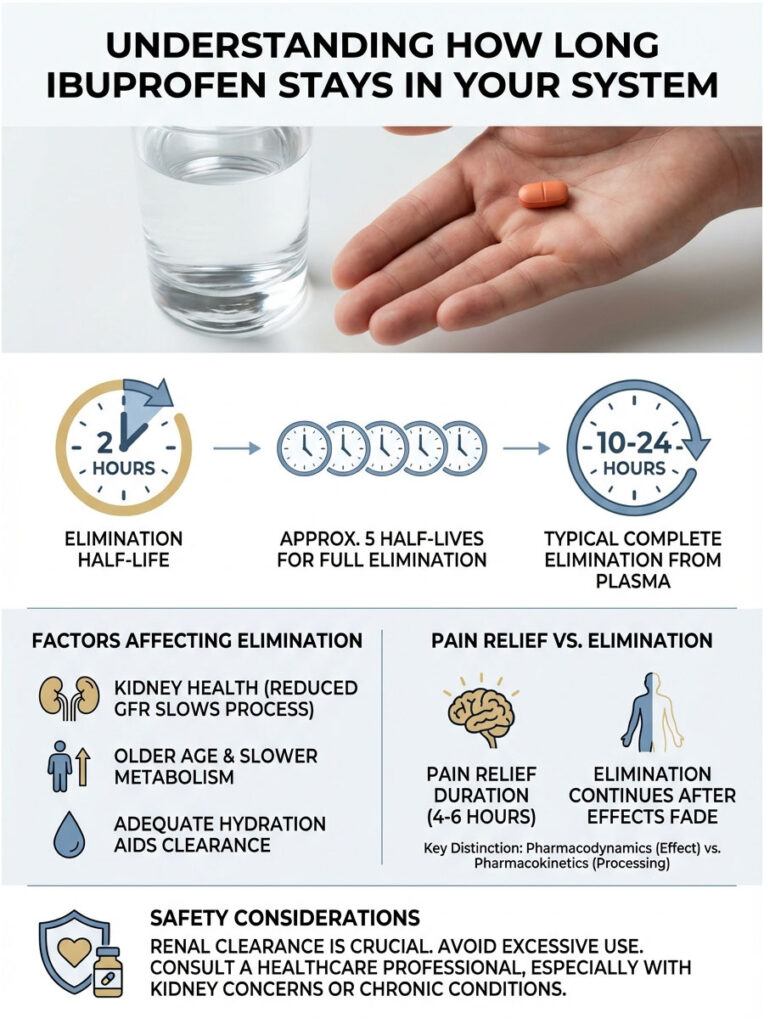
Here’s the key distinction most people miss: there’s a real difference between how long the drug provides pain relief (pharmacodynamics) and how long the chemical compound stays detectable in your blood (pharmacokinetics). The anti-inflammatory effects may wear off in 4 to 6 hours. But your kidneys are still filtering the remnants of the medication well after the pain has returned.
This guide breaks down exactly how your body processes this common NSAID (Non-Steroidal Anti-Inflammatory Drug), why renal clearance matters more than most people realize, the specific elimination timelines, and the safety factors you need to keep in mind.
How Your Body Actually Clears Ibuprofen
When you swallow a tablet, you’re kicking off a complex biological sequence. Understanding how long the drug stays present means understanding the machinery of your metabolism.
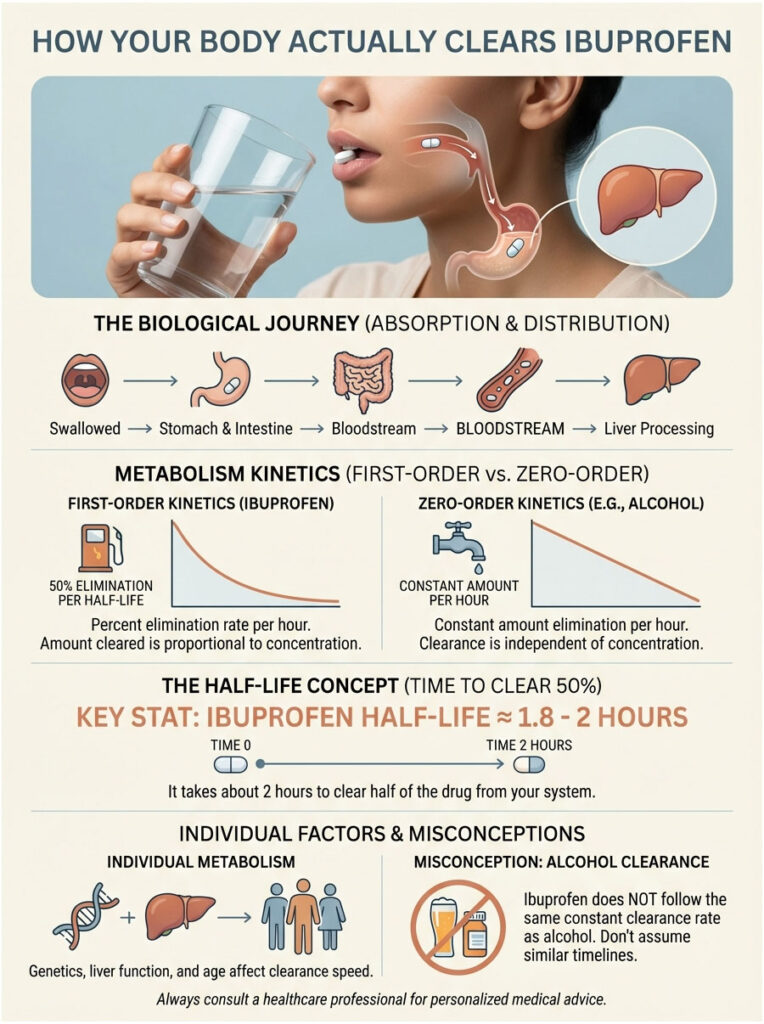
Unlike alcohol (which leaves the body at a steady rate regardless of how much you drank, called zero-order kinetics), ibuprofen follows first-order kinetics. Your body eliminates a constant percentage of the drug per hour, not a constant amount. This is why the half-life concept is so important for understanding clearance.
Key Statistics at a Glance
- Elimination Half-Life: 1.8 to 2.0 hours (healthy adults)
- Time to Peak Levels (Tmax): 1 to 2 hours
- Total Clearance Time: Approximately 24 hours (99% elimination)
- Protein Binding: Over 99% (binds to albumin)
- Primary Excretion Route: Urine (renal)
- Metabolism Site: Liver (CYP2C9 enzymes)
Pharmacokinetics 101: The Half-Life Breakdown
The elimination half-life is the time it takes for the drug concentration in your blood plasma to drop by exactly 50%. For ibuprofen, that’s roughly two hours. Here’s what that looks like in practice for a 200 mg dose in a healthy person:
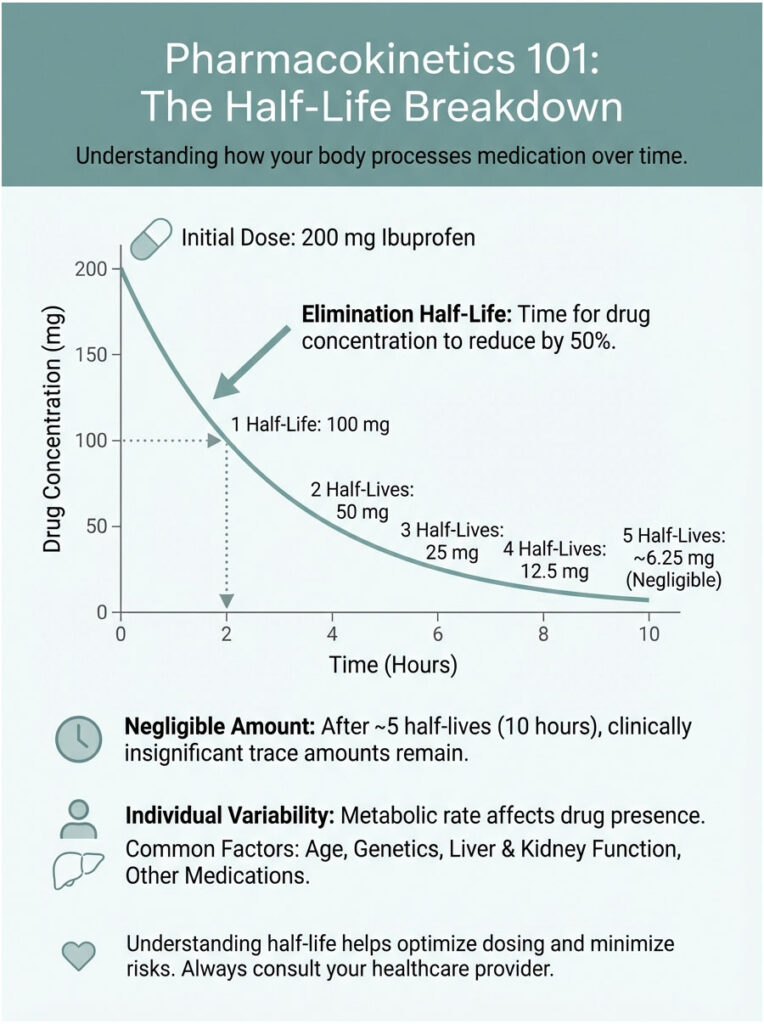
- Start: 200 mg (100%)
- 2 hours: 100 mg (50%)
- 4 hours: 50 mg (25%)
- 6 hours: 25 mg (12.5%)
- 8 hours: 12.5 mg (6.25%)
- 10 hours: 6.25 mg (3.125%)
After 10 hours, the remaining amount is negligible. Trace amounts can linger for up to 24 hours depending on your individual metabolic rate.
The ADME Pathway: What Happens After You Swallow the Pill
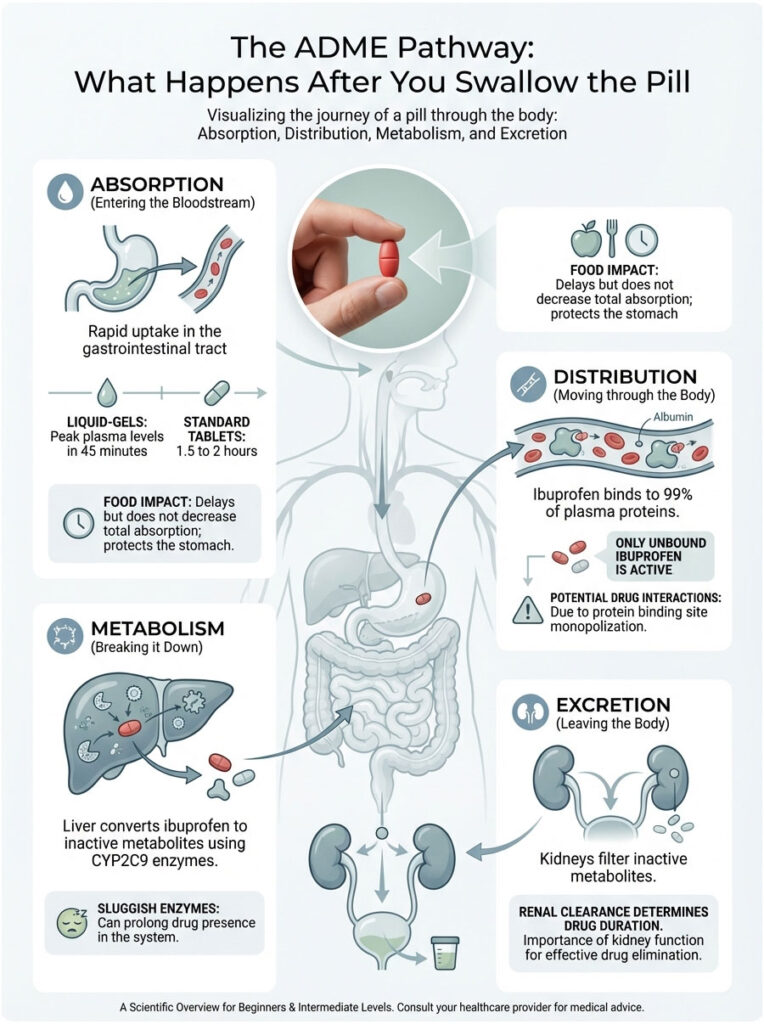
Pharmacists use the ADME framework (Absorption, Distribution, Metabolism, Excretion) to predict how drugs behave. Here’s each step for ibuprofen.
Absorption: How It Gets Into Your Blood
Ibuprofen is rapidly absorbed through the gastrointestinal tract. If you take a liquid-gel or solubilized form, you can reach peak plasma levels in as little as 45 minutes. Standard tablets take closer to 1.5 to 2 hours. Food delays absorption but doesn’t decrease the total amount absorbed. That’s why we recommend taking it with food: it protects your stomach without sacrificing the full dose.
Distribution: The Albumin Connection
Once in the bloodstream, ibuprofen is highly “sticky.” About 99% of it binds to plasma proteins, specifically albumin. Only the free (unbound) portion is active and able to reduce inflammation. Because ibuprofen monopolizes these protein binding sites, it can displace other drugs, creating potential interactions we’ll cover shortly.
Metabolism: The Liver Does the Heavy Lifting
Your liver converts active ibuprofen into inactive metabolites (hydroxyl-ibuprofen and carboxy-ibuprofen) using the Cytochrome P450 CYP2C9 enzyme system. If your CYP2C9 enzymes are sluggish, whether from genetics or other medications, the drug will stay in your system longer than expected.
Excretion: The Kidneys Finish the Job
The kidneys filter those inactive metabolites out of the blood via the glomerulus and excrete them in urine. This is why renal clearance is the ultimate deciding factor in how long the drug remains in your body. If the kidneys aren’t filtering efficiently, metabolites back up in the bloodstream.
Factors That Change How Long Ibuprofen Stays in Your System
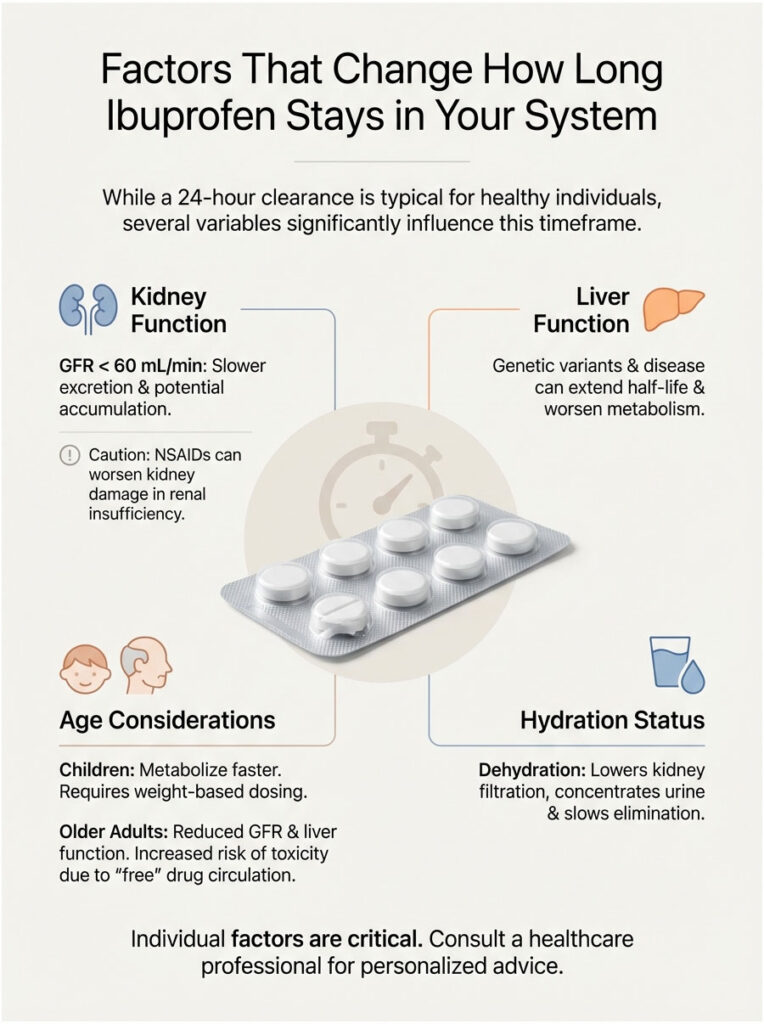
The “24-hour rule” assumes a healthy 30-year-old with normal organ function. Real-world biology is rarely that tidy. Several variables can substantially alter clearance time.
Kidney Function and GFR
Your Glomerular Filtration Rate (GFR) is essentially the speedometer of your kidneys. A healthy GFR is above 90 mL/min. As we age, or in the presence of Chronic Kidney Disease, that number drops.
If your GFR falls below 60 mL/min, your kidneys filter blood more slowly. The drug’s metabolism doesn’t change, but excretion slows down, leading to accumulation. This is why clinicians are so cautious with NSAIDs in patients with renal insufficiency. The drug hangs around, constricts blood flow to the kidneys, and can worsen existing damage.
Liver Function and Genetics
Genetics play a big role here. Some people carry polymorphisms in the CYP2C9 gene that make them “poor metabolizers.” For these individuals, ibuprofen’s half-life can extend well beyond the standard 2 hours, sometimes doubling the retention time. Liver conditions like cirrhosis compromise the metabolic breakdown even further.
Age: Children vs. Older Adults
Children actually metabolize ibuprofen faster than adults relative to body surface area. This is why pediatric dosing is weight-based and requires careful calculation.
Adults over 65 often face a double challenge: reduced liver blood flow and reduced GFR. On top of that, older adults frequently have lower albumin levels, which means more “free” drug circulating in the blood. This increases the risk of toxicity even at standard doses.
Hydration Status
Water is the vehicle for excretion. Dehydration reduces blood volume and kidney filtration pressure. When you’re dehydrated, your body conserves water, concentrating urine and slowing the elimination of drug metabolites. Staying well-hydrated is the simplest way to ensure normal clearance.
200 mg vs. 800 mg: Does a Higher Dose Stay Longer?
A common misconception is that a higher dose has a longer half-life. That’s not how it works. The half-life stays constant at roughly 2 hours regardless of the dose. However, the total clearance time for ibuprofen 800 mg feels longer because you’re starting from a much higher peak.
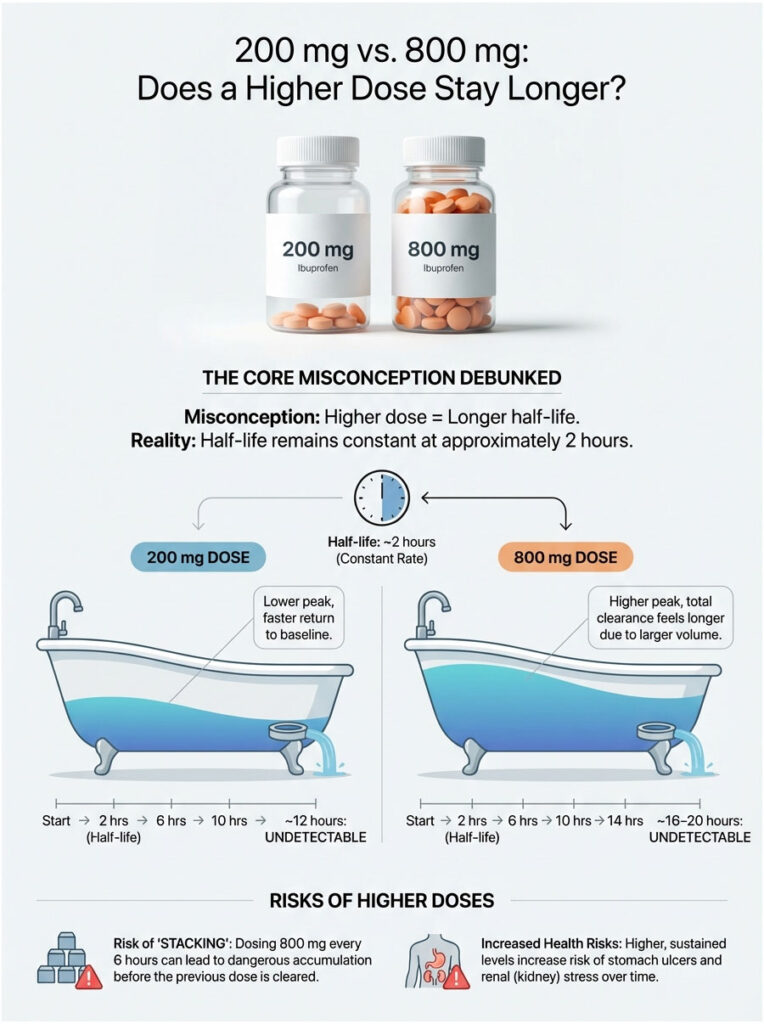
Think of it like draining a bathtub. The drain size (clearance rate) is the same, but a tub filled to the brim (800 mg) takes longer to empty than one that’s a quarter full (200 mg). While 200 mg might be undetectable in 12 hours, 800 mg could take 16 to 20 hours to reach the same threshold.
A word of caution: Taking 800 mg every 6 hours can lead to “stacking,” where you take the next dose before the previous one has cleared enough. Over 3 to 4 days, this raises your steady-state concentration and increases the risk of stomach ulcers and renal stress.
Ibuprofen vs. Other Pain Relievers: A Clearance Comparison
To understand where ibuprofen fits in the broader pain management picture, here’s how it compares to other common analgesics.
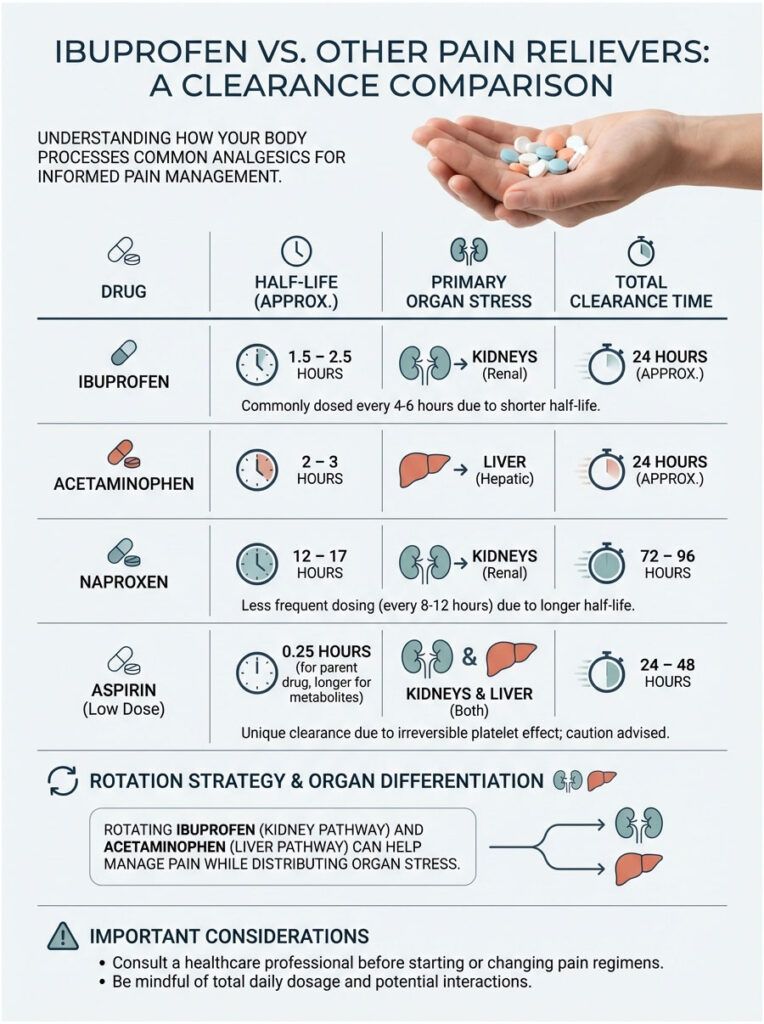
| Drug | Brand Examples | Half-Life | Primary Organ Stress | Total Clearance |
| Ibuprofen | Advil, Motrin | 1.8 to 2 hrs | Kidneys and stomach | ~24 hours |
| Naproxen | Aleve | 12 to 17 hrs | Kidneys and stomach | ~72 to 90 hours |
| Acetaminophen | Tylenol | 2 to 3 hrs | Liver | ~24 hours |
| Aspirin | Bayer | 15 to 20 min* | Stomach and clotting | ~12 hours |
*Aspirin itself clears quickly, but its active metabolite (salicylic acid) stays in the system longer.
This is why naproxen is dosed twice daily while ibuprofen is dosed every 4 to 6 hours. It also explains why rotating between ibuprofen and acetaminophen is a common strategy. They stress different organs (kidneys vs. liver), allowing you to manage pain without overloading a single system.
Will Ibuprofen Show Up on a Drug Test?
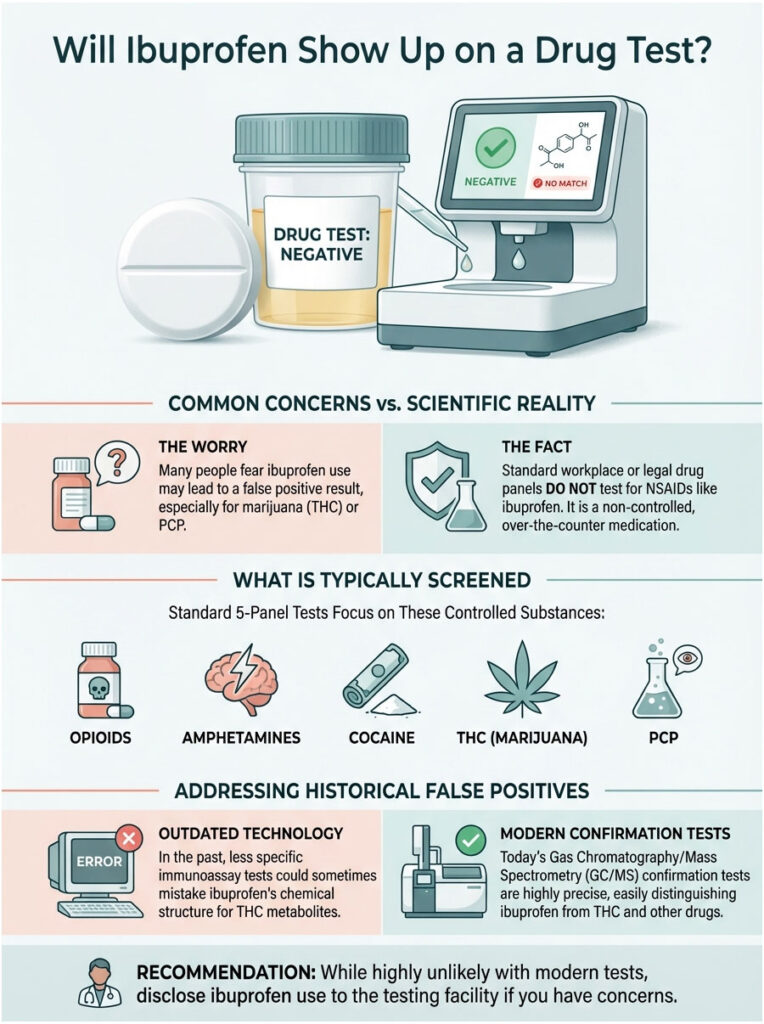
For a deeper understanding, see our evidence-based article, Will Ibuprofen Show Up on a Drug Test? What the Clinical Evidence Actually Says.” This concern is common: “I took Motrin for back pain. Will I fail my drug test?” While the anxiety is understandable, modern immunoassay screening followed by confirmatory testing makes false positives from ibuprofen extremely unlikely.
Standard Drug Panels Don’t Test for NSAIDs
Standard 5-panel, 10-panel, and 12-panel employment drug tests screen for opioids, amphetamines, cocaine, THC, and PCP. Ibuprofen is not a controlled substance, so there’s no reason for these panels to include it.
The False Positive Myth
Years ago, there were scattered reports of ibuprofen triggering false positives for THC, barbiturates, or benzodiazepines. That was a flaw in older immunoassay technology. Modern screening tests are far more specific.
Even if an initial screen flags something, any reputable lab will follow up with a GC/MS (Gas Chromatography/Mass Spectrometry) confirmation test. This looks at the molecular fingerprint of the substance. Ibuprofen looks nothing like THC at the molecular level, so confirmation will always clear you. If you’re still concerned, simply disclose your ibuprofen use to the testing administrator beforehand.
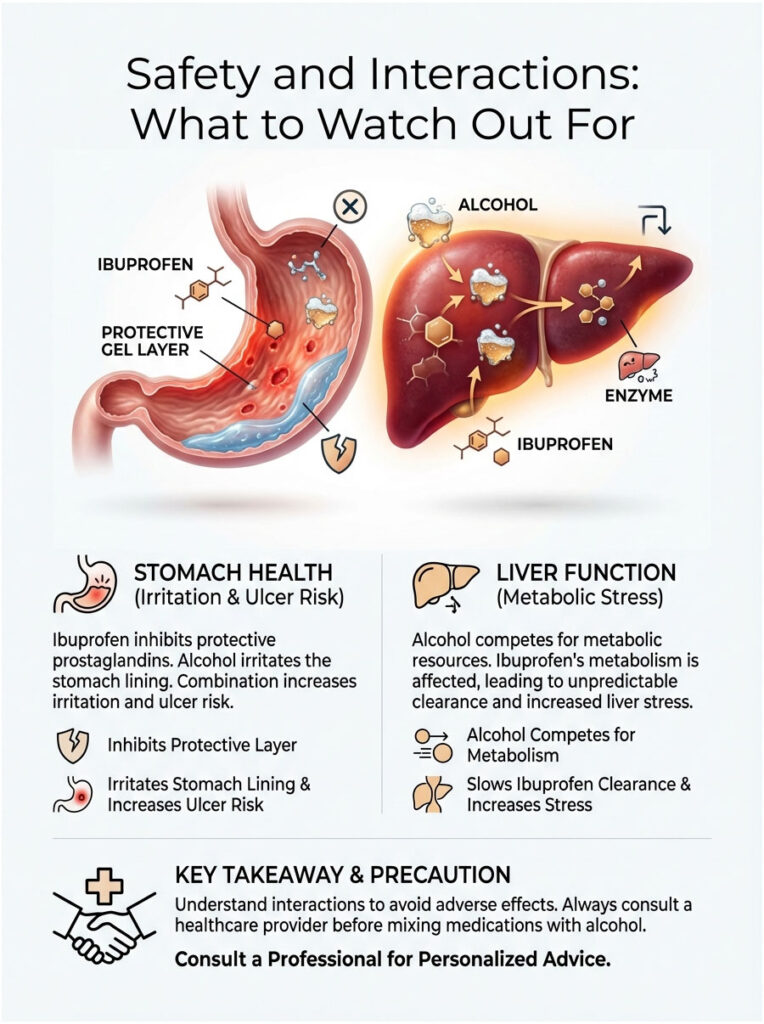
Safety and Interactions: What to Watch Out For
Just because ibuprofen is over-the-counter doesn’t mean it’s harmless. Understanding how long ibuprofen stays in your system matters when you consider what else you’re putting in your body.
Alcohol and Ibuprofen: A Dangerous Mix
Alcohol irritates the stomach lining. Ibuprofen inhibits the prostaglandins that protect that lining. Combine the two and you strip away the stomach’s defenses while simultaneously attacking it with acid.
Alcohol also competes for metabolic resources in the liver. While ibuprofen is primarily cleared by the kidneys, its initial metabolism happens in the liver. Heavy drinking can alter this process, leading to unpredictable clearance and increased liver stress.
Key Drug Interactions
- Blood thinners (Warfarin, Eliquis): Ibuprofen has antiplatelet effects. Combining it with anticoagulants significantly raises the risk of a major bleed.
- SSRIs (Prozac, Zoloft): These antidepressants also affect platelet aggregation. Pairing them with NSAIDs increases upper GI bleeding risk.
- Blood pressure medications: Ibuprofen causes the kidneys to retain sodium and water, which raises blood pressure. This can directly counteract ACE inhibitors and diuretics.
- Lithium: Ibuprofen can decrease the renal clearance of lithium, leading to dangerously high lithium levels in the blood.
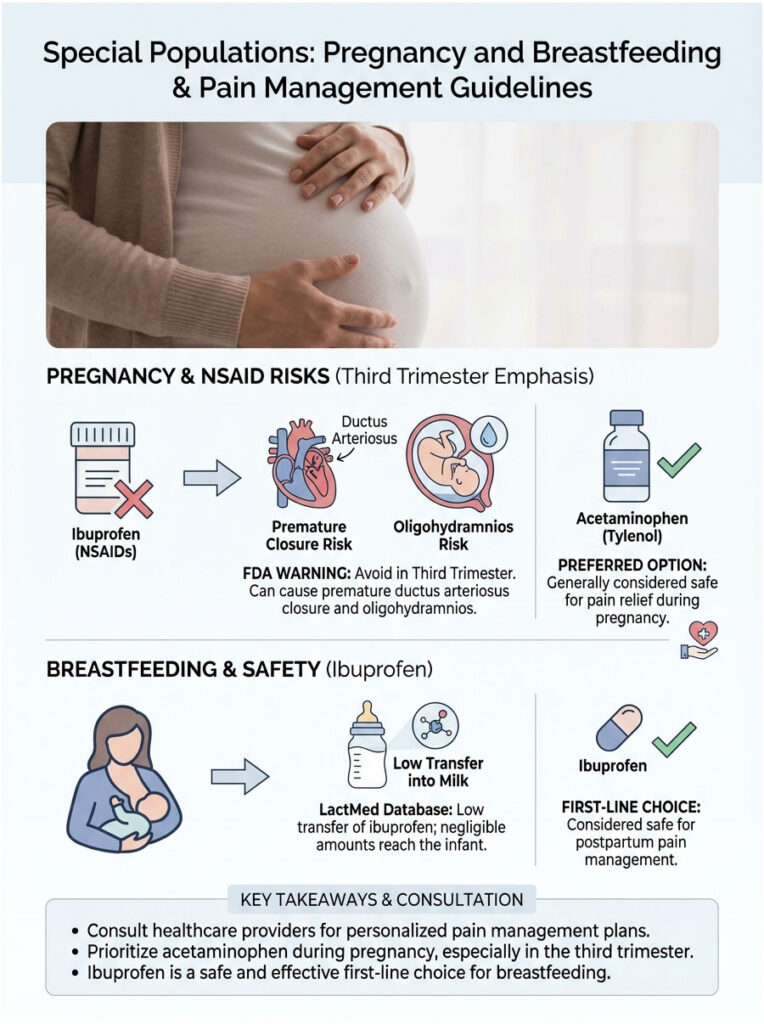
Special Populations: Pregnancy and Breastfeeding
Pregnancy: The FDA Warning
The FDA has issued strict warnings about NSAID use during pregnancy. In the third trimester (after 20 weeks), ibuprofen is typically contraindicated. It can cause premature closure of the ductus arteriosus, a vital blood vessel in the fetal heart. It’s also linked to oligohydramnios (low amniotic fluid) caused by fetal kidney dysfunction. If you’re pregnant, acetaminophen (Tylenol) is generally the preferred pain reliever.
Breastfeeding: Generally Safe
For breastfeeding mothers, ibuprofen is actually one of the safest options. According to the LactMed database, ibuprofen has extremely low transfer into breast milk. The amount an infant would receive is negligible and well below any therapeutic or toxic level. It’s often the first-line choice for postpartum pain management.
Toxicity and Overdose: Know the Limits
The maximum daily limit for over-the-counter use is 1,200 mg per day. Under a doctor’s supervision, the prescription ceiling is 3,200 mg per day. Going above these limits doesn’t improve pain relief. It only increases the risk of serious side effects.
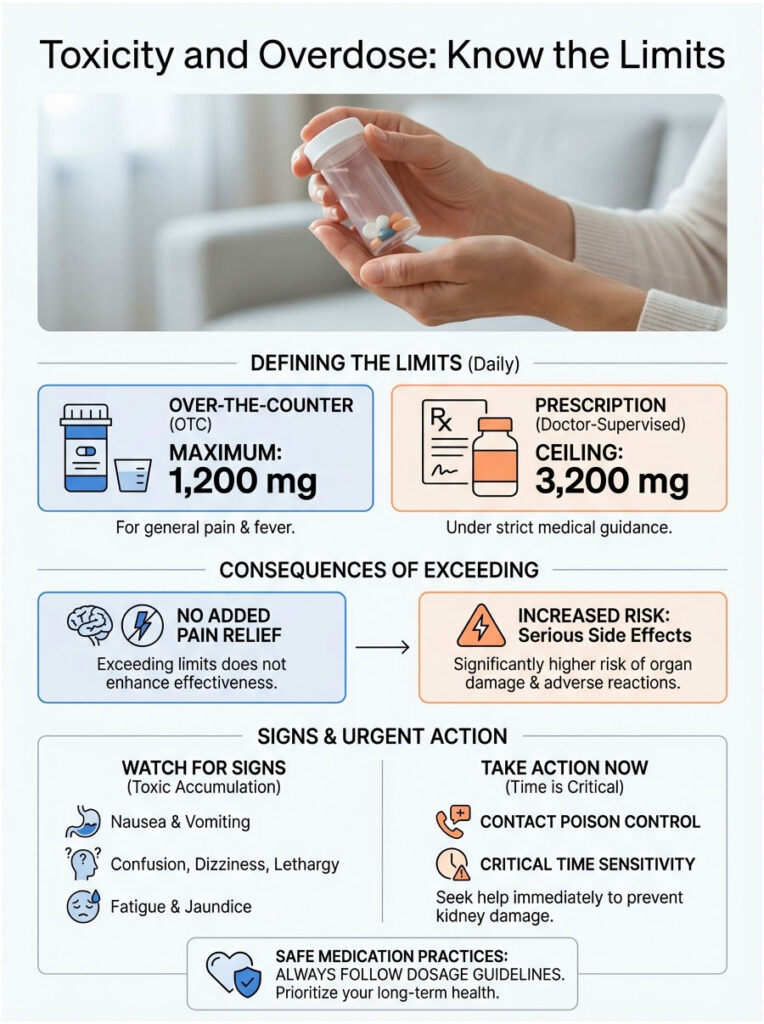
Signs of toxic accumulation include:
- Tinnitus: Persistent ringing or buzzing in the ears.
- GI bleeding: Black, tarry stools or coffee-ground-like vomit.
- Renal failure: Noticeable decrease in urine output or dark-colored urine.
- Severe abdominal pain: Intense cramping or burning in the stomach area.
If you suspect an overdose, contact Poison Control immediately. Time is critical for preventing permanent kidney damage.
Advanced Clearance: The Role of Urine pH
For those curious about deeper biochemistry, urine pH plays a subtle role. Ibuprofen is a weak acid. In alkaline urine (higher pH), the drug is ionized and excreted more rapidly. In acidic urine, it can be reabsorbed back into the bloodstream.
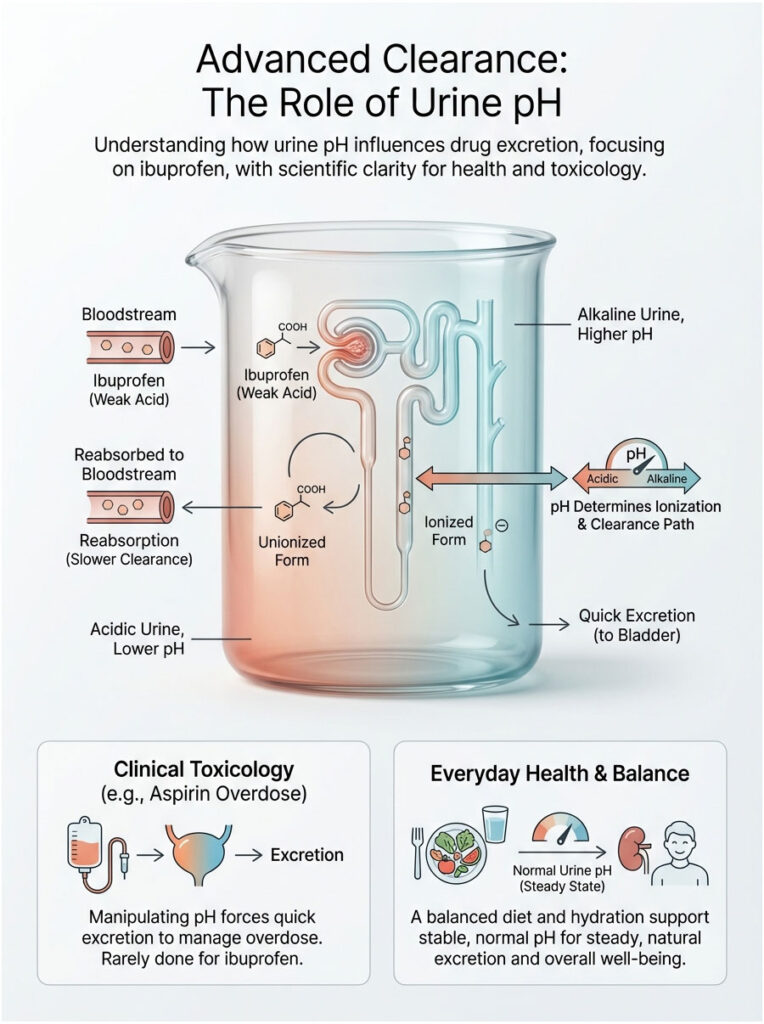
While clinicians don’t typically manipulate urine pH for ibuprofen clearance, this principle is used in toxicology to manage overdoses of similar drugs (like aspirin). Maintaining a balanced diet and adequate hydration helps keep urine pH in a normal range and supports steady excretion.
Practical Tips for Managing Your Dosing Schedule
Rotating Medications
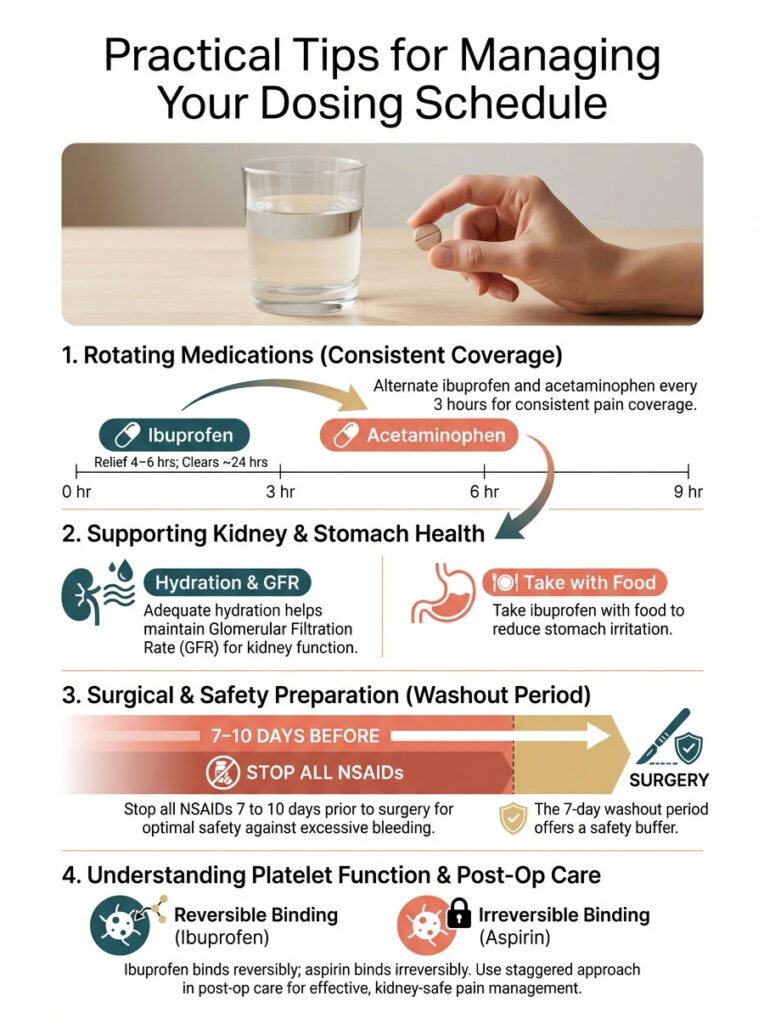
Since how long ibuprofen stays in your system is roughly 24 hours but pain relief lasts only 4 to 6 hours, you can alternate with acetaminophen every 3 hours. This keeps pain coverage consistent while giving your kidneys a break between ibuprofen doses. This “staggered” approach is standard practice in post-operative care.
Staying Hydrated
Hydration is your best defense against renal toxicity. Drinking plenty of water keeps your GFR up and helps the kidneys flush metabolites efficiently. Taking ibuprofen with food will delay onset slightly (because of slower absorption) but offers significant protection against stomach irritation.
Before Surgery: The 7-Day Washout
If you have surgery scheduled, your surgeon will likely ask you to stop all NSAIDs 7 to 10 days beforehand. The drug itself clears in about 24 hours, but its effect on platelet function takes time to fully normalize.
Unlike aspirin, which irreversibly binds to platelets for their entire 7-to-10-day lifespan, ibuprofen binds reversibly. Still, the 7-day washout gives a wide safety margin against excessive bleeding during the procedure.
Key Takeaways
So, how long does ibuprofen stay in your system? For the vast majority of healthy adults, the drug is functionally gone within 24 hours. The biological impact on your kidneys and stomach can persist longer if you’re taking high doses frequently.
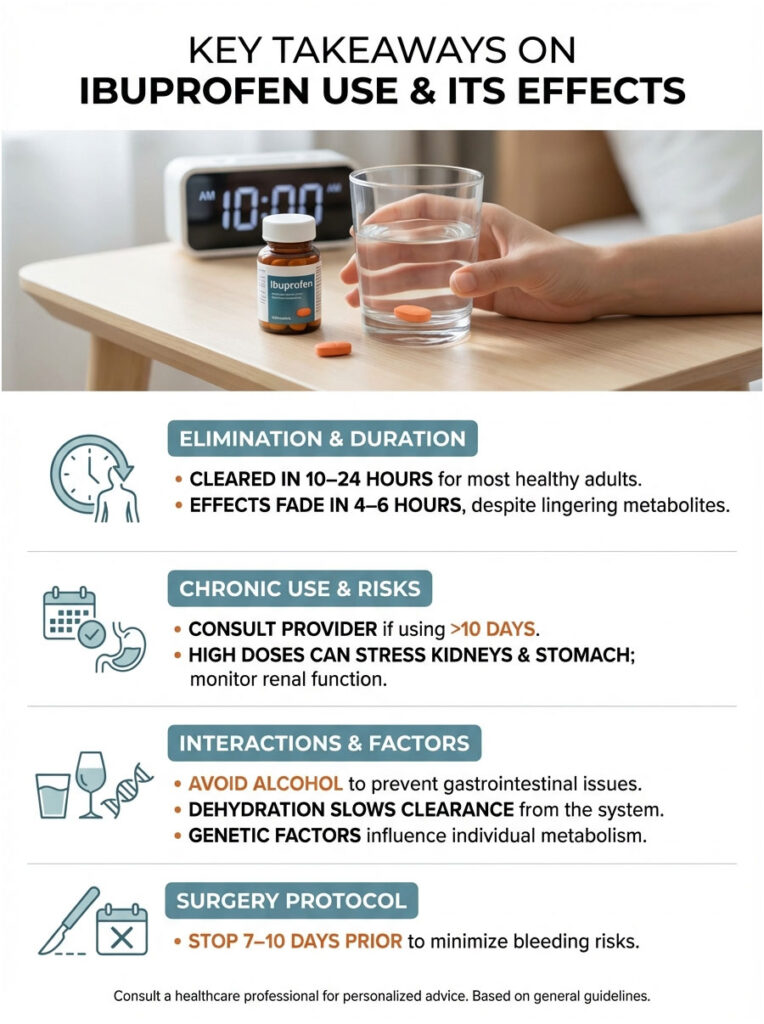
- Half-life: About 2 hours in healthy adults.
- Full clearance: Depends on healthy renal function. Stay hydrated.
- Safety: Avoid combining with alcohol, and watch for interactions with blood thinners.
- Drug testing: It will not cause a false positive on modern confirmed drug tests.
- Daily limits: Do not exceed 1,200 mg OTC per day without medical guidance.
If you find yourself needing ibuprofen for more than 10 consecutive days, talk to your healthcare provider. Chronic pain often requires a different treatment strategy than simply masking it with NSAIDs, and long-term use calls for monitoring of kidney function.
Frequently Asked Questions
How long does ibuprofen stay in your system?
For most healthy adults, ibuprofen is fully eliminated from the plasma within 10 to 24 hours. While the drug’s elimination half-life is approximately 2 hours, it generally takes five half-lives for the concentration to reach a negligible level. Factors like age, hydration, and renal function can extend this timeline.
Will taking ibuprofen cause a false positive on a drug test?
Modern immunoassay screens and GC/MS confirmation tests are highly specific and unlikely to produce a false positive for THC or other controlled substances due to ibuprofen. While older testing technologies occasionally had cross-reactivity issues, current laboratory standards effectively distinguish the molecular structure of NSAIDs from illicit drugs.
How does kidney function or GFR impact how long ibuprofen lasts?
Since ibuprofen is primarily excreted through the kidneys, a low Glomerular Filtration Rate (GFR) significantly slows down the elimination of its metabolites. In patients with chronic kidney disease or age-related renal decline, the drug can accumulate, increasing the risk of systemic toxicity and further renal stress.
Does an 800 mg dose of ibuprofen stay in the body longer than 200 mg?
The elimination half-life remains constant at roughly 2 hours regardless of the dose, meaning the body clears a fixed percentage of the drug over time. However, because an 800 mg dose starts at a much higher peak plasma concentration, it will take more time to reach an undetectable level compared to a standard 200 mg dose.
Can I drink alcohol if I still have ibuprofen in my system?
Combining alcohol and ibuprofen is discouraged because both substances irritate the gastric mucosa and can lead to gastrointestinal bleeding or ulcers. Furthermore, alcohol can interfere with liver metabolism, potentially altering the clearance rate of the NSAID and increasing the risk of adverse effects.
Why does the pain return in 4 hours if the drug stays in my system for 24 hours?
There is a clinical distinction between pharmacodynamics—how long the drug provides analgesic effects—and pharmacokinetics—how long the chemical remains in your blood. While the anti-inflammatory effect typically wears off after 4 to 6 hours as local concentrations dip, your kidneys continue filtering the remaining metabolites for up to a full day.
Is ibuprofen safe to take while breastfeeding?
Ibuprofen is considered one of the preferred analgesics for lactating mothers because it has extremely low transfer into breast milk. According to clinical databases like LactMed, the amount an infant would ingest is negligible and far below any level that would cause pharmacological concern.
How does the clearance of ibuprofen compare to naproxen?
Ibuprofen has a very short half-life of about 2 hours, requiring dosing every 4 to 6 hours, whereas naproxen has a much longer half-life of 12 to 17 hours. Consequently, ibuprofen is cleared from the system within 24 hours, while naproxen can take 72 to 90 hours to be fully eliminated.
Does being dehydrated slow down the elimination of ibuprofen?
Yes, adequate hydration is essential for maintaining the kidney filtration pressure necessary for efficient renal clearance. Dehydration reduces blood volume and slows the glomerular filtration rate, which can cause ibuprofen metabolites to linger in the bloodstream longer than usual.
What are the primary symptoms of ibuprofen accumulation or toxicity?
If ibuprofen levels build up excessively in the system, you may experience tinnitus (ringing in the ears), severe epigastric pain, or a noticeable decrease in urine output. In advanced cases, toxicity can lead to gastrointestinal bleeding, characterized by dark, tarry stools, or acute renal impairment.
Why must I stop taking ibuprofen 7 to 10 days before a scheduled surgery?
Although ibuprofen is chemically cleared within 24 hours, it has a reversible antiplatelet effect that can interfere with blood clotting during a procedure. Surgeons recommend a one-week washout period to ensure that platelet function has fully returned to baseline, minimizing the risk of intraoperative hemorrhage.
Can my genetics influence how fast I process ibuprofen?
Yes, ibuprofen is metabolized in the liver by the CYP2C9 enzyme system, and genetic variations can make some individuals “poor metabolizers.” For these patients, the drug’s half-life is extended, meaning it stays in their system significantly longer than the standard 2-hour average.
Disclaimer
This article is for informational purposes only and does not constitute medical advice. Ibuprofen can cause serious side effects, including gastrointestinal bleeding and kidney damage. Always consult a qualified healthcare professional or pharmacist before starting any new medication or if you have underlying health conditions.
References
- U.S. Food and Drug Administration (FDA) – fda.gov – Official drug labeling and safety warnings regarding NSAID use and cardiovascular/renal risks.
- National Center for Biotechnology Information (NCBI) – PubChem Compound Summary – Detailed pharmacokinetic data, including half-life, molecular weight, and protein binding.
- Mayo Clinic – mayoclinic.org – Clinical overview of ibuprofen dosage, side effects, and drug-drug interactions.
- LactMed Database (NIH) – Drugs and Lactation Database – Authoritative data on ibuprofen transfer into human breast milk.
- American Journal of Kidney Diseases – ajkd.org – Research on the impact of NSAIDs on Glomerular Filtration Rate (GFR) and chronic kidney disease.
- Journal of Clinical Pharmacology – wiley.com – Study on the metabolism of ibuprofen via the CYP2C9 enzyme system and genetic polymorphisms.