
Quick Answer: Yes, ibuprofen is one of the most effective over-the-counter options for tension headaches and mild-to-moderate migraines. It works by blocking the production of prostaglandins, the chemicals behind pain and inflammation. A 400mg dose typically brings noticeable relief within 30 to 60 minutes. The key caution? Using it more than 15 days a month can trigger rebound headaches (Medication Overuse Headache), which actually make the problem worse.
Table of Contents
Why Ibuprofen Is the Go-To for Headache Relief
If you have ever had a splitting headache and reached for a bottle of Advil or Motrin, you are not alone. “Does ibuprofen help with headaches?” is probably the most common question I hear from patients about over-the-counter pain relief. The short answer is a clear yes. But there is more to the story than just popping a pill and waiting.
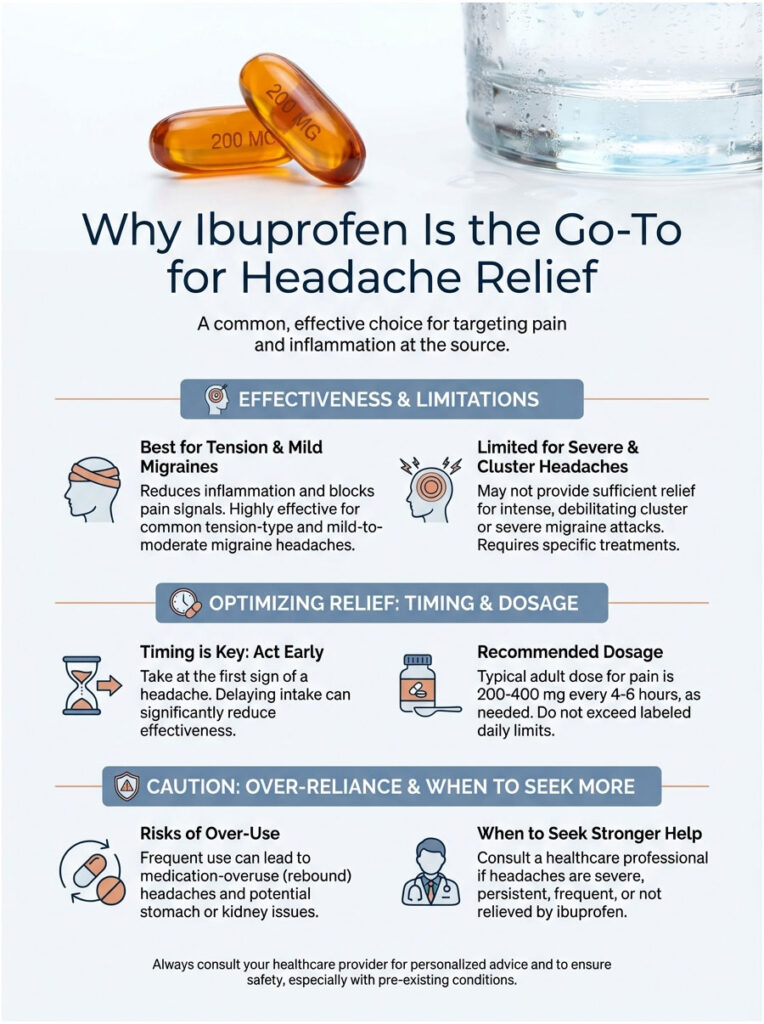
The type of headache you are dealing with matters. So does timing, dosage, and how often you rely on it. Ibuprofen is genuinely effective for common tension headaches and works well for mild migraines too. But for cluster headaches or severe migraines, it often falls short on its own.
This guide goes well beyond what you will find on the back of the bottle. We will cover how ibuprofen actually works inside your body, why timing your dose makes such a big difference, the dosage sweet spot that maximizes relief without unnecessary risk, and when it is time to move on to something stronger.
Key Clinical Data at a Glance
- Onset of Action: 30 to 60 minutes for standard tablets; 20 to 30 minutes for liquid-filled capsules.
- Peak Blood Levels: 1.5 to 2 hours after ingestion, which is typically when maximum pain relief kicks in.
- Optimal Single Dose: 400mg is clinically superior to 200mg for acute headache pain (supported by Cochrane Reviews).
- Maximum OTC Daily Dose: 1,200mg per day, per FDA guidelines.
- Rebound Headache Threshold: Using NSAIDs more than 15 days per month significantly raises the risk of Medication Overuse Headache.
How Ibuprofen Actually Stops a Headache
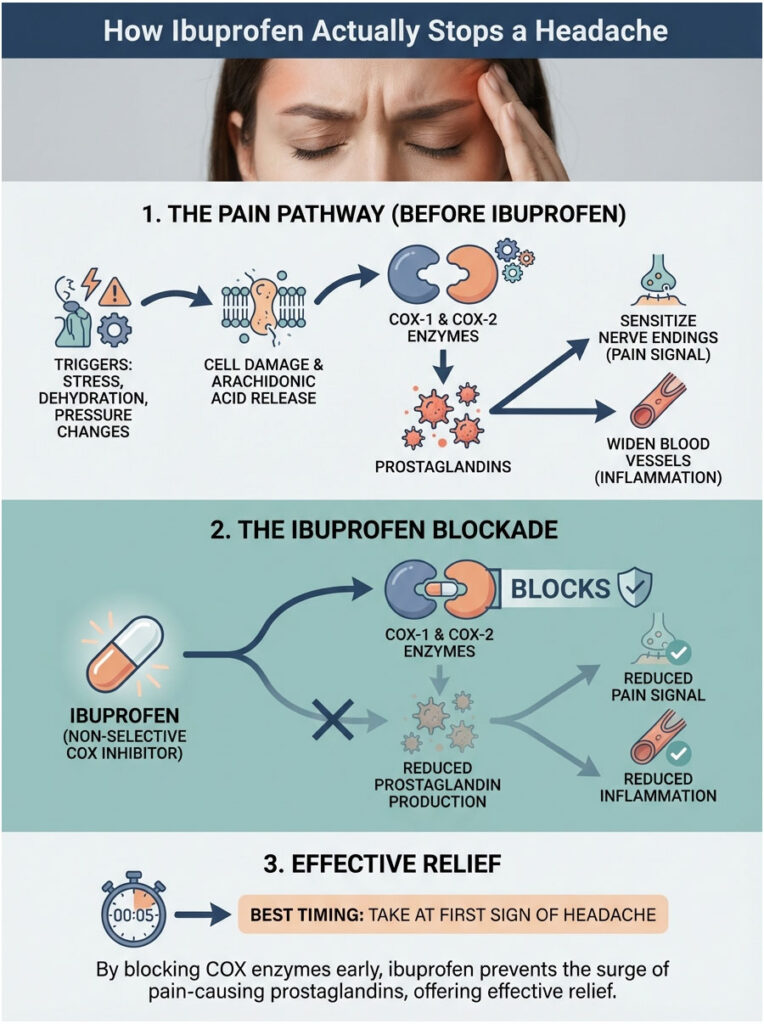
To understand why ibuprofen works so well for headaches, it helps to know what is happening in your body when a headache strikes. When something triggers a headache, whether it is stress, dehydration, or a shift in barometric pressure, your body releases a fatty acid called arachidonic acid from cell membranes.
The COX Enzyme Connection
Arachidonic acid gets converted by two enzymes, Cyclooxygenase-1 (COX-1) and Cyclooxygenase-2 (COX-2), into prostaglandins. These prostaglandins are chemical messengers that sensitize nerve endings and cause blood vessels to widen. That combination is what produces the throbbing, pounding sensation you feel during a headache.
How the NSAID Blockade Works
Ibuprofen is a non-selective COX inhibitor. It blocks both COX-1 and COX-2, effectively shutting down prostaglandin production. Think of it as muting the chemical alarm that tells your brain you are in pain. Unlike opioids, which change how your brain perceives pain, ibuprofen works at the source of the problem, reducing the inflammation around blood vessels in your head.
Timing tip from a neurologist: Ibuprofen is most effective when you take it at the very first sign of a headache. Once the headache is fully established and your brain has become hypersensitive to pain signals (a process called central sensitization), NSAIDs become much less effective. Early dosing is the single best thing you can do.
Which Types of Headaches Does Ibuprofen Work Best For?
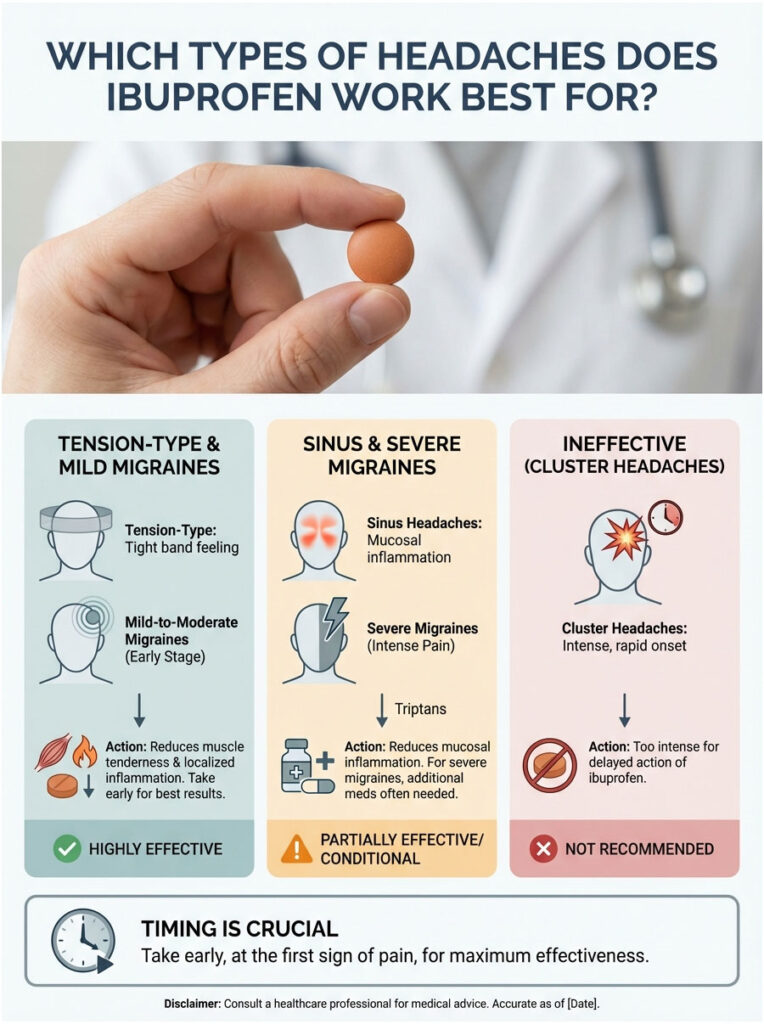
Not every headache responds to ibuprofen the same way. Setting realistic expectations starts with knowing what kind of headache you are treating.
Tension-Type Headaches
Ibuprofen is considered a first-line treatment for tension-type headaches by the International Headache Society. These are the headaches that feel like a tight band squeezing around your head. Because they often involve muscle tenderness and localized inflammation around the skull, ibuprofen’s anti-inflammatory properties give it a clear edge over acetaminophen (Tylenol) for many patients.
Migraines (Mild to Moderate)
For mild-to-moderate migraines, ibuprofen can be quite effective, especially if you take it early in the attack. It helps calm the vascular inflammation that drives migraine pain. However, for severe or incapacitating migraines, ibuprofen alone usually is not enough. In those cases, it often needs to be paired with prescription triptans or anti-nausea medication.
Sinus Headaches and Cluster Headaches
Ibuprofen does a solid job with sinus headaches because it reduces the mucosal inflammation causing the pressure. Cluster headaches, on the other hand, are a different story entirely. These are extremely painful, short-duration attacks that peak within about 10 minutes. By the time ibuprofen kicks in (30+ minutes), the worst of a cluster episode is often already over. It is simply too slow for this type of pain.
How Fast Does Ibuprofen Work? Onset, Peak, and Duration
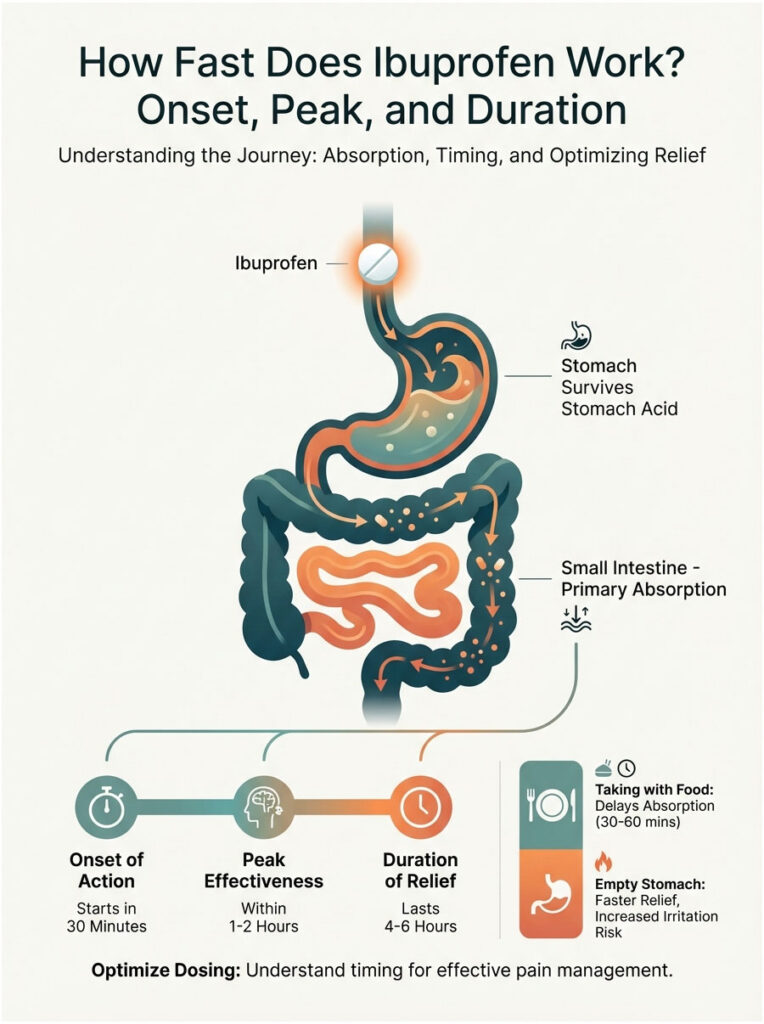
When you swallow an ibuprofen tablet, it does not start working the second it hits your stomach. The pill has to survive stomach acid, pass into the small intestine, and get absorbed into your bloodstream. Understanding this timeline helps you plan your doses more effectively.
- Absorption Speed: Standard tablets need to dissolve in the stomach first. Liquid-filled capsules (Liqui-Gels) contain pre-dissolved ibuprofen, which skips the dissolution step and absorbs faster.
- Time to Initial Relief: Most people start feeling better within 30 to 60 minutes.
- Peak Effect: The drug reaches its highest concentration in your blood between 1.5 and 2 hours. This is usually when you feel the strongest relief.
- Half-Life: About 2 hours, which is why the effects wear off relatively fast and you may need to re-dose every 4 to 6 hours.
Should You Take Ibuprofen with Food or on an Empty Stomach?
This is one of the most common dilemmas. Taking ibuprofen with food protects your stomach lining, but it delays absorption by roughly 30 to 60 minutes. If you need fast relief and your stomach is in good shape, taking it with a full glass of water on an empty stomach gets the drug working sooner. Just know that this approach increases the risk of stomach irritation, so it is a trade-off.
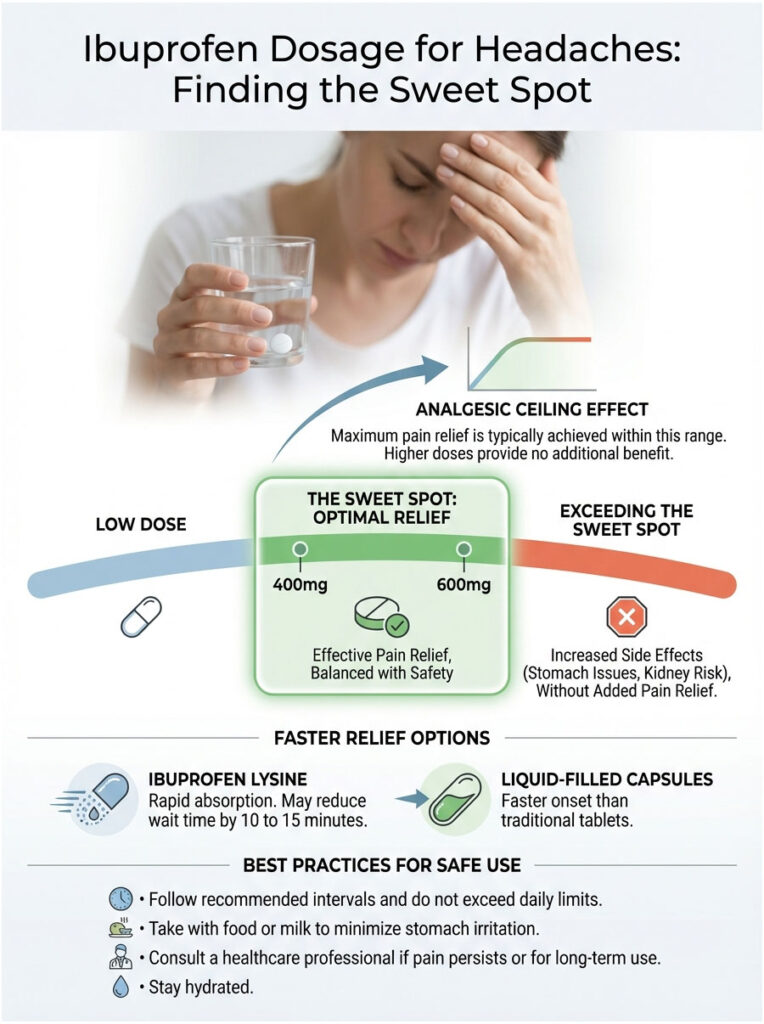
Ibuprofen Dosage for Headaches: Finding the Sweet Spot
Getting the dose right is a balancing act between effective pain relief and avoiding unnecessary side effects.
The Analgesic Ceiling Effect
This is something I explain to patients regularly. Ibuprofen has a ceiling when it comes to pain relief, and that ceiling sits at around 400mg to 600mg per dose. Taking 800mg or 1,000mg at once does not double your relief compared to 400mg. It just dramatically increases the risk of side effects. The extra milligrams saturate the enzymes but do not provide any additional pain-killing benefit.
- Standard Adult Dose: 200mg to 400mg every 4 to 6 hours.
- Prescription-Strength Doses (600mg to 800mg): These are generally reserved for inflammatory conditions like arthritis where sustained high anti-inflammatory levels are needed, not for occasional headaches.
- Maximum Daily Limits: The FDA caps OTC use at 1,200mg per day. Under medical supervision, the ceiling can go up to 3,200mg, but this should never be attempted as self-medication.
Want Faster Relief? Choose the Right Formulation
If speed matters to you, look for ibuprofen lysine or liquid-filled capsules. The lysine salt formulation dissolves faster in the stomach, potentially shaving 10 to 15 minutes off your wait time.
Ibuprofen vs. Tylenol vs. Aleve: Which Is Best for Headaches?
Patients often mix up how these drugs work. When you are deciding between ibuprofen vs. Tylenol for a headache, you are actually choosing between two completely different biological pathways.
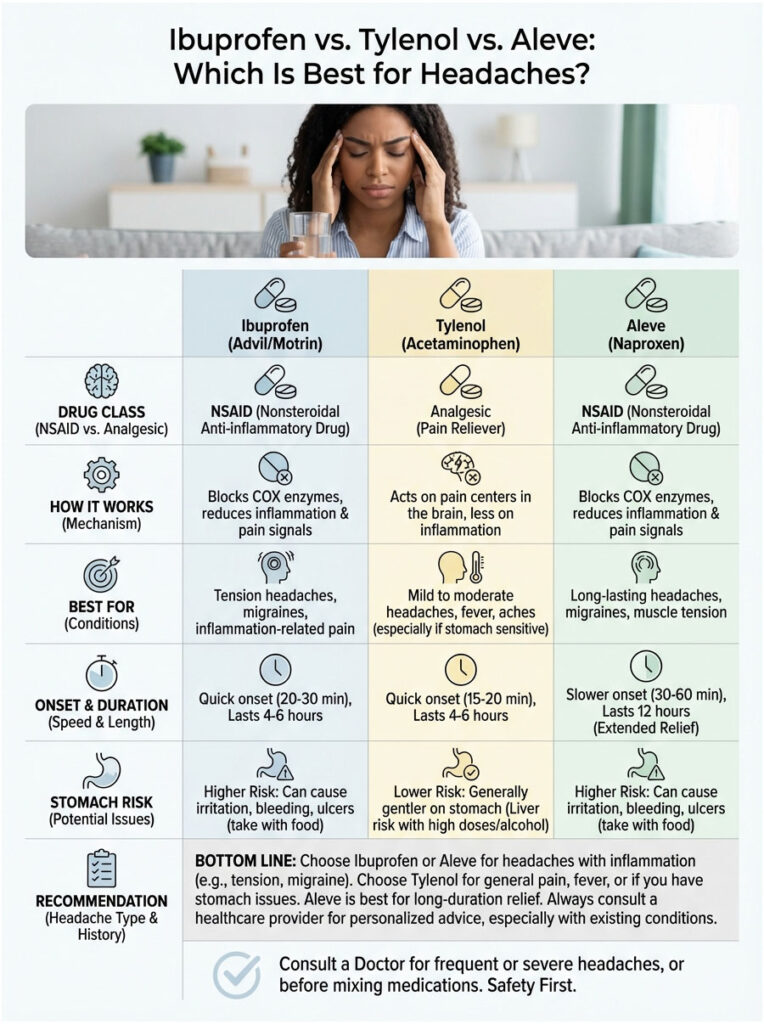
| Feature | Ibuprofen (Advil/Motrin) | Acetaminophen (Tylenol) | Naproxen (Aleve) |
| Drug Class | NSAID | Analgesic / Antipyretic | NSAID |
| How It Works | Blocks COX-1 & COX-2, reduces inflammation | Acts on central nervous system, raises pain threshold | Blocks COX-1 & COX-2, longer acting |
| Best For | Tension headaches, migraines | Pregnancy, sensitive stomach | Long-lasting headaches, menstrual migraines |
| Onset | 30-60 minutes | 30-45 minutes | About 60 minutes |
| Duration | 4-6 hours | 4-6 hours | 8-12 hours |
| Stomach Risk | Moderate | Low | Moderate to High |
Bottom line: If your headache feels tight, throbbing, or involves inflammation, ibuprofen is generally the stronger choice. If you have a history of stomach problems like gastritis or ulcers, acetaminophen is the safer pick, even though it is less effective against inflammation.
The Ibuprofen and Caffeine Combination: Why It Works
Ever notice that many “Migraine Formula” products include caffeine? That is intentional. Caffeine acts as a vasoconstrictor, narrowing the blood vessels that dilate during a migraine. Clinical studies also show that caffeine increases ibuprofen absorption by up to 40%, essentially supercharging the dose.
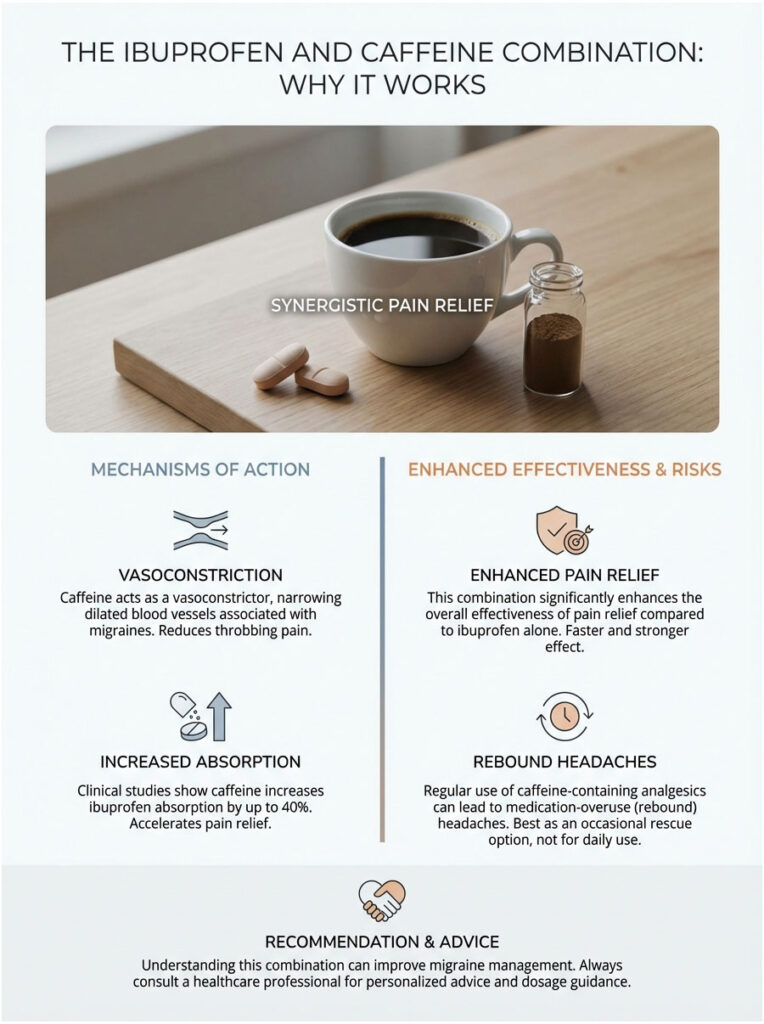
There is a catch, though. Using caffeine-containing analgesics regularly is one of the leading causes of rebound headaches. This combination works best as an occasional rescue option, not as a daily habit.
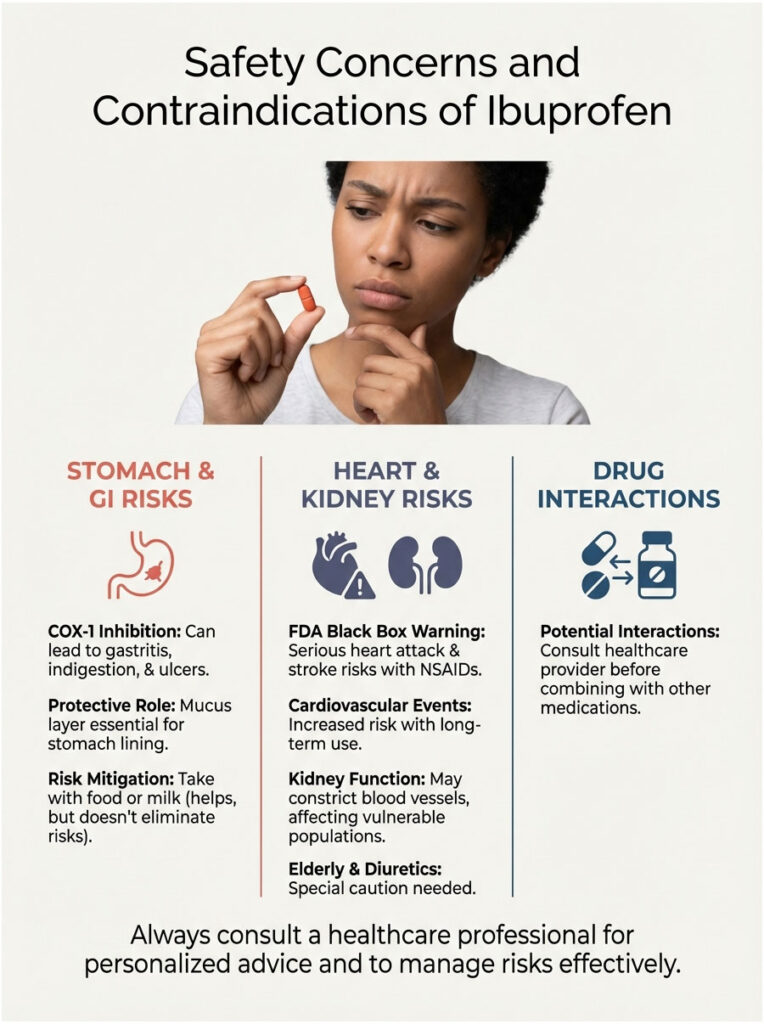
Safety Concerns and Contraindications You Should Know
Yes, ibuprofen helps with headaches. But it is still a serious medication with real systemic effects. Here is what to watch for.
Stomach and GI Risks
The same COX-1 enzyme that ibuprofen blocks to reduce pain also has a protective role: it helps maintain the mucus layer that shields your stomach lining. When you suppress COX-1, that protective barrier thins out. Frequent or prolonged use can lead to gastritis, indigestion, and peptic ulcers. Taking it with food or milk helps, but does not completely eliminate the risk.
Heart and Kidney Risks
All NSAIDs carry an FDA Black Box Warning about increased risk of serious cardiovascular events, including heart attack and stroke, particularly with long-term use. Ibuprofen also constricts blood vessels feeding the kidneys. For healthy younger adults, this is rarely a problem. But for elderly patients or anyone taking diuretics, it can trigger acute kidney problems.
Drug Interactions to Watch For
- Blood Thinners: If you take warfarin, Eliquis, or Plavix, avoid NSAIDs because the combination significantly raises bleeding risk.
- SSRIs (Antidepressants): Common medications like Prozac and Zoloft can increase bleeding risk when combined with ibuprofen.
- Blood Pressure Medications: Ibuprofen can reduce the effectiveness of antihypertensive drugs.
The Rebound Headache Trap: Medication Overuse Headache
This is arguably the most important section for anyone who deals with frequent headaches. Medication Overuse Headache (MOH), also called rebound headache, happens when you take painkillers too often. Your brain adjusts to the constant presence of analgesics by dialing down its own natural pain-suppression systems and ramping up pain receptors.
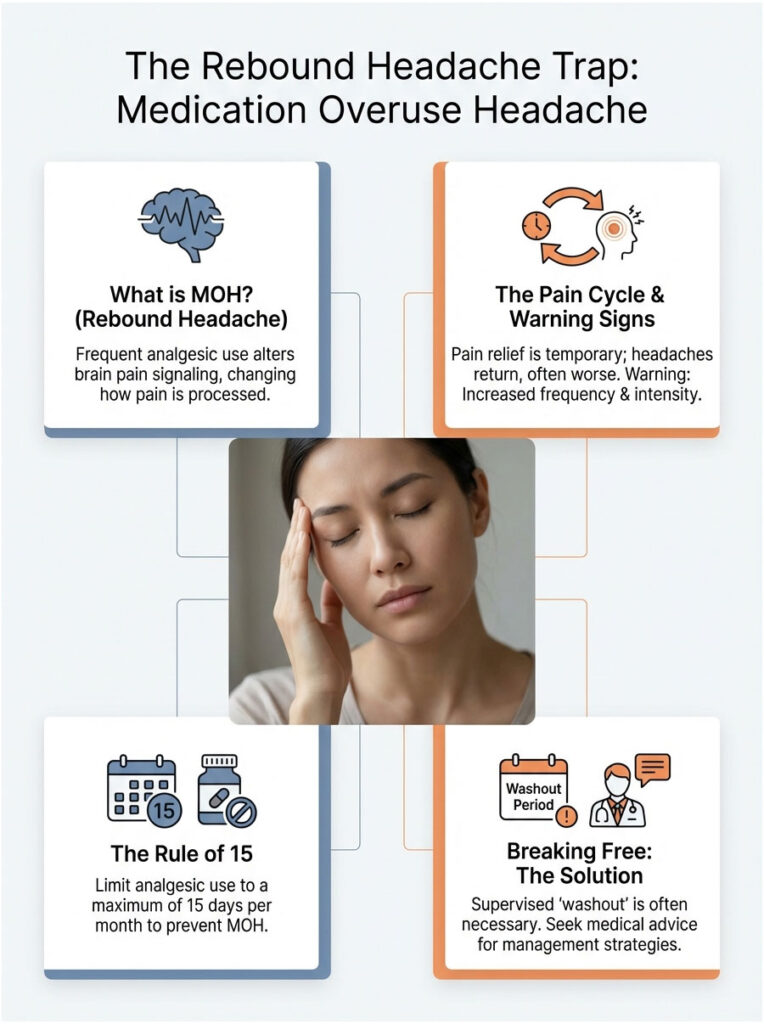
The result is predictable and frustrating. The moment your ibuprofen wears off, the headache comes back, often worse than before. So you take more, and the cycle repeats.
The Rule of 15: To avoid this trap, do not use simple analgesics like ibuprofen more than 15 days per month. If you are reaching for it more often than that, the medication may be fueling your headaches rather than fixing them. Breaking this cycle usually requires a supervised “washout” period, which can be uncomfortable but is necessary for long-term improvement.
Ibuprofen Safety for Special Populations
Dosage and safety guidelines are not one-size-fits-all. Age and health status change the equation significantly.
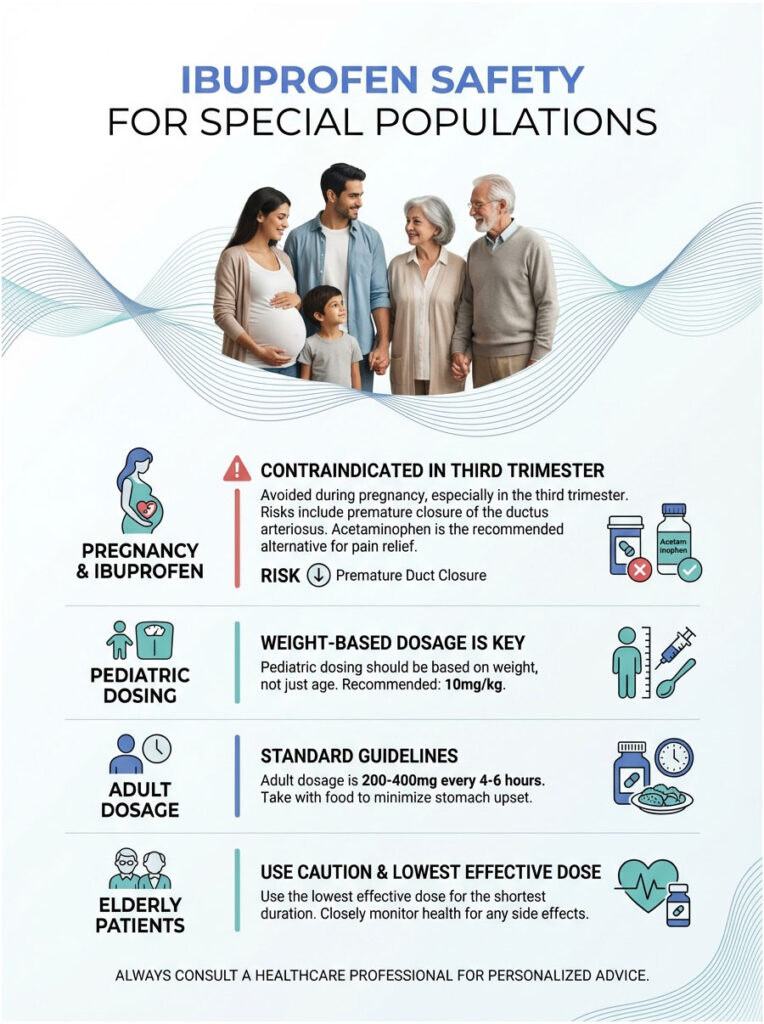
Pregnancy
Ibuprofen is generally avoided during pregnancy and is strictly off-limits in the third trimester. It can cause premature closure of the ductus arteriosus, a critical blood vessel in the fetal heart. Acetaminophen remains the safest choice for headache relief during pregnancy.
Children
Pediatric dosing must be based on weight, not just age. The standard dose is 10mg per kilogram of body weight.
| Patient Group | Dose | Frequency | Notes |
| Adults (12+) | 200-400mg | Every 4-6 hrs | Take with food to protect stomach |
| Children (6 mo – 11 yr) | 5-10mg/kg | Every 6-8 hrs | Use provided measuring device only |
| Elderly (65+) | Lowest effective | Every 6-8 hrs | Monitor blood pressure and kidney function |
| Pregnant (3rd trimester) | Contraindicated | N/A | Risk to fetal heart; use acetaminophen instead |
When Ibuprofen Does Not Work: What to Do Next
If you have taken 400mg of ibuprofen and waited 90 minutes without relief, taking more is rarely the answer. At that point, you are dealing with what we call a refractory headache. For migraines, this is typically when prescription triptans enter the picture. If you consistently find that ibuprofen is not cutting it, you likely need a different class of medication or a preventative treatment plan.
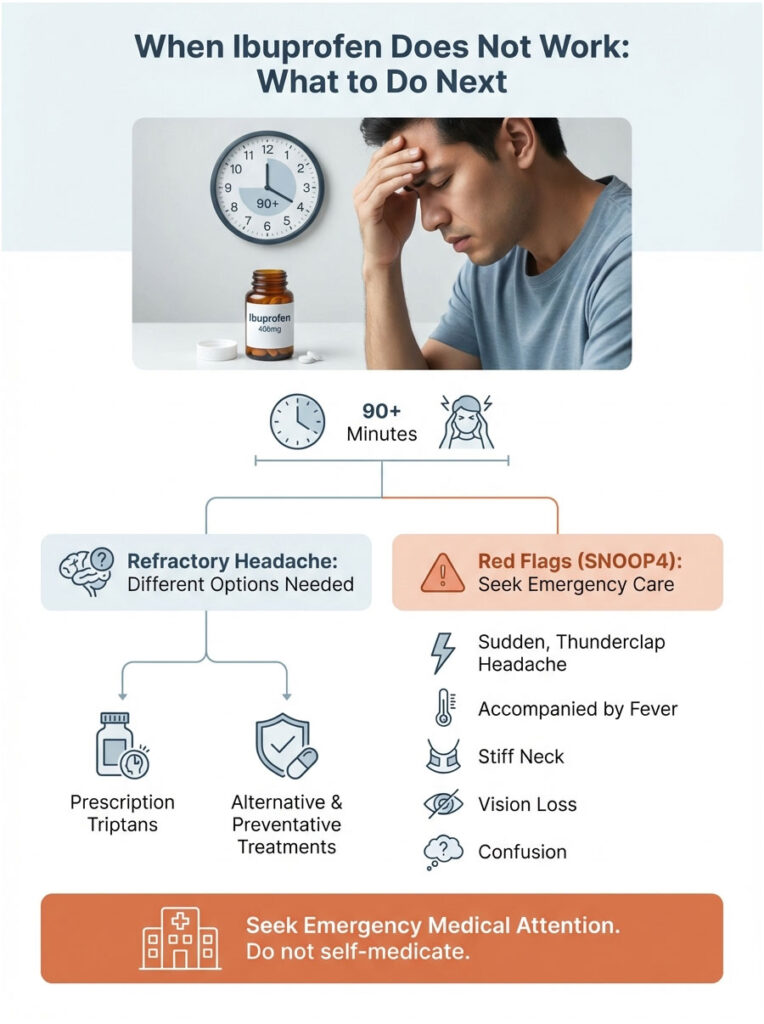
Red Flags (SNOOP4): If your headache arrives suddenly like a thunderclap, or comes with fever, stiff neck, vision loss, or confusion, that is a medical emergency. Do not take ibuprofen and wait it out. Get to an emergency room immediately.
A Closer Look at the Biochemistry of Ibuprofen
For those who want to understand the science a bit deeper, ibuprofen is a propionic acid derivative. Its chemical structure lets it bind reversibly to the active site of COX enzymes. This reversibility is important. Unlike aspirin, which permanently disables the enzyme until your body produces a replacement, ibuprofen eventually detaches. That is why timing your doses correctly matters so much.
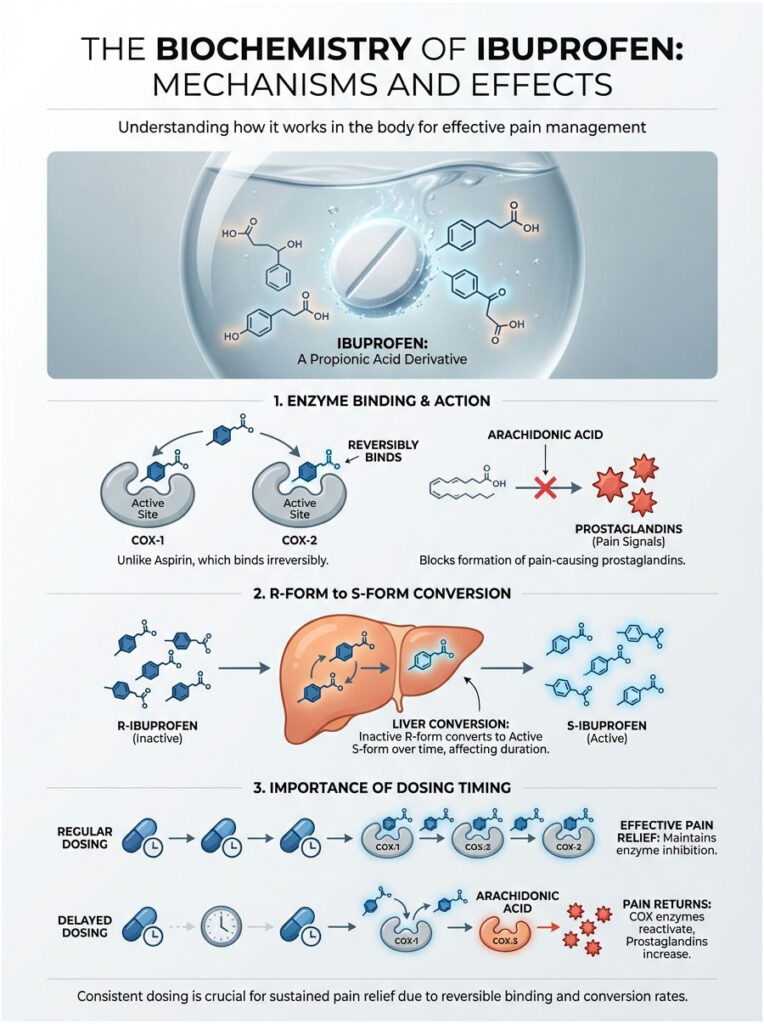
When you delay a dose during an active headache, the COX enzymes reactivate and immediately start converting arachidonic acid back into prostaglandins. The pain comes flooding back, and it can be harder to suppress the second time around. This is exactly why clinicians stress the importance of “staying ahead of the pain” during an active migraine or tension episode.
The Role of Enantiomers
Commercial ibuprofen is actually a mixture of two mirror-image molecules: R-ibuprofen and S-ibuprofen. The S-form is the one that actively relieves pain. The R-form is mostly inactive, but your liver gradually converts it into the active S-form. This conversion process contributes to the overall duration of effect and explains why relief sometimes lasts a bit longer than the plasma half-life alone would suggest.
Lifestyle Factors That Make Ibuprofen Work Better (or Worse)
No medication works in isolation. How well ibuprofen performs depends a lot on what else is going on in your body.
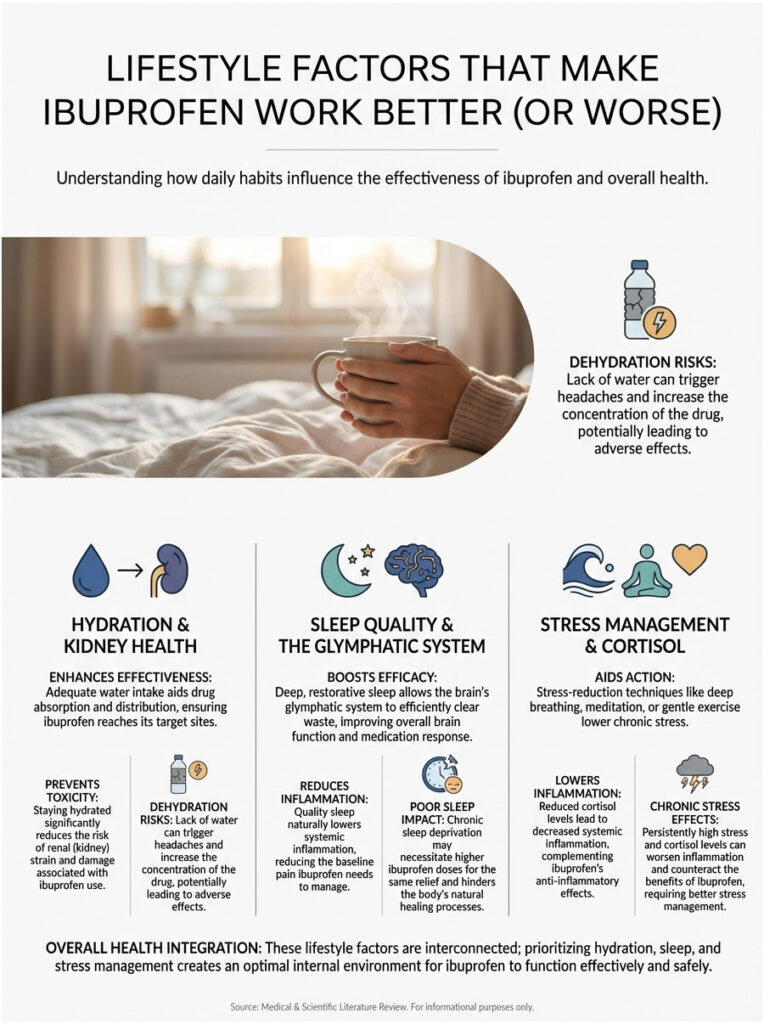
Hydration
Dehydration is one of the most common headache triggers, especially for tension-type headaches. When you are dehydrated, your brain tissue contracts slightly, pulling on the pain-sensitive membranes surrounding it. If you take ibuprofen while dehydrated, the drug is fighting an uphill battle against this mechanical stress. On top of that, dehydration concentrates the drug in your kidneys, raising the risk of renal toxicity. Always take ibuprofen with a full glass of water, not just to wash the pill down, but to help address the dehydration itself.
Sleep Quality
During deep sleep, your brain activates its glymphatic system, a waste-clearance pathway that flushes out metabolic byproducts from the day. Poor sleep disrupts this process, leaving your brain in a more inflamed state at baseline. When that happens, you may need a higher dose to get the same effect, or the drug might not work at all. If you can, taking a nap after dosing can genuinely improve your results.
Stress and Cortisol
Chronic stress elevates cortisol levels. While cortisol is naturally anti-inflammatory in the short term, prolonged exposure leads to cortisol resistance, meaning your body’s built-in inflammation fighters stop responding properly. In that state, the inflammatory cascade driving your headache runs hotter, and ibuprofen has to work harder. Pairing your dose with stress-reduction techniques like deep breathing or progressive muscle relaxation can help the medication work more effectively.
The Future of NSAID Therapy for Headaches
Researchers are currently developing safer NSAIDs known as COX-inhibiting nitric oxide donors (CINODs). These drugs would release nitric oxide to protect the stomach lining while still blocking pain. Until they become available, traditional ibuprofen remains a front-line tool.
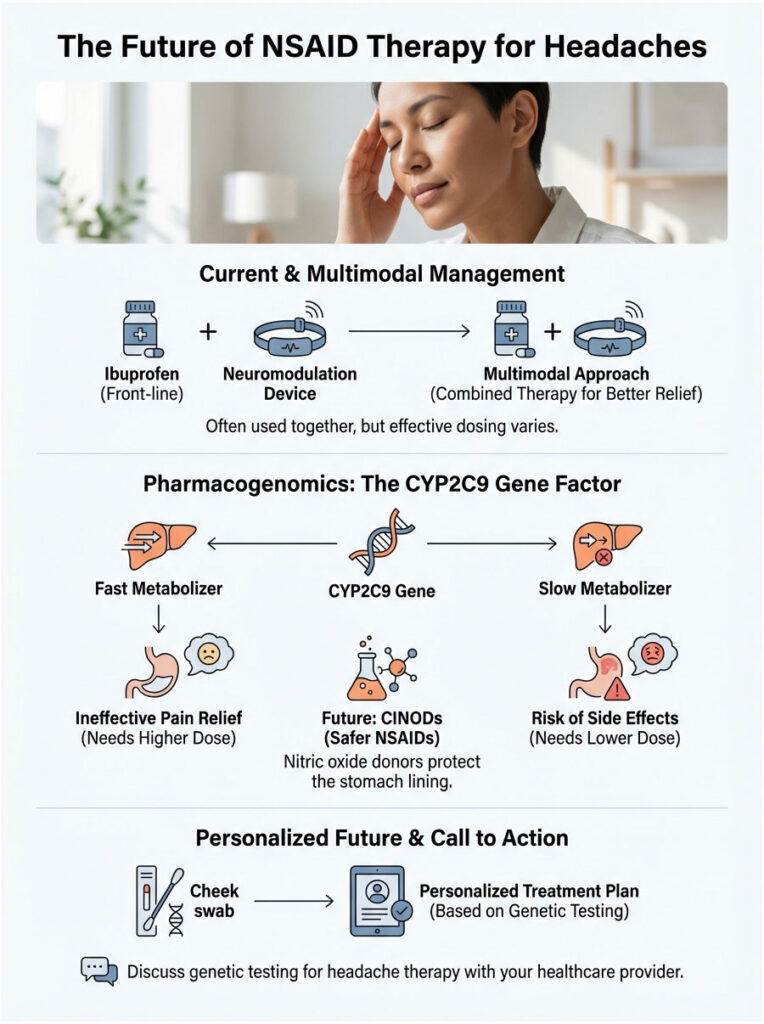
There is also a growing shift toward multimodal pain management, where lower doses of ibuprofen are combined with non-drug treatments like neuromodulation devices (such as Cefaly or Nerivio) to reduce systemic side effects.
Genetic testing, or pharmacogenomics, is becoming relevant too. Variations in the CYP2C9 gene affect how quickly you metabolize ibuprofen. Fast metabolizers may find the drug wears off too soon. Slow metabolizers face a higher risk of side effects even at standard doses. In the near future, your doctor might tailor your headache treatment plan based on your DNA profile.
Final Takeaways
So, does ibuprofen help with headaches? Absolutely, and it is one of the most effective over-the-counter tools available when used correctly. It directly targets the prostaglandin pathway that drives headache pain and inflammation, making it particularly well suited for tension-type headaches and mild migraines.
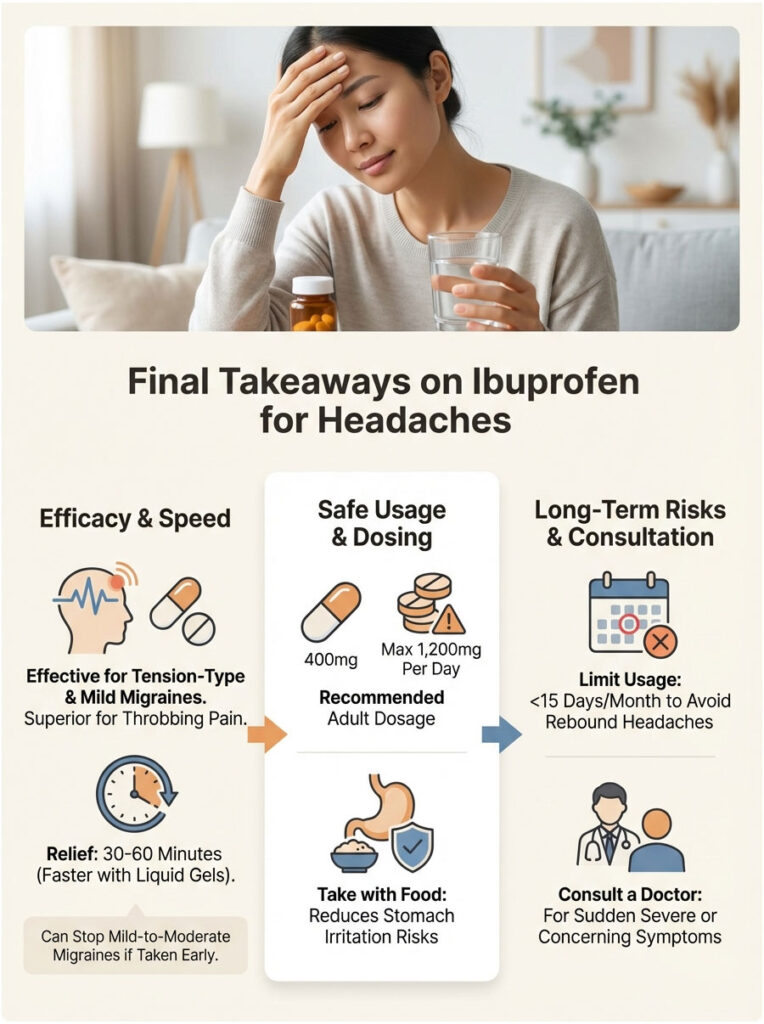
Here are the key points to remember:
- Stick to the 400mg sweet spot for the best balance of relief and safety.
- Never exceed 1,200mg per day when using it over the counter.
- Keep use under 15 days a month to avoid falling into the rebound headache cycle.
- Take it early, stay hydrated, protect your stomach, and talk to your doctor if headaches persist despite treatment.
Frequently Asked Questions
How effective is ibuprofen for treating common tension headaches?
Ibuprofen is considered a first-line non-steroidal anti-inflammatory drug (NSAID) that is highly effective for tension-type headaches. It works by inhibiting COX enzymes to reduce prostaglandin production, which directly addresses the underlying neuro-inflammation and pericranial muscle tenderness associated with these attacks.
What is the recommended ibuprofen dosage for acute headache relief in adults?
For most adults, a standard therapeutic dose of 400mg provides superior analgesia compared to the base 200mg dose. You should not exceed the FDA-recommended over-the-counter limit of 1,200mg within a 24-hour period unless under strict medical supervision to avoid renal and gastric toxicity.
How long does it take for ibuprofen to start working for a headache?
Standard tablets typically provide noticeable relief within 30 to 60 minutes, while liquid-filled capsules (liqui-gels) often act faster, within 20 to 30 minutes. The medication reaches its peak plasma concentration ($T_{max}$) and maximum efficacy between 1.5 and 2 hours after ingestion.
Is ibuprofen or acetaminophen better for throbbing head pain?
Ibuprofen is generally superior for throbbing or “tight” headaches because it treats the inflammatory component of the pain by blocking prostaglandin synthesis. However, acetaminophen (Tylenol) is the safer alternative for patients with a history of gastritis, peptic ulcers, or those currently pregnant.
Can ibuprofen effectively stop a migraine attack?
Ibuprofen can successfully treat mild-to-moderate migraines, especially when administered during the early prodrome or at the very onset of pain. For severe, incapacitating migraines involving central sensitization, ibuprofen alone may be insufficient and often requires combination with prescription triptans.
Should I take ibuprofen with food when treating a headache?
Taking ibuprofen with food or milk helps protect the gastric mucosa and reduces the risk of dyspepsia and stomach irritation. While this may delay the absorption rate by 30 to 60 minutes, it is a critical precaution for maintaining long-term gastrointestinal health.
How many days a month can I safely take ibuprofen for headaches?
To avoid the risk of Medication Overuse Headache (rebound headaches), you should limit the use of NSAIDs to fewer than 15 days per month. Exceeding this threshold can cause the brain to downregulate its natural pain-suppression systems, leading to a chronic cycle of daily head pain.
How does ibuprofen biochemically block headache pain?
Ibuprofen acts as a non-selective inhibitor of Cyclooxygenase (COX-1 and COX-2) enzymes. By blocking these enzymes, the drug prevents the conversion of arachidonic acid into prostaglandins, which are the primary lipid messengers responsible for sensitizing nerve endings and causing vascular inflammation.
Does taking ibuprofen with caffeine provide faster headache relief?
Clinical studies demonstrate that caffeine can increase the absorption rate of ibuprofen by up to 40% and acts as a vasoconstrictor to help counteract migraine-related vasodilation. However, this combination should be used as an acute rescue therapy only, as regular use is a leading cause of chronic rebound headaches.
Does taking a higher dose of ibuprofen provide better pain relief?
Ibuprofen exhibits an \”analgesic ceiling effect,\” meaning doses above 400mg to 600mg rarely provide additional acute pain relief for headaches. Taking higher amounts only increases the risk of systemic side effects, such as cardiovascular events or acute renal failure, without providing better analgesia.
Is it safe to use ibuprofen for headaches during pregnancy?
Ibuprofen should generally be avoided during pregnancy and is strictly contraindicated during the third trimester due to the risk of premature closure of the fetal ductus arteriosus. Acetaminophen remains the gold standard for safe headache management during the prenatal period.
When should I see a doctor instead of taking ibuprofen for a headache?
You should seek immediate medical attention if a headache is sudden and severe (thunderclap), or if it is accompanied by a stiff neck, fever, confusion, or vision loss. These \”SNOOP\” red flags may indicate serious neurological conditions that require emergency diagnostics rather than over-the-counter analgesics.
Disclaimer
This article is for informational purposes only and does not constitute medical advice, diagnosis, or treatment. Ibuprofen can cause gastrointestinal, renal, and cardiovascular risks. Always consult a qualified healthcare professional or your primary care physician before starting any new medication regimen, especially if you have underlying health conditions or are taking other medications.
References
- International Headache Society (IHS) – https://ichd-3.org – The definitive resource for the classification and diagnostic criteria of headache disorders.
- Cochrane Library – “Ibuprofen for acute treatment of episodic tension-type headache in adults” – Clinical meta-analysis proving the efficacy of 400mg doses over placebos.
- U.S. Food and Drug Administration (FDA) – https://www.fda.gov – Official guidelines on Over-the-Counter (OTC) NSAID safety, labeling, and daily maximum limits.
- Journal of Headache and Pain – “Medication Overuse Headache: Epidemiology and Clinical Characteristics” – Research supporting the “Rule of 15” for simple analgesics.
- National Center for Biotechnology Information (NCBI) – “Pharmacokinetics and Pharmacodynamics of Ibuprofen” – Detailed biochemical data on $T_{max}$ and half-life variations.
- American Migraine Foundation – https://americanmigrainefoundation.org – Expert insights on combining NSAIDs with lifestyle factors for migraine management.