
Maintaining optimal male sexual health comes down to three things: protecting your vascular system, keeping your hormones balanced, and strengthening the pelvic floor. You achieve this through consistent aerobic exercise, quality sleep, and eating foods that support healthy blood flow.
Table of Contents
Why Sexual Health Reflects Your Overall Health
As a board-certified urologist, I remind my patients constantly that the penis is essentially a barometer for the rest of the body. An erection is not a simple, isolated event. It is a complex process involving the brain, hormones, nerves, and blood vessels all working in sync.
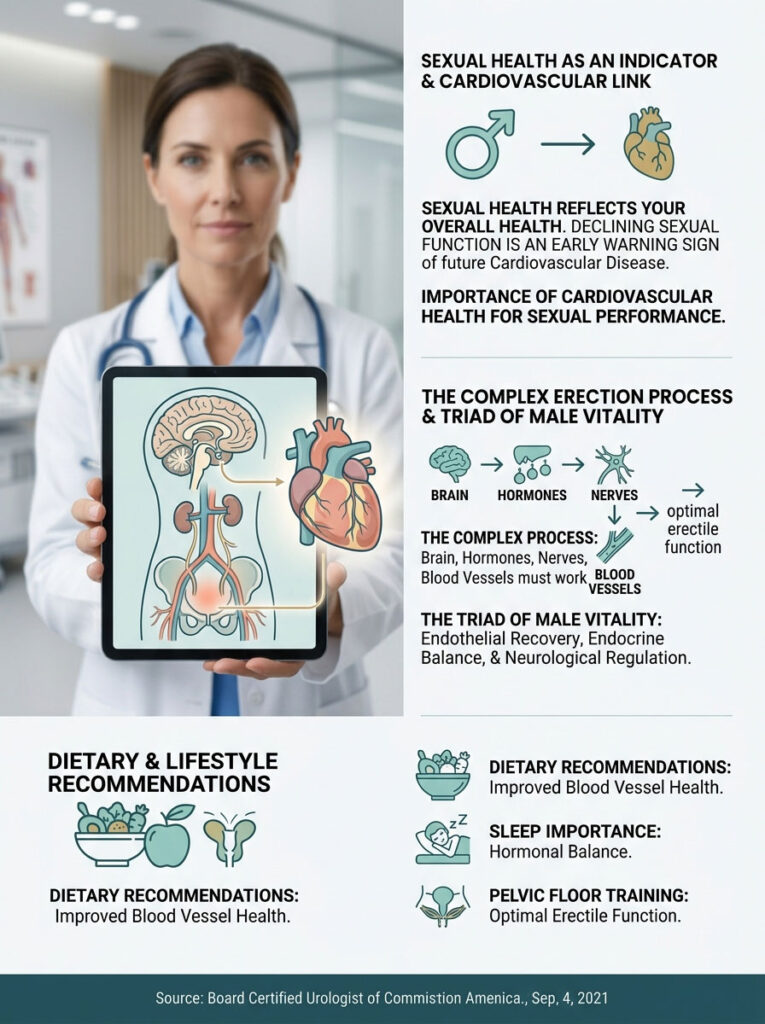
When men ask me how to maintain sexual health and improve stamina, I always start by looking at their cardiovascular system and daily habits. Too many men ignore early warning signs of declining performance. They reach for quick pharmaceutical solutions instead of tackling the underlying causes.
Here is the reality: the arteries in the pelvic region are significantly smaller than those feeding the heart. Plaque buildup and poor blood vessel health will cause problems in the bedroom years before they trigger a heart attack. In clinical practice, early performance issues are treated as a serious warning sign for future cardiovascular disease.
This guide breaks down the complete triad of male vitality: endothelial recovery, endocrine balance, and neurological regulation. You will learn how to eat for your blood vessels, sleep for your hormones, and train your pelvic floor. True erectile function optimization takes consistent daily effort, and by the end of this article, you will have a clear, actionable plan.
The Physiology of Male Sexual Wellness
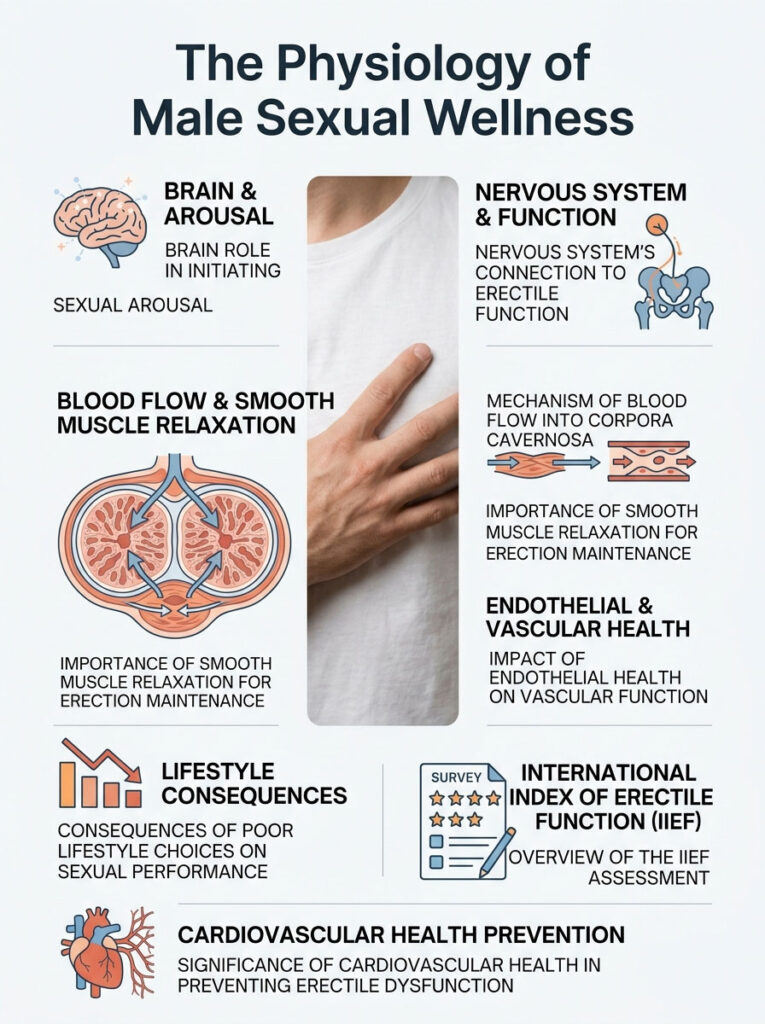
Before you can improve your stamina, you need to understand the basic mechanics of how your body actually works. Achieving and maintaining an erection requires split-second coordination between your nervous system and cardiovascular system. When this process breaks down, performance declines rapidly. Understanding the physiology gives you back control.
How an Erection Works
Everything starts in the brain with a thought, visual cue, or physical touch. Sexual arousal sends nerve signals down the spinal cord to the pelvic region. These signals tell the blood vessels in the penis to expand, allowing a large volume of blood to rush into two sponge-like cylinders called the corpora cavernosa.
As these cylinders fill with blood, they expand and compress the surrounding veins. This pressure traps blood inside, creating rigidity. The entire process depends on smooth muscle relaxation. If the smooth muscles inside penile arteries cannot relax, blood simply cannot flow in. This is why vascular health is the absolute foundation of sexual performance in men.
The Endothelial Connection
The inner lining of your blood vessels is called the endothelium. Its health determines how well your vessels can dilate and constrict. When endothelial health degrades from poor diet, smoking, chronic stress, or inactivity, blood vessels become rigid and unresponsive. This directly impairs blood flow to the pelvic region.
We can actually measure endothelial health using specialized ultrasound. When blood flow in the pelvic arteries looks sluggish, systemic vascular disease is already present. Reversing this requires a genuine lifestyle overhaul, not just a temporary fix.
The IIEF Score: Measuring Sexual Function
Doctors use a standardized tool called the International Index of Erectile Function (IIEF) to measure performance objectively. This clinically validated questionnaire assesses erectile function, orgasmic function, desire, and intercourse satisfaction. Establishing a baseline IIEF score is always the first step when a patient comes to my clinic. It lets us track progress as lifestyle changes take effect.
A low IIEF score often prompts investigation into metabolic markers, lipid panels, fasting insulin, and hormone levels. Raising this score naturally is the core goal of any male vitality program.
Key Statistics on Male Sexual Health
- Over 50% of men aged 40-70 experience some degree of erectile decline.
- Waist circumference over 40 inches doubles the likelihood of reporting poor sexual stamina.
- Poor sleep reduces testosterone by 10% to 15% in just one week.
- Up to 80% of erection issues have a physical, vascular root cause rather than a purely psychological one.
- Cardiovascular improvements can increase IIEF scores by an average of 3 to 5 points.
- 150 minutes of weekly exercise lowers the risk of developing impotence by 40%.
The American Urological Association guidelines clearly link systemic vascular disease to early-onset erectile problems. They recommend cardiovascular screening for any man with unexplained performance issues. Optimizing your sexual health is not just about intimacy. It is fundamentally about disease prevention and longevity.
Vascular Optimization and the Nitric Oxide Pathway
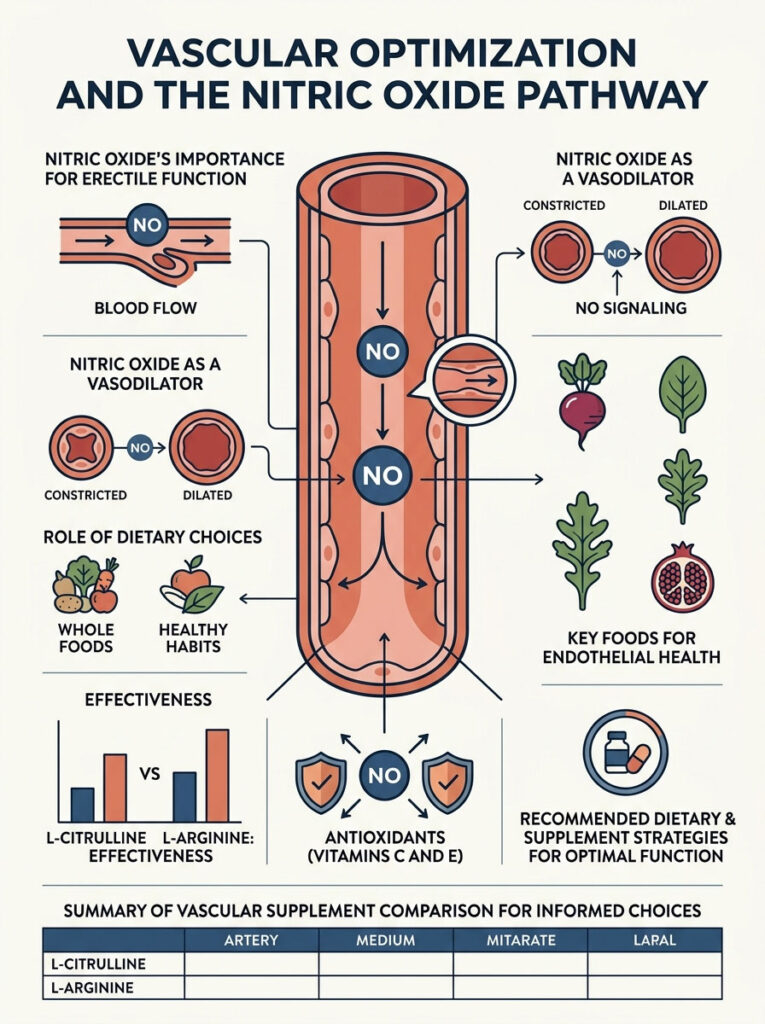
If you want to master erectile function optimization, you need to understand nitric oxide. This molecule is the primary controller of blood flow to the pelvic region. Without enough nitric oxide, achieving a firm erection is physiologically impossible. It acts as a powerful vasodilator, telling blood vessels to open wide and let blood rush in.
How the Nitric Oxide Pathway Works
Nitric oxide is a gas naturally produced by endothelial cells. When you become aroused, your parasympathetic nervous system releases nitric oxide into penile blood vessels. This triggers a chemical reaction that forces smooth muscles to relax completely, opening the floodgates for oxygenated blood to fill the corpora cavernosa.
As men age, natural nitric oxide production declines significantly. This is a primary reason older men often need more stimulation to achieve arousal. The good news: this decline is not permanent. You can rebuild the nitric oxide pathway through specific dietary choices.
Dietary Strategies for Endothelial Health
What you eat directly impacts your blood vessel health. The Mediterranean diet is widely considered the gold standard for vascular support, rich in healthy fats, lean proteins, and powerful antioxidants that protect vessels from oxidative stress.
To specifically support nitric oxide production, focus on foods rich in dietary nitrates. Your body converts these nitrates directly into nitric oxide. Beets, spinach, arugula, and pomegranate are outstanding natural vasodilators. Drinking concentrated beetroot juice about two hours before physical activity can produce a noticeable improvement in stamina.
L-Citrulline vs L-Arginine: Which Supplement Actually Works?
Many men turn to amino acid supplements for a blood flow boost. The two most common choices are L-arginine and L-citrulline. Understanding the difference matters if you want real results.
L-arginine is the direct precursor to nitric oxide, so in theory it should work perfectly. The problem is that oral L-arginine has terrible bioavailability. Your liver metabolizes and destroys most of it before it reaches the bloodstream.
L-citrulline, on the other hand, bypasses liver metabolism entirely. Once in your bloodstream, your kidneys slowly convert it into L-arginine over several hours. This creates a sustained, long-lasting boost to nitric oxide production. Clinical testing consistently shows that 3,000 to 6,000 milligrams of L-citrulline daily provides far better results than pure L-arginine supplements.
Antioxidants: Protecting Your Nitric Oxide
Producing nitric oxide is only half the equation. Free radicals in your bloodstream can destroy nitric oxide molecules before they have a chance to work. Vitamins C and E act as a protective shield, neutralizing free radicals and allowing nitric oxide to survive longer.
Pairing your L-citrulline supplement with a source of Vitamin C, like a glass of fresh orange juice, can significantly amplify the vasodilating effect. This simple combination is a cornerstone of effective erectile function optimization.
Vascular Supplement Comparison
| Compound | How It Works | Bioavailability | Recommended Use |
| L-Citrulline | Converts to L-arginine in kidneys, boosting NO | High (bypasses liver) | 3-6g daily for sustained vascular support |
| L-Arginine | Direct precursor to nitric oxide | Low (heavy liver metabolism) | Better from whole foods than supplements |
| Beetroot Extract | Provides dietary nitrates for direct NO conversion | High (easily absorbed) | Take 2 hours before physical activity |
| Pycnogenol | Enhances endothelial NO synthase (eNOS) | Moderate to High | Often paired with L-citrulline for synergy |
| Vitamin C | Shields circulating NO from free radical damage | High | 500mg alongside L-citrulline |
Hormonal Balance and the HPTA Axis
Healthy blood flow drives the physical mechanics of an erection, but hormones fuel the desire behind it. If testosterone is depleted, even perfect vascular health will not save your performance. Understanding how your body produces hormones is the first step to managing them.
How the HPTA Axis Controls Testosterone
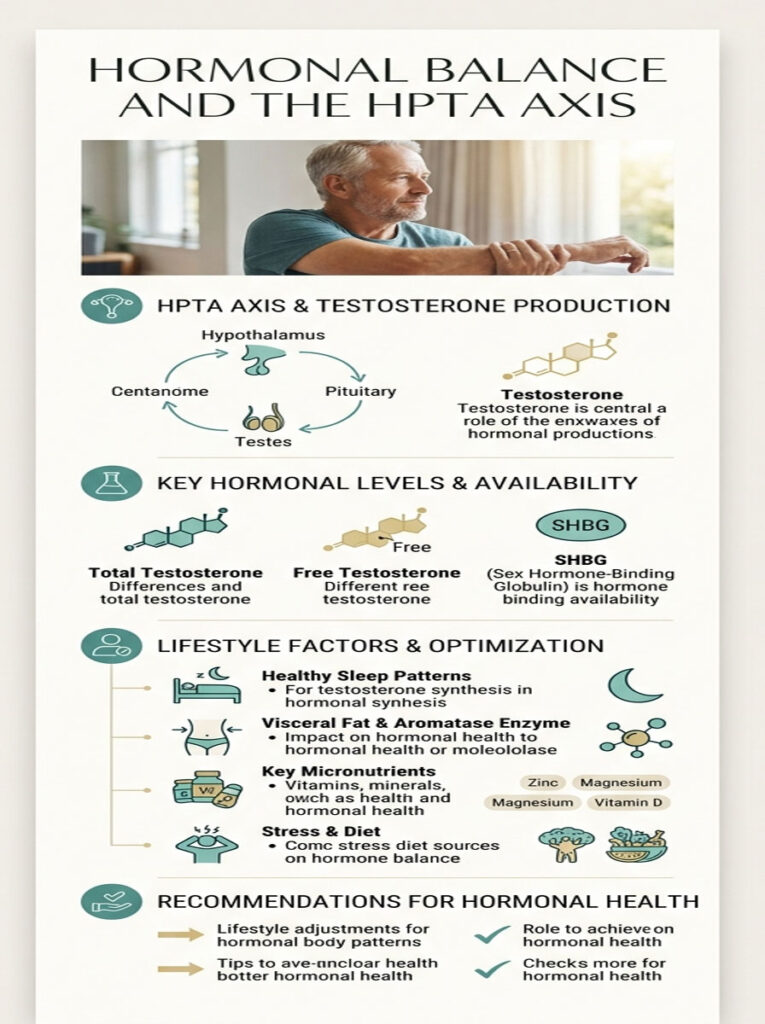
Testosterone production is governed by the Hypothalamic-Pituitary-Testicular Axis (HPTA). It begins when the hypothalamus releases GnRH, which signals the pituitary gland to release Luteinizing Hormone (LH). LH then travels to the testes and instructs the Leydig cells to produce testosterone.
If any link in this chain breaks, testosterone plummets. Chronic stress, poor sleep, and nutritional deficiencies can all disrupt the HPTA axis. Restoring it requires a holistic approach to your daily lifestyle.
Sleep and Testosterone: The Critical Connection
Most men do not realize that the majority of their daily testosterone is manufactured during sleep, specifically during deep sleep and REM cycles. If you consistently sleep fewer than six hours a night, or if you suffer from sleep apnea, you are sabotaging your hormone production.
To protect your hormonal health, keep your bedroom cold and dark, block all artificial light, and maintain a consistent sleep schedule seven days a week. Treat sleep as a non-negotiable medical priority.
Visceral Fat and the Aromatase Enzyme
Excess belly fat is one of the worst things for hormonal health. Body fat is not passive tissue. It is an active endocrine organ that produces the aromatase enzyme. This enzyme finds free testosterone in your bloodstream and converts it directly into estrogen.
In other words, your belly fat is actively converting male hormones into female hormones. This lowers libido, kills performance, and promotes even more fat storage. Losing excess visceral fat is the most reliable way to reduce aromatase activity naturally.
Free Testosterone vs. Total Testosterone
Standard blood tests measure Total Testosterone, but that number alone is incomplete. Most testosterone is bound to Sex Hormone Binding Globulin (SHBG) and cannot be used by your body. The only testosterone that actually matters for sexual function and muscle building is Free Testosterone, the unbound fraction that enters cells directly.
If SHBG levels are too high, Free Testosterone will be low even when Total Testosterone looks normal. Overtraining, extreme low-carb diets, and liver stress all raise SHBG. Balancing your macronutrients and training volume keeps SHBG in check.
Essential Micronutrients for Hormone Production
Your body needs specific raw materials to manufacture testosterone. Three nutrients are critical. Zinc is essential for testosterone synthesis in the Leydig cells. Magnesium supports the deep sleep cycles tied to hormone production. Vitamin D functions more like a master hormone than a vitamin, and adequate levels are strongly correlated with healthy testosterone profiles across multiple clinical studies. Routine blood work to check these levels is highly recommended.
Physical Conditioning: Cardiovascular Health and Pelvic Floor Training
When men think about exercise for sexual stamina, they usually picture heavy weightlifting. While building muscle is excellent for metabolism, aesthetic fitness does not always translate to functional internal fitness. To genuinely improve sexual performance, you need specific types of physical conditioning.
The 150-Minute Aerobic Rule
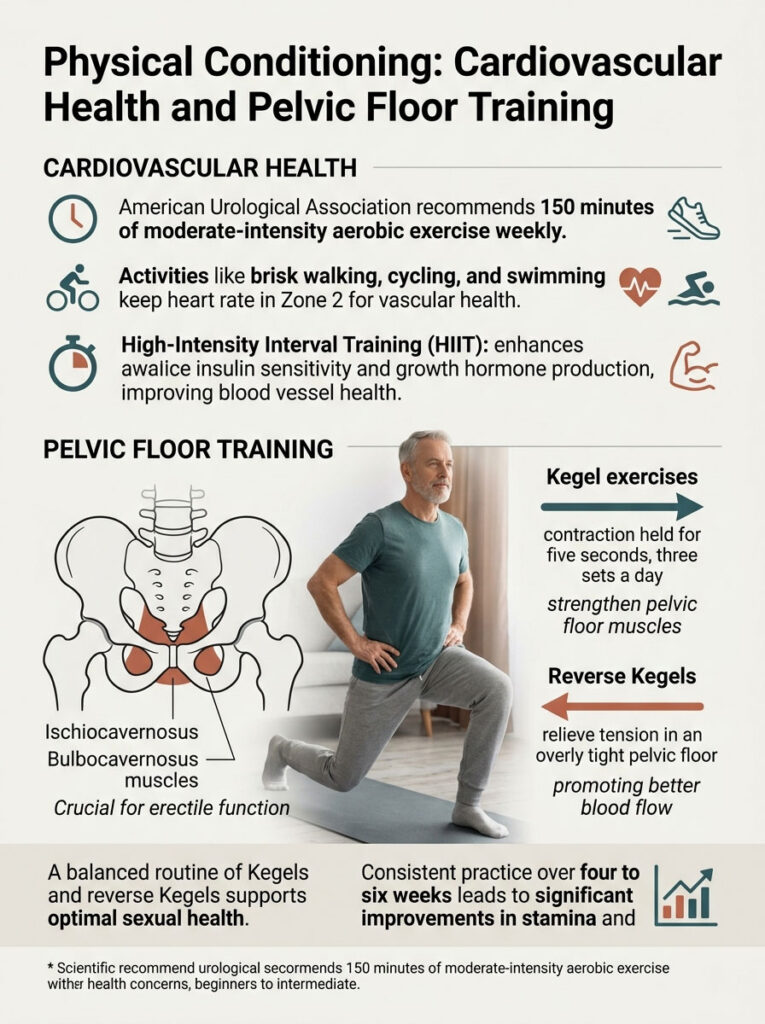
The American Urological Association recommends a minimum of 150 minutes of moderate-intensity aerobic exercise every week. Brisk walking, cycling, swimming, or rowing all count. The goal is to consistently keep your heart rate in Zone 2, which forces blood vessels to expand and contract over extended periods. This maintains elasticity and responsiveness to arousal signals, directly supporting the nitric oxide pathway.
High-Intensity Interval Training (HIIT)
While Zone 2 cardio builds your aerobic base, HIIT provides a different advantage. Short bursts of maximum effort followed by brief rest periods, like sprints on a track or stationary bike, improve insulin sensitivity and boost natural growth hormone production. Better insulin sensitivity means less inflammation, which protects blood vessels. One or two 20-minute HIIT sessions per week alongside regular aerobic work is plenty. Overdoing high-intensity training can spike cortisol, so balance is essential.
Pelvic Floor Mechanics and Why They Matter
Aerobic exercise strengthens the blood vessels. Pelvic floor training improves the physical rigidity of an erection. Your pelvic floor contains two muscles vital for performance: the ischiocavernosus and bulbocavernosus. These wrap around the base of the corpora cavernosa. When they contract, they compress blood vessels and prevent blood from escaping the penis. A strong pelvic floor acts like a physical tourniquet, trapping blood to maintain firmness. Weak pelvic floor muscles are a leading cause of erectile instability and premature ejaculation.
How to Perform Kegel Exercises for Men
Locate the right muscles by stopping your urine stream midway. The muscles you clench are your pelvic floor muscles. Practice squeezing them while sitting at your desk or driving. Hold each contraction for five seconds, then relax for five seconds. Repeat ten times per set, three sets per day. Over four to six weeks of consistent practice, this routine will significantly improve stamina and control.
The Reverse Kegel: Equally Important
Strengthening alone is not enough. Many men have a hypertonic (overly tight) pelvic floor from chronic stress or heavy lifting. A constantly clenched pelvic floor restricts blood flow. The reverse Kegel addresses this: instead of pulling muscles up and in, gently push them down and out, the same gentle sensation used when starting urination. Alternating between standard Kegels and reverse Kegels creates a balanced, functional pelvic floor that supports optimal sexual health.
Psychological Resilience, Dopamine, and Neurological Health
The brain is arguably the most important sexual organ. You can have perfect blood flow and peak testosterone, but if your nervous system is in a state of panic, performance will fail immediately. Mental state dictates the chemical environment of your bloodstream.
Cortisol, Adrenaline, and Vasoconstriction
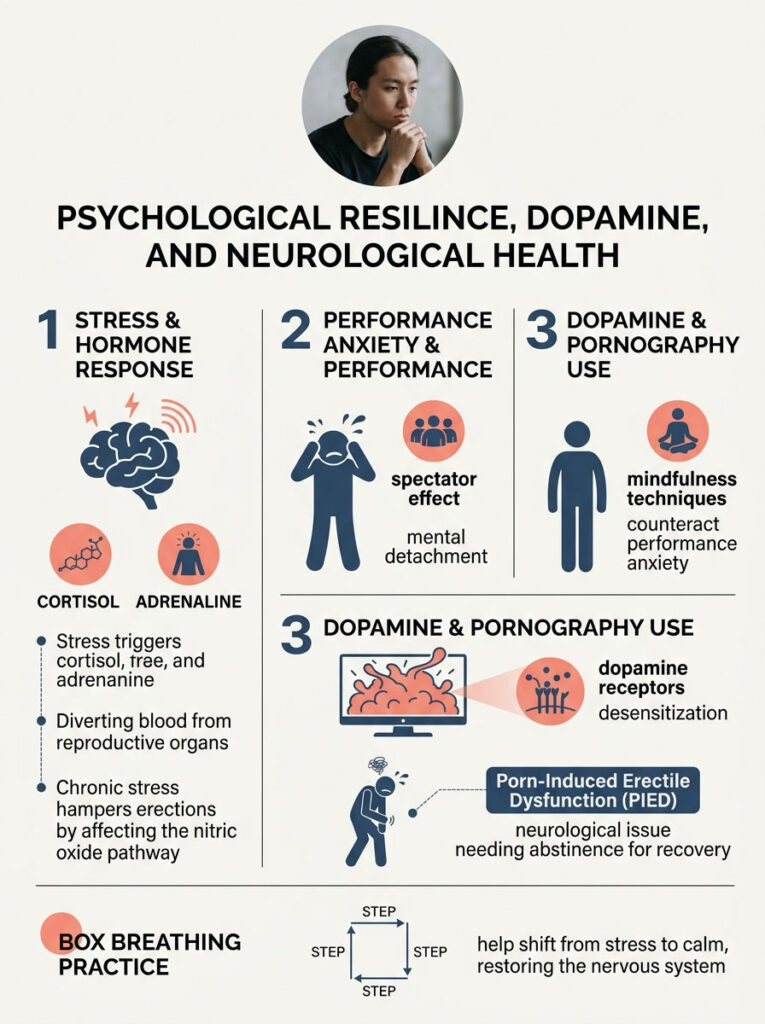
Intense stress triggers the release of cortisol and adrenaline, activating the fight-or-flight response. Your body redirects blood away from reproduction and toward your arms and legs. Adrenaline is a powerful vasoconstrictor that shrinks blood vessels and raises blood pressure. If you are chronically stressed about work, finances, or relationships, this chemical environment actively prevents erections by shutting down the nitric oxide pathway.
The Spectator Effect and Performance Anxiety
Performance anxiety is common at every age. It often shows up as the “spectator effect,” where a man mentally detaches from the moment and starts evaluating himself from a third-person perspective. Questions like “Am I performing well enough?” generate instant anxiety, spike adrenaline, and immediately kill the erection. The antidote is active mindfulness. Grounding yourself in physical sensation breaks the cycle of mental over-analysis.
Pornography and Dopamine Desensitization
Excessive pornography consumption hijacks the brain’s dopamine system. The male brain evolved to release dopamine in response to novelty. When a man clicks through dozens of videos in a single session, the brain floods with unnatural dopamine levels. Over time, dopamine receptors become desensitized. Normal real-life intimacy no longer triggers sufficient arousal.
This is clinically referred to as Porn-Induced Erectile Dysfunction (PIED). It is a neurological issue, not a vascular one. The only proven path to recovery is a sustained period of abstinence from digital stimulation, allowing dopamine receptors to reset naturally.
Box Breathing for Nervous System Control
The fastest way to shift from fight-or-flight mode into a calm, parasympathetic state is controlled breathing. The technique I recommend is Box Breathing: inhale through the nose for four seconds, hold for four seconds, exhale through the mouth for four seconds, then hold empty for four seconds. Five cycles of this act like a manual override for the nervous system, lowering heart rate, halting adrenaline production, and restoring the nitric oxide pathway.
Advanced Clinical Interventions and Medical Diagnostics
Sometimes lifestyle changes alone are not enough. When vascular damage is severe or nerve damage is present, medical intervention becomes necessary. Seeking professional help is not a sign of failure. It is proactive control of your health.
When to See a Urologist
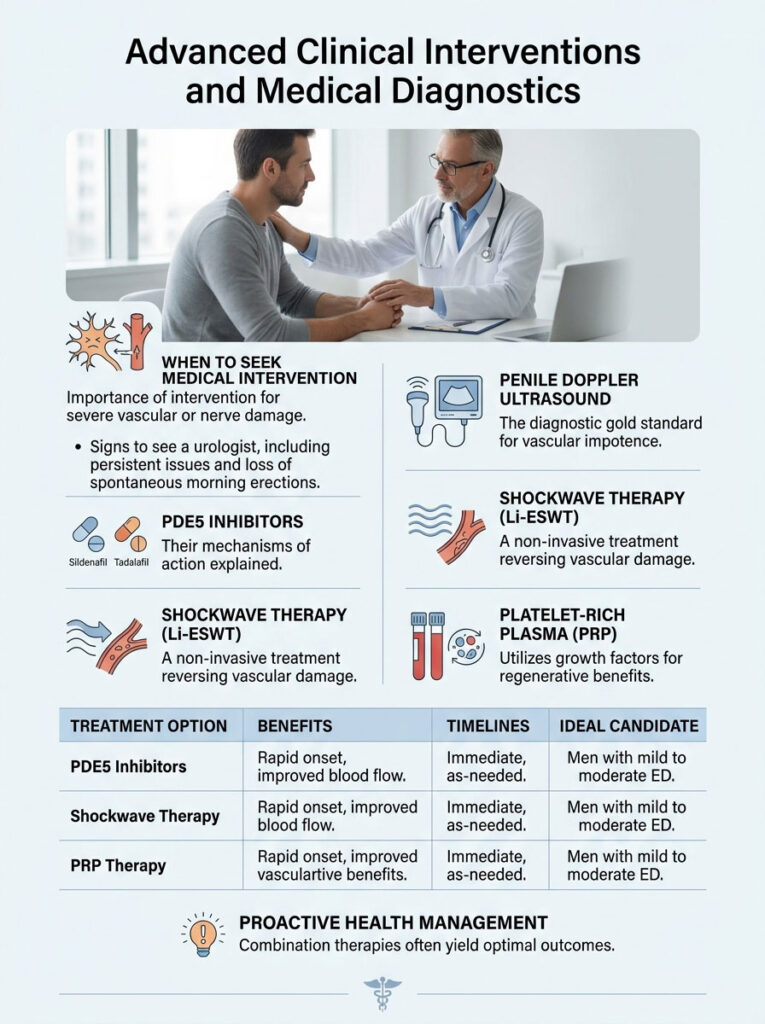
Schedule an appointment if you experience persistent issues lasting longer than three consecutive months. A complete loss of spontaneous morning erections is a major red flag, since these are a biological maintenance routine that keeps penile tissue oxygenated. If they stop entirely, it usually indicates a vascular blockage or severe hormone deficiency. Expect a comprehensive evaluation including blood panels, prostate health checks, and cardiovascular history review.
Penile Doppler Ultrasound
This is the gold standard diagnostic test for vascular impotence. A small amount of vasodilator medication is injected into the corpora cavernosa to induce an erection. Ultrasound then measures the exact velocity of arterial blood flowing in and venous blood flowing out. Slow arterial flow indicates insufficiency from plaque buildup. Excessive venous flow indicates a venous leak where the pelvic floor cannot trap blood. This precise diagnosis shapes the entire treatment plan.
PDE5 Inhibitors: Sildenafil vs. Tadalafil
The most common medical treatments are PDE5 inhibitors, known by brand names like Viagra (sildenafil) and Cialis (tadalafil). These medications do not create arousal from nothing. They work by blocking the PDE5 enzyme that normally breaks down cGMP, the chemical that keeps blood vessels relaxed during arousal.
By neutralizing PDE5, the medication extends the window of smooth muscle relaxation and blood retention. Sildenafil typically lasts 4 to 6 hours, while tadalafil can remain active for up to 36 hours.
Shockwave Therapy (Li-ESWT)
For men seeking to actually reverse vascular damage rather than just manage symptoms, Low-Intensity Extracorporeal Shockwave Therapy (Li-ESWT) is a promising option. This painless procedure uses acoustic waves to create micro-trauma in penile tissue, triggering the body’s natural healing response. It stimulates the release of growth factors and the formation of new blood vessels, a process called angiogenesis. Over six to twelve sessions, this therapy can permanently improve baseline blood flow.
Platelet-Rich Plasma (PRP) Therapy
PRP therapy, sometimes called the P-Shot, uses concentrated growth factors from your own blood. A small blood sample is spun in a centrifuge to isolate plasma rich in growth factors and stem cells. This plasma is then injected into the corpora cavernosa to stimulate tissue regeneration, improve nerve sensitivity, and enhance local blood flow. Many patients report improvements within weeks. PRP is often combined with shockwave therapy for enhanced results.
Treatment Comparison Overview
| Intervention | Examples | Primary Benefit | Timeline | Best For |
| Lifestyle | Diet, sleep, weight loss | Reverses root metabolic and vascular decline | Weeks to months | Long-term health optimization |
| Physical Therapy | Kegels, 150-min aerobic rule | Improves rigidity and ejaculatory control | 4-6 weeks | Weak erections, premature ejaculation |
| Supplements | L-citrulline, Zinc, Vitamin D | Supports NO and hormone synthesis | Days to weeks | Mild issues, daily maintenance |
| Oral Medication | Sildenafil, Tadalafil | Immediate temporary vascular support | 30-60 minutes | Diagnosed erectile dysfunction |
| Regenerative | Shockwave, PRP | Angiogenesis and tissue regeneration | 1-3 months | Structural vascular reversal |
Environmental Threats: Endocrine Disruptors and Hidden Chemicals
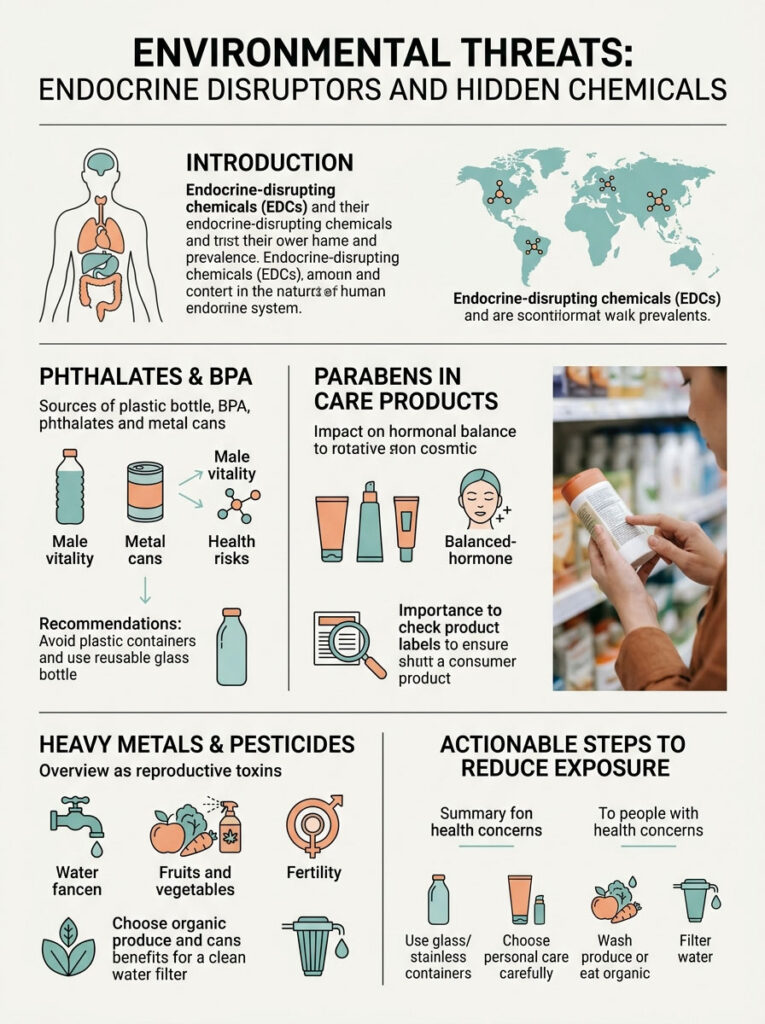
You cannot maintain sexual health without addressing the modern environment. The world is saturated with invisible chemicals that actively harm male vitality. These endocrine-disrupting chemicals (EDCs) hide in food packaging, water supplies, and personal care products.
Phthalates and BPA
Phthalates make plastics flexible. BPA makes them hard and clear. Both are highly estrogenic. When they enter your bloodstream, your body mistakes them for estrogen. They bind to cellular receptors and block natural testosterone from functioning. This lowers sperm count, kills libido, and promotes visceral fat storage.
Never heat food in plastic containers. Microwave heat causes massive chemical leaching. Replace plastic water bottles with stainless steel or glass.
Parabens in Personal Care Products
Check the ingredient list on your shampoo, body wash, or shaving cream. Words ending in “paraben” (methylparaben, propylparaben) indicate synthetic preservatives that absorb through your skin into the bloodstream. Daily exposure creates a constant low-level assault on hormonal balance. Switch to natural, paraben-free products with simple organic ingredients.
Heavy Metals and Pesticides
Synthetic pesticides on conventional produce are documented reproductive toxins. Heavy metals like lead, cadmium, and mercury accumulate over time, causing oxidative stress that destroys endothelial cells and shuts down nitric oxide production. Buy organic produce when possible, especially thin-skinned fruits like berries and apples. A high-quality reverse osmosis water filter is a worthwhile investment for clean drinking water.
Nutrition Protocols: Building the Ultimate Vitality Diet
Beyond the Mediterranean diet and specific vasodilating foods, you need a sustainable nutrition framework that supports hormones, protects blood vessels, and keeps your waistline lean.
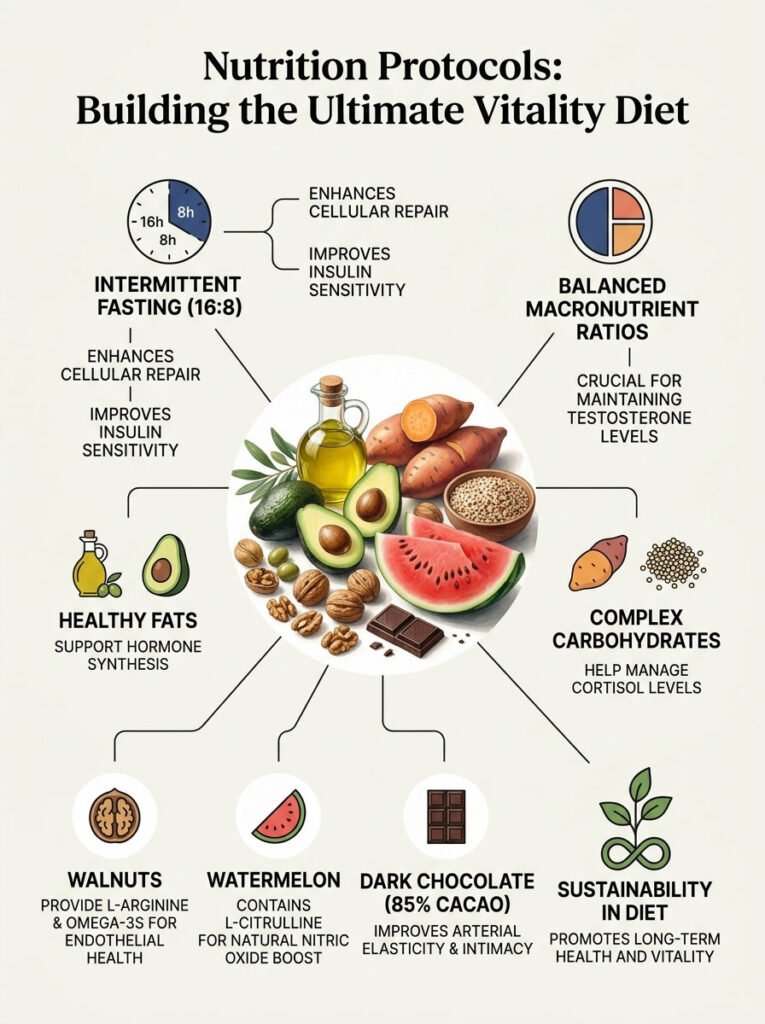
Intermittent Fasting for Cellular Repair
Intermittent fasting is more than a weight-loss strategy. When you abstain from eating for 14 to 16 hours, your body enters autophagy, a cellular cleanup process that breaks down and recycles damaged cells, including damaged endothelial cells. Fasting also dramatically improves insulin sensitivity, lowering systemic inflammation. A simple 16:8 protocol, where you eat within an 8-hour window, gives your digestive system a daily rest and redirects energy toward repair and hormone production.
Macronutrient Ratios for Testosterone
Extreme diets crash hormone levels. You need balance. Healthy fats from olive oil, avocados, and macadamia nuts are the building blocks of testosterone molecules. Saturated fats from grass-fed beef and pasture-raised eggs are also essential for hormone synthesis. Carbohydrates keep cortisol in check. Training hard on zero carbs spikes cortisol, which suppresses testosterone. Focus on complex carbs like sweet potatoes, quinoa, and steel-cut oats.
Superfoods for Male Sexual Health
Certain foods have unique bioactive compounds that act like natural medicine for the pelvic region. Walnuts are rich in L-arginine and omega-3 fatty acids, making them ideal for endothelial health. Watermelon contains high concentrations of L-citrulline, providing a gentle natural boost to nitric oxide. Dark chocolate with 85% or higher cacao content is packed with epicatechins, flavonoids that trigger nitric oxide release and improve arterial elasticity. A small square of dark chocolate a few hours before intimacy is a proven, delicious strategy.
Summary and Key Takeaways
Male sexual performance is the ultimate biomarker of your overall systemic health. You cannot separate the function of your reproductive organs from the health of your heart, brain, and daily habits.
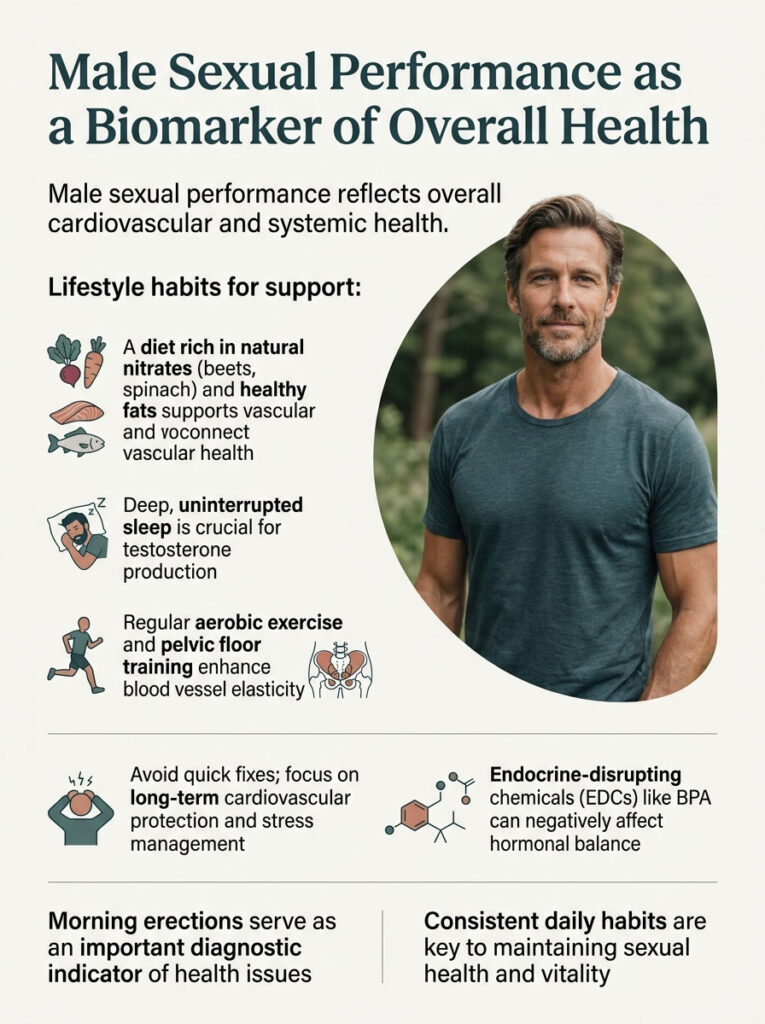
Eat a diet rich in natural nitrates and healthy fats to support your endothelium. Prioritize deep, uninterrupted sleep to protect testosterone production. Train your pelvic floor and commit to regular aerobic exercise to keep blood vessels elastic and responsive.
Do not rely on quick fixes or temporary pills. Protect your cardiovascular system, manage psychological stress, and avoid endocrine-disrupting chemicals. The answer to how to maintain sexual health for men lies in daily consistency. Adopt these clinical-grade strategies today, and you can protect your vitality and enjoy peak performance for decades to come.
Frequently Asked Questions
Why is erectile function often described as a barometer for cardiovascular health?
As a urologist, I explain to patients that the penile arteries are significantly smaller than the coronary arteries. Therefore, endothelial dysfunction or plaque buildup often manifests as performance issues years before a cardiac event occurs. Maintaining your vascular integrity is the foundation of both heart health and sexual stamina.
Which is more effective for boosting nitric oxide: L-citrulline or L-arginine?
L-citrulline is clinically superior because it has higher bioavailability and bypasses initial liver metabolism. While L-arginine is the direct precursor to nitric oxide, oral supplements are largely destroyed in the digestive tract. L-citrulline is converted into arginine by the kidneys, providing a more sustained and effective boost to the nitric oxide pathway.
How does sleep deprivation specifically impact male testosterone levels?
The vast majority of daily testosterone is produced during deep sleep and REM cycles. Clinical data shows that restricting sleep to five hours or less for just one week can drop testosterone levels by 10% to 15%. Disrupting your circadian rhythm essentially causes a state of chemical castration by breaking the communication within the HPTA axis.
What is the Aromatase enzyme, and how does visceral fat affect male hormones?
Visceral fat is an active endocrine organ that produces the Aromatase enzyme. This enzyme’s primary function is to convert circulating testosterone into estrogen. Excess belly fat creates a hormonal feedback loop that lowers your libido, reduces stamina, and promotes further fat storage, making weight management essential for endocrine recovery.
Can Kegel exercises really improve rigidity and stamina for men?
Yes. Targeted pelvic floor training strengthens the ischiocavernosus and bulbocavernosus muscles. These muscles act as a physical tourniquet, compressing the base of the corpora cavernosa to trap blood inside the penis. A strong pelvic floor is clinically proven to improve erection rigidity and help manage premature ejaculation.
What are Reverse Kegels, and why are they important for pelvic health?
While standard Kegels focus on contraction, Reverse Kegels focus on the conscious relaxation of the pelvic floor. Many men suffer from a ‘hypertonic’ or overly tight pelvic floor due to stress, which can actually restrict blood flow. Learning to drop and relax these muscles helps balance the pelvic hammock and supports optimal neurological regulation during intimacy.
Why is the loss of morning erections considered a clinical red flag?
Nocturnal penile tumescence (morning erections) is a natural maintenance cycle that oxygenates penile tissues. If these stop for more than three months, it often indicates a physical issue—such as arterial insufficiency or low testosterone—rather than a psychological one. It is one of the most important diagnostic markers we use in urology.
What foods are best for naturally improving the Nitric Oxide pathway?
You should prioritize foods high in dietary nitrates, such as beets, arugula, spinach, and pomegranate. These nitrates are converted into nitric oxide by your endothelium, facilitating vasodilation. Additionally, dark chocolate (85% cacao) and watermelon contain bioactive compounds like epicatechins and L-citrulline that further support vascular health.
What is Porn-Induced Erectile Dysfunction (PIED), and can it be cured?
PIED is a neurological condition where the brain’s dopamine receptors become desensitized due to excessive digital stimulation. This makes real-life intimacy feel under-stimulating. It can be reversed through a period of abstinence from pornography, allowing the dopamine system to reset and the brain to regain its natural sensitivity to physical touch and visual cues.
How does Low-Intensity Shockwave Therapy (Li-ESWT) differ from taking a pill?
PDE5 inhibitors like sildenafil provide a temporary chemical fix by blocking the breakdown of cGMP. In contrast, Li-ESWT is a regenerative treatment that uses acoustic waves to trigger ‘angiogenesis’—the growth of brand-new blood vessels. Shockwave therapy aims to structurally repair the vascular system for long-term improvement rather than just managing symptoms.
What is the difference between Free and Total Testosterone on a blood test?
Total Testosterone measures all the hormone in your blood, but much of it is bound to Sex Hormone Binding Globulin (SHBG), making it unusable. Free Testosterone is the unbound portion that is actually available for your tissues to use. You can have a high ‘Total’ score but still feel symptomatic if your ‘Free’ testosterone is low.
How do endocrine-disrupting chemicals (EDCs) like BPA affect male vitality?
EDCs like BPA and phthalates are xenoestrogens, meaning they mimic estrogen in the body. They bind to your receptors and block testosterone’s action, which can lead to lower sperm counts and reduced libido. Avoiding plastic food containers, especially when heating food, and choosing paraben-free personal care products are vital steps for hormonal protection.
Disclaimer
This article is for informational purposes only and does not constitute formal medical advice. The content is authored from a clinical perspective but should not replace a one-on-one consultation with a Board-Certified Urologist. Always consult a qualified healthcare professional before starting any new diet, exercise routine, or supplement regimen, especially if you have pre-existing cardiovascular conditions or are taking prescription medications.
References
- American Urological Association (AUA) – https://www.auanet.org – Clinical guidelines on the management of erectile dysfunction and its links to cardiovascular disease.
- The Journal of Sexual Medicine – https://www.jsm.jsexmed.org – Peer-reviewed research regarding the efficacy of L-citrulline and the IIEF scoring system.
- Mayo Clinic – https://www.mayoclinic.org – Medical overview of the Nitric Oxide pathway and its role in vascular dilation and endothelial health.
- National Center for Biotechnology Information (NCBI) – https://pubmed.ncbi.nlm.nih.gov – Studies on the impact of sleep deprivation on the HPTA axis and testosterone production.
- Harvard Health Publishing – https://www.health.harvard.edu – Data regarding the Mediterranean diet’s impact on long-term male sexual performance and vascular integrity.
- International Society for Sexual Medicine (ISSM) – https://www.issm.info – Expert insights into regenerative therapies like Li-ESWT and PRP for male vitality.