As a clinical nutritionist focused on endocrine health, one question comes up in my practice almost every week: does what you eat really affect your sex life? My answer always starts with one word, blood flow. Circulation drives physical arousal in both men and women, and your daily food choices directly shape how well your blood vessels work.
Table of Contents
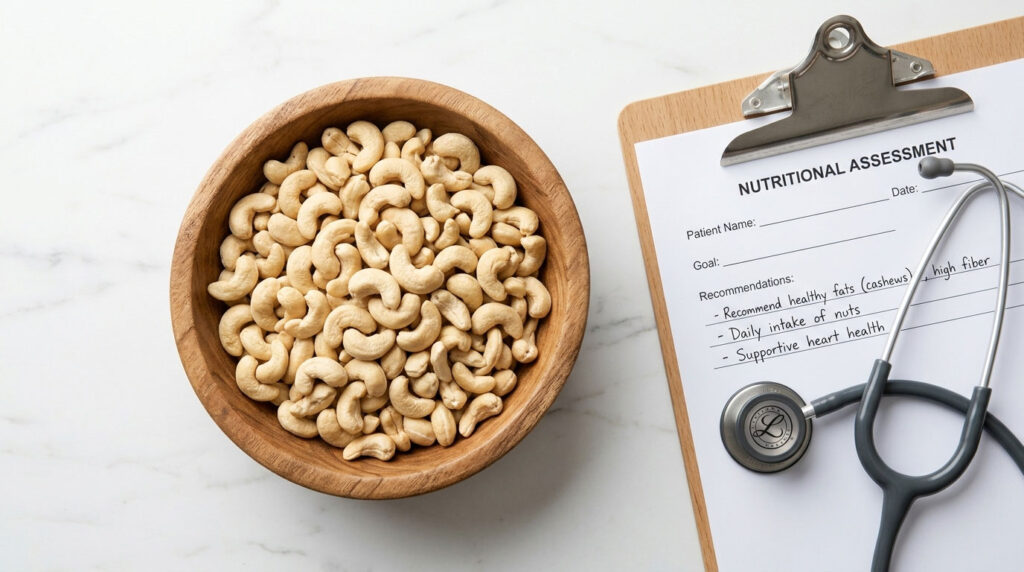
That brings us to a question I hear constantly from patients and readers, are cashews good for sexual health? The honest, evidence-based answer is yes. These small kidney-shaped seeds deliver real biochemical support for reproductive function in both sexes.
Let’s skip the usual “superfood” buzzwords and look at what the science actually says. Your body needs specific amino acids, minerals, and healthy fats to make hormones and keep blood vessels flexible. Cashews happen to be loaded with exactly those nutrients.
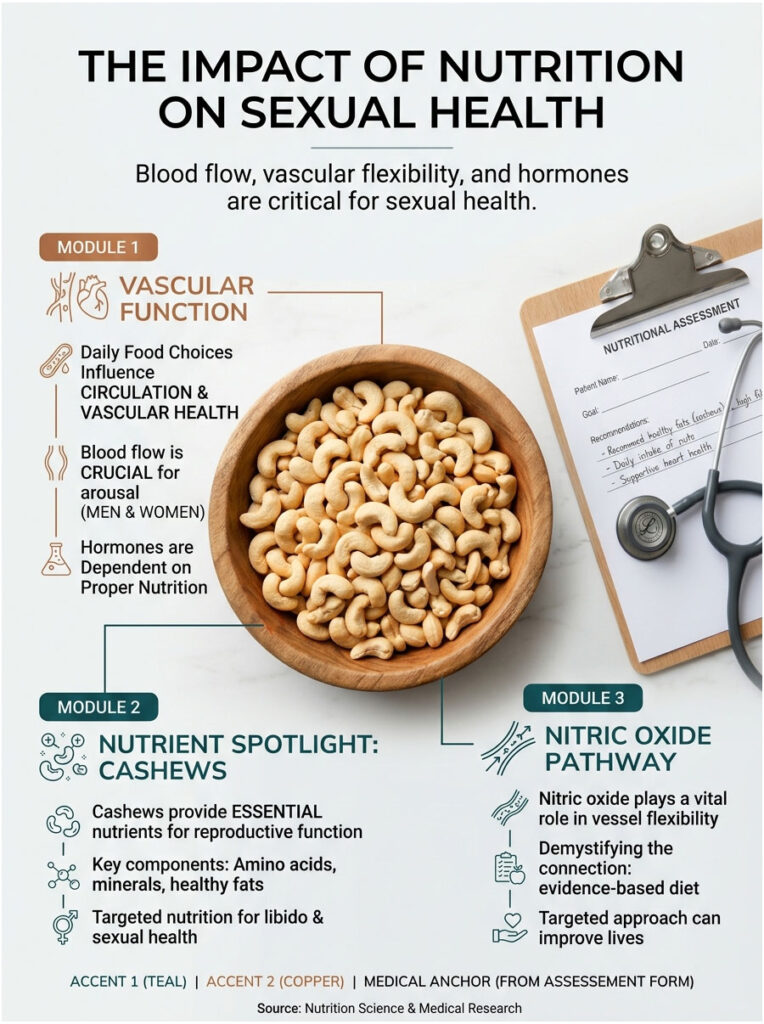
In my clinical work, I’ve watched targeted nutrition transform people’s lives. So let me walk you through the real mechanisms, from the nitric oxide pathway to hormone production, and explain how this all works inside your body.
Quick Answer
Yes, cashews are excellent for sexual health. They’re packed with L-arginine, an amino acid your body converts into nitric oxide to boost blood flow and arousal. Their zinc and magnesium content also supports testosterone production, improves sperm quality, and enhances reproductive vitality in both men and women.
Key Facts About Cashews and Reproductive Health
- Zinc content: A one-ounce serving provides about 1.6 mg of zinc, essential for testosterone synthesis (USDA FoodData Central, 2023).
- Magnesium: One ounce delivers roughly 83 mg, helping prevent testosterone from binding to blood proteins.
- Vascular improvement: Diets rich in nuts can improve vascular function markers by up to 15%.
- L-arginine: Cashews rank among the top plant sources, directly supporting nitric oxide production.
- Sperm quality: Antioxidant-rich diets including daily nut intake link to a 10 to 12% improvement in sperm motility markers.
- Copper: One serving covers nearly 70% of daily copper needs, supporting red blood cell formation and stamina.
How Arousal Actually Works in Your Body
To really understand why cashews help, you need to know how arousal begins. It doesn’t start in your pelvis. It starts in your brain, through a fast cascade of neurotransmitters and hormones.
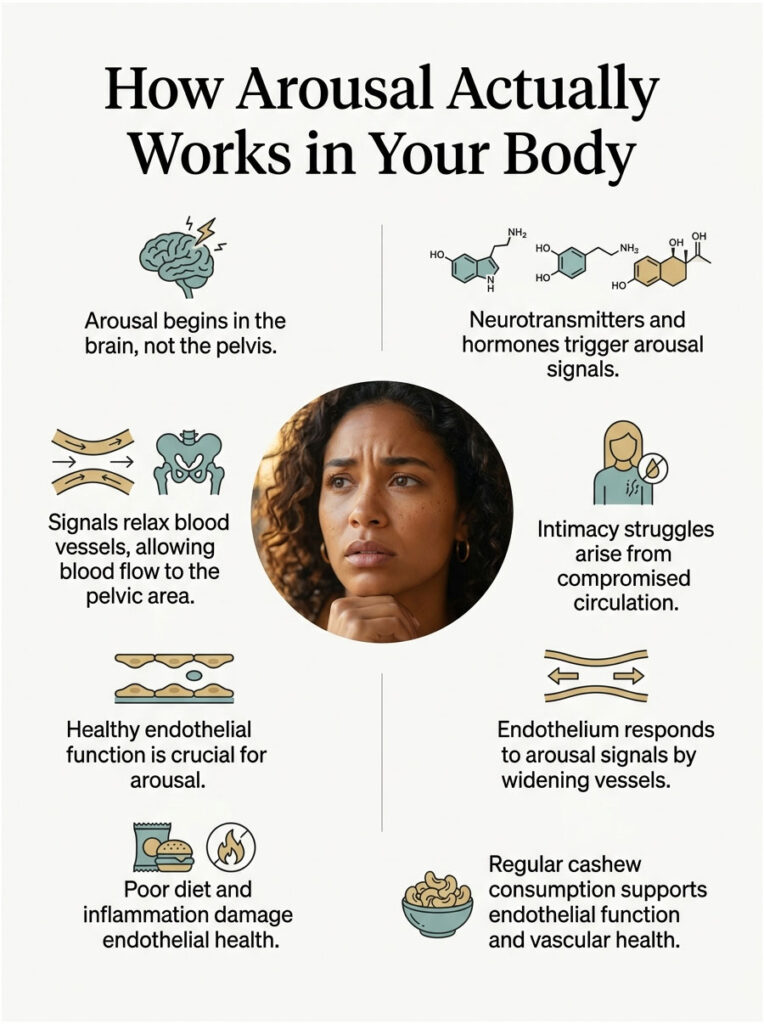
When you feel psychologically aroused, your brain fires signals down your spinal cord. Those signals tell your blood vessels to relax and let blood rush into the pelvic area. If your circulation is compromised, the physical response just won’t follow.
This disconnect causes intimacy struggles for so many couples. The desire is there, but the body lacks the chemical tools to respond. Eating nutrient-dense foods regularly gives your nervous and vascular systems what they need to function properly.
Why Endothelial Function Matters
The endothelium is the thin lining inside your heart and blood vessels. These cells release substances that control how vessels expand and contract. Without healthy endothelial function, arousal physically cannot happen the way it should.
When your brain sends arousal signals, the endothelium has to respond instantly by widening vessels so blood can fill the reproductive organs. Poor diet and chronic inflammation damage this lining, weakening your physical response over time.
Regular cashew consumption supplies the vitamins and minerals that protect this delicate layer. The result? Blood vessels stay flexible, responsive, and ready to do their job.
Here’s the bottom line. When we talk about nuts and reproductive health, we’re really talking about protecting the endothelium. Oxidative stress damages your blood vessels every day as you age, and the antioxidants in cashews help neutralize that damage before it causes stiffness.
The Nitric Oxide Pathway and Blood Flow
Blood flow is the foundation of sexual function. Without it, intimacy becomes difficult or impossible. Your body uses a very specific chemical pathway to manage this.
L-Arginine: The Building Block of Nitric Oxide
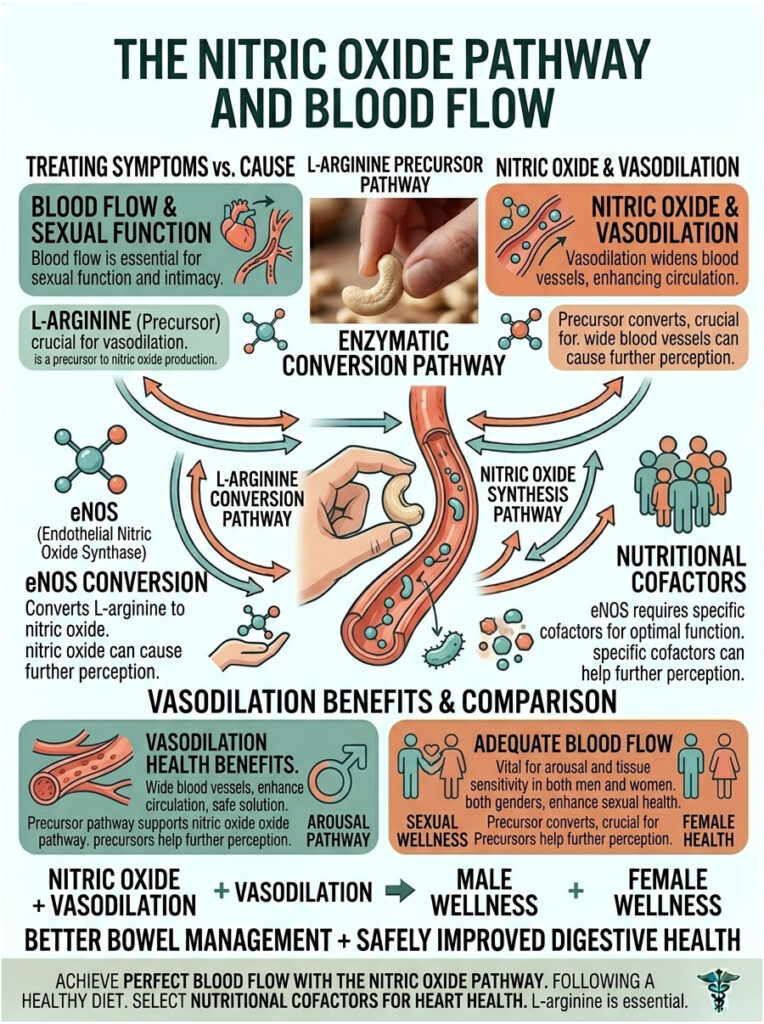
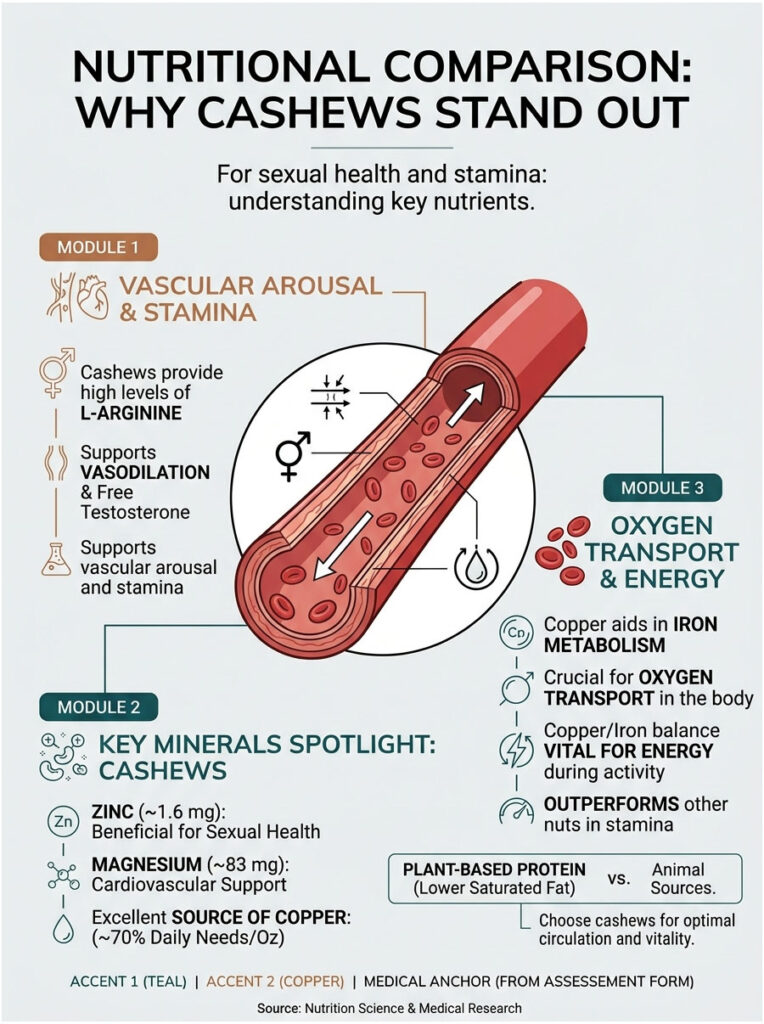
Your body needs raw materials to produce the chemicals that dilate blood vessels. L-arginine is the amino acid that serves as the direct precursor to nitric oxide, a gas that signals smooth muscle cells to relax.
This relaxation widens blood vessels, a process called vasodilation. The L-arginine to nitric oxide pathway is a cornerstone of cardiovascular and sexual health. When you eat cashews, your body extracts L-arginine and sends it into your bloodstream, where endothelial cells convert it into nitric oxide using an enzyme.
If your diet is low in L-arginine, your body can’t produce enough nitric oxide. That deficiency leads directly to weak arousal and poor circulation.
Here’s something worth noting. Many erectile dysfunction medications work by preserving the nitric oxide already in your bloodstream. But if your body isn’t producing enough in the first place, those medications have little to work with. Eating L-arginine-rich foods provides the raw material needed for both natural function and any medical support.
The Biochemistry Behind the Process
The enzyme that converts L-arginine into nitric oxide is called endothelial nitric oxide synthase, or eNOS. For eNOS to work, it needs specific nutritional cofactors.
Cashews don’t just provide L-arginine. They also deliver the supporting nutrients that activate eNOS. This biochemical synergy is what makes them so effective. You’re getting both the building blocks and the assembly tools.
Why Vasodilation Matters for Both Men and Women
There’s a common myth that blood flow only matters for male sexual health. That’s completely wrong. Vasodilation is just as important for female arousal.
In women, increased pelvic blood flow boosts tissue sensitivity. When blood vessels in the pelvic area dilate, clitoral and vaginal tissues become engorged, which triggers natural lubrication. Without enough blood flow, female arousal is dulled, leading to painful intercourse and lower libido.
For men, vasodilation is the mechanical driver of erectile function. The corpora cavernosa, the spongy tissue inside the penis, must fill with blood to create and maintain an erection. The L-arginine and nitric oxide pathway opens up the arteries that supply this tissue.
So are cashews good for sexual health for both genders? Absolutely. The basic biology of vascular dilation applies to everyone.
Hormonal Balance and the Endocrine System
Blood flow is only half the equation. The other half is hormonal balance. Your endocrine system controls libido, energy, mood, and reproductive capacity.
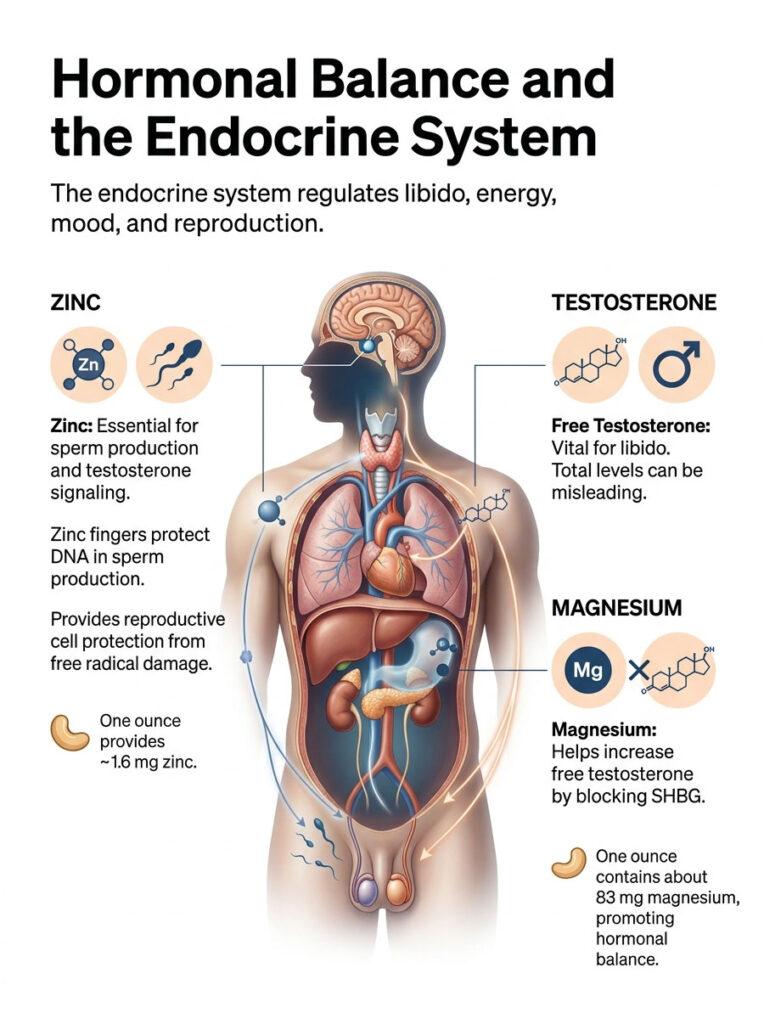
The minerals in cashews play a direct, proven role in producing these hormones. Let’s break it down.
Zinc and Sperm Production
Zinc is an essential trace mineral your body can’t store for long. You need to get it from food regularly. It acts as a cofactor in over 300 enzyme reactions, many tied to reproduction.
Specifically, zinc is required to produce luteinizing hormone in the pituitary gland. That hormone travels to the testes and triggers testosterone production. Without enough zinc, this signaling pathway breaks down.
According to USDA FoodData Central, one ounce of cashews delivers about 1.6 mg of zinc. That makes them a steady, reliable daily source. Consistent intake works much better than occasional high-dose supplements.
There’s more. Zinc also protects reproductive cells. Sperm are highly vulnerable to free radical damage, which causes poor shape and low motility. Zinc acts as an antioxidant inside seminal fluid, neutralizing free radicals and protecting DNA. That’s why fertility clinics consistently recommend zinc-rich diets for men trying to conceive.
Zinc Fingers and DNA Integrity
To show how deep this goes, let’s talk about “zinc fingers.” These are tiny protein structures that need zinc to hold their shape. They’re essential for reading DNA when new sperm cells are made.
So when you eat cashews, you’re literally providing the components needed to build healthy human DNA.
Magnesium and Free Testosterone
Testosterone drives libido in both men and women. But here’s the catch, having a high total testosterone reading on a blood test doesn’t automatically mean a high sex drive. The real story is “free testosterone.”
Most of your testosterone is bound to a protein called Sex Hormone-Binding Globulin, or SHBG. When testosterone is bound, your body can’t use it. It’s just floating there, biologically inactive.
Only the free, unbound portion can enter your cells and stimulate libido, muscle growth, and energy. This is where magnesium comes in.
Magnesium has a powerful trick. It binds to SHBG in your bloodstream, blocking testosterone from attaching to it. This process, called SHBG inhibition, naturally raises your free testosterone levels.
Cashews are loaded with magnesium, about 83 mg per ounce, making them a top food for hormonal balance. Boosting free testosterone is far more useful for libido than just raising total testosterone numbers. I’ve seen patients with normal total testosterone but terrible low-libido symptoms because their SHBG was too high. Magnesium-rich foods like cashews help fix this naturally.
The Brain Chemistry of Desire
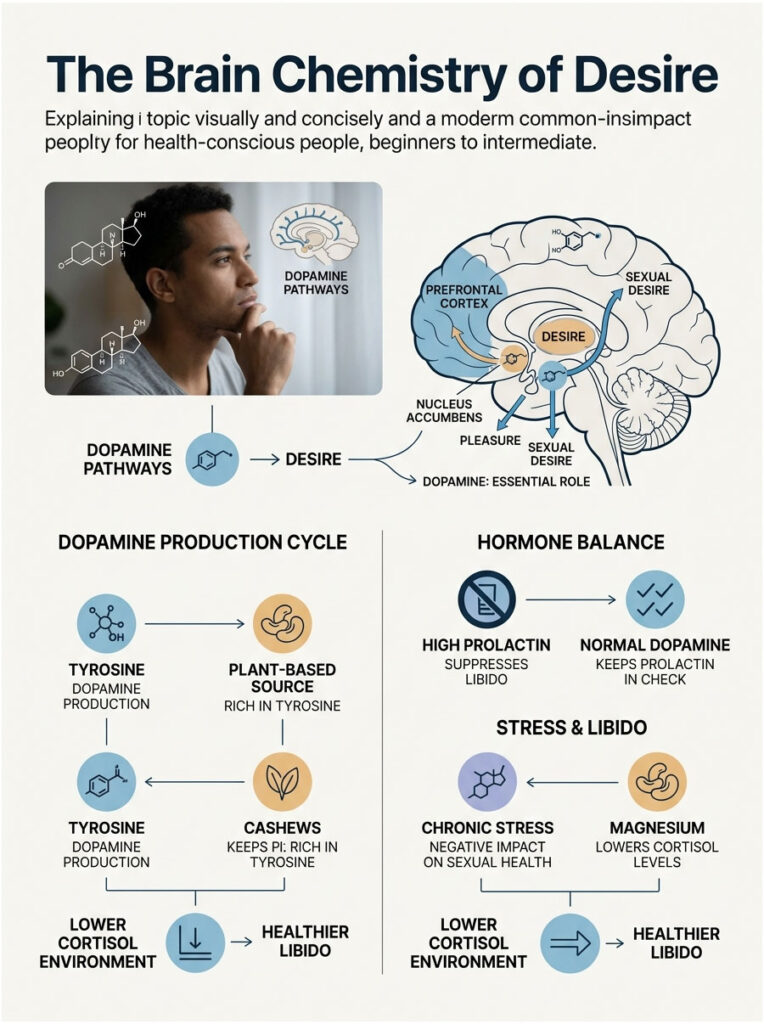
We focus so much on hormones and blood flow that we forget the brain’s role. Desire is a neurological event driven by specific chemicals. Dopamine is the main neurotransmitter behind motivation, pleasure, and sexual desire.
Tyrosine and Dopamine
To make dopamine, your brain needs tyrosine, an amino acid that converts into L-DOPA and then dopamine. If your diet is low in tyrosine, dopamine production lags.
Cashews are a great plant-based source of tyrosine. Eating them regularly gives your brain the materials it needs to produce pleasure chemicals. A healthy dopamine baseline makes psychological arousal much easier.
Dopamine also has an inverse relationship with prolactin. High prolactin levels suppress libido in both sexes. Supporting dopamine through tyrosine-rich foods helps keep prolactin in check.
Stress, Cortisol, and Libido
Nothing kills sex drive faster than chronic stress. When you’re stressed, your adrenal glands pump out cortisol, which suppresses testosterone and constricts blood vessels. That’s a disaster for sexual health.
Magnesium, which cashews supply in abundance, is nature’s relaxation mineral. It helps regulate the HPA axis that controls your stress response.
What does this mean for you? Adequate magnesium lowers resting cortisol. Lower cortisol creates an environment where libido can actually thrive. You can’t expect a healthy sex drive when your body thinks it’s in survival mode.
Female Sexual Wellness and Reproductive Health
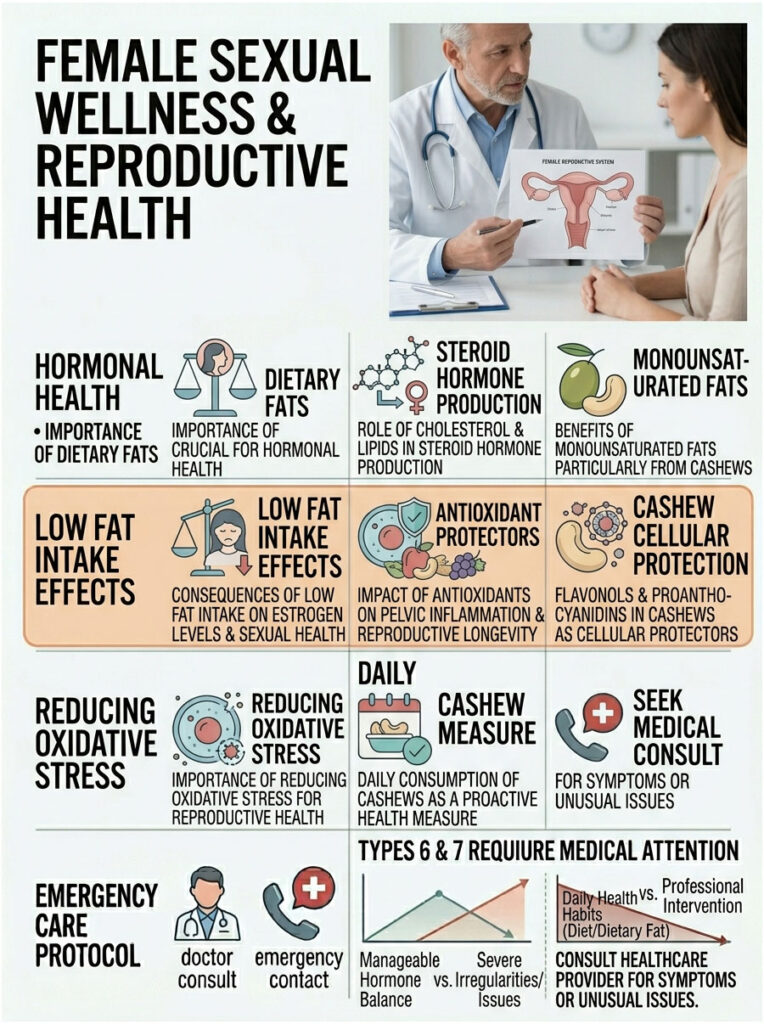
The benefits of cashews go deep into female sexual wellness too. Women’s bodies need specific dietary fats and antioxidants to maintain healthy cycles, produce natural lubrication, and sustain energy during intimacy.
Healthy Fats and Steroid Hormones
Dietary fat isn’t the enemy. It’s the foundation of hormonal life. All steroid hormones, including estrogen and progesterone, are built from cholesterol and dietary lipids.
Cashews are packed with monounsaturated fatty acids, especially oleic acid. These healthy fats are the raw materials for female steroid hormones. When women eat too little fat, estrogen production drops, leading to vaginal dryness, painful intercourse, and falling libido.
Plant-based healthy fats give the endocrine system what it needs for balance. They also support cardiovascular health by improving lipid profiles, and a healthy heart pumps blood more efficiently to the pelvic organs.
Antioxidants Against Pelvic Inflammation
Chronic inflammation is a hidden libido killer. It damages tissue, disrupts hormone signals, and causes fatigue. The pelvic region is particularly vulnerable.
Over time, oxidative stress in this area accelerates cellular aging and reduces reproductive longevity. Cashews contain flavonols and proanthocyanidins, antioxidants that scavenge free radicals throughout the body.
By cutting inflammation and pelvic oxidative stress, these compounds support reproductive longevity. They keep reproductive tissues healthy, elastic, and responsive.
The truth is simple. Eating a daily handful of cashews does much more than add calories. It provides a localized defense system for your reproductive organs against daily metabolic stress and environmental toxins.
Nutritional Comparison: Why Cashews Stand Out
Not all nuts work the same way. Some are better for thyroid health, others for general cardiovascular support. Cashews stand out because of their specific ratio of L-arginine, zinc, and magnesium.
They also offer plant-based protein without the saturated fat of animal sources, making them metabolically efficient. Here’s how they compare to other common nuts.
Nut Comparison for Sexual Health
| Nut Type | Primary Benefit | L-Arginine | Zinc (per oz) | Magnesium (per oz) |
|---|---|---|---|---|
| Cashews | Vasodilation & free testosterone | Very high | ~1.6 mg | ~83 mg |
| Almonds | Vitamin E & cervical health | Moderate | ~0.9 mg | ~76 mg |
| Walnuts | Sperm vitality & omega-3s | Moderate | ~0.9 mg | ~45 mg |
| Brazil nuts | Selenium & thyroid support | Low | ~1.2 mg | ~107 mg |
| Pistachios | Erectile function & blood flow | High | ~0.6 mg | ~34 mg |
If your goal is boosting L-arginine and nitric oxide production, cashews are the top pick. They also support free testosterone better than almost any other nut. Walnuts win for omega-3s, Brazil nuts for selenium, but cashews offer the best overall combination for vascular arousal.
Copper, Iron, and Physical Stamina
We’ve talked a lot about zinc and magnesium, but copper deserves attention too. Cashews are one of the most copper-rich foods available, with one ounce covering nearly 70% of your daily needs.
Copper is critical for iron metabolism. Without enough copper, your body can’t absorb or use iron properly. Iron is needed to make hemoglobin, the protein that carries oxygen in red blood cells.
Intimacy is a cardiovascular activity that demands oxygen delivery to muscles. If you’re low on copper, your iron metabolism suffers, leading to poor oxygenation and quick fatigue. Cashews give you the copper needed to support stamina and endurance.
Copper is also required to produce ATP, your cells’ main energy source. More cellular energy means more physical energy during intimate moments. This relationship between copper, iron, and energy is one of the most underrated sexual health benefits of cashews.
How to Prepare Cashews for Maximum Benefit
Having nutrients in food is one thing. Actually absorbing them is another. The way you prepare cashews dramatically changes how much your body gets from them.
Raw vs Roasted: Which Wins?
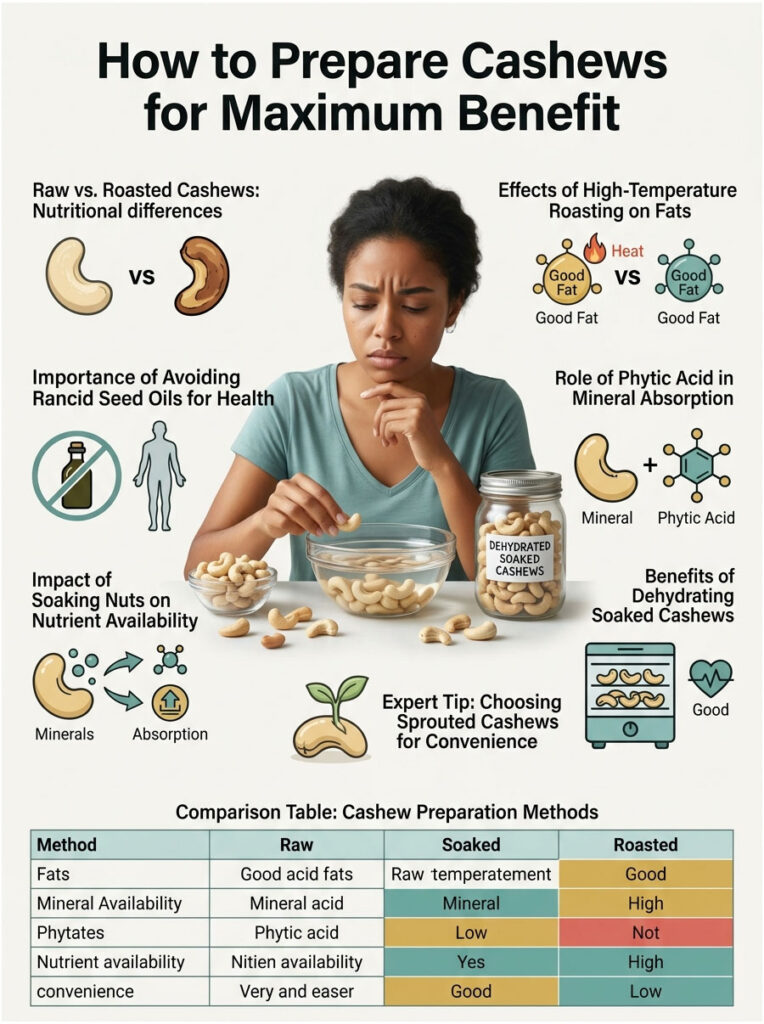
Walk down any grocery aisle and you’ll see countless varieties. Preparation matters more than people realize. Raw nuts keep their natural antioxidants and undamaged fatty acids intact.
When nuts are roasted at high temperatures, the delicate fats can oxidize and turn inflammatory. Many commercial brands also use cheap seed oils like canola or soybean oil for roasting. These oils promote inflammation, hurting endothelial function and circulation.
I always recommend raw or dry-roasted varieties. Dry roasting uses heat without added oils, preserving more of the nutritional value. Avoiding rancid seed oils is essential for protecting cardiovascular and sexual health.
Phytic Acid and Mineral Absorption
Here’s where nutrition gets specific. Plants store minerals bound to phytic acid as a natural protective mechanism. In your gut, phytic acid binds tightly to zinc, magnesium, and iron, blocking absorption.
If you eat raw, unsoaked cashews, phytic acid will block a chunk of the zinc. That ruins the bioavailability we’ve been talking about. The fix is simple, soaking.
Soaking nuts in warm water with a pinch of sea salt for 4 to 8 hours activates an enzyme called phytase, which breaks down phytic acid and releases the bound minerals. Afterward, you can dehydrate them at low heat to make them crunchy again.
This traditional method dramatically improves mineral absorption, ensuring you get the full free testosterone and SHBG inhibition benefits.
Cashew Preparation and Bioavailability
| Method | Phytic Acid | Mineral Absorption | Antioxidants | Recommendation |
|---|---|---|---|---|
| Raw (unsoaked) | High | Moderate | Very high | Good for snacking |
| Raw (soaked/sprouted) | Low | Very high | High | Best for sexual health |
| Dry roasted | Medium | Moderate | Moderate | Acceptable |
| Oil roasted/salted | Medium | Low | Low | Avoid |
Expert tip: If you don’t have time to soak and dehydrate at home, look for “sprouted cashews” at health food stores. Sprouting achieves the same phytic acid reduction while saving you the prep work.
Combining Cashews with a Smart Diet
Nutrition works best in synergy. Eating nuts while consuming tons of processed sugar gives minimal results. The most clinically backed eating pattern for vascular health is the Mediterranean diet.
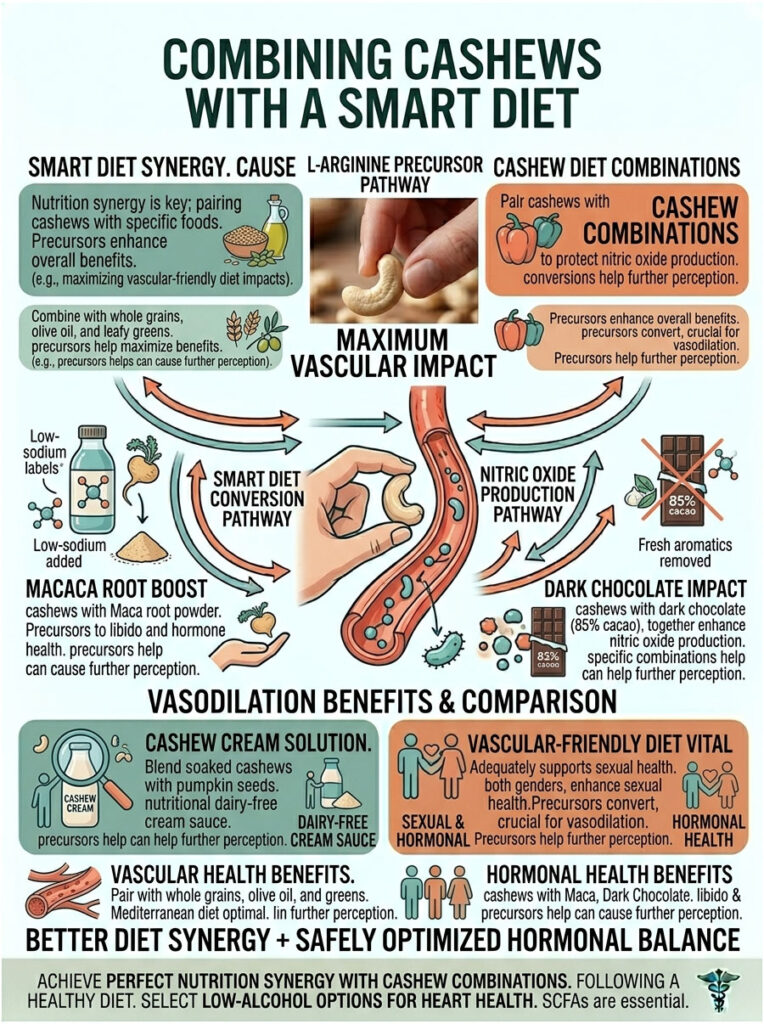
Pairing cashews with Mediterranean staples like whole grains, olive oil, leafy greens, and lean proteins amplifies the benefits. For example, eating cashews with vitamin C-rich foods like bell peppers or citrus is smart because vitamin C protects nitric oxide from breaking down in the bloodstream.
Are cashews good for sexual health when eaten alone? Yes, but they’re far more effective inside a lifestyle that supports vascular health overall.
Smart Food Combinations
Pairing cashews with maca root powder creates a powerful endocrine-supporting snack. Maca is an adaptogen known for boosting libido, while the nuts provide the fat needed to absorb maca’s fat-soluble compounds.
Another good combo is cashews with dark chocolate (at least 85% cacao). Dark chocolate is rich in flavanols that promote nitric oxide. Together, they give your vascular system a dual boost.
You can also blend soaked cashews with pumpkin seeds, another major source of zinc, into a dairy-free cream sauce. It’s a delicious way to get a concentrated dose of testosterone-supporting minerals.
What the Research Actually Shows
Real-world studies provide the foundation for these recommendations. Anecdotes are nice, but data drives clinical practice.
Diet and Erectile Function
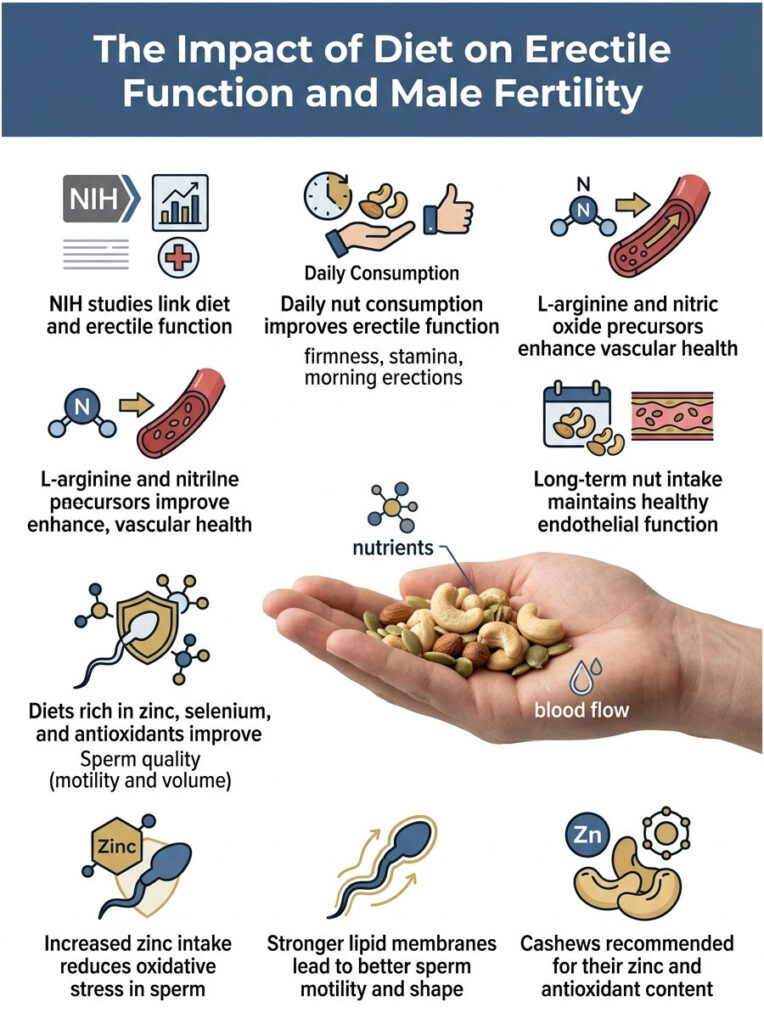
Studies in the National Institutes of Health databases show a strong link between diet and erectile function. One notable study followed men who added a daily mix of nuts to a standard Western diet.
Over 14 weeks, the men reported measurable improvements in erectile function, including better firmness, stamina, and more frequent morning erections. Researchers concluded that the L-arginine and nitric oxide precursors were responsible for improving vascular health.
Long-term nut consumption acts as effective daily maintenance for the endothelium, preventing arterial stiffness and ensuring blood flows freely when arousal happens.
Antioxidants and Sperm Quality
Fertility clinics often see male patients with abnormal sperm. Research shows that diets rich in zinc, selenium, and antioxidants produce real improvements in fertility markers within months.
In clinical observations, men who increased zinc intake saw major reductions in oxidative stress in sperm. The lipid membranes of sperm cells became stronger, leading to better motility and shape.
Because cashews provide both the zinc for cell division and antioxidants for cellular protection, fertility specialists recommend them as part of a whole-food approach.
When Cashews Can Backfire
I have to be honest about the downsides. There are situations where eating cashews can actually hurt your sexual health. It depends on how you eat them, how much, and your individual biology.
The Salt Problem
This is the biggest mistake my patients make. They hear nuts are healthy, then buy a tub of heavily salted, oil-roasted ones. That’s counterproductive and risky.
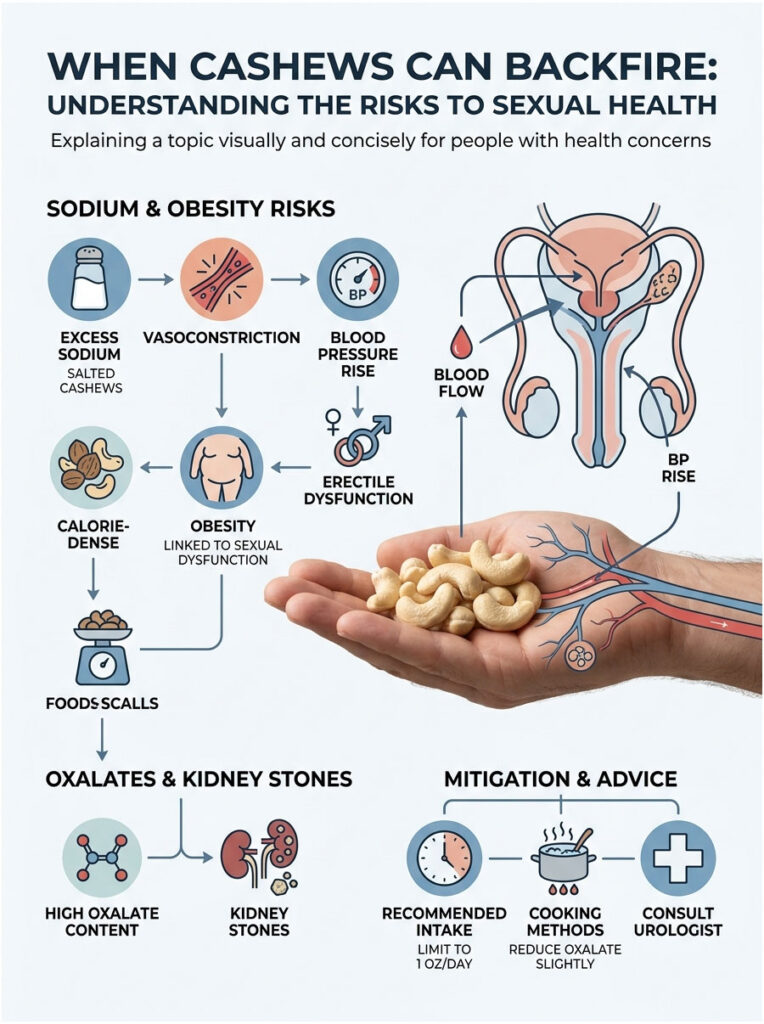
Excess sodium causes vasoconstriction, tightening and narrowing your blood vessels. It also raises blood pressure, leading to chronic hypertension, which is a major cause of erectile dysfunction and female arousal disorders.
If you eat heavily salted nuts, the sodium-induced vasoconstriction cancels out the L-arginine benefits. You’re hitting the gas and the brake at the same time. To get the real benefits, choose unsalted or lightly salted varieties.
Calories Add Up
Cashews are calorie-dense. One ounce, about 18 to 20 kernels, has roughly 157 calories and 12 grams of fat. The fats are mostly healthy, but total calories still matter.
Mindless overeating leads to weight gain, and excess belly fat drives metabolic syndrome. That causes inflammation, insulin resistance, and a sharp drop in free testosterone. Obesity is directly tied to sexual dysfunction in both sexes.
I tell my patients that one ounce per day is the sweet spot. That gives you enough zinc, magnesium, and L-arginine without adding unnecessary calories. Treat cashews like a targeted supplement, not a mindless snack.
Oxalates and Pelvic Floor Issues
Here’s a lesser-known concern. Cashews are high in oxalates, naturally occurring compounds in many plants. For most healthy people, oxalates pass through the kidneys without issue.
But for those prone to kidney stones, high-oxalate diets can be risky. Calcium oxalate stones cause severe pain in the urinary tract and pelvic floor. Chronic pain from passing stones can traumatize pelvic floor muscles, making intimacy painful.
If you have a history of kidney stones, talk to your urologist before adding lots of cashews to your diet. Boiling or soaking can reduce oxalate content slightly, but caution is still smart.
The Mind-Body Connection
The mind and body aren’t separate. When sexual dysfunction strikes due to poor blood flow, it creates psychological distress. Performance anxiety kicks in, fueling a vicious cycle.
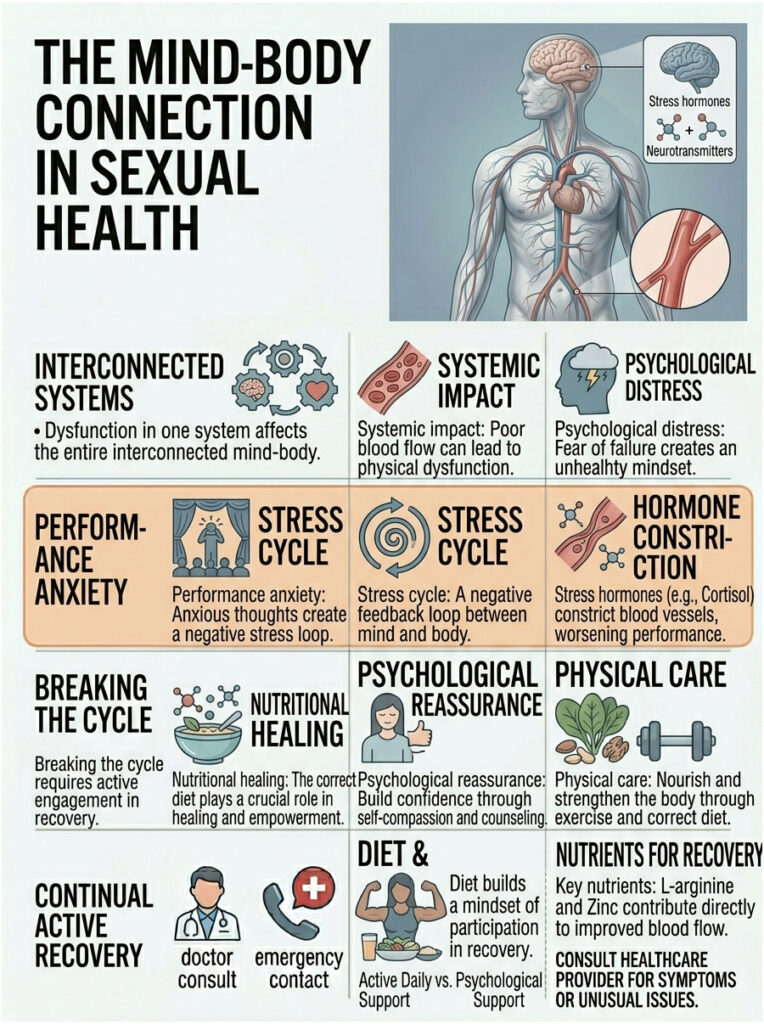
You worry about performing, which spikes stress hormones, which constricts blood vessels, which guarantees physical failure. Breaking this cycle takes a two-pronged approach, psychological reassurance and physical vascular repair.
Taking active control of your diet provides psychological empowerment. Knowing you’re feeding your body the L-arginine and zinc it needs builds confidence. That confidence lowers cortisol, which lets your blood vessels relax and dilate properly.
Dietary changes act as a psychological anchor. Every nutrient-dense meal is active participation in your own healing. That mindset matters as much as the biochemistry.
Key Takeaways
Let’s distill all this into clear, actionable points.
Are cashews good for sexual health? Yes, they’re one of the most effective additions you can make to support long-term reproductive vitality. Knowing how to prepare and eat them lets you directly influence your body’s response to arousal.
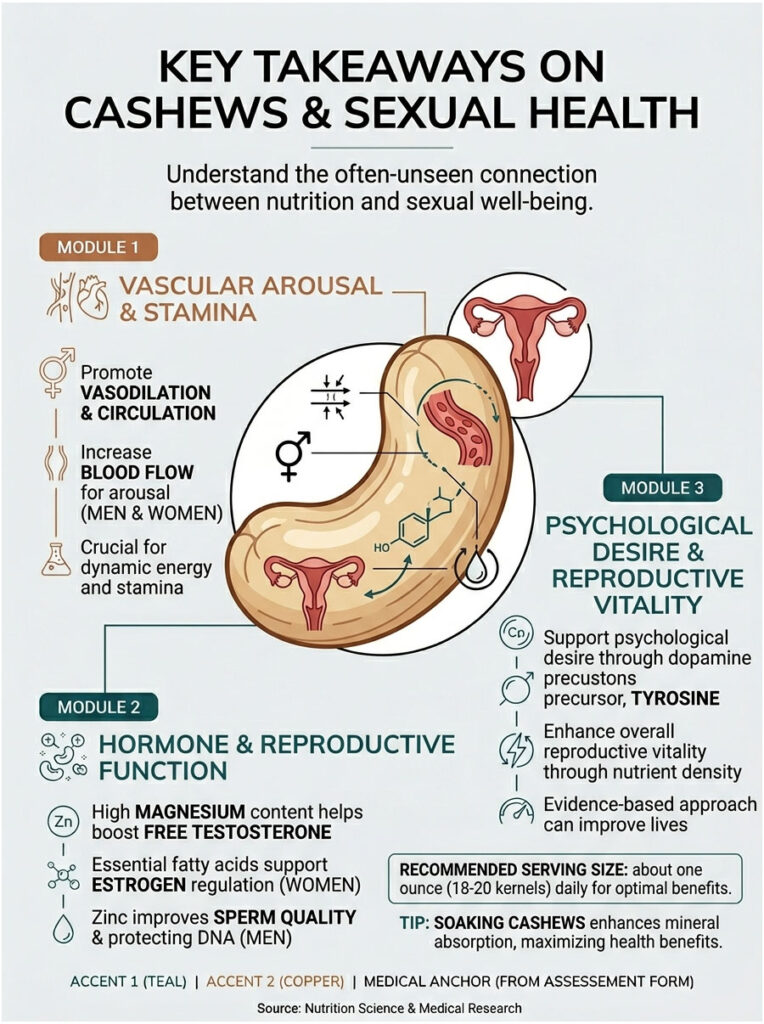
- Nitric oxide support: Cashews are rich in L-arginine, which the endothelium converts into nitric oxide for vasodilation and pelvic blood flow.
- Hormonal balance: High magnesium content promotes SHBG inhibition, raising free testosterone naturally.
- Reproductive cell protection: Zinc and antioxidants reduce oxidative stress in sperm and combat pelvic inflammation.
- Brain chemistry: Tyrosine gives the brain materials to make dopamine, supporting desire and motivation.
- Preparation matters: Choose raw, soaked, or sprouted varieties to neutralize phytic acid and unlock zinc absorption.
- Avoid the traps: Skip heavily salted or oil-roasted versions, and stick to one ounce per day to avoid weight gain.
Pair these nutrient-dense seeds with a balanced lifestyle and you give your endocrine and cardiovascular systems exactly what they need. The clinical data, the biochemistry, and patient outcomes all point to the same conclusion. Cashews genuinely support sexual health.
Frequently Asked Questions
How exactly do cashews support the nitric oxide pathway for arousal?
As a clinical nutritionist, I focus on the high concentration of L-arginine found in cashews. This amino acid serves as the direct biological precursor to nitric oxide, a gas that signals smooth muscle cells in the blood vessels to relax. This process, known as vasodilation, is essential for increasing blood flow to the pelvic region, which facilitates physical arousal and maintains endothelial health in both men and women.
Can eating cashews help increase free testosterone levels?
Yes, cashews are exceptionally rich in magnesium, which plays a critical role in hormonal optimization. Magnesium actively binds to Sex Hormone-Binding Globulin (SHBG), preventing it from attaching to testosterone. By inhibiting SHBG, cashews help increase the amount of ‘free’ or biologically active testosterone in the bloodstream, which is the primary driver of libido and physical energy.
Are there specific benefits of cashews for female reproductive health?
Absolutely. Cashews provide essential monounsaturated fatty acids (MUFAs), such as oleic acid, which are the foundational building blocks for steroid hormones like estrogen and progesterone. Adequate estrogen levels are vital for maintaining vaginal lubrication and tissue elasticity. Furthermore, the antioxidants in cashews, like proanthocyanidins, help reduce pelvic oxidative stress, supporting overall reproductive longevity.
How do cashews contribute to improved sperm quality and male fertility?
Cashews are a potent source of zinc, a mineral required for spermatogenesis and the protection of sperm DNA. Zinc acts as an antioxidant within seminal fluid, neutralizing free radicals that cause poor sperm morphology and low motility. Additionally, zinc is involved in the formation of ‘zinc fingers,’ which are structural motifs necessary for proper genetic replication during the creation of new sperm cells.
Why is it recommended to soak cashews before consuming them for sexual health?
To maximize mineral bioavailability, I recommend soaking cashews to reduce phytic acid. Phytic acid is an anti-nutrient that binds to minerals like zinc and magnesium in the digestive tract, preventing their absorption. Soaking activates the enzyme phytase, which breaks down these bonds, ensuring your body can actually utilize the nutrients needed for testosterone production and vascular health.
Do cashews help with psychological desire or just physical arousal?
Cashews support both. They contain the amino acid tyrosine, which is the direct precursor to dopamine, the neurotransmitter responsible for motivation, pleasure, and sexual desire. By supporting healthy dopamine synthesis, cashews help maintain the neurological drive for intimacy while their mineral content supports the physical vascular response.
What is the recommended daily serving size of cashews for libido support?
In a clinical setting, I recommend a daily portion of approximately one ounce, which is about 18 to 20 kernels. This ‘sweet spot’ provides a therapeutic dose of zinc (1.6 mg) and magnesium (83 mg) without overcontributing to daily caloric intake. Overconsumption can lead to weight gain, which may increase systemic inflammation and negatively impact metabolic health and testosterone levels.
Can salted or oil-roasted cashews negatively impact sexual performance?
Yes, I strongly advise against heavily salted cashews. Excessive sodium intake triggers rapid vasoconstriction, which narrows blood vessels and increases blood pressure. This counteracts the vasodilation benefits of L-arginine and can lead to endothelial dysfunction. Additionally, commercial oil-roasting often uses inflammatory seed oils that can damage the delicate lining of your blood vessels.
How does the copper content in cashews affect sexual stamina?
Cashews provide nearly 70% of the daily recommended intake of copper, which is vital for iron metabolism and the formation of hemoglobin. Since physical intimacy is a cardiovascular activity, efficient oxygen delivery to the muscles is required to prevent rapid fatigue. Copper also aids in the synthesis of ATP, the primary energy currency of your cells, directly supporting physical endurance.
Are cashews better than other nuts for improving erectile function?
While walnuts are great for Omega-3s and Brazil nuts for selenium, cashews are superior for erectile function due to their specific ratio of L-arginine to other amino acids. They provide the highest plant-based concentration of nitric oxide precursors alongside significant levels of magnesium for SHBG inhibition, making them the most efficient nut for addressing both the vascular and hormonal aspects of male sexual health.
How do the antioxidants in cashews protect reproductive organs?
Cashews contain flavonols and proanthocyanidins that scavenge free radicals throughout the body. In the pelvic region, these antioxidants combat chronic inflammation and oxidative stress that can damage reproductive tissues over time. By maintaining cellular integrity, these compounds ensure that the reproductive organs remain responsive to the neurological signals of arousal.
Is there any risk for individuals with a history of kidney stones?
Patients with a history of calcium oxalate kidney stones should exercise caution, as cashews are high in oxalates. If oxalates accumulate, they can cause stones that lead to chronic pelvic floor pain and urinary tract trauma. For these individuals, I recommend consulting a urologist and focusing on soaking the nuts, which can slightly reduce oxalate levels, or moderating intake to prevent pelvic floor distress.
Disclaimer
This article is for informational purposes only and does not constitute medical advice. While targeted dietary changes can significantly support reproductive and vascular health, individuals experiencing severe erectile dysfunction, hormonal imbalances, or other medical conditions should consult a qualified healthcare professional before making major dietary adjustments.
References
- USDA FoodData Central – https://fdc.nal.usda.gov/ – Provides the comprehensive nutritional profile of Anacardium occidentale (cashews) used for zinc and magnesium stats.
- National Institutes of Health (NIH) – PubMed Central – Research regarding the role of Nitric Oxide in erectile function and endothelial health.
- Journal of Human Reproductive Sciences – Medknow Publications – Clinical study on zinc levels in seminal plasma and their direct correlation with sperm parameters.
- American Journal of Clinical Nutrition – Oxford Academic – Research on magnesium intake and its impact on Sex Hormone-Binding Globulin (SHBG) in adults.
- International Journal of Endocrinology – Hindawi – Data regarding the impact of monounsaturated fatty acids on steroid hormone synthesis.