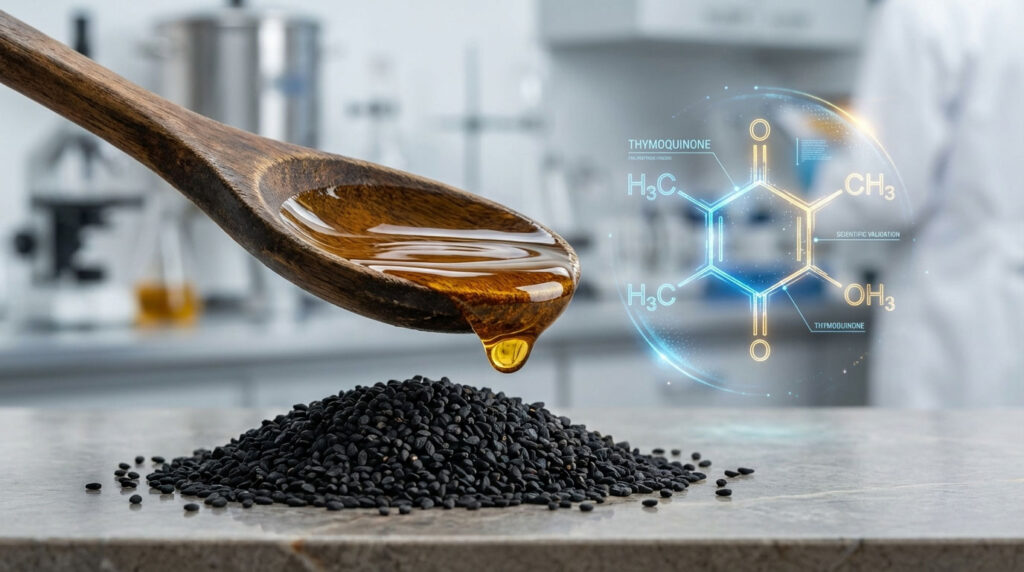
Black cumin seed oil, scientifically known as Nigella Sativa, is a potent botanical supplement that has transitioned from ancient traditional medicine to the forefront of modern clinical research. Its therapeutic power lies in its high concentration of Thymoquinone (TQ), a bioactive compound proven to reduce systemic inflammation, optimize metabolic health, and support immune function. This guide explores the extensive benefits of black seed oil, including its ability to lower blood sugar levels, assist in weight loss, and improve skin conditions like acne and psoriasis through its antioxidant properties.
Table of Contents
The Shift from Ancient Panacea to Modern Clinical Miracle
You may have heard the legends. King Tutankhamun was buried with a vial of it. The Prophet Muhammad described it as a cure for every disease except death. For millennia, cultures across the Middle East and Africa have revered the seeds of the Nigella Sativa plant as a foundational pillar of health.

However, we are not here to discuss folklore. We are here because you are navigating a modern health landscape filled with chronic inflammation, metabolic disorders, and autoimmune challenges. You need to know if this “liquid gold” stands up to the scrutiny of double-blind, placebo-controlled studies.
The answer found in the National Institutes of Health (NIH) database is compelling. Black cumin seed oil is not magic. It is biochemistry. The secret lies in a volatile oil called Thymoquinone (TQ). When you consume high-quality, cold pressed black seed oil, you are introducing a powerful antioxidant that modulates biological pathways rather than just suppressing symptoms. It helps the body regulate its own inflammatory response, balances insulin sensitivity, and protects cellular integrity.
This comprehensive guide delves into the 15 proven benefits of Nigella Sativa. We will examine the clinical data, explain the mechanisms of action, and provide a definitive buyer’s guide to ensure you select a product with the potency required for real results.
Core Concept: Understanding the Botanical Authority of Nigella Sativa
Distinguishing Nigella Sativa from Black Caraway and Imposters
The supplement market is rife with confusion. Consumers often purchase products labeled “Black Cumin” or “Black Caraway” only to find they have bought a common kitchen spice with little therapeutic value. It is critical to identify the correct botanical species to experience the true benefits of black seed oil.
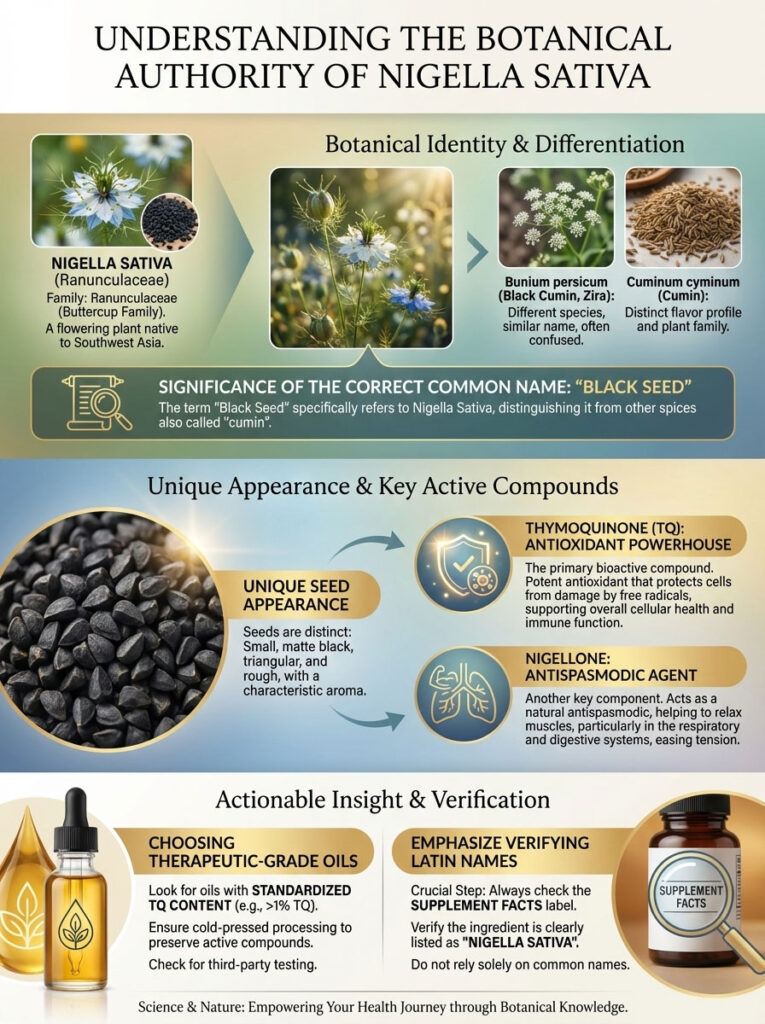
Nigella Sativa is a flowering plant belonging to the Ranunculaceae family. It produces small, matte-black, triangular seeds. These seeds are the only source of the potent oil discussed in medical literature.
In contrast, Bunium persicum (wild black caraway) and Cuminum cyminum (culinary cumin) are unrelated species. While they add flavor to food, they lack the high concentrations of Thymoquinone found in Nigella Sativa. True topical authority in this niche requires knowing that “Black Seed” is the most accurate common name to avoid these botanical mix-ups. Always verify the Latin name on the supplement facts panel before purchase.
The Bioactive Power of Thymoquinone (TQ) and Nigellone
The efficacy of black cumin seed oil is directly tied to its phytochemical profile. The star component is Thymoquinone (TQ). This quinone constituent is a scavenger of free radicals. It works by upregulating the body’s antioxidant defense systems, specifically superoxide dismutase (SOD) and catalase.
This mechanism protects cells from oxidative stress, which is the root cause of aging and chronic disease. However, TQ is not alone. The oil also contains Nigellone, a polymer of TQ. Nigellone is a potent antispasmodic agent. It works to relax smooth muscle tissue, particularly in the respiratory tract. This unique combination of compounds explains why the oil is effective for such a diverse range of conditions, from asthma to hypertension.
Actionable Insight: Do not settle for generic oils. Look for products that list a Standardized TQ percentage. Therapeutic grade oils should offer a TQ content between 1.5% and 3.0% to ensure bioavailability.
Metabolic Benefits of Black Cumin Seed Oil for Weight Loss and Heart Health
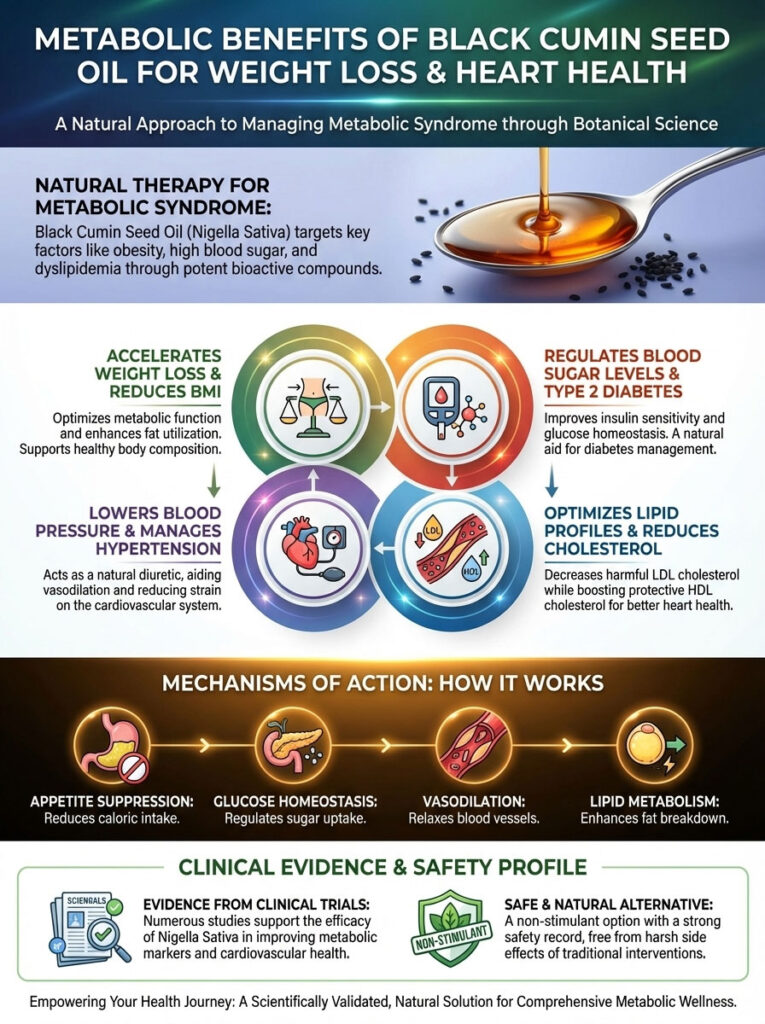
The metabolic syndrome epidemic in the USA requires multifaceted interventions. Black cumin seed oil has emerged in clinical trials as a promising natural adjunctive therapy for managing weight, lipids, and glucose control.
1. Accelerating Weight Loss and Reducing Body Mass Index (BMI)
Black seed oil for weight loss is one of the most researched applications of this supplement. It is not a stimulant. It does not jitter the nervous system like caffeine or synthetic diet pills. Instead, it works by optimizing metabolic function.
A systematic review of randomized controlled trials (RCTs) has shown that supplementation with Nigella Sativa oil significantly reduces body weight and Body Mass Index (BMI) over an 8 to 12-week period. The data highlights a specific reduction in waist circumference, indicating a loss of visceral fat.
Mechanism of Action:
The oil appears to have a dual mechanism. First, it acts as a mild anorectic, helping to curb appetite and reduce overall caloric intake. Second, it improves glucose homeostasis. By preventing massive spikes in blood sugar, the body is less likely to store excess energy as adipose tissue.
2. Regulating Blood Sugar Levels and Managing Type 2 Diabetes
For the millions of Americans managing pre-diabetes or Type 2 Diabetes, black cumin seed oil offers measurable, data-driven support. Studies utilizing 2 grams of Nigella Sativa daily showed a significant reduction in fasting blood glucose (FBG).
More importantly, long-term use led to a decrease in HbA1c levels. HbA1c is the gold standard for measuring average blood sugar levels over three months. A drop in this marker indicates sustained glycemic control and reduced risk of diabetic complications.
Mechanism of Action:
Thymoquinone enhances the regeneration of pancreatic beta-cells, which are responsible for insulin production. It also decreases insulin resistance at the cellular level, allowing glucose to enter cells for energy rather than remaining in the bloodstream where it causes damage.
3. Lowering Blood Pressure and Supporting Hypertension Protocols
Hypertension is often called the silent killer because it damages arteries without obvious symptoms. Black cumin seed oil exhibits natural diuretic and calcium channel blocking properties.
In an eight-week randomized trial, participants taking Nigella Sativa extract experienced a significant fall in both systolic and diastolic blood pressure. The reduction was dose-dependent, meaning higher consistency yielded better results.
Mechanism of Action:
By blocking calcium channels, the oil helps relax the smooth muscles of the blood vessels. This vasodilation reduces the resistance against which the heart has to pump. It effectively reduces the volume of fluid in the circulatory system through mild diuresis.
4. Optimizing Lipid Profiles and Reducing LDL Cholesterol
Dyslipidemia is a major risk factor for cardiovascular disease. Research indicates that the high content of Omega 3 6 9 fatty acids and phytosterols in black seed oil helps modulate cholesterol synthesis in the liver.
Trials have shown that the oil lowers Total Cholesterol (TC), Low-Density Lipoprotein (LDL), and Triglycerides (TG). Simultaneously, it often boosts High-Density Lipoprotein (HDL), the “good” cholesterol that clears plaque from arteries.
Mechanism of Action:
The oil impacts the genetic expression of genes involved in lipid metabolism. It helps the body process fats more efficiently, preventing them from oxidizing and depositing on arterial walls.
Respiratory and Immune System Modulation via Nigella Sativa
5. Asthma Relief through Natural Bronchodilation
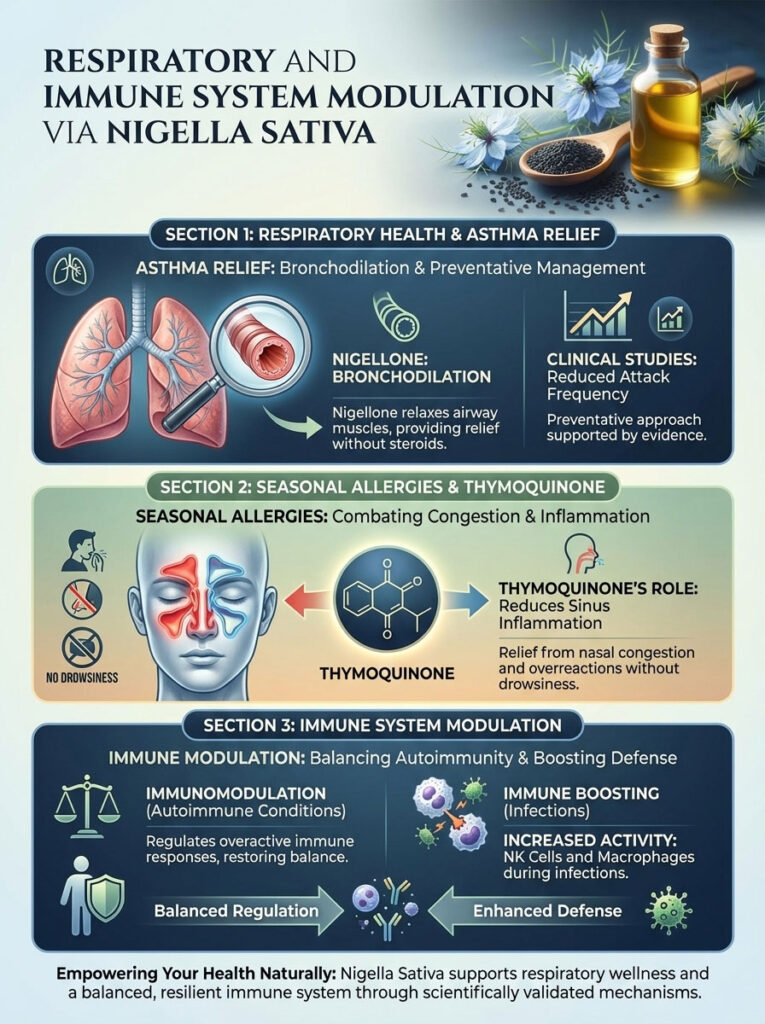
Asthma sufferers often rely on steroid inhalers to force airways open. Black cumin seed oil offers a preventative, non-steroidal approach. The compound Nigellone acts as a potent bronchodilator.
It inhibits the release of histamine from mast cells. Clinical studies on asthmatic patients showed that daily supplementation reduced the frequency of attacks, improved pulmonary function tests (PFTs), and reduced wheezing severity.
User Scenario:
For individuals with exercise-induced asthma, taking the oil consistently can improve lung capacity and endurance by keeping bronchial pathways relaxed.
6. Combatting Seasonal Allergies and Sinusitis Inflammation
Seasonal allergic rhinitis causes misery for millions. The anti-inflammatory properties of Thymoquinone reduce nasal mucosal congestion and swelling.
Patients suffering from runny nose, itchy eyes, and sneezing fits found relief comparable to standard antihistamines but without the drowsiness often associated with drugs like Cetirizine.
Mechanism of Action:
The oil reduces the inflammation in the sinus cavities, allowing for better drainage. It also suppresses the immune system’s overreaction to pollen and dust, treating the root cause of the allergic response.
7. Immune System Modulation and Autoimmune Support
There is a distinct, critical difference between boosting the immune system and modulating it. Boosting an already overactive system can worsen autoimmune diseases like Hashimoto’s or Rheumatoid Arthritis. Nigella Sativa is an immunomodulator.
It increases the activity of natural killer (NK) cells and macrophages when the body faces a pathogen like a virus or bacteria. However, it also helps dampen the “cytokine storm” associated with excessive inflammation. This balance makes it a versatile tool for general immune health.
Dermatological Benefits of Black Seed Oil for Skin and Hair
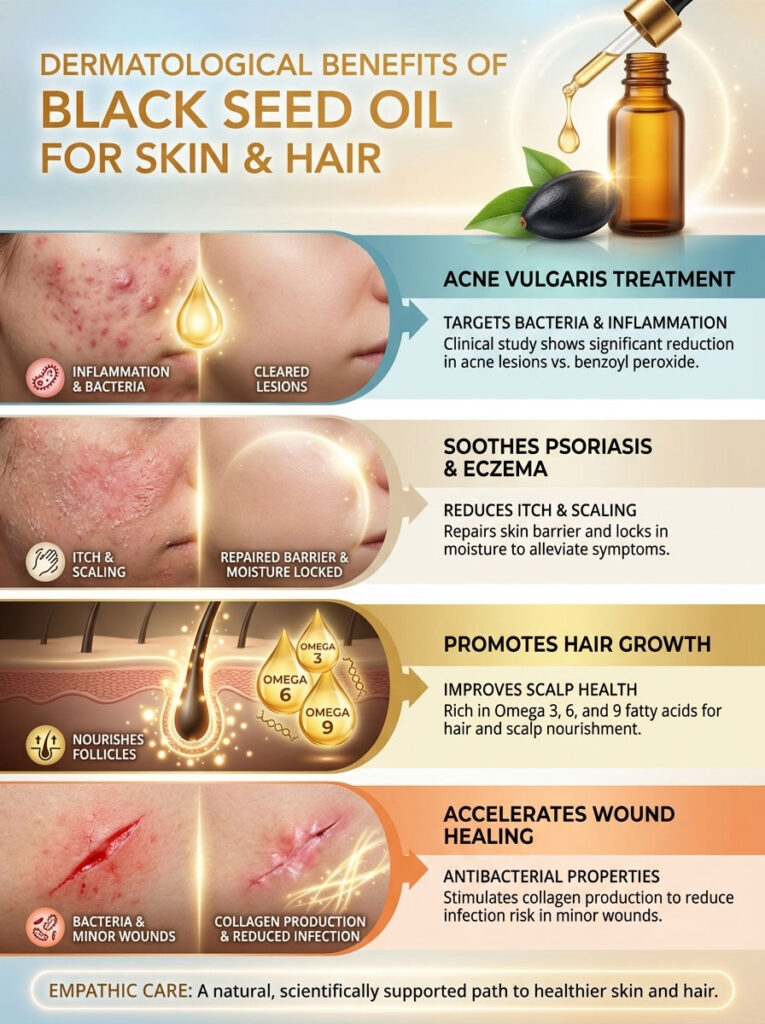
8. Treating Acne Vulgaris with Antimicrobial Power
Black seed oil for acne is a highly effective natural remedy that addresses both the bacterial and inflammatory aspects of breakouts. Its efficacy comes from its antimicrobial properties against Propionibacterium acnes, the bacteria responsible for acne.
A clinical study compared a lotion containing 10% Nigella Sativa oil against a benzoyl peroxide lotion. The natural oil significantly reduced the number of papules and pustules after two months. Unlike harsh chemical treatments, it did not cause excessive drying, peeling, or photosensitivity.
9. Soothing Psoriasis and Eczema Plaques
Chronic skin conditions like psoriasis and eczema are fundamentally inflammatory issues manifesting on the skin surface. Topical application of black cumin seed oil soothes the itch and reduces the scaling associated with psoriatic plaques.
The oil helps repair the skin barrier, locking in moisture while Thymoquinone penetrates the dermis to reduce inflammation. It effectively breaks the itch-scratch cycle that exacerbates eczema and leads to secondary infections.
10. Promoting Hair Growth and Scalp Health
Hair loss is often linked to scalp inflammation, restricted blood flow, or fungal issues. Black seed oil is rich in Omega 3 6 9 fatty acids which nourish the hair follicles and strengthen the hair shaft.
Users frequently massage the oil into the scalp to treat dandruff and dryness. There is also evidence that it may inhibit fungal infections that stunt hair growth. While it is not a cure for genetic male pattern baldness, it creates an optimal environment for hair retention and density.
11. Accelerating Wound Healing and Antibacterial Action
The threat of antibiotic-resistant bacteria like MRSA is a growing concern in hospitals and homes. Nigella Sativa has demonstrated antibacterial activity against Gram-positive and Gram-negative bacteria.
Applied to minor cuts, burns, or abrasions, it accelerates wound healing by stimulating the production of collagen and reducing the risk of infection. This makes it a worthy addition to any natural first aid kit.
Internal Organ Protection and Chronic Pain Management
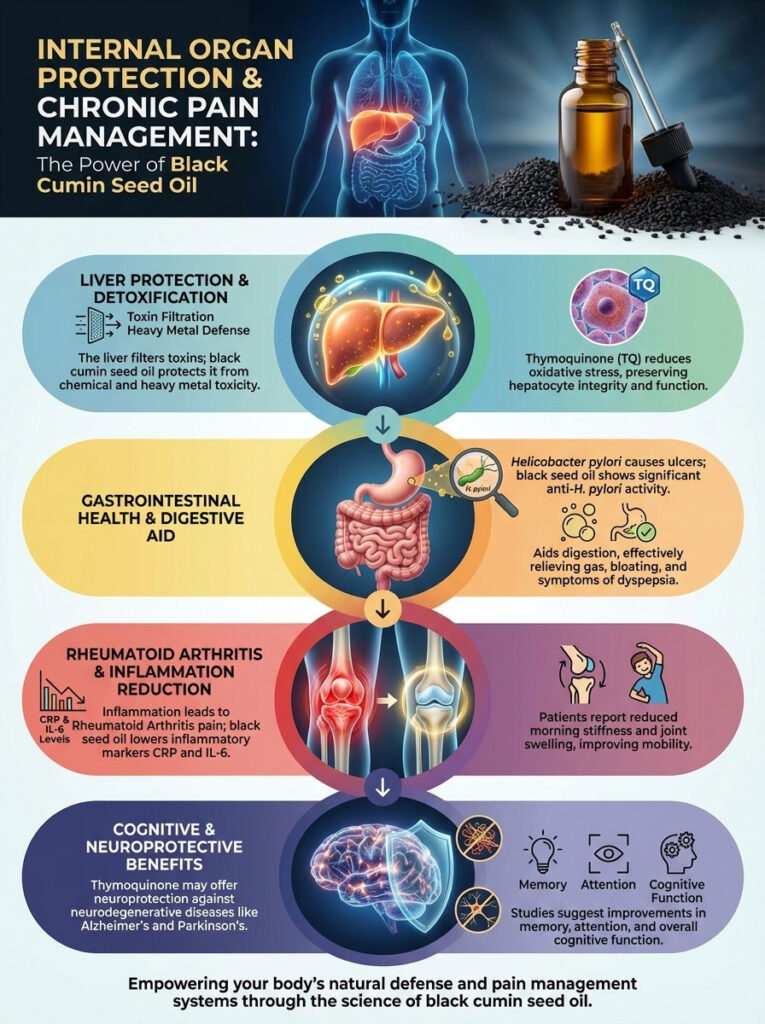
12. Hepatoprotection and Liver Detoxification
The liver is the body’s primary filtration system. It is constantly bombarded by toxins from food, environment, and medication. Black cumin seed oil has been shown to protect the liver from toxicity induced by chemicals and heavy metals.
Animal models suggest that TQ reduces oxidative stress in liver tissue and preserves the structural integrity of hepatocytes. This hepatoprotective effect is crucial for individuals taking medications that are known to be hard on the liver.
13. Eradicating H. Pylori and improving Gut Health
Helicobacter pylori is a bacterium linked to ulcers, gastritis, and stomach cancer. Standard treatment involves a heavy “triple therapy” of antibiotics. Research suggests that black seed oil possesses clinically useful anti-H. pylori activity.
Beyond ulcers, it aids in general digestion. It relieves gas, bloating, and dyspepsia. Its carminative properties settle the stomach and improve gut motility, making it a soothing remedy for indigestion.
14. Reducing Rheumatoid Arthritis Pain and Joint Swelling
Inflammation is the root cause of the debilitating pain associated with Rheumatoid Arthritis (RA). Black seed oil works to lower levels of C-reactive protein (CRP) and pro-inflammatory cytokines like IL-6.
Patients taking Nigella Sativa oil capsules reported reduced morning stiffness and swollen joints. It serves as a natural alternative to NSAIDs (Non-Steroidal Anti-Inflammatory Drugs) for managing chronic pain without the gastric side effects often caused by long-term painkiller use.
15. Neuroprotection and Cognitive Function Enhancement
Emerging research is focusing on the brain. Oxidative stress is a major contributor to neurodegenerative diseases like Alzheimer’s and Parkinson’s. The antioxidant capacity of Thymoquinone may offer significant neuroprotection.
Studies indicate improvements in memory, attention, and cognition. While human trials are still ongoing, the data suggests that black cumin seed oil supports overall brain health, prevents neuronal damage, and may help maintain mental sharpness as we age.
Comprehensive Guide to Sourcing High-Quality Nigella Sativa
Not all oils are created equal. The therapeutic value of black cumin seed oil is entirely dependent on the extraction method, the origin of the seeds, and the storage conditions. Using a low-quality oil will result in disappointment.
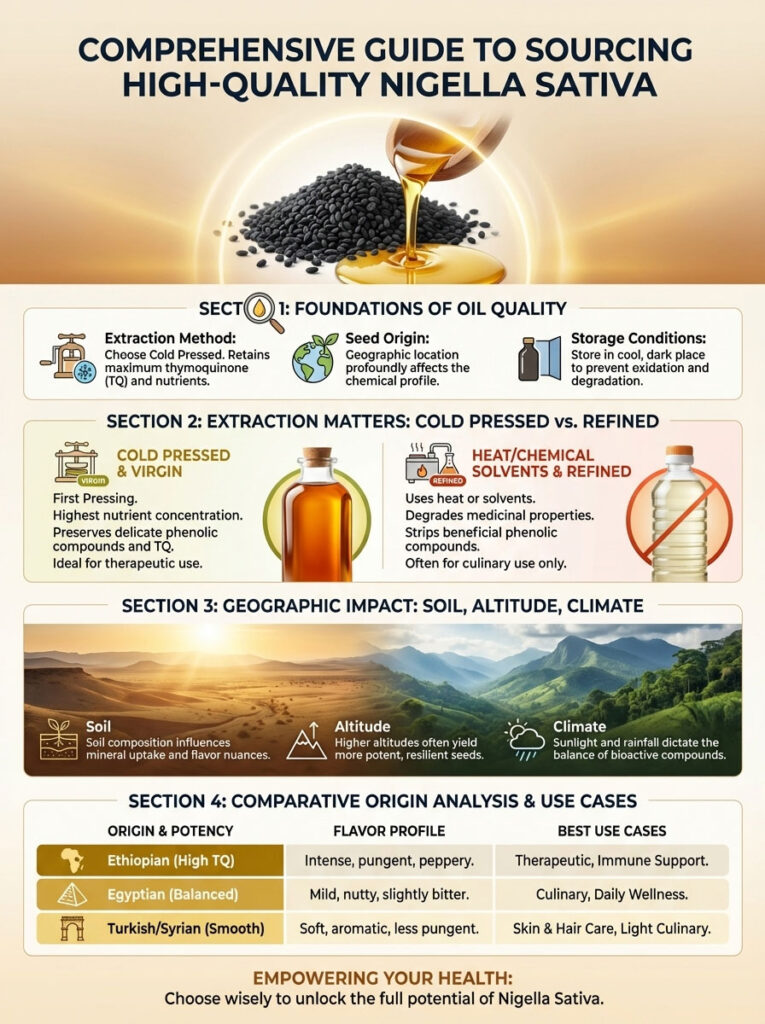
Why Cold Pressed Black Seed Oil Retains Maximum Thymoquinone
The method of extraction is the most critical factor in oil quality. You must choose cold pressed black seed oil.
Thymoquinone is a volatile compound. It is highly sensitive to heat. If the oil is extracted using heat pressing or chemical solvents like hexane, the medicinal properties are destroyed or degraded. “Virgin” implies the oil is from the first pressing of the seeds, yielding the highest concentration of nutrients. Avoid refined oils that have been bleached or deodorized, as these processes strip the oil of its beneficial phenolic compounds.
Analyzing Seed Origins for Potency and Flavor
The geography where the Nigella Sativa plant grows dictates its chemical profile. The soil composition, altitude, and climate stress affect the TQ levels in the seeds.
- Ethiopian Seeds: These are widely regarded as the strongest seeds in the world. They have a TQ content often exceeding 2.5%. The flavor is intense, bitter, and peppery. This is the choice for serious therapeutic protocols.
- Turkish Seeds: These are milder. They typically have lower TQ levels but are much more palatable. They are excellent for those with sensitive stomachs or for culinary use.
- Indian Seeds (Kalonji): Often used for food preparation, these have variable potency and are usually less expensive. They are good for maintenance but may not be strong enough for acute conditions.
Comparative Analysis Table: Seed Origin and Potency
| Seed Origin | Typical TQ % | Flavor Profile | Best Use Case |
|---|---|---|---|
| Ethiopian | 2.5% – 4.8% | Extremely pungent / bitter | Therapeutic / medicinal (oral) |
| Turkish | 1.0% – 2.0% | Mild / nutty | Culinary / sensitive stomach |
| Egyptian | 1.0% – 1.5% | Earthy / moderate | General wellness / maintenance |
| Indian (Kalonji) | 0.5% – 1.5% | Strong / spicy | Pickling / topical hair oil |
Practical Strategies for Dosage, Delivery, and Usage
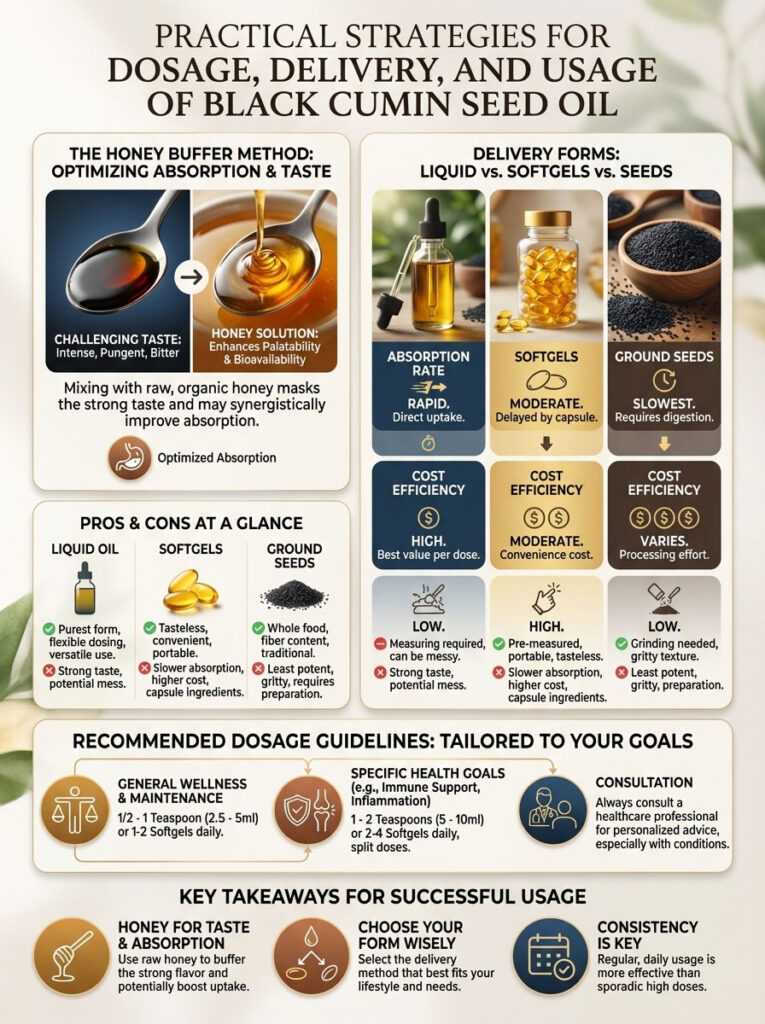
Optimizing Absorption with the Honey Buffer Method
The taste of black cumin seed oil is challenging for many first-time users. It tastes like a combination of black pepper, oregano, and motor oil. It is essentially concentrated medicine.
The Honey Buffer Method:
Mix one teaspoon of oil with one teaspoon of raw, organic honey. This masks the flavor significantly. More importantly, honey acts as a carrier and has its own antimicrobial properties. This creates a synergistic effect, particularly for immune support and respiratory health.
Liquid Oil vs. Softgel Capsules
The debate between liquid and capsules comes down to preference, absorption speed, and cost efficiency.
- Liquid Oil: This begins absorbing in the mucous membranes of the mouth (sublingual absorption). It is the most cost-effective way to get high doses.
- Softgels: These are convenient, portable, and tasteless. However, they take longer to break down in the digestive tract. You also need to take many capsules (often 4-6) to match the dosage of a single teaspoon of liquid.
Comparison Table: Delivery Method Pros and Cons
| Form | Absorption Rate | Cost Efficiency | Convenience | Ideal For |
|---|---|---|---|---|
| Liquid Oil | Fast (Sublingual potential) | High (Best value) | Low (Messy, unpleasant taste) | High-dose therapy & topical use |
| Softgels | Moderate (Digestion required) | Moderate | High (Portable, tasteless) | Daily maintenance & travel |
| Ground Seeds | Slow (Requires digestion) | High (Low cost) | Moderate | Culinary use & fiber intake |
Recommended Dosage Guidelines for Specific Goals
- General Wellness and Maintenance: 1 teaspoon (approx 5ml) daily.
- Therapeutic Support (Inflammation/Pain): 1 teaspoon twice daily, morning and night.
- Weight Loss Protocol: 1 teaspoon 30 minutes before meals to curb appetite and regulate insulin.
- Topical Application: For acne or joint pain, apply directly to the affected area. For sensitive skin, dilute 1:1 with a carrier oil like jojoba or coconut oil.
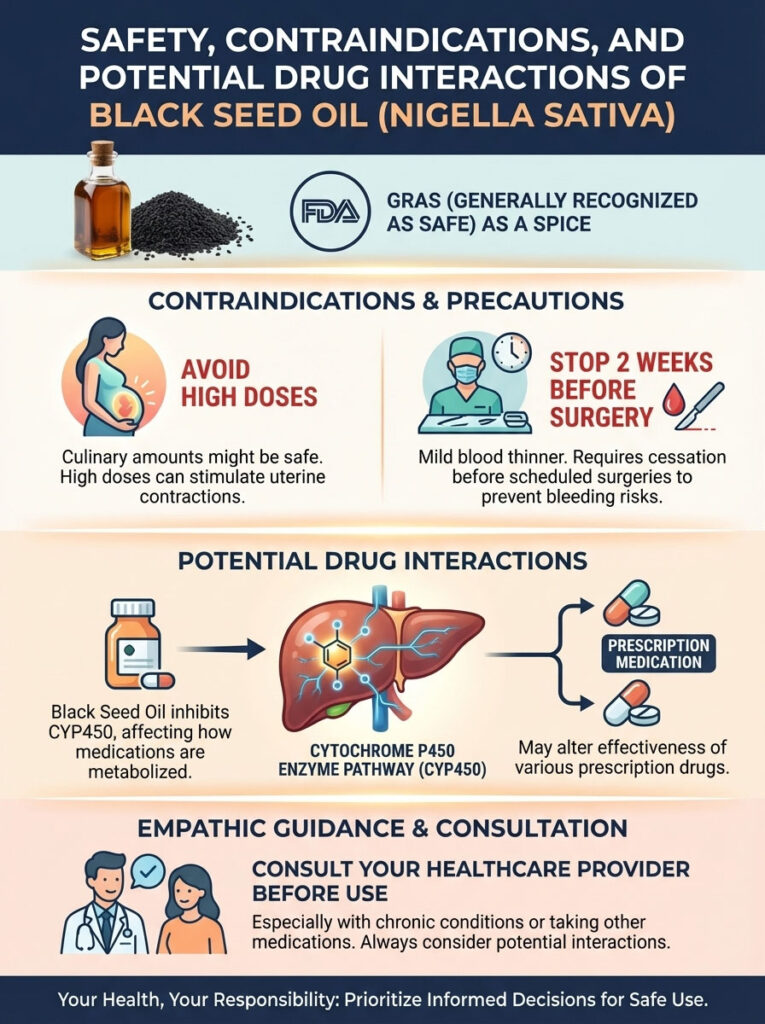
Safety, Contraindications, and Potential Drug Interactions
Is Black Seed Oil Safe for Everyone?
While Nigella Sativa has FDA GRAS (Generally Recognized As Safe) status as a spice, therapeutic doses act like medication and require caution.
Pregnancy and Breastfeeding:
Pregnant women should avoid high doses of black seed oil. Historically, it has been used to stimulate uterine contractions. While culinary amounts are likely safe, concentrated supplements pose a risk.
Surgery and Bleeding Disorders:
The oil slows blood clotting and acts as a mild blood thinner. You must stop taking it at least two weeks before any scheduled surgery to prevent excessive bleeding during or after the procedure.
Drug Interactions:
Black cumin seed oil inhibits the Cytochrome P450 enzyme pathway. This is the pathway the liver uses to process many medications.
- Beta-blockers: The oil may enhance the effect, causing blood pressure to drop too low (hypotension).
- Warfarin/Coumadin: It increases the risk of bleeding.
- Insulin: It may cause hypoglycemia (low blood sugar) if levels are not monitored closely.
Always consult your healthcare provider before adding this supplement to your regimen, especially if you are currently managing a chronic condition with prescription medication.
Frequently Asked Questions (FAQ)
Is Black Cumin Seed Oil the same as Black Caraway?
No, this is a common marketing error that confuses consumers. Nigella Sativa is the therapeutic plant with high TQ levels. Black Caraway usually refers to Bunium persicum or Carum carvi, which are spices. Always check the Latin name on the bottle to ensure you are buying the correct supplement for health benefits.
How long does it take to see results from Black Seed Oil?
Patience is required when using natural immunomodulators. For blood sugar levels and blood pressure, clinical studies typically show measurable, significant results after 8 to 12 weeks of consistent daily use. However, immediate effects may be felt in digestion or respiratory relief within a few days.
What is the best time of day to take Black Seed Oil?
Taking it on an empty stomach in the morning maximizes absorption and bioavailability. However, if you experience “herby” burps or slight nausea, taking it with a meal is perfectly acceptable and does not significantly hinder efficacy.
Does Black Seed Oil contain Thymoquinone naturally?
Yes, Thymoquinone is a naturally occurring phytochemical in the seeds. However, some unethical brands may spike their oil with synthetic TQ to claim higher percentages. Stick to reputable brands that provide third-party lab testing and organic certification.
Can I use Black Seed Oil for hair loss?
Yes, it is excellent for scalp health. By reducing scalp inflammation and increasing blood circulation to the follicles, black seed oil supports hair density. It also strengthens the hair shaft with fatty acids, preventing breakage.
Does Black Seed Oil interact with blood pressure medication?
Yes, it can. Because the oil naturally lowers blood pressure, taking it alongside medication can cause hypotension (dangerously low blood pressure). Your doctor may need to monitor you and potentially adjust your medication dosage.
Is Ethiopian Black Seed Oil better than Turkish?
“Better” depends on your specific health goal. Ethiopian oil is generally more potent with higher TQ levels, making it better for serious health protocols. Turkish oil is smoother, milder, and better for those with sensitive palates or for use in salad dressings.
Can I give Black Seed Oil to my dog?
Proceed with extreme caution. While some holistic vets use it, the dosage must be very low compared to humans. Dogs metabolize essential oils differently. Always consult a veterinarian before administering it to pets.
Why does my Black Seed Oil taste like turpentine?
High-quality oil is rich in p-cymene and volatile oils, which give it a solvent-like, peppery, and pungent smell. This pungency is actually a sign of potency and freshness, not spoilage. If it tastes mild or oily without the “bite,” it may be low quality.
Does Black Seed Oil expire?
Yes, it is a healthy fat. Like olive oil or avocado oil, it can go rancid due to oxidation. Keep it in a dark glass bottle, away from heat and sunlight. It typically lasts 12 to 24 months if stored correctly in a cool cupboard or refrigerator.
Is it safe to put Black Seed Oil directly on the face?
Yes, but it is potent. Perform a patch test on your inner arm first. If you have sensitive skin or rosacea, dilute it with a carrier oil like almond or jojoba oil to avoid irritation or redness.
Where can I buy medical-grade Black Seed Oil in the USA?
Look for specialized health food stores or reputable online retailers. Ensure the product is labeled “Cold Pressed,” “Virgin,” and preferably “USDA Organic.” Check for a Third-Party Certificate of Analysis (CoA) to verify the TQ content.
Disclaimer:
The information provided in this article is for educational purposes only and does not constitute medical advice. Black cumin seed oil is a powerful supplement, but it is not a substitute for professional medical treatment. Always consult with a healthcare professional before starting any new dietary supplement, especially if you have a medical condition or are taking medication.
References:
- National Institutes of Health (NIH) – PubMed Database: Pharmacological Potential of Nigella Sativa.
- Journal of Endocrinology & Metabolism: Effect of Nigella Sativa on Glucose Control.
- Phytotherapy Research: Thymoquinone and Inflammatory Mediators.