To manage hyperglycemia and prevent dangerous insulin spikes, you must identify and limit foods with a Glycemic Index (GI) above 70. The primary foods to avoid with high blood sugar include processed grains like instant oatmeal and white bread, liquid sugars found in soda and fruit juice, and high-sugar fruits such as watermelon and dried dates. These items digest rapidly, flooding the bloodstream with glucose and raising HbA1c levels. Instead, prioritize a diet rich in fiber, protein, and complex carbohydrates to maintain stable blood glucose levels.
Table of Contents
You check your glucose meter two hours after a meal, expecting a good number because you ate “healthy.” Maybe you had a bowl of oatmeal with fruit, or perhaps a turkey sandwich on wheat bread. Yet, the number staring back at you is 180 mg/dL or higher. You feel frustrated, confused, and perhaps a little betrayed. You did everything right according to the standard food pyramid, so why is your body reacting as if you ate a candy bar?
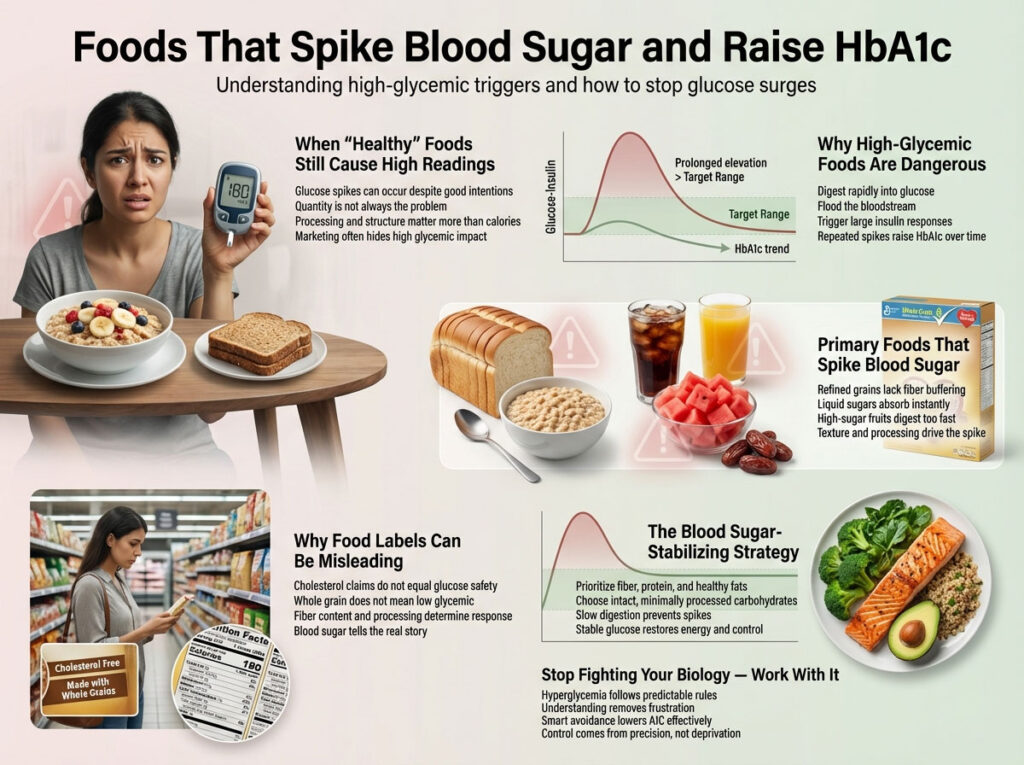
This is a common scenario for millions of people in the USA navigating prediabetes or Type 2 diabetes. The problem is often not the quantity of food but the specific chemical structure of what you are eating. In the American supermarket, marketing often disguises high-glycemic foods as heart-healthy options. A box of cereal might claim to lower cholesterol while simultaneously spiking your blood sugar higher than a glazed donut.
Understanding the specific foods to avoid with high blood sugar is the single most effective way to lower your A1C and regain control of your energy. It is not just about cutting out cake and cookies; it is about understanding how texture, processing, and fiber content influence digestion. When you understand the biochemistry of the spike, you stop blaming yourself and start making choices that work with your biology rather than against it. This guide covers the definitive 20 high-glycemic foods & fruits to avoid with high blood sugar, providing the deep nutritional insights you need to stop the spikes permanently.
The Science of the Spike: Glycemic Index (GI) vs Glycemic Load
Before we dive into the specific foods, we must define the metrics we are using. To master your high blood sugar diet chart, you need to understand the difference between Glycemic Index (GI) and Glycemic Load (GL), and why the texture of food matters just as much as the sugar content.
Defining the Glycemic Index (GI) and Insulin Response
The Glycemic Index (GI) is essentially the speedometer of digestion. It measures how quickly a carbohydrate-containing food raises your blood glucose level compared to pure glucose, which has a score of 100.
- Low GI (55 or less): These foods digest slowly. Think of them as a slow-burning log on a fire. They provide steady energy and require the pancreas to release only a small trickle of insulin.
- Medium GI (56-69): Moderate digestion speed. These should be eaten in moderation and always paired with protein.
- High GI (70+): These are the foods that spike insulin fast. They act like gasoline on a fire, causing a rapid explosion of energy followed by a crash. When you eat high-GI foods, the glucose floods your bloodstream faster than your cells can use it. This forces the pancreas to pump out massive amounts of insulin to clear the sugar. Over time, this constant demand wears out the pancreas and leads to insulin resistance.
Why Glycemic Load Matters for Portion Control
While GI tells you how fast the sugar hits, the Glycemic Load (GL) tells you how much sugar is hitting you based on the serving size. This nuance is critical for building a sustainable diet. Some foods, like watermelon, have a high GI because the sugar is absorbed fast, but they have a lower GL per serving because they are mostly water. However, because it is easy to overeat watermelon (who eats just one cup?), the cumulative effect still makes it one of the foods to avoid with high blood sugar for those with severe insulin resistance. Understanding GL helps you realize why a small amount of a high-GI food might be safer than a massive amount of a medium-GI food.
The Impact of Processing on Insulin Resistance Triggers
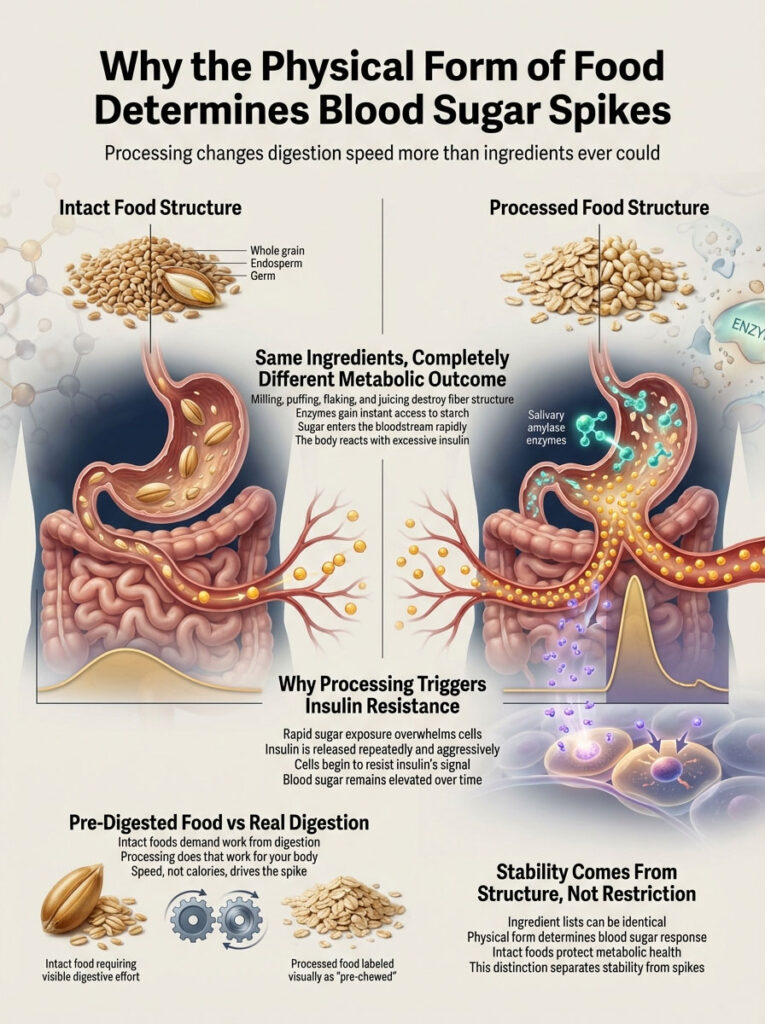
The physical form of food matters more than the ingredient list. An intact grain requires your body to work to break it down. Your stomach acid and enzymes have to gnaw through the outer bran layer. When manufacturers mill, puff, flake, or juice a food, they destroy that fiber matrix for you. This allows amylase enzymes in your saliva and stomach to convert starch into sugar instantly.
Think of it this way: Instant oatmeal is chemically the same as steel-cut oats, but physically, it is pre-digested. That physical difference is the difference between a stable blood sugar reading and a dangerous spike. This rapid conversion is one of the primary insulin resistance triggers in the modern diet.
The “Healthy” Fruit Imposters (High Glycemic Index Fruits List)
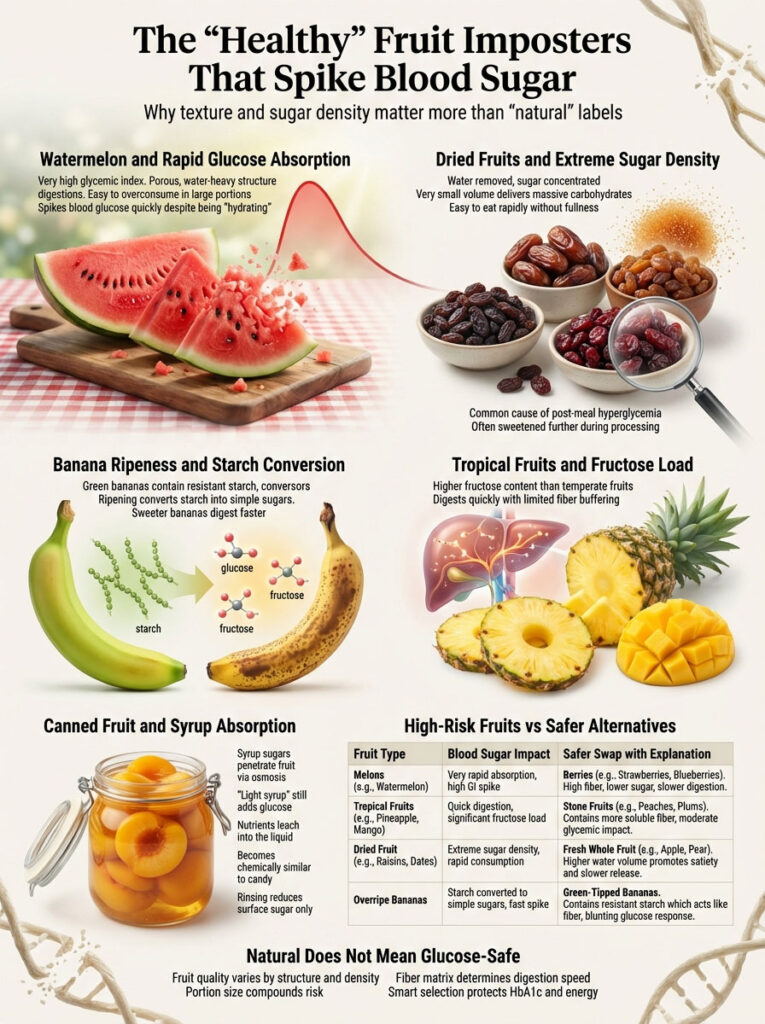
Fruit is essential for vitamins, minerals, and antioxidants, but for blood glucose management, texture and sugar density are paramount. Many diabetics are told “fruit is free” or “fruit sugar is natural so it doesn’t count.” This is dangerous advice. While fruit is better than a candy bar, specific fruits lack the fiber density needed to slow down sugar absorption. Here is your high glycemic index fruits list of items to limit or avoid.
1. Watermelon and Rapid Glucose Absorption
Watermelon is a summer staple, refreshing and hydrating. However, it is metabolically tricky for those monitoring their glucose.
- The Science: The glycemic index of watermelon is very high, typically ranging between 72 and 80. The flesh of the watermelon is porous, cellularly open, and full of water. Unlike an apple, which requires vigorous chewing and has dense pectin fiber, watermelon dissolves almost instantly in your mouth.
- The Result: Because there is almost no mechanical digestion required, the dissolved sugar hits your bloodstream in minutes. While the glycemic load of a single cup is moderate, the ease of eating three or four cups at a picnic creates a cumulative sugar load that spikes blood sugar rapidly. For strict HbA1c reduction, berries or stone fruits like plums are a much safer choice as their fiber matrix remains intact during digestion.
2. Dried Fruits: Raisins, Dates, and Cranberries
Dried fruit is essentially nature’s candy. The drying process removes the water, which concentrates the sugar density significantly and shrinks the volume, making it incredibly easy to overconsume.
- Data Comparison: A cup of fresh grapes has about 27 grams of carbohydrates. A cup of raisins has roughly 115 grams. You would never sit down and eat 100 grapes in two minutes, but you can easily eat a small box of raisins in that time.
- The Impact: This massive carbohydrate density makes dried fruits one of the worst foods for diabetics. Even a small handful can send post-prandial hyperglycemia soaring. Dates are even more potent; they are essentially pure glucose and fructose fuel, often used by endurance athletes for quick energy bursts—exactly what a diabetic does not want. Cranberries pose a double threat; because they are naturally tart, manufacturers almost always soak them in sugar solution before drying them.
3. Ripe Bananas and Starch Conversion
Bananas are complex because their nutritional profile changes as they sit on your counter. A banana is not static; it is chemically evolving.
- The Mechanism: A green banana is mostly resistant starch. Resistant starch functions like soluble fiber; it passes through the digestion system largely unchanged and feeds healthy gut bacteria. As the banana ripens and develops brown spots, enzymes convert that resistant starch into simple glucose and fructose.
- The Verdict: Can prediabetics eat bananas? Yes, but they should choose greenish-yellow bananas. A fully brown, spotted banana is a sugar bomb that belongs on the high glycemic index fruits list. The sweeter the banana tastes, the faster it will spike your insulin. Always eat bananas with a fat source, like almond butter, to slow down the absorption of that sugar.
4. Pineapple and Mango Fructose Load
Tropical fruits naturally contain higher amounts of fructose than temperate fruits like apples, pears, or berries. They evolved in climates where high energy density was an advantage.
- The Context: Pineapple and mango are delicious, but they digest very quickly. The fiber structure in pineapple is not sufficient to slow down the sugar absorption for someone with significant insulin sensitivity issues. Furthermore, high fructose loads can put stress on the liver, which plays a central role in regulating blood sugar via gluconeogenesis. If you eat these, keep the portion size very small (half a cup) and pair them with cottage cheese or nuts.
5. Canned Fruit in Syrup Hidden Sugars
This is a pantry trap that often catches people trying to be budget-conscious. Even if the can says “light syrup” or “natural juice,” it is usually added sugar.
- The Trap: The fruit sits in this sugary liquid for months. Through the process of osmosis, the fruit absorbs the sugar from the syrup into its flesh, while the nutrients often leach out into the liquid. This turns a healthy piece of fruit into a dessert that is chemically similar to gummy candy. Always choose fresh or frozen fruit over canned to avoid these hidden foods to avoid with high blood sugar. If you must use canned fruit, rinse it thoroughly under water, though this does not remove the sugar absorbed inside the fruit cells.
Breakfast Saboteurs (The Dawn Phenomenon Triggers)
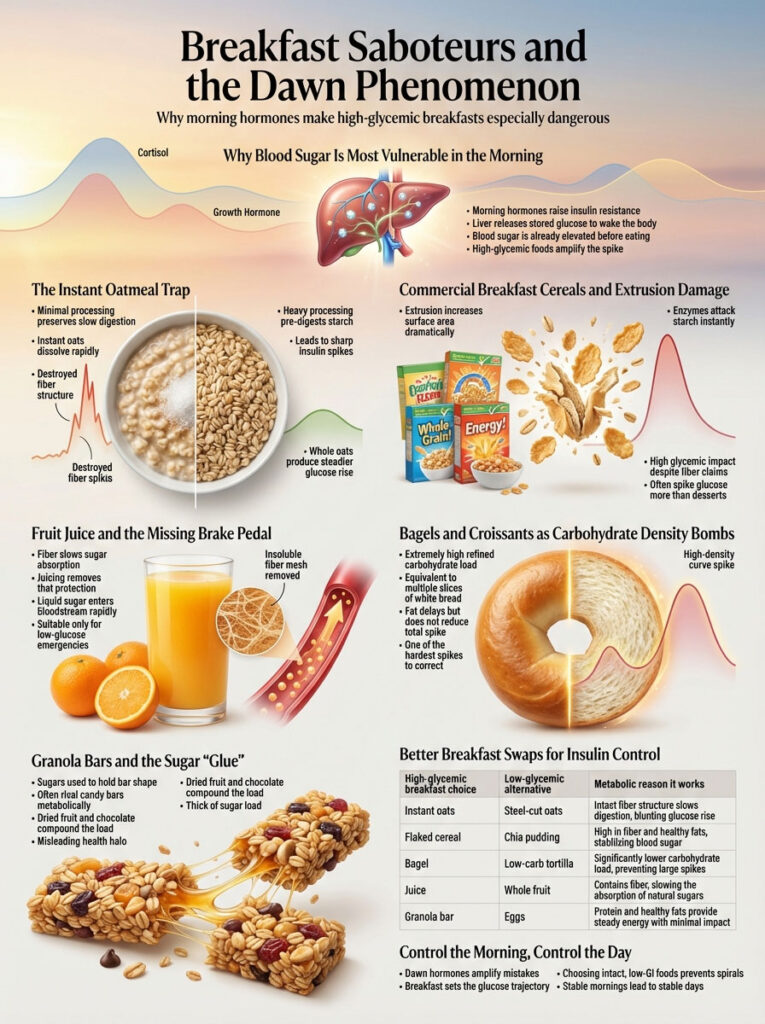
Morning is the most dangerous time for a diabetic due to the “Dawn Phenomenon.” In the early morning hours, your body releases a surge of cortisol and growth hormones to wake you up. These hormones naturally signal the liver to release glucose and make you temporarily more insulin resistant. Eating high-glycemic foods during this vulnerable window adds fuel to the fire, leading to spikes that can be hard to bring down for the rest of the day.
6. The “Instant” Oatmeal Trap
Is oatmeal bad for high blood sugar? It depends entirely on the processing. Oats themselves are a healthy whole grain, but the manufacturing process changes everything.
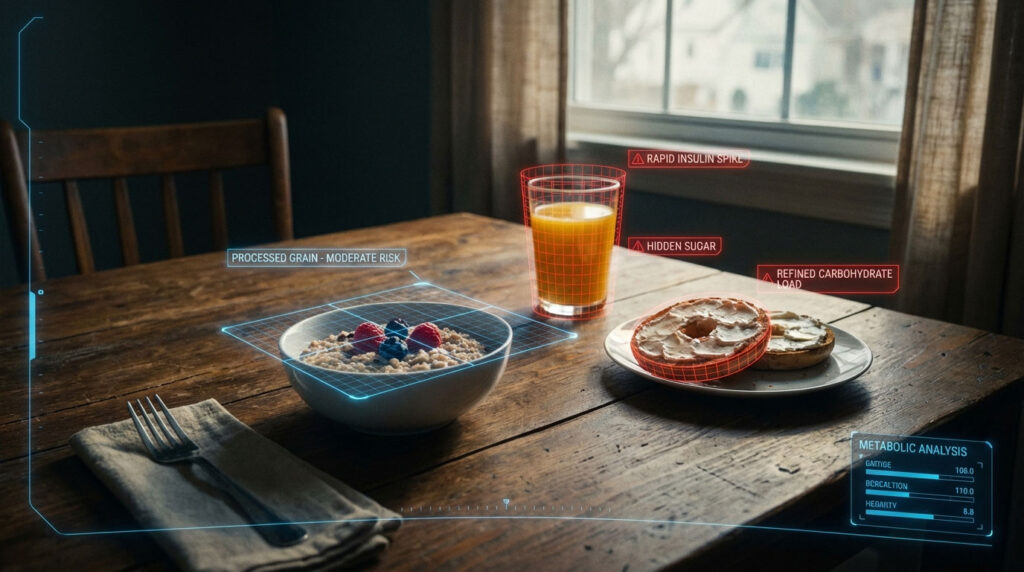
- Instant vs. Steel-Cut: Steel-cut oats (GI ~55) are processed minimally; the groat is simply chopped. Your body has to work hard to break them down, leading to a slow, steady rise in blood sugar. Instant oatmeal (GI ~83), however, has been steamed, rolled extremely flat, and pre-cooked. This destroys the structural integrity of the oat. To your body, instant oatmeal is chemically very similar to table sugar. It dissolves rapidly in the stomach. It is one of the classic foods that spike insulin fast. If you love oatmeal, switch to steel-cut or “old fashioned” rolled oats and avoid the packets with added sugar and fruit flavorings.
7. Commercial Breakfast Cereals
Most boxed cereals, even those marketed as “healthy bran flakes” or “whole grain,” are highly processed grains sprayed with sugar.
- Deep Dive: Corn flakes and puffed rice are among the highest GI foods in existence, often scoring higher than 80. The “puffing” or extrusion process involves blasting the grain with high heat and pressure, which expands the surface area of the grain. This allows digestive enzymes to attack the starch from all angles instantly. Even cereals that claim to be high in fiber often use processed fibers that don’t blunt the sugar spike as effectively as natural fiber. If you must eat cereal, look for high-fiber, low-sugar options that look like twigs or pellets rather than flakes or puffs.
8. Fruit Juice (Liquid Sugar)
Why does fruit juice spike blood sugar? It comes down to the removal of the “brake pedal.”
- Mechanism: Fiber acts as a barrier in the gut, forming a gel that slows down the absorption of sugar and cholesterol. When you juice an orange, you remove the pulp and skin—the fiber. You are left with pure dissolved fructose and glucose. An 8oz glass of orange juice contains the sugar of 3 to 4 oranges but digests in seconds. This rapid influx forces the pancreas to release a massive surge of insulin. For a diabetic, juice should be reserved strictly for treating a low blood sugar emergency, never as a beverage with a meal.
9. Bagels and Croissants Density
A bagel is not just bread; it is dense bread. The problem here is the sheer volume of carbohydrates packed into a small surface area.
- The Data: A standard New York-style bagel can contain 50 to 60 grams of refined carbohydrates. That is the equivalent of eating four to five slices of white bread in one sitting. The density means the glycemic load is massive, making bagels one of the worst foods for diabetics. Croissants pose a similar threat; while they have more fat, they are made of highly refined white flour that converts to glucose rapidly. The fat may delay the spike slightly, but the total glucose load remains excessively high.
10. Granola Bars and The Glue Problem
Granola bars are often viewed as a healthy on-the-go breakfast or snack.
- The Glue: Have you ever wondered what makes the oats stick together in a bar shape? It is usually honey, maple syrup, high fructose corn syrup, or brown rice syrup. Many granola bars have as much sugar as a candy bar, hidden under the guise of “whole grains.” Additionally, they often contain dried fruit and chocolate chips, increasing the sugar load further. Unless a bar has high protein and high fiber with very low added sugar (less than 5g), it is essentially a cookie and should be avoided on a high blood sugar diet chart.
The Breakfast Swap Chart for Insulin Control
| High GI Offender (Avoid) | GI Score | Low GI Champion (Eat) | Why It Works |
| Instant Oatmeal | ~83 | Steel-Cut Oats | Intact grain structure requires digestion effort. |
| Corn Flakes | ~81 | Chia Seed Pudding | High fat and fiber content blunts the spike. |
| Bagel | ~72 | Low-Carb Tortilla | Significantly lower carbohydrate density and higher fiber. |
| Orange Juice | ~50 (High GL) | Whole Orange | Fiber acts as a physical barrier to sugar absorption. |
| Granola Bar | ~61+ | Hard Boiled Eggs | Pure protein causes minimal insulin response. |
Refined Starches (“The Whites”) and Worst Foods for Diabetics
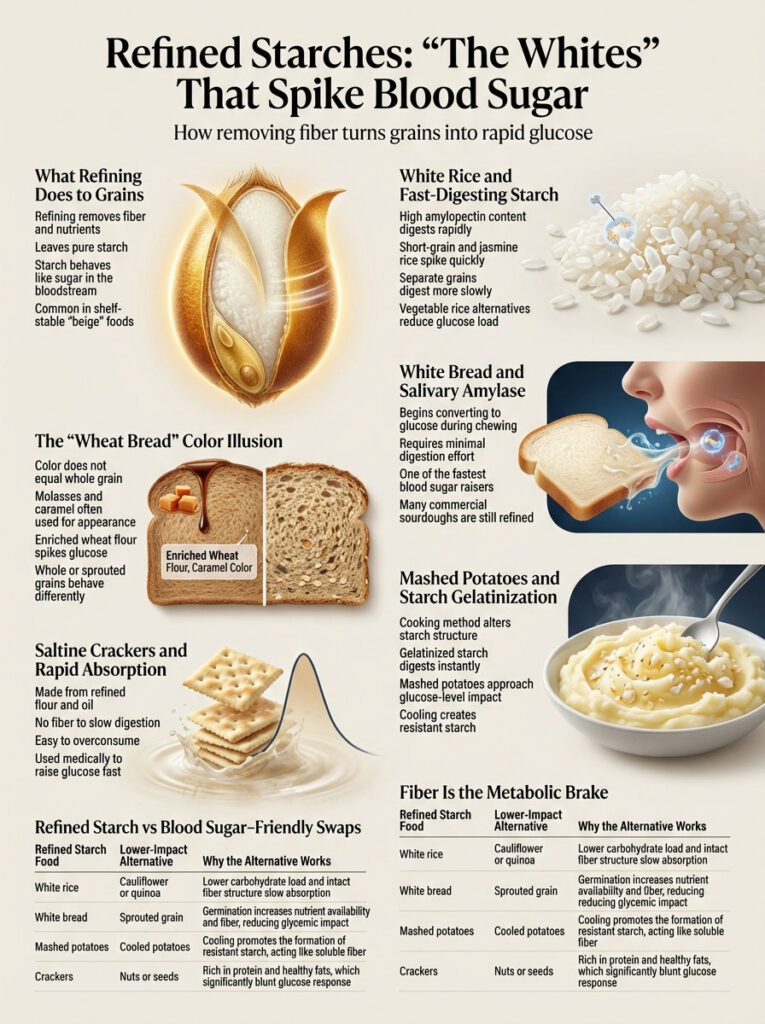
Refining grain strips away the bran (the fiber) and the germ (the nutrients), leaving only the endosperm, which is pure starch. These are the “beige” foods that make up the bulk of the Standard American Diet. They are cheap, shelf-stable, and metabolically damaging.
11. White Rice Varieties and Amylose Content
Not all rice is created equal, but white rice is generally a spiker. The type of starch in the rice determines how fast it digests.
- Variety Matters: Short-grain “sticky” rice and Jasmine rice have very high GIs (often near 80). They have very little amylose (a type of starch that digests slowly) and high amounts of amylopectin (a starch that digests fast).
- Alternative: Basmati rice has a lower GI due to its higher amylose content, which allows the grain to stay separate and digest slower. However, for true HbA1c reduction, swapping white rice for cauliflower rice, broccoli rice, or quinoa is the best strategy.
12. White Bread and The Amylase Enzyme
White bread is the reference point for high GI testing (often set at 100 on the glucose scale or 70+ on the white bread scale). It is designed to be soft and fluffy, which means it requires very little chewing.
- Standard: It converts to glucose almost as soon as it touches your saliva. The amylase enzyme begins breaking it down in your mouth before you even swallow. By the time it hits your stomach, it is already turning into sugar. It is the definition of foods to avoid with high blood sugar. Even breads labeled “sourdough” in the supermarket are often just white bread with vinegar added for flavor; true sourdough requires a long fermentation process to lower the GI.
13. “Wheat” Bread (The Brown Myth)
Do not be fooled by the color of the bread. This is one of the biggest marketing tricks in the grocery store.
- The Myth: Many commercial “wheat” breads are simply white bread with a little molasses or caramel color added to make them look healthy. Unless the label says “100% Whole Grain” or “Sprouted,” it is likely “Enriched Wheat Flour,” which is a fancy name for refined white flour. It spikes insulin just as fast as white bread. Always read the ingredient list; if the first ingredient isn’t “Whole,” put it back.
14. Mashed Potatoes and Gelatinization
Potatoes are a vegetable, but their glycemic impact depends heavily on how they are cooked. The cooking method changes the molecular structure of the starch.
- Science: When you boil and mash a potato, you burst the starch granules in a process called gelatinization. This creates a massive surface area for enzymes to work on, making the starch instantly accessible to digestion. Mashed potatoes have a GI nearly as high as pure glucose.
- Better Option: Waxy red potatoes have a lower GI than starchy Russets. Furthermore, cooling cooked potatoes creates resistant starch. Potato salad (made with olive oil or vinegar, not sugary mayo) will have a lower glycemic impact than hot mashed potatoes.
15. Saltine Crackers
Saltines are often used in hospitals to treat low blood sugar because they work so fast. That fact alone should tell you everything you need to know about eating them as a snack.
- Usage: They are made of highly refined flour, unhealthy oils, and salt. They have zero fiber to slow digestion. Because they are dry and brittle, you can eat a sleeve of them without feeling full. If they are used to rescue a low, they should logically be avoided when you are trying to prevent a high. They are placed firmly on the list of foods that spike insulin fast.
Liquid Spikers & Alternatives (Foods That Spike Insulin Fast)
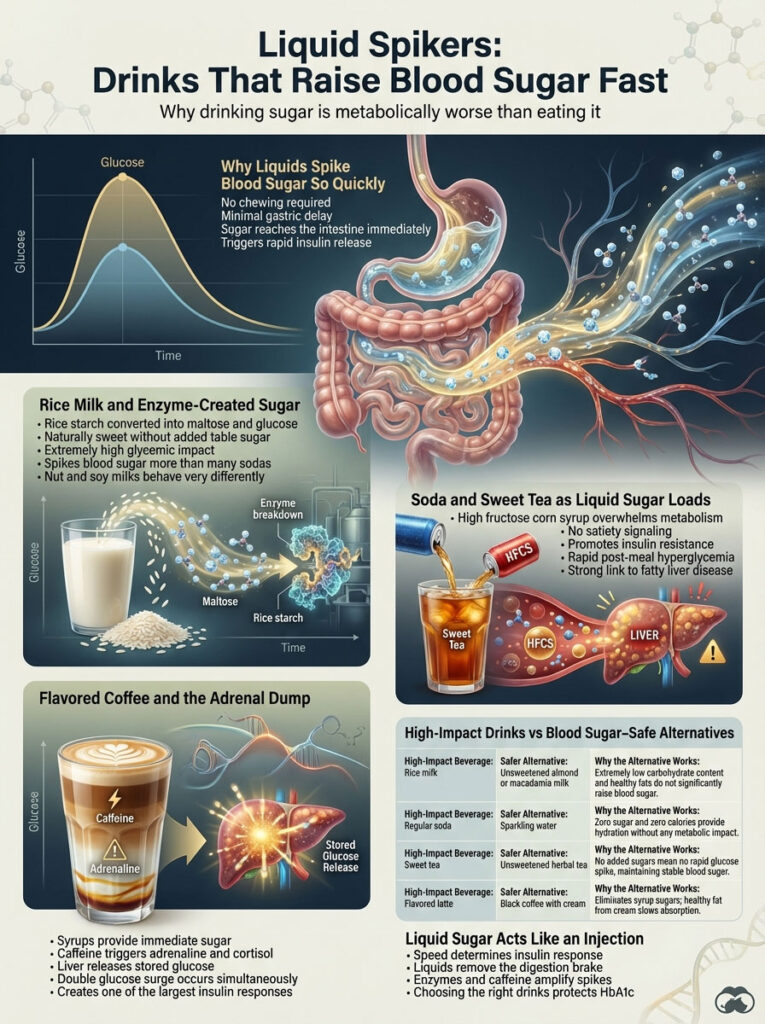
Liquids bypass the mechanical digestion of the stomach, arriving in the small intestine rapidly. This speed is the enemy of stable blood glucose levels. When you drink sugar, you are essentially injecting it.
16. Rice Milk (The Hidden Enzyme Trick)
Many people switch to plant-based milks for health, believing they are better than dairy. While almond and soy milk are low carb, rice milk is a trap for diabetics.
- The Hidden Spike: Rice is naturally full of starch, not sugar. So, how do they make rice milk sweet without adding table sugar? Manufacturers use enzymes to break the rice starch down into maltose and glucose during the production process.
- Rice milk glycemic index: This process results in a beverage with a GI of 86 or higher—worse than many sodas. It is pure liquid starch sugar. It is one of the most surprising foods to avoid with high blood sugar. Unsweetened almond, macadamia, or soy milk are much safer choices as they are primarily fat and protein.
17. Regular Soda and Sweet Tea
This is the most obvious but necessary inclusion. It is the leading cause of caloric overconsumption in the US.
- Ingredient: Most sodas in the US are sweetened with High Fructose Corn Syrup (HFCS). HFCS is linked to rapid development of insulin resistance and non-alcoholic fatty liver disease. It bypasses the body’s satiety signals, meaning you can drink massive amounts of sugar without your brain ever receiving the “I’m full” signal. This leads to immediate post-prandial hyperglycemia and long-term metabolic damage. Sweet tea, particularly in the South, is often supersaturated with sugar, carrying the same risks.
18. Flavored Coffees and The Adrenal Dump
The modern coffee shop latte is a metabolic disaster. It is a milkshake in disguise.
- Context: These drinks combine liquid sugar (syrups) with caffeine. Caffeine stimulates the adrenal glands to release adrenaline and cortisol. Adrenaline signals the liver to dump stored glucose into the blood to prepare for “fight or flight.” So, when you drink a vanilla latte, you get a sugar spike from the syrup and a sugar dump from your liver. This “double whammy” makes flavored coffees one of the worst foods for diabetics. Stick to black coffee, or coffee with heavy cream and stevia.
Sneaky “Health” Foods
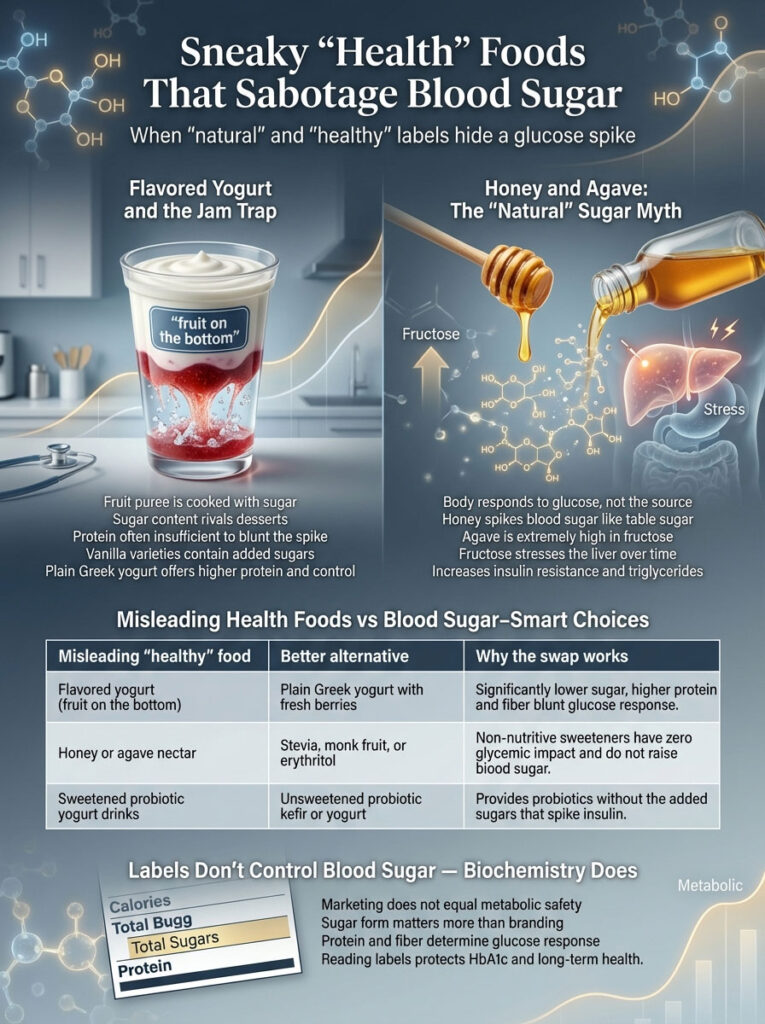
These are the foods that betray you. You eat them trying to be healthy, perhaps after a diagnosis, but they sabotage your numbers because of hidden sugars or misleading labels.
19. Flavored Yogurt
Yogurt is a great source of protein and probiotics, but the “fruit on the bottom” varieties are dangerous.
- Label Reading: The fruit puree at the bottom is essentially jam. It is fruit boiled in sugar syrup. A single cup can contain 25 to 30 grams of sugar. The protein in the yogurt is often not enough to blunt this massive sugar load. Even vanilla yogurt is often packed with cane sugar. Always choose plain Greek yogurt (which has twice the protein of regular yogurt) and add your own low-GI berries or a drizzle of sugar-free syrup.
20. Honey and Agave Nectar
There is a persistent myth that “natural” sweeteners are safe for diabetics.
- Myth Busting: Your pancreas does not care if the sugar came from a hive, a cactus, or a factory; it registers the glucose molecule all the same. Agave nectar is particularly problematic. It is marketed as low GI, but it is up to 90% fructose. While it doesn’t spike blood glucose immediately, the high fructose load stresses the liver, causing it to increase insulin resistance and triglycerides over time. Honey is pure glucose and fructose that spikes blood sugar just like table sugar. Both should be limited or eliminated in a strict high blood sugar diet chart.
The Glycemic Impact Comparison Table
| Food Item | Glycemic Index (GI) | Glycemic Load (GL) | Insulin Response |
| Watermelon (1 cup) | High (~76) | Low (~8) | Rapid spike, fast drop due to fast absorption. |
| Rice Milk (1 cup) | High (~86) | High (~20+) | Very rapid, liquid absorption; massive spike. |
| Instant Oats (1 packet) | High (~83) | High (~18) | Fast spike due to mechanical processing. |
| Apple (1 medium) | Low (~36) | Low (~6) | Slow, sustained release due to pectin fiber. |
| White Bread (1 slice) | High (~75) | Medium (~10) | Immediate glucose conversion in the mouth. |
Practical Strategies to Dampen the Spike (High Blood Sugar Diet Chart Tactics)
Knowing the foods to avoid with high blood sugar is half the battle. The other half is knowing how to manage the foods you do eat. You don’t have to live on lettuce alone. By using strategic eating techniques, you can enjoy a wider variety of foods while keeping your blood sugar stable.
The “Clothing” Method
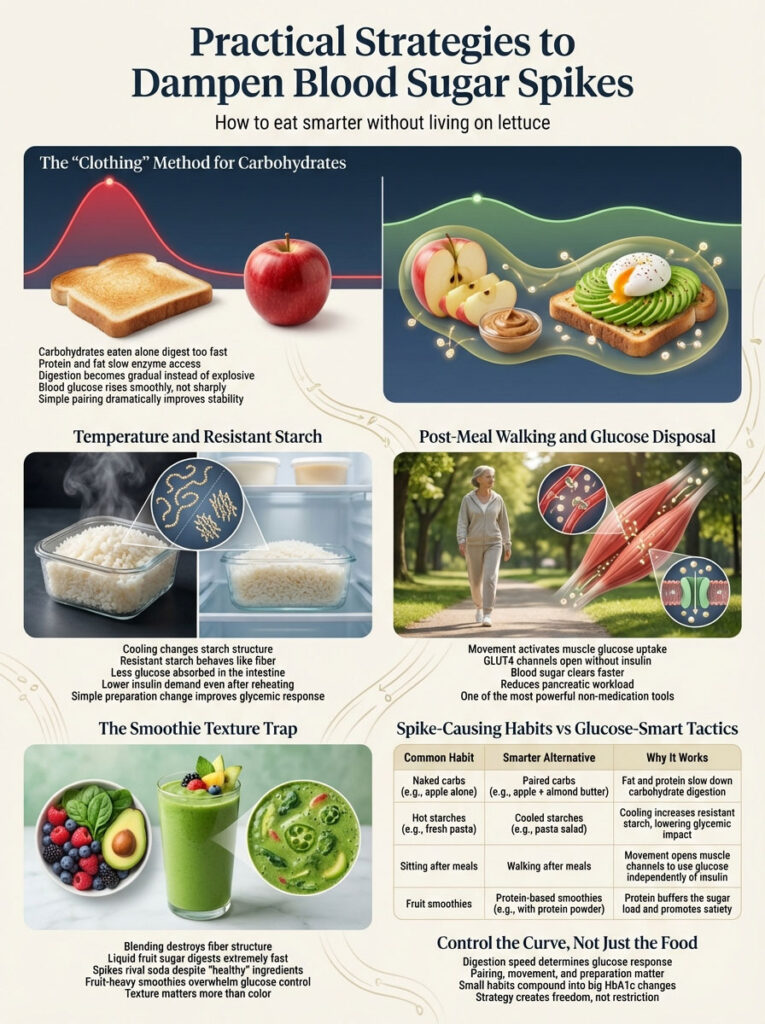
This is a visual metaphor that can change how you eat forever. Never eat a “naked carb.” A naked carb is a carbohydrate eaten alone (e.g., a piece of toast, an apple, a bowl of plain rice).
- Strategy: Always “clothe” your carbs with fat, fiber, or protein. The fat and protein physically block the enzymes in your stomach from accessing the sugar quickly. They act as a buffer.
- Example: Instead of just an apple (naked), eat an apple with peanut butter (clothed). Instead of plain toast, have toast with avocado and an egg. This simple swap slows gastric emptying and supports stable blood glucose levels.
Temperature Matters (Resistant Starch)
You can actually lower the GI of certain foods by changing their temperature. This is bio-hacking your dinner.
- Tip: If you cook pasta, rice, or potatoes and then let them cool in the refrigerator for at least 12 hours, the starch structure changes into resistant starch. This type of starch resists digestion in the small intestine and acts like fiber. Even if you reheat the food, it retains some of this benefit. This can reduce the glycemic response by significant percentages, reducing the insulin resistance triggers.
The 15-Minute Walk
One of the most effective ways to lower blood sugar without medication is movement.
- Action: Taking a 15-minute brisk walk immediately after a meal activates a mechanism called GLUT4 translocation. This forces your muscle cells to open up and absorb glucose from the bloodstream for energy, and crucially, this happens independently of insulin. This helps to flatten the curve of post-prandial hyperglycemia and reduces the workload on your pancreas.
Clinical Data: The Smoothie Mistake
A common case study seen by nutritionists involves patients who start drinking “green smoothies” to get healthy. They blend bananas, pineapple, dates, and orange juice with a handful of spinach.
- The Result: Despite the spinach, the massive load of liquid fruit sugar often causes spikes over 250 mg/dL. The blending process pulverizes the fiber, making the fruit digest as fast as soda. This illustrates why understanding texture is key to HbA1c reduction. If you want a smoothie, use berries, protein powder, avocado, and unsweetened almond milk.
Summary & Key Takeaways
Managing diabetes or prediabetes requires vigilance against the hidden sugars in the modern diet. The 20 high-glycemic foods & fruits to avoid with high blood sugar listed here—from instant oatmeal and rice milk to watermelon and white bread—are common culprits that keep A1C levels high despite “healthy” eating efforts.
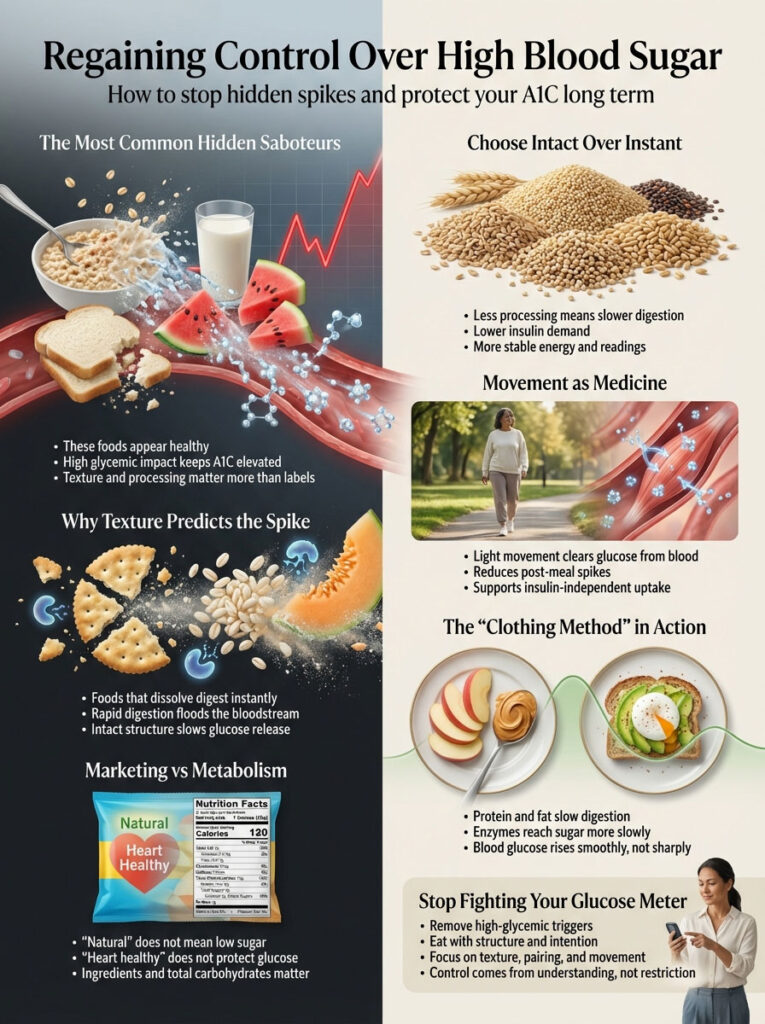
Key Takeaways:
- Avoid the “Big Three”: Processed Grains, Liquid Sugars, and High-GI Fruits are the primary enemies of stability.
- Check the Texture: If a food dissolves easily in your mouth (crackers, puffs, melon), it will spike your blood sugar fast.
- Ignore Front-of-Package Marketing: Words like “Natural,” “Heart Healthy,” and “Fruit” do not mean low sugar. Read the Nutrition Facts for Total Carbohydrates and check the ingredients for hidden sugars.
- Prioritize Intact Grains: Swap instant oats for steel-cut, and white rice for quinoa or barley.
- Move After Meals: A simple walk can do wonders for blunting a post-meal spike.
By eliminating these foods to avoid with high blood sugar and following the “Clothing Method,” you can regain control over your numbers, protect your long-term health, and stop fearing your glucose meter.
Frequently Asked Questions (FAQs)
Which fruit has the highest sugar content?
Dried fruits (like raisins and dates) and tropical fruits (like mango and pineapple) have the highest sugar density. Watermelon is unique; it has lower sugar by weight but a very high Glycemic Index, meaning it absorbs rapidly and spikes insulin faster than most other fruits.
Is oatmeal bad for high blood sugar?
Instant oatmeal is bad because it is highly processed, pre-digested, and often sugary, causing rapid spikes. However, steel-cut oats or rolled oats are generally safe for a high blood sugar diet chart as they digest slowly and provide soluble fiber which helps regulate glucose.
Does white rice cause diabetes?
Frequent consumption of white rice is linked to a higher risk of Type 2 Diabetes. It is a refined carbohydrate that requires a large insulin response. Swapping to brown rice, wild rice, or cauliflower rice helps with HbA1c reduction and lowers the demand on the pancreas.
What is the glycemic index of watermelon?
The glycemic index of watermelon is high, typically ranging from 72 to 80. This makes it one of the fastest-absorbing fruits. It puts it in the same category as some refined grains, placing it on the high glycemic index fruits list to limit.
Can prediabetics eat bananas?
Yes, but portion size and ripeness matter. Can prediabetics eat bananas? Only if they choose smaller, greenish-yellow bananas. Brown, spotted bananas have converted their resistant starch to simple sugar and should be avoided or eaten with a significant protein source.
Why does fruit juice spike blood sugar?
Why does fruit juice spike blood sugar? Because juicing removes the fiber found in whole fruit. Fiber acts as a barrier in the gut, slowing absorption. Without it, juice is essentially liquid sugar that floods the liver, causing a rapid spike similar to soda.
Is honey better than sugar for diabetics?
Marginally, but not enough to matter regarding blood sugar control. Honey still raises blood sugar significantly and counts as added sugar. For strict blood glucose management, both honey and table sugar should be minimized as they trigger similar insulin responses.
How to lower blood sugar after eating carbs?
The best method is light physical activity, such as a 15-minute brisk walk. This encourages muscles to use the glucose in the bloodstream for energy immediately, lowering post-prandial hyperglycemia without requiring as much insulin.
Are potatoes off-limits for diabetics?
You should avoid hot, mashed white potatoes as they have a very high GI due to gelatinization. However, waxy red potatoes or sweet potatoes eaten with the skin on, and paired with protein, are safer options. Cooling them first also helps.
Is sourdough bread better than white bread?
Yes, traditional sourdough is better than white or wheat bread. The fermentation process uses lactobacillus bacteria, which produces organic acids that lower the bread’s glycemic index, slowing digestion and supporting stable blood glucose levels.
What is the worst milk for high blood sugar?
Rice milk is often considered the worst plant-based milk for diabetics. It typically has a GI of 86+ because enzymes are used to convert the rice starch into sugar during production. It spikes sugar faster than milk or soy milk.
What are the signs of a blood sugar spike?
Common symptoms of high blood sugar (hyperglycemia) include extreme thirst, frequent urination, fatigue, blurred vision, headaches, and trouble concentrating. If you experience these after eating, check your diet for high-GI triggers.
Disclaimer: This content is for informational purposes only and does not constitute medical advice. High blood sugar and diabetes are serious medical conditions. Always consult with a healthcare provider, endocrinologist, or a registered dietitian before making significant changes to your diet or insulin regimen.
References:
- American Diabetes Association (ADA): Standards of Medical Care in Diabetes.
- Harvard Health Publishing: Glycemic index for 60+ foods.
- Centers for Disease Control and Prevention (CDC): The National Diabetes Prevention Program.
- The University of Sydney: GI Search Database.