The AIP Diet Plan represents a pivotal shift in how we manage chronic illness. You have likely tried standard advice. You took the medication. You tried to “eat healthy.” Yet, the brain fog, joint pain, and crushing fatigue remain. This is the frustrating reality for millions living with autoimmunity. Conventional medicine often ignores the connection between the fork and the immune system. However, clinical experience tells a different story.
Table of Contents
Your genetics load the gun. Your environment pulls the trigger. The most significant environmental factor you control is your diet. This is not about cutting calories. It is not about fitting into a smaller dress size. It is about modulating your immune system to stop attacking your own body.
As a practitioner who has guided hundreds of patients through this process, I know it can feel overwhelming. We are going to break it down. We will cover the science, the food lists, and the strategy. The goal is simple. We want to achieve remission and help you reclaim your life.
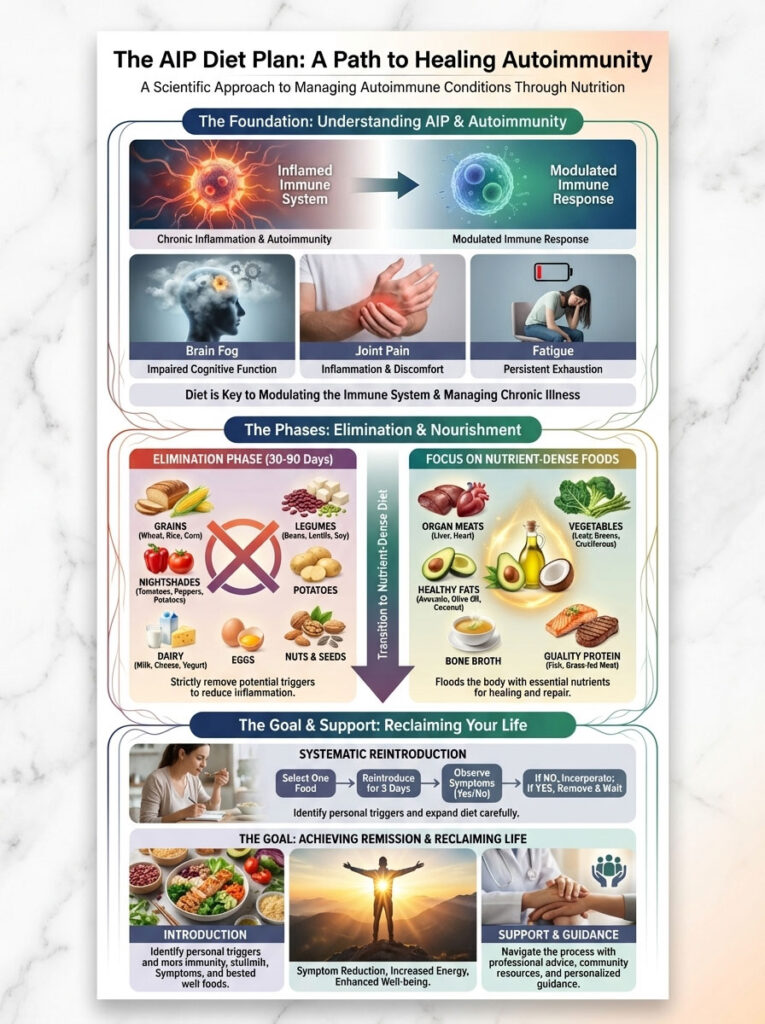
What is the AIP Diet Plan?
The AIP Diet Plan (Autoimmune Protocol) is a specialized elimination diet. It is designed to heal a leaky gut and lower systemic inflammation. The protocol involves removing immune triggers for 30 to 90 days. These triggers include grains, legumes, nightshades, dairy, eggs, nuts, and seeds. The focus shifts to nutrient-dense foods like organ meats, vegetables, and healthy fats. After the elimination phase, you follow a systematic reintroduction to find your specific food sensitivities.
Key Statistics & Research
- 73% Remission Rate: A landmark 2017 study in Inflammatory Bowel Diseases showed 73% of IBD patients achieved clinical remission in just 6 weeks.
- Thyroid Health: Clinical trials indicate significant reductions in C-Reactive Protein (CRP) for women with Hashimoto’s thyroiditis on AIP.
- 80% Immune Location: Approximately 80% of your immune system resides in the gut-associated lymphoid tissue (GALT).
- 90 Days: The average time required to see substantial repair in the intestinal mucosal lining.
- 3x Risk: Patients with one autoimmune disease are three times more likely to develop a second one if inflammation is not managed.
The Science: Why the AIP Diet Plan Works
To succeed on this protocol, you need to understand the “why.” This is not magic. It is biology. The AIP Diet Plan works by addressing the root cause of autoimmunity: intestinal permeability and immune confusion.
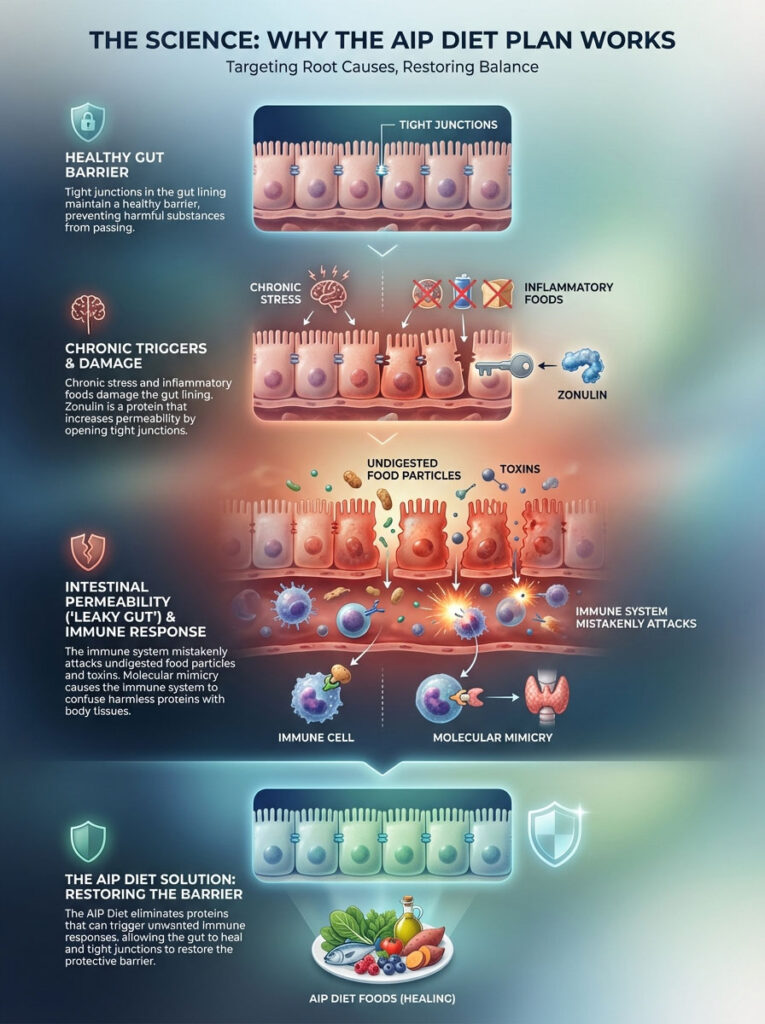
The Fortress Wall: Understanding Leaky Gut
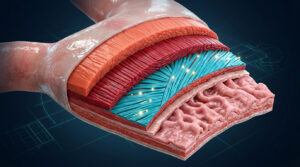
Imagine your gut lining as a fortress wall. It separates your bloodstream from the outside world. In a healthy person, this wall is solid. The bricks are held together by “tight junctions.” These junctions only let fully digested nutrients pass through.
However, modern life damages this wall. Chronic stress, medications, and inflammatory foods weaken the mortar. A protein called Zonulin is released. Zonulin signals the tight junctions to open up. This creates gaps in the fortress wall.
This condition is known as intestinal permeability, or “leaky gut.” When the wall has holes, things escape that should not. Undigested food particles, bacteria, and toxins leak into the bloodstream. Your immune system sees these particles as invaders. It launches an attack. This creates chronic, body-wide inflammation.
Molecular Mimicry: A Case of Mistaken Identity
Here is where it gets tricky. Your immune system creates antibodies to tag these food particles for destruction. But sometimes, the immune system gets confused.
This is called molecular mimicry. The protein structure of gluten, for example, looks very similar to thyroid tissue. If you have Hashimoto’s and eat gluten, your body creates antibodies to attack the gluten. Because the tissues look alike, those antibodies also attack your thyroid. The AIP Diet Plan removes these “look-alike” proteins. This allows the immune system to calm down and stop the friendly fire.
The Three Phases of the Protocol
Many people fear AIP because they think it is forever. It is not. It is a medical intervention with a beginning, a middle, and an end. Viewing it as a temporary healing phase makes it much more manageable.
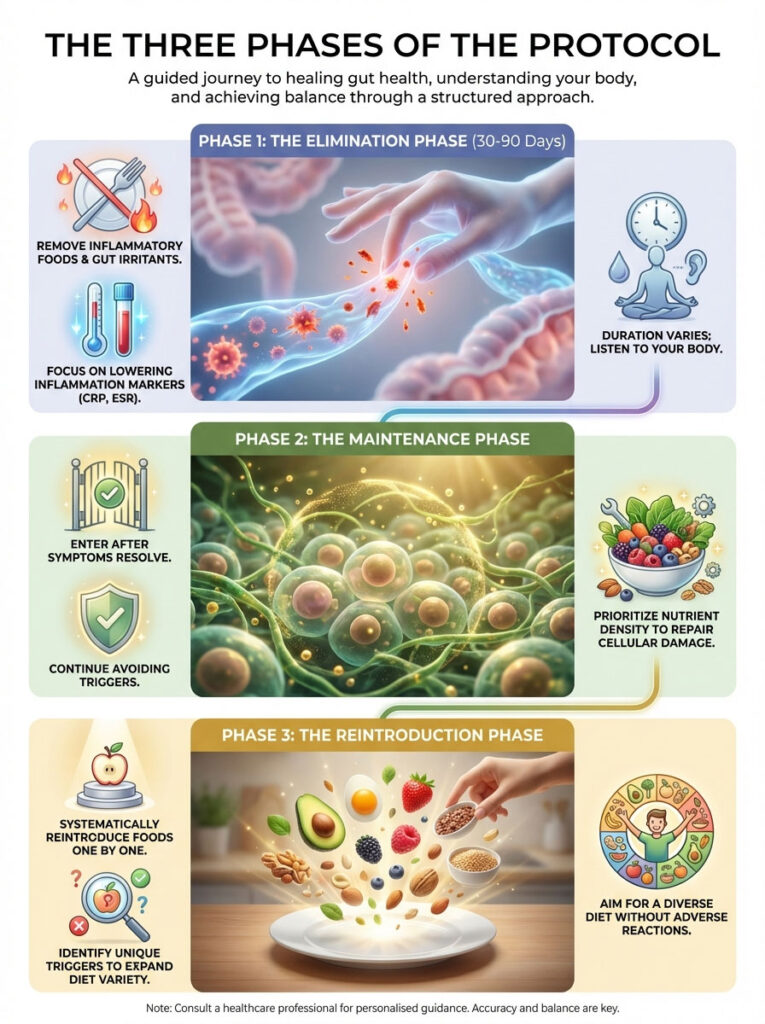
Phase 1: The Elimination Phase (30–90 Days)
This is the “reset” button. You remove all potentially inflammatory foods. You also remove gut irritants. The goal is to lower inflammation markers like CRP and ESR. You are strictly following the “No” list during this time.
You stay in this phase until you feel better. For some, it takes 30 days. For others with severe damage, it may take 90 days. Listen to your body. Do not rush this part.
Phase 2: The Maintenance Phase
Once your symptoms resolve, you enter maintenance. You are still avoiding the triggers. However, your focus shifts. You are now focused on nutrient density. You are flooding the body with vitamins and minerals to repair cellular damage.
Expert Insight: Do not skip the nutrient density. Removing bad food is only half the battle. You must add the good stuff to fuel the repair. If you only eat chicken and broccoli, you will not heal.
Phase 3: The Reintroduction Phase
This is the most critical phase. You systematically bring foods back. You test them one by one. This helps you identify your unique triggers. The ultimate goal of the AIP Diet Plan is to eat the widest variety of foods possible without getting sick.
Comprehensive Food List: What to Avoid
We start with what to remove. These foods contain compounds that stimulate the immune system or damage the gut lining. Eliminating them gives your body a break.
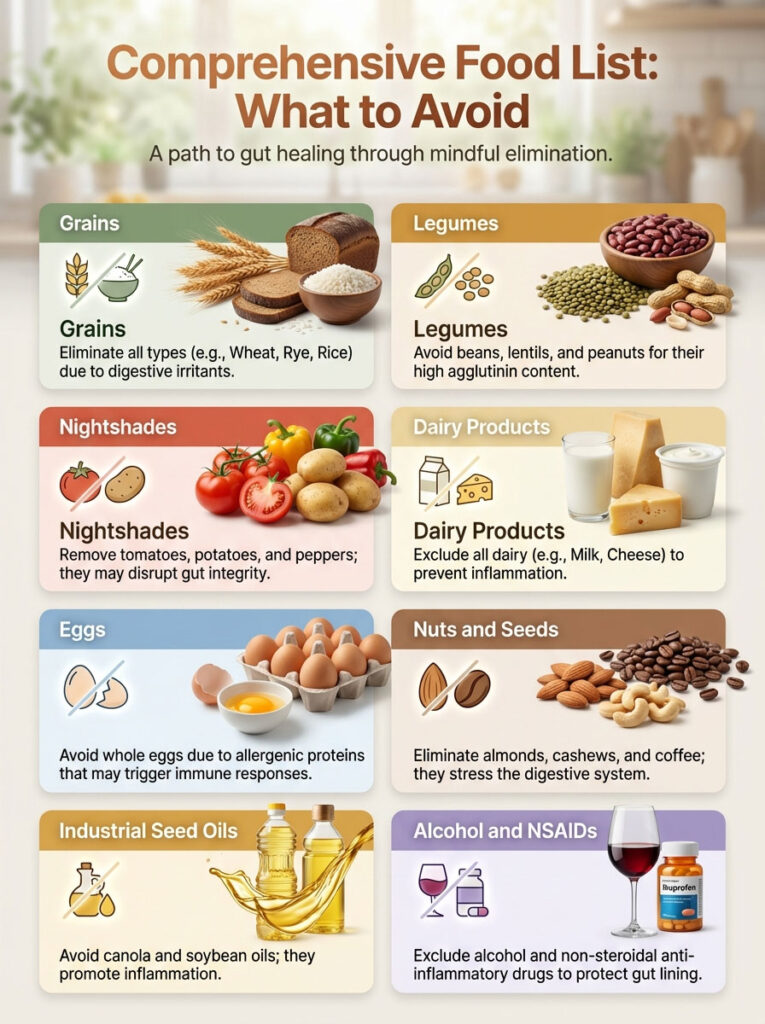
Grains (All Types)
You must avoid all grains. This includes wheat, rye, and barley (gluten). It also includes rice, corn, oats, quinoa, and millet. Grains contain prolamins and lectins. These are plant defense chemicals. They are difficult to digest and can irritate the gut lining.
Legumes
Beans, lentils, soy, peanuts, and chickpeas are out. Legumes are high in agglutinins and phytic acid. Agglutinins can increase intestinal permeability. Phytic acid binds to minerals like zinc and magnesium, preventing you from absorbing them.
Nightshades (Solanaceae Family)
This is often the most surprising category. Nightshades include tomatoes, white potatoes, peppers (all kinds), and eggplant. It also includes spices like paprika, cayenne, and chili powder.
Why avoid vegetables? Nightshades contain glycoalkaloids and saponins. These act as natural pesticides for the plant. In sensitive people, they can create microscopic holes in the gut lining. This perpetuates the leaky gut cycle. For joint pain specifically, removing nightshades is often a game-changer.
Dairy Products
All dairy is excluded. This includes milk, cheese, yogurt, and butter. Dairy contains lactose (sugar) and casein (protein). Casein is highly inflammatory for many people. It often cross-reacts with gluten antibodies. Ghee (clarified butter) is the only exception for some, but it is best to remove it initially.
Eggs
Eggs are a common allergen. The white contains lysozyme. This protein can cross the gut barrier. It often carries other proteins with it, triggering an immune response. While yolks are nutritious, we remove the whole egg during the elimination phase.
Nuts and Seeds
This includes almonds, walnuts, cashews, and sunflower seeds. It also includes seed-based spices like cumin, coriander, and fennel. Coffee and cocoa are also seed-based and are removed. Nuts contain phytic acid and enzyme inhibitors that can stress a healing digestive system.
Industrial Seed Oils
Avoid canola, soybean, corn, cottonseed, and safflower oils. These are high in Omega-6 fatty acids. They drive inflammation pathways in the body. They are also highly processed and often oxidized.
Alcohol and NSAIDs
Alcohol damages the gut lining directly. It increases permeability. Non-steroidal anti-inflammatory drugs (like ibuprofen) also erode the gut barrier. Avoid them unless medically necessary.
Comprehensive Food List: What to Eat
Now for the good news. The AIP Diet Plan is an abundance diet. You should not feel deprived. You are eating real, whole foods that fuel your recovery.
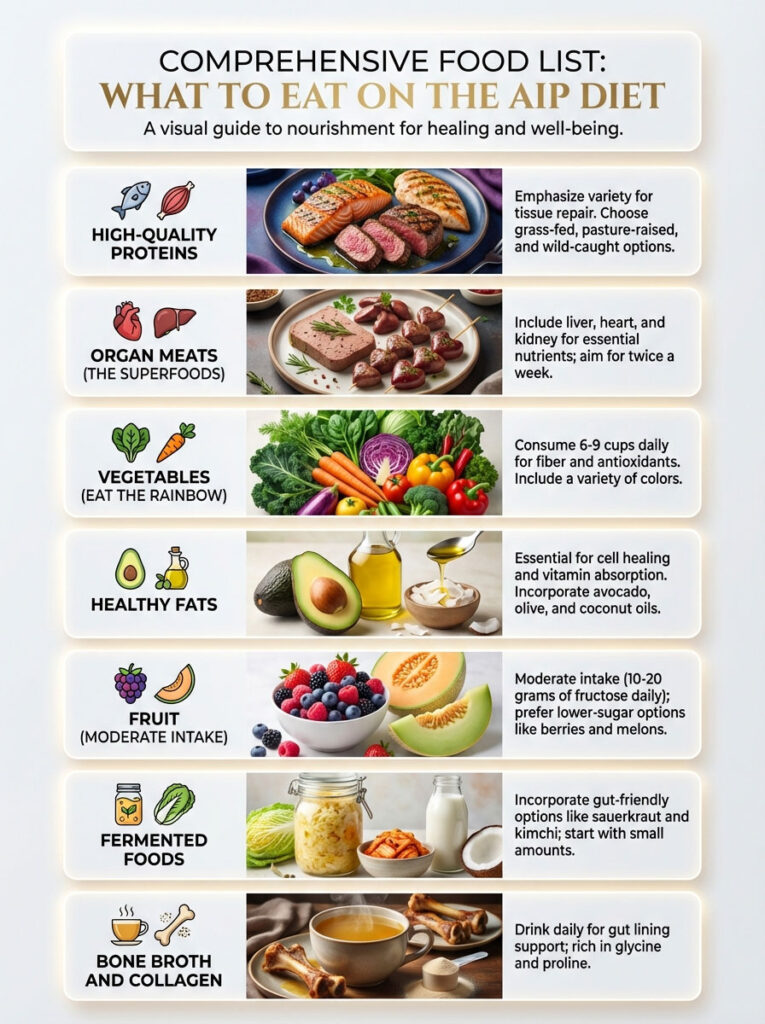
High-Quality Proteins
Protein provides the building blocks for tissue repair. Focus on variety.
- Grass-fed Beef & Lamb: Higher in anti-inflammatory Omega-3s than conventional meat.
- Wild-Caught Fish: Salmon, sardines, and mackerel are rich in EPA and DHA.
- Pasture-Raised Poultry: Chicken, turkey, and duck.
- Wild Game: Venison, bison, and elk are excellent choices.
Organ Meats (The Superfoods)
This is non-negotiable for deep healing. Liver, heart, and kidney are the most nutrient-dense foods on earth. They are packed with Vitamin A, B12, iron, and zinc. These nutrients are required for immune regulation. Try to eat organ meats at least twice a week.
Vegetables (Eat the Rainbow)
Vegetables provide fiber and antioxidants. Aim for 6-9 cups a day.
- Cruciferous: Broccoli, cauliflower, kale, Brussels sprouts (cooked well).
- Leafy Greens: Spinach, chard, arugula, lettuce.
- Root Vegetables: Carrots, sweet potatoes, beets, parsnips, turnips.
- Allium Family: Onions, garlic, leeks, shallots, chives.
- Sea Vegetables: Nori, kelp, dulse (great for iodine).
Healthy Fats
Your cells need fat to heal. Fat is also essential for absorbing vitamins A, D, E, and K.
- Animal Fats: Lard, tallow, duck fat (from pastured animals).
- Fruit Oils: Olive oil, avocado oil, coconut oil.
- Whole Fruits: Avocados and olives.
Fruit
Fruit is allowed but should be moderated. High sugar intake can spike insulin and inflammation. Keep intake to 10-20 grams of fructose per day. Berries, melons, and citrus are great lower-sugar options.
Fermented Foods
Gut health relies on good bacteria. Include sauerkraut, kimchi (nightshade-free), pickled ginger, and coconut kefir. Start with small amounts to avoid bloating.
Bone Broth and Collagen
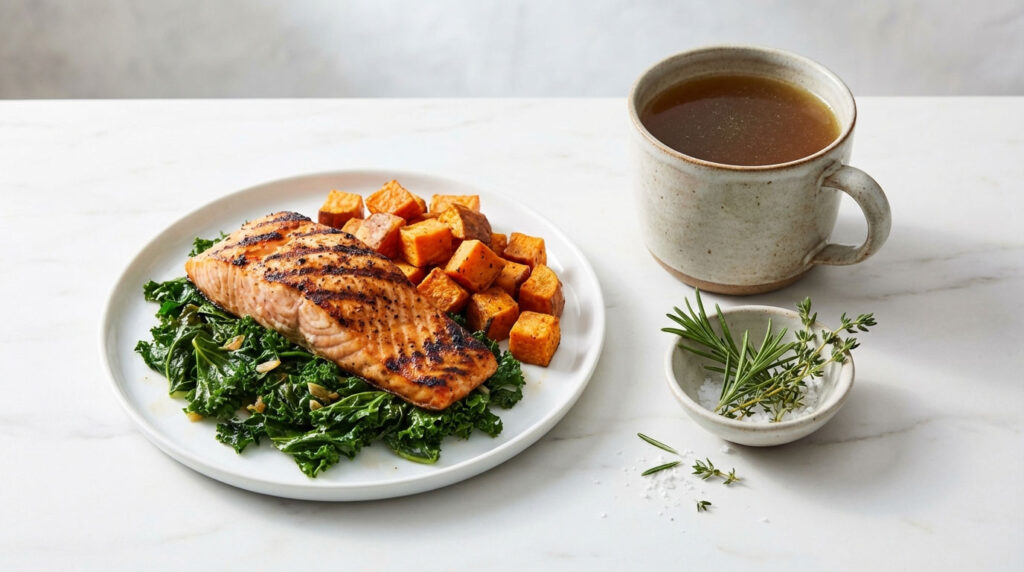
Bone broth is rich in glycine and proline. These amino acids help seal the gut lining. Drink a cup daily or use it as a base for soups.
AIP vs. Paleo vs. Low-FODMAP
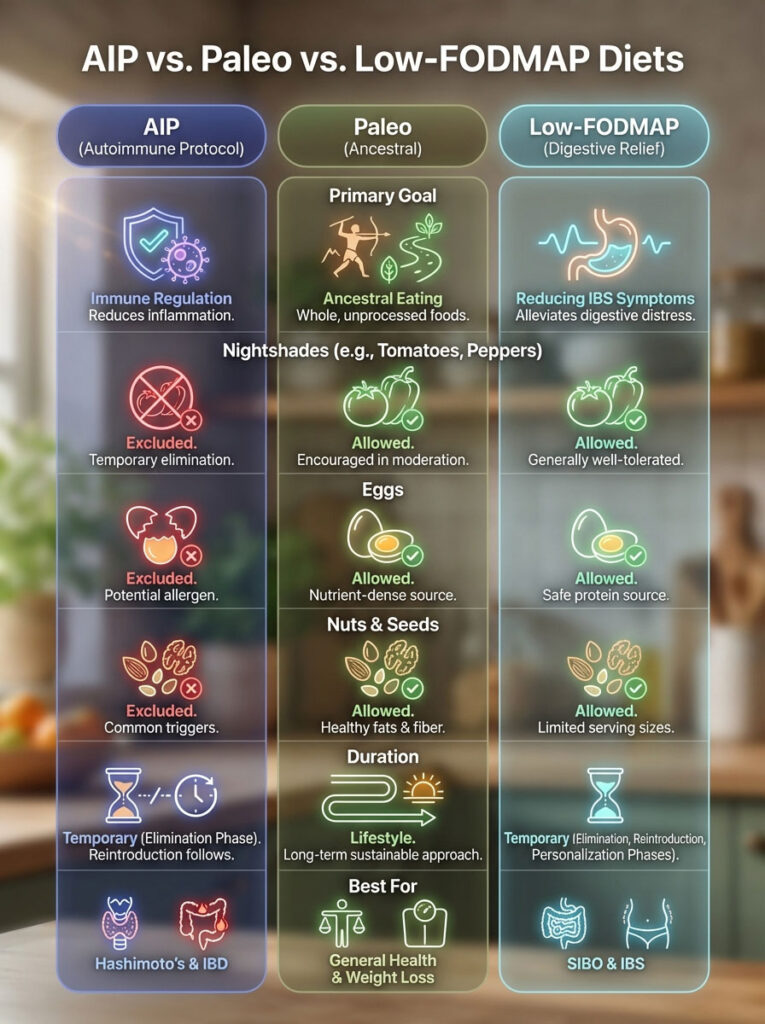
It is easy to get confused by the different diets. The table below clarifies the differences.
| Feature | AIP (Autoimmune Protocol) | Paleo Diet | Low-FODMAP |
|---|---|---|---|
| Primary Goal | Immune regulation & gut repair | Ancestral eating & metabolic health | Reducing bloating & IBS symptoms |
| Nightshades | Excluded (Strictly) | Allowed | Allowed |
| Eggs | Excluded | Allowed | Allowed |
| Nuts & Seeds | Excluded | Allowed | Allowed |
| Duration | Temporary (Elimination Phase) | Lifestyle | Temporary |
| Best For | Hashimoto’s, RA, Lupus, IBD | General health, weight loss | SIBO, IBS |
7-Day AIP Meal Plan Strategy
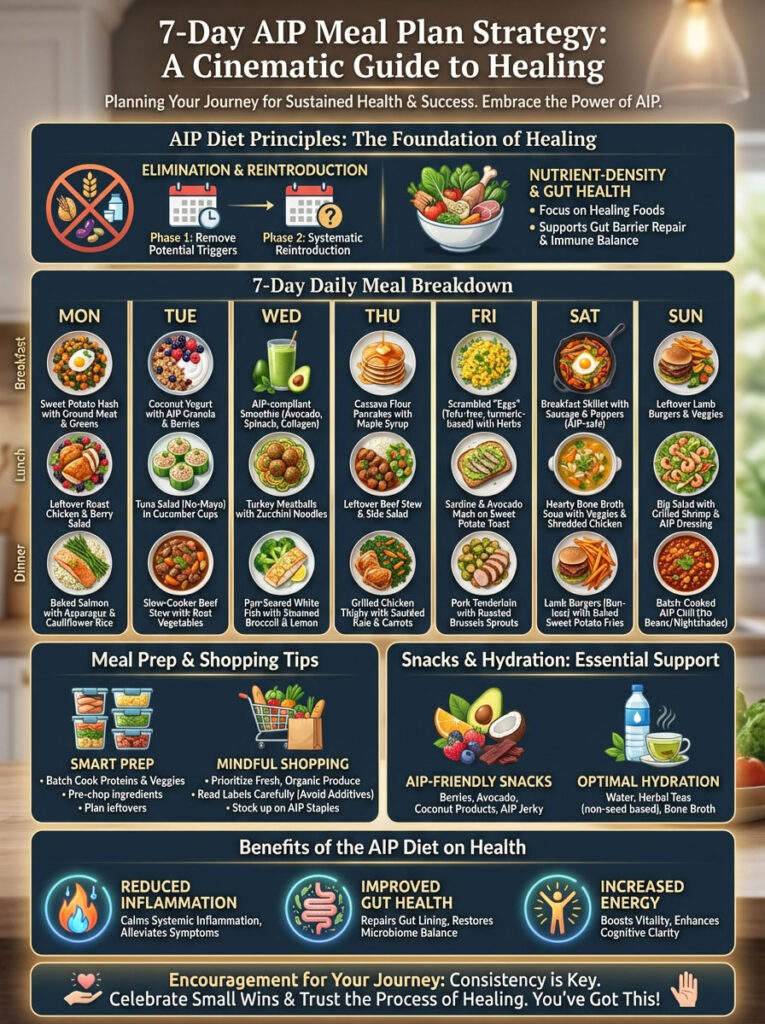
Success requires planning. You cannot rely on convenience foods. Here is a sample week to show you how delicious the AIP Diet Plan can be.
Day 1
- Breakfast: Turkey patties with sage and sautéed spinach.
- Lunch: Chicken liver pâté with cucumber slices and carrots.
- Dinner: Baked Salmon with asparagus and cauliflower rice.
Day 2
- Breakfast: Leftover salmon and veggies (breakfast can be dinner food).
- Lunch: Bone broth soup with shredded chicken and zucchini noodles.
- Dinner: Bison burger (no bun) with guacamole and roasted sweet potato fries.
Day 3
- Breakfast: Coconut milk yogurt with blueberries.
- Lunch: Salad with tinned sardines (in olive oil), avocado, and beets.
- Dinner: Slow-cooker pot roast with carrots, celery, and parsnips.
Day 4
- Breakfast: Sweet potato hash with ground beef and kale.
- Lunch: Leftover pot roast soup.
- Dinner: Grilled shrimp with a mango and avocado salsa (no peppers).
Day 5
- Breakfast: AIP “Oatmeal” (made from cauliflower rice, coconut milk, and cinnamon).
- Lunch: Turkey lettuce wraps with shredded carrots and avocado.
- Dinner: Roast chicken with broccoli and butternut squash mash.
Day 6
- Breakfast: Leftover roast chicken and squash.
- Lunch: Tuna salad (made with avocado oil mayo) on cucumber slices.
- Dinner: Pan-seared scallops with garlic and sautéed chard.
Day 7
- Breakfast: Smoothie with collagen, spinach, banana, and coconut milk.
- Lunch: Pumpkin soup with crispy bacon bits.
- Dinner: Shepherd’s Pie (ground lamb topped with mashed white sweet potato).
Lifestyle: The Other Half of the Equation
You cannot heal a body you hate. You also cannot heal a body that is chronically stressed. Diet is powerful, but it is not everything. The AIP Diet Plan is a lifestyle protocol.

Prioritize Sleep
Sleep is when your immune system repairs itself. It is when the brain cleans out toxins via the glymphatic system. Aim for 8-9 hours of quality sleep. Keep your room cool and dark. Avoid screens for an hour before bed.
Manage Stress
Cortisol is the stress hormone. High cortisol increases gut permeability. It undoes the hard work of your diet. Find a stress management practice that works for you. Meditation, deep breathing, or gentle walking can lower cortisol levels.
Gentle Movement
Exercise is good, but overtraining is inflammatory. High-intensity interval training (HIIT) might be too much right now. Focus on restorative movement. Yoga, walking, and swimming are excellent. Listen to your body. If you feel exhausted after a workout, you did too much.
Detailed Reintroduction Guide
You have done the work. You feel better. Now it is time to test. Do not rush this. The reintroduction phase is where you learn what your body can handle.
The 4 Stages of Reintroduction
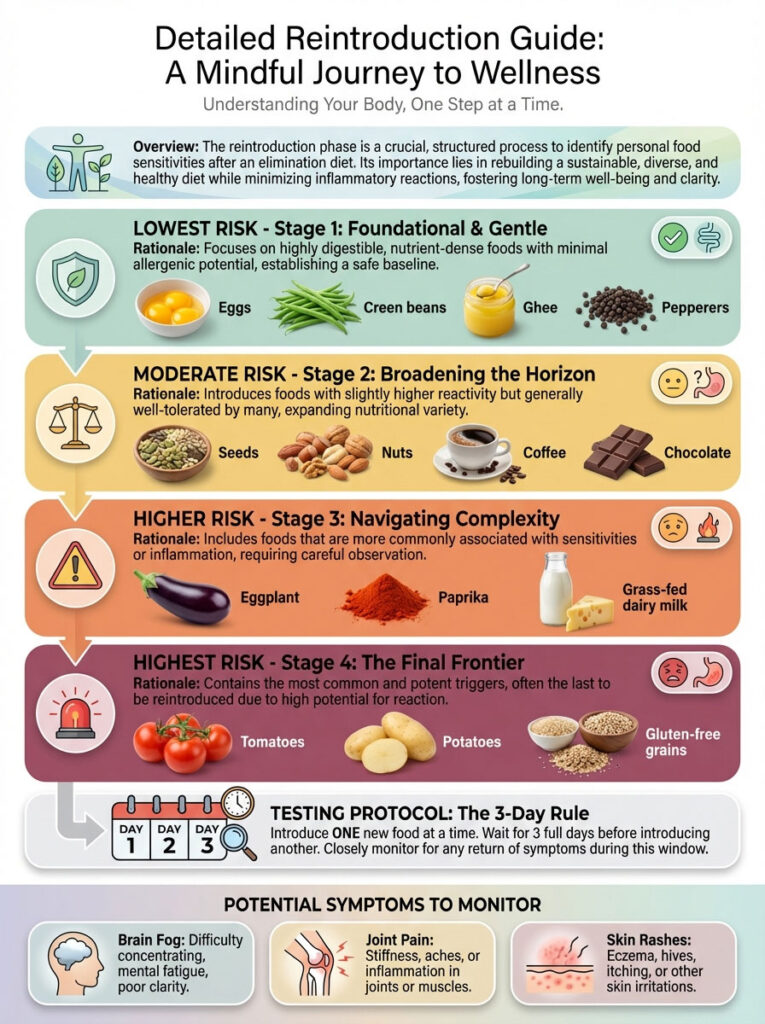
We reintroduce foods from “least likely to cause a reaction” to “most likely.”
| Stage | Foods Included | Rationale |
|---|---|---|
| Stage 1 | Egg yolks, green beans, ghee, black pepper, seed-based spices (cumin). | Lowest risk. Spices and yolks are usually well-tolerated. |
| Stage 2 | Seeds, nuts, coffee, chocolate, egg whites, butter, alcohol (small amounts). | Moderate risk. Nuts and seeds have lectins but are nutrient-dense. |
| Stage 3 | Eggplant, paprika, grass-fed dairy, lentils, bell peppers. | Higher risk. Nightshades and dairy are common triggers. |
| Stage 4 | Tomatoes, white potatoes, white rice, corn, gluten-free grains, chili peppers. | Highest risk. These are the most potent inflammatory foods. |
How to Test a Food
Follow this procedure exactly for every new food.
- The Tiny Bite: Eat half a teaspoon of the food. Wait 15 minutes. If you feel nothing, proceed.
- The Full Bite: Eat one teaspoon. Wait 15 minutes.
- The Portion: If still fine, eat a normal portion size.
- The Washout: Do not eat that food again for 3 days (72 hours).
You must wait 3 days because reactions can be delayed. Look for brain fog, joint pain, skin rashes, or changes in bowel movements. If any symptom returns, that food is a “fail.” Remove it and try again in a few months.
Troubleshooting: When AIP Isn’t Enough
What if you follow the AIP Diet Plan perfectly and still feel sick? This is frustrating, but it is a clue. It usually means there is a deeper issue.
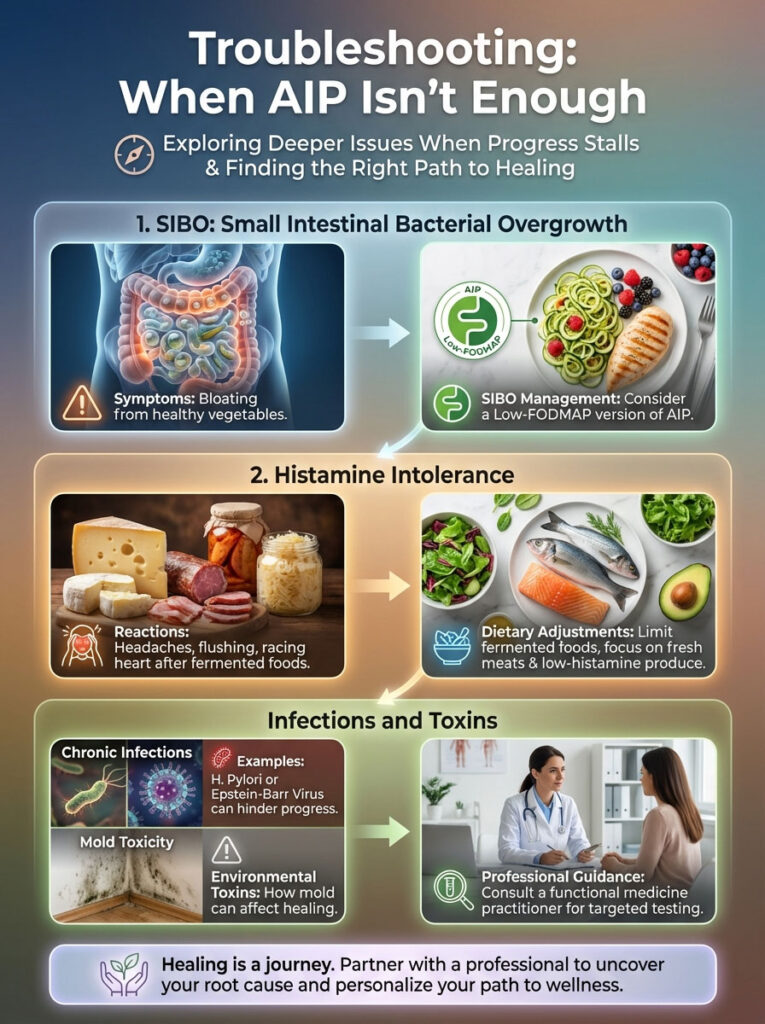
Small Intestinal Bacterial Overgrowth (SIBO)
If healthy vegetables make you bloat, you might have SIBO. This is when bacteria move from the large intestine to the small intestine. Fermentable fibers feed these bacteria. You may need a Low-FODMAP version of AIP to manage this.
Histamine Intolerance
Fermented foods and bone broth are high in histamine. If you get headaches, flushing, or racing heart after eating them, you may have histamine intolerance. You might need to limit fermented foods and focus on fresh meat.
Infections and Toxins
Chronic infections can keep the immune system agitated. H. Pylori, parasites, or reactivated Epstein-Barr Virus are common culprits. Mold toxicity in your home can also prevent healing. If diet alone fails, work with a functional medicine practitioner to test for these.
Helpful Supplements
Food comes first. However, supplements can speed up the healing process. They are tools, not magic pills.
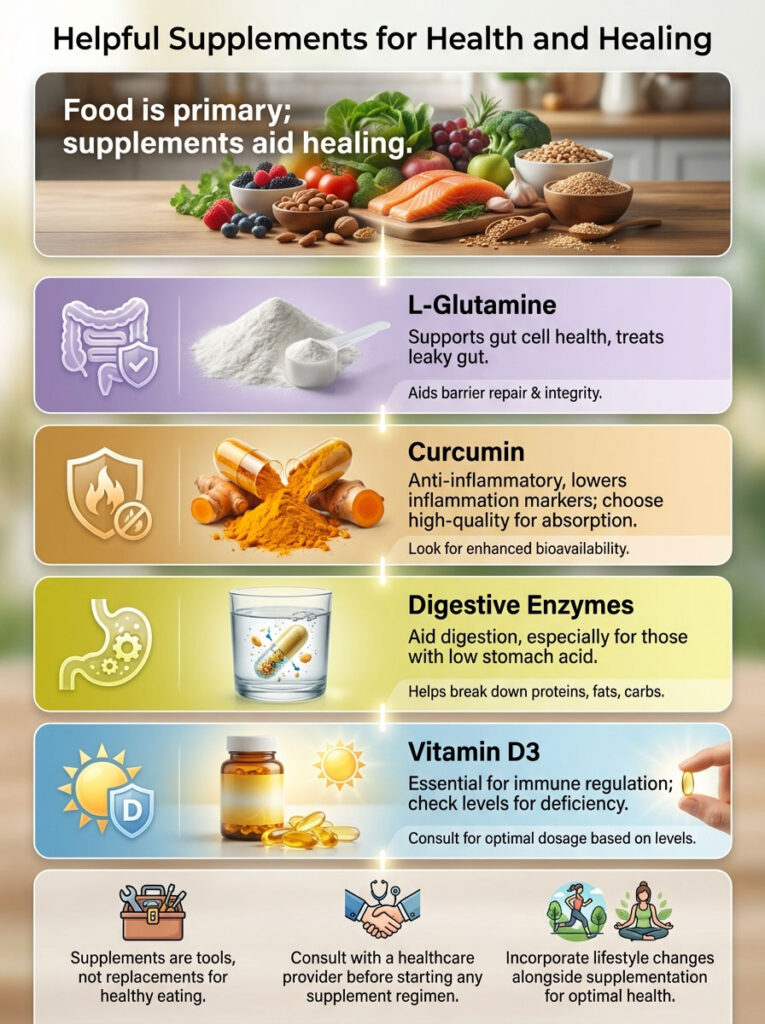
L-Glutamine
This amino acid is fuel for the cells lining your gut. It helps repair the tight junctions. It is often used to treat leaky gut.
Curcumin
The active compound in turmeric. It is a potent anti-inflammatory. It helps lower systemic inflammation markers. Ensure you buy a high-quality form for absorption.
Digestive Enzymes
Many people with autoimmunity have low stomach acid. Enzymes help break down food properly. This prevents large protein molecules from irritating the gut lining.
Vitamin D3
Vitamin D acts more like a hormone than a vitamin. It is crucial for immune system regulation. Most people with autoimmunity are deficient. Get your levels tested and supplement accordingly.
Summary & Key Takeaways
The AIP Diet Plan is a journey of self-discovery. It gives you the power to influence your health outcomes. It is not easy, but the results can be life-changing. By lowering systemic inflammation and healing the gut, you create the environment for remission.
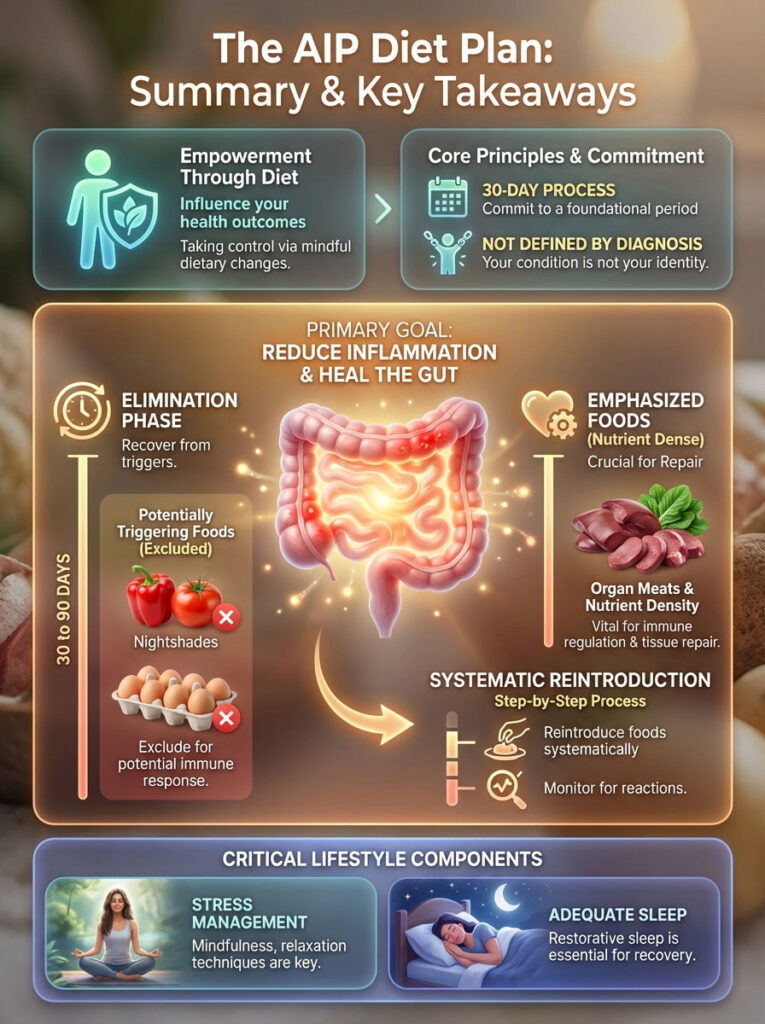
Remember these core principles:
- Eliminate Triggers: Remove grains, legumes, dairy, nightshades, and eggs to calm the immune system.
- Focus on Density: Eat organ meats, colorful vegetables, and healthy fats to fuel repair.
- Prioritize Lifestyle: Sleep and stress management are just as important as food.
- Reintroduce Slowly: Use the 4-stage process to find your personal diet.
You are not defined by your diagnosis. You have tools at your disposal. Commit to the process for 30 days. Give your body the chance to show you how good it can feel.
Frequently Asked Questions
What is the primary goal of the AIP Diet Plan?
The Autoimmune Protocol is a therapeutic elimination diet designed to modulate the immune system by reducing systemic inflammation and repairing the intestinal barrier. By removing potential immune triggers for a period of 30 to 90 days, we allow the gut-associated lymphoid tissue (GALT) to recover and stop the cycle of autoimmune “friendly fire.”
How does the AIP Diet Plan address a leaky gut?
AIP targets intestinal permeability by eliminating foods that trigger the release of Zonulin, a protein that signals the tight junctions in the gut lining to open. By removing irritants like grains and legumes, we allow these junctions to heal, preventing undigested particles from entering the bloodstream and provoking a chronic immune response.
Why are nightshades excluded during the elimination phase?
Nightshades like tomatoes and potatoes contain glycoalkaloids and saponins, which act as natural pesticides that can create microscopic holes in the intestinal lining. For patients struggling with joint pain or Hashimoto\’s, removing these compounds is often essential for lowering C-Reactive Protein (CRP) levels and calming the immune system.
How long should I stay in the strict elimination phase?
Most patients require 30 to 90 days in the elimination phase to see a significant reduction in symptoms and clinical inflammatory markers. This duration provides the intestinal mucosal lining enough time to undergo substantial repair before you begin the systematic reintroduction of potential food triggers.
What is the difference between AIP and the standard Paleo diet?
While both focus on ancestral whole foods, AIP is a stricter medical intervention that excludes additional potential triggers like eggs, nuts, seeds, and nightshades. Paleo is generally a long-term lifestyle for metabolic health, whereas AIP is a temporary protocol intended to identify specific sensitivities and achieve clinical remission.
Can I eat eggs while following the Autoimmune Protocol?
No, eggs are excluded during the initial phase because egg whites contain lysozyme, a protein that can cross the gut barrier and carry other proteins with it, potentially triggering an immune response. Once you have achieved a baseline of health, egg yolks are typically one of the first foods tested during the reintroduction phase.
What is molecular mimicry and how does diet affect it?
Molecular mimicry occurs when the immune system confuses foreign food proteins, like gluten, with the body’s own tissues due to similar molecular structures. The AIP Diet Plan removes these “look-alike” proteins to prevent the immune system from mistakenly attacking organs like the thyroid or joints through a case of mistaken identity.
Why is the consumption of organ meats emphasized in this protocol?
Organ meats like liver and heart are the most nutrient-dense foods available, providing the Vitamin A, B12, and zinc necessary for immune regulation and tissue repair. We consider these “superfoods” non-negotiable for patients needing to replenish deep nutritional deficiencies caused by chronic malabsorption and gut damage.
How do I properly reintroduce foods after the elimination phase?
Reintroduction must be systematic, testing one food at a time in four distinct stages, starting with lower-risk items like egg yolks or seed spices. You must follow a “washout” period of 72 hours between tests to monitor for delayed reactions such as brain fog, joint pain, or changes in bowel movements.
What should I do if my symptoms do not improve on AIP?
If inflammation persists, we must investigate underlying “deal-breakers” like Small Intestinal Bacterial Overgrowth (SIBO), histamine intolerance, or chronic infections. In these cases, a modified Low-FODMAP AIP approach or functional testing for parasites and mold toxicity may be necessary to facilitate deep healing.
How do sleep and stress management impact autoimmune recovery?
Diet is only one piece of the puzzle; high cortisol from chronic stress directly increases gut permeability and suppresses immune function. Prioritizing 8-9 hours of sleep and restorative movement is critical because the body cannot effectively repair the intestinal lining while in a constant state of “fight or flight.”
Which supplements are most effective for supporting gut repair on AIP?
While food is the foundation, L-Glutamine is highly effective for fueling the cells of the gut lining, while curcumin helps dampen systemic inflammation. Additionally, digestive enzymes can assist in breaking down proteins to prevent them from irritating a compromised intestinal barrier during the healing process.
Disclaimer
This article is for informational purposes only and does not constitute medical advice. The AIP Diet Plan is a therapeutic protocol that should ideally be conducted under the supervision of a qualified healthcare professional or functional medicine practitioner, especially for individuals with pre-existing conditions or those taking immunosuppressant medications.
References
- Inflammatory Bowel Diseases Journal – https://academic.oup.com/ibdjournal – 2017 study: “Efficacy of the Autoimmune Protocol Diet for Inflammatory Bowel Disease.”
- Journal of Autoimmunity – Elsevier – Research regarding molecular mimicry and the role of environmental triggers in autoimmune pathogenesis.
- Institute for Functional Medicine (IFM) – https://www.ifm.org – Clinical insights into intestinal permeability, zonulin, and the GALT immune system.
- Nutrients Journal – MDPI – “The Role of Diet in Managing Hashimoto’s Thyroiditis: A Review of Clinical Evidence.”
- American Journal of Gastroenterology – https://journals.lww.com/ajg – Statistical data regarding the prevalence of co-occurring autoimmune disorders and inflammation.
- PubMed Central (PMC) – National Institutes of Health – Comprehensive data on the impact of Omega-6 seed oils and lectins on gut mucosal lining.