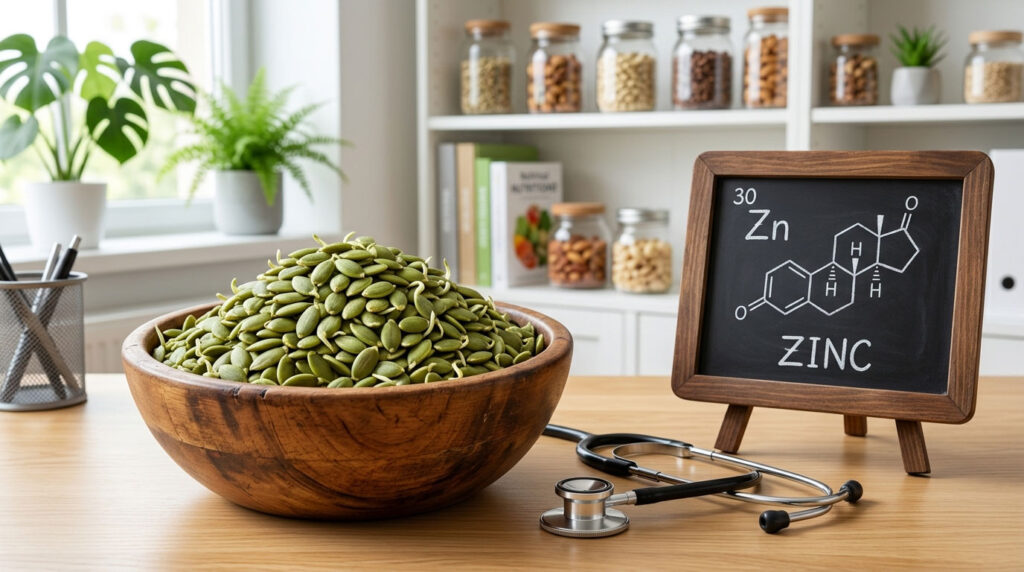
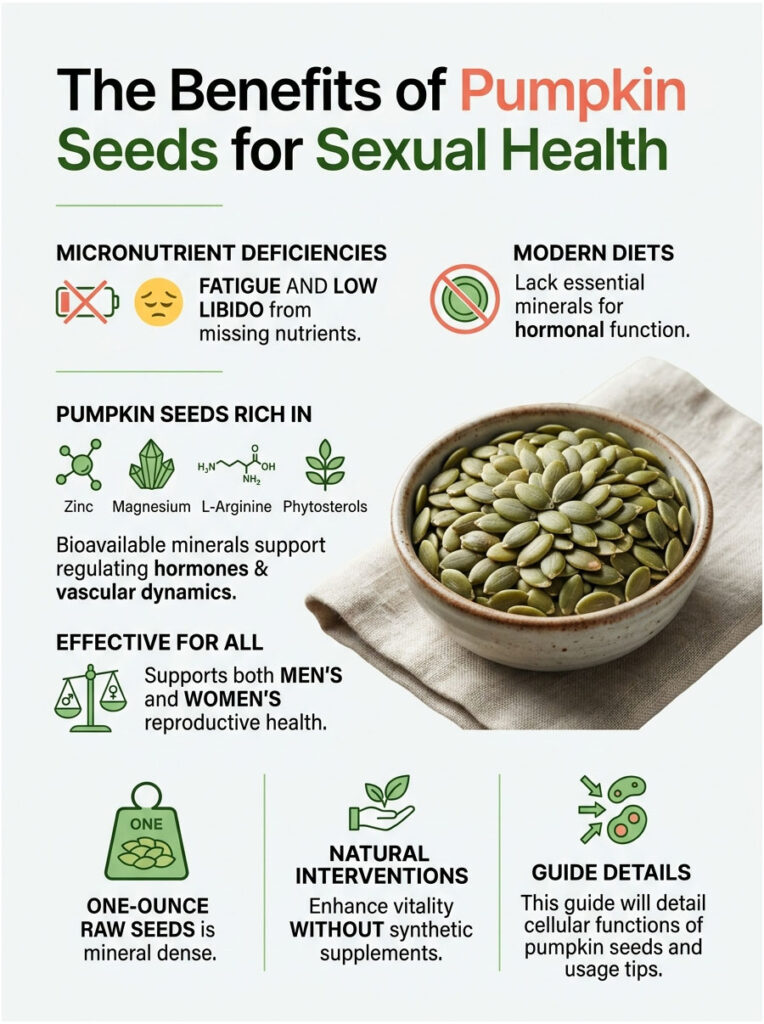
As a clinical nutritionist specializing in endocrinology, I frequently see patients struggling with fatigue and low libido caused by micronutrient deficiencies. Modern diets simply lack the foundational minerals needed for optimal hormonal function. When patients ask me about natural interventions, eating pumpkin seeds for sexual health is one of my primary recommendations.
Table of Contents
These humble seeds are far more than a seasonal snack. They are now well-validated in functional nutrition as a powerful dietary tool. Their benefits stem directly from high concentrations of bioavailable zinc, magnesium, L-arginine, and phytosterols, all of which support hormonal regulation, vascular dynamics, and reproductive longevity for both men and women.
According to the USDA nutrient database, a standard one-ounce serving of raw pepitas provides a remarkable baseline of mineral density. You do not need synthetic pills to see real changes in your vitality. This guide explains exactly how these seeds work at a cellular level and how to use them effectively.
Quick Answer
Eating pumpkin seeds for sexual health improves blood flow, balances hormones, and boosts energy. They are rich in zinc (which supports testosterone production) and L-arginine (which drives the vascular dilation needed for arousal). Consuming just one ounce of sprouted or raw seeds daily can significantly enhance reproductive wellness for both men and women.
Key Nutritional Statistics (Per 1 oz Serving)
- Approximately 2.2 mg of highly bioavailable zinc.
- Nearly 37% of the recommended daily intake of magnesium.
- Rich in plant-based omega-3 fatty acids to reduce systemic inflammation.
- High levels of L-arginine to support vascular expansion.
- 1.5 mg of non-heme iron to combat fatigue-induced low libido.
- Over 150 mg of tryptophan for sleep and recovery optimization.
- A balanced mineral profile that prevents trace mineral depletion.
Why Pumpkin Seeds Are a Functional Superfood for Sexual Health
In clinical nutrition, functional foods are dietary interventions that offer benefits beyond basic caloric value. The specific nutrient profile of pumpkin seeds acts as a direct precursor to essential sex hormones. This is why incorporating pumpkin seeds for sexual health is so highly regarded in clinical settings.
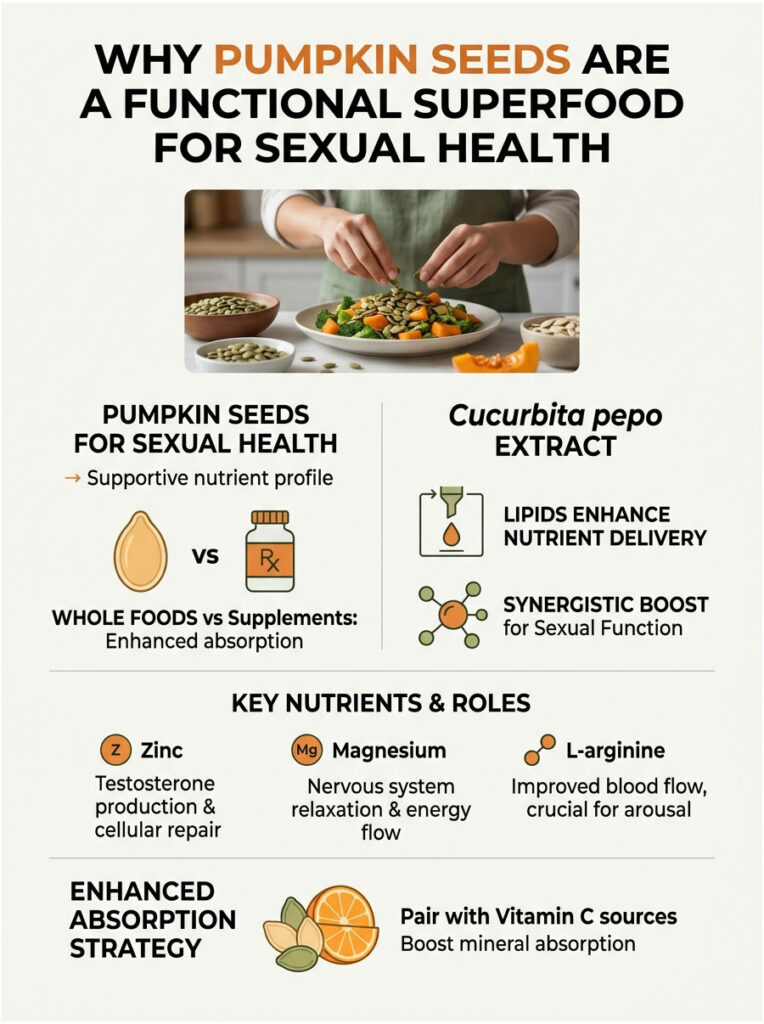
There is a major difference between synthetic supplements and whole-food sources. Synthetic minerals often suffer from poor absorption in the gut. Natural foods provide co-factors that aid cellular uptake. A high-quality Cucurbita pepo extract contains naturally occurring lipids that carry fat-soluble nutrients directly into the bloodstream, supporting both female hormonal balance and male testosterone production.
Your body recognizes food much better than isolated lab chemicals. Patients in my practice respond far better to dietary mineral sources than to pills. Isolated supplements can cause GI distress, while whole foods provide fiber that slows digestion and ensures steady nutrient release. The natural fatty acid profile also enhances absorption of fat-soluble vitamins like Vitamin E, a powerful antioxidant that protects reproductive cells from oxidative damage.
How Zinc, Magnesium, and L-Arginine Work Together
Nutrients do not work in isolation. They operate in a complex synergistic matrix. Zinc drives testosterone production and cellular division. Magnesium acts as a natural relaxant for the nervous system. L-arginine catalyzes blood flow. Together, they create the ideal biological environment for arousal.
At the cellular level, zinc enters cells and repairs DNA damage caused by stress. Magnesium regulates ion channels, allowing energy to flow freely. L-arginine signals blood vessels to open, delivering oxygen to fuel this repair. Without magnesium, zinc cannot properly bind to cellular receptors. Without L-arginine, blood cannot deliver zinc to the pelvic region.
The seeds also contain copper in the perfect ratio to zinc, preventing the dangerous mineral imbalances that occur with high-dose zinc supplementation. Your nervous system relies on this zinc-to-copper balance to transmit signals of arousal. By eating the whole seed, you protect neurological pathways while boosting hormonal output.
Expert Tip: Always pair your seeds with a source of Vitamin C, like bell pepper or citrus. Vitamin C dramatically increases intestinal absorption of trace minerals, making the intervention much more effective.
Male Sexual Health: Zinc, Testosterone, and Aromatase Inhibition
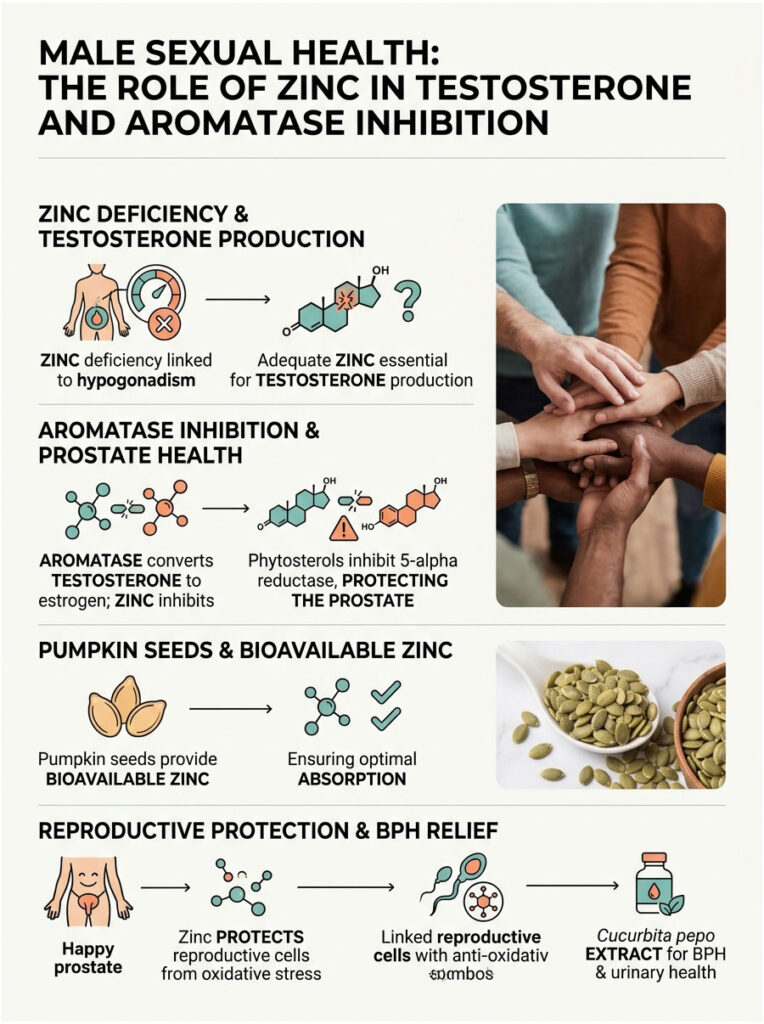
There is a direct clinical link between zinc deficiency and hypogonadism in men. Without adequate zinc, the testes cannot produce sufficient testosterone. The zinc in pumpkin seeds is bound to amino acids, making it highly recognizable to the digestive tract. This organic binding ensures the mineral actually reaches your bloodstream, unlike inorganic zinc in cheap supplements that mostly passes through unabsorbed.
How Zinc Blocks Aromatase
Aromatase is the enzyme that converts free testosterone into estrogen. As men age, or if they carry excess body fat, aromatase activity increases dramatically. This leads to lower testosterone and higher estrogen, which destroys libido. Zinc acts as a natural blocker for this enzyme, preserving free testosterone levels.
The Leydig cells in the testes require massive amounts of zinc to function. These cells are the primary factories for testosterone synthesis. Providing them with bioavailable zinc is like putting premium fuel into a high-performance engine. Clinical studies consistently show that men with the highest dietary zinc intake have the healthiest testosterone profiles and fewer issues with erectile dysfunction.
Spermatogenesis, Prostate Health, and Phytosterols
Oxidative stress is highly damaging to sperm DNA. Environmental toxins, poor diet, and stress create free radicals that attack seminal fluid. The antioxidants and zinc in these seeds protect reproductive cells from this daily assault. Regular consumption of Cucurbita pepo extract improves overall sperm morphology and motility. Research shows that dietary zinc directly correlates with seminal volume.
Pumpkin seeds also contain high levels of phytosterols, plant compounds that naturally inhibit the 5-alpha reductase enzyme. This enzyme converts testosterone into dihydrotestosterone (DHT), the primary driver of benign prostatic hyperplasia (BPH). By limiting this conversion, phytosterols protect the prostate from excessive growth.
Clinical trial data from the Journal of Medicinal Food shows the efficacy of Cucurbita pepo extract in reducing BPH symptoms, with patients reporting better urinary flow and improved urological health. A healthy prostate is vital for a satisfying and pain-free sex life.
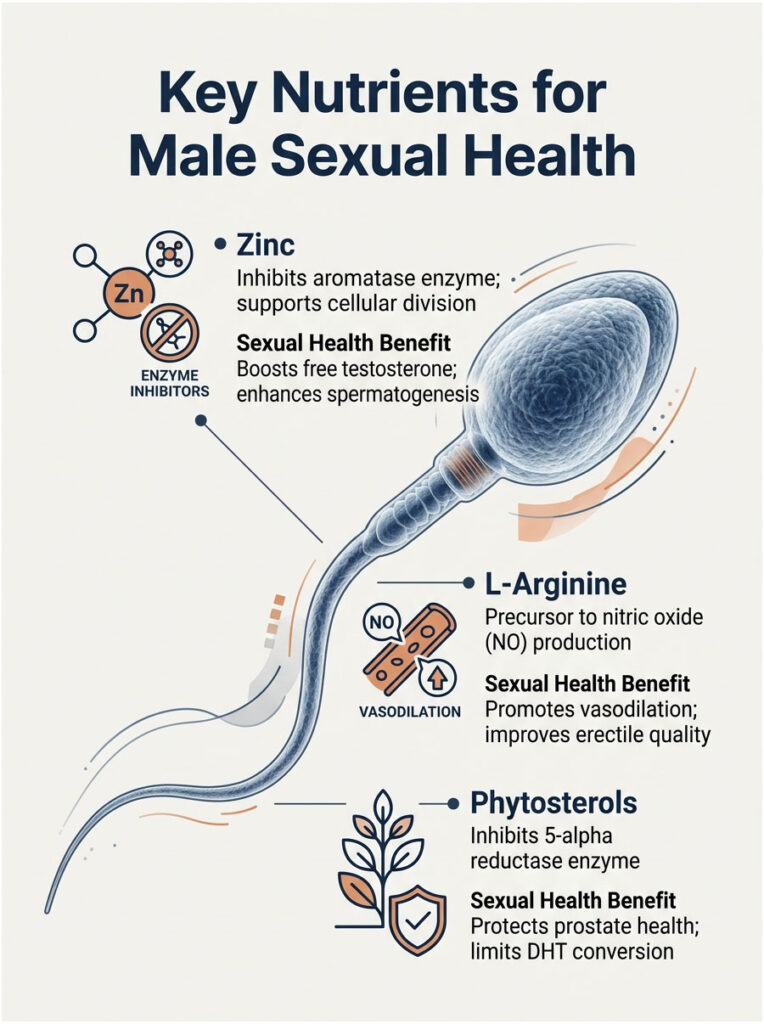
Key Nutrients for Male Sexual Health
| Nutrient | Biological Mechanism | Sexual Health Benefit |
| Zinc | Inhibits aromatase enzyme; supports cellular division | Boosts free testosterone; enhances spermatogenesis |
| L-Arginine | Precursor to nitric oxide (NO) production | Promotes vasodilation; improves erectile quality |
| Phytosterols | Inhibits 5-alpha reductase enzyme | Protects prostate health; limits DHT conversion |
Female Sexual Health: Iron, Cortisol, and Hormonal Balance
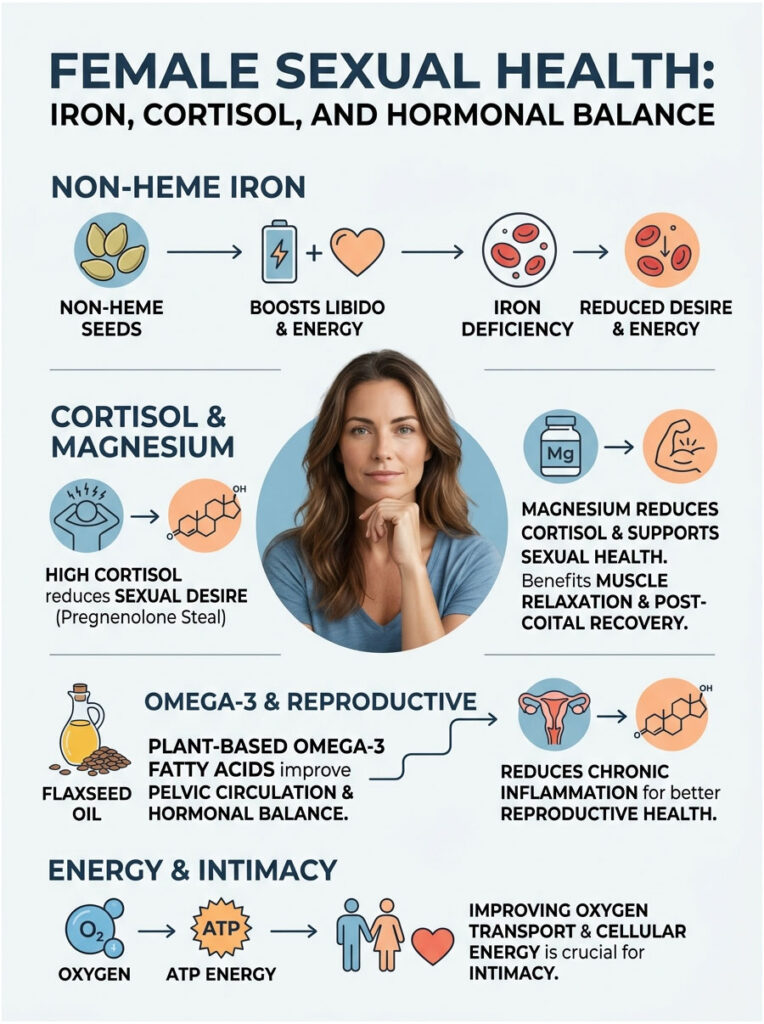
Non-Heme Iron for Sexual Energy
Iron-deficiency anemia is a leading cause of low libido in women. When a woman is exhausted, biological reproduction is the last priority for her body. Pumpkin seeds provide a rich source of plant-based non-heme iron that restores cellular energy and physical stamina.
When oxygen transport improves, chronic fatigue lifts. Many women notice a significant shift in desire once their ferritin levels stabilize. Consider the monthly blood loss during menstruation, a constant drain on iron stores. Plant-based iron sources are gentle on the stomach and do not cause the constipation associated with iron pills.
Arousal requires a massive surge of blood flow and muscular engagement. If your mitochondria lack the iron to produce ATP (cellular energy), your body will simply ignore arousal signals. Correcting this underlying deficiency removes a major physiological roadblock to intimacy.
Cortisol Regulation and the Pregnenolone Steal
There is an inverse relationship between high cortisol and sexual desire. Cortisol is the primary stress hormone that controls fight-or-flight. When elevated, the body diverts raw materials away from sex hormone production, a process known clinically as the “pregnenolone steal.”
Magnesium acts as a natural relaxant for the central nervous system, halting this destructive process. By lowering cortisol, magnesium creates a physiological environment conducive to arousal. This stress reduction is vital for female hormonal balance. Women cannot experience optimal arousal if their nervous system is in a constant state of panic.
Magnesium also plays a major role in muscle relaxation after intimacy. It helps clear lactic acid and prevents painful pelvic cramping, supporting post-coital recovery and overall comfort.
Omega-3 Fatty Acids and Pelvic Circulation
Plant-based omega-3s reduce systemic inflammation, which disrupts hormonal balance and blocks cellular signaling. These healthy fats improve micro-circulation to the pelvic region, enhancing tactile sensitivity and promoting natural lubrication. Endocrinology research consistently highlights the impact of chronic inflammation on reproductive health.
Key Nutrients for Female Sexual Health
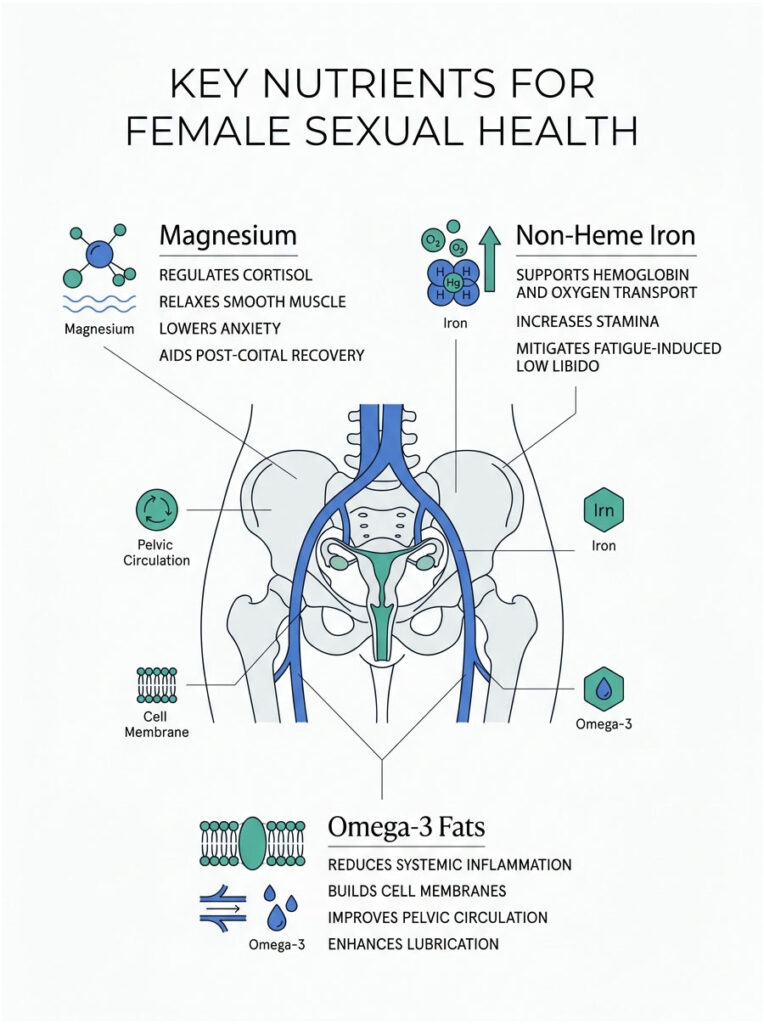
| Nutrient | Biological Mechanism | Sexual Health Benefit |
| Magnesium | Regulates cortisol; relaxes smooth muscle | Lowers anxiety; aids post-coital recovery |
| Non-Heme Iron | Supports hemoglobin and oxygen transport | Increases stamina; mitigates fatigue-induced low libido |
| Omega-3 Fats | Reduces systemic inflammation; builds cell membranes | Improves pelvic circulation; enhances lubrication |
The Nitric Oxide Pathway: L-Arginine and Physical Arousal
The body cannot produce nitric oxide without specific amino acid precursors. The L-arginine in pumpkin seeds is directly converted into nitric oxide by endothelial cells, the inner lining of your blood vessels. This conversion is the mechanical foundation of vasodilation and libido.
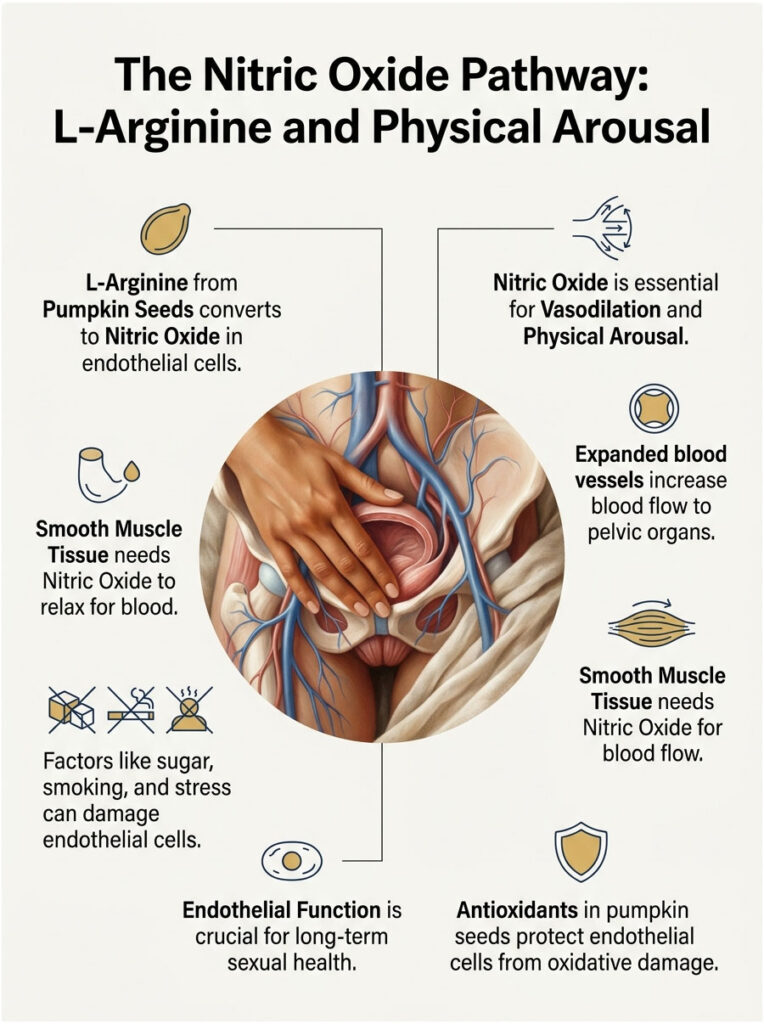
When blood vessels expand, blood rushes into the pelvic organs. This engorgement is the physical manifestation of arousal for both genders. Without a healthy nitric oxide pathway, physical arousal is biologically impossible. The smooth muscle tissue needs the chemical signal to relax and allow blood flow.
Protecting endothelial function is the secret to long-term sexual longevity. If these cells are damaged by sugar, smoking, or stress, they cannot produce nitric oxide. The antioxidants in pumpkin seeds protect these delicate cells from oxidative damage. Think of your blood vessels like a garden hose: nitric oxide acts as a chemical relaxant that removes the kinks and allows a full surge of blood flow exactly where it is needed.
How to Prepare Pumpkin Seeds for Maximum Bioavailability
Raw vs. Roasted
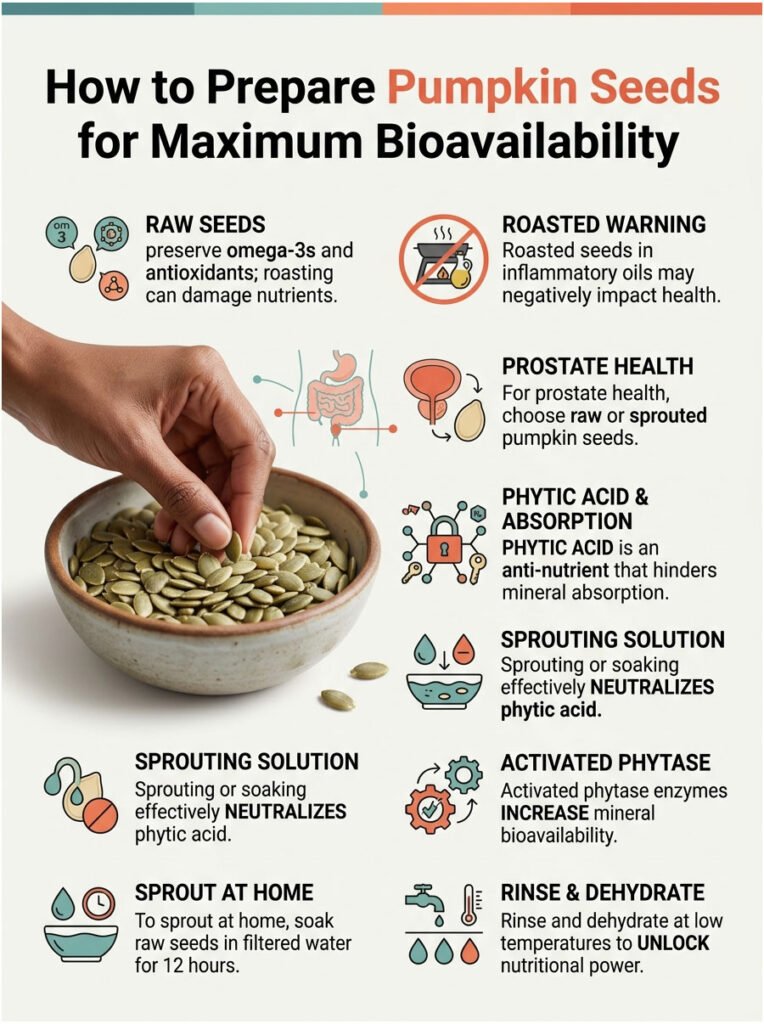
There is a significant clinical difference. High heat oxidizes delicate fatty acids and depletes antioxidant reserves. Raw seeds keep omega-3s intact and preserve the natural nutrient structure. Roasted seeds, especially those cooked in inflammatory oils, can actually cause more harm than good. For patients looking to improve prostate health or hormonal balance, I always recommend raw or sprouted varieties.
The Phytic Acid Problem and Sprouting
Phytic acid is an anti-nutrient found in all seeds, grains, and nuts. It binds to zinc and magnesium in the digestive tract, preventing absorption. If you do not address phytic acid, you will not get the full mineral benefits.
Sprouting or soaking neutralizes phytic acid effectively. This process activates the phytase enzyme, which breaks down the anti-nutrient and exponentially increases mineral bioavailability. To sprout at home, simply soak raw seeds in filtered water with a pinch of sea salt for 12 hours. Rinse thoroughly, then dehydrate at a very low temperature. The seed “thinks” it is time to grow and unlocks all its stored nutritional power.
Gut Health and Nutrient Absorption
Your digestive tract is lined with trillions of bacteria that dictate how well you extract nutrients from food. If your gut is inflamed, even the healthiest foods pass through unabsorbed. The dietary fiber in pumpkin seeds acts as a powerful prebiotic, feeding beneficial bacteria that produce short-chain fatty acids like butyrate.
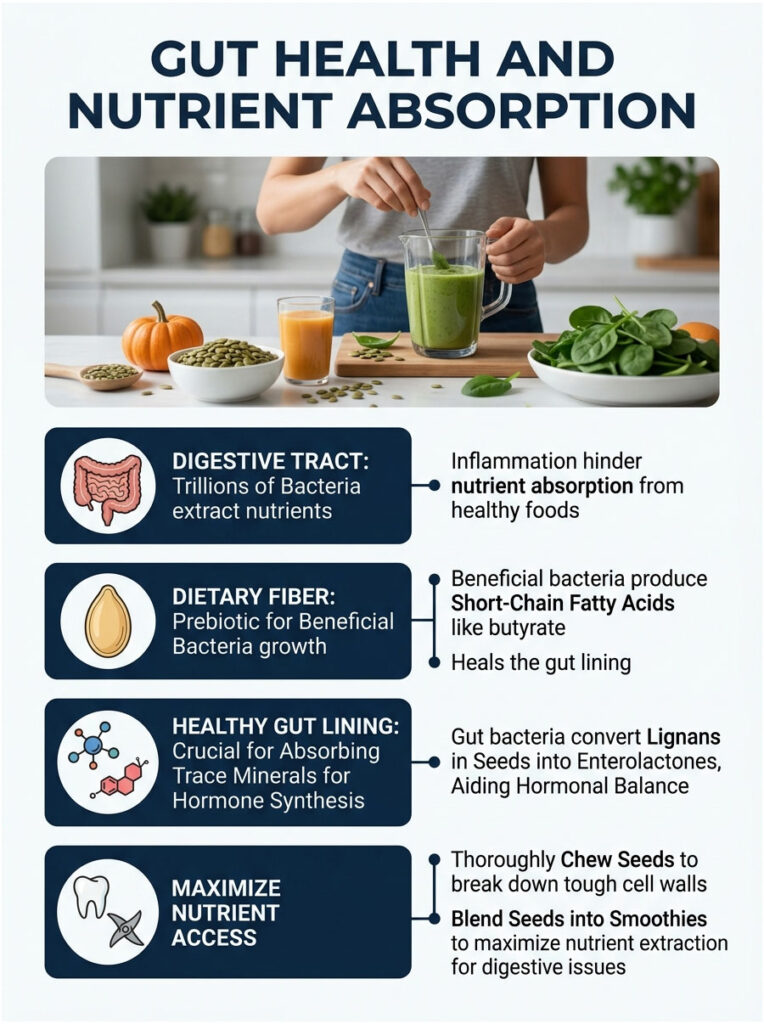
Butyrate heals the gut lining and reduces systemic inflammation. A healthy gut lining is essential for absorbing the trace minerals required for hormone synthesis. Gut bacteria also metabolize the lignans in seeds, converting them into enterolactones that have a mild estrogenic balancing effect, beneficial for women dealing with estrogen dominance and for men preventing estrogen-related prostate issues.
Chew your seeds thoroughly to break down tough cell walls. For patients with digestive compromise, blending seeds into a smoothie is a great workaround that ensures maximum nutrient extraction.
Practical Protocol: How Much, When, and How to Combine
Expert guidelines suggest one ounce per day. This provides adequate minerals without GI distress from excessive fiber. It is a sustainable daily habit that yields long-term results.
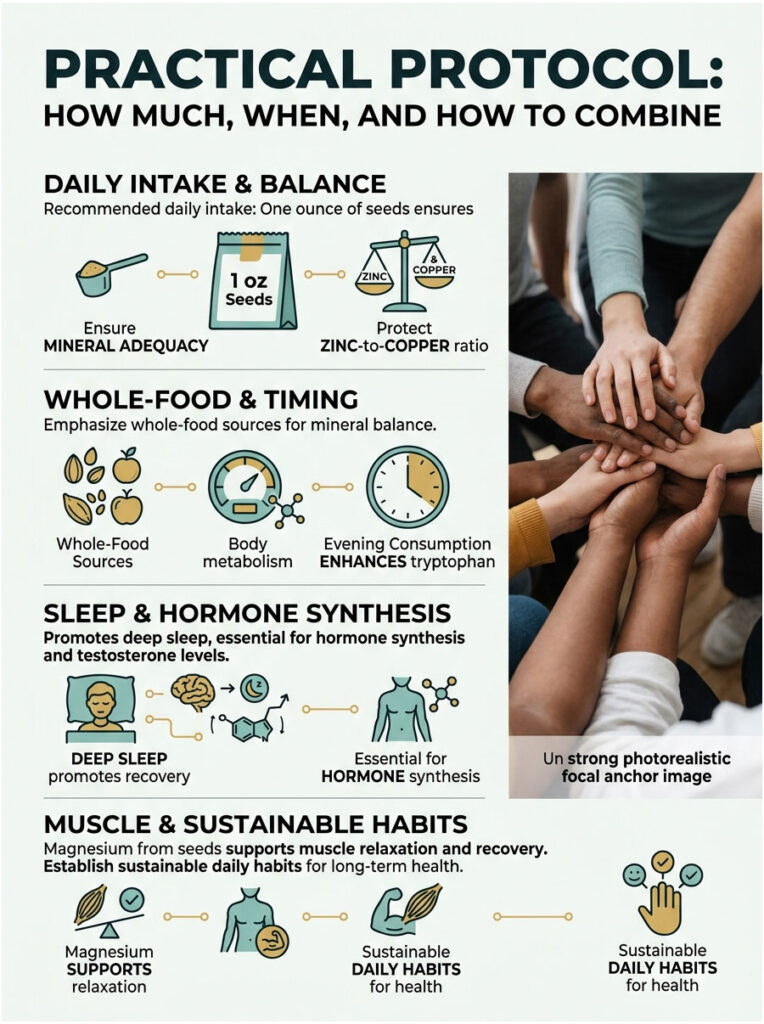
The natural zinc-to-copper ratio in whole seeds ensures you get zinc benefits without risking copper depletion, a real danger with isolated zinc supplements. By relying on whole-food sources, you maintain perfect trace mineral balance.
Strategic timing amplifies the benefits. Eating seeds in the evening utilizes their high tryptophan content (which converts to serotonin and then melatonin), promoting deep, restorative sleep. Evening consumption also maximizes magnesium utilization for muscle relaxation and post-coital recovery. Sleep is essential for hormone synthesis. If you do not sleep well, you do not produce adequate testosterone.
Synergistic Food Combinations
- For testosterone support: Blend one ounce of sprouted seeds with Brazil nuts (selenium) and quality protein. Selenium works synergistically with zinc to boost thyroid function, which is essential for a healthy libido.
- For female energy: Combine seeds with dark chocolate (85%+ cacao) and berries. Dark chocolate provides magnesium and vascular-relaxing compounds. Berries provide the Vitamin C needed to absorb plant-based iron.
- For absorption: Pair with avocado or extra virgin olive oil to enhance uptake of fat-soluble phytosterols.
Common Misconceptions About Seeds and Libido
Nutrition is not a pharmaceutical drug. It does not force a biological reaction within thirty minutes. Instead, it rebuilds foundational architecture. It takes time to replenish severe zinc deficiencies and repair damaged endothelial cells. Cellular turnover takes roughly three to six weeks. Be patient and consistent.
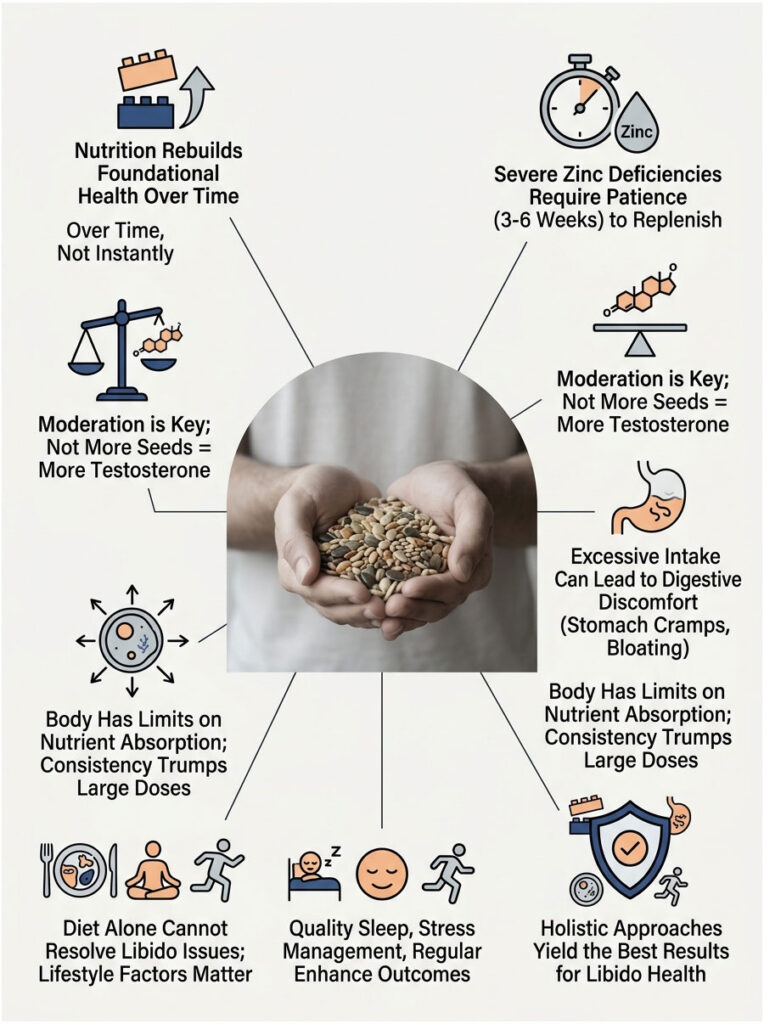
More is not always better. Eating three cups of seeds daily will not triple your testosterone. It will likely just cause stomach cramps and bloating. The body can only absorb so much zinc and magnesium at one time. A moderate, consistent daily dose is vastly superior to massive infrequent doses.
Diet alone cannot fix everything. If you are sleeping three hours a night and drinking heavily, seeds will not save your libido. Functional nutrition works best when paired with comprehensive lifestyle optimization, including stress management, quality sleep, and regular movement.
The Historical Context of Pumpkin Seeds as Medicine
Indigenous tribes in North America used pumpkin seeds for centuries to treat urinary issues. Traditional healers prescribed them to aging men to preserve vitality and urinary flow, and to women to rebuild strength after childbirth. In Eastern Europe, pumpkin seed oil has long been a folk remedy for prostate health.
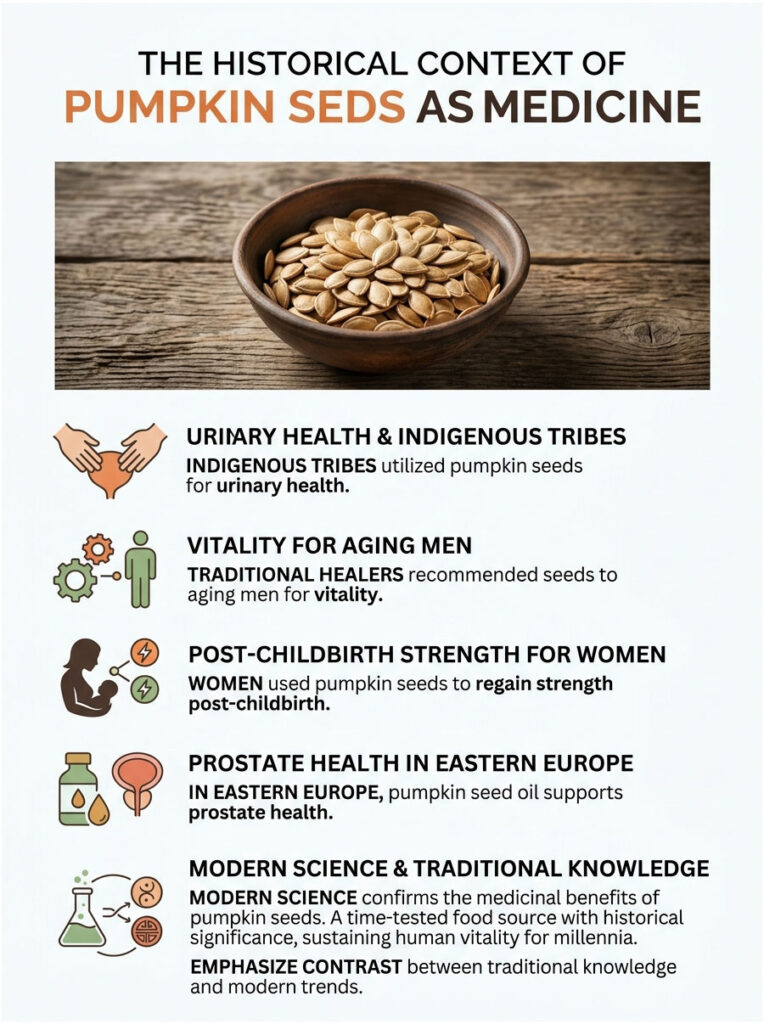
Modern science is simply validating what traditional medicine has known for generations. We are not dealing with a trendy superfood created in a marketing boardroom. This is an ancient, time-tested food source that has sustained human vitality for millennia.
Key Takeaways: Pumpkin Seeds for Sexual Health
The biochemical path from seed consumption to hormonal optimization is clear and scientifically validated. Relying on whole foods is a safe, effective, and clinically sound strategy.
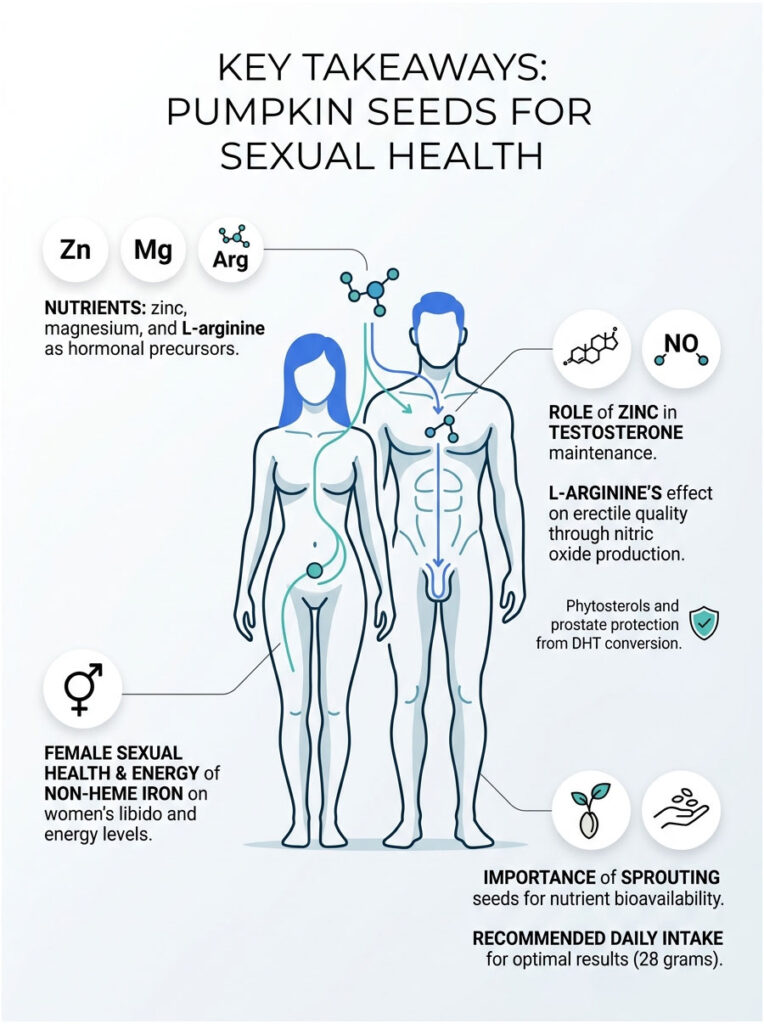
- Boosts Free Testosterone: Bioavailable zinc supports aromatase inhibition, keeping testosterone active and preventing estrogen conversion.
- Improves Blood Flow: L-arginine feeds the nitric oxide pathway, supporting vasodilation and physical arousal for both genders.
- Supports Prostate Health: Phytosterols limit DHT conversion, protecting the prostate from enlargement and inflammation.
- Enhances Female Hormonal Balance: Non-heme iron combats fatigue, while magnesium lowers stress and cortisol.
- Aids Recovery: Evening consumption supports post-coital recovery and magnesium absorption for deeper sleep.
- Requires Proper Preparation: Sprouting or soaking neutralizes phytic acid, massively increasing bioavailability of all trace minerals.
Your sexual health is a direct reflection of your overall cellular health. When you commit to nourishing your body with nutrient-dense whole foods, every system improves. Start incorporating pumpkin seeds for sexual health into your daily routine, and give your body the raw materials it needs to thrive.
Frequently Asked Questions
How do pumpkin seeds specifically improve sexual health in a clinical context?
From an endocrinology perspective, pumpkin seeds act as a functional superfood due to their synergistic matrix of zinc, magnesium, and L-arginine. These nutrients serve as direct precursors to essential sex hormones and support the vascular dynamics required for arousal, helping to correct micronutrient deficiencies that often lead to low libido.
Does the zinc in pumpkin seeds really boost testosterone levels?
Yes. The zinc found in Cucurbita pepo is highly bioavailable and functions as a natural aromatase inhibitor. By blocking the enzyme responsible for converting free testosterone into estrogen, it helps maintain optimal hormonal ratios, which is a non-negotiable factor for male sexual vitality and reproductive health.
What is the link between L-arginine in pumpkin seeds and erectile quality?
L-arginine is a critical amino acid that the body converts into nitric oxide (NO). Nitric oxide signals the endothelial cells to trigger vasodilation, widening the blood vessels in the pelvic region. This increased blood flow is the mechanical foundation for physical arousal and maintaining erectile quality in men.
How do phytosterols in pumpkin seeds protect prostate integrity?
Pumpkin seeds contain high concentrations of phytosterols that inhibit the 5-alpha reductase enzyme. This enzyme converts testosterone into dihydrotestosterone (DHT), which is the primary driver of benign prostatic hyperplasia (BPH). By limiting this conversion, phytosterols protect the prostate gland from enlargement and associated sexual dysfunction.
Can women use pumpkin seeds to combat low libido and fatigue?
Absolutely. For women, the non-heme iron in pumpkin seeds is vital for restoring ferritin levels and improving oxygen transport. When cellular energy is restored, chronic fatigue—a leading cause of low libido—lifts, allowing the body to prioritize reproductive energy and healthy hormonal signaling.
Why is sprouting pumpkin seeds recommended over eating them raw or roasted?
Sprouting or soaking seeds is essential to neutralize phytic acid, an anti-nutrient that binds to minerals like zinc and magnesium in the gut. By activating the phytase enzyme through sprouting, you exponentially increase the bioavailability of the seeds’ mineral profile, ensuring the nutrients actually reach your bloodstream.
What is the ‘pregnenolone steal’ and how do pumpkin seeds prevent it?
The ‘pregnenolone steal’ occurs when chronic stress causes the body to divert raw materials away from sex hormones to produce cortisol. The magnesium in pumpkin seeds acts as a natural relaxant for the central nervous system, lowering cortisol levels and creating a physiological environment conducive to arousal and hormonal balance.
Are there benefits to consuming pumpkin seeds for post-coital recovery?
Yes. The high magnesium content supports muscle relaxation and helps clear lactic acid following physical intimacy. Furthermore, the seeds provide tryptophan, which converts to serotonin and melatonin, promoting the deep, restorative sleep necessary for the endocrine system to recover and synthesize new hormones.
How many pumpkin seeds should be consumed daily for noticeable results?
Clinical guidelines suggest a daily intake of approximately one ounce (28 grams) of sprouted or raw seeds. This provides a therapeutic baseline of zinc and magnesium without causing gastrointestinal distress from excessive fiber, making it a sustainable habit for long-term reproductive wellness.
Do pumpkin seeds help with estrogen dominance in women?
Yes. Gut bacteria metabolize the lignans in pumpkin seeds into enterolactones, which have a mild estrogen-balancing effect. These compounds can bind to estrogen receptors to block more aggressive forms of the hormone, supporting overall female hormonal balance and reducing symptoms associated with estrogen dominance.
How long does it take for dietary pumpkin seeds to impact sexual vitality?
Unlike pharmaceutical drugs, nutritional interventions require time to rebuild the body’s foundational architecture. Most patients report significant improvements in energy, mood, and libido within three to six weeks of consistent daily use, as cellular zinc and iron stores are gradually replenished.
Can I pair pumpkin seeds with other nutrients to maximize their effect?
To maximize endocrine impact, pair your seeds with a source of Vitamin C to enhance the absorption of non-heme iron and zinc. Additionally, combining them with healthy fats like avocado or olive oil can improve the uptake of fat-soluble phytosterols and Vitamin E, which protect reproductive cells from oxidative damage.
Disclaimer
This article is for informational purposes only and does not constitute medical advice. The nutritional interventions discussed, including the use of pumpkin seeds for sexual health, should be reviewed with a qualified healthcare professional, especially for individuals with pre-existing endocrine disorders or those taking medication for prostate or cardiovascular conditions.
References
- United States Department of Agriculture (USDA) – FoodData Central – Comprehensive nutrient profile and mineral density data for raw pepitas (Cucurbita pepo).
- National Institutes of Health (NIH) – Office of Dietary Supplements – Fact sheets on Zinc and Magnesium synergy in human biochemical pathways.
- Journal of Medicinal Food – Mary Ann Liebert, Inc. – Clinical studies regarding the efficacy of Cucurbita pepo extract in managing BPH symptoms and prostate health.
- American Heart Association – Vascular Health & Endothelial Function – Data regarding L-arginine’s role in the nitric oxide pathway and vasodilation.
- National Center for Biotechnology Information (NCBI) – PubMed – Research on the relationship between dietary zinc intake and testosterone levels in adult males.
- Urology Care Foundation – Official Foundation of the American Urological Association – Information on the impact of oxidative stress on spermatogenesis and reproductive health.