Are you tired of dealing with nails that seem to split, peel, or break at the slightest touch? You’ve likely tried the strengthening polishes, the cuticle oils, and the gentle files, yet the frustration remains. Before you seek another external solution, the most profound secret to building resilient, healthy nails is likely waiting for you in your kitchen. The truth is, your diet is the primary architect of nail structure, providing the essential building blocks for strong, beautiful nails.
Table of Contents
This comprehensive guide will go beyond the surface-level tips to reveal the science-backed best foods for stronger nails. We will explore the crucial vitamins and minerals your body needs, backed by scientific evidence and expert insights. Consider this your definitive resource for creating a nail health diet that delivers lasting results, complete with an actionable grocery list, a sample meal plan, and a realistic look at popular supplements like collagen and biotin. It’s time to build strength from the inside out with the right foods for nail growth.
Why Your Diet Is the Foundation of Nail Health: The Science Explained
To truly transform your nails, it’s essential to understand what they are and how they grow. Your nails are not just passive shields; they are complex structures that serve as a direct reflection of your internal health and nutrition. Understanding the science behind them empowers you to make targeted dietary choices that yield visible results.
What Are Nails Made Of? Understanding the Power of Keratin
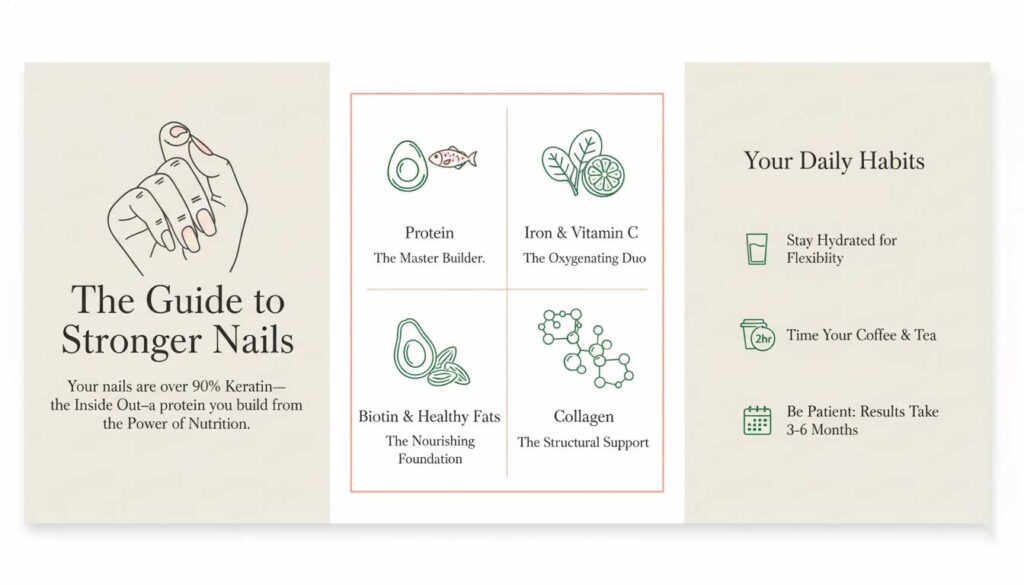
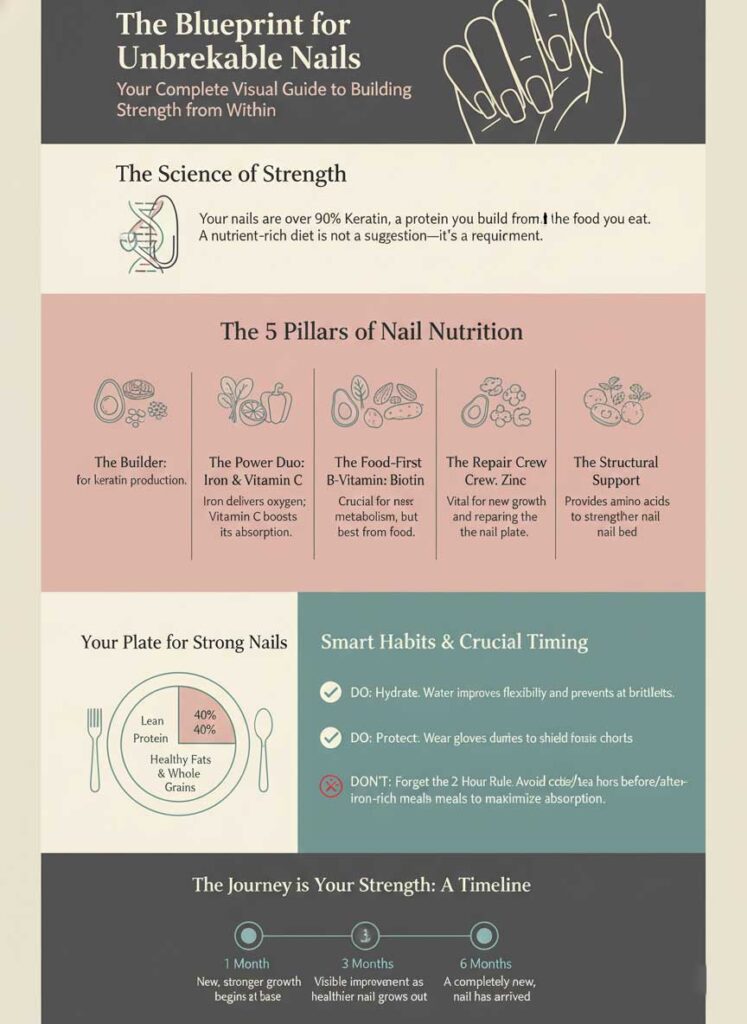
At their core, your fingernails are composed of multiple layers of a tough, protective protein known as keratin. This is the very same fibrous protein that makes up your hair and the outer layer of your skin. Your body’s ability to produce strong, healthy keratin is entirely dependent on the nutrients it receives from your diet.
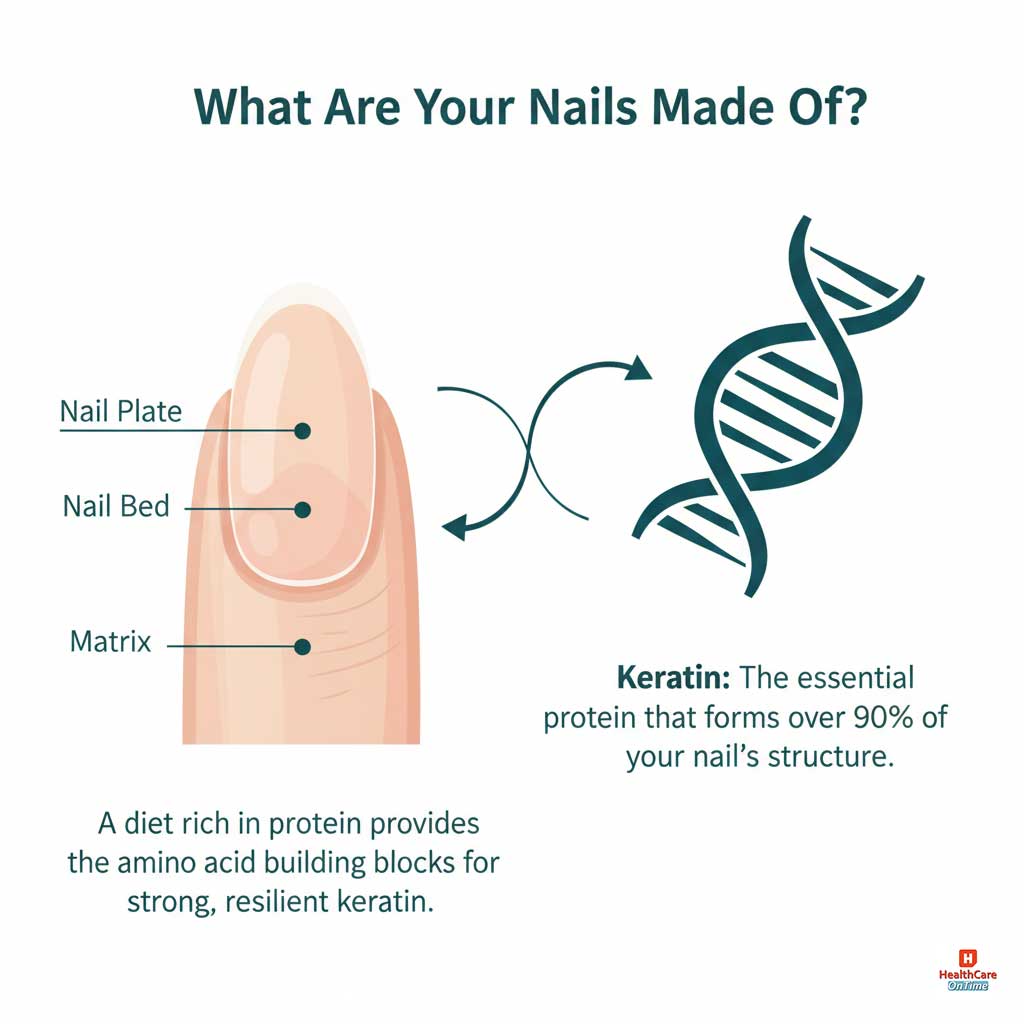
To synthesize keratin effectively, your body requires a steady supply of amino acids, which are the building blocks of all proteins. Without adequate dietary protein, keratin production can slow down, leading to nails that are thin, weak, and prone to breaking. This is why a focus on protein is the first step in any effective plan to get stronger nails. The right keratin foods list is fundamentally a list of high-quality protein and its supporting nutrients.
The Nail Growth Cycle: How Long Until Diet Changes Improve Nail Strength?
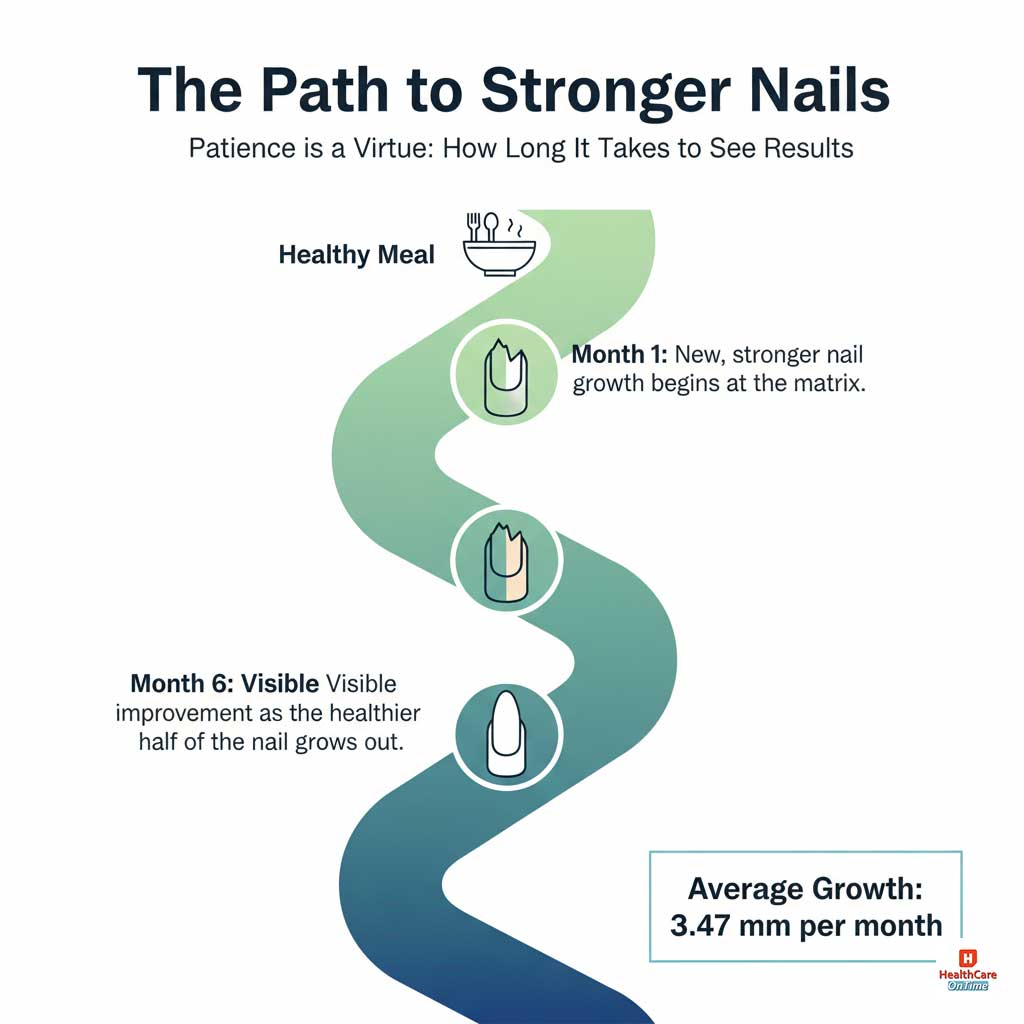
One of the most common questions is how long it takes to see results from a new diet. It’s crucial to set realistic expectations based on biology. Fingernails grow at a surprisingly slow and steady pace, with the average growth rate for a healthy adult being approximately 3.47 millimeters per month. Toenails grow even more slowly, at about 1.62 mm per month.
This means that to grow an entirely new fingernail, from the cuticle to the tip, it can take anywhere from three to six months. When you start incorporating the best foods for nails into your diet, the new nail growth originating from the nail matrix (the area under your cuticle) will be stronger and healthier. However, you must be patient and consistent as that new, resilient growth makes its way to the tip.
Reading the Signs: What Your Nails Are Telling You About Your Nutrition
Your nails can offer valuable clues about your overall nutritional status. While not a substitute for a medical diagnosis, certain signs can point toward potential deficiencies that may be undermining your nail health. Paying attention to these signals is the first step toward correcting your nail health diet.
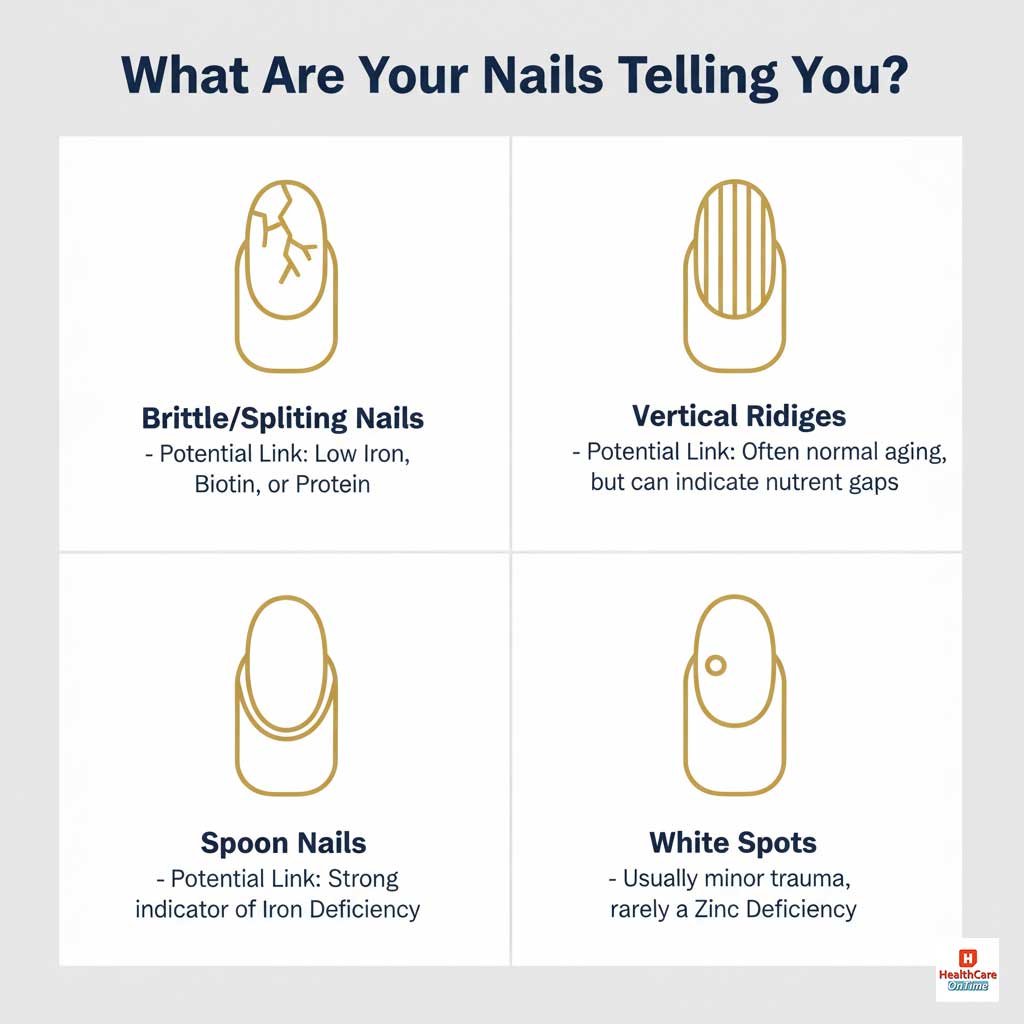
- Brittle or Splitting Nails: This is one of the most common complaints and can often be a sign of a brittle nails deficiency. It is frequently linked to insufficient intake of B vitamins like biotin, inadequate protein, or low iron levels.
- Vertical Ridges: Noticeable ridges running from your cuticle to the nail tip are often a normal part of the aging process. However, a sudden appearance or worsening of these ridges can sometimes be associated with nutritional gaps. Proper nail ridges nutrition focuses on a well-rounded diet rich in vitamins and minerals.
- Spoon Nails (Koilonychia): This condition, where nails are soft and curve upwards like a spoon, is a classic sign of iron-deficiency anemia. If you notice this, it is crucial to consult a healthcare provider, as low ferritin nails (ferritin is the protein that stores iron) require medical attention.
- White Spots (Leukonychia): The common belief that white spots are caused by a calcium deficiency is a myth. These small spots are most often the result of minor trauma to the nail bed (like bumping your finger). In some rarer cases, they can be linked to a zinc deficiency, highlighting the importance of zinc for nails.
The Unskippable Macronutrient: Protein’s Role in Nail Growth
Since nails are made of keratin, a protein, it logically follows that dietary protein is the single most important macronutrient for building them. Insufficient protein intake forces your body to ration its resources, and functions like nail and hair growth are often the first to be deprioritized. A diet rich in high-quality protein provides the essential amino acids your body needs for robust keratin production.
How Much Protein Do You Really Need Per Day for Stronger Nails?
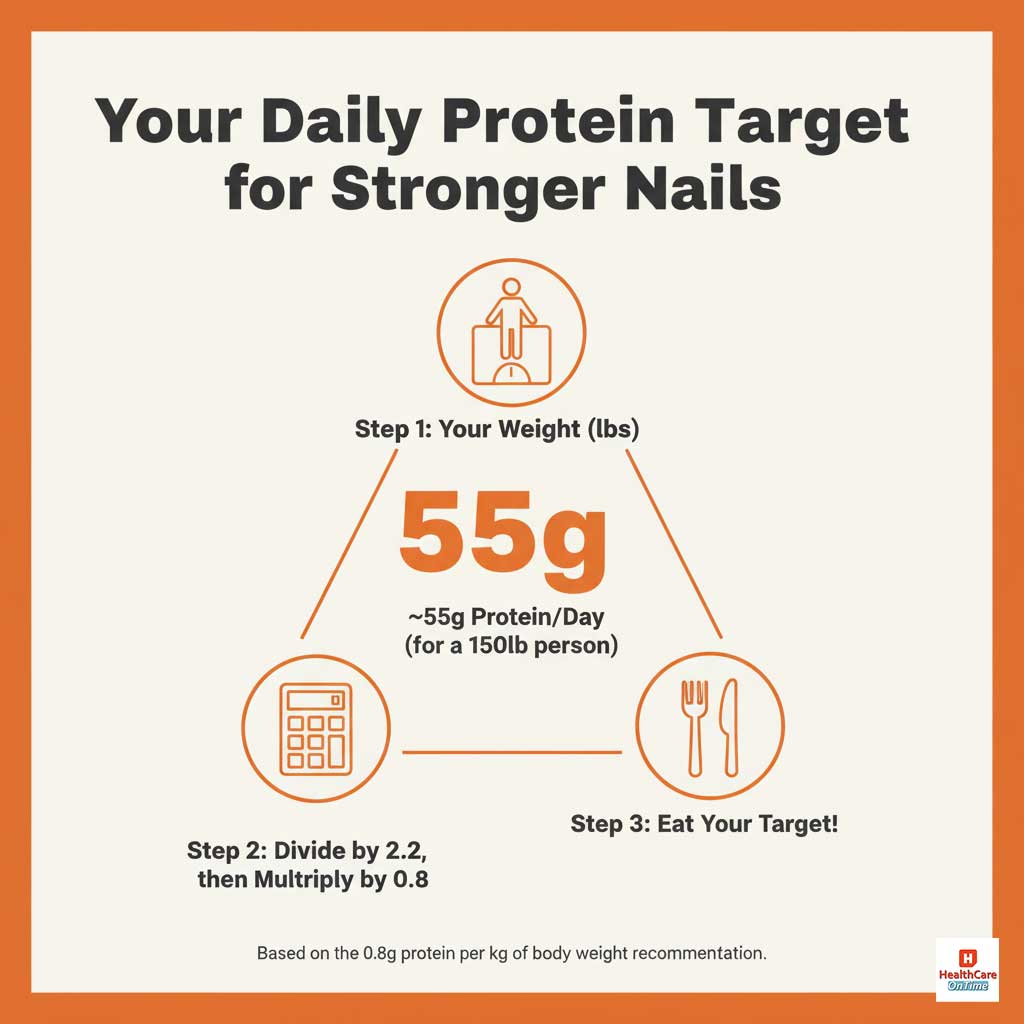
Understanding your specific protein needs is key. The general recommendation for a sedentary adult is a minimum of 0.8 grams of protein per kilogram of body weight. To figure out how much protein per day for stronger nails you should eat, you can use this simple calculation:
- Find your weight in pounds.
- Divide your weight by 2.2 to get your weight in kilograms.
- Multiply that number by 0.8.
For example, for a 150-pound person, the calculation would be: 150 lbs / 2.2 = 68.2 kg. Then, 68.2 kg x 0.8 g/kg = ~55 grams of protein per day. Note that this is a baseline; individuals who are more active or looking to build muscle may require more. Prioritizing protein for nail growth is a non-negotiable step.
Top Animal-Based vs. Plant-Based Protein Sources for Keratin Production
Whether you are an omnivore, vegetarian, or vegan, there are excellent sources of protein to support your nail health. Focusing on a variety of these foods ensures you get a wide range of amino acids.
Excellent Animal-Based Protein Sources:
- Eggs: Often called nature’s multivitamin, eggs are a complete protein source and also provide a significant amount of biotin.
- Lean Chicken and Turkey: Low in fat and high in protein, these are staples for building lean tissue, including healthy nails.
- Salmon and Fatty Fish: Not only do they provide high-quality protein, but they are also packed with omega-3 fatty acids, which can help lubricate and moisturize your nails.
- Greek Yogurt: A protein powerhouse, it also contains probiotics that support gut health, which is crucial for nutrient absorption.
Powerful Plant-Based Protein Sources:
- Lentils and Chickpeas: These legumes are loaded with protein, fiber, and essential minerals like iron and zinc.
- Tofu and Edamame: Derived from soybeans, these are complete protein sources, making them ideal for plant-based diets. This is a key part of a plan for vegetarian foods for nail growth and strength.
- Quinoa: A versatile seed that acts like a grain, quinoa is another complete plant-based protein.
- Nuts and Seeds: Almonds, walnuts, and pumpkin seeds are not only good sources of protein but also healthy fats and minerals like zinc and magnesium.
Your Essential Vitamin & Mineral Checklist for Resilient Nails
While protein lays the foundation, a host of micronutrients act as the essential “workers” that help assemble and strengthen the final nail structure. Without these key vitamins and minerals, even a high-protein diet may not be enough to achieve the strong, healthy nails you desire. Including these vitamins for nail strength is a core part of a successful strategy.
The Iron & Vitamin C Synergy: A Game-Changer for Nail Health
Iron is a critical mineral for countless bodily functions, including the formation of hemoglobin, a protein in your red blood cells that carries oxygen. Your nail matrix, where new nail cells are created, requires a rich supply of oxygen to function properly. Insufficient iron for nail health can lead to brittle, thin, or even spoon-shaped nails.
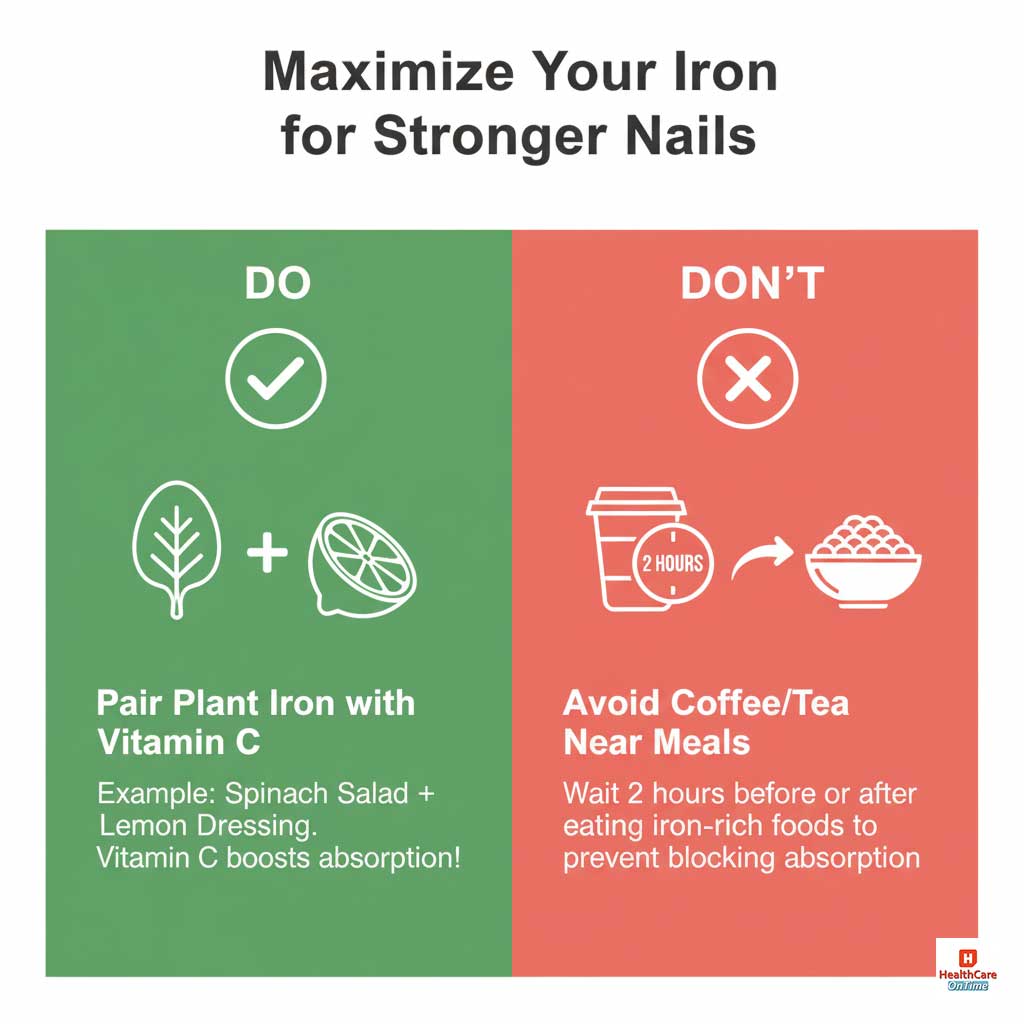
However, the body’s ability to absorb iron, particularly from plant-based (non-heme) sources like spinach and lentils, is limited. This is where Vitamin C comes in. Vitamin C can increase the bioavailability of non-heme iron significantly. For this reason, the smartest stronger nails foods are often combinations.
The 2-Hour Coffee & Tea Rule
A crucial tip for anyone struggling with low iron is understanding how certain beverages interfere with absorption. Coffee and tea contain compounds called tannins and polyphenols that can drastically reduce non-heme iron absorption by up to 60-70%.
Expert Tip: To maximize your iron uptake, strictly avoid drinking coffee or tea for at least one to two hours before and after you consume an iron-rich meal. This simple rule for coffee and tea timing for iron absorption nails can make a huge difference.
Smart Iron & Vitamin C Pairings:
- Spinach salad with a squeeze of fresh lemon juice and sliced strawberries.
- Lentil soup served with a side of steamed broccoli or bell peppers.
- Fortified oatmeal topped with kiwi or orange slices.
The Biotin Reality Check: Separating Hype from a True Deficiency
Biotin (Vitamin B7) is perhaps the most famous supplement marketed for hair, skin, and nails. Its reputation is massive, but the science demands a more nuanced conversation. While a true biotin deficiency absolutely leads to brittle nails, such a deficiency is very rare in people with a reasonably balanced diet.
For individuals with normal biotin levels, the evidence that extra supplementation provides a significant benefit is weak. More importantly, the U.S. Food and Drug Administration (FDA) has issued a safety warning that high doses of biotin supplements can dangerously interfere with critical medical lab tests, including troponin levels used to diagnose heart attacks. This is a critical consideration when evaluating biotin for brittle nails.
The Verdict: Food First
The most trustworthy approach is to focus on food sources of biotin. This ensures you get an adequate amount without the risks associated with high-dose supplements. If you have persistently brittle nails and suspect a deficiency, the correct course of action is to consult a doctor for testing before starting any supplement regimen.
| Nutrient Source Comparison | Food-Based Nutrients | Isolated Supplements |
| Nutrient Profile | Provides a complex matrix of vitamins, minerals, fiber, and phytonutrients that work synergistically. | Delivers a high dose of a single, isolated nutrient. |
| Absorption | Generally well-absorbed as the body is designed to process whole foods. | Absorption can vary; may be impacted by lack of co-factors found in food. |
| Safety | Very low risk of toxicity or overdose from whole foods. | Higher risk of consuming excessive doses, potentially leading to side effects or lab interference (e.g., Biotin). |
| Overall Benefit | Contributes to overall health, satiety, and well-being beyond just nail strength. | Targeted to a single purpose, but lacks the broader health benefits of a nutrient-dense diet. |
Zinc, Magnesium, and Silica: The Unsung Heroes
Beyond the big names, several other minerals play vital supporting roles in maintaining nail integrity.
- Zinc: This mineral is crucial for healthy cell growth and division. Since your nails grow rapidly from the nail matrix, a steady supply of zinc is essential for forming a strong nail plate. A lack of zinc for nails can sometimes manifest as white spots or slow growth.
- Magnesium: Known as a “helper molecule,” magnesium participates in hundreds of enzyme reactions in the body, including protein synthesis. It is therefore indirectly involved in the formation of keratin.
- Silica: This trace mineral is believed to help strengthen connective tissues, including those in nails, hair, and skin. Foods like whole grains (oats, barley), leafy greens, and bell peppers are good sources.
Building Your Plate: The Ultimate Grocery List and Meal Plan
Knowing which nutrients are important is the first step; translating that knowledge into your shopping cart and onto your plate is how you achieve real results. This section provides the practical tools you need to build a nail growth diet plan.
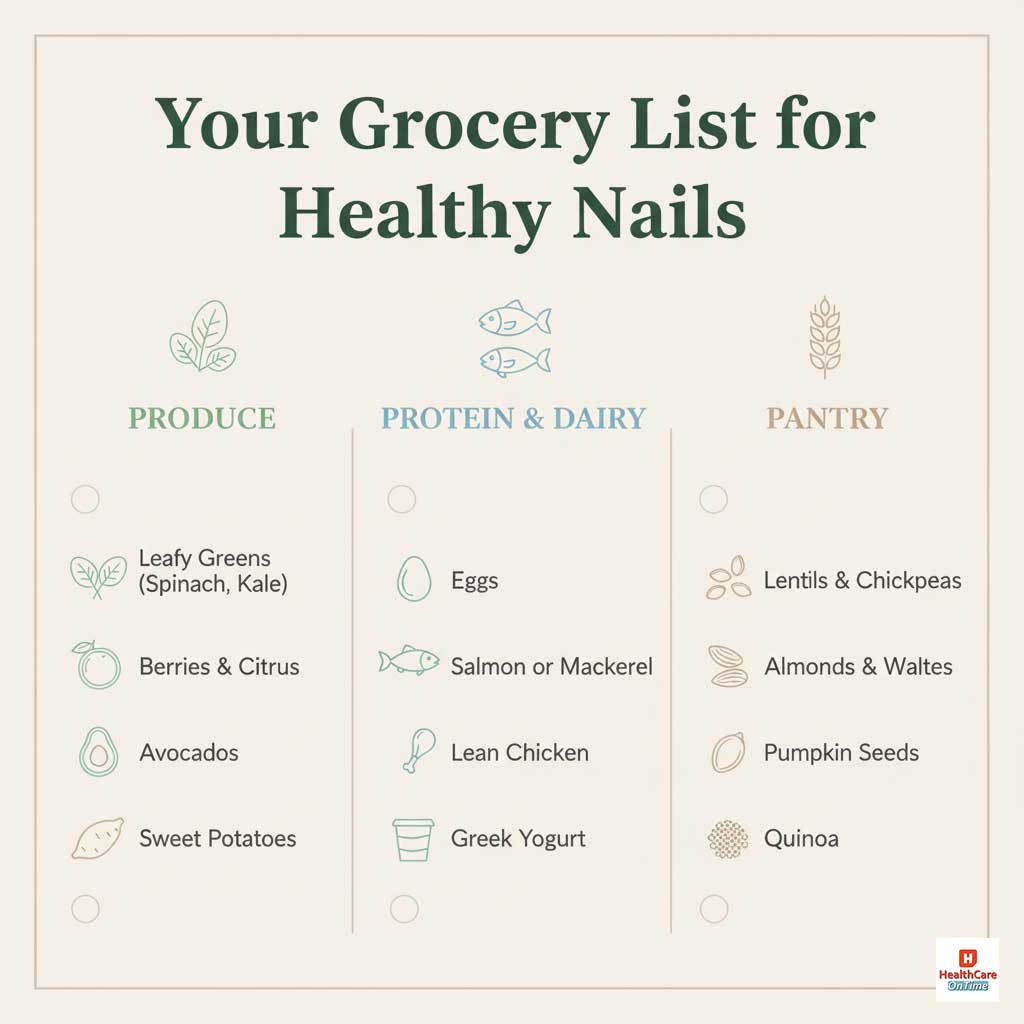
Your Aisle-by-Aisle Grocery List for Healthy Nails
Here is a simple, actionable shopping list designed to help you easily find the best foods for nails in any grocery store.
Produce Aisle:
- Leafy Greens: Spinach, kale, Swiss chard (for iron, folate, and silica).
- Berries & Citrus: Strawberries, blueberries, oranges, lemons (for Vitamin C and antioxidants).
- Orange & Yellow Veggies: Sweet potatoes, carrots, bell peppers (for Vitamin A).
- Avocados: For healthy fats, biotin, and Vitamin E.
- Broccoli & Brussels Sprouts: Excellent sources of Vitamin C and fiber.
Protein & Dairy Section:
- Eggs: A non-negotiable for biotin and complete protein.
- Salmon or Mackerel: For protein and anti-inflammatory omega-3s.
- Lean Chicken or Turkey Breast: For high-quality, low-fat protein.
- Plain Greek Yogurt: For a concentrated source of protein.
Pantry & Bulk Bins:
- Legumes: Lentils (brown or green), chickpeas, black beans (for plant-based protein and iron).
- Nuts & Seeds: Almonds, walnuts, pumpkin seeds, chia seeds (for zinc, magnesium, and healthy fats).
- Whole Grains: Quinoa, oats, brown rice (for B vitamins and minerals).
This grocery list for healthy nails serves as a flexible template for creating countless nutrient-dense meals.
A 7-Day Meal Plan for Stronger Nails (With a Budget-Friendly Focus)
Here is a sample 3-day plan to show how easy it is to create delicious meals that support nail growth. This weekly nail strength meal plan with shopping list can be adapted based on your preferences and what’s on sale.
Day 1:
- Breakfast: Scrambled eggs with spinach and a side of whole-grain toast.
- Lunch: Large salad with grilled chicken or chickpeas, mixed greens, bell peppers, cucumber, and a lemon-tahini dressing.
- Dinner: Baked salmon with roasted sweet potato wedges and steamed broccoli.
Day 2 (Vegetarian Focus):
- Breakfast: Oatmeal made with milk or a fortified plant-based alternative, topped with berries and a tablespoon of chia seeds.
- Lunch: Hearty lentil soup served with a side salad.
- Dinner: Quinoa bowl with roasted vegetables (like zucchini and bell peppers), black beans, and a scoop of avocado. This meal is a powerhouse for anyone seeking vegetarian foods for nail growth and strength.
Day 3:
- Breakfast: Plain Greek yogurt with a handful of walnuts and a drizzle of honey.
- Lunch: Leftover quinoa bowl from the previous night’s dinner.
- Dinner: Turkey meatballs with whole-wheat pasta and a simple tomato sauce loaded with veggies.
This plan demonstrates that a diet for stronger nails foods can be delicious, varied, and affordable.
Supplements Deep Dive: Collagen vs. Biotin for Nail Growth
The supplement aisle can be overwhelming, with collagen and biotin reigning as the top two contenders for nail health. While a food-first approach is always best, it’s worth understanding the science behind these supplements to determine if they might be a helpful addition to your routine.
The Clinical Evidence: Do Collagen Supplements Really Work for Brittle Nails?
The interest in collagen for nails has surged, and unlike many trends, this one has some compelling scientific backing. Collagen is a protein that provides structure to your skin, bones, and the connective tissue in your nail bed.
A notable clinical study published in the Journal of Cosmetic Dermatology investigated the effects of a specific bioactive collagen peptide supplement on brittle nails. The results were impressive: after 24 weeks of daily supplementation, participants experienced a 12% increase in their nail growth rate and a remarkable 42% decrease in the frequency of broken nails. This suggests that for those with brittle nails, do collagen supplements help brittle nails is a question with a positive answer. The best time to take collagen for nail health is whenever you can be most consistent with it daily.
Collagen vs. Biotin: Which Supplement Is Right for You?
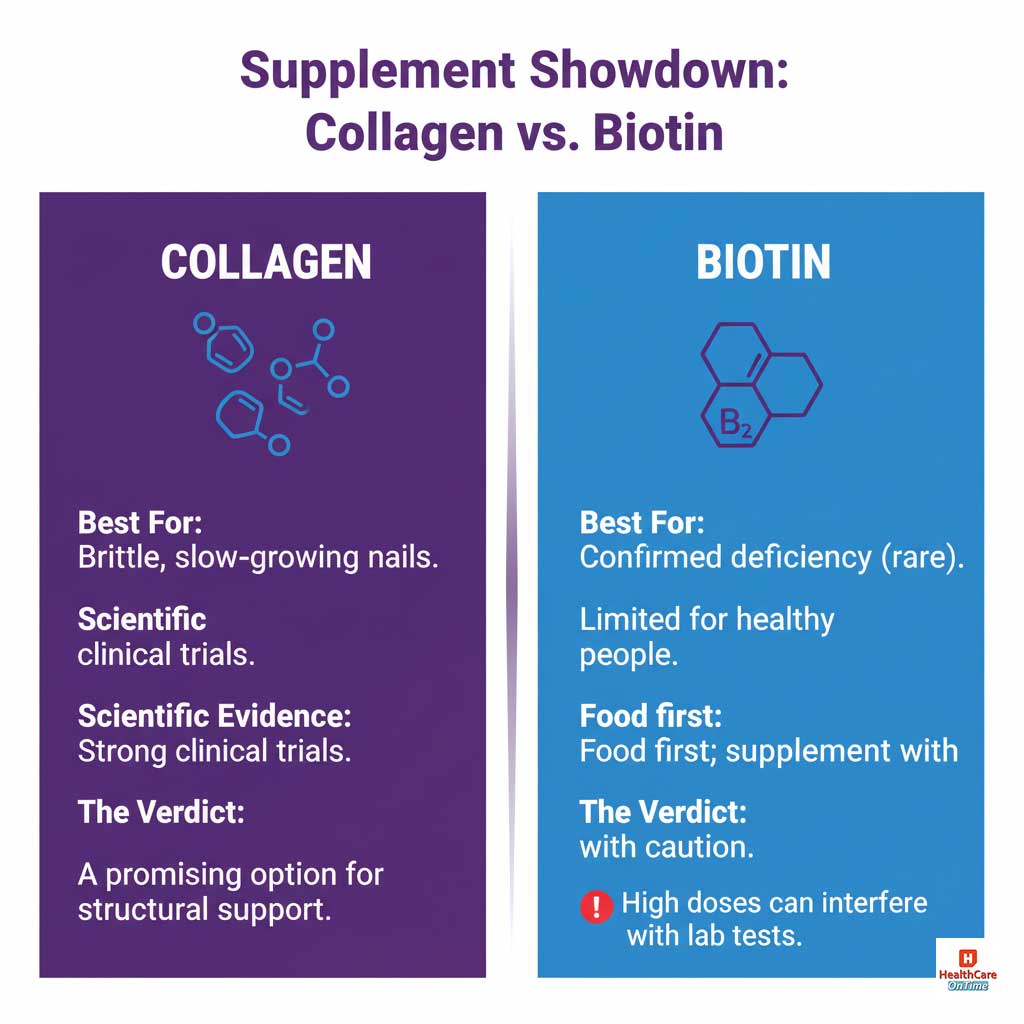
Making an informed choice requires comparing these two popular supplements side-by-side. The biotin vs collagen for nail growth results depend heavily on your individual needs and baseline nutritional status.
| Feature | Bioactive Collagen Peptides | Biotin (Vitamin B7) |
| Primary Function | Provides specific amino acid building blocks (glycine, proline) for keratin and the nail bed. | Acts as a coenzyme in metabolic processes, including the synthesis of proteins and fats. |
| Best For | Individuals with generally brittle, slow-growing, or peeling nails looking for structural improvement. | Individuals with a clinically diagnosed biotin deficiency (which is rare in the general population). |
| Scientific Evidence | Strong: Clinical trials demonstrate a statistically significant improvement in growth and reduction in breakage for brittle nails. | Limited: Strong evidence is overwhelmingly confined to those with a deficiency. Little proof of benefit for healthy individuals. |
| Potential Issues | Generally well-tolerated. It’s important to choose reputable, third-party tested brands to ensure purity. | High doses can severely interfere with critical medical lab tests, including those for heart and hormone function. |
| Food Sources | Bone broth, the skin on chicken and fish, and tougher cuts of meat. | Eggs, salmon, almonds, sweet potatoes, spinach, broccoli, and lentils. |
| Verdict | A promising and evidence-backed option for directly improving nail integrity and strength. | Food sources are sufficient and safer for most people. Supplementation should only be considered under a doctor’s guidance after testing. |
Beyond the Plate: Lifestyle Habits That Make or Break Your Nails
Even the perfect diet can be undermined by lifestyle habits that put stress on your nails. Achieving truly strong nails requires a holistic approach that combines internal nutrition with external care and protection.
Foods and Habits to Avoid for Weak or Peeling Nails
While the focus should be on what to add to your diet, it’s also wise to be mindful of what might be holding you back. There are certain foods to avoid for weak or peeling nails, primarily because they displace more nutrient-dense options.
- Ultra-Processed and Sugary Diets: Diets high in sugar and refined carbohydrates can promote inflammation and offer very little nutritional value, leaving less room for the vitamins and minerals your nails need.
- Excessive Alcohol: Alcohol can be dehydrating and can interfere with the absorption of essential nutrients, impacting overall health, including that of your nails.
- Using Nails as Tools: One of the most common nail breakage habits is using your nails to scrape labels, open cans, or type aggressively. Be mindful and use the pads of your fingers or an appropriate tool instead.
The Critical Role of Hydration and Protecting Your Hands
Proper hydration is essential for every cell in your body, including those that make up your nails. Dehydration can lead to dry, brittle nails that are more susceptible to splitting. Aim to drink plenty of water throughout the day.
Furthermore, protecting your hands from harsh elements is key. Prolonged exposure to water (especially hot, soapy water when washing dishes) and cleaning chemicals can strip moisture from your nails, making them weak. A simple solution is to wear rubber gloves when doing household chores.
Summary & Key Takeaways
Building strong, beautiful nails is a journey that starts on your plate. By focusing on a nutrient-dense diet and protective habits, you can create lasting resilience from the inside out.
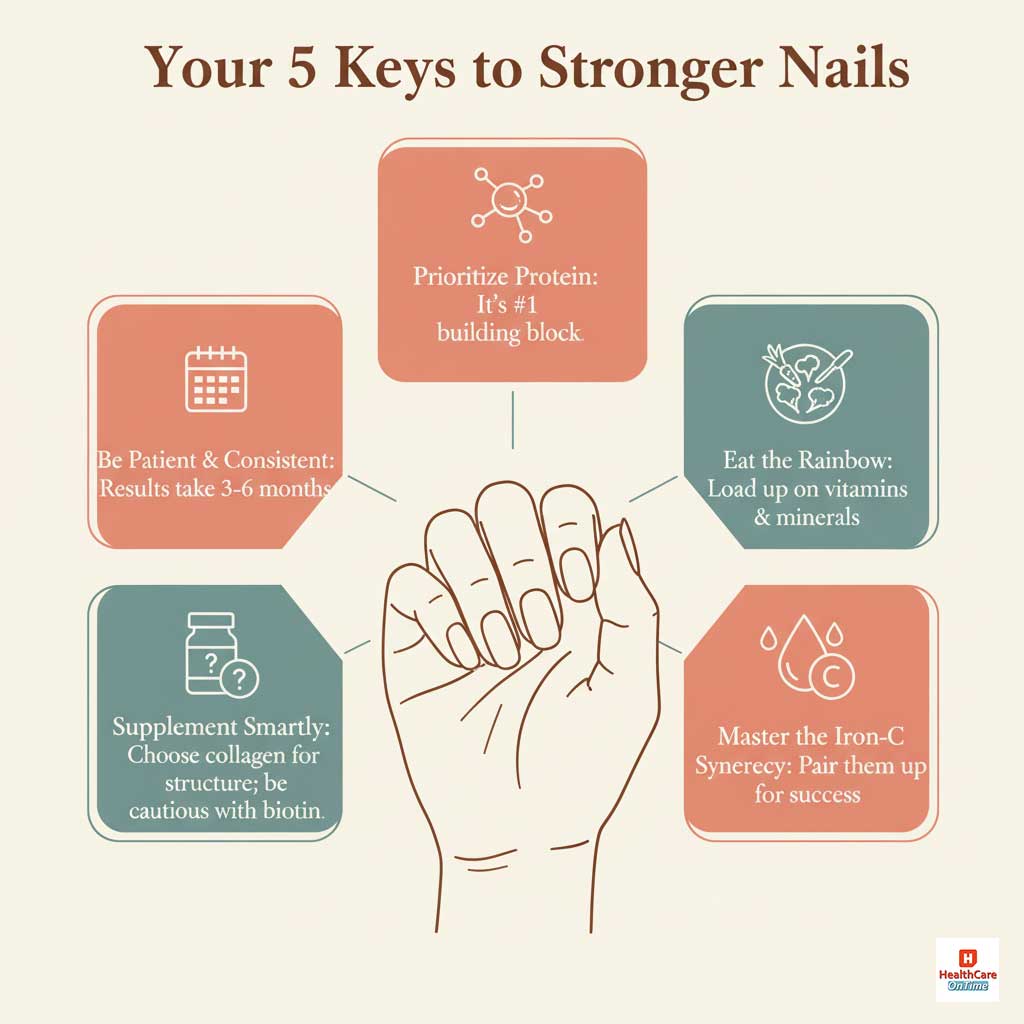
- Your nails are made of protein (keratin), so a diet rich in high-quality protein from sources like eggs, fish, and legumes is fundamental.
- Incorporate the best foods for stronger nails by filling your cart with leafy greens, colorful vegetables, nuts, and seeds to get essential vitamins and minerals.
- Pay special attention to the synergy between iron and Vitamin C for optimal absorption, and be mindful of the coffee and tea timing for iron absorption nails.
- While collagen supplements are backed by clinical evidence for improving brittle nails, biotin supplements should be approached with caution due to the risk of lab test interference.
- Finally, be patient and consistent. It takes 3-6 months of a dedicated nail health diet to see the full, beautiful results grow out.
Frequently Asked Questions (FAQs)
What are the top 3 best foods for nails?
If you had to choose just three, eggs (for protein and biotin), salmon (for protein and omega-3s), and spinach (for iron, folate, and Vitamin C) would be at the top of the list for their incredible nutrient density.
Can I get all the necessary nutrients for nail growth from a vegetarian diet?
Absolutely. A well-planned vegetarian or vegan diet rich in lentils, chickpeas, tofu, nuts, seeds, and leafy greens can provide all the necessary components. Just be diligent about pairing iron sources with Vitamin C, and if you are vegan, ensure you have a reliable source of Vitamin B12.
How can I tell if I have an iron deficiency affecting my nails?
The most definitive sign is “spoon nails” (koilonychia), but general brittleness and paleness can also be indicators. The only way to know for sure is through a blood test from your doctor, which will check your hemoglobin and ferritin levels.
Is there a best time of day to take collagen for nail health?
There is no clinically proven “best time.” The most important factor is consistency. Many people find it easiest to mix it into their morning coffee, tea, or smoothie to make it a daily habit.
Will drinking more water make my nails stronger?
While drinking water won’t add structural protein, it is crucial for preventing dehydration. Dehydrated nails can become brittle and more prone to breaking, so proper hydration is a key supporting habit for overall nail health.
Why do my nails get weaker after removing gel or acrylics?
The process of applying and removing gel or acrylic nails, which often involves filing the nail plate and soaking in acetone, can thin and dehydrate the nail, leading to temporary weakness and peeling. A nutrient-dense diet is especially important during this recovery phase.
Do prenatal vitamins help with nail growth even if you’re not pregnant?
Prenatal vitamins contain higher levels of certain nutrients, particularly iron and folic acid. While they can support nail growth, they are formulated for the specific needs of pregnancy and are not necessary for the average person. A standard multivitamin or, even better, a food-first approach, is sufficient.
What’s one simple change I can make today for better nails?
Start by adding a handful of pumpkin seeds to your daily diet. They are an incredible source of zinc, magnesium, and protein, and are an easy and delicious way to boost your intake of key nail-supporting nutrients.
Are there any foods that are bad for nail health?
No single food will ruin your nails. However, a diet consistently high in sugar, refined grains, and ultra-processed foods can contribute to inflammation and lacks the nutrients needed for strong nail growth, indirectly harming them by displacing healthier choices.
How does stress impact nail growth and strength?
Chronic stress can divert your body’s resources away from functions like nail growth. It can also lead to nervous habits like nail-biting or picking, which directly damage the nails and cuticles.
My nails have white spots. Am I deficient in calcium?
This is a persistent myth. Those little white spots are almost always caused by minor trauma or injury to the base of the nail (the matrix) as it’s being formed. They are not a sign of a calcium deficiency.
What’s the difference between nail ridges and peeling nails?
Vertical ridges, which run from the cuticle to the tip, are usually a normal sign of aging. Peeling nails, where the tip of the nail splits into layers, is more often a sign of external damage (like from water exposure) or internal issues like a nutritional deficiency.