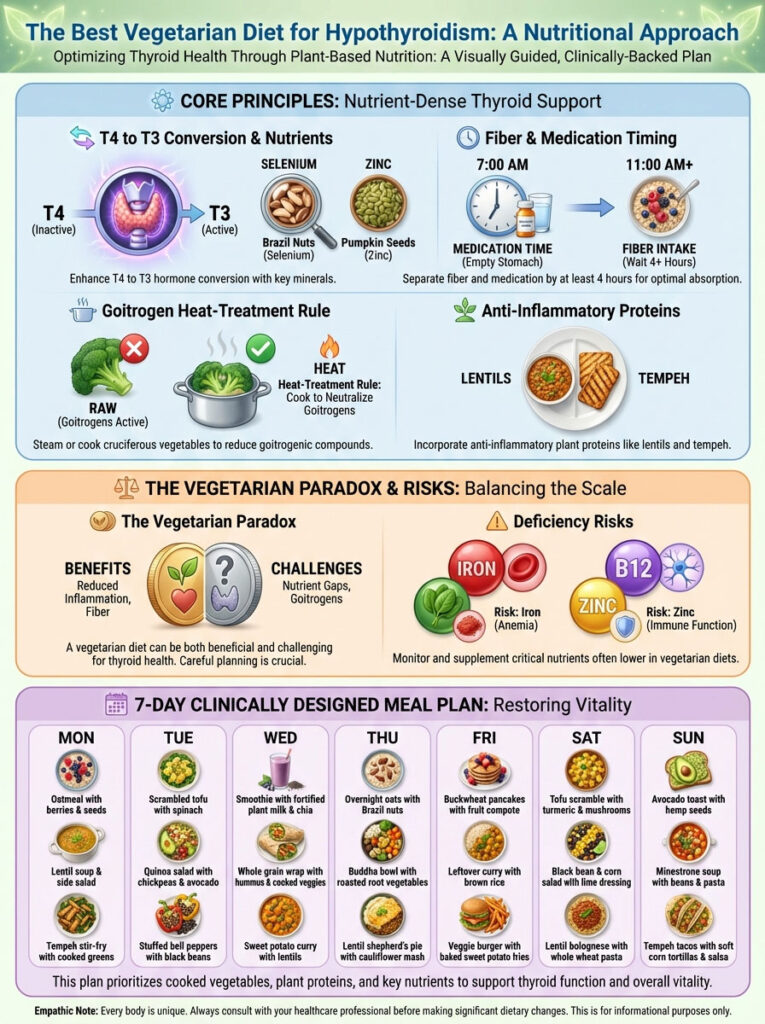
The best vegetarian diet for hypothyroidism prioritizes nutrient density to support the conversion of T4 to T3 hormones while managing autoimmune triggers. This protocol emphasizes Selenium from Brazil nuts, Zinc from pumpkin seeds, and strict timing of fiber intake around Levothyroxine medication. It uses the Heat-Treatment Rule to neutralize goitrogens in cruciferous vegetables and focuses on anti-inflammatory plant proteins like lentils and tempeh to optimize the Basal Metabolic Rate (BMR).
Table of Contents
You eat clean. You prioritize vegetables. You avoid processed meat. Yet, the scale refuses to budge, your energy remains low, and your hair is thinning. This is the paradox many patients face when following a general plant-based lifestyle without accounting for endocrine physiology. A standard vegetarian approach is not automatically the best vegetarian diet for hypothyroidism.
Managing thyroid health requires more than just eating plants. It requires a precision nutrition strategy known as Endocrine Nutrition. This approach balances micronutrients, mitigates autoimmune triggers, and strictly manages the timing of food interactions with medication.
The thyroid gland is the master regulator of your metabolism. When it slows down, every cellular process in the body decelerates. For vegetarians, specifically, the risk of “accidental malnutrition” regarding Iron, B12, and Zinc is higher. These deficiencies mimic and exacerbate hypothyroid symptoms.
This guide moves beyond generic wellness advice. We will break down the biochemistry of the T4 to T3 conversion diet, explain why you do not need to fear broccoli, and provide a clinically designed 7-day meal plan to restore your vitality.
Key Statistics: Thyroid Health in the USA
- 20 Million: The estimated number of Americans with some form of thyroid disease (American Thyroid Association).
- 60 Percent: The percentage of people with thyroid disease who are unaware of their condition.
- 90 Percent: The percentage of adult hypothyroidism cases caused by Hashimoto’s thyroiditis, an autoimmune condition.
- 5 to 8 Times: Women are significantly more likely than men to have thyroid problems.
- 4 Hours: The mandatory wait time between taking thyroid medication and consuming soy or calcium supplements.
- 300 Percent: The potential increase in iron absorption when plant-based iron is paired with Vitamin C.
Understanding the Vegetarian Thyroid Physiology
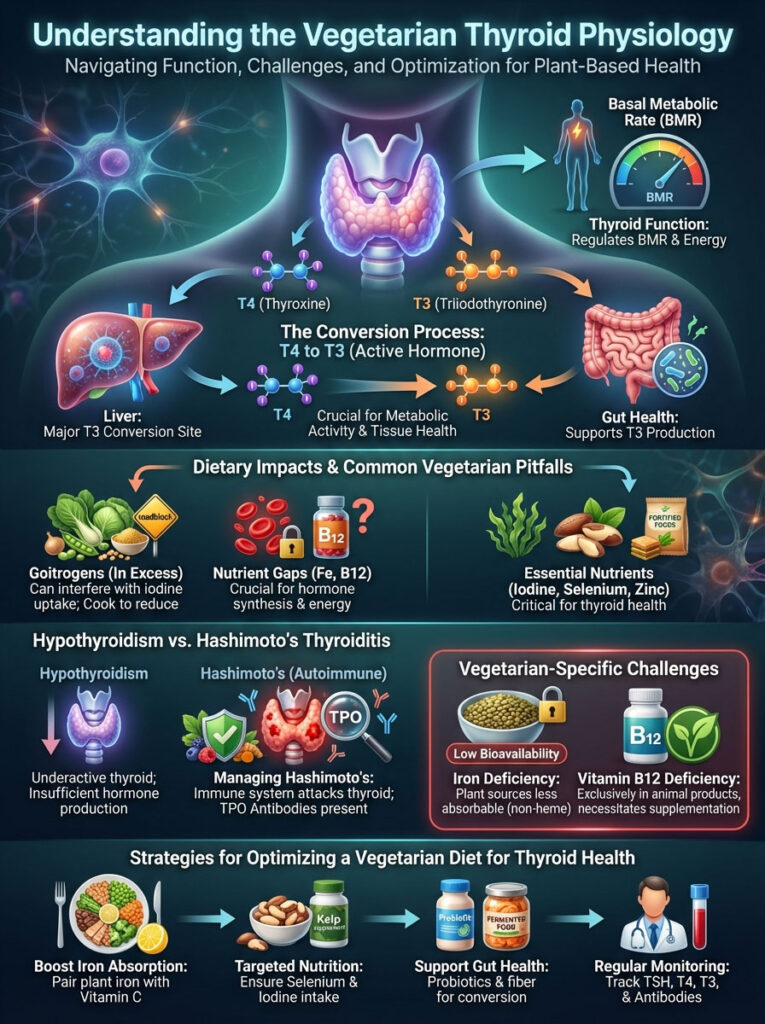
To master your diet, you must first understand the mechanism you are trying to fix. The thyroid gland produces hormones that control your Basal Metabolic Rate (BMR). This is the rate at which your body burns calories at rest.
The T4 to T3 Conversion Process
The thyroid gland predominantly secretes Thyroxine (T4). Think of T4 as a storage hormone; it is relatively inactive. To produce energy, your body must convert T4 into Triiodothyronine (T3), the active hormone that enters your cells and stokes the metabolic fire.
Here is the critical insight for vegetarians. The thyroid gland only produces about 20% of your T3. The remaining 80% is converted in the liver and the gut. This means if your liver is sluggish or your gut is inflamed, you can have a “normal” thyroid gland but still suffer from low T3 symptoms. A targeted vegetarian diet for hypothyroidism focuses on fueling this conversion process in the liver and gut.
Many vegetarians unknowingly hinder this process. A diet high in processed soy or raw crucifers can burden the liver. Furthermore, a lack of complete protein can slow down the enzymatic activity required for this conversion.
Hashimoto’s vs. Hypothyroidism
Hypothyroidism is the symptom (low thyroid function). Hashimoto’s thyroiditis is the cause. In Hashimoto’s, the immune system attacks the thyroid tissue. This distinction is vital because dietary choices can calm the immune system.
Reducing TPO antibodies (Thyroid Peroxidase Antibodies) is the primary goal for Hashimoto’s patients. This often requires eliminating inflammatory triggers like gluten or processed soy. We will discuss these triggers in detail later in this guide.
If you treat Hashimoto’s simply by taking medication without addressing the immune system, the attack on your gland continues. Food is your primary tool for immune modulation.
The Vegetarian Challenge
Vegetarians face specific hurdles. Plant-based iron (non-heme iron) is less bioavailable than animal-based iron. Since iron is required for the enzyme that converts T4 to T3, iron deficiency anemia is a major metabolic block.
Furthermore, Vitamin B12 deficiency is common in vegetarians. This causes fatigue and brain fog that is often mistaken for worsening thyroid issues. You must be strategic to overcome these hurdles.
The “Big Three” Micronutrients for Thyroid Function
Your thyroid does not run on calories. It runs on minerals. If you are missing these three raw materials, no amount of medication will fully resolve your symptoms.
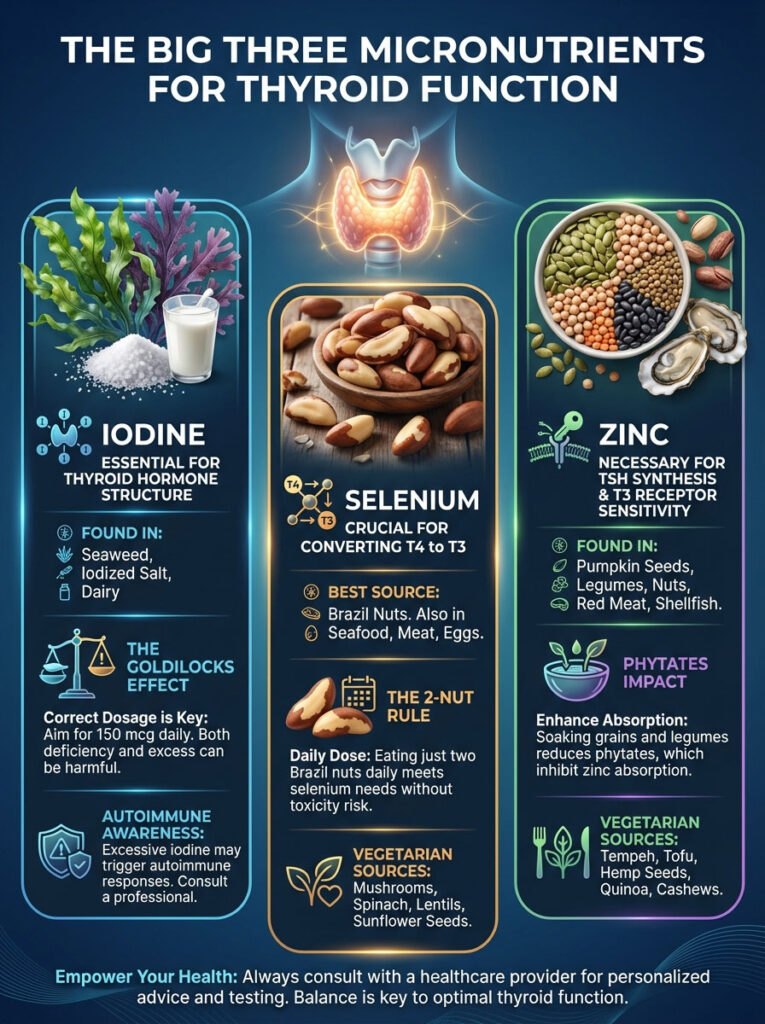
1. Iodine: The Foundation
Iodine is the structural backbone of thyroid hormones. T4 contains four iodine atoms; T3 contains three. Without iodine, you cannot make hormone.
Vegetarian Sources: Seaweed (Nori, Wakame, Dulse), Iodized salt, Dairy products (milk and yogurt are major sources due to iodine in cattle feed and sanitation processes).
Expert Insight: More is not better. This is the “Goldilocks Effect.” Excessive iodine intake can actually trigger an autoimmune attack in Hashimoto’s patients. Aim for the RDA of 150 mcg. Avoid high-dose iodine supplements unless prescribed by a doctor.
2. Selenium: The Converter
Selenium is the non-negotiable mineral for the vegetarian diet for hypothyroidism. It powers the deiodinase enzymes that strip an iodine atom off T4 to turn it into active T3. It also acts as an antioxidant, protecting the thyroid gland from damage during hormone production.
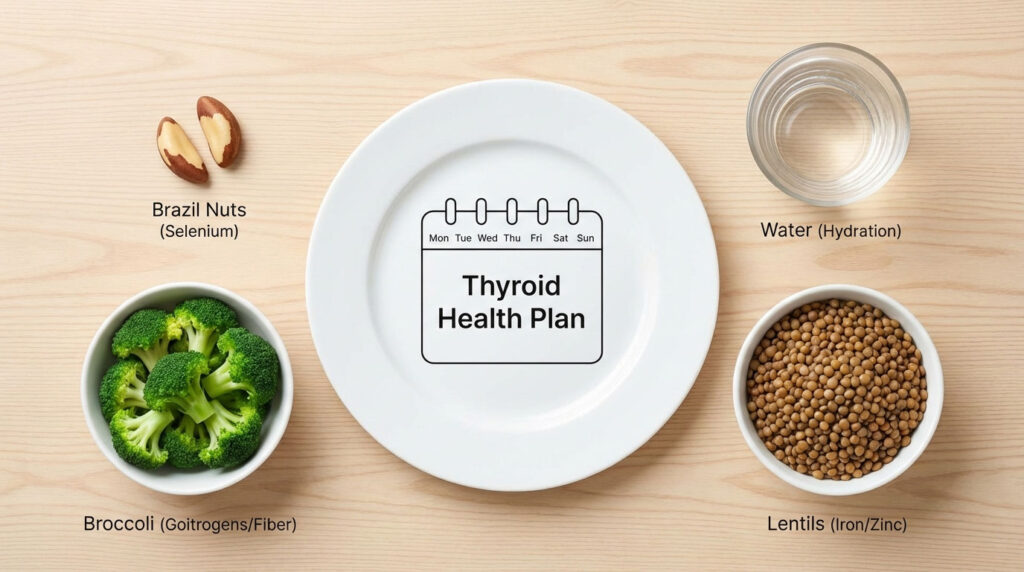
Top Source: Brazil Nuts.
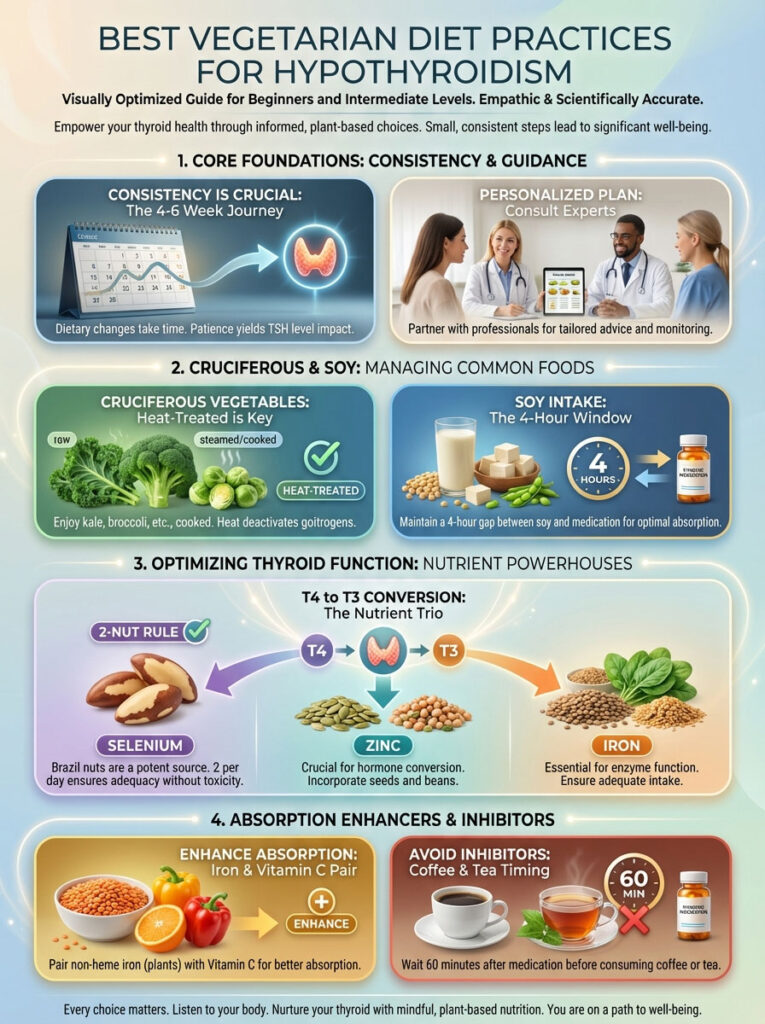
The Strategy: Implement the “2-Nut Rule.” Eating just two Brazil nuts per day provides approximately 200 mcg of selenium. This is sufficient to saturate your enzymes without risking toxicity. Do not exceed this amount regularly, as selenosis (selenium toxicity) is real.
3. Zinc: The Signaler
Zinc is required for the synthesis of TSH (Thyroid Stimulating Hormone) and for the sensitivity of the T3 receptors in your cells. If you are zinc deficient, your T3 cannot “dock” onto your cells to produce energy.
Vegetarian Sources: Pumpkin seeds (pepitas), chickpeas, lentils, hemp seeds.
Bioavailability Note: Grains and legumes contain phytates. These compounds bind to zinc and block absorption. To maximize zinc uptake, soak your beans and lentils before cooking. This reduces phytate content and unlocks the minerals.
Navigating Goitrogens: The Heat-Treatment Rule
One of the most persistent myths is that people with thyroid issues must avoid cruciferous vegetables. This is a misunderstanding of biochemistry. Vegetables like kale, broccoli, cauliflower, and Brussels sprouts contain compounds called goitrogens (specifically progoitrin) that can interfere with iodine uptake.
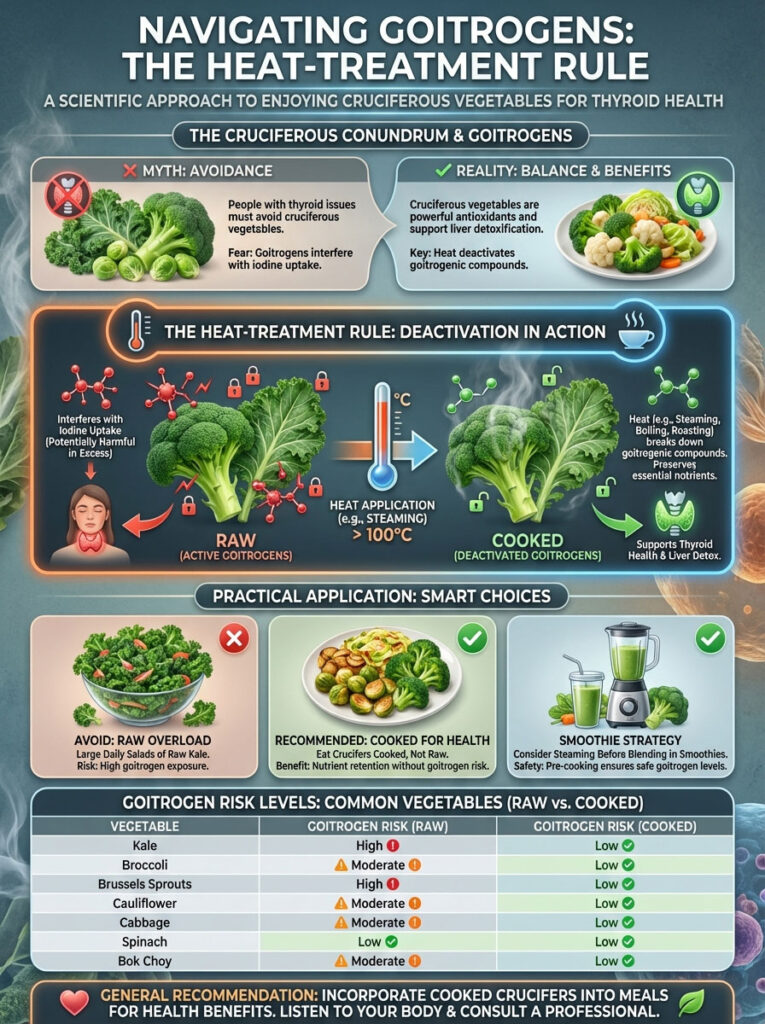
However, these vegetables are also potent antioxidants and liver supporters. They assist in Phase 2 liver detoxification, which is crucial for hormone clearance. You should not eliminate them. Instead, you must manage them.
The Heat-Treatment Rule
Goitrogenic compounds are heat-sensitive. Cooking breaks down the enzymes responsible for goitrogenic activity. It essentially deactivates the threat while keeping the fiber and vitamins intact.
- Steaming/Boiling: Reduces goitrogen content by 80-90%.
- Fermentation: Significantly reduces goitrogenic activity (e.g., Sauerkraut vs. raw cabbage).
The rule is simple. Eat your crucifers cooked. Avoid large daily salads of raw kale or raw broccoli smoothies. If you love smoothies, steam your kale lightly and freeze it before blending.
Table 1: Raw vs. Cooked Goitrogen Activity
| Vegetable | Raw Goitrogen Risk | Cooked/Steamed Risk | Recommendation |
|---|---|---|---|
| Kale | Moderate | Very Low | Steam or sauté; avoid daily raw juice. |
| Broccoli | Moderate | Low | Steam for 3-5 minutes. |
| Spinach | Low | Negligible | Safe to eat raw in moderation; cook to reduce oxalates. |
| Bok Choy | Moderate | Low | Always cook in stir-fries or soups. |
| Millet | High | Moderate | Limit intake; cooking does not fully remove goitrogens. |
The Soy Controversy in Thyroid Health
Soy is a staple in many plant-based diets, yet it remains controversial. The American Thyroid Association states that soy does not cause hypothyroidism in people with adequate iodine intake. However, for those with borderline iodine levels, soy can be problematic.
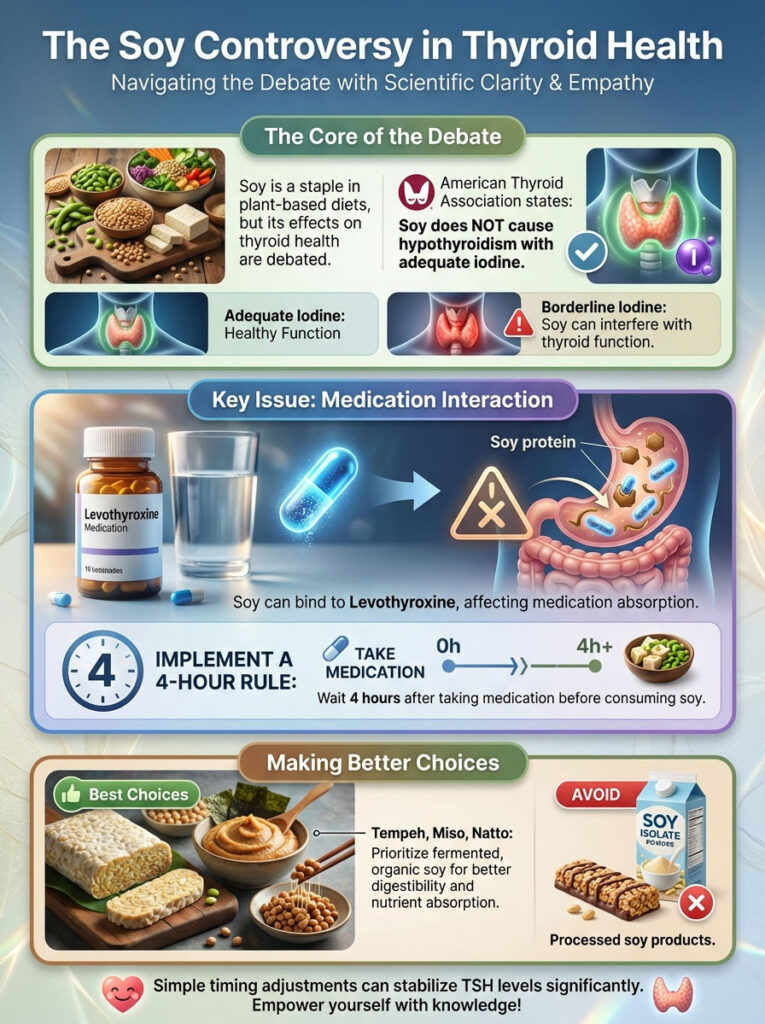
The primary issue with soy is not necessarily thyroid suppression, but medication interference. This is a crucial distinction that often gets lost in internet forums.
The 4-Hour Rule
Soy protein can bind to Levothyroxine in the digestive tract. This prevents the medication from entering your bloodstream. If you eat a tofu scramble immediately after taking your medication, you may only absorb a fraction of the dose.
Actionable Strategy: Maintain a strict 4-hour window between taking your thyroid medication and consuming soy products. If you take your pill at 7:00 AM, do not eat soy until 11:00 AM. This simple timing adjustment can stabilize TSH levels significantly.
Best Soy Options
When you do eat soy, prioritize fermented, organic forms. Fermentation improves digestibility and reduces anti-nutrients like phytates and lectins. It also makes the protein more bioavailable.
Best Choices: Tempeh, Miso, Natto.
Good Choices: Edamame, Organic Tofu.
Avoid: Soy protein isolate, processed soy burgers, soybean oil, textured vegetable protein (TVP).
Levothyroxine and Nutrient Timing: The Morning Routine
Your morning routine dictates the efficacy of your medication. Levothyroxine and food interactions are the most common reason for fluctuating TSH levels. Many patients believe their dose is too low, when in reality, their absorption is too low.
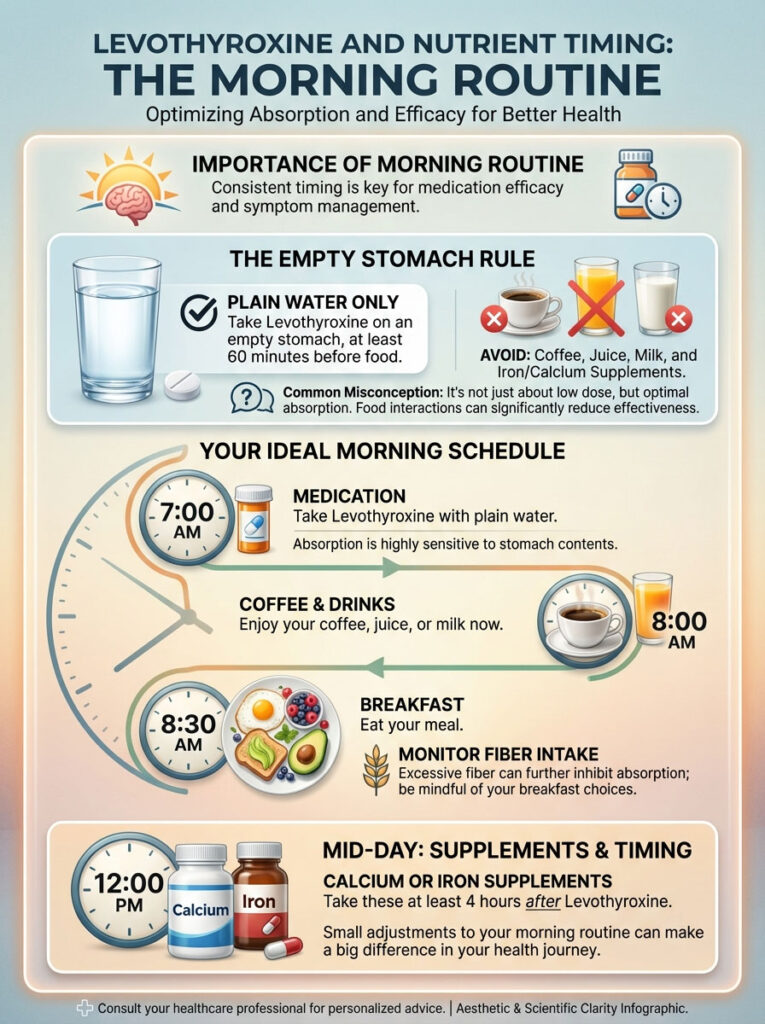
The Empty Stomach Rule
Thyroid medication is notoriously finicky. It requires a highly acidic environment for absorption. Taking it with food buffers stomach acid and reduces absorption efficiency.
You must take it with water only. Do not take it with coffee, juice, or milk. Even the calcium in tap water can be problematic if your water is very hard, but generally, plain water is safe.
Interference Foods to Watch
- Calcium: Dairy milk, fortified almond milk, and calcium supplements bind to the drug. Wait 4 hours.
- Iron: Iron supplements or high-iron meals interact with thyroxine. Wait 4 hours.
- Coffee: The acidity and caffeine in coffee can speed up gut motility. This moves the pill through your system before it is fully absorbed. Wait at least 60 minutes.
- Fiber: A very high-fiber breakfast (like bran cereal) can bind to the medication. Wait 60 minutes.
Expert Protocol:
7:00 AM: Take medication with 4oz of plain water.
8:00 AM: Coffee or Tea.
8:30 AM: Breakfast (Moderate fiber).
12:00 PM: Calcium or Iron supplements if needed.
The Gut-Thyroid Axis: Healing “Leaky Gut”
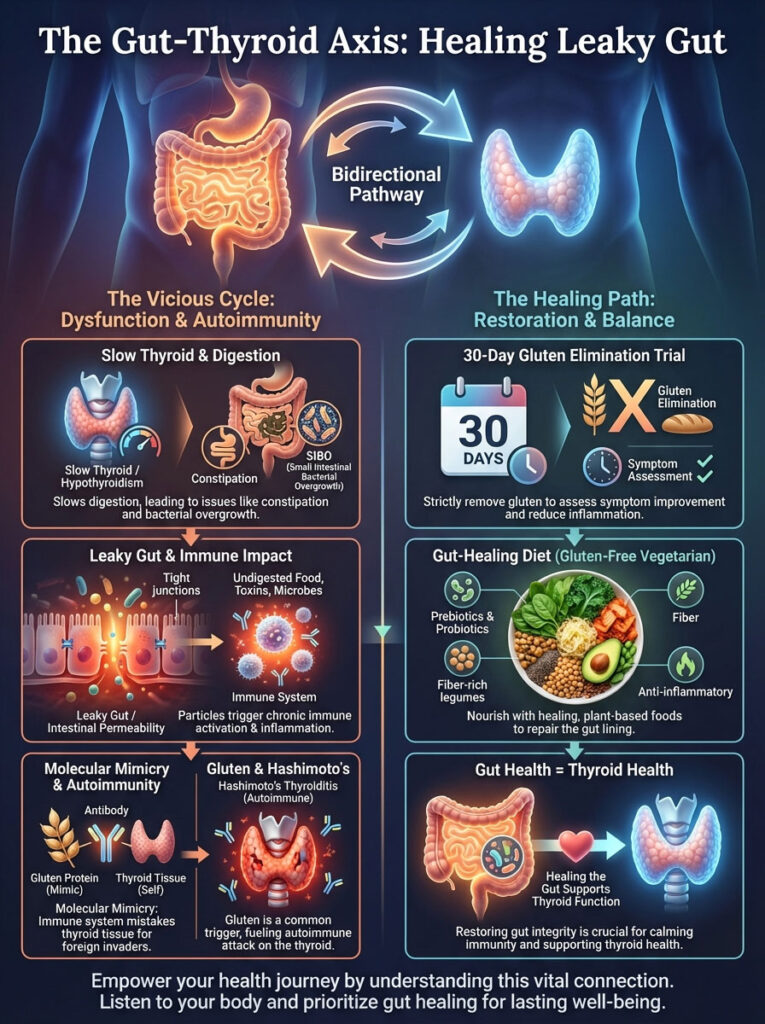
The gut-thyroid axis is a bidirectional pathway. A slow thyroid slows down digestion, leading to constipation and bacterial overgrowth (SIBO). Conversely, an inflamed gut impairs T4 to T3 conversion and can trigger autoimmune responses.
Leaky Gut and Autoimmunity
Intestinal permeability, or “leaky gut,” occurs when the tight junctions of the intestinal wall loosen. This allows undigested food particles, toxins, and bacteria to enter the bloodstream. The immune system tags these particles as invaders and creates antibodies.
Due to a phenomenon called “molecular mimicry,” these antibodies may mistakenly attack the thyroid gland. The protein structure of gluten, for example, looks similar to thyroid tissue. This is why gut healing is central to the Hashimoto’s thyroiditis diet vegetarian protocols.
Vegetarian Gut Healers
- Prebiotics: These are fibers that feed the good bacteria. Include garlic, onions, asparagus, and slightly green bananas in your diet.
- Probiotics: These replenish the microbiome. Focus on yogurt (dairy or coconut), sauerkraut, kimchi, and kvass.
- Anti-inflammatories: Turmeric (Curcumin) and Ginger reduce gut inflammation. Add them to curries, soups, and teas.
Gluten Considerations
There is a strong link between Celiac Disease and Hashimoto’s. Even non-Celiac gluten sensitivity can drive TPO antibodies up. Gluten increases the release of zonulin, a protein that opens up intestinal tight junctions.
Many experts recommend a 30-day strict gluten elimination trial. Observe if symptoms like bloating, brain fog, and joint pain subside. If they do, a gluten-free vegetarian diet may be your key to remission.
7-Day Vegetarian Thyroid-Friendly Meal Plan
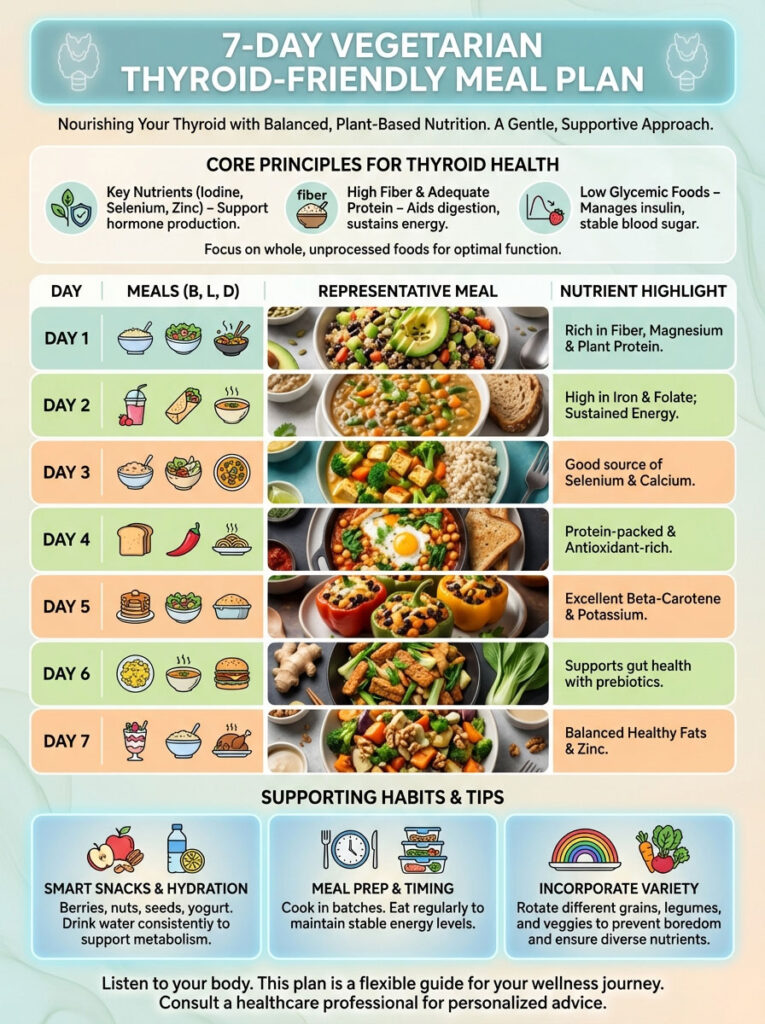
This thyroid-friendly meal plan is designed to maximize nutrient density while adhering to the timing rules discussed. It is high in fiber, adequate in protein (20-30g per meal), and low glycemic to manage insulin levels.
Dietary Principles
- Morning: Easy to digest, lower fiber initially if eating close to meds.
- Lunch: High protein, complex carbs for sustained energy.
- Dinner: Cooked vegetables (easier digestion), anti-inflammatory spices.
- Snack: Selenium and Zinc focused to support conversion.
Day 1
- Breakfast: Quinoa porridge made with water, topped with blueberries and 1 tbsp hemp seeds (Zinc source).
- Lunch: Lentil soup with carrots and celery. Side of steamed spinach with lemon juice (Iron + Vitamin C).
- Snack: 2 Brazil Nuts (Selenium) + 1 small apple.
- Dinner: Stir-fried Tofu (organic) with bok choy, ginger, and turmeric served over brown rice.
Day 2
- Breakfast: Chia seed pudding made with coconut milk and raspberries. (Make the night before).
- Lunch: Chickpea salad with cucumber, tomatoes, parsley, and olive oil dressing.
- Snack: Pumpkin seeds (1/4 cup) and a pear.
- Dinner: Baked sweet potato stuffed with black beans and topped with avocado and cilantro.
Day 3
- Breakfast: Smoothie with pea protein powder, banana, flaxseeds, and steamed-then-frozen spinach. (Note: Take meds 4 hours prior).
- Lunch: Quinoa bowl with roasted beets, walnuts, and goat cheese (or vegan alternative).
- Snack: Greek yogurt (or almond yogurt) with cinnamon.
- Dinner: Red lentil curry (Dhal) with cooked cauliflower and plenty of turmeric.
Day 4
- Breakfast: Steel-cut oats with stewed apples and cinnamon.
- Lunch: Tempeh “BLT” wrap using collard greens (blanched) or gluten-free wrap.
- Snack: 2 Brazil Nuts + Carrot sticks with hummus.
- Dinner: Zucchini noodles with pesto (basil, pine nuts, garlic, olive oil) and white beans.
Day 5
- Breakfast: Scrambled eggs (or tofu scramble) with sautéed mushrooms and peppers.
- Lunch: Minestrone soup with kidney beans, green beans, and gluten-free pasta.
- Snack: Handful of almonds and dried apricots.
- Dinner: Stir-fried broccoli (steamed first) with cashews and edamame over rice noodles.
Day 6
- Breakfast: Buckwheat pancakes topped with almond butter.
- Lunch: Large mixed green salad with roasted pumpkin seeds, avocado, and grilled Halloumi or marinated tofu.
- Snack: Rice cake with avocado and sea salt (Iodine source).
- Dinner: Eggplant stew with chickpeas and tomatoes.
Day 7
- Breakfast: Warm millet porridge with pumpkin seeds and cranberries.
- Lunch: Leftover Eggplant stew or Lentil soup.
- Snack: 2 Brazil Nuts + Orange slices.
- Dinner: Roasted root vegetables (carrots, parsnips, beets) with a side of steamed kale and quinoa.
Comparison: Vegetarian vs. Vegan for Thyroid Health
While a vegetarian diet for hypothyroidism allows for eggs and dairy, a vegan diet excludes them. This distinction matters for nutrient density. Vegans must be more vigilant about B12 and Iron.
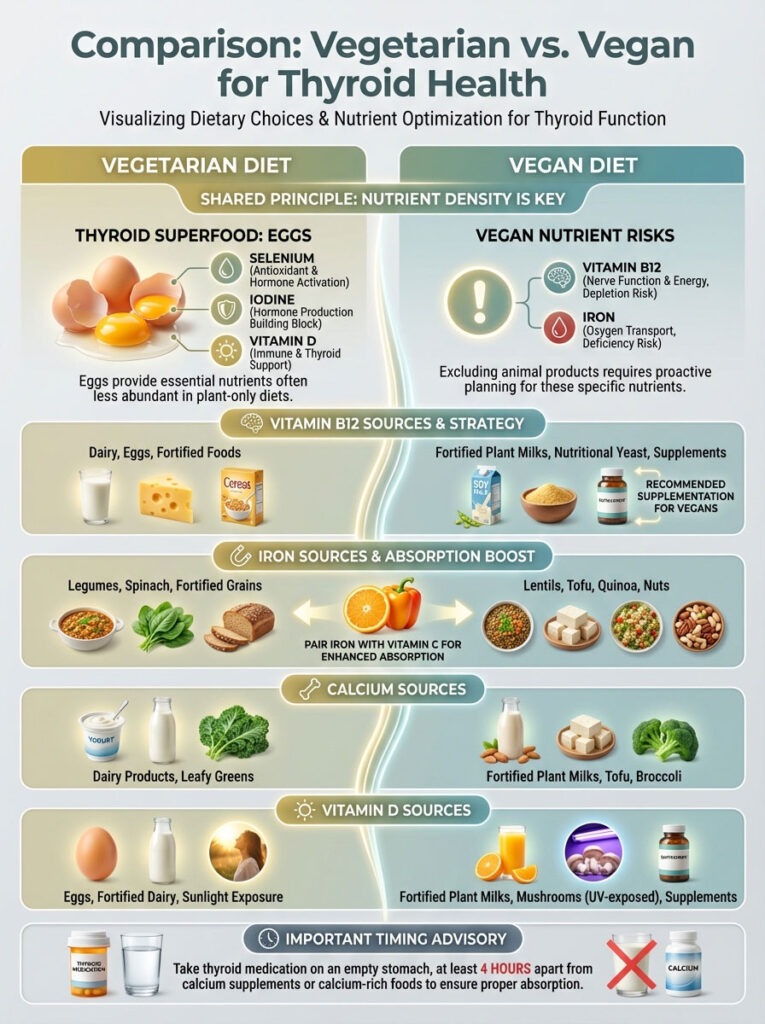
Eggs are a “thyroid superfood” because they contain selenium, iodine, and Vitamin D in the yolk. If you remove them, you must find replacements. Dairy also provides iodine and calcium.
Table 2: Nutrient Sources for Thyroid Health (Vegetarian vs. Vegan)
| Nutrient | Vegetarian Source | Vegan Source | Expert Notes |
|---|---|---|---|
| Vitamin B12 | Eggs, Greek Yogurt, Milk | Nutritional Yeast, Fortified Milk | Vegans must supplement. Deficiency causes nerve damage. |
| Iron | Eggs, Spinach, Lentils | Lentils, Tofu, Pumpkin Seeds | Always pair with Vitamin C (lemon/peppers) to boost absorption. |
| Calcium | Cheese, Yogurt | Fortified Plant Milk, Almonds | Separate from thyroid meds by 4 hours. |
| Vitamin D | Egg Yolks, Fortified Milk | Mushrooms (UV treated), Supplements | Most patients require D3 supplementation regardless of diet. |
The B12 Criticality: If you choose a vegan path, you cannot rely on food alone for B12. Sublingual B12 (Methylcobalamin) is recommended to bypass potential gut absorption issues. Do not gamble with nerve health.
Weight Loss Strategies for Hypothyroidism
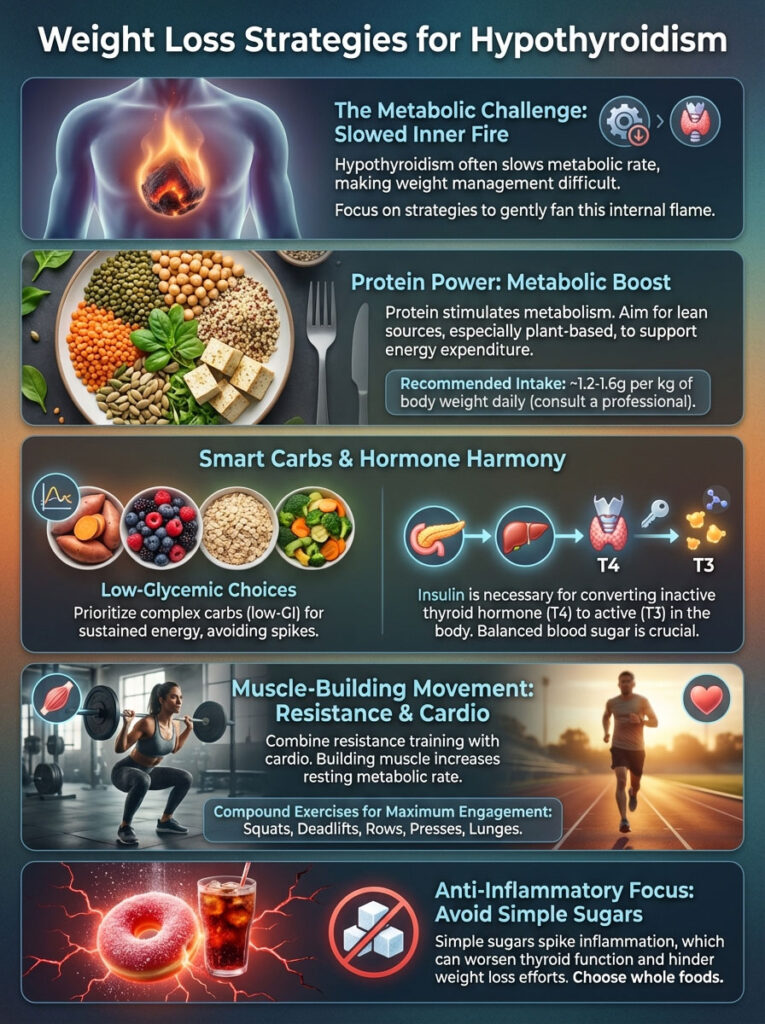
The metabolic hurdle is real. “Calories in, calories out” often fails for thyroid patients because the “calories out” part (BMR) is suppressed. Furthermore, hypothyroidism is frequently linked to insulin resistance and leptin resistance.
Protein Leveraging
To stimulate metabolism, you must prioritize protein. Protein has the highest Thermic Effect of Food (TEF). This means your body burns more calories digesting protein than it does digesting carbs or fat.
Aim for plant-based proteins like Tempeh, Seitan, Lentils, and Greek Yogurt at every meal. Aim for at least 25-30 grams of protein per meal to trigger muscle protein synthesis.
Strategic Carbohydrates
Do not eliminate carbs completely. Insulin is actually required for the conversion of T4 to T3. A ketogenic diet can sometimes lower T3 levels in women.
However, you must switch to low-glycemic, complex carbohydrates. Sweet potatoes, quinoa, buckwheat, and steel-cut oats provide sustained energy without spiking blood sugar. Avoid simple sugars that drive inflammation and insulin spikes.
Exercise Synergy
Cardio is not enough. You need to build muscle tissue. Muscle is metabolically expensive; it burns calories just by existing. Resistance training 2-3 times a week is essential to counter the low metabolic rate caused by hypothyroidism.
Focus on compound movements like squats, lunges, and push-ups. These recruit the most muscle fibers and produce the greatest metabolic response.
Supplements: When Diet Isn’t Enough
While we advocate “Food First,” certain deficiencies are difficult to correct with diet alone in thyroid patients. Malabsorption issues often necessitate supplementation.
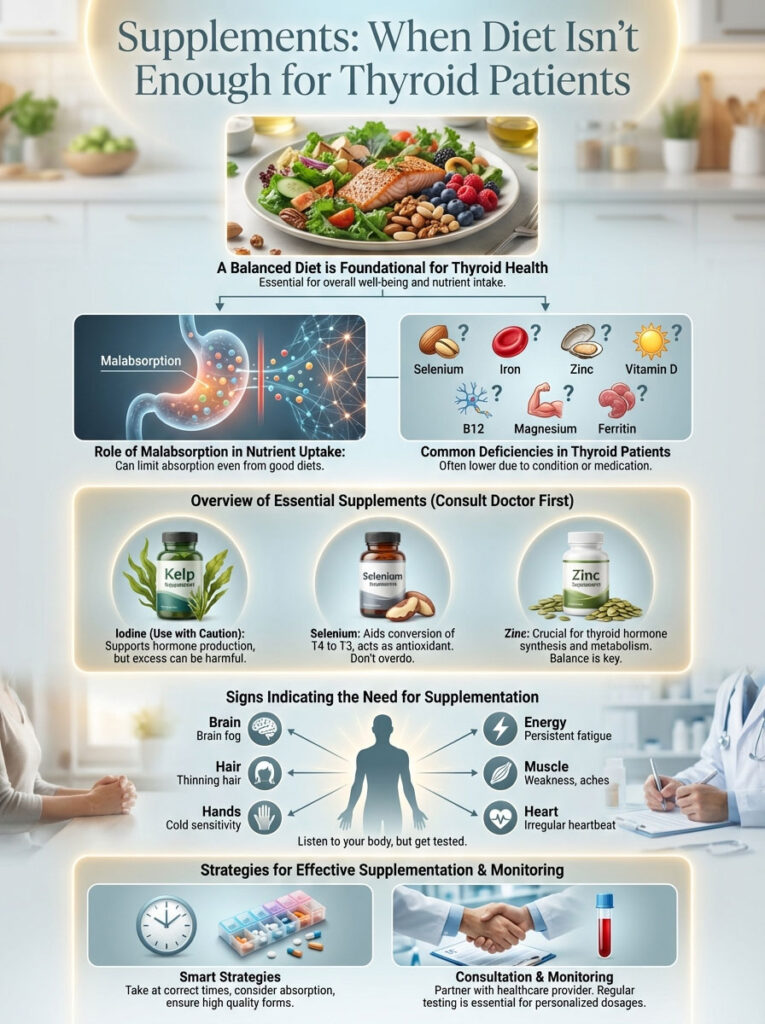
- Vitamin D3: Most autoimmune patients are deficient. Optimal levels support immune regulation. Aim for levels between 50-70 ng/mL.
- Myo-Inositol: This B-vitamin relative helps balance TSH levels and improves insulin sensitivity. It is particularly helpful for women with both PCOS and Hypothyroidism.
- Ashwagandha: Use with caution. While it can support thyroid function, it is an adaptogen that can stimulate the immune system. This might be risky for some Hashimoto’s patients. Always consult a doctor before starting.
- Omega-3s: Algae oil is a perfect vegetarian source of EPA and DHA. These fatty acids reduce systemic inflammation and support brain health.
The Role of Stress and Sleep
You cannot out-diet a stressful lifestyle. Chronic stress elevates cortisol. High cortisol inhibits the conversion of T4 to T3 and increases the production of Reverse T3 (rT3).
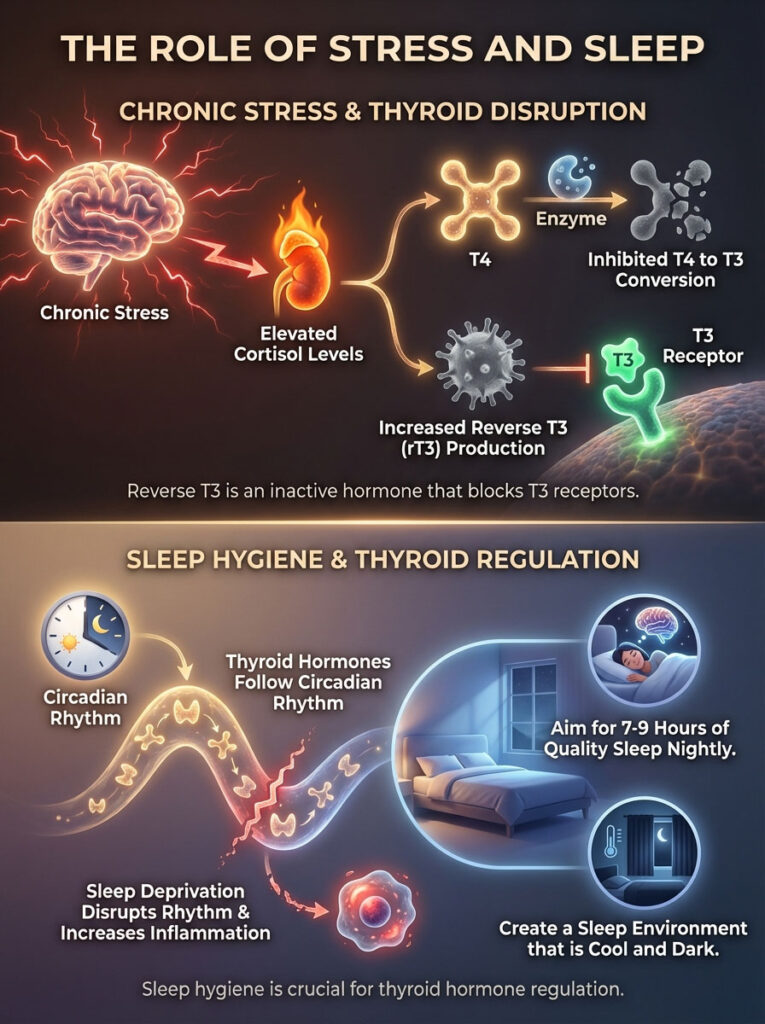
Reverse T3 is an inactive hormone that blocks the T3 receptors. Think of it as putting the wrong key in the lock. It stops the active hormone from doing its job.
Prioritize sleep hygiene. Your thyroid hormones follow a circadian rhythm. Sleep deprivation disrupts this rhythm and increases inflammatory markers. Aim for 7-9 hours of quality sleep in a cool, dark room.
Summary & Key Takeaways
Adopting the best vegetarian diet for hypothyroidism is about precision, not restriction. It requires a shift from passive eating to active nutrient management. By fueling your body with the right raw materials, you can support your thyroid and reclaim your energy.
Core Pillars to Remember:
- Prioritize the Big Three: Ensure you are getting adequate Selenium, Zinc, and Iodine every single day.
- Cook Your Crucifers: Use the Heat-Treatment Rule to enjoy broccoli and kale safely without harming your thyroid.
- Time Your Meds: Respect the empty stomach rule and the 4-hour window for calcium and soy to maximize medication absorption.
- Heal the Gut: Incorporate probiotics and anti-inflammatory foods to calm autoimmunity and reduce antibodies.
Consistency is the secret ingredient. It typically takes 4-6 weeks of dietary changes to reflect in your TSH levels. Do not get discouraged by slow progress. Your body is healing a complex system.
Consult with a registered dietitian or endocrinologist to analyze your lab work and tailor this plan to your unique biochemistry. With the right strategy, your vegetarian diet can be your most powerful medicine.
Frequently Asked Questions
Can vegetarians eat cruciferous vegetables like kale and broccoli with hypothyroidism?
Yes, provided you follow the Heat-Treatment Rule. Steaming, boiling, or sautéing these vegetables deactivates the goitrogenic compounds that can interfere with iodine uptake, allowing you to enjoy their antioxidant benefits safely.
How does the timing of soy intake affect thyroid medication absorption?
Soy protein can bind to Levothyroxine in the digestive tract, significantly reducing the amount of hormone that enters your bloodstream. To ensure medication efficacy, you must maintain a strict 4-hour window between taking your thyroid pill and consuming any soy products like tofu, tempeh, or soy milk.
What is the best way for a vegetarian to optimize T4 to T3 conversion?
Optimization requires the “Big Three” micronutrients: Selenium, Zinc, and Iron. These minerals power the deiodinase enzymes in the liver and gut that strip an iodine atom from inactive T4 to create the metabolically active T3 hormone.
Why is iron deficiency common in hypothyroid vegetarians and how can it be fixed?
Plant-based non-heme iron is less bioavailable than animal sources, and since iron is a required cofactor for thyroid peroxidase, deficiency stalls hormone production. To maximize uptake, always pair iron-rich lentils or spinach with Vitamin C sources like lemon juice or bell peppers to boost absorption by up to 300%.
Can I take my thyroid medication with my morning coffee or tea?
No, coffee and tea can increase gut motility and interfere with the absorption of Levothyroxine in the stomach. It is clinically recommended to wait at least 60 minutes after taking your medication before consuming anything other than plain water.
How many Brazil nuts should I eat daily to support my thyroid gland?
We recommend the “2-Nut Rule,” as just two Brazil nuts provide approximately 200 mcg of Selenium, which is sufficient to saturate your enzymes and protect the gland from oxidative stress. Avoid exceeding this amount regularly to prevent the risk of selenium toxicity, known as selenosis.
Is a gluten-free diet necessary for vegetarians with Hashimoto’s thyroiditis?
While not mandatory for all, many Hashimoto’s patients benefit from a gluten-free trial due to molecular mimicry, where the immune system confuses gluten proteins with thyroid tissue. Eliminating gluten can often lead to a significant reduction in TPO antibodies and systemic inflammation.
Why is weight loss difficult for vegetarians with low thyroid function?
Hypothyroidism suppresses your Basal Metabolic Rate (BMR), meaning your body burns fewer calories at rest. To overcome this metabolic hurdle, you must prioritize high-protein plant foods to increase the thermic effect of food and engage in resistance training to build metabolically active muscle tissue.
What role does the gut-thyroid axis play in managing hypothyroidism?
The gut is a primary site for thyroid hormone conversion, with roughly 20% of T4 being converted to T3 by local beneficial bacteria. An inflamed or “leaky” gut impairs this process and can drive autoimmune flares, making probiotics and gut-healing fibers essential for thyroid health.
Can I use iodized salt if I have Hashimoto’s disease?
Iodine is a double-edged sword for Hashimoto’s patients; while it is the backbone of thyroid hormone, excessive intake can trigger an inflammatory “flare” in the gland. It is best to stick to the RDA of 150 mcg from food sources and avoid high-dose iodine supplements unless specifically prescribed by your doctor.
How should I manage calcium-fortified plant milks while taking thyroid medication?
Calcium is a major inhibitor of Levothyroxine absorption because it binds to the drug in the gastrointestinal tract. You should wait at least 4 hours after your morning medication dose before consuming any calcium-fortified beverages or calcium supplements.
What are the most important supplements for a vegan with hypothyroidism?
Beyond Selenium and Zinc, vegans must be vigilant about Vitamin B12 and Vitamin D3. Since B12 deficiency mimics the brain fog and fatigue of hypothyroidism, using a sublingual methylcobalamin supplement is critical for maintaining neurological health and energy levels.
Disclaimer
This article is for informational purposes only and does not constitute medical advice. Hypothyroidism and Hashimoto’s are complex endocrine conditions that require professional medical supervision. Always consult a qualified healthcare professional or endocrinologist before making significant changes to your diet, supplement regimen, or medication timing.
References
- American Thyroid Association – thyroid.org – Provided statistics on thyroid disease prevalence and the impact of soy on thyroid medication.
- National Institutes of Health (NIH) Office of Dietary Supplements – Selenium Fact Sheet – Detailed data on selenium’s role in thyroid hormone metabolism and deiodinase enzymes.
- Journal of Clinical Endocrinology & Metabolism – academic.oup.com/jcem – Research regarding the “Goldilocks Effect” of iodine and its triggers for Hashimoto’s thyroiditis.
- PubMed (National Library of Medicine) – Study on Goitrogenic Activity – Clinical findings on how heat treatment (steaming/boiling) reduces progoitrin in cruciferous vegetables.
- Celiac Disease Foundation – celiac.org – Information regarding the link between gluten sensitivity, intestinal permeability, and autoimmune thyroid disease.
- The Lancet Diabetes & Endocrinology – thelancet.com – Data on the gut-thyroid axis and the impact of the microbiome on T3 conversion.