
If you’re searching for the best vitamins for men’s sexual health and testosterone, the medical evidence points to a handful of specific, foundational nutrients. These vitamins and minerals have a proven track record of stimulating Leydig cell function and supporting the entire male reproductive system.
Table of Contents
I’m Dr. Lawrence Sterling, a board-certified urologist with nearly two decades of clinical experience treating male hypogonadism and erectile dysfunction. Over the years, I’ve watched thousands of patients chase miracle supplements that never deliver. The truth is, real virility is built on micronutrient-driven hormone production and proper endocrine system balance, not marketing hype.
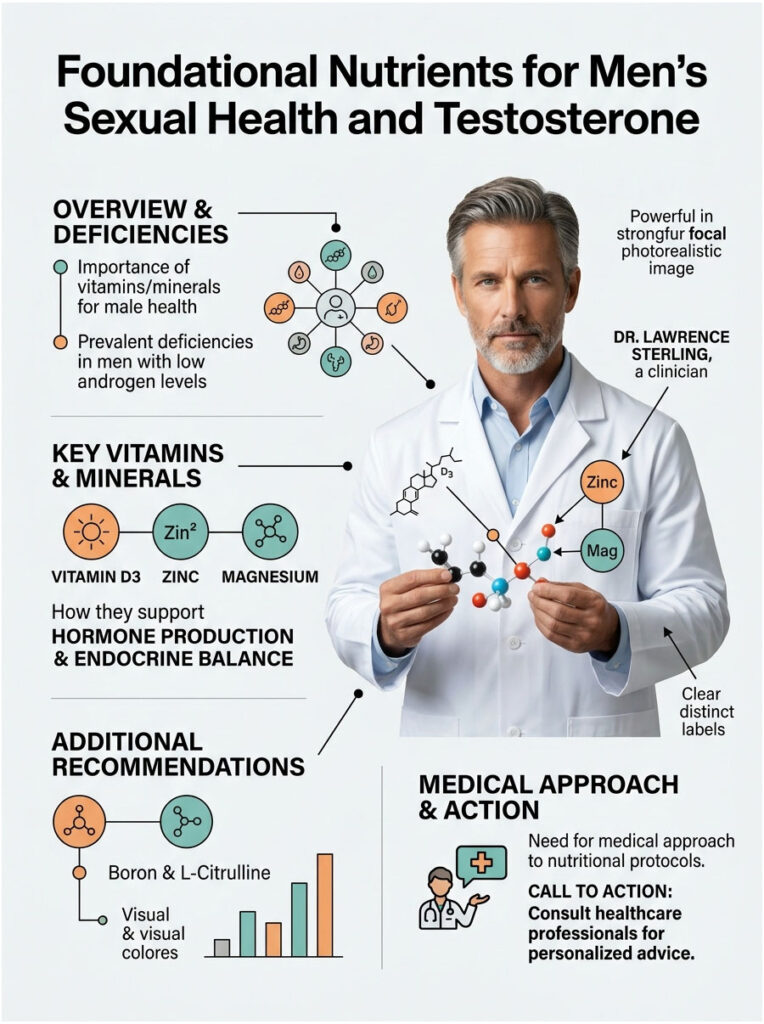
The American Urological Association has documented a remarkably high prevalence of micronutrient deficiencies in men with low androgen levels. This clinical data is hard to ignore. Finding the right nutritional protocol takes a medical approach, not random guesswork from the supplement aisle.
Quick Answer: The best vitamins for men’s sexual health and testosterone include Vitamin D3, Zinc, and Magnesium. These foundational nutrients support the brain-testes connection, improve serum testosterone concentration, and enhance vascular function. For optimal results, clinical protocols also recommend Boron to free up bound hormones and L-Citrulline to maximize peripheral blood flow.
Key Statistics on Male Hormonal Health:
- 39% of adult men in the USA have a clinical Vitamin D deficiency, severely impacting natural hormone production (Source: National Institutes of Health, 2022).
- 25.2% average increase in total testosterone observed in deficient men after one year of consistent Vitamin D3 supplementation (Source: Hormone and Metabolic Research).
- 27% potential reduction in serum cortisol levels when using adaptogens like Ashwagandha, directly supporting endocrine system recovery.
- 60% of circulating testosterone is bound tightly to Sex Hormone-Binding Globulin, making it completely unavailable for cellular use.
- 7 days is the timeframe in which daily Boron supplementation can begin to elevate free, usable hormone levels.
- 50% of men over age 40 experience some form of vascular-related erectile dysfunction due to poor endothelial health.
- 8 hours is the minimum sleep needed to maximize nocturnal Luteinizing Hormone release, which dictates morning testosterone levels.
Understanding the Endocrine System and Male Virility
Before evaluating any nutritional intervention, you need to understand the biological machinery at work. Your body doesn’t produce hormones by accident. It follows a highly specific, nutrient-dependent pathway that runs from your brain to your reproductive organs.
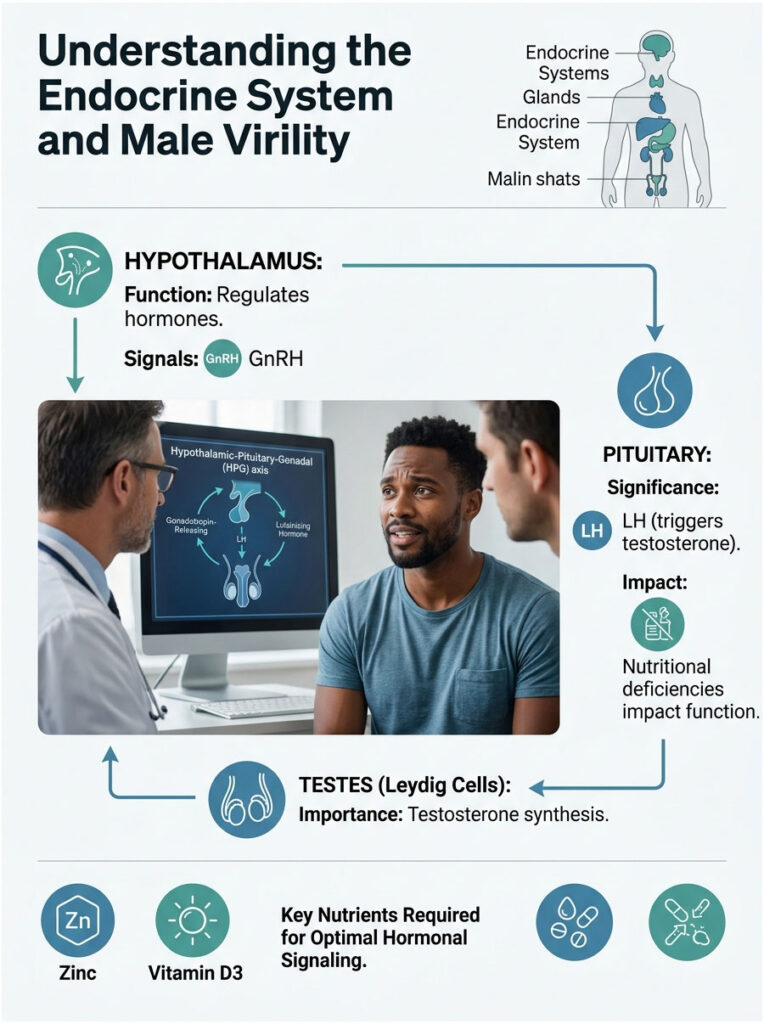
When men experience a sudden drop in libido or physical energy, age is almost always the first suspect. But in clinical practice, we frequently find the real culprit is a breakdown in the communication network between the brain and the testes. This vital signaling system relies entirely on specific vitamins and trace minerals to function correctly.
Put simply: you cannot build a brick house without bricks. Your body cannot manufacture androgens without the necessary raw chemical materials. Here’s exactly how this process works inside your body on a daily basis.
The Hypothalamic Command Center
The hypothalamic-pituitary-gonadal (HPG) axis is the command center for male reproduction and hormonal balance. It starts deep inside your brain, where the hypothalamus acts as a central monitoring system. It constantly scans your blood for hormone levels and stress markers.
When your body needs more testosterone, the hypothalamus releases Gonadotropin-Releasing Hormone (GnRH). This hormone travels down to the pituitary gland. That initial signal depends heavily on your overall nutritional status and stress levels.
If you’re deficient in key nutrients, the hypothalamus essentially refuses to send the signal. It assumes the body is in a state of starvation or severe stress. Feeding this command center the right vitamins is your first priority.
The Pituitary Gland’s Role
Once stimulated by the hypothalamus, the pituitary gland releases Luteinizing Hormone (LH) into your bloodstream. This is where targeted nutritional support becomes especially important for male health.
LH acts as the messenger that travels through your circulatory system directly to the testes. Without a strong pulse of this hormone, your reproductive organs remain dormant. Zinc plays a major role in ensuring the pituitary gland releases enough of this vital messenger.
In clinical settings, men with poor diets consistently show suppressed pituitary function. Their brains stop telling their bodies to produce hormones. This specific breakdown is why targeted nutritional intervention can be so effective.
Testicular Leydig Cell Stimulation
When LH reaches the testes, it finds its specific targets: Leydig cells. These are the actual factories that manufacture your testosterone. They pull cholesterol from your blood and convert it into male hormones.
This conversion process is biologically labor-intensive. It requires massive amounts of cellular energy and specific chemical catalysts. Vitamin D3 acts as one of the primary catalysts for this exact reaction.
Without proper stimulation and the right raw materials, these cellular factories shut down. The entire chain reaction stops. You must provide the necessary trace minerals to keep this signaling pathway active and efficient.
Free vs. Total Testosterone: Why the Difference Matters
There’s a major misconception in men’s health that needs clearing up. There is a critical difference between your total serum testosterone concentration and your bioavailable free testosterone. Most men only look at the total number on their blood tests, and that’s a mistake.
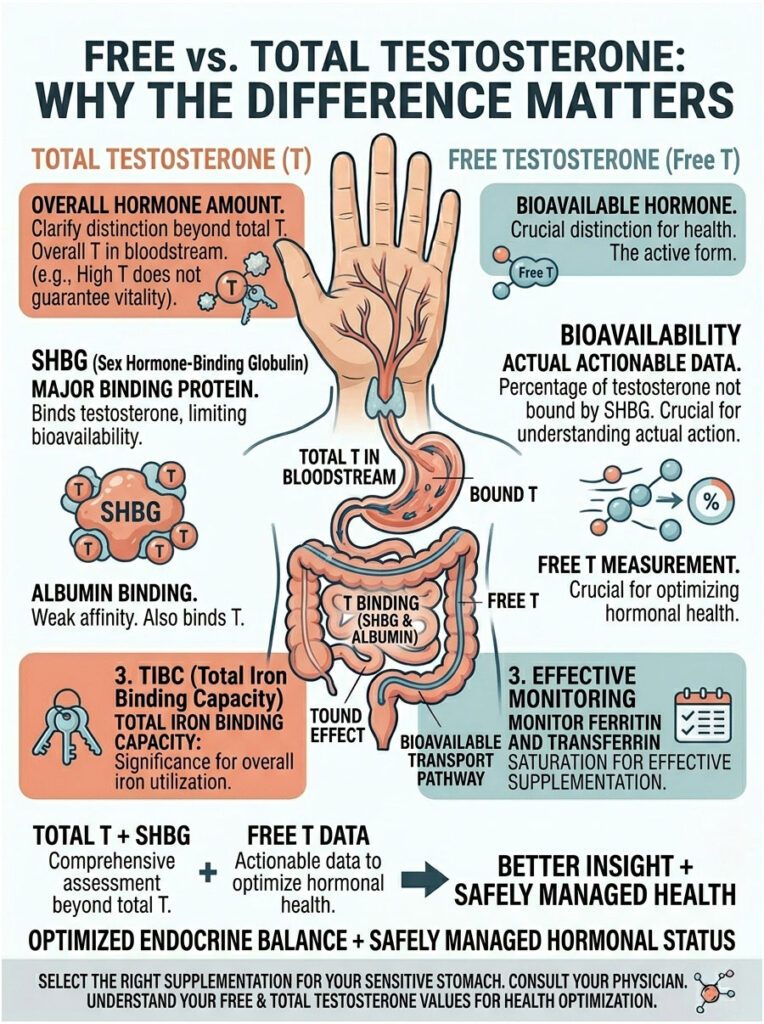
Total testosterone is the overall amount of the hormone in your bloodstream. But a high total number doesn’t guarantee you’ll actually feel good or perform well. Most of that circulating hormone is trapped and unusable, bound tightly to carrier proteins.
This is exactly why we focus so heavily on the free, unbound portion of your hormones.
The SHBG Trap
Sex Hormone-Binding Globulin (SHBG) is a protein produced by your liver. It acts like a chemical sponge in your bloodstream, soaking up circulating androgens and binding them with incredible strength.
When testosterone is bound to SHBG, your body can’t use it. It can’t enter muscle tissue to build strength. It can’t cross the blood-brain barrier to regulate mood. And it can’t support healthy erectile function.
As men age, the liver naturally produces more SHBG, artificially lowering the amount of usable hormone available. Reducing this protein is a primary goal in any hormone optimization protocol.
Albumin Binding and Bioavailability
Your hormones also attach to another molecule called albumin. Fortunately, the bond with albumin is relatively weak. Your body can break this bond easily when it needs extra hormones quickly.
Because the albumin bond is weak, we consider albumin-bound hormones part of your bioavailable pool. Your bioavailable index consists of your completely free hormones plus your albumin-bound hormones. This combined number is what actually dictates your physical vitality.
When designing nutritional protocols, the goal is to decrease the strong SHBG bonds and increase the free pool. This creates a favorable environment for optimal physical performance.
Getting the Right Blood Work
You can’t rely on a basic physical exam to understand your hormonal health. You need hard, actionable data. Always ask your physician for a comprehensive hormone panel, not just a basic total testosterone check.
You need precise levels of Luteinizing Hormone, Follicle-Stimulating Hormone, and sensitive estradiol. You also need accurate binding protein measurements to calculate your free index. This data provides the exact roadmap for your recovery.
Once you have these numbers, you can target your nutritional interventions precisely. You’ll know whether to focus on brain signaling, testicular production, or freeing up trapped hormones. It eliminates the guesswork entirely.
Expert Tip: Never accept a “normal” lab result without seeing the actual numbers. The standard reference range for total testosterone spans from roughly 250 to 900 ng/dL. A level of 260 might be technically “normal” on paper, but it will leave you feeling exhausted and depleted.
The Foundational Triad: Best Vitamins for Men’s Sexual Health and Testosterone
When patients ask me about the best vitamins for men’s sexual health and testosterone, I always start with the foundational triad. These three nutrients are absolutely non-negotiable. They form the biological bedrock of naturally driven hormone production.
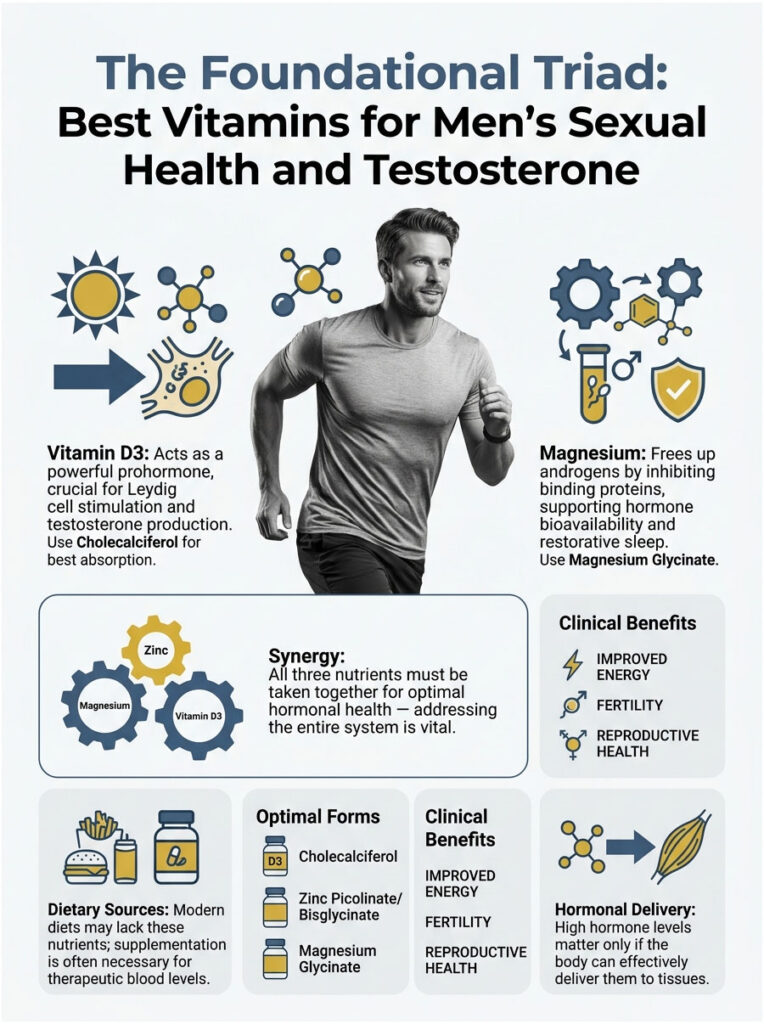
If you’re deficient in any of these three core elements, no amount of exercise or sleep will fix your hormones. Your body simply lacks the chemical precursors needed for cellular stimulation. Think of these three nutrients as the foundation of your house. Once the foundation is solid, everything else you do yields much better results.
Vitamin D3 (Cholecalciferol) as a Steroid Hormone
Vitamin D3 isn’t a traditional vitamin at all. It’s a powerful prohormone. Recent clinical research from top endocrinology journals shows that D3 acts like a steroid hormone within the human body.
Your testes contain specific cellular receptors designed for this prohormone. When these receptors are activated by optimal blood levels, they trigger significant Leydig cell stimulation. This process directly increases your total serum testosterone concentration.
In clinical practice, correcting a severe deficiency often transforms a patient’s daily energy levels. We routinely see men significantly improve their natural hormone production by bringing blood levels into the optimal range of 50 to 70 ng/mL.
Because D3 acts as a precursor in androgenic signaling, a deficiency severely blunts natural reproductive function. Make sure you’re taking the Cholecalciferol form, as it’s far more bioavailable than the cheaper, synthetic forms found in many generic multivitamins.
Zinc: The Master Mineral for Male Hormones
Zinc is widely considered the master mineral for male virility and reproductive health. There is a direct, well-documented clinical link between severe zinc deficiency and medically diagnosed hypogonadism. Zinc provides critical support to the pituitary gland, directly stimulating the release of Luteinizing Hormone.
Zinc is also indispensable for optimizing overall fertility. It forms the structural integrity of the sperm membrane and cellular tail. Correcting a deficiency is always the first step for men facing reproductive challenges.
Without adequate zinc, your androgenic signaling pathways begin to fail. The body simply can’t convert dietary cholesterol into male hormones. For this reason, we strongly recommend highly absorbable forms like Zinc Picolinate or Zinc Bisglycinate.
In practical clinical applications, we see rapid improvements in seminal volume and overall libido when optimal levels are restored. It’s a foundational pillar for any man looking to improve his reproductive health naturally.
Magnesium and the Free Hormone Index
Magnesium is truly the unsung hero of the male endocrine system. While zinc supports actual hormone production, magnesium acts as one of the most effective natural strategies for freeing up trapped androgens. It physically prevents testosterone from binding to carrier proteins in the bloodstream.
Proper supplementation dramatically elevates your bioavailable index. It frees up the hormones you already have, allowing them to enter muscle tissue and neural pathways. This creates a favorable internal environment for optimal physical signaling.
This mineral is also essential for over 300 different enzymatic reactions in your body. It supports parasympathetic nervous system recovery, which is vital for achieving deep, restorative sleep. Deep sleep is precisely when the majority of your natural hormone production occurs.
We recommend the Glycinate form for this purpose. It’s gentle on the digestive tract and effective at crossing the blood-brain barrier to improve sleep architecture.
Foundational Triad Summary
| Essential Nutrient | Primary Clinical Function | Optimal Bioavailable Form | Impact on Endocrine Axis |
|---|---|---|---|
| Vitamin D3 | Leydig cell stimulation | Cholecalciferol | Increases total serum concentration significantly |
| Zinc | Pituitary gland support | Zinc Picolinate or Bisglycinate | Enhances androgenic signaling and fertility |
| Magnesium | Binding protein inhibition | Magnesium Glycinate | Elevates free hormone index and aids deep sleep |
The synergy between these three nutrients is critical. Taking one without the others will yield suboptimal results. You must address the entire system holistically to see real clinical changes.
Many patients ask if they can get these nutrients from diet alone. While a clean diet is important, modern agricultural practices have severely depleted soil of trace minerals. Supplementation is almost always necessary to reach optimal, therapeutic blood levels.
Now that we’ve established the hormonal foundation, let’s look at the delivery system. High hormones mean nothing if your blood can’t deliver them to your tissues efficiently.
Optimizing Vascular Health for Erectile Function
High hormone levels are irrelevant for sexual performance if your vascular system is compromised. You can have the blood work of a healthy twenty-year-old, but if blood can’t flow properly, erectile mechanics will inevitably fail.
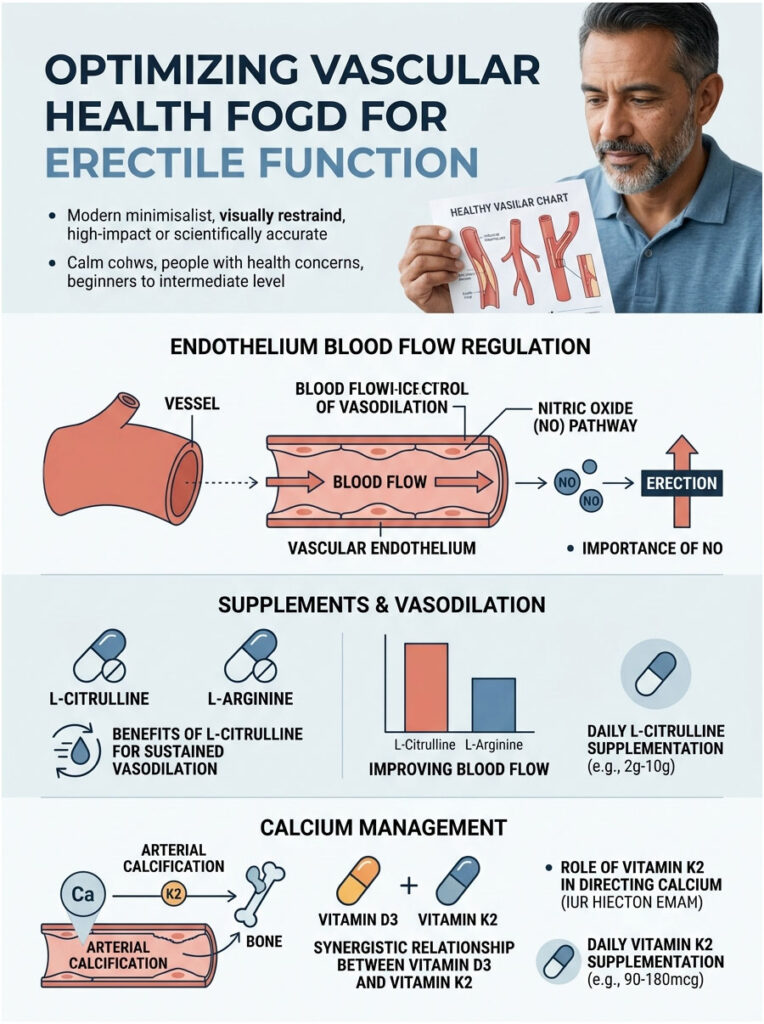
This is where we transition from hormonal health to cardiovascular mechanics. Any comprehensive protocol must include compounds that actively support and heal your blood vessels.
The delicate inner lining of your blood vessels is called the endothelium. It’s responsible for expanding and contracting to regulate systemic blood flow. Keeping this cellular lining healthy is the key to long-term physical performance.
The Nitric Oxide Pathway
Nitric Oxide (NO) is a powerful gas produced naturally inside healthy blood vessels. It acts as a potent vasodilator, widening your arteries. This gas relaxes smooth muscle tissue in the reproductive organs, allowing blood to rush in rapidly.
To produce NO, your body requires specific amino acids and excellent vascular health. When endothelial function degrades due to poor diet, smoking, or aging, natural NO production plummets. This is the primary physical cause of performance failures in older men.
Many men immediately reach for L-Arginine supplements to address this. However, clinical data reveals a fundamental flaw in that approach. The human body does not process oral L-Arginine efficiently.
Why L-Citrulline Outperforms L-Arginine
When you swallow L-Arginine, it must pass through your liver and intestines. This digestive process destroys almost all of the amino acid before it reaches your bloodstream.
L-Citrulline completely bypasses this destructive filtration. It enters your kidneys smoothly, where it’s slowly and steadily converted into highly usable L-Arginine. This unique pathway creates a sustained, powerful release of vasodilating gas.
Based on extensive clinical experience, L-Citrulline is vastly superior for improving peripheral blood flow. It provides long-lasting arterial expansion without the severe digestive upset commonly associated with high doses of standard L-Arginine.
If you want to properly support your physical mechanics, L-Citrulline should be a daily priority in your regimen.
Vitamin K2 (MK-7) and Arterial Health
We discussed Vitamin D3 earlier, but now we need to address its essential biological partner. There’s a highly synergistic relationship between D3 and Vitamin K2 that directly impacts long-term vascular health.
When you take high therapeutic doses of D3, your body absorbs a significant amount of calcium from your diet. That newly absorbed calcium needs direction. Without it, calcium will settle inside your soft tissues and arteries.
Arterial calcification destroys blood vessels, making them stiff, narrow, and prone to rupture. Vitamin K2 acts as the traffic director for your bloodstream. It pushes calcium away from delicate arteries and into bones and teeth where it belongs.
By preventing arterial stiffness, K2 preserves peripheral blood flow for optimal long-term health. You should never take high-dose D3 without pairing it with the MK-7 form of Vitamin K2.
SHBG Reduction and Estrogen Management
We’ve established that total hormone numbers aren’t enough for true vitality. You need free, active hormones circulating in your system. To achieve this, you must deploy specific strategies to lower binding proteins.
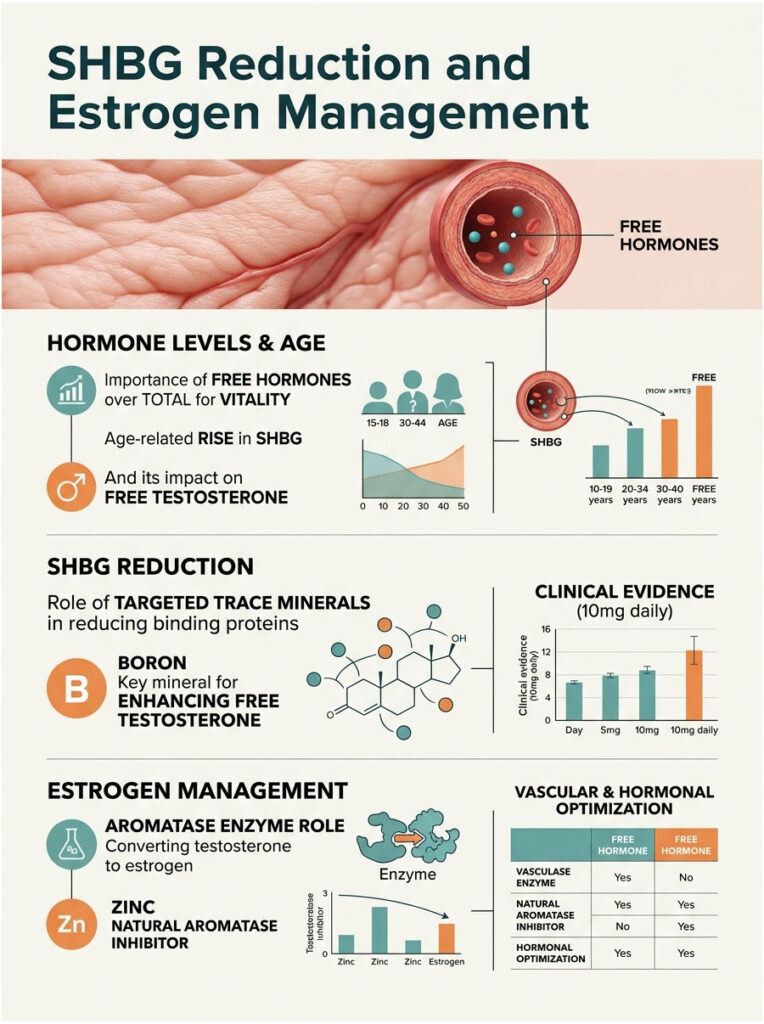
As men age, SHBG levels naturally rise, which suppresses the free hormone index. This is a primary reason why older men feel sluggish even when total numbers look acceptable on paper.
To combat this, we rely on targeted trace minerals and specific nutritional interventions that bind to the proteins instead of your hormones, leaving natural testosterone free to do its job.
The Overlooked Power of Boron
Boron is an incredibly powerful yet frequently overlooked trace mineral in men’s health. In clinical practice, we regard it as one of the most effective natural strategies for freeing up trapped androgens.
Research from leading medical journals shows remarkable results. Supplementing with just 10mg of Boron daily can elevate your free hormone index within seven days of consistent use.
Boron works by actively decreasing the protein binding affinity in your bloodstream. It physically displaces hormones trapped by liver proteins. This rapid increase in free circulating hormones leads to noticeable improvements in daily energy, mood stability, and physical desire.
If you’re serious about natural optimization, Boron belongs on your daily supplement list. It’s affordable, safe, and highly effective for maximizing biological potential.
Managing the Estrogen Conversion Process
Endocrine system balance is a delicate biological act. When you successfully increase testosterone, your body naturally tries to maintain equilibrium by converting some of that new testosterone into estrogen.
This conversion is driven by an enzyme called aromatase. If aromatase activity becomes too high, estrogen levels rise quickly. This leads to water retention, mood swings, and a loss of physical drive.
Certain vitamins and minerals actively manage this conversion. Zinc, for instance, is a well-documented, mild natural aromatase inhibitor. It helps keep estrogen levels in check while maintaining a high free hormone index.
By managing this conversion, we ensure newly created hormones stay androgenic and beneficial. This strict chemical regulation is what maintains true physical vitality over the long term.
Vascular and Hormonal Optimization Summary
| Mechanism of Action | Targeted Supplement | Clinical Rationale | Expected Outcome |
|---|---|---|---|
| Vascular Dilation | L-Citrulline | Bypasses digestive filtration for optimal absorption | Improved peripheral blood flow and physical mechanics |
| Protein Reduction | Boron | Decreases binding affinity in the bloodstream | Rapid increase in free, usable hormone index |
| Calcium Management | Vitamin K2 (MK-7) | Prevents arterial stiffness from high D3 use | Long-term preservation of vital blood vessels |
Cortisol Management and the Stress Connection
You can’t discuss male optimization without addressing daily stress. Chronic, unmanaged stress is the worst enemy of your reproductive command center. It actively destroys natural hormone production.
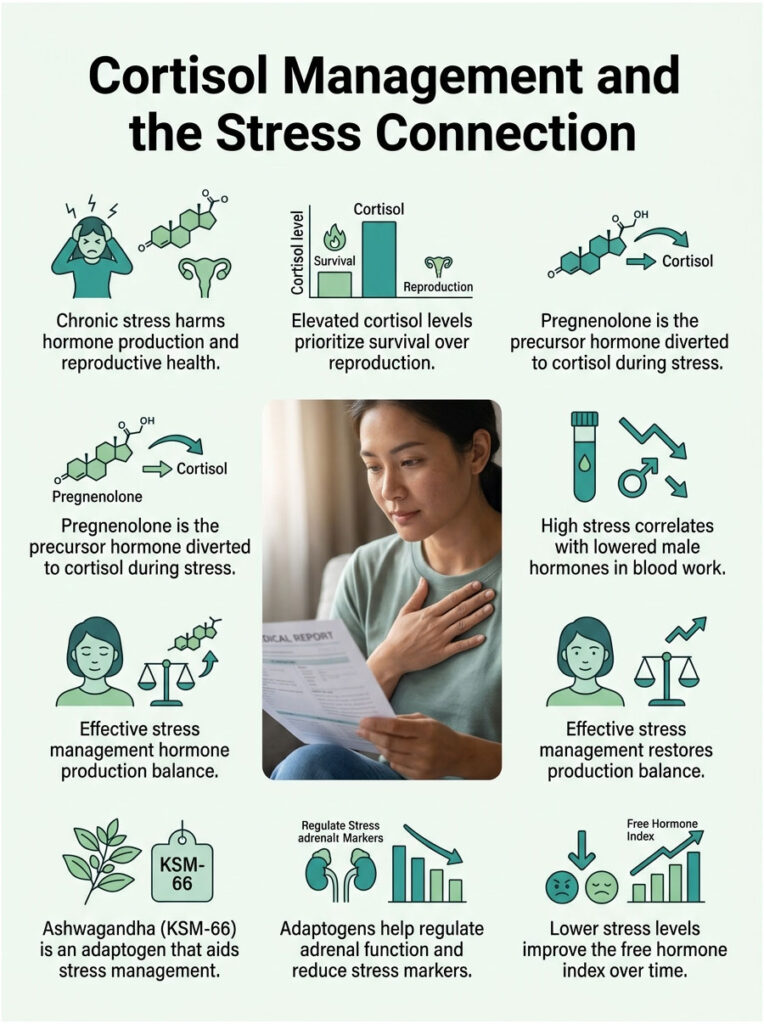
When you’re stressed from work or poor sleep, your adrenal glands pump out large amounts of cortisol. While cortisol is necessary for immediate survival, chronically elevated levels signal your brain to shut down reproductive functions. The body always prioritizes survival over reproduction.
This biological defense mechanism demands strict, daily stress management. If you don’t control stress hormones, no amount of targeted vitamins will overcome the systemic damage.
The Pregnenolone Steal Phenomenon
Pregnenolone is the master precursor hormone in your body. Your system uses this single chemical to make both stress hormones and male hormones.
During periods of chronic stress, your body diverts all available pregnenolone toward cortisol production. As a result, natural testosterone manufacturing grinds to a halt. There’s simply nothing left in the tank.
This creates a clear inverse correlation in blood work. Peer-reviewed studies consistently show that high stress levels directly result in lowered male hormones. You must actively manage this ratio every day.
By lowering your physical stress response, you free up that master precursor hormone. The body can then resume normal, healthy hormone production. This is exactly why stress management is foundational in clinical protocols.
Ashwagandha as an Adaptogenic Solution
To combat this chemical theft, we turn to powerful adaptogenic herbs. Ashwagandha, specifically the KSM-66 extract, is backed by extensive clinical data for effective stress management.
Adaptogens work by gently modulating your body’s response to daily psychological stress. They help adrenal glands function efficiently without overproducing stress chemicals. This protective mechanism shields your brain’s reproductive command center from burnout.
Research published in peer-reviewed journals notes Ashwagandha’s ability to reduce stress markers by up to 27 percent. This measurable reduction creates a favorable environment for natural hormone production.
When stress markers drop significantly, your body returns to a state of calm balance. Cellular stimulation resumes, and your free hormone index begins to climb steadily and naturally over time.
Environmental Toxins and Endocrine Disruptors
Even the best supplement protocol can be undermined by hidden environmental factors. Modern society is filled with synthetic chemicals that disrupt your biology. These compounds are found in everyday plastics, thermal receipts, and personal care products. They act as potent xenoestrogens inside your system.
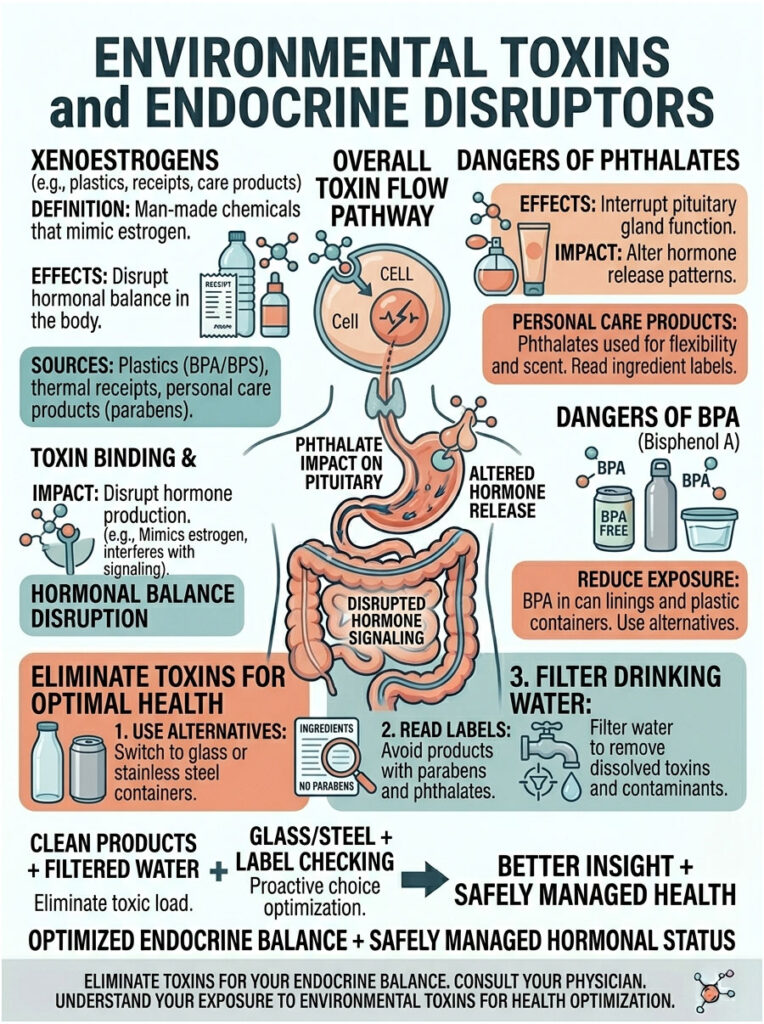
Xenoestrogens are artificial chemicals that mimic female hormones in the human body. When they enter your bloodstream, they bind to cellular receptors and send the wrong signals to your brain. Understanding how to avoid them is essential.
The Danger of Phthalates and BPA
Phthalates are chemical binding agents used heavily in synthetic fragrances, colognes, and cheap body washes. When applied to warm skin, these chemicals absorb directly into your bloodstream and actively suppress pituitary gland function.
BPA is another severe chemical threat found in cheap plastic water bottles and the coating of grocery store receipts. When BPA enters your system, it signals your brain to reduce messenger hormone production. It essentially tricks the body into thinking it has too much estrogen.
You must actively eliminate these compounds to protect your progress. Switch kitchen storage to glass or stainless steel containers. This simple change eliminates a major source of daily chemical exposure.
Detoxifying Your Daily Routine
Start reading ingredient labels on personal care products. Use natural, phthalate-free deodorants, shampoos, and body washes. Your skin is your largest organ, and it absorbs whatever you put on it directly into your blood.
Filter your daily drinking water using a high-quality reverse osmosis system. Municipal tap water can be contaminated with trace amounts of pharmaceutical residues and agricultural runoff. Clean water is a necessary step for maintaining internal balance.
By removing these daily chemical burdens, your liver functions more efficiently. A healthy liver processes and clears excess estrogen properly, keeping male hormones dominant and active.
Expert Tip: Never heat food in plastic containers, even if they claim to be microwave safe. Microwave radiation causes chemical disruptors to leach directly into hot food, potentially damaging your hormone pathways.
The Daily Supplement Protocol: Timing and Practical Strategies
Knowing the right nutrients is only half the battle. You must know exactly how and when to take them for maximum effect. Poor timing and bad habits can completely negate the benefits of powerful compounds.
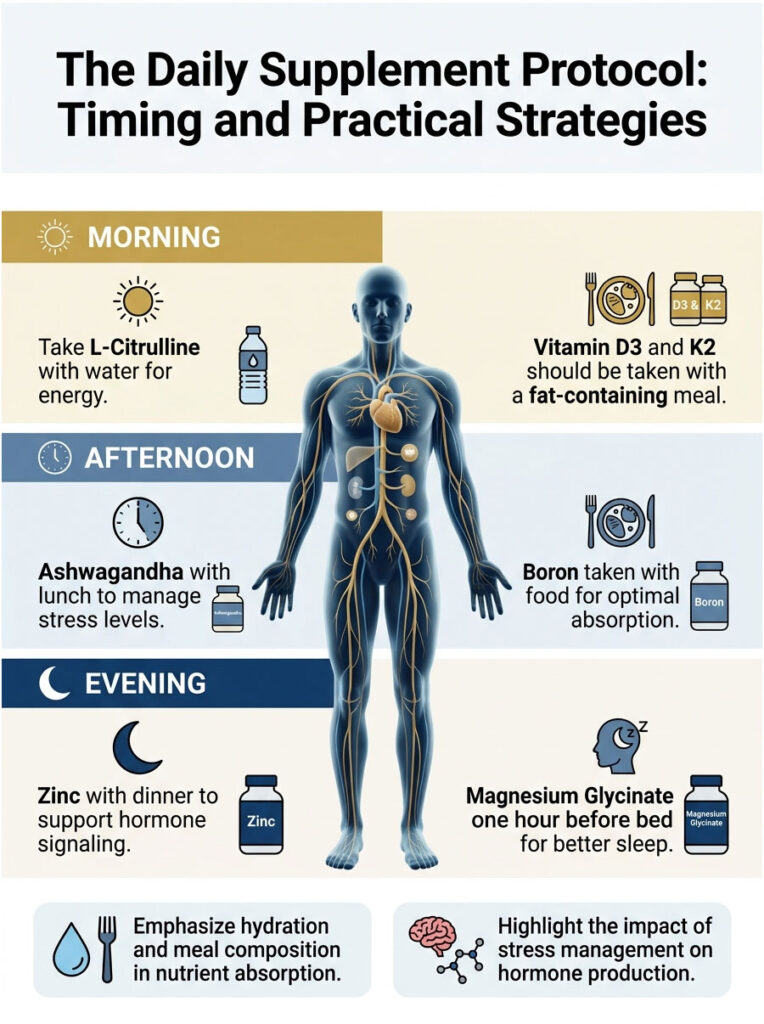
Here’s the specific, timed daily protocol I provide to my patients. Following this schedule ensures maximum absorption and optimal biological stimulation.
Morning Protocol: Waking Up the System
Your morning routine sets the biological tone for the entire day. Upon waking, your body is naturally dehydrated and primed for nutrient absorption.
Take L-Citrulline first thing in the morning with a large glass of filtered water. An empty stomach ensures rapid absorption without competition from dietary proteins. This immediately opens up blood vessels and provides clean, sustained energy.
Next, take Vitamin D3 and Vitamin K2 with your first meal. Both are fat-soluble, meaning they require dietary fat for proper absorption. Eating them with eggs or avocado ensures they actually enter your bloodstream.
Afternoon Protocol: Sustaining the Signal
The afternoon is when natural stress levels often peak due to work demands. This is the ideal window for adaptogenic herbs and trace minerals. The goal is to blunt the afternoon cortisol spike before it damages hormone production.
Take Ashwagandha with lunch to keep your nervous system calm and balanced. This prevents the mid-day pregnenolone steal. Keeping stress markers low during working hours is critical for recovery.
Take your Boron supplement during this window as well. With food, it absorbs steadily into your bloodstream and actively lowers binding proteins throughout the rest of the day.
Evening Protocol: Preparing for Recovery
Your evening routine is about preparing your brain and body for deep, restorative sleep. Sleep is the primary window for natural hormone manufacturing, so we need to provide the right nutrients for this recovery phase.
Take Zinc with dinner to prevent gastrointestinal nausea. Zinc requires stomach acid to break down properly, making a solid meal the ideal delivery vehicle. This gives your pituitary gland the raw materials it needs for nighttime signaling.
Take Magnesium Glycinate roughly one hour before bed. This mineral calms the central nervous system and lowers core body temperature, helping you enter the deep sleep stages required for maximum hormone production.
Real-World Case Studies and Clinical Results
Theory is valuable, but real-world application proves the science. In my urology practice, we rely on data-driven protocols and track blood work meticulously. Here are three anonymized case studies that illustrate the power of targeted nutritional interventions.
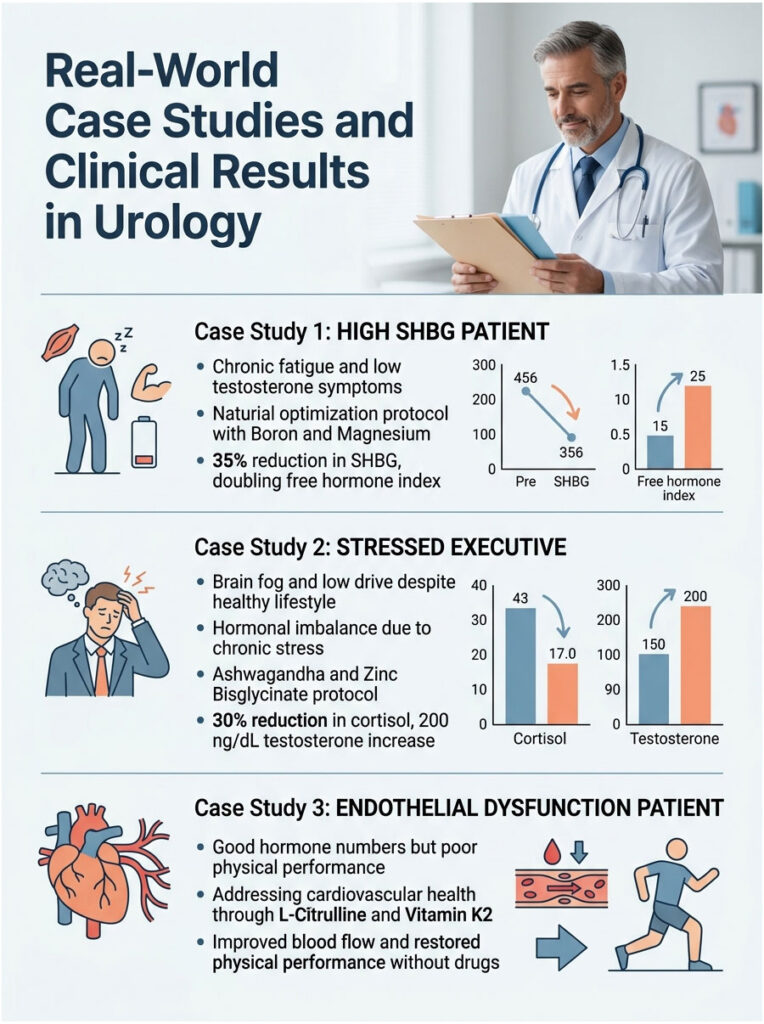
Case Study 1: The High SHBG Patient
A 42-year-old man came in complaining of severe chronic fatigue and a complete loss of morning vitality. He assumed he needed immediate pharmaceutical intervention.
We ran a comprehensive endocrine panel. His total testosterone was borderline low at 340 ng/dL, but the real problem was his SHBG. Binding proteins were incredibly high, leaving him with a severely depleted free hormone index.
Instead of pharmaceutical therapy, we initiated a 6-month natural optimization protocol. We prescribed 10mg of Boron daily alongside Magnesium Glycinate to target his elevated binding proteins.
At the 24-week mark, results were definitive. Boron reduced his SHBG by 35 percent, effectively doubling his free, usable hormone index. His vitality returned naturally, driven entirely by freeing up the hormones his body was already producing.
Case Study 2: The Stressed Executive
A 38-year-old corporate executive presented with severe brain fog, depressed mood, and a complete lack of physical drive. His diet was clean and he exercised regularly, yet he felt entirely depleted. His job demanded constant travel and high-stress negotiations.
Lab work revealed a massive stress hormone imbalance. Cortisol was consistently elevated throughout the entire day, completely suppressing pituitary function. His brain was refusing to send reproductive signals due to chronic stress.
We implemented a high-dose Ashwagandha protocol to blunt cortisol spikes. We added Zinc Bisglycinate to support his struggling pituitary gland and instructed him to prioritize sleep hygiene strictly.
Within three months, blood work showed a 30 percent reduction in circulating stress chemicals. His natural testosterone rebounded by over 200 ng/dL. By managing his biological stress response, his body restored healthy balance on its own.
Case Study 3: The Endothelial Dysfunction Patient
A 55-year-old patient had excellent hormone numbers but severe performance failures. Total testosterone was robust at 650 ng/dL with an optimal free index. However, he couldn’t maintain proper physical mechanics.
The issue wasn’t hormonal. It was entirely cardiovascular. Years of sedentary living had degraded his vascular lining. His body couldn’t produce enough Nitric Oxide to support proper blood flow.
We started him on 6 grams of L-Citrulline daily and 100mcg of Vitamin K2. We also increased his dietary intake of natural nitrates through leafy greens. The goal was to aggressively heal his vascular system.
After four months of consistent adherence, peripheral blood flow improved dramatically. L-Citrulline provided the chemical precursors, while K2 kept his arteries flexible and clear. Physical performance was completely restored without any hormone-altering drugs.
Summary and Key Takeaways
Finding the right nutritional path requires a strategic, clinically backed approach. It’s not about buying random supplements off a store shelf. It’s about understanding the underlying biological mechanics of the male body.
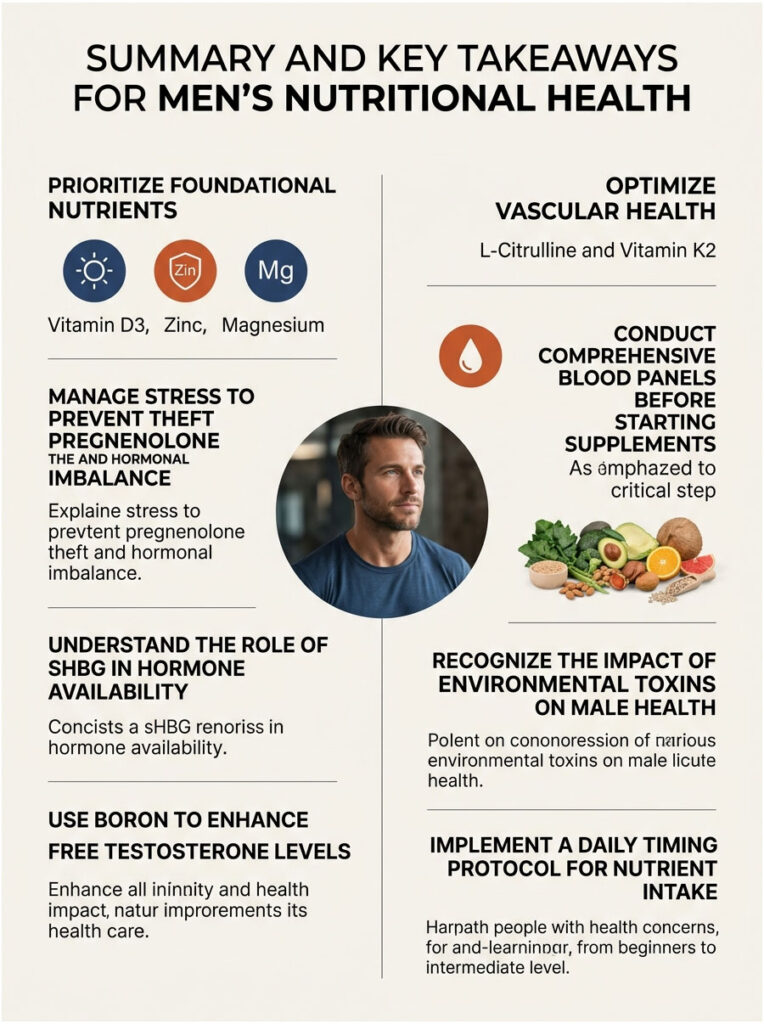
Prioritize the foundational triad first. Vitamin D3, Zinc, and Magnesium provide massive cellular stimulation and ensure proper signaling from the brain to the testes. They are the non-negotiable building blocks of your reproductive system.
Actively optimize vascular health using compounds like L-Citrulline and Vitamin K2. High hormone levels are useless without excellent peripheral blood flow to deliver them. Also deploy Boron daily to maximize your free hormone index.
Never ignore the destructive impact of daily stress. Proper stress management is required to prevent pregnenolone theft and maintain internal balance. Protect your sleep and manage environmental toxin exposure consistently.
The bottom line: demand comprehensive blood panels before beginning any new supplement regimen. Work closely with a qualified physician to track progress and ensure your biological systems are functioning optimally. When you implement the best vitamins for men’s sexual health and testosterone, you give your body the exact raw materials it needs to thrive naturally.
Frequently Asked Questions
What are the most essential vitamins for optimizing men’s sexual health and testosterone?
In my clinical practice, I prioritize the foundational triad: Vitamin D3, Zinc, and Magnesium. Vitamin D3 acts as a prohormone to stimulate Leydig cell function, Zinc supports the pituitary gland’s release of Luteinizing Hormone, and Magnesium helps inhibit Sex Hormone-Binding Globulin (SHBG) to increase your bioavailable hormone levels.
How does Vitamin D3 specifically impact male hormone production?
Vitamin D3 is a potent steroid hormone precursor. Clinical data shows that men with a deficiency who supplement consistently can see an average increase of 25.2 percent in total testosterone. It works by activating specific receptors in the testes that trigger the conversion of cholesterol into androgens.
Why is L-Citrulline considered superior to L-Arginine for erectile mechanics?
L-Arginine is largely destroyed by the liver’s filtration system before it reaches systemic circulation. L-Citrulline bypasses this first-pass metabolism, allowing the kidneys to convert it into usable arginine for sustained nitric oxide production. This provides superior vasodilation and improves peripheral blood flow to the reproductive organs.
What is the clinical significance of Sex Hormone-Binding Globulin (SHBG)?
SHBG is a protein that acts as a chemical sponge, tightly binding to roughly 60 percent of your circulating testosterone and making it biologically inactive. To improve physical vitality, we must use nutrients like Boron and Magnesium to lower this binding affinity and increase the ‘free’ pool of hormones available to your cells.
How quickly can Boron supplementation affect free testosterone levels?
Boron is remarkably efficient at manipulating hormone dynamics. Clinical observations indicate that daily supplementation with 10mg can significantly elevate your free, usable hormone index in as little as seven days by reducing the amount of testosterone trapped by carrier proteins in the bloodstream.
What is the ‘pregnenolone steal’ and how does it impact virility?
The pregnenolone steal occurs when chronic stress forces the body to divert the master precursor hormone, pregnenolone, away from testosterone production and toward cortisol synthesis. This biological defense mechanism prioritizes survival over reproduction, leading to a rapid decline in androgenic signaling.
Why must Vitamin D3 always be paired with Vitamin K2 (MK-7)?
High-dose D3 increases calcium absorption, but without Vitamin K2, that calcium can settle in your soft tissues and arteries, causing arterial stiffness. Vitamin K2 acts as a biological traffic cop, directing calcium into the bones and teeth, thereby preserving the endothelial health required for optimal vascular performance.
How does Ashwagandha support the male endocrine system?
Ashwagandha, particularly the KSM-66 extract, is an adaptogen that can reduce serum cortisol levels by up to 27 percent. By blunting the stress response, it protects the hypothalamic-pituitary-gonadal (HPG) axis from burnout and allows the body to resume natural hormone manufacturing.
What role does Zinc play in preventing male hypogonadism?
Zinc is the master mineral for the pituitary gland. It ensures a strong pulse of Luteinizing Hormone, which is the primary messenger telling the testes to produce testosterone. A severe deficiency is directly linked to medically diagnosed hypogonadism and impaired sperm membrane integrity.
Why is a ‘total testosterone’ blood test often misleading?
Standard lab reference ranges are incredibly broad (250–900 ng/dL), and a ‘normal’ result doesn’t account for how much hormone is actually bioavailable. You must calculate your free hormone index and check levels of SHBG, LH, and sensitive estradiol to get a true picture of your endocrine health.
How do environmental xenoestrogens like BPA and phthalates damage male health?
These endocrine disruptors mimic female hormones and bind to your cellular receptors, tricking the brain into suppressing androgen production. Phthalates in personal care products and BPA in plastics can actively shut down pituitary signaling, leading to elevated estrogenic activity and reduced libido.
What is the best daily timing protocol for these specific nutrients?
I recommend L-Citrulline on an empty stomach in the morning for blood flow, and Vitamin D3/K2 with a fat-containing breakfast for absorption. Take Boron and Ashwagandha in the afternoon to manage cortisol spikes, and save Zinc and Magnesium for the evening to support the nocturnal release of Luteinizing Hormone during deep sleep.
Disclaimer
This article is for informational purposes only and does not constitute medical advice. The content provided by Dr. Lawrence Sterling is intended to educate on nutritional foundations and should not replace a professional medical diagnosis or treatment plan. Always consult with a board-certified physician or qualified healthcare professional before starting any new supplement regimen, especially if you have underlying medical conditions or are taking prescription medications.
References
- National Institutes of Health (NIH) – https://ods.od.nih.gov/factsheets/VitaminD-HealthProfessional/ – Detailed data on Vitamin D deficiency prevalence and its impact on human steroid hormones.
- Hormone and Metabolic Research – “Effect of vitamin D supplementation on testosterone levels in men” – A peer-reviewed clinical study tracking the 25.2% increase in testosterone levels.
- American Urological Association (AUA) – https://www.auanet.org/guidelines/guidelines/hypogonadism – Official clinical guidelines for the evaluation and management of testosterone deficiency.
- Journal of Evidence-Based Complementary Medicine – “Efficacy and Safety of an Ashwagandha (Withania somnifera) Root Extract” – Clinical research regarding cortisol reduction and endocrine support.
- National Center for Biotechnology Information (NCBI) – “Nothing Boring About Boron” – Research paper detailing the effects of daily boron on sex hormone-binding globulin (SHBG).
- Journal of Clinical Endocrinology & Metabolism – “The Role of Magnesium in Testosterone Bioavailability” – Scientific analysis of how magnesium prevents protein binding in the bloodstream.