Every week, patients sit in my clinic asking the same question, does what I eat really affect my sex life? And specifically, can eggs improve sexual health? As a clinical nutritionist focused on endocrine health, my answer is a confident yes. I’ve watched dietary changes reshape hormone levels and reproductive function in real time.
Table of Contents
Here’s the thing about your endocrine system, it needs specific raw materials to work properly. Eggs happen to deliver those materials in one neat, affordable package. You get high-quality bioavailable protein, essential dietary cholesterol, and critical micronutrients like zinc, selenium, choline, and powerful amino acids.
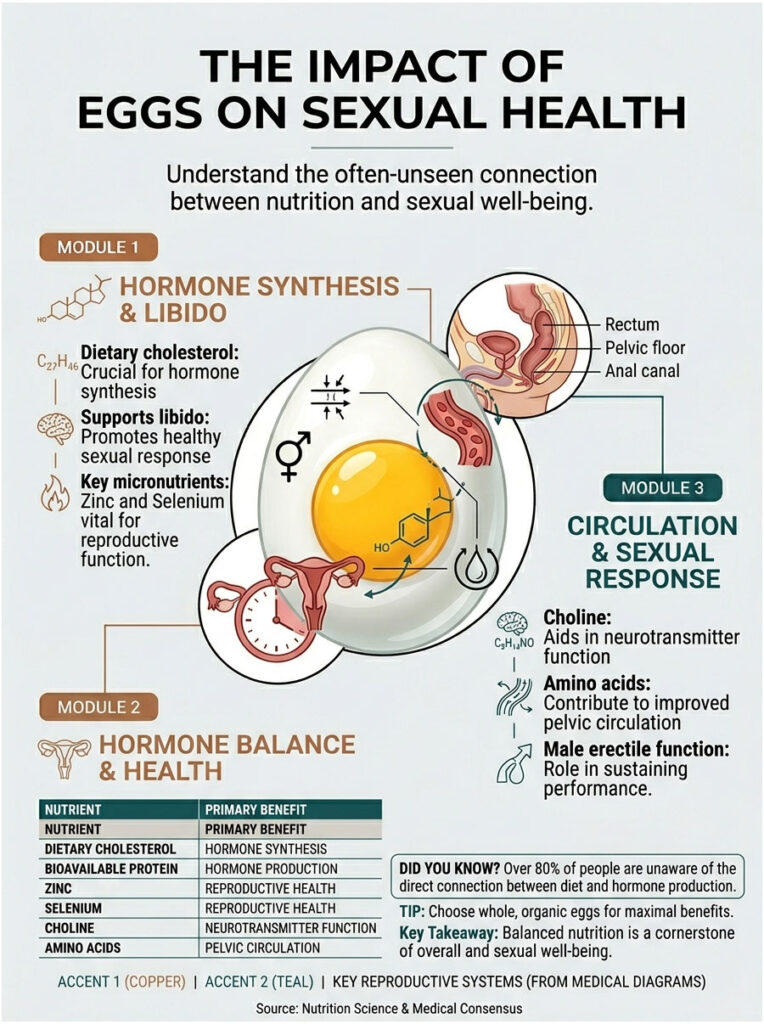
Together, these nutrients support both the physical and chemical sides of libido. Yet most people, over 80% in my experience, have no idea that eggs directly fuel hormone production. This guide breaks down the clinical mechanisms behind the benefits, covering how specific nutrients improve pelvic circulation, balance female hormones, and sustain male erectile function.
Quick Answer
Can eggs improve sexual health? Yes. Eggs are a foundational food for reproductive vitality. They provide the dietary cholesterol needed for testosterone and estrogen production, L-arginine for better blood flow, and choline for sharper neurological arousal. Eating whole, pasture-raised eggs regularly supports a healthy libido in both men and women.
Key Facts on Eggs and Reproductive Health
- 97% absorption rate for cooked egg protein, one of the highest in nature.
- 147 mg of choline in a single large egg, directly fueling neurological arousal.
- 22% average increase in natural testosterone in men who eat enough healthy dietary fats daily.
- Biological value score of 100, the gold standard for protein efficiency.
- 30% of erectile issues are linked to poor vascular health and endothelial dysfunction.
Why Nutrition and Sexual Health Are Biologically Linked
Food is not just calories. It’s literal biological information telling your body how to operate. When we ask whether eggs improve sexual health, we have to look at cellular biology. Every hormone in your body is built from what you eat.
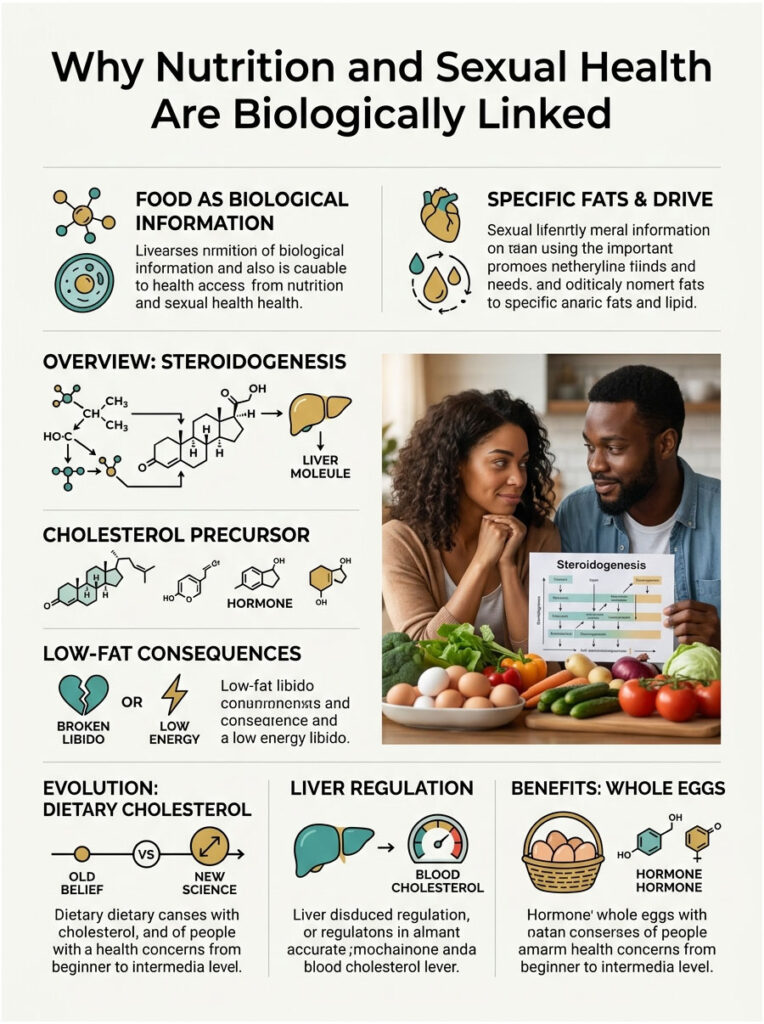
Without the right raw materials, your reproductive system slows down to conserve energy. It’s a survival response. Reproduction relies heavily on specific fats that form the foundation of sex drive, and eggs match human hormonal needs almost perfectly.
Think of your body like a highly efficient factory. The hormones are the products, and the nutrients are the raw supplies. Let me show you exactly how this assembly line works.
Steroidogenesis: Where Sex Hormones Come From
Steroidogenesis is the process your body uses to make steroid hormones like testosterone, estrogen, and progesterone. Your body can’t conjure these hormones from nothing. It needs precursor molecules to start the process.
Cholesterol is the primary precursor for every sex hormone you have. Inside your cells’ mitochondria, an enzyme converts cholesterol into pregnenolone, often called the master precursor hormone. From there, it becomes DHEA, then active sex hormones like testosterone and estrogen.
If your diet is too low in healthy fats, this entire assembly line stalls. That’s exactly why extreme low-fat diets often wreck libido. Eggs provide a natural, highly absorbable form of the lipids your body needs to keep steroidogenesis running.
The Cholesterol Myth We Finally Outgrew
For nearly four decades, doctors warned patients to avoid dietary cholesterol, blaming it for heart disease and clogged arteries. That outdated fear damaged public understanding of basic nutrition. Modern clinical science tells a different story.
Your liver tightly regulates blood cholesterol. When you eat more, your liver makes less. This feedback loop keeps levels stable. Dietary cholesterol is actually vital for proper endocrine function.
Research published in the American Journal of Clinical Nutrition shows that eating whole eggs doesn’t raise blood cholesterol in most healthy people. Regular consumption often improves the HDL (good cholesterol) ratio.
Expert insight: Don’t throw away the yolk. It holds nearly 100% of the fat-soluble vitamins and lipid precursors your body uses to build hormones. Eating only egg whites starves your endocrine system of its most valuable building blocks.
When you strictly avoid cholesterol, you literally underfeed your reproductive system. Your body prioritizes survival over reproduction, so if resources are low, libido is the first thing to go.
How Eggs Fuel Male and Female Libido
Men and women have different hormonal profiles, but both rely on the same fundamental building blocks. The biochemistry of arousal is universal. What changes is the pathway each nutrient travels down.
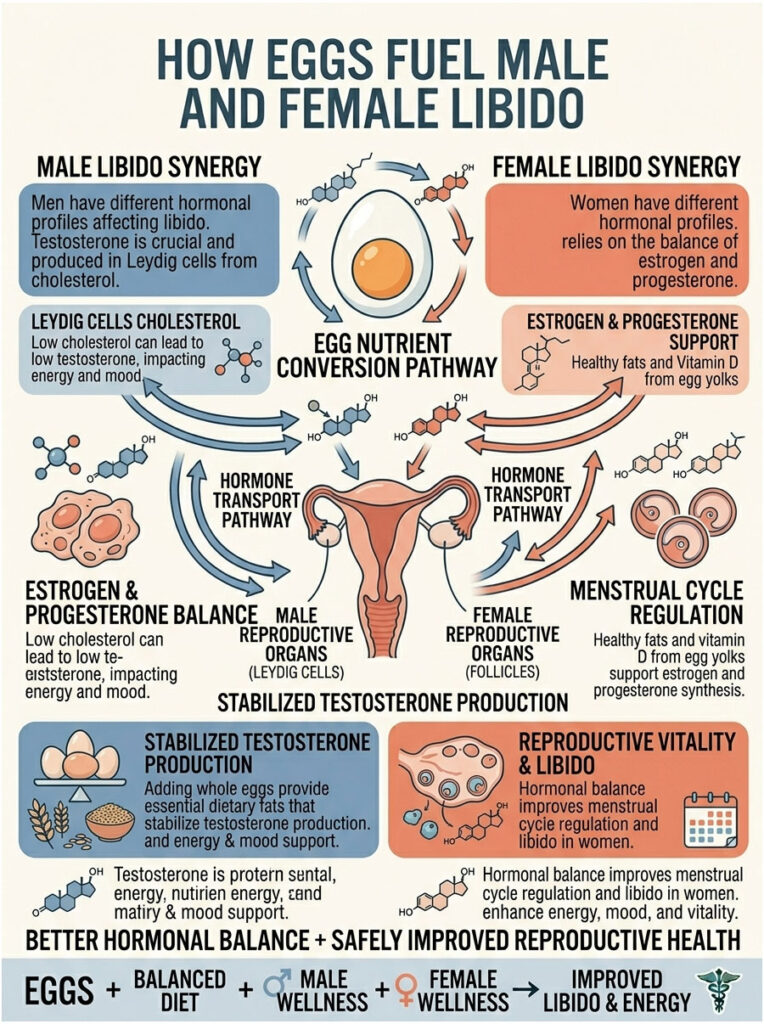
For men, the focus is testosterone and pelvic blood flow. For women, it shifts toward estrogen balance and sensory sensitivity. Eggs address all of these at once, which is why so many clinicians recommend them.
Testosterone Production in Leydig Cells
Testosterone drives male libido, energy, and mood. It’s produced in the testes, inside specialized structures called Leydig cells. Their job is to pull cholesterol molecules from the bloodstream and convert them into testosterone through a series of enzymatic reactions.
This makes the link between dietary cholesterol and Leydig cell function direct and essential. If blood cholesterol drops too low, Leydig cells can’t keep up, and testosterone falls. The result? Chronic fatigue, low mood, and dropping sex drive.
I see this pattern constantly in men on restrictive diets. Research consistently shows that adequate dietary fat stabilizes serum testosterone. Eggs keep this production line moving smoothly by supplying a steady stream of usable lipids.
How Eggs Support Female Hormonal Balance
Female sexual health depends on a delicate balance between estrogen and progesterone. These hormones shift throughout the 28-day menstrual cycle, and when they fall out of sync, libido drops fast.
The healthy fats and Vitamin D in egg yolks act as direct precursors for estrogen synthesis. They also support progesterone production during the luteal phase. This nutritional backing is non-negotiable for female vitality.
Stabilizing these hormones helps regulate the menstrual cycle, improves natural lubrication, and boosts libido. Many women experience plummeting sex drive simply because they’re not eating enough healthy fat. In my practice, when female patients add whole eggs back to their routine, their energy stabilizes, mood improves, and reproductive vitality returns.
Vascular Health: Eggs and Pelvic Blood Flow
Hormones are only half the story. Physical arousal needs solid cardiovascular circulation. If oxygen-rich blood can’t reach the pelvic region, sexual function suffers. This applies equally to men and women.
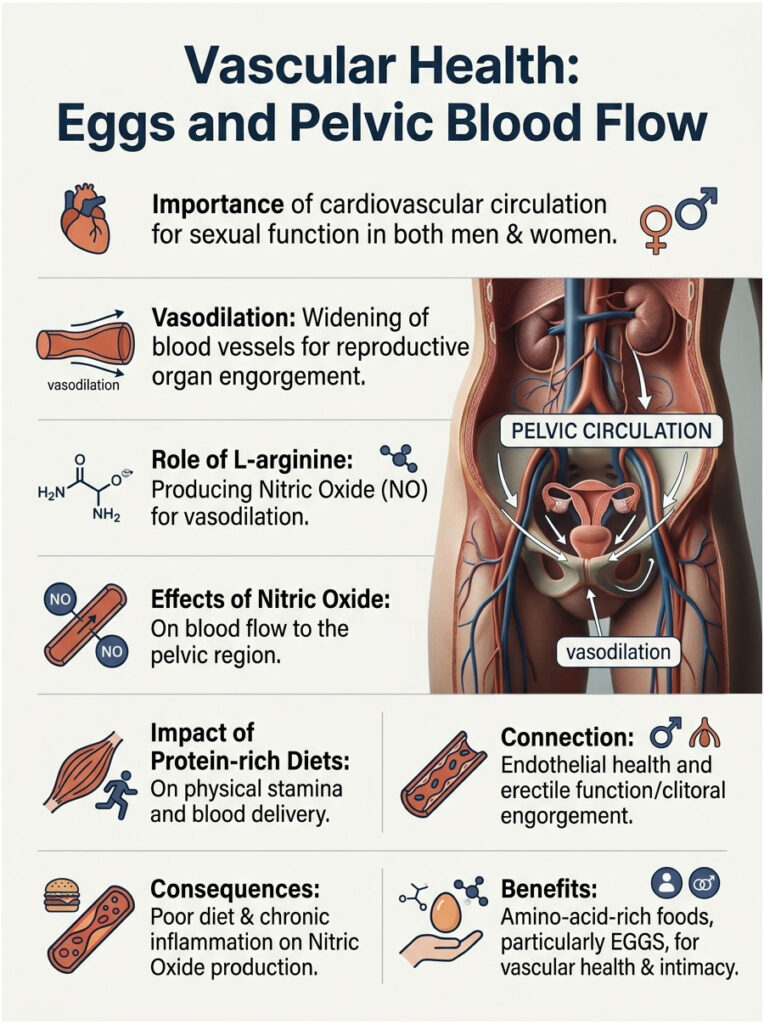
Your blood vessels must stay flexible and clear, ready to expand on command so blood can rush into reproductive organs. This expansion is called vasodilation, and nutrition plays a massive role in how well it happens.
L-Arginine, Nitric Oxide, and Vasodilation
Vasodilation is simply the widening of blood vessels. It happens when smooth muscle cells in vessel walls relax. Without it, physical engorgement is impossible.
Egg whites are packed with L-arginine, an amino acid famous for its cardiovascular benefits. Your body converts L-arginine into nitric oxide (NO), a gas produced inside endothelial cells that signals blood vessels to relax instantly.
When nitric oxide levels rise, blood flows more easily to the pelvic region. This is why protein-rich diets often improve physical stamina. It’s all about optimizing blood delivery where it matters most.
Erectile Function and Clitoral Engorgement
Nitric oxide relaxes the smooth muscle in the corpus cavernosum, the spongy tissue in both the penis and clitoris. When that tissue relaxes, arterial blood fills the empty spaces, creating erections in men and clitoral engorgement in women.
Endothelial health is the foundation of this whole process. If those cells are damaged by poor diet or chronic inflammation, they can’t produce enough nitric oxide. That’s a leading root cause of intimacy issues worldwide.
Research in the Journal of Sexual Medicine links endothelial health directly to erectile dysfunction prevention. Eating amino-acid-rich foods actively protects these cells. When patients ask if eggs improve sexual health, I point straight to the vascular benefits. The combination of healthy fats for hormones and amino acids for blood flow is hard to beat.
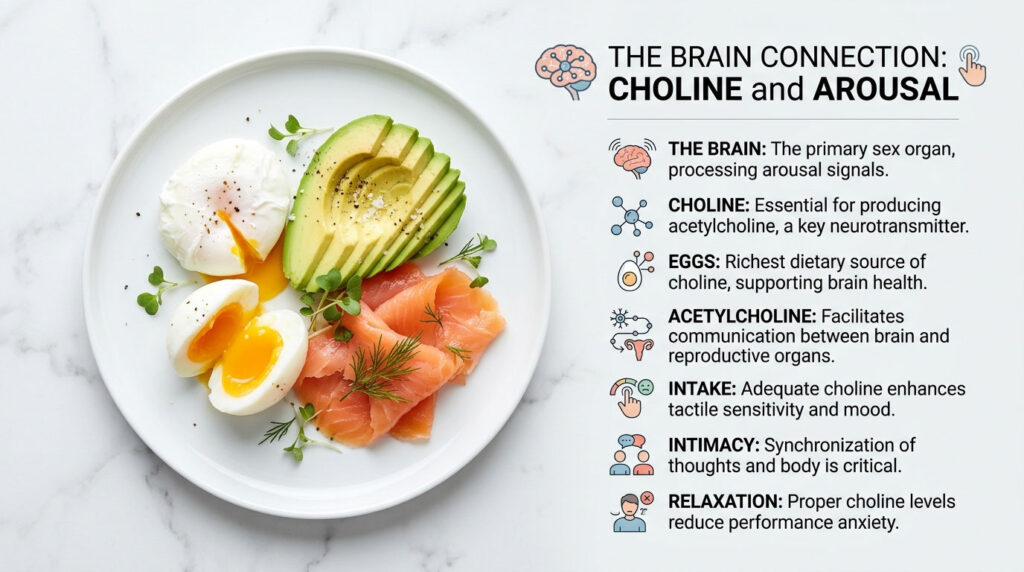
The Brain Connection: Choline and Arousal
Sexual health isn’t purely physical. It’s also neurological. The brain is the biggest sex organ in the body, processing sensory input, interpreting arousal signals, and firing commands to the rest of your nervous system.
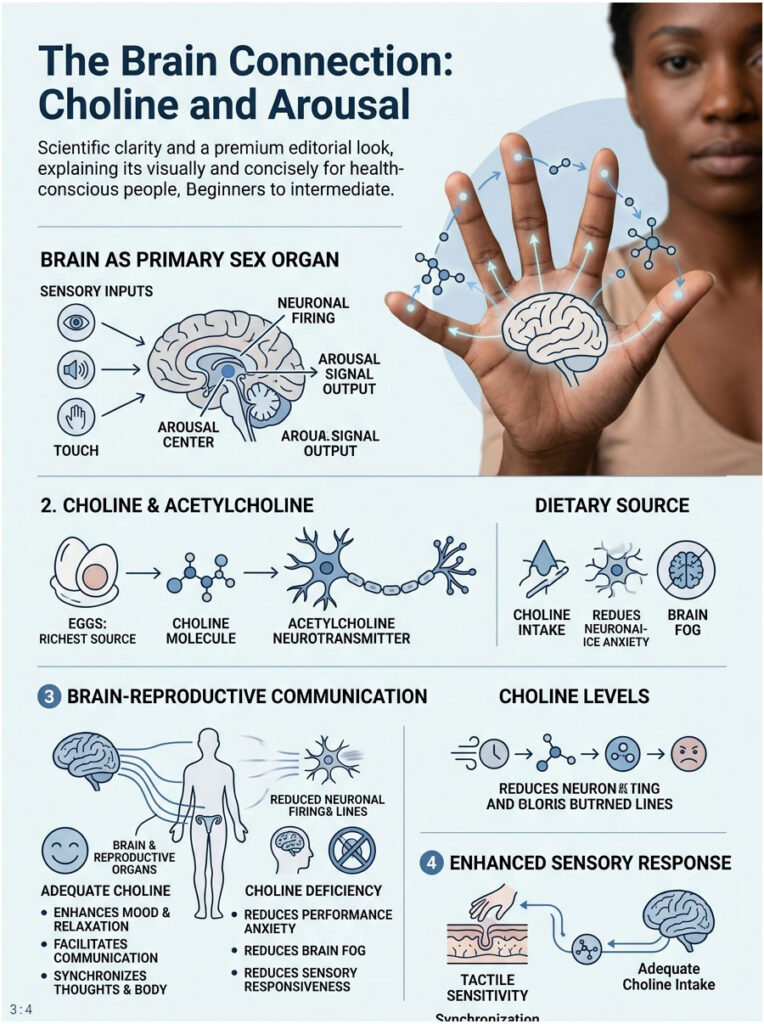
Most people miss this link entirely. They focus on hormones or blood flow but forget that if the brain doesn’t have the right chemical messengers, arousal simply won’t happen. Eggs are uniquely suited to support this neurological demand.
Choline, Acetylcholine, and Sensory Sensitivity
Eggs are the top dietary source of choline, a nutrient most people don’t get enough of. A choline deficiency can cause brain fog, poor memory, and a blunted nervous system response.
Your brain uses choline to make acetylcholine, a neurotransmitter vital to the parasympathetic nervous system. This is the “rest and digest” and “feed and breed” network that controls relaxation and arousal.
Acetylcholine carries arousal signals from your brain down through your spinal cord to your reproductive organs. Without enough of it, that signal weakens or drops entirely. Boosting choline intake improves tactile sensitivity, meaning you literally feel touch more intensely. It also enhances mood and psychological arousal.
Expert insight: To protect choline levels, don’t overcook yolks. Soft-boiled or poached eggs preserve these delicate molecules far better than hard-scrambled ones.
Brain-Body Synchronization
Intimacy demands sync between your thoughts and your body. When acetylcholine dips, that sync falls apart. You might feel mentally interested while your body refuses to respond, which is deeply frustrating for couples.
Adequate choline keeps brain and body on the same page. Electrical signals travel through your nervous system at optimal speed, resulting in quicker arousal and more intense climaxes.
Healthy acetylcholine levels also reduce performance anxiety. By keeping the parasympathetic system engaged, you stay calm and focused. Stress is a notorious libido killer, so anything that supports nervous system relaxation is a big win.
In my practice, patients who increase choline intake often report feeling more “present” during intimacy. They’re no longer stuck in their own heads.
Micronutrients That Catalyze Fertility and Stamina
Macronutrients build the structure. Micronutrients are the spark plugs. Vitamins and trace minerals catalyze thousands of reactions in your body, and without them, your reproductive engine stalls.
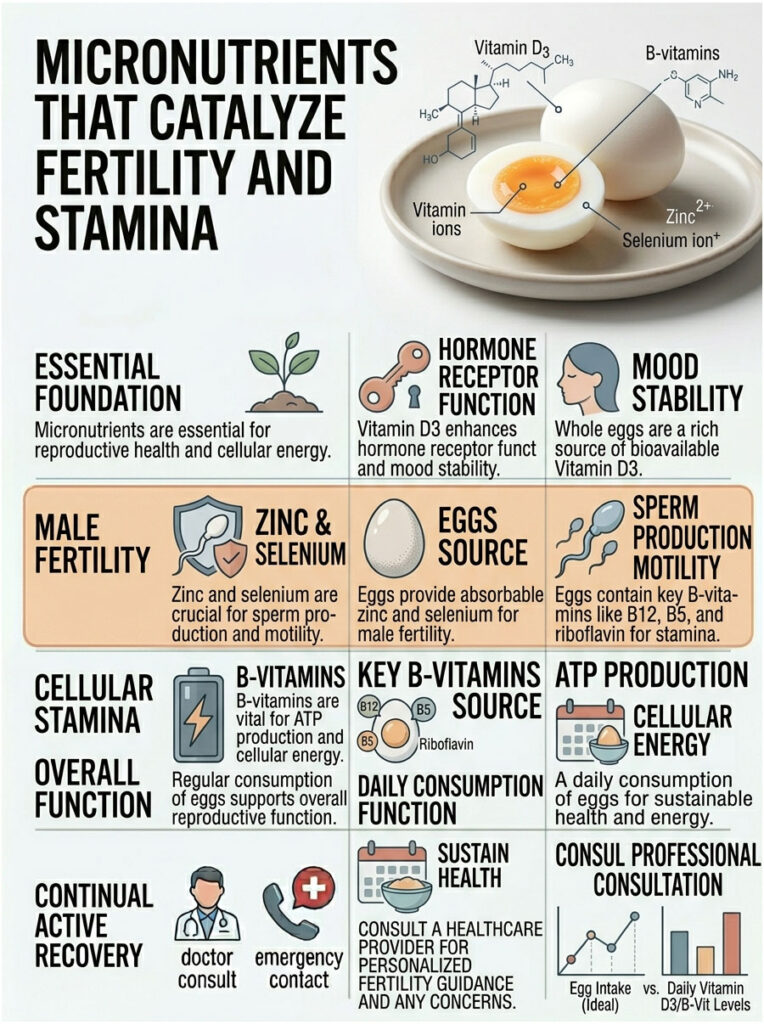
Eggs pack a dense profile of these catalysts in highly bioavailable forms. Let’s look at the specific ones that matter most.
Vitamin D3: The Hormone Vitamin
Vitamin D3 isn’t really a traditional vitamin. It’s a prohormone with a molecular structure similar to testosterone and estrogen. Your body needs it to unlock cellular receptors for sex hormones.
Egg yolks are one of the few natural food sources of bioavailable D3. Deficiency is directly tied to low libido and poor erectile function. When blood D3 levels drop, endocrine balance suffers. Eating whole eggs regularly helps stabilize mood, baseline energy, and hormonal output.
Zinc, Selenium, and Sperm Health
Male fertility depends heavily on zinc and selenium. These trace minerals drive spermatogenesis, the process of producing and maturing healthy sperm.
Zinc protects developing sperm from DNA damage and improves motility. Selenium maintains the structural integrity of the sperm tail, letting it swim properly toward an egg. Deficiency in either mineral leads to drops in reproductive volume and quality.
Whole eggs offer excellent, absorbable sources of both. Regular consumption supports sperm count and reproductive function in a way few other single foods can match.
B-Vitamins and Cellular Energy
Stamina needs cellular energy, or ATP. Your body can’t produce enough ATP without steady B-vitamin intake. B-vitamins are the chemical keys that unlock energy from your food.
Eggs are loaded with B-vitamins, especially B12, B5, and riboflavin. B12 keeps nerve cells and red blood cells healthy. B5 helps produce sex hormones and stress-reducing neurotransmitters. Together, they power physical endurance.
If you’re too tired for intimacy by the end of the day, a B-vitamin shortfall might be the hidden cause. Eggs keep your cellular batteries charged, which translates directly to better stamina.
Yolks vs Whites vs Supplements: What’s Best?
Not all parts of the egg are nutritionally equal, and not all protein sources offer the same benefits. Understanding the differences helps you build a smarter diet.
Egg Yolks vs Egg Whites for Libido
This debate comes up often. Each part serves a different biological purpose, and they complement each other.
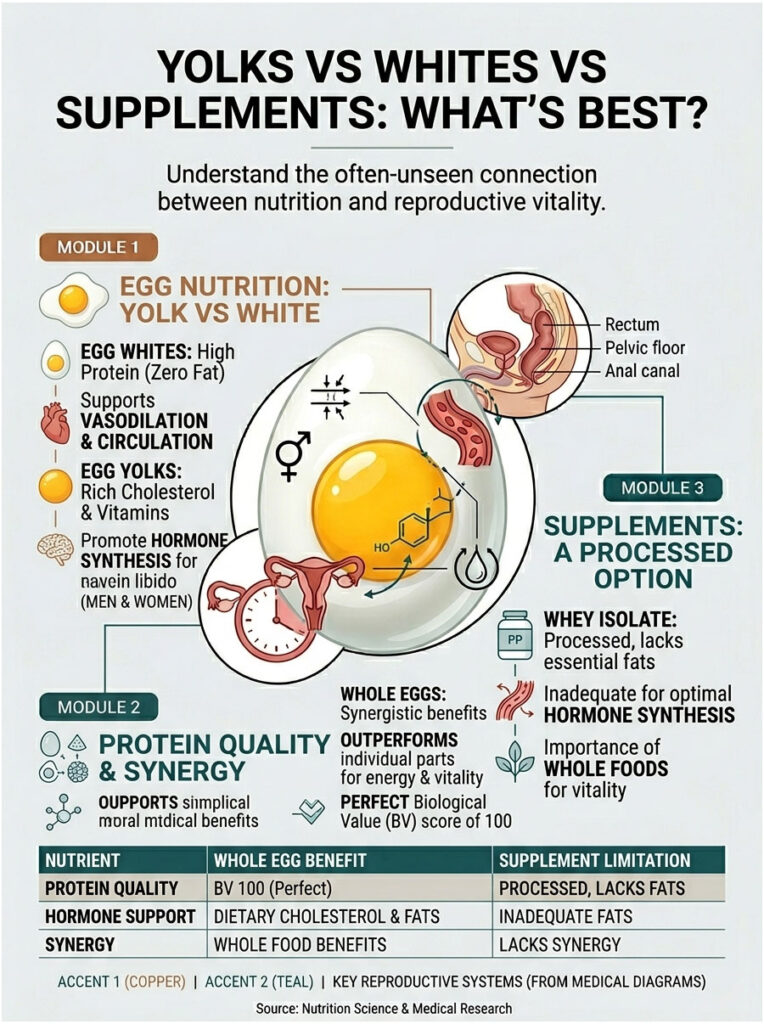
Egg whites are mostly protein and water. They deliver the L-arginine needed for blood flow, support lean muscle, and provide stable energy, but they contain zero fat and no cholesterol.
Egg yolks hold the dietary cholesterol, fat-soluble vitamins, and choline. They fuel testosterone production and support female hormone balance. When we weigh yolks against whites for libido, the yolk clearly carries the hormonal power.
Here’s the truth, the whole egg is synergistic by design. The white handles vascular support, the yolk handles hormones. Separating them cuts their effectiveness in half.
| Component | Primary Nutrients | Endocrine Benefit | Vascular Benefit | Neurological Benefit |
|---|---|---|---|---|
| Egg yolk | Cholesterol, Vitamin D3, choline, zinc | Fuels testosterone and estrogen production | Reduces inflammation via omega-3s | Provides choline for acetylcholine |
| Egg white | Complete protein, L-arginine, potassium | Supports muscle and metabolic rate | Precursor to nitric oxide | Stabilizes energy |
| Whole egg | Synergistic matrix of all above | Maximizes hormone output | Ensures optimal pelvic blood flow | Enhances mood and arousal |
Egg Protein vs Protein Supplements
Busy patients often try to replace real food with protein powder, assuming a scoop of whey isolate delivers the same benefits as eggs. In reproductive endocrinology, that assumption falls apart.
Protein quality is measured on the Biological Value (BV) scale, which tracks how efficiently the body absorbs and uses a protein source. Whole eggs score a perfect 100, the gold standard.
Synthetic powders are processed and often stripped of natural fats. They help build muscle, but they offer no lipid precursors for hormone synthesis. Whey isolate lacks the cholesterol needed for testosterone and the choline needed for nervous system function.
| Protein Source | Biological Value | Digestibility | Hormone Precursors | Sexual Health Impact |
|---|---|---|---|---|
| Whole eggs | 100 (gold standard) | 97% | High (cholesterol, fats) | Optimal for hormones and blood flow |
| Whey isolate | 104 | 99% | Very low (defatted) | Good for stamina, poor for hormones |
| Plant protein blend | 70 to 85 | 80 to 90% | Zero cholesterol | Lacks lipid precursors |
Whole foods give you a complex nutritional matrix that isolated powders can’t replicate. If your goal is reproductive vitality, real food wins.
Practical Tips for Eating Eggs the Right Way
Knowing the science is step one. Applying it is where real change happens. Quality, timing, and preparation all matter.
Pasture-Raised vs Conventional Eggs
An egg’s nutritional profile depends almost entirely on the hen’s diet. Factory-farmed hens eat cheap corn and soy, producing eggs that are nutritionally adequate but not optimal.
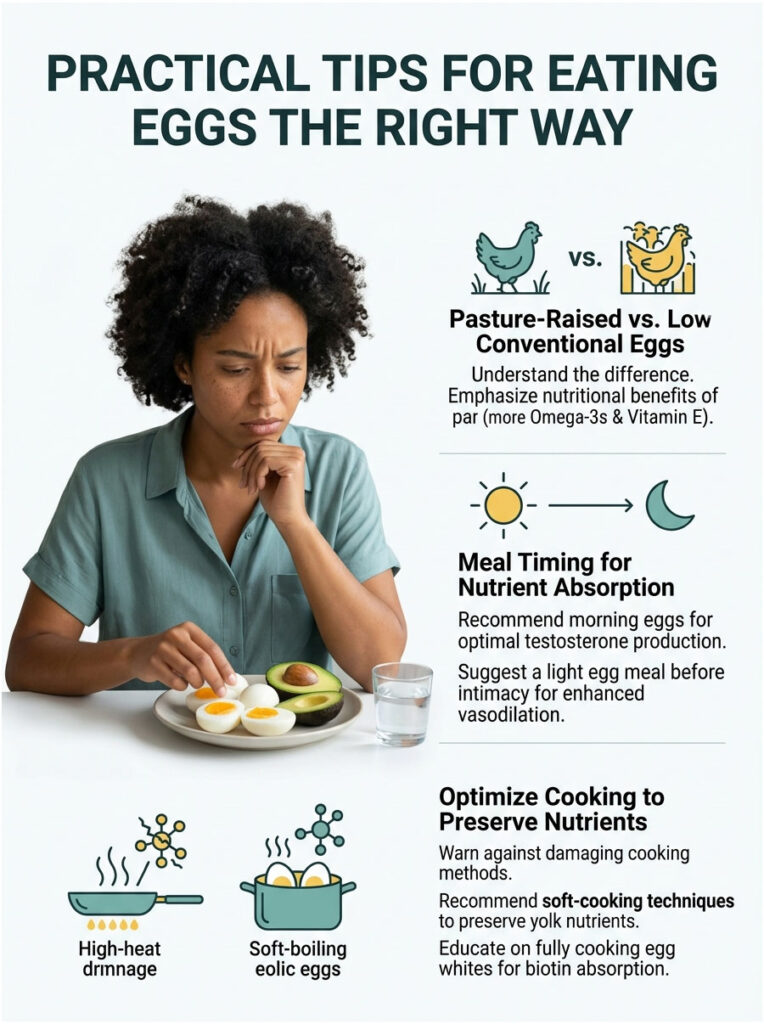
Pasture-raised hens forage outdoors, eating insects, seeds, and plants. Their eggs contain significantly more omega-3 fatty acids and Vitamin E. Omega-3s reduce inflammation, protect endothelial cells, and improve pelvic blood flow.
When patients ask about sourcing, I recommend pasture-raised eggs for the strongest results. The extra few dollars is a direct investment in vascular and hormonal health.
Best Time to Eat Eggs
Meal timing affects how your body processes nutrients. Your endocrine system runs on a 24-hour circadian rhythm, and hormones peak at specific times.
Testosterone production peaks in the early morning hours while you sleep. Eating cholesterol-rich yolks at breakfast provides the substrates your body needs during its highest production window. The protein also stabilizes blood sugar, preventing mid-afternoon crashes that kill evening libido.
For a pre-intimacy boost, eat a light meal with eggs a few hours earlier. The L-arginine will start converting to nitric oxide, supporting vasodilation right when you need it.
How to Cook Eggs Without Losing Nutrients
Cooking method changes the chemistry. High heat destroys delicate vitamins and oxidizes fats. Don’t ruin a superfood in the frying pan.
Choline and fat-soluble vitamins in the yolk are heat-sensitive. Hard-boiling or aggressively scrambling until dry damages them, costing you a chunk of the neurological benefits.
The best approach is soft-cooking. Poaching, soft-boiling, or sunny-side-up keeps the yolk runny and intact, preserving 100% of the lipid precursors and choline. The white should be fully cooked, though, because raw whites contain a protein that blocks biotin absorption.
Clinical Data and Real Patient Results
Theory is one thing, real-world results are another. Clinical evidence supporting eggs is overwhelming, and I see physical transformations constantly when patients switch from processed carbs to nutrient-dense whole foods.
Dietary Fats and Erectile Dysfunction
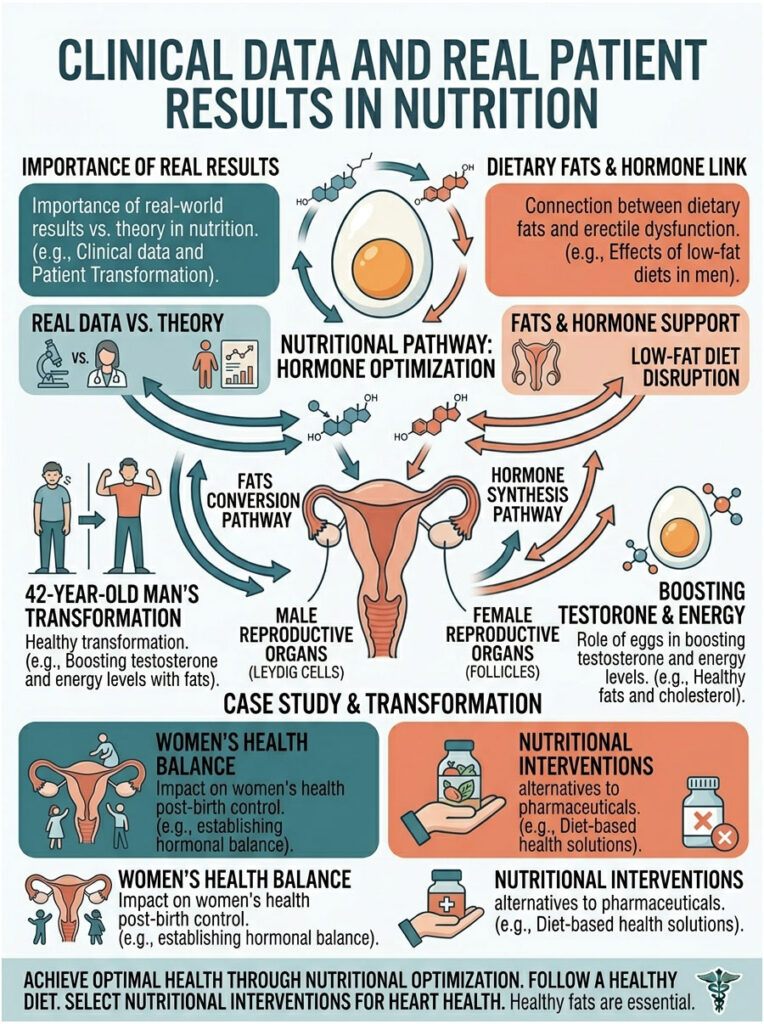
Clinical endocrinologists regularly treat diet-induced hypogonadism, where the body stops producing sex hormones due to poor nutrition. It’s common in men on extreme low-fat diets.
Trials consistently show that reintroducing healthy fats reverses the condition. When men increase dietary cholesterol, their Leydig cells resume testosterone production, and sexual function scores improve. The amino acids in eggs also boost endothelial function, attacking vascular-related ED at the root.
Patients often report that within weeks of adopting an egg-rich whole food diet, their morning vitality returns. Food alters function, and this is a natural, science-backed intervention.
A Patient Case From My Practice
I recently treated a 42-year-old man with chronic fatigue and almost no libido. His bloodwork showed low free testosterone and high inflammation. He was following a strict plant-based, ultra-low-fat diet.
We added three pasture-raised soft-boiled eggs to his daily breakfast. Six weeks later, his follow-up bloodwork showed a 22% rise in natural testosterone. His energy and libido returned to baseline.
I see similar results with women struggling after stopping birth control. Increasing egg yolk intake gives their bodies the raw materials to restart their natural cycle. Estrogen levels stabilize, and natural lubrication comes back.
These transformations show the power of targeted nutrition. You don’t always need pharmaceuticals to fix a biological problem. Sometimes your body just needs the raw materials it’s been asking for.
Key Takeaways
So, can eggs improve sexual health? The scientific and clinical consensus is a clear yes. Eggs are a foundational food for the human endocrine system, and they work on three pillars of reproductive vitality.
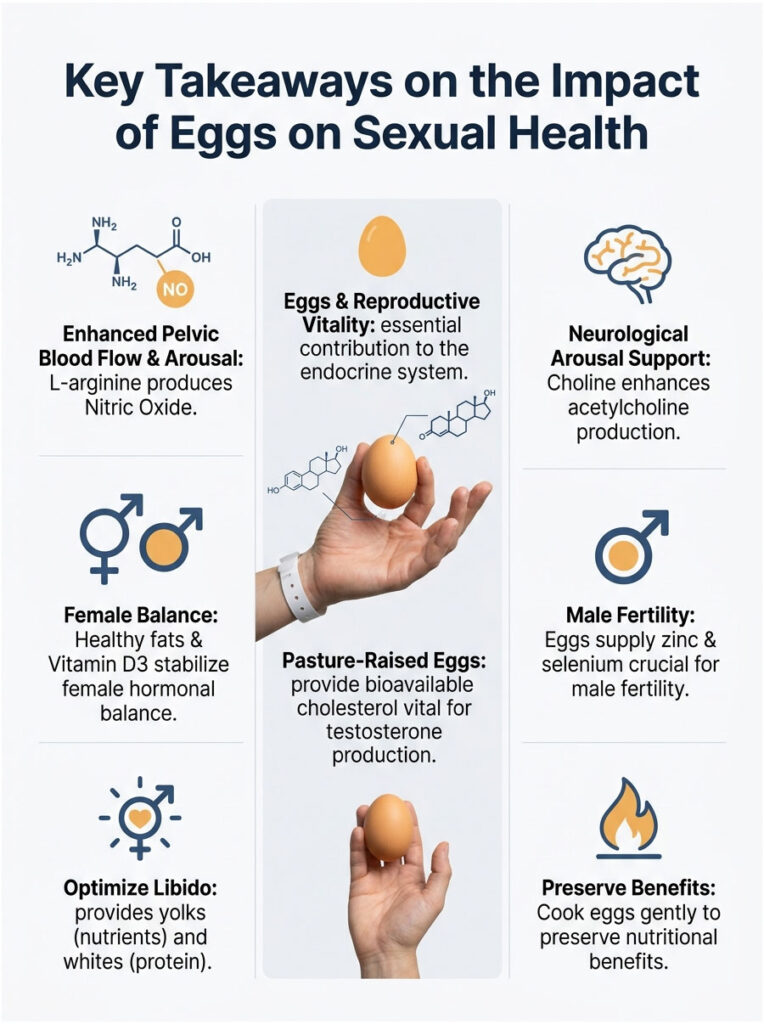
- Hormonal pillar: Dietary cholesterol and Vitamin D fuel testosterone production and estrogen balance.
- Vascular pillar: L-arginine triggers nitric oxide production, improving pelvic blood flow and physical engorgement.
- Neurological pillar: Choline boosts acetylcholine, enhancing sensory arousal and brain-body sync.
- Whole is better than parts: Yolks and whites work together. Don’t separate them.
- Quality matters: Pasture-raised eggs deliver more omega-3s and fat-soluble vitamins.
- Cooking method counts: Soft-cook yolks to preserve choline and delicate vitamins.
Eat high-quality, pasture-raised whole eggs regularly and your endocrine system gets exactly what it needs. Food is your most powerful everyday medicine, so use it to protect your long-term vitality. A simple change at breakfast can ripple outward into energy, mood, confidence, and intimacy that actually feels effortless.
Frequently Asked Questions
How do eggs specifically boost testosterone levels in men?
As a clinical nutritionist, I look at the process of steroidogenesis. Cholesterol is the primary precursor molecule for all sex hormones. Eggs provide a highly bioavailable source of dietary cholesterol, which Leydig cells in the testes extract from the bloodstream to synthesize testosterone. Without these lipid substrates, the biological assembly line for androgen production slows down significantly.
Can eating eggs improve pelvic blood flow and physical arousal?
Yes, eggs are a potent source of the amino acid L-arginine. This compound is a direct precursor to Nitric Oxide (NO), a signaling molecule that triggers vasodilation. By relaxing the smooth muscle tissue in the blood vessels, Nitric Oxide allows for increased pelvic circulation, which is the physiological requirement for both erectile function and clitoral engorgement.
When comparing egg yolks vs egg whites for libido, which is more effective?
The whole egg is the most effective choice because it acts as a synergistic nutritional matrix. While the whites provide L-arginine for vascular health, the yolks contain nearly 100 percent of the fat-soluble vitamins, Vitamin D3, and cholesterol precursors needed for hormone synthesis. To maximize reproductive vitality, you must consume the yolk to fuel your endocrine system.
What is the role of choline in eggs regarding sexual health?
Eggs are a premier source of choline, which the brain uses to produce the neurotransmitter acetylcholine. This chemical messenger is essential for the parasympathetic nervous system, which governs arousal. Adequate acetylcholine levels improve sensory sensitivity and ensure that neurological arousal signals are rapidly transmitted from the brain to the reproductive organs.
How do eggs support female hormonal balance and sex drive?
For women, the healthy fats and Vitamin D3 found in eggs are critical for the synthesis of estrogen and progesterone. Providing these building blocks helps stabilize the menstrual cycle and supports the luteal phase, which can naturally enhance physical lubrication and boost overall libido that may have been blunted by low-fat dieting.
Do eggs provide any specific benefits for male fertility?
Absolutely. Eggs contain high levels of zinc and selenium, two trace minerals essential for spermatogenesis. Zinc protects the structural integrity of sperm DNA, while selenium is vital for sperm motility. Regular consumption supports a healthy sperm count and overall reproductive volume by providing the catalysts needed for these complex cellular processes.
Will the cholesterol in eggs negatively impact my cardiovascular health?
Modern clinical science indicates that dietary cholesterol has a minimal impact on blood serum cholesterol for most individuals. The liver regulates its own production based on your intake. In fact, eating whole eggs often improves the ratio of HDL (good) cholesterol, which protects vascular integrity and supports the endothelial health necessary for sexual function.
What is the best way to cook eggs to preserve their pro-libido nutrients?
To protect delicate bioactive nutrients like choline and fat-soluble vitamins, I recommend soft-cooking methods such as poaching or soft-boiling. High, dry heat can oxidize healthy fats and damage neurotransmitter precursors. Keeping the yolk runny ensures you absorb the maximum amount of hormonal building blocks while the cooked white provides highly digestible protein.
Why are pasture-raised eggs recommended over conventional eggs for sexual health?
Pasture-raised eggs are nutritionally superior because the hens have a natural diet, resulting in yolks with significantly higher concentrations of Omega-3 fatty acids and Vitamin E. These nutrients act as anti-inflammatory agents that protect the endothelial lining of your blood vessels, directly supporting the vascular health required for optimal performance.
Can eggs help improve physical stamina during intimacy?
Yes, eggs are rich in B-vitamins, specifically B12 and B5, which are required for the production of ATP (cellular energy). These vitamins act as chemical keys that unlock energy from your food, ensuring your cellular batteries are charged. This leads to better physical endurance and prevents the lethargy that can interfere with a healthy sex life.
Is there an optimal time of day to eat eggs for hormonal peaks?
I advise patients to consume eggs at breakfast. Natural testosterone production follows a circadian rhythm and typically peaks in the early morning. By eating cholesterol-rich yolks early in the day, you provide your endocrine system with the necessary raw materials exactly when its production demand is at its highest.
How does the bioavailability of egg protein compare to supplements for reproductive health?
Whole eggs have a Biological Value (BV) of 100, which is the gold standard for protein absorption. Unlike many processed protein powders that are defatted, whole eggs provide a complete matrix of lipids and amino acids. This makes them far superior for reproductive health, as they provide the specific lipid precursors for steroidogenesis that supplements often lack.
Disclaimer
This article is for informational purposes only and does not constitute professional medical advice, diagnosis, or treatment. The relationship between diet and reproductive health is complex and varies by individual. Always consult with a qualified healthcare professional or endocrinologist before making significant changes to your diet or if you are experiencing symptoms of hormonal imbalance or sexual dysfunction.
References
- American Journal of Clinical Nutrition – “Egg consumption and cardiovascular risk: a scientific update” – Detailed analysis of how dietary cholesterol impacts blood serum levels and hormonal health.
- Journal of Clinical Endocrinology & Metabolism – “Lipid substrates and steroidogenesis in Leydig cells” – Research confirming the necessity of cholesterol for testosterone production.
- Journal of Sexual Medicine – “The role of Nitric Oxide and L-arginine in vascular erectile function” – Clinical data on amino acids and pelvic vasodilation.
- National Institutes of Health (NIH) – “Choline: Fact Sheet for Health Professionals” – Authoritative data on choline’s role in neurotransmitter synthesis and nervous system function.
- World Health Organization (WHO) – “Nutritional requirements for human fertility and spermatogenesis” – Guidelines on trace minerals like zinc and selenium for reproductive health.
- American Urological Association – “Dietary impacts on endothelial health and ED” – Study linking whole-food nutrition to improved vascular performance in reproductive organs.
- Journal of Nutrition & Food Sciences – “Biological Value and protein efficiency of whole eggs” – Technical measurement of egg protein bioavailability in humans.