Yes, consuming too much fiber without adequate water intake frequently triggers osmotic diarrhea. Unabsorbed complex carbohydrates draw excess water from your bloodstream directly into the colon, overwhelming normal absorption. To fix it, temporarily pause all supplementation, dramatically increase hydration, and slowly reintroduce plant matter over several weeks.
Table of Contents
I see this frustrating clinical paradox in my gastroenterology practice every week. Highly motivated patients decide to overhaul their health by loading up on whole grains, legumes, and raw vegetable greens. They expect to feel amazing. Instead, they end up facing severe gastrointestinal distress.
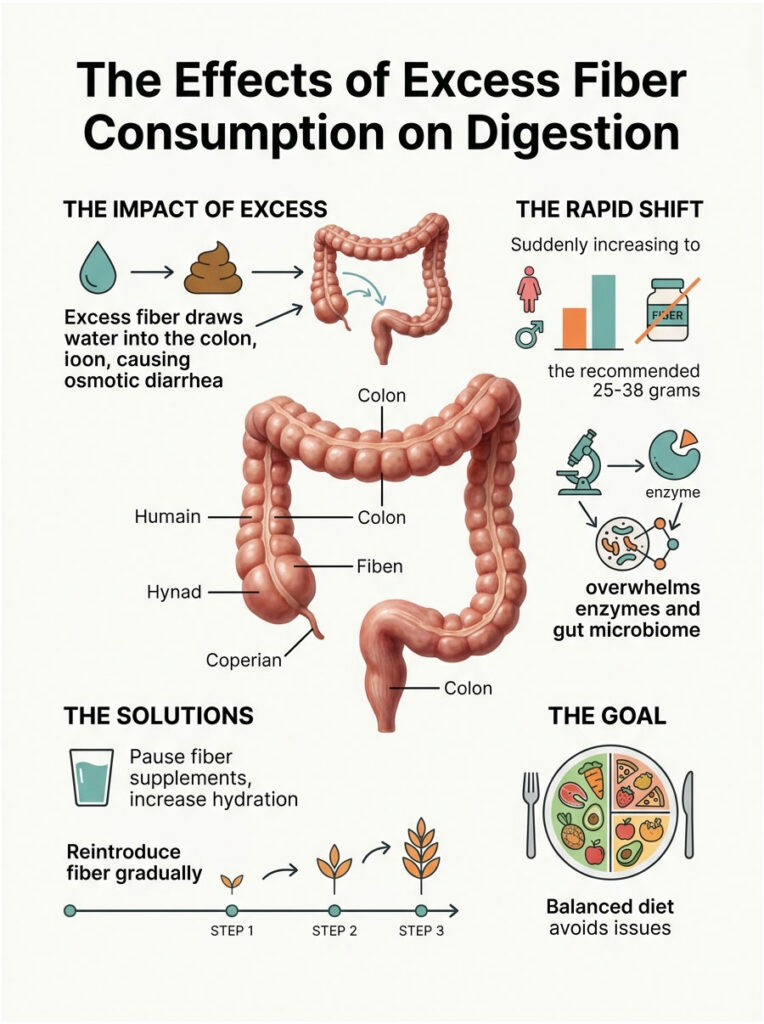
The baseline recommendations from the Academy of Nutrition and Dietetics and the USDA are clear. Adult women need about 25 grams of daily fiber, while adult men require roughly 38 grams. Hitting those numbers is a solid sign of a healthy, balanced diet. However, jumping to 50 or 60 grams a day without building up to it is a guaranteed recipe for digestive problems.
When you flood your digestive tract with sudden, massive amounts of plant matter, your system panics. This rapid influx overwhelms your natural digestive enzymes and your gut microbiome. The result is almost always a miserable bout of fiber-induced loose stools.
Key Statistics on Dietary Fiber and Digestion
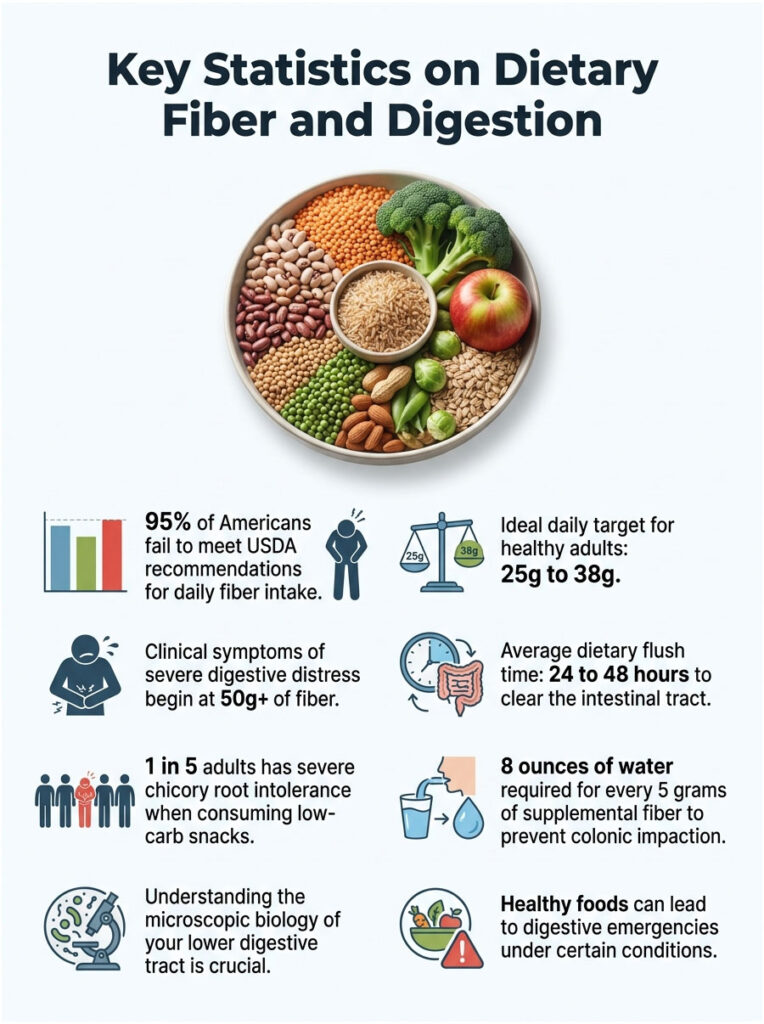
95% of Americans fail to meet the standard USDA baseline recommendations for daily fiber intake.
25g to 38g: The ideal, clinically proven daily target for healthy adults.
50g+: The threshold where clinical symptoms of severe digestive distress typically begin.
24 to 48 hours: The average time for a dietary flush to completely clear the intestinal tract.
1 in 5 adults experiences severe chicory root intolerance when consuming processed low-carb health snacks.
8 ounces of water is required for every 5 grams of supplemental fiber to prevent colonic impaction.
But why exactly does this reaction happen? The answer lies in the microscopic biology of your lower digestive tract. Let me walk you through exactly how your body processes these complex, indigestible carbohydrates, and why a seemingly healthy salad can turn into a sudden digestive emergency.
Can Too Much Fiber Cause Diarrhea? The Biology Explained
To understand why a healthy dietary habit goes wrong, we need to look at foundational digestive biology. Your digestive tract is a carefully balanced muscular tube. It relies on a specific rhythm and precise fluid balance to form healthy, solid waste.
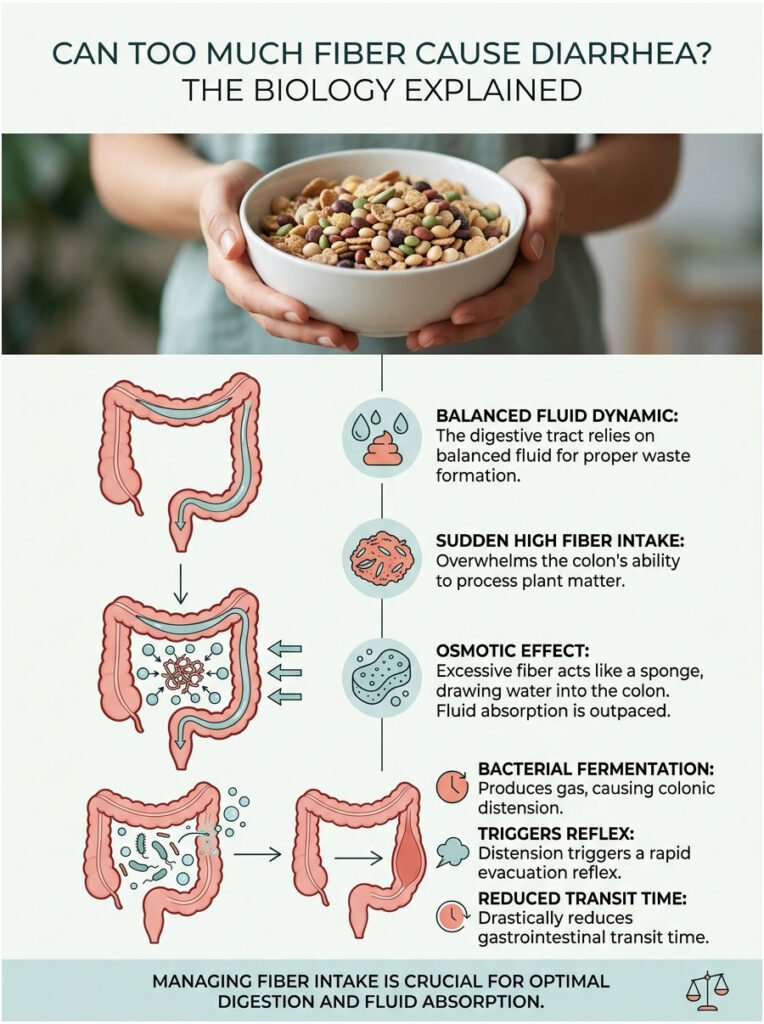
When you ask the question, can too much fiber cause diarrhea, you are really asking about internal fluid dynamics. Plant matter does not break down like simple proteins or dietary fats. It passes through your stomach and small intestine mostly intact. The heavy metabolic work happens exclusively in the large intestine.
Your colon is designed to handle a steady, moderate, predictable flow of plant matter. When you suddenly overload it with a massive bolus of roughage, three distinct physiological failures occur simultaneously.
The Osmotic Effect in the Colon
Certain complex plant carbohydrates are hygroscopic by nature. They act like microscopic sponges inside your body, aggressively attracting and holding onto water from surrounding intestinal tissues.
In moderate amounts, this sponge-like behavior is a good thing. It keeps stool soft, bulky, and easy to pass. But when you consume 60 or 70 grams of roughage in a single day, the sponge effect becomes overwhelming. This massive draw of fluid leads directly to osmotic diarrhea.
Your bowel floods with excess water pulled from your bloodstream. The colon cannot absorb this volume fast enough. The liquid washes waste out of your body before it can form into a solid shape. This reaction is incredibly common among people who start aggressive juicing diets or take large doses of green powders.
Excessive Fermentation and Colonic Distension
The human body does not possess the enzymes to digest plant fiber directly. Instead, we rely entirely on the gut microbiome. The trillions of bacteria in your colon actively ferment these complex carbohydrates for energy.
This fermentation process is essential for colon health. It produces vital short-chain fatty acids like butyrate that nourish your colon cells. But these bacteria also generate unavoidable byproducts: methane, hydrogen, and carbon dioxide gases.
When you drop a sudden, massive load of fermentable material into your colon, those bacteria go into a feeding frenzy. The resulting gas production causes immediate, sharp colonic distension. Your colon physically stretches from the inside like an overinflated balloon.
This stretching triggers an emergency reflex. Your enteric nervous system senses the extreme internal pressure and decides to evacuate immediately. This sudden, forceful contraction is what causes severe fecal urgency.
How Transit Time Gets Disrupted
Gastrointestinal transit time is the speed at which food travels from your mouth to the end of the line. A healthy adult transit time is roughly 30 to 40 hours. This timeframe gives the large intestine plenty of opportunity to absorb water and form solid waste.
When you consume far too much roughage at once, transit time drops dramatically. Instead of 40 hours, waste might rocket through in just 10 or 12 hours. The colon simply does not have enough time to extract water. Waste exits in a completely liquid state.
Managing your gastrointestinal transit time is the key to preventing these sudden digestive emergencies.
Expert Tip: The American College of Gastroenterology notes that normal, steady bowel motility allows for proper fluid absorption. A dietary “fiber flush” artificially and violently accelerates that motility, forcing your colon to skip its most important job: water extraction.
Soluble vs. Insoluble Fiber: Which Type Causes the Problem?
Not all plant fiber behaves the same way in your gut. If you want to stop fiber-induced loose stools, you must learn to differentiate between the types you are eating. This is the most common point of confusion among my patients.
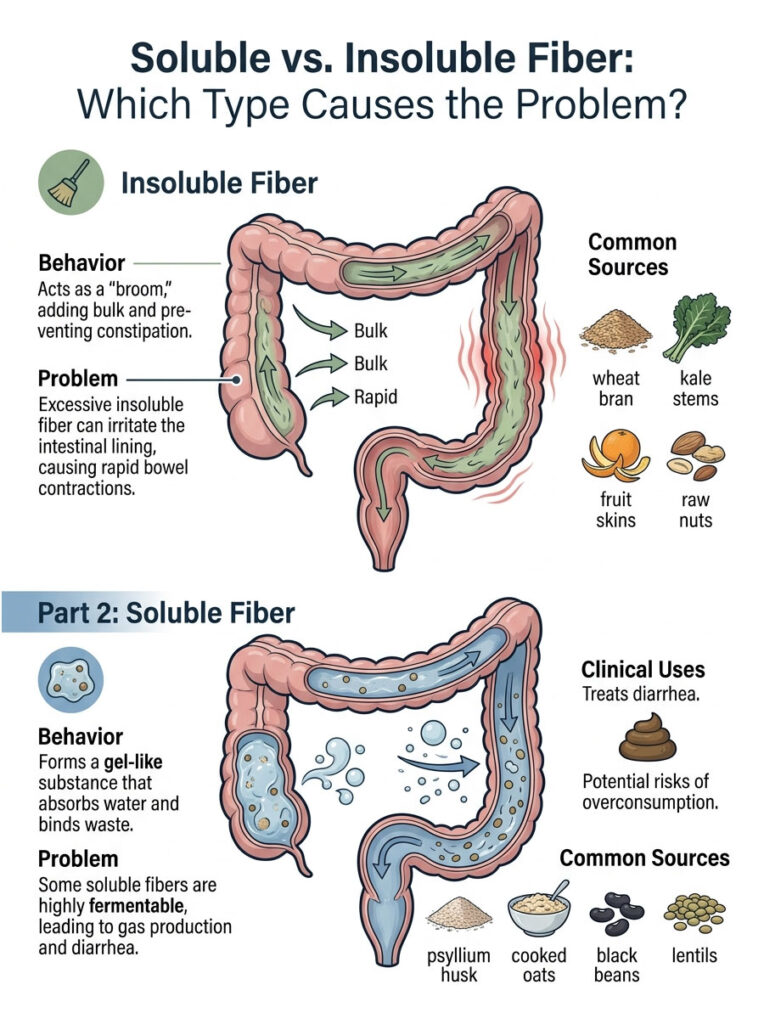
Soluble and insoluble variants have entirely different chemical structures. They interact with water and your gut microbiome in vastly different ways.
The “Broom” Effect of Insoluble Fiber
Insoluble fiber does not dissolve in water. Think of tough structural compounds like cellulose and lignin, found in wheat bran, thick kale stems, fruit skins, and raw nuts.
We call this category the “broom” of the digestive tract. It sweeps through your intestines, adding physical bulk to waste. In moderate amounts, it prevents constipation and keeps things moving at a healthy pace.
But overloading on these rough compounds acts as a harsh stimulant to your delicate intestinal lining. Imagine sweeping a sensitive surface with a stiff-bristled broom far too aggressively. Your intestinal walls become irritated and secrete extra mucus and water to protect themselves. This irritation forces rapid, violent bowel contractions and sudden fecal urgency.
The Fermentation Trap of Soluble Fiber
Soluble fiber dissolves in water to form a thick, gel-like substance. Common types include beta-glucans, pectin, and mucilage, found in cooked oats, baked apples, and psyllium husk.
In moderate doses, I use these foods clinically to treat diarrhea. The gel absorbs excess water and binds loose waste together. So why do patients ask, can too much fiber cause diarrhea when eating these supposedly soothing types?
The answer is bacterial fermentation. While some soluble types are soothing, others are highly fermentable. When you eat highly fermentable variants found in canned beans and boiled lentils, your gut bacteria go into overdrive. The resulting gas production propels waste through your system too quickly. You lose the soothing gel effect because gas pressure forces the bowel to empty prematurely. This is the classic fermentation trap.
| Category | Common Sources | Action in the Gut | Diarrhea Risk |
| Insoluble | Wheat bran, kale stems, fruit skins, raw nuts | Accelerates transit, adds bulk, scrapes lining | High if consumed rapidly in large dry amounts |
| Soluble (Non-Fermentable) | Psyllium husk, cooked oats, white potatoes | Absorbs water, forms soothing gel, binds waste | Low; often used clinically to treat diarrhea |
| Soluble (Highly Fermentable) | Black beans, lentils, chicory root, raw onions | Rapid bacterial fermentation, massive gas | Very high; major cause of osmotic imbalance |
The Gut Microbiome: Why Adaptation Period Matters
We cannot discuss digestive emergencies without looking at the gut microbiome. This complex ecosystem of bacteria, fungi, and viruses controls how your body handles complex carbohydrates. If your microbiome is out of balance, digestion will inevitably struggle.
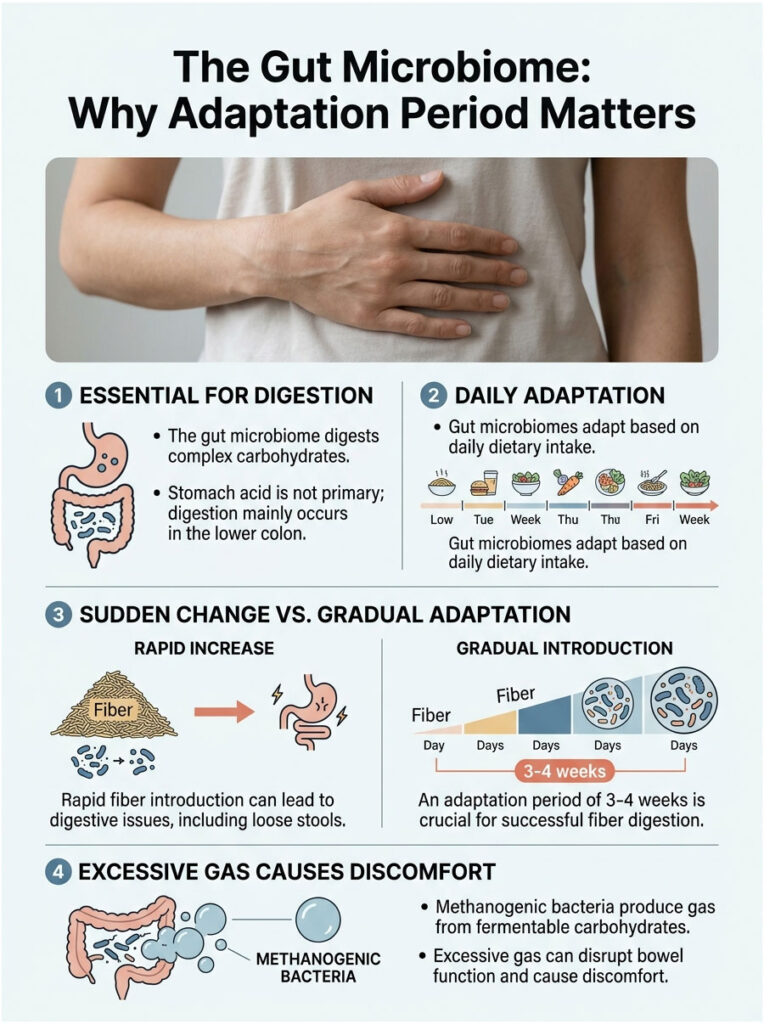
Many patients assume stomach acid does all the heavy lifting. When it comes to plant fiber, your stomach is merely a waiting room. The real metabolic work happens in the oxygen-free environment of the lower colon.
Bacterial Adaptation Periods
Research from the National Institutes of Health highlights a fascinating aspect of digestive biology. Your gut microbiome is not static. It actively changes based on what you eat every day.
If you have eaten a low-fiber, processed diet for years, you simply do not have the bacterial colonies needed to break down complex plant matter. Your microbiome requires a gradual adaptation phase to multiply these specific fiber-degrading bacteria. You cannot rush this process.
When you suddenly eat 40 or 50 grams of plant fiber a day, your current bacteria are overwhelmed. They cannot process the load. The unfermented carbohydrates sit in the bowel, drawing in water and triggering severe fiber-induced loose stools.
This adaptation period typically takes three to four full weeks of consistent effort. Skipping it is the number one reason people fail on new plant-based diets.
Methanogenic Bacteria and Gas Production
Within the colon, specific bacteria called methanogens feast on fermentable carbohydrates and produce methane gas. In a healthy gut, this gas production is slow and easily managed.
When you dump a massive load of fermentable roughage into the system, methanogens multiply rapidly. They produce gas at a rate your body cannot vent normally. This trapped methane does more than cause bloating. It acts as a signaling molecule to the enteric nervous system, altering the electrical pacing of bowel muscles and triggering the rapid contractions that lead to explosive diarrhea.
The Hidden Fiber Epidemic: Modern Processed Foods
The modern food industry has completely changed how we consume carbohydrates. Fifty years ago, people got their fiber from whole foods like apples and beans. Today, grocery shelves are packed with engineered health foods heavily fortified with isolated, synthetic plant extracts.
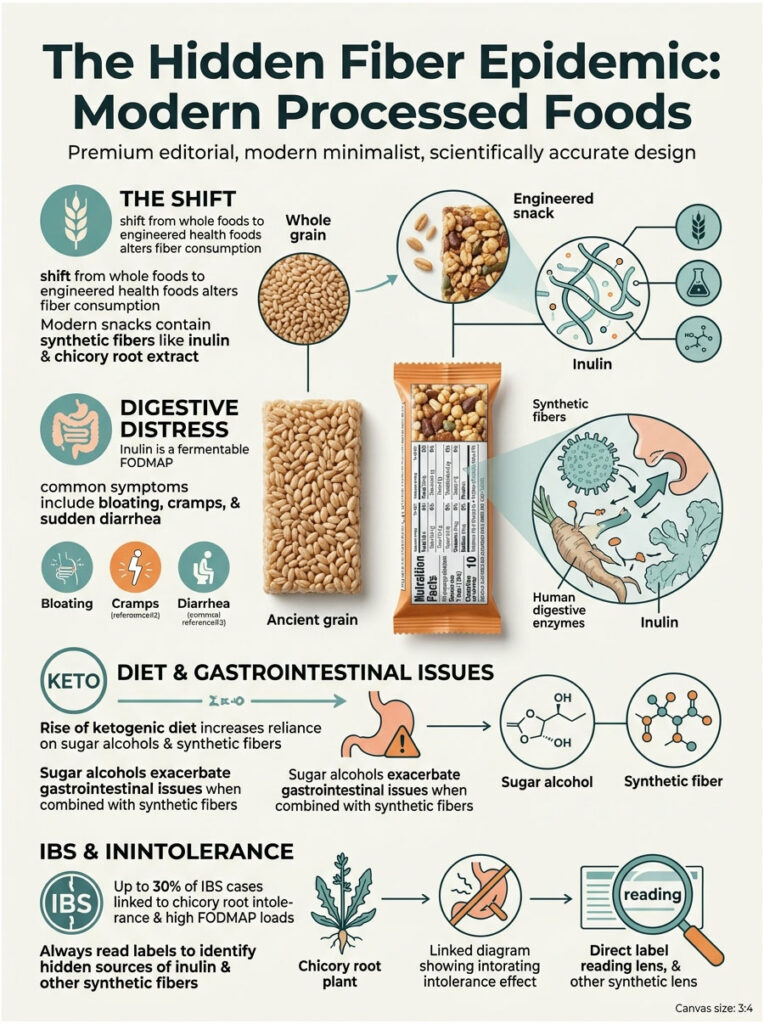
This dietary shift has created a hidden epidemic of digestive distress. Patients come to my office baffled by their symptoms. They eat keto-friendly bars, high-protein cereals, and low-sugar gummies without realizing these products are loaded with synthetic fiber.
Inulin and Chicory Root Intolerance
Check the label of a popular low-carb protein bar. You will likely see “chicory root extract” or “inulin” near the top. Manufacturers love these ingredients because they taste slightly sweet, provide cheap bulk, and allow companies to claim high fiber content on the label.
But isolated inulin is a highly fermentable FODMAP compound, a type of carbohydrate that is notoriously difficult for the digestive tract to handle. When synthetic inulin reaches the large intestine, it acts like a massive feast for gas-producing bacteria.
This causes severe chicory root intolerance. Patients experience extreme bloating, sharp cramps, and sudden-onset loose stools within hours of eating a single protein bar. The body cannot handle 15 concentrated grams of isolated inulin dropped into an empty stomach at once.
The Keto Snack Problem
The explosion of the ketogenic diet has inadvertently created a wave of digestive problems. To make sweet treats without sugar, manufacturers rely on sugar alcohols and synthetic bulking agents. Combining these two ingredients creates a perfect storm for gastrointestinal distress.
Sugar alcohols like erythritol and xylitol are highly osmotic on their own. They pull water into the intestines just like unabsorbed carbohydrates. When you eat a keto brownie packed with both xylitol and chicory root fiber, you are hitting your colon with a double dose of osmotic pressure. The resulting diarrhea is often explosive and difficult to control.
Expert Tip: Recent NIH research shows that up to 30% of people with suspected Irritable Bowel Syndrome are actually suffering from severe chicory root intolerance and unmanaged FODMAP loads. Always check snack labels for hidden inulin.
Recognizing the Warning Signs Before Diarrhea Strikes
Digestive emergencies rarely happen without warning. Your body is communicative if you know what to look for. Catching early signs of dietary overload can save you from a highly embarrassing situation.

Bloating vs. Distension
The first sign of an impending overload is a change in your abdominal profile. However, we need to distinguish between bloating and distension. They are clinically different.
Bloating is the subjective feeling of trapped pressure. You feel uncomfortably full even if your stomach looks flat. This occurs when gas accumulates in the upper small intestine.
Distension is the objective, physical expansion of your waistline. This happens when gas reaches the large intestine and stretches the bowel walls outward. If you have to unbutton your pants two hours after eating a large salad, you are experiencing severe colonic distension, and diarrhea is likely imminent.
Changes in Gas Volume and Odor
The next warning sign involves your gas production. As methanogenic bacteria multiply to consume excess carbohydrates, flatulence increases dramatically. Pay close attention to both volume and odor.
Normal fermentation produces largely odorless gases like carbon dioxide and hydrogen. Frequent but odorless gas signals rapid carbohydrate fermentation, a red flag that transit time is accelerating. Foul-smelling gas, on the other hand, indicates undigested proteins are putrefying alongside fermenting carbohydrates. This combination deeply irritates the mucosal lining. When high-volume, odorless gas is followed by sudden cramping, the osmotic flush has already begun.
Practical Strategies to Recalibrate Your Gut
If you are currently dealing with an active digestive crisis, you need actionable clinical protocols right now. The goal is not to abandon healthy plant foods forever. The goal is total gut recalibration: resetting your accelerated transit time and calming your irritated bowel lining.
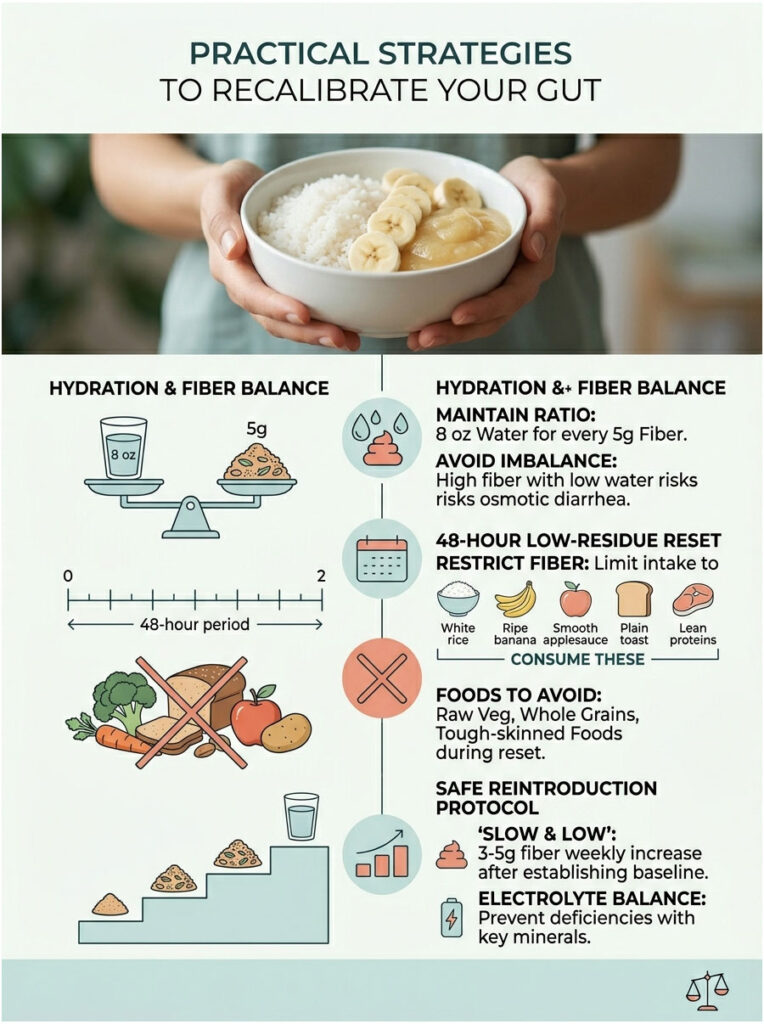
The Clinical Hydration-to-Fiber Ratio
The single most common mistake is increasing plant intake without increasing water intake. Remember the dry sponge analogy. If you eat a dry sponge without drinking enough water, it steals water from your surrounding tissues.
In clinical practice, we use a specific metric: drink at least 8 ounces of water for every 5 grams of supplemental fiber consumed. This is the clinical hydration-to-fiber ratio.
Failing to maintain it causes severe consequences. Dehydration combined with high fiber intake creates a massive osmotic imbalance. Your body pulls fluid from the bloodstream directly into the colon, triggering uncontrollable osmotic diarrhea. Drink water slowly between meals to maintain steady fluid balance in the gut.
The 48-Hour Low-Residue Diet Reset
When you are in the middle of a crisis, stop adding fuel to the fire. A clinical low-residue diet restricts fiber to less than 10 grams per day. The goal is to slow intestinal movement, halt cramping, and let your exhausted microbiome rest.
For 48 hours, completely avoid all raw vegetables, canned beans, whole grains, and raw nuts. Avoid anything with a tough skin or visible seeds.
Safe foods during the reset include plain white rice, very ripe bananas, smooth applesauce, plain white toast, and lean proteins like baked chicken breast. These foods absorb high in the small intestine and leave virtually zero residue in the lower colon, allowing transit time to normalize.
Sample 48-Hour Reset Protocol
- Breakfast: Two plain scrambled eggs, two slices of white sourdough toast (no butter or jam).
- Lunch: 4 oz baked chicken breast, 1 cup cooked white rice, warm clear chicken broth.
- Dinner: Baked white fish (cod or tilapia), soft boiled potatoes (skins entirely removed).
- Hydration: Electrolyte water sipped slowly throughout the day.
The “Slow and Low” Reintroduction Protocol
Once symptoms resolve, you cannot jump back to aggressive eating habits. You must respect the microbiome adaptation period using the “slow and low” reintroduction protocol.
Start by calculating your current comfortable daily intake baseline. If you can handle 15 grams a day without issues, stay there for one full week. The following week, increase by only 3 to 5 grams per day. Hold at the new level for another full week.
This slow pacing prevents you from overwhelming your microbiome again. It also protects against dangerous electrolyte imbalances from chronic diarrhea. Chronic loose stools flush vital minerals like potassium and magnesium from the body. Increasing intake gradually protects your electrolyte balance and ensures healthy stool formation.
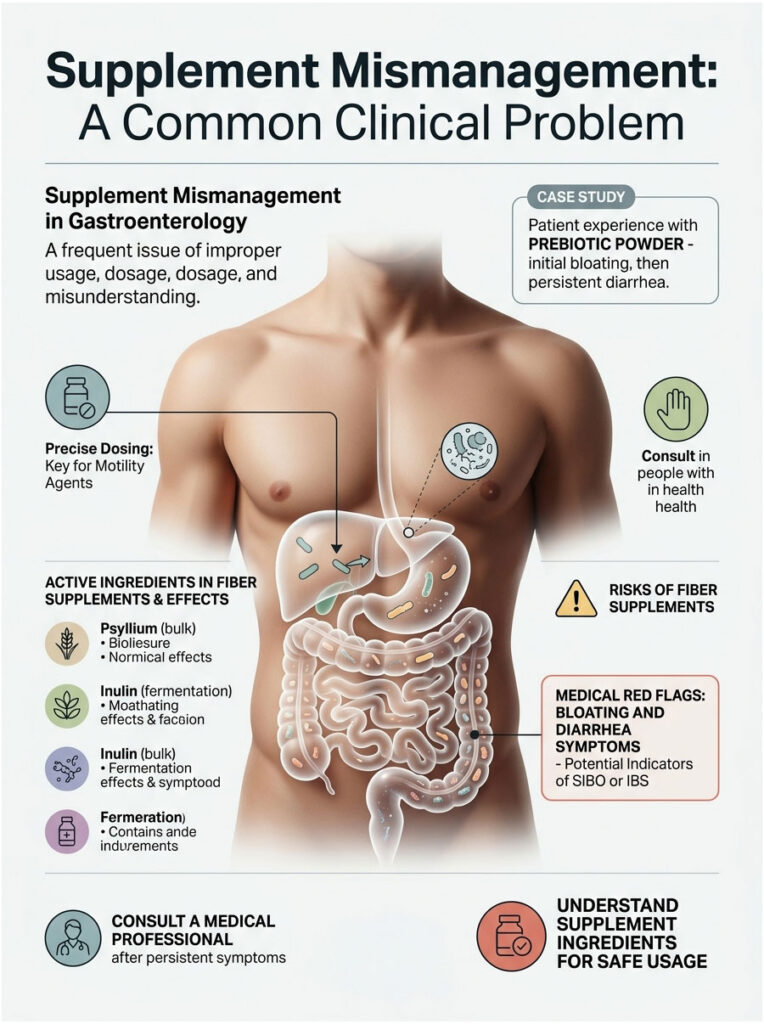
Supplement Mismanagement: A Common Clinical Problem
Chronic supplement mismanagement is a massive issue in modern gastroenterology. People assume that if one scoop of powder is good, three scoops must be better. In reality, these powders are powerful motility agents that demand precise dosing.
A Real-World Case Study
A recent patient was struggling with mild constipation. He bought a popular prebiotic powder online and started taking double the recommended dose every morning. Within three days, he called my office with explosive, watery stools up to six times a day.
He had unknowingly purchased a supplement made entirely of pure isolated inulin. By doubling the dose, he dropped 20 concentrated grams of highly fermentable carbohydrates into his gut each morning. His methanogenic bacteria feasted on it instantly, creating massive gas pressure that forced rapid, complete bowel evacuation.
You must understand the active ingredients in your supplements. Metamucil uses ground psyllium husk for moderate, gentle bulking. Benefiber uses processed wheat dextrin, which dissolves easily but ferments rapidly. Fiber Choice uses pure chicory root, carrying a high risk of severe chicory root intolerance.
| Brand | Active Ingredient | Fermentability | Best Use | Diarrhea Risk |
| Metamucil | Ground psyllium husk | Moderate | General regularity, cholesterol | Moderate (needs water) |
| Citrucel | Methylcellulose | Zero | Sensitive guts, IBS patients | Very low |
| Benefiber | Wheat dextrin | High | Easy mixing in liquids | High (ferments rapidly) |
| Fiber Choice | Inulin / chicory root | Extremely high | Prebiotic microbiome support | Extremely high |
Medical Red Flags to Watch For
It is vital to differentiate a temporary dietary overload from a deeper medical condition. If you routinely experience extreme bloating and diarrhea after eating even small amounts of fiber, you might have SIBO (Small Intestinal Bacterial Overgrowth). In SIBO, fermenting bacteria migrate from the colon into the small intestine, causing premature fermentation and severe pain.
Patients with Irritable Bowel Syndrome (IBS) possess hyper-reactive nervous systems in their guts. A normal, healthy amount of fiber can easily trigger violent spasms and severe urgency. If symptoms persist for more than three days after starting a 48-hour low-residue diet, consult a medical professional immediately.
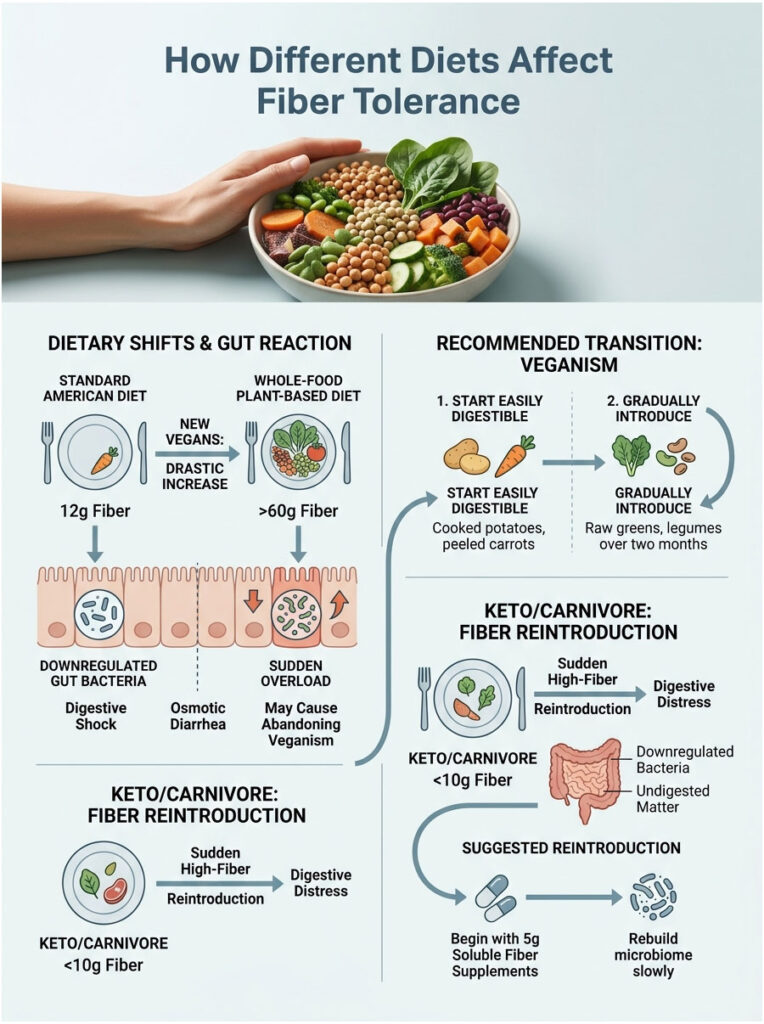
How Different Diets Affect Fiber Tolerance
The Vegan Transition Shock
The most dramatic overload cases come from new vegans. They jump from a standard American diet with maybe 12 grams of fiber to a whole-food plant-based diet with over 60 grams, overnight.
The colon is completely unprepared. The resulting osmotic diarrhea is often severe enough to make them abandon the diet in the first week. If transitioning to a vegan lifestyle, use the slow and low protocol. Start with cooked, easily digestible plants like white potatoes, peeled carrots, and soft tofu. Introduce raw greens and heavy legumes gradually over two full months.
Keto and Carnivore Reintroduction
On the opposite end, keto and carnivore dieters routinely consume less than 10 grams of fiber daily for months or years. Their microbiome completely downregulates the bacteria needed to ferment plant matter.
When these dieters eat a single large salad or bowl of berries, their system panics. Without the necessary bacteria, plant matter sits undigested in the colon, acting as a massive osmotic sponge. For these patients, reintroduction must be extremely gradual. Start with 5 grams of highly soluble, non-fermentable supplements like methylcellulose. Slowly rebuild the dormant microbiome over several months before attempting raw vegetables.
Long-Term Consequences of Chronic Fiber-Induced Diarrhea
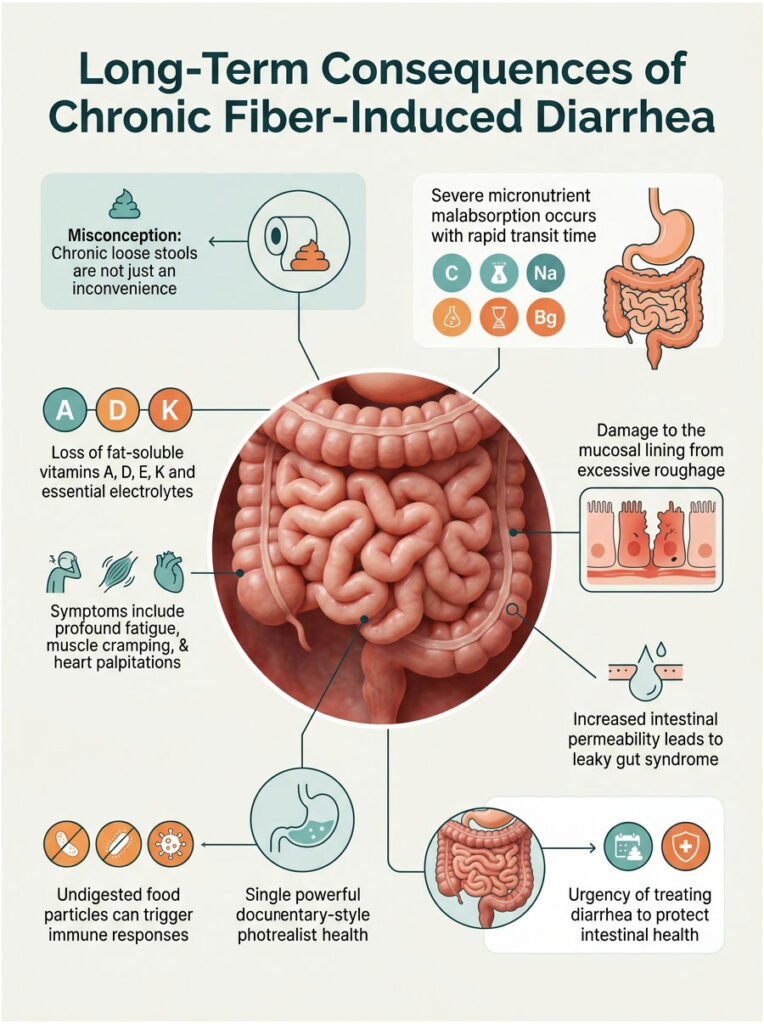
Many patients believe chronic loose stools are just a minor inconvenience, the accepted price of eating a healthy high-plant diet. This is a dangerous misconception.
Severe Micronutrient Malabsorption
Your small intestine needs a specific amount of time to extract vitamins, minerals, and amino acids from food. When transit time drops from 40 hours to 10, the extraction window vanishes.
Your body loses the ability to absorb fat-soluble vitamins A, D, E, and K. You also rapidly lose electrolytes like sodium, potassium, and magnesium. This leads to profound fatigue, muscle cramping, and even dangerous heart palpitations. Patients with chronic loose stools often arrive at my clinic severely malnourished despite eating huge volumes of supposedly healthy food.
Damage to the Mucosal Lining
Your intestines are lined with a delicate layer of mucus that protects intestinal cells from harsh acids and abrasive particles. When you constantly flood your system with harsh insoluble roughage, you physically scrape this protective layer away.
The constant, rapid flow of watery stool further erodes the lining. Over time, this damage can increase intestinal permeability, commonly known as leaky gut syndrome. This allows undigested food particles to enter the bloodstream, triggering systemic immune responses and chronic fatigue. Protecting your mucosal lining is the most important reason to treat diarrhea immediately.
Summary and Key Takeaways
So, can too much fiber cause diarrhea? Yes, it is a proven physiological reality. While plant fiber is essential for long-term health, the “too much too soon” rule strictly dictates how your body reacts.
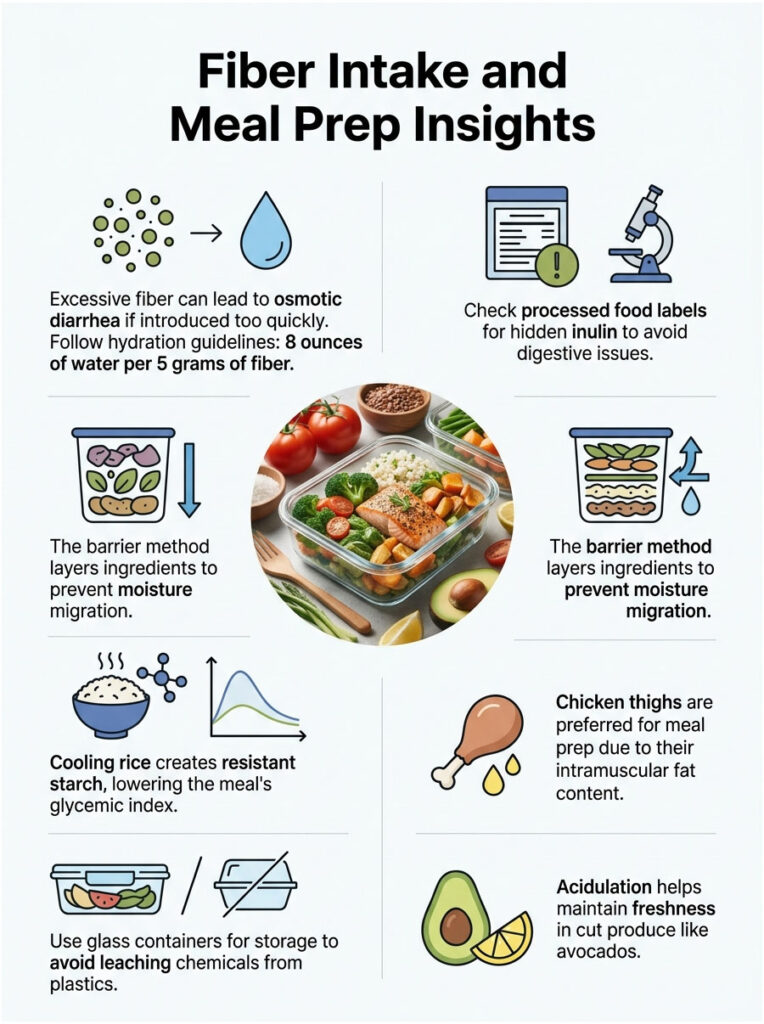
Suddenly overloading your system triggers osmotic diarrhea by pulling excess water into the colon. It drastically alters your gastrointestinal transit time, forcing waste out before it can solidify. To prevent this, respect the clinical hydration rule of 8 ounces of water per 5 grams of fiber.
Always check processed food labels for hidden inulin to avoid severe chicory root intolerance. If you find yourself in a digestive crisis, immediately implement a low-residue diet to calm your system. Once stabilized, use the slow and low protocol to safely rebuild tolerance over time.
Frequently Asked Questions
Why are chicken thighs recommended over chicken breasts for Mexican meal prep?
From a clinical culinary perspective, chicken thighs are superior because they contain a higher percentage of intramuscular fat. This fat acts as a thermal insulator during the reheating process, preventing the protein fibers from seizing and becoming rubbery, which ensures the meat remains succulent and tender even by day five.
What is the ‘barrier method’ for assembling meal prep bowls?
The barrier method is a strategic layering technique used to prevent moisture migration. You place dense, absorbent complex carbohydrates like rice and beans at the bottom, followed by a middle layer of seared protein. This creates a physical shield that protects the base from the moisture of top-layer salsas, preventing ‘soggy bowl syndrome’.
How does cooling rice improve its nutritional profile?
When you cook and then rapidly chill rice, it undergoes a chemical process called starch retrogradation. This converts digestible starches into resistant starch, which acts as a prebiotic. This significantly lowers the glycemic index of the meal, resulting in more stable blood sugar levels and preventing the common afternoon energy crash.
What is the Maillard reaction, and why is it vital for these bowls?
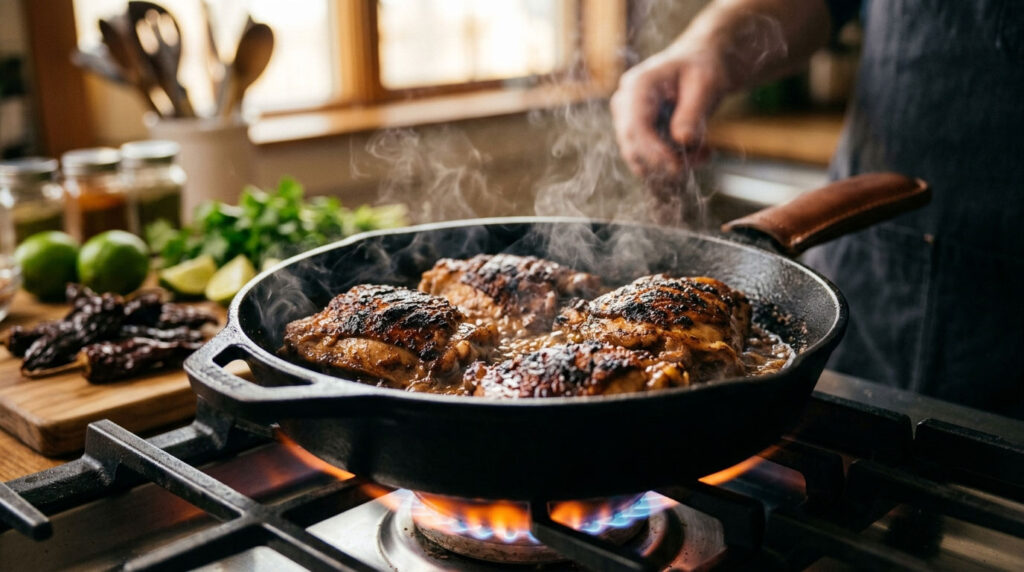
The Maillard reaction is a chemical reaction between amino acids and reducing sugars that occurs under high heat (typically in a cast-iron skillet). It is essential for replicating that authentic ‘grill’ flavor at home, as it creates the deep, smoky, and savory crust on your adobo-marinated proteins.
What are the specific food safety risks associated with meal-prepping rice?
Cooked rice is highly susceptible to Bacillus cereus, a bacteria whose spores can survive boiling. To mitigate this risk, you must follow ServSafe standards by rapidly cooling the rice in shallow pans to bypass the ‘Temperature Danger Zone’ (41°F to 135°F) as quickly as possible before refrigeration.
How much protein should I aim for in a high protein Mexican meal prep bowl?
To optimize muscle protein synthesis and maximize satiety through the release of hormones like peptide YY, you should aim for 30 to 45 grams of protein per serving. This threshold is clinically shown to keep you feeling full and metabolically active throughout the workday.
Why is glass preferred over plastic for storing Mexican grill bowls?
Borosilicate glass is non-porous, meaning it won’t absorb the strong odors or stains from chipotle adobo and spices. More importantly, glass is chemically inert and won’t leach endocrine-disrupting microplastics or chemicals into your food when subjected to the high heat of a microwave.
What is ‘acidulation’ and how does it help with meal prep freshness?
Acidulation is the process of coating fresh-cut produce, like avocados or tomatoes, in a culinary acid such as lime juice. The low pH environment deactivates the enzymes responsible for enzymatic browning, ensuring your salsas and guacamole stay vibrant and appetizing for several days.
How do I reheat my meal prep bowl without drying out the chicken and rice?
To restore texture, add a splash of water or broth to the rice and cover the container with a damp paper towel to create a steam chamber. Reheat at 70% microwave power rather than 100%; this gentler heat distribution prevents the protein from contracting and squeezing out its essential juices.
How can I adapt this recipe for a low-carb or ketogenic diet?
You can easily create a low-carb burrito bowl by replacing the rice and beans with a base of sautéed fajita vegetables or roasted cauliflower rice. To maintain flavor, focus on charring these vegetables in a hot skillet to develop umami notes that mimic the savory profile of the original dish.
What are the primary nutritional advantages of homemade bowls vs. fast-casual versions?
Homemade bowls allow for a 65% reduction in sodium and the elimination of inflammatory, highly refined seed oils. By using extra virgin olive oil and controlling the salt, you significantly improve cardiovascular markers while increasing dietary fiber and high-quality protein density.
What is the secret to making a stable Chipotle honey vinaigrette copycat?
The secret is mechanical emulsification. By using honey and Dijon mustard as natural emulsifiers and slowly streaming in olive oil while blending at high speed, you create a stable molecular bond. This prevents the dressing from separating into oil and vinegar while stored in your refrigerator.
Disclaimer
This article is for informational and educational purposes only and does not constitute professional medical or nutritional advice. The clinical data and culinary techniques described are based on general nutritional principles. Because individual health needs and food sensitivities vary, you should consult with a registered dietitian or healthcare provider before making significant changes to your diet or food preparation habits.
References
- Harvard T.H. Chan School of Public Health – The Nutrition Source – Comprehensive data on the health benefits of dietary fiber and resistant starch.
- Academy of Nutrition and Dietetics – eatright.org – Research regarding protein distribution for optimal muscle protein synthesis and satiety.
- ServSafe / National Restaurant Association – ServSafe Food Safety Manager Manual – Official guidelines for the Temperature Danger Zone and rapid cooling protocols.
- Journal of Food Science and Technology – Springer Link – Peer-reviewed studies on the Maillard reaction and flavor development in marinated proteins.
- U.S. Department of Agriculture (USDA) – FSIS Food Safety Education – Official statistics on foodborne illness prevention and safe internal cooking temperatures.