
As a board-certified gastroenterologist, I regularly treat patients who turn to household remedies for quick digestive relief. One of the most common questions I hear in my practice is this: can you drink baking soda to neutralize stomach acid?
Table of Contents
The short answer is yes. Sodium bicarbonate is a fast-acting chemical buffer that can provide temporary relief from heartburn and indigestion. It works, and it works quickly.
But here is the problem. Because baking soda is cheap and sitting in almost every kitchen cabinet, people tend to use it carelessly. Without understanding the chemistry involved, you risk serious complications like metabolic alkalosis, dangerously high sodium levels, and in extreme cases, stomach rupture.
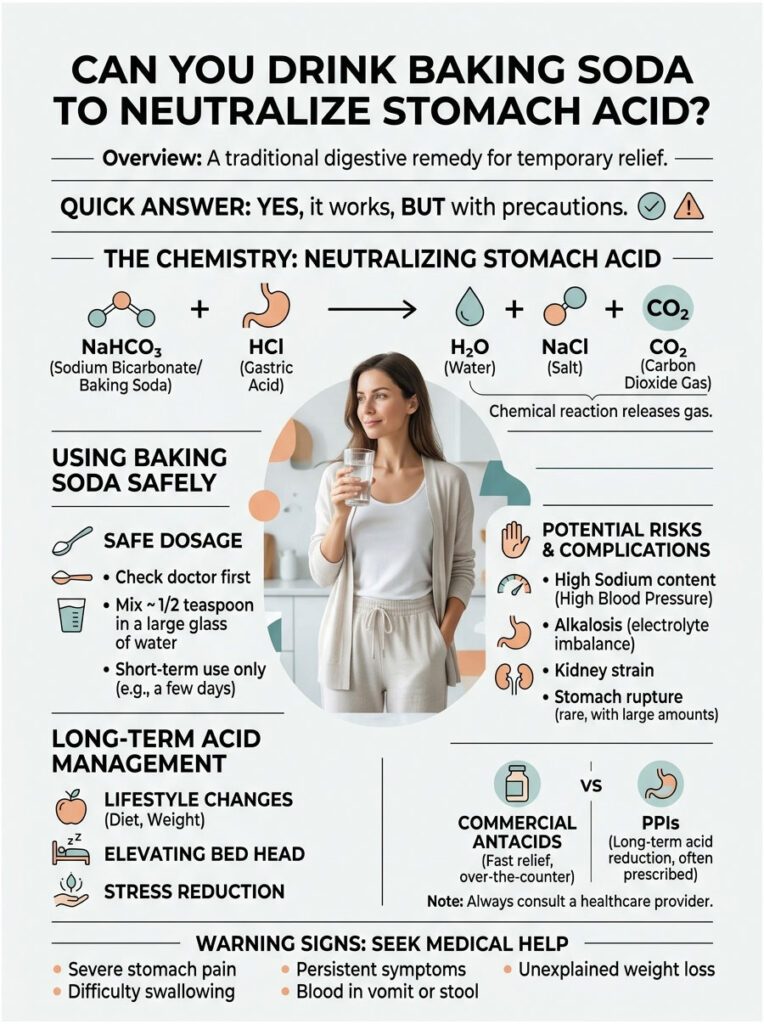
This guide covers the precise science behind how baking soda neutralizes stomach acid, the exact dosage protocols you need to follow, and the critical warning signs that mean it is time to stop and see a doctor instead.
Quick Answer
Yes, you can drink baking soda to neutralize stomach acid for temporary, acute relief. The clinically safe dose for healthy adults under 60 is 1/2 teaspoon of pure sodium bicarbonate fully dissolved in 4 ounces of water. Do not use this remedy for more than 14 consecutive days. It is not safe for pregnant women, young children, or people with heart or kidney disease.
Key Clinical Statistics
- Over 60 million American adults experience heartburn at least once a month (American College of Gastroenterology, 2022).
- A single 1/2 teaspoon dose of baking soda contains roughly 616 mg of sodium.
- The American Heart Association recommends an ideal daily sodium limit of 1,500 mg for most adults.
- The FDA sets a strict 14-day maximum usage limit for over-the-counter sodium bicarbonate products.
- Normal stomach pH ranges from 1.5 to 3.5. Baking soda can temporarily raise it to 6.0 or 7.0.
- Nearly 20 percent of the U.S. population has chronic Gastroesophageal Reflux Disease (GERD).
Understanding Gastric Acid and Sodium Bicarbonate Chemistry
To understand why this remedy works, you first need to appreciate how your stomach is built. The stomach is a specialized organ designed to break down food and kill harmful bacteria. It does this through the constant production of powerful gastric juices.
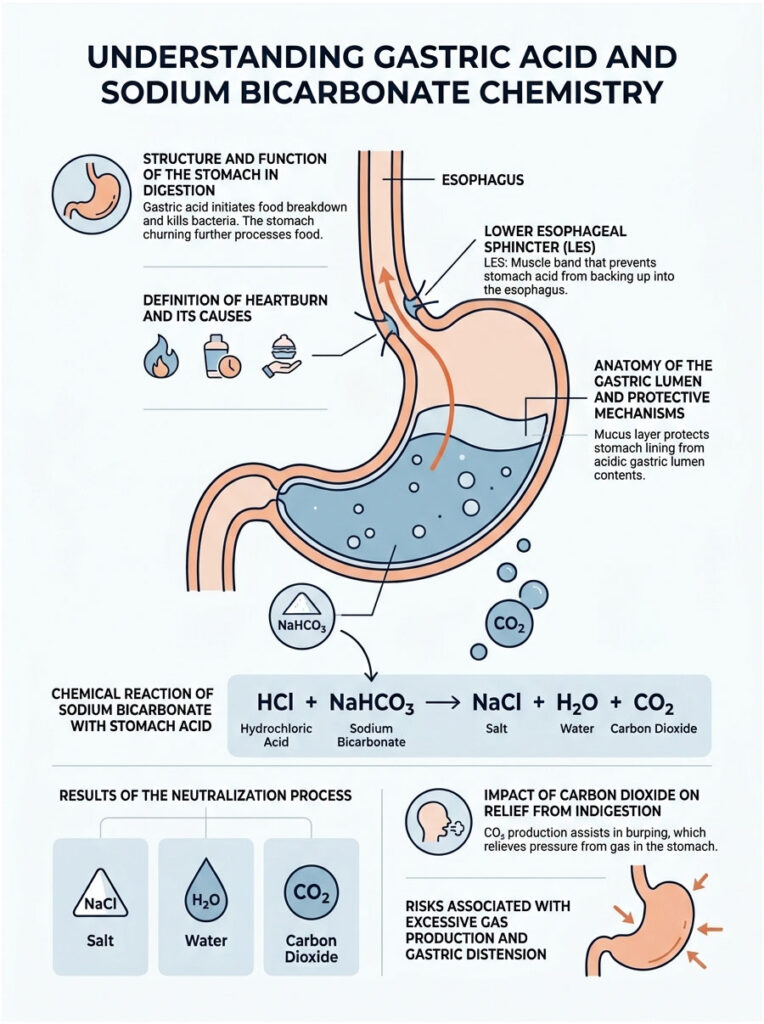
When this system goes wrong, the result is heartburn. And despite the name, heartburn has nothing to do with your heart. It is a chemical burn happening inside your esophagus.
The Anatomy of Heartburn and Indigestion
The gastric lumen is the hollow space inside your stomach where digestion takes place. Specialized parietal cells in the stomach lining pump out concentrated hydrochloric acid (HCl). This acid is strong enough to dissolve solid meat and kill bacteria within minutes.
Your stomach is protected from this acid by a thick, self-renewing mucus layer. But your esophagus does not share that same protection. The lower esophageal sphincter (LES) is a muscular ring between the esophagus and stomach. It opens to let food through and closes to keep acid out.
When the LES weakens or relaxes at the wrong time, acid escapes upward into the chest. It washes over the delicate lining of the esophagus, causing immediate tissue damage. That intense burning is what we call pyrosis, or heartburn. Occasional episodes are normal. Chronic acid exposure leads to GERD.
How Baking Soda Neutralizes Stomach Acid: The Chemistry
When you mix baking soda and water for indigestion, you are setting up a basic chemical reaction. Baking soda is sodium bicarbonate (NaHCO3). Your stomach acid is primarily hydrochloric acid (HCl). When these two compounds meet, neutralization happens almost instantly.
The chemical equation is: NaHCO3 + HCl = NaCl + H2O + CO2.
In plain terms, the reaction produces three new substances: ordinary table salt (NaCl), water (H2O), and carbon dioxide gas (CO2). This reaction is immediate and highly effective. Using sodium bicarbonate for pH balance raises the stomach environment from a highly acidic pH of 1.5 toward a more neutral state. Because the pH scale is logarithmic, this represents a massive decrease in total acidity.
The Role of Carbon Dioxide Production
The carbon dioxide gas produced in this reaction is what causes the immediate burping. That burp actually helps relieve the physical pressure that often accompanies severe indigestion. Most patients feel noticeably better the moment the trapped gas is released.
However, this sudden gas expansion also carries mechanical risks. The stomach can only stretch so far. If the gas cannot escape upward through the esophagus, it creates dangerous internal pressure. We will cover the severe risks of this gastric distension later in the guide.
Clinical Benefits of Using Baking Soda for Stomach Acid Relief
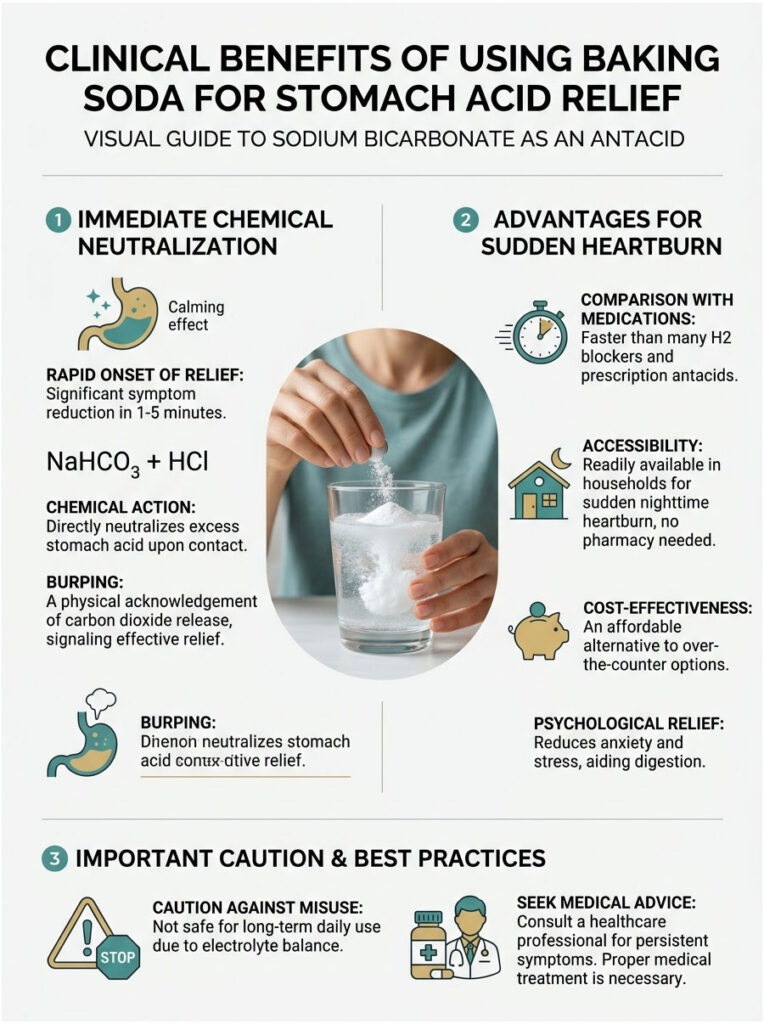
Despite the risks of misuse, there are legitimate reasons this remedy stays popular. In a clinical context, sodium bicarbonate does offer real benefits for short-term, acute situations.
Rapid Onset and Immediate Symptom Relief
The biggest advantage of baking soda is speed. When you drink a properly dissolved solution, the liquid coats the irritated stomach lining right away. Chemical neutralization of existing acid happens on contact. Most patients feel significant relief within one to five minutes.
Compare that to prescription medications or over-the-counter H2 blockers. Pills need to be swallowed, broken down, absorbed into the bloodstream, and circulated back to the gastric pumps. That process can take 30 to 60 minutes. During a severe reflux attack, that wait feels endless.
This speed is exactly why baking soda and water for indigestion remains so widely used. It stops the chemical burn in its tracks before further tissue damage occurs.
Cost and Accessibility
Almost every household in the country has a box of baking soda in the kitchen. It costs a fraction of what branded pharmaceutical antacids charge. This makes it an attractive OTC antacid alternative for people on tight budgets.
When a sudden bout of nighttime heartburn strikes at 2 AM, running to a pharmacy is not always an option. Having a reliable emergency heartburn relief at home gives real peace of mind to chronic sufferers.
But this accessibility breeds complacency. Because it is cheap and always available, people incorrectly assume it is safe for daily, long-term use. Taking baking soda for sour stomach is a valid short-term strategy, but it is not a substitute for proper medical treatment.
The Psychological Effect of Instant Relief
Severe heartburn can trigger intense anxiety, which ironically pushes the stomach to produce even more acid. Breaking this cycle of pain and panic is important for patient comfort.
The instant physical relief helps calm the nervous system. The subsequent burp gives a tangible, physical signal that the remedy is working. When you feel better quickly, your body stops releasing stress hormones like cortisol, allowing the digestive system to settle back to a normal, relaxed state.
Safe Preparation and Exact Baking Soda Dosage Protocols
If you choose to use this remedy, you must follow strict guidelines. The question is not just whether you can use it, but how to prepare it safely. Exact dosing is essential to avoid serious toxicity.
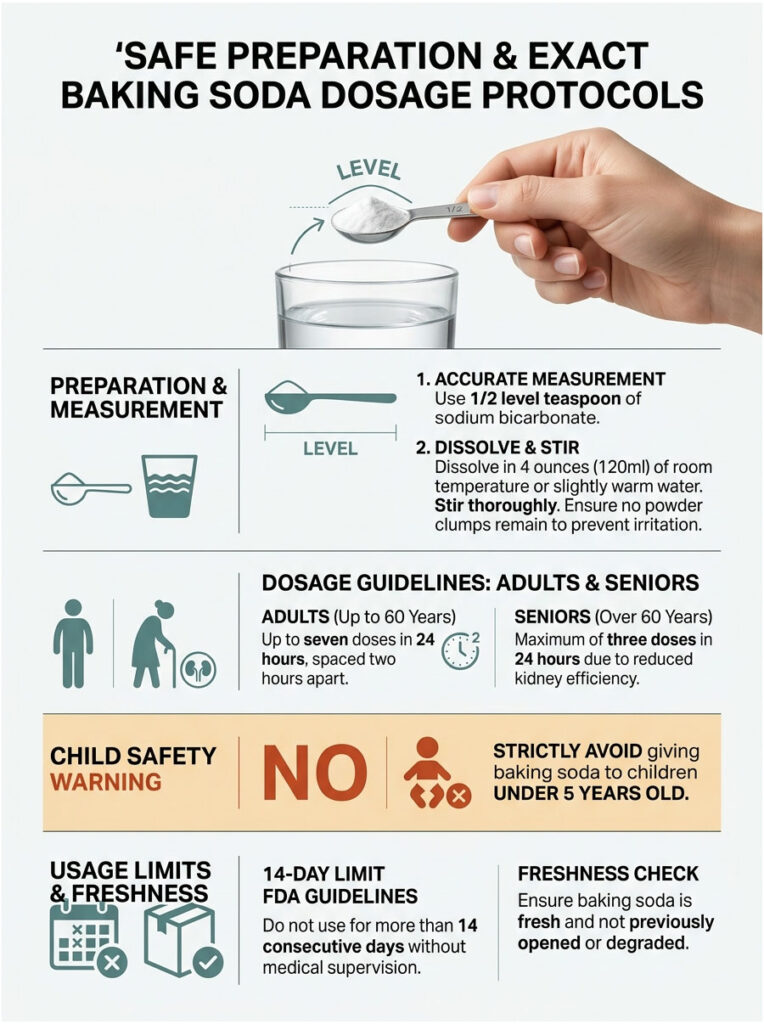
Measure carefully with proper measuring spoons. Guessing the amount with a regular kitchen spoon is a recipe for a medical emergency. Treat this powder exactly as you would a prescription medication.
The Standard Measurement and Preparation
The safe formulation is exactly 1/2 level teaspoon of pure sodium bicarbonate dissolved completely in 4 ounces of fresh water. Do not use more powder. Do not use less water. This ratio is critically important.
Stir vigorously until the water is completely clear and no powder remains at the bottom. Swallowing undissolved clumps creates concentrated alkaline pockets in the digestive tract, which can cause severe localized irritation and cramping.
Sip the solution slowly over a few minutes. Do not gulp it down. Gulping introduces excess air into the stomach, which worsens bloating.
Water Temperature Matters
Always use room temperature or slightly warm water. Warm water helps sodium bicarbonate dissolve faster. Cold water causes the powder to clump, making a uniform solution nearly impossible.
Never mix the powder with juice, milk, or carbonated beverages. Juice acid neutralizes the powder in the glass before it reaches your stomach. Mixing with carbonated water creates an explosive amount of gas that can damage your stomach.
Age-Specific Dosage Guidelines
Adults (Under 60): Healthy adults can safely take up to seven 1/2 teaspoon doses in 24 hours. Space each dose at least two hours apart to allow for proper kidney filtration. Do not take the maximum dosage for multiple consecutive days.
Seniors (Over 60): The baking soda dosage for seniors is significantly lower. Take a maximum of three 1/2 teaspoon doses in 24 hours. With age, your kidneys lose filtering efficiency, making it harder to clear excess sodium. Exceeding this limit frequently leads to dangerous fluid retention.
Children: Never give baking soda to a child under 5 years old. A young child’s kidneys are not fully developed and cannot handle the sudden sodium load. This is a strict, absolute rule.
The FDA 14-Day Limit
The FDA is clear on this: do not use sodium bicarbonate for more than 14 consecutive days without medical supervision. This time limit exists because ongoing use masks potentially dangerous underlying conditions.
If you need baking soda for sour stomach every single day, you likely have a more serious problem. That could be advanced peptic ulcer disease, severe GERD, or an H. pylori bacterial infection. Masking these symptoms delays proper diagnosis and life-saving treatment.
Important: Always check the expiration date on your baking soda box. Over time, sodium bicarbonate degrades and loses its buffering capacity. Never use a box that has been sitting open in the refrigerator to absorb odors, as it may contain moisture, food particles, and bacteria.
Hidden Risks: When Baking Soda Becomes a Medical Emergency
This is where my perspective as a gastroenterologist becomes especially relevant. Many people expect a simple yes when they ask about this remedy. They are genuinely surprised to learn about the serious medical emergencies that can result from casual misuse.
Sodium Overload and Cardiovascular Complications
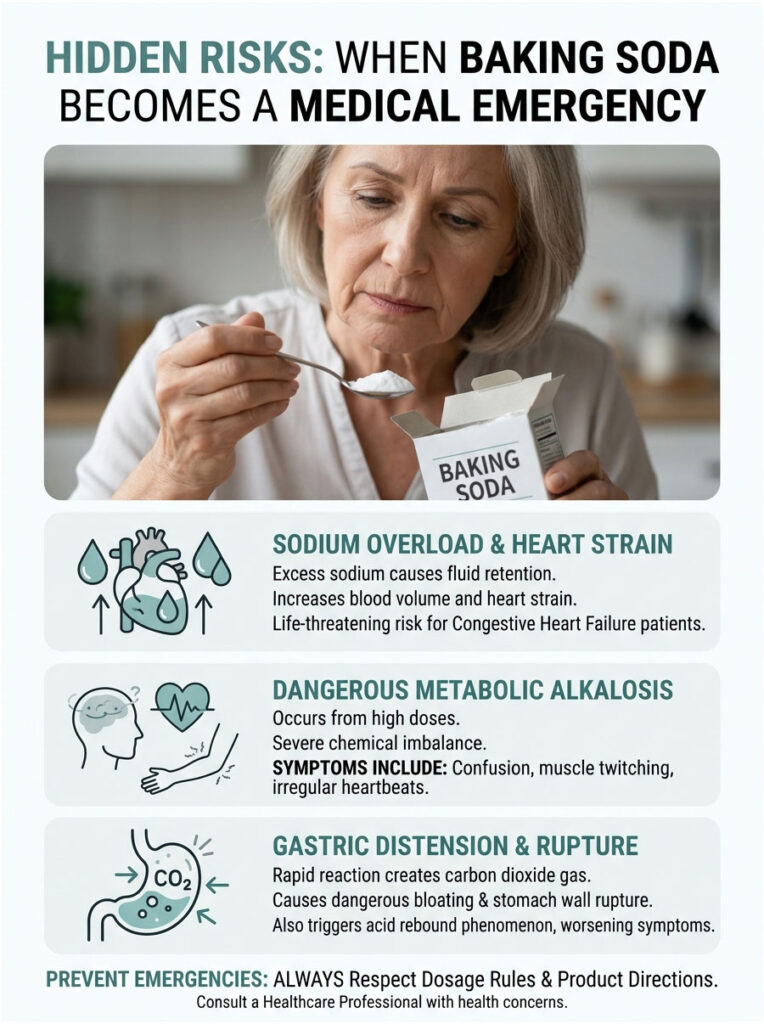
The most immediate threat is sodium toxicity. A single 1/2 teaspoon dose contains roughly 616 mg of sodium. If a healthy adult takes the maximum seven doses in a day, that adds up to over 4,300 mg of sodium from baking soda alone. That is nearly triple the American Heart Association’s ideal daily limit.
Excess sodium triggers significant fluid retention. Water follows sodium in the body through basic osmosis. When your bloodstream is suddenly flooded with sodium, the body holds onto water to dilute it. This rapidly increases circulating blood volume, forcing the heart to work much harder.
For patients with Congestive Heart Failure, this sudden fluid shift is life-threatening. It can push excess fluid into the lungs, causing acute pulmonary edema. This is also exactly why baking soda is not a safe natural antacid for pregnancy. Pregnant women are already prone to swelling and elevated blood pressure, and sodium loading increases the risk of preeclampsia.
Metabolic Alkalosis from Baking Soda
Your blood maintains a very tight pH range between 7.35 and 7.45. When you ingest large amounts of sodium bicarbonate, excess bicarbonate absorbs into the bloodstream and shifts blood pH to dangerously alkaline levels.
Symptoms of metabolic alkalosis include involuntary muscle twitching, hand tremors, tingling around the mouth and lips, mental confusion, irregular heartbeats, and in severe cases, seizures. Treating severe metabolic alkalosis requires emergency IV fluids and intensive care monitoring. It is entirely preventable if dosage rules are respected.
The Acid Rebound Phenomenon
One of the most frustrating side effects of this remedy is acid rebound. Your stomach is biologically programmed to stay highly acidic. When you artificially spike the pH to a neutral level, the body essentially panics.
The stomach senses it is no longer acidic enough to digest food or fight bacteria. In response, the hormone gastrin floods the system, commanding parietal cells to overproduce hydrochloric acid. Once the baking soda clears, the stomach is hit with even more acid than before.
This rebound effect significantly worsens your original symptoms. You end up trapped in a cycle, needing more baking soda to neutralize each new wave of acid. This is exactly why baking soda is only a temporary fix. Long-term management requires medications that control acid production at the cellular level.
Gastric Distension and Rupture Risks
The chemical reaction between baking soda and stomach acid produces a large volume of carbon dioxide gas. Normally, this gas escapes through a burp. But if you take baking soda on an overly full stomach, the gas may have nowhere to go.
The lower esophageal sphincter might be blocked by undigested food. The pyloric sphincter at the bottom of the stomach may be closed for digestion. The gas builds up, and the stomach stretches like an over-inflated balloon.
In rare but documented cases, this leads to spontaneous gastric rupture, a catastrophic surgical emergency with a very high mortality rate. Never drink baking soda when you are uncomfortably full from a large meal. Allow time for initial digestion before seeking relief.
Baking Soda vs. Commercial Antacids and Prescription PPIs
To fully answer the question about this home remedy, we need to compare it to modern medications. How does a kitchen staple stack up against scientifically engineered drugs? Here is a detailed breakdown.
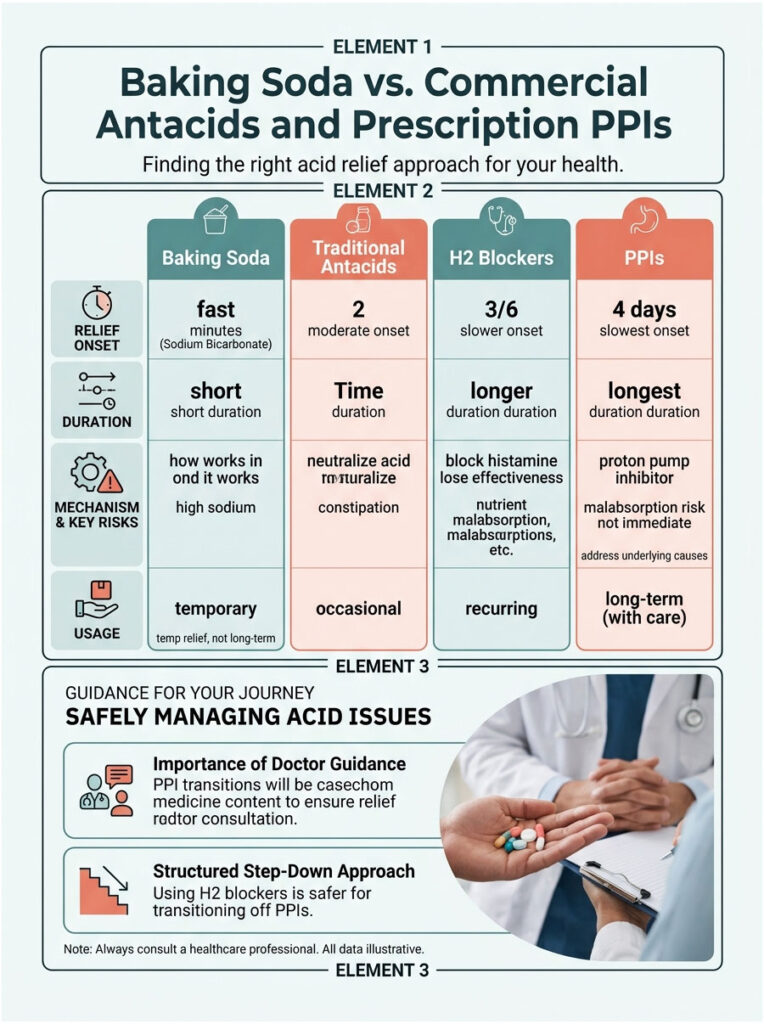
| Treatment Type | Active Ingredient | Mechanism | Onset | Duration | Primary Risk |
| Baking Soda | Sodium Bicarbonate | Chemical neutralization of existing acid | 1-5 minutes | 1-2 hours | High sodium load, alkalosis |
| Traditional Antacids | Calcium Carbonate | Chemical neutralization of existing acid | 5-15 minutes | 1-3 hours | Constipation, kidney stones |
| H2 Blockers | Famotidine, Cimetidine | Blocks histamine receptors to reduce acid | 30-60 minutes | 10-12 hours | Mild headache, tolerance |
| PPIs | Omeprazole, Pantoprazole | Shuts down proton pumps in parietal cells | 24-72 hours | 24+ hours | Nutrient malabsorption |
Baking soda wins on speed but loses heavily on duration and safety. It acts as a chemical neutralizer only. It does nothing to fix the underlying mechanical or cellular problem causing your discomfort.
H2 blockers and PPIs actually change how your stomach cells behave. They provide the long-term esophageal protection that baking soda simply cannot deliver. This is why doctors prescribe them for chronic conditions like GERD.
If you are managing a proton pump inhibitor transition, work closely with your doctor. Do not rely solely on an OTC antacid alternative to control the inevitable acid surge. A structured step-down approach using H2 blockers is always safer.
Dangerous Drug Interactions and Medical Contraindications
Another hidden danger of using sodium bicarbonate involves your other daily medications. Changing stomach acidity drastically alters how your body absorbs certain prescription drugs.
Impact on pH-Dependent Medications
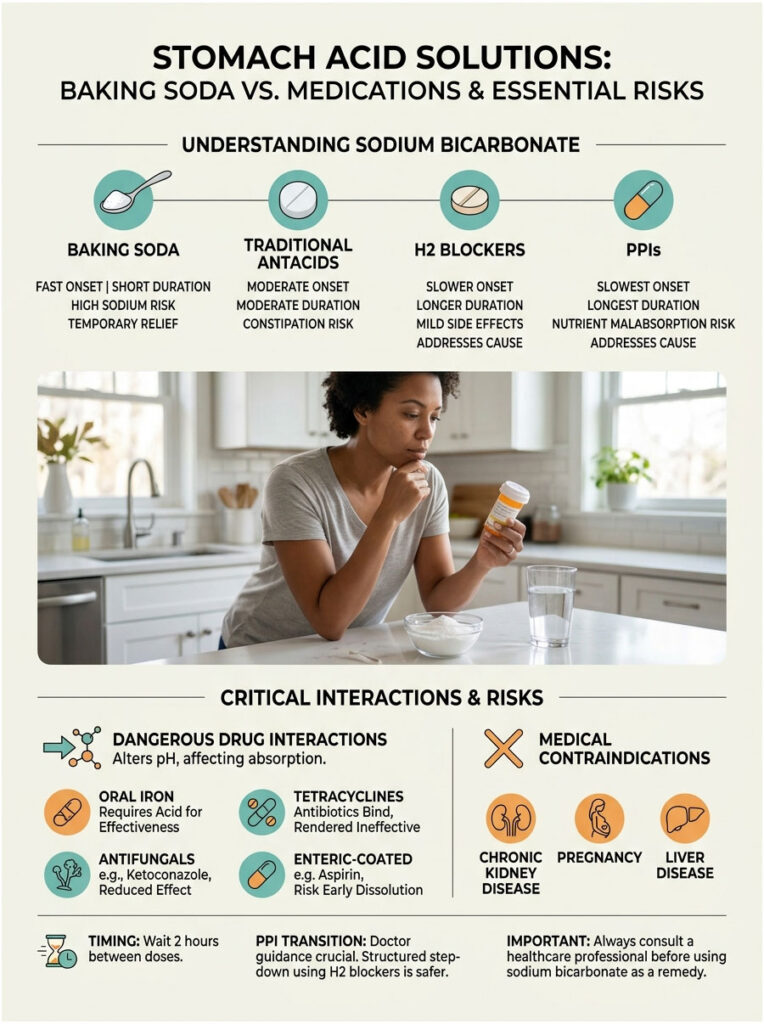
Many common oral medications are designed to dissolve and absorb in a highly acidic environment. When you raise stomach pH with baking soda, you destroy that necessary environment.
Oral iron supplements require strong gastric acid to convert into an absorbable form. Take baking soda near your iron dose and the iron passes through unabsorbed. The same applies to antifungal medications like ketoconazole. Tetracycline antibiotics bind with minerals in antacids, becoming useless against infections. Thyroid medications like levothyroxine are also highly sensitive to pH changes.
The Danger for Enteric-Coated Pills
Enteric-coated medications like daily aspirin are designed to survive stomach acid and dissolve in the alkaline intestines. This protects the stomach lining from direct irritation.
If the stomach is made alkaline by baking soda, the protective coating dissolves too early. The medication is released directly into the stomach, causing localized irritation. This completely defeats the purpose of the coating.
Always wait at least two full hours between taking baking soda and taking any prescription medication. This allows stomach acid to return to its normal baseline.
Pre-existing Conditions That Rule Out Baking Soda
Certain medical conditions are absolute contraindications. Patients with Chronic Kidney Disease must never use this remedy. Damaged kidneys cannot efficiently clear excess bicarbonate or sodium, leading to rapid systemic toxicity.
As noted, it is also unsafe as a natural antacid for pregnancy due to the risk of sodium-induced edema and hypertension. Patients with liver disease or cirrhosis should also avoid it entirely, as fluid retention can worsen dangerous abdominal ascites. Always consult your doctor before trying a new chemical remedy.
Real-World Case Studies on Baking Soda Misuse
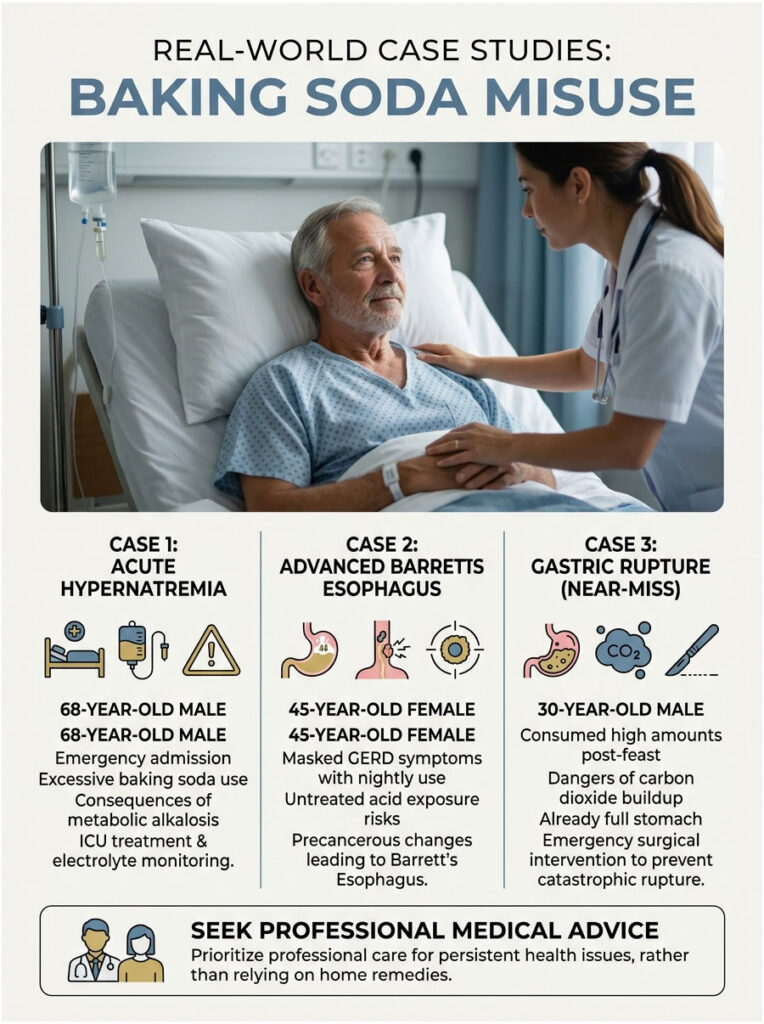
To ground these warnings in reality, here are three clinical scenarios that illustrate exactly what can go wrong.
Emergency Admission for Acute Hypernatremia
A 68-year-old retired male completely ignored the baking soda dosage for seniors. He consumed multiple heaping tablespoons daily for a full week to manage severe heartburn. He developed profound metabolic alkalosis and life-threatening hypernatremia.
Treatment required carefully calculated IV fluid therapy and three full days of continuous electrolyte monitoring in the ICU. His entire blood chemistry was derailed by a simple household ingredient.
Masked GERD and Barrett’s Esophagus
A 45-year-old female patient used baking soda for sour stomach every night for over two years. Because the remedy provided temporary relief, she never sought professional help. She assumed she was managing the problem.
However, acid was still silently washing into her esophagus each night after the baking soda wore off. When she finally came in with difficulty swallowing, an endoscopy revealed advanced Barrett’s Esophagus, a dangerous precancerous change caused by chronic untreated acid exposure. Her reliance on home treatment completely masked the severity of her condition.
A Near-Miss Gastric Rupture
A 30-year-old male attended a large holiday dinner. After eating an enormous amount of rich food and alcohol, he developed agonizing indigestion. He chugged a highly concentrated glass of baking soda water for quick relief.
His stomach was already stretched to capacity. The sudden burst of carbon dioxide had nowhere to go. He could not burp because food was physically blocking the esophageal sphincter. He collapsed in severe pain.
Emergency surgery found his stomach stretched paper-thin, moments away from catastrophic rupture. Surgeons had to decompress his stomach using a nasogastric tube. He barely survived.
Long-Term Strategies for Acid Reflux Management
If you constantly find yourself reaching for baking soda, you are focusing on the wrong solution. True management of acid reflux is preventative, not reactive. The goal is to stop acid from escaping the stomach in the first place.
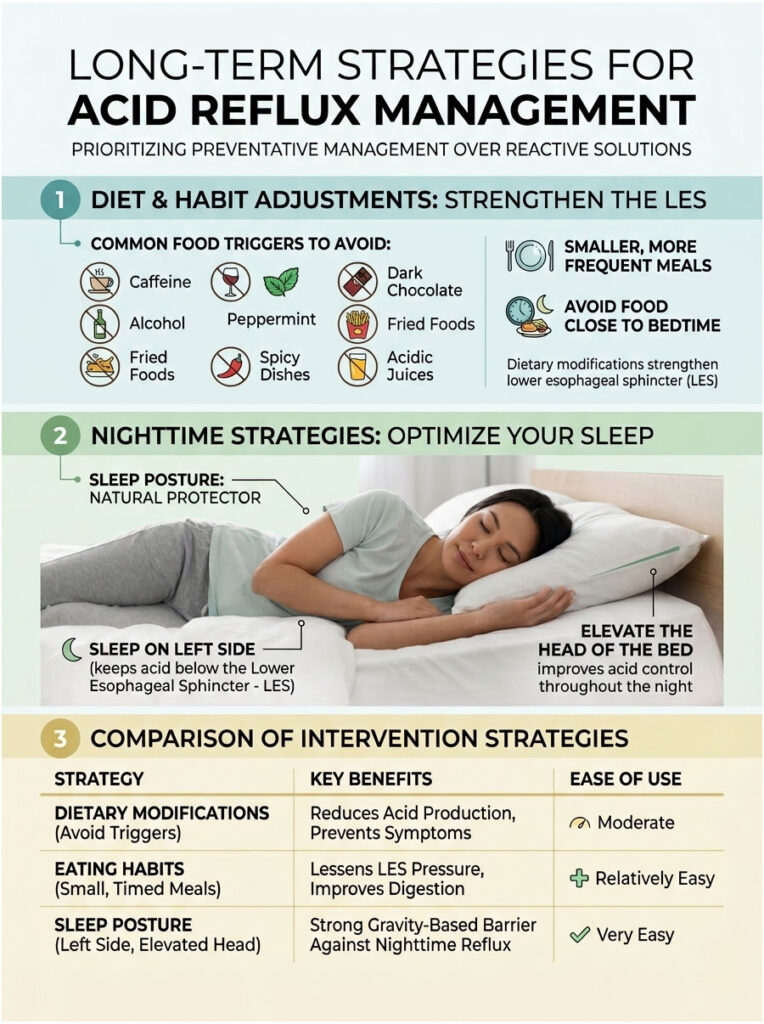
Dietary Modifications and Trigger Avoidance
Your daily diet directly affects the muscular tone of your lower esophageal sphincter. Certain common foods act as potent LES relaxants, allowing acid to flow upward freely.
Common triggers include caffeinated beverages, alcohol, peppermint, dark chocolate, fried foods, spicy dishes, and acidic citrus juices. Avoiding these is far safer than relying on baking soda after the damage is already done.
Portion control matters too. Massive meals distend the stomach and put upward pressure on the LES. Switch to smaller, more frequent meals. And never eat within three hours of going to bed.
Sleep Posture and Gravity
Simple gravity is your best ally against nighttime reflux. When you lie flat, acid travels easily from stomach to esophagus. Changing your sleep position provides excellent, natural protection.
Sleeping on your left side (the left-lateral decubitus position) keeps gastric contents safely below the LES. Because of how the stomach curves, this position creates a natural gravity trap for pooling acid.
Elevating the head of your bed by 6 to 8 inches also helps tremendously. Use solid bed risers under the top legs of the frame, or a specialized foam wedge pillow. Regular soft pillows just bend your torso, which actually increases stomach pressure.
Intervention Strategy Comparison
| Intervention | Timing | Primary Benefit | Ease of Use |
| Sodium Bicarbonate Solution | Acute / Immediate | Instant acid neutralization | Very High |
| Left-Lateral Sleep Position | Preventative / Nighttime | Keeps acid below LES | Moderate |
| Dietary Trigger Elimination | Preventative / Long-term | Reduces reflux frequency | Low (requires discipline) |
| Weight Management | Preventative / Long-term | Reduces abdominal pressure | Low (requires discipline) |
Preventative strategies require more discipline but deliver sustainable, lasting benefits. Using sodium bicarbonate for pH balance is easy but purely reactive. True healing requires a proactive approach.
Emergency Red Flags: When Heartburn Might Be Something Worse
There is a clear line between home care and emergency medicine. Sometimes what feels like severe indigestion is actually a life-threatening event. You need to know when to put down the baking soda and call 911.
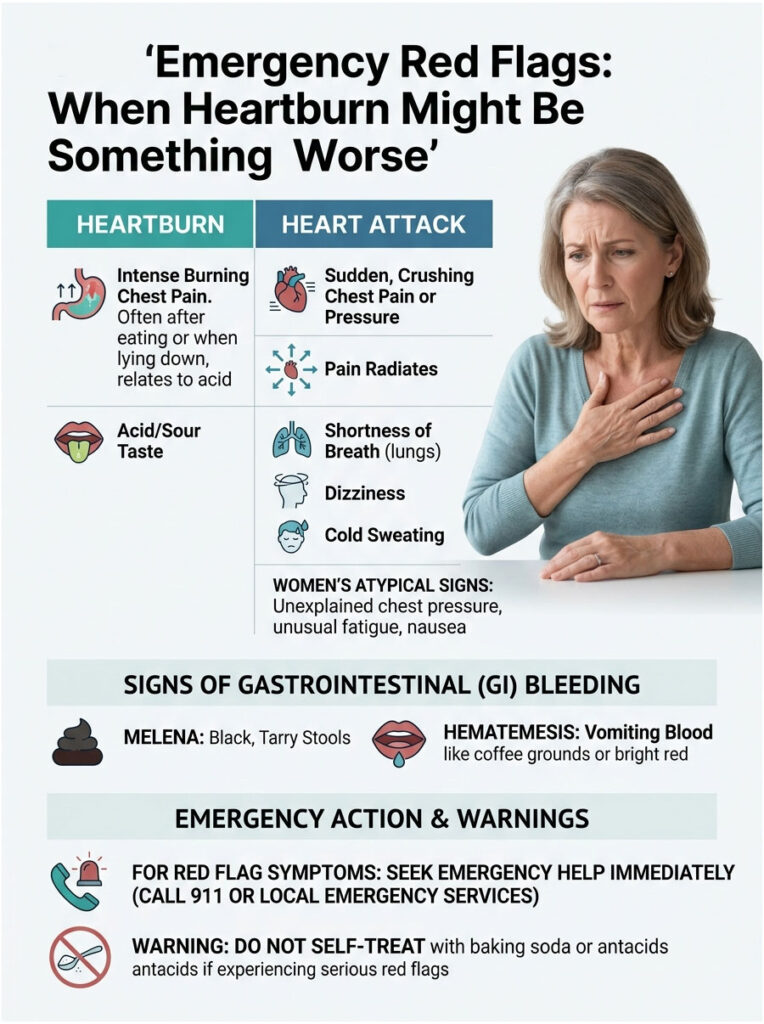
Heartburn vs. Heart Attack
The symptoms of severe acid reflux and a heart attack overlap significantly. Both can cause intense burning chest pain behind the breastbone. But there are specific cardiac warning signs you must watch for.
If your chest pain radiates to the jaw, neck, or left arm, seek emergency help immediately. If the pain comes with sudden shortness of breath, dizziness, or profuse cold sweating, call emergency services. Do not take baking soda in this scenario.
Women in particular often experience atypical heart attack symptoms that closely mimic severe indigestion. Never ignore sudden, unexplained chest pressure. Let the emergency room determine the cause.
Signs of Gastrointestinal Bleeding
Chronic untreated reflux can cause deep, bleeding ulcers in the esophagus or stomach. These ulcers can erode into major blood vessels.
Watch for melena, which is black, tarry, foul-smelling stool indicating digested blood from the upper GI tract. Also watch for hematemesis, which is vomiting bright red blood or material that looks like dark coffee grounds.
These symptoms require immediate endoscopic evaluation. Baking soda will not stop internal bleeding and will only delay critical treatment.
Summary: Can You Drink Baking Soda to Neutralize Stomach Acid Safely?
So, can you drink baking soda to neutralize stomach acid safely? Yes, you can. It remains a chemically sound, highly effective method for neutralizing gastric acid on contact. When used correctly and sparingly, it provides fast relief for occasional indigestion.
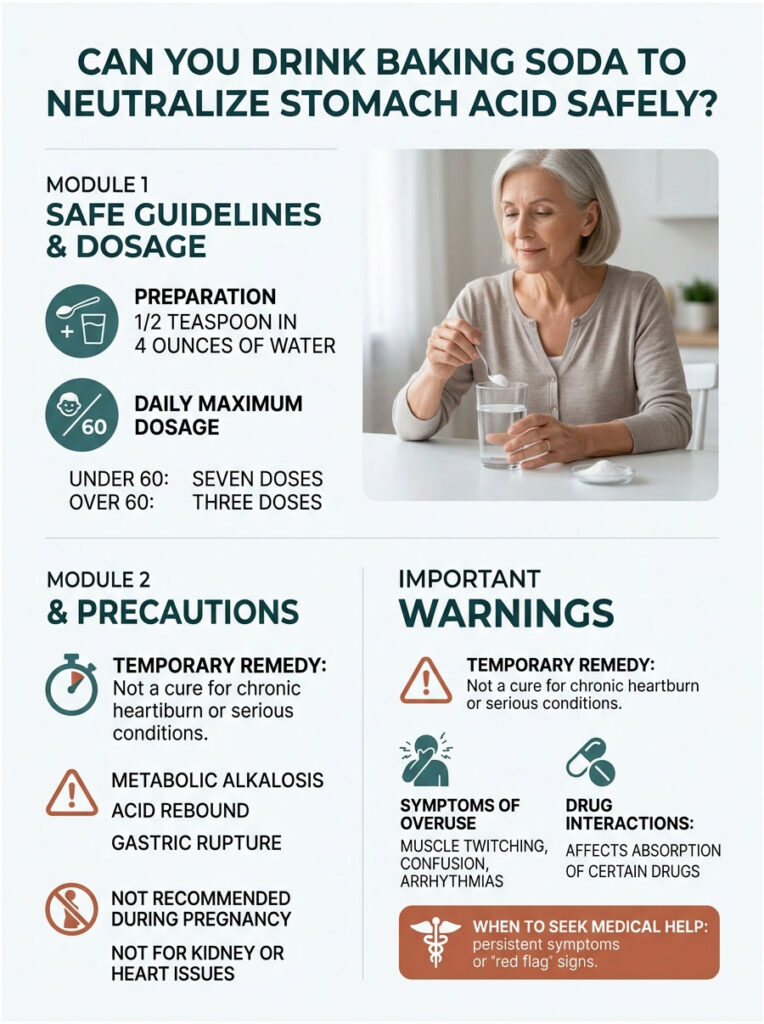
However, the rules for safe use are strict. Stick to the 1/2 teaspoon in 4 ounces of water ratio. Respect the 14-day limit and the daily dosage caps for your age group. Be aware of the systemic sodium load and the risk of metabolic alkalosis.
Remember that this is a temporary chemical fix, not a cure. It triggers acid rebound and can mask the symptoms of serious disease. If you find yourself needing baking soda frequently, that is a clear signal you need professional gastroenterological care. Protect your long-term digestive health by seeking proper, evidence-based treatment for chronic heartburn.
Frequently Asked Questions
What is the clinically safe dosage of baking soda for neutralizing stomach acid?
As a gastroenterologist, I advise following strict clinical protocols: exactly 1/2 teaspoon of pure sodium bicarbonate fully dissolved in 4 ounces of water. For healthy adults under age 60, the maximum limit is seven doses in a 24-hour period. For those over 60, the limit drops to three doses due to naturally decreased renal clearance and the risk of fluid retention.
Can I use baking soda for heartburn relief during pregnancy?
Baking soda is generally contraindicated for pregnant women. A single 1/2 teaspoon dose contains approximately 616 mg of sodium, which can trigger significant edema (swelling) and dangerously elevate blood pressure, increasing the risk of preeclampsia. I recommend consulting your OB-GYN for safer, natural antacid alternatives.
How long does it take for baking soda to work on acid reflux?
The onset of action is remarkably rapid. Because sodium bicarbonate is a chemical buffer that neutralizes hydrochloric acid (HCl) directly on contact, most patients experience profound relief from pyrosis (heartburn) within one to five minutes. However, this relief is temporary, typically lasting only one to two hours.
What is the ‘acid rebound’ phenomenon associated with baking soda use?
Acid rebound occurs when the stomach senses an artificial spike in pH and responds by releasing the hormone gastrin. This commands the parietal cells to overproduce hydrochloric acid to restore the stomach’s natural acidic baseline. Consequently, your symptoms may return with greater intensity once the baking soda has cleared your system.
Is it safe to drink baking soda for stomach acid every day?
No. You should never use this home remedy for more than 14 consecutive days. Frequent use can lead to systemic complications like metabolic alkalosis and hypernatremia. Furthermore, relying on baking soda daily masks serious underlying conditions such as GERD, peptic ulcers, or Barrett’s esophagus, which require professional medical diagnosis.
Can drinking baking soda cause a stomach rupture?
While rare, a spontaneous gastric rupture is a documented surgical emergency. The chemical reaction between baking soda and stomach acid produces a large volume of carbon dioxide (CO2) gas. If you ingest baking soda on an uncomfortably full stomach, the gas may be unable to escape through eructation (burping), causing the stomach to distend and potentially rupture.
What are the symptoms of metabolic alkalosis from over-consuming baking soda?
Metabolic alkalosis occurs when your systemic blood pH becomes too alkaline. Clinical warning signs include involuntary muscle twitching, hand tremors, perioral numbness (tingling around the mouth), and mental confusion. In severe cases, it can trigger dangerous heart arrhythmias or seizures, requiring immediate emergency intervention.
Why does baking soda cause burping when used for indigestion?
The burping, or eructation, is caused by the chemical reaction: NaHCO3 + HCl → NaCl + H2O + CO2. The byproduct of this reaction is carbon dioxide gas. As the gas expands within the gastric lumen, it creates pressure that is released upward through the esophagus, which many patients find provides immediate mechanical relief from bloating.
Does baking soda interact with prescription medications like levothyroxine or iron?
Yes. Artificially raising your stomach pH can significantly impair the absorption of medications that require an acidic environment, such as levothyroxine, oral iron supplements, and certain antifungal drugs. To prevent therapeutic failure, you must wait at least two hours between taking baking soda and any other prescription medications.
Why is baking soda dangerous for individuals with kidney or heart disease?
Patients with Chronic Kidney Disease (CKD) or Congestive Heart Failure (CHF) are highly sensitive to sodium loading. The high sodium content in baking soda (616 mg per dose) causes the body to retain water, increasing circulating blood volume. This puts immense strain on the heart and can lead to acute hypertension or pulmonary edema.
Can I take baking soda with enteric-coated aspirin?
You should avoid this combination. Enteric-coated pills are designed to bypass the stomach and dissolve in the alkaline environment of the small intestine. If you neutralize your stomach acid with baking soda, the coating may dissolve prematurely in the stomach, causing severe localized gastric irritation and defeating the purpose of the coating.
When should I stop using baking soda and see a doctor for my heartburn?
You should seek professional gastrointestinal care if your symptoms persist for more than two weeks, or if you experience ‘red flag’ symptoms. These include difficulty swallowing, unexplained weight loss, or signs of GI bleeding such as black, tarry stools (melena) or vomiting material that looks like coffee grounds.
Disclaimer
This article is for informational purposes only and does not constitute medical advice. The use of sodium bicarbonate as an antacid carries significant risks, including electrolyte imbalances and gastric injury. Always consult a qualified healthcare professional or a board-certified gastroenterologist before attempting home remedies, especially if you have pre-existing heart, kidney, or blood pressure conditions.
References
- American College of Gastroenterology – https://gi.org/ – Clinical guidelines for the diagnosis and management of Gastroesophageal Reflux Disease (GERD).
- U.S. Food and Drug Administration (FDA) – https://www.fda.gov/ – Official labeling requirements and 14-day usage warnings for OTC sodium bicarbonate products.
- American Heart Association – https://www.heart.org/ – Daily sodium intake recommendations and the cardiovascular impact of high-sodium compounds.
- National Institutes of Health (NIH) – https://pubmed.ncbi.nlm.nih.gov/ – Peer-reviewed case studies regarding metabolic alkalosis and hypernatremia from bicarbonate ingestion.
- Journal of Medical Case Reports – https://jmedicalcasereports.biomedcentral.com/ – Clinical documentation of spontaneous gastric rupture following sodium bicarbonate use.
- Mayo Clinic – https://www.mayoclinic.org/ – Professional medical overview of sodium bicarbonate oral route side effects and drug interactions.