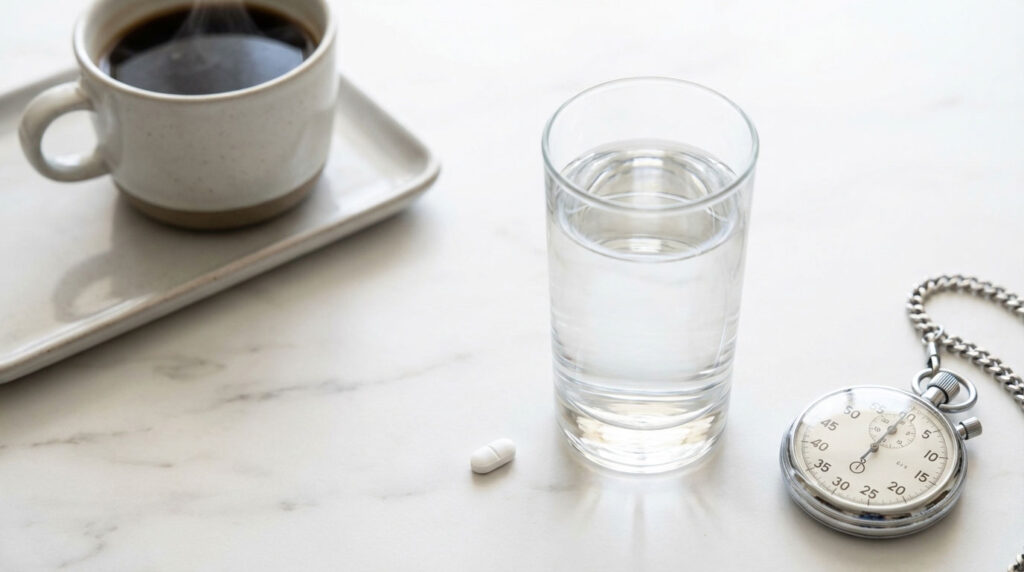
To guarantee that your body absorbs your hormone replacement therapy, you must wait at least 60 minutes after taking your pill before consuming coffee and thyroid medication together. Clinical data indicates that coffee can reduce absorption by 36% or more. This occurs due to chemical sequestration and accelerated digestion. If waiting is impossible, speak to your doctor about liquid formulations or switching to a nighttime dosing schedule.
Table of Contents
You wake up and reach for your pill bottle. You swallow your tablet with a sip of water. Then you watch the clock. You wait exactly thirty minutes before pouring your first cup of coffee. You believe you are following the rules perfectly. Yet, your latest lab results tell a frustrating story.
Your TSH remains stubbornly high. Perhaps it fluctuates wildly from one appointment to the next. You feel the familiar weight of fatigue. The brain fog has not lifted. You are “medicated,” but you do not feel well.
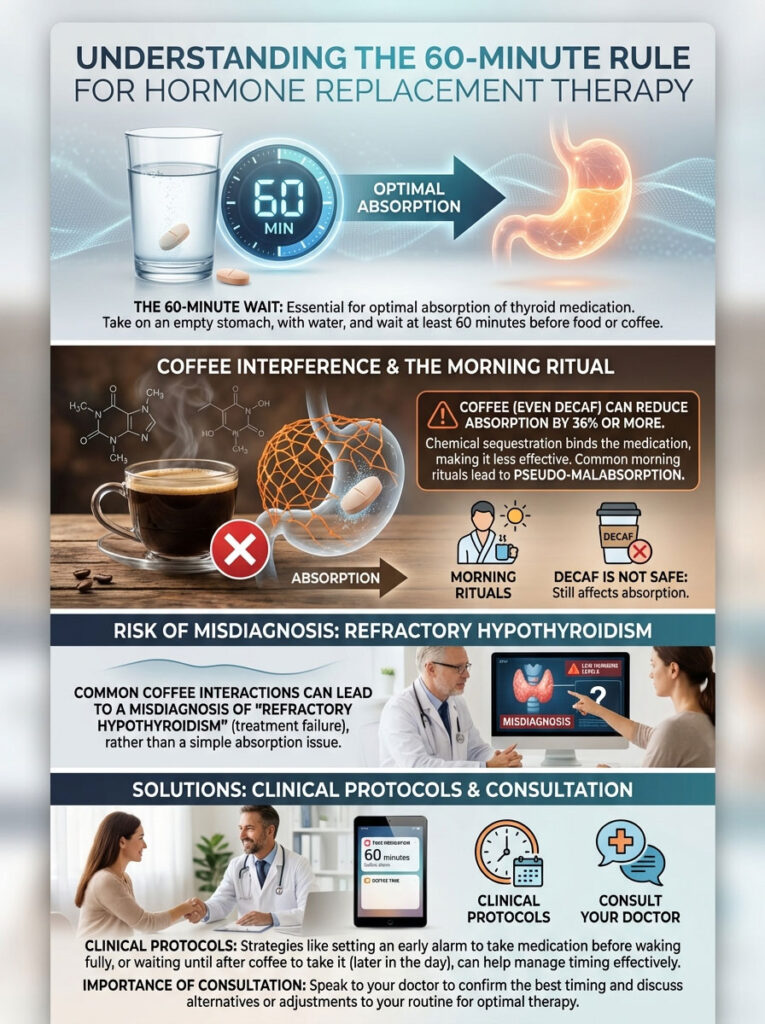
In my clinical practice, this scenario is incredibly common. We often label this “refractory hypothyroidism.” However, in many cases, it is actually “pseudo-malabsorption.” The culprit is rarely the medication itself. It is the morning ritual. The interaction between coffee and thyroid medication is the single most significant variable in thyroid management.
Achieving a euthyroid state requires more than just the right prescription. It requires strict adherence to pharmacokinetics. This guide explains the biological conflict between caffeine compounds and synthetic thyroxine. We will examine the data behind the “60-minute rule.” We will look at the chemistry of why decaf is not a loophole. Finally, we will discuss the specific clinical protocols I use to help patients resolve this conflict.
Key Statistics & Data Points
- 36%: The potential reduction in serum T4 levels when coffee is consumed simultaneously with medication.
- 60-80%: The average bioavailability of levothyroxine under ideal fasting conditions.
- 4 Hours: The required separation time for calcium-fortified milk or creamers.
- 40%: Percentage of hypothyroid patients who unknowingly practice maladaptive absorption habits.
- pH < 2: The gastric acidity required for standard generic tablets to dissolve properly.
The Pharmacokinetics of Levothyroxine: A “Fussy” Molecule
To understand why the timing of coffee and thyroid medication matters so intensely, we must respect the medication itself. Levothyroxine sodium (T4) is not like ibuprofen or an antibiotic. It is a narrow therapeutic index (NTI) drug. This means that very small differences in the dose or concentration in the blood can lead to serious therapeutic failures.
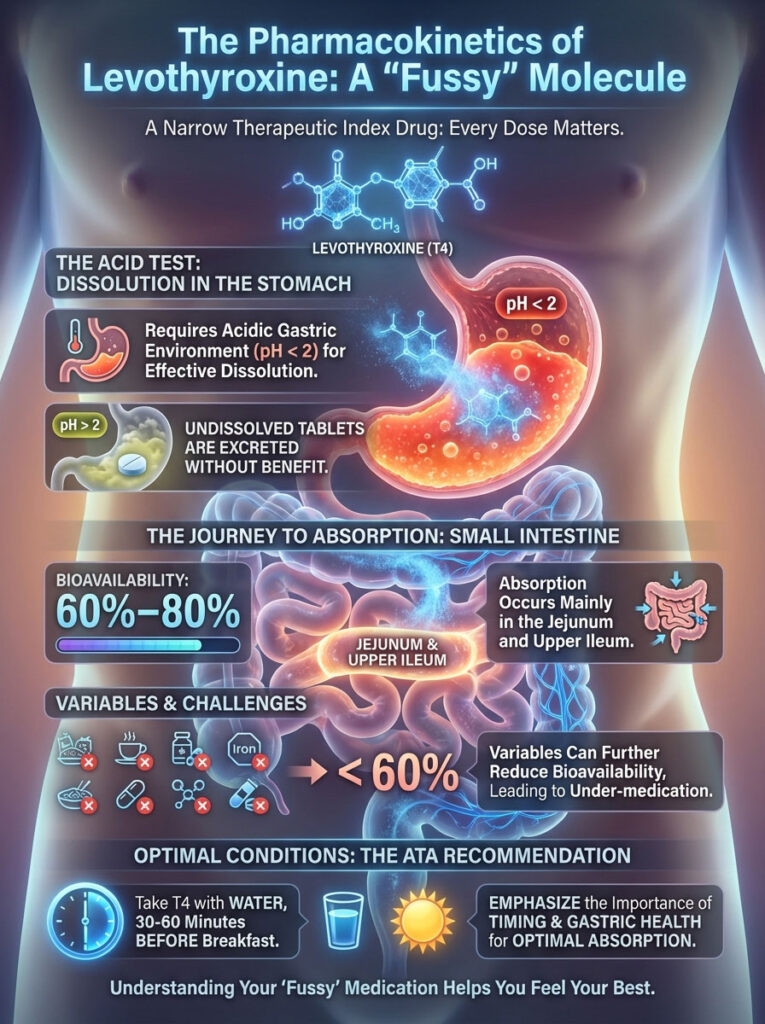
Levothyroxine absorption is a fragile process. Unlike many drugs that are absorbed throughout the digestive tract, T4 has a specific “absorption window.” It is absorbed primarily in the jejunum and the upper ileum of the small intestine. Before it can even reach this window, it must survive the stomach.
The Role of Gastric Acidity
Standard thyroid tablets rely heavily on the environment of the stomach to work. When you swallow a generic levothyroxine tablet, it requires an acidic gastric environment. Specifically, it needs a pH lower than 2 to disintegrate effectively. This dissolution must happen completely before the medication passes into the small intestine.
If the tablet does not fully dissolve in the stomach, it enters the intestine as solid particulate matter. The intestinal wall cannot absorb solids. It can only absorb dissolved molecules. Consequently, the undissolved medication passes through the digestive tract. It is excreted in the stool without providing any hormonal benefit.
Bioavailability Factors
We use the term “bioavailability” to describe the percentage of a drug that actually enters your bloodstream. Even under perfect fasting conditions, levothyroxine absorption is incomplete. Only about 60% to 80% of the pill you take actually makes it into your system. We dose patients assuming this loss will happen. However, when you introduce variables that further reduce bioavailability, you drop that percentage dangerously low. This mimics the state of being under-medicated.
Expert Insight: The American Thyroid Association (ATA) guidelines explicitly state that levothyroxine should be taken with water, 30-60 minutes before breakfast. In my practice, I emphasize the upper limit of this recommendation. Thirty minutes is often insufficient for patients with compromised gut health or lower gastric acid production.
The Mechanism of Interference: How Coffee Blocks T4
Many patients believe the issue with coffee and thyroid medication is simply about caffeine “speeding up” digestion. While that is a factor, the interference is chemical and multi-faceted. Understanding these mechanisms helps explain why cheating on the wait time has such a profound effect on your labs.

Mechanism 1: Sequestration (The Sponge Effect)
The most potent form of interference is a chemical process called sequestration. A landmark study published in the journal Thyroid demonstrated this effect clearly. Coffee contains compounds that physically bind to the levothyroxine molecule in the gut.
Imagine the coffee acting like a sponge or a magnet. It latches onto the T4 molecules. This creates a large, complex structure that is simply too big to pass through the intestinal lining. Because the medication is sequestered, or trapped, it remains in the gut lumen. It is eventually eliminated from the body. This study observed a reduction in serum T4 levels of up to 36% when coffee was consumed at the same time as the medication. For a patient on 100mcg, this is equivalent to missing a third of their dose.
Mechanism 2: Accelerated Gastric Emptying
Caffeine is a stimulant. It stimulates the central nervous system. It also stimulates peristalsis. This is the wave-like muscle contraction of the digestive tract. This leads to rapid gastric emptying.
Recall that the tablet needs time to dissolve in the stomach acid. If caffeine triggers the stomach to empty its contents into the small intestine prematurely, the tablet moves too fast. It may be pushed out of the stomach before it has fully dissolved. Once it hits the neutral pH of the small intestine, dissolution stops. The undissolved portion of the pill is wasted. This is a primary reason why levothyroxine absorption fails in habitual coffee drinkers.
Mechanism 3: pH Alteration
While black coffee is acidic, many patients add milk, cream, or plant-based creamers. These additives act as buffers. They raise the pH of the stomach acid. By neutralizing the acid, you remove the chemical catalyst required for the tablet to break down. This creates a “double hit.” The tablet dissolves slower due to pH changes. It also moves faster due to caffeine.
The “60-Minute Rule”: Examining the Gold Standard
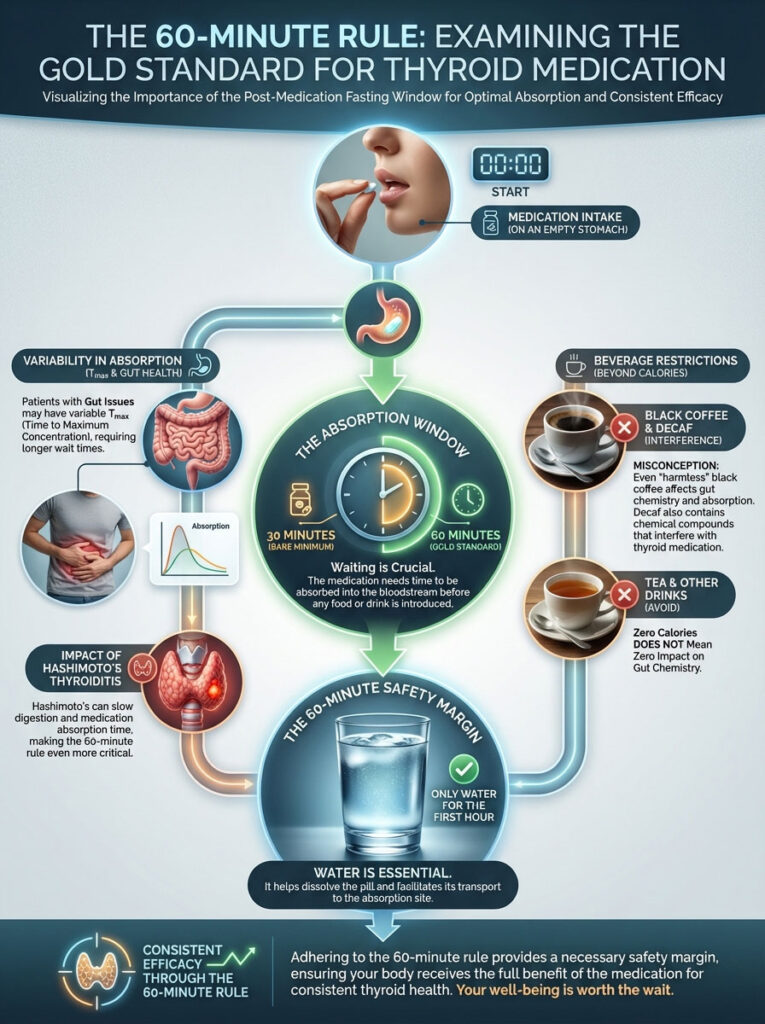
When you pick up your prescription, the bottle likely says “Wait 30 to 60 minutes before eating.” Most patients interpret this as “30 minutes is fine.” However, from a specialist’s perspective, 30 minutes is the bare minimum for survival. It is not the standard for optimization.
Why 30 Minutes Is Not Enough
Pharmacokinetic studies on generic levothyroxine show that the time to maximum concentration (Tmax) varies. It can be delayed in patients with any form of gastritis or autoimmune gut issues. Since thyroid hormone replacement is most common in patients with Hashimoto’s thyroiditis, we must assume the patient’s gut is not functioning at peak efficiency.
For a healthy gut, a tablet might dissolve in 20 minutes. For a Hashimoto’s patient with lower stomach acid, it might take 45 minutes. If you drink coffee at the 30-minute mark, you are interrupting the process for a significant portion of the population. Therefore, the 60-minute rule is the safety margin required to ensure consistency.
The Decaf Myth
A frequent question I receive is about decaf. Patients ask, “Can I drink decaf with my thyroid medication?” The answer is no. The interference is not solely driven by caffeine. Coffee contains hundreds of other compounds. These include chlorogenic acids, tannins, and other sequestrants. These compounds are present in decaffeinated coffee as well.
Decaf removes the “rapid gastric emptying” variable caused by caffeine. However, it does not remove the sequestration variable. The chemical binding still occurs. Consequently, the coffee and thyroid medication restriction applies equally to decaf drinkers.
The Black Coffee Myth
Similarly, patients often believe that black coffee is equivalent to water because it has zero calories. This is a dangerous misconception in endocrinology. It is not the caloric content that interferes. It is the chemical composition. Black coffee is a potent drug in its own right regarding gut chemistry. The rule remains: only water for the first hour.
Additives and Amplifiers: Milk, Soy, and Sugar
If you take your coffee with additives, the interference becomes exponential. We must look at what you are putting into your cup. These ingredients can be even more disruptive than the coffee bean itself.
The Calcium Conflict
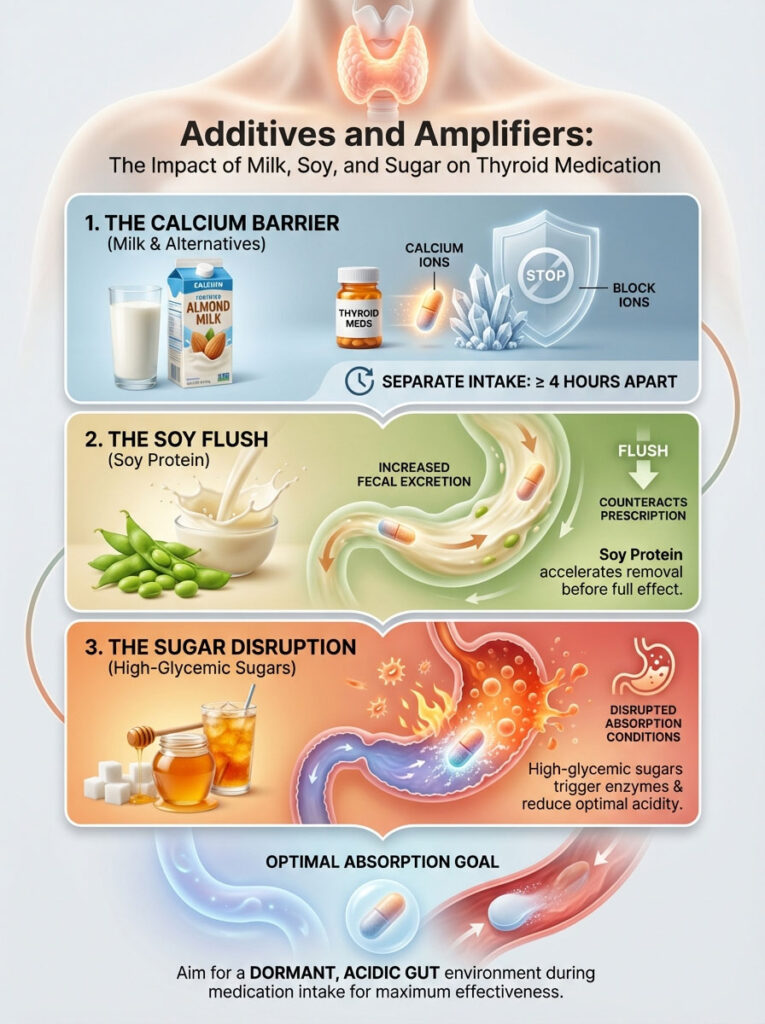
Calcium is the enemy of thyroid hormone replacement absorption. Calcium carbonate and calcium citrate bind to T4 with high affinity. If you use cow’s milk or calcium-fortified almond/soy milk in your coffee, you are essentially taking a calcium supplement with your medication.
The guideline for calcium is even stricter than for food. We generally recommend separating calcium supplements from thyroid medication by at least 4 hours. While the amount of calcium in a splash of milk is less than a supplement, consistent daily use within the 60-minute window contributes to chronically lower T4 levels.
Soy Creamers
Soy is a known goitrogen. However, its effect on absorption is the primary concern here. Soy protein has been shown to increase the fecal excretion of thyroxine. It essentially helps the body flush the hormone out before it can be used. If your morning routine involves a soy latte or soy creamer, you are actively working against your prescription.
Sugar and Artificial Sweeteners
High-glycemic additives trigger their own metabolic cascades. While sugar itself does not bind to T4, it triggers digestion and enzyme release. The goal during the absorption window is to keep the gut as dormant and acidic as possible. Introducing sugar wakes up the digestive system. This alters the precise conditions needed for the medication to work.
Detailed Analysis of Coffee Types and Temperatures
It is important to understand that the physical state of your coffee does not negate the chemical interactions. I often hear patients rationalize their habits based on the temperature or brewing method of their morning beverage. Let’s break down why the rule applies across the board.

Hot Coffee vs. Iced Coffee
Some patients believe that iced coffee is less reactive. This is incorrect. The temperature of the liquid does not change the molecular structure of chlorogenic acid or tannins. Whether the coffee is piping hot or ice cold, the sequestration effect remains the same. The binding capacity of the coffee compounds is not deactivated by cold temperatures.
Espresso vs. Drip Coffee
Espresso is more concentrated than drip coffee. It contains a higher density of dissolved solids per ounce. However, drip coffee is usually consumed in larger volumes. Whether you drink a 2-ounce shot of espresso or a 12-ounce mug of drip coffee, the total load of interfering compounds is sufficient to block absorption. The volume of liquid in drip coffee might even further dilute the gastric acid, making dissolution harder.
Cold Brew and Acidity
Cold brew is often marketed as being less acidic. This is true regarding flavor profile and esophageal irritation. However, it still contains the phytochemicals that bind to levothyroxine. Lower acidity in the coffee does not help the tablet dissolve. Remember, the tablet needs the stomach’s acid. Adding a low-acid liquid still raises the gastric pH away from the optimal level needed for the medication.
Formulation Matters: Tablets vs. Gel Caps vs. Liquid
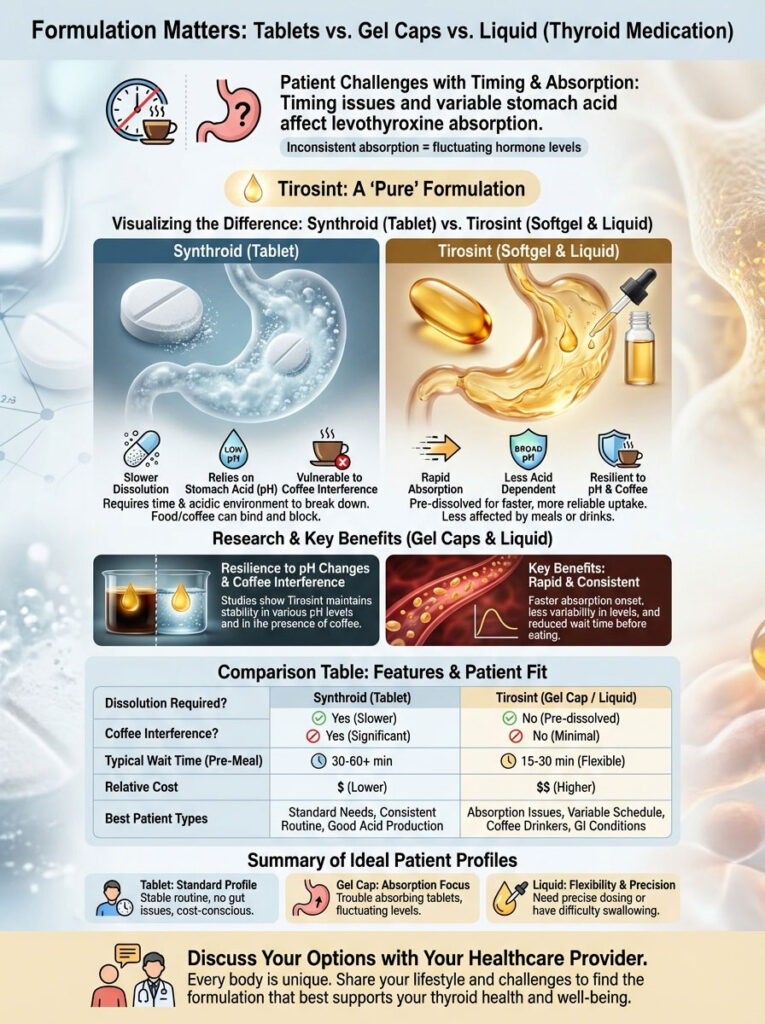
For some patients, the 60-minute wait is simply incompatible with their lifestyle. Others have gastrointestinal conditions like GERD or H. pylori. These conditions make absorption difficult regardless of timing. In these cases, we look at alternative formulations. Specifically, we compare Tirosint vs Synthroid.
The Tirosint Solution
Tirosint is a brand-name formulation of levothyroxine. It comes in a softgel capsule. There is also a liquid form called Tirosint-SOL. Unlike traditional tablets, which contain fillers, dyes, and binders, Tirosint is pure. It contains only the hormone, gelatin, glycerin, and water.
Pharmacological Advantage
The genius of the gel cap is that the hormone is already dissolved in a liquid matrix. It does not require stomach acid to break it down. This bypasses the dissolution step entirely. Because it is pre-dissolved, it is rapidly absorbed. It often enters the bloodstream faster than tablets.
Research suggests that Tirosint is more resilient to pH changes and coffee interference. While I still recommend a buffer zone, the data shows that levothyroxine absorption from gel caps is less affected by coffee than tablets. This makes it an ideal switch for patients with high TSH levels despite high doses. It is also great for those who cannot adhere to the strict morning fast.
Comparison Table: Thyroid Medication Formulations & Coffee Resilience
| Feature | Standard Tablet (Generic/Synthroid) | Softgel Capsule (Tirosint) | Liquid Solution (Tirosint-SOL) |
|---|---|---|---|
| Dissolution Required | Yes (High dependence on stomach acid) | No (Pre-dissolved) | No (Pre-dissolved) |
| Coffee Interference | High (30-36% reduction) | Low to Moderate | Low |
| Wait Time Needed | Strict 60 Minutes | 15–30 Minutes (per some studies) | < 15 Minutes (per emerging data) |
| Cost/Coverage | Low (Tier 1 Generic) | High (Tier 3 Brand) | High (Tier 3 Brand) |
| Best For | Compliant patients with consistent routines | Patients with GI issues or coffee habits | Pediatric or dysphagic patients |
Strategic Alternatives: The Nighttime Dosing Protocol
If the morning battle between coffee and thyroid medication is one you are losing, there is a scientifically validated alternative. You can try taking thyroid medication at night.

The Strategy
For years, morning dosing was the default. It mimics the body’s natural circadian rhythm of hormone release. However, levothyroxine has a half-life of 7 days. It is a storage hormone. This means the exact time of day matters less than the consistency of absorption.
The Science
A significant study published in the Journal of Clinical Endocrinology & Metabolism (JCEM) compared morning vs. bedtime dosing. The results were compelling. The study found that bedtime dosing often resulted in better absorption and improved TSH concentrations. Why? Because gut motility slows down at night. The medication sits in the intestine longer. This allows for more thorough absorption. Additionally, stomach acid secretion is often higher at night, aiding dissolution.
The Protocol
To switch to this protocol, you must adhere to the following rules:
- The Dinner Cutoff: You must stop eating by 7:00 PM or 8:00 PM.
- The Fasting Window: You need a minimum of 3 to 4 hours of fasting before taking the pill.
- The Dose: Take your medication at 11:00 PM or later (at bedtime).
- The Morning Reward: When you wake up the next morning, you can drink coffee immediately. There is no wait time because the medication was absorbed hours ago.
Comparison Table: Morning vs. Bedtime Dosing Strategies
| Factor | Morning Dosing (Standard) | Bedtime Dosing (Alternative) |
|---|---|---|
| Fasting Requirement | Overnight fast achieved naturally | Must stop eating 3–4 hours before bed |
| Coffee Protocol | Must wait 60 minutes after pill | Can drink coffee immediately upon waking |
| Absorption Rate | Variable (affected by breakfast proximity) | Potentially Higher (slower gut transit at night) |
| Compliance Risk | Low (part of morning ritual) | Moderate (fatigue may lead to missed doses) |
| TSH Stability | Good (if rules are followed) | Excellent (less dietary interference) |
Interpreting Your Labs: Signs of Malabsorption
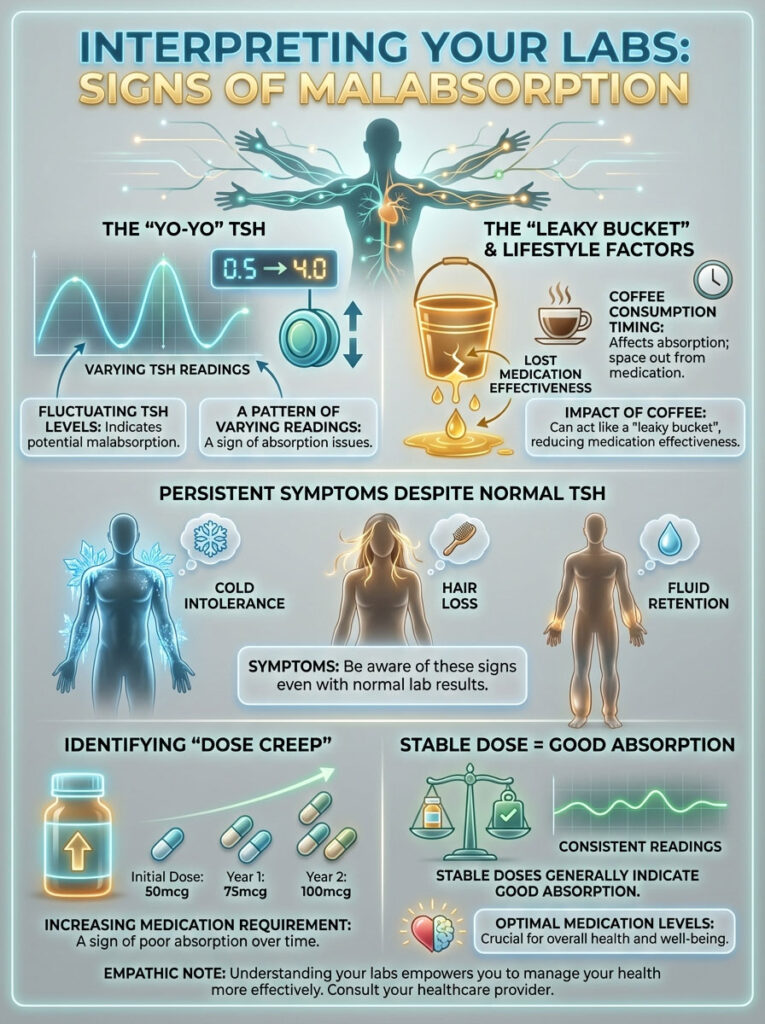
How do you know if your morning routine for hypothyroidism is failing you? The labs usually reveal the truth. You just need to know what to look for. When a patient tells me they are compliant, but their labs suggest otherwise, I look for specific patterns of pseudo-malabsorption.
The “Yo-Yo” TSH
The most common sign is a TSH that fluctuates wildly. One month it is 1.5, which is perfect. Three months later it is 5.8, indicating hypothyroidism, despite the dose remaining the same. This variance often correlates with lifestyle changes. Perhaps during the summer, you drank iced coffee later in the morning. In the winter, you drank hot coffee immediately. These subtle shifts in the gap between pill and coffee cause high TSH levels. This looks like disease progression, but it is actually an absorption error.
Persistent Symptoms
Labs are not the only indicator. Signs of thyroid medication malabsorption include persistent cold intolerance, hair loss, and fluid retention. This occurs even when the doctor says your TSH is “in range.” If your TSH is 3.5 or 4.0, you are technically within the reference range. But you may not be optimally medicated. If coffee interference is robbing you of 20% of your dose, that 20% might be the difference between surviving and thriving.
The “Dose Creep” Phenomenon
Another red flag is a constantly increasing dose requirement. If your doctor has to raise your prescription from 88mcg to 100mcg to 112mcg over the course of a year, we must ask why. Unless your thyroid gland is actively being destroyed at a rapid rate, your dose should remain relatively stable. “Dose creep” often signifies that we are simply pouring more water into a leaky bucket. The leak is the coffee interference.
Special Populations: Hashimoto’s and Gut Health
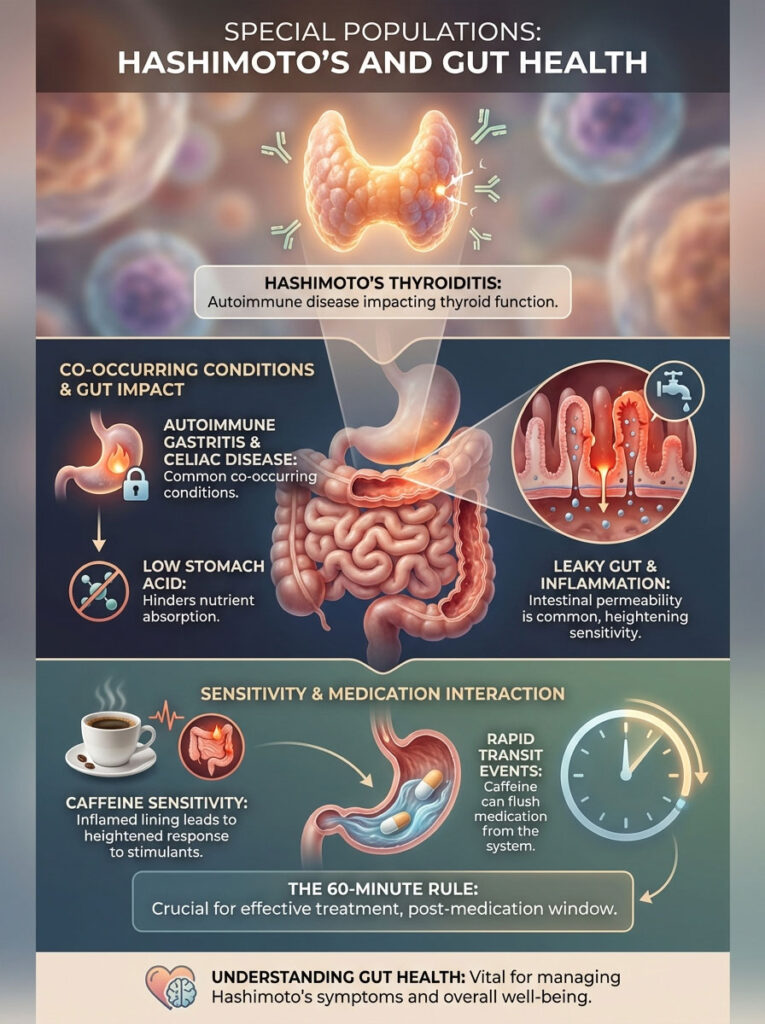
The interaction between coffee and thyroid medication is particularly punishing for patients with Hashimoto’s thyroiditis. This is because Hashimoto’s is an autoimmune disease. Autoimmune conditions rarely travel alone.
The Autoimmune Factor
A significant percentage of Hashimoto’s patients have co-occurring autoimmune gastritis. This condition lowers stomach acid. Many also have Celiac disease, which damages the intestinal lining. Even without a full diagnosis, “leaky gut” or intestinal permeability is common.
Impact on Motility
When the gut lining is inflamed, it becomes hypersensitive to stimulants. The caffeine that might cause a mild increase in motility for a healthy person can trigger a rapid transit event in a Hashimoto’s patient. This flushes the medication out of the absorption window before it can be utilized. Therefore, if you have Hashimoto’s, the 60-minute rule is not just a suggestion. It is a critical component of your treatment plan.
Advanced Considerations: Other Morning Habits
While coffee is the primary offender, other aspects of your morning routine might be sabotaging your thyroid treatment. We need to examine what else goes into your body during that critical first hour.
The Collagen Trend
Collagen peptides have become a popular addition to morning coffee. While great for skin and joints, collagen is a protein. Taking protein within an hour of your medication will compete for absorption sites in the small intestine. Furthermore, digestion of protein requires stomach acid and enzymes. This changes the gastric environment needed for the pill. If you use collagen, move it to your lunch or afternoon snack.
Herbal Teas and Water pH
Some patients switch to herbal tea, thinking it is safer. While herbal tea lacks caffeine, it can still alter gastric pH. Peppermint tea, for example, can relax the lower esophageal sphincter. Fruit teas can be acidic. Water is the only truly neutral beverage for the first hour to guarantee optimal levothyroxine absorption. Even highly alkaline water (pH 8.0+) should be avoided during the medication window, as it neutralizes the stomach acid needed for tablet dissolution.
Natural Desiccated Thyroid (NDT)
Patients taking Armour Thyroid or NP Thyroid often ask if these rules apply to them. The answer is a definitive yes. Natural Desiccated Thyroid (NDT) contains both T4 and T3. Both hormones are sensitive to gastric pH and motility changes caused by coffee. In fact, T3 is absorbed even faster than T4. This makes the timing of coffee and thyroid medication just as critical for NDT users as it is for those on Synthroid.
Summary & Key Takeaways
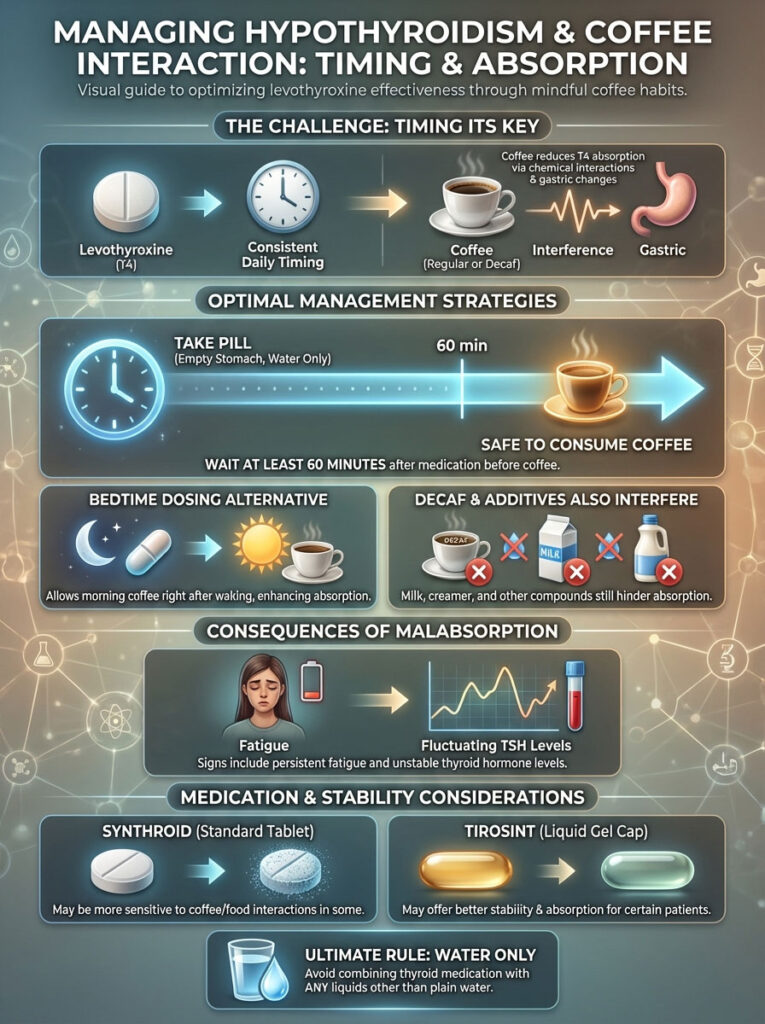
Managing hypothyroidism is a lifelong commitment. The conflict between coffee and thyroid medication is one of the most common hurdles patients face. The science is clear. Coffee reduces T4 absorption through chemical sequestration, accelerated gastric emptying, and pH alteration. This can lead to unstable hormone levels and persistent symptoms.
To ensure you are getting the full benefit of your prescription, follow these golden rules:
- Wait 60 Minutes: If you take a standard tablet, give it a full hour before drinking coffee.
- Consider Gel Caps: If you cannot wait, ask your doctor about Tirosint vs Synthroid. The liquid-filled capsule offers better resilience against interference.
- Try Bedtime Dosing: If your mornings are chaotic, taking thyroid medication at night allows you to wake up and enjoy your coffee immediately. Remember to fast for 3-4 hours before the nighttime dose.
- Watch the Additives: Calcium, soy, and protein powders are just as disruptive as caffeine. Keep your coffee simple or move it well away from your medication window.
Consistency is more important than perfection. If you make a mistake one morning, do not double dose. Simply resume the correct protocol the next day. By mastering your absorption, you master your thyroid health.
Frequently Asked Questions
How long must I wait to drink coffee after taking my thyroid medication?
You should wait at least 60 minutes after taking a standard levothyroxine tablet before consuming coffee. Clinical data indicates that waiting only 30 minutes may still result in a 36% reduction in hormone absorption. This hour-long buffer ensures your gastric pH remains optimal for the tablet to dissolve and enter the bloodstream.
Does drinking decaf coffee interfere with levothyroxine absorption?
Yes, decaf coffee still interferes with the absorption of thyroid hormone replacement. While it lacks the caffeine that accelerates gastric emptying, it contains chlorogenic acids and tannins that chemically bind to the medication. These compounds sequester the T4 molecule, making it too large to pass through the intestinal wall.
Why is my TSH level fluctuating even though I take my pill every morning?
Fluctuating or “yo-yo” TSH levels are often a sign of pseudo-malabsorption caused by inconsistent timing between your medication and coffee. Even small variations in the waiting period can significantly alter the amount of hormone reaching your system. Establishing a strict 60-minute water-only window is essential for achieving biochemical stability.
Is Tirosint more effective than Synthroid if I cannot wait an hour for coffee?
Tirosint gel caps and liquid formulations are generally more resilient to coffee interference than traditional tablets like Synthroid. Because the medication is already dissolved in a liquid matrix, it does not rely on stomach acid for disintegration. While a buffer is still recommended, patients with difficult morning routines often find better TSH stability with these advanced formulations.
Can I take my thyroid medication at bedtime to avoid the coffee wait time?
Yes, bedtime dosing is a scientifically validated strategy that allows you to drink coffee immediately upon waking. You must ensure you have fasted for at least 3 to 4 hours after your last meal before taking the pill at night. This protocol often results in superior absorption because gut motility slows during sleep, allowing more time for the hormone to be absorbed.
Does adding milk or creamer to my coffee impact my thyroid medication?
Adding milk or creamers significantly increases the risk of malabsorption due to calcium and soy content. Calcium-fortified products can bind to levothyroxine with high affinity, further reducing its bioavailability beyond the effects of the coffee itself. If you use these additives, it is critical to maintain the full 60-minute separation or consider a 4-hour gap for high-calcium amounts.
Why does coffee cause thyroid medication to be less effective?
Coffee reduces efficacy through three main mechanisms: chemical sequestration, altered gastric pH, and accelerated intestinal motility. The phytochemicals in coffee act like a sponge, trapping the medication in the gut, while the caffeine pushes the tablet out of the stomach before it can fully dissolve. This combination leads to a significant portion of your dose being excreted rather than absorbed.
Is it safe to take Armour Thyroid or NP Thyroid with coffee?
No, Natural Desiccated Thyroid (NDT) medications like Armour or NP Thyroid are subject to the same absorption rules as synthetic T4. Both the T3 and T4 components in these porcine-derived medications are sensitive to the chemical environment of the gut. You must still adhere to the 60-minute waiting period to ensure your body receives the full spectrum of hormones.
Can I take my thyroid pill with black coffee if it has no calories?
You should never take your thyroid medication with black coffee, as it is the chemical composition—not the calories—that causes interference. Only plain water should be used to swallow your tablet to maintain the highly acidic environment (pH < 2) required for proper dissolution. Using any other liquid can compromise the narrow therapeutic index of the drug.
Does the temperature of my coffee, such as iced vs. hot, change how it affects my medication?
The temperature of the coffee does not change its ability to interfere with levothyroxine absorption. Whether you drink hot drip coffee or iced cold brew, the sequestrants and tannins remain chemically active and ready to bind to the T4 molecule. The rule for a 60-minute wait remains the same regardless of how the coffee is brewed or served.
What are the signs of thyroid medication malabsorption I should look for?
Common clinical signs include persistent symptoms like fatigue, brain fog, and cold intolerance despite having \”normal\” lab results. You may also notice a \”dose creep\” phenomenon, where your physician must continually increase your prescription to maintain your TSH. These red flags often point to a morning routine that is sabotaging your hormone levels.
Does collagen or protein powder in my morning coffee affect my thyroid dose?
Yes, adding collagen or protein to your morning coffee creates additional competition for absorption sites in the small intestine. Proteins require specific enzymes and a different gastric environment for digestion, which can impede the fragile absorption process of levothyroxine. It is best to move all protein supplements to a window at least one hour after your thyroid medication.
Disclaimer
This article is for informational purposes only and does not constitute medical advice. The interactions between caffeine and hormone replacement therapy are complex and vary by individual. Always consult a qualified healthcare professional or endocrinologist before changing how or when you take your prescription medication.
References
- American Thyroid Association (ATA) - thyroid.org - Clinical guidelines for the treatment of hypothyroidism and proper administration of levothyroxine.
- Thyroid Journal - "Altered Intestinal Absorption of L-Thyroxine Caused by Coffee" (Benvenga S, et al.) - The primary clinical study documenting the 36% reduction in T4 absorption.
- The Journal of Clinical Endocrinology & Metabolism (JCEM) - academic.oup.com/jcem - Research comparing the efficacy of bedtime vs. morning dosing of levothyroxine.
- U.S. Food and Drug Administration (FDA) - fda.gov - Prescribing information for Narrow Therapeutic Index (NTI) drugs including levothyroxine sodium.
- Mayo Clinic - mayoclinic.org - Patient education resources on drug-food interactions for thyroid hormone replacement.
- Endocrine Society - endocrine.org - Professional resources on managing refractory hypothyroidism and absorption issues.
- Pharmaceutical Data (Tirosint) - tirosint.com - Comparative studies on gel-cap vs. tablet absorption in the presence of coffee and altered gastric pH.