
Does Ibuprofen Make You Sleepy?
No. Standard ibuprofen does not make you sleepy. It is a non-steroidal anti-inflammatory drug (NSAID) designed to block pain signals, not to cause sedation. Clinical trial data shows that genuine drowsiness occurs in fewer than 1% of users. If you feel tired after taking ibuprofen, the real cause is almost always the “pain crash” effect, dehydration, or the accidental use of a “PM” formula that contains diphenhydramine.
Table of Contents
Why So Many People Ask This Question
It happens at my pharmacy counter nearly every week. A patient walks up to the consultation window looking wiped out. They are holding a bottle of standard 200mg orange tablets. They rub their eyes and ask what sounds like a simple question: “I took this for my back pain, and I just slept for three hours. Does ibuprofen make you sleepy, or is something wrong with me?”
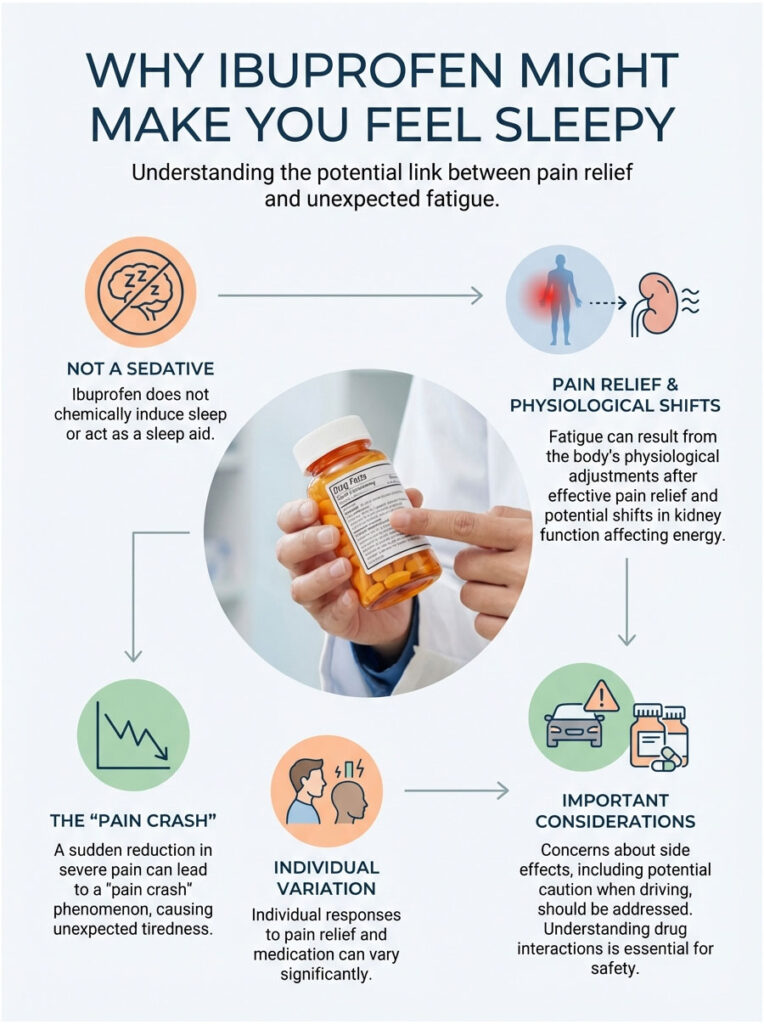
As a clinical pharmacist, I never brush off that question. The short answer is no. Ibuprofen is not a sedative. It does not chemically push your brain into a sleep state the way a benzodiazepine or sleeping pill would. It does not depress the central nervous system the way alcohol or opioids do.
But the human body is far more complicated than a single pill. While ibuprofen itself is not sedating, the physiological changes that happen once your pain eases can mimic heavy fatigue. On top of that, certain biological interactions, from shifts in kidney function to the well-documented “pain crash” phenomenon, can leave you feeling unexpectedly drained.
In this guide, we are going beyond the generic warning labels. We will look at the pharmacokinetics of NSAIDs, the role of prostaglandins in alertness, and the real reasons your “non-drowsy” pill might be making you want to close your eyes. If you are worried about side effects or wondering whether it is safe to drive after your dose, keep reading.
Key Statistics: Ibuprofen and Alertness
- Somnolence Rate: According to FDA labeling, drowsiness occurs in fewer than 1% of patients in clinical trials.
- Standard Half-Life: Ibuprofen is eliminated relatively quickly, with a half-life of 1.8 to 2 hours in healthy adults.
- Peak Plasma Concentration: Maximum blood levels are reached within 1 to 2 hours after oral dosing.
- Protein Binding: Ibuprofen is over 99% protein-bound, which limits how much free drug reaches the central nervous system.
- Dizziness Rate: In high-dose prescription therapy (800mg), dizziness is reported in 3% to 9% of patients.
The Clinical Verdict: Ibuprofen Is Not a Sedative
To understand why you might feel tired, it helps to know exactly what ibuprofen is. It is strictly classified as a Non-Steroidal Anti-Inflammatory Drug (NSAID). It works as an analgesic (pain reliever) and an antipyretic (fever reducer). It is chemically distinct from any sedative on the market.
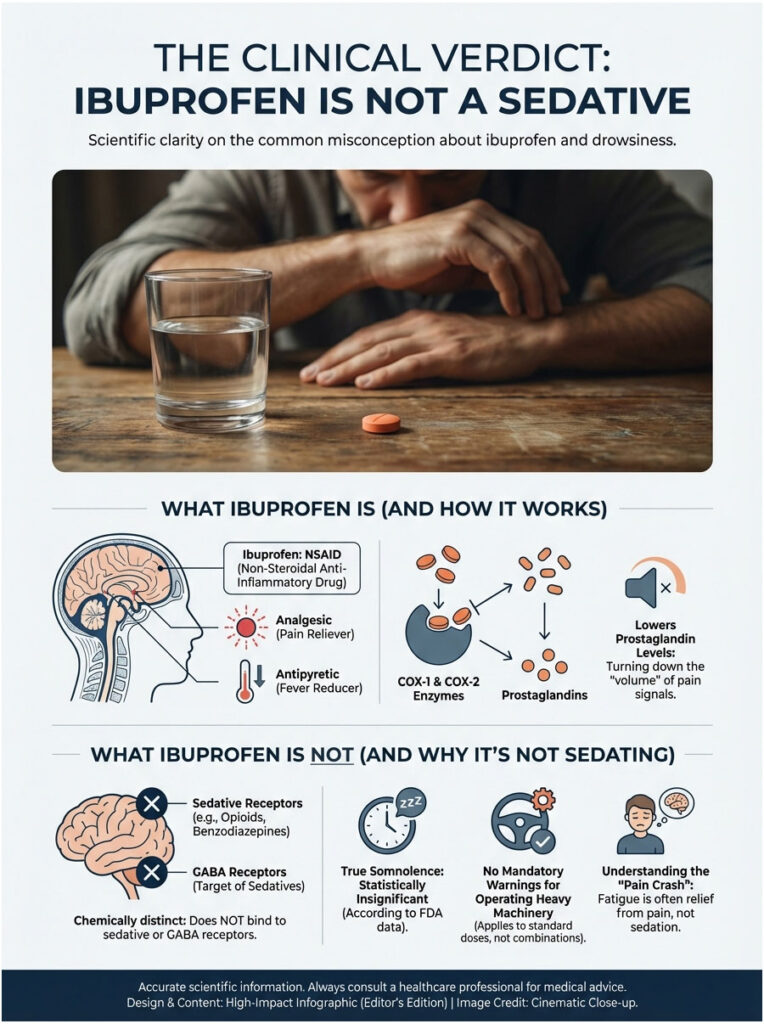
Unlike opioids such as oxycodone, or benzodiazepines like Xanax, ibuprofen does not bind to sedative receptors in the brain. It does not target the GABA receptors responsible for inducing relaxation. Its primary target is inflammation in the tissue, not the sleep centers of your brain.
The mechanism is highly specific. Ibuprofen inhibits cyclooxygenase enzymes (COX-1 and COX-2). These enzymes produce prostaglandins, which are lipid compounds that signal pain and inflammation. By lowering prostaglandin levels, ibuprofen turns down the “volume” of the pain signal being sent to your brain.
According to the FDA and data from the Adverse Event Reporting System (FAERS), true somnolence is statistically insignificant in ibuprofen users. So when patients ask, “Does ibuprofen make you sleepy?” the clinical answer is a firm no. If it were truly a sedative, it would be regulated differently. It would carry mandatory warnings against operating heavy machinery for all users. Currently, those warnings only apply to higher prescription doses or combination products.
The Pharmacokinetics of Ibuprofen: Why You Stay Awake
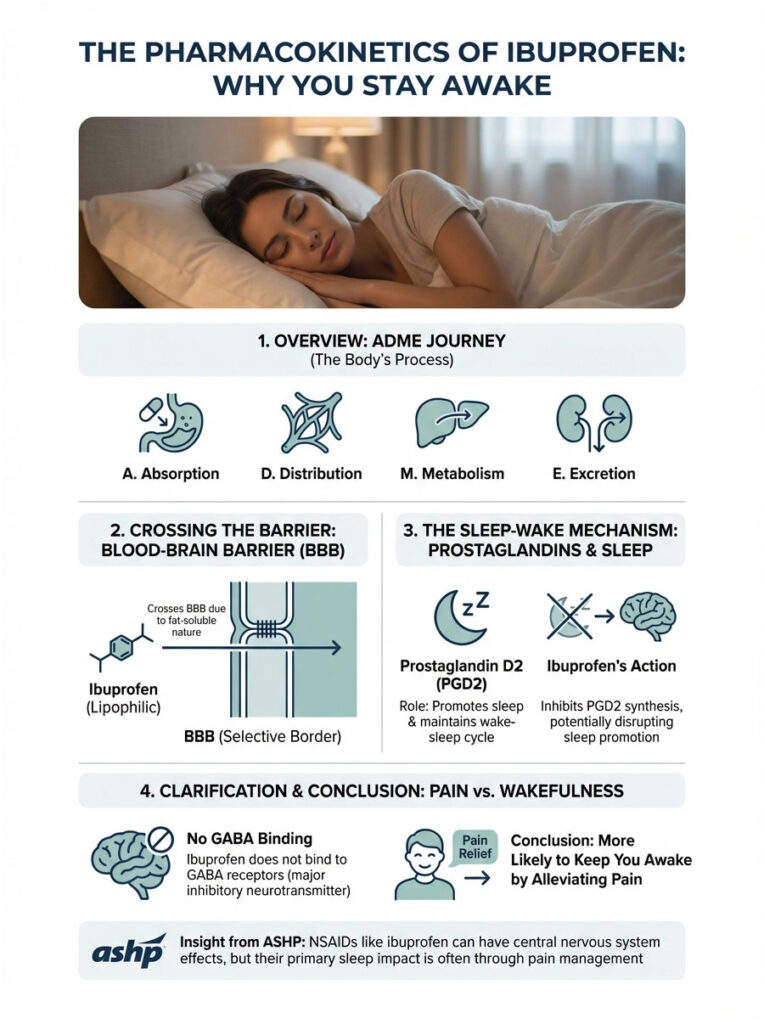
To understand why this drug does not knock you out, let’s look at its pharmacokinetics, meaning how it moves through your body. This process is broken down into ADME: Absorption, Distribution, Metabolism, and Excretion.
The Blood-Brain Barrier and CNS Impact
The Blood-Brain Barrier (BBB) is a highly selective border made up of endothelial cells. It prevents substances in the circulating blood from crossing freely into the brain. Think of it as the brain’s security checkpoint.
Ibuprofen is lipophilic (fat-soluble), which allows it to cross the blood-brain barrier. It actually needs to cross this barrier to reduce neuro-inflammation and lower fevers. However, simply entering the brain does not equal sedation.
Once inside the central nervous system (CNS), ibuprofen does not bind to GABA receptors. GABA (Gamma-aminobutyric acid) is the primary inhibitory neurotransmitter in the brain. Drugs that bind to it, like Valium or Ambien, slow brain activity and induce sleep. Ibuprofen bypasses this system entirely. It works on enzymes, not neurotransmitters.
Prostaglandins and Alertness
There is a nuanced biochemical interaction worth mentioning here. Prostaglandins are involved in the sleep-wake cycle. Specifically, Prostaglandin D2 is known to promote sleep. This is a natural chemical your body makes on its own.
By inhibiting prostaglandin synthesis, ibuprofen theoretically reduces the chemicals that promote sleep. Some researchers have actually investigated whether NSAIDs could negatively impact sleep quality. The hypothesis is that they might keep you awake rather than make you drowsy.
Expert insight from the American Society of Health-System Pharmacists (ASHP) suggests that while NSAIDs do penetrate the CNS, their action is targeted. They do not depress the central nervous system’s respiratory drive or affect alertness centers. In other words, the drug is physiologically more likely to keep you awake by removing pain than it is to put you to sleep through chemistry.
5 Real Reasons You Feel Tired After Taking Ibuprofen
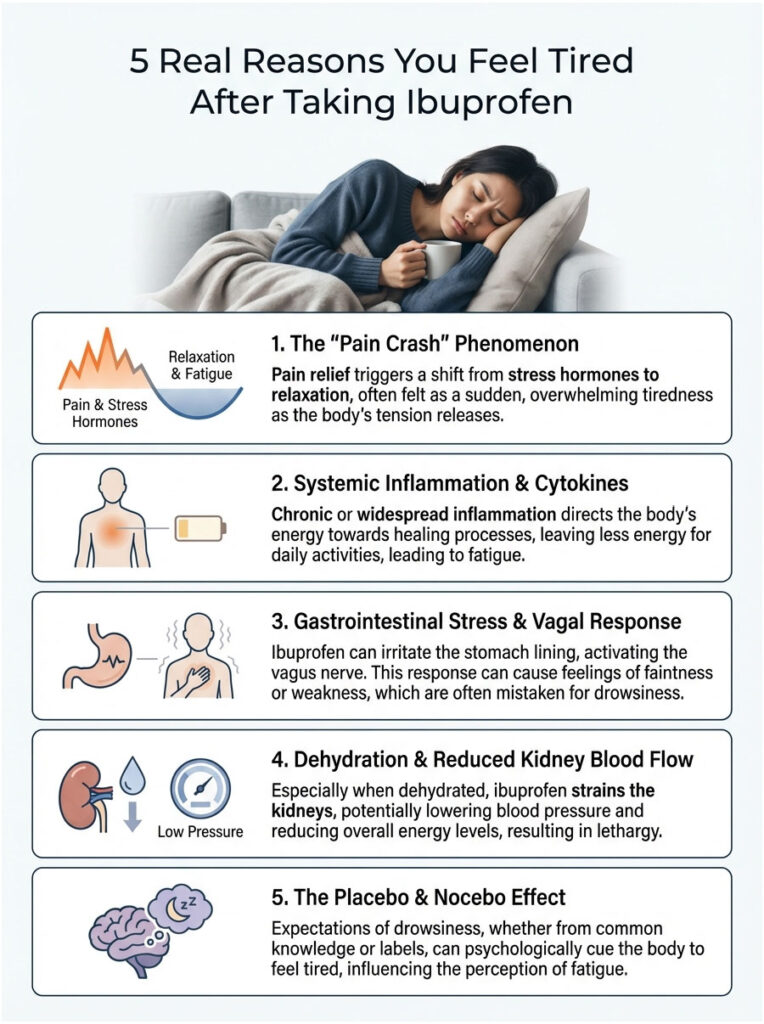
If the chemistry says “no,” why does your body say “yes”? If you have searched “does ibuprofen make you sleepy,” you are probably experiencing genuine fatigue. It is not imaginary. But it is also not directly caused by the pill. Here are the five hidden biological reasons.
1. The “Pain Crash” Phenomenon
Chronic or acute pain is a massive stressor. When you are hurting, your body shifts into “fight or flight” mode. Your sympathetic nervous system pumps out adrenaline (epinephrine) and cortisol to help you push through the injury. You are essentially running on high-octane stress hormones.
When you take ibuprofen, the pain relief usually kicks in around the 45-minute mark. The pain signal drops. As a result, your sympathetic nervous system stands down and the parasympathetic nervous system, the “rest and digest” mode, takes over.
That sudden withdrawal of adrenaline can feel like a massive wave of exhaustion. You are not sleepy because of the drug. You are sleepy because your body finally feels safe enough to let go. This is a sign of relief, not sedation.
2. Systemic Inflammation and Cytokines
Why were you taking the medication in the first place? Probably for an injury, an illness, or post-surgical recovery. Trauma and infection trigger the release of cytokines. These are signaling proteins that help regulate inflammation.
High levels of certain cytokines create what is known as “sickness behavior.” This includes lethargy, social withdrawal, and sleepiness. Interleukin-1 and Tumor Necrosis Factor are prime examples. They tell your body to rest so it can heal.
In this situation, the ibuprofen side effects are getting blamed for the symptoms of the underlying condition. Your body is diverting energy to repair tissue. The fatigue is a sign that your immune system is hard at work. It is not a sign that the drug is sedating you.
3. Gastrointestinal Stress and Vagal Response
Ibuprofen is well-known for being tough on the stomach. It inhibits COX-1, the enzyme that helps maintain the protective lining of the stomach wall. When that lining is compromised, gastric acid can irritate the tissue.
For some people, this irritation triggers a “vasovagal response.” The vagus nerve runs from the brain to the gut and can overreact to distress signals from the stomach. This causes a sudden drop in heart rate and blood pressure.
This is not true sleep. It is a feeling of faintness, weakness, or “browning out.” Many patients mistake this for drowsiness. If you notice this pattern, take your ibuprofen with food.
4. Dehydration and Reduced Kidney Blood Flow
NSAIDs affect the kidneys directly. They constrict the afferent arterioles, the small blood vessels that supply blood to the kidneys. This reduces the Glomerular Filtration Rate (GFR).
If you are already dehydrated, taking ibuprofen can put additional strain on renal clearance. Maybe you are dehydrated because you are fighting the flu. Maybe you just finished a long workout and lost fluid through sweat.
When kidney blood flow is altered in a dehydrated state, you may experience a drop in systemic blood pressure. Low blood pressure (hypotension) shows up as lethargy, brain fog, and a heavy desire to lie down. This is a common reason athletes experience NSAID-related fatigue.
5. The Placebo and Nocebo Effect
Never underestimate the power of expectation. If you believe a pill will make you sleepy, your brain can produce that effect. This is called the nocebo effect when the outcome is negative or unwanted.
We are conditioned to associate “pain relief” with “relaxation.” When we take a pill, we often lie down or sit in a comfortable chair. We create the perfect environment for sleep. The ritual of taking medicine can trigger a psychological cue to rest.
The “Ibuprofen PM” Confusion: A Critical Distinction
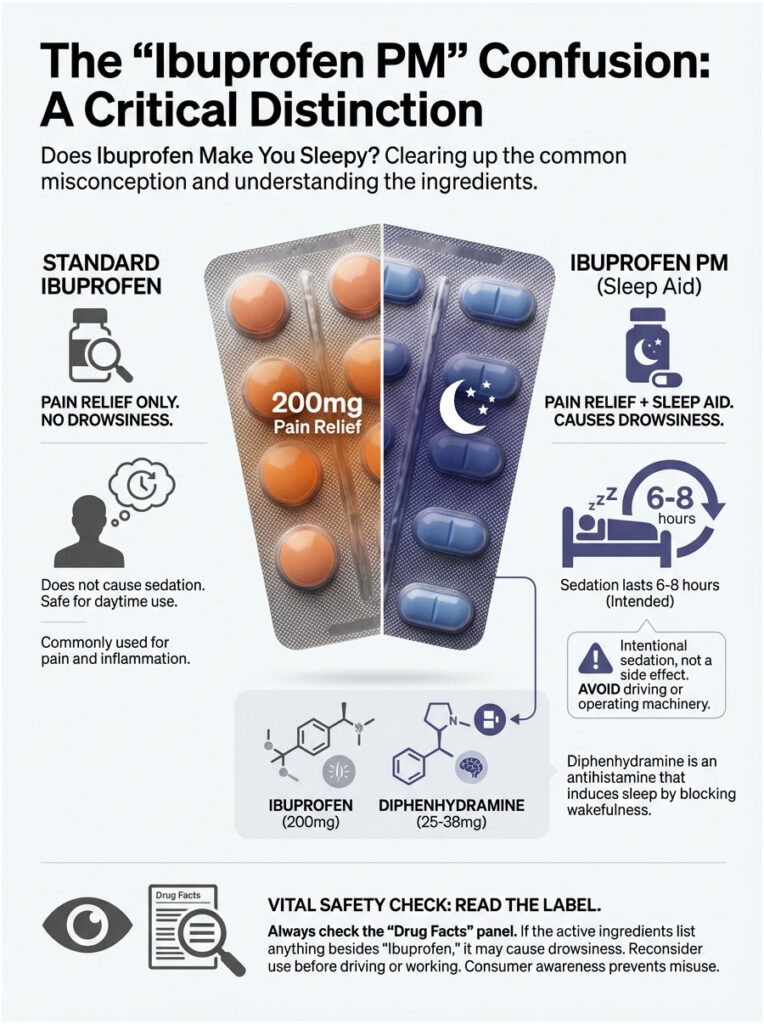
The single most common reason people search “does ibuprofen make you sleepy” is a simple consumer mix-up. Pharmaceutical packaging can look remarkably similar. When you are in pain, it is easy to grab the wrong box.
Diphenhydramine: The Real Sedative
Products labeled “Advil PM,” “Motrin PM,” or generic “Ibuprofen PM” contain two active ingredients. The first is ibuprofen (usually 200mg). The second is Diphenhydramine Citrate (usually 38mg) or Diphenhydramine HCl (25mg).
Diphenhydramine is an antihistamine with strong anticholinergic properties. It crosses the blood-brain barrier aggressively and blocks histamine receptors that keep you awake. This is the same ingredient found in Benadryl and ZzzQuil.
If you take this, you will fall asleep. The sedation is powerful and can last 6 to 8 hours. This is not a side effect. It is the entire point of the product.
How to Read the Label
To avoid this confusion, always check the “Drug Facts” panel on the back of the bottle. Look under “Active Ingredients.” If you see anything other than “Ibuprofen,” do not take it if you plan to drive or work. The PM ingredients are specifically designed to induce sleep. Standard ibuprofen is not.
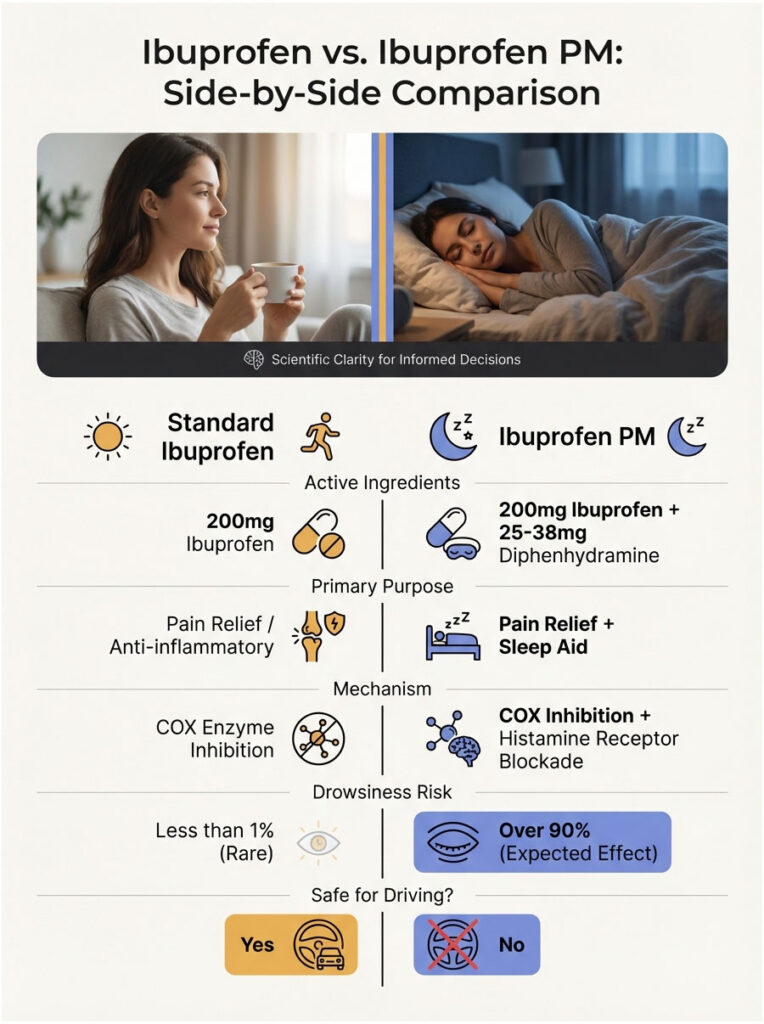
Ibuprofen vs. Ibuprofen PM: Side-by-Side Comparison
| Feature | Standard Ibuprofen | Ibuprofen PM |
|---|---|---|
| Active Ingredients | Ibuprofen (200mg) | Ibuprofen (200mg) + Diphenhydramine (25-38mg) |
| Primary Purpose | Pain Relief / Anti-inflammatory | Pain Relief + Sleep Aid |
| Mechanism | COX Enzyme Inhibition | COX Inhibition + Histamine Receptor Blockade |
| Drowsiness Risk | Less than 1% (Rare) | Over 90% (Expected Effect) |
| Safe for Driving? | Yes | No |
Dosage Dynamics: 200mg vs. 800mg Prescription Strength
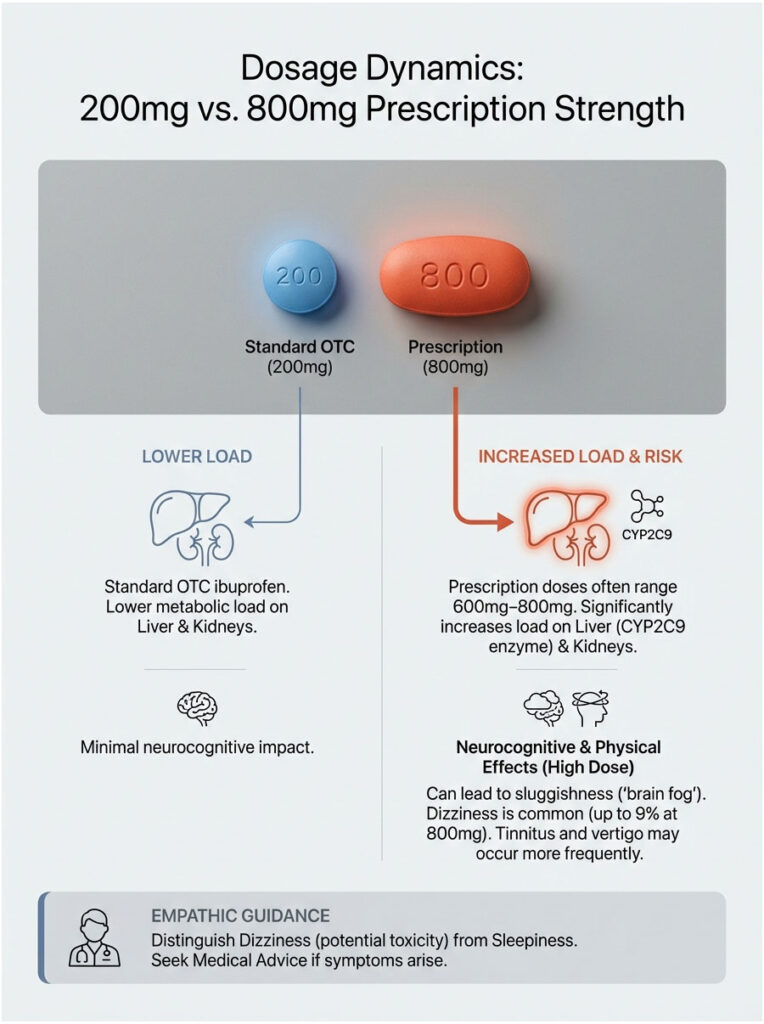
The picture gets more complicated with prescription-strength doses. A standard over-the-counter (OTC) tablet is usually 200mg. But doctors frequently prescribe 600mg or 800mg tablets for conditions like herniated discs or recovery after dental surgery.
The Metabolic Load of High Doses
When you jump from 200mg to 800mg, you quadruple the workload on your liver and kidneys. The liver metabolizes ibuprofen through the CYP2C9 enzyme. At high doses, these metabolic pathways can become saturated.
This creates a higher “body load.” While it is not sedation in the traditional sense, this systemic stress often leads to a feeling of sluggishness. Patients frequently describe it as “brain fog.” Processing high doses of any chemical simply takes energy.
When Dizziness Gets Confused With Sleepiness
There is an important difference between sleepiness and dizziness. Patients often confuse the two. Side effects at the 800mg dose include a much higher rate of dizziness. Tinnitus (ringing in the ears) and vertigo also become more common compared to OTC doses.
Clinical pharmacology data shows that dizziness affects up to 9% of patients on high-dose regimens. If you feel the room spinning or feel lightheaded when standing up, this is likely mild toxicity or a blood pressure change. It is not sleepiness. If this happens while you are on a high dose, sit down right away and contact your prescriber. You may need a dosage adjustment.
Drug Interactions: What Else Are You Taking?
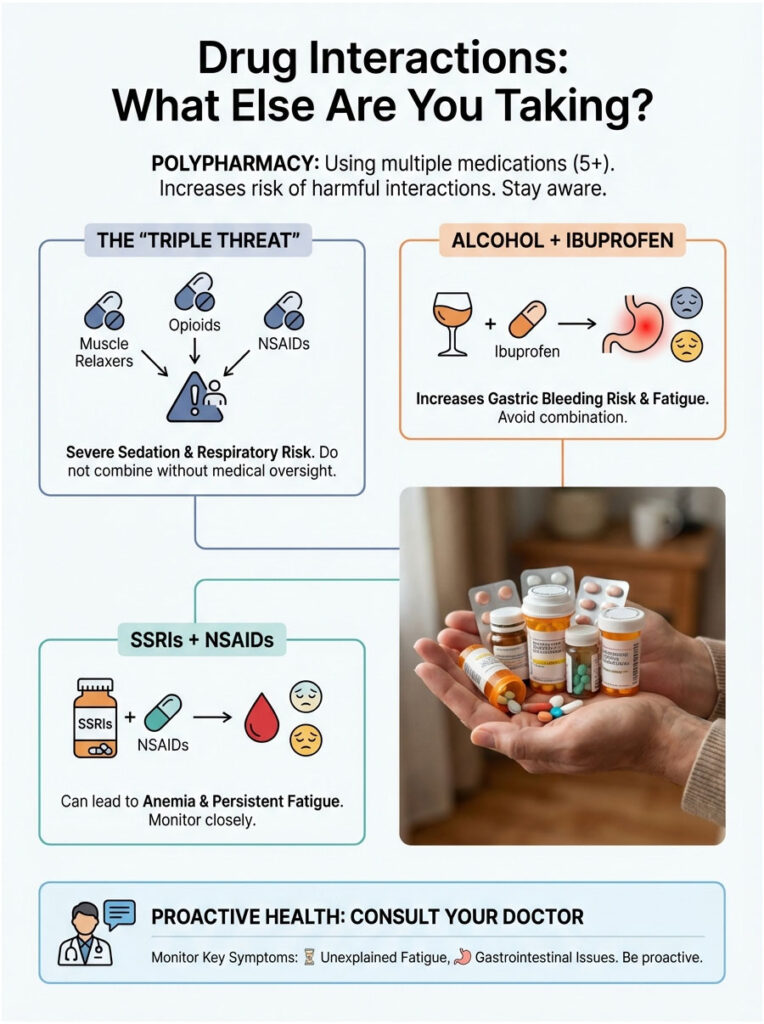
In pharmacy practice, we call this “polypharmacy.” Often, the ibuprofen is completely innocent. It is interacting with another substance in your system to amplify sedation. This synergistic effect is a major cause of medication-related fatigue.
The “Triple Threat”: Muscle Relaxers, Opioids, and NSAIDs
If you go to urgent care for back pain, you might leave with a “cocktail” of prescriptions. A common combination is an NSAID (ibuprofen), a muscle relaxer like Cyclobenzaprine or Methocarbamol, and sometimes a weak opioid like Tramadol.
Muscle relaxers are potent sedatives. When you combine them with ibuprofen, the pain relief from the NSAID allows the sedating properties of the muscle relaxer to hit even harder. You might blame the ibuprofen because it is the pill you take most often. In reality, the muscle relaxer is the chemical anchor dragging you under.
Alcohol and Ibuprofen
This is a risky combination. Alcohol is a central nervous system depressant. Ibuprofen is a gastric irritant. Taken together, alcohol significantly raises the risk of gastric bleeding.
Beyond that, there is metabolic competition in the liver. This can result in higher blood alcohol levels or a prolonged presence of the drug. If you drink alcohol while taking ibuprofen, you will likely feel exaggerated fatigue. This comes from the combined depressant effect of the alcohol and the vascular strain caused by the NSAID. Together, they create a recipe for total-body exhaustion.
SSRIs and Antidepressants
Selective Serotonin Reuptake Inhibitors (SSRIs) like Sertraline or Fluoxetine are widely prescribed antidepressants. Both SSRIs and NSAIDs increase the risk of bleeding. While this interaction does not cause instant sedation, long-term concurrent use can lead to trouble.
Microscopic gastrointestinal bleeding can develop over time. This leads to anemia (low iron/hemoglobin). The hallmark symptom of anemia is extreme, persistent fatigue. If you are on antidepressants and feel constantly tired while also taking NSAIDs, ask your doctor to run a hemoglobin test.
Special Populations: Who Is Most at Risk for NSAID Fatigue?
Personalized medicine reminds us that no two patients are the same. While the average healthy adult will not get sleepy from ibuprofen, certain groups have a physiological predisposition that makes them more likely to experience NSAID-related fatigue.
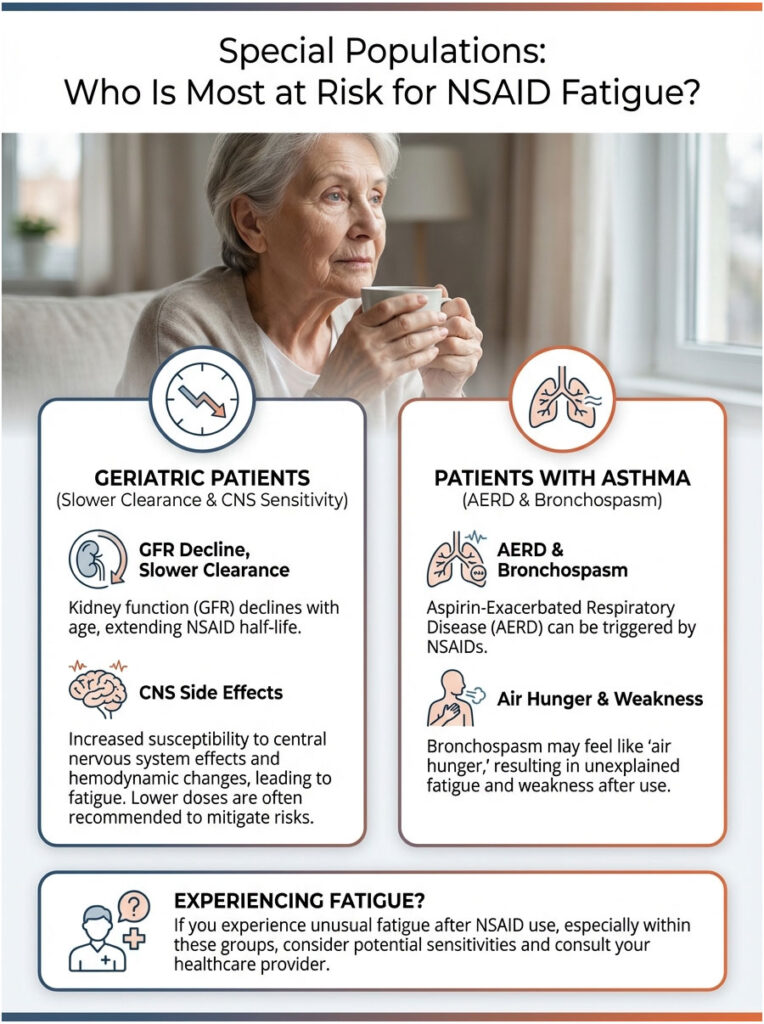
Geriatric Patients and Slower Kidney Clearance
As we age, our organs naturally slow down. Kidney function, measured by Glomerular Filtration Rate (GFR), declines decade by decade. For a 75-year-old patient, the half-life of ibuprofen may be considerably longer than the standard 2 hours.
Because the drug stays in the system longer, the risk of CNS side effects goes up. Older adults are more vulnerable to the hemodynamic changes caused by NSAIDs. A blood pressure drop that a 30-year-old would barely notice can leave a senior citizen feeling completely wiped out. For this group, we often recommend lower doses. Alternative therapies are preferred to avoid fall risks linked to this “pseudo-sedation.”
Patients with Asthma
There is a condition known as Aspirin-Exacerbated Respiratory Disease (AERD), sometimes called “Samter’s Triad.” These patients have asthma, nasal polyps, and a sensitivity to NSAIDs. In these individuals, taking ibuprofen can trigger bronchospasm.
Mild bronchospasm does not always feel like a full-blown asthma attack. Sometimes it just feels like “air hunger” or an unexplained weakness. If you feel physically drained and slightly short of breath after taking ibuprofen, you may have an undiagnosed sensitivity. The extra respiratory effort forces your body to work harder, and that shows up as physical fatigue.
Serious Warning Signs: When “Sleepiness” Is a Red Flag
While rare, there are cases where lethargy after taking ibuprofen signals a medical emergency. It is important to distinguish between a normal desire to nap and a potentially dangerous loss of consciousness.
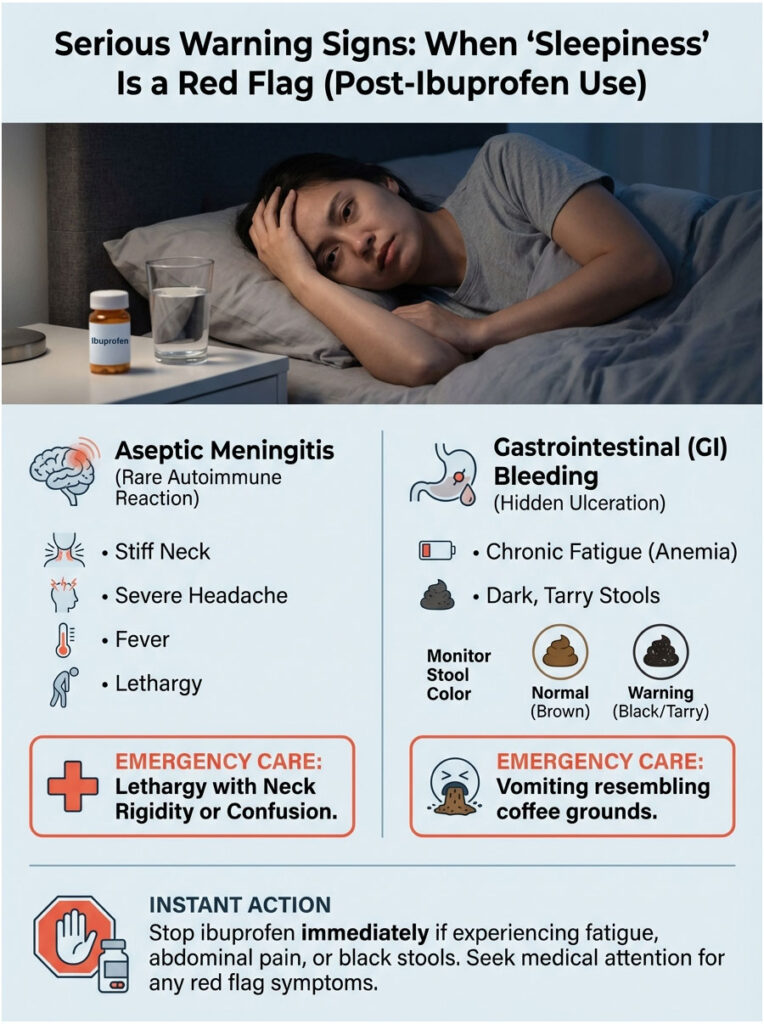
Aseptic Meningitis
This is a very rare but documented autoimmune reaction to NSAIDs. It occurs most often in patients with Lupus (SLE) or other connective tissue disorders. Symptoms include a stiff neck, severe headache, fever, and profound lethargy or confusion.
If your “sleepiness” comes with a rigid neck or an inability to think clearly, this is not a side effect. It is a toxicity reaction. Seek emergency care immediately. Drug-induced aseptic meningitis typically reverses once the medication is stopped, but it requires a proper medical diagnosis.
GI Bleeding and Anemia
Long-term use of ibuprofen can cause ulcers. These ulcers may bleed slowly without causing obvious pain. This “occult” (hidden) bleeding gradually drains your red blood cell count.
Red blood cells carry oxygen. When you do not have enough of them, your organs become oxygen-starved. The result is chronic, heavy fatigue. If you have been taking ibuprofen daily for weeks and feel progressively more tired, pay attention to your stool. Dark, tarry, or sticky stools are a sign of digested blood. This is a critical warning sign of a GI bleed.
The “Stop” Signal
If you experience sudden, overwhelming fatigue along with abdominal pain, black stools, or vomiting that looks like coffee grounds, stop taking ibuprofen immediately. These are signs of a gastrointestinal bleed, not simple side effects.
True Sedation vs. NSAID Fatigue: How to Tell the Difference
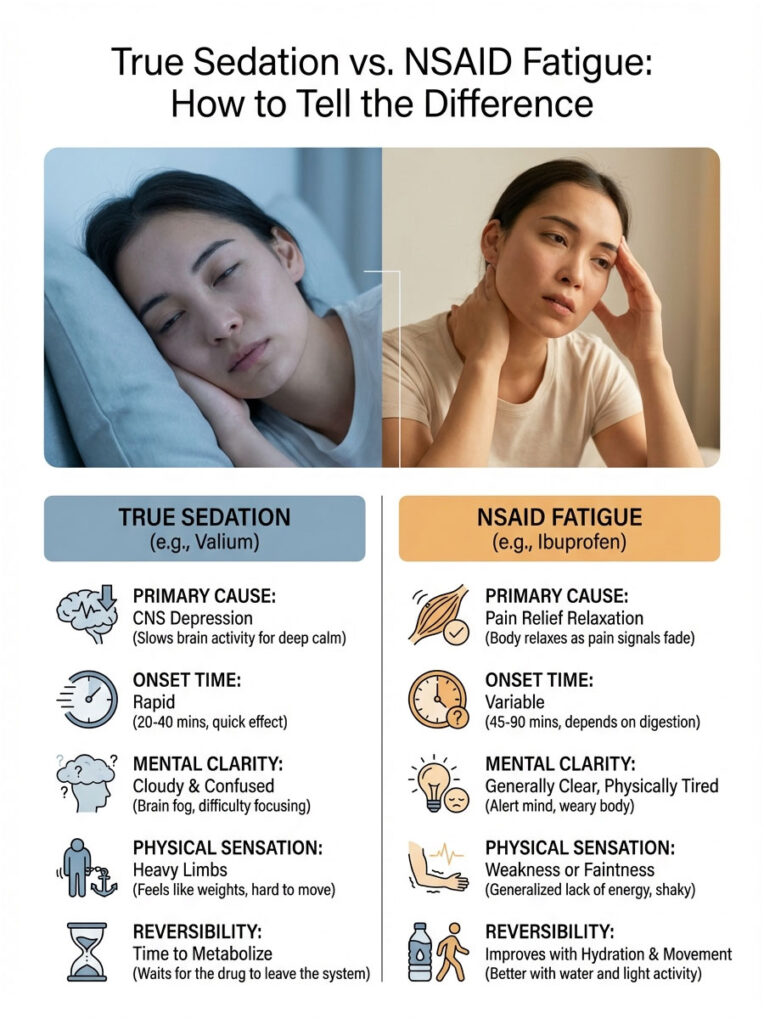
| Characteristic | True Sedation (e.g., Valium) | NSAID Fatigue (Ibuprofen) |
|---|---|---|
| Primary Cause | CNS Depression (GABA binding) | Pain relief relaxation / Blood pressure drop |
| Onset Time | Rapid (20-40 mins) | Variable (45-90 mins) |
| Mental Clarity | Cloudy, confused, slow processing | Generally clear, just physically tired |
| Physical Sensation | Heavy limbs, inability to keep eyes open | Weakness, faintness, or relaxation |
| Reversibility | Requires time to metabolize | Improves with hydration and movement |
Alternatives to Ibuprofen if You Need to Stay Alert
If you find that fatigue consistently gets in the way of your productivity after taking ibuprofen, you have options. If you happen to be in the small percentage of people sensitive to renal blood flow changes, these alternatives may suit you better.
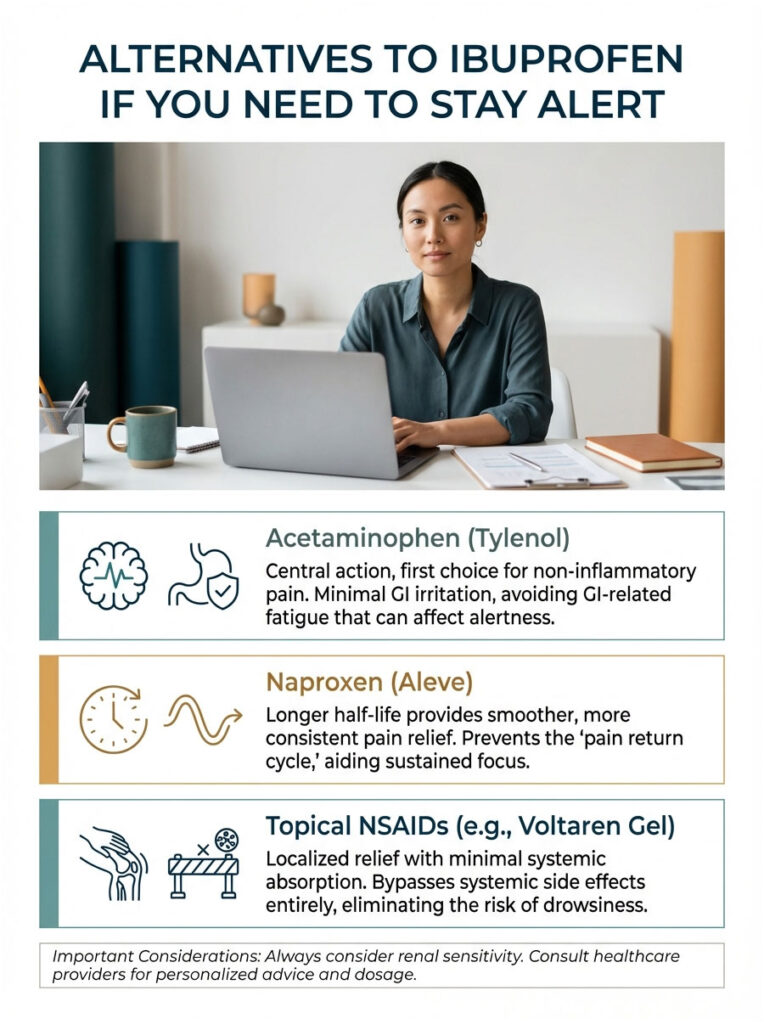
Acetaminophen (Tylenol)
Acetaminophen works centrally (in the brain) rather than peripherally (at the injury site). It has a minimal effect on inflammation but does not irritate the stomach lining. It also does not alter kidney blood flow the way NSAIDs do.
For patients who get lightheaded or faint from stomach upset, acetaminophen is often a cleaner option. It avoids GI-related fatigue and is typically the first choice for simple headaches or non-inflammatory pain.
Naproxen (Aleve)
Naproxen is also an NSAID, but it has a different pharmacokinetic profile. Its half-life is much longer (12-17 hours). While the mechanism is similar, some patients find that the steady state of naproxen avoids the “peak and trough” roller coaster.
Ibuprofen wears off every 4 to 6 hours. This can create a cycle of pain relief followed by pain return. Naproxen provides a smoother, more consistent experience. That said, individual responses vary. For some people, the longer duration also means any side effects hang around longer.
Topical NSAIDs (Voltaren Gel)
This is my top recommendation for patients who want to avoid systemic side effects entirely. Diclofenac gel (Voltaren) is an NSAID applied directly to the skin over a painful joint. Absorption into the bloodstream is minimal.
Studies show that systemic absorption is often less than 6% of an oral dose. By going topical, you essentially bypass the stomach, liver, and kidneys. You get localized pain relief without the “body load.” This effectively eliminates any risk of NSAID-related drowsiness.
Final Takeaway: Does Ibuprofen Make You Sleepy?
The science is clear. No, ibuprofen is not a sedative. But the experience of taking medication is never purely about chemistry. It is about biology. The relief of pain can trigger a relaxation crash. Dehydration can lower your blood pressure. Stomach irritation can make you feel weak.
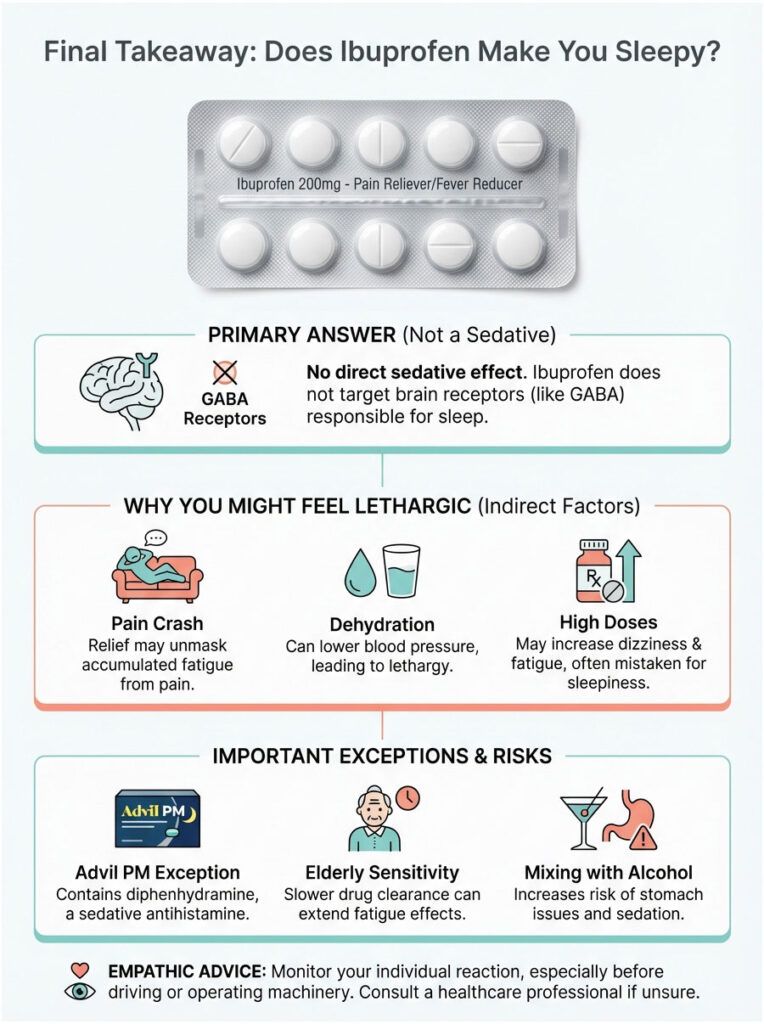
Before you blame the orange pill for your afternoon nap, run through this quick checklist:
- Check the Label: Did you accidentally take a “PM” formula containing Diphenhydramine?
- Hydrate: Are you drinking enough water to support your kidneys?
- Dosage: Are you on a high prescription dose (800mg) that might be causing dizziness?
- Interactions: Are you combining it with alcohol, muscle relaxers, or other sedating drugs?
If you are taking standard doses, staying hydrated, and still experiencing deep fatigue, talk to your doctor. It could be a sign of anemia, kidney stress, or an unusual sensitivity. Pain relief should help you get back to your life, not put you on the couch. Check your medicine cabinet, read your labels, and use this tool wisely.
Frequently Asked Questions
Does standard ibuprofen cause drowsiness as a side effect?
No, standard ibuprofen is a non-steroidal anti-inflammatory drug (NSAID) that lacks sedative properties and does not target GABA receptors in the brain. Clinical trials indicate that somnolence occurs in less than 1% of users, meaning any perceived tiredness is usually due to external factors or the body’s response to pain relief.
Why does Advil PM make me so much sleepier than regular ibuprofen?
Products labeled as “PM” contain a secondary active ingredient, typically diphenhydramine, which is a sedating antihistamine. While the 200mg of ibuprofen treats inflammation, the diphenhydramine crosses the blood-brain barrier to block histamine receptors, specifically intending to induce deep sleep for six to eight hours.
Why do I feel exhausted immediately after my back pain subsides from taking ibuprofen?
This is a physiological reaction known as the “pain crash” phenomenon. When the medication successfully blocks prostaglandin signals and reduces pain, your sympathetic nervous system exits its high-stress “fight or flight” mode, allowing your body to finally feel the accumulated fatigue it was previously masking with adrenaline.
Can high-dose prescription ibuprofen like 800mg tablets cause more fatigue than OTC doses?
Higher doses place a greater metabolic load on your liver and kidneys, which can manifest as systemic sluggishness or “brain fog.” Additionally, prescription-strength doses are associated with higher rates of dizziness (3% to 9%), which many patients misinterpret as general sleepiness or sedation.
Is it safe to drive or operate heavy machinery after taking a 400mg dose of ibuprofen?
Yes, standard ibuprofen is considered non-drowsy and does not impair the central nervous system’s alertness centers or respiratory drive. However, you should monitor your individual reaction for the first hour to ensure you do not experience rare side effects like dizziness or a vasovagal response before getting behind the wheel.
How does dehydration influence the way ibuprofen makes me feel?
NSAIDs can constrict the small blood vessels that feed the kidneys, and if you are already dehydrated, this can lead to a temporary drop in systemic blood pressure. This resulting hypotension often manifests as lethargy and lightheadedness, a common occurrence in athletes or patients recovering from a fever.
What happens if I take ibuprofen after consuming alcohol?
Combining these substances is dangerous because both are gastric irritants that significantly increase the risk of internal bleeding. Furthermore, alcohol is a central nervous system depressant that will amplify any feelings of exhaustion or physical weakness triggered by the medication’s metabolic demands on your liver.
When is fatigue after taking ibuprofen considered a medical emergency?
If you experience profound, unshakeable fatigue accompanied by dark, tarry stools or abdominal pain, you may be experiencing a gastrointestinal bleed. These symptoms indicate that chronic NSAID use has caused an ulcer, leading to anemia and oxygen deprivation in your tissues, which requires immediate medical intervention.
Why are elderly patients more likely to feel tired when using NSAIDs?
As renal clearance naturally declines with age, the half-life of ibuprofen extends, allowing the drug to circulate in the system longer. This increased “body load” makes geriatric patients more susceptible to hemodynamic shifts and “pseudo-sedation” that can increase the risk of falls and cognitive clouding.
Can taking ibuprofen with a muscle relaxer increase sedation?
Yes, while ibuprofen itself isn’t a sedative, it often works synergistically with muscle relaxers like cyclobenzaprine which do depress the central nervous system. The ibuprofen removes the pain stimulus that was keeping you alert, allowing the sedative properties of the muscle relaxer to hit much harder.
Are there alternatives to oral ibuprofen that won’t cause systemic side effects?
Topical NSAIDs like diclofenac gel (Voltaren) are excellent alternatives because they provide localized relief with less than 6% systemic absorption. By bypassing the digestive tract and kidneys, you effectively eliminate the risk of the “vagal response” or blood pressure changes that cause oral NSAID-related fatigue.
Does ibuprofen cross the blood-brain barrier to affect the central nervous system?
Ibuprofen is lipophilic and does cross the blood-brain barrier to inhibit prostaglandin synthesis in the brain, which is necessary to reduce fevers. However, it does not interact with GABA receptors or other neurotransmitters responsible for sleep induction, meaning its presence in the CNS does not translate to chemical sedation.
Disclaimer
This article is for informational purposes only and does not constitute medical advice. The information provided is intended to supplement, not replace, the relationship between a patient and their healthcare professional. Always consult a qualified doctor or pharmacist before starting, stopping, or changing a medication regimen, especially if you have underlying health conditions or are taking other drugs.
References
- U.S. Food and Drug Administration (FDA) – Drugs@FDA – Official labeling and clinical trial data for ibuprofen somnolence rates.
- American Society of Health-System Pharmacists (ASHP) – ashp.org – Pharmacokinetic profiles and CNS impact of non-steroidal anti-inflammatory drugs.
- FDA Adverse Event Reporting System (FAERS) – Public Dashboard – Statistical data on reported side effects and somnolence in NSAID users.
- Mayo Clinic – mayoclinic.org – Clinical symptoms of drug-induced aseptic meningitis and gastrointestinal complications.
- National Center for Biotechnology Information (NCBI) – PubMed – Research on the role of Prostaglandin D2 in the human sleep-wake cycle.
- Journal of Clinical Pharmacology – ACCP Journals – Study on the metabolic load and dizziness associated with high-dose (800mg) ibuprofen.