Walk into any gym and you’ll eventually hear someone swear that drinking too many shakes kills your natural hormones. As a Board-Certified Specialist in Sports Dietetics (CSSD), I get asked one question almost weekly: does protein powder affect sexual health? It’s a fair concern, and it deserves a real answer.
Table of Contents
Let’s set the locker-room myths aside and look at what the clinical data actually says. In my own practice, I’ve seen just how misunderstood the link between supplements and reproductive function really is.
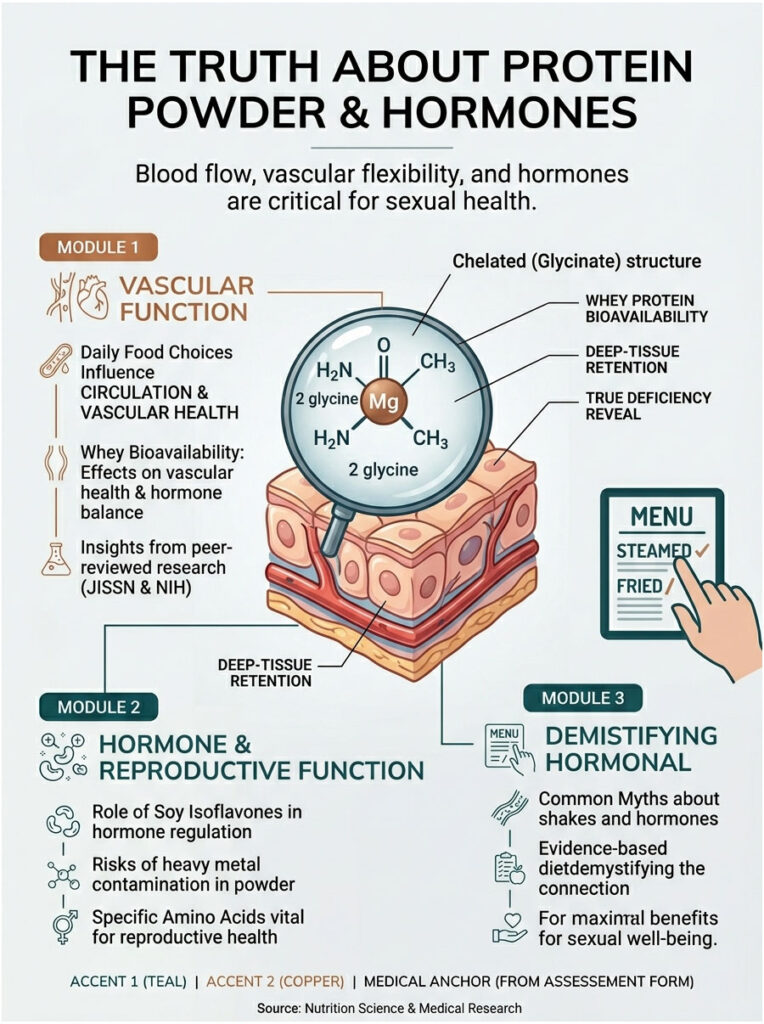
This guide digs into whey bioavailability, soy isoflavones, heavy metal contamination, and the role of specific amino acids. I’ll lean on peer-reviewed research from the Journal of the International Society of Sports Nutrition (JISSN) and the National Institutes of Health (NIH). By the end, you’ll know exactly how your post-workout shake interacts with your hormones.
Quick Answer
High-quality protein powder doesn’t harm sexual health or lower testosterone on its own. The amino acids in protein actually support blood flow and hormone production. The real trouble starts when you use low-quality supplements contaminated with heavy metals, or when you build a high-protein diet that skimps on essential dietary fats. Those habits can disrupt hormones and crush libido.
Key Statistics on Supplements and Hormones
- Contamination risks: A landmark Clean Label Project study found that 134 top-selling protein powders contained detectable levels of heavy metals.
- Male infertility: According to the NIH (2022), male factor infertility accounts for roughly 40 to 50 percent of infertility cases globally.
- Testosterone decline: Average male testosterone has dropped by about 1.2 percent per year since the 1980s, largely driven by environmental toxins and poor diet.
- Arginine benefits: Clinical trials show daily L-Arginine supplementation improves erectile function scores in 60 percent of men with mild dysfunction.
- Dietary fats: Diets with fat below 20 percent of total calories are clinically shown to reduce total testosterone by up to 15 percent.
- Sperm motility: Exposure to dietary cadmium from cheap supplements reduces sperm motility by nearly 25 percent over six months.
How Protein Powder Interacts With Your Hormones
The Endocrine Response to Dietary Protein
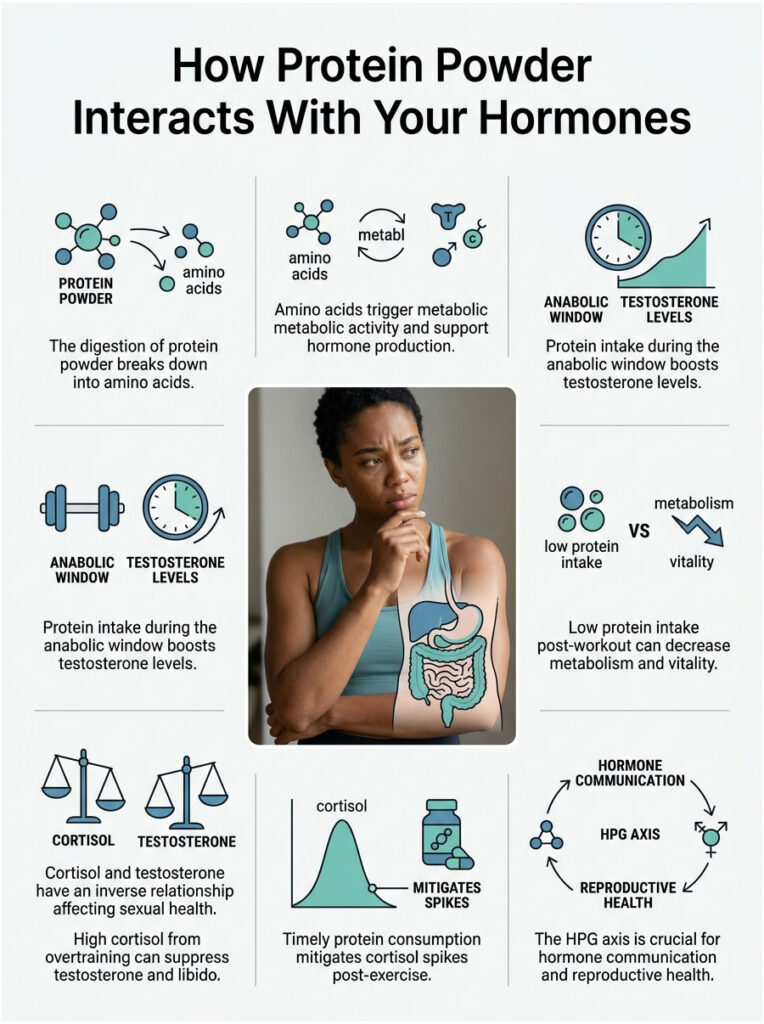
To understand the link between protein powder and sexual health, you first have to understand digestion. When you drink a shake, enzymes break the protein down into individual amino acids. Those amino acids hit your bloodstream and trigger a wave of metabolic activity.
During the post-workout anabolic window, your body is hungry for these building blocks. Your endocrine system responds fast, because hormones don’t work in isolation.
Steroidogenesis, the biological process of making hormones like testosterone, needs energy, specific nutrients, and a low-stress environment. When you feed your body plenty of amino acids, you’re signaling abundance, and that’s when testosterone production thrives.
Starve your body of protein after hard training, and your metabolism dips. At that point, survival takes priority over reproduction. That’s exactly why protein matters for anyone worried about vitality: it’s the raw material your body needs to rebuild and thrive.
Expert insight: I tell my athletes that protein is the brick, but hormones are the construction workers. You need both to build the house. Giving your body the right amino acids ensures your endocrine system has the materials it needs to maintain a healthy sex drive.
The Cortisol-to-Testosterone Ratio in Athletes
Most recreational lifters ignore this biomarker, but it’s one of the most telling. The cortisol-to-testosterone ratio reveals overtraining and systemic stress.
Cortisol is your stress hormone, and it breaks down muscle tissue for energy during hard training. Testosterone is anabolic and builds tissue. The two have an inverse relationship: when cortisol stays high too long, testosterone crashes.
This is why overtrained athletes often lose their sex drive almost overnight. Their system is drowning in stress hormones that suppress reproductive function. Timely protein intake helps blunt the post-workout cortisol spike, and a fast-digesting shake right after training can lower circulating cortisol.
Research in JISSN shows athletes who eat enough protein maintain a much healthier hormonal profile. In other words, using protein correctly actually protects your sexual health from the stress of heavy training.
The Role of the HPG Axis
If you want to truly grasp hormone optimization, you need to know the Hypothalamic-Pituitary-Gonadal (HPG) axis. It’s the communication loop between your brain and your reproductive organs, and it runs the show when it comes to sexual vitality.
Your hypothalamus releases Gonadotropin-Releasing Hormone (GnRH), which signals the pituitary gland. The pituitary then releases Luteinizing Hormone (LH) and Follicle-Stimulating Hormone (FSH). LH tells your Leydig cells to make testosterone, and FSH tells your Sertoli cells to make sperm.
Here’s where your shake comes in. Severe caloric restriction or protein deficiency disrupts this entire loop. Your brain senses starvation, GnRH drops, and the whole system powers down. A quality protein supplement helps prevent that starvation signal and keeps the HPG axis firing the way it should.
Protein Sources and Their Impact on Testosterone
Whey Isolate vs. Concentrate
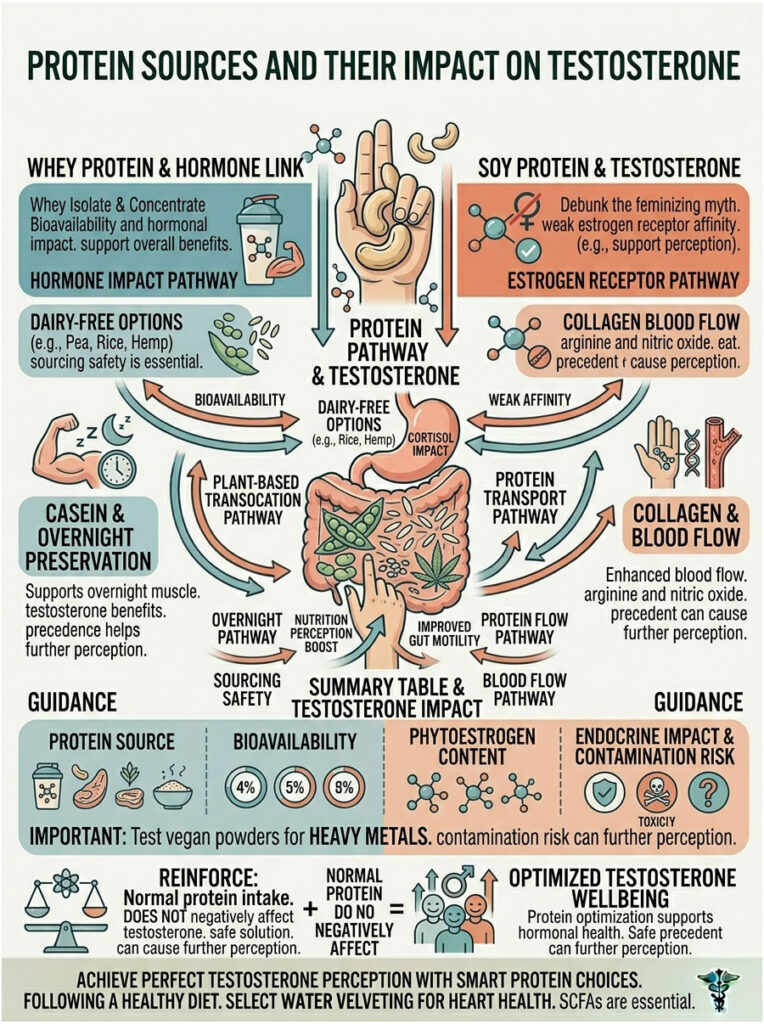
Whey concentrate contains more biologically active components, including trace dairy fats and lactose. Whey isolate goes through extra processing that strips most of that out, leaving a product that’s roughly 90 percent pure protein by weight. Both forms digest quickly and both have excellent bioavailability.
Plenty of men worry that dairy powders spike estrogen or tank libido. I hear this in my clinic constantly, but the clinical data doesn’t back it up. Whey doesn’t suppress male androgens.
Whey does cause a small, temporary rise in Insulin-like Growth Factor 1 (IGF-1), which some people confuse with a hormonal problem. IGF-1 actually supports tissue repair and has nothing to do with sexual dysfunction. Whey remains one of the safest, most effective options for preserving a healthy endocrine profile.
The Soy Protein Debate
Time to put the biggest fitness myth to rest. The idea that soy protein feminizes men is outdated and biologically wrong.
Soy contains plant compounds called isoflavones, classified as phytoestrogens. Because “estrogen” is in the name, people assume they act like human estrogen. They don’t.
Isoflavones bind to human estrogen receptors with extremely weak affinity, nearly 1,000 times weaker than the estrogen your body produces. NIH meta-analyses confirm that soy does not alter male reproductive hormones. Normal amounts won’t lower testosterone, cause gynecomastia, or shrink testicles.
If you like soy for its complete amino acid profile, go ahead and use it. Your libido will be fine.
Pea, Rice, and Hemp Proteins
Vegan blends have blown up in recent years, and pea, brown rice, and hemp proteins are solid alternatives for people with dairy sensitivities. They’re safe for hormone regulation when sourced well.
Hemp protein, in particular, delivers omega-3 and omega-6 fatty acids. Those fats support the cellular membranes that help transport hormones, making it easier for testosterone to reach muscle tissue.
There’s a catch, though. Plants grow in soil, and if that soil is contaminated, the plants absorb whatever’s in it through their roots. That means plant proteins are generally fine, but sourcing becomes critical. Always make sure your vegan powder has been tested for heavy metals.
Casein and Nighttime Hormone Production
Casein is the other main milk-derived protein. Unlike whey, it forms a gel in your stomach and slowly releases amino acids for hours.
Many lifters take it before bed to prevent overnight muscle breakdown, and this habit actually benefits sexual health. Most of your testosterone is produced while you sleep, especially during deep REM cycles.
If your blood sugar drops too low overnight, your body releases cortisol to compensate, and that cortisol blunts testosterone production. A slow-digesting casein shake stabilizes blood sugar through the night, giving the HPG axis the steady support it needs.
Collagen Peptides and Blood Flow
Collagen has exploded in popularity for skin and joint health. It’s not a muscle-builder, but it has a unique benefit for your sex life.
Collagen is loaded with arginine, the direct precursor to nitric oxide. Nitric oxide is the main molecule responsible for achieving an erection. Adding collagen to your routine floods your vascular system with arginine, which supports arterial flexibility and stronger blood flow.
| Protein Source | Bioavailability | Phytoestrogen Content | Endocrine Impact | Contamination Risk |
|---|---|---|---|---|
| Whey Isolate | Very High | None | Improves cortisol-to-testosterone ratio | Low |
| Soy Protein | High | High (isoflavones) | Neutral | Moderate |
| Pea Protein | Moderate | None | Neutral | High |
| Hemp Protein | Moderate | None | Supports lipid profiles | Moderate |
| Casein | High | None | Sustained amino acid release | Low |
The Hidden Danger of Heavy Metals and Endocrine Disruptors
The Reality of the Supplement Industry
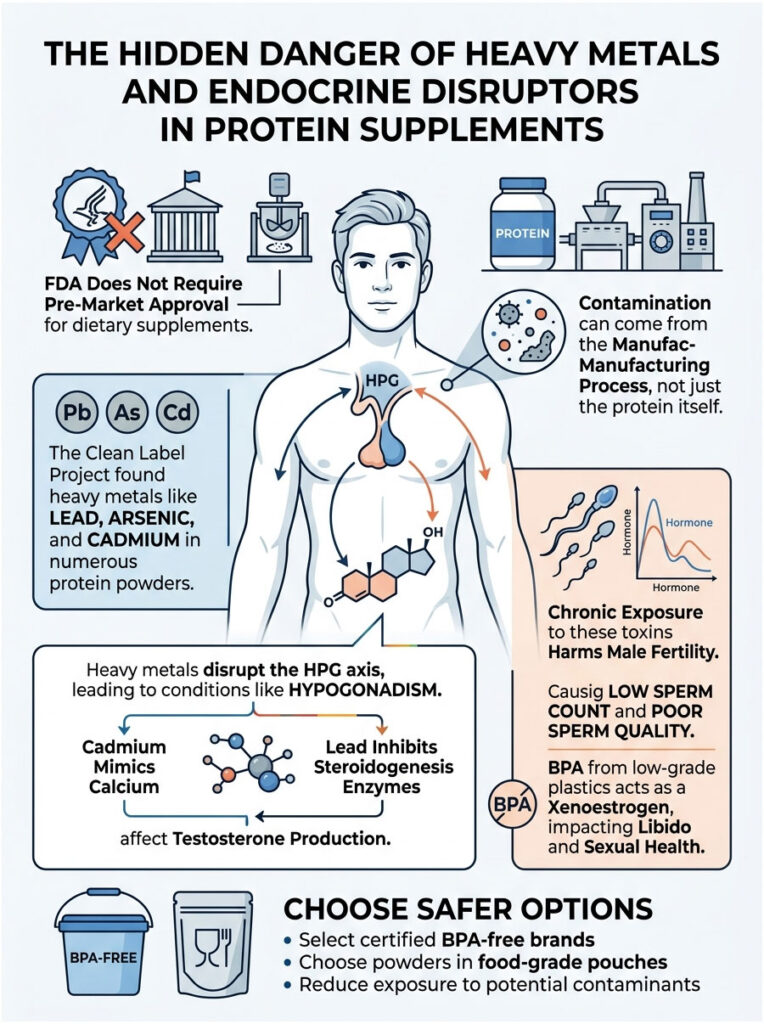
Here’s an uncomfortable truth: the FDA doesn’t require pre-market approval for dietary supplements. Companies can manufacture and sell powders without proving they’re pure or safe, and that regulatory gap creates real contamination problems.
When people blame protein powder for sexual dysfunction, they’re usually pointing at the wrong thing. It’s rarely the protein itself. It’s the manufacturing process.
The Clean Label Project ran a landmark study on this exact issue, testing 134 popular protein powders. The findings were alarming. A significant portion contained measurable levels of lead, arsenic, cadmium, and BPA, all well-documented endocrine disruptors. Daily exposure to these toxins will absolutely erode sexual vitality over time.
How Heavy Metals Cause Hypogonadism
Cadmium and lead accumulate in the body and specifically target the testes, disrupting the HPG axis. When that loop breaks, your brain stops telling your testes to make testosterone. Clinically, this is called heavy metal-induced hypogonadism.
Cadmium is especially nasty because it mimics calcium and binds to cellular receptors in the testes, causing oxidative stress and cell death. Lead directly inhibits the enzymes required for steroidogenesis. Arsenic drives vascular inflammation, damaging the blood vessels needed for erectile function.
This is how a contaminated supplement can wreck your sex drive even when the protein source itself is perfectly clean.
Impact on Male Fertility
The connection between contaminated protein powder and male fertility is a serious clinical issue. Chronic heavy metal exposure damages spermatogenesis, the process of producing healthy sperm.
Arsenic and lead trigger oxidative stress in the reproductive tract, leading to oligospermia (low sperm count) and DNA fragmentation in sperm cells. These disruptors also damage sperm motility and morphology, meaning sperm can’t swim properly and come out abnormally shaped. For couples trying to conceive, the consequences are real.
If you’re building a family, don’t cut corners on supplements. The risk isn’t worth the savings.
BPA in Plastic Supplement Tubs
Look at the massive plastic tub your protein comes in. Some cheap manufacturers still use low-grade plastics containing Bisphenol A (BPA), which can leach directly into the powder.
BPA is a xenoestrogen, meaning it mimics estrogen in the male body but binds more strongly than plant phytoestrogens. High BPA exposure has been linked to erectile dysfunction and low libido.
Every daily scoop could be delivering micro-doses of this chemical. Over time, it accumulates in fat tissue and sends false estrogenic signals to your brain. Look for brands that clearly label their packaging as BPA-free, or buy powders sold in food-grade pouches instead.
| Toxin | Common Source | Damage Mechanism | Sexual Health Symptom |
|---|---|---|---|
| Cadmium | Contaminated plant soil (pea/rice) | Mimics calcium, destroys Leydig cells | Major drop in total testosterone |
| Lead | Poor manufacturing facilities | Inhibits steroidogenesis enzymes | Loss of morning erections, low libido |
| Arsenic | Processing water supply | Causes oxidative stress | Low sperm count, poor motility |
| BPA | Cheap plastic tubs | Acts as a xenoestrogen | Gynecomastia, erectile dysfunction |
Macro Balance: How a High-Protein Diet Influences Libido
The Fat Displacement Phenomenon
Sometimes the problem isn’t the powder itself, it’s how you use it. I call this the fat displacement phenomenon.
Many athletes get so laser-focused on hitting protein goals that they drink shake after shake and forget about dietary fats entirely. This is one of the biggest reasons guys report a libido drop during a cutting phase. They simply aren’t eating enough fat.
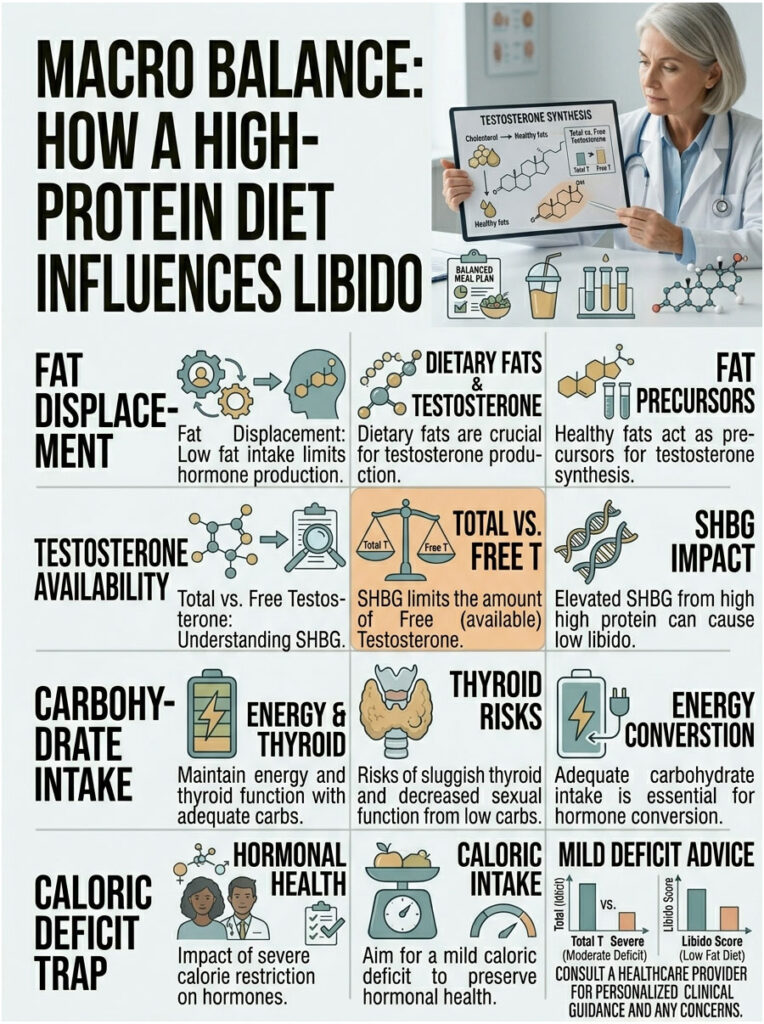
Healthy fats are the precursor to cholesterol, and cholesterol is the foundation for testosterone. If your diet is 50 percent protein and only 15 percent fat, your body literally lacks the raw materials for steroidogenesis. You can drink all the clean whey in the world, but without fat, testosterone tanks.
Understanding Sex Hormone-Binding Globulin (SHBG)
There’s a critical difference between total testosterone and free testosterone. Total testosterone is how much is circulating. Free testosterone is what’s actually available for your muscles and reproductive tissues to use.
The gatekeeper between the two is Sex Hormone-Binding Globulin (SHBG), a liver protein. When you eat a massively protein-skewed diet with barely any carbs, your liver cranks out more SHBG. Elevated SHBG locks up your free testosterone and makes it unusable.
Your blood test might show high total testosterone, but you can still deal with ED and low libido. Proper carbohydrate intake keeps SHBG in check. Eat carbs alongside your protein to keep testosterone free and active.
Carbohydrates and Thyroid Function
Here’s why avoiding carbs while chugging shakes is a disaster for your sex drive. Your thyroid produces T3, a hormone that controls metabolism and depends heavily on carbohydrate intake.
Replace all your meals with low-carb shakes and T3 plummets. A sluggish thyroid means chronic fatigue, cold hands, and a missing libido. Your brain reads low carbs as famine, and during a famine, reproduction is the first system to shut down.
Adding a banana or some oats to your protein shake prevents that thyroid crash. Keep your thyroid active and you keep the cellular energy needed for strong sexual function. Carbs aren’t the enemy.
The Caloric Deficit Trap
Many men use protein powder as a meal replacement to drop weight fast. Calories plunge, protein stays high, muscle gets preserved. The strategy works for fat loss but destroys sex life.
A severe deficit creates massive systemic stress, and your body ramps up cortisol to mobilize fat stores. High cortisol suppresses testosterone directly. Prolonged deficits can even shrink the Leydig cells in your testes, the very cells that make testosterone.
If you’re dealing with sexual dysfunction, check your total calorie intake first. A mild deficit of 300 to 500 calories a day is usually enough to lose fat while protecting hormones.
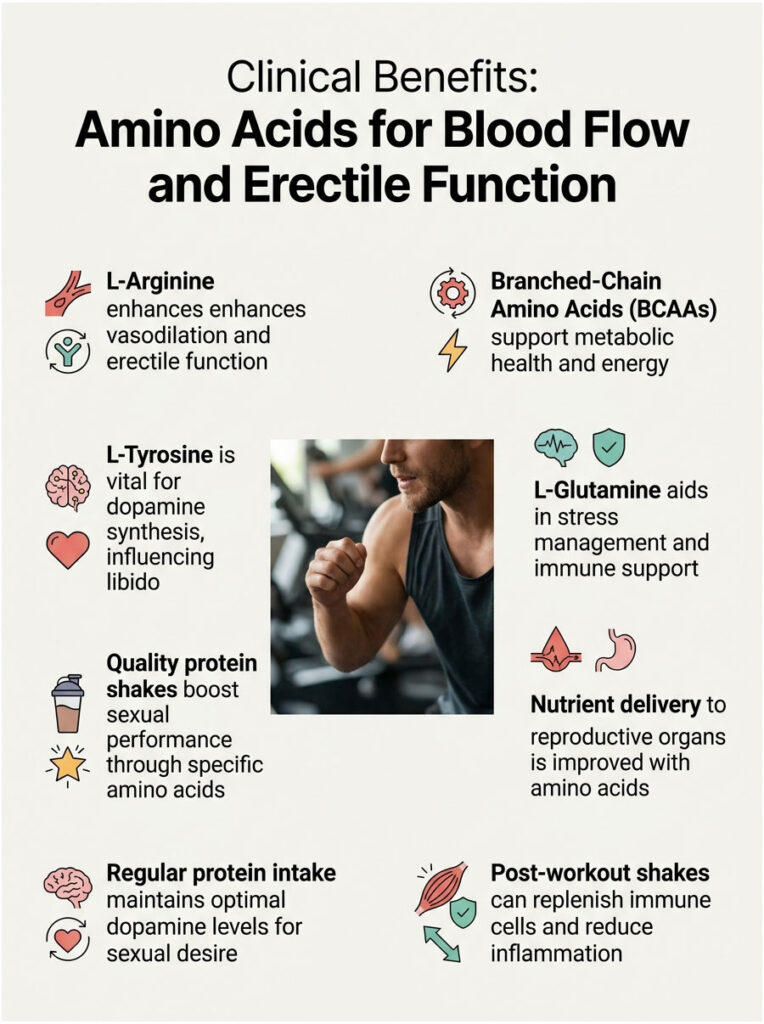
Clinical Benefits: Amino Acids for Blood Flow and Erectile Function
L-Arginine and Nitric Oxide
Let’s flip the script and talk about the upsides. When sourced well, protein shakes can genuinely boost sexual performance, and it comes down to specific amino acids.
Whey and plant proteins are rich in L-Arginine, the direct precursor to nitric oxide. Nitric oxide signals blood vessels to relax and expand, a process called vasodilation. Strong vasodilation is essential for achieving and maintaining a firm erection.
A quality shake feeds the exact biological pathway that supports healthy blood flow, and it improves nutrient delivery to reproductive organs. This is a major benefit that critics of supplements tend to overlook.
BCAAs and Reproductive Health
Protein powders are loaded with Branched-Chain Amino Acids (BCAAs): leucine, isoleucine, and valine. They’re best known for triggering muscle growth via the mTOR pathway, but they also support metabolic health more broadly.
Leucine helps regulate blood sugar, and poor insulin sensitivity is a well-known cause of ED. By stabilizing glucose, whey protein helps protect your vascular system from diabetic damage. BCAAs also reduce central fatigue in the brain during exercise, keeping energy high throughout the day, and higher daily energy naturally translates to a better sex drive.
L-Tyrosine and Dopamine
Libido isn’t just about blood flow. It’s also about brain chemistry, and dopamine is the key neurotransmitter for sexual arousal.
Protein powders, especially casein and whey, are rich in L-Tyrosine. Tyrosine converts into L-DOPA, which then converts into dopamine. Consume enough protein and you’re giving your brain the raw materials to synthesize dopamine, which drives motivation, desire, and the psychological pull toward sex.
Low tyrosine means low dopamine, which means apathy and missing libido. A daily shake keeps the brain primed for sexual desire.
Glutamine and Stress Reduction
L-Glutamine is the most abundant amino acid in muscle tissue and shows up in huge amounts in most protein powders. Its role in muscle growth is debated, but its role in stress management isn’t.
Intense training temporarily suppresses your immune system, and glutamine is the primary fuel for immune cells. A post-workout shake replenishes those stores quickly and prevents the crash that usually follows a hard session. A stressed immune system triggers inflammation, inflammation narrows blood vessels and raises cortisol, and both of those wreck sexual performance.
| Amino Acid | Mechanism | Sexual Health Benefit | Best Source |
|---|---|---|---|
| L-Arginine | Nitric oxide precursor | Enhances vasodilation and erectile function | Whey, plant blends, collagen |
| L-Tyrosine | Dopamine synthesis | Supports mood and psychological libido | Casein, whey |
| L-Leucine | mTOR activator | Preserves lean mass and metabolism | Whey isolate |
| L-Glutamine | Fuels immune cells | Lowers systemic inflammation and stress | Whey concentrate, beef protein |
The Gut-Hormone Connection
The Estrobolome and Estrogen Metabolism
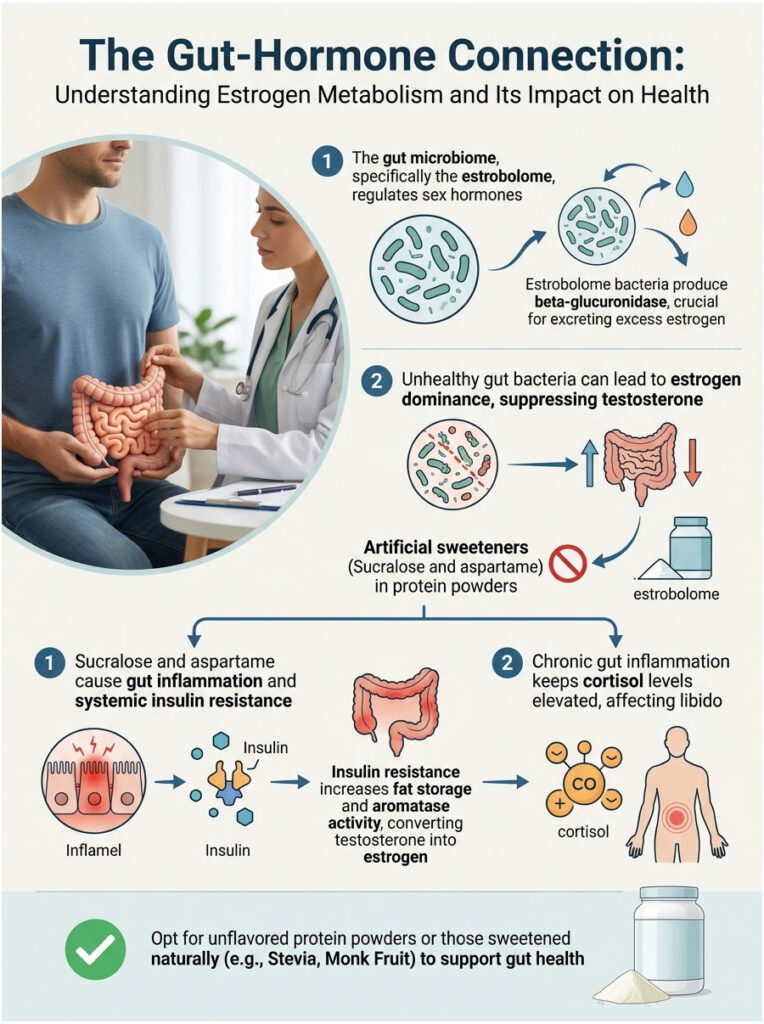
Here’s a frontier of nutritional science most people still don’t know about. Your gut microbiome plays a huge role in regulating sex hormones, and there’s a specific group of gut bacteria called the estrobolome.
These bacteria produce beta-glucuronidase, an enzyme that controls how your body processes and clears out excess estrogen. When gut bacteria are unhealthy, your body reabsorbs old estrogen instead of excreting it, leading to estrogen dominance that suppresses testosterone.
What damages the estrobolome? The artificial sweeteners packed into many cheap protein powders. Drinking heavily processed shakes every day can wipe out beneficial gut bacteria, disrupt estrogen metabolism, and quietly kill libido.
Sucralose, Aspartame, and Insulin Resistance
Check your current protein tub’s ingredient list. Odds are, you’ll see sucralose or aspartame near the bottom. These sweeteners make the powder taste like dessert for basically zero calories.
The problem is that chronic sucralose consumption negatively alters gut microbiome composition, which leads to intestinal inflammation. Over time, that gut inflammation can drive systemic insulin resistance.
When you become insulin resistant, your pancreas pumps out more insulin. High insulin lowers SHBG (which sounds good at first), but it also increases fat storage. More body fat means more aromatase activity, the enzyme that converts testosterone into estrogen. The cycle all begins with what’s in your daily shake.
If sexual health is suffering, try an unflavored powder or one sweetened with stevia or monk fruit extract.
Gut Inflammation and Chronic Cortisol
Let’s tie gut health back to cortisol. When sweeteners and thickeners like carrageenan irritate your intestinal lining, your immune system treats it like an attack and launches a low-grade response. That constant inflammation keeps cortisol chronically elevated.
You could be eating perfectly and sleeping eight hours a night, but if your shake is silently inflaming your gut, cortisol stays high and libido suffers. Many of my clients see a real boost in sex drive just by switching to a cleaner, easier-to-digest protein.
Pay attention to your digestion. If your shake leaves you bloated or gassy, it’s causing inflammation. Find a brand that digests cleanly.
How to Choose a Hormone-Safe Protein Powder
Third-Party Testing Certifications
Now that you understand the science, here’s the practical part. I give all my clients the same non-negotiable roadmap: look for specific third-party testing seals.
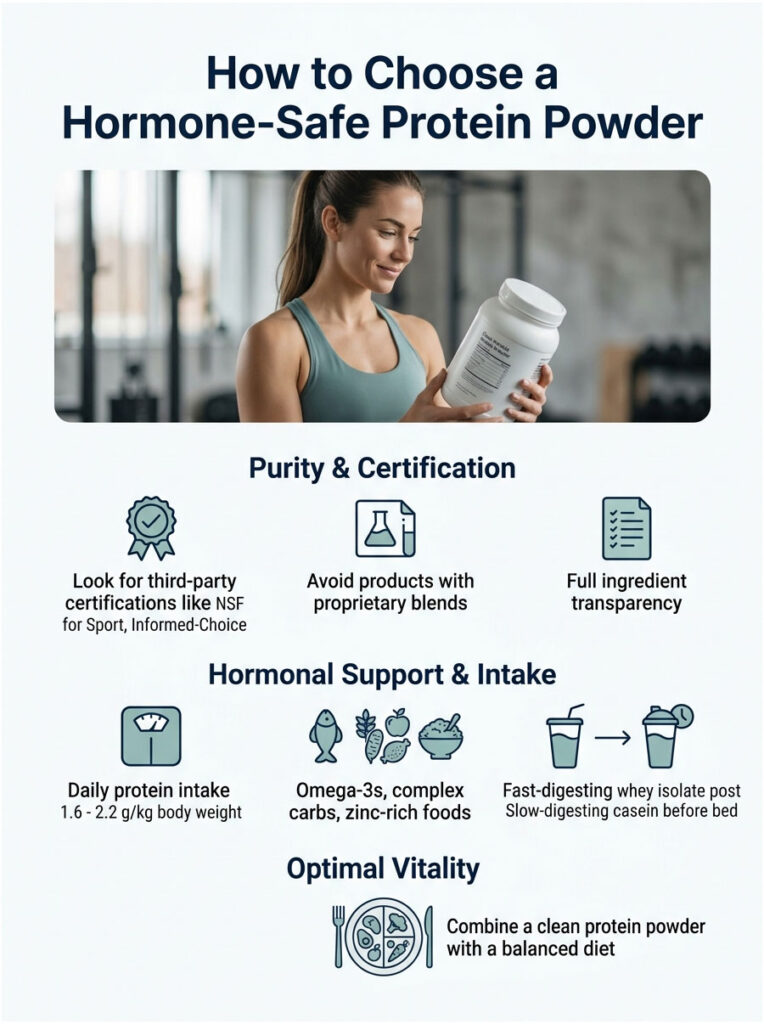
The gold standard in sports nutrition is the NSF Certified for Sport designation. Informed-Choice is another rigorous certification worth trusting. These programs mean an independent lab has tested every batch and verified that the product contains exactly what the label claims.
More importantly, these certifications guarantee the absence of heavy metals, endocrine disruptors, and banned substances. If you want whey protein that actually supports testosterone, stick to certified products. Don’t gamble with your hormones to save a few bucks.
Watch Out for Proprietary Blends
Learn to spot the red flags on nutrition labels. The biggest one is the phrase “proprietary muscle blend” or “anabolic matrix.” Brands use these terms to hide exact ingredient dosages.
These blends often contain cheap fillers or harsh stimulants, and in the worst cases, hidden pro-hormones or SARMs (Selective Androgen Receptor Modulators). Consuming hidden pro-hormones is devastating for natural testosterone production. Your body senses the synthetic hormones and immediately shuts down its own output, leading to testicular atrophy and complete libido loss.
Always demand full ingredient transparency. If a company won’t list the exact dose of every ingredient, put the tub back on the shelf.
Dietary Integration for Optimal Vitality
You can’t rely on powder alone to fix hormones. Keep daily protein at roughly 1.6 to 2.2 grams per kilogram of body weight. That’s the clinical sweet spot for muscle growth without displacing other vital nutrients.
Get plenty of omega-3s from fish oil or flaxseed daily. Keep complex carbs high enough to keep SHBG in check. Eat zinc-rich foods like pumpkin seeds, grass-fed beef, and oysters, since zinc is critical for natural testosterone production.
Combine a clean, NSF Certified for Sport protein powder with a balanced diet, and you’re supporting both your physique and your sexual vitality.
Timing Your Shakes
Timing is the final piece of the puzzle. When you consume protein matters almost as much as what you consume.
Drink a fast-digesting whey isolate within 45 minutes of your workout. That quick flood of amino acids signals your brain to lower cortisol and shifts your body from catabolic back into anabolic. Wait too long, and cortisol stays elevated, chipping away at testosterone.
Consider a small protein feeding before bed, too. A slow-digesting casein shake stabilizes overnight blood sugar and supports the HPG axis while you sleep.
Key Takeaways
High-quality protein powder doesn’t harm sexual health. The amino acids in whey and plant blends actually support vasodilation, blood flow, and hormone production, and they improve your cortisol-to-testosterone ratio after hard training.
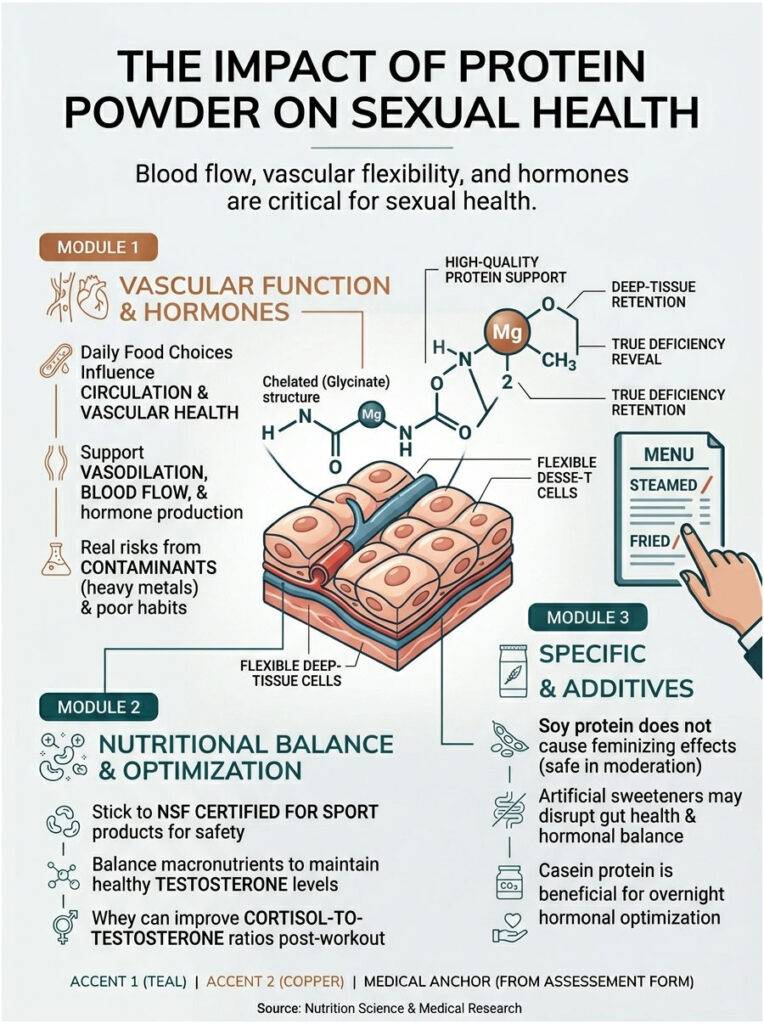
The real risks come from outside factors and poor habits. Heavy metal contamination acts as a powerful endocrine disruptor and threatens both fertility and libido. Poor macro balance, like cutting fats or avoiding carbs, elevates SHBG and tanks sex drive.
Protect yourself by sticking to NSF Certified for Sport products, eating enough healthy fats to support natural steroidogenesis, and balancing your macros intelligently. Follow these guidelines and your post-workout shake will only help your performance, both inside the gym and outside it.
So, does protein powder affect sexual health? Yes, and when used correctly, the effect is profoundly positive.
Frequently Asked Questions
Does whey protein powder lower testosterone levels in men?
No, clinical data from the JISSN indicates that high-quality whey protein does not lower testosterone. In fact, it can improve your cortisol-to-testosterone ratio by blunting the post-workout stress response. By providing essential amino acids like leucine, whey supports muscle recovery without interfering with the Leydig cells responsible for androgen production.
Can soy protein isoflavones cause gynecomastia or ‘man boobs’?
This is a common industry myth. While soy contains phytoestrogens called isoflavones, they have an incredibly weak affinity for human estrogen receptors—roughly 1,000 times weaker than endogenous estrogen. Meta-analyses from the NIH show that moderate soy consumption does not alter male reproductive hormones or lead to feminizing effects like gynecomastia.
How does heavy metal contamination in supplements affect male fertility?
Contaminants like lead, cadmium, and arsenic are potent endocrine disruptors that can induce heavy metal-induced hypogonadism. These toxins cause oxidative stress in the testes, leading to oligospermia (low sperm count) and poor sperm motility. To protect your fertility, always choose supplements that undergo rigorous third-party testing for purity.
Can a high-protein diet actually cause a drop in libido?
A high-protein diet only kills libido if it leads to ‘fat displacement.’ Dietary fats are the biological precursors to cholesterol, which is the foundation of steroidogenesis. If your protein intake is so high that you neglect healthy fats (less than 20% of total calories), your body will lack the raw materials to produce testosterone, resulting in a lower sex drive.
What is the link between protein powder amino acids and erectile function?
Protein powders are rich in L-Arginine, a direct precursor to nitric oxide. Nitric oxide is the primary signaling molecule responsible for vasodilation—the relaxation of blood vessels required for achieving an erection. By supporting endothelial function, high-quality amino acid profiles can actually enhance vascular health and sexual performance.
Does protein powder affect Sex Hormone-Binding Globulin (SHBG) levels?
Yes, but indirectly. A diet that is excessively high in protein but very low in carbohydrates can increase SHBG levels. SHBG acts as a gatekeeper that binds to testosterone, making it ‘inactive.’ To ensure you have high levels of ‘free’ or bioavailable testosterone for sexual health, you must balance your protein shakes with adequate complex carbohydrates.
Are artificial sweeteners like sucralose in protein shakes bad for hormones?
Chronic consumption of artificial sweeteners can disrupt the ‘estrobolome’—the gut bacteria responsible for metabolizing estrogen. When the microbiome is inflamed, it can lead to the reabsorption of old estrogen, potentially lowering your testosterone-to-estrogen ratio. I recommend opting for unflavored powders or those naturally sweetened with stevia to protect your gut-hormone axis.
Is casein protein better than whey for nighttime hormone production?
Casein is highly beneficial for overnight hormonal optimization because it provides a sustained release of amino acids. This prevents a drop in blood sugar during sleep, which would otherwise trigger a cortisol spike. Since the majority of testosterone is produced during deep REM cycles, casein helps maintain a stable anabolic environment while you sleep.
Can ‘proprietary blends’ in protein powders hide substances that cause sexual dysfunction?
Yes, proprietary blends are a major red flag. Some unscrupulous manufacturers hide unlisted stimulants or pro-hormones in these ‘anabolic matrices.’ These substances can cause a temporary surge in performance followed by a complete shutdown of the Hypothalamic-Pituitary-Gonadal (HPG) axis, leading to severe testicular atrophy and total loss of libido.
How does L-Tyrosine in protein supplements influence sexual desire?
L-Tyrosine is the biological precursor to dopamine, the neurotransmitter that drives psychological libido and sexual motivation. By providing the raw materials for dopamine synthesis, a high-quality protein shake can help maintain the brain chemistry necessary for a healthy sex drive, especially during periods of high training stress.
What certifications should I look for to ensure my protein powder is hormone-safe?
As a CSSD, I strictly recommend looking for the ‘NSF Certified for Sport’ or ‘Informed-Choice’ seals. These third-party certifications guarantee that the product has been tested for banned substances, heavy metals, and endocrine disruptors like BPA that could otherwise compromise your reproductive health.
Does a caloric deficit while using protein shakes impact the HPG axis?
A severe caloric deficit is a major stressor that can disrupt the Hypothalamic-Pituitary-Gonadal (HPG) axis. When your brain senses a starvation state, it reduces the release of Gonadotropin-Releasing Hormone (GnRH), which effectively shuts down testosterone production. While protein helps preserve muscle during a cut, you must avoid extreme deficits to keep your reproductive system firing.
Disclaimer
This article is for informational purposes only and does not constitute medical advice. The relationship between supplements and endocrine function is complex; always consult a qualified healthcare professional or a Board-Certified Specialist in Sports Dietetics before making significant changes to your diet or if you are experiencing symptoms of hormonal imbalance.
References
- Journal of the International Society of Sports Nutrition (JISSN) – jissn.biomedcentral.com – Peer-reviewed data regarding post-exercise protein ingestion and its impact on the endocrine response in athletes.
- National Institutes of Health (NIH) – pubmed.ncbi.nlm.nih.gov – Clinical meta-analysis confirming that soy isoflavones and phytoestrogens do not alter male reproductive hormones.
- Clean Label Project – cleanlabelproject.org – Comprehensive 2018 study detailing heavy metal contamination (lead, arsenic, cadmium) in 134 top-selling protein powders.
- American Urological Association – auajournals.org – Clinical guidelines on male infertility and the specific impact of environmental endocrine disruptors on spermatogenesis.
- National Center for Biotechnology Information (NCBI) – ncbi.nlm.nih.gov – Research on the role of L-Arginine and Nitric Oxide in endothelial function and erectile health.
- Endocrine Society – endocrine.org – Scientific statements regarding the impact of BPA (Bisphenol A) and other xenoestrogens on male hormonal homeostasis.