My hands were shaking as I stared at the scale, the number refusing to budge for the third week in a row. I had cut calories, hit the gym, and filled my pantry with everything the labels claimed was “diet-friendly.” It felt like a total nightmare realizing my effort was completely wasted.
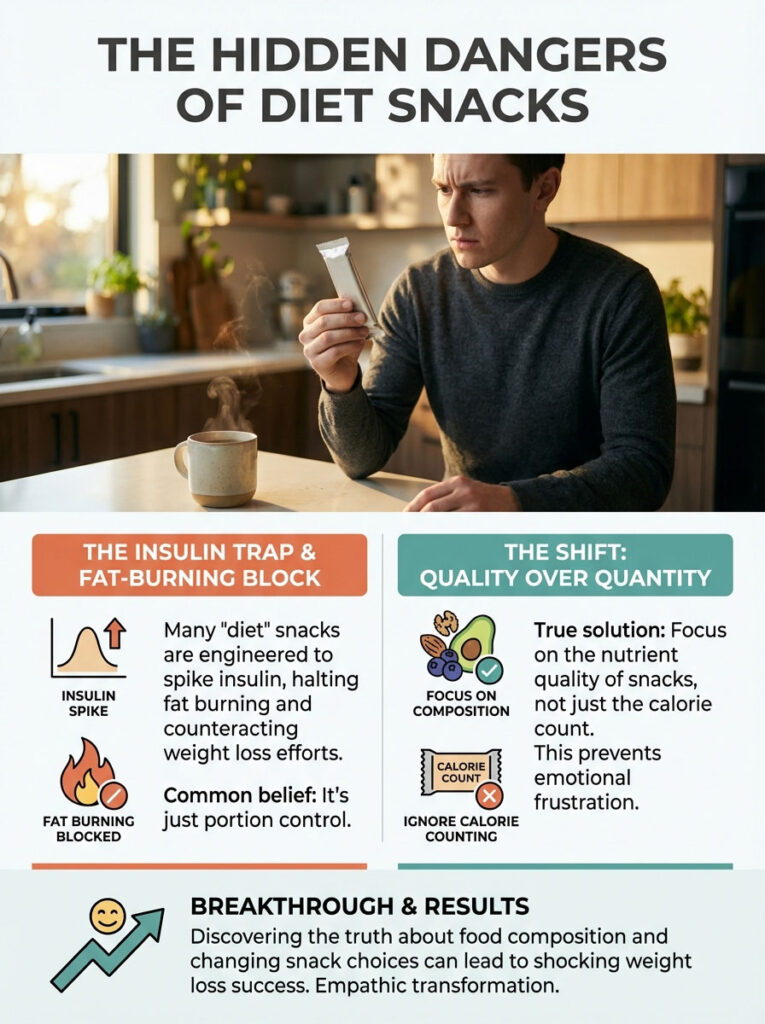
Most people assume snacking is just about portion control, but that is a dangerous oversimplification. I discovered that the very foods marketed to help us shed pounds are often engineered to spike insulin and halt fat burning instantly. There is a specific metabolic trigger most dieters ignore until it’s too late.
If you are feeling stuck, the solution isn’t to stop eating—it’s to change what you are fueling your body with. I finally broke my plateau when I uncovered the truth about modern snack foods. The results were shocking.
The Deceptive “Health Halo” Trap
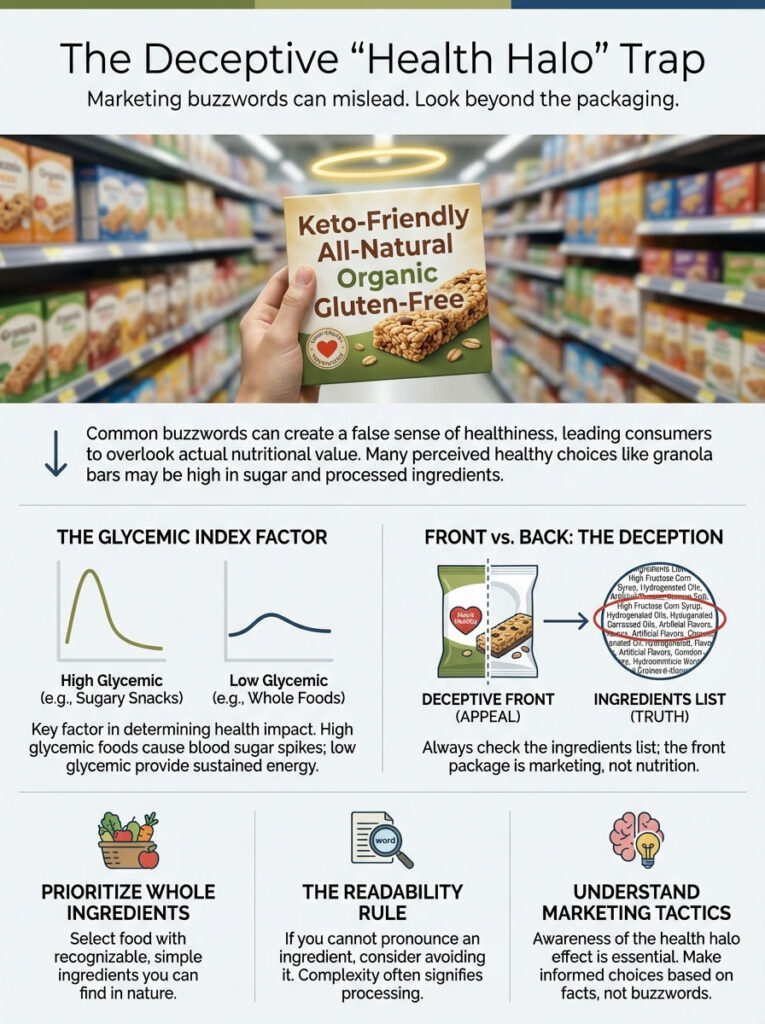
Walk down any grocery aisle and you are bombarded with buzzwords like “keto-friendly,” “low-fat,” and “all-natural.” I fell for this marketing trap hook, line, and sinker. I used to think a granola bar was a smart choice until I looked closer at the glycemic index.
Why Labels Lie
- Hidden Sugars: Agave and brown rice syrup are just sugar in disguise.
- Inflammatory Oils: Soybean and canola oils can cause bloating.
- Artificial Fillers: Your body doesn’t know how to process synthetic fibers.
It is absolutely essential to ignore the front of the package. I learned to flip that box over and read the ingredients list first. If I can’t pronounce it, I don’t eat it.
The Protein Leverage Effect
Hunger is the enemy of weight loss, and most snacks are designed to make you hungrier. I found that swapping carbohydrate-heavy snacks for protein-dense options completely changed my appetite signaling. This isn’t just a theory; it’s biology.
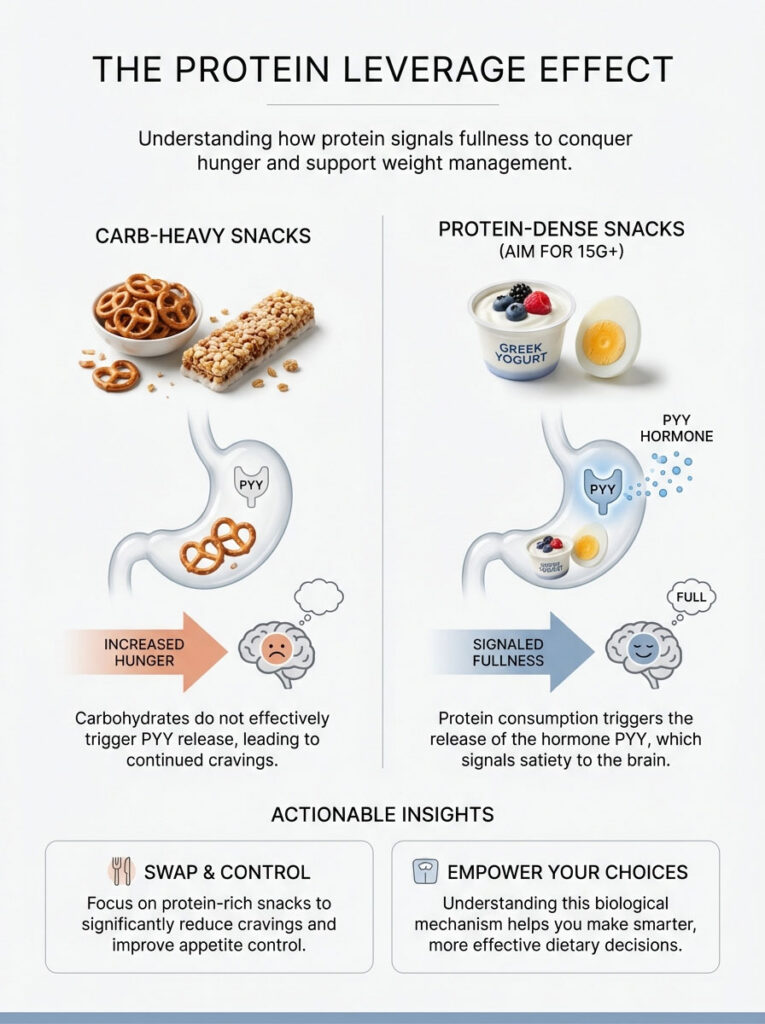
When you consume protein, your gut releases PYY, a hormone that tells your brain you are full. Carbohydrates do not trigger this signal effectively. My cravings vanished once I aimed for 15 grams of protein per snack.
My Top Protein Picks
- Hard-boiled eggs with sea salt.
- Greek yogurt mixed with whey powder.
- Canned tuna with a dash of hot sauce.
The Timing Secret Nobody Talks About
I used to graze all day, thinking it kept my metabolism “stoked.” That was a lie. Constant grazing keeps insulin levels elevated, which physically prevents your body from accessing stored fat for energy.
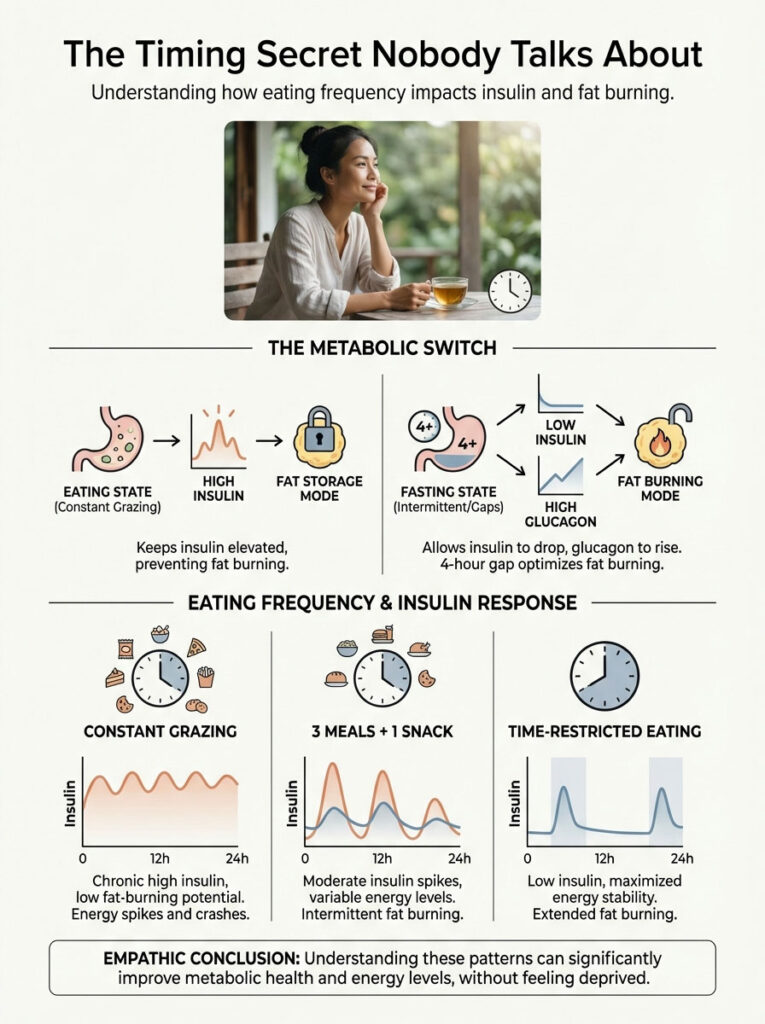
Intermittent fasting between meals is crucial. I started leaving a distinct 4-hour gap between any caloric intake. This allows insulin to drop and glucagon—the fat-burning hormone—to rise.
Impact of Snacking Frequency
| Snacking Habit | Insulin Response | Fat Burning Potential | Energy Levels |
|---|---|---|---|
| Constant Grazing | Chronically High | Near Zero | Rollercoaster |
| 3 Meals + 1 Snack | Moderate Spikes | Low to Medium | Stable |
| Time-Restricted | Low / Baseline | Optimized | High / Consistent |
The “Healthy” Foods I Banished
It was painful to throw away expensive food, but my health was worth more. I realized that dried fruit was essentially nature’s candy, packed with concentrated sugar. Even trail mix, often touted as a hiker’s staple, is a calorie bomb waiting to explode your daily limit.
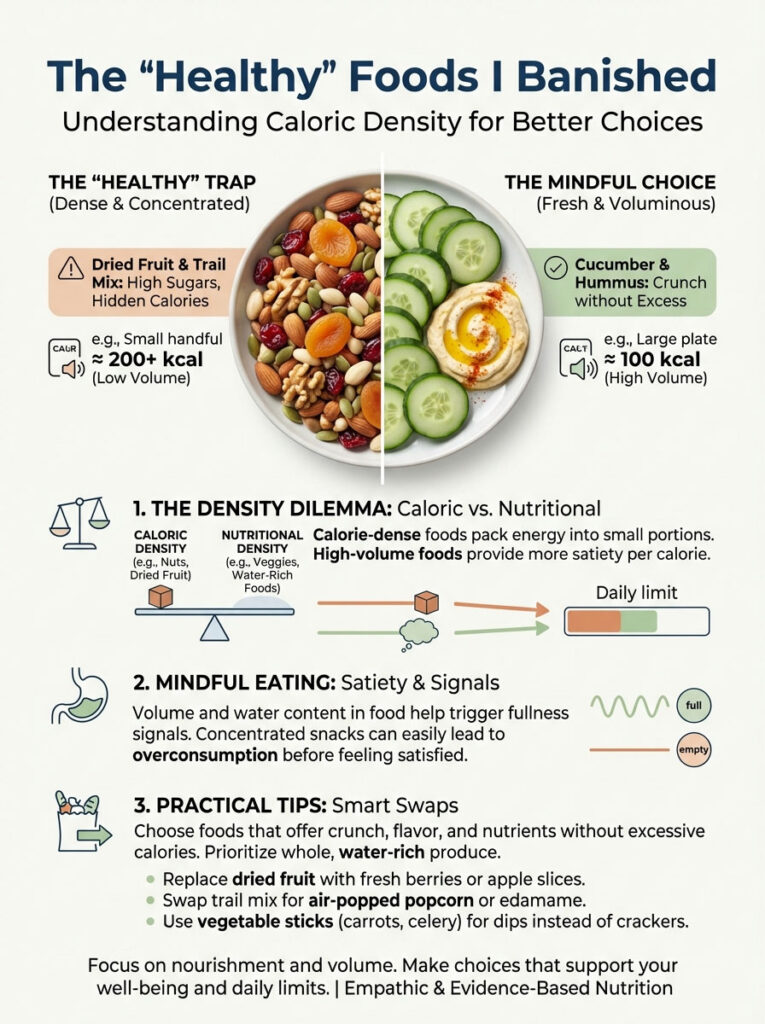
I replaced these with high-volume, low-calorie options. Cucumber slices with hummus became my new obsession. You get the crunch without the caloric density.
Dangerous Swaps to Avoid
- Rice Cakes: Pure starch that spikes blood sugar rapidly.
- Fruit Smoothies: Often contain more sugar than a soda.
- Pretzels: Empty calories with zero nutritional value.
Focusing on Nutrient Density
Weight loss is not just about calories in versus calories out; it is about hormonal regulation. I stopped counting calories and started counting nutrients. If a snack didn’t offer fiber, protein, or healthy fats, it didn’t make the cut.
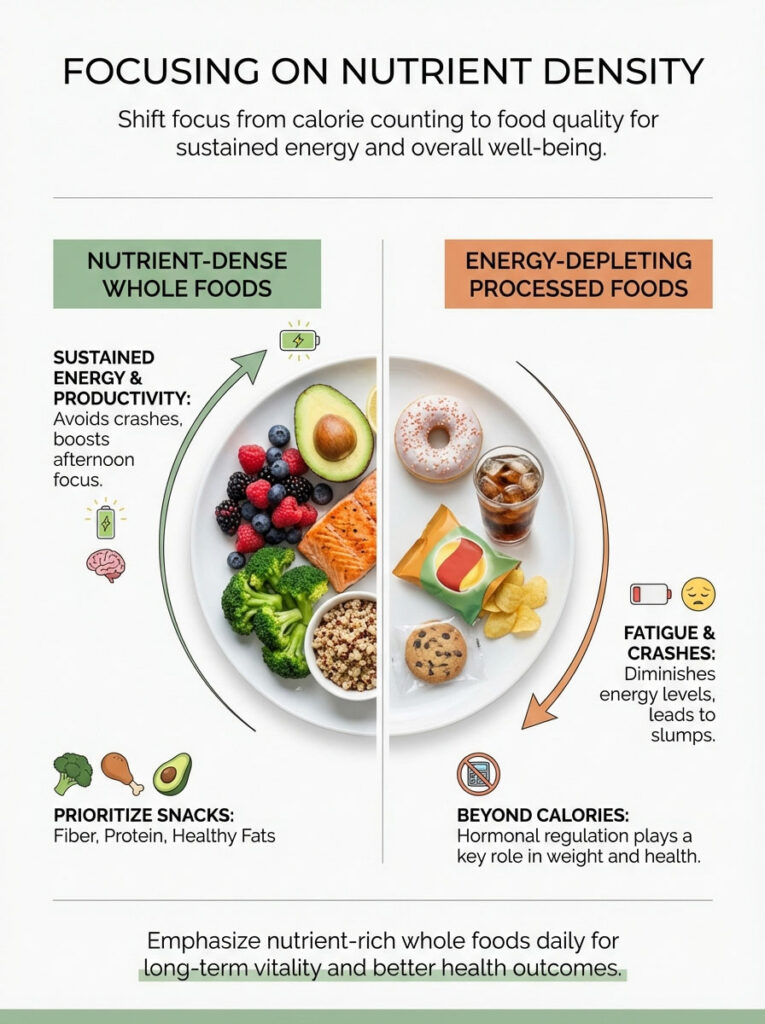
My energy levels skyrocketed when I prioritized whole foods. Processed snacks steal energy; whole foods donate it. The difference in my afternoon productivity was bizarre—no more 3 PM crash.
The Psychology of Snacking
Are you actually hungry, or are you just bored? I had to confront the fact that I used food to soothe anxiety. Before reaching for the pantry door, I now drink a large glass of water and wait ten minutes.
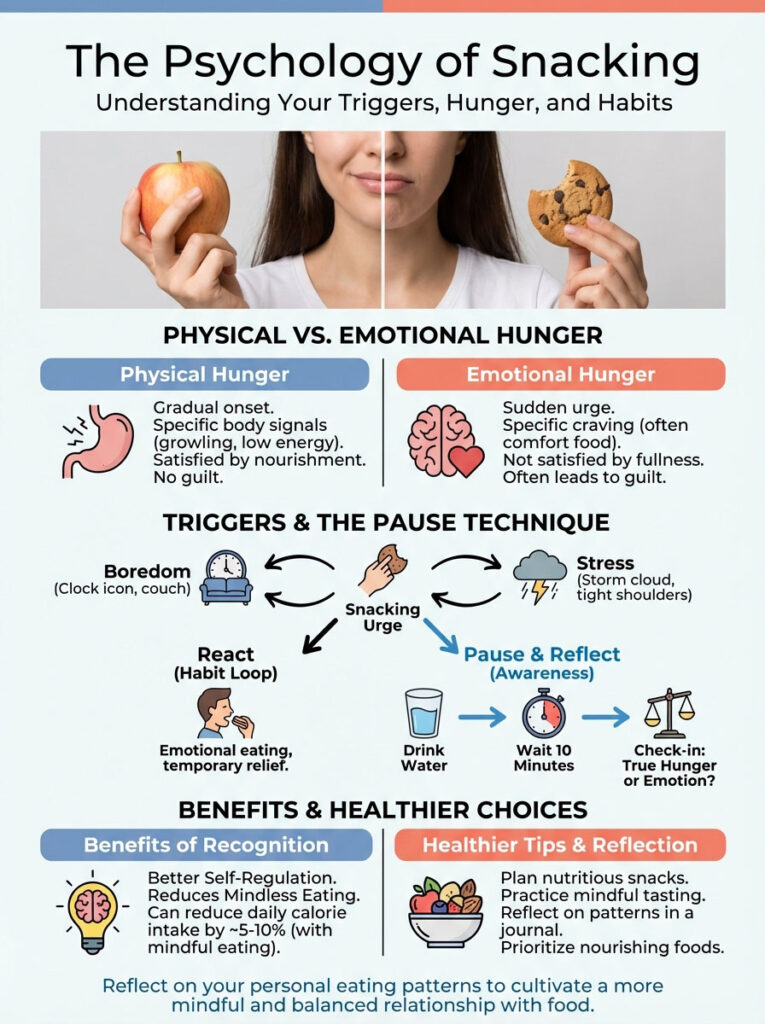
If the hunger persists, I eat. If it fades, I know it was just emotional noise. This simple pause button saved me thousands of unnecessary calories over a few months.
Signs of Emotional Hunger
- Sudden onset of cravings.
- Desire for a specific texture or taste.
- Feeling of guilt after eating.
Final Thoughts on Sustainable Progress
Changing my snacking habits wasn’t easy, but the payoff was undeniable. I lost the bloating, the brain fog, and the stubborn fat that plagued me for years. It requires vigilance, but you are worth the effort.
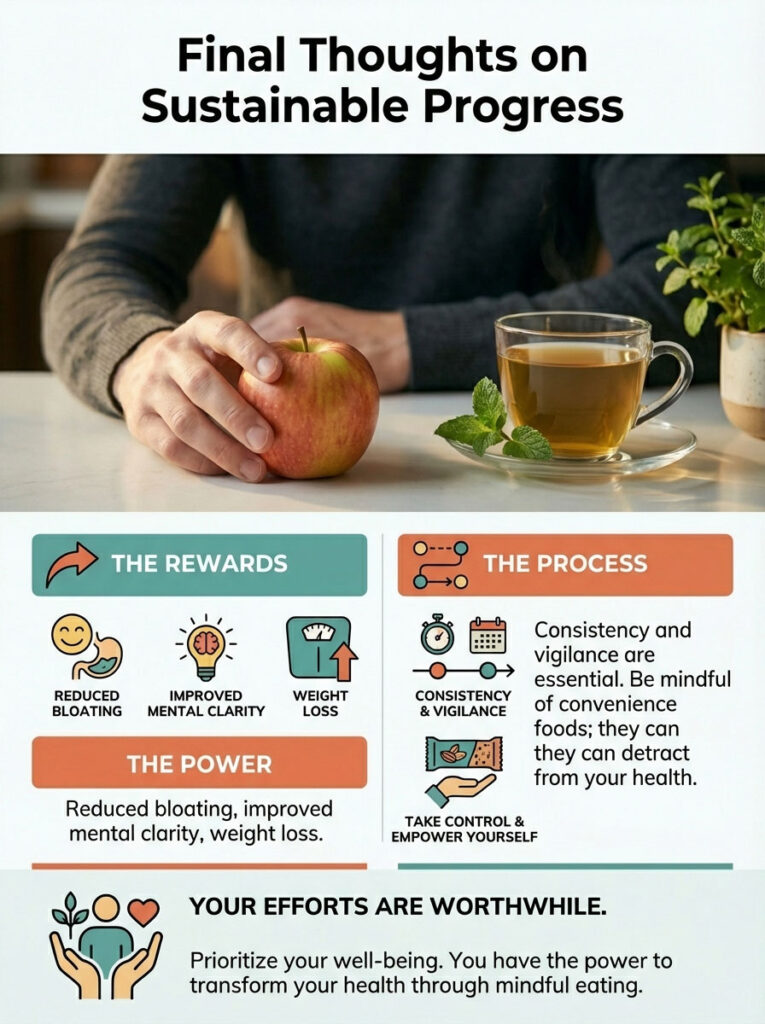
Don’t let convenience foods rob you of your health. Take control of your intake and watch your body respond. The power is in your hands.