My blood pressure numbers were climbing, and I had no idea why. I was eating salads every day. I chose granola over doughnuts. I skipped the fries and ordered the side vegetables. On paper, I was doing everything right.
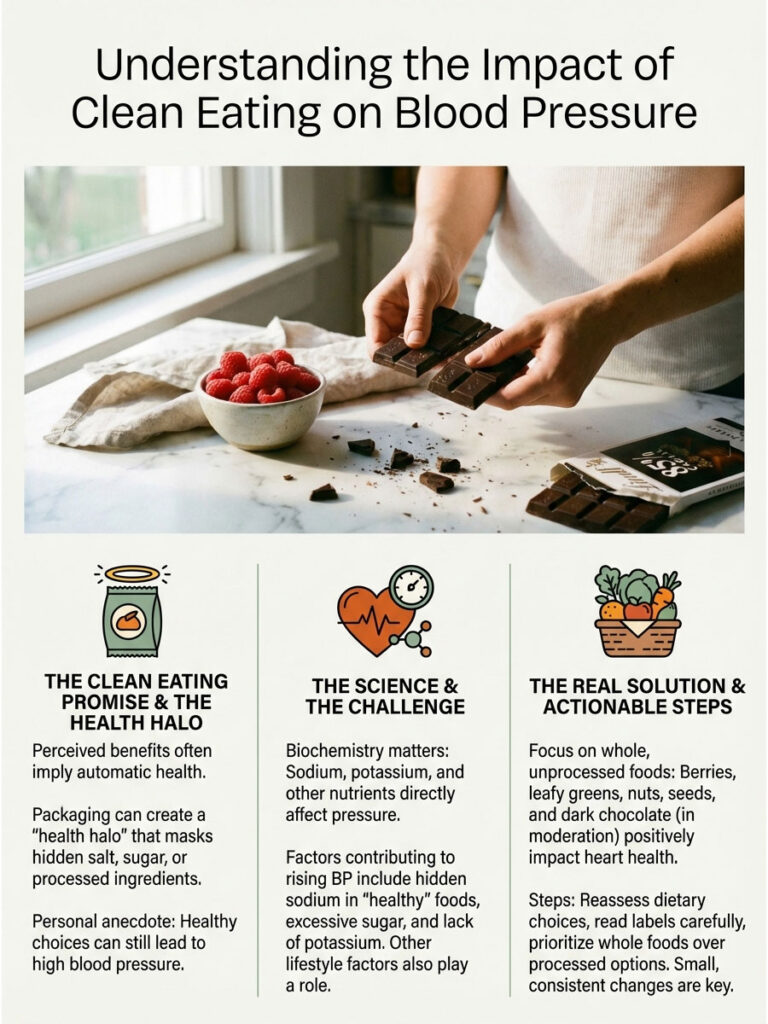
But standing in the pharmacy aisle, staring at blood pressure monitors I never thought I’d need, something clicked. My so-called clean eating strategy was failing me. The “health halo” on half the items in my pantry was a lie, and my arteries were paying for it.
So I stopped trusting the packaging and started digging into the actual biochemistry of heart healthy foods. What I found changed the way I eat, the way I feel, and most importantly, what my bloodwork looks like. This is the strategy that turned things around for me, and the real foods that made the difference.
The “Healthy” Breakfast That Was Hurting My Heart
Let’s start with the meal I was most proud of: breakfast. Every morning, I’d pour myself a generous bowl of store-bought granola, add some milk, and feel virtuous about it.
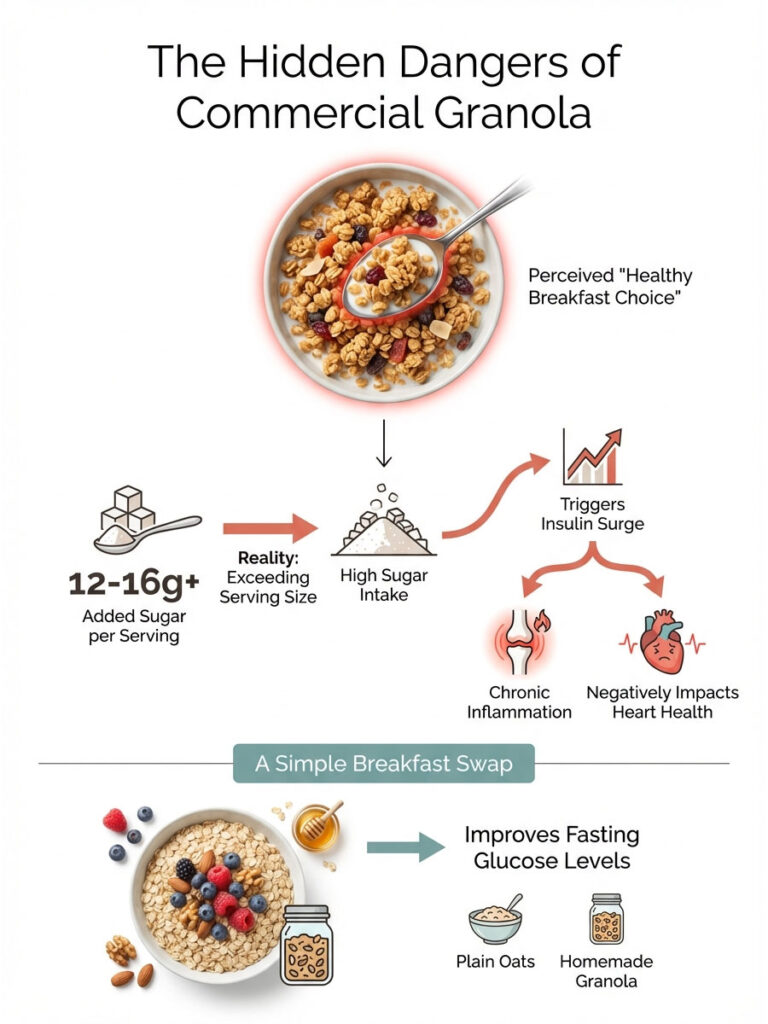
Here’s the problem. Most commercial granola is loaded with added sugar. Some brands pack 12 to 16 grams per serving, and nobody eats just one serving. That morning sugar spike was triggering insulin surges and feeding chronic inflammation. Inflammation, by the way, is one of the most damaging forces acting on cardiac tissue. I was starting every single day by making it worse.
What I Eat for Breakfast Now
- Steel-cut oats replaced the sugary crunch. They’re rich in beta-glucan, a type of soluble fiber that actively lowers LDL cholesterol.
- Ground flaxseed added on top for an immediate omega-3 boost, plus extra fiber.
- Fresh berries became my only sweetener. No honey, no maple syrup, just whole fruit.
This single swap changed my fasting glucose numbers within weeks.
Why Fatty Fish Is the Most Important Heart Healthy Food You Can Eat
For years, I avoided dietary fat like it was the enemy. My doctor finally set me straight. Your heart doesn’t just tolerate fat. It actually needs specific kinds of fat to function properly.
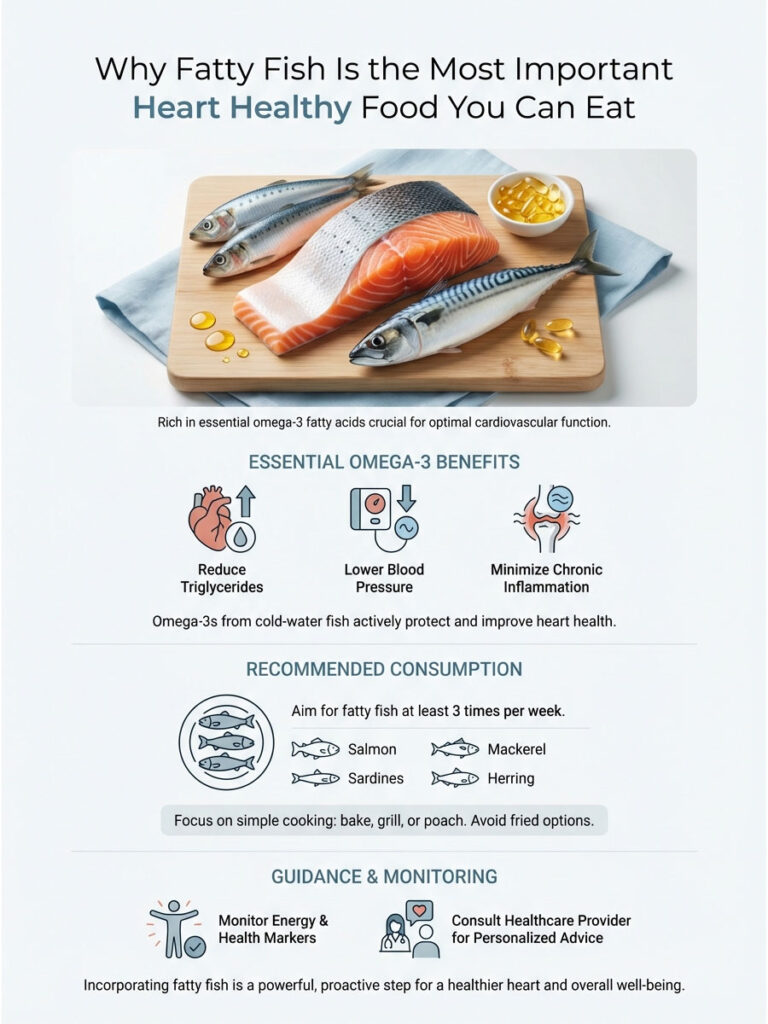
Omega-3 fatty acids, found in cold-water fish, reduce triglycerides, lower blood pressure, and calm the kind of chronic inflammation that damages artery walls over time. Once I started eating fatty fish three times a week, the change in my energy and my lab results was hard to ignore.
We’re not talking about deep-fried cod or fish sticks here. We’re talking about high-quality sources prepared simply.
Top Picks for Heart Healthy Seafood
- Wild-caught salmon: The gold standard. Rich in EPA and DHA, the two omega-3s with the strongest cardiovascular evidence.
- Mackerel: Underrated, affordable, and incredibly potent in omega-3 content.
- Sardines: An acquired taste, sure. But ounce for ounce, one of the most nutrient-dense foods on the planet.
The Vegetables That Relax Your Arteries (Nitric Oxide Boosters)
This was the most surprising thing I learned. Your arteries need to physically relax to allow blood to flow freely. The molecule responsible for that relaxation is nitric oxide, a gas your body produces naturally.
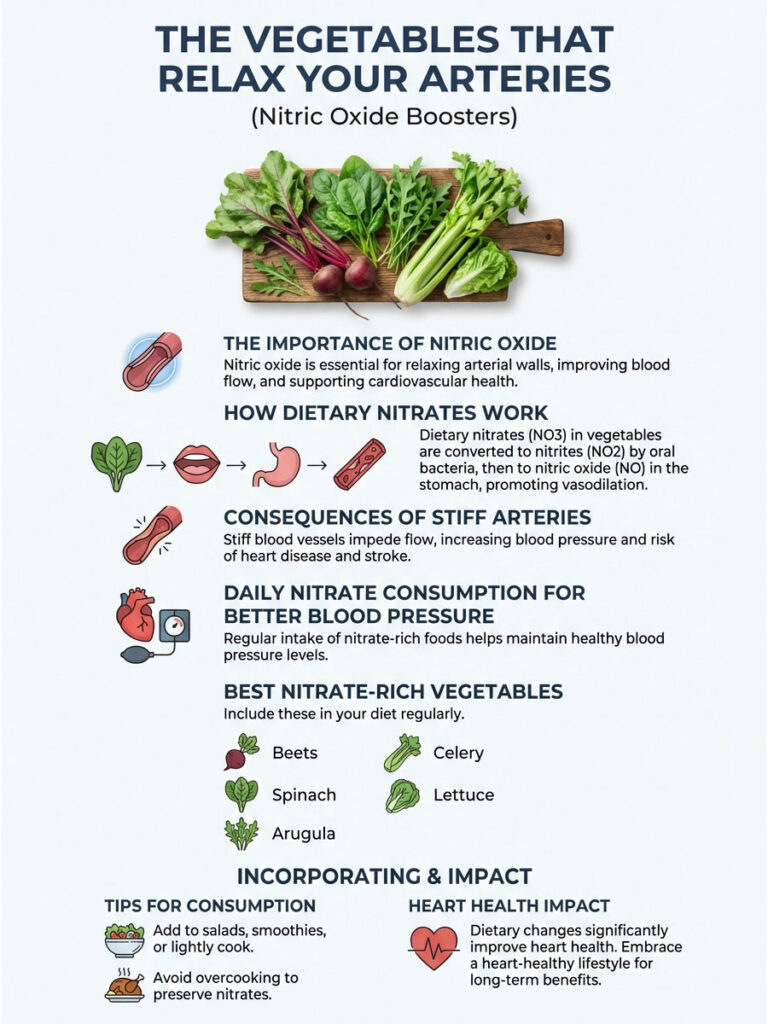
Certain vegetables are loaded with dietary nitrates, which your body converts into nitric oxide. If you’re not eating these foods regularly, your blood vessels may be stiffer than they need to be. I eat at least one of these every day now, and my blood pressure has reflected it.
The Best Nitrate-Rich Foods for Heart Health
- Beets: I roast them as a side dish or blend them raw into smoothies. Either way, the nitrate content is significant.
- Arugula: That peppery bite isn’t just flavor. It’s a sign of high nitrate concentration.
- Spinach: Easy to toss into eggs, soups, pasta, or basically any meal without changing the taste.
The Snack Swap That Lowered My Blood Pressure
Snacking was my weak spot. The vending machine at work was a minefield of sodium and trans fats. I needed something that satisfied the crunch craving without spiking my blood pressure.
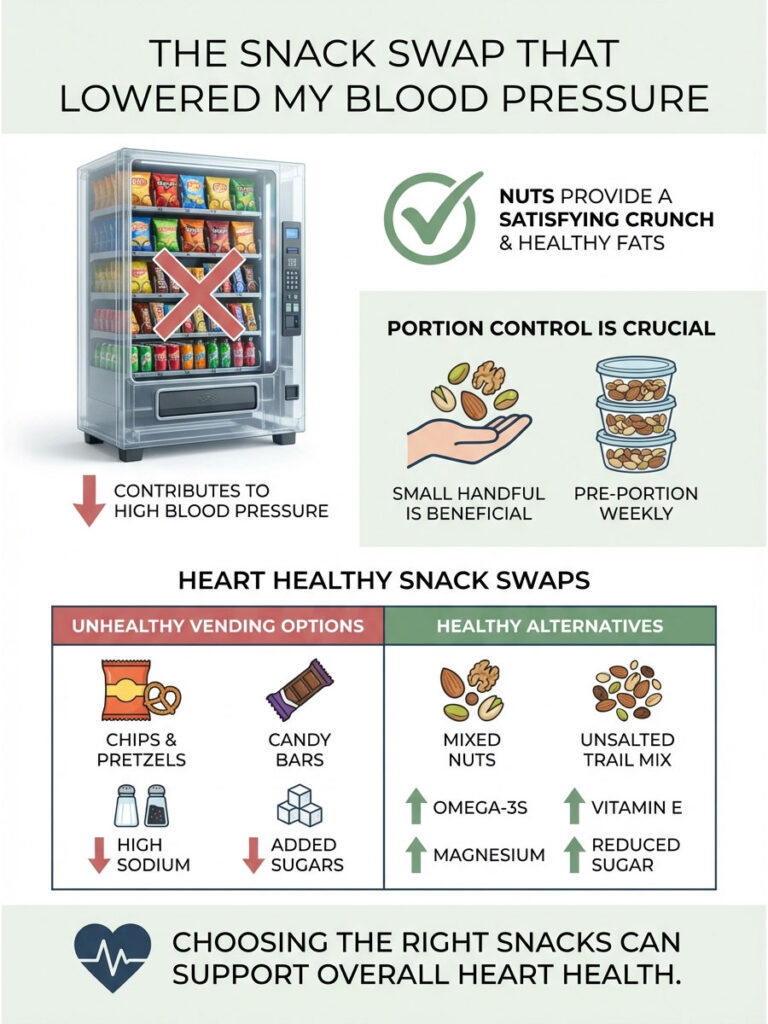
Nuts became my go-to, but with one important rule: portion control. A small handful is medicine. A full bag is just a calorie surplus. I pre-portion mine into small containers at the start of every week.
Heart Healthy Snack Swaps (Comparison Table)
| Old “Healthy” Snack | Heart-Smart Swap | Why It Matters |
| Pretzels (1 cup) | Walnuts (1 oz) | Major omega-3 boost with healthy fats |
| Veggie Chips | Pumpkin Seeds | High in magnesium, which helps regulate blood pressure |
| Fruit Yogurt | Greek Yogurt + Berries | Cuts roughly 15g of added sugar per serving |
| Granola Bar | Raw Almonds | Packed with vitamin E, which supports artery health |
Dark Berries: The Antioxidant Defense Your Blood Vessels Need
I used to think of fruit as nature’s candy, tasty but not particularly medicinal. I was wrong. Dark berries, specifically, contain compounds called anthocyanins. These are antioxidants that actively patrol your bloodstream and protect the inner lining of your blood vessels.
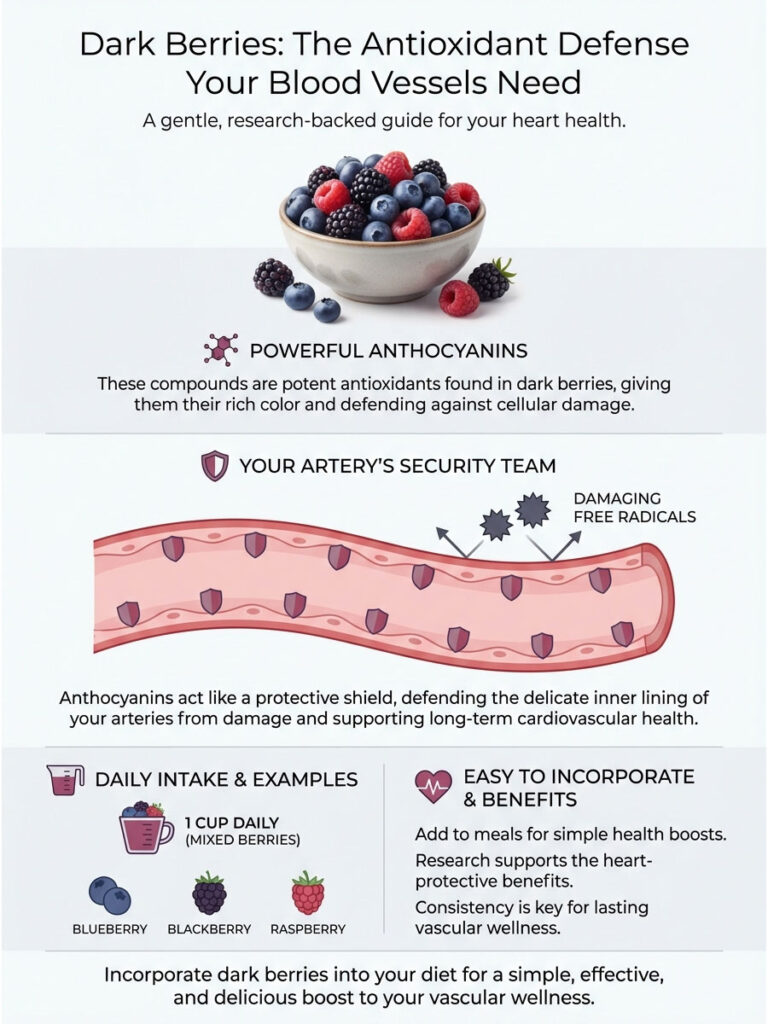
Think of them as a security team for your arteries. The research on anthocyanins and cardiovascular protection is strong, and the practical application is easy. I aim for a cup of mixed berries every day.
How I Work Berries into My Day
- Frozen wild blueberries blended into morning smoothies
- Fresh raspberries scattered over lunch salads
- Sliced strawberries as an after-dinner dessert replacement
Beans and Lentils: The Cholesterol Fix Most People Overlook
Meat was a big part of my diet. I wasn’t ready to give it up entirely, and I didn’t have to. But replacing just two meat-based meals per week with beans or lentils made a measurable difference in my cholesterol numbers.
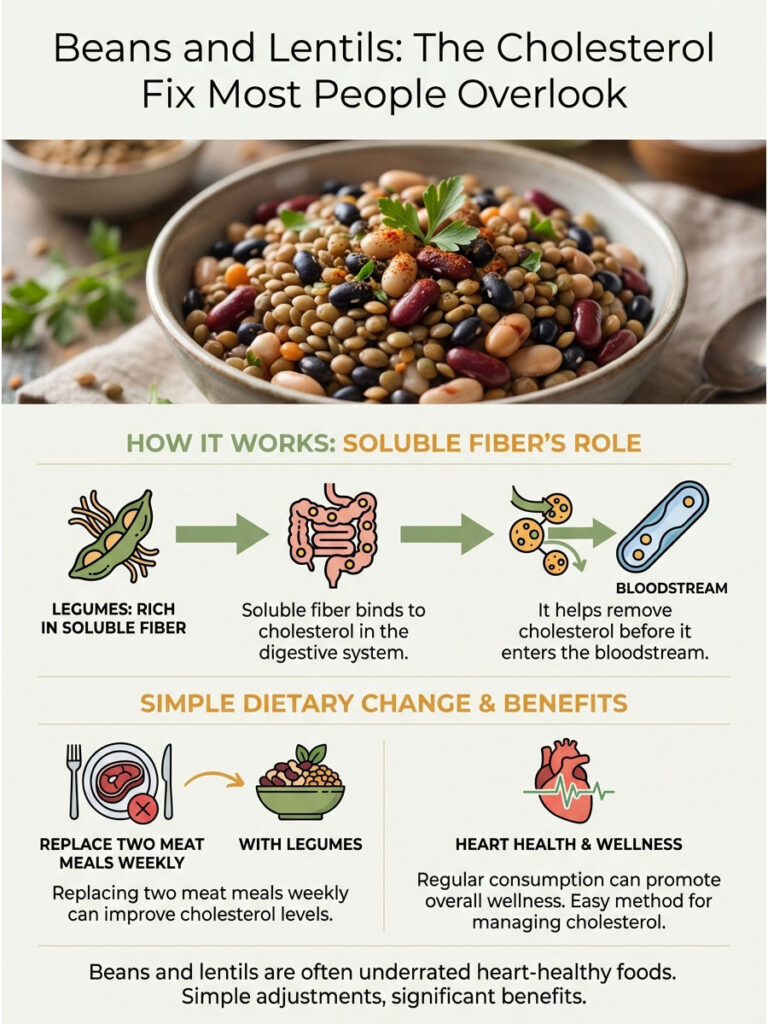
Here’s why. Legumes are loaded with soluble fiber, which works like a sponge in your digestive system. It binds to cholesterol and drags it out of the body before it ever reaches your arteries. It’s a simple mechanical fix for a complex chemical problem, and it’s one of the most underrated heart healthy foods available.
Dark Chocolate: The One Treat That’s Actually Good for Your Heart
This is the part everyone likes to hear. Dark chocolate, when chosen carefully, is genuinely beneficial for cardiovascular health.
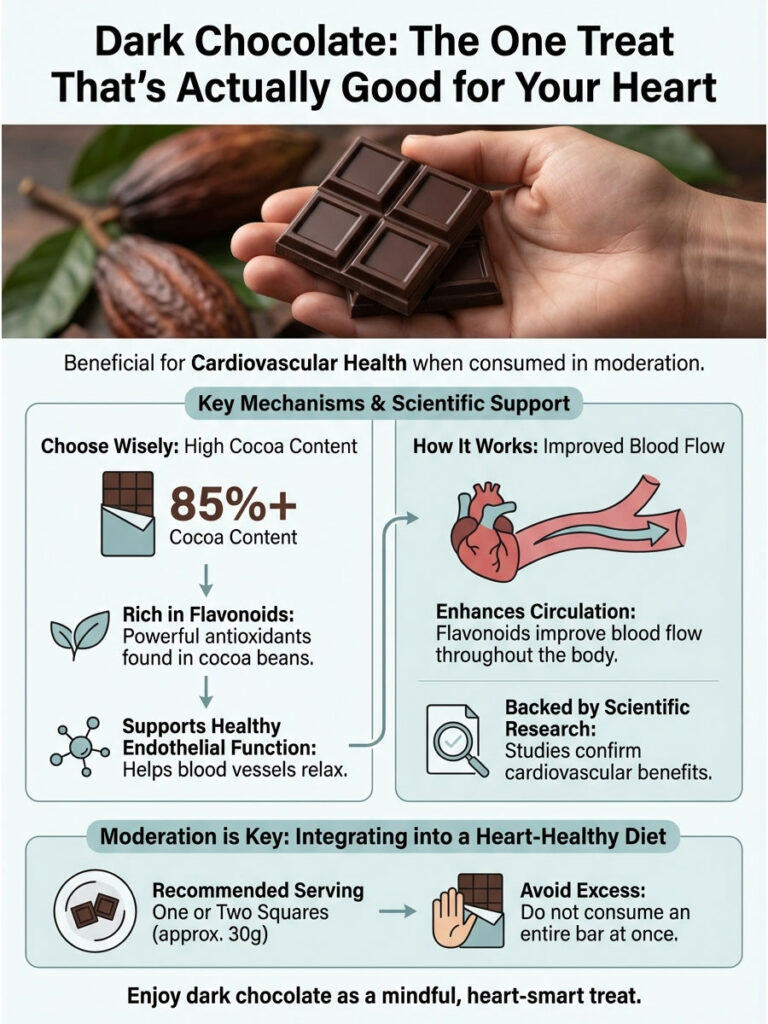
The key is cocoa content. I stick to 85% cocoa or higher. At that concentration, the flavonoids in dark chocolate help improve blood flow and support healthy endothelial function. It feels like cheating on a heart-healthy diet, but the science backs it up.
Just one rule: don’t eat the whole bar in one sitting. A square or two is the sweet spot.
What I Learned About Heart Healthy Foods (The Short Version)
- Sugar is the real enemy, not natural fat. Stop fearing healthy fats and start cutting added sugars.
- Fiber is your cholesterol filter. Eat it daily through oats, beans, lentils, and flaxseed.
- Nitrate-rich greens are natural blood pressure support. Beets, arugula, and spinach should be staples.
- Omega-3s are non-negotiable. Fatty fish two to three times a week can reduce inflammation and improve your lipid profile.
- Small, consistent changes compound. You don’t need a perfect diet. You need the right foods showing up regularly.
The Bottom Line on Eating for Your Heart
Heart disease doesn’t announce itself with a megaphone. It builds quietly, one inflammatory meal at a time. But the flip side is also true. Protection builds quietly too, one smart food choice at a time.
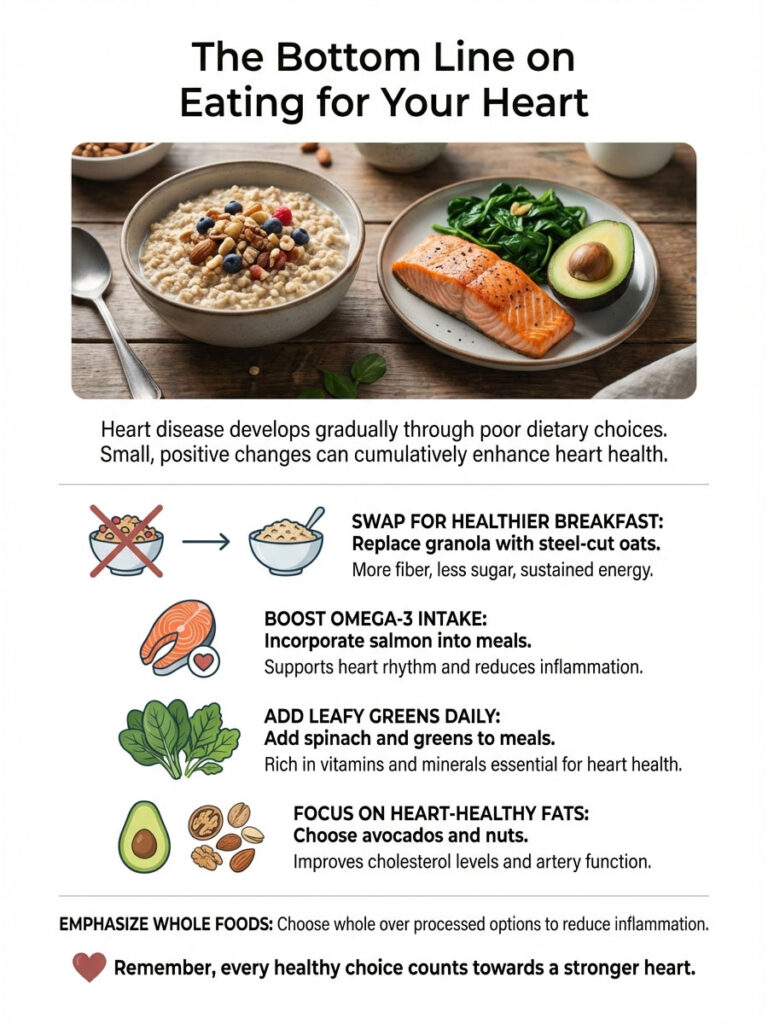
You don’t need to overhaul your entire life. Start with one swap this week. Replace the granola with steel-cut oats. Add salmon to your dinner rotation. Toss some spinach into your next meal. These are small moves, but they protect the organ that keeps everything else running.
Your heart is doing its job every second of every day. The least you can do is feed it what it actually needs.