For millions of Americans, the morning ritual is almost sacred. It’s the aroma of a freshly brewed cup of coffee, the comforting warmth in your hands, and that first energizing sip. But behind this beloved daily habit, a hidden metabolic drama can unfold, especially for those mindful of their health. With the rise of personal health technology, more people are asking a critical question: How does caffeine affect your blood sugar?
Table of Contents
This isn’t a simple question with a one-size-fits-all answer. The relationship between caffeine and blood sugar is a fascinating paradox, a tale of two distinct effects—one immediate and potentially problematic, the other long-term and surprisingly protective. This article provides a definitive, evidence-based guide, moving beyond the headlines to explore the deep science. We will investigate the hormonal mechanisms, the surprising role of your genetics, and provide actionable strategies to help you continue enjoying your favorite brew safely and smartly.
The Direct Answer
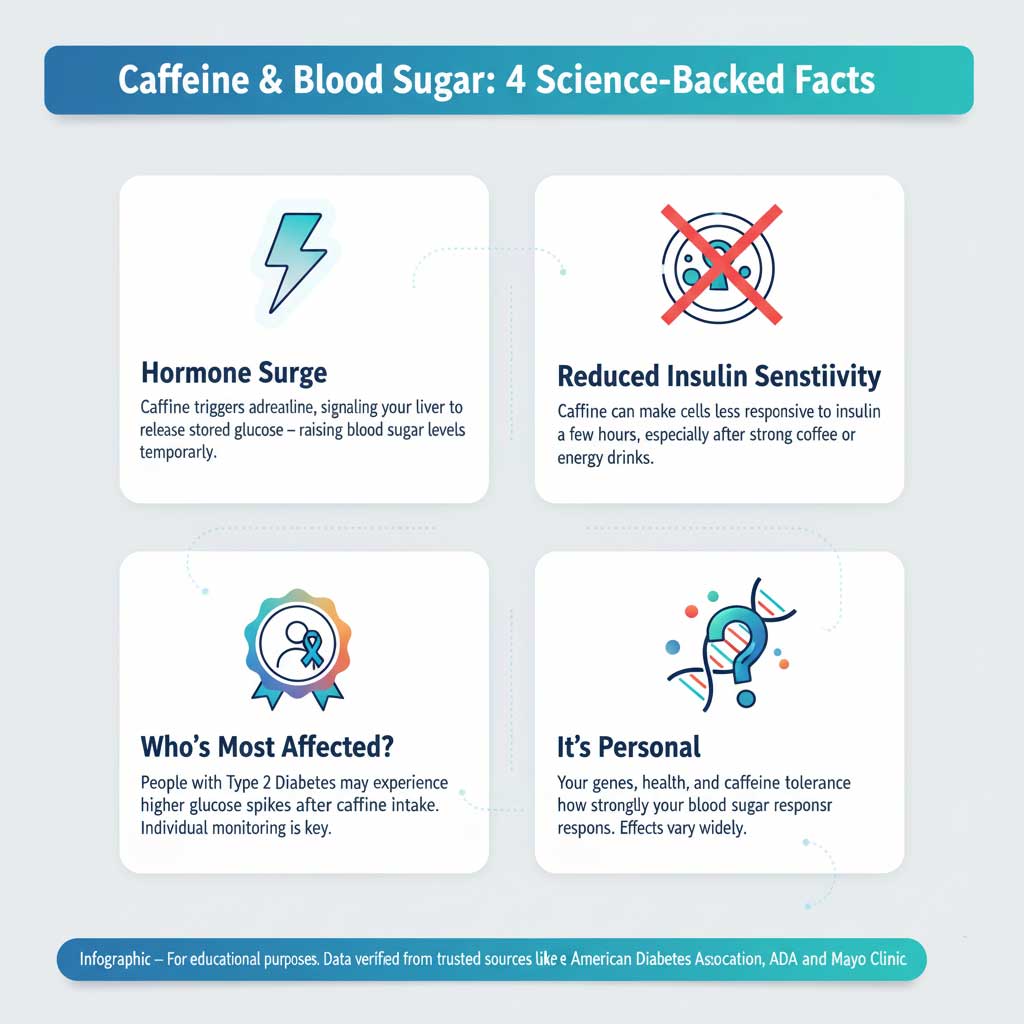
Caffeine can temporarily raise blood sugar by stimulating the release of hormones like adrenaline, which prompts the liver to release stored glucose. It also temporarily reduces insulin sensitivity, a state of mild caffeine insulin resistance, making it harder for cells to absorb sugar. This effect is most significant in people with type 2 diabetes and varies greatly among individuals.
The Core Concept: Caffeine’s Two-Pronged Attack on Blood Sugar Stability
When you drink a caffeinated beverage, the stimulant doesn’t just clear the cobwebs from your mind; it initiates a complex cascade of physiological events. To truly understand how does caffeine affect blood sugar, we need to look at its two primary mechanisms of action on your metabolism.

The Hormonal Surge: Caffeine as a “Stress” Signal
At its core, caffeine is a powerful central nervous system stimulant. It works primarily by blocking adenosine, a neurotransmitter that promotes relaxation and sleepiness. This blockage signals to your brain that it’s time for action, which in turn activates your adrenal glands.
This activation leads to a surge in stress hormones. The most immediate is the adrenaline and glucose release; adrenaline (epinephrine) is a key “fight-or-flight” hormone that tells your liver to break down its stored glucose (a process called glycogenolysis) and release it into the bloodstream. This provides a quick source of energy, but it also directly increases your blood sugar levels.
A secondary player is the cortisol effect on blood sugar. While less immediate, caffeine can also increase levels of cortisol, another stress hormone that, over time, can contribute to higher blood sugar and insulin resistance.
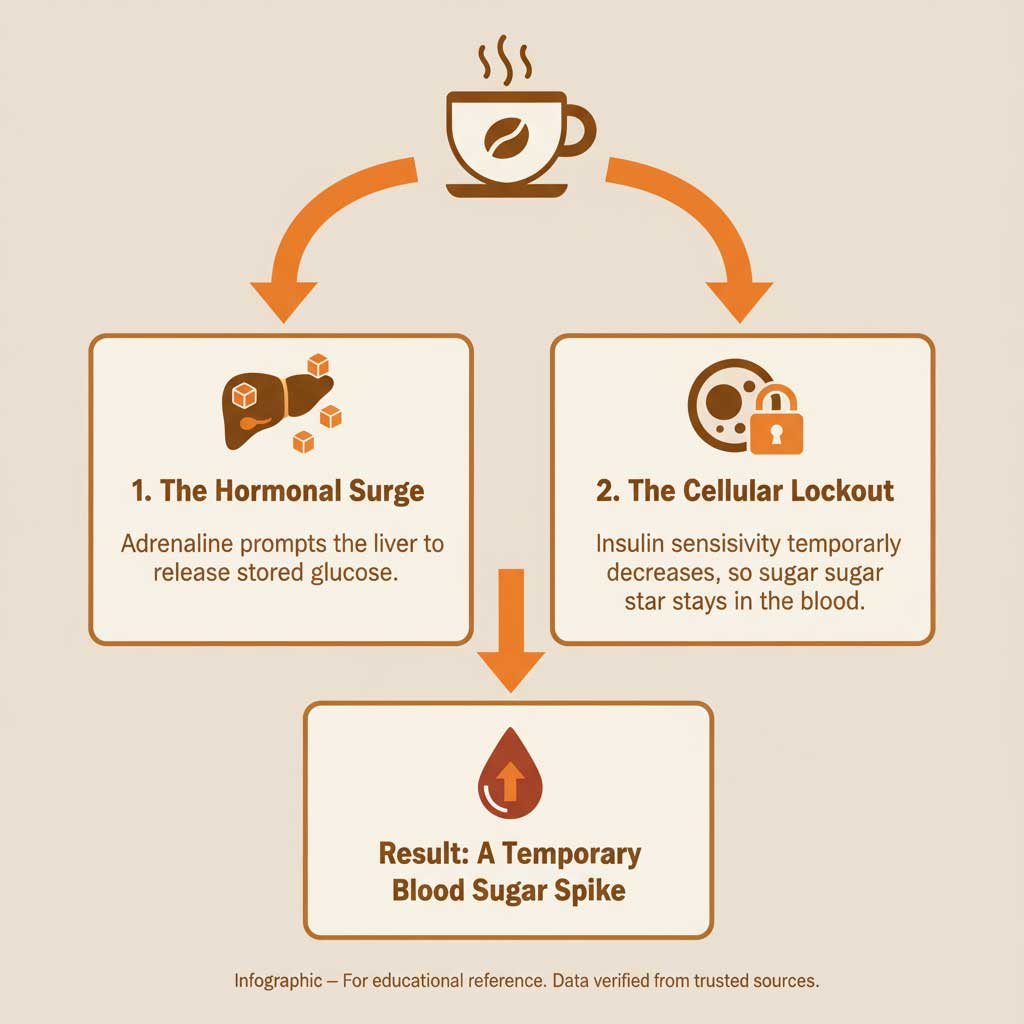
The Cellular Lockout: How Caffeine Reduces Insulin Sensitivity
Beyond the hormonal surge, caffeine has another, more direct impact on blood sugar management. It has been shown to temporarily decrease insulin sensitivity. Think of insulin as a key that unlocks your body’s cells, allowing glucose to move from the bloodstream inside to be used for energy.
Caffeine and insulin sensitivity have an inverse relationship in the short term. The stimulant seems to “gum up the lock,” making it more difficult for the insulin key to work effectively. This state is known as temporary caffeine insulin resistance. When your cells are resistant to insulin, glucose can’t get in as easily, so it lingers in your bloodstream for longer, resulting in a higher blood sugar reading after consumption. This is a critical reason why does coffee raise blood sugar is a question with a “yes” for many people, especially those with existing metabolic conditions.
Latest Health Trends: The CGM Revolution and Personalized Responses
For decades, our understanding of the link between caffeine and blood sugar was based on lab studies and finger-prick tests. But the rise of wearable health technology, particularly the Continuous Glucose Monitor (CGM), has revolutionized our ability to see these effects in real-time, revealing that the response is far more personal than we ever imagined.
What Real-Time Data from CGMs Is Revealing
A CGM is a small sensor worn on the body that tracks glucose levels 24/7, sending the data to a smartphone. This technology has been a game-changer for people with diabetes and is now being used by health-conscious individuals to understand their unique metabolic responses.
When it comes to caffeine’s effect on continuous glucose monitor (CGM) readings, a distinct pattern has emerged for sensitive individuals: a sharp, often rapid, spike in glucose levels within 30 to 90 minutes of consuming black coffee on an empty stomach. This spike can range from a mild 20 mg/dL to a more significant 50 mg/dL jump, followed by a gradual return to baseline over the next couple of hours. This real-world data confirms the science: blood sugar spikes after coffee are a very real phenomenon.
The Genetic Factor: Why Your Response Is Unique
Have you ever wondered why your friend can drink an espresso after dinner and sleep soundly, while a single cup in the afternoon leaves you wired? The answer may lie in your genes, specifically the CYP1A2 gene. This gene provides the instructions for an enzyme that is responsible for breaking down about 95% of the caffeine you consume.
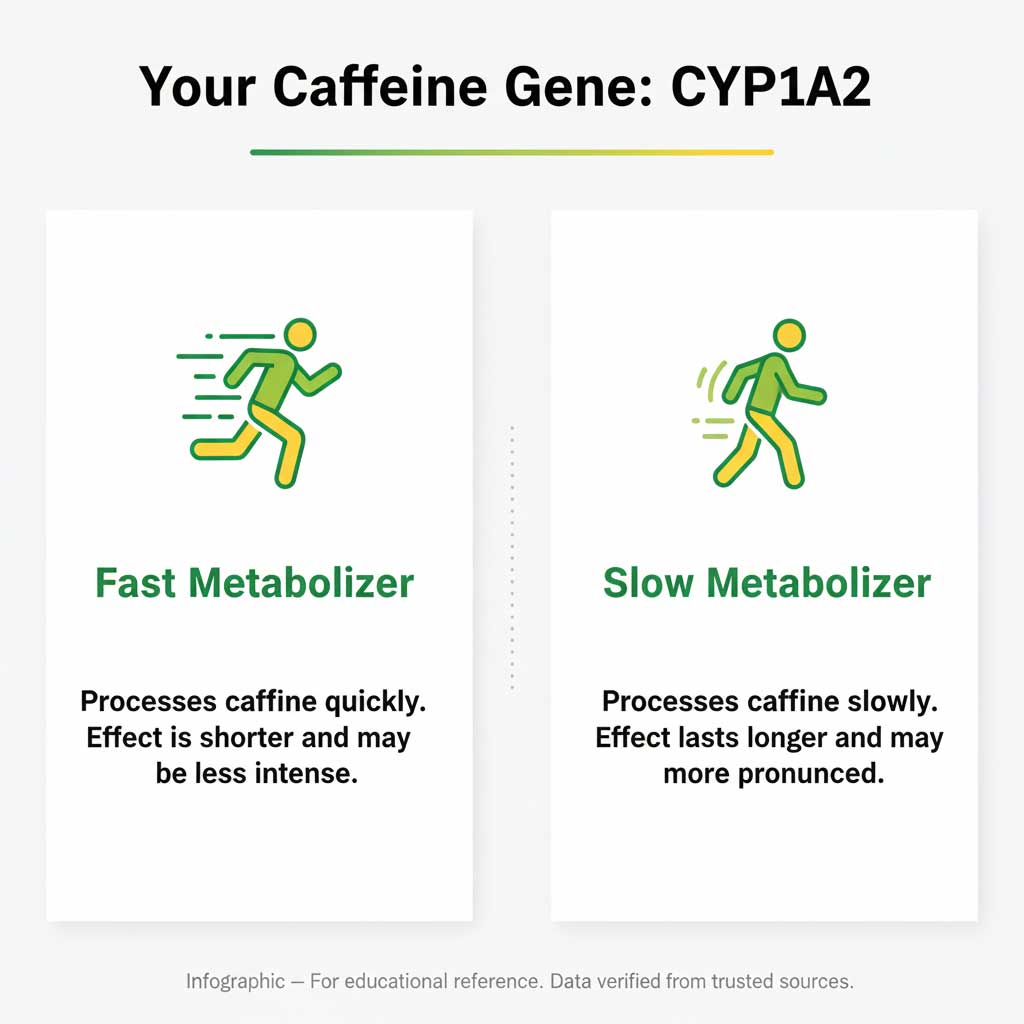
Variations in this gene mean that people can be categorized as “fast” or “slow” caffeine metabolizers.
- Fast Metabolizers: Quickly process and clear caffeine from their system. They tend to feel the effects for a shorter duration and may have a less pronounced impact on their blood sugar.
- Slow Metabolizers: Process caffeine much more slowly. For them, caffeine lingers in the bloodstream for hours, which can lead to a more sustained and significant effect on both blood sugar and sleep. This genetic variability is a key reason why the answer to how does caffeine affect blood sugar is so highly individualized.
The Great Caffeine Paradox: Short-Term Spike vs. Long-Term Protection
One of the most confusing yet fascinating aspects of the relationship between coffee and blood glucose is the stark difference between its short-term and long-term effects. This paradox is essential to understand for a balanced perspective.
Unpacking the Short-Term Risks for Diabetics
For a person managing diabetes, especially type 2 diabetes, the immediate effects of caffeine can be challenging. The temporary caffeine insulin resistance can make it harder to control post-meal blood sugar levels and may require adjustments to insulin or medication.
A common patient scenario involves unexplained morning hyperglycemia. A person with well-managed black coffee and diabetes might notice their morning blood sugar is consistently higher on days they drink coffee. This is because the caffeine can amplify the “dawn phenomenon”—a natural early-morning rise in blood sugar caused by a surge of hormones. For this population, asking does coffee raise blood sugar is not an academic question; it’s a practical, daily management challenge.
The Long-Term Protective Effect: What Large-Scale Studies Show
Despite the short-term concerns, an overwhelming body of long-term observational research has painted a very different picture. Numerous large-scale studies, including those from Harvard’s School of Public Health, have found that regular, long-term coffee consumption is associated with a significantly lower risk of developing type 2 diabetes.
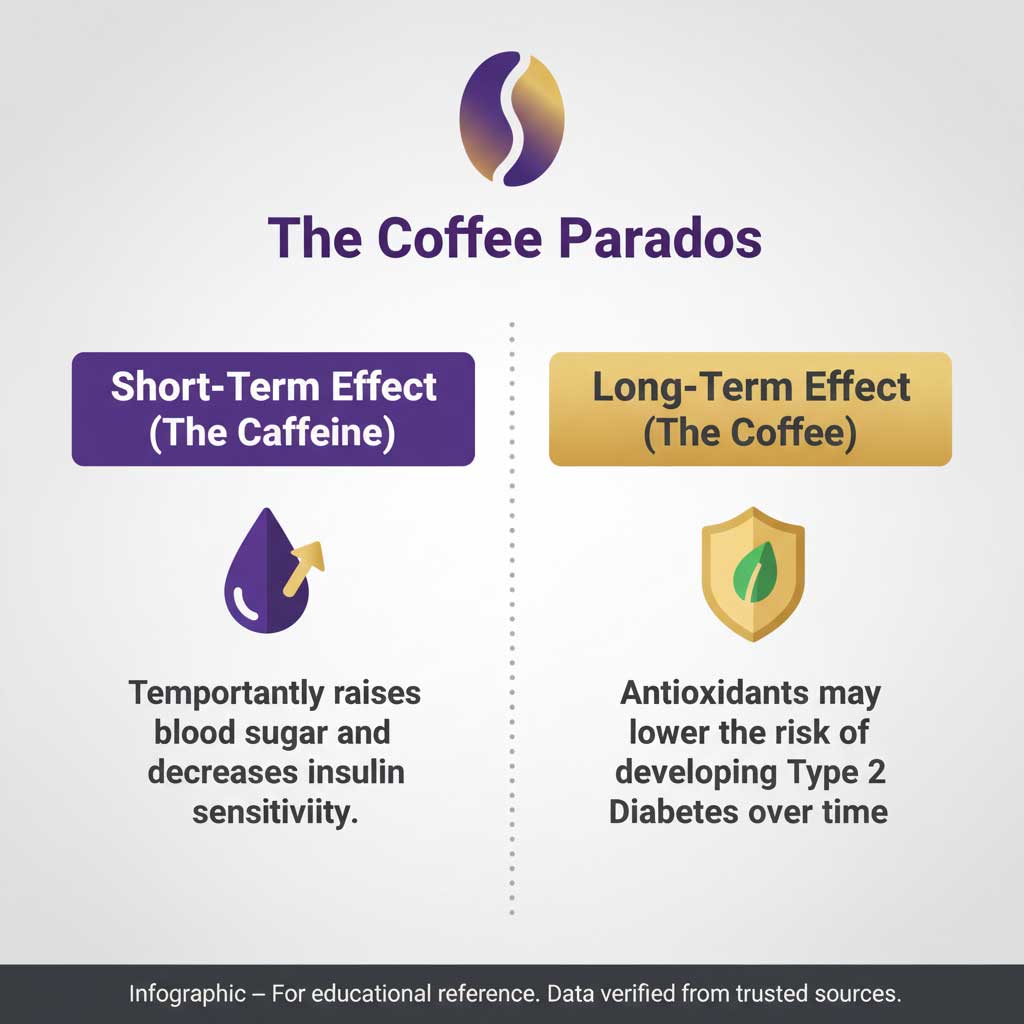
Researchers believe this protective benefit has little to do with caffeine itself. Instead, it’s attributed to the thousands of other bioactive compounds found in coffee, such as:
- Polyphenols (like Chlorogenic Acid): These powerful antioxidants can help reduce inflammation and improve how the body uses insulin over time.
- Magnesium: A mineral crucial for glucose metabolism.
This is a critical distinction to make when discussing the long-term effects of coffee on blood sugar: the short-term impact is driven by the drug caffeine, while the long-term benefit is linked to the whole food coffee.
Comparing Caffeinated Beverages and Their Glycemic Impact
The conversation around caffeine and blood sugar often centers on coffee, but it’s crucial to consider the entire spectrum of caffeinated beverages, as their effects can vary dramatically.
Coffee vs. Tea vs. Energy Drinks
While coffee is the most common source, tea and energy drinks are also significant contributors to daily caffeine intake. Green and black tea contain caffeine, but typically less than coffee. They also contain L-theanine, an amino acid that can have a calming effect and may buffer some of caffeine’s more jarring hormonal effects.
Energy drinks, however, represent a double threat. They often contain as much or more caffeine than a strong cup of coffee, combined with a massive dose of sugar or artificial sweeteners, making their impact on blood sugar particularly severe.
Comparison: Your Daily Brew Breakdown
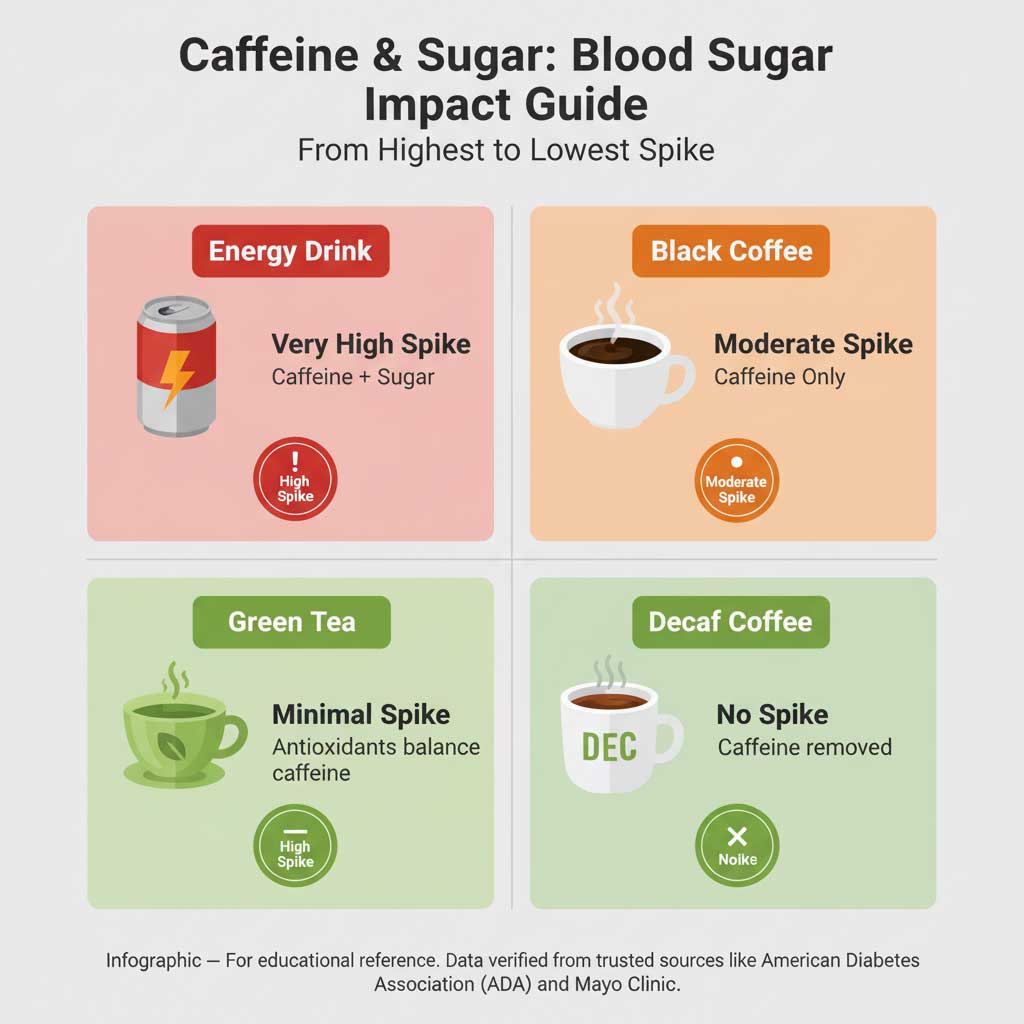
This table provides a clear comparison of common beverages to help you make more informed choices about your intake and its potential effect on your coffee and blood glucose levels.
| Beverage (12 oz serving) | Typical Caffeine (mg) | Typical Sugar (g) | Expected Blood Sugar Impact | Key Consideration |
| Black Coffee | 140-200 mg | 0 g | Moderate Spike (from caffeine) | Highly individualized response. |
| Green Tea | 35-45 mg | 0 g | Minimal to No Spike | L-theanine may buffer caffeine’s effect. |
| Standard Energy Drink | 110-160 mg | 30-40 g | Very High Spike (caffeine + sugar) | The combination is metabolically stressful. |
| Decaf Coffee | 2-5 mg | 0 g | No Spike (from caffeine) | The best alternative for caffeine sensitivity. |
| Latte (with milk) | 70-100 mg | 12-15 g | Moderate Spike (caffeine + lactose) | Milk’s fat/protein can slightly blunt the spike. |
Practical Strategies: How to Drink Coffee and Protect Your Blood Sugar
If you’ve determined that you’re sensitive to caffeine, you don’t necessarily have to abandon your beloved ritual. By making a few strategic adjustments, you can often mitigate the negative effects. Learning how to prevent blood sugar spikes from coffee is about working with your body, not against it.
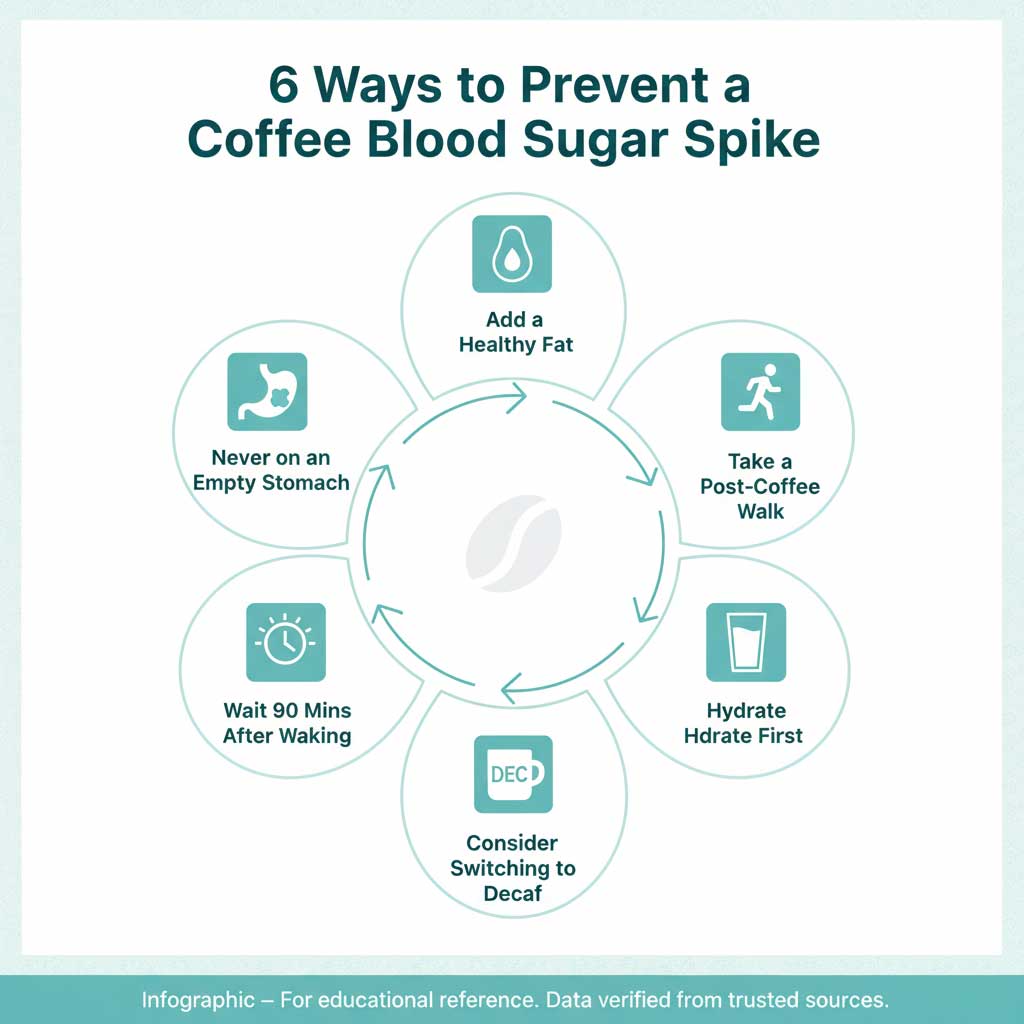
6 Actionable Tips to Mitigate the Spike
- Never Drink on an Empty Stomach: This is the golden rule. Consuming caffeine on an empty stomach allows for rapid absorption and a more dramatic hormonal response. Always pair it with a meal containing protein, fiber, and healthy fats.
- Add a Healthy Fat: A splash of heavy cream, a dollop of full-fat coconut milk, or a teaspoon of MCT oil in your coffee can slow down the absorption of caffeine, leading to a gentler, more gradual effect.
- Take a Post-Coffee Walk: Movement is one of the most effective ways to manage blood sugar. A brisk 15-minute walk after your coffee can help your muscles soak up the extra glucose released into your bloodstream.
- Hydrate First: Your body is naturally dehydrated in the morning. Drinking a large glass of water before you even think about coffee can help support overall metabolic function.
- Consider Switching to Decaf: The simplest solution is often the best. If you find you’re highly sensitive, switching to decaf answers the question does decaf coffee raise blood sugar with a resounding “no” (from caffeine, at least).
- Know Your Chronotype: Your body’s natural cortisol levels are highest in the first hour after waking (this is the cortisol awakening response). Waiting 60-90 minutes before having your first coffee can prevent a “cortisol on cortisol” effect, leading to a more balanced response.
Tools for Testing Your Personal Caffeine Response
The only way to truly know how does caffeine affect your blood sugar is to test it for yourself. Fortunately, there are several tools available that can help you move from guessing to knowing.
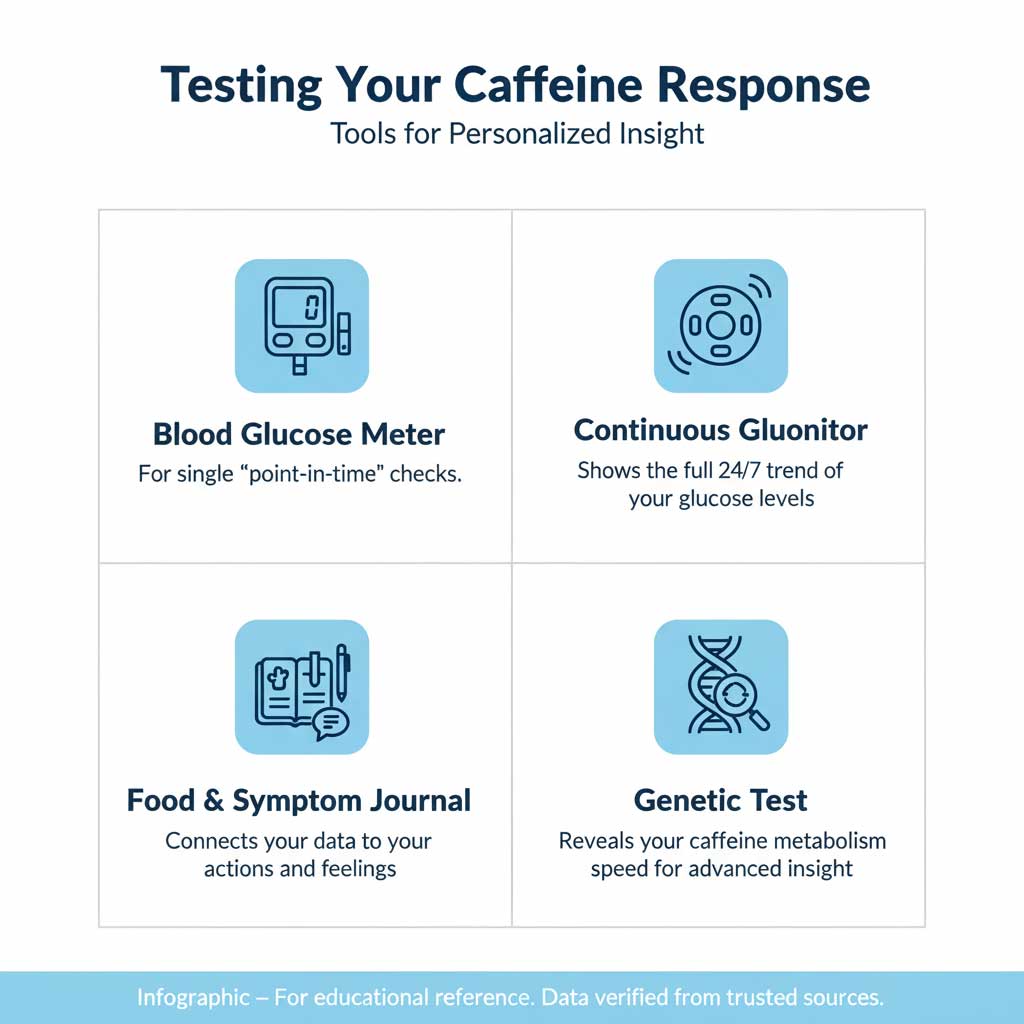
Comparison: Glucometer vs. CGM
This table compares the most common tools used for understanding your personal metabolic response, from basic spot-checks to advanced genetic testing.
| Health Tool / Test | Purpose | Ideal Use | Accuracy / Reliability | Recommended By |
| Blood Glucose Meter | Measures a single point-in-time blood sugar level | Spot-checking before and after coffee to see the peak | High (when used correctly) | American Diabetes Association (ADA) |
| Continuous Glucose Monitor (CGM) | Tracks glucose levels 24/7, showing trends | Understanding the full curve of the spike and recovery | High (provides trend data, not just single points) | Endocrinologists, increasingly for prediabetes |
| Food & Symptom Journal | Correlates inputs with feelings and glucose readings | Contextualizing data from meters or CGMs | Subjective but essential for pattern recognition | Dietitians & Nutritionists |
| CYP1A2 Genetic Test | Determines caffeine metabolism speed | For advanced personalization of caffeine intake | High (for genetic predisposition) | Functional Medicine Practitioners |
Summary & Key Takeaways
The relationship between caffeine and blood sugar is a classic example of how nutrition is deeply personal. The answer to how does caffeine affect your blood sugar is a story of two opposing effects: a short-term, hormone-driven spike and a potential long-term protective benefit derived from coffee’s rich array of antioxidant compounds.
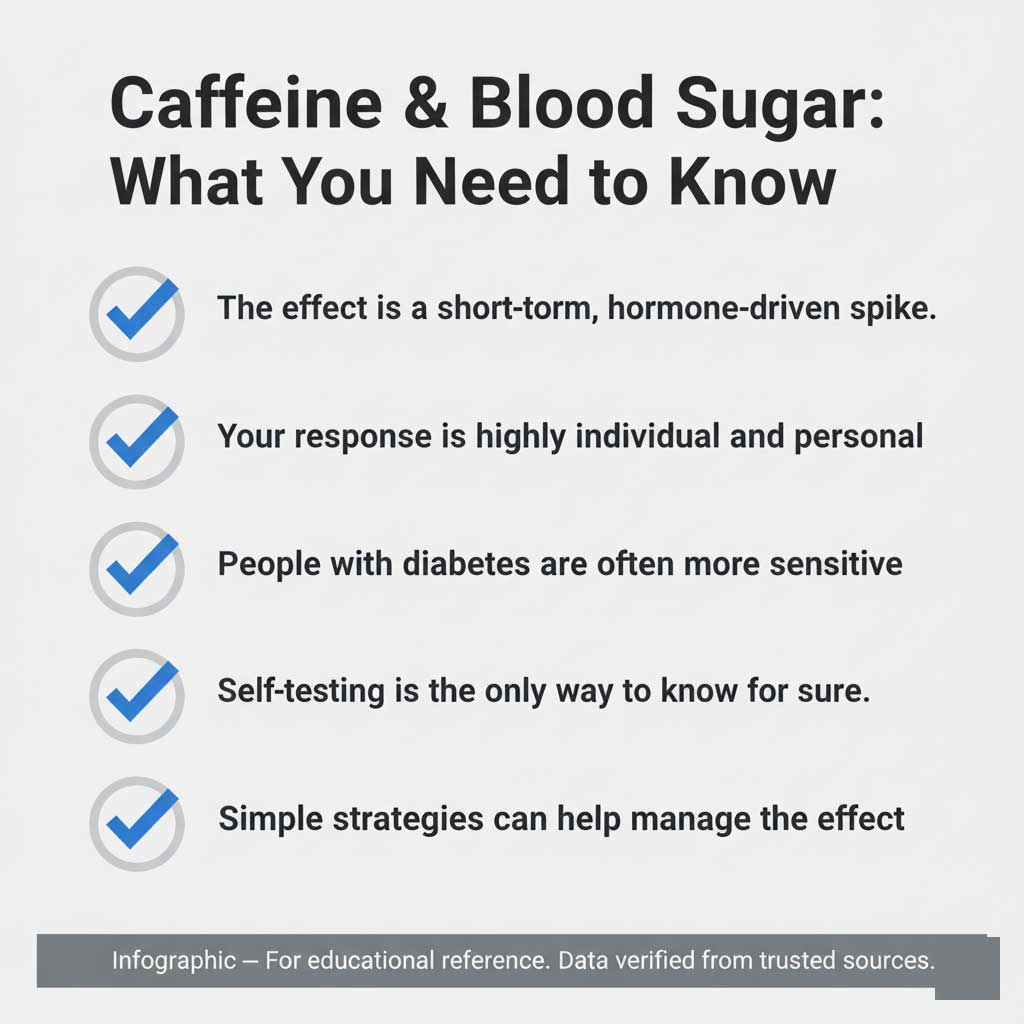
- The immediate caffeine effect on glucose is driven by an increase in adrenaline and a temporary decrease in insulin sensitivity.
- The response is highly individual and influenced by genetics, existing health conditions like prediabetes and coffee habits, and what else you consume with it.
- For individuals with diabetes, this effect can complicate blood sugar management. However, for most healthy people, the body can easily handle the temporary change.
- Self-testing with a glucometer or CGM is the only definitive way to know your personal response.
By understanding these mechanisms and adopting simple strategies, most people can continue to enjoy the benefits and pleasures of coffee as part of a healthy, balanced lifestyle. The goal is not fear, but empowerment through knowledge.
Frequently Asked Questions (FAQs)
How long after drinking coffee does blood sugar typically rise?

For most sensitive individuals, the blood sugar rise begins within 30 minutes of consumption and typically peaks around 60 to 90 minutes. The duration can vary based on whether you are a fast or slow caffeine metabolizer and whether you consumed the coffee with food.
Does adding milk or cream to coffee change its effect on blood sugar?

Yes, it can. Adding a source of fat and protein, like heavy cream or unsweetened almond milk, can slow the absorption of caffeine and blunt the overall blood sugar spike. However, adding sugar or large amounts of milk (which contains lactose, a sugar) will contribute its own glucose load on top of the caffeine effect.
How does caffeine affect blood sugar in non-diabetics?
In healthy individuals without insulin resistance, the body is well-equipped to handle the temporary glucose surge from caffeine. The pancreas will release an adequate amount of insulin to quickly bring blood sugar levels back to normal. However, some very sensitive non-diabetics may experience “reactive hypoglycemia,” where a sharp spike is followed by a “crash” as the body slightly overproduces insulin in response.
Can regular high caffeine intake lead to long-term insulin resistance?

While acute caffeine intake temporarily reduces insulin sensitivity, current long-term research does not suggest that habitual coffee consumption leads to chronic insulin resistance or type 2 diabetes. In fact, most large-scale observational studies show the opposite—that long-term coffee drinkers have a lower risk, likely due to the beneficial antioxidant compounds in coffee beans.