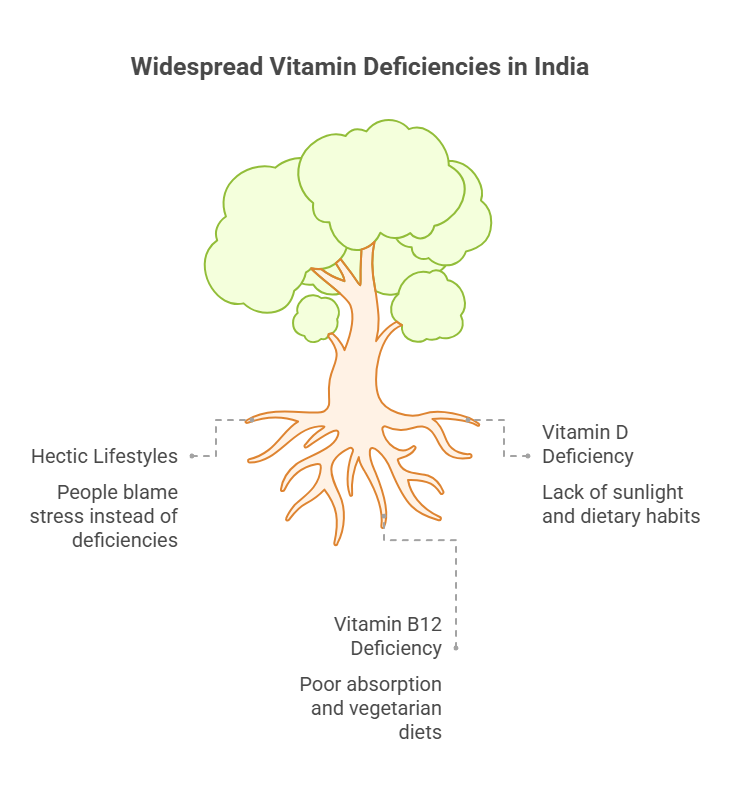
Do you feel tired all the time, even after a full night’s sleep? Is unexplained hair fall or a persistent low mood your constant companion? So many of us in India experience these vague but draining issues daily and simply push through, blaming our hectic, modern lifestyles. We rarely stop to consider that the root cause might not be stress, but a silent health crisis brewing within our bodies: vitamin deficiencies.
This article will shine a light on the two most common culprits behind this widespread problem—Vitamin D deficiency and Vitamin B12 deficiency. We’ll explore why they are so rampant in India, how to recognize their specific symptoms, and explain how a simple vitamin deficiency test can be the crucial first step toward reclaiming your energy and vitality. With trusted partners like Health Care On Time, identifying and addressing these vitamin deficiencies is simpler, more accurate, and more convenient than ever before.
The Silent Epidemic: Why Are Vitamin Deficiencies So Common in India?
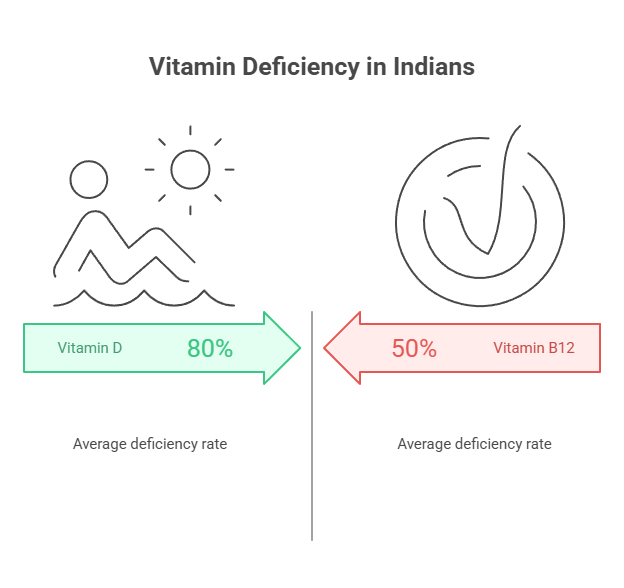
The scale of vitamin deficiencies in the Indian population is nothing short of a silent epidemic. The statistics are truly eye-opening. Did you know that numerous studies indicate a staggering 70-90% of Indians suffer from Vitamin D deficiency? Or that research suggests nearly half the population could have a Vitamin B12 deficiency? These aren’t minor nutritional gaps; they are significant public health issues with serious long-term consequences. But why is this happening?
The Sunshine Paradox: India’s Vitamin D Problem
It seems ironic that in a country blessed with abundant sunshine, a vast majority of the population suffers from a lack of the “sunshine vitamin.” This paradox is a result of several modern-day factors unique to our lives in India.
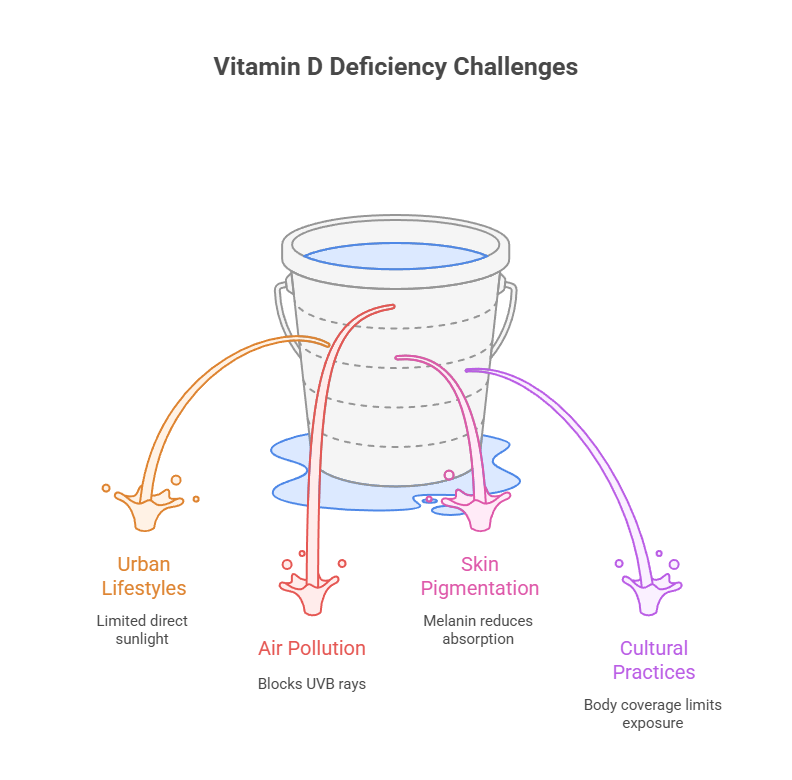
- Urban Lifestyles: Many of us work long hours in offices, shielded from direct sunlight. Our daily commute often happens in covered vehicles, further reducing our sun exposure.
- Air Pollution: Thick smog and pollution in our cities can act as a filter, blocking the specific UVB rays from the sun that our skin needs to synthesize Vitamin D.
- Skin Pigmentation: Melanin, which gives Indian skin its color, is a natural sunblock. While it protects against skin damage, it also means we need longer sun exposure than fair-skinned individuals to produce the same amount of Vitamin D.
- Cultural Practices: Traditional clothing, while culturally significant, often covers large parts of the body, limiting the skin’s contact with sunlight.
This combination of factors creates a perfect storm for widespread Vitamin D deficiency, impacting everything from our bone health to our immunity.
The Vegetarian Challenge: The Vitamin B12 Gap
The prevalence of Vitamin B12 deficiency in India is deeply linked to our dietary habits. This essential vitamin plays a critical role in nerve function and the production of red blood cells.
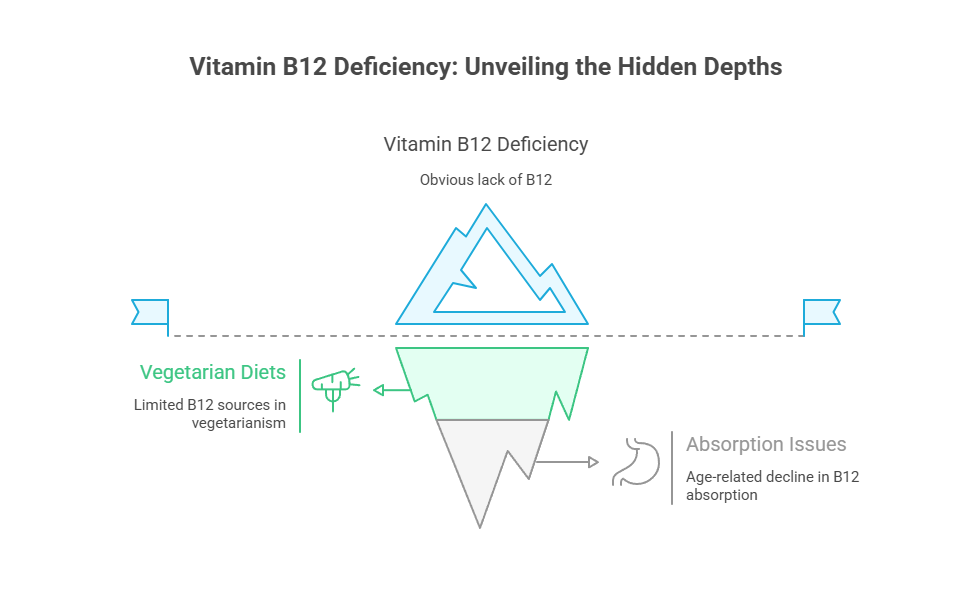
- Vegetarian Diets: Vitamin B12 is almost exclusively found in animal-based products like meat, fish, eggs, and dairy. For India’s large and culturally significant vegetarian and vegan populations, this creates a massive nutritional gap that is hard to fill through diet alone.
- Absorption Issues: As we age, our body’s ability to absorb Vitamin B12 from food diminishes. This puts older adults at an even higher risk of developing a Vitamin B12 deficiency, regardless of their diet.
Ignoring these vitamin deficiencies means allowing preventable health issues to take root.
Are You at Risk? Unmasking the Symptoms of Vitamin D Deficiency
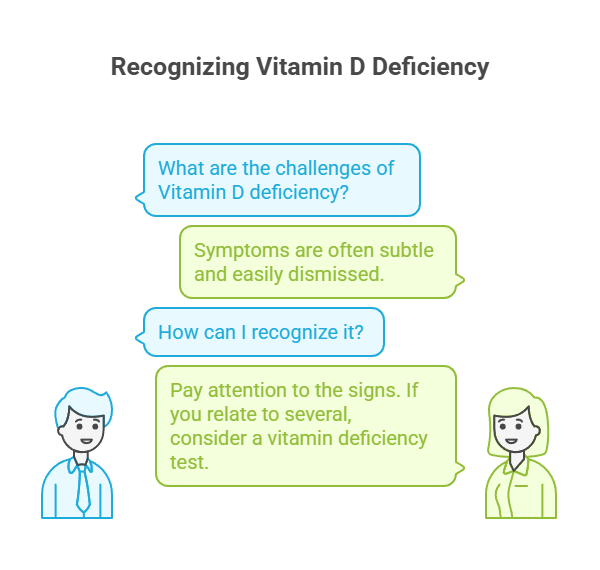
One of the biggest challenges with Vitamin D deficiency is that its symptoms are often subtle and easily dismissed as part of a busy life. Recognizing these signs is the first step toward taking corrective action. If you find yourself nodding along to several points on this list, it’s a strong indicator that you should consider a vitamin deficiency test.
The Telltale Signs: Common Symptoms of Vitamin D Deficiency
Think of this as a personal health checklist. How many of these symptoms have you been experiencing?
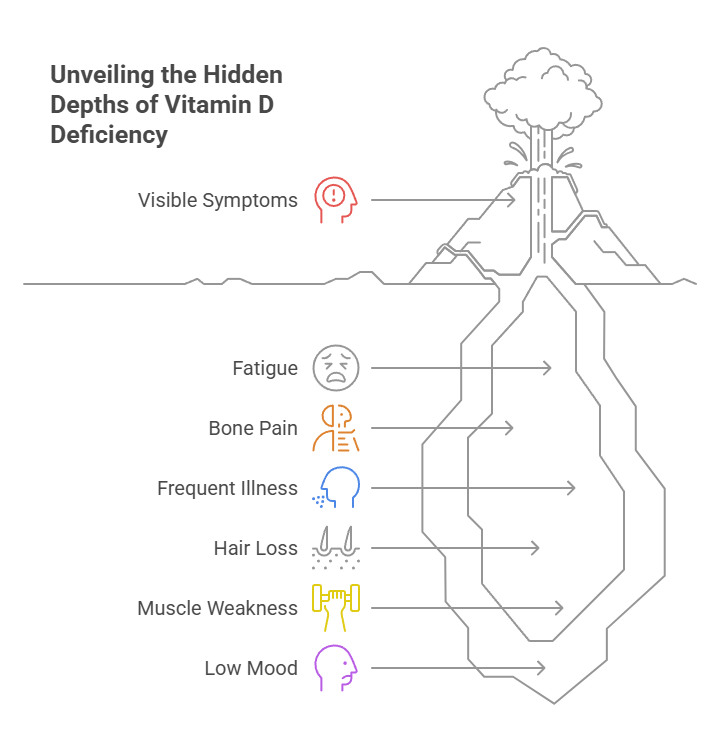
- Constant Fatigue and Tiredness: This isn’t just feeling a bit sleepy. It’s a deep, bone-weary exhaustion that doesn’t go away even after a good night’s rest.
- Bone and Lower Back Pain: Vitamin D is essential for calcium absorption. A deficiency can lead to a persistent, nagging ache in your bones, especially the lower back.
- Getting Sick Often: If you catch every cold and flu that goes around, it might be a sign of a weak immune system, which is heavily influenced by Vitamin D levels.
- Hair Loss: While many factors can cause hair fall, severe Vitamin D deficiency has been linked to this distressing symptom. If your hair is thinning, this is a potential cause to investigate.
- Muscle Pain and Weakness: Unexplained muscle aches and a feeling of weakness that isn’t due to exercise can be a clear sign of inadequate Vitamin D.
- Depression or Low Mood: The “sunshine vitamin” also plays a role in mood regulation. A persistent feeling of sadness or depression, especially in seasons with less sun, can be linked to low levels.
These symptoms of Vitamin D deficiency are your body’s way of asking for help.
The Nerve Protector: Recognizing the Signs of Vitamin B12 Deficiency
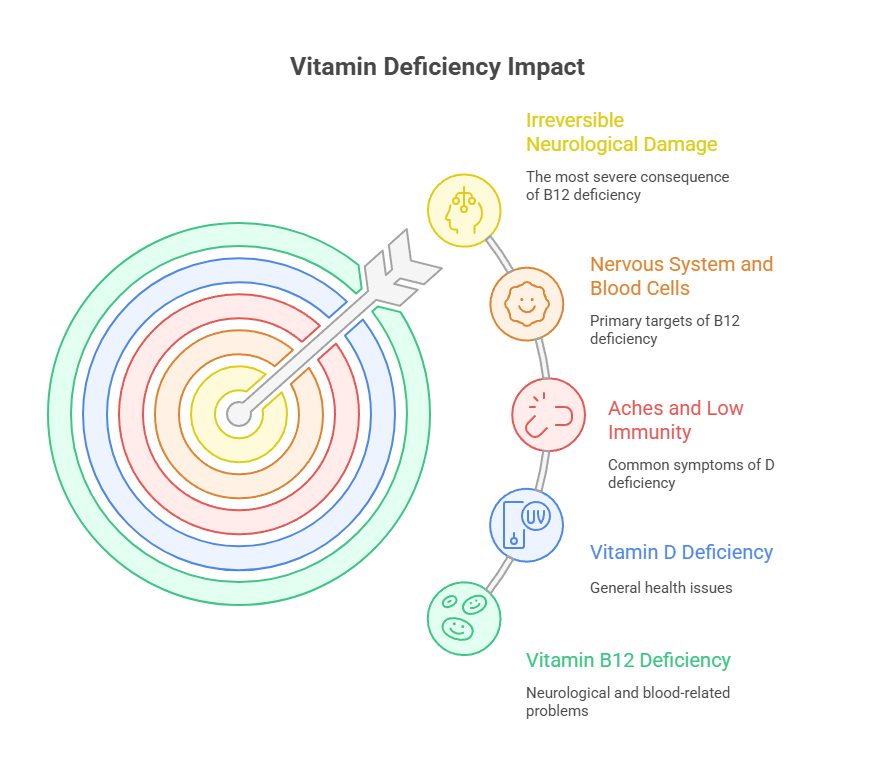
While Vitamin D deficiency often manifests as aches and low immunity, Vitamin B12 deficiency primarily attacks the nervous system and blood cells. Its symptoms can be more alarming and, if left untreated, can lead to irreversible neurological damage. It is crucial to recognize these signs early.
Beyond Tiredness: Specific Symptoms of Vitamin B12 Deficiency
The signs of low B12 are distinct and should never be ignored. Pay close attention if you are experiencing any of the following:
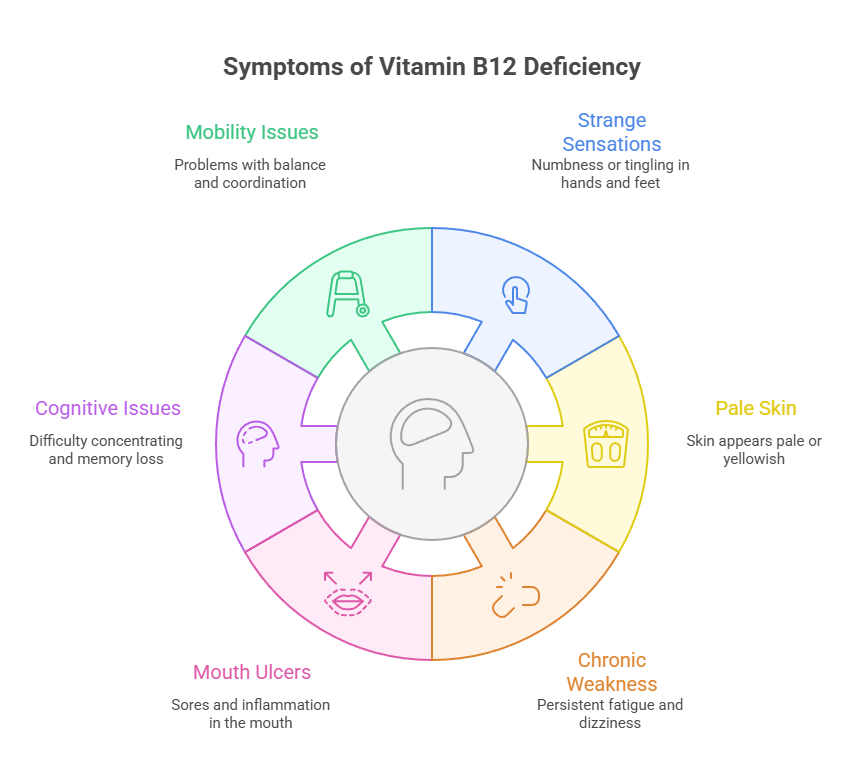
- Strange Sensations: Numbness or Tingling: This is a classic symptom. You might feel a “pins and needles” sensation in your hands, legs, or feet, which indicates that your nerves are being affected.
- Pale or Jaundiced Skin: A lack of B12 can interfere with the production of healthy red blood cells, leading to anemia and giving your skin a pale or yellowish tint.
- Chronic Weakness and Fatigue: The anemia caused by Vitamin B12 deficiency can lead to a profound sense of weakness, dizziness, and shortness of breath.
- Mouth Ulcers or a Sore, Red Tongue: A swollen, inflamed, or unusually smooth tongue (a condition called glossitis) and recurring mouth ulcers are common oral signs.
- Cognitive Issues: “Brain Fog” and Memory Loss: Difficulty concentrating, confusion, and memory lapses are serious neurological symptoms that can be caused by a lack of Vitamin B12.
- Mobility and Balance Issues: In severe and prolonged cases, a Vitamin B12 deficiency can affect balance and coordination, making walking difficult.
If these symptoms sound familiar, getting a vitamin B12 test is not just advisable; it’s essential.
Taking Control: The Health Care On Time Vitamin Deficiency Test Process
The good news is that identifying these common vitamin deficiencies is straightforward. You don’t have to live with the symptoms. Health Care On Time has simplified the entire process, making it accessible, reliable, and completely hassle-free.
What Tests Do You Need?
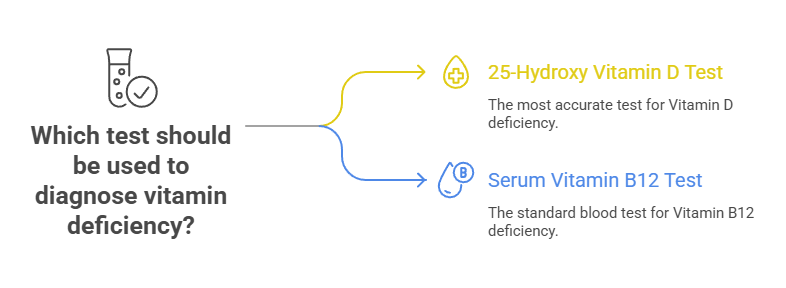
To get a clear picture, you need specific blood tests. There’s no guesswork involved.
- For Vitamin D: The official and most accurate test is the 25-Hydroxy Vitamin D test.
- For Vitamin B12: The standard blood test is the Serum Vitamin B12 test.
Understanding the Vitamin Test Price in India
We understand that cost is an important consideration. A proactive vitamin test price is a small investment compared to the long-term cost of ignoring your health.
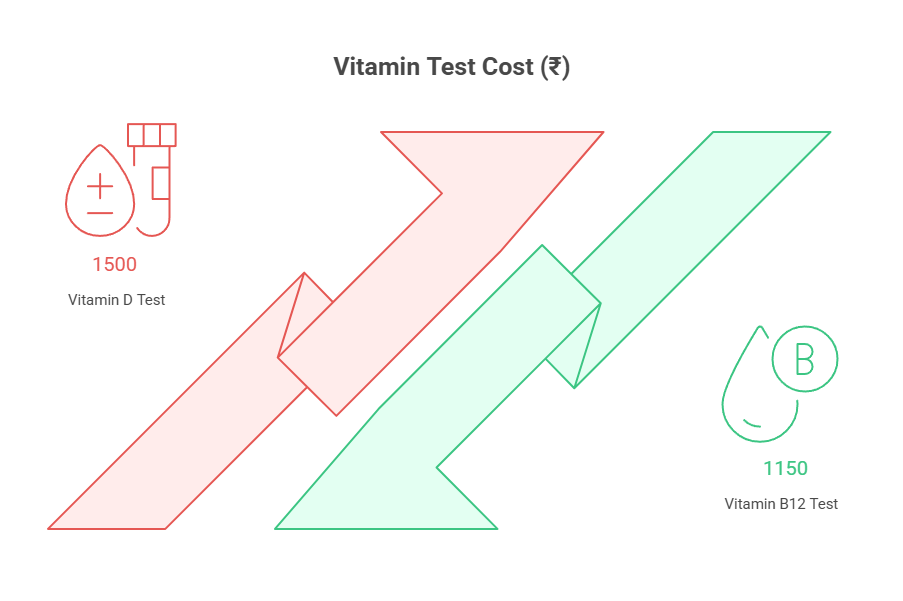
- A standalone Vitamin D test in India generally costs between ₹1,000 and ₹2,000.
- A standalone vitamin B12 test is typically priced between ₹800 and ₹1,500.
- Smart Savings: Health Care On Time and other leading providers often offer bundled vitamin deficiency test packages that include both tests at a more economical price, providing better value.
The Health Care On Time Advantage: Simple, Accurate, At-Home Testing
We’ve removed all the barriers to getting tested. Here’s how our simple, five-step process works:
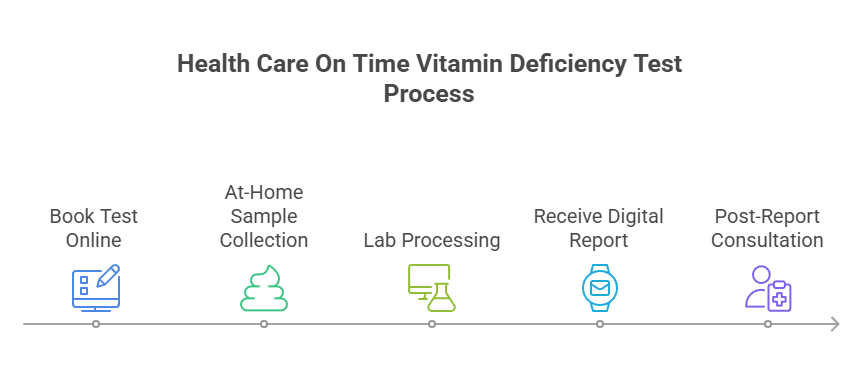
- Book Your Test Online: In just a few clicks on our website, you can select the vitamin deficiency test you need and schedule an appointment at your convenience.
- Professional At-Home Sample Collection: A highly trained and certified phlebotomist will visit your home at the scheduled time to collect a blood sample, following strict hygiene and safety protocols.
- Processing at NABL Accredited Labs: Your sample is sent to one of our partner labs. We work exclusively with NABL accredited labs, which is the gold standard for accuracy and reliability in India. This ensures your results are precise.
- Receive Your Digital Report: You’ll receive a secure, detailed, and easy-to-understand digital report directly via email or on our app, usually within 24-48 hours.
- Post-Report Consultation: Your report will clearly indicate your vitamin levels. We also facilitate consultations to help you understand your results and discuss the next steps with a healthcare professional.
Vitamin D vs. Vitamin B12: A Detailed Comparison
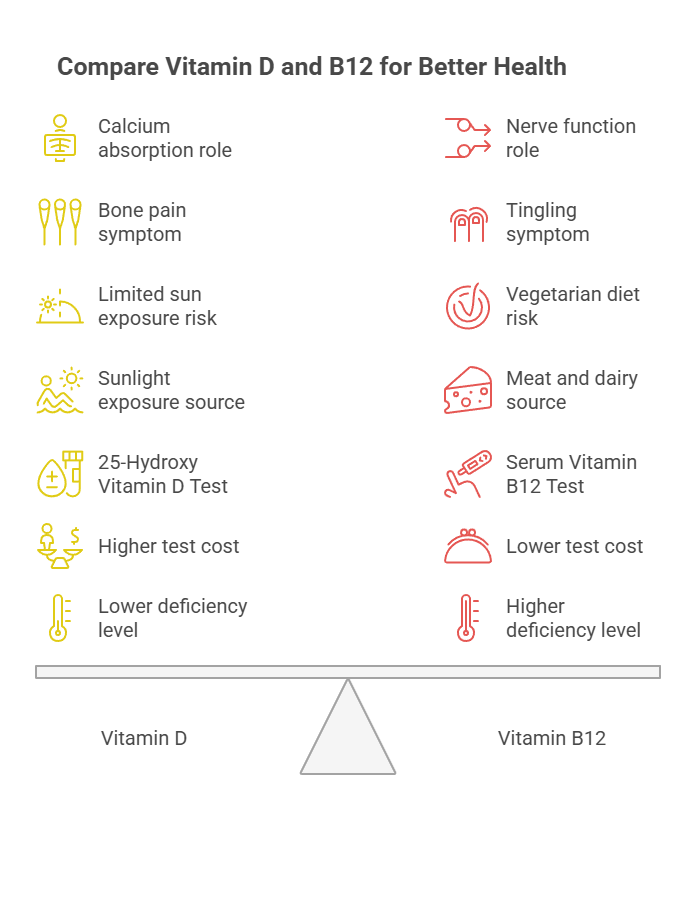
To help you understand these two critical vitamins better, here is a side-by-side comparison summarizing their key features. This table serves as a quick reference guide to the most common vitamin deficiencies.
| Feature | Vitamin D (The “Sunshine Vitamin”) | Vitamin B12 (The “Energy Vitamin”) |
| Primary Role | Calcium absorption for bone health, immune function, mood regulation. | Nerve function, formation of red blood cells, DNA synthesis. |
| Common Symptoms | Bone/back pain, fatigue, frequent illness, hair loss, muscle weakness, low mood. | Tingling/numbness in hands/feet, fatigue, pale skin, mouth ulcers, brain fog, difficulty balancing. |
| Key Risk Factors (India) | Limited sun exposure, urban lifestyle, pollution, darker skin tone. | Vegetarian/vegan diet, poor absorption in elderly, certain digestive disorders. |
| Primary Sources | Sunlight exposure (main source), fortified milk, egg yolks, mushrooms, fatty fish. | Meat, fish, poultry, eggs, milk, cheese, yogurt, fortified cereals. |
| Official Blood Test | 25-Hydroxy Vitamin D Test | Serum Vitamin B12 Test |
| Indicative Test Cost (₹) | ₹1,000 – ₹2,000 | ₹800 – ₹1,500 |
| Deficiency Level (General) | Below 20 ng/mL | Below 200 pg/mL |
From Deficient to Efficient with Health Care On Time
The widespread issue of vitamin deficiencies in India is a serious health concern, but it’s one with a clear solution. Vague symptoms like fatigue, hair loss, and body aches should not be accepted as a normal part of life. They are often signs of an underlying Vitamin D deficiency or Vitamin B12 deficiency that can be easily identified and effectively managed.
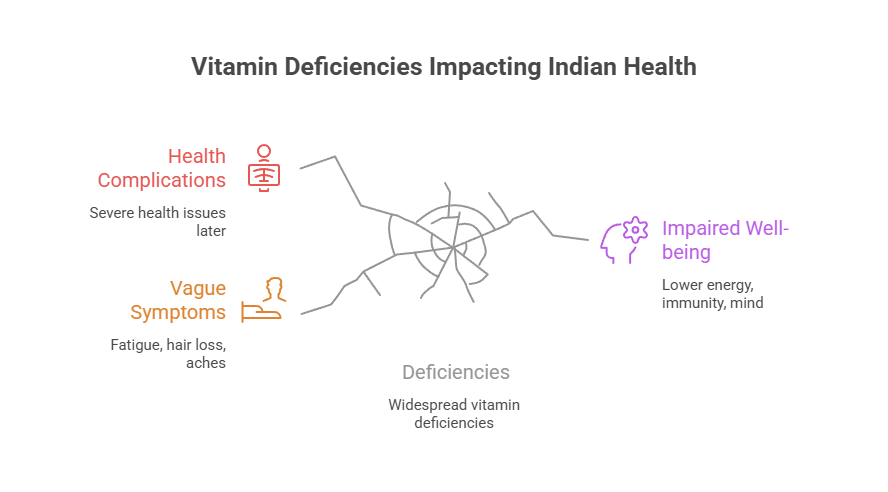
Ignoring these signals can lead to more severe health complications down the road. Taking a proactive step with a simple blood test is an act of empowerment. It allows you to move from guessing about your health to knowing your status and taking precise action.
Don’t guess, get tested. Take the first step towards better energy, stronger immunity, and a sharper mind. Book your at-home vitamin deficiency test with Health Care On Time today and turn your health journey from deficient to efficient.
Frequently Asked Questions (FAQs)
1. Do I need to fast before a vitamin deficiency test for D and B12?
Generally, fasting is not required for Vitamin D and B12 tests. However, if you are taking a package that includes other tests like blood sugar or a lipid profile, you will need to fast. It’s always best to confirm when booking your test.
2. How quickly can I get my vitamin test results?
With Health Care On Time, you can typically expect to receive your digital reports within 24 to 48 hours after your sample has been collected.
3. Can I get a vitamin deficiency test at home?
Absolutely. Health Care On Time specializes in providing convenient, safe, and professional at-home sample collection services for a wide range of tests, including for vitamin deficiencies.
4. What do my Vitamin D and B12 test results mean?
Your report will show your vitamin levels and compare them against the normal reference range. For example, a Vitamin D level below 20 ng/mL is considered deficient. A post-test consultation can help you interpret these numbers correctly.
5. Can I correct vitamin deficiencies with diet alone?
For a mild Vitamin B12 deficiency, increasing intake of dairy and fortified foods might help. However, for Vitamin D deficiency, diet alone is almost never enough. For any significant deficiency, a doctor will likely recommend supplements to restore levels quickly and safely.
6. Why is Vitamin D deficiency so common even though India is a sunny country?
A combination of factors, including urban indoor lifestyles, air pollution blocking UVB rays, darker skin pigmentation, and covering clothing, significantly reduces our ability to produce Vitamin D from sunlight.
7. As a vegetarian, what are the best sources of Vitamin B12?
For vegetarians, the best dietary sources are dairy products like milk, cheese, and yogurt. Some breakfast cereals and plant-based milks are also fortified with B12. However, a supplement is often necessary to meet the daily requirement.
8. Is it better to take a combination Vitamin D & B12 test?
Yes. Since the symptoms can overlap and both vitamin deficiencies are extremely common in India, testing for both at the same time is a smart and often more cost-effective approach.
9. What happens if I ignore a severe Vitamin B12 deficiency?
Ignoring a severe deficiency can lead to serious and sometimes irreversible neurological damage, including issues with balance, memory loss, and persistent numbness or tingling. It can also cause severe anemia.
10. Are the labs you use reliable?
Yes. At Health Care On Time, we are committed to accuracy and quality. We only partner with NABL accredited labs, which follow the highest standards of testing and quality control in the country.