The two-week wait after ovulation can feel like an eternity. It’s a time filled with hope, anxiety, and an acute awareness of every subtle change in your body. During this period, the ultimate question revolves around one specific hormone: hCG. Understanding the timeline of this hormone is key to knowing if you’re pregnant. This guide provides a medically-backed, detailed answer to how long after implantation does hCG rise, helping you navigate this emotional time with clarity and confidence.
Table of Contents
Grasping the hCG rise after implantation timing is crucial for knowing when to take a pregnancy test, how to interpret the results accurately, and what signs point to a healthy, developing pregnancy. We will explore the complete journey, from the biology of implantation to deciphering hCG numbers, all based on clinical research. This expert guide will cover the crucial details of hCG levels after implantation and the factors that influence them.
The Science of Conception: Understanding Implantation and hCG
Before we can pinpoint when hCG levels rise, we must first understand the incredible biological journey that precedes it. The process begins with ovulation and culminates in implantation, the event that officially triggers the hormonal cascade of pregnancy. The connection between implantation and hormone changes is the foundation of early pregnancy detection.
The Journey from Fertilization to Implantation
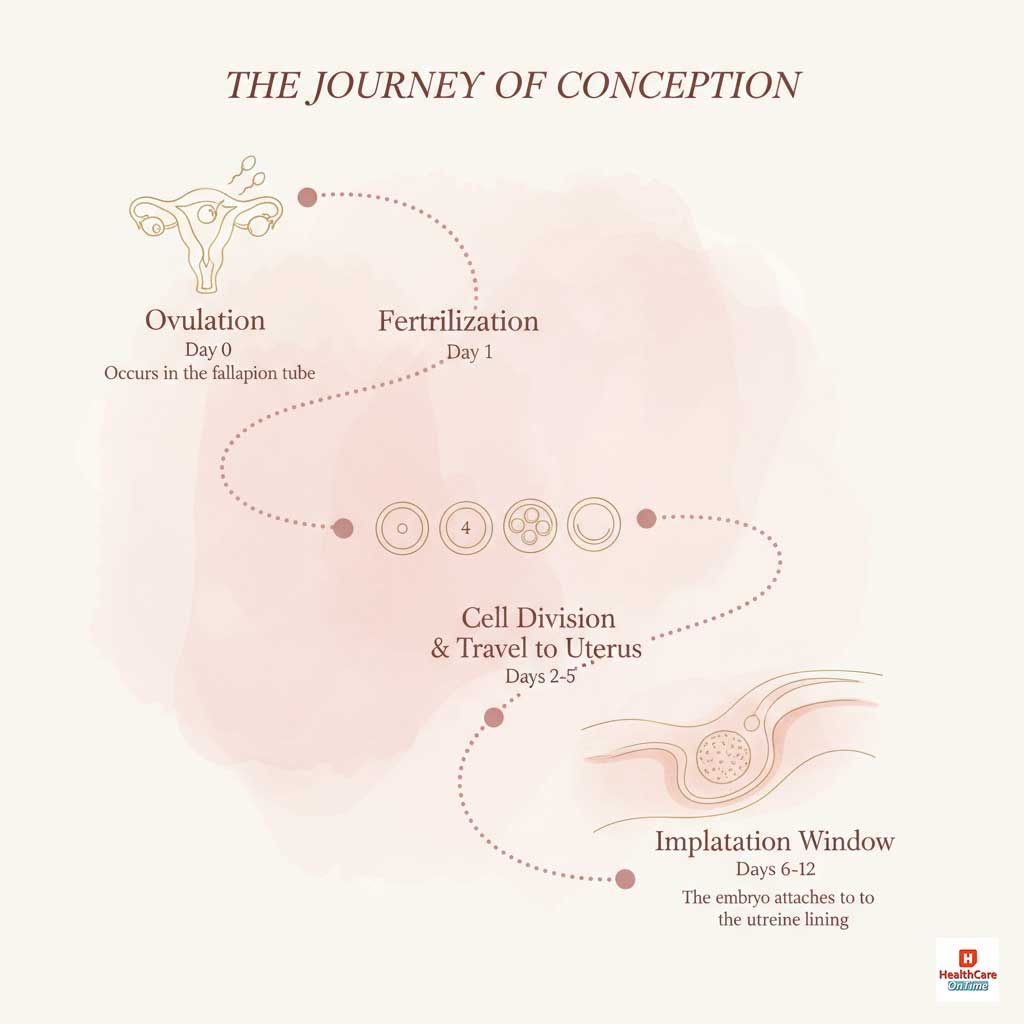
The path to pregnancy starts when a sperm fertilizes an egg, typically in the fallopian tube. This newly formed zygote begins to divide rapidly, transforming into a morula and then a blastocyst as it travels toward the uterus. This journey takes several days.
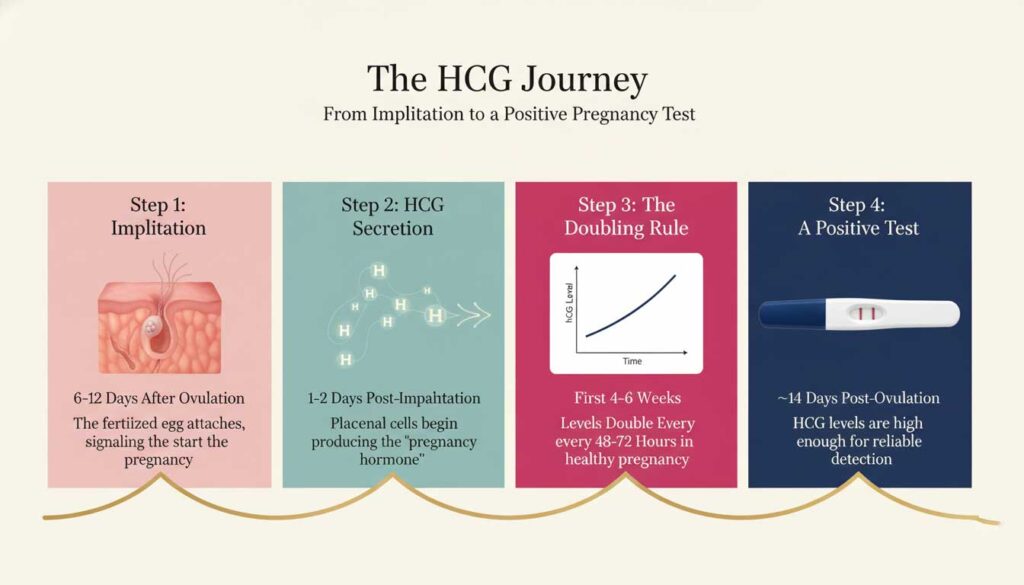
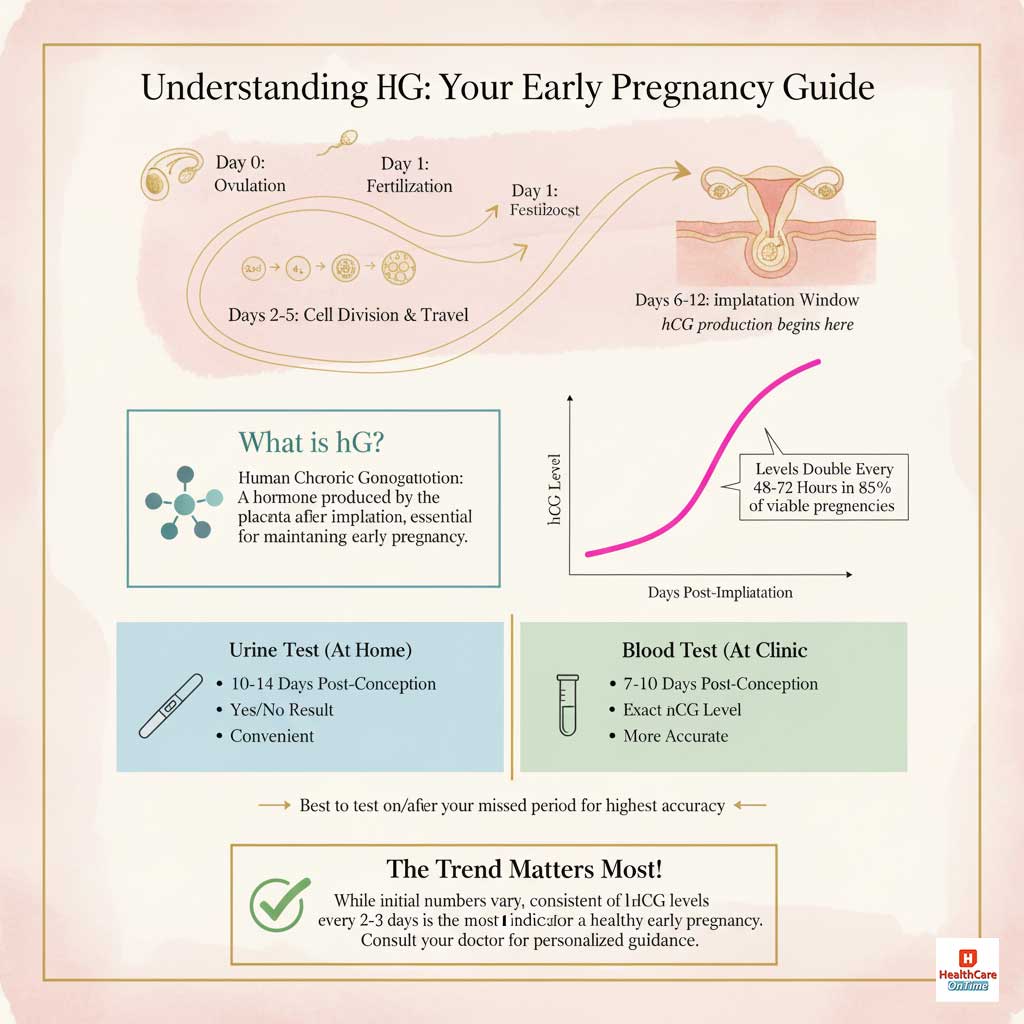
The blastocyst must then attach to and burrow into the uterine lining, a process called implantation. This critical event occurs within a specific timeframe known as the “implantation window,” which is typically 6 to 12 days past ovulation (DPO). Most often, implantation happens between 8 and 10 DPO.
Once the embryo is securely implanted, it can begin receiving nutrients and oxygen from the mother, and the real hormonal signals of pregnancy can begin.
What is Human Chorionic Gonadotropin (hCG) and Why is it the “Pregnancy Hormone”?
Human chorionic gonadotropin, or hCG, is often called the “pregnancy hormone” for a very good reason—it is produced almost exclusively during pregnancy. This hormone is secreted by the cells that will eventually form the placenta, known as syncytiotrophoblast cells, and its production starts almost immediately after implantation is complete.
The primary functions of hCG are vital for sustaining a new pregnancy:
- Maintains the Corpus Luteum: hCG signals the corpus luteum (the remnant of the ovarian follicle) to continue producing progesterone. Progesterone is essential for maintaining a thick, blood-rich uterine lining to support the growing embryo.
- Supports Fetal Development: The hormone plays a role in the development of fetal organs and supports the placental function throughout the first trimester.
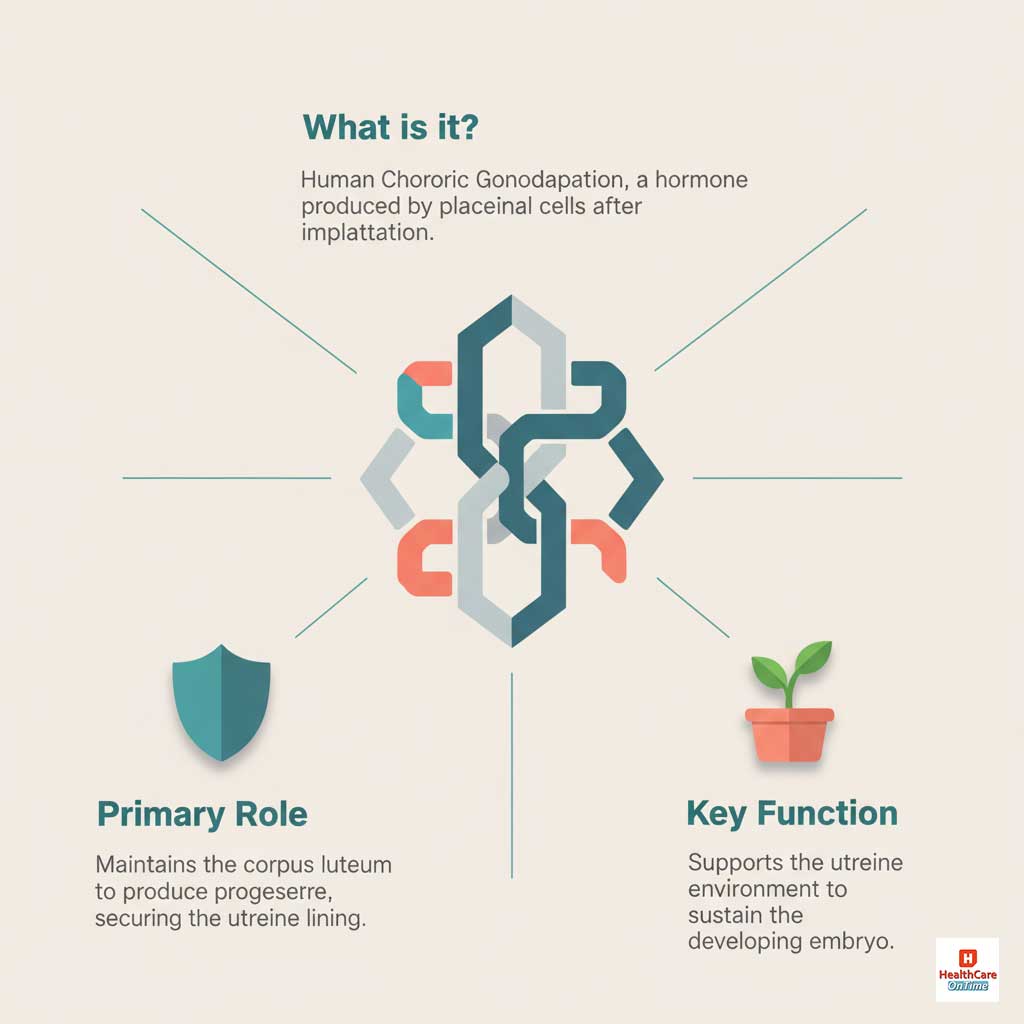
Understanding the human chorionic gonadotropin timing is what allows us to track the viability of a new pregnancy.
The Critical Timeline: Pinpointing the hCG Rise After Implantation
This is the central question for anyone trying to conceive: when does hCG start to rise after implantation? The answer lies in a predictable, yet individually variable, timeline of hormonal progression. The early pregnancy hCG rise follows a specific pattern that both home tests and doctors rely on.
The Initial Secretion: When Does hCG First Appear?
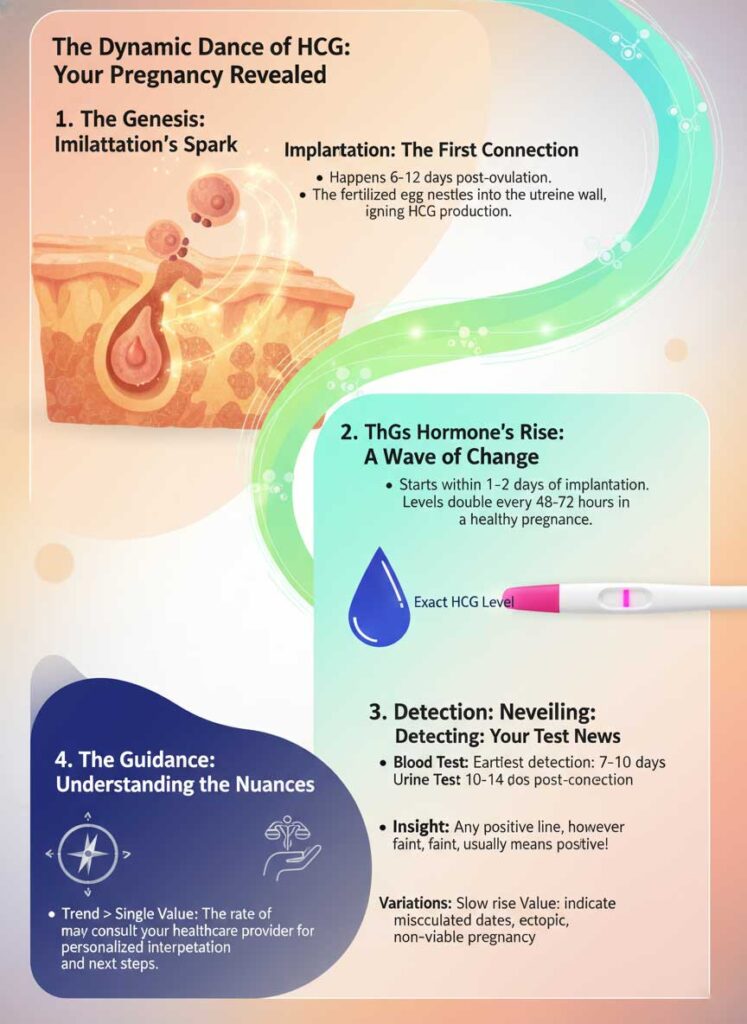
Once the embryo successfully implants into the uterine wall, hCG production begins. It typically enters the mother’s bloodstream within 24 to 48 hours, or 1 to 2 days, post-implantation.
However, it’s crucial to understand that these initial levels are incredibly low, often starting below 5 mIU/mL. This amount is far too small to be picked up by a standard home pregnancy test. The key takeaway is that the rise is not instantaneous with the moment of attachment but begins shortly after, marking the start of a rapid increase.
The Doubling Phenomenon: Tracking a Healthy hCG Progression
The most important indicator of a healthy, viable pregnancy in the first few weeks is the hCG doubling time after implantation. In approximately 85% of normal pregnancies, the hCG level will double every 48 to 72 hours.
It’s important to note that a rise of at least 60% in 48 hours is also considered a healthy progression. Healthcare providers focus more on this rate of increase than on a single number. This rapid rise continues until around weeks 8 to 11 of gestation, at which point the hCG levels peak and then begin to gradually decline, remaining stable for the remainder of the pregnancy. Monitoring this doubling time is a key aspect of early pregnancy care.
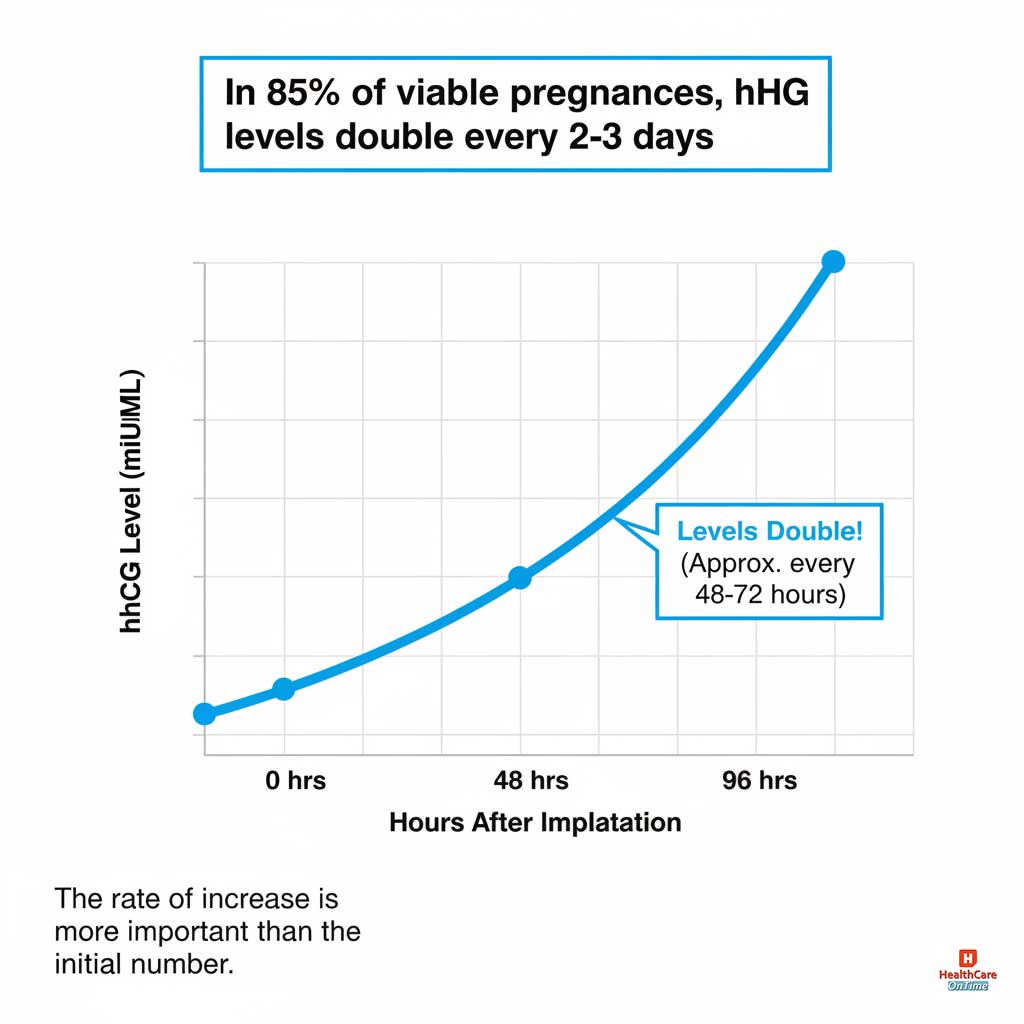
A Day-by-Day Look at hCG Levels Post-Implantation
To better understand the hCG rise after implantation timing, it’s helpful to see a potential day-by-day progression. This table illustrates how hCG levels after implantation may increase and when detection becomes possible.
| Days After Implantation | Typical hCG Status in Bloodstream | Detectable by Urine Test? | Notes |
| Day 1-2 | Levels start to rise (1-5 mIU/mL) | No | hCG production has just begun. |
| Day 3-4 | Levels continue to rise (5-25 mIU/mL) | Unlikely (Possible on very sensitive tests) | Still too early for most tests; high risk of false negative. |
| Day 5-6 | Levels are rising significantly (20-100+ mIU/mL) | Yes (with a sensitive test) | A faint positive line is possible. |
| Day 7-10 | Levels are clearly in the positive range (50-500+ mIU/mL) | Yes (with most standard tests) | This is the ideal window for the earliest reliable home testing. |
This table helps clarify how long after implantation does hCG rise to detectable levels, guiding your decision on when to test.
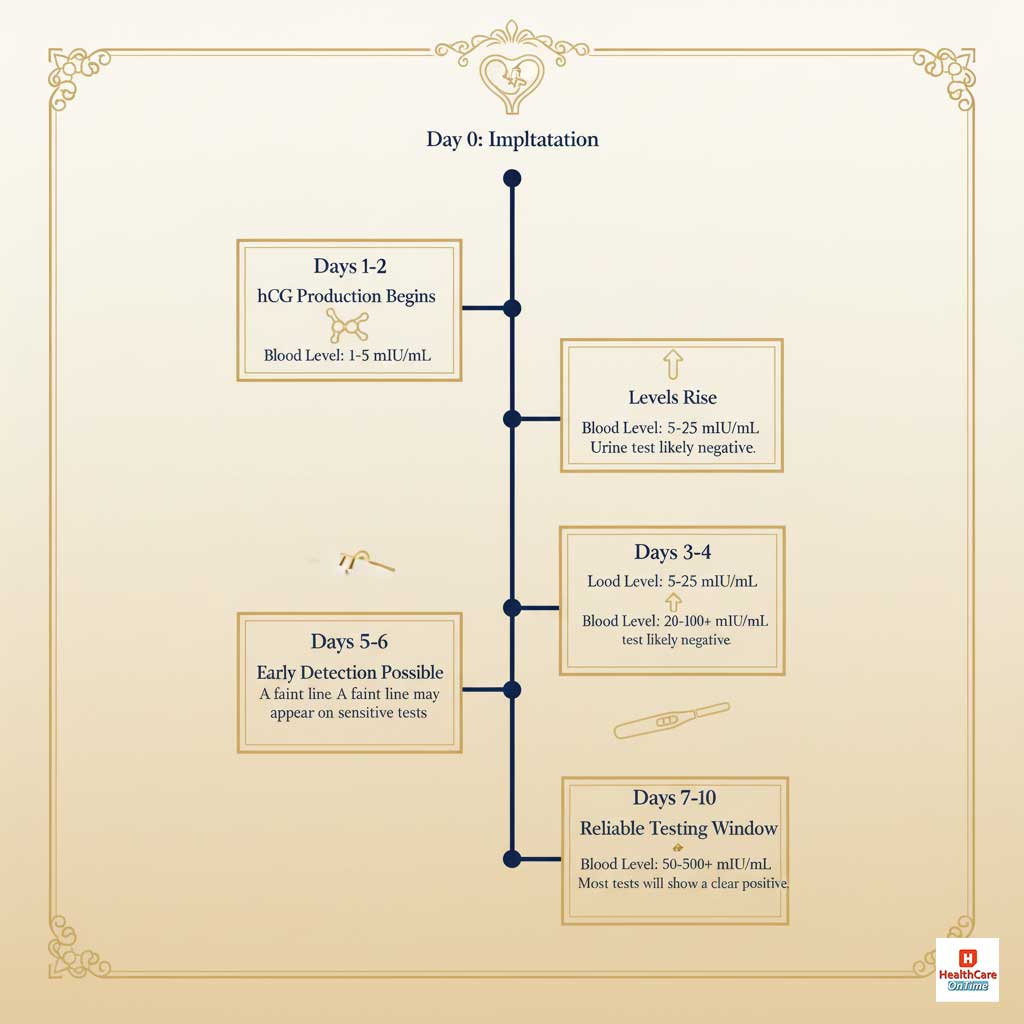
When to Take a Pregnancy Test: A Practical Guide to hCG Detection
Knowing the science behind the early pregnancy hCG rise directly informs the most practical question of all: when to take a pregnancy test after implantation. The answer depends on the type of test you use and your own unique hormonal timeline.
Home Pregnancy Tests (Urine Tests): Sensitivity, Timing, and Accuracy
Home pregnancy tests work by detecting the presence of hCG in your urine. However, not all tests are created equal. Their effectiveness depends heavily on their sensitivity.
A test’s sensitivity is measured in mIU/mL, which is the lowest level of hCG it can detect. Sensitivities can range from 10 mIU/mL (very sensitive, for early testing) to 50 mIU/mL. For the most accurate result, it is best to wait until the day of your expected missed period. By this time, in a viable pregnancy, hCG levels are usually high enough for over 99% accuracy. Using your first-morning urine is also recommended, as it contains the highest concentration of hCG. This is the best approach for reliable hCG detection after implantation.
Clinical Blood Tests: The Gold Standard for Early hCG Measurement
For the earliest and most accurate measurement of hCG levels after implantation, a clinical blood test is the gold standard. A blood test can answer the question of how soon after implantation can hCG be detected in blood or urine with much greater precision.
There are two types of blood tests:
- Qualitative hCG Test: This gives a simple “yes” or “no” answer, confirming the presence of hCG.
- Quantitative hCG Test (Beta hCG): This test measures the exact amount of hCG in your blood, providing a specific number. Doctors use this to track the hCG doubling time after implantation and monitor the health of the pregnancy.
Blood tests can often detect hCG within 7 to 10 days of conception, sometimes just a few days after implantation is complete.
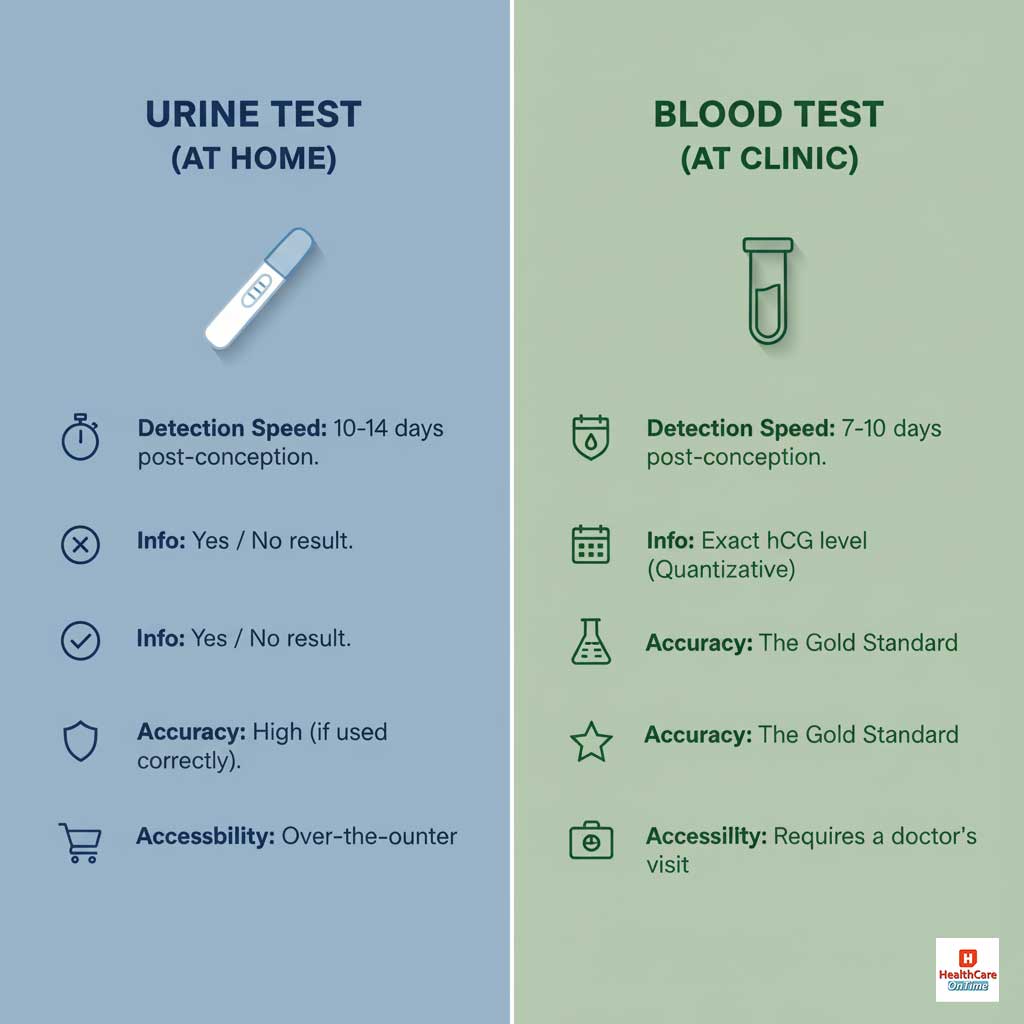
| Feature | Urine Pregnancy Test (Home Test) | Blood Pregnancy Test (Clinical Test) |
| Sample Type | Urine | Blood (drawn from a vein) |
| Detection Speed | 10-14 days post-conception | 7-10 days post-conception |
| Information Provided | Qualitative (Yes/No) | Qualitative or Quantitative (Exact hCG level) |
| Accuracy | High (if used correctly after missed period) | Highest (considered the gold standard) |
| Cost & Accessibility | Inexpensive, widely available over-the-counter | More expensive, requires a doctor’s visit |
Interpreting Your Results: Faint Lines, False Negatives, and False Positives
Getting a result can be both exciting and confusing. A faint positive line is still a positive result; it just means that hCG levels are on the lower end but still detectable. This is very common when testing early.
A false negative often occurs from testing too soon before the early pregnancy hCG rise is sufficient. Other causes include using diluted urine or a faulty test. False positives are rare but can happen due to a recent miscarriage, a chemical pregnancy, or certain medications like an hCG trigger shot used in fertility treatments.

Understanding Your hCG Numbers: What’s Normal vs. Abnormal?
Once you have a positive test, particularly if it’s a quantitative blood test, the focus shifts to the numbers themselves. It’s natural to wonder about normal hCG levels in early pregnancy and what different patterns might mean. It’s important to know that hCG levels after implantation can vary widely.
Why hCG Ranges are So Wide and What’s “Normal” for You
There is a vast range of what is considered normal for hCG levels. A single number tells you very little. For example, at 4 weeks from your last menstrual period, a normal level could be anywhere from 5 to 426 mIU/mL.
This is why healthcare providers emphasize the trend over a single snapshot. The pattern of the hCG rise after implantation timing is the most reliable indicator of a healthy pregnancy. As long as your levels are doubling appropriately, you are likely on the right track.
Causes and Next Steps for Slow-Rising hCG Levels
A slow hCG rise can be a source of significant worry. If your levels are not increasing as expected, it’s essential to consult your doctor. While a slowly rising hCG level can sometimes be due to a simple miscalculation of your dates, it can also indicate a potential issue.
Potential causes for a slow hCG rise include:
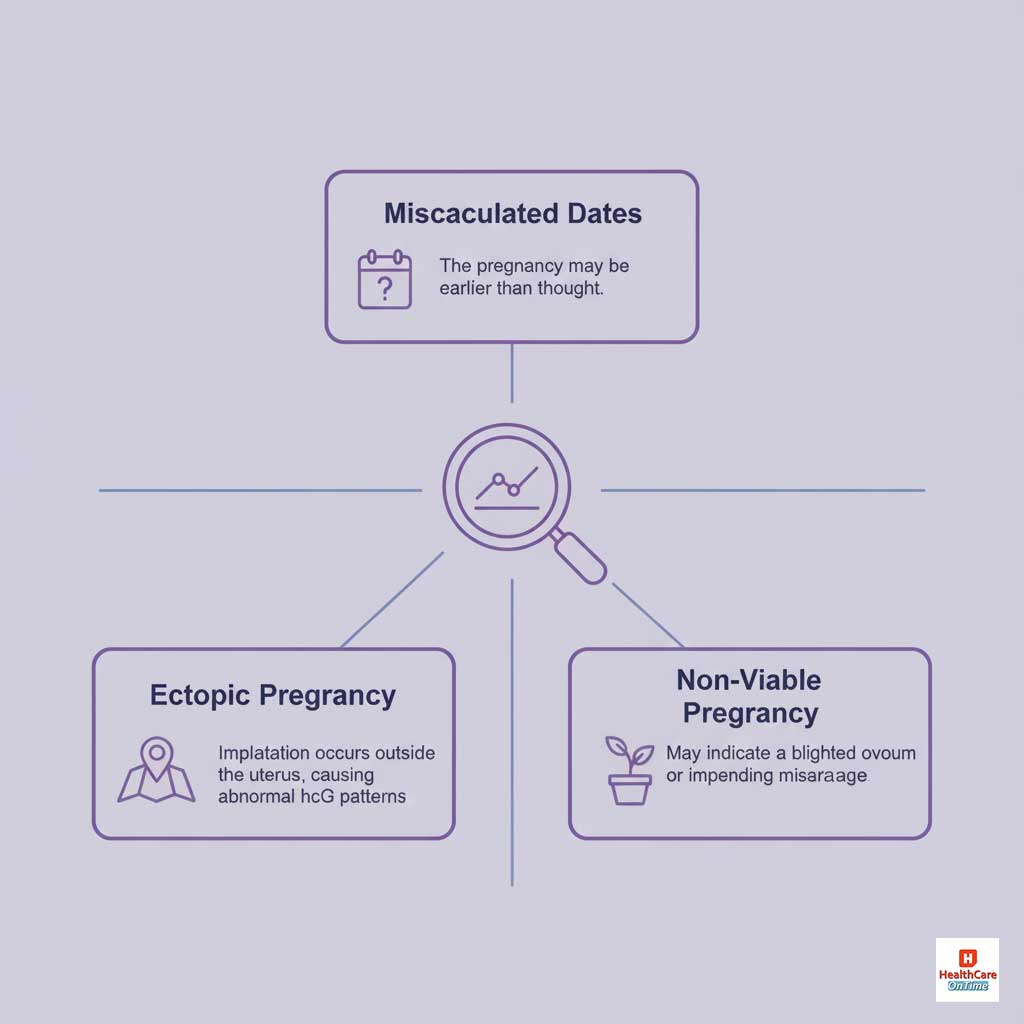
- Ectopic Pregnancy: If the embryo implants outside the uterus (e.g., in a fallopian tube), ectopic pregnancy hCG levels often rise abnormally.
- Blighted Ovum: This occurs when a fertilized egg implants, but an embryo does not develop.
- Impending Miscarriage: Unfortunately, falling or very slowly rising hCG levels can be an early sign of pregnancy loss.
If there are concerns, your doctor will likely order repeat blood tests to monitor the trend and perform a transvaginal ultrasound to confirm the location and viability of the pregnancy.
High hCG Levels: What Could It Mean?
On the other end of the spectrum, unusually high hCG levels after implantation can also have several explanations. The most common and benign reason is a multiple gestation—a twin or triplet pregnancy often produces much higher hCG levels. Other less common causes include a molar pregnancy or simply having your dates wrong and being further along than you thought.
Special Considerations: IVF, Ectopic Pregnancy, and Early Loss
While the fundamental biology of how long after implantation does hCG rise remains the same, certain situations require closer monitoring and have unique considerations. This is especially true for those undergoing fertility treatments.
hCG Monitoring in IVF and Embryo Transfer Pregnancies
For individuals and couples undergoing In Vitro Fertilization (IVF), the IVF and embryo transfer hCG monitoring process is highly structured. Because the exact date of fertilization and embryo transfer is known, the timeline for the hCG rise after implantation timing is more predictable.
The first blood test, often called the “first beta,” is typically scheduled for 9 to 14 days after the embryo transfer. This test provides the first definitive answer on whether implantation was successful. Following a positive result, doctors will schedule repeat tests to confirm a healthy hCG doubling time after implantation, ensuring the pregnancy is progressing as expected.
Summary & Key Takeaways: Your hCG Questions Answered
Navigating early pregnancy is a journey of waiting and watching. Understanding the hormonal signs your body is producing can provide reassurance and clarity. The core of this journey is understanding the hCG detection after implantation.
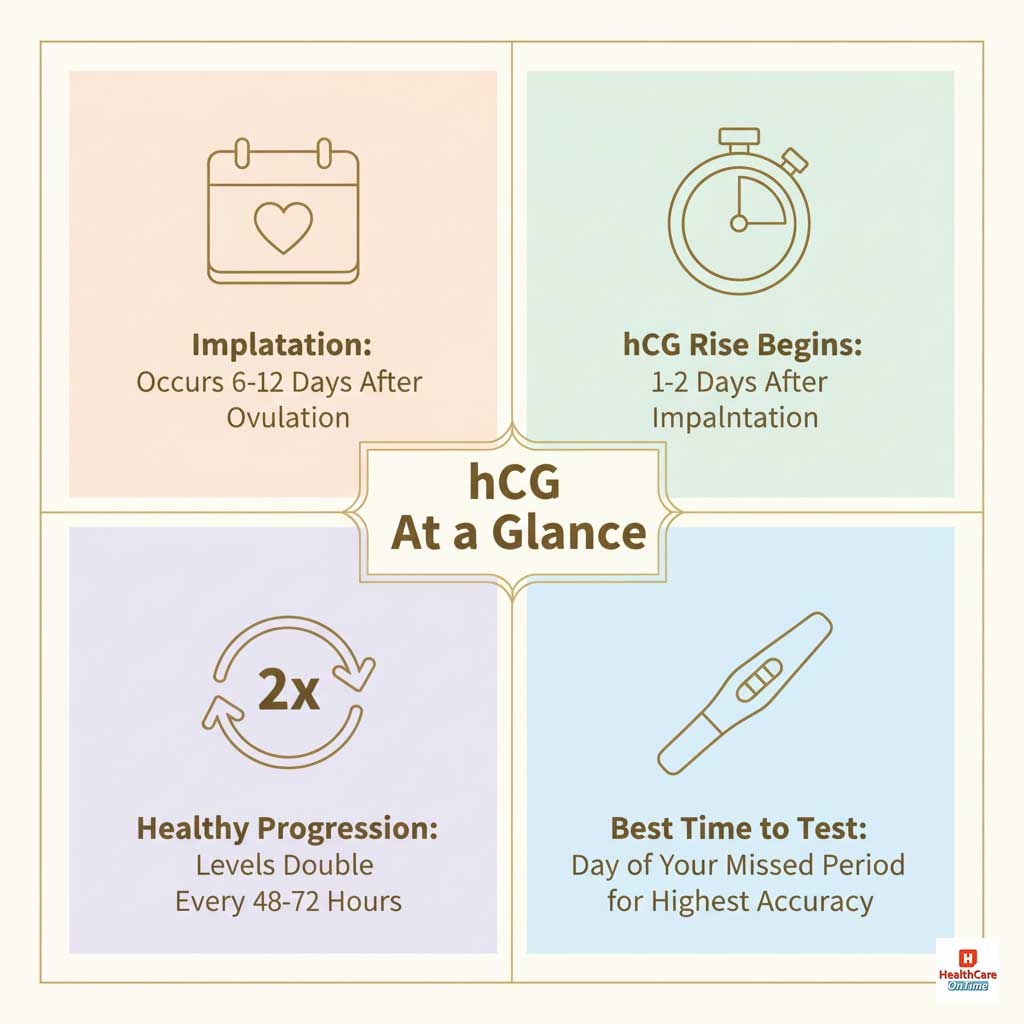
To recap, the implantation of an embryo into the uterine wall occurs around 6-12 days after ovulation. This event is the critical trigger for a cascade of implantation and hormone changes. The answer to when does hCG start to rise after implantation is within 1-2 days. From there, hCG levels should double every 48-72 hours.
Ultimately, the answer to how long after implantation does hCG rise to a detectable level is about 7-10 days for a sensitive test. For the most accurate home test result, waiting until the day of your missed period is always the best advice. If you have any concerns about your hCG levels or the health of your pregnancy, always consult with your healthcare provider for guidance.
Frequently Asked Questions (FAQs)
Can hCG start rising before implantation?

No, hCG production is triggered by the implantation of the fertilized egg into the uterine wall. The cells that produce the hormone do not receive the signal to begin secretion until implantation is complete. So, the answer to can hCG start rising before implantation is a definitive no.
What is a good hCG level 10 days after ovulation?

Ten days after ovulation (10 DPO) is very early, and implantation may have just occurred. A blood test might show a low positive level, perhaps between 5 and 50 mIU/mL. A single measurement is less informative than the trend of rising levels.
How accurate is a pregnancy test 3 days after implantation?
A pregnancy test taken only 3 days after implantation is highly likely to be inaccurate and show a false negative. At this stage, the early pregnancy hCG rise has not yet produced enough of the hormone to be detected in urine.
Is a faint positive pregnancy test result normal early after implantation?

Yes, a faint positive line is very common when testing early. It usually indicates that hCG is present but hasn’t reached a high concentration yet. Retesting in 2-3 days should show a darker line as the hCG levels after implantation continue to rise.
Why does my hCG level seem low?
A low hCG level could be due to miscalculating how far along you are, or it could be an early sign of a potential issue like an ectopic pregnancy or impending miscarriage. Monitoring the doubling time is the key to understanding what’s happening.
Can stress cause slow-rising hCG?
There is no direct clinical evidence that emotional stress causes a slow hCG rise. The rate of rise is determined by the health and development of the placenta after implantation.
Does hCG rise faster with a boy or a girl?
Some studies have suggested slightly higher hCG levels in pregnancies with female fetuses, but the difference is not significant enough to be used for gender prediction. The standard doubling time applies to all healthy pregnancies.
How long does it take for hCG to leave your system after a miscarriage?
It can take anywhere from one to nine weeks for hCG levels to return to non-pregnant levels (<5 mIU/mL) after a miscarriage. The time it takes depends on how high the levels were at the time of the loss.
What hCG level can be detected on an ultrasound?
An ultrasound can typically detect a gestational sac once hCG levels reach about 1,500 to 2,000 mIU/mL. This usually occurs around 5 to 6 weeks of gestation.
Can I have pregnancy symptoms before hCG is high enough to detect?

Yes. Early symptoms like breast tenderness, fatigue, and bloating are often caused by the hormone progesterone, which rises after ovulation regardless of whether you are pregnant. Symptoms more specifically linked to hCG, like morning sickness, usually appear once hCG levels are higher.
How do factors like BMI or age affect hCG levels?
Some research suggests that women with a higher BMI may have slightly lower hCG concentrations, but the doubling time should still be normal. Maternal age does not typically have a direct impact on the rate of hCG rise in a healthy pregnancy.
What should my next step be if I get a positive pregnancy test?
Congratulations! Your first step should be to call your healthcare provider to schedule your first prenatal appointment. They will guide you on the next steps, including any necessary blood work or early ultrasounds.