As a clinical pharmacist with over 15 years of experience in medication management, I witness the complications that arise when patients treat over-the-counter medications too casually. One of the most persistent questions I hear is: “How long after taking ibuprofen can you drink alcohol?”
Table of Contents
It might seem like a minor interaction, but combining NSAIDs with alcohol is a real pharmacological concern. This guide covers the safety timeline, the biological risks to your stomach lining, and the clinical reasoning behind the waiting period.
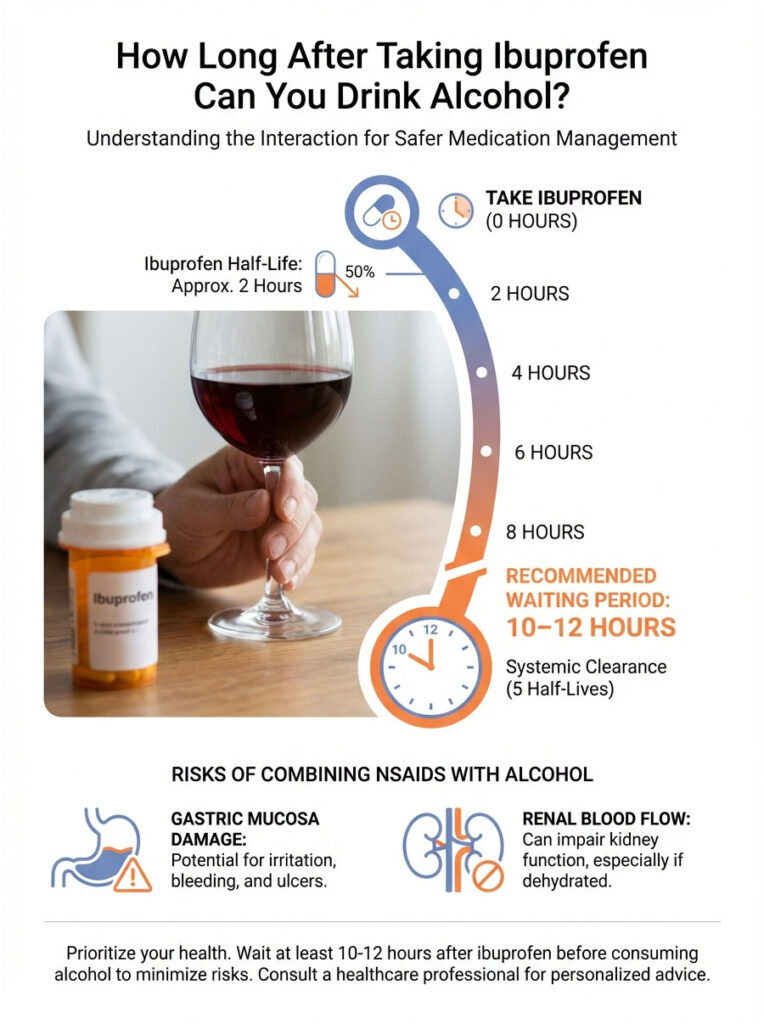
Quick Answer: Wait at least 10 to 12 hours after your last dose of ibuprofen before consuming alcohol. Although ibuprofen’s half-life is approximately 2 hours, complete systemic clearance requires five half-lives. Drinking before this window closes significantly heightens the risk of eroding the gastric mucosa and disrupting renal blood flow.
Key Clinical Statistics
- Ibuprofen Half-Life: Approximately 1.8 to 2 hours in healthy adults.
- Clearance Time: 10 hours (5 half-lives) to reach less than 3% bioavailability.
- GI Bleed Risk: Regular alcohol use combined with NSAIDs increases relative risk by 4x to 10x.
- Renal Impact: Combined use reduces kidney filtration rates significantly in dehydrated patients.
- Hospitalizations: Over 100,000 annually in the US from NSAID-related GI complications.
The 10-Hour Rule: Why This Timeline Matters
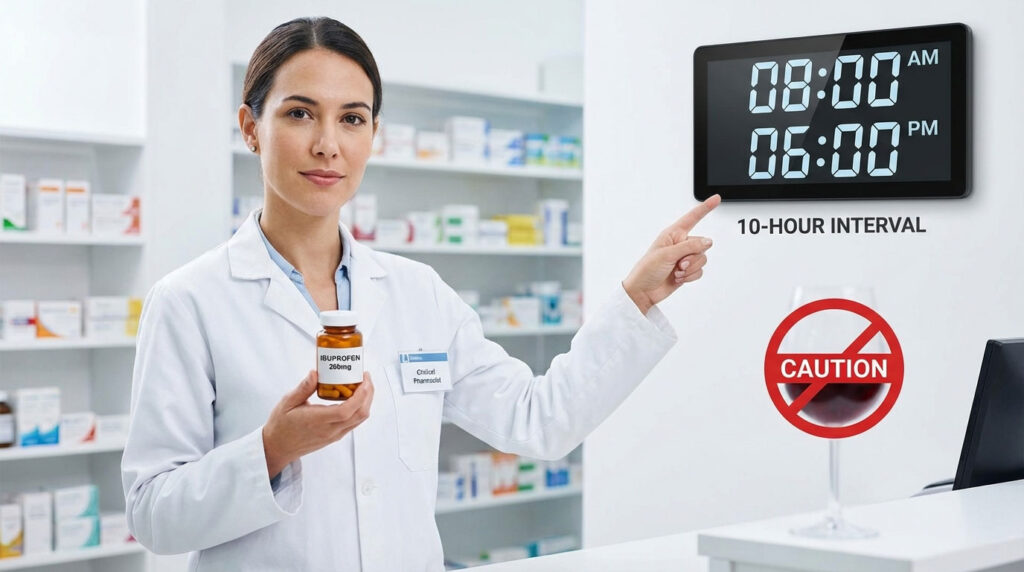
If you need a definitive safety window, the clinical recommendation is to wait 10 to 12 hours after your last dose of ibuprofen before drinking alcohol. The reasoning relies on pharmacokinetics.
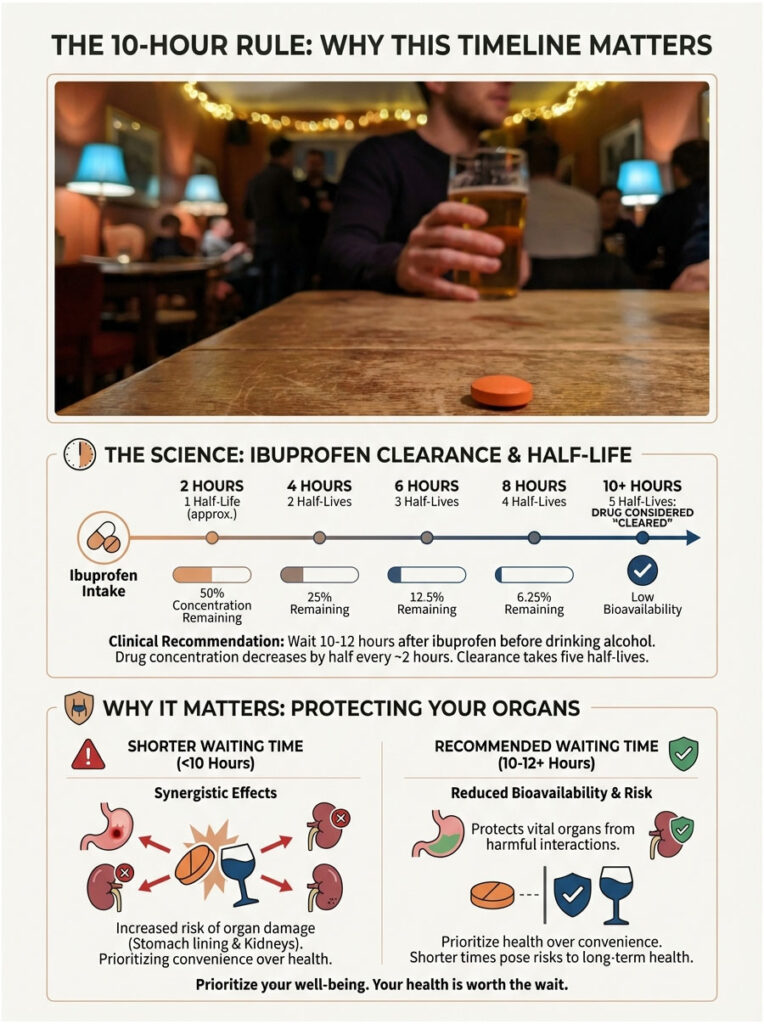
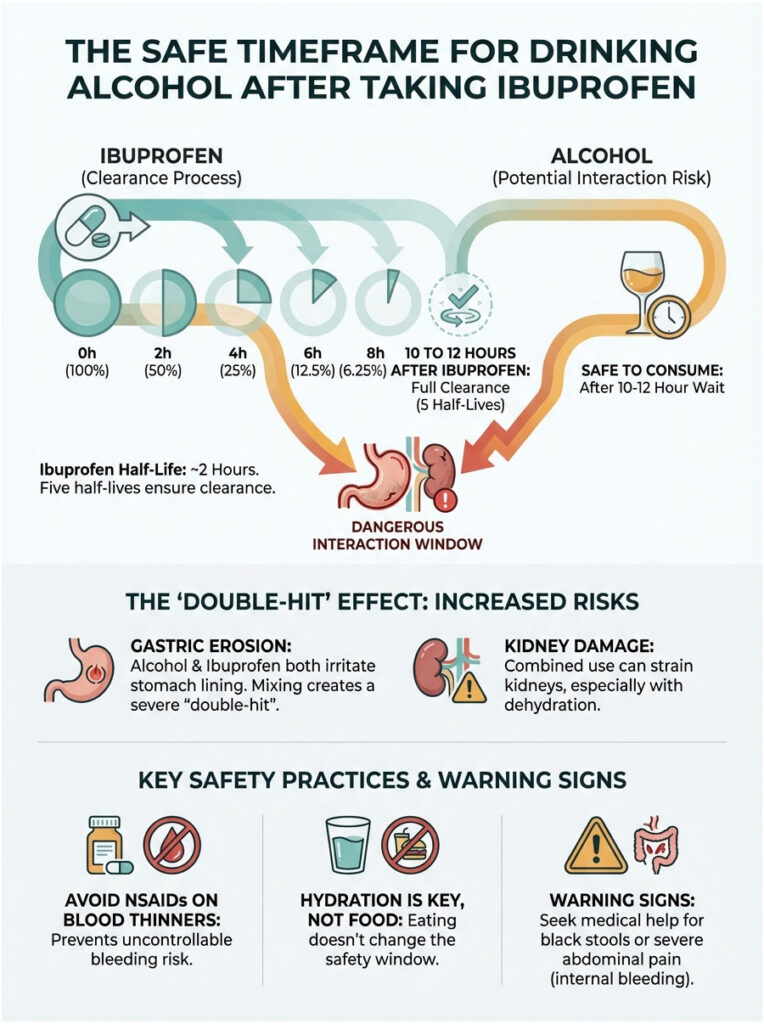
In healthy adults, ibuprofen’s half-life is about 2 hours, meaning the drug concentration drops by half every 2 hours. In pharmacology, we consider a drug “cleared” after five half-lives:
- 2 hours: 50% of the drug remains active.
- 4 hours: 25% remains.
- 6 hours: 12.5% remains.
- 10 hours: Approximately 3% remains (clinically insignificant for most patients).
Waiting the full 10 hours ensures the drug’s bioavailability is low enough to prevent synergistic damage to your stomach lining or kidneys. While shorter windows are sometimes suggested, I prioritize your long-term organ health over the convenience of a drink.
The “Double-Hit” Effect: Why This Combination Is Dangerous
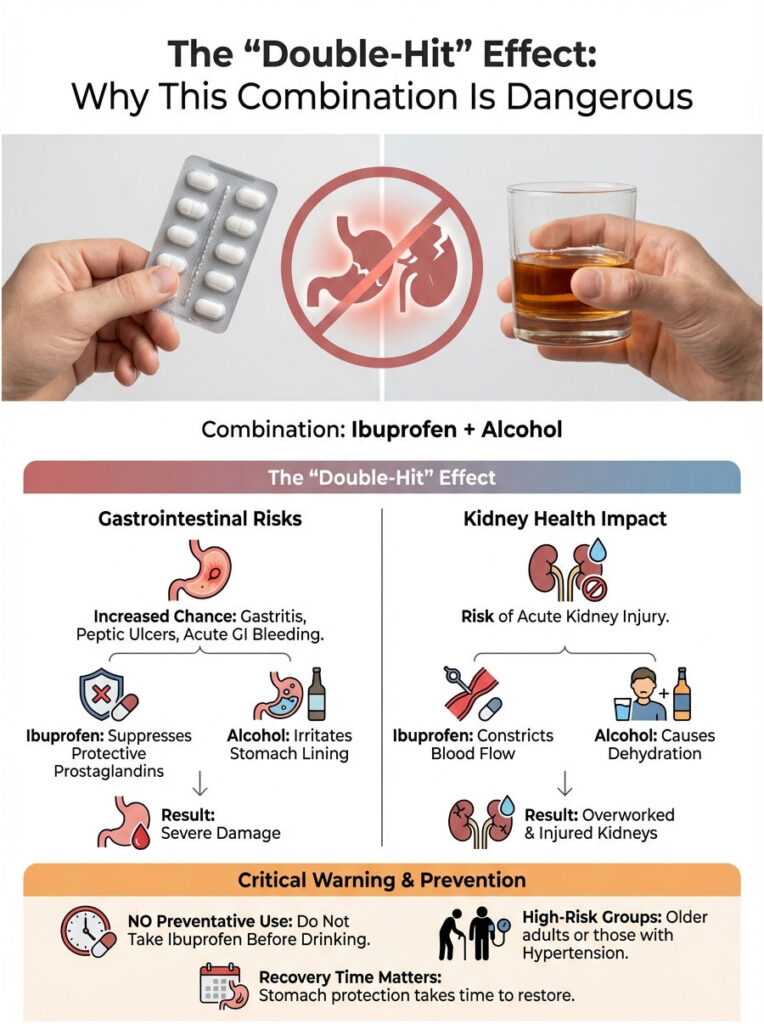
Both ibuprofen and alcohol are processed through the liver and affect the kidneys. But the primary danger zone is the stomach. We call this the “Double-Hit” effect.
Gastrointestinal Bleeding and Gastritis
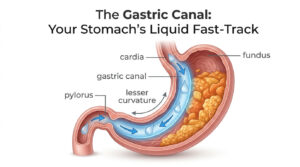
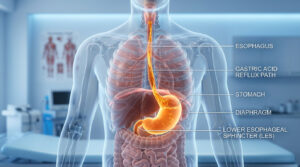
Ibuprofen inhibits COX-1 and COX-2 enzymes. Blocking COX-2 reduces pain and inflammation, but blocking COX-1 suppresses protective prostaglandins. These prostaglandins maintain the mucus layer that shields your stomach lining from harsh acid. Without them, your stomach is vulnerable.
Alcohol acts as a direct irritant to that same lining. When you combine both, you remove the stomach’s shield (ibuprofen) while introducing a corrosive substance (alcohol). This drastically increases the risk of gastritis, peptic ulcers, and acute GI bleeding. The question of how long after taking ibuprofen can you drink alcohol is essentially asking: “How long until my stomach’s protective shield is restored?”
Kidney Health and Dehydration
Your kidneys rely on prostaglandins for adequate blood flow (renal perfusion). Ibuprofen constricts the blood vessels feeding the kidneys. Alcohol acts as a diuretic, inhibiting vasopressin and causing rapid fluid loss. This forces the kidneys to work harder.
The combination creates a perfect storm for acute kidney injury: a kidney starved of blood flow by the medication while simultaneously overworked by alcohol-induced dehydration. This is particularly dangerous for older adults or those with existing hypertension.
Pharmacist’s Warning: Never take ibuprofen “preventatively” before a night of drinking. This old myth is dangerous. You’re priming your stomach for erosion before the alcohol even touches your lips.
Is One Beer Safe After a Few Hours?
Patients often ask if “just one drink” is okay after a few hours. While a single standard drink 4 hours after a 200mg dose may not trigger an emergency in a healthy adult, it’s not clinically “safe.”
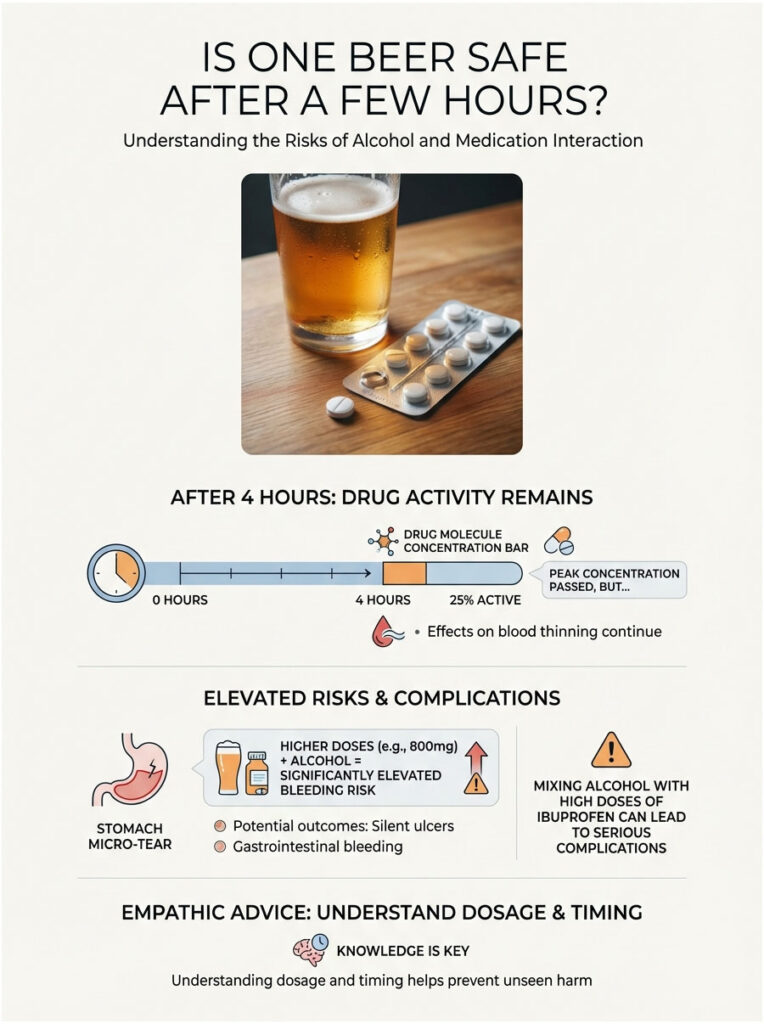
At the 4-hour mark, about 25% of the drug is still active. The peak concentration has passed, but anti-platelet effects and prostaglandin inhibition are still present. If a micro-tear occurs in the stomach lining, the blood-thinning properties make it bleed longer.
The risk is highly dose-dependent. Mixing 800mg ibuprofen and alcohol represents a high-risk scenario. At that concentration, the drug’s impact on platelet aggregation and the stomach lining is profound. Adding alcohol significantly elevates the risk of a silent ulcer or GI bleed.
The Morning After: Ibuprofen for Hangovers
Many people reach for Advil or Motrin to treat hangover symptoms. This is one of the most common errors I see. While ibuprofen is less toxic to the liver than Tylenol in the context of alcohol, it’s aggressive toward an already irritated stomach.
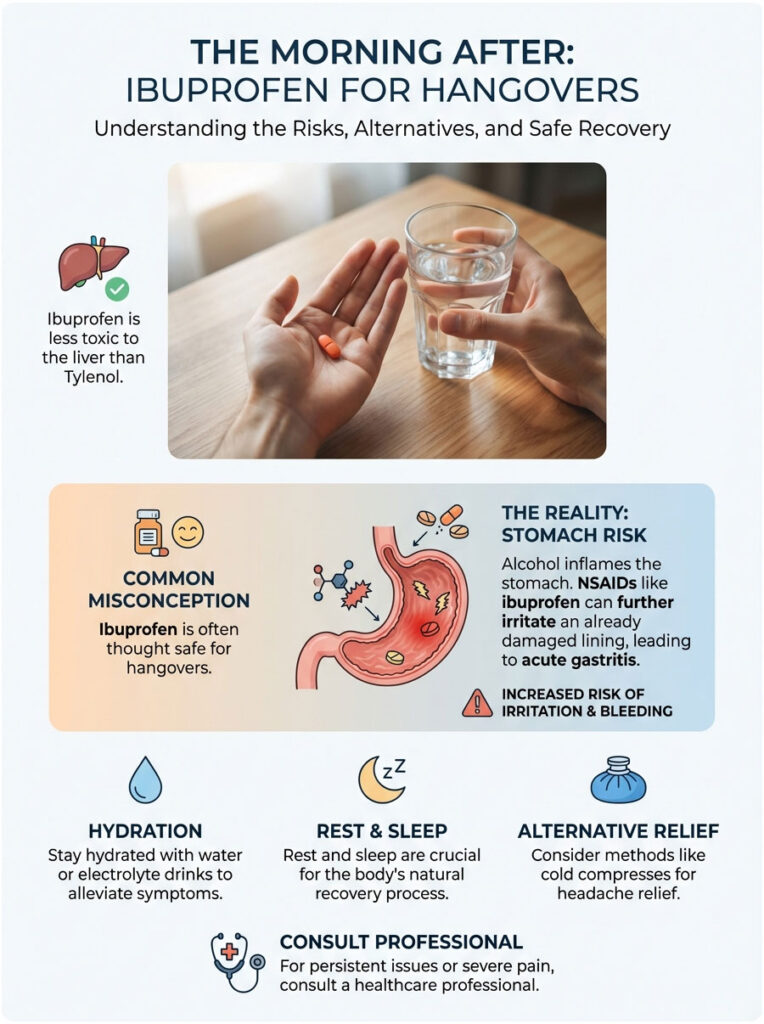
After heavy drinking, your stomach lining is likely inflamed (acute alcohol-induced gastritis). Introducing an NSAID the next morning is like pouring salt on a wound. If you must treat a hangover headache, follow this protocol:
- Hydrate first: Drink at least 16oz of water with electrolytes.
- Buffer the stomach: Eat a meal with complex carbs and protein.
- Wait: Allow alcohol to fully clear (roughly 1 hour per drink consumed).
- Medicate cautiously: Only take ibuprofen if the headache persists after food and water.
How Dosage Affects the Waiting Period
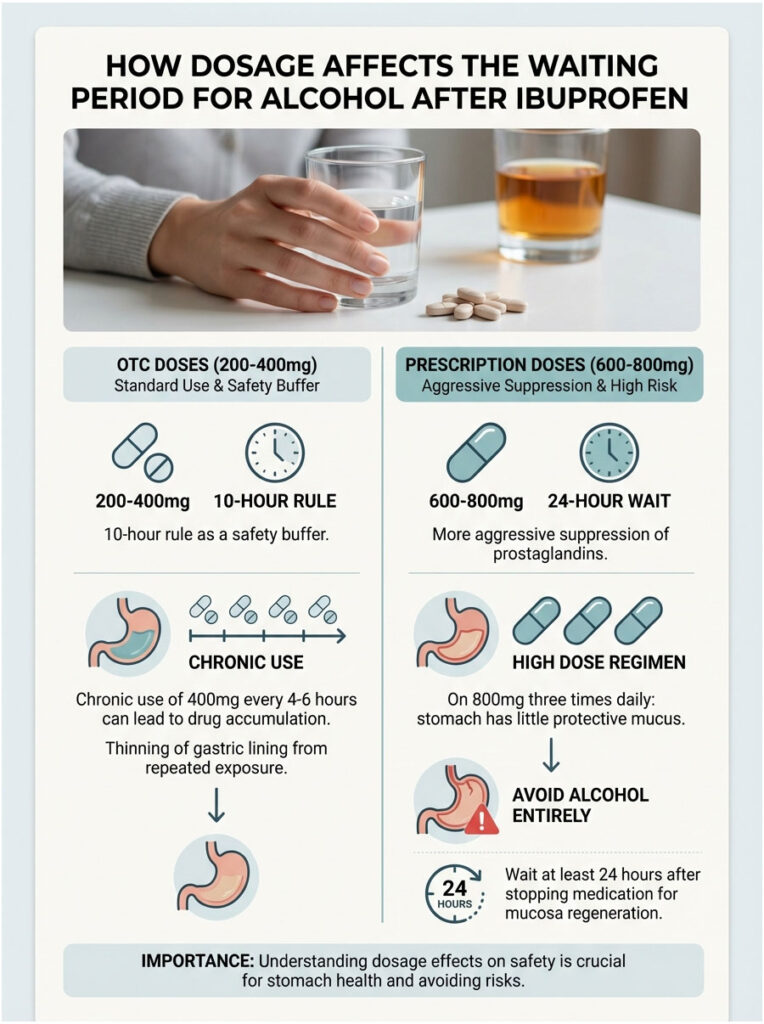
The answer to how long after taking ibuprofen can you drink alcohol changes depending on dose strength.
OTC Doses (200-400mg)
For standard doses, the 10-hour rule is a solid safety buffer. However, if you’ve been taking 400mg every 4-6 hours for several days, the drug may have accumulated (steady-state concentration). The gastric lining may already be thinned from chronic exposure.
Prescription Doses (600-800mg)
Prescription-strength ibuprofen suppresses prostaglandins much more aggressively. If you’re on 800mg three times a day, your stomach has virtually zero protective mucus layer. In this scenario, avoid alcohol entirely and wait at least 24 hours after stopping the medication. This allows the gastric mucosa time to regenerate.
Comparison: Common Pain Relievers and Alcohol Risk
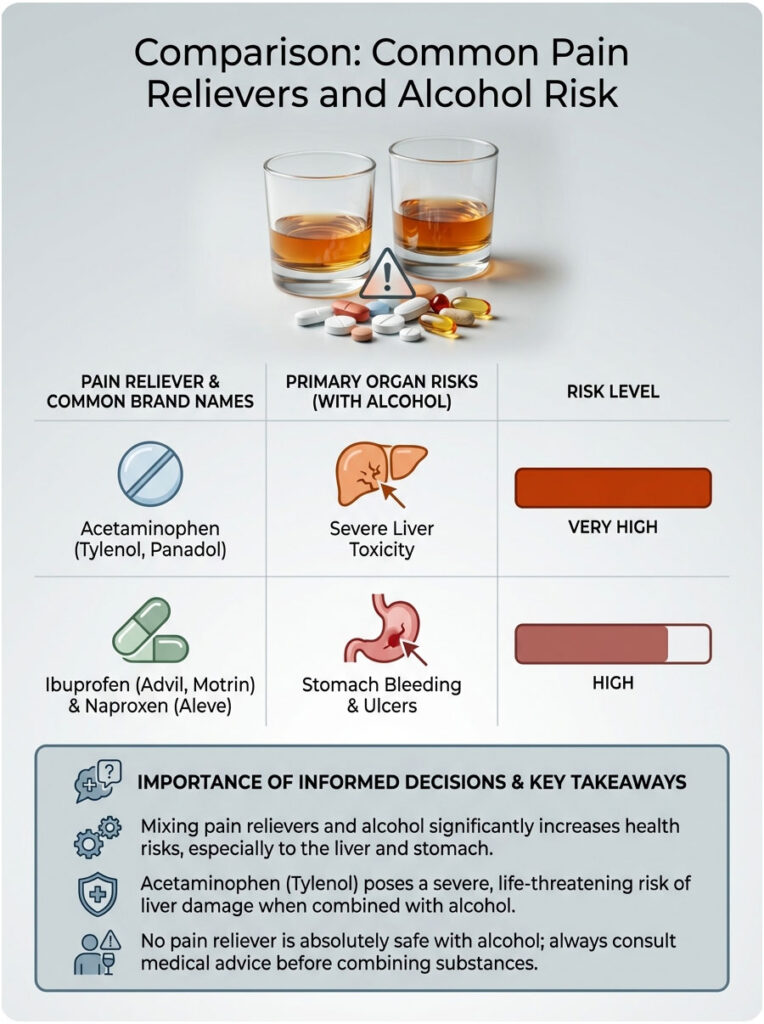
| Class | Generic Name | Brand Names | Primary Organ Risk with Alcohol | Risk Level |
| NSAID | Ibuprofen | Advil, Motrin | Stomach bleeding, kidney strain | High |
| NSAID | Naproxen | Aleve | Stomach bleeding (longer duration) | High |
| NSAID | Aspirin | Bayer, Excedrin | Severe bleeding, ulcers | Very High |
| Analgesic | Acetaminophen | Tylenol | Liver toxicity (hepatotoxicity) | Severe |
As you can see, acetaminophen (Tylenol) carries a severe risk of liver failure when mixed with alcohol, since both are metabolized by the CYP2E1 enzyme pathway. Ibuprofen spares the liver but targets the stomach. Neither option is truly “safe” with alcohol, but the target organ for toxicity differs.
Who Should Never Mix Ibuprofen and Alcohol
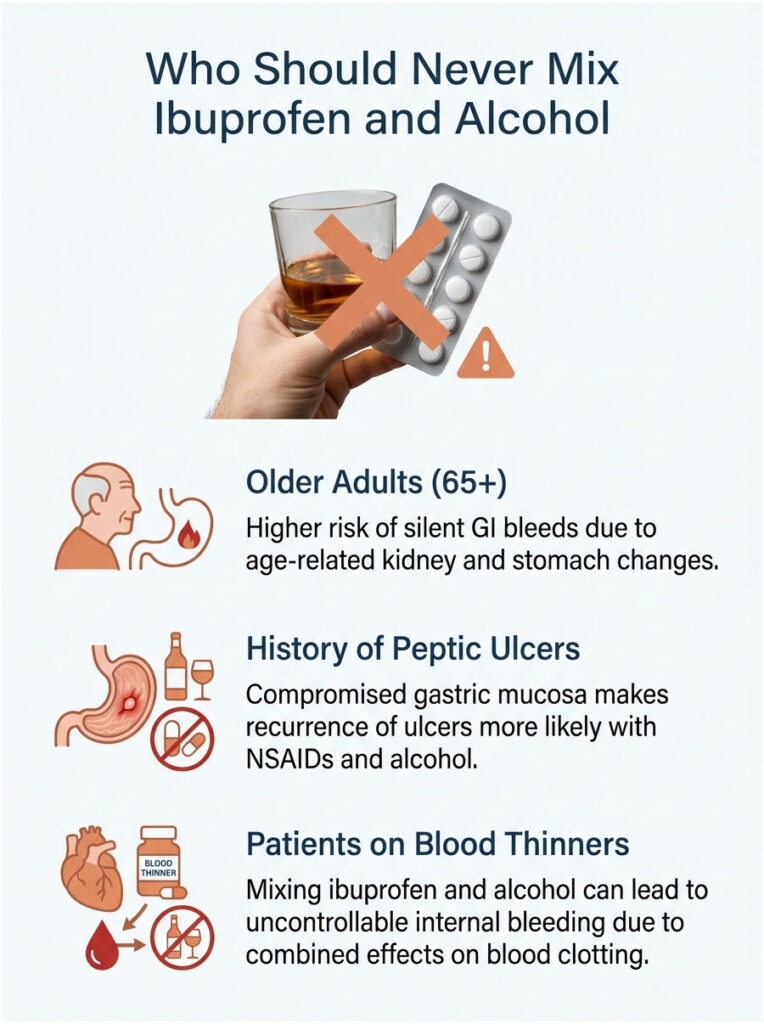
While a healthy 25-year-old might tolerate a glass of wine 6 hours after ibuprofen without immediate consequences, certain groups must strictly avoid this combination.
Older Adults (65+)
With age, kidneys lose filtration capacity and the stomach lining naturally thins. Older adults face significantly higher risk for “silent” GI bleeds, where no pain is felt until a catastrophic hemorrhage occurs.
History of Peptic Ulcers
If you’ve ever had an ulcer, your gastric mucosa is already compromised. NSAIDs are the leading cause of drug-induced ulcers. Adding alcohol invites recurrence. Scar tissue from previous ulcers is weaker than healthy tissue.
Patients on Blood Thinners
If you take Warfarin, Eliquis, or Xarelto, do not mix NSAIDs and alcohol. Ibuprofen has anti-platelet properties. Alcohol thins the blood. The anticoagulant prevents clotting. This “triple threat” can lead to uncontrollable internal bleeding from minor injuries.
Safety Timeline: When Is It Safe to Drink?
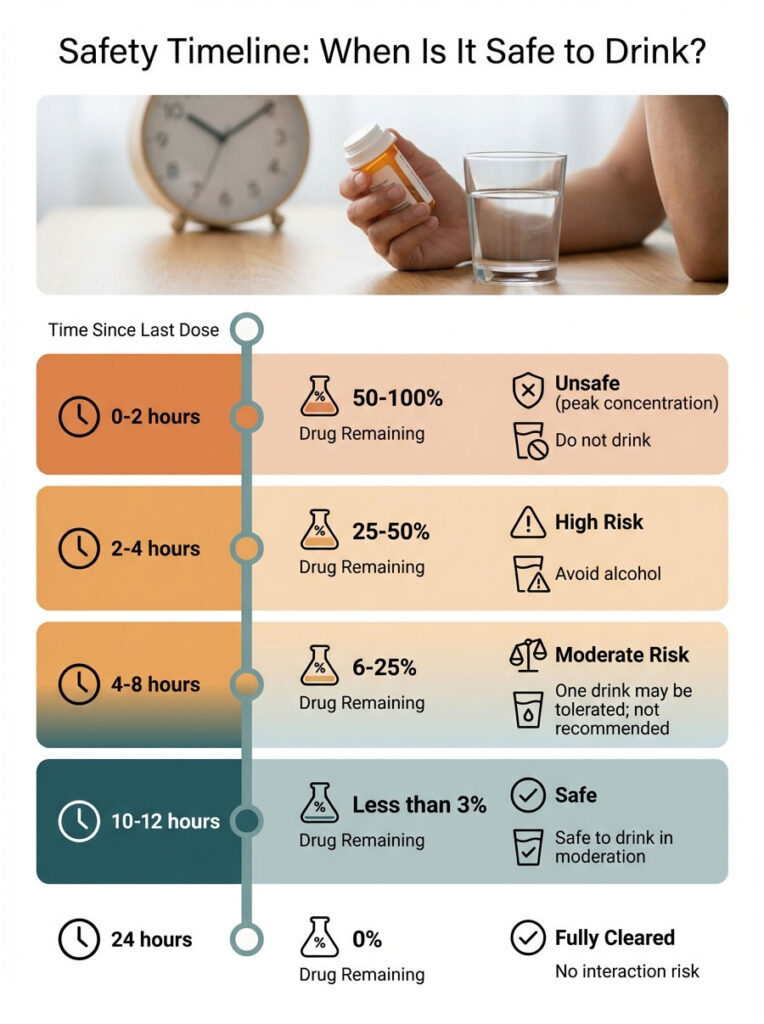
| Time Since Last Dose | Drug Remaining | Safety Status | Recommendation |
| 0-2 hours | 50-100% | Unsafe (peak concentration) | Do not drink |
| 2-4 hours | 25-50% | High Risk | Avoid alcohol |
| 4-8 hours | 6-25% | Moderate Risk | One drink may be tolerated; not recommended |
| 10-12 hours | Less than 3% | Safe | Safe to drink in moderation |
| 24 hours | 0% | Fully Cleared | No interaction risk |
Emergency Warning Signs: When to Seek Help Immediately
The FDA has issued warnings about NSAIDs and stomach bleeding. Seek immediate medical attention if you experience any of the following after mixing ibuprofen and alcohol:
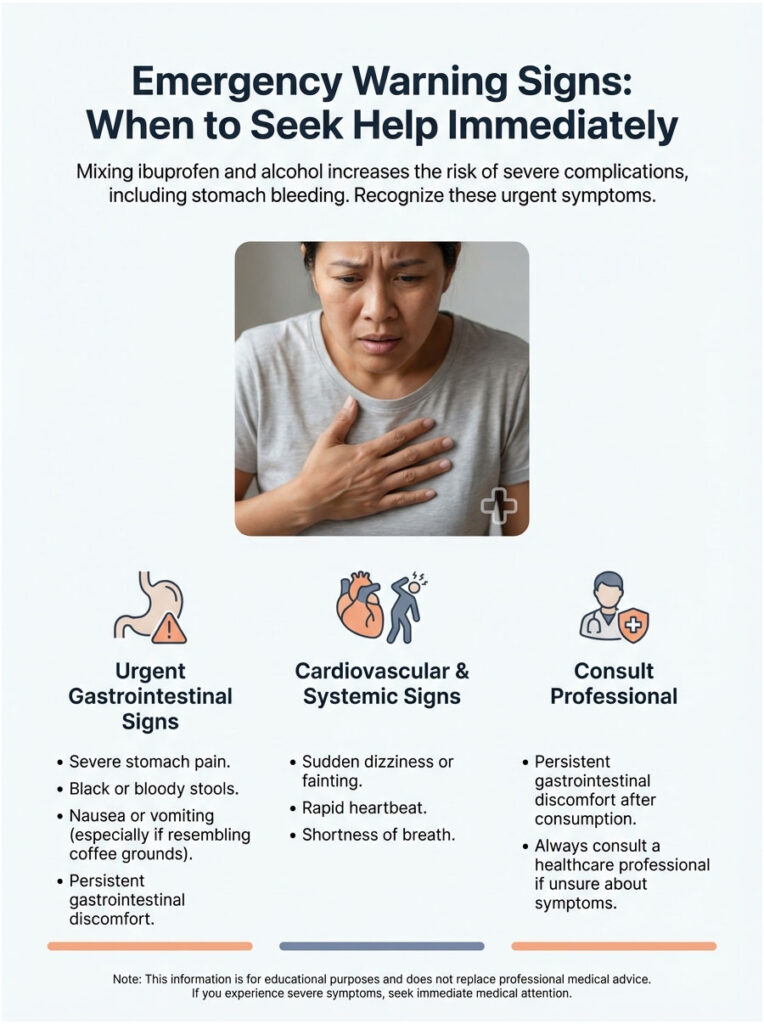
- Black, tarry stools (melena): The hallmark sign of upper GI bleeding.
- Coffee-ground vomit: Old blood sitting in the stomach.
- Severe abdominal pain: Gnawing, burning pain in the center of the stomach.
- Dizziness or fainting: Suggests internal blood loss and dropping blood pressure.
- Decreased urination: A sign that kidneys are struggling or shutting down.
The Role of Food and Hydration
The biological context of your stomach matters as much as timing. Taking ibuprofen on an empty stomach is already a risk factor. Adding alcohol to an empty stomach that contains ibuprofen is a recipe for disaster.
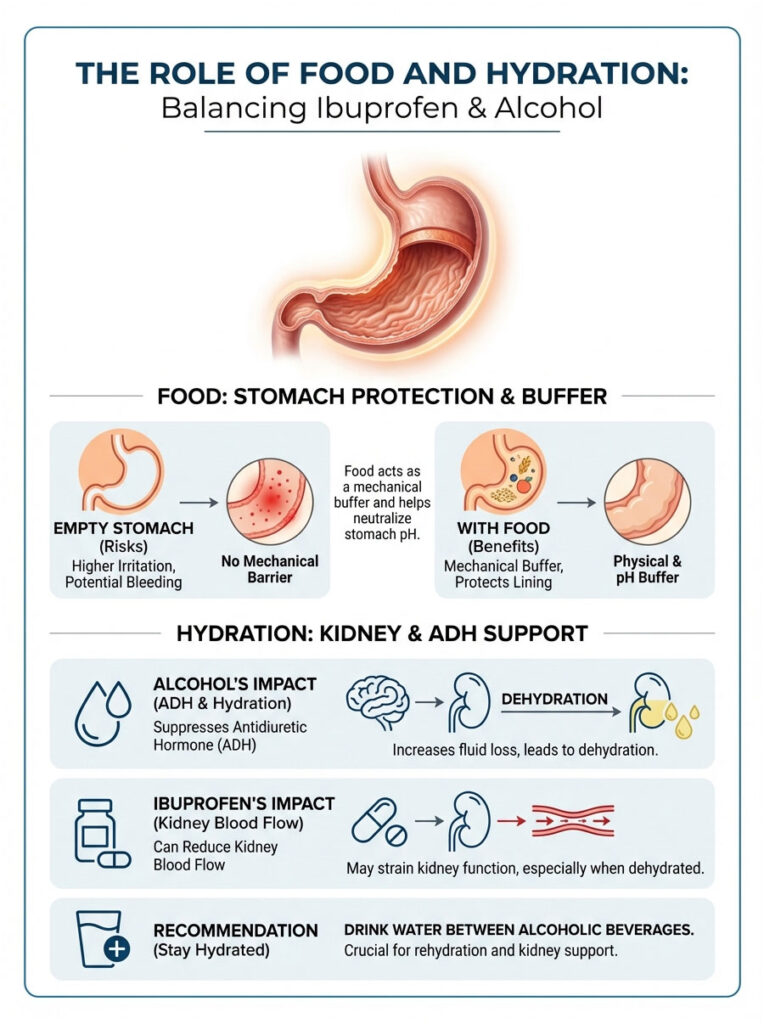
Food acts as a mechanical buffer: it raises stomach pH slightly and physically coats the lining. If you plan to drink after the 10-hour window, make sure you’ve eaten a substantial meal.
Hydration is equally critical. Alcohol suppresses antidiuretic hormone (ADH), causing your kidneys to dump water. Ibuprofen reduces kidney blood flow. To protect your kidneys, aim for a glass of water between every alcoholic beverage.
Summary and Key Takeaways
So, how long after taking ibuprofen can you drink alcohol? The safest, clinically supported answer is to wait 10 to 12 hours. This allows five half-lives for the drug to clear, and gives your body’s natural protective mechanisms time to recover.
The golden rules:
- Wait Time: 10 to 12 hours is the gold standard for safety.
- Mechanism: Ibuprofen removes the stomach’s protective shield; alcohol attacks the exposed lining.
- High Risk Groups: Elderly patients, those with ulcer history, and those on blood thinners should avoid this mix entirely.
- Hangover Protocol: Don’t use ibuprofen for hangovers on an empty stomach. Prioritize hydration and food first.
- Emergency Signs: Black stools or coffee-ground vomit indicate internal bleeding. Seek help immediately.
As a pharmacist, my advice is straightforward: if you’re in enough pain to need ibuprofen, your body needs rest and hydration, not alcohol. The temporary enjoyment of a drink isn’t worth the long-term risk of gastric erosion or kidney damage.
Frequently Asked Questions
How long after taking ibuprofen can you drink alcohol?
To ensure clinical safety and protect your internal organs, you should wait at least 10 to 12 hours after your last dose of ibuprofen before consuming alcohol. This timeframe allows the medication to undergo approximately five half-lives, ensuring that systemic clearance is nearly complete. Consuming ethanol before this window closes significantly heightens the risk of eroding the gastric mucosa and disrupting renal blood flow.
Can I take ibuprofen for a hangover headache?
While common, taking ibuprofen for a hangover can be aggressive toward an already irritated stomach lining. If you must use it, you should prioritize hydration with electrolytes and eat a buffering meal first to protect against acute alcohol-induced gastritis. Never take NSAIDs on an empty stomach following heavy alcohol consumption, as this increases the risk of gastric erosion.
What are the symptoms of internal bleeding from mixing ibuprofen and alcohol?
You should monitor for “red zone” symptoms like black, tarry stools, known as melena, or vomit that resembles coffee grounds. These are hallmark signs of upper gastrointestinal bleeding caused by the synergistic damage to the stomach lining. Other critical signs include severe abdominal pain, dizziness, or fainting, which suggest internal blood loss and a drop in blood pressure.
Why is the interaction between NSAIDs and alcohol considered a double-hit effect?
Ibuprofen inhibits COX enzymes, which reduces the protective prostaglandins that maintain your stomach’s mucus shield. Alcohol acts as a direct topical irritant to that same lining, creating a “double-hit” where the shield is removed and a corrosive solvent is introduced. This combination dramatically increases the clinical risk of gastritis, peptic ulcers, and acute GI bleeding.
Is it safe to take 800mg of ibuprofen and drink alcohol later that day?
At a prescription strength of 800mg, the suppression of prostaglandins is profound, making alcohol consumption extremely high-risk. I recommend waiting at least 24 hours after a high-dose regimen before consuming any alcohol. This provides the gastric mucosa enough time to regenerate its protective barrier and prevents excessive strain on your renal filtration system.
Can mixing alcohol and ibuprofen cause kidney damage?
Yes, the combination can lead to acute kidney injury by disrupting renal perfusion. Ibuprofen constricts the afferent arterioles leading to the kidneys, while alcohol’s diuretic effect causes rapid fluid loss and dehydration. This creates a dangerous scenario where the kidneys are starved of blood flow while being forced to work harder to maintain electrolyte balance.
Is one glass of wine safe four hours after taking Advil or Motrin?
While a single drink might not trigger an immediate emergency in a healthy adult, it is not clinically considered “safe.” At the four-hour mark, approximately 25% of the drug remains active in your system, meaning the anti-platelet effects and gastric vulnerability are still present. As a pharmacist, I advise prioritizing long-term organ health over the convenience of a single drink.
Should I take ibuprofen before drinking to prevent a hangover?
You should never take ibuprofen preventatively before a night of drinking. This practice is a dangerous myth that primes your stomach for erosion before the alcohol even touches your lips. It does not prevent hangover symptoms and only serves to increase the cumulative wear and tear on your digestive and renal systems.
How does the half-life of ibuprofen affect the safety window for alcohol?
Ibuprofen has a half-life of roughly 2 hours, meaning the drug concentration reduces by half every 120 minutes. In pharmacology, we consider a drug cleared after five half-lives, which is why the 10-hour rule is the gold standard for safety. Waiting this long ensures that the bioavailability is less than 3%, which is clinically insignificant for most patients.
Is Tylenol a safer alternative to ibuprofen when alcohol is involved?
Neither is truly safe, but they carry different risks; Tylenol (acetaminophen) carries a severe risk of hepatotoxicity, or liver failure, when combined with ethanol. While ibuprofen spares the liver, it is significantly more aggressive toward the stomach lining and kidneys. The choice between them depends on your specific health history, but both require a significant waiting period to avoid toxicity.
Can people on blood thinners safely mix ibuprofen and alcohol?
No, patients on anticoagulants like Warfarin or Eliquis must strictly avoid mixing NSAIDs and alcohol. This “triple threat” creates an extreme risk of uncontrollable internal bleeding because all three substances interfere with the body’s ability to clot. If you are on a prescription blood thinner, the answer to when you can mix them is effectively never.
Does eating a meal make it safer to drink after taking ibuprofen?
Food acts as a mechanical buffer that can protect the stomach lining, but it does not change the systemic clearance rate of the drug from your bloodstream. Even with a full stomach, you should still adhere to the 10-to-12-hour safety window to protect your kidneys. Once the window has passed, eating a meal containing proteins and complex carbohydrates is a recommended best practice before drinking.
Disclaimer
This article is for informational purposes only and does not constitute medical advice. The interactions described can vary based on individual health history, weight, and concurrent medications. Always consult a qualified healthcare professional or your local pharmacist before making decisions regarding medication and alcohol consumption.
References
- U.S. Food and Drug Administration (FDA) – fda.gov – Official safety warnings regarding NSAIDs and the risk of stomach bleeding and kidney damage.
- Mayo Clinic – mayoclinic.org – Clinical overview of ibuprofen interactions, side effects, and gastrointestinal risks.
- National Institute on Alcohol Abuse and Alcoholism (NIAAA) – niaaa.nih.gov – Detailed guide on harmful interactions between alcohol and over-the-counter medications.
- Journal of Clinical Pharmacy and Therapeutics – Wiley Online Library – Research on the pharmacokinetics of ibuprofen and its systemic clearance rates.
- American Journal of Gastroenterology – gi.org – Statistical data on NSAID-induced ulcers and the exacerbating effects of ethanol on the gastric mucosa.
- National Institutes of Health (NIH) StatPearls – ncbi.nlm.nih.gov – Clinical pharmacology of Ibuprofen, including half-life data and metabolic pathways.