For most adults, ibuprofen starts working within 20 to 30 minutes after you take it. Peak pain relief usually hits around the 1 to 2 hour mark. That said, the timeline depends on what you are treating. Fever and mild pain respond quickly, but real anti-inflammatory effects (like reducing visible swelling from a sprain) often need 24 to 48 hours of consistent dosing. Liquid gel capsules tend to kick in faster than coated tablets, often within 15 to 20 minutes.
Table of Contents
You have a pounding headache, a throbbing toothache, or a fever that will not quit. You pop two ibuprofen, set them on the counter, and start watching the clock. The one thing you want to know: how long does ibuprofen take to work so you can get on with your day?
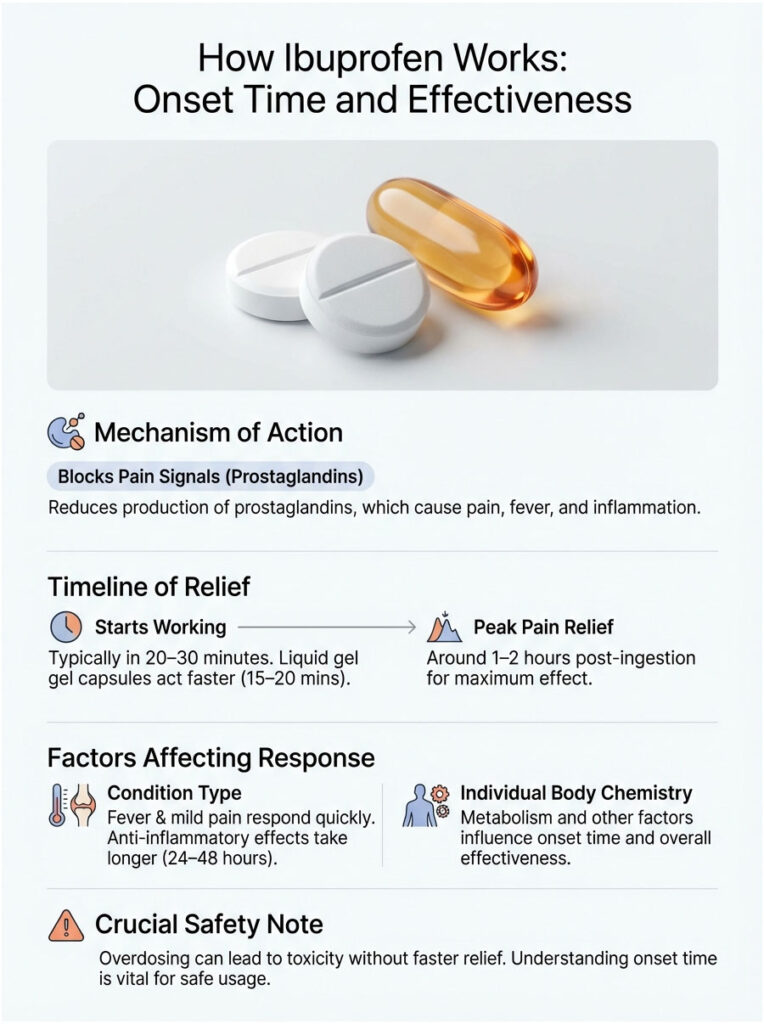
As a Doctor of Pharmacy, I see this exact situation play out in clinical practice every single day. Patients assume relief should be instant once they swallow the pill. But there is actually a complex biological journey between the medicine cabinet and your bloodstream. Ibuprofen, sold under brand names like Advil and Motrin, is a Non-Steroidal Anti-Inflammatory Drug (NSAID). It works by blocking the production of prostaglandins, the chemicals in your body responsible for signaling pain and triggering inflammation.
Knowing the ibuprofen onset time is not just a matter of patience. It is a safety issue. When people do not feel relief right away, they often make the risky mistake of taking another dose too soon. That leads to toxicity without speeding up relief one bit. This guide breaks down exactly when ibuprofen kicks in based on formulation, your body chemistry, and the specific condition you are treating.
The Pharmacokinetics of Ibuprofen: Why Speed Varies
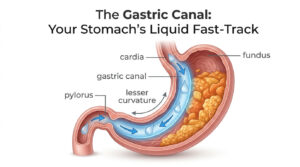
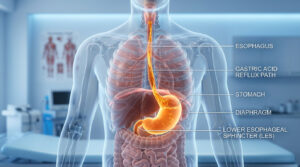
To really understand how long ibuprofen takes to work, you need a quick look at pharmacokinetics. That is the science of how drugs move through your body. When you swallow a tablet, it does not teleport to your headache. It has to travel down your esophagus, dissolve in the acidic environment of your stomach, and then move into the small intestine. That is where the real absorption happens.
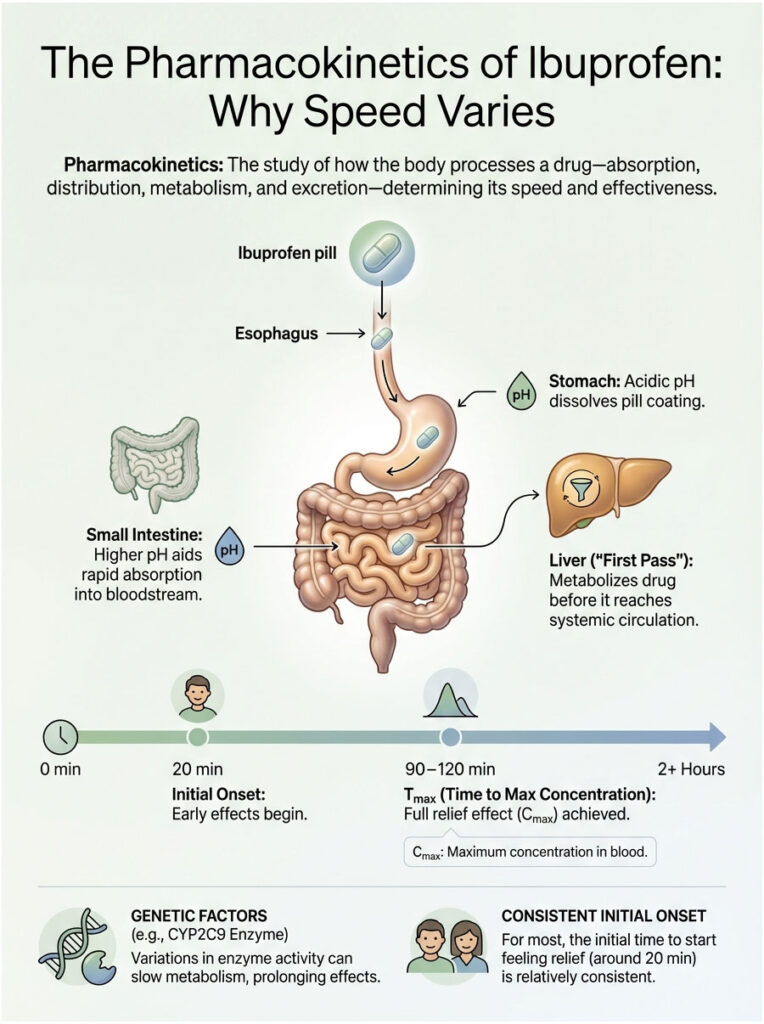
Ibuprofen is a weak acid. It stays relatively stable in the stomach, but it needs the higher pH of the small intestine to be fully absorbed into your bloodstream. Once absorbed, it passes through the liver for what pharmacists call “first pass” metabolism. From there, it circulates through your body to block COX-1 and COX-2 enzymes. This entire process, from swallowing to blocking pain signals, determines the ibuprofen onset time.
Key Pharmacokinetic Numbers
- Bioavailability: Over 80% (meaning most of the drug actually reaches your bloodstream)
- Onset of Action: 15 to 30 minutes, depending on formulation
- Time to Peak Concentration: 1 to 2 hours for standard tablets
- Half-Life: About 1.8 to 2 hours
- Protein Binding: Over 99% (binds tightly to plasma proteins)
- Excretion: Rapidly cleared through the kidneys within 24 hours
In clinical terms, two metrics matter most: Time to Maximum Concentration (Tmax) and Maximum Concentration (Cmax). You might start feeling some relief at the 20-minute mark, but the drug does not hit full strength until roughly 90 to 120 minutes after you take it. That is why “when does ibuprofen kick in” is a different question than “when will I feel my absolute best.”
Genetics also play a part. The enzyme CYP2C9 handles ibuprofen metabolism in the liver. Some people are rapid metabolizers who clear the drug quickly. Others are poor metabolizers, meaning the drug hangs around longer. For the average person, though, the initial onset time is remarkably consistent.
Formulation Matters: Liquid Gels vs. Tablets vs. Suspension
Not all ibuprofen is the same. The physical form of the medication is the single biggest factor in how long ibuprofen takes to work. Standard tablets are compressed powder. Before your body can absorb anything, your stomach acid has to break down the hard outer coating and dissolve that powder into solution.
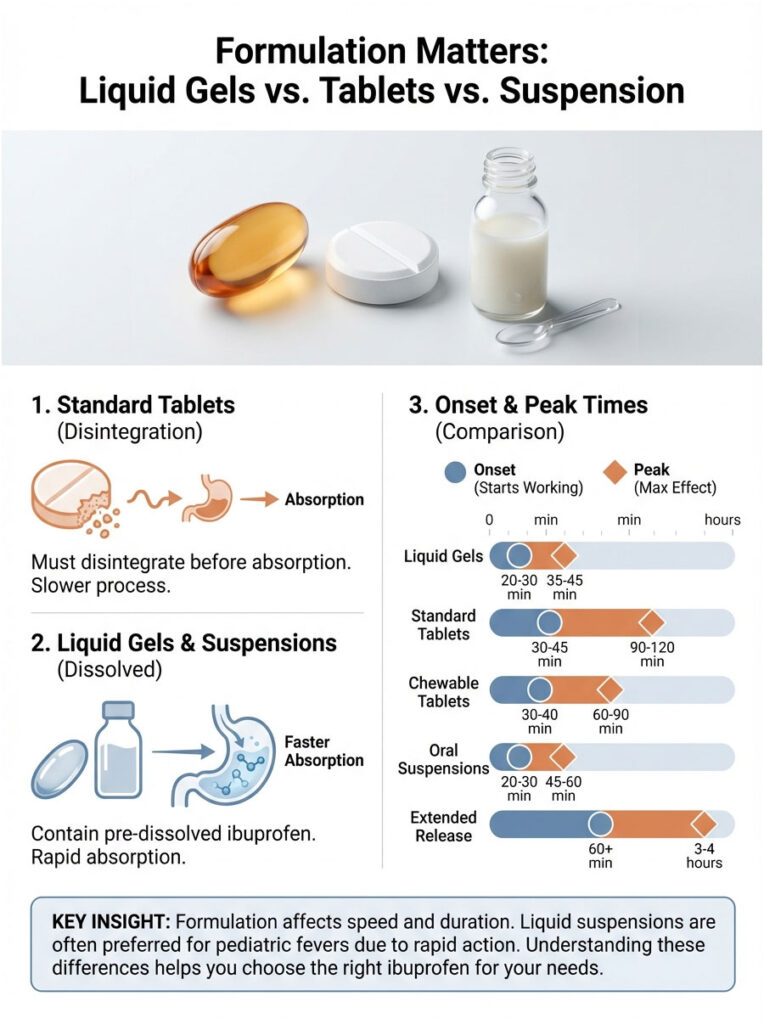
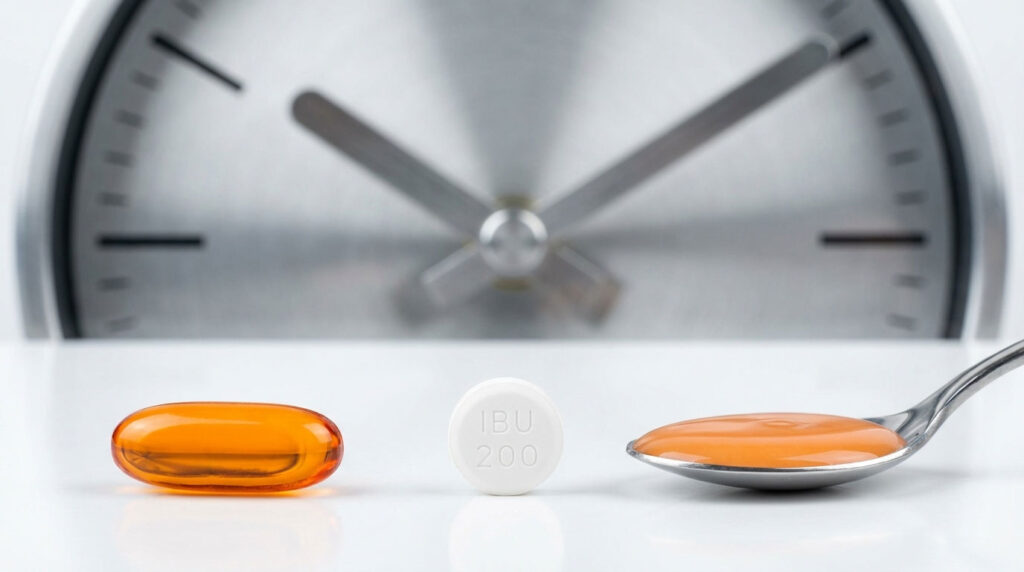
The liquid gels vs tablets debate is one of the most common conversations in the pharmacy aisle. Liquid gels contain ibuprofen that is already dissolved in a liquid center, usually as a potassium salt. Because the drug is already in liquid form, your body skips the entire disintegration step. Once the gelatin shell dissolves, absorption starts right away.
Ibuprofen Onset Time by Formulation
| Formulation | Onset Time | Time to Peak | Best Use Case |
| Liquid Gels (Solubilized) | 20-30 min | 35-45 min | Acute, severe pain (migraine, toothache) |
| Standard Coated Tablet | 30-45 min | 90-120 min | General aches, mild headache |
| Chewable Tablet | 30-40 min | 60-90 min | Pediatrics, difficulty swallowing |
| Oral Suspension (Liquid) | 20-30 min | 45-60 min | Children’s fevers, rapid relief |
| Extended Release | 60+ min | 3-4 hours | Chronic conditions, overnight pain |
Oral suspensions (liquid ibuprofen) work similarly to liquid gels and are often the fastest option available. That is exactly why they are the go-to choice for pediatric fevers. If you are wondering when ibuprofen kicks in for a feverish toddler, the liquid suspension typically shows results within 20 minutes.
Condition-Specific Timelines: Same Drug, Different Rules
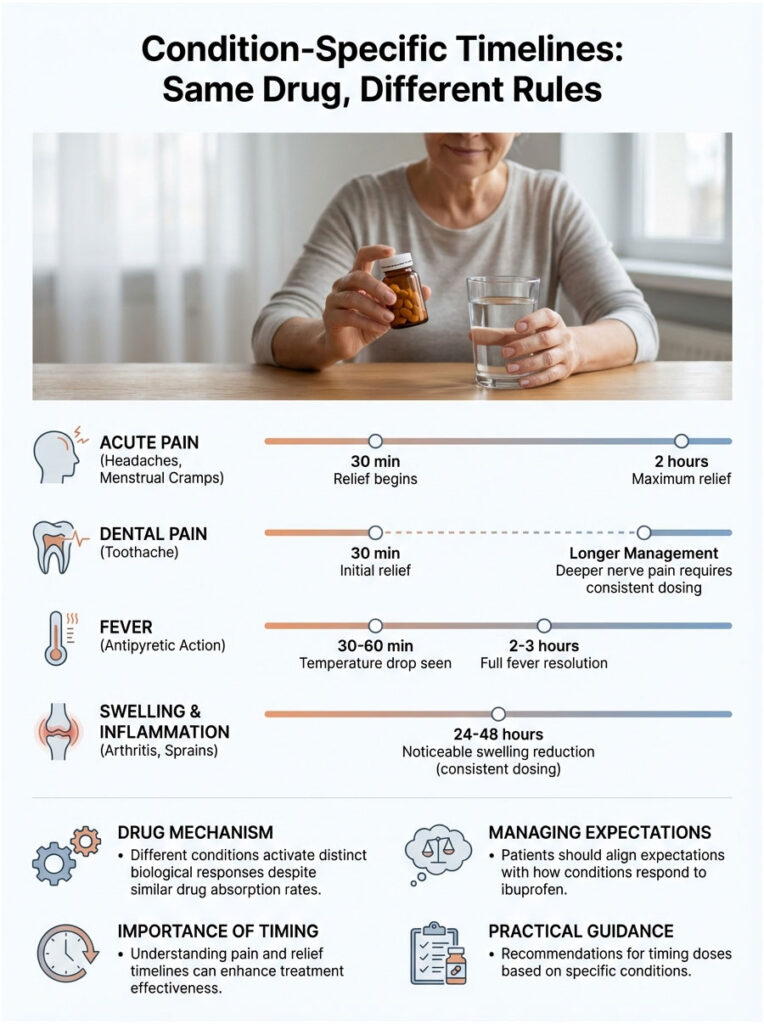
Here is a nuance that gets overlooked constantly: the type of condition changes how fast you notice relief. How long ibuprofen takes to work for a headache is quite different from how long it takes to bring down a swollen ankle. The drug enters your blood at the same speed, but the biological mechanism for relief varies.
Acute Pain (Headaches, Menstrual Cramps)
For somatic pain like headaches or muscle strains, the painkilling effect lines up closely with plasma concentration. Within about 30 minutes, the edge starts coming off. By hour two, you should feel maximum relief. Prostaglandins in the peripheral nervous system get blocked relatively quickly, which is why these conditions respond so well.
Dental Pain (Toothache)
Dental pain is a different beast and notoriously hard to manage. Why? It often involves deep nerve inflammation buried inside the jawbone. The drug reaches your bloodstream within 30 minutes, but penetrating bony tissue to calm the nerve can feel slower. Many dentists recommend taking ibuprofen before the numbness from a dental procedure wears off, a strategy known as a “loading dose,” to stay ahead of the pain curve.
Fever (Antipyretic Action)
Ibuprofen is an excellent fever reducer. It acts on the hypothalamus, your body’s internal thermostat, to reset the temperature set point. You will typically see a temperature drop starting around 30 to 60 minutes after taking a dose. However, the fever usually breaks fully, reaching its lowest temperature, about 2 to 3 hours later. Parents should not expect a fever to vanish in 15 minutes.
Swelling and Inflammation (Arthritis, Sprains)
This is where most people get frustrated. You sprain your ankle, take two Advil, and an hour later the ankle still looks like a grapefruit. So how long does ibuprofen take to work for swelling?
The anti-inflammatory timeline is completely different from the pain-relief timeline. Reducing physical swelling requires maintaining a steady drug level in your blood so COX enzymes are constantly inhibited over time. Meaningful reduction in swelling usually takes 24 to 48 hours of consistent dosing, for example every 6 hours. A single dose will help with pain, but it will barely touch the visible swelling.
What Affects Absorption: Food, Drink, and Biology
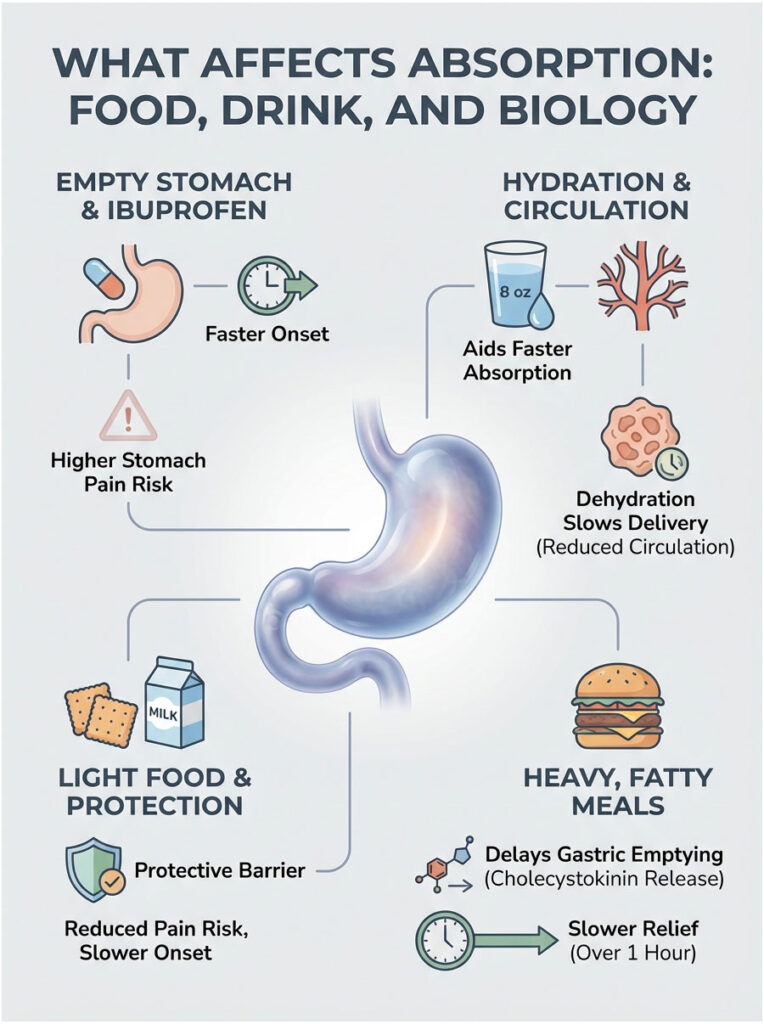
Your stomach environment controls the speed of the drug. One of the most common questions I get is whether you should take ibuprofen on an empty stomach. The answer involves a trade-off between speed and safety.
The Food Trade-Off (Pharmacist’s Tip)
Taking ibuprofen on an empty stomach speeds up onset time, sometimes by 10 to 15 minutes, because there is no food to buffer the acid or delay gastric emptying. But it also significantly raises the risk of stomach pain and bleeding. I almost always recommend taking it with at least a few crackers or a glass of milk to protect the stomach lining.
Heavy Meals and Gastric Emptying
If you eat a heavy, fatty meal (think cheeseburger and fries) right before taking your dose, the onset time will be delayed. Fat triggers a hormone called cholecystokinin, which slows gastric emptying. That means the pill sits in your stomach longer before moving to the small intestine where absorption actually happens. The upside is better stomach protection, but you might be waiting over an hour to feel relief.
Hydration and Circulation
Water is your best friend here. Swallowing a tablet dry or with just a tiny sip can cause the pill to stick in your esophagus or dissolve slowly. Drinking a full 8-ounce glass of water helps dissolve the tablet and pushes it into the small intestine faster. On the flip side, dehydration reduces blood volume and circulation, which can slow down how quickly the drug reaches the tissues where it is needed.
Dosage Strategies and the Ceiling Effect
There is a dangerous misconception that if 400mg works well, 1000mg must work better. This is flat-out wrong because of the ibuprofen ceiling effect. After a certain dosage, typically around 400mg to 600mg for pain relief, the benefits plateau.
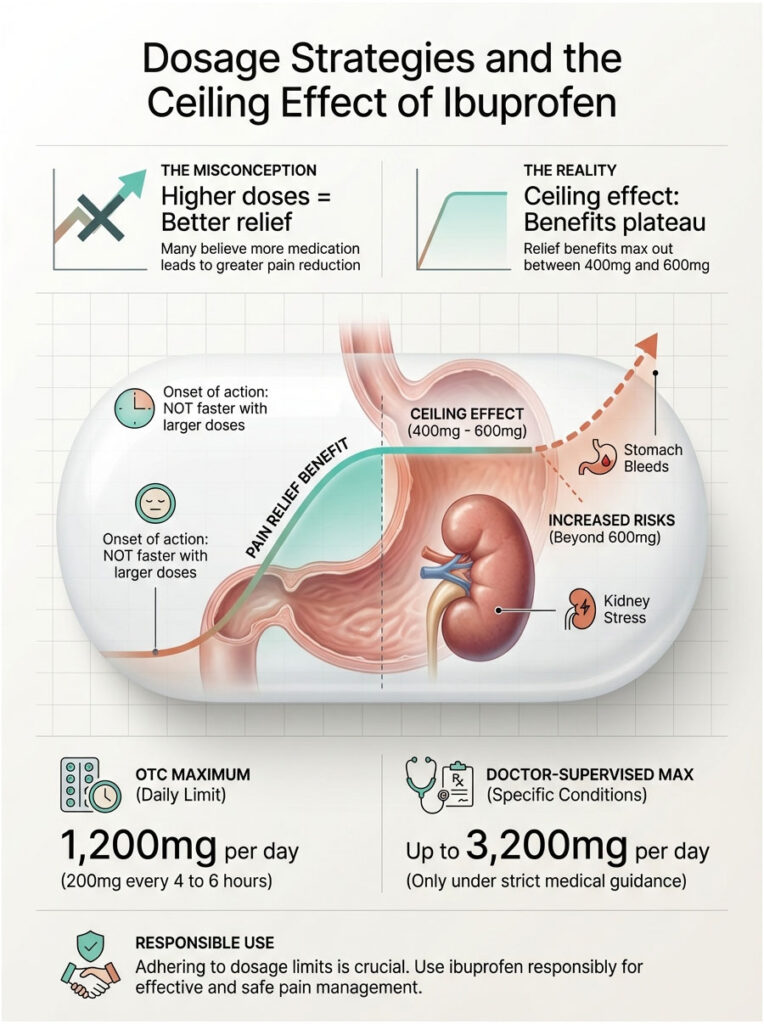
Taking 800mg or 1000mg at once for a simple headache does not give you double the relief. You are essentially flatlined on benefits while dramatically increasing your risk of stomach bleeds and kidney stress. And here is a critical point: how long ibuprofen takes to work does not speed up with a larger dose. The onset is governed by absorption rates, not dosage size.
The maximum over-the-counter daily dose is generally 1,200mg per day (200mg every 4 to 6 hours). Under a doctor’s supervision, that can go up to 3,200mg per day, but high doses are strictly reserved for monitored conditions like rheumatoid arthritis. Never exceed these limits in hopes of faster relief.
Safety Profile: When to Stop and When to Worry
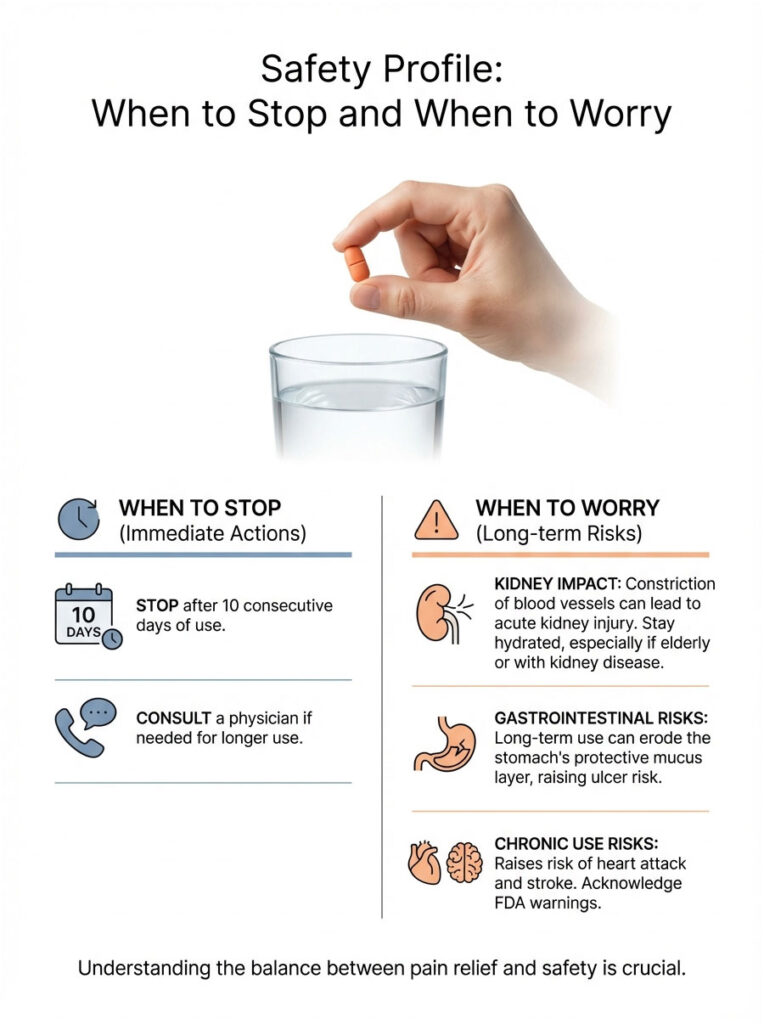
While we focus on how fast ibuprofen works, we also need to respect the drug’s power. NSAIDs are not harmless, and they affect the kidneys, the stomach lining, and the cardiovascular system.
Kidney Impact
Ibuprofen constricts blood vessels that feed the kidneys. If you are dehydrated, elderly, or already have kidney disease, that constriction can lead to acute kidney injury. This is why staying hydrated is non-negotiable whenever you take NSAIDs.
Gastrointestinal Risks
Long-term use can erode the stomach’s protective mucus layer. If you find yourself reaching for ibuprofen every day for more than 10 days straight, it is time to stop and see a physician. Chronic use raises the risk of ulcers. According to FDA warnings, it can also increase the risk of heart attack or stroke.
Ibuprofen vs. the Competition: Picking the Right Pain Reliever
Sometimes ibuprofen is not the right tool for the job. Knowing how it stacks up against other options helps set realistic expectations about onset time and overall effectiveness.
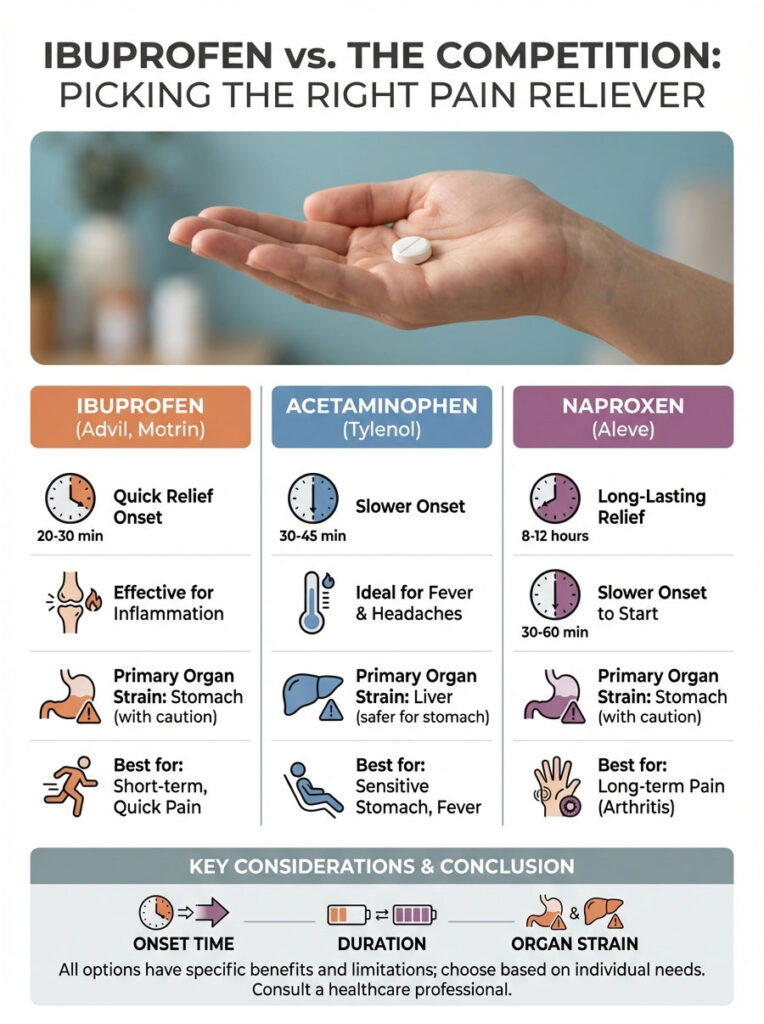
Ibuprofen vs. Acetaminophen (Tylenol): Tylenol works in the brain to block pain signals but does very little for inflammation. It often has a slightly slower onset (30 to 45 minutes) compared to liquid ibuprofen, but it is much safer for the stomach. If you have a fever and a sensitive stomach, Tylenol is the better choice.
Ibuprofen vs. Naproxen (Aleve): Naproxen is another NSAID. Ibuprofen generally works faster. Naproxen can take an hour to kick in, but it lasts 8 to 12 hours compared to ibuprofen’s 4 to 6 hours. For all-day pain management, naproxen wins. For quick relief, ibuprofen is the better pick.
Head-to-Head Comparison
| Feature | Ibuprofen (Advil) | Acetaminophen (Tylenol) | Naproxen (Aleve) |
| Primary Action | Anti-inflammatory, Analgesic, Antipyretic | Analgesic, Antipyretic | Anti-inflammatory, Analgesic |
| Onset of Action | 20-30 minutes | 30-45 minutes | 30-60 minutes |
| Duration | 4-6 hours | 4-6 hours | 8-12 hours |
| Primary Organ Strain | Kidneys & Stomach | Liver | Kidneys & Stomach |
| Best For | Inflammation, Muscle Pain, Cramps | Headaches, Fever, Sensitive Stomach | All-day Pain, Arthritis |
Advanced Tips: Potentiators and Timing Strategies
There are ways to safely boost ibuprofen’s effectiveness without increasing the dose. One approach involves potentiators. Caffeine, for example, has been shown in clinical studies to enhance the painkilling effect of NSAIDs.
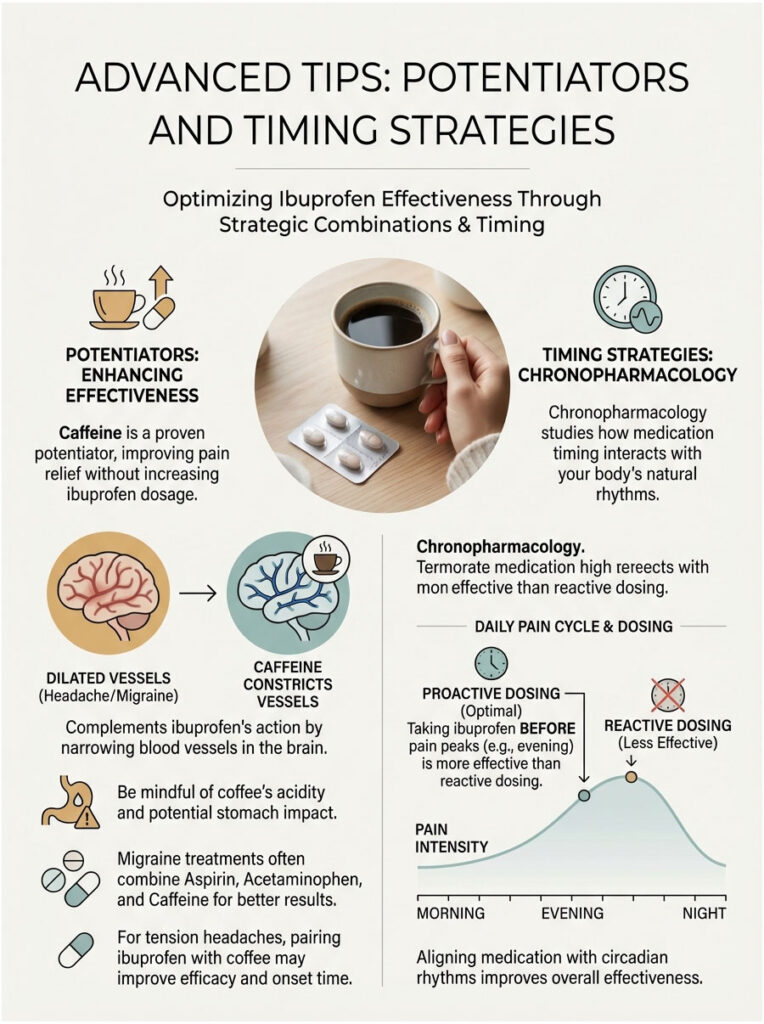
Some migraine medications combine aspirin, acetaminophen, and caffeine for this very reason. If you have a tension headache, taking your ibuprofen with a small cup of coffee may slightly improve both onset time and overall efficacy. Caffeine constricts dilated blood vessels in the brain, working hand-in-hand with the ibuprofen. Just keep in mind that coffee is acidic, so make sure your stomach can handle the combination.
There is also a concept called chronopharmacology, which is the study of how medication timing interacts with your body’s circadian rhythms. Pain perception often peaks in the evening. For chronic conditions, taking ibuprofen before the pain becomes severe is more effective than trying to chase it once it has fully set in.
A Note for Parents: Pediatric Ibuprofen Use
When your child is sick, the question of how long ibuprofen takes to work usually comes with a lot of anxiety. Ibuprofen is generally approved for children aged 6 months and older. Dosage is strictly weight-based, not age-based.
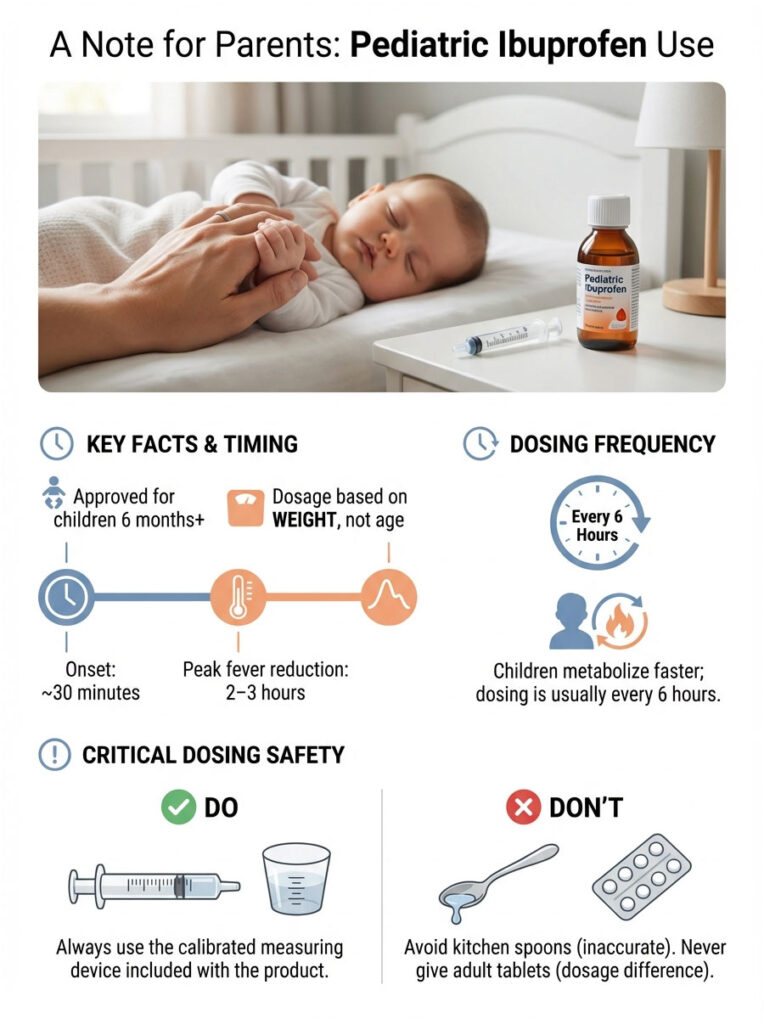
For kids, the onset time is typically around 30 minutes, with peak fever reduction happening at the 2 to 3 hour mark. Because children have faster metabolic rates than adults, they clear the drug more quickly. That is why dosing is usually every 6 hours.
Always use the calibrated measuring device that comes with the product. Kitchen spoons are inaccurate and can easily lead to underdosing (no relief) or overdosing (toxicity). Never give adult tablets to young children, because the absorption and dosage are not designed for their size.
Final Takeaways
So, how long does ibuprofen take to work? It comes down to the formulation and the condition. For most people taking a liquid gel, the onset time is a quick 20 minutes. If you are taking a standard tablet on a full stomach, expect closer to 45 minutes. And while pain relief comes fast, the anti-inflammatory effects for swelling require patience and consistent dosing over days.
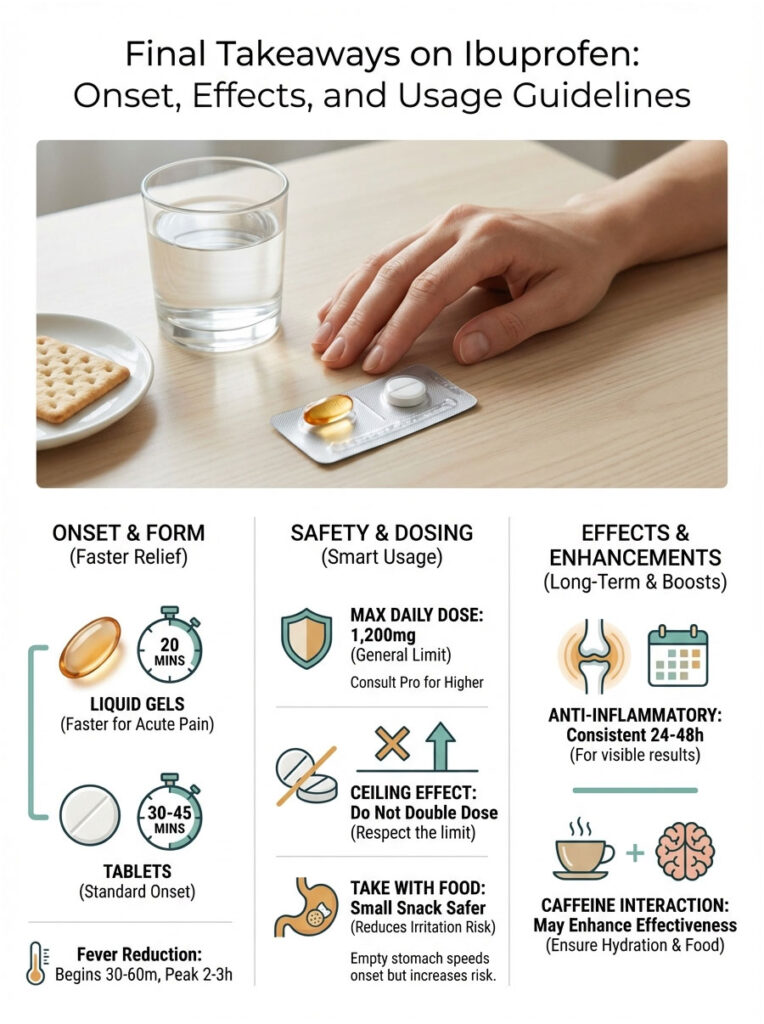
When you are hurting and waiting for ibuprofen to kick in, resist the urge to double your dose. Respect the ceiling effect and stick to the maximum daily limits. If you want faster relief, reach for a liquid formulation and drink a full glass of water with it.
If your pain lasts beyond 10 days or your fever persists beyond 3 days, stop self-treating and consult a healthcare professional immediately.
Frequently Asked Questions
How long does it take for ibuprofen to start working for pain relief?
For most healthy adults, the initial ibuprofen onset time is between 20 and 30 minutes after ingestion. While you may feel the first signs of relief quickly, the medication typically reaches its maximum therapeutic concentration in the bloodstream within 1 to 2 hours. Factors such as your metabolism and the specific formulation you chose will influence this timeline.
Are liquid gel capsules faster than standard ibuprofen tablets?
Yes, liquid gels generally provide faster relief because the ibuprofen is already solubilized in a liquid center, allowing the body to skip the disintegration step required for compressed tablets. This typically results in an onset of action within 15 to 20 minutes, compared to 30 to 45 minutes for traditional coated tablets. As a pharmacist, I recommend liquid gels for acute, sharp pain like migraines or sudden toothaches.
How long does ibuprofen take to work for a severe toothache?
While ibuprofen begins circulating in your system within 30 minutes, dental pain often involves deep inflammation within bony structures that can take longer to soothe. You will likely feel a reduction in throbbing within the first hour, but reaching the peak analgesic effect for nerve-related dental pain usually takes about 90 to 120 minutes. Many clinicians suggest taking a dose before dental anesthesia wears off to stay ahead of the pain curve.
Should I take ibuprofen on an empty stomach to make it work faster?
Taking ibuprofen on an empty stomach can speed up the onset of action by 10 to 15 minutes because there is no food to delay gastric emptying into the small intestine. However, as a healthcare professional, I strongly advise against this due to the significantly increased risk of gastric irritation and mucosal damage. It is much safer to take your dose with a small snack or a glass of milk to protect your stomach lining.
How long does it take for ibuprofen to reduce visible swelling and inflammation?
Unlike simple pain relief, the anti-inflammatory effect of ibuprofen is not immediate and requires maintaining a steady-state concentration in the blood. While pain may subside in an hour, visible reduction in swelling for conditions like sprains or arthritis typically requires 24 to 48 hours of consistent dosing. You must follow a regular schedule, such as every six hours, to effectively inhibit the enzymes responsible for physical inflammation.
How quickly will a fever start to drop after taking ibuprofen?
Ibuprofen acts as an antipyretic by resetting the body’s internal thermostat in the hypothalamus, with temperature reduction usually beginning within 30 to 60 minutes. However, the “peak” of the fever-reducing effect—where the temperature reaches its lowest point—often occurs 2 to 3 hours after the dose is administered. For pediatric fevers, an oral suspension is often the fastest way to initiate this cooling process.
Does taking a higher dose of ibuprofen provide faster relief?
Taking a higher dose does not speed up the ibuprofen onset time; it only increases the duration of action and the risk of adverse effects. This is due to the “ceiling effect,” where the analgesic benefits plateau once pain receptors are saturated, usually around 400mg to 600mg for most people. Exceeding recommended doses leads to increased renal and gastrointestinal toxicity without providing quicker or better pain management.
Is ibuprofen faster than Tylenol for treating acute pain?
Ibuprofen, particularly in liquid gel or suspension form, often has a slightly faster onset of action (20-30 minutes) compared to standard acetaminophen (30-45 minutes). While both are effective, ibuprofen is superior for pain involving inflammation, whereas Tylenol is often better tolerated by those with sensitive stomachs. The choice should depend on the underlying cause of your pain rather than just the speed of onset.
How does a heavy or fatty meal affect when ibuprofen kicks in?
Consuming a high-fat meal immediately before taking ibuprofen can significantly delay the onset of action, sometimes by an hour or more. Fat triggers the release of hormones that slow down the movement of stomach contents into the small intestine, where the drug is primarily absorbed. If you need rapid relief, stick to a light snack like crackers rather than a full, heavy meal.
How long do the effects of ibuprofen last once it starts working?
Once ibuprofen takes effect, its clinical benefits typically last for 4 to 6 hours for most adults. The drug has a relatively short half-life of approximately 2 hours, meaning it is cleared from the bloodstream fairly quickly by the kidneys. For chronic conditions requiring longer-lasting relief, a different NSAID like naproxen may be more appropriate as it can last up to 12 hours.
Can I drink coffee to make my ibuprofen work more effectively?
Caffeine is a known analgesic adjuvant that can actually enhance the effectiveness of ibuprofen and potentially speed up its onset. Studies show that caffeine helps constrict dilated blood vessels, which is particularly useful for tension headaches and migraines. However, because both caffeine and ibuprofen can be hard on the stomach lining, you should ensure you are well-hydrated and have a small amount of food in your system.
What is the maximum daily dose of ibuprofen I can safely take?
For over-the-counter use, the maximum daily dose is generally 1,200mg, which equates to six 200mg tablets spread out over 24 hours. While doctors may prescribe up to 3,200mg per day for severe inflammatory conditions, this should only be done under strict medical supervision. Exceeding these limits significantly increases the risk of acute kidney injury, stomach ulcers, and cardiovascular events.
Disclaimer
This article is for informational purposes only and does not constitute medical advice. Always consult a qualified healthcare professional or pharmacist before starting any new medication or making health decisions. If you experience severe side effects or an allergic reaction, seek emergency medical attention immediately.
References
- U.S. Food and Drug Administration (FDA) – FDA.gov – Official guidance on NSAID safety and labeling requirements.
- National Center for Biotechnology Information (NCBI) – PubMed – “Clinical pharmacokinetics of ibuprofen: The first 30 years.”
- Mayo Clinic – MayoClinic.org – Comprehensive overview of ibuprofen (Oral Route) proper use and side effects.
- The Pharmaceutical Journal – Pharmaceutical-journal.com – Comparative studies on the absorption rates of solubilized ibuprofen liquid gels.
- American Academy of Pediatrics (AAP) – HealthyChildren.org – Pediatric dosing guidelines and onset expectations for fever reducers.
- World Health Organization (WHO) – WHO.int – Model List of Essential Medicines: Ibuprofen pharmacological profile.