Receiving a diagnosis of a low platelet count, or thrombocytopenia, can be unsettling. You might feel uncertain about what to eat, what to avoid, and how to support your body’s health. Platelets are essential for blood clotting, and when their levels drop, it can lead to concerning symptoms. This guide provides a comprehensive, evidence-based roadmap on how to increase platelet count through a targeted diet, key lifestyle adjustments, and medical treatments.
Table of Contents
We will explore the specific foods to increase platelet count, offering a clear low platelet count diet plan that empowers you. Crucially, we will also detail exactly what foods to avoid when platelets are low to prevent further complications. This article is designed to provide you with the authoritative information needed to navigate your health journey with confidence and in partnership with your healthcare provider.

Understanding Low Platelet Count (Thrombocytopenia): The Basics
Before diving into solutions, it’s essential to understand the fundamentals of this condition. A solid foundation of knowledge helps in making informed decisions about your health and treatment plan.
What Are Platelets and Why Are They Vital for Your Health?
Platelets, also known as thrombocytes, are small, disc-shaped cell fragments produced in your bone marrow. They circulate in your blood and are the first responders when you get an injury.
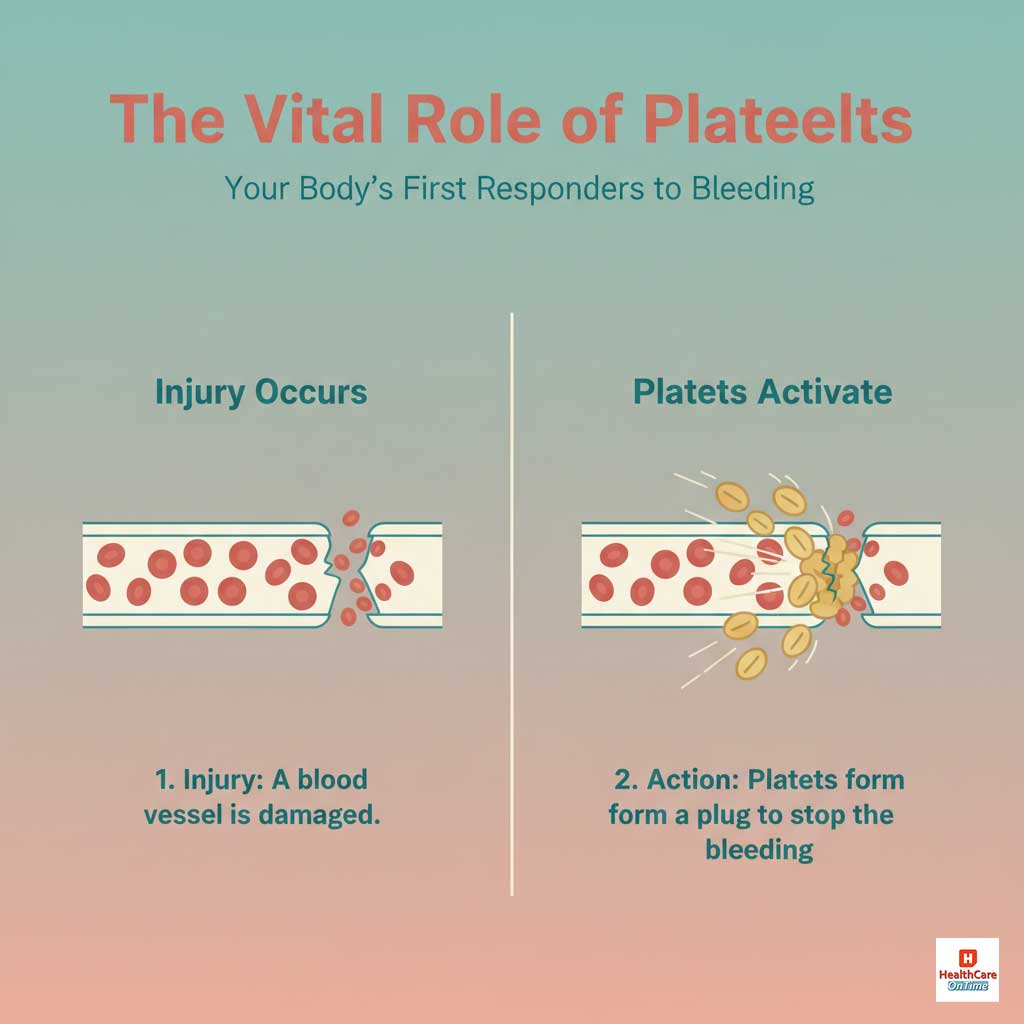
When a blood vessel is damaged, platelets rush to the site, sticking together to form a plug. This initial plug is the first step in forming a stable blood clot, which ultimately stops the bleeding and allows the body to begin repairs. Without enough healthy platelets, this critical process is impaired.
What is a Normal vs. Low Platelet Count? The Numbers You Need to Know
A platelet count is measured in platelets per microliter of blood. Understanding these numbers is key to grasping the severity of thrombocytopenia.
- Normal Range: 150,000 to 450,000 platelets per microliter.
- Mild Thrombocytopenia: 100,000 to 150,000 platelets per microliter.
- Moderate Thrombocytopenia: 50,000 to 99,000 platelets per microliter.
- Severe Thrombocytopenia: Below 50,000 platelets per microliter.
Here is a simple breakdown of these clinical ranges:
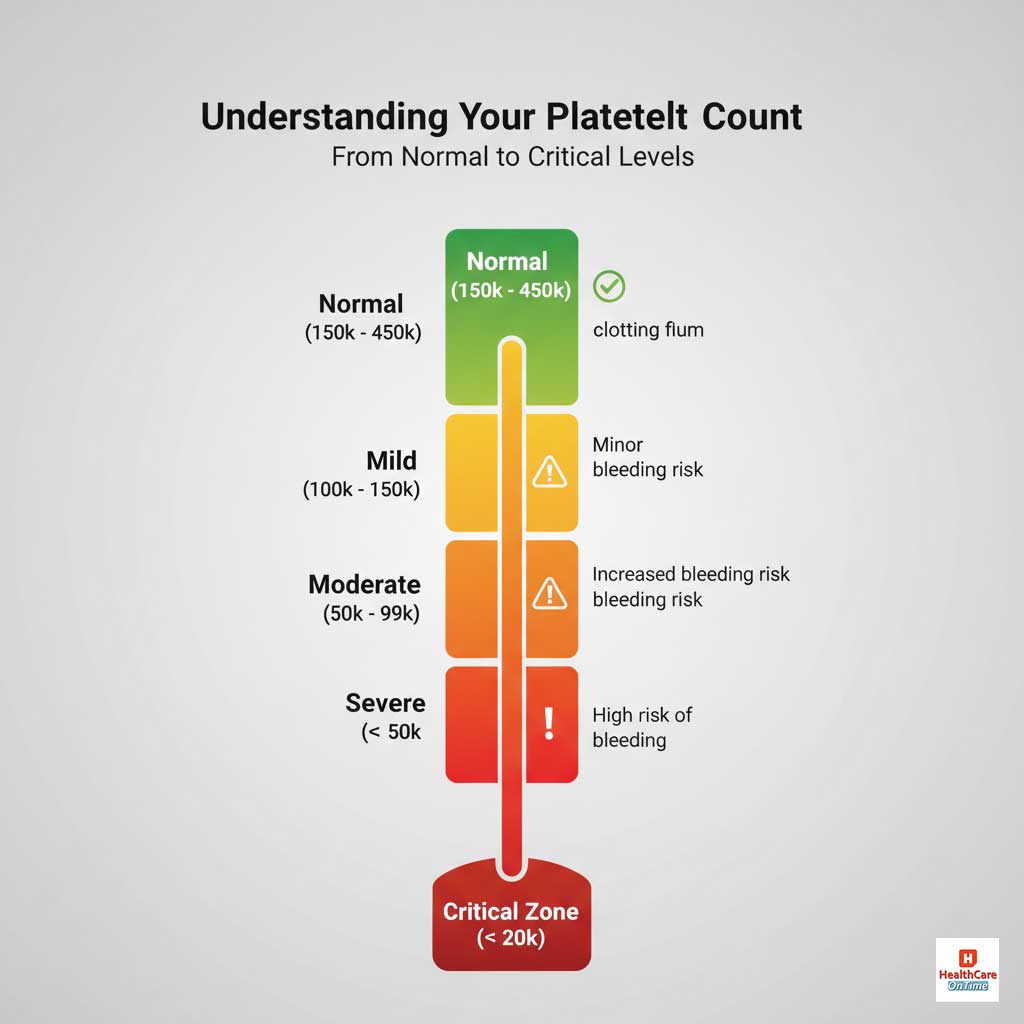
| Platelet Count Range | Classification | General Risk Level |
| > 150,000 | Normal | Very low risk of spontaneous bleeding. |
| 100,000–150,000 | Mild Thrombocytopenia | Generally low risk, may not cause symptoms. |
| 50,000–99,000 | Moderate Thrombocytopenia | Increased risk of bleeding after serious injury. |
| < 50,000 | Severe Thrombocytopenia | Risk of serious bleeding even from minor injuries. |
| < 20,000 | Critical Thrombocytopenia | High risk of spontaneous, life-threatening bleeding. |
Common Causes of a Low Platelet Count
A low platelet count isn’t a disease in itself but rather a result of an underlying condition or factor. The causes generally fall into one of three categories:
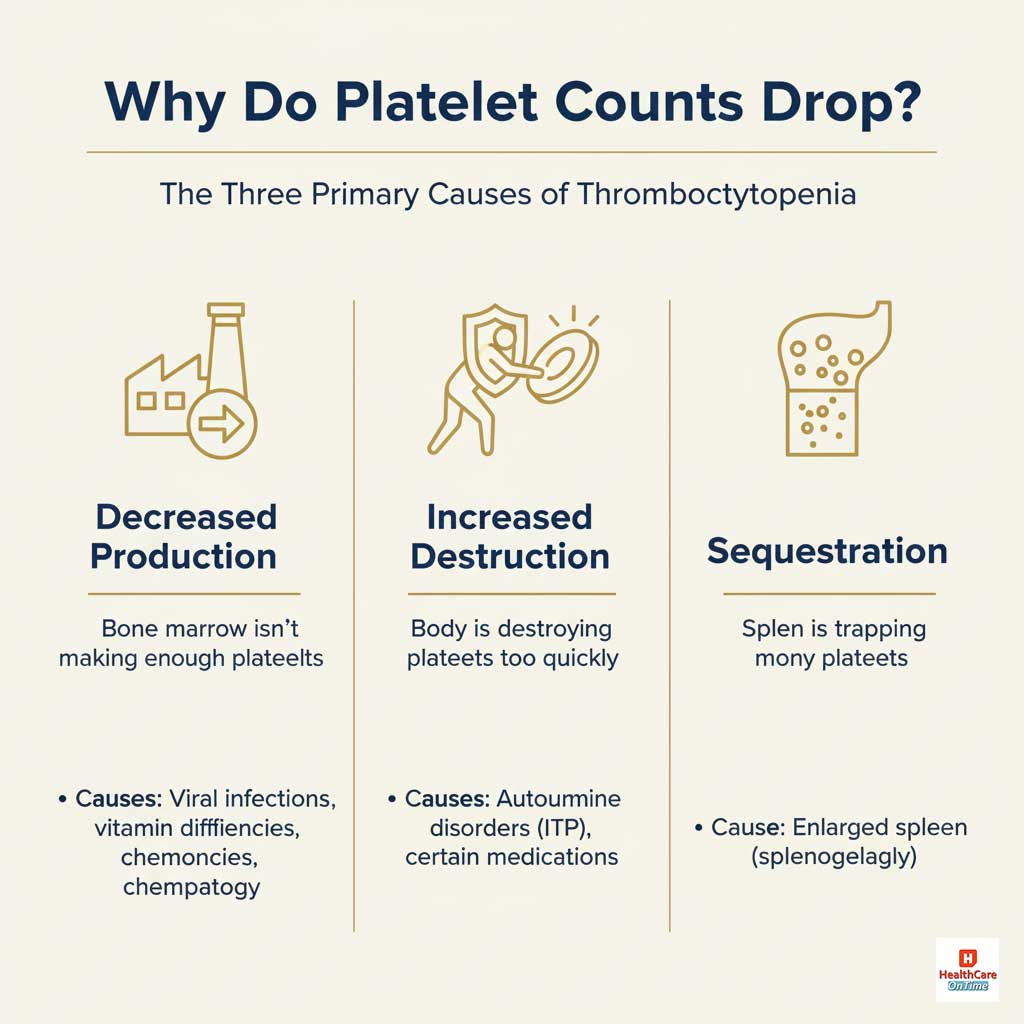
- Decreased Production in the Bone Marrow: The “factory” isn’t making enough platelets. This can be due to viral infections (like dengue, hepatitis C), vitamin deficiencies (B12, folate), aplastic anemia, or as a side effect of chemotherapy and radiation.
- Increased Destruction of Platelets: The body is producing platelets, but they are being destroyed too quickly. This is common in autoimmune disorders like Immune Thrombocytopenia (ITP), where the immune system mistakenly attacks its own platelets. Certain medications can also trigger this.
- Sequestration in the Spleen: The spleen acts as a filter for the blood. If it becomes enlarged (splenomegaly), it can trap and hold onto too many platelets, reducing the number in circulation.

Urgent Warning Signs: When is a Low Platelet Count an Emergency?
While managing your condition is important, knowing when to seek immediate help is critical for your safety. A severely low platelet count can be a medical emergency.
Recognizing the Red Flags of a Dangerously Low Platelet Count
Pay close attention to your body and watch for these warning signs, which may indicate your platelet count is dangerously low:
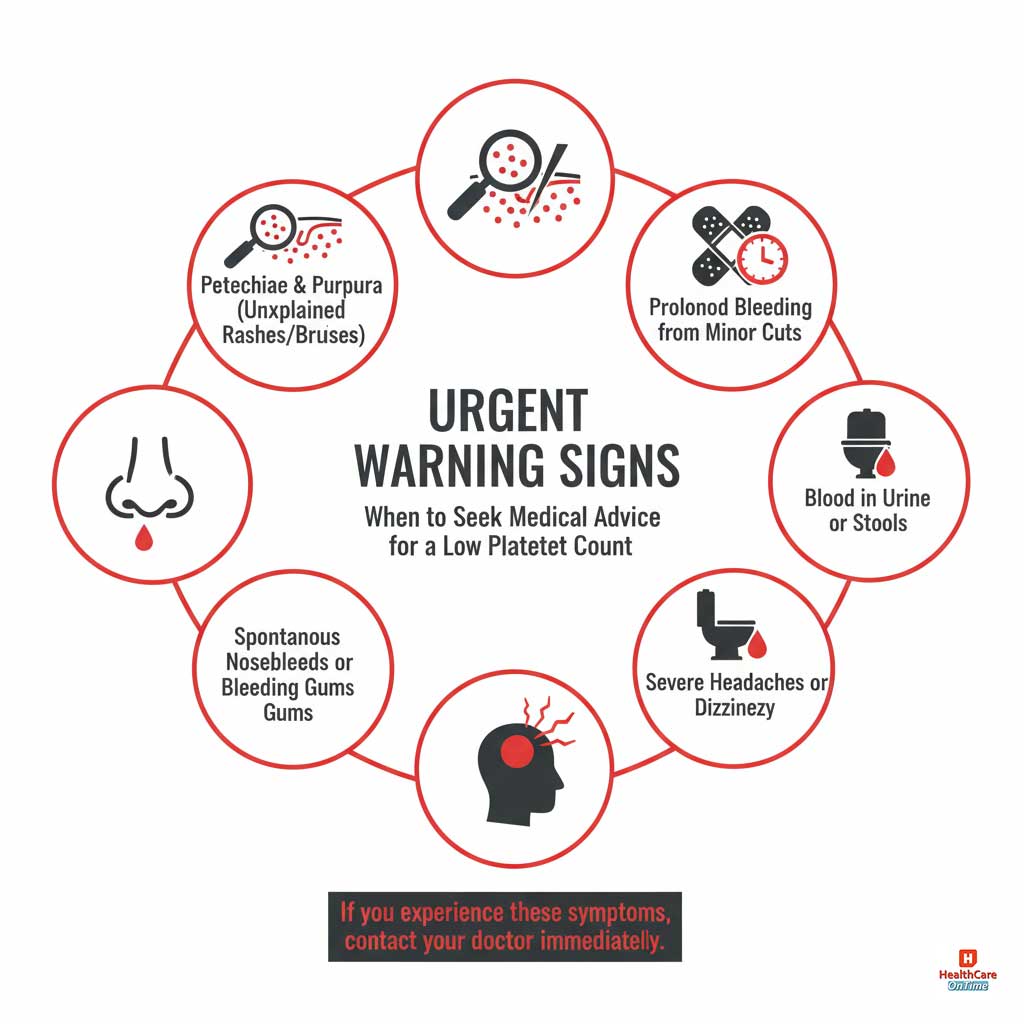
- Petechiae: Pinpoint-sized, reddish-purple spots that look like a rash, often appearing on the lower legs.
- Purpura: Larger patches of bruising from bleeding under the skin.
- Prolonged Bleeding: Any cut or scrape that bleeds for an unusually long time.
- Spontaneous Bleeding: Nosebleeds or bleeding from the gums that occur without injury.
- Blood in Urine or Stools: Urine may appear pink or red, while stools can be red or black and tarry.
- Unusually Heavy Menstrual Flow: A significant change in your menstrual cycle.
- Severe Headaches or Neurological Symptoms: Dizziness, blurred vision, or confusion could signal internal bleeding in the brain and require immediate attention.
What is a Critically Low Platelet Count and When Should You Go to the ER?
A platelet count below 20,000 per microliter is often considered critically low, carrying a high risk of spontaneous and life-threatening internal bleeding.
Seek Immediate Medical Attention If You Experience These Symptoms:
If you have a known low platelet count and develop any of the following, go to the emergency room immediately:
- Signs of bleeding in the brain (severe headache, confusion, vision changes).
- Signs of gastrointestinal bleeding (black, tarry stools; vomiting blood).
- Any bleeding that you cannot control.
- A severe injury or trauma.
How to Increase Platelet Count Naturally: A Deep Dive into Diet and Nutrition
While medical treatment is often necessary, a well-balanced thrombocytopenia diet can provide your body with the essential building blocks for platelet production. Learning how to increase platelet count often begins in the kitchen. Focusing on specific nutrients is a key way to raise platelet count naturally.
The Four Foundational Nutrients for Healthy Platelet Production
Your bone marrow requires a steady supply of specific vitamins and minerals to function optimally. Incorporating these foods to increase platelet count is a proactive step you can take.
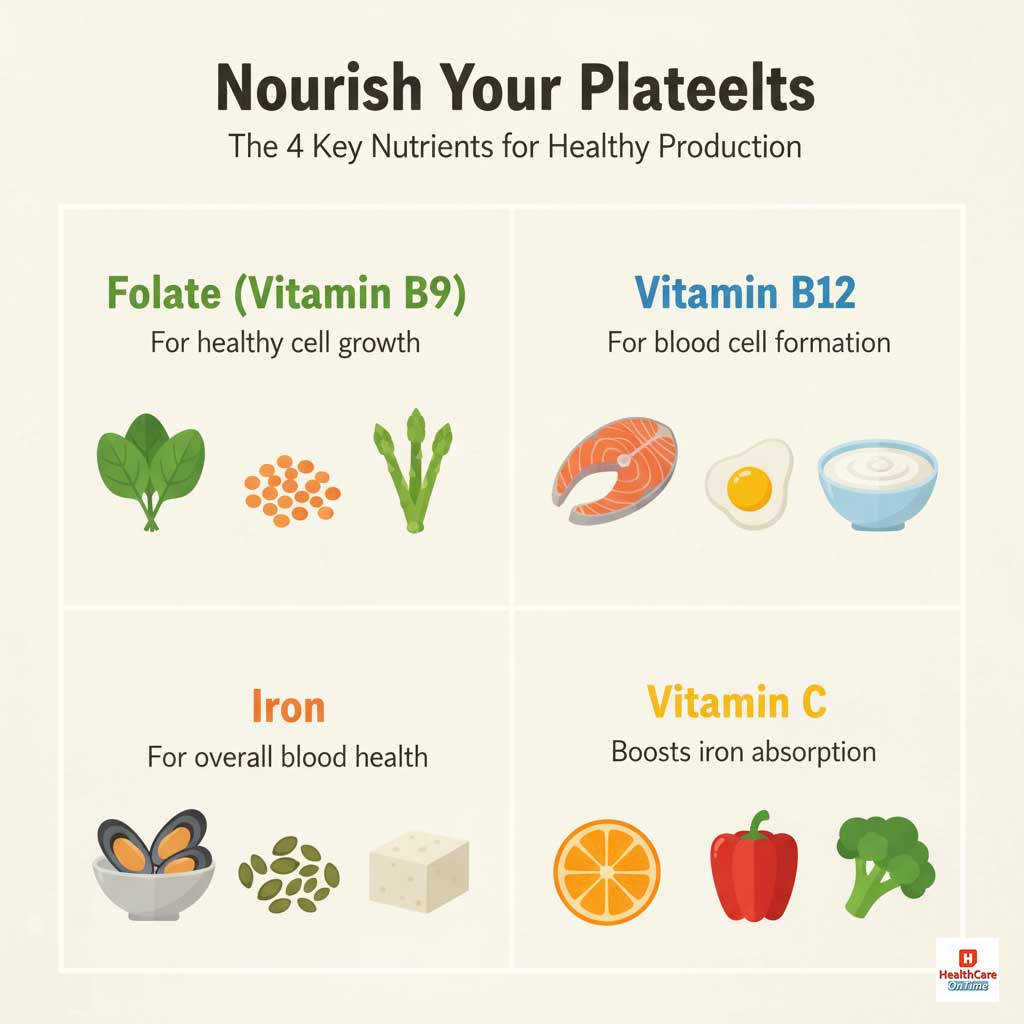
Folate (Vitamin B9)
Folate is a vital B-vitamin essential for the growth and division of all cells, including the hematopoietic stem cells in your bone marrow that become platelets. A folate deficiency can directly lead to a low platelet count.
- Best Food Sources: Dark leafy greens like spinach and kale, beef liver, black-eyed peas, lentils, asparagus, and fortified breakfast cereals.
Vitamin B12
Vitamin B12 is crucial for keeping your nerve and blood cells healthy, including the formation of red blood cells and platelets. Signs of B12/folate deficiency can overlap and include fatigue, weakness, and pale skin, which can also be symptoms of thrombocytopenia itself.
- Best Food Sources: Vitamin B12 is found almost exclusively in animal products. Top sources include clams, beef liver, salmon, tuna, eggs, and dairy products like milk and yogurt. Vegetarians and vegans should focus on fortified foods like plant-based milks and cereals or discuss supplementation with their doctor.
Iron
Iron is a fundamental component of hemoglobin in red blood cells, but it also plays a supporting role in overall blood cell health. Iron-deficiency anemia is sometimes associated with a secondary drop in platelets. Consuming iron-rich foods for thrombocytopenia ensures your bone marrow has what it needs.
- Best Food Sources: Mussels, oysters, beef, poultry (dark meat), lentils, beans, tofu, spinach, and pumpkin seeds.
Vitamin C
Vitamin C is a powerful antioxidant that plays a dual role in platelet health. It helps your platelets function correctly and group together to form clots. Perhaps more importantly, it significantly enhances your body’s ability to absorb iron from plant-based foods.
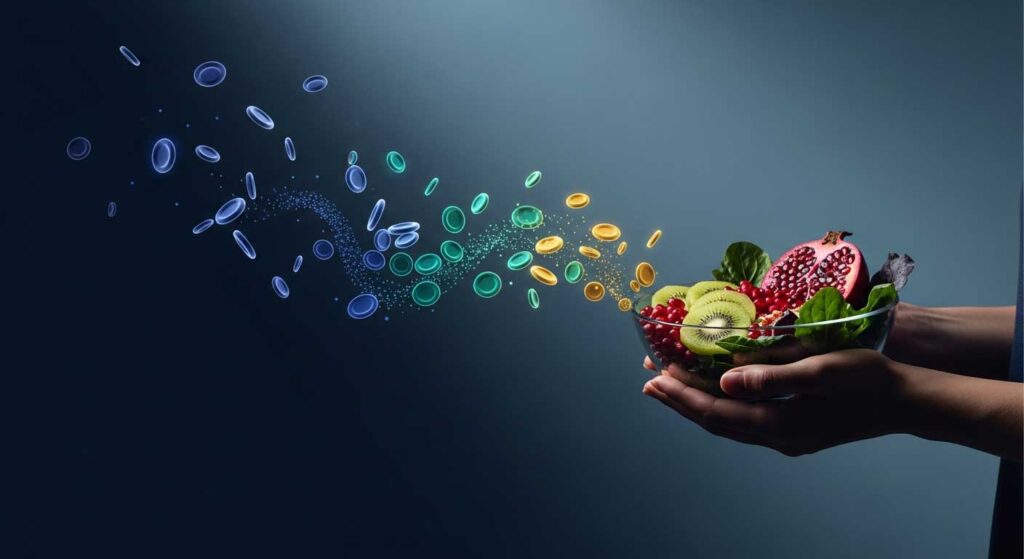
- Best Food Sources: Kiwi, oranges, grapefruit, strawberries, bell peppers (especially red), broccoli, and tomatoes. Pairing an iron-rich food like lentils with a vitamin C source like bell peppers can maximize nutrient absorption.
Platelet-Boosting Fruits: Papaya, Pomegranate, and More
Certain fruits are particularly celebrated for their potential to support platelet health. Including the best fruits to increase platelet count naturally can be a delicious part of your low platelet count diet plan.
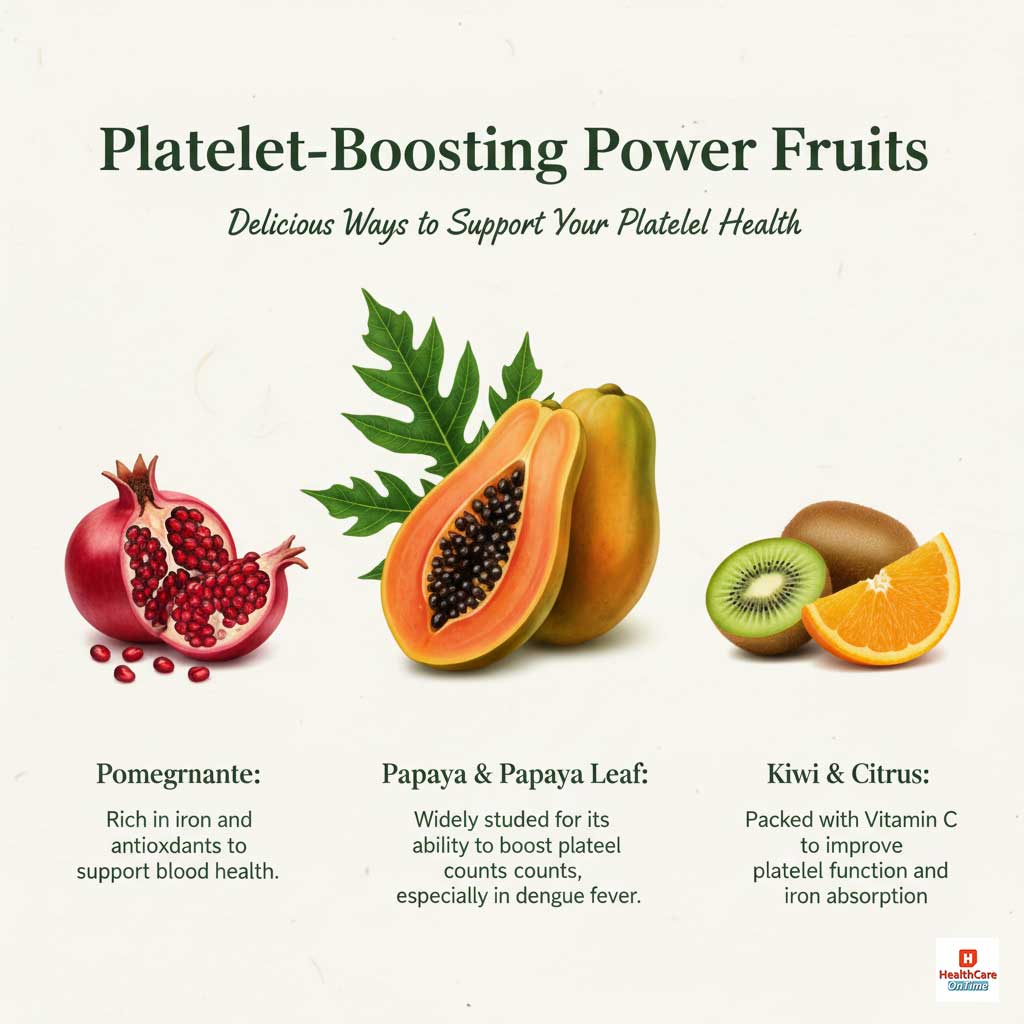
The most well-known of these is papaya. While the fruit itself is an excellent source of Vitamin C, it’s the papaya leaf extract that has gained significant attention. Research, particularly in cases of dengue-induced thrombocytopenia, suggests it can help increase platelet counts. However, its effectiveness for other conditions like ITP is less clear, and it should always be used under medical guidance.
Other beneficial fruits to increase platelet count include:
- Pomegranate: Rich in iron and antioxidants that combat inflammation and support blood health.
- Kiwi and Citrus Fruits: Packed with Vitamin C, these fruits are essential for iron absorption and overall platelet function.
The Definitive List: What Foods to Avoid When Platelets Are Low
Knowing what to add to your diet is only half the battle. It’s equally important to understand what foods to avoid with low platelets, as some substances can either lower your count or interfere with platelet function, increasing your bleeding risk.
Substances That Can Lower Platelet Count or Impair Function
- Alcohol: Heavy or chronic alcohol use directly suppresses the bone marrow, slowing down the production of all blood cells, including platelets. Alcohol and platelet function are closely linked, and limiting intake is one of the most important lifestyle changes you can make.
- Quinine: This compound, famously found in tonic water, can cause a severe, rapid drop in platelets in sensitive individuals. This is a form of drug-induced thrombocytopenia. Always check the labels of mixers and bitter lemon drinks.
- Aspartame: Some anecdotal reports and case studies have suggested a potential link between the artificial sweetener aspartame and reduced platelet counts. While not definitively proven, it may be wise to avoid it.
- High-Risk Supplements: Certain herbal supplements have blood-thinning properties that inhibit platelet function. Avoid high-dose pills of Ginkgo biloba, garlic, and Vitamin E unless specifically cleared by your hematologist.
Comparison Table: What to Avoid vs. Safer Alternatives
This table breaks down common risky substances and provides safer choices to help you navigate your daily diet and lifestyle.
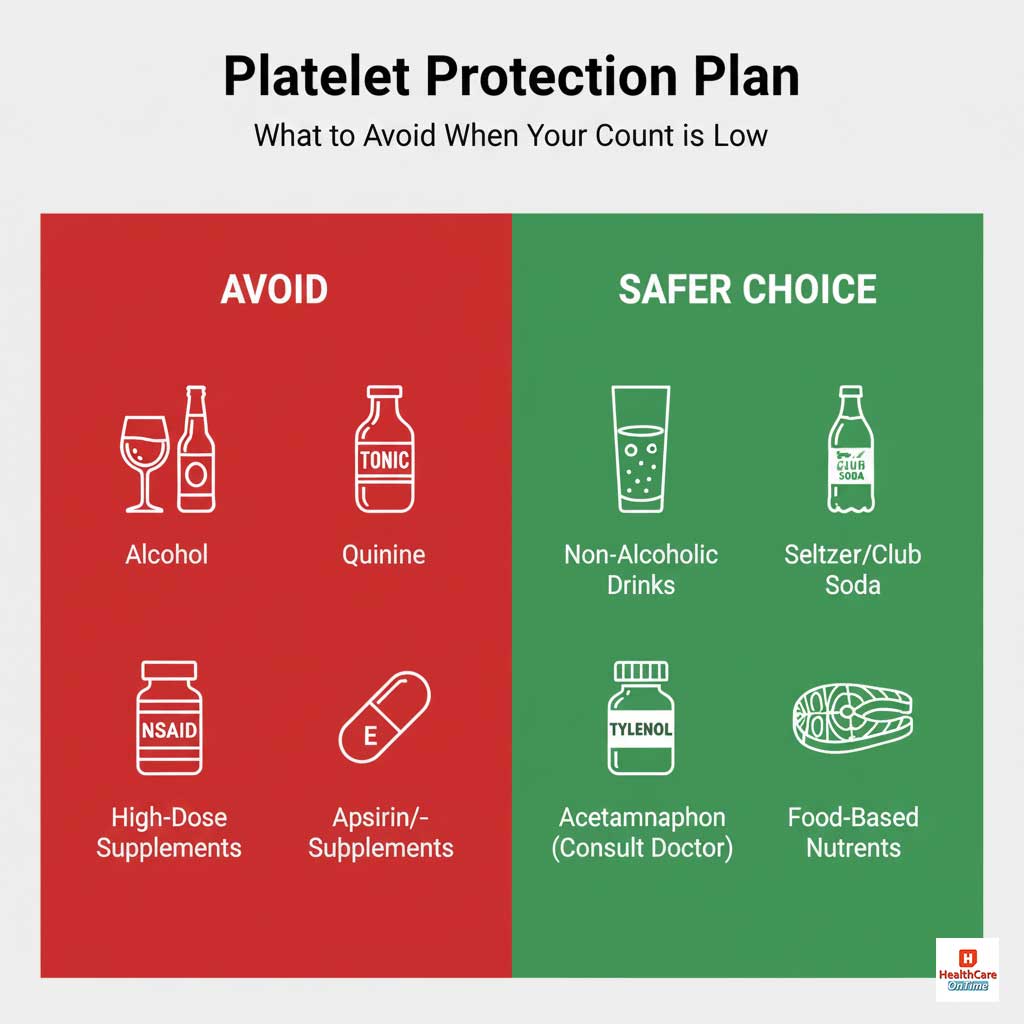
| Substance to Avoid/Limit | Why It’s Risky with Low Platelets | Safer Alternative or Action |
| Alcohol (Beer, Wine, Spirits) | Suppresses bone marrow platelet production and increases bleeding risk. | Non-alcoholic beverages, sparkling water with lemon. |
| Quinine (in Tonic Water) | Can cause drug-induced thrombocytopenia (a rapid drop in platelets). | Club soda, seltzer, or other mixers. Check beverage labels. |
| NSAIDs (Aspirin, Ibuprofen) | Impairs platelet function, preventing them from clumping effectively. | Acetaminophen (Tylenol), but only after consulting your doctor. |
| High-Dose Vitamin E / Fish Oil | Can have a blood-thinning effect, increasing bleeding risk in high doses. | Get Omega-3s from food (salmon, walnuts). Discuss supplement dosage with your doctor. |
| Ginkgo Biloba / Garlic Pills | Known to inhibit platelet aggregation, increasing bleeding risk. | Consult your hematologist before taking any herbal supplements. |
Medical Treatments and Medications to Increase Platelet Count
For many individuals, especially those with conditions like ITP or severely low counts from chemotherapy, diet alone isn’t enough. Medical intervention is often required to safely raise platelet levels.
When Is Medical Intervention Necessary?
Your doctor will recommend a medication to increase platelet count based on several factors: your platelet count, whether you have active bleeding symptoms, and the underlying cause of your thrombocytopenia. Treatment is almost always initiated for counts below 30,000, or at higher levels if bleeding is present or a surgical procedure is planned.
Common Medical Therapies for Thrombocytopenia
There are several classes of medications and therapies used to treat low platelets:
- Corticosteroids (e.g., Prednisone): Often the first-line treatment for ITP, steroids work by suppressing the immune system to prevent it from destroying platelets.
- Intravenous Immunoglobulin (IVIG): This therapy involves an infusion of antibodies that can quickly block the immune system’s destruction of platelets, providing a rapid but often temporary boost.
- Thrombopoietin Receptor Agonists (TPO-RAs): These advanced medications, including Eltrombopag (Promacta) and Romiplostim (Nplate), work by stimulating the bone marrow to produce more platelets. They are a cornerstone of modern ITP management.
Critical Food and Drug Interactions: The Eltrombopag (Promacta) Case
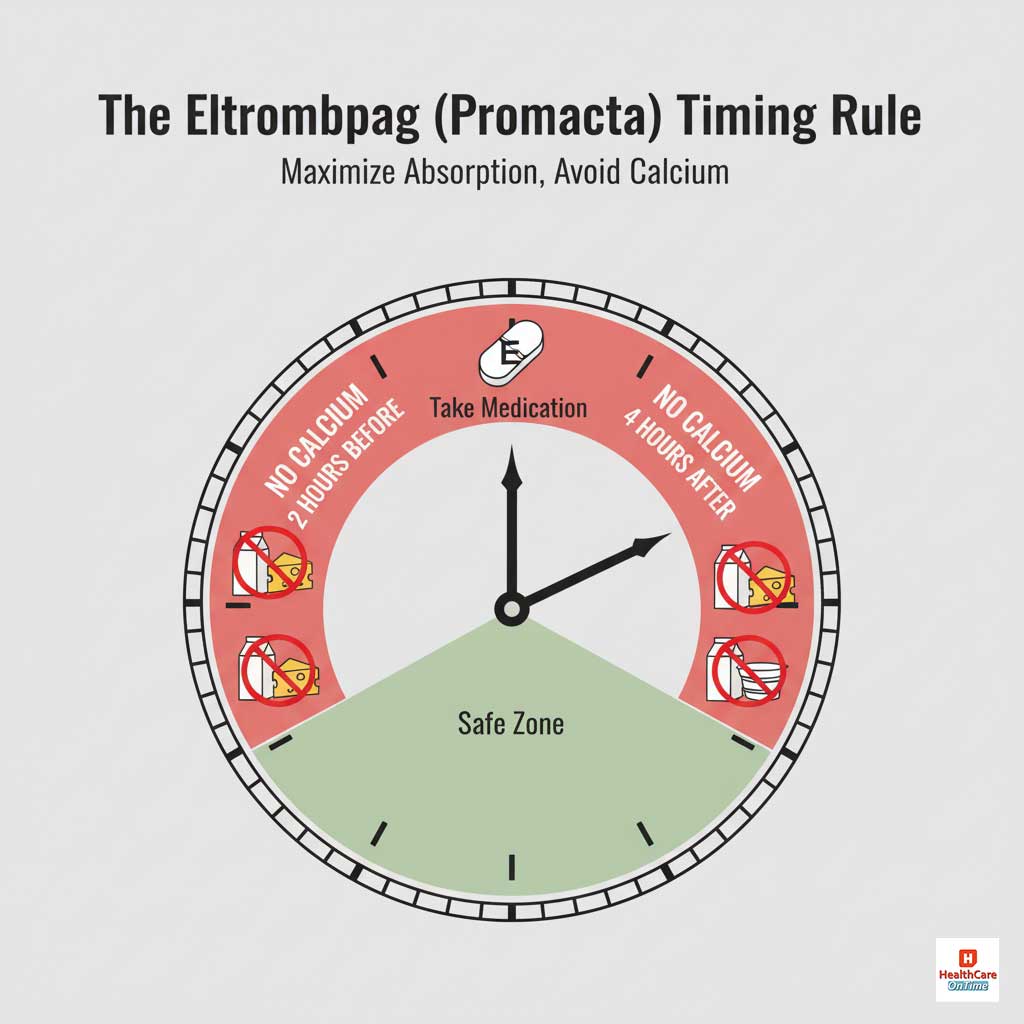
Patients prescribed certain medications must be aware of specific dietary rules. A prime example involves eltrombopag food interactions. Eltrombopag’s absorption is severely blocked by calcium and other minerals.
To ensure the medication works effectively, you must take it at least two hours before or four hours after consuming any calcium-rich foods (like milk, yogurt, cheese, fortified juices) or supplements/antacids containing calcium, magnesium, or aluminum.
Comparison Table: Medical Treatments for ITP
Understanding the different treatment options can help you have a more informed discussion with your healthcare provider.
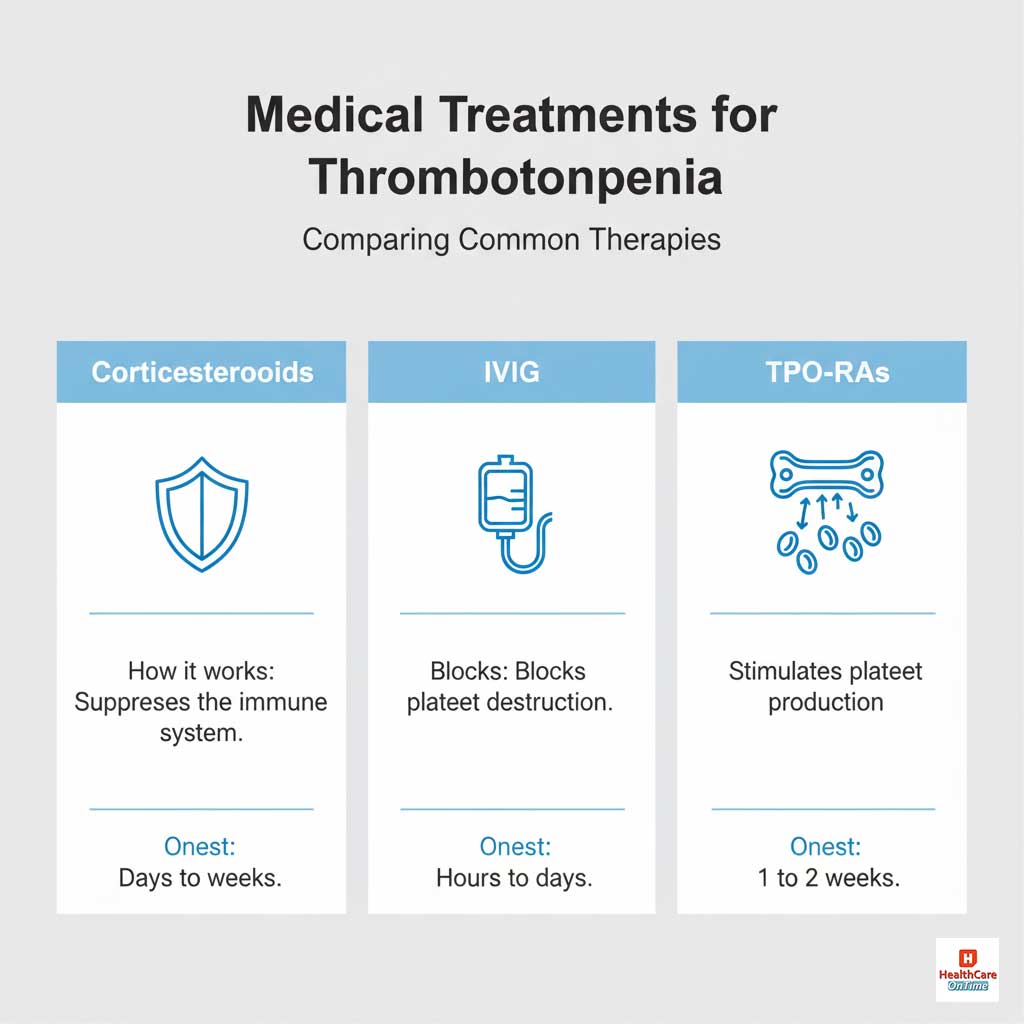
| Treatment | How It Works | Onset of Action | Common Side Effects |
| Corticosteroids (e.g., Prednisone) | Suppresses the immune system to reduce platelet destruction. | Days to weeks. | Mood changes, weight gain, high blood sugar, insomnia. |
| IVIG | Provides antibodies that block the destruction of platelets. | Hours to days. | Headache, fever, chills, fatigue, fluid retention. |
| TPO-RAs (e.g., Eltrombopag) | Stimulates the bone marrow to produce more platelets. | 1 to 2 weeks. | Headache, nausea, risk of blood clots, liver function changes. |
Summary & Key Takeaways
Managing a low platelet count requires a proactive and informed approach. The journey to raise platelet count naturally and with medical support involves a dual strategy: nourishing your body with the right building blocks while protecting it from substances that can cause harm.
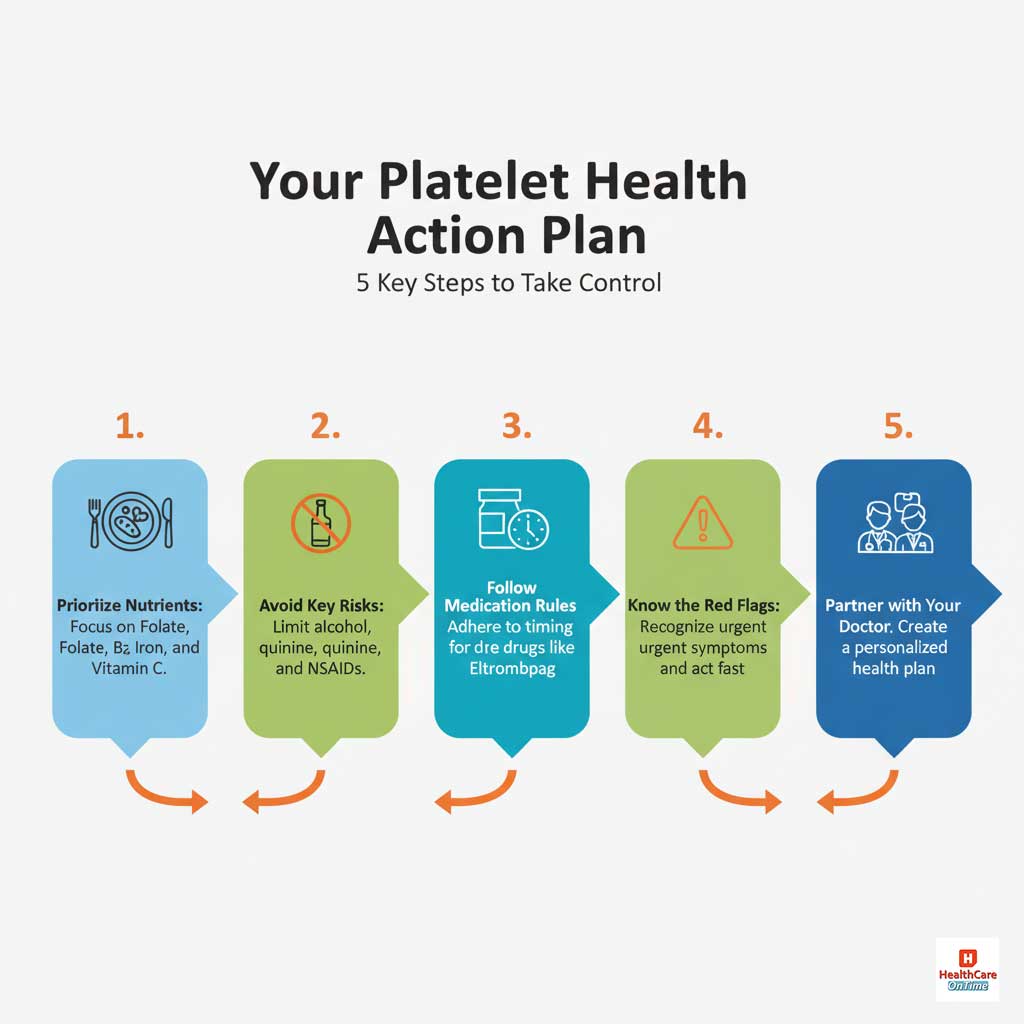
Here are the key takeaways to remember:
- Prioritize Nutrients: Focus your thrombocytopenia diet on foods rich in Folate, Vitamin B12, Iron, and Vitamin C to support bone marrow health.
- Avoid Key Risks: Strictly limit or eliminate alcohol and quinine. Be cautious with NSAIDs and low platelets; opt for safer alternatives after consulting your doctor.
- Understand Your Medications: If you are prescribed a medication to increase platelet count, follow all instructions precisely, especially regarding food and drug interactions like those with eltrombopag.
- Know the Warning Signs: Be vigilant about recognizing the symptoms of a dangerously low platelet count and know when to seek emergency medical care.
- Partner with Your Doctor: The most effective way to manage your health is by working closely with your healthcare team to develop a personalized treatment and low platelet count diet plan.
By understanding how to increase platelet count and what foods to avoid when platelets are low, you can take control of your health and well-being.
Frequently Asked Questions (FAQs)
What is a dangerously low platelet count and when should I go to the ER?
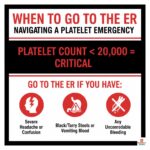
A platelet count below 20,000 per microliter is considered dangerously low due to the high risk of spontaneous bleeding. You should go to the ER immediately if you experience severe headaches, confusion, black or tarry stools, vomiting blood, or any bleeding you cannot control.
Which fruits increase platelet count the fastest?

While no single food offers a “fast” fix, fruits rich in vitamins and antioxidants are highly supportive. Papaya and its leaf extract have shown promise in raising counts, particularly in dengue fever. Pomegranates, kiwis, oranges, and other citrus fruits are also excellent choices for their high Vitamin C content, which aids iron absorption and platelet function.
What medications increase platelet count and when are they prescribed?
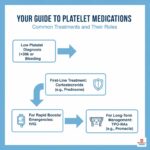
Medications are typically prescribed for severe thrombocytopenia (counts <30,000) or for conditions like ITP. The most common are corticosteroids (like prednisone), IVIG (for a rapid boost), and TPO-RAs like Eltrombopag (Promacta) that stimulate the bone marrow to produce more platelets.
Can I drink alcohol if my platelets are low?
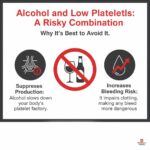
It is strongly advised to avoid alcohol. It can suppress bone marrow function, reducing platelet production, and it also increases your overall risk of bleeding, which is dangerous when your platelet count is already low.
Are aspirin or ibuprofen safe with thrombocytopenia—what can I take instead?
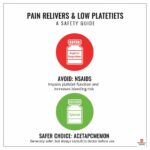
No, aspirin and ibuprofen (NSAIDs) are generally considered unsafe because they impair the function of the platelets you do have, increasing your bleeding risk. Acetaminophen (Tylenol) is often a safer pain reliever, but you must consult your doctor before taking any over-the-counter medication.
Does papaya leaf actually raise platelets, and in which conditions?
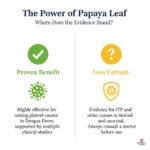
Yes, several clinical studies have shown that papaya leaf extract can effectively increase platelet counts, most notably in patients with dengue fever. Its efficacy for autoimmune conditions like ITP is less studied, so it should only be used under medical supervision.
Can H. pylori treatment raise platelet counts in ITP?
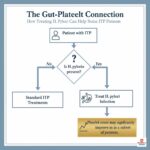
Yes, in a specific subset of patients with Immune Thrombocytopenia (ITP) who are also infected with the stomach bacterium H. pylori, eradicating the infection can lead to a significant and lasting improvement in their platelet count.
What should I avoid eating when taking eltrombopag (dairy, antacids, minerals)?
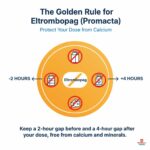
When taking eltrombopag (Promacta), you must avoid consuming calcium-rich foods like milk, cheese, and yogurt, as well as antacids or mineral supplements, for at least two hours before and four hours after your dose. These substances bind to the drug and prevent it from being absorbed.
How long does it take for diet or medications to increase platelet count?
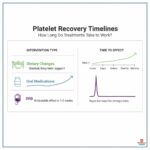
Dietary improvements support long-term health and may lead to gradual increases over several weeks. Medical treatments work much faster. IVIG can raise counts in hours to days, while steroids and TPO-RAs typically take one to two weeks to show a significant effect.
Can stress cause a low platelet count?
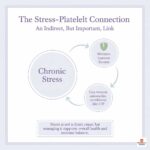
While chronic stress isn’t a direct cause of thrombocytopenia, it can weaken the immune system and exacerbate underlying conditions, including autoimmune disorders like ITP. Managing stress is a beneficial part of an overall wellness plan but is not a primary treatment for low platelets.
Is there a specific diet for ITP (Immune Thrombocytopenia)?
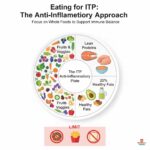
There is no single “ITP diet” that can cure the condition. However, many experts recommend an anti-inflammatory diet, rich in whole foods, fruits, vegetables, and lean proteins. This approach can help support overall immune system health and reduce inflammation, which may be beneficial.
How does platelet count recover after a viral infection like dengue?
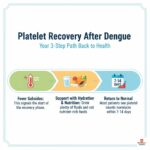
Following an infection like dengue, platelet counts typically begin to recover a few days after the fever resolves. This recovery phase can be supported by excellent hydration and a nutrient-dense diet. Most patients see their platelet levels return to a safe, normal range within one to two weeks.