Is keto bread healthy?
Keto bread is generally considered healthy for blood sugar management and weight loss due to its low net carb and high fiber content. However, the healthiness varies significantly by brand. While homemade versions using almond flour or coconut flour are nutrient-dense, many store-bought options are ultra-processed foods containing wheat gluten, modified starches, and preservatives that may cause digestive issues in some individuals.
Table of Contents
The Low Carb Bread Revolution and the Shift in American Dietary Habits
For decades, the most difficult challenge of adopting a healthy lifestyle was giving up the sandwich. The soft texture of a white loaf or the crunch of morning toast is deeply ingrained in American food culture. When the ketogenic diet began sweeping the nation, millions of people suddenly found themselves stripping the buns off their burgers and staring at plates of eggs without toast. It was a massive pain point that created a vacuum in the market.
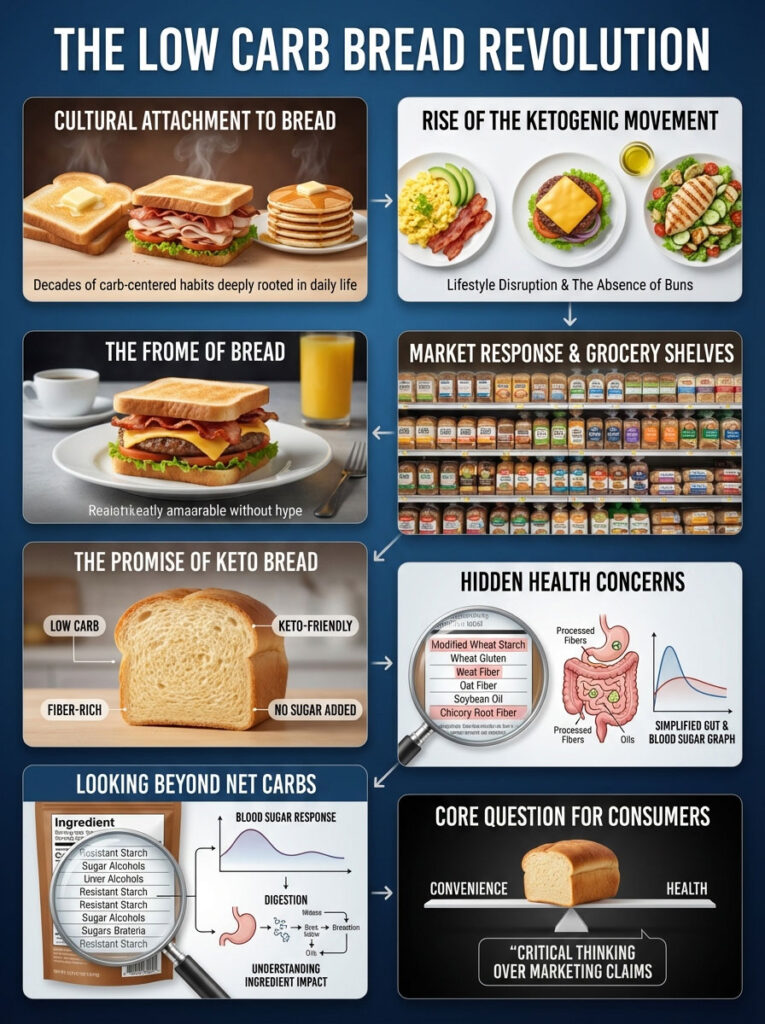
The food industry responded aggressively to this demand. Walk into any major US grocery store today, from Kroger to Walmart, and you will see shelves stocked with low carb bread options. Brands like Brownberry keto bread, Sola, and Lewis Bake Shop promise the impossible: the taste and texture of real bread with zero guilt and almost zero carbs.
But this convenience raises a critical question for health-conscious consumers. Is keto bread actually healthy, or is it simply a chemically engineered product designed to trick your metabolism? Marketing labels can be deceptive. A product might be “keto-friendly” while being loaded with inflammatory oils and processed fibers that wreak havoc on your gut health.
To truly understand if keto diet bread belongs in your pantry, we have to look past the “zero net carb” sticker. We need to dissect the ingredients, analyze the metabolic impact, and examine the real-world effects on blood sugar and digestion.
Understanding What Keto Bread Is and How Low Carb Dough Is Engineered
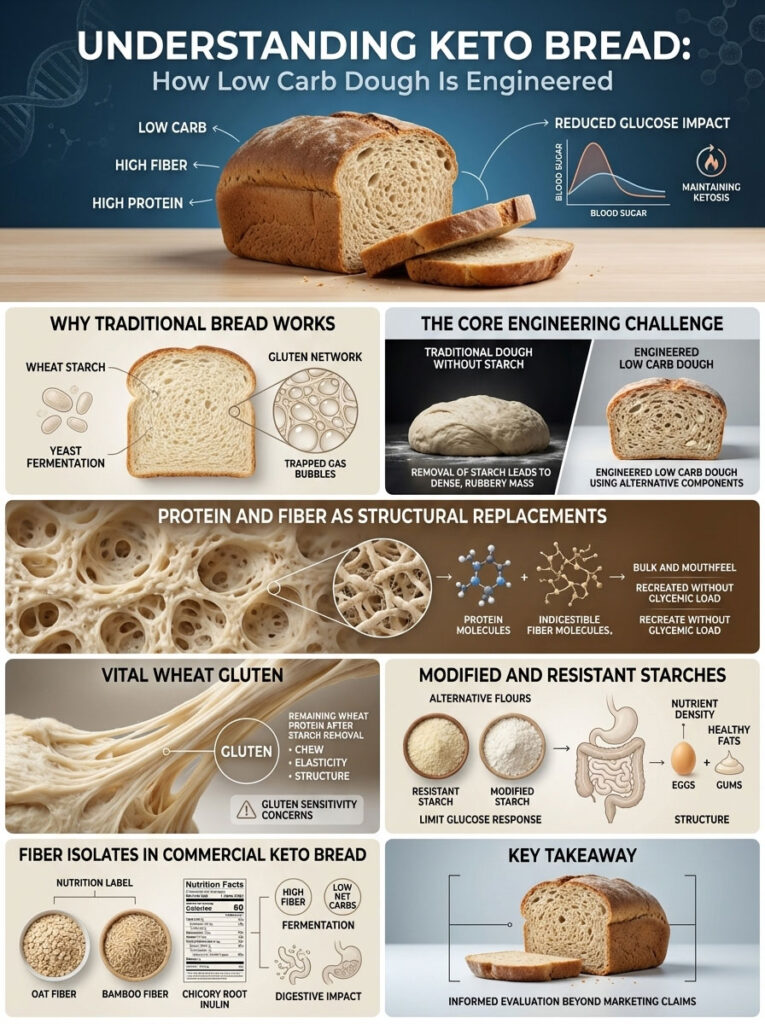
Keto bread is a bread alternative formulated to minimize carbohydrate content while maximizing fiber and protein. The goal is to prevent the insulin spikes associated with traditional wheat flour, thereby keeping the body in a state of ketosis where it burns fat for fuel. However, creating a loaf that rises without starch requires complex food engineering.
The Chemistry Behind Low Carb Bread Options and Texture
Traditional bread relies on wheat starch and gluten to create structure and rise. Yeast eats the sugar in the starch and produces gas, which gets trapped by the gluten network. This creates the airy crumb we all love.
To make low carb bread, manufacturers must remove the starch (the carbs) but keep the structure. This is a difficult chemical balancing act. If you simply remove the starch, you are left with a dense, rubbery brick. To solve this, food scientists use a combination of isolated proteins and indigestible fibers to mimic the bulk and mouthfeel of regular bread without the glycemic load.
Analyzing Common Keto Bread Ingredients Found in US Grocery Stores
When you pick up a loaf of low carb white bread, you will rarely see “flour” as the first ingredient. Instead, you will encounter a list of entities that might sound unfamiliar or scientific. Understanding these components is the first step in determining if is keto bread good for you.
Vital Wheat Gluten as a Structural Agent
This is the primary protein found in wheat. It is what remains after all the starch has been washed away. It provides the elasticity and “chew” that makes keto bread feel like real bread. While it is low carb, it is pure gluten. This can be problematic for those with sensitivities. It is the glue that holds the low carb loaf together.
Modified Wheat Starch and Resistant Starches
This is a real wheat derivative that has been chemically or enzymatically altered to become “resistant.” This means it resists digestion in the small intestine and functions like fiber. It adds bulk to the bread without supposedly adding to your glucose load. However, the quality of modified starch varies, and some people may still digest it partially as glucose.
Alternative Flours Like Almond and Coconut
High-quality or homemade low carb bread often relies on almond flour or coconut flour. These are nutrient-dense ingredients rich in healthy fats and Vitamin E. However, they lack elasticity. That is why they are often mixed with eggs or gums to hold their shape.
Fiber Isolates Including Inulin and Bamboo Fiber
To lower the net carbs count, manufacturers pump the bread full of extracted fibers. Common examples include oat fiber, bamboo fiber, and inulin (chicory root fiber). These bulk up the product and allow the nutrition label to show high total carbohydrates but very low net carbs.
The Nutritional Math: Net Carbs vs. Total Carbs and Glycemic Impact
Understanding the math is crucial to answering the question of whether keto bread fits your diet plan.
Understanding How to Calculate Net Carbs in Keto Diet Bread
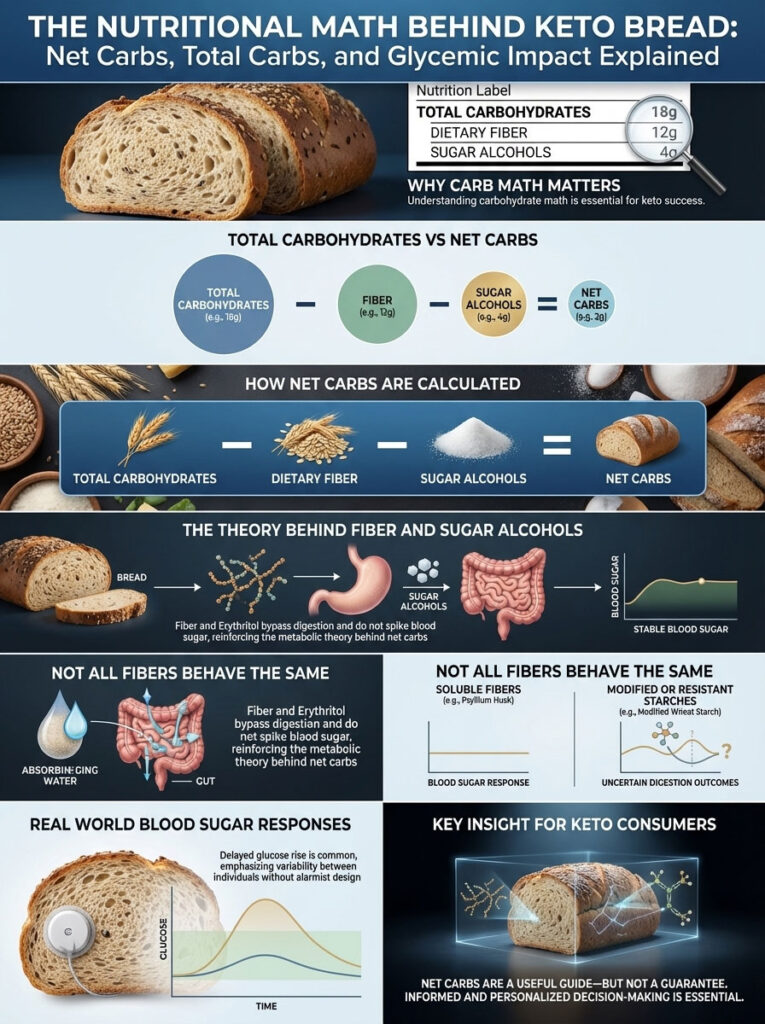
The concept of net carbs is the cornerstone of the low carb market. The formula is simple:
Total Carbohydrates minus Dietary Fiber minus Sugar Alcohols equals Net Carbs
The theory is that fiber and certain sweeteners like erythritol pass through the body undigested, so they do not impact blood sugar. For example, if a slice of keto bread has 12g of total carbs and 12g of fiber, the manufacturer claims it has 0g net carbs.
Do Fiber and Sugar Alcohols Actually Affect Blood Sugar?
This is where the science gets nuanced. Not all fibers are created equal. Soluble fibers like psyllium husk have a neutral impact on blood sugar. However, some newer “modified starches” used in low carb bread brands may not be fully resistant for everyone.
Some diabetics using Continuous Glucose Monitors (CGMs) have reported that certain keto bread brands do cause a delayed rise in blood sugar. This suggests that the body might be digesting some of that “resistant” starch as glucose. Therefore, while net carbs are a useful guide, they are not an absolute guarantee of zero metabolic impact.
Detailed Comparative Analysis of Keto Bread vs. Traditional Loaves
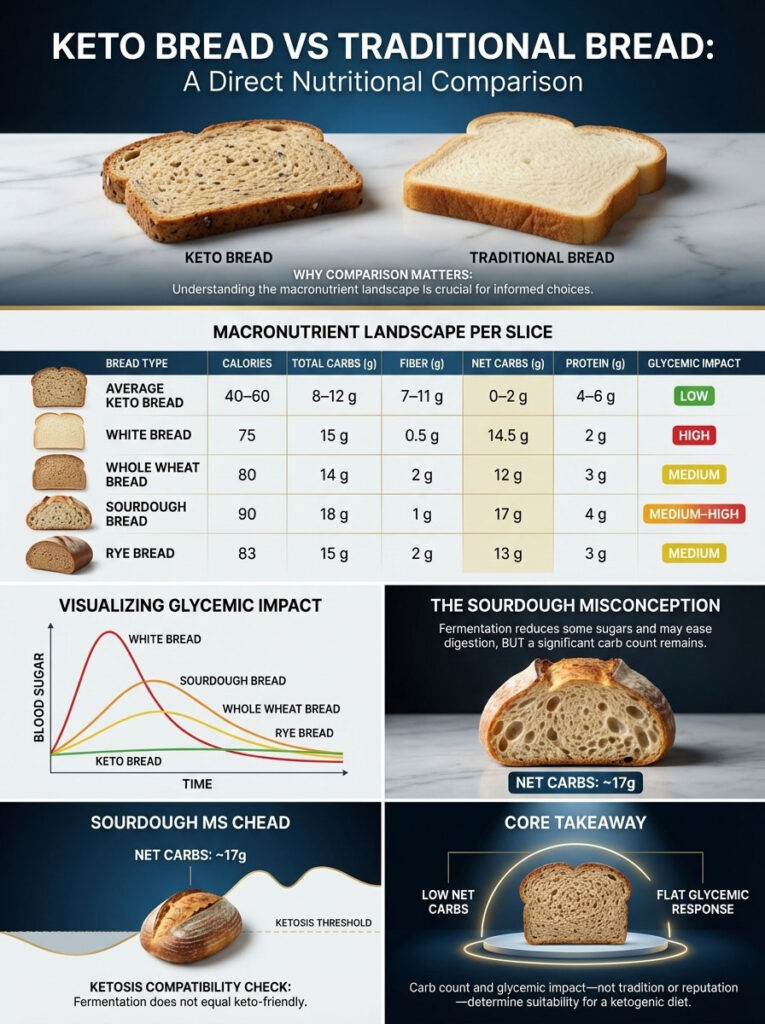
To make an informed decision, we must compare the nutritional profiles directly. Many people assume whole wheat bread is healthy, but for someone with insulin resistance, it can be a sugar bomb. The following data highlights the drastic differences in macronutrients.
Macro Breakdown: Keto Bread Nutrition Facts vs. Whole Wheat Options
| Bread Type (1 Slice) | Calories | Total Carbs (g) | Fiber (g) | Net Carbs (g) | Protein (g) | Glycemic Impact |
| Average Keto Bread | 40 – 60 | 8 – 12 | 7 – 11 | 0 – 2 | 4 – 6 | Low |
| White Bread | 75 | 15 | 0.5 | 14.5 | 2 | High |
| Whole Wheat Bread | 80 | 14 | 2 | 12 | 3 | Medium |
| Sourdough Bread | 90 | 18 | 1 | 17 | 4 | Medium-High |
| Rye Bread | 83 | 15 | 2 | 13 | 3 | Medium |
Is Sourdough Bread Low Carb or Suitable for Keto?
A common misconception is that sourdough is keto-friendly. Sourdough undergoes a fermentation process where bacteria eat some of the sugars. While this lowers the glycemic index slightly and makes the gluten easier to digest, sourdough bread is not low carb bread. It still contains significantly more carbohydrates than a ketogenic diet allows. If you are strictly monitoring net carbs, sourdough will likely kick you out of ketosis.
The Primary Health Benefits of Eating Keto Bread on a Ketogenic Diet
Despite the processing concerns, there are valid reasons why keto bread has become a staple for millions. It solves practical problems for dieters and diabetics alike.
Using Keto Bread for Diabetes and Blood Sugar Control
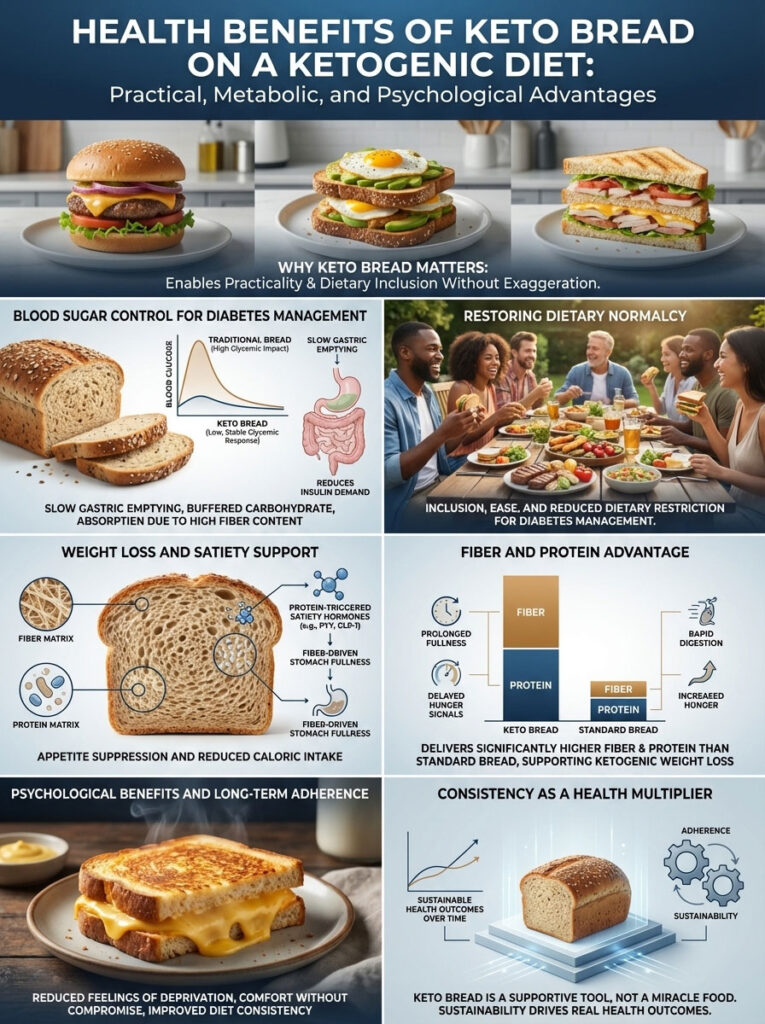
For the over 37 million Americans with diabetes, bread is usually off-limits. Keto bread for diabetes management creates a bridge. It allows patients to participate in social norms, like having a burger at a cookout or toast with breakfast, without requiring a massive dose of insulin.
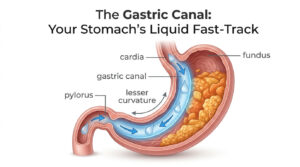
The high fiber content slows gastric emptying. This buffers the absorption of any other carbohydrates in the meal. When strictly comparing glycemic response, keto bread is vastly superior to low carb white bread made from refined flour. It allows for a sense of normalcy in a restrictive dietary landscape.
Weight Loss Support and Satiety on a Ketogenic Diet
Is keto bread good for weight loss? Yes, primarily due to satiety. The protein and fiber content in keto bread is significantly higher than in standard bread.
Protein stimulates the release of satiety hormones like peptide YY. Fiber physically fills the stomach. Eating two slices of keto bread (roughly 20g of fiber) can make you feel extremely full. This prevents overeating later in the day. This aligns well with the goals of a ketogenic diet, which relies on appetite suppression to maintain a caloric deficit.
Psychological Benefits of Bread on Keto for Long Term Adherence
We cannot ignore the psychological aspect of dieting. Restrictive diets often fail because people feel deprived. Low carb bread options provide a “safety valve.” Being able to eat a grilled cheese sandwich helps people stick to the diet long-term. Consistency is the most important factor in health outcomes. If keto bread helps you stay consistent, it serves a valuable purpose in your health journey.
The Potential Side Effects and Risks of Consuming Ultra Processed Keto Bread
While the macros look perfect on paper, is keto bread healthy in a holistic sense? This is where the debate between “Clean Keto” and “Dirty Keto” begins.
Digestive Distress and Why Keto Bread Causes Bloating
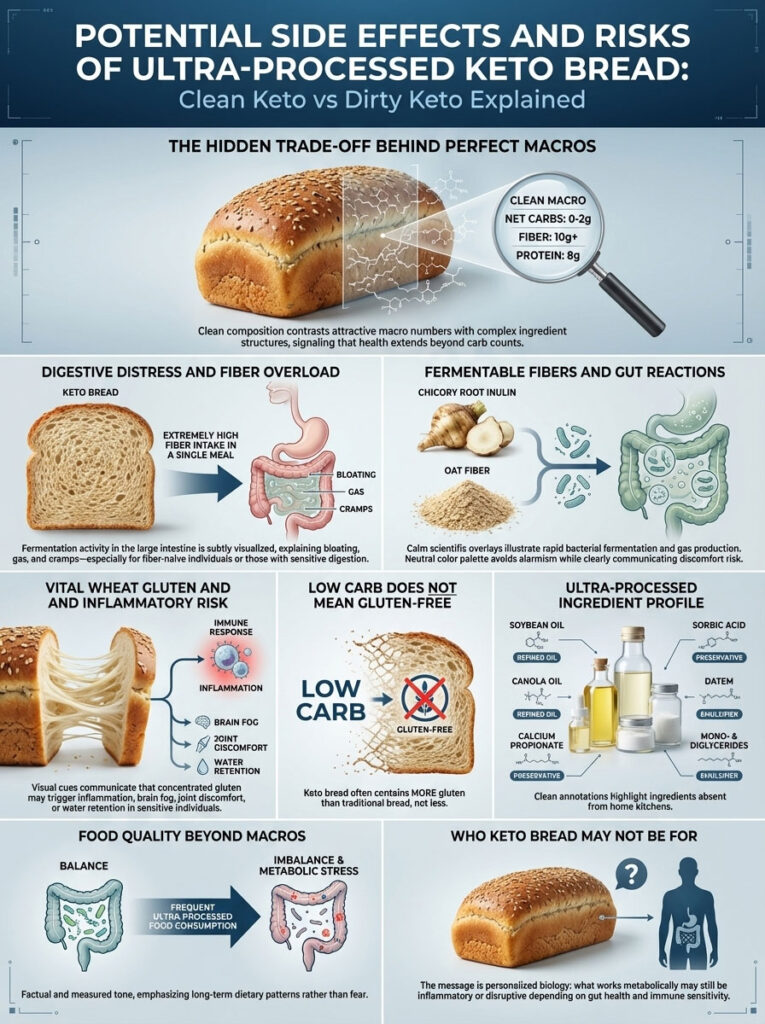
One of the most common complaints is bloating, gas, and stomach cramps. This happens because keto bread is essentially a “fiber bomb.” A single sandwich might provide 20g to 25g of fiber in one sitting.
Many brands use inulin (chicory root fiber) or oat fiber. These are fermentable fibers. When they reach the large intestine, gut bacteria ferment them rapidly. This produces gas. For someone not used to high fiber intake, or for those with IBS, this can cause severe discomfort.
Is Keto Bread Inflammatory Due to Vital Wheat Gluten?
Many people equate “low carb” with “gluten-free,” but this is a dangerous assumption. Most keto bread relies heavily on Vital Wheat Gluten.
If you have Non-Celiac Gluten Sensitivity (NCGS) or an autoimmune condition like Hashimoto’s, consuming concentrated gluten can trigger inflammation. This may manifest as brain fog, joint pain, or water retention. In this context, is keto bread bad for you? Yes, it can be highly inflammatory depending on your specific biology.
The Ultra-Processed Nature of Low Carb Bread Brands
Health is not just about macros; it is about food quality. Many mass-market low carb bread brands fit the definition of ultra-processed foods (UPF). They contain ingredients that you would never find in a home kitchen.
- Inflammatory seed oils: Many brands use Soybean oil or Canola oil for moisture.
- Artificial preservatives: Calcium propionate and Sorbic acid are used to extend shelf life.
- Emulsifiers: Datem and Mono- and diglycerides are used to improve texture.
While these ingredients preserve shelf life, they are not found in nature. A diet high in ultra-processed foods has been linked to higher rates of metabolic syndrome and gut dysbiosis.
Distinguishing Between Clean and Dirty Keto Bread Ingredients
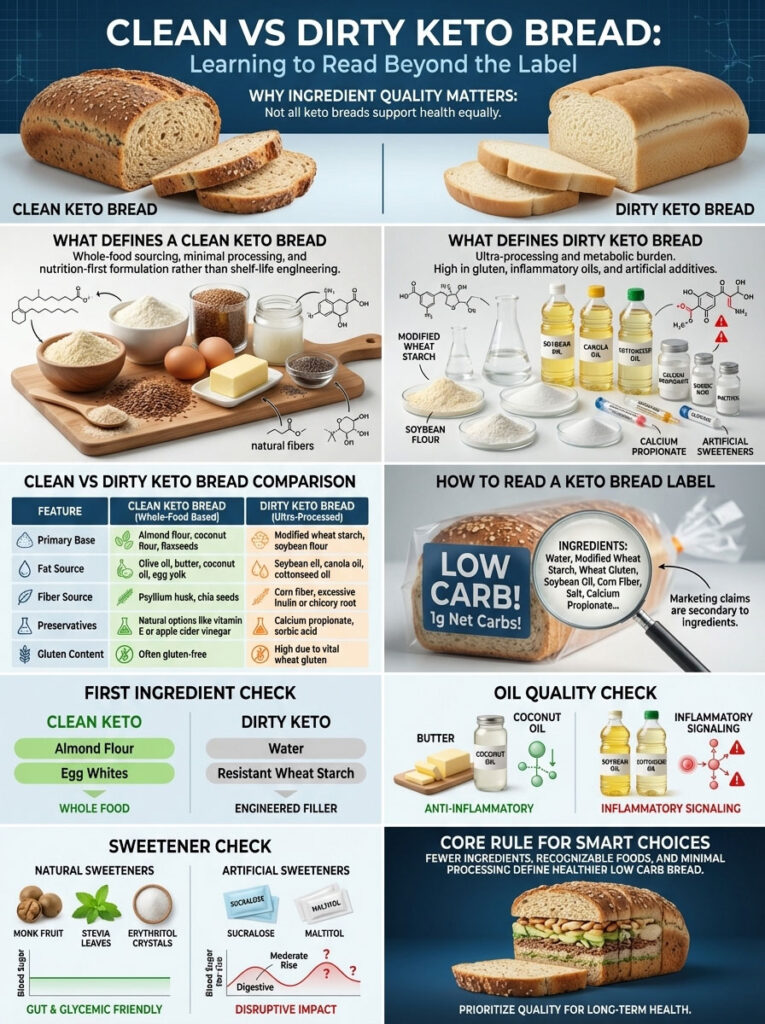
To protect your health, you must learn to distinguish between high-quality options and ultra-processed junk. Not all keto breads are created equal.
How to Identify Healthy Low Carb Bread Substitutes
A “clean” keto bread focuses on whole food ingredients. It uses fats like butter or coconut oil instead of soy oil. It uses almond flour instead of just wheat starch. It prioritizes nutrition over shelf life.
Comparative Table of Clean vs Dirty Keto Bread Features
| Feature | Clean Keto Bread (Healthy) | Dirty Keto Bread (Limit/Avoid) |
| Primary Base | Almond flour, Coconut flour, Flaxseeds | Modified Wheat Starch, Soybean Flour |
| Fat Source | Olive oil, Butter, Coconut oil, Egg yolk | Soybean oil, Canola oil, Cottonseed oil |
| Fiber Source | Psyllium husk, Chia seeds | Corn fiber, Excessive Inulin/Chicory Root |
| Preservatives | Natural (Vitamin E, Apple Cider Vinegar) | Calcium Propionate, Sorbic Acid |
| Gluten Content | Often Gluten-Free | High (Vital Wheat Gluten is main ingredient) |
How to Read a Keto Bread Label for Health
When shopping, ignore the front of the package. Flip it over.
- Check the first ingredient: If it is “Water” followed by “Resistant Wheat Starch,” it is a processed product. If it is “Almond Flour” or “Egg Whites,” it is a whole-food product.
- Check the oil: Avoid brands listing “Soybean Oil” or “Cottonseed Oil.”
- Check the sweetener: Look for Monk Fruit, Stevia, or Erythritol. Avoid Sucralose or Maltitol, which can affect gut health and blood sugar.
Expert Review of Top Low Carb Bread Brands in the US Market
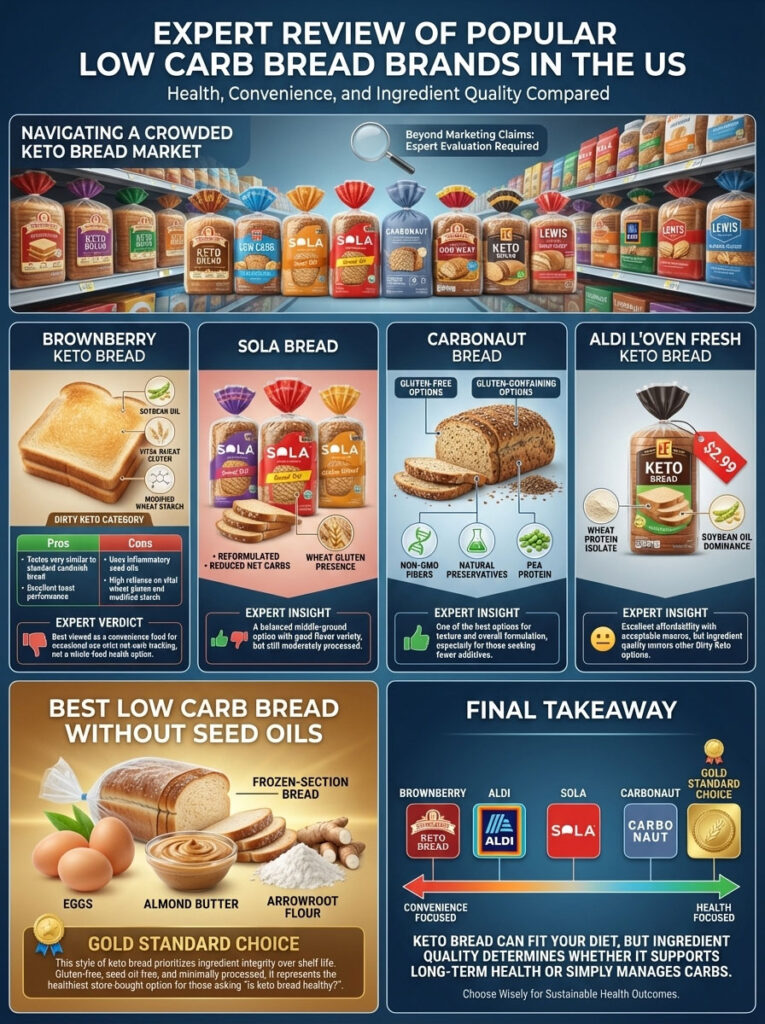
The market is flooded with options. Here is an expert analysis of the most popular entities on the shelves.
Is Brownberry Keto Bread Healthy or Just Convenient?
Brownberry keto bread (also sold as Arnold or Oroweat depending on your region) is one of the most widely available options.
- Pros: It tastes remarkably like standard sandwich bread. It holds up well to toasting.
- Cons: It falls into the “Dirty Keto” category. It contains soybean oil, vital wheat gluten, and modified wheat starch.
- Verdict: It is fine for occasional use or for those strictly managing net carbs on a budget, but it is not a health food.
Reviewing Sola, Carbonaut, and Aldi L’Oven Fresh
- Sola Bread: Known for great flavor and a variety of styles like sweet oat and golden wheat. Sola has reformulated recently to reduce net carbs further. It is a solid middle-ground option but still contains wheat gluten.
- Carbonaut: This brand offers both gluten-free and gluten-containing versions. Their seeded loaves are excellent and contain fewer processed additives than competitors. Carbonaut is often cited as one of the best low carb bread options for texture.
- Aldi (L’Oven Fresh): This is the budget king. L’Oven Fresh keto bread nutrition is comparable to name brands but at half the price. However, it is high in wheat protein isolate and soybean oil.
Best Low Carb Bread Options Without Seed Oils
If you are looking for the healthiest store-bought options, look for brands like Base Culture. Found in the freezer section, Base Culture bread is made from eggs, almond butter, and arrowroot flour. It is Paleo-friendly, gluten-free, and contains no vegetable oils. This is the gold standard for is keto bread healthy.
Who Should Avoid Keto Bread Completely?
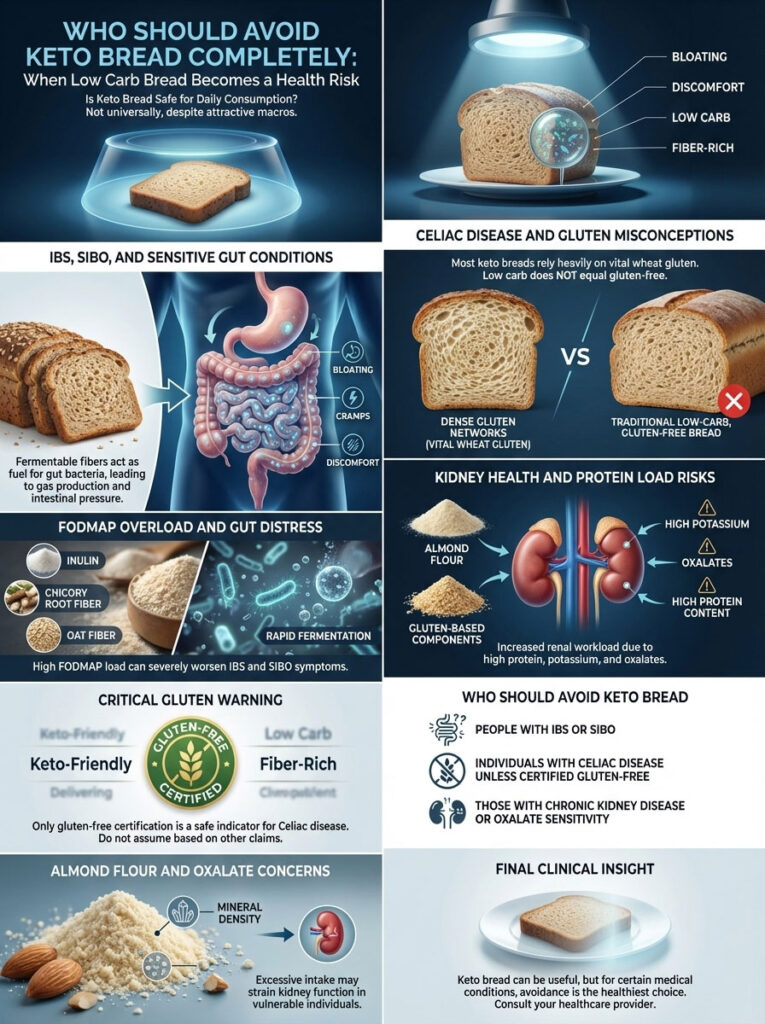
Is keto bread safe to eat every day? Not for everyone. Certain populations should steer clear due to specific medical conditions.
Risks for IBS and Gut Health Issues
If you suffer from Irritable Bowel Syndrome (IBS), Small Intestinal Bacterial Overgrowth (SIBO), or frequent bloating, commercial keto bread is likely to trigger your symptoms. The high concentration of fermentable fibers (FODMAPs) acts as rocket fuel for gut bacteria. In these cases, is keto bread bad for you? Yes, it can cause severe physical distress.
Celiac Disease vs. Keto Bread Confusion
It cannot be stressed enough that keto bread is usually NOT gluten-free. Brands like Brownberry, Sola, and Lewis Bake Shop rely on gluten for structure. If you have Celiac disease, you must look specifically for “Gluten-Free” certification. Do not assume “Low Carb” implies “Grain-Free.”
Kidney Considerations and High Protein Loads
People with Chronic Kidney Disease (CKD) often need to limit potassium and protein. Almond flour is very high in oxalates and potassium. Consuming large amounts of almond-based homemade low carb bread could be dangerous for kidney function. Furthermore, the high protein content in gluten-based breads adds to the renal workload.
Practical Strategies for Integrating Low Carb Bread Safely
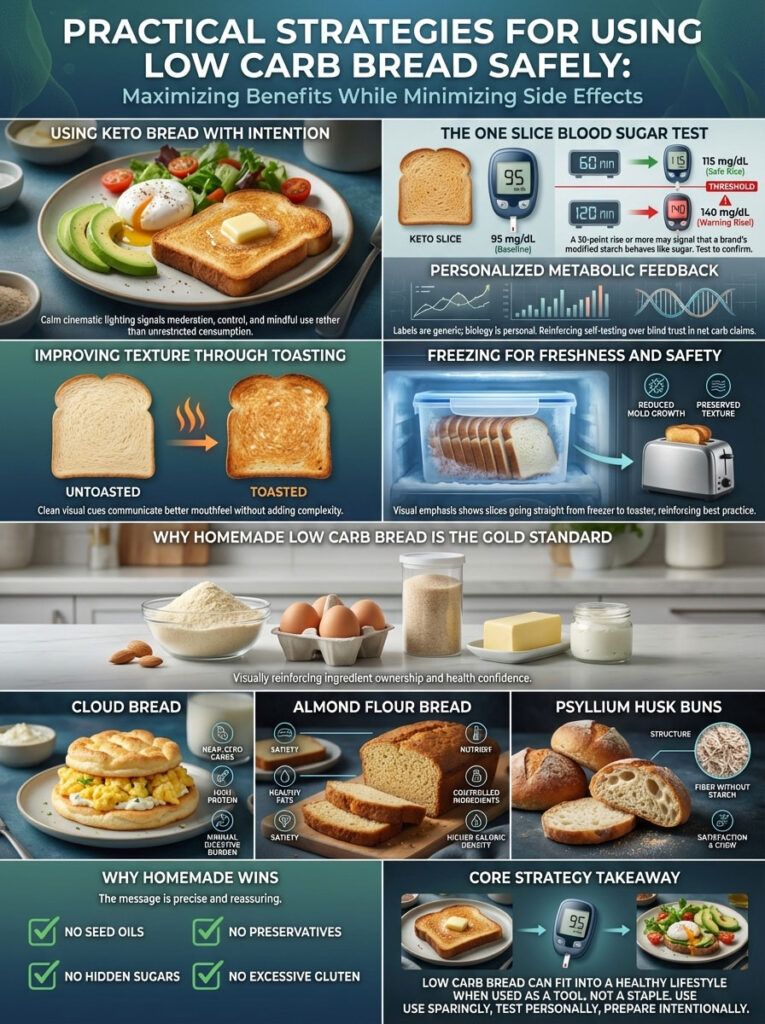
If you decide to include these products in your diet, use these strategies to maximize benefits and minimize side effects.
The One Slice Rule for Insulin Resistance Testing
If you are using keto bread for diabetes, do not trust the label blindly. Perform a self-experiment. Eat one slice of the bread and test your blood sugar 60 minutes and 120 minutes later. If you see a spike of more than 30 points, that specific brand’s “modified starch” is likely digesting as sugar in your body.
Toasting and Freezing Tips for Better Texture
Most low carb bread options have a different moisture content than regular bread. They can be gummy or spongy.
- Toast it: Toasting significantly improves the texture and makes it feel more like real bread.
- Freeze it: Because many “clean” keto breads lack strong preservatives, they mold quickly. Always store your low carb bread in the freezer and toast slices directly from frozen.
Homemade Low Carb Bread Recipes vs. Store Bought
The ultimate way to ensure is keto bread healthy is to make it yourself.
Homemade low carb bread allows you to control every ingredient.
- Cloud Bread: Made from eggs, cream cheese, and cream of tartar. Very light, almost zero carbs, and high protein.
- Almond Flour Bread: A dense, cake-like loaf that is rich and filling.
- Psyllium Husk Buns: Often called “diet doctor” bread, these use psyllium to create a crusty, airy texture that resembles sourdough.
Making homemade low carb bread eliminates the risk of hidden sugars, inflammatory oils, and excessive gluten.
Conclusion: Is Keto Bread Actually Healthy or Just Low Carb?
So, is keto bread actually healthy or just low carb?
The answer lies in the nuance. Keto bread is a highly effective tool for those looking to reduce their sugar intake, manage diabetes, or sustain a ketogenic diet without feeling deprived. The ability to replace a high-sugar food (white bread) with a high-fiber alternative is a net positive for metabolic health.
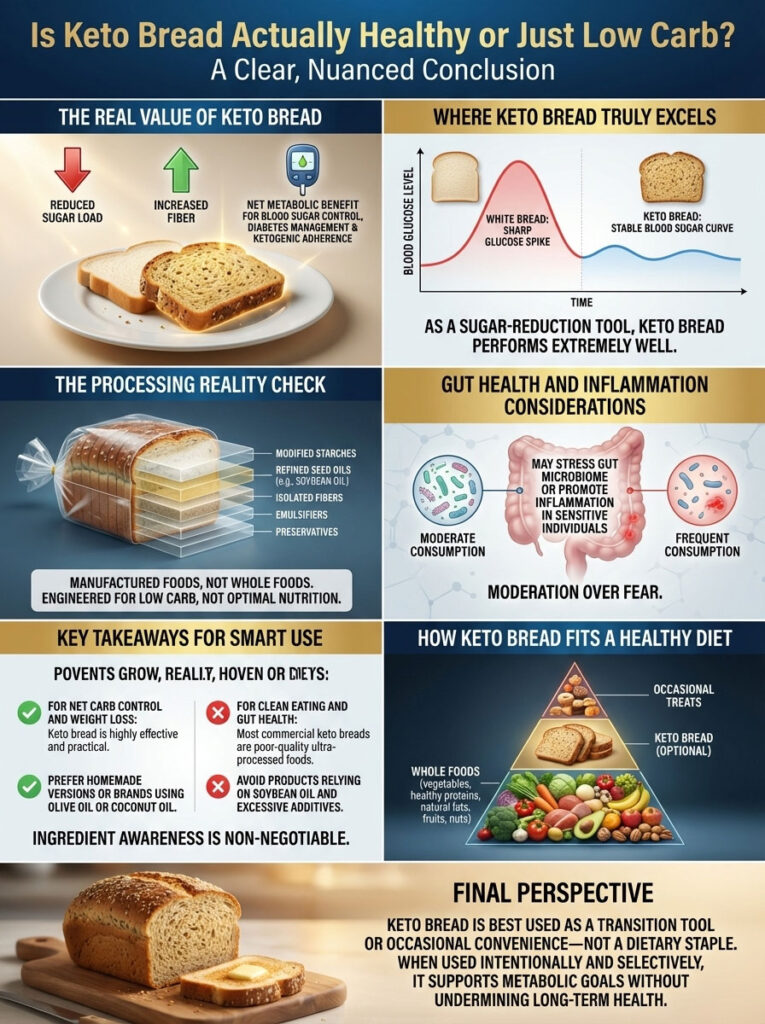
However, we must be realistic. Most store-bought low carb bread brands are ultra-processed foods. They are engineered products, not natural ones. Reliance on them can lead to gut issues and inflammation if consumed in excess.
Key Takeaways:
- For strict net carbs tracking and weight loss, keto bread works effectively.
- For “Clean Eating” and gut health, commercially processed keto bread is often poor quality.
- Always check the ingredients. Choose homemade low carb bread or brands using olive or coconut oil over those with soybean oil.
- Treat keto bread as a transition tool or an occasional convenience, not the foundation of your nutritional pyramid.
Frequently Asked Questions (FAQ)
Is keto bread actually healthy or just low carb?
Keto bread is primarily “low carb,” which offers metabolic benefits like reduced insulin spikes. However, its “healthiness” depends on ingredients. Breads made from whole foods like almond flour are healthy, while those full of modified starches and preservatives are ultra-processed and less beneficial.
Does keto bread spike blood sugar?
Generally, no. Most keto bread brands are designed to have a minimal impact on blood glucose. However, individual responses vary. Some diabetics may experience a slight rise due to modified wheat starch or protein conversion, so testing with a monitor is recommended.
Why does keto bread give me a stomach ache?
This is usually due to the high fiber content. Ingredients like inulin (chicory root) and oat fiber can ferment in the gut, causing gas and bloating. If you are not used to high fiber, or have IBS, keto bread can cause digestive distress.
Is sourdough bread low carb or keto-friendly?
No. While fermentation reduces the gluten and some sugars, sourdough bread typically contains 15g to 20g of carbohydrates per slice. This is too high for a standard ketogenic diet, though it may fit a low-carb maintenance plan.
Can I eat keto bread every day for weight loss?
Yes, you can eat it daily as long as you stay within your carb limit. However, nutritionists recommend varying your diet. Relying on processed low carb bread options daily might displace more nutrient-dense foods like vegetables and quality meats.
What is the difference between keto bread and gluten-free bread?
This is a critical distinction. Keto bread is low in carbs but often contains gluten (wheat protein). Gluten-free bread contains no gluten but is often high in carbs (using rice or potato flour). Very few breads are both, unless specified (like Base Culture).
Is toasted keto bread healthier?
Toasting doesn’t change the nutritional value, but it improves the texture. Some studies suggest that cooling and then toasting bread can slightly increase resistant starch, potentially lowering the glycemic response further, but this effect is minimal in keto breads.
Does keto bread kick you out of ketosis?
If the net carbs count is accurate, eating 1-2 slices should not kick you out of ketosis. However, if a brand uses fillers that your body digests as sugar, or if you eat the whole loaf, it is possible to exit ketosis.
Is Brownberry keto bread good for diabetics?
Brownberry keto bread is a popular choice for diabetics because it prevents the sharp sugar spikes seen with regular bread. It is considered a safe “dirty keto” option, meaning it helps blood sugar but contains processed ingredients.
What is the best low carb bread without seed oils?
Brands like Base Culture or homemade recipes are your best bet. Most shelf-stable commercial brands use soybean or canola oil to keep the bread soft.
Is keto bread safe for people with kidney disease?
Patients with kidney disease need to be careful. Keto bread is often high in protein and, if almond-based, high in potassium and oxalates. It is essential to consult a renal dietitian before adding it to your diet.
Why is keto bread so expensive?
The ingredients used in low carb bread, like almond flour, wheat protein isolate, and psyllium husk, are significantly more expensive than cheap white wheat flour. The manufacturing process is also more complex, driving up the retail price.
References:
- Journal of Nutrition and Metabolism (Studies on Low Carbohydrate Diets and Insulin Sensitivity)
- American Journal of Clinical Nutrition (Effects of Dietary Fiber on Satiety)
- FDA Code of Federal Regulations (Labeling of Dietary Fiber and Carbohydrates)
- Digestive Diseases and Sciences (FODMAPs and IBS Symptoms)