Yes. Regular sexual activity works as moderate aerobic exercise that supports heart health, triggers oxytocin release for natural stress relief, and boosts Immunoglobulin A levels to strengthen your immune system. The science is clear and well-documented.
Table of Contents
As a preventive cardiologist, I get asked about diet, exercise, and sleep every single day. But there is one question patients rarely bring up in the exam room, even though they genuinely want to know: is sexual intercourse good for heart health, stress, and immunity?
The short answer is yes, and the evidence behind it is stronger than most people realize.
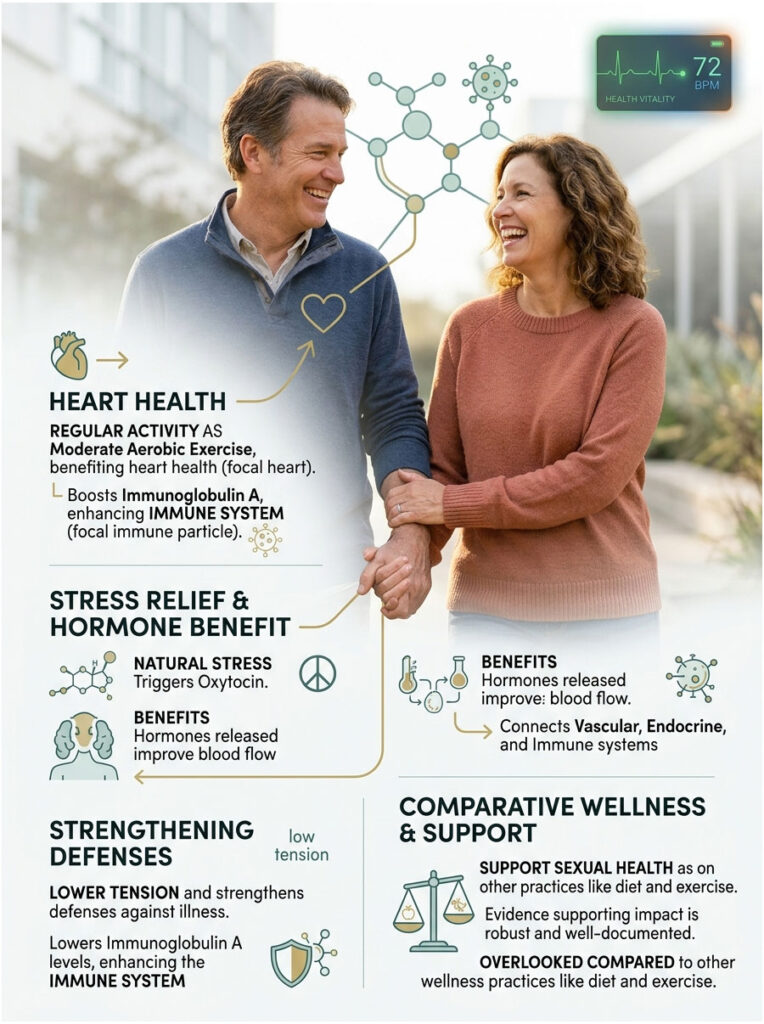
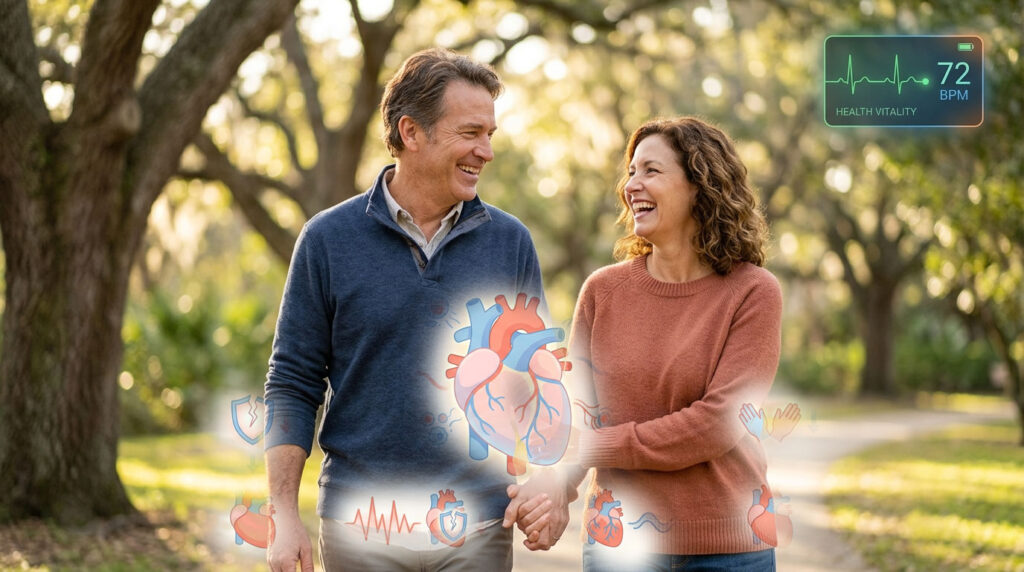
Every day, I watch patients obsess over step counts, supplements, and macros. They spend real money on wellness programs. Yet they completely overlook one of the most natural biological processes available to them. Physical intimacy is not just a recreational activity. It is a deeply biological process that connects your vascular, endocrine, and immune systems in ways that directly influence your long-term health.
When your body experiences arousal and climax, it triggers a cascade of beneficial hormones that improve blood flow, lower tension, and strengthen your defenses against illness. In this guide, I will walk you through exactly how this works, starting with the cardiovascular system and moving through stress hormones and immune function.
Key Statistics on Intimacy and Health
- 45% lower cardiac risk: Men who engage in intimacy twice a week show a 45% lower risk of fatal cardiac events compared to those who rarely do.
- 30% immunity boost: Regular intimacy increases Immunoglobulin A (IgA) levels by 30%, strengthening resistance to common infections.
- Less than 1% risk: The chance of a heart attack during intimacy for a healthy adult is under 1%.
- 3 to 4 METs: Average physical exertion during sex equals 3 to 4 Metabolic Equivalents, similar to a brisk walk.
- 20% blood pressure drop: Resting systolic blood pressure can drop by up to 20% in the hours following climax.
- 50% faster sleep onset: The post-climax hormonal cascade reduces the time it takes to fall asleep by nearly half.
- 10-15 BPM reduction: Sexually active couples often show a 10 to 15 beat-per-minute drop in their resting heart rate.
The Cardiovascular Impact: How Intimacy Works Your Heart
When we talk about heart health, we need to look at the actual physical workload placed on the heart muscle. Many people overestimate the strain that sex puts on the body. The clinical numbers tell a far more reassuring story.
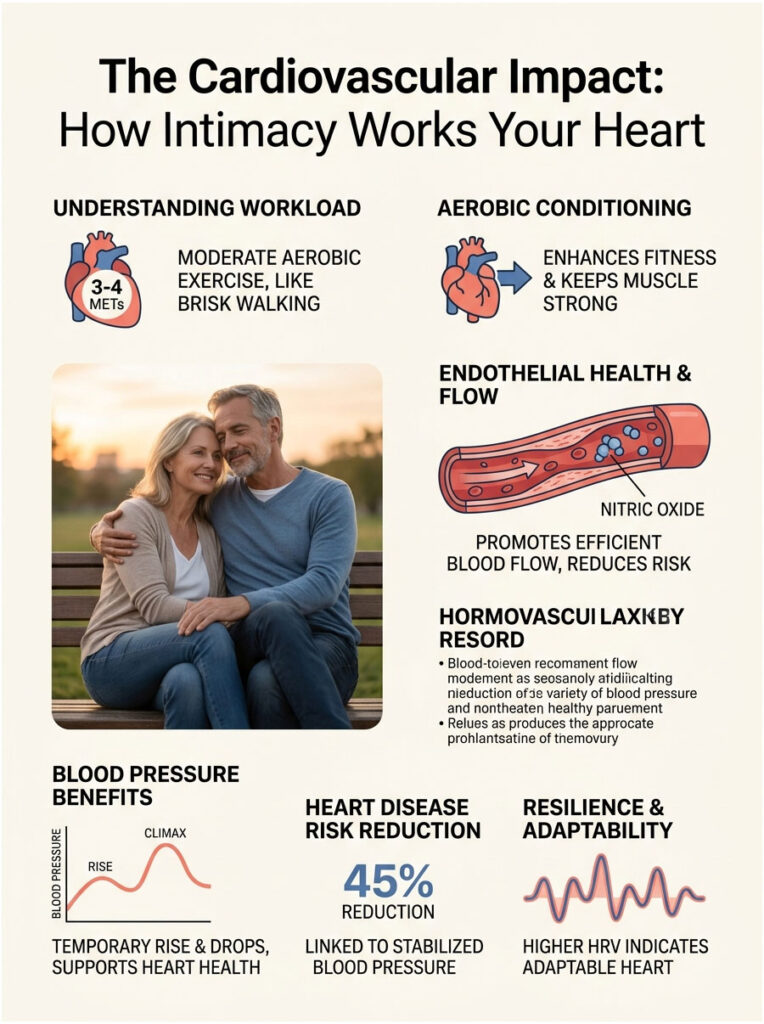
Your heart is a muscular pump that needs regular, moderate challenges to stay strong and flexible. Intimacy provides exactly that kind of beneficial challenge, like taking your cardiovascular system out for a gentle highway drive to keep everything running smoothly.
Metabolic Equivalents (METs) and Aerobic Output
Cardiologists measure physical exertion using Metabolic Equivalents, or METs. One MET equals the energy you burn sitting perfectly still. When you move, your MET requirement goes up.
Sexual activity is classified as moderate aerobic exercise, requiring 3 to 4 METs on average. To put that in real-world terms, it is roughly the same effort as walking briskly at three miles per hour or doing light yard work. Your heart rate typically rises to a safe zone between 90 and 130 beats per minute.
Because it falls in this moderate zone, regular intimacy provides consistent aerobic conditioning. It exercises the heart muscle without pushing it into dangerous anaerobic territory. The benefits, however, go well beyond burning a few extra calories.
Endothelial Function and Nitric Oxide Production
Your blood vessels are lined with a thin layer of cells called the endothelium. Healthy endothelial function is the foundation of cardiovascular health. When this lining works well, your blood vessels stay flexible, smooth, and resistant to plaque buildup.
During arousal, the brain triggers a surge in nitric oxide production. Nitric oxide is a powerful vasodilator, meaning it forces blood vessels to relax and widen. This sudden expansion allows nutrient-rich blood to flow into the tissues.
This vasodilation effect does not stay localized. It spreads throughout your entire circulatory system. Regular nitric oxide production keeps your arteries elastic and prevents them from becoming stiff and calcified with age. This is exactly why maintaining strong endothelial function through regular intimacy is directly linked to cardiovascular risk reduction.
In my clinical practice, patients with strong endothelial function rarely develop severe, uncontrolled hypertension. Their blood vessels know how to adapt to sudden pressure changes naturally.
Blood Pressure: What Happens After Climax
Many patients worry about their blood pressure spiking during sex. It is true that systolic blood pressure rises temporarily as you approach climax. But this short-term spike is entirely normal and safe for a healthy heart.
What matters more is what happens afterward. Because of the nitric oxide surge and vasodilation, your resting blood pressure actually drops in the hours following intimacy. Your blood vessels remain in a relaxed, open state.
Research published in major medical journals shows a 45% reduction in heart disease risk for men who engage in regular intimacy. This cardiovascular benefit is largely driven by the long-term stabilization of resting blood pressure. Consistent sexual activity literally trains your blood vessels to expand and contract efficiently.
How Intimacy Compares to Other Activities
| Activity | METs | Avg Heart Rate (BPM) | Classification |
| Sexual Intercourse | 3.0 to 4.0 | 90 to 130 | Moderate Aerobic |
| Brisk Walking (3 mph) | 3.3 to 3.5 | 100 to 120 | Moderate Aerobic |
| Light Weightlifting | 3.0 to 3.5 | 100 to 130 | Moderate Resistance |
| Climbing Two Flights of Stairs | 4.0 to 5.0 | 110 to 140 | Vigorous Aerobic |
| Yoga (Hatha) | 2.0 to 2.5 | 80 to 100 | Light Flexibility |
Heart Rate Variability and Cardiac Adaptability
Modern cardiology places a lot of emphasis on Heart Rate Variability (HRV), which measures the tiny time differences between individual heartbeats. A high HRV means your heart is adaptable and resilient to stress.
During sex, your heart rate rises with exertion and then drops rapidly with emotional relaxation afterward. This fluctuation is like a flexibility workout for your heart. Patients who maintain a regular intimate life consistently show higher HRV scores, meaning their hearts can shift smoothly from high alert to deep rest. That adaptability is a powerful shield against sudden cardiac events.
How Intimacy Reduces Stress Through Your Nervous System
Modern life keeps most of us in a chronic state of low-grade stress. This constant tension damages the heart and blood vessels over time. Sexual intimacy provides a natural, powerful antidote.
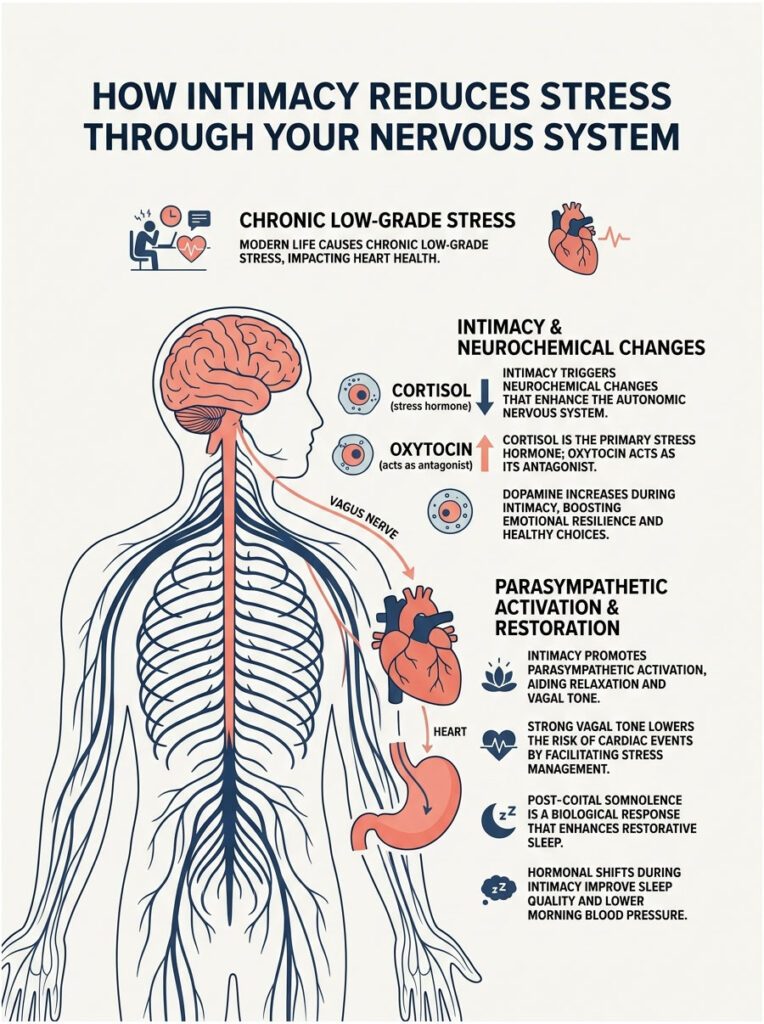
The neurochemical changes that happen during sex directly alter your autonomic nervous system, the system that controls breathing, digestion, and all the automatic functions in your body.
Oxytocin vs. Cortisol: The Stress Hormone Battle
Cortisol is your body’s primary stress hormone. When you are chronically worried, overworked, or sleep-deprived, cortisol floods your system. Over time, elevated cortisol causes weight gain, high blood pressure, and damage to your blood vessel lining.
During intimacy and orgasm, your brain releases a large wave of oxytocin, often called the bonding hormone. Oxytocin does more than foster emotional closeness. It acts as a direct chemical antagonist to cortisol, binding to and blocking cortisol receptors throughout your body. It effectively shuts down the stress loop running in your brain.
This is why you feel such a deep sense of calm after sex. Maintaining a healthy oxytocin-to-cortisol ratio is a central goal in holistic medicine, and regular intimacy is one of the most reliable ways to achieve it.
Parasympathetic Activation and Vagal Tone
Your nervous system has two main modes: the sympathetic (fight or flight) and the parasympathetic (rest and digest). Chronic stress traps you in sympathetic dominance. Intimacy forces a necessary shift.
After climax, your body enters deep parasympathetic activation, signaling your organs that it is safe to relax. Cardiologists measure this switching ability using vagal tone. The vagus nerve is the main communication line between your brain, heart, and gut. Strong vagal tone means relaxation signals travel efficiently.
Frequent intimacy directly strengthens your vagal tone. Patients with optimal vagal tone have a significantly lower risk of sudden cardiac events. Their hearts handle life stressors without panicking. By engaging in regular sex, you are actively training your vagus nerve to calm your body down.
Sleep, Endorphins, and Cardiac Recovery
That intense sleepiness you feel after sex is not laziness. It is called post-coital somnolence, and it is by biological design.
During climax, your brain releases a cocktail of endorphins, dopamine, and prolactin. Prolactin is responsible for the heavy, deeply relaxed feeling that leads to sleep. This hormonal shift prepares your brain for deep, restorative REM sleep, which is exactly when your heart does its best repair work.
Your diastolic resting rates drop to their lowest points of the day. Your endothelial function restores itself. Patients who prioritize their intimate life consistently report better sleep quality and lower morning blood pressure.
Expert Insight: If you struggle with chronic insomnia or nighttime anxiety, a healthy intimate routine can serve as a natural sleep aid. The prolactin release is often more effective than synthetic sleep medications at promoting deep, unbroken REM sleep.
Dopamine and Emotional Resilience
Dopamine is the neurotransmitter behind feelings of reward and motivation. When dopamine runs chronically low, you feel sluggish, unmotivated, and prone to poor lifestyle choices, all of which are terrible for heart health.
Intimacy triggers a natural dopamine surge that creates lasting emotional resilience. When your reward system is satisfied, you are far more likely to make heart-healthy choices throughout the day. You choose the salad over fast food and the gym over the couch, because your brain is in a balanced, motivated state.
Immune System Benefits: How Sex Strengthens Your Defenses
We have covered the heart and the brain. Now let us look at how intimacy protects you from external threats. Your immune system is closely tied to your daily habits, and sexual wellness plays a surprising, scientifically documented role in keeping you healthy.
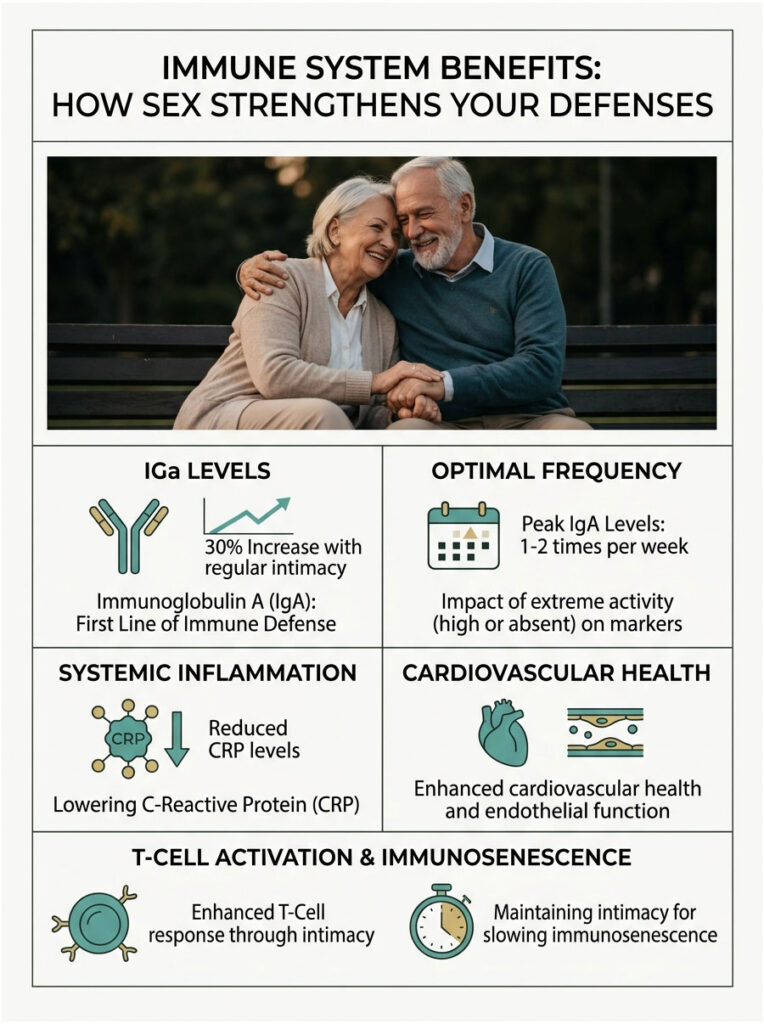
Immunoglobulin A (IgA) and Mucosal Immunity
Immunoglobulin A (IgA) is your immune system’s first line of defense. These antibodies live in your mucous membranes, coating your respiratory and gastrointestinal tracts. They bind to invading viruses and bacteria before they can enter your bloodstream.
A landmark study at Wilkes University found a 30% increase in IgA levels among individuals who had regular intimacy. This means people with healthy sexual routines physically carry more antibodies. Their mucosal immunity is stronger and more reactive to threats like colds, flu, and seasonal bugs.
The Sweet Spot: Frequency vs. Immune Response
The Wilkes University data revealed an interesting nuance. The optimal frequency for peak IgA levels was one to two times per week. People at this frequency had the highest measured antibody levels.
Those who had sex three or more times per week showed slightly lower IgA than the moderate group. And those who were completely abstinent had baseline, unoptimized immune markers. Both extremes produced suboptimal results.
This suggests that moderate frequency provides the ideal balance of physical exertion, hormone release, and immune stimulation. It is about consistent quality and emotional satisfaction, not chasing a high number.
Lowering Systemic Inflammation
When your immune system is overactive or stressed, it creates systemic inflammation. Cardiologists track this using C-Reactive Protein (CRP), a blood marker that signals future risk for heart disease and stroke.
Because intimacy promotes stress reduction, it actively lowers CRP. As your heart rate variability improves and cortisol drops, your liver produces less of this inflammatory marker. This protects your endothelial function from oxidative stress and reduces the plaque buildup that leads to arterial disease.
Immunity and Frequency at a Glance
| Frequency | IgA Levels | Cortisol Regulation | Cardiovascular Risk |
| Abstinent / Rare | Baseline | High stress retention | Standard to elevated |
| Moderate (1-2x/week) | Peak (+30% increase) | Optimal balance | 45% lower cardiac risk |
| High (3+ times/week) | Slightly above baseline | Excellent reduction | High compliance |
T-Cell Activation and Cellular Defense
Beyond antibodies, your body relies on T-cells, specialized white blood cells that hunt and destroy virus-infected cells. Regular intimacy stimulates T-cell production and activation. The moderate cardiovascular exertion increases circulation, helping these cells patrol more efficiently.
This cellular defense benefit becomes especially important with age, as T-cell response naturally weakens through a process called immunosenescence. Maintaining an active intimate life helps slow this decline, keeping your internal defense system sharp.
Is Sex Safe for Heart Patients?
One of the most common fears I encounter involves patients recovering from a cardiac event. They are terrified that resuming intimacy will harm them. The clinical evidence, however, is reassuring.
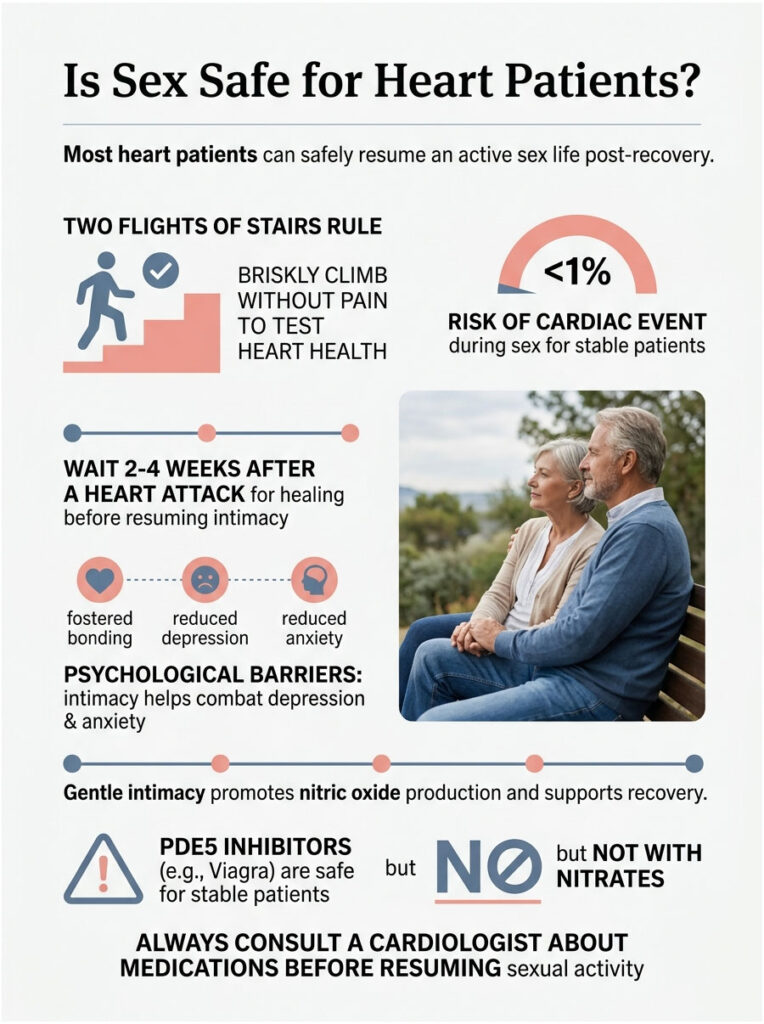
The vast majority of heart patients can safely resume an active sex life. In many cases, doing so is actively recommended for both physical and mental recovery.
The “Two Flights of Stairs” Rule
The American Heart Association provides a simple guideline. If you can comfortably climb two flights of stairs at a brisk pace without chest pain (angina) or severe shortness of breath (dyspnea), your heart is strong enough for intimacy.
Because sex only requires 3 to 4 METs, passing this stair test means you have plenty of aerobic reserve. We use this rule constantly in cardiac rehab programs. It gives patients a clear, physical benchmark and a real sense of confidence once they pass it.
Recovery After a Heart Attack
A myocardial infarction (heart attack) recovery period is delicate, both physically and emotionally. Patients often avoid intimacy out of fear. But the data is clear: the risk of a secondary cardiac event during sex is statistically under 1% for medically stable patients.
We typically advise waiting two to four weeks before resuming intimacy. This brief pause lets the damaged heart muscle begin healing. Once cleared by a physician, gentle intimacy is actually beneficial. The aerobic exercise promotes nitric oxide production that helps heal the damaged blood vessel lining. And the oxytocin release supports stress regulation, which speeds overall recovery.
Overcoming the Psychological Barriers
The physical heart often heals faster than the mind. Depression and anxiety are common after a heart attack, and avoiding intimacy isolates patients from their partners at the worst possible time.
Resuming a healthy intimate routine fosters deep bonding and reminds the patient they are still vital and alive. We actively counsel couples on open communication during rehab. By removing performance pressure and focusing on connection, patients experience the parasympathetic activation their hearts need to heal.
A Note on Medications: PDE5 Inhibitors
Many male heart patients use medications like Viagra or Cialis (Phosphodiesterase Type 5 inhibitors) to address vascular erectile dysfunction. These drugs enhance nitric oxide effects and are generally safe for stable heart patients.
The critical warning: PDE5 inhibitors must never be combined with nitrate medications prescribed for chest pain. This combination causes a dangerous drop in blood pressure. Always discuss your full medication list with your cardiologist before using these drugs.
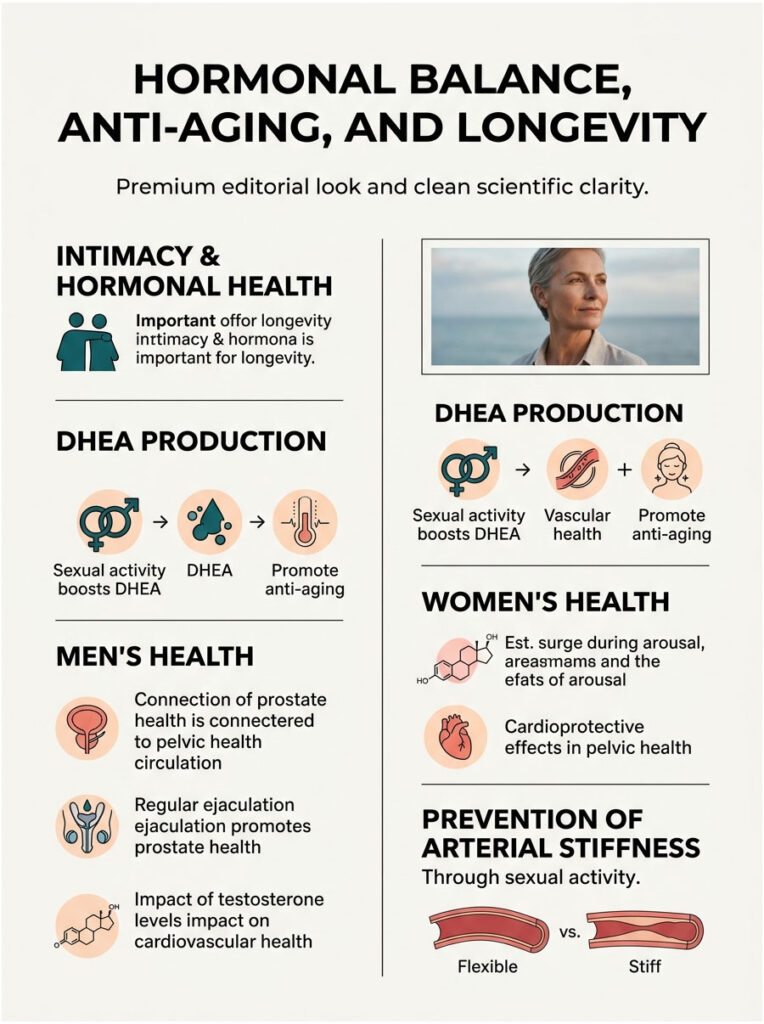
Hormonal Balance, Anti-Aging, and Longevity
Beyond the immediate heart and immune benefits, intimacy plays a meaningful role in hormonal health and anti-aging. The way sexual activity regulates your core hormonal balance over decades has real implications for longevity.
DHEA and Vascular Health
DHEA (Dehydroepiandrosterone) is a precursor hormone produced by your adrenal glands. It is widely considered a key anti-aging hormone, promoting cellular repair, lean muscle growth, and cognitive sharpness.
Regular sexual activity naturally stimulates DHEA production. High DHEA levels correlate with excellent vascular compliance, meaning your blood vessels can stretch and absorb the force of each heartbeat. When vascular compliance is high, your heart works less hard, reducing wear and tear on the valves and arteries.
Prostate Health and Pelvic Circulation
For men, sexual wellness is closely tied to prostate health. The prostate gland requires regular blood flow to flush out toxins and maintain healthy cellular function. Frequent ejaculation is linked to a lower risk of prostate issues later in life.
The pulsating pelvic circulation achieved during intimacy keeps local tissues well oxygenated. Stagnant blood flow is the enemy of prostate health, and regular activity keeps these vascular pathways clear.
Estrogen, Testosterone, and Arterial Elasticity
For women, sexual arousal triggers a temporary surge in estrogen, which is highly cardioprotective. Estrogen helps keep arterial walls elastic and smooth, contributing to lower heart disease rates before menopause.
For men, regular intimacy helps maintain stable testosterone levels. Adequate testosterone supports cardiac muscle mass and helps prevent metabolic syndrome. Both hormones play a major role in preventing arterial stiffness, and regular sexual activity encourages your body to keep producing them.
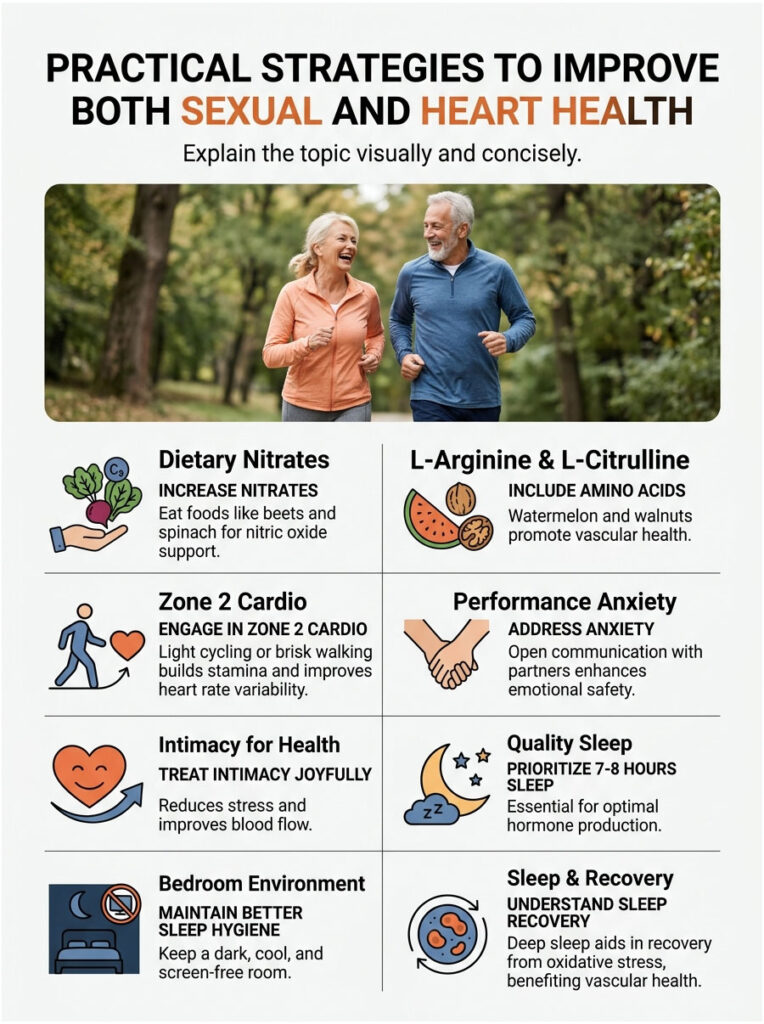
Practical Strategies to Improve Both Sexual and Heart Health
Understanding the science is the first step. Now let us translate it into daily habits you can actually use.
Nutrition for Nitric Oxide Support
You cannot achieve strong vasodilation if your body lacks the raw materials to make nitric oxide. Increase your intake of natural dietary nitrates from foods like beets, spinach, arugula, and celery. Your body converts these directly into nitric oxide, keeping blood vessels flexible.
Also prioritize foods rich in L-arginine and L-citrulline, such as watermelon and walnuts. These amino acids are essential building blocks for long-term vascular health.
Exercise to Build Stamina and HRV
If you want to feel confident during intimacy, build your aerobic base. The goal is to handle 3 to 4 METs effortlessly, without gasping for air.
Zone 2 cardio is the best way to get there. This means exercising at a steady, moderate pace where you can still hold a conversation. Brisk walking, light cycling, or swimming for 45 minutes a day builds real stamina. Zone 2 training directly improves parasympathetic activation and vagal tone, making intimacy feel effortless.
Managing Performance Anxiety
The biggest killer of sexual wellness is performance anxiety. When you worry constantly, your brain triggers a cortisol spike that shuts down nitric oxide production, making a healthy physical response nearly impossible.
Open communication with your partner is a clinical necessity, not just relationship advice. By discussing fears and removing rigid expectations, you allow your brain to relax. This emotional safety triggers the oxytocin release needed for healthy blood flow and a healthy experience.
Expert Insight: Treat intimacy as a playful, joyful connection rather than an athletic performance. This simple mindset shift lowers sympathetic nervous system spikes, improves blood flow, and enhances cardiovascular safety.
Sleep Hygiene for Hormonal Health
You cannot produce optimal levels of DHEA, testosterone, or estrogen without quality sleep. Your endocrine system does most of its hormone synthesis during deep sleep.
Prioritize seven to eight hours of uninterrupted sleep every night. Keep your bedroom dark, cool, and free of screens. When sleep is optimized, your morning hormone levels peak naturally and your blood vessels recover from daily oxidative stress.
The Mind-Body Connection: Psychology and Heart Health
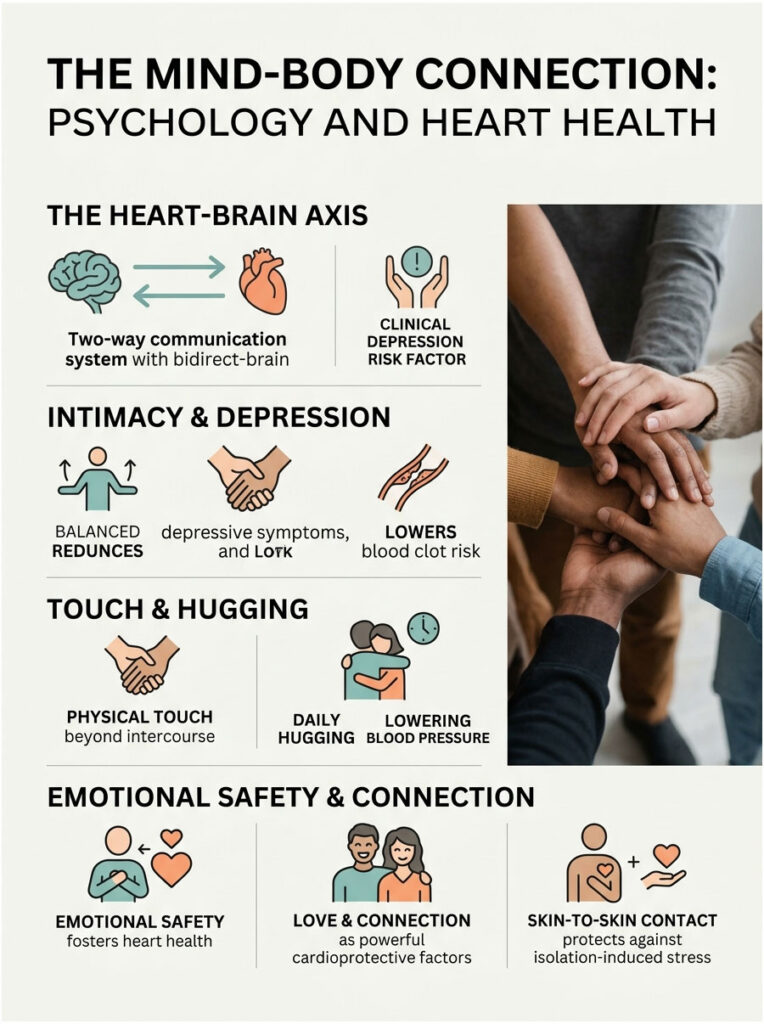
No discussion of cardiology is complete without the mind. The heart-brain axis is a two-way communication system, and your psychological state directly influences your physical cardiovascular health.
Intimacy as a Natural Antidepressant
Clinical depression is recognized by the American Heart Association as an independent risk factor for heart disease. Depressed patients have stickier blood platelets (increasing clot risk) and chronic systemic inflammation.
Regular intimacy works as a natural antidepressant. The flood of dopamine and endorphins provides immediate relief from depressive symptoms and reminds the brain how to feel joy. By combating depression through physical connection, you directly lower your risk of blood clots and improve your motivation to exercise and eat well.
The Power of Physical Touch Beyond Intercourse
Sexual wellness is broader than intercourse alone. Simple physical touch, like holding hands, cuddling, or embracing, has measurable cardiovascular benefits. One study showed that couples who hugged for just 20 seconds daily had significantly lower resting blood pressure.
If intercourse is temporarily off the table for medical reasons, maintain skin-to-skin contact. It keeps the parasympathetic nervous system engaged and protects the heart from isolation-induced stress.
Emotional Safety and Long-Term Heart Health
Your heart thrives when it feels secure and free from chronic alarm. A healthy, supportive intimate relationship provides exactly that environment. Couples who prioritize their connection build a deep buffer of mutual trust that protects them when external stressors hit.
This long-term emotional safety may be the greatest cardioprotective factor of all. Love, intimacy, and genuine connection remain some of the best medicines available.
Key Takeaways: Is Sexual Intercourse Good for Heart Health, Stress, and Immunity?
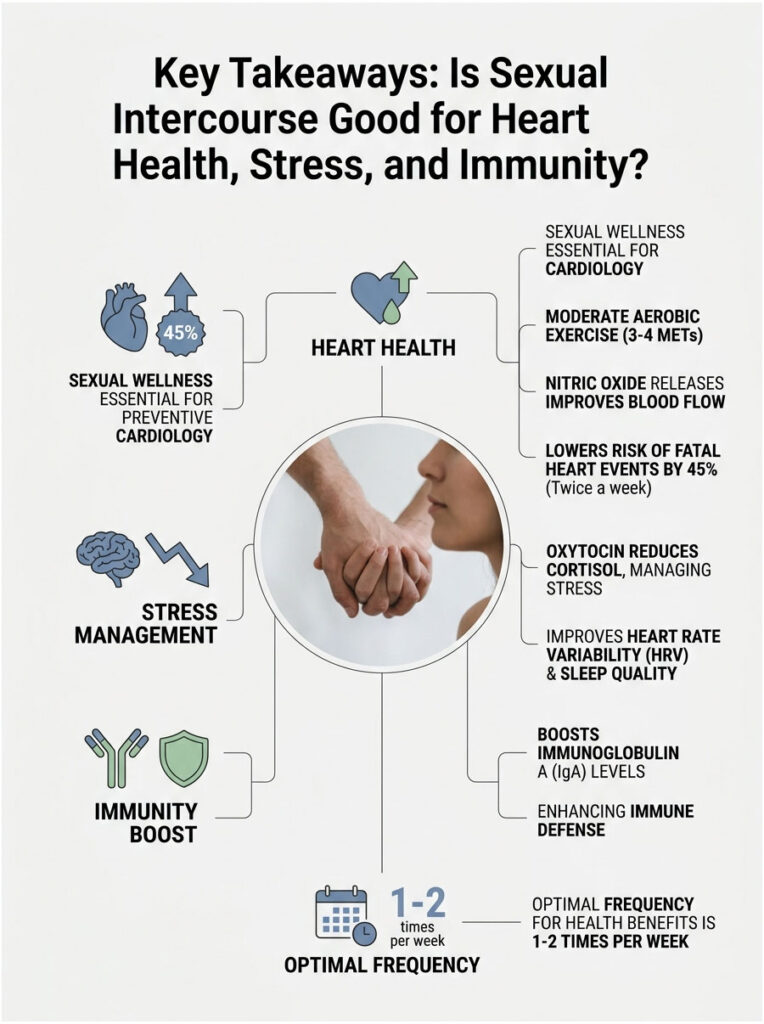
- Heart health: Regular intimacy works as moderate aerobic exercise (3 to 4 METs), promoting nitric oxide production, lowering resting blood pressure, and improving endothelial function.
- Stress relief: Oxytocin release during sex directly counters cortisol, activates the parasympathetic nervous system, and strengthens vagal tone for long-term resilience.
- Immune boost: Moderate intimacy (1-2 times per week) raises Immunoglobulin A levels by 30%, strengthening your first line of defense against infections.
- Safe for most heart patients: The risk of a cardiac event during sex is under 1%. If you can climb two flights of stairs comfortably, your heart can handle intimacy.
- Hormonal benefits: Regular sexual activity supports DHEA, estrogen, and testosterone production, all of which keep your arteries young and flexible.
- Mental health matters: Intimacy combats depression, improves sleep through natural prolactin release, and builds emotional resilience through dopamine.
- Start with basics: Eat nitric oxide-boosting foods, build your aerobic base with Zone 2 cardio, manage anxiety through open communication, and prioritize sleep.
Sexual wellness is not a taboo subject to be avoided. It is a core pillar of preventive cardiology. By maintaining a healthy intimate life, you are investing in your physical body and building a longer, healthier, and more resilient future.
Frequently Asked Questions
How does sexual activity compare to traditional exercise in terms of cardiovascular load?
In clinical terms, sexual intercourse is classified as a moderate aerobic activity. It typically requires between 3 to 4 Metabolic Equivalents (METs), which is roughly equivalent to a brisk walk at three miles per hour or raking leaves. This level of exertion safely challenges the heart muscle, promoting cardiovascular conditioning without pushing the body into dangerous anaerobic zones.
What is the relationship between intimacy and endothelial function?
Intimacy triggers the release of nitric oxide, a powerful vasodilator produced by the endothelium—the thin layer of cells lining your blood vessels. This process causes the arteries to relax and expand, which improves systemic blood flow and maintains arterial elasticity. Healthy endothelial function is a primary defense against plaque buildup and calcification.
Can regular sexual activity actually lower my risk of a fatal heart attack?
Yes. Clinical data suggests that men who engage in intimacy at least twice a week experience a 45 percent lower risk of fatal cardiac events compared to those who do so less frequently. This reduction is attributed to improved blood pressure regulation, better aerobic conditioning, and the long-term stabilization of resting heart rates.
How does physical intimacy strengthen the immune system against common illnesses?
Regular intimacy has been shown to increase levels of Immunoglobulin A (IgA) by approximately 30 percent. IgA is the immune system’s first line of defense, found in mucosal membranes. By boosting these antibody levels, the body becomes more resilient against respiratory infections, such as the common cold and seasonal flu.
Is there a specific frequency of intimacy that provides the most health benefits?
Research indicates a ‘sweet spot’ for immunological and cardiovascular health, which is approximately one to two times per week. This frequency correlates with the highest measured levels of Immunoglobulin A and optimal stress hormone regulation. While higher frequencies still offer benefits, this moderate range provides the best balance for biological resilience.
How do I know if it is safe to resume sexual activity after a heart attack?
As a general rule in preventive cardiology, we use the ‘two flights of stairs’ test. If you can comfortably climb two flights of stairs at a brisk pace without experiencing chest pain (angina) or severe shortness of breath (dyspnea), your heart is likely strong enough for intimacy. Most stable patients can safely resume activity within two to four weeks post-infarction.
What role does oxytocin play in managing chronic stress and cortisol levels?
During intimacy and climax, the brain releases a surge of oxytocin, often called the bonding hormone. Oxytocin acts as a direct chemical antagonist to cortisol, the body’s primary stress hormone. By blocking cortisol receptors, oxytocin effectively shuts down the biological stress loop, lowering systemic inflammation and protecting the heart from the corrosive effects of anxiety.
Can intimacy improve Heart Rate Variability (HRV) and cardiac adaptability?
Absolutely. Engaging in sexual activity acts as a flexibility workout for your heart. The rapid shift from the high heart rate of physical exertion to the deep relaxation of the parasympathetic state trains the heart to be more adaptable. This results in higher Heart Rate Variability (HRV) scores, which is a clinical marker for a resilient and healthy autonomic nervous system.
Why does sexual activity often lead to better sleep quality?
The hormonal cascade following climax includes the release of prolactin and endorphins, which induces a state known as post-coital somnolence. This natural chemical shift reduces the time it takes to fall asleep by nearly half and promotes deeper REM sleep cycles, which is when the heart performs its most critical cellular repair and recovery work.
How does intimacy affect long-term blood pressure management?
While blood pressure rises temporarily during the act, the subsequent vasodilation caused by nitric oxide production leads to a significant drop in resting systolic blood pressure in the following hours. Over time, this ‘workout’ for the arteries trains them to remain pliable, which can lead to a 10 to 15 beat per minute reduction in morning resting heart rates.
What is the impact of sexual wellness on anti-aging hormones like DHEA?
Regular sexual activity stimulates the adrenal glands to produce Dehydroepiandrosterone (DHEA), known as the ‘anti-aging hormone.’ Higher DHEA levels are associated with improved vascular compliance, meaning your blood vessels can better absorb the pressure of each heartbeat, reducing the daily wear and tear on your heart valves and arteries.
Are there nutritional strategies to enhance both sexual and cardiovascular health?
To support the nitric oxide production necessary for both sexual and heart health, I recommend a diet rich in dietary nitrates. Foods such as beets, spinach, and arugula provide the raw materials for vasodilation. Additionally, amino acids like L-arginine and L-citrulline, found in walnuts and watermelon, are essential for maintaining the health of the endothelial lining.
Disclaimer: This article is for general educational and informational purposes only. It is not a substitute for professional medical advice, diagnosis, or treatment. Always consult your physician or a qualified healthcare provider before making changes to your health routine, especially if you have a pre-existing heart condition or are recovering from a cardiac event.
References:
- American Heart Association – Understanding Physical Activity and METs: https://www.heart.org/en/healthy-living/fitness/fitness-basics/aha-recs-for-physical-activity-in-adults
- Harvard Health Publishing – The Health Benefits of Sexual Activity: https://www.health.harvard.edu/mens-health/the-health-benefits-of-sex
- Wilkes University IgA and Intimacy Study (Charnetski & Brennan, 2004) – Published in Psychological Reports
- American Heart Association – Sexual Activity and Cardiovascular Disease (Scientific Statement): https://www.ahajournals.org/doi/10.1161/CIR.0b013e3182447787
- Mayo Clinic – Heart Disease and Sex: https://www.mayoclinic.org/diseases-conditions/heart-disease/in-depth/heart-disease/art-20049683
- World Health Organization – Cardiovascular Diseases Overview: https://www.who.int/health-topics/cardiovascular-diseases