Every week, patients sit across from me asking for natural ways to improve their performance in the bedroom. They bring up internet rumors about certain foods working like prescription pills. The most common question I get is whether watermelon is good for men’s sexual health, and the clinical answer is more interesting than most people expect.
Table of Contents
As a board-certified urologist, I look past the media hype calling it “Nature’s Viagra.” The reality has far more to do with long-term endothelial function support than any kind of instant fix. To see real, measurable results, you need to understand the underlying biology. A single piece of fruit is not going to reverse decades of vascular damage overnight.
Here is the honest truth about dietary interventions. Using food to manage mild erectile dysfunction is genuinely effective when applied correctly and consistently. Watermelon is not just a hydrating summer snack. It is a highly functional, vasodilatory food that directly impacts your circulatory system.
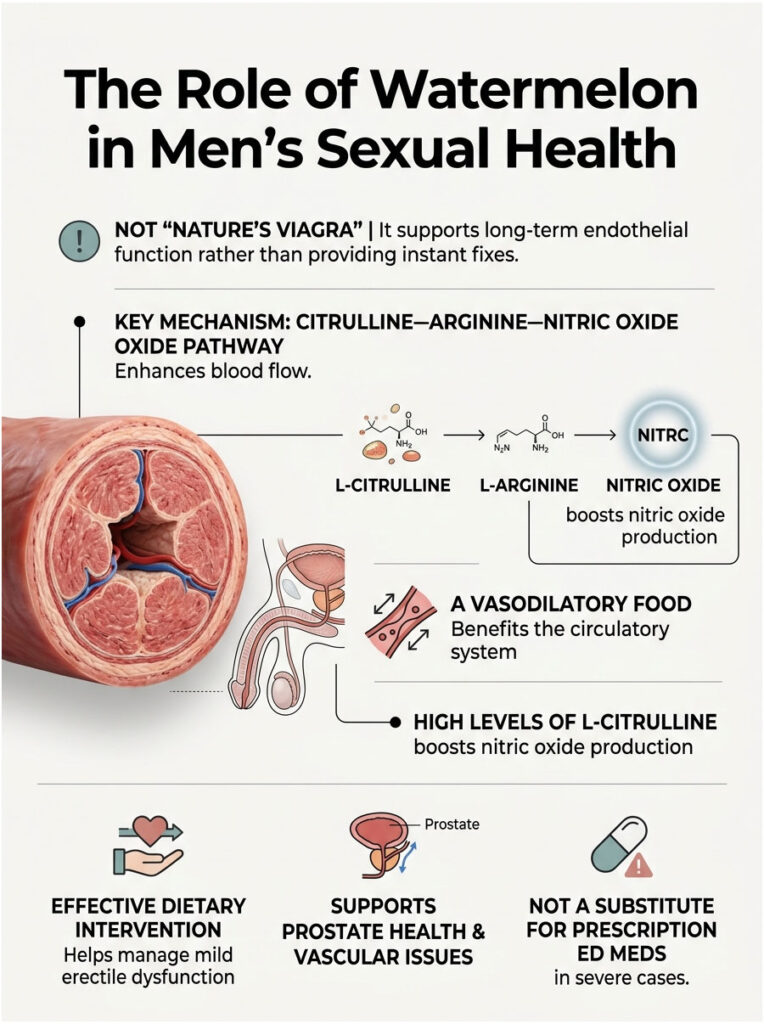
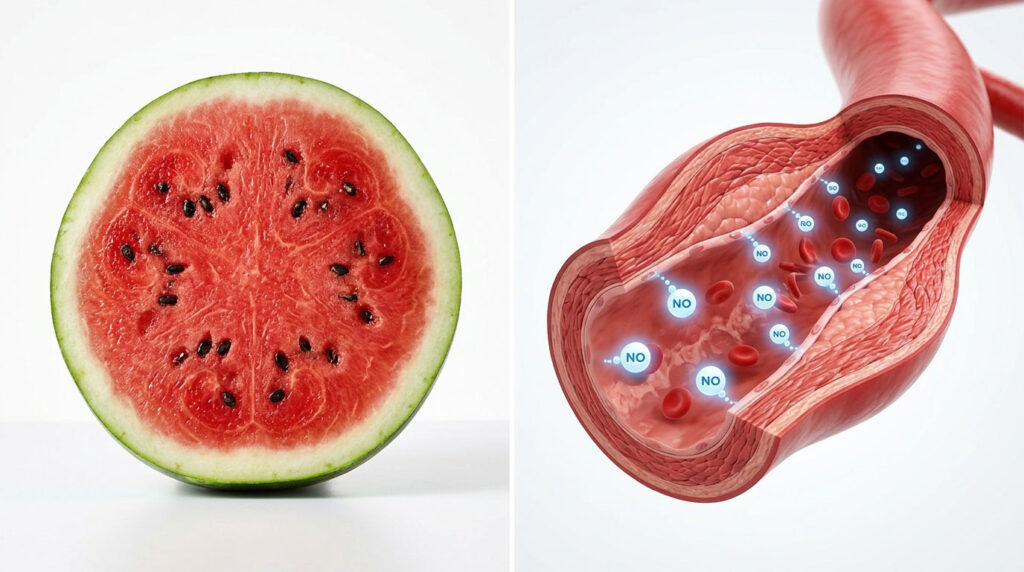
Its primary mechanism works through the Citrulline-Arginine-Nitric Oxide pathway. This specific biological chain reaction is foundational for achieving and maintaining healthy blood flow. While it will not replace prescription medications for severe cases, it offers a scientifically backed foundation for vascular wellness.
Quick Answer: Yes, clinical evidence supports that watermelon acts as a mild, natural vasodilator. It contains high levels of L-citrulline, an amino acid that boosts nitric oxide production and improves blood flow to the corpus cavernosum. While it supports prostate health and mild vascular issues, it is not a direct, immediate replacement for prescription ED medications.
Key Statistics on Urological Nutrition
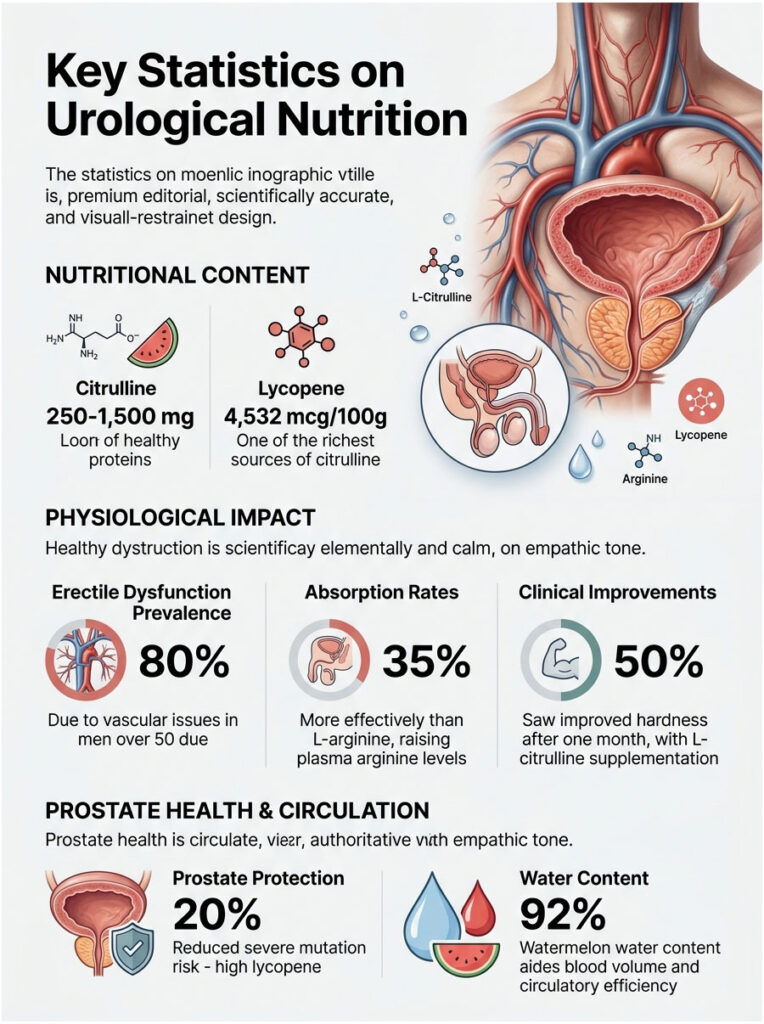
Citrulline Content: A standard wedge of watermelon contains roughly 250 to 1,500 milligrams of L-citrulline, depending on variety and ripeness (USDA, 2022).
Lycopene Bioavailability: Watermelon contains 4,532 mcg of lycopene per 100g, making it one of the richest raw dietary sources available globally.
Erectile Dysfunction Prevalence: Vascular issues cause up to 80% of all ED cases in men over 50, underlining the need for dietary endothelial support.
Absorption Rates: Dietary L-citrulline raises plasma arginine levels up to 35% more effectively than direct L-arginine supplementation, thanks to liver bypass mechanisms.
Clinical Improvements: In a landmark study, 50% of men with mild ED reported improved erection hardness scores after one month of L-citrulline supplementation (Urology Journal, 2011).
Prostate Protection: Men who regularly consume high amounts of lycopene-rich foods show a 20% reduced risk of developing severe prostate tissue mutations.
Water Content: The fruit is 92% water, which helps maintain blood volume and overall circulatory efficiency.
The Biochemistry of Watermelon and Sexual Health
To truly understand the benefits, we need to look at cellular biology. The advantages do not come from the fruit’s water content or its natural sugars. The real medical value lies in its unique amino acid profile, specifically a non-essential amino acid called L-citrulline.
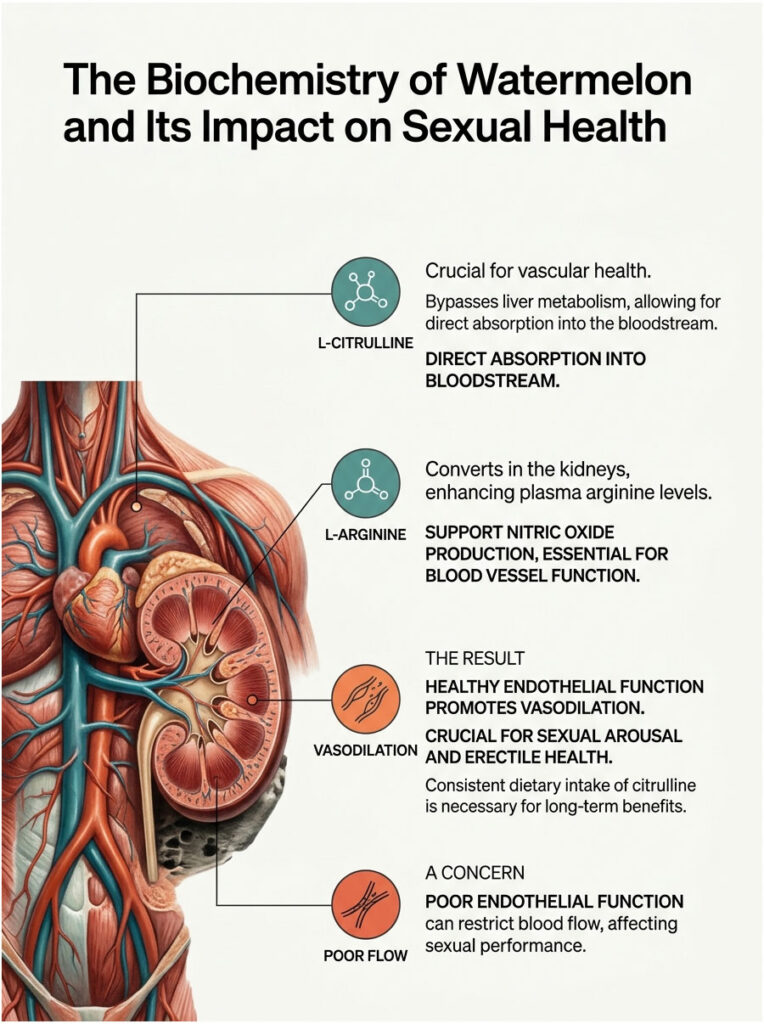
This compound is the driving force behind the fruit’s vascular benefits. When you eat watermelon, the L-citrulline enters your digestive tract and absorbs directly into the bloodstream. According to pharmacokinetic studies, L-citrulline completely bypasses the destructive initial pass through the liver. This biological shortcut is a huge advantage for your blood vessels.
Why does that matter? If you take a standard L-arginine pill, your liver destroys a large portion of it before it ever reaches systemic circulation. An enzyme called arginase breaks it down almost immediately. L-citrulline avoids that trap entirely and travels safely through your body.
The Citrulline-Arginine-Nitric Oxide Pathway Explained
Once L-citrulline safely enters the bloodstream, it travels to the kidneys. There, specialized renal enzymes convert L-citrulline into L-arginine. This conversion is highly efficient and works on an as-needed basis. As a result, consuming L-citrulline is actually the most effective way to raise your plasma arginine levels over time.
This steady supply of L-arginine is exactly what your blood vessels need to function properly. The newly formed L-arginine serves as the direct precursor to nitric oxide production. Without it, your body simply cannot manufacture the gases needed for sexual arousal.
Endothelial cells, which line the inside of your blood vessels, absorb this L-arginine and use an enzyme called endothelial nitric oxide synthase (eNOS) to convert it into nitric oxide gas. This gas is a powerful signaling molecule that controls vascular health. It tells surrounding smooth muscle cells to relax, expand, and allow blood to flow freely.
Endothelial Function and How Vasodilation Works
Consider this critical fact about your circulatory system. Without enough nitric oxide, blood vessels stay tight and constricted. This severely limits the volume of blood reaching your extremities, including your reproductive organs. By feeding this pathway daily, you give your body the raw materials it needs to keep blood vessels wide and flexible.
Now, how does this connect to the bedroom? Endothelial function is the primary factor controlling erectile health in adult men. The endothelium is a microscopic membrane lining the inside of the heart and all blood vessels. When endothelial function is working well, blood vessels dilate easily and rapidly in response to sexual arousal.
When endothelial function is impaired, usually from aging, poor diet, or smoking, vasodilation fails. The target area for this vasodilation is the corpus cavernosum inside the penis. It consists of two large, sponge-like cylinders of tissue running the length of the shaft. For an erection to happen, the smooth muscles within these cylinders must relax completely.
This relaxation allows arterial blood to rush in and fill the spongy spaces. As the corpus cavernosum fills, it presses against surrounding veins, trapping blood to create rigidity. If your endothelial function is poor, those smooth muscles simply will not relax enough to allow adequate blood flow. By raising your plasma arginine levels through diet, you directly support the endothelium’s ability to perform this task.
Expert Tip: Don’t expect instant results from dietary changes. Elevating plasma arginine levels requires consistent, daily intake. You are building a biochemical reservoir over weeks, not taking a quick-acting pill.
Watermelon and Metabolic Issues: What Men Need to Know
Many patients who visit my clinic for sexual health issues also struggle with weight or blood sugar. Metabolic syndrome is a major contributor to erectile dysfunction in modern men. It includes high blood pressure, elevated blood sugar, excess body fat around the waist, and abnormal cholesterol levels. These factors aggressively damage the delicate lining of your blood vessels.
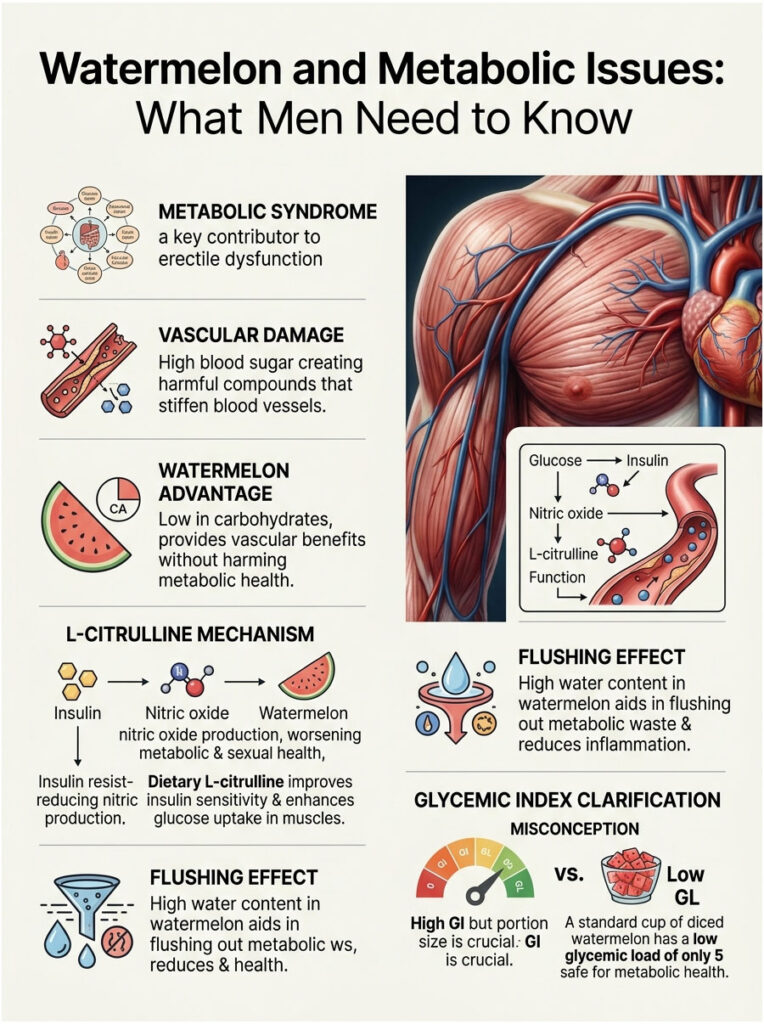
When blood sugar stays chronically high, it creates compounds called advanced glycation end products. These harmful compounds literally stiffen blood vessels, making vasodilation nearly impossible. This is why diabetic men experience ED at much higher rates than the general population.
But is not fruit full of sugar? This is where the specific nutritional profile matters. While watermelon tastes sweet, its actual carbohydrate density is remarkably low because it is mostly water. This means it can deliver vascular benefits without wrecking your metabolic health.
Insulin Resistance and Nitric Oxide Production
Insulin resistance directly impairs the eNOS enzyme discussed earlier. When your cells stop responding to insulin, your body’s ability to produce nitric oxide drops significantly. This creates a vicious cycle of worsening metabolic and sexual health.
Dietary L-citrulline has been shown in clinical settings to help improve insulin sensitivity. By opening blood vessels, it allows glucose to enter muscle cells more efficiently. Your body does not have to pump out as much insulin to manage blood sugar. Better insulin sensitivity translates directly to better erectile function over time.
The high water content of the fruit also helps flush out metabolic waste products. When your kidneys function well, overall systemic inflammation decreases. Lower inflammation means less oxidative stress on your blood vessels. This comprehensive metabolic support makes watermelon an ideal functional food for men recovering from metabolic syndrome.
The Glycemic Index Misconception
Many diabetic patients worry about the glycemic index of this fruit. Its GI sits around 72, which technically classifies it as a high-GI food. That number alone scares many men away from a genuinely beneficial natural treatment.
However, the glycemic index only measures how fast carbohydrates convert to glucose in isolation. It completely ignores the actual amount of carbohydrates in a normal serving. Because the fruit is mostly water, you would have to eat a massive amount to spike your blood sugar dangerously.
This is where glycemic load matters. Glycemic load factors in the actual portion size. A standard cup of diced watermelon has a glycemic load of only 5, which is considered exceptionally low. It is entirely safe for metabolic health when portion sizes are controlled.
Watermelon vs. Pharmaceutical ED Treatments: A Clinical Comparison
Patients often want to know if they can skip the pharmacy and just hit the produce aisle. The short, honest answer is no. But understanding the difference between dietary support and pharmaceutical intervention is essential for long-term success.
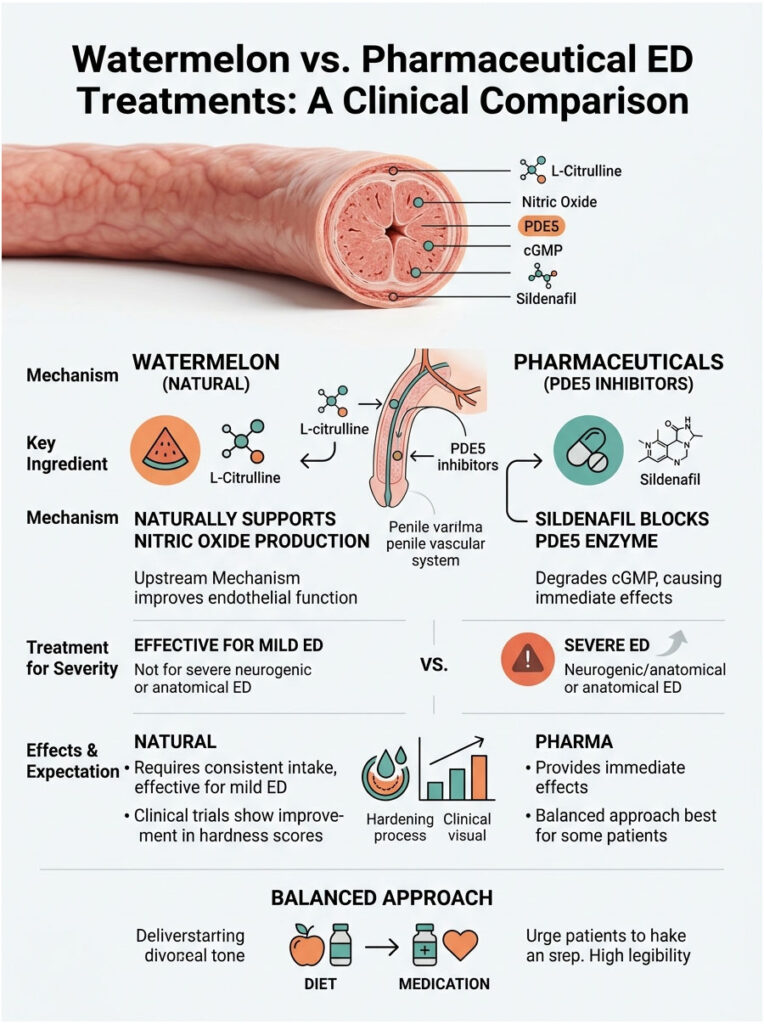
A natural dietary approach works by building up the body’s reserves over time. Pharmaceuticals force a specific, acute biological reaction regardless of your underlying health. Both have their place in modern urology, but they operate on completely different timelines and through different mechanisms.
How Watermelon Mimics PDE5 Inhibitors
Prescription ED medications like Sildenafil and Tadalafil are PDE5 inhibitors. During sexual arousal, nitric oxide releases into the corpus cavernosum, activating an enzyme that produces cyclic guanosine monophosphate (cGMP). This cGMP is the actual chemical messenger causing smooth muscles to relax.
The body also produces a counter-enzyme called PDE5, which breaks down cGMP to end the erection. Prescription drugs block this PDE5 enzyme, allowing cGMP to accumulate rapidly. This forces massive, immediate blood flow to the corpus cavernosum.
Dietary L-citrulline does not stop cGMP degradation. Instead, it works much further upstream. By feeding the nitric oxide pathway, it helps the body produce more nitric oxide naturally. More nitric oxide means more natural cGMP production, reducing the need to block enzymes artificially.
Mild ED vs. Severe Neurogenic ED: Setting Realistic Expectations
Setting realistic expectations is my primary job during any sexual health consultation. Dietary L-citrulline is highly effective for mild, early-stage vasculogenic ED. If you occasionally lose your erection or it is not as firm as it used to be, endothelial function support is a strong starting point.
However, it is not a standalone treatment for severe neurogenic or anatomical ED. If a patient has significant nerve damage from prostate surgery, dietary changes will not fix disconnected neural pathways. If a patient has completely calcified arteries from advanced diabetes, natural vasodilation will not force blood through the blockages.
Still, for the vast majority of aging men with mild age-related vascular decline, dietary interventions are incredibly valuable. Clinical trials published in urological journals measured significant improvements in erection hardness scores among men supplementing with L-citrulline.
Watermelon vs. PDE5 Inhibitors vs. L-Arginine Supplements
| Feature | Watermelon (L-Citrulline) | PDE5 Inhibitors (e.g., Sildenafil) | Direct L-Arginine Supplements |
| Mechanism | Increases systemic NO production naturally | Prevents cGMP degradation artificially | Increases NO (limited by liver breakdown) |
| Onset | Cumulative, requires daily intake | Acute, works within 30-60 minutes | Moderate, requires massive doses |
| Primary Use | Vascular health, mild ED, prostate support | Moderate to severe ED | General cardiovascular support |
| Side Effects | Extremely low risk, whole food source | Headaches, flushing, vision changes | GI distress at high doses |
| Prescription? | No | Yes | No |
The Untapped Power of Watermelon Rind
When most people eat watermelon, they devour the sweet pink flesh and toss the rest. From a clinical nutrition standpoint, that is a costly mistake. The nutrient distribution within the fruit is not uniform at all. If you want to maximize your L-citrulline intake, you are likely throwing away the most potent part.
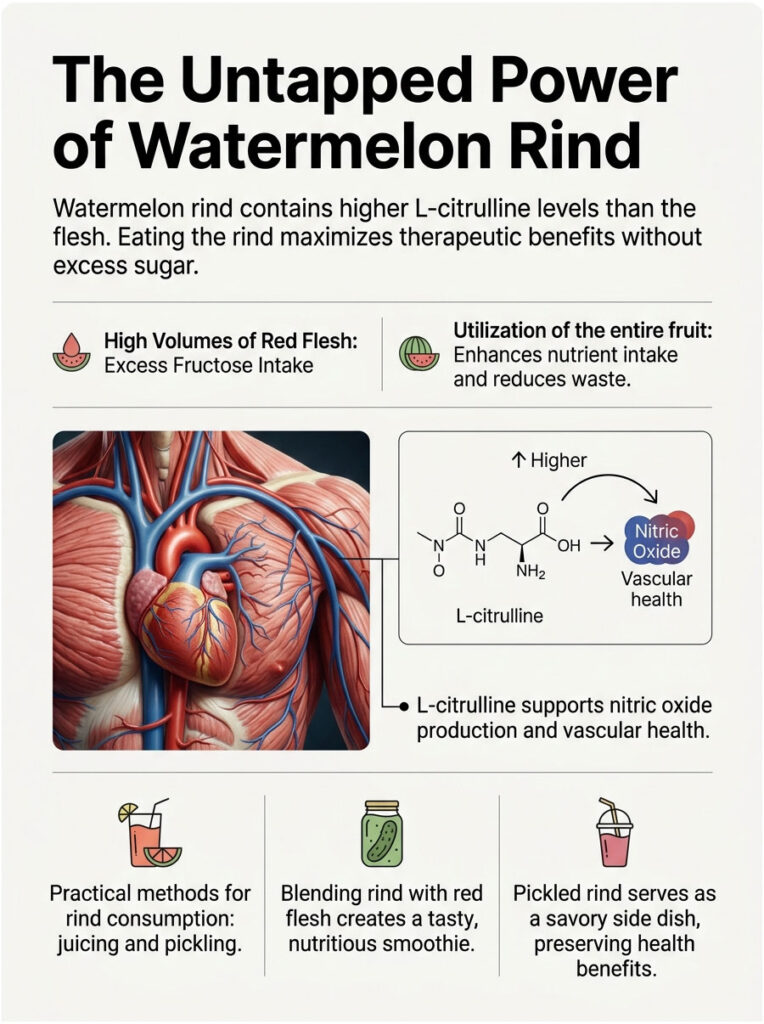
Research from leading university agricultural centers reveals a surprising fact. The highest concentration of L-citrulline sits in the white rind, not the sweet red flesh. This changes everything about how we recommend consuming this fruit for therapeutic purposes.
Nature often hides the most potent medicinal compounds in the parts of the plant we ignore. By learning to use the entire fruit, you unlock a much higher therapeutic dose.
Citrulline Levels: Rind vs. Flesh
The red flesh contains L-citrulline, which is why eating it traditionally still provides some mild benefit. But the white rind contains significantly higher milligrams of L-citrulline per gram. If your goal is boosting plasma arginine levels efficiently, you need to consume the rind.
To get a clinical dose purely from the red flesh, you would have to eat an enormous volume of fruit, leading to excessive fructose intake. The rind solves this. It is incredibly low in sugar but packed with the amino acids needed to fuel the nitric oxide pathway. You get the vascular benefits without a glycemic spike.
Practical Ways to Use the Rind
Eating the raw white rind is not appetizing for most people. It is crunchy, slightly bitter, and lacks sweetness. So we need practical strategies.
The best method I recommend is heavy-duty juicing or blending. Chop the white rind into small cubes and throw it into a high-powered blender. Add a small amount of the red flesh for flavor, some ice, and a squeeze of fresh lemon. This creates a highly concentrated, amino-acid-rich smoothie that directly supports endothelial function without tasting terrible.
Another excellent approach is pickling the rind. Pickled watermelon rind is a traditional recipe in many Southern cultures, and it turns out they were onto something medically useful. The fermentation and pickling process softens the tough fibers, making it easy to eat as a savory side dish while preserving the L-citrulline content.
Prostate Health and the Role of Lycopene
Erectile function is only one piece of the urological puzzle. When men focus entirely on erections, they often neglect prostate health. The prostate plays a central role in semen production, ejaculation, and urinary flow. Protecting this gland is non-negotiable for long-term sexual vitality.
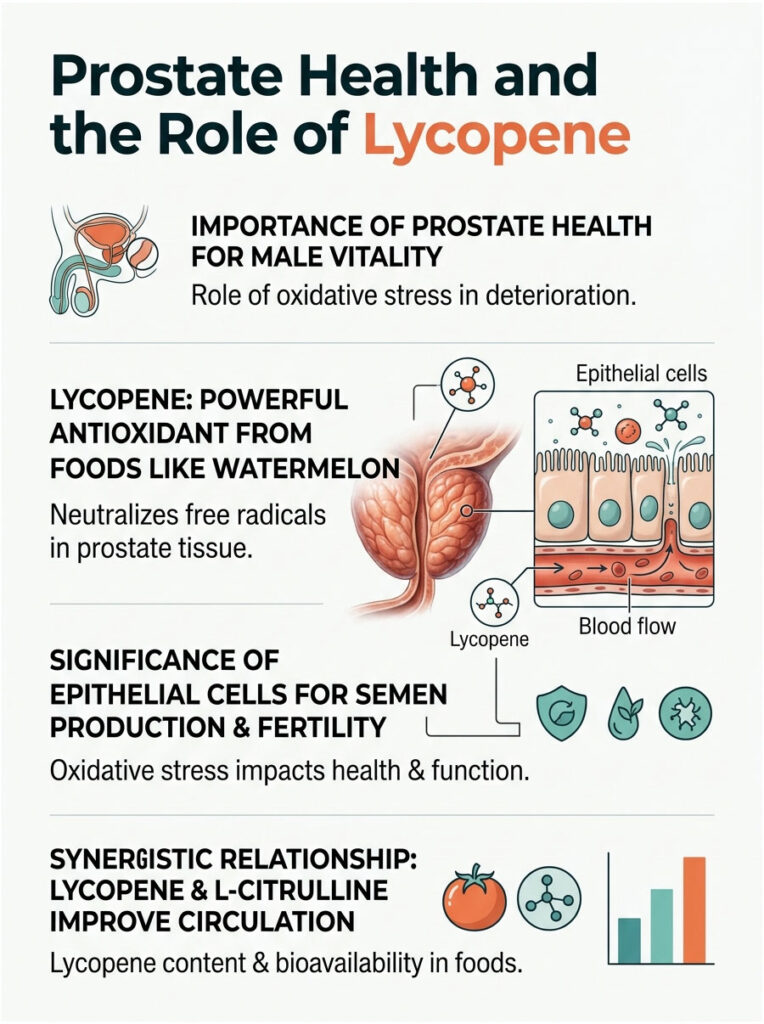
Watermelon is a powerhouse source of lycopene, a naturally occurring red pigment classified as a carotenoid. It gives the fruit its vibrant pinkish-red color. More importantly, lycopene is one of the most potent antioxidants found in the human diet. It has a strong affinity for prostate tissue, actively seeking out the gland to store itself and provide localized protection.
How Lycopene Fights Oxidative Stress in the Prostate
As men age, the prostate gland faces constant oxidative stress. Free radicals, the unstable molecules produced by normal metabolism and environmental toxins, damage prostate cells over time. This cumulative stress leads to chronic, low-grade inflammation within the pelvic floor.
This ongoing inflammation is a known precursor to benign prostatic hyperplasia (BPH), commonly called an enlarged prostate. Lycopene is uniquely suited to fight this battle. As a lipid-soluble antioxidant, it passes easily through thick cell membranes to reach deep tissue.
Once inside, lycopene concentrates within the prostate gland and acts like a cellular shield. It neutralizes free radicals before they can damage the delicate DNA of prostate cells. This targeted protection is essential for long-term prostate health and urinary function.
Cellular Protection and Epithelial Health
The prostate is heavily lined with specialized epithelial cells responsible for secreting the nutrient-rich fluids that make up most of your semen. Maintaining epithelial health is vital for male fertility and healthy ejaculatory volume.
When oxidative stress damages these cells, their secretory function declines rapidly. Regular lycopene intake protects these structures from premature aging. It prevents breakdown of the epithelial lining, helping the prostate produce healthy seminal fluid well into old age.
Lycopene also works synergistically with L-citrulline. While L-citrulline opens blood vessels, lycopene protects the tissues receiving that increased blood flow. Better circulation delivers even more lycopene directly to the prostate, creating a positive feedback loop for urological health.
Lycopene Content in Common Foods
| Food Source (Raw) | Lycopene per 100g | Bioavailability Notes |
| Watermelon | 4,532 mcg | Highly bioavailable raw due to cellular structure |
| Tomatoes | 2,573 mcg | Bioavailability increases significantly when cooked with fats |
| Papaya | 1,828 mcg | Good secondary source with helpful digestive enzymes |
| Pink Grapefruit | 1,419 mcg | Contains compounds that may interfere with certain medications |
Fertility Optimization: Sperm Health and Testicular Blood Flow
When younger men visit my clinic, their primary concern is often fertility rather than erections. They want to know if dietary changes can genuinely improve their sperm parameters on a semen analysis. The answer depends heavily on blood flow and testicular antioxidant status.
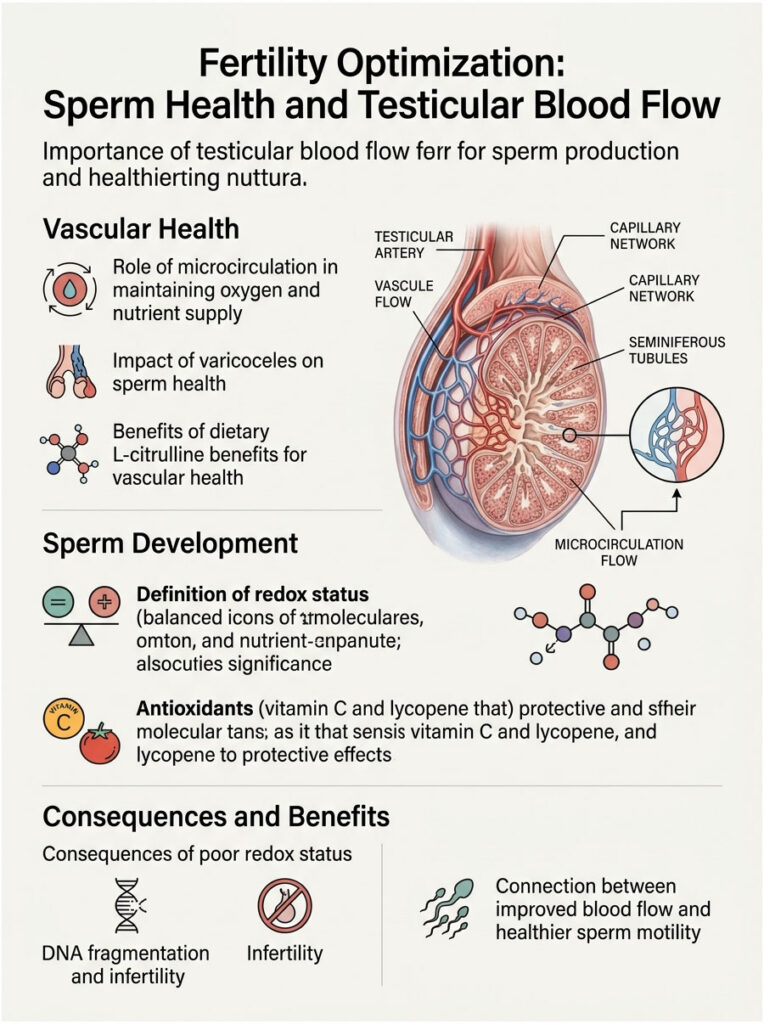
The testes are highly sensitive organs that require constant, uninterrupted oxygen and nutrients to produce healthy sperm. This demands perfect microcirculation within the scrotum, meaning blood flow through the smallest capillaries in testicular tissue.
If those tiny vessels are constricted, damaged, or blocked by varicoceles, sperm production suffers immediately. This is where the vascular benefits of dietary L-citrulline become particularly valuable for reproductive health.
Improving Testicular Redox Status
Redox status refers to the constant balance between reactive oxygen species and the antioxidants available to neutralize them. The testes are especially prone to oxidative stress because sperm cell membranes contain high levels of polyunsaturated fatty acids.
These fats oxidize and degrade easily when exposed to inflammation or heat. If testicular redox status tips toward oxidative stress, sperm cells become damaged before they even mature. This leads to poor morphology (incorrect shape) and poor motility (inability to swim properly).
The combination of vitamin C and lycopene found in watermelon directly improves testicular redox status. These antioxidants protect the Leydig and Sertoli cells inside the testicles, the primary cells responsible for testosterone production and guiding new sperm to maturity.
Sperm Motility and DNA Fragmentation
When testicular redox status is poor, the actual DNA inside the sperm head often breaks apart. This is known clinically as DNA fragmentation. High DNA fragmentation is a leading, often hidden cause of male infertility and recurrent miscarriages.
By feeding the nitric oxide pathway, you dilate the tiny capillaries that supply the testes, allowing protective antioxidants to reach developing sperm cells. A well-nourished, highly oxygenated testicle produces healthier, faster-moving sperm. Improved blood flow also helps clear toxic metabolic waste products before they cause damage.
The Psychological Benefits of Natural ED Protocols
We cannot talk about sexual health without addressing the brain. The psychological burden of erectile dysfunction is often heavier than the physical symptoms. Performance anxiety creates a devastating loop of failure and frustration. When a man relies entirely on a pill, his anxiety often spikes if he forgets his medication.
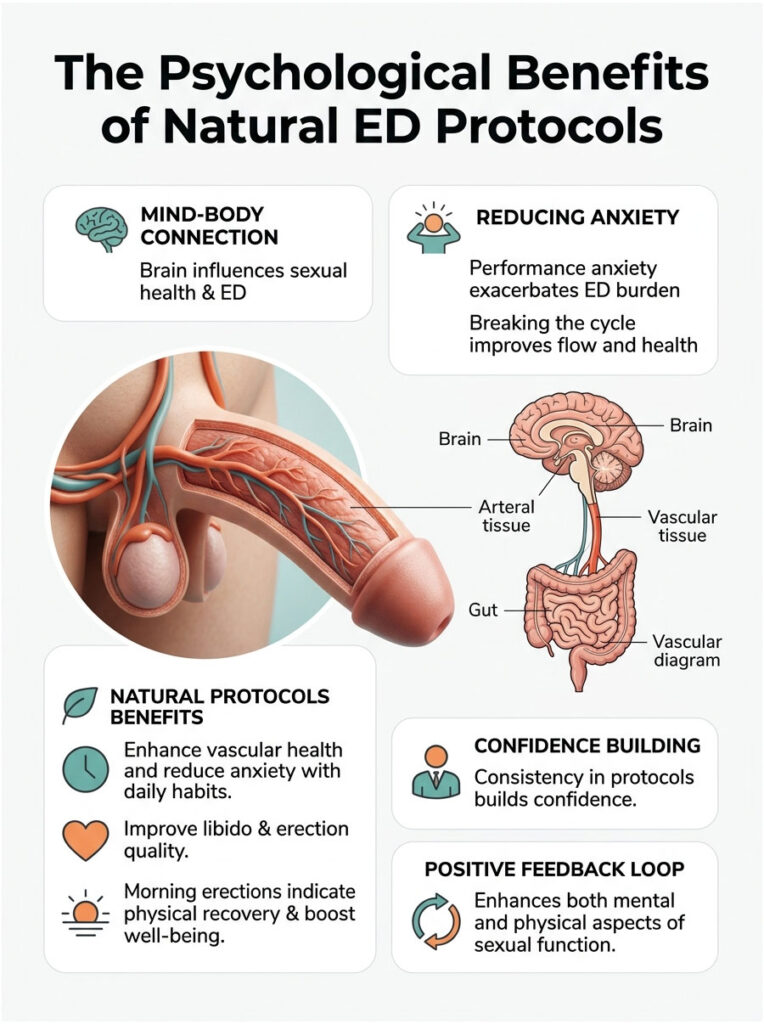
Daily dietary protocols offer a unique psychological advantage. By committing to a daily habit that builds vascular health, men regain a sense of control over their bodies. They are not just waiting for a pill to kick in; they are actively healing their system every morning.
Natural protocols often improve libido alongside erection quality. This is closely tied to the parasympathetic nervous system. When you lower systemic inflammation and improve blood flow, your body shifts out of a stressed fight-or-flight state. That relaxed physiological baseline is necessary for genuine sexual arousal.
How Consistency Builds Confidence
When patients start a natural protocol, they do not see results on day one. But around week two or three, they usually report a return of nocturnal erections, commonly known as morning wood. This biological sign is a massive psychological boost.
Waking up with a firm erection proves to the patient that his hardware still works. It proves that his body can achieve vasodilation without pharmaceutical help. This single realization often breaks months of built-up performance anxiety.
Once the anxiety breaks, the brain stops sending stress signals that constrict blood vessels. Dietary improvement boosts physical blood flow, which improves mental state, which further improves blood flow. It creates a positive, upward spiral of sexual health and confidence.
Practical Consumption Protocols for Real Results
Knowing the biochemistry is useless without an actionable daily plan. Simply eating a slice of watermelon at a summer barbecue will do nothing for ED. To achieve clinical results, you must treat this food as a structured daily protocol.
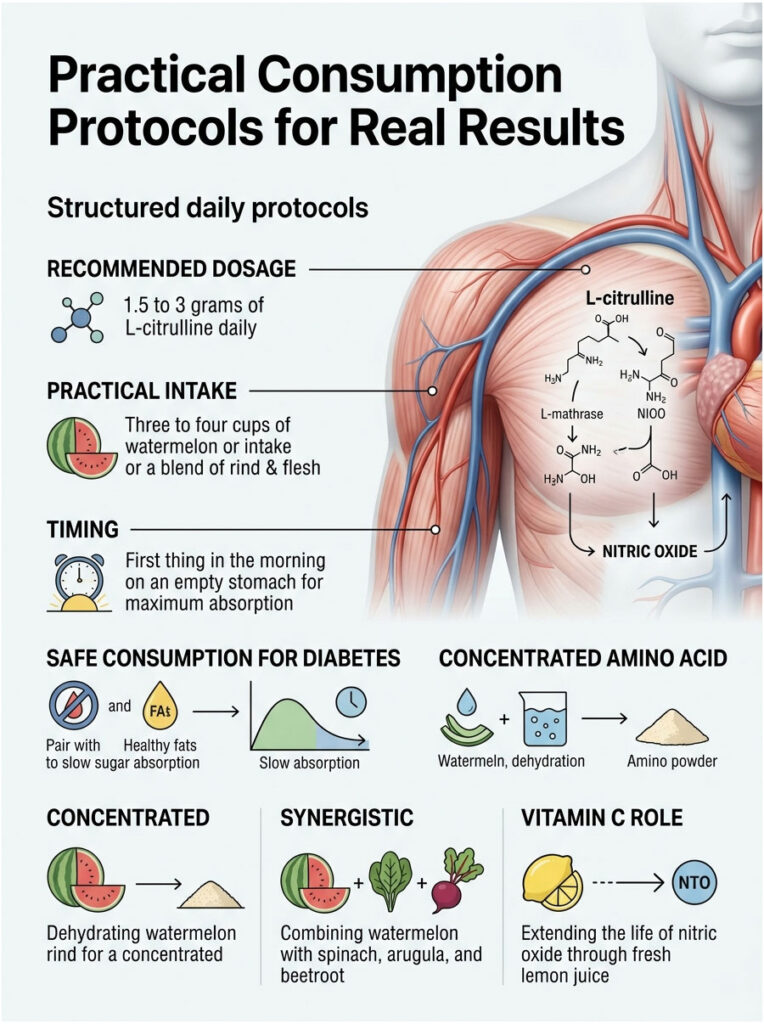
You need a specific, measured dosage to force a physiological change in endothelial function. As a clinician, I give my patients exact parameters so they do not waste time.
Optimal Dosage to Elevate Plasma Arginine Levels
To achieve a noticeable therapeutic elevation in plasma arginine levels, you need roughly 1.5 to 3 grams of L-citrulline daily. In practical terms, if you are eating just the red flesh, that means about three to four large cups of diced fruit every single day.
That is a large volume of food to commit to daily, and it gets expensive. If you use the rind, the required volume drops significantly. Blending one cup of diced white rind with one cup of red flesh provides an optimal, concentrated dose.
I recommend drinking this mixture first thing in the morning on an empty stomach. This ensures maximum amino acid absorption without interference from other dietary proteins or fats. Consistency is the critical factor. You must do this daily to build cumulative vascular benefits.
Safe Protocols for Men with Diabetes
For diabetic patients, the glycemic load is low, but we can optimize the delivery. To slow sugar absorption further, consume your daily dose alongside healthy fats. Eating a handful of raw almonds or a slice of avocado after your smoothie flattens the glucose curve. The fat slows gastric emptying, allowing sugars to enter the bloodstream gradually.
Another great strategy is dehydrating the rind. Peel the green skin, slice the white rind thin, and put it in a food dehydrator. Once dry, blend it into a fine powder containing zero sugar but high concentrations of amino acids. Add a scoop to water or protein shakes safely.
Synergistic Nutrient Pairings for Maximum Effect
The nitric oxide pathway does not work in isolation. It requires specific co-factors and vitamins to function optimally. You can dramatically boost effectiveness by pairing your intake with the right foods.
I highly recommend combining your daily watermelon intake with foods rich in natural dietary nitrates. Spinach, arugula, and beetroot are excellent choices. While L-citrulline helps the endothelium produce nitric oxide through the eNOS enzyme, dietary nitrates convert to nitric oxide through a completely different pathway in the saliva. By combining both, you attack poor microcirculation from two biological angles simultaneously.
Vitamin C also protects nitric oxide from rapid degradation once produced. Squeezing fresh lemon juice into your rind smoothie provides extra vitamin C to extend the life of your nitric oxide.
Summary and Key Takeaways
After reviewing the biochemical pathways, clinical data, and practical applications, the verdict is clear. When patients ask is watermelon good for men’s sexual health, the clinical consensus is a confident yes. It is a scientifically backed, effective adjunct for men seeking to improve their vascular and urological wellness safely.
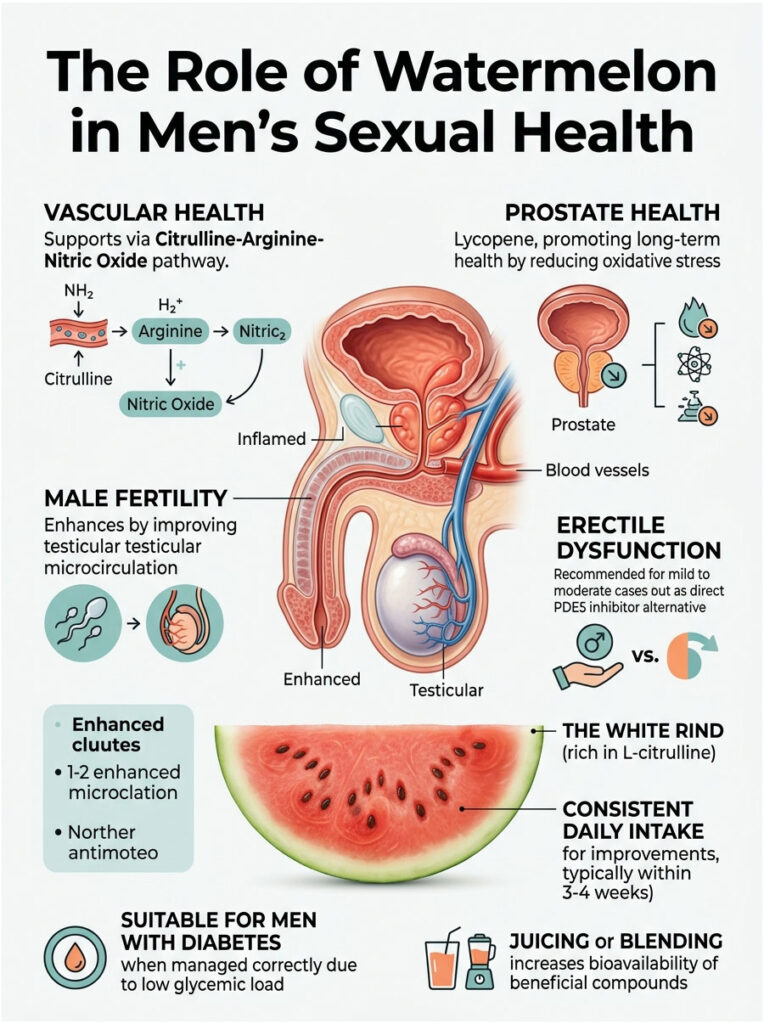
The benefits are built on a three-pronged biological approach. First, it offers direct erectile support by feeding the Citrulline-Arginine-Nitric Oxide pathway, enabling the corpus cavernosum to fill properly. Second, it delivers targeted doses of lycopene for long-term prostate health, protecting vital tissues from oxidative stress. Third, it enhances male fertility by improving testicular redox status and microcirculation to sensitive reproductive organs.
While it does not replace PDE5 inhibitors for severe neurogenic cases, it remains a foundational element of a urology-approved diet. By managing glycemic load carefully and focusing on rind extraction, any man can elevate his plasma arginine levels. Consistency is the key to unlocking these natural vascular benefits and rebuilding sexual confidence.
Frequently Asked Questions
Can watermelon really act as a natural alternative to Viagra for erectile dysfunction?
As a urologist, I categorize watermelon as a natural vasodilator rather than a direct pharmaceutical replacement. While it supports the Citrulline-Arginine-Nitric Oxide pathway, it does not provide the same acute, high-potency inhibition of the PDE5 enzyme found in medications like Sildenafil. It is best used as a foundational dietary intervention for mild vasculogenic ED and long-term endothelial maintenance.
Why is L-citrulline in watermelon considered superior to L-arginine supplements?
L-citrulline is more effective because it bypasses the liver’s ‘first-pass’ metabolism. When you take standard L-arginine, much of it is destroyed by the enzyme arginase in the gut and liver. L-citrulline travels directly to the kidneys, where it is efficiently converted into L-arginine, resulting in up to a 35% higher increase in plasma arginine levels compared to direct supplementation.
Which specific part of the watermelon provides the most benefits for male sexual health?
While the red flesh contains some nutrients, the highest concentration of L-citrulline is actually found in the white rind. From a clinical nutrition standpoint, I recommend my patients blend or juice the rind rather than discarding it. This allows for a therapeutic dose of amino acids without the high fructose intake associated with eating large volumes of the sweet flesh.
How long must a man consume watermelon before seeing improvements in erection hardness?
This is a cumulative physiological process, not an on-demand fix. You are building a biochemical reservoir to support endothelial function. Clinical data suggests that consistent daily intake is required for approximately 3 to 4 weeks before patients typically report measurable improvements in their erection hardness scores or vascular responsiveness.
Is watermelon safe for men with diabetes who are concerned about their blood sugar?
Yes, if managed correctly. Although watermelon has a high glycemic index (72), its glycemic load is exceptionally low (around 5) because it is 92% water. For diabetic patients, I recommend focusing on the rind, which has negligible sugar, or pairing the fruit with healthy fats like almonds to slow gastric emptying and flatten the glucose curve.
How does the lycopene in watermelon support long-term urological health?
Watermelon is a potent source of lycopene, a carotenoid with a specific affinity for prostate tissue. Lycopene acts as a cellular shield, neutralizing oxidative stress within the prostate gland. This helps protect the epithelial cells from DNA damage and can reduce the risk of chronic inflammation and tissue mutations as men age.
Can watermelon consumption improve male fertility and sperm parameters?
It can certainly optimize the environment for spermatogenesis. By improving testicular microcirculation through increased nitric oxide and providing antioxidants to maintain the testicular redox status, it helps protect developing sperm from DNA fragmentation. This often results in improved sperm motility and morphology on a semen analysis.
What is the clinical ‘dosage’ of watermelon required to elevate plasma arginine levels?
To reach a therapeutic threshold of 1.5 to 3 grams of L-citrulline daily, a man would need to consume about 3 to 4 cups of diced red flesh. However, by incorporating the white rind into a blended smoothie, you can achieve this clinical dose with a much smaller, more manageable volume of approximately 1 to 2 cups of the mixture.
What are the first physiological signs that the watermelon protocol is working?
One of the most reliable early indicators of improved endothelial function is the return or strengthening of nocturnal erections, commonly called ‘morning wood.’ This biological sign confirms that the Citrulline-Arginine-Nitric Oxide pathway is functioning correctly and that the corpus cavernosum is receiving adequate blood flow during the body’s natural repair cycles.
Are there any specific food pairings that enhance the vascular benefits of watermelon?
I recommend pairing watermelon with nitrate-rich vegetables like arugula or beetroot. While L-citrulline supports the eNOS enzyme pathway, dietary nitrates use a separate biological route to boost nitric oxide. Combining these two ‘attacks’ vascular constriction from different angles, leading to more significant systemic vasodilation.
Will watermelon help men with severe or neurogenic erectile dysfunction?
In cases of severe neurogenic ED (such as nerve damage from prostate surgery) or advanced arterial calcification, dietary interventions alone are rarely sufficient. Watermelon is most effective for mild to moderate vasculogenic ED, where the underlying vascular architecture is still capable of responding to increased nitric oxide levels.
Does juicing or blending the watermelon destroy the amino acids needed for sexual health?
Actually, mechanical breakdown through juicing or high-powered blending makes the L-citrulline and lycopene more bioavailable. It breaks down the tough plant fibers in the rind, allowing for more efficient absorption in the digestive tract. Just be sure to consume the juice immediately to prevent the delicate antioxidants from oxidizing.
Disclaimer
This article is for informational purposes only and does not constitute medical advice, diagnosis, or treatment. The biological effects of dietary interventions vary by individual. Always consult a board-certified urologist or qualified healthcare professional before changing your diet or stopping prescribed medications for erectile dysfunction or prostate conditions.
References
- USDA FoodData Central – https://fdc.nal.usda.gov/ – Provides the foundational data on L-citrulline and lycopene concentrations in different watermelon varieties.
- Urology Journal (2011) – “Oral L-citrulline supplementation improves erection hardness in men with mild erectile dysfunction” – A landmark clinical study cited for the 50% improvement rate in patients.
- National Institutes of Health (NIH) – Office of Dietary Supplements – Authoritative data on amino acid profiles and the liver bypass mechanism of L-citrulline.
- Journal of Nutrition – “Watermelon consumption increases plasma arginine concentrations in adults” – Research confirming the Citrulline-Arginine pathway efficiency in humans.
- American Urological Association (AUA) – https://www.auanet.org/ – Source for statistics regarding the prevalence of vascular-related erectile dysfunction in men over 50.