You see them stacked in bright orange pyramids at the grocery store or sold in wooden crates during the holidays. Often marketed under friendly brand names like “Cuties” or “Halos,” mandarin oranges have become a staple in American households. They are easy to peel, perfectly portioned, and incredibly sweet. But their candy-like flavor often leads to a common hesitation among health-conscious consumers. Are they actually good for you, or are they just sugar bombs in a peel?
Table of Contents
The reality is that mandarin orange nutrition is surprisingly robust. These small citrus fruits are far more than just a quick snack for children. They are a metabolic superfood packed with unique antioxidants that larger oranges often lack.
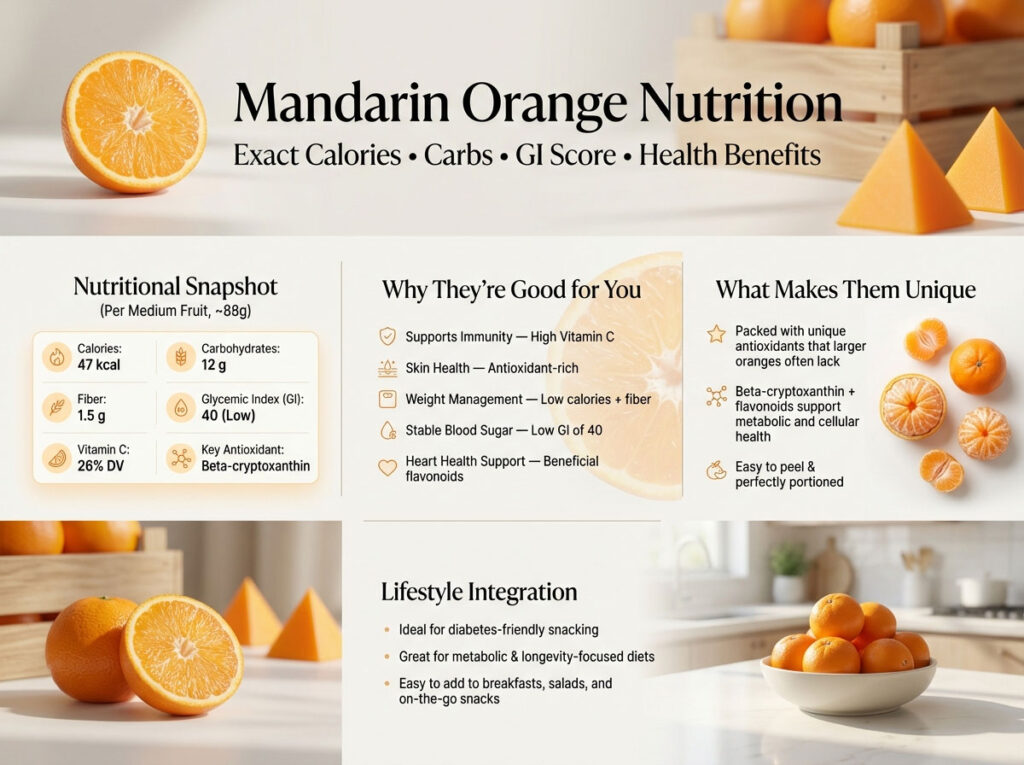
Nutritional Snapshot (Per Medium Fruit):
A single medium mandarin orange (approx. 88g) contains just 47 calories and 12g of carbohydrates. It provides 1.5g of fiber and has a low Glycemic Index (GI) of 40, making it a safe choice for stable blood sugar. Rich in Vitamin C (26% DV) and beta-cryptoxanthin, mandarin oranges support immune defense, skin health, and weight management.
This guide moves beyond the basics. We will explore the exact macronutrient breakdown, the science behind their low glycemic impact, and why experts recommend them for heart health and diabetes management. We will delve into the biochemistry of their unique flavonoids, understand the nuances of the different varieties available in US markets, and provide a comprehensive roadmap for integrating this fruit into a lifestyle focused on longevity and metabolic health.
The Nutritional Blueprint: Deep Dive into Data
To understand the true value of this fruit, we must look at the raw numbers with a critical eye. The USDA provides specific data for mandarin orange nutrition facts, which differs slightly depending on whether you measure by weight (100g) or by the average fruit size. However, the numbers on the label only tell part of the story. The matrix in which these nutrients are delivered—the water, the fiber, and the cellular structure—is just as important as the numbers themselves.
Mandarin Orange Nutrition Facts (USDA Breakdown)
When analyzing mandarin orange calories, it is vital to distinguish between a standard 100g serving and the actual fruit you eat, which is usually smaller.
Calories and Macronutrients
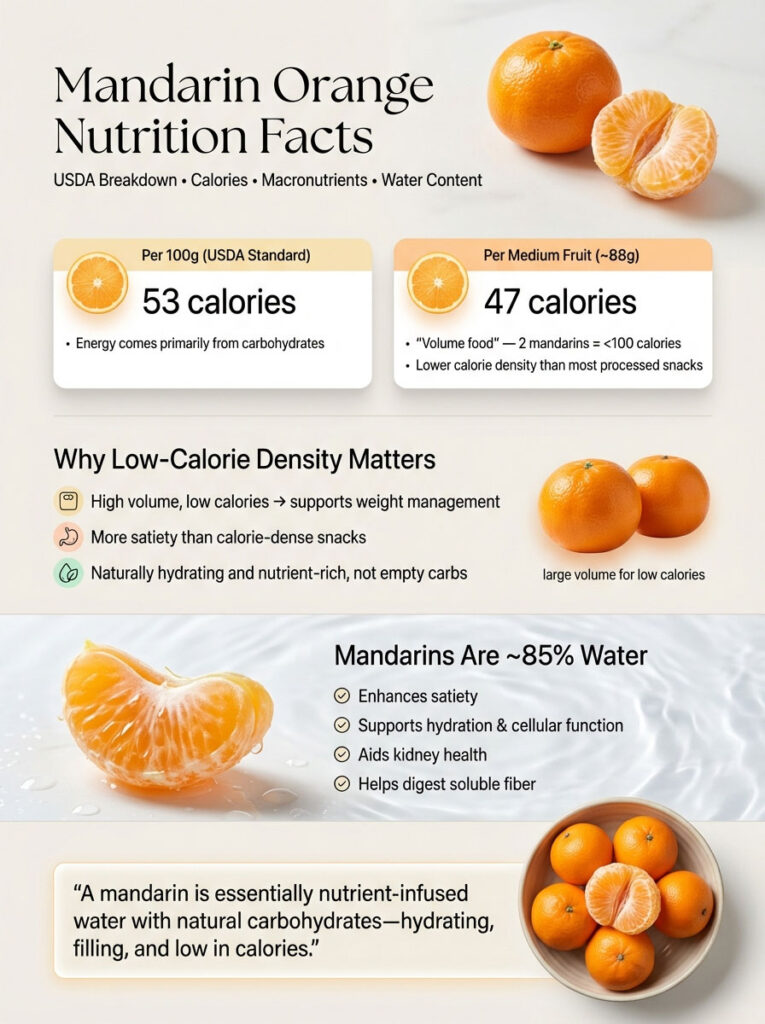
A standard 100g serving of fresh mandarin orange provides 53 calories. However, the average medium fruit weighs about 88 grams, meaning you are consuming roughly 47 calories per fruit. This makes them a “volume food.” You can eat two whole mandarins for fewer than 100 calories, which is roughly equivalent to half a standard candy bar but with significantly more volume and hydration.
This caloric density is crucial for weight management. In a food environment dominated by ultra-processed snacks that pack hundreds of calories into small bites, the mandarin offers the opposite: a high volume of food for a low caloric cost. The energy provided comes almost exclusively from carbohydrates, but as we will see, these are not “empty” carbs.
Water Content
Mandarins are approximately 85% water. This high hydration level contributes to satiety. It helps you feel full without consuming a massive amount of energy. When you consume a mandarin, you are essentially eating nutrient-infused water. This hydration supports cellular function and kidney health, and it aids in the digestion of the soluble fiber found within the fruit.
Carbohydrates: Sugar vs. Fiber
The primary concern for many is the sugar content. Yes, carbs in mandarin orange come primarily from natural sugars (fructose, glucose, and sucrose). However, the context matters immensely.
Total vs. Net Carbs
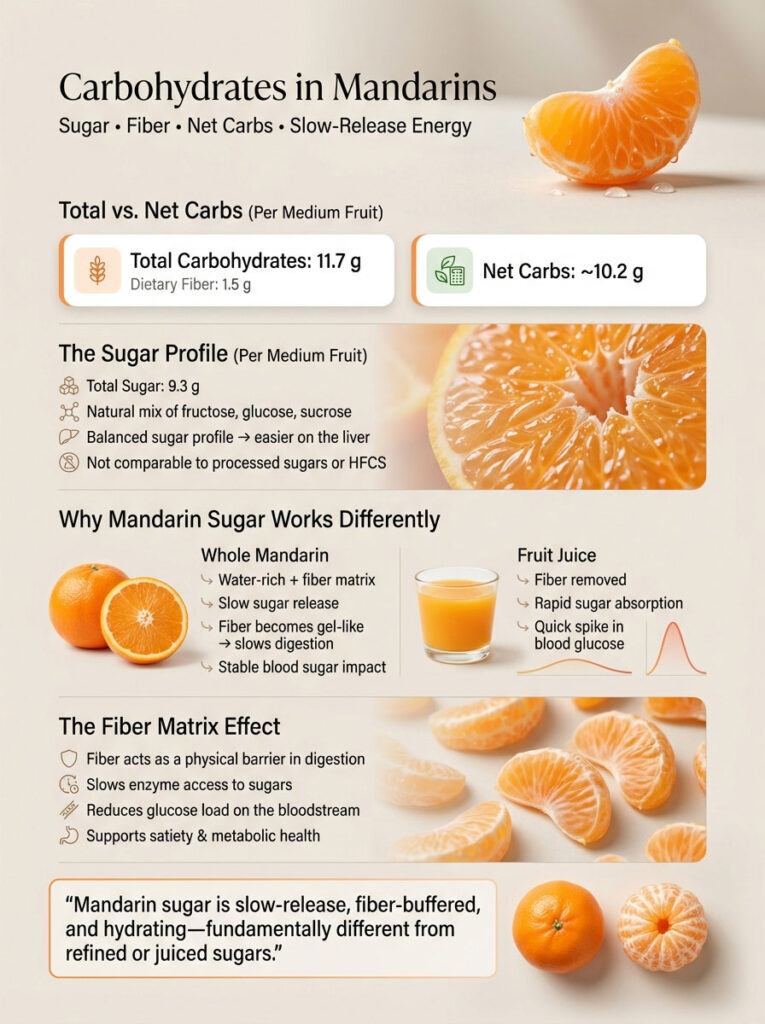
A medium mandarin contains 11.7g of total carbohydrates. Of this, 1.5g is dietary fiber. This leaves you with a net carb count of roughly 10.2g. Net carbs represent the carbohydrates that actually impact blood sugar. Because fiber is not digested in the small intestine, it does not contribute to glucose load in the same way.
The Sugar Context
The 9.3g of sugar in a mandarin is packaged within a complex matrix of water, fiber, and phenol compounds. Unlike the refined sugar in a soda which hits your bloodstream instantly, the sugar in a mandarin is released slowly. The fiber acts as a physical barrier in the gut. It turns into a gel-like substance that slows down the enzymes responsible for breaking down starch and sugar. This is why mandarin orange nutrition is superior to drinking fruit juice. When you juice the fruit, you strip away this protective fiber matrix, turning a slow-release energy source into a rapid-release sugar spike.
Furthermore, the sugar profile of mandarins is balanced. It is not pure fructose. It contains a mix of sucrose, glucose, and fructose. This balance is easier for the liver to process compared to high-fructose corn syrup found in processed sweets.
Micronutrients: Beyond Vitamin C
While Vitamin C is the headline nutrient, mandarins offer a complex profile of vitamins and minerals that work in synergy.
Vitamin C (Ascorbic Acid)
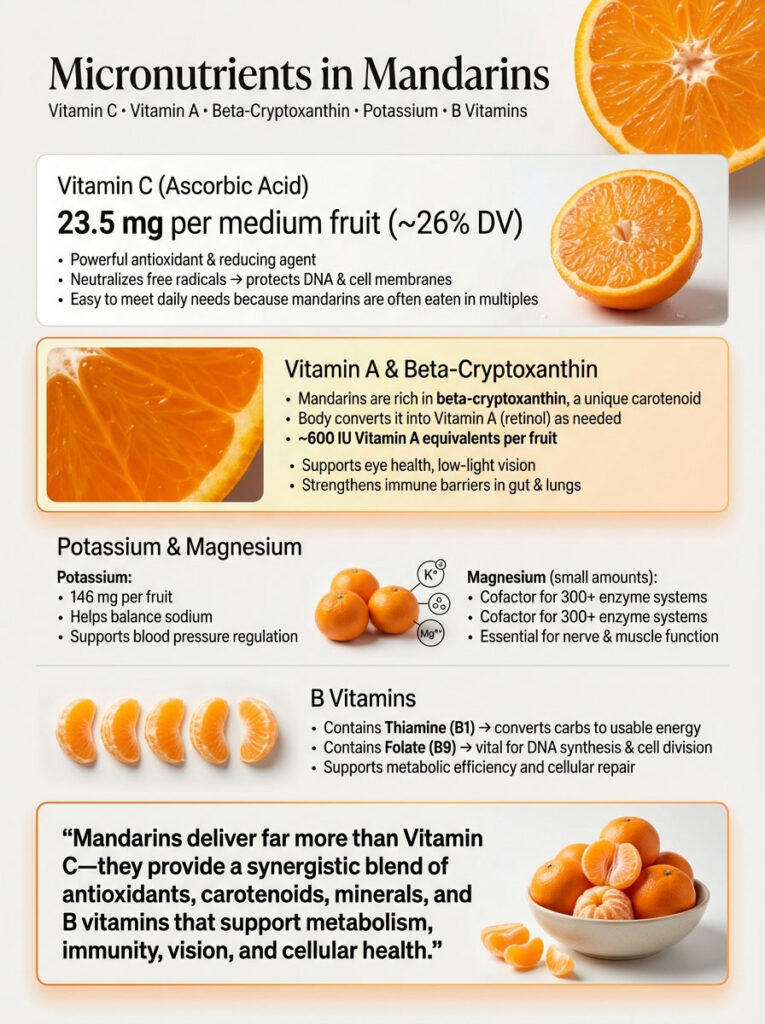
One medium fruit delivers roughly 23.5mg of Vitamin C. This is about 26% of the Daily Value (DV). While a large navel orange has more total Vitamin C, mandarins are often eaten in multiples, making it easy to reach your daily requirement. Vitamin C is not just an immune booster; it is a powerful reducing agent. It donates electrons to unstable molecules (free radicals) to neutralize them. This protects your DNA and cellular membranes from oxidative damage.
Vitamin A & Beta-Cryptoxanthin
This is where mandarin orange nutrition truly shines and differentiates itself from other citrus. Unlike regular oranges, mandarins are rich in beta-cryptoxanthin. This is a carotenoid that gives the fruit its deep orange hue. The body converts this compound into Vitamin A (retinol) as needed. A single fruit provides about 600 IU of Vitamin A equivalents. This compound is essential for eye health, specifically for seeing in low light, and for maintaining the integrity of immune barriers in the gut and lungs.
Potassium & Magnesium
Mandarins contain 146mg of potassium per fruit. This mineral is crucial for balancing sodium levels in the body. In the American diet, which is typically high in sodium and low in potassium, adding potassium-rich foods is a primary strategy for lowering blood pressure. Mandarins also provide small amounts of magnesium, which is a cofactor for over 300 enzyme systems in the body, including those that regulate muscle and nerve function.
B Vitamins
Often overlooked, mandarins provide thiamine (Vitamin B1) and folate (Vitamin B9). Folate is critical for cell division and DNA synthesis, while thiamine is essential for converting carbohydrates into usable energy. This makes the energy from a mandarin readily available for metabolic processes.
Can You Eat Mandarin Oranges with Diabetes?
One of the most frequent questions registered dietitians face is: “Is mandarin orange good for diabetes?” The answer is a resounding yes, provided portion sizes are respected and they are integrated correctly into the diet.
The Glycemic Index (GI) Score Explained
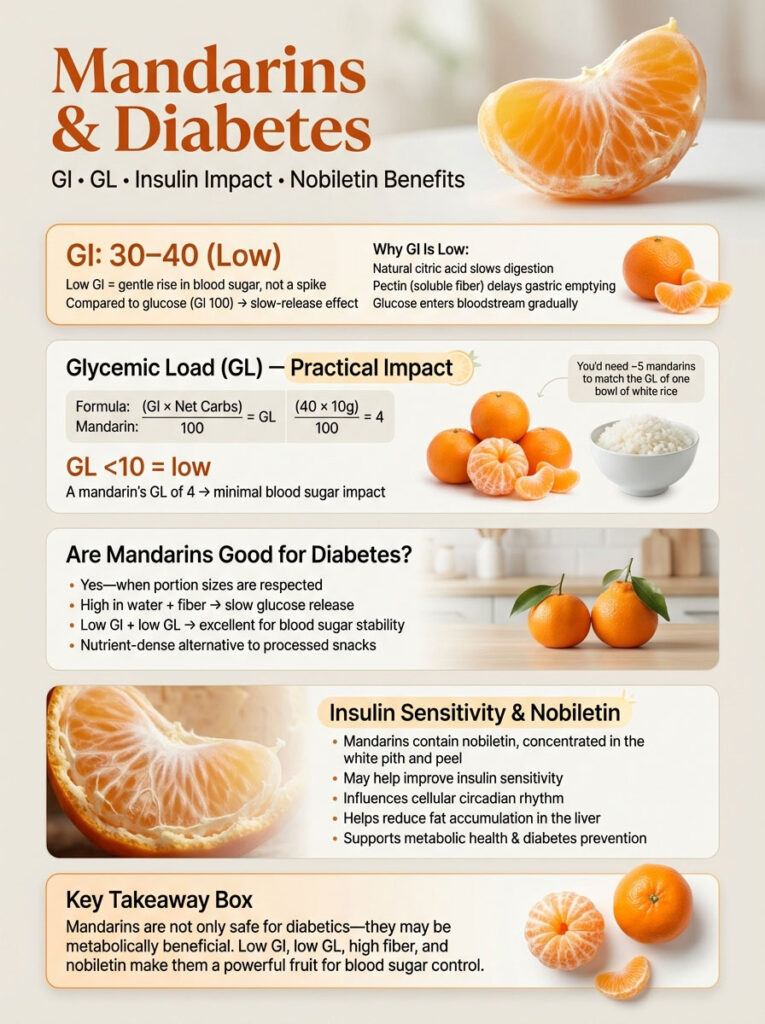
The glycemic index of mandarin is considered low. Most data places the GI score of fresh mandarins between 30 and 40.
To understand why this matters, we must look at how GI is measured. It compares the blood sugar response of a food to pure glucose (which is 100). Foods with a GI score under 55 are considered low glycemic. This means that eating a mandarin does not cause a rapid, vertical spike in insulin. Instead, it creates a gentle hill. The natural acidity of the fruit (citric acid), combined with the pectin (soluble fiber), slows down gastric emptying. The food stays in the stomach longer, and glucose enters the bloodstream at a manageable trickle.
Understanding Glycemic Load (GL)
While GI measures the speed of sugar absorption, Glycemic Load (GL) measures the actual impact of a typical serving size. This is often a more practical metric for diabetics because it accounts for the quantity of carbohydrates consumed.
The Math:
(GI x Carbs per serving) / 100 = GL
For a mandarin orange:
(40 x 10g net carbs) / 100 = 4
A GL score below 10 is considered low. With a score of just 4, a single mandarin has a negligible impact on daily blood glucose levels. You would have to eat nearly five mandarins in one sitting to reach the glycemic load of a single bowl of white rice. This makes mandarin orange nutrition highly compatible with diabetes management plans.
Insulin Sensitivity and Nobiletin
Recent research has highlighted a flavonoid called nobiletin, which is found in high concentrations in mandarin pith (the white stringy stuff) and the peel. Studies suggest that nobiletin may help correct insulin resistance, the underlying driver of Type 2 Diabetes.
It works by interacting with the circadian clock of the body’s cells and preventing the buildup of fat in the liver. A fatty liver is often a precursor to metabolic syndrome and diabetes. By consuming the whole fruit (including some of the white pith), you are ingesting compounds that actively support metabolic health. This suggests that mandarins are not just “safe” for diabetics; they may be functionally beneficial when used to replace pro-inflammatory snacks.
The Phytochemical Profile: Why It’s a Superfood
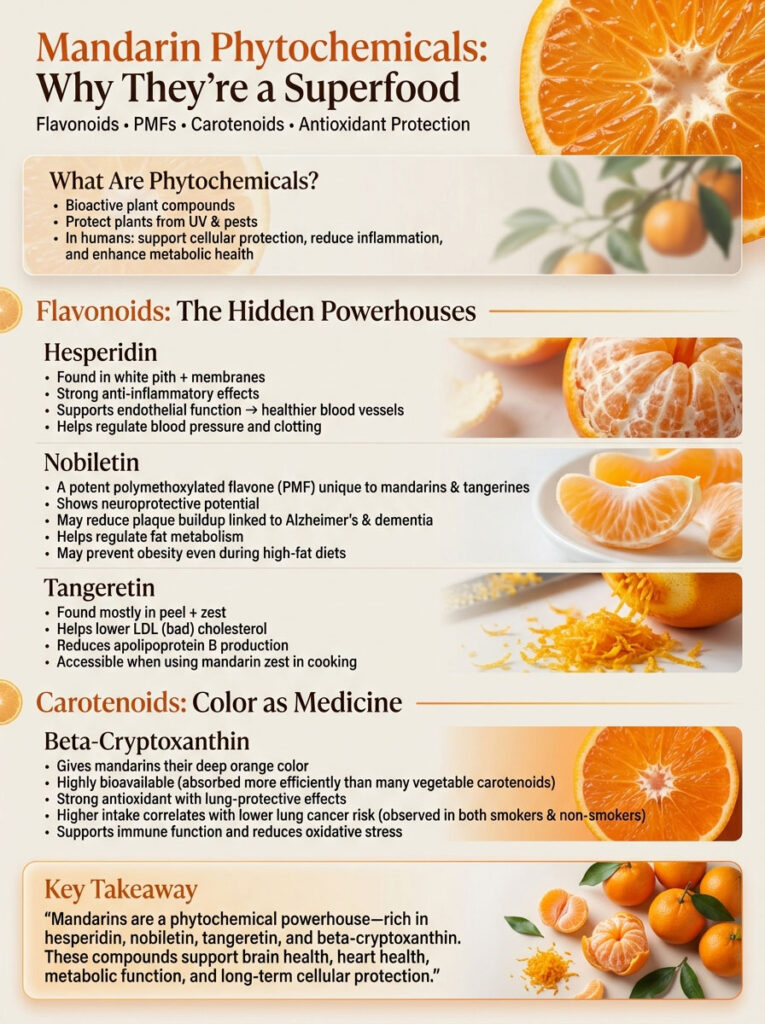
To truly appreciate mandarin orange health benefits, we must look beyond the standard nutrition label. The real power lies in the phytochemicals. These are bioactive compounds that plants produce for protection against pests and UV radiation. When we eat them, they offer similar protective benefits to our cells.
Flavonoids: The Hidden Gems
Citrus fruits are famous for their flavonoids, but mandarins have a specific profile that differs from lemons or grapefruits.
Hesperidin
This is the dominant flavonoid in citrus. It is found in the white parts of the fruit and the membranes separating the segments. Hesperidin is well-documented for its anti-inflammatory properties. It helps improve the function of the endothelium, the inner lining of your blood vessels. When the endothelium works correctly, blood pressure is regulated, and clotting is controlled.
Nobiletin
As mentioned earlier, nobiletin is a polymethoxylated flavone (PMF) specific to mandarins and tangerines. It is far more potent than many other flavonoids. It has been studied for its potential neuroprotective effects. Some animal studies suggest it may help protect brain cells from the plaque buildup associated with Alzheimer’s disease and dementia. It also shows promise in regulating fat metabolism, potentially preventing obesity even in the presence of a high-fat diet.
Tangeretin
Found primarily in the peel and zest, tangeretin helps lower cholesterol. It works by inhibiting the production of apolipoprotein B, a structural protein needed for LDL (bad) cholesterol. While we typically discard the peel, using the zest in cooking allows us to access this powerful compound.
Carotenoids: Color as Medicine
The deep orange color of a mandarin comes from carotenoids. The star player here is beta-cryptoxanthin.
Bioavailability
Research shows that the beta-cryptoxanthin in mandarins is highly bioavailable. This means your body absorbs it more efficiently than it absorbs carotenoids from many other vegetables. It acts as an antioxidant that specifically protects the lungs. Several large-scale epidemiological studies have suggested an inverse relationship between beta-cryptoxanthin intake and lung cancer risk, meaning higher intake correlates with lower risk. This benefit appears to extend to both smokers and non-smokers.
7 Surprising Health Benefits
Based on the mandarin orange nutrition facts and phytochemical profile, here are the top seven evidence-based health benefits, explored in detail.
1. Immune System Fortification
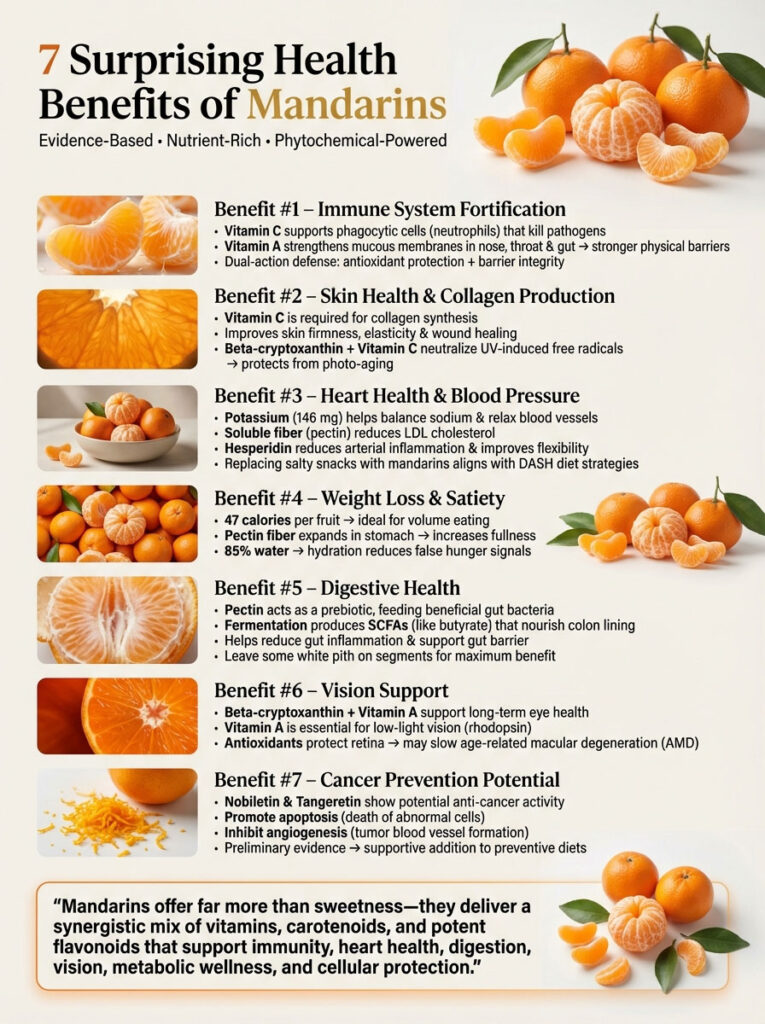
Vitamin C is the primary driver here, but the mechanism is multifaceted. Vitamin C accumulates in phagocytic cells, such as neutrophils, which can generate reactive oxygen species to kill invading pathogens. However, mandarin orange nutrition offers more than just C. The presence of Vitamin A maintains the integrity of mucous membranes in your nose, throat, and gut. These membranes act as physical barriers to trap viruses and bacteria before they enter the bloodstream. If these barriers are dry or weak due to nutrient deficiency, infection is more likely. The synergistic effect of Vitamin C and Vitamin A makes the mandarin a dual-action immune defender.
2. Skin Health & Collagen Production
If you want better skin, eat more mandarins. Vitamin C is an absolute requirement for collagen synthesis. Collagen is the structural protein that keeps skin firm, elastic, and youthful. Without adequate Vitamin C, the body cannot cross-link collagen fibers effectively, leading to sagging skin and poor wound healing.
Furthermore, the antioxidants in mandarins protect against photo-aging. UV rays from the sun create free radicals in the skin that damage DNA and break down collagen. The beta-cryptoxanthin and Vitamin C in mandarins neutralize these free radicals, offering an internal layer of protection against sun damage and pollution.
3. Heart Health & Blood Pressure
The combination of potassium, fiber, and antioxidants makes mandarins a heart-healthy choice.
- Potassium: It acts as a physiological antagonist to sodium. It helps kidneys excrete excess sodium and relaxes blood vessel walls, directly lowering blood pressure.
- Fiber: The soluble fiber binds to bile acids in the digestive tract. Since bile acids are made from cholesterol, the liver must pull cholesterol from the blood to make more bile, effectively lowering circulating LDL levels.
- Hesperidin: This flavonoid reduces inflammation in the arteries and improves arterial flexibility, reducing the risk of atherosclerosis (hardening of the arteries).
Replacing salty, processed snacks with mandarin oranges significantly reduces sodium intake while boosting potassium, which is a key strategy in the DASH diet (Dietary Approaches to Stop Hypertension).
4. Weight Loss & Satiety
Are mandarin oranges good for weight loss? Absolutely. They are the perfect “diet” food because they address the psychological need for sweetness without the caloric penalty.
- Caloric Density: At 47 calories per fruit, you are eating low-density energy. This allows for “volume eating,” where you can eat a visually satisfying amount of food without overconsuming calories.
- Fiber: The pectin fiber absorbs water and expands in the stomach, triggering stretch receptors that signal fullness to the brain.
- Hydration: The high water content keeps you hydrated. Thirst signals are often mistaken for hunger signals; staying hydrated with water-rich fruits helps prevent unnecessary snacking.
5. Digestive Health
Soluble fiber, specifically pectin, is abundant in mandarins. Pectin acts as a prebiotic. This means it serves as food for the beneficial bacteria (probiotics) in your gut, such as Bifidobacteria. When these bacteria ferment the fiber, they produce short-chain fatty acids (SCFAs) like butyrate. Butyrate feeds the cells of the colon lining, reduces inflammation in the gut, and helps prevent leaky gut syndrome. To maximize this benefit, avoid picking off every strand of the white pith, as that is where much of the pectin resides.
6. Vision Support
The beta-cryptoxanthin and Vitamin A found in mandarin orange nutrition are vital for long-term vision preservation. Vitamin A is a component of rhodopsin, a protein in the eye that allows you to see in low-light conditions. A deficiency can lead to night blindness. Additionally, these antioxidants help protect the retina from oxidative stress, helping to slow the progression of age-related macular degeneration (AMD), a leading cause of blindness in older adults. While carrots get all the credit, mandarins are a sweeter, more snackable alternative for eye health.
7. Cancer Prevention Potential
While no food can “cure” cancer, the antioxidant profile of mandarins shows preventive potential. The flavonoids nobiletin and tangeretin have been observed to inhibit the growth of cancer cells in laboratory settings. They work by inducing apoptosis (programmed cell death) in abnormal cells and preventing angiogenesis (the formation of new blood vessels that tumors need to grow). While more human clinical trials are needed, the preliminary data on citrus flavonoids is compelling enough to recommend them as part of a cancer-preventive diet.
Comparative Analysis: Mandarin vs. Other Citrus
It is easy to confuse the different varieties of small citrus. Understanding the difference helps you choose the right fruit for your nutritional needs.
Mandarin vs. Navel Orange vs. Clementine
Botanically speaking, the mandarin is an ancestor of the common orange. The sweet orange we know today (Citrus sinensis) is actually a hybrid of a pomelo and a mandarin. This genetic lineage explains why they share many traits but differ in intensity.
The Comparison Table
Below is a detailed breakdown of how mandarin orange nutrition compares to its citrus cousins.
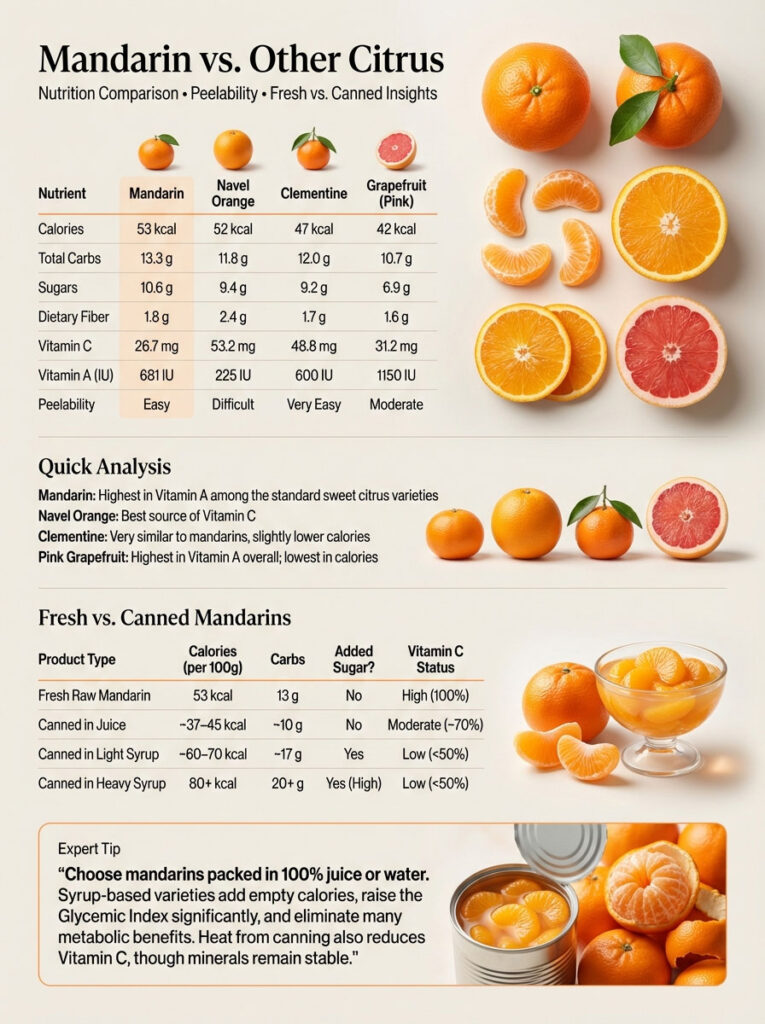
| Nutrient (per 100g) | Mandarin Orange | Navel Orange | Clementine | Grapefruit (Pink) |
| Calories | 53 kcal | 52 kcal | 47 kcal | 42 kcal |
| Total Carbs | 13.3 g | 11.8 g | 12.0 g | 10.7 g |
| Sugars | 10.6 g | 9.4 g | 9.2 g | 6.9 g |
| Dietary Fiber | 1.8 g | 2.4 g | 1.7 g | 1.6 g |
| Vitamin C | 26.7 mg | 53.2 mg | 48.8 mg | 31.2 mg |
| Vitamin A (IU) | 681 IU | 225 IU | 600 IU | 1150 IU |
| Peelability | Easy | Difficult | Very Easy | Moderate |
Analysis:
While the navel orange wins on Vitamin C, supplying nearly double the amount per gram, the mandarin orange nutrition profile wins on Vitamin A. The mandarin offers three times the Vitamin A activity of a navel orange. Clementines, which are a specific seedless variety of mandarin, are slightly lower in calories but very similar in profile to the standard mandarin.
Fresh vs. Canned: Making the Healthy Choice
This is a critical distinction for shoppers. Canned mandarin oranges are a popular pantry staple, often used in salads and desserts. However, their nutritional value depends entirely on the liquid they are packed in.
| Product Type | Calories (per 100g) | Carbs | Added Sugar? | Vitamin C Status |
| Fresh Raw Mandarin | 53 kcal | 13 g | No | High (100%) |
| Canned in Juice | ~37-45 kcal | ~10 g | No | Moderate (~70%) |
| Canned in Light Syrup | ~60-70 kcal | ~17 g | Yes | Low (<50%) |
| Canned in Heavy Syrup | 80+ kcal | 20+ g | Yes (High) | Low (<50%) |
Expert Tip: Always read the label carefully. If you buy canned, choose those packed in “100% juice” or water. If you buy those in syrup, you are essentially eating dessert, not fruit. The syrup not only adds empty calories but also raises the Glycemic Index of the fruit significantly, negating the metabolic benefits we discussed earlier. Furthermore, the canning process involves heat, which degrades some of the Vitamin C, although the mineral content generally remains stable.
Consumer Guide: Selection, Storage, and Varieties
To get the most out of your fruit, you need to know how to pick the best ones and keep them fresh.
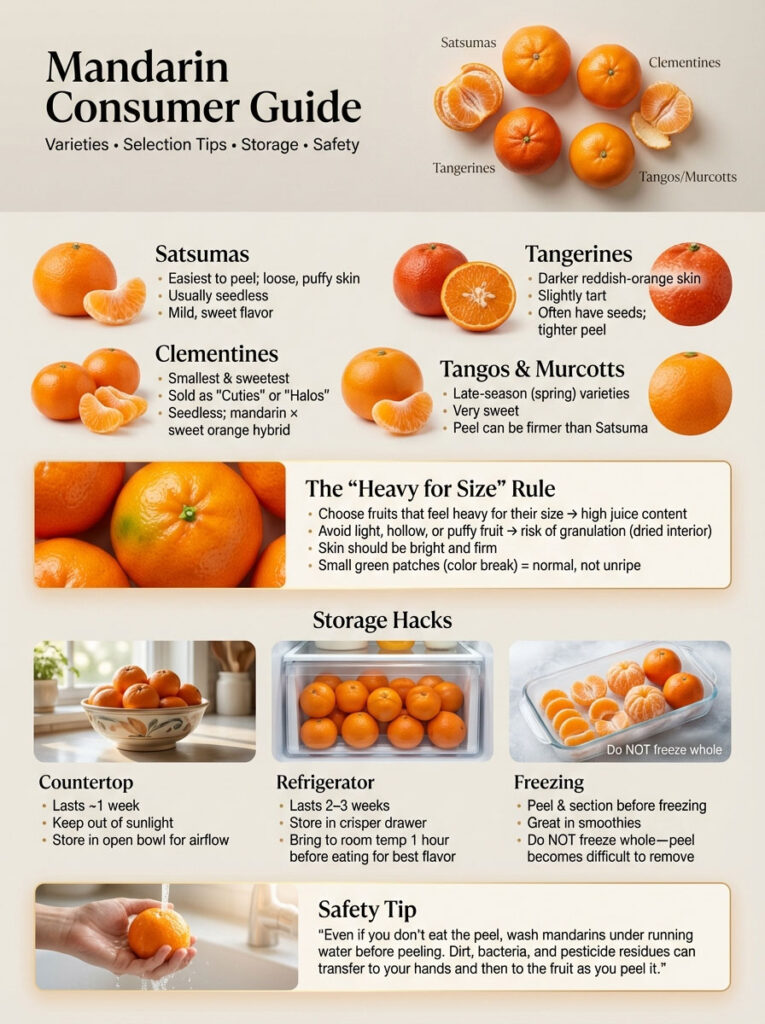
Varieties Explained
The term “mandarin” is a category, like “apple.” Within that category, there are several distinct types sold in the USA:
- Satsumas: These are the easiest to peel. They have a loose, puffy skin that feels almost detached from the fruit. They are usually seedless and have a mild, sweet flavor.
- Clementines: The smallest and sweetest. Often marketed as “Cuties” or “Halos.” They are usually seedless and are a hybrid of a mandarin and a sweet orange.
- Tangerines: A specific type of mandarin with a darker, reddish-orange skin and a slightly more tart flavor. They usually contain seeds and have a slightly tighter peel than Satsumas.
- Tangos and Murcotts: These are often sold late in the season (spring). They are incredibly sweet but can sometimes be harder to peel than a Satsuma.
The “Heavy for Size” Rule
When selecting fresh mandarins, pick them up. You want a fruit that feels heavy for its size. This indicates a high juice content. Avoid fruits that feel light, hollow, or puffy, as this usually means the flesh has dried out inside the skin (granulation). The skin should be bright and free of soft, brown spots, although small green patches on the skin do not affect the flavor or ripeness (this is known as color break).
Storage Hacks
- Countertop: Mandarins will last about 1 week at room temperature. Keep them out of direct sunlight and in an open bowl to allow for airflow.
- Refrigerator: To extend their life, store them in the crisper drawer of your fridge. They will last 2 to 3 weeks. However, citrus tastes best at room temperature, so you might want to take them out an hour before eating.
- Freezing: You can peel and section mandarins and freeze them. They make excellent additions to smoothies, acting as naturally sweet ice cubes. Do not freeze them whole, as the peel becomes difficult to remove once frozen.
Safety Tip: Even if you don’t eat the peel, wash the fruit under running water before peeling. Dirt, bacteria, or pesticide residues on the skin can transfer to your hands and then to the fruit segments as you peel them.
Practical Usage & Recipes
Incorporating mandarin orange nutrition into your diet is easy because of their versatility. They bridge the gap between sweet and savory dishes.
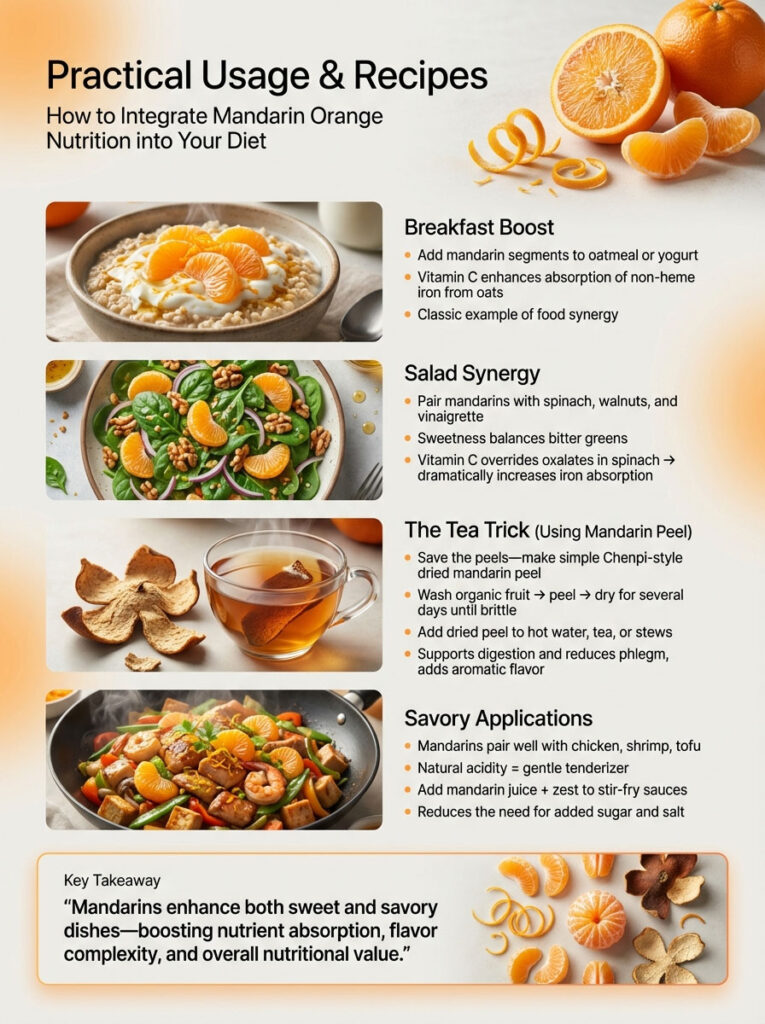
Breakfast Boost
Add mandarin segments to oatmeal or yogurt. The Vitamin C helps your body absorb the non-heme iron from the oats. This is a classic example of food synergy.
Salad Synergy
Toss mandarin slices into a spinach salad with walnuts and a vinaigrette. The sweetness cuts the bitterness of the greens. More importantly, spinach is high in iron but also high in oxalates which inhibit iron absorption. The Vitamin C in the mandarin overrides this inhibition, significantly boosting the amount of iron your body absorbs from the salad.
The Tea Trick
Don’t throw away the peels. In Traditional Chinese Medicine, dried mandarin peel (Chenpi) is prized for its ability to aid digestion and reduce phlegm. You can make a simple version at home: wash organic mandarins thoroughly, peel them, and let the peels dry on a rack for a few days until brittle. Add a piece of dried peel to hot water, black tea, or stews for a digestive boost and a complex aromatic flavor.
Savory Applications
Mandarins pair exceptionally well with proteins like chicken, shrimp, and tofu. Their acidity acts as a natural tenderizer. Try adding mandarin juice and zest to a stir-fry sauce to reduce the need for added sugar and salt.
Summary & Key Takeaways
Mandarin oranges are a nutritional powerhouse disguised as a sweet treat. They offer a unique combination of benefits that make them ideal for modern lifestyles. Here is what you need to remember:
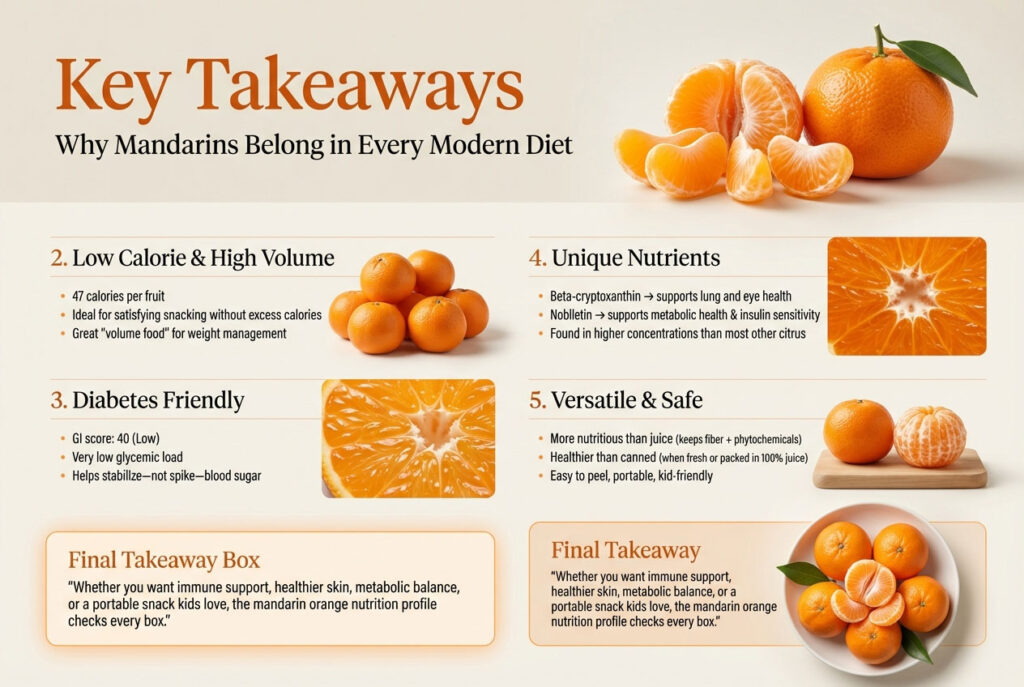
- Low Calorie & High Volume: At just 47 calories per fruit, they allow for satisfying snacking without blowing your daily energy budget.
- Diabetes Friendly: With a GI score of 40 and a very low glycemic load, they stabilize rather than spike blood sugar.
- Unique Nutrients: They offer beta-cryptoxanthin (for lungs/eyes) and nobiletin (for metabolic health), compounds not found in abundance in other citrus.
- Versatile & Safe: They are better than juice and, when chosen correctly, healthier than canned versions.
Whether you are looking to boost immunity during flu season, improve your skin’s resilience, or simply find a healthy, portable snack that kids will actually eat, the mandarin orange nutrition profile checks every box.
Frequently Asked Questions (FAQ)
Are mandarin oranges good for losing belly fat?
While no food can “spot-reduce” fat from specific areas, mandarins support overall weight loss and metabolic health. Their flavonoids, specifically nobiletin, have been shown in animal studies to help prevent fat accumulation in the liver and improve insulin sensitivity. By reducing insulin resistance, the body becomes more efficient at burning stored fat for fuel. Additionally, their low calorie density helps create the calorie deficit needed for weight loss.
How many mandarin oranges equal one regular orange?
Nutritionally, eating two medium mandarins is roughly equivalent to eating one medium navel orange in terms of calories and sugar content. However, you will get slightly less Vitamin C but significantly more Vitamin A and beta-cryptoxanthin from the two mandarins. This makes them complementary rather than identical in their health benefits.
Is it safe to eat mandarin oranges at night?
Yes, they are an excellent bedtime snack option. They are easy to digest and low in calories, so they won’t sit heavy in the stomach. Unlike chocolate (which contains caffeine and theobromine) or heavy desserts, they are unlikely to cause acid reflux for most people. The carbohydrates can also help transport tryptophan into the brain, potentially aiding in sleep.
Do mandarin oranges interact with medications?
Generally, no. The “grapefruit effect,” which causes dangerous interactions with statins and other drugs, is caused by compounds called furanocoumarins. Mandarins contain very low to negligible levels of these compounds compared to grapefruit and pomelos. However, if you are on strict medication regimens, it is always safest to check with your pharmacist to be 100% sure.
Are “Cuties” and “Halos” the same as mandarins?
Yes. “Cuties” and “Halos” are brand names, not specific botanical varieties. These companies typically package Clementines (a type of mandarin) during the winter months and Murcotts (another mandarin variety) during the late winter and spring. Essentially, you are buying high-quality, easy-to-peel mandarins under a recognizable label.
Can dogs eat mandarin oranges?
Yes, in moderation. Dogs can eat the fleshy segments of a mandarin safely. It is a high-sugar treat for a dog, so limit it to one or two segments. Crucial Warning: Never give dogs the peel, seeds, or the plant leaves. These parts contain essential oils and psoralens that can be toxic to dogs.
Why are canned mandarins sometimes peeled chemically?
Commercially canned mandarins often undergo a process called “lye peeling.” The fruit is submerged in a hot lye (sodium hydroxide) solution to dissolve the white pith and membranes quickly, leaving the segments perfectly smooth. This solution is then thoroughly washed off. While the fruit is safe to eat, this process removes the beneficial fiber and flavonoids found in the pith, making fresh mandarins a nutritionally superior choice.
Is the white stuff on the mandarin healthy?
Yes! That white, stringy web is called the pith or albedo. It contains the highest concentration of pectin (soluble fiber) and flavonoids like hesperidin. While it may have a slightly bitter texture, try to eat some of it rather than picking every strand off. It is essentially a supplement of gut-healthy fiber attached to your fruit.
Which citrus fruit has the most sugar?
Mandarins and Tangerines tend to be slightly higher in sugar concentration (percentage-wise) than grapefruits or lemons. However, because mandarins are much smaller than oranges or grapefruits, the total sugar load per fruit is very manageable. A large apple or banana contains significantly more sugar than a mandarin.
Are mandarin oranges keto-friendly?
They are “low carb” but not strictly keto in large amounts. One mandarin has about 10g of net carbs. If your daily limit is 20g (standard strict Keto), one fruit uses half your allowance. They are better suited for “Low Carb” or “Slow Carb” diets where the daily limit is 50-100g. For strict Keto, berries are usually the preferred fruit, but a single small mandarin can fit if planned for.
Do mandarin oranges help with constipation?
Yes. The high water content (85%) combined with the soluble fiber (pectin) helps soften stool and promote regular bowel movements. The naringenin flavonoid found in citrus has also been shown to have a mild laxative effect by stimulating fluid secretion into the colon.
How much Vitamin C is in a mandarin orange compared to supplements?
A mandarin has about 24-27mg of Vitamin C. While supplements often contain 500mg or 1000mg, your body absorbs Vitamin C much better from whole fruit because of the accompanying bioflavonoids that aid absorption. Furthermore, the body has a limit on how much Vitamin C it can absorb at once; massive doses in supplements are often largely excreted in urine, whereas the moderate dose in a fruit is fully utilized.
Disclaimer
The information provided in this article is for educational purposes only and does not constitute medical advice. While mandarin oranges are generally safe for most people, including those with diabetes, individual dietary needs vary. Always consult with a healthcare professional or registered dietitian before making significant changes to your diet, especially if you are taking prescription medications or managing a chronic condition.
References
- USDA FoodData Central: Mandarin orange, raw (Citrus reticulata).
- American Diabetes Association: Glycemic Index and Diabetes Guidelines.
- Journal of Nutritional Science: Bioavailability of carotenoids from citrus fruits and their impact on health.
- National Institutes of Health (NIH): Vitamin C Fact Sheet for Health Professionals.
- Molecular Nutrition & Food Research: Nobiletin and metabolic health: Mechanisms and therapeutic potential.
- Critical Reviews in Food Science and Nutrition: Chemistry and health effects of citrus flavonoids.