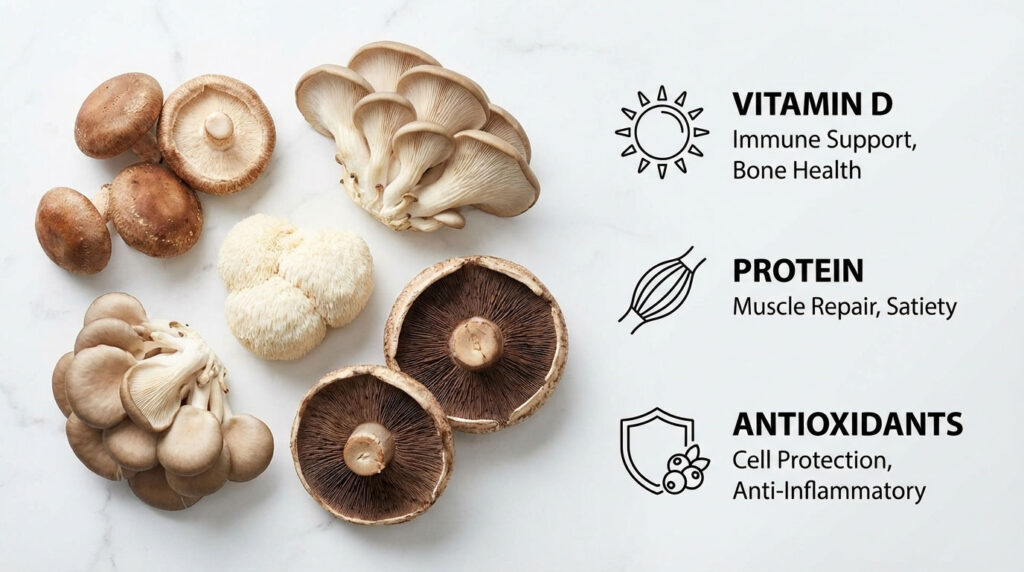
Mushrooms have been overlooked for decades. Most people think of them as a pizza topping or a side dish with little nutritional punch. That assumption is flat-out wrong.
Table of Contents
The nutritional value of mushrooms is surprisingly rich and complex. Fungi sit in their own biological kingdom, separate from both plants and animals, and their nutrient profile reflects that uniqueness. They pack essential vitamins, minerals, powerful antioxidants, and bioactive compounds that are hard to find in any other food group.
This guide goes deeper than a basic nutrition label. We will break down the biochemistry, bioavailability, clinical benefits, and practical tips for getting the most out of every mushroom you eat.
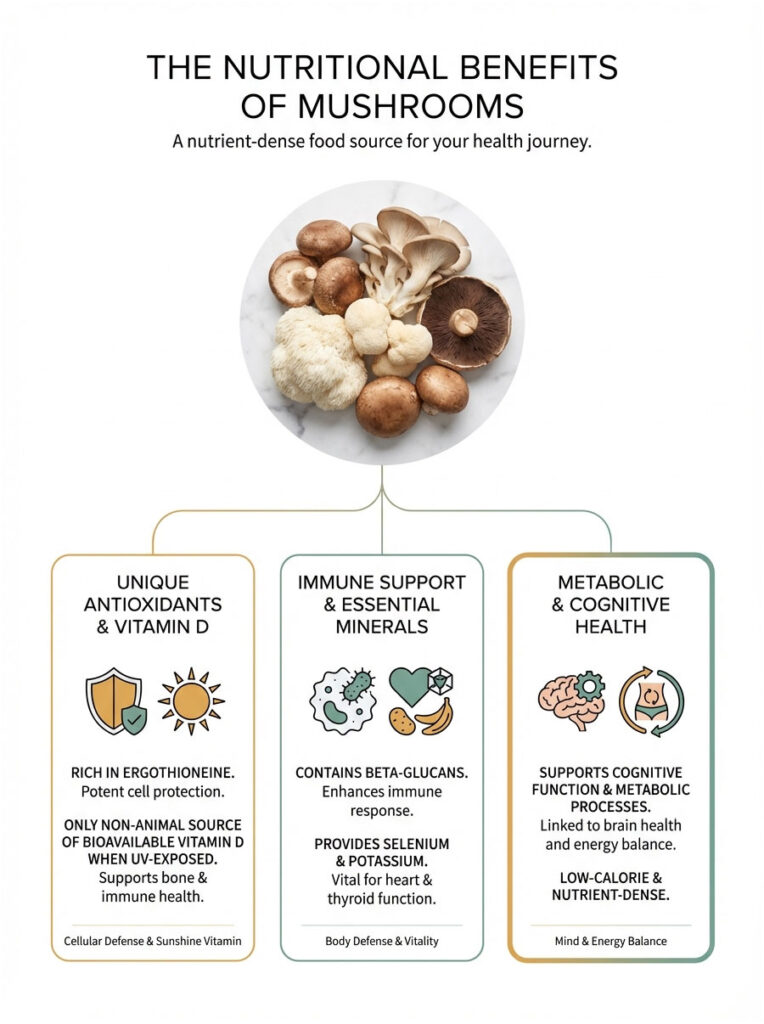
Mushrooms are low-calorie, nutrient-dense functional foods from the Kingdom Fungi. They are the top dietary source of the antioxidant ergothioneine and the only non-animal food that produces bioavailable Vitamin D when exposed to UV light. They also deliver immune-supporting beta-glucans and essential minerals like selenium and potassium, making them a valuable addition for metabolic and cognitive health.
The Biological Architecture of Mushroom Nutrition
Before diving into specific nutrients, it helps to understand what mushrooms actually are. They do not belong to the plant kingdom. Mushrooms are part of the Kingdom Fungi, and they are heterotrophs. Unlike plants, they cannot make their own food through photosynthesis. Instead, they break down organic matter using enzymes and absorb nutrients from their surroundings.
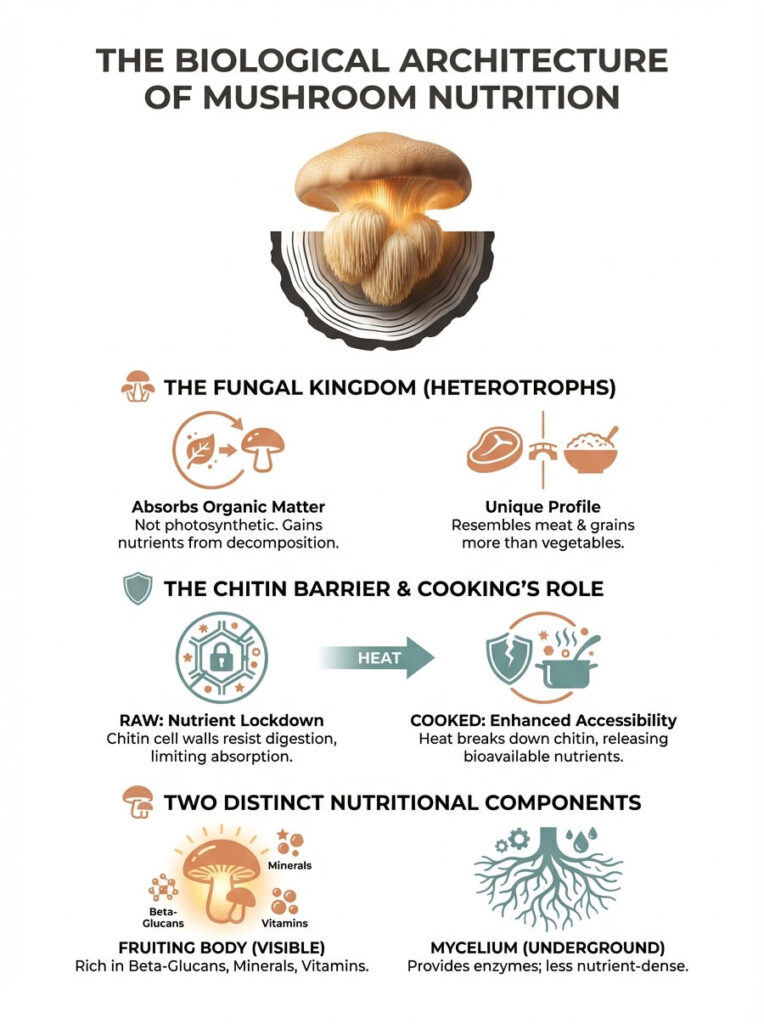
This biological difference gives mushrooms a nutritional profile that shares traits with both meat and grains, which is unusual for something that looks like a vegetable.
Why Chitin Matters for Nutrient Absorption
Plant cell walls are made of cellulose. Fungal cell walls are built with chitin, the same tough material found in the shells of shrimp and crabs. Chitin is a fibrous polysaccharide, and human digestive enzymes have a hard time breaking it down when mushrooms are raw.
Here is the key takeaway: much of the nutritional value of mushrooms is trapped behind this chitin barrier. While chitin itself acts as a prebiotic fiber that supports gut health and promotes fullness, it also blocks access to the proteins and antioxidants locked inside the cells. This is why cooking your mushrooms is so important, and we will cover that in detail later.
Mycelium vs. Fruiting Body
The mushroom you pick up at the grocery store is the fruiting body, the reproductive structure that releases spores. Beneath the surface, there is a massive network of thread-like structures called mycelium.
Both parts have nutritional merit, but they differ. The fruiting body generally contains higher levels of beta-glucans, minerals, and vitamins. The mycelium may offer distinct enzymatic compounds. For everyday cooking and nutrition, the fruiting body is where the most concentrated benefits are found.
Macronutrient Profile: Why Mushrooms Are a Metabolic Advantage
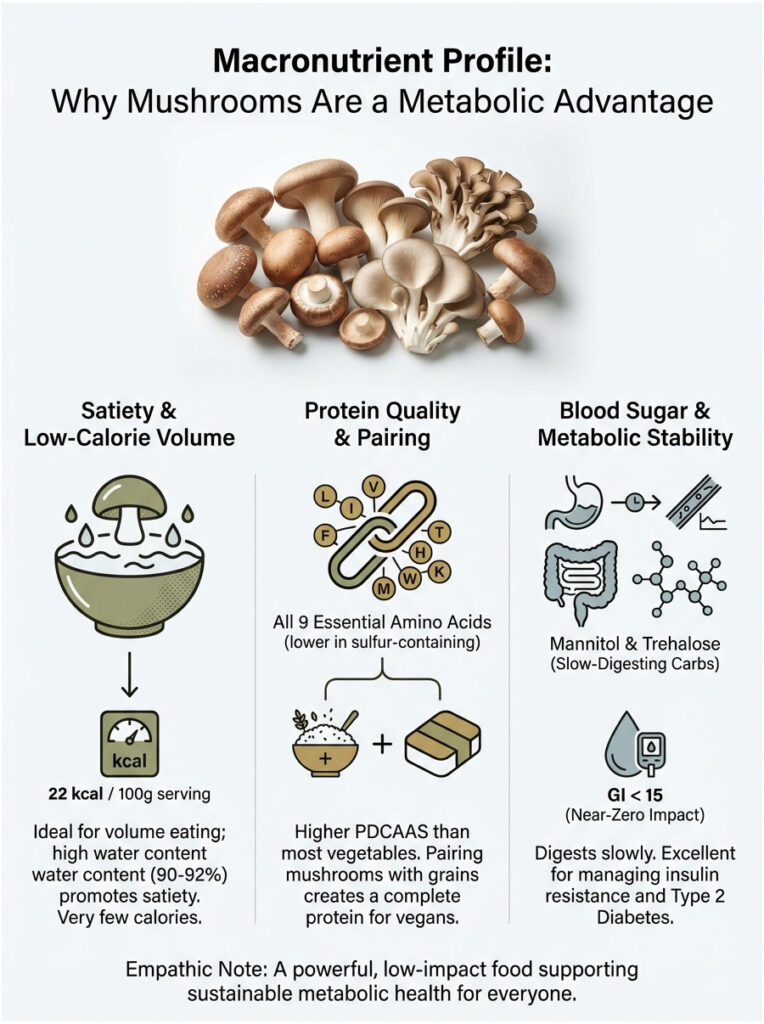
In a world where excess calories are a growing public health concern, mushrooms offer something rare: serious nutrition with almost no caloric cost. They are the definition of a low-calorie, nutrient-dense food.
Caloric Density and Volume Eating
A 100-gram serving of standard white button mushrooms (Agaricus bisporus) contains roughly 22 calories. That makes them ideal for volume eating, a strategy where you fill your plate with physically large, low-calorie foods to feel full without overeating.
The high water content (90 to 92 percent) activates stretch receptors in the stomach, signaling satiety long before you have consumed many calories.
Key Mushroom Nutrition Stats
- Calories: approximately 22 kcal per 100g (raw)
- Water Content: 90 to 92% by weight
- Protein: 3 to 4g per 100g (notably high for non-animal foods)
- Fiber: 1 to 2g (from beta-glucans and chitin)
- Glycemic Index: very low (under 15)
Protein Quality and Amino Acid Profile
A common question for anyone eating plant-based is whether mushrooms are a good protein source. They are not as protein-dense as lean meat or soy, but they punch above their weight for a non-animal food.
Mushrooms contain all nine essential amino acids, though they tend to be lower in sulfur-containing amino acids like methionine and cysteine. Their Protein Digestibility Corrected Amino Acid Score (PDCAAS) ranks higher than most vegetables but below legumes. If you are vegan, pairing mushrooms with grains is a smart move because grains tend to be rich in methionine, creating a complete protein combination.
Carbohydrates and Blood Sugar: The Diabetic-Friendly Profile
The carbohydrate makeup of mushrooms is unlike most foods. It consists mainly of mannitol, trehalose, and non-starch polysaccharides like beta-glucans. Because humans produce relatively little of the enzyme trehalase, these sugars digest slowly.
The result is a near-zero impact on blood sugar levels. With a Glycemic Index below 15 and a very low Glycemic Load, mushrooms are an excellent functional food for people managing insulin resistance or Type 2 Diabetes.
Vitamins and Minerals in Mushrooms: A Micronutrient Deep Dive
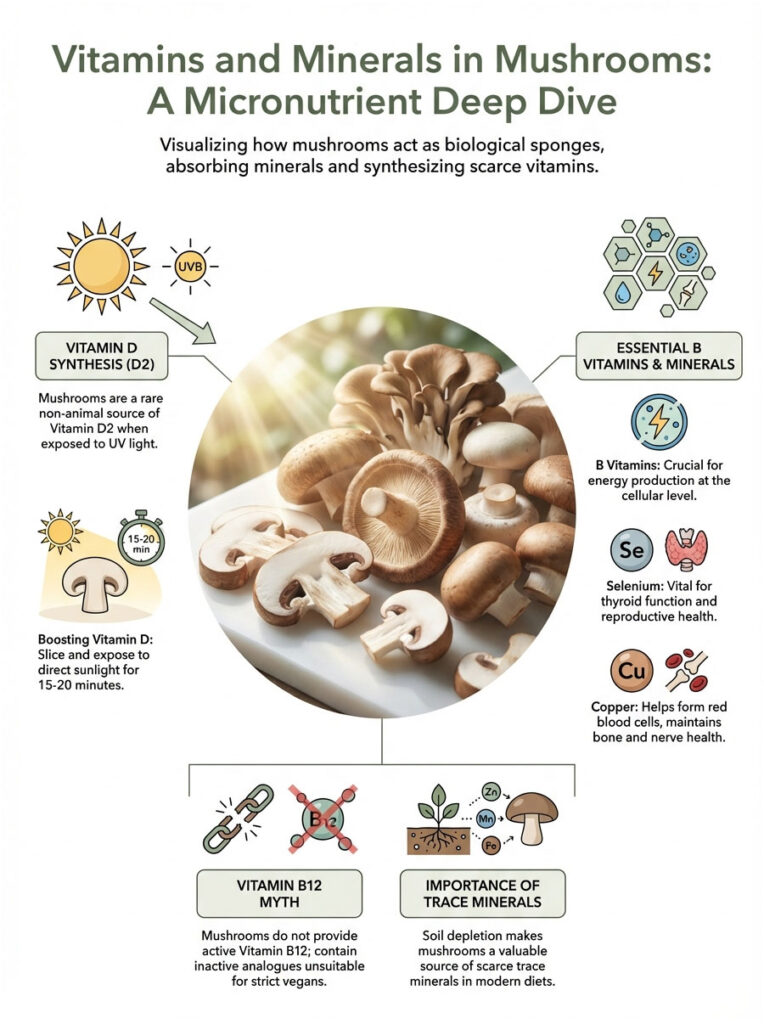
This is where the nutritional value of mushrooms really stands out. Fungi act like biological sponges. They absorb minerals from whatever they grow on and synthesize vitamins that are genuinely scarce in the average diet.
The Vitamin D Factor (Ergocalciferol)
Vitamin D in mushrooms is one of the most fascinating stories in food science. Fungi contain a compound called ergosterol. When exposed to ultraviolet light, whether from the sun or UV lamps, ergosterol converts into ergocalciferol, also known as Vitamin D2.
This makes mushrooms the only significant non-fortified, non-animal source of Vitamin D. There is a catch, though. Most commercial mushrooms are grown indoors in the dark, so their Vitamin D content is minimal straight from the store.
The Sunlight Trick: Boost Vitamin D at Home
Here is a practical tip you can use today. Slice your store-bought mushrooms and set them gill-side up in direct midday sunlight for 15 to 20 minutes. This can boost their Vitamin D2 content from nearly zero to well over 100% of your Daily Value. The chemical reaction works even after the mushroom has been harvested and sliced. It costs nothing and takes minutes.
B Vitamins: The Energy Cofactors
Mushrooms are an excellent source of several B vitamins, which play essential roles in how your body produces energy at the cellular level.
- Riboflavin (B2): Critical for breaking down proteins, fats, and carbohydrates. A 100g serving of crimini mushrooms can deliver over 30% of the Daily Value.
- Niacin (B3): Important for DNA repair and healthy cholesterol levels.
- Pantothenic Acid (B5): Required for the synthesis of hormones and neurotransmitters.
Selenium and Copper: Trace Minerals That Matter
Soil depletion has made it increasingly difficult to get adequate trace minerals from modern produce. Mushrooms are natural hyper-accumulators, and they stand out as the top produce source of selenium, a mineral essential for thyroid function and reproductive health.
They are also rich in copper, which partners with iron to form red blood cells and keep bones and nerves healthy.
The Vitamin B12 Myth
Some sources claim mushrooms provide Vitamin B12. This needs correcting. What researchers typically find are inactive corrinoid analogues, compounds that look like B12 under a microscope but do not perform B12’s actual function in the body. Strict vegans should not count on mushrooms for their B12 needs.
Bioactive Compounds: The Functional Food Edge of Mushrooms
Beyond the standard vitamins and minerals, mushrooms contain bioactive compounds with genuine therapeutic potential. These are not just nutrients that keep you alive. They actively influence how your body functions at the cellular level.
Ergothioneine and Glutathione: The Master Antioxidants
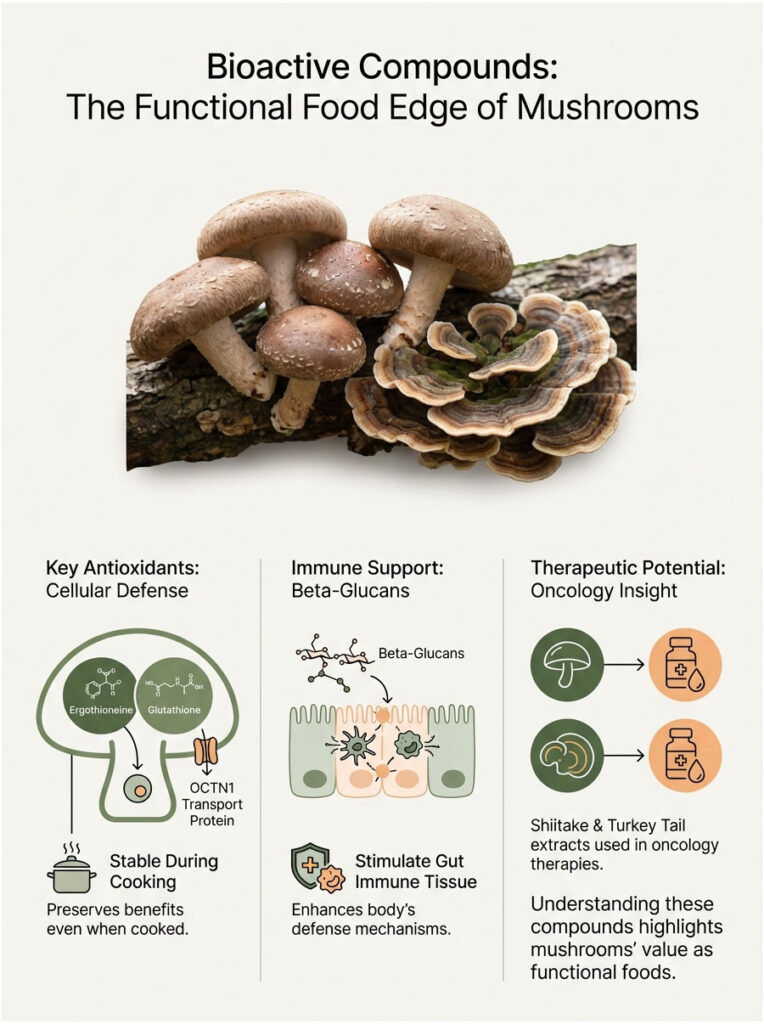
Research from Penn State University identified mushrooms as the highest dietary source of two powerful antioxidants: ergothioneine and glutathione.
Ergothioneine is particularly special. The human body has a dedicated transport protein (OCTN1) whose job is to pull ergothioneine into cells. This built-in transport system suggests it serves a critical biological role. It concentrates in tissues under high oxidative stress, including the eyes, liver, and kidneys. Unlike many antioxidants that break down with heat, ergothioneine is remarkably stable during cooking, so you retain its benefits no matter how you prepare your mushrooms.
Beta-Glucans and Immune Function
Beta-glucans are polysaccharides found in fungal cell walls. Think of them as training signals for your immune system. When you eat them, beta-glucans interact with immune tissue in your gut called Peyer’s patches, part of the gut-associated lymphoid tissue (GALT).
This interaction stimulates macrophages and Natural Killer (NK) cells, your body’s front-line defenders against infections and abnormal cell growth. This immune-modulating effect is the reason Shiitake and Turkey Tail mushroom extracts are used as complementary therapies in oncology settings across Japan and China.
Nutritional Profiles by Mushroom Variety: A Comparison
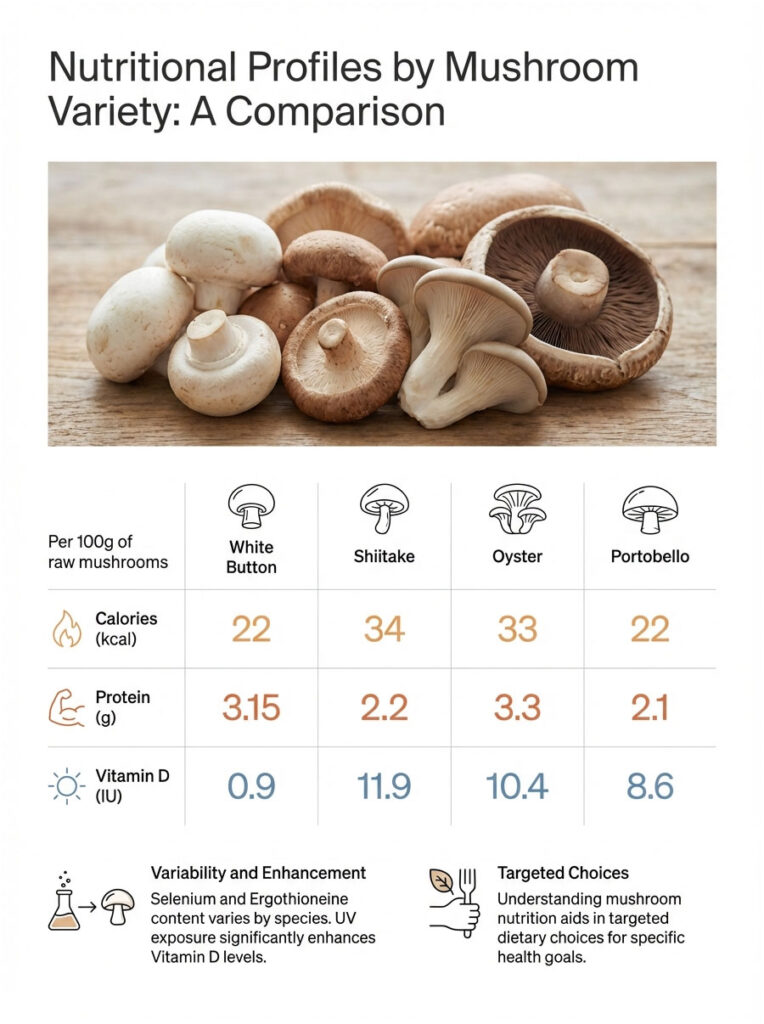
Not all mushrooms deliver the same nutrients. The nutritional value of mushrooms varies significantly by species. Understanding these differences helps you make targeted dietary choices.
- White Button (Agaricus bisporus): The most widely available variety. Strong in potassium and selenium, but lower in beta-glucans than specialty types.
- Shiitake (Lentinula edodes): An immune-support specialist. Rich in lentinan, a specific beta-glucan, and erythadenine, a compound linked to cholesterol reduction.
- Oyster (Pleurotus): Contains naturally occurring lovastatin (a statin compound) and has a high protein efficiency ratio.
- Lion’s Mane (Hericium erinaceus): Unique for its neurotrophic compounds, hericenones and erinacines, which stimulate Nerve Growth Factor (NGF) production.
Nutritional Comparison per 100g (Raw)
Data sourced from USDA FoodData Central and academic literature.
| Variety | Calories (kcal) | Protein (g) | Vit D (IU)* | Selenium (mcg) | Ergothioneine (mg) |
| White Button | 22 | 3.1 | 5-10 | 9.3 | 0.93 |
| Shiitake | 34 | 2.2 | ~18 | 5.7 | 11.9 |
| Oyster | 33 | 3.3 | ~25 | 2.6 | 10.4 |
| Portobello | 22 | 2.1 | ~10 | 18.6 | 2.4 |
*Vitamin D levels vary significantly depending on UV exposure. UV-treated mushrooms can exceed 1,000 IU.
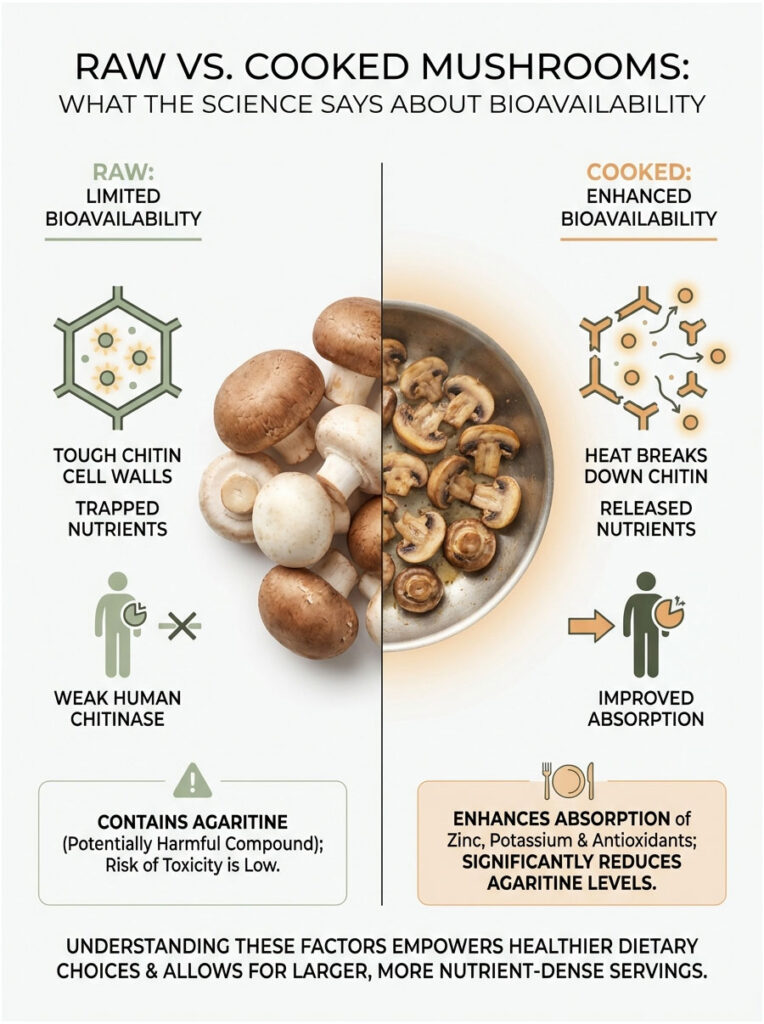
Raw vs. Cooked Mushrooms: What the Science Says About Bioavailability
Should you eat mushrooms raw or cooked? From a biochemical standpoint, the evidence strongly favors cooking.
How Cooking Breaks the Chitin Barrier
As we discussed earlier, the nutritional value of mushrooms is locked behind tough chitin cell walls. Human chitinase enzymes are relatively weak, which means raw mushrooms often pass through your digestive system mostly intact. You end up absorbing very little of the protein, minerals, or antioxidants inside.
Heat breaks down these cell walls. Whether you saute, grill, or roast, that thermal energy releases stored zinc, potassium, and antioxidants, making them available for your body to absorb. Cooking also shrinks the mushrooms, which lets you eat a larger quantity per serving and effectively increases your overall nutrient intake.
Toxin Reduction Through Cooking
There is also a safety consideration. Raw Agaricus mushrooms contain small amounts of agaritine, a naturally occurring hydrazine derivative that is potentially carcinogenic in very high doses. The risk from occasionally eating raw mushrooms is low, but heat breaks down agaritine significantly. Cooking makes mushrooms both safer and more nutritious.
Best Cooking Methods for Keeping Nutrients Intact
Research published in the International Journal of Food Sciences and Nutrition tested several cooking methods with interesting results:
- Grilling and microwaving: These preserved the highest levels of antioxidant activity.
- Boiling: Causes water-soluble nutrients like B vitamins and potassium to leach into the water. Best avoided unless you are making a soup and will consume the broth.
- Sauteing with healthy fat: Using a small amount of olive oil improves absorption of fat-soluble vitamins (D and K), though it does add some extra calories.
Clinical Health Benefits of Eating Mushrooms
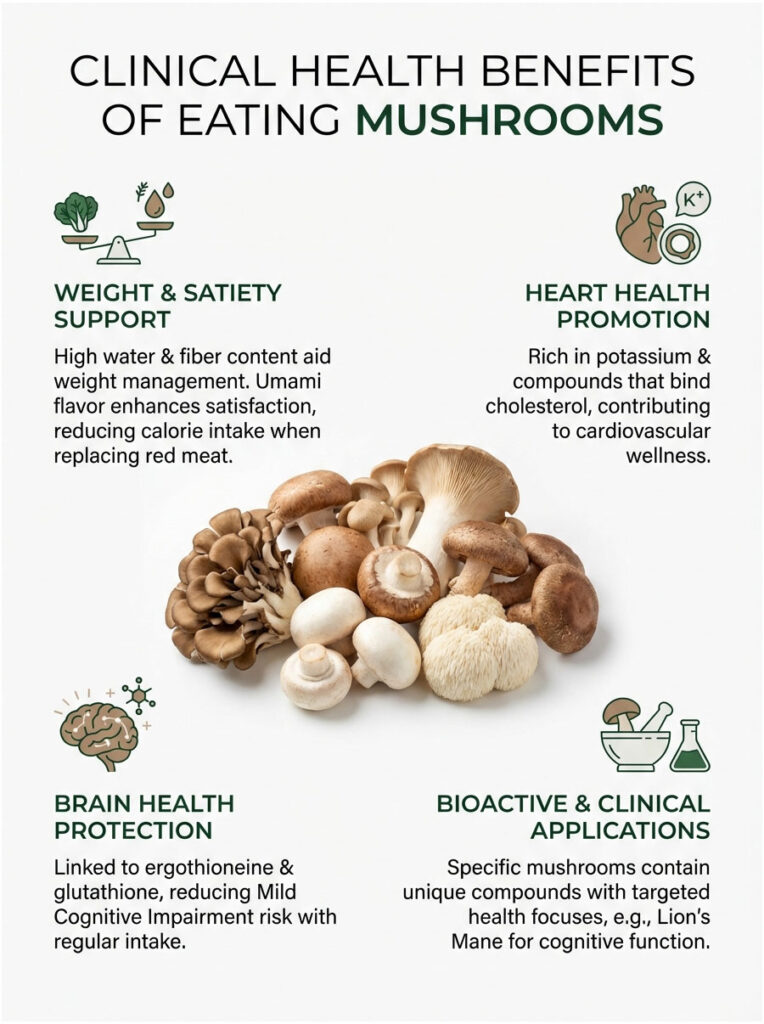
The health benefits of mushrooms are backed by a growing body of clinical research. Here are the most significant areas where regular mushroom consumption makes a measurable difference.
Weight Management and Satiety
Mushrooms are a powerful ally against obesity. Their high water content and fiber create physical volume in the stomach, but the real advantage is their umami flavor. This savory taste, driven by natural glutamate, signals protein intake to the brain and increases satisfaction.
A study from the Johns Hopkins Bloomberg School of Public Health found that swapping mushrooms for red meat in a single daily meal led to a significant drop in caloric intake. Crucially, participants reported no reduction in fullness or meal satisfaction. That makes mushrooms a sustainable, long-term strategy for weight management.
Heart and Cardiovascular Health
Mushrooms are naturally sodium-free and rich in potassium, which helps relax blood vessel walls and lower blood pressure. The beta-glucans and chitin in their cell walls also serve as physical barriers in the gut, binding to cholesterol and reducing its absorption into the bloodstream.
Brain Health and Cognitive Protection
This is one of the most exciting areas of mushroom research. A study from the National University of Singapore found that seniors who ate more than two portions of cooked mushrooms per week had a 50% lower risk of Mild Cognitive Impairment (MCI). Researchers believe the high concentrations of ergothioneine and glutathione help protect brain cells from oxidative damage and plaque buildup.
Bioactive Compounds and Their Clinical Applications
| Mushroom Type | Key Bioactive Compound | Primary Clinical Focus |
| Lion’s Mane | Hericenones and Erinacines | Cognitive health, nerve regeneration |
| Shiitake | Lentinan (beta-glucan) | Immune support, oncology adjunct |
| Oyster | Lovastatin | Cholesterol and lipid management |
| Maitake | D-Fraction (proteoglycan) | Blood sugar regulation, insulin sensitivity |
| Reishi | Triterpenes | Stress reduction, sleep quality |
How to Select, Store, and Handle Mushrooms for Maximum Nutrition
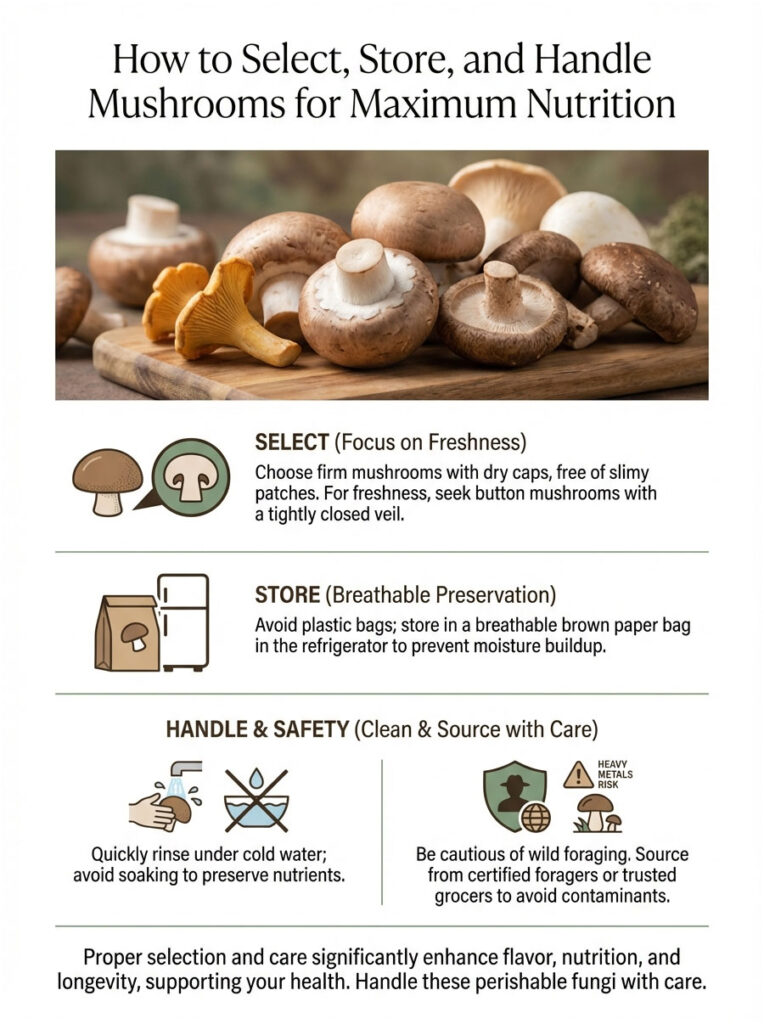
Mushrooms are highly perishable. Proper selection and storage make a real difference in both flavor and nutritional quality.
What to Look for When Buying
Choose mushrooms that feel firm to the touch. The cap should be dry but not shriveled, with no slimy patches. For button mushrooms, a tightly closed veil under the cap signals freshness. An open veil with exposed gills means the mushroom is more mature and will have a stronger, earthier flavor.
Storage Tips That Actually Work
Never store mushrooms in plastic bags. Plastic traps the moisture mushrooms naturally release through respiration, which speeds up spoilage and creates that unpleasant slimy texture. Instead, place them in a brown paper bag in the refrigerator. The paper absorbs excess humidity while still letting the mushrooms breathe. This simple switch can extend shelf life by several days.
Should You Wash Mushrooms?
There is a long-standing myth that mushrooms soak up water like a sponge and should only be wiped with a cloth. Culinary science has debunked this. A quick rinse under cold running water adds less than 2% moisture by weight. It is faster, easier, and more effective than wiping each one individually. Just avoid soaking them for extended periods.
A Note on Wild Foraging
If you forage for wild mushrooms, be aware that fungi are bio-accumulators. They absorb heavy metals like arsenic, lead, and cadmium from the soil. Foraging near roadsides, industrial sites, or polluted areas can be genuinely dangerous. Misidentification is also a serious risk. Always source wild mushrooms from certified foragers or trusted grocers.
The Future of Fungi in Global Nutrition
As the world grapples with food security and sustainability, mushrooms are becoming increasingly important. They can grow on agricultural waste products, turning inedible cellulose and lignin into high-quality protein and micronutrients. That is a remarkable ecological advantage.
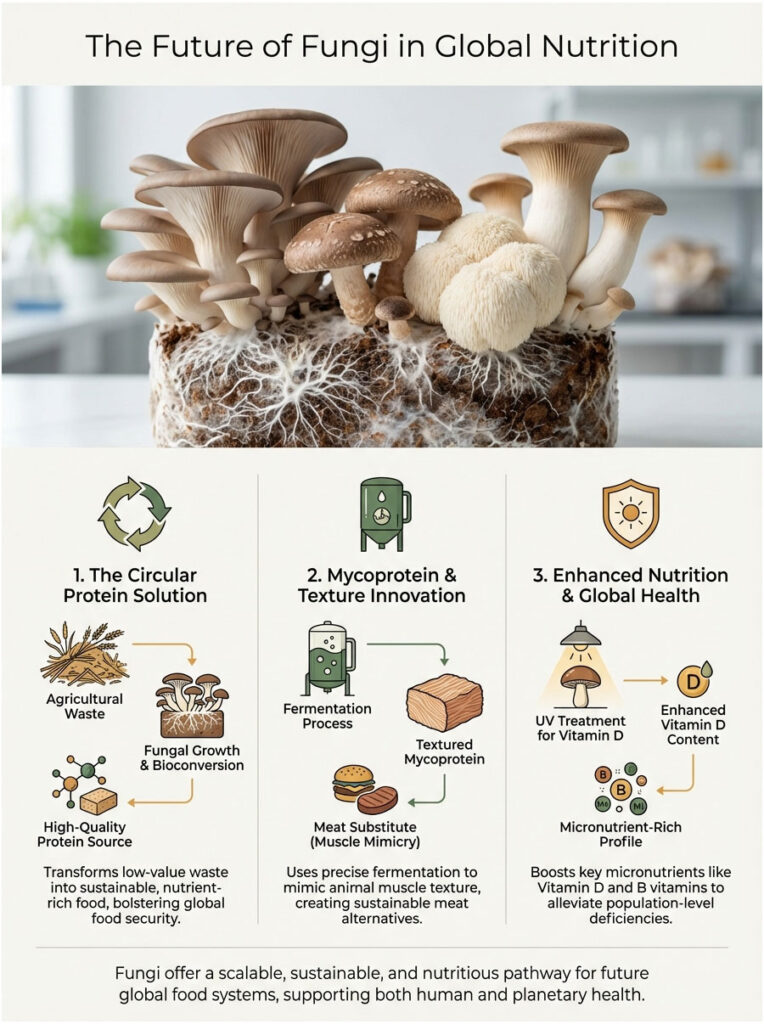
The rise of mycoprotein-based meat substitutes uses fermentation to create textures nearly identical to animal muscle. This offers a realistic path toward reducing global meat consumption without sacrificing nutritional density or the eating experience people enjoy. On top of that, strategies like UV treatment for Vitamin D can address population-level nutrient deficiencies at scale.
Key Takeaways: Why Mushrooms Deserve a Bigger Role in Your Diet
The nutritional value of mushrooms goes far beyond what their humble appearance suggests. They are not just a low-calorie filler on the side of your plate. They are a functional food packed with nutrients that most people are not getting enough of.
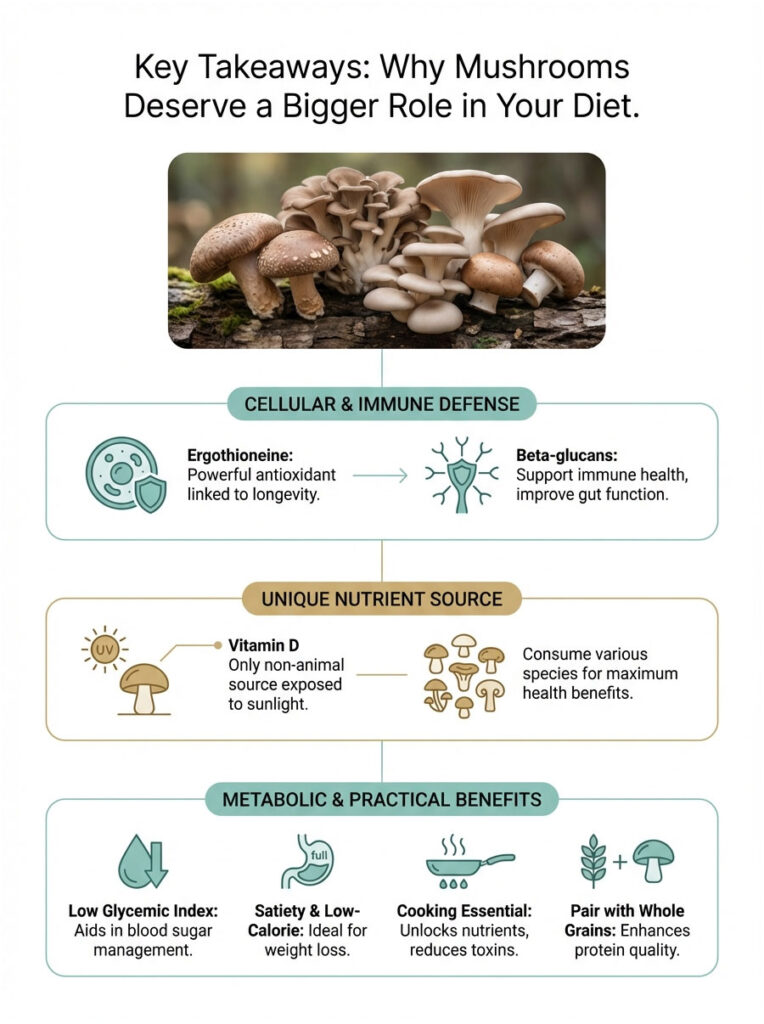
Mushrooms are the leading dietary source of the “longevity vitamin” ergothioneine. They are the only non-animal food capable of producing Vitamin D from sunlight. Their beta-glucans deliver clinically supported immune benefits, and their fiber structure aids in cholesterol management and gut health.
The practical advice is straightforward: eat a variety of mushroom species, always cook them to break down the chitin barrier, and consider UV-exposing them for a free Vitamin D boost. A simple habit that can make a meaningful difference for long-term health.
Frequently Asked Questions
Why is it medically recommended to cook mushrooms rather than eating them raw?
Cooking is essential because fungal cell walls are composed of chitin, a tough polysaccharide that the human digestive system cannot easily break down. Applying heat degrades this chitin barrier, significantly increasing the bioavailability of proteins, minerals, and antioxidants while neutralizing heat-sensitive toxins like agaritine. Without thermal processing, most of the nutritional value remains locked within the cellular structure.
How does the sunbathe technique affect the Vitamin D levels in harvested mushrooms?
Mushrooms contain ergosterol, a biological precursor that converts into ergocalciferol (Vitamin D2) when triggered by ultraviolet light. By exposing sliced mushrooms to direct midday sunlight for 15 to 20 minutes, you can stimulate this biochemical reaction even after harvest. This simple bio-hack can elevate Vitamin D levels from negligible amounts to over 100% of the recommended daily value.
Are mushrooms considered a complete protein source for plant-based diets?
Technically, mushrooms contain all nine essential amino acids, but they are typically limiting in sulfur-containing amino acids like methionine. To achieve a high Protein Digestibility Corrected Amino Acid Score (PDCAAS), it is best to pair fungi with whole grains. This combination creates a complementary amino acid profile that rivals animal-based protein sources in quality.
What unique role does ergothioneine play in human cellular health?
Ergothioneine is a potent, heat-stable antioxidant that humans cannot synthesize, requiring dietary intake primarily from fungi. Our bodies possess a highly specific transport protein, OCTN1, designed to deliver ergothioneine directly into cells facing high oxidative stress. This suggests it serves a critical protective role in mitigating DNA damage and supporting long-term mitochondrial health.
How do mushrooms assist in managing blood glucose and insulin sensitivity?
Mushrooms possess an exceptionally low Glycemic Index (GI) of less than 15, meaning they have a near-negligible impact on blood sugar levels. Their carbohydrate content consists of non-starch polysaccharides and slowly digested sugars like mannitol and trehalose. This metabolic profile makes them an ideal functional food for individuals managing Type 2 Diabetes or insulin resistance.
Can mushrooms effectively facilitate weight loss through volume eating?
Yes, mushrooms are a premier tool for weight management due to their high water content and low caloric density of roughly 22 calories per 100 grams. Their savory umami flavor, derived from natural glutamates, triggers satiety signals in the brain that mimic the satisfaction of eating meat. Substituting mushrooms for high-calorie proteins allows for significant caloric deficits without sacrificing portion size or fullness.
Which specific compounds in Lion’s Mane support neurological function?
Lion’s Mane is unique for its concentration of hericenones and erinacines, which are low-molecular-weight compounds capable of crossing the blood-brain barrier. These bioactives stimulate the synthesis of Nerve Growth Factor (NGF), a protein essential for the maintenance and regeneration of neurons. Clinical evidence suggests regular consumption may reduce the risk of mild cognitive impairment and support overall brain plasticity.
How do fungal beta-glucans interact with the human immune system?
Beta-glucans are complex polysaccharides that act as biological response modifiers by interacting with the gut-associated lymphoid tissue (GALT). They “prime” the immune system by stimulating the activity of macrophages and Natural Killer (NK) cells, enhancing the body’s surveillance against pathogens. This immune-modulating effect provides a systemic defense boost without overstimulating the inflammatory response.
Should vegans rely on mushrooms as a primary source of Vitamin B12?
No, relying on mushrooms for B12 is not recommended as they primarily contain inactive corrinoid analogues rather than bioavailable cobalamin. While these compounds are structurally similar to B12, they do not fulfill the same physiological functions in the human body. Strict vegans should continue to use fortified foods or supplements to meet their B12 requirements.
What is the scientifically preferred method for storing fresh mushrooms?
To maximize shelf life and maintain nutrient integrity, fresh mushrooms should be stored in a brown paper bag within the refrigerator’s main compartment. Plastic packaging traps moisture and carbon dioxide, which accelerates bacterial growth and results in “slimy” spoilage. The paper bag allows for gas exchange and absorbs excess humidity, keeping the fruiting bodies firm and viable for longer periods.
Does rinsing mushrooms under water negatively impact their culinary quality or nutrient density?
Contrary to the popular myth that mushrooms act like sponges, a quick rinse under cold water only increases their weight by about 2% and does not significantly degrade their texture. It is a safe and effective way to remove substrate debris and surface contaminants. However, they should be rinsed immediately before cooking rather than ahead of time to prevent premature softening.
Which cooking techniques offer the highest retention of bioactive compounds?
Research indicates that grilling and microwaving are the superior methods for preserving antioxidant activity and ergothioneine levels. Boiling is generally discouraged because water-soluble nutrients, such as B-vitamins and potassium, leach into the cooking liquid. If you do boil mushrooms, consuming the resulting broth as a soup ensures you retain the leached micronutrients.
Disclaimer
This article is for informational purposes only and does not constitute medical advice. While mushrooms offer significant health benefits, certain wild varieties are toxic, and individual reactions may vary. Always consult a qualified healthcare professional or registered dietitian before making significant changes to your diet, especially if you have underlying health conditions or are pregnant.
References
- USDA FoodData Central – https://fdc.nal.usda.gov/ – Primary source for macronutrient and mineral data for Agaricus bisporus and exotic varieties.
- Penn State University – Journal of Food Chemistry – Research identifying mushrooms as the leading dietary source of ergothioneine and glutathione.
- Johns Hopkins Bloomberg School of Public Health – Mushroom Substitution Study – Clinical findings on the impact of fungi on weight management and satiety.
- National University of Singapore – Journal of Alzheimer’s Disease – Longitudinal study regarding mushroom consumption and reduced risk of Mild Cognitive Impairment (MCI).
- International Journal of Food Sciences and Nutrition – “Influence of cooking methods on antioxidant activity” – Analysis of nutrient retention in grilled vs. boiled mushrooms.
- National Institutes of Health (NIH) – Office of Dietary Supplements – Technical data on Vitamin D2 synthesis in UV-exposed fungi.