The landscape of weight management in the United States has shifted properly. You are likely reading this because you have joined the millions of Americans utilizing GLP-1 receptor agonists like Ozempic or Wegovy. You have taken the first step by consulting your doctor and starting the medication.
Table of Contents
Now you face the second and perhaps more challenging step. You must determine how to fuel a body that no longer signals hunger in the way it used to. The medication is a powerful tool that quiets the “food noise” in your brain. It allows you to make decisions based on logic rather than cravings. However, the medication does not choose your groceries for you.
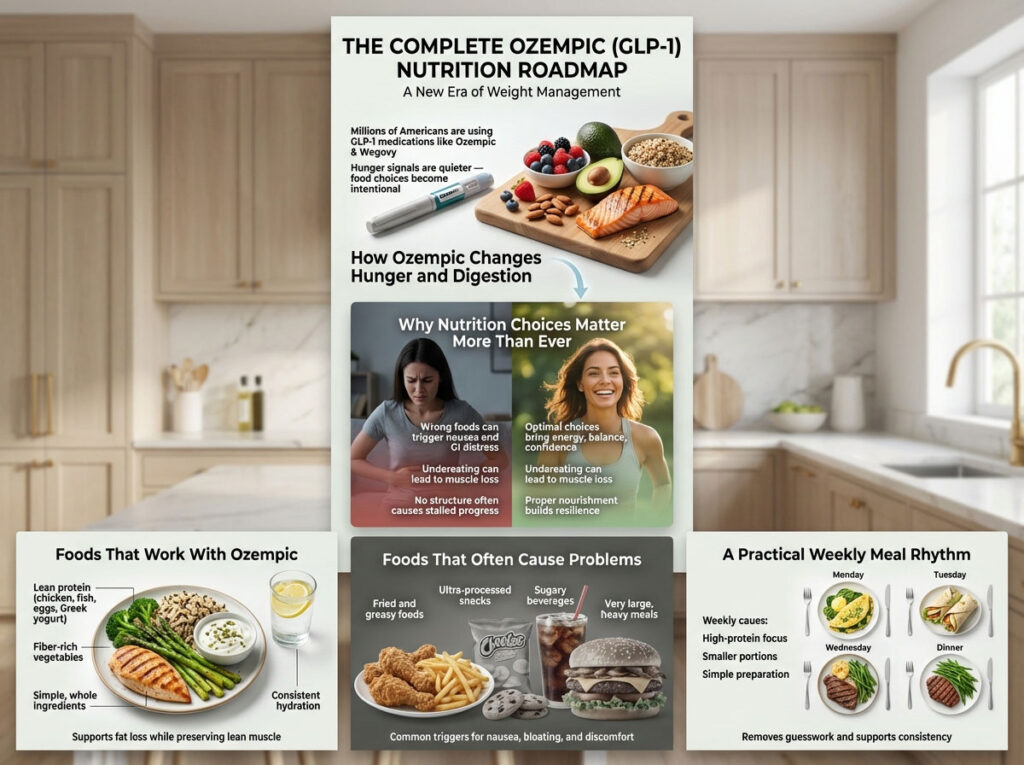
Relying solely on the appetite suppression of semaglutide without a structured nutrition strategy is a mistake. It often leads to a plateau in results or creates unnecessary suffering through gastrointestinal side effects. If you eat the wrong foods, you will feel sick. If you eat too little, you will lose muscle mass instead of body fat. To maximize the benefits of this treatment, you need a comprehensive Ozempic diet plan that works in synergy with your new physiology.
This guide serves as your definitive roadmap. We will explore the biological mechanisms that make specific food choices necessary. We will provide a detailed list of what to eat on Ozempic to preserve lean muscle. We will identify the specific Ozempic foods to avoid to prevent nausea. Finally, we will provide a concrete sample 7-day Ozempic meal plan tailored for the American lifestyle to take the guesswork out of your week.
Understanding How Semaglutide Changes Your Physiology and Nutritional Needs
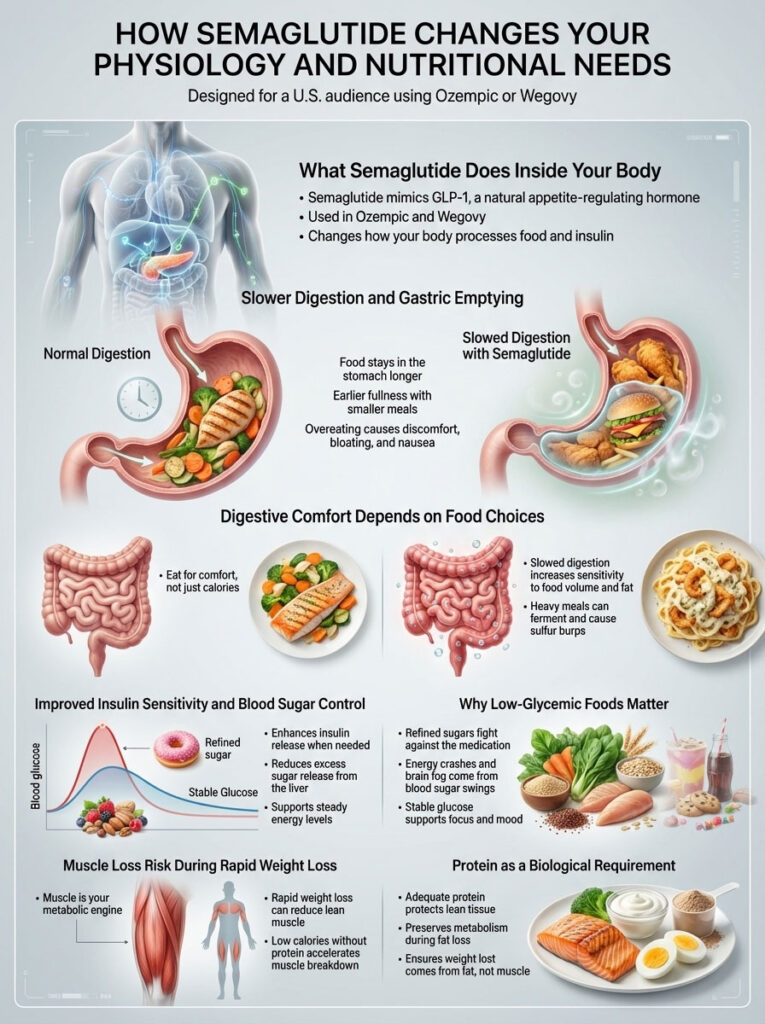
To follow the best diet for Ozempic, you must first understand the profound changes occurring inside your metabolic system. Semaglutide is the active ingredient in both Ozempic (approved for type 2 diabetes) and Wegovy (approved for weight management). It functions as a GLP-1 receptor agonist. This means it mimics a naturally occurring hormone in your body called glucagon-like peptide-1. This hormone is responsible for regulating appetite and insulin secretion. The way your body processes a meal today is radically different from how it processed a meal before your first injection.
The Science of Gastric Emptying and Digestion Speed
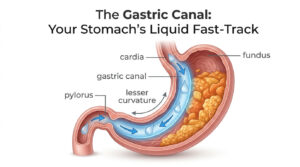
The most immediate physical change you will experience is delayed gastric emptying. In a standard digestive cycle, food moves from your stomach to your small intestine relatively quickly. This usually happens within two to four hours. On an Ozempic weight loss diet, this process is intentionally slowed down. The medication signals the valve at the bottom of your stomach, the pyloric sphincter, to release food much more slowly.
This mechanism is beneficial because it keeps you feeling full for a prolonged period. It physically prevents you from overeating because there is simply no room left in your stomach. However, this slowed motility creates potential dietary hazards. If you consume a high-fat meal or a large volume of food, it sits in your stomach for an extended time. This stagnation can lead to fermentation, which produces gas, bloating, and the uncomfortable phenomenon known as sulfur burps. Understanding this mechanism is the key to preventing side effects. You are not just eating for calories. You are eating for digestive comfort.
Insulin Sensitivity and Blood Sugar Control on Semaglutide
Ozempic was originally designed and FDA-approved for the management of type 2 diabetes. Its primary function is to optimize how your body handles insulin. When you eat carbohydrates, your blood sugar rises. Semaglutide stimulates your pancreas to release the correct amount of insulin to move that sugar into your cells for energy. It simultaneously suppresses glucagon, a hormone that releases stored sugar from your liver into your bloodstream.
Even if you are using this medication strictly for weight loss, stabilizing your blood sugar is the secret to sustained daily energy. A diet high in refined sugars fights against the medication. It causes rapid spikes that the drug tries to counteract. This metabolic tug-of-war leads to energy crashes, brain fog, and lethargy. A proper Ozempic meal plan focuses on low-glycemic foods that support steady insulin levels. This keeps your energy stable throughout the day and prevents the irritability that often derails diet attempts.
Preventing Sarcopenia and Muscle Loss on a GLP-1 Diet
There is a significant risk associated with rapid weight loss on GLP-1 medications known as sarcopenia. Clinical trials and real-world data from U.S. patients indicate that without proper intervention, a large percentage of the weight lost can be lean muscle mass rather than fat tissue. This happens for two reasons. First, your total caloric intake drops drastically due to appetite suppression. Second, if you do not consume adequate amino acids, your body will break down its own muscle tissue to get the fuel it needs.
Muscle is your metabolic engine. It burns calories even when you are sleeping or sitting at a desk. If you lose muscle, your basal metabolic rate slows down. This makes it incredibly difficult to maintain your weight loss in the long term after you stop the medication. Following a high protein diet on Ozempic is not a suggestion. It is a biological requirement. You must prioritize protein intake to signal your body to hold onto its lean tissue while burning fat stores. This approach protects your metabolism and ensures that the weight you lose is the weight you actually want to lose.
The Core Pillars of a High Protein Ozempic Diet Plan for Maximum Weight Loss
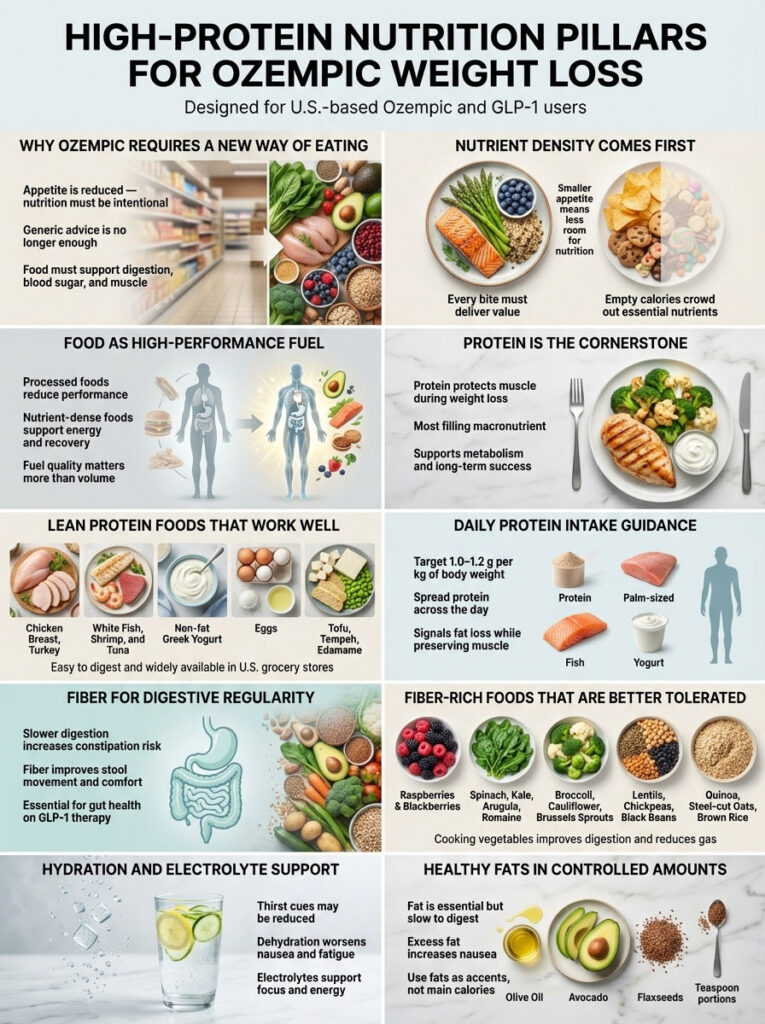
Navigating the grocery store aisles can be overwhelming when your appetite is gone. The standard advice of “eat less, move more” is too vague for someone on a GLP-1 agonist. You need specific nutritional pillars to guide your choices. The best diet for Ozempic prioritizes nutrient density, ease of digestion, and blood sugar management.
Prioritizing Nutrient Density Over Empty Calories
Because the medication suppresses your appetite, you will naturally eat a much smaller volume of food. This creates a supply and demand problem for your nutrition. If you only have room in your stomach for 1,200 to 1,500 calories a day, every single bite must be valuable. You no longer have the capacity for empty calories found in soda, chips, or processed snacks. These foods fill you up without providing the vitamins, minerals, and protein your body desperately needs.
Your focus must shift to nutrient-dense foods. These are foods that pack a high amount of nutrition into a relatively small volume. Think of your body as a high-performance vehicle. You cannot put low-grade fuel in a race car and expect it to perform. Similarly, you cannot feed your body processed junk while on semaglutide diet plans and expect to feel good.
Best High Protein Foods for Ozempic Users to Prevent Muscle Wasting
Protein is the cornerstone of your diet strategy. It provides the building blocks for every cell in your body. It is also the most satiating macronutrient, meaning it keeps you feeling full longer than carbs or fats.
Essential Lean Protein Sources in the U.S. Market
- Poultry: Boneless skinless chicken breast and turkey breast are the gold standard. They are almost pure protein and are very low in fat, making them easy to digest.
- Fish and Seafood: White fish such as cod, tilapia, halibut, and mahi-mahi are excellent choices. They are gentle on the stomach and rich in minerals. Shrimp and tuna are also convenient high-protein options available in nearly every U.S. grocery store.
- Greek Yogurt: This is a dairy superfood for Ozempic users. A single serving of non-fat plain Greek yogurt can contain up to 20 grams of protein. It also contains probiotics which support gut health. Brands like Chobani, Fage, or Oikos Triple Zero are widely available.
- Plant-Based Proteins: For vegetarians or those looking to reduce meat intake, tofu and tempeh are fantastic. They are soft, easy to digest, and absorb flavors well. Edamame is another great high-protein snack.
- Eggs and Egg Whites: Eggs are a complete protein source. However, the yolk contains fat. If you are struggling with nausea, stick to egg whites. Liquid egg whites are pure protein and very easy on the digestive system.
You should aim for a minimum of 1.0 to 1.2 grams of protein per kilogram of body weight. For a person weighing 180 pounds, this translates to roughly 82 to 100 grams of protein daily. Spacing this protein intake throughout the day is crucial for absorption.
Integrating Fiber Rich Foods to Combat Ozempic Constipation
Constipation is the most frequently reported side effect of Ozempic. Because digestion is slowed, food moves through the colon at a glacial pace. This results in more water being absorbed from the waste, leading to hard and difficult-to-pass stools. Fiber is the antidote. It adds bulk and softness to the stool, helping it move through the digestive tract.
Top Non-Starchy Vegetables and Complex Carbs
- Berries: Raspberries and blackberries are the highest fiber fruits. They also have a low glycemic index, making them perfect for blood sugar control.
- Leafy Greens: Spinach, kale, arugula, and romaine lettuce provide volume and essential micronutrients like magnesium without adding significant calories.
- Cruciferous Vegetables (Cooked): Broccoli, cauliflower, and Brussels sprouts are nutrient powerhouses. However, they should be eaten cooked rather than raw. Cooking breaks down the tough cellular walls, making them easier to digest and reducing the risk of gas.
- Legumes: Lentils, chickpeas, and black beans are excellent sources of both fiber and plant-based protein.
- Whole Grains: Quinoa, steel-cut oats, and brown rice provide sustained energy. They digest slowly, preventing blood sugar spikes while keeping your digestive system regular.
Hydration Protocols and Electrolyte Balance on Semaglutide
Many patients underestimate the importance of water. GLP-1 medications affect the hydration thirst signals in the brain. You may simply forget to drink water because you do not feel thirsty. This is dangerous because dehydration worsens almost every side effect of the drug, including nausea, fatigue, and constipation.
Your goal should be to drink at least 80 to 100 ounces of water daily. If plain water is unappealing, try herbal teas or water infused with cucumber or lemon. Additionally, rapid weight loss flushes electrolytes out of your system. Including a sugar-free electrolyte powder in your water once a day can help prevent the headaches and “brain fog” often associated with the early stages of the diet.
Healthy Fats to Eat in Moderation for Satiety
While fat is essential for hormone production and vitamin absorption, it is the hardest macronutrient to digest. On a normal diet, fat slows gastric emptying. On an Ozempic diet plan, where gastric emptying is already slow, too much fat can cause digestion to grind to a halt. This leads to severe nausea and vomiting.
You should still eat fats, but in moderation. Focus on anti-inflammatory sources like avocados, olive oil, and flaxseeds. Use them as condiments rather than main courses. For example, use a teaspoon of olive oil to roast your vegetables rather than drowning them in butter. Limit nuts to small portions, as they are calorie-dense and high in fat.
Specific Ozempic Foods to Avoid to Prevent Nausea and GI Side Effects
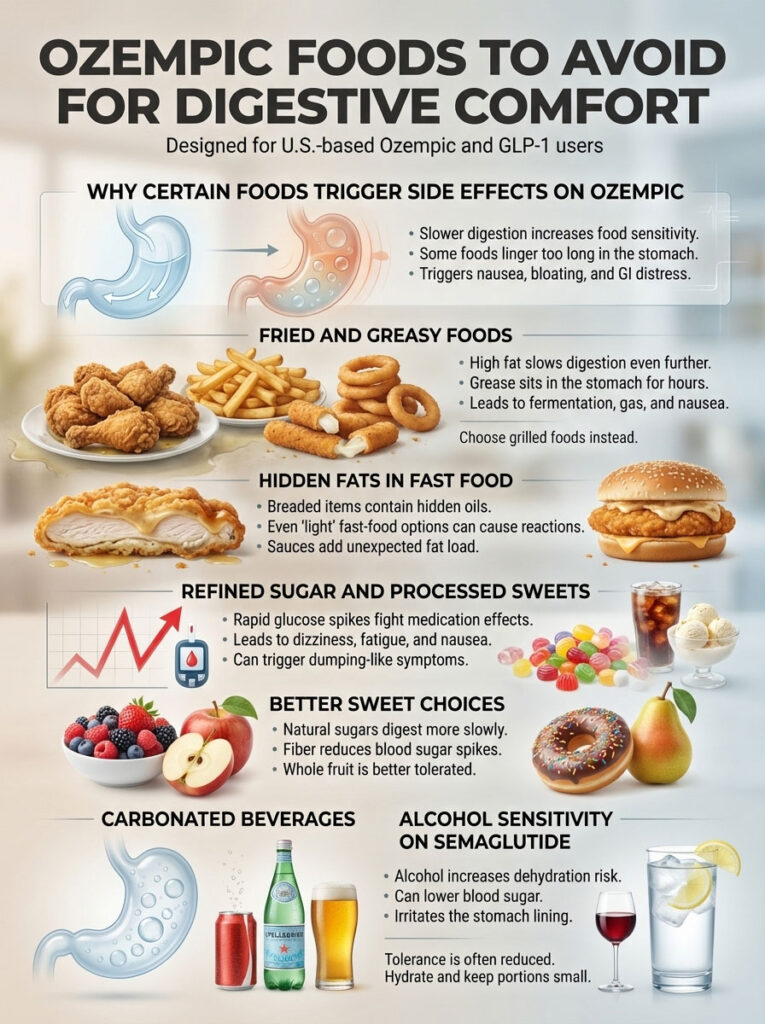
Knowing what not to eat on Ozempic is arguably more important than knowing what to eat. Certain foods act as immediate triggers for side effects. Consuming these foods can lead to hours or even days of discomfort. To protect your digestive system and ensure the medication works effectively, you must be vigilant about avoiding the following categories.
High Fat Fried Foods and Greasy Fast Food
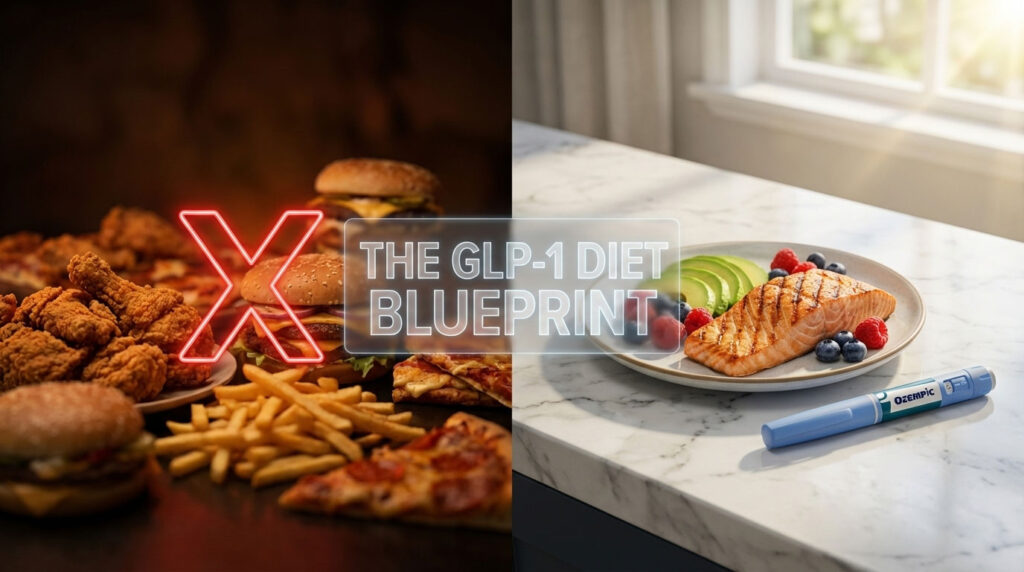
This is the single most important category to avoid. Deep-fried foods like fried chicken, french fries, onion rings, and mozzarella sticks are disastrous for Ozempic users. The high fat content combined with the medication’s slowing effect means this heavy grease sits in your stomach for hours. It does not digest efficiently, leading to fermentation, severe bloating, and nausea.
Avoid fast-food drive-thrus. Even items that seem “safe” like a breaded chicken sandwich often contain hidden oils and fats that can trigger a reaction. If you must eat out, choose grilled options and ask for sauces on the side.
High Glycemic Sugars and Processed Sweets
Foods high in refined sugar cause rapid spikes in blood glucose. Since Ozempic works to lower blood sugar, consuming high-sugar items like soda, candy, donuts, and ice cream creates a metabolic tug-of-war in your body. This can lead to dizziness, fatigue, and increased nausea.
Furthermore, some patients experience a mild form of “dumping syndrome” when they consume too much sugar while on GLP-1s. This involves sudden diarrhea and cramping as the body tries to flush out the excess sugar. Stick to natural sugars found in whole fruits, which come packaged with fiber to slow absorption.
Carbonated Beverages and Alcohol Consumption Risks
Carbonated drinks like soda, sparkling water, and beer introduce gas into the digestive system. Because your stomach is emptying slowly, that gas becomes trapped. This causes painful distension and bloating. Many patients find that giving up carbonation is necessary to feel comfortable.
Alcohol presents multiple risks. First, it acts as a diuretic, increasing the risk of dehydration. Second, alcohol can lower blood sugar, leading to hypoglycemia. Third, alcohol is a stomach irritant. Many people report that their tolerance for alcohol plummets while on semaglutide diet plans. The desire to drink often fades naturally, but if you do drink, stick to a small glass of wine or a non-carbonated spirit and drink plenty of water alongside it.
Comprehensive Food Category Comparison Table for Ozempic Users
To make your grocery shopping easier, we have categorized common foods into three levels of safety. Use this table as a quick reference guide when planning your meals.
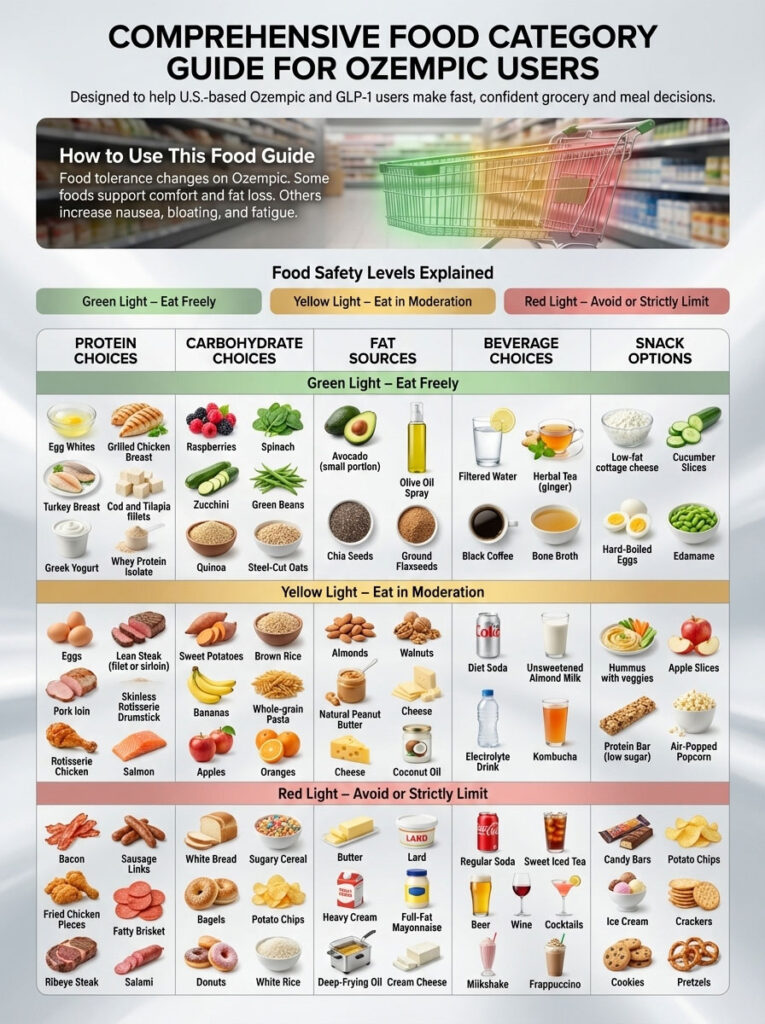
| Category | Green Light (Eat Freely) | Yellow Light (Eat in Moderation) | Red Light (Avoid/Limit Significantly) |
| Proteins | Egg whites, Chicken breast, Turkey breast, Cod, Tilapia, Tofu, Plain Greek Yogurt, Whey Protein Isolate | Whole eggs, Lean steak (filet/sirloin), Pork loin, Rotisserie chicken (skinless), Salmon (high fat but healthy) | Bacon, Sausage, Fried chicken, Pepperoni, Fatty brisket, Ribeye steak, Salami |
| Carbohydrates | Raspberries, Blackberries, Spinach, Zucchini, Green beans, Quinoa, Steel-cut Oats | Sweet potatoes, Brown rice, Bananas, Whole grain pasta, Apples, Oranges | White bread, Sugary cereal, Bagels, Potato chips, Pastries, Donuts, White rice |
| Fats | Avocado (1/4 fruit), Olive oil spray, Chia seeds, Ground flaxseeds | Almonds, Walnuts, Peanut butter (natural), Cheese slices, Coconut oil | Butter sticks, Lard, Heavy cream, Mayonnaise (full fat), Deep frying oil, Cream cheese |
| Beverages | Filtered Water, Herbal tea (Ginger/Mint), Black coffee, Bone broth | Diet soda, Unsweetened almond milk, Electrolyte drinks, Kombucha | Regular soda, Sweet tea, Beer, Wine, Cocktails, Milkshakes, Frappuccinos |
| Snacks | Low-fat Cottage cheese, Cucumber slices, Hard-boiled eggs, Edamame | Hummus, Apple slices, Protein bars (check sugar content), Air-popped popcorn | Candy bars, Potato chips, Ice cream, Crackers, Cookies, Pretzels |
Actionable Strategies for Meal Timing and Portion Control
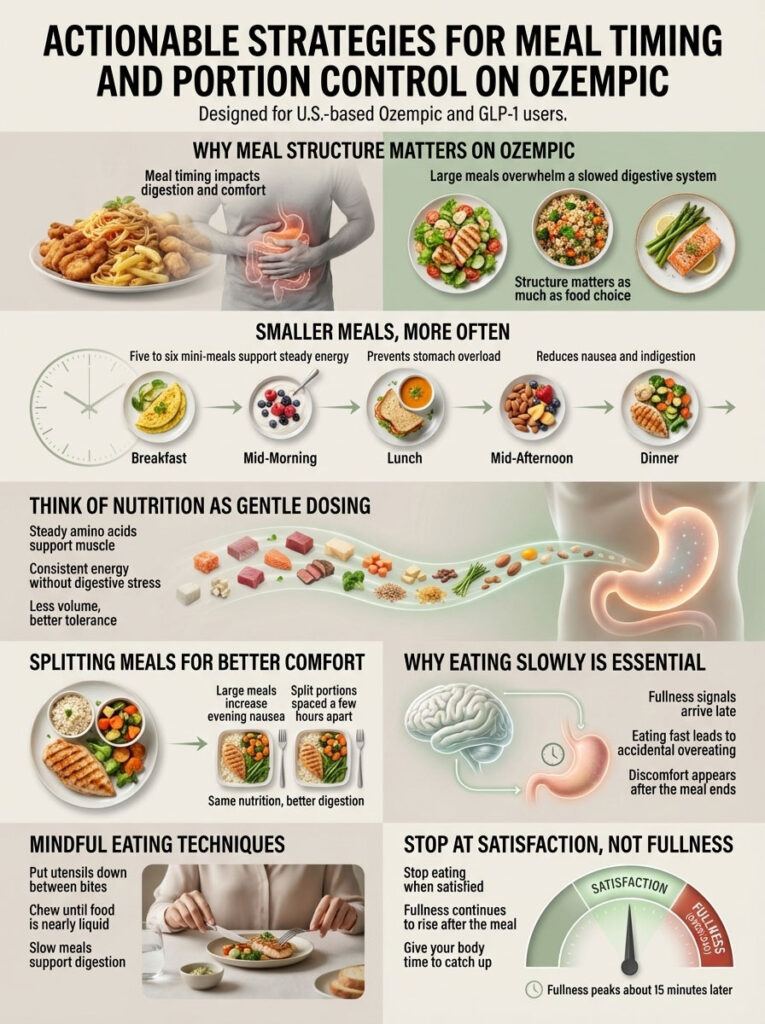
The structure of your eating habits is just as important as the food itself. The old model of “three square meals a day” often fails on an Ozempic diet plan. A large breakfast or dinner can be overwhelming for your system, leading to indigestion.
Implementing the Small Frequent Meal Strategy
Instead of three large meals, aim for five or six mini-meals spread throughout the day. This “grazing” approach keeps your energy levels stable and prevents your stomach from becoming overfilled. Think of it as “dosing” your nutrition. You want to provide a steady stream of amino acids and energy without overloading your digestive capacity.
For example, instead of eating a whole chicken breast, a cup of rice, and a cup of broccoli for dinner, split that into two separate meals eaten three hours apart. This simple adjustment can virtually eliminate evening nausea.
Mastering Mindful Eating and Chew Speed
Because of the delayed gastric emptying signals, it takes longer for your brain to realize you are full. If you eat quickly, you can easily overeat before the “stop” signal arrives. This leads to that painful, overly stuffed sensation 20 minutes after the meal.
You must slow down. Put your fork down between bites. Chew your food thoroughly until it is almost liquid. This aids the digestive process before the food even hits your stomach. Stop eating the moment you feel satisfied, not when you feel full. There is a delay, so “satisfied” will turn into “full” in about 15 minutes.
Detailed Sample 7-Day Ozempic Meal Plan for Weight Loss
This sample 7-day Ozempic meal plan is designed to meet the high protein and high fiber requirements while minimizing fat. It focuses on ingredients readily available in the U.S. market.
Day 1: The Transition Start
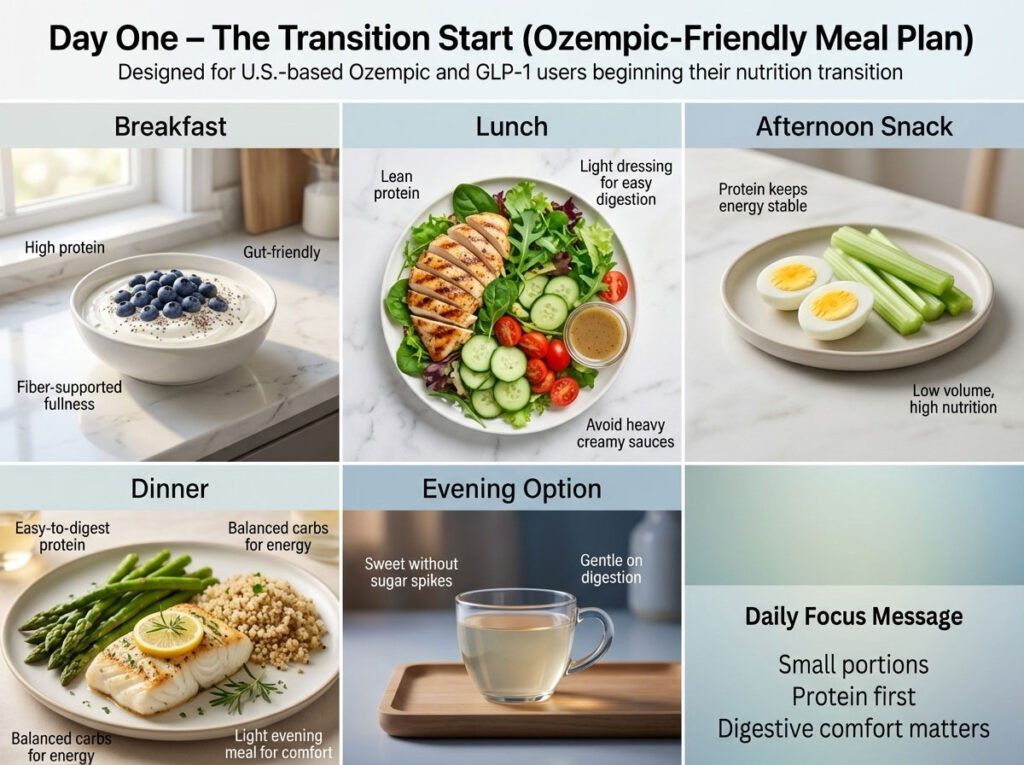
- Breakfast: High protein Greek yogurt bowl. 1 cup of plain non-fat Greek yogurt (e.g., Chobani or Oikos Triple Zero) mixed with 1/2 scoop of vanilla whey protein powder. Top with 1/4 cup of fresh blueberries and 1 tablespoon of chia seeds for fiber.
- Lunch: Grilled Chicken Salad. 4 oz grilled chicken breast sliced over a bed of mixed greens, cucumber slices, and cherry tomatoes. Use 1 tablespoon of light balsamic vinaigrette. Avoid heavy ranch dressings.
- Afternoon Snack: One hard-boiled egg and a few celery sticks.
- Dinner: Baked White Fish. 5 oz of baked cod or tilapia seasoned with lemon juice, dill, and garlic powder. Serve with 1/2 cup of steamed asparagus and 1/4 cup of quinoa.
- Evening Snack: A sugar-free gelatin cup (e.g., Jell-O brand) if you need something sweet.
Day 2: Fiber Focus
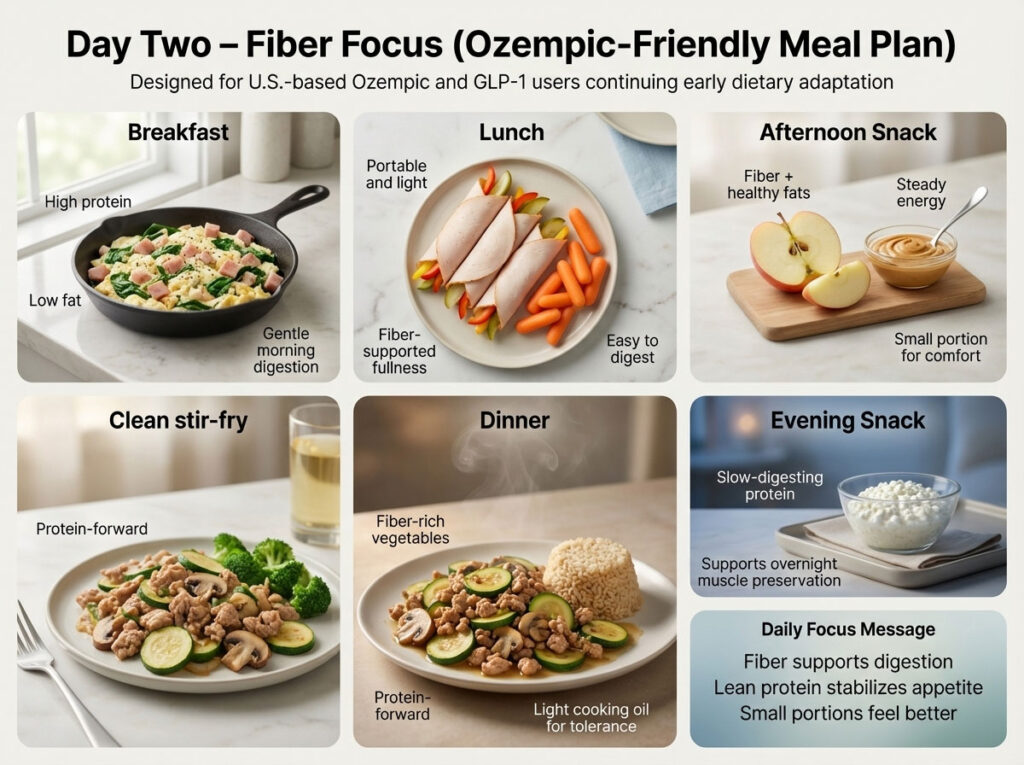
- Breakfast: Savory Egg White Scramble. 3/4 cup of liquid egg whites scrambled with a handful of spinach and 1 oz of diced low-fat turkey ham.
- Lunch: Turkey Roll-Ups. 4 slices of low-sodium deli turkey breast wrapped around thin slices of bell pepper and a pickle spear. Serve with a side of 10 baby carrots.
- Afternoon Snack: A small apple sliced with 1 tablespoon of natural peanut butter.
- Dinner: Ground Turkey Stir-Fry. 4 oz of 93% lean ground turkey sautéed with zucchini rounds and mushrooms in olive oil spray. Season with soy sauce or coconut aminos. Serve alone or with 1/3 cup brown rice.
- Evening Snack: 1/2 cup of low-fat cottage cheese.
Day 3: Plant-Forward
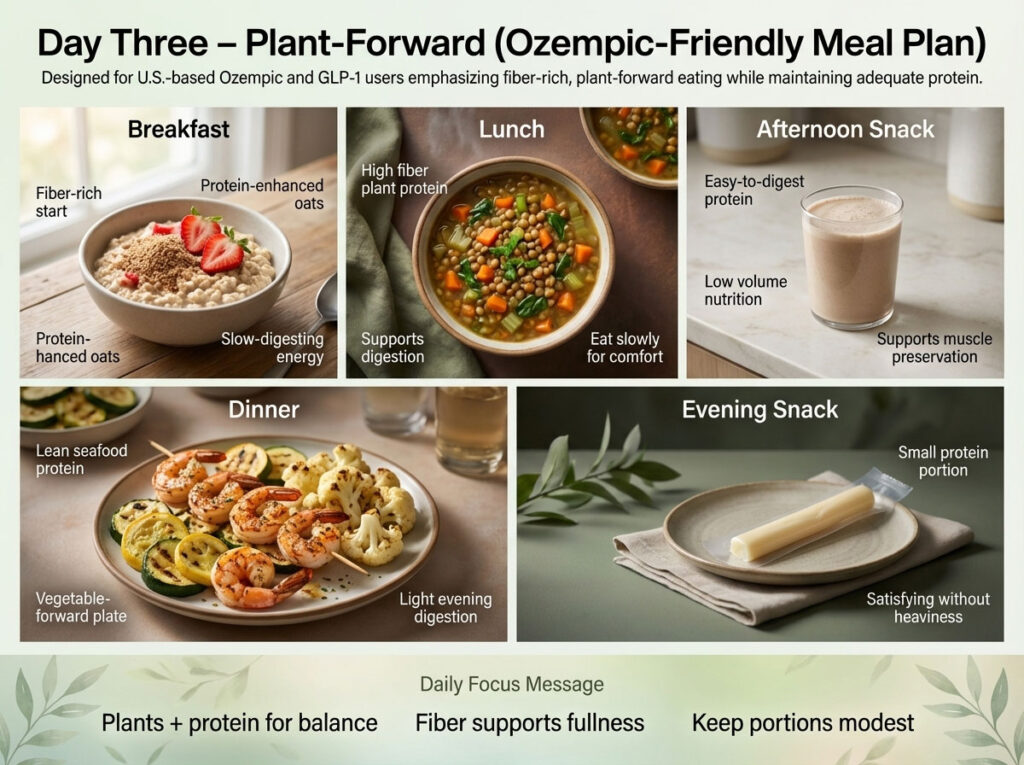
- Breakfast: Protein Oatmeal. 1/3 cup of dry oats cooked with water. Once cooked, stir in 1/2 scoop of protein powder and top with 1 tablespoon of ground flaxseeds and sliced strawberries.
- Lunch: Lentil Soup. 1.5 cups of homemade or low-sodium canned lentil soup. Lentils are excellent for fiber. Eat slowly to ensure tolerance.
- Afternoon Snack: A protein shake made with water or unsweetened almond milk.
- Dinner: Grilled Shrimp Skewers. 6 large shrimp grilled with zucchini and yellow squash slices. Serve with a small side of roasted cauliflower.
- Evening Snack: A stick of light string cheese.
Day 4: Anti-Inflammatory
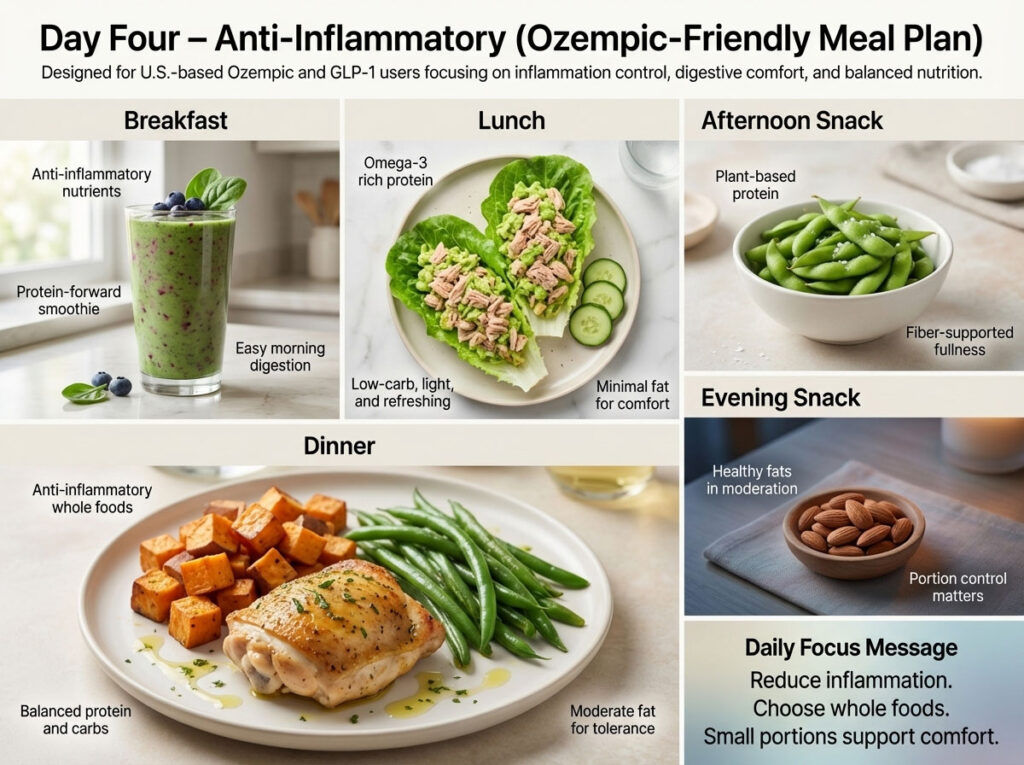
- Breakfast: Berry Protein Smoothie. Blend 1 scoop of protein powder, 1 cup spinach (you won’t taste it), 1/2 cup frozen mixed berries, and water or unsweetened almond milk.
- Lunch: Tuna Salad Boats. One can of tuna (in water) mixed with 1 tablespoon of light mayo or mashed avocado. Scoop into large romaine lettuce leaves or eat with cucumber slices.
- Afternoon Snack: A handful of edamame (steamed soybeans).
- Dinner: Baked Chicken Thigh. One bone-in chicken thigh (remove the skin before eating to reduce fat). Serve with roasted sweet potato cubes (approx 1/2 cup) and steamed green beans.
- Evening Snack: A handful of almonds (limit to 10-12 nuts).
Day 5: Gut Health
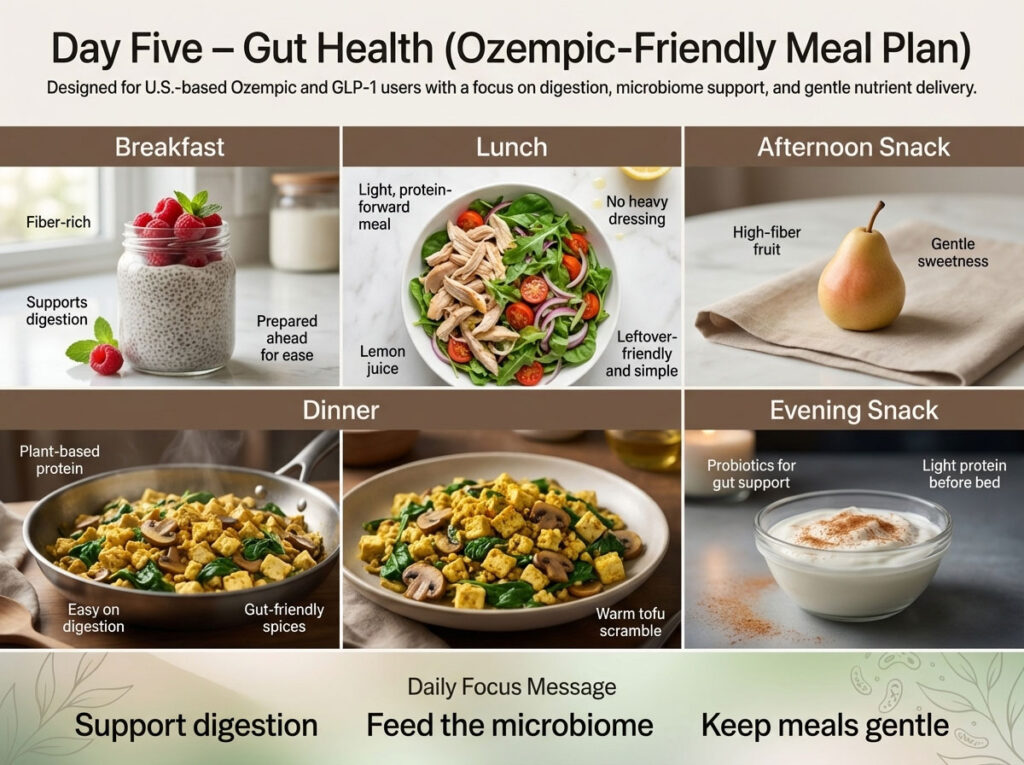
- Breakfast: Chia Seed Pudding. Prepare the night before: 2 tablespoons chia seeds mixed with 1/2 cup protein shake or almond milk. Let sit overnight. Top with raspberries in the morning.
- Lunch: Leftover Chicken Thigh. Shred the meat from the previous night’s chicken thigh and serve over a salad with tomatoes and red onion. Use lemon juice as dressing.
- Afternoon Snack: One small pear (high fiber).
- Dinner: Tofu Veggie Scramble. Crumbled firm tofu sautéed with turmeric, nutritional yeast, spinach, and mushrooms. This mimics scrambled eggs and is very easy on the stomach.
- Evening Snack: 1/2 cup of plain Greek yogurt with a dash of cinnamon.
Day 6: Lean Red Meat
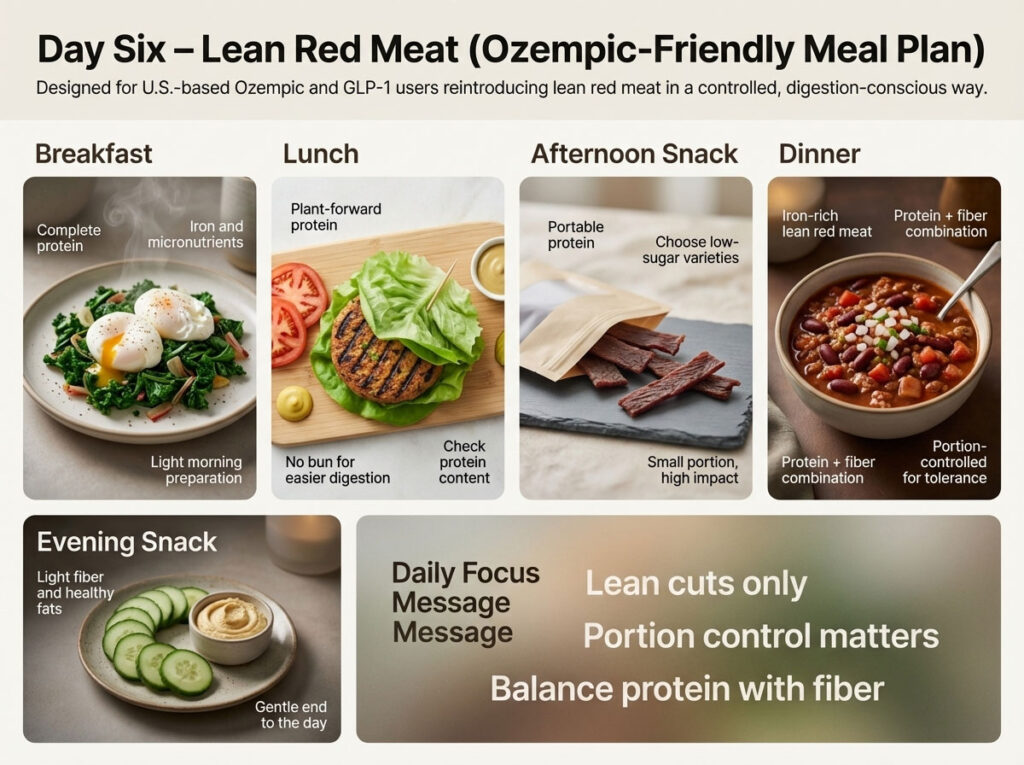
- Breakfast: Poached Eggs and Greens. Two poached eggs served over sautéed kale or Swiss chard.
- Lunch: Veggie Burger. A high-protein veggie burger patty (check labels for protein count) served on a lettuce wrap with mustard and tomato. Avoid the bun.
- Afternoon Snack: Beef jerky or turkey jerky (check for low sugar varieties).
- Dinner: Lean Beef Chili. Homemade chili made with 95% lean ground beef, kidney beans, diced tomatoes, and chili powder. Limit portion to 1 cup.
- Evening Snack: 1/2 cup of sliced cucumber with 2 tablespoons of hummus.
Day 7: Easy Prep Sunday
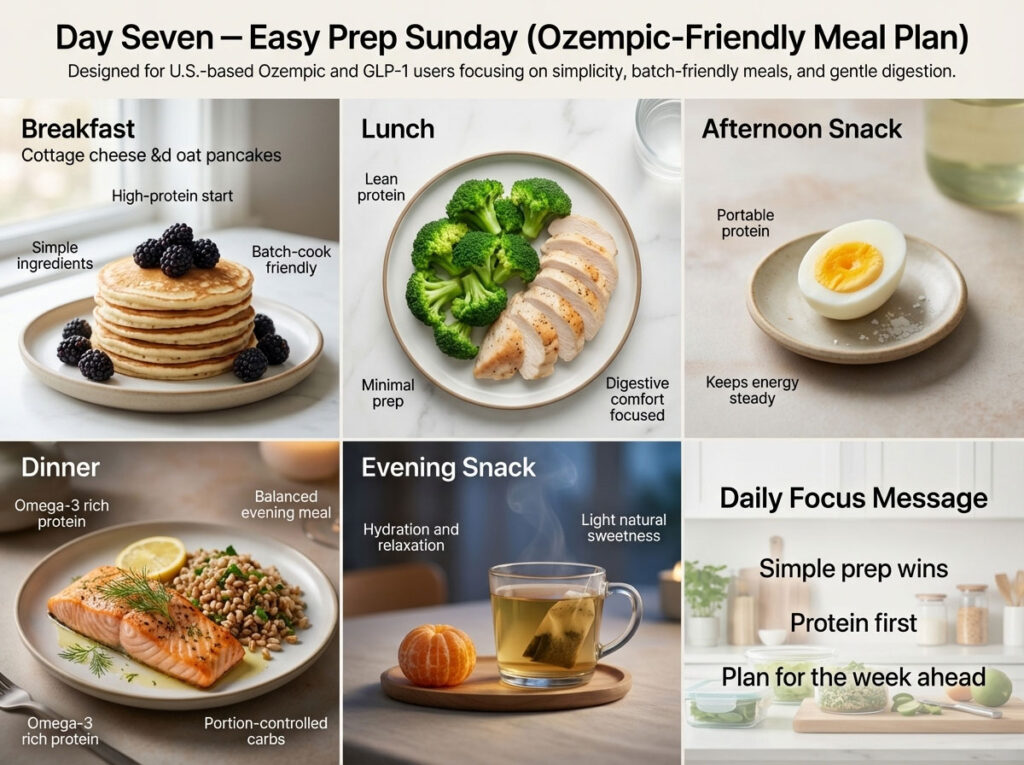
- Breakfast: Cottage Cheese Pancakes. Blend 1/2 cup oats, 1/2 cup cottage cheese, and 2 eggs. Cook like normal pancakes. They are packed with protein. Top with fresh blackberries.
- Lunch: Rotisserie Chicken Plate. 4 oz of white meat rotisserie chicken (skin removed) with a side of steamed broccoli.
- Afternoon Snack: A hard-boiled egg.
- Dinner: Salmon Fillet. 4 oz baked salmon seasoned with lemon and dill. Serve with 1/3 cup of farro or wild rice.
- Evening Snack: Herbal tea and a small tangerine.
Calculating Nutrient Targets and Macro Breakdown for GLP-1 Diets
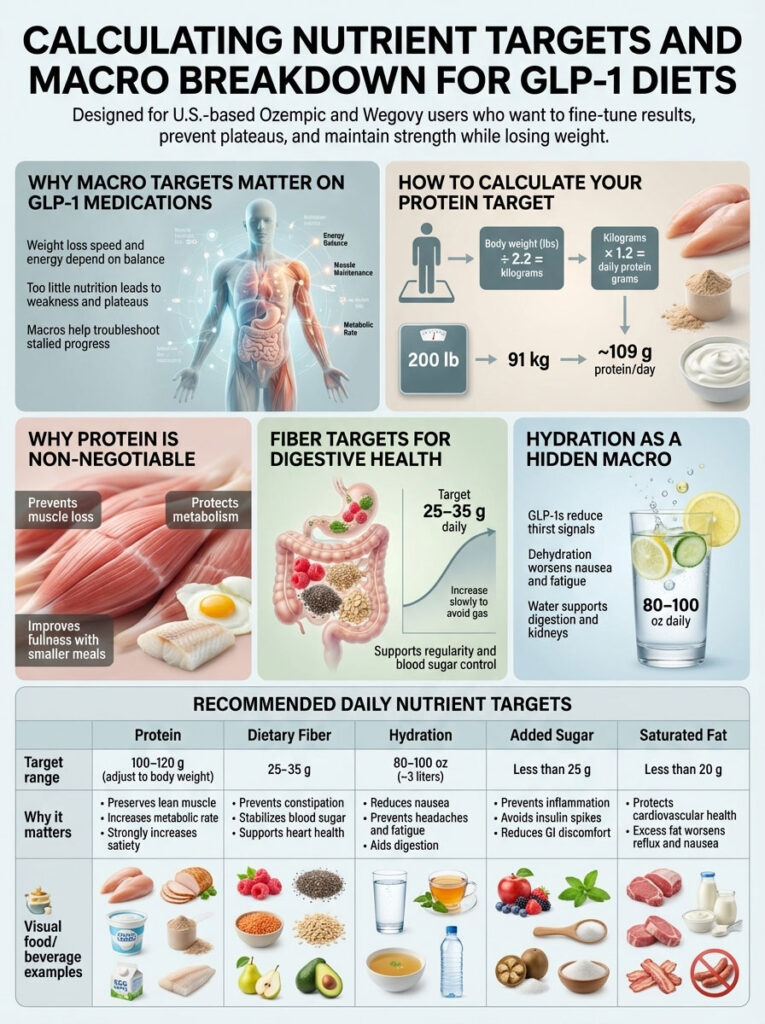
While the sample 7-day Ozempic meal plan gives you a template, you may need to adjust based on your specific body metrics. Understanding the numbers helps you troubleshoot weight loss plateaus. If you are not losing weight, or if you are losing weight too fast and feeling weak, look at your macros.
How to Calculate Your Daily Protein Needs
As mentioned earlier, the target is 1.0 to 1.2 grams of protein per kilogram of body weight.
To calculate this:
- Take your weight in pounds and divide by 2.2 to get your weight in kilograms.
- Multiply that number by 1.2.
- The result is your daily protein goal in grams.
For example, a 200 lb person is approx 91 kg.
91 kg x 1.2 = 109 grams of protein per day.
Fiber Goals for Digestive Health
Aim for 25 to 35 grams of fiber daily. If you are currently eating a low-fiber diet, do not jump to 35 grams overnight. This will cause gas. Increase your fiber intake slowly over two weeks to allow your gut bacteria to adapt.
Recommended Nutrient Breakdown Analysis Table
Below is a detailed breakdown of the targets you should aim for to maintain health while losing weight on semaglutide.
| Nutrient | Target Daily Range | Why It Is Critical for Ozempic Users | Best Dietary Sources |
| Protein | 100g – 120g (Adjust based on weight) | Prevents muscle wasting (sarcopenia); Boosts metabolic rate; Increases satiety significantly. | Chicken breast, Turkey, Greek Yogurt, Whey Isolate, Egg Whites, White Fish. |
| Dietary Fiber | 25g – 35g | Prevents the #1 side effect: constipation; Regulates blood sugar absorption; Supports heart health. | Raspberries, Chia Seeds, Lentils, Artichokes, Oats, Pears, Avocados. |
| Hydration (Water) | 80oz – 100oz (approx 3 liters) | Prevents nausea; Supports kidney function; Reduces fatigue and headaches; Aids in digestion. | Filtered Water, Herbal Tea, Bone Broth, Water with Electrolytes. |
| Added Sugar | Less than 25g | Prevents systemic inflammation; Avoids insulin spikes that counteract the medication; Reduces nausea. | Fresh Fruit (natural sugar is okay), Stevia, Monk Fruit, Erythritol. |
| Saturated Fat | Less than 20g | Reduces cardiovascular risk; High amounts of saturated fat slow digestion excessively causing reflux. | Lean cuts of meat, Low-fat dairy options, Avoiding processed meats. |
Managing Common Side Effects Through Specific Dietary Adjustments
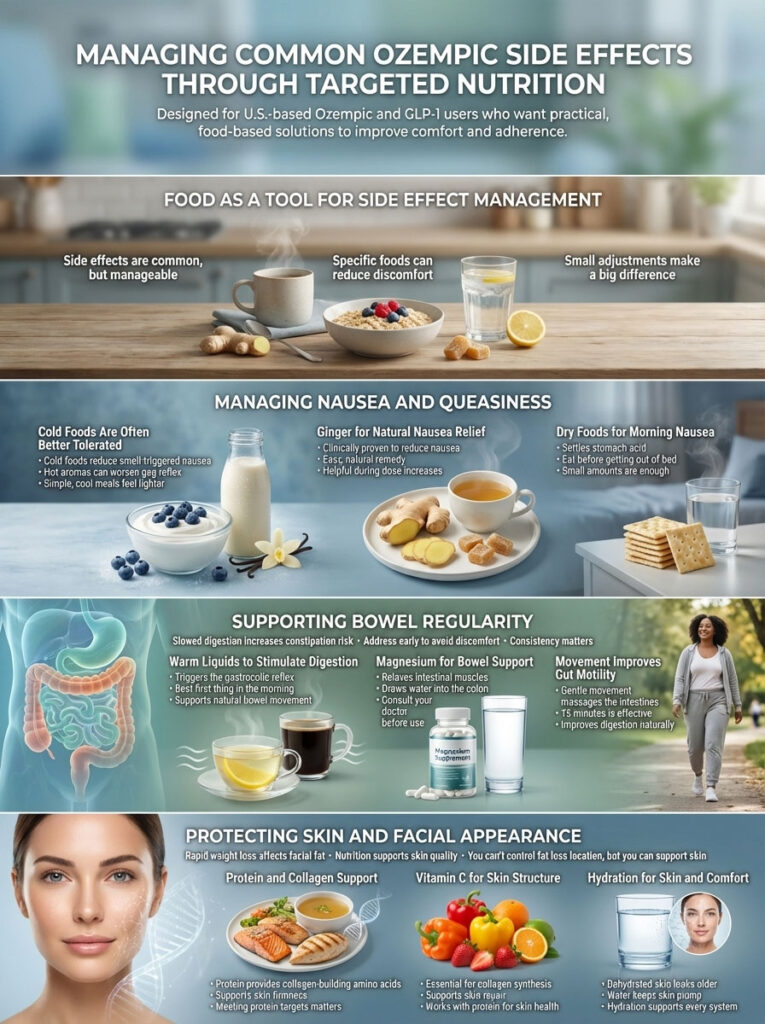
Even with a perfect diet, side effects can happen. However, you can often manage them with specific food choices (“food as medicine”).
Natural Remedies for Nausea and Queasiness
Nausea is the most prevalent complaint. If you feel sick, stop eating immediately. Do not try to “push through” a meal.
- The Temperature Trick: Eat cold foods. Hot foods release aromas that can trigger a gag reflex. Cold yogurt, a chilled protein shake, or a cold turkey sandwich are often better tolerated.
- Ginger: Keep ginger chews or ginger tea on hand. Ginger has been clinically proven to reduce nausea.
- Dry Crackers: Keep saltine crackers by your bed. Eating one or two before you lift your head off the pillow in the morning can settle stomach acid.
Dietary Fixes for Constipation and Bowel Regularity
If you go more than two days without a bowel movement, you need to take action.
- Warm Liquids: Drink a cup of warm water with lemon or coffee first thing in the morning to stimulate the gastrocolic reflex.
- Magnesium: Ask your doctor about Magnesium Citrate or Glycinate supplements at night. They relax the bowel muscles and attract water to the intestines.
- Movement: Walking for 15 minutes after a meal physically massages the intestines and promotes motility.
Preventing “Ozempic Face” with Nutrition
“Ozempic face” refers to the gaunt, aged appearance that can result from rapid facial fat loss. While you cannot choose where you lose fat, you can protect your skin quality.
- Collagen Support: Ensure you are hitting your protein targets to provide the amino acids glycine, proline, and lysine, which are needed for collagen production.
- Vitamin C: Eat plenty of bell peppers, strawberries, and citrus. Vitamin C is essential for collagen synthesis.
- Hydration: Dehydrated skin looks older and more wrinkled. Drink your water to keep your skin plump.
Integrating Lifestyle Changes for Long-Term Weight Management
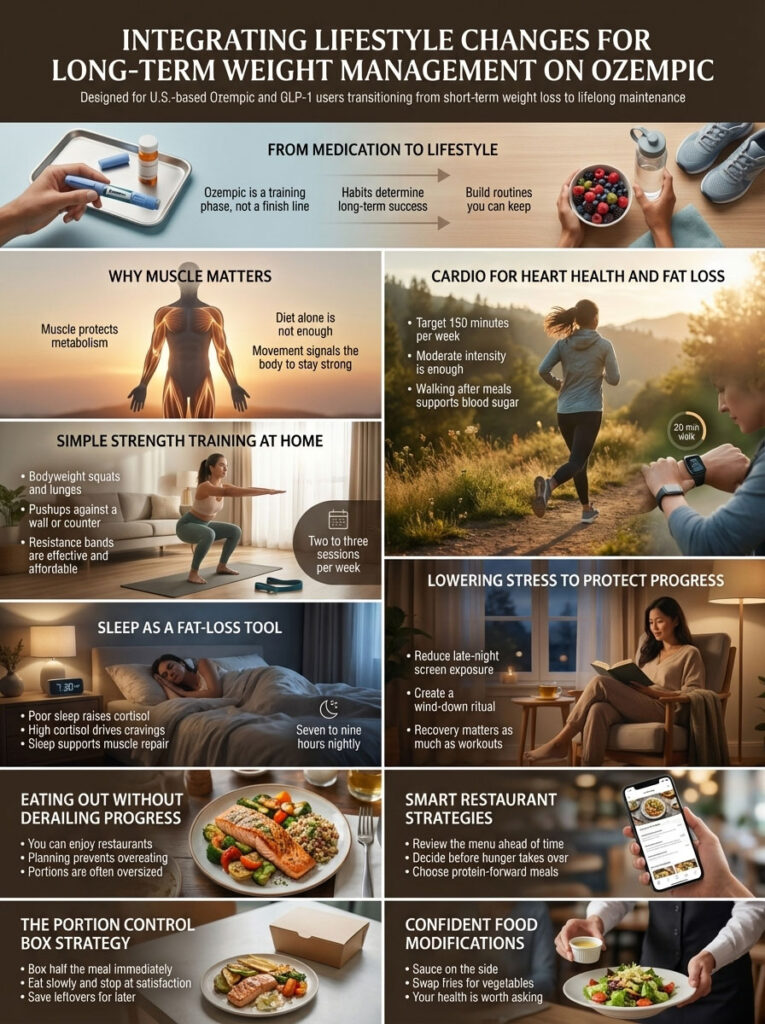
The Ozempic diet plan is not a temporary fix. It is a training ground for your future lifestyle. Eventually, you may taper off the medication or move to a maintenance dose. The habits you build now will determine if you keep the weight off.
Resistance Training and Physical Activity Guidelines
Diet alone is insufficient for optimal body composition. You must signal your body to keep its muscle.
- Strength Training: You do not need a gym membership. Bodyweight squats, pushups (even against a wall), and lunges done at home 2-3 times a week are effective. Resistance bands are also a cheap and effective tool.
- Cardio: Follow the U.S. Physical Activity Guidelines of 150 minutes of moderate aerobic activity per week. This can be as simple as a 20-minute brisk walk after lunch every day.
Sleep Hygiene and Cortisol Management
Lack of sleep raises cortisol, the stress hormone. High cortisol drives cravings for sugar and fat. It also promotes fat storage in the belly.
Prioritize 7-9 hours of sleep. Create a bedtime routine that does not involve screens. Sleep is when your body repairs the muscle tissue you broke down during exercise.
Dining Out and Socializing on Semaglutide
You do not have to become a hermit. You can still enjoy restaurants.
- Pre-Game: Check the menu online before you go. Decide what you will order when you are not hungry or distracted.
- The Box Strategy: When the food arrives, immediately ask for a to-go box. Put half (or more) of the meal in the box before you take the first bite. Restaurant portions in the U.S. are often double or triple a standard serving.
- Modification: Do not be afraid to be “that person.” Ask for steamed veggies instead of fries. Ask for the sauce on the side. Your health is worth the request.
Summary and Key Takeaways for Success
Ozempic and Wegovy represent a breakthrough in medical weight loss, but they are not magic. They are tools that require partnership with a solid nutrition strategy. The Ozempic diet plan is that partner. By focusing on high protein foods, staying aggressively hydrated, and avoiding the triggers of grease and sugar, you can achieve remarkable results.
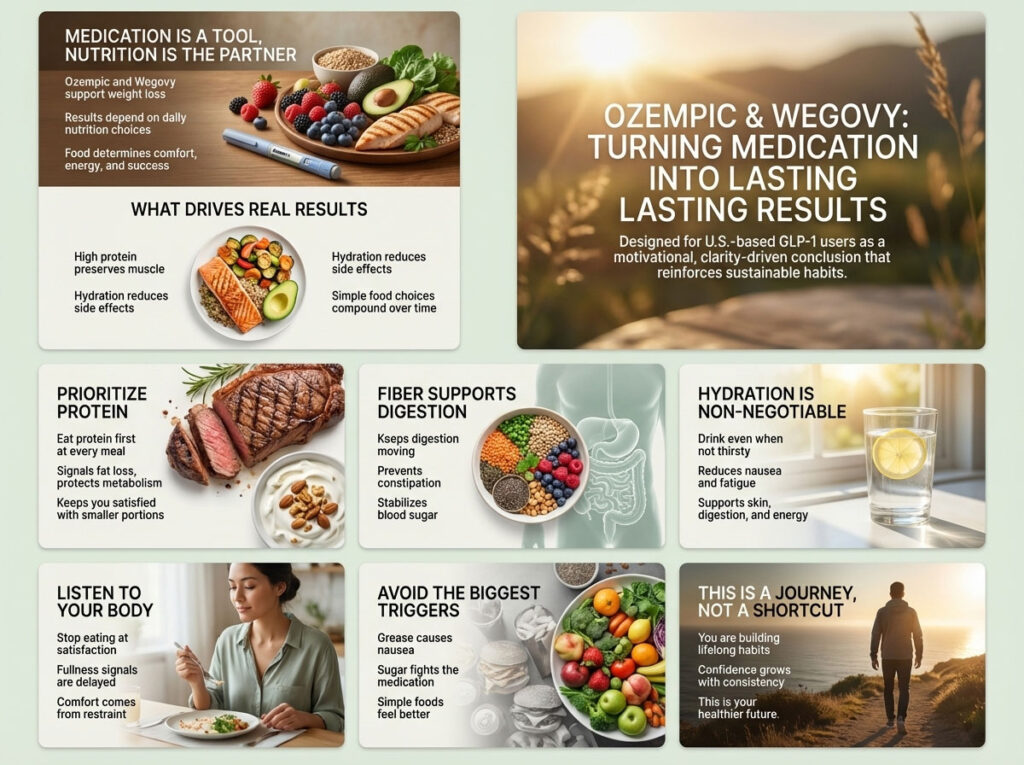
Remember the core rules:
- Prioritize Protein: Eat it first at every meal.
- Fiber is Your Friend: It keeps digestion moving.
- Hydrate: Drink water even when you aren’t thirsty.
- Listen to Your Body: Stop eating the moment you are satisfied.
You are on a journey to a healthier version of yourself. Respect the medication, respect your body, and fuel yourself with the quality nutrition you deserve.
Frequently Asked Questions (FAQ)
What is the absolute number one food to avoid on Ozempic to prevent sickness?
Fried and greasy foods are the most critical items to avoid. Foods like fried chicken, french fries, and heavy cream sauces act as major triggers for nausea, vomiting, and severe indigestion because they remain in the stomach for a prolonged period due to the medication’s slowing effect on digestion.
Can I drink coffee while taking Semaglutide or will it upset my stomach?
Yes, most people can drink coffee. However, you must be mindful of additives. Avoid high-calorie sugary creamers and excessive sugar. Black coffee or coffee with a splash of almond milk is best. Additionally, caffeine is a diuretic, so you must drink extra water to compensate and prevent dehydration.
How many calories should I eat on Ozempic for safe weight loss?
While individual needs vary, most medical professionals recommend not dropping below 1,200 calories per day for women and 1,500 for men. Eating fewer calories than this can slow your metabolic rate and increase the risk of muscle loss. Focus on nutrient density rather than severe starvation.
Why do I have sulfur burps and how do I stop them immediately?
Sulfur burps are caused by food fermenting in the stomach due to delayed gastric emptying. To stop them, avoid high-sulfur foods like eggs, dairy, and broccoli temporarily. Reduce your fat intake significantly. Peppermint tea or over-the-counter anti-gas medication containing simethicone can provide relief.
Is a low-carb or keto diet required to see results on Ozempic?
A strict keto diet is not required, but reducing refined carbohydrates is highly beneficial. Lowering carb intake helps stabilize blood sugar and reduces water retention. Focus on a “moderate carb” approach using complex sources like quinoa and oats rather than white bread or sugar.
What should I eat if I feel nauseous on the day of my injection?
On injection day, stick to the “BRAT” diet principles: Bananas, Rice, Applesauce, and Toast. These bland foods are easily digestible. Bone broth, saltine crackers, and protein shakes are also excellent options that provide nutrition without taxing the digestive system.
Can I have a “cheat meal” on the Ozempic diet occasionally?
Occasional indulgences are part of a balanced life, but “cheating” with a large, fatty meal can lead to immediate physical consequences like vomiting or diarrhea. If you choose to indulge, keep the portion size very small (e.g., one slice of pizza instead of three) to minimize the physical reaction.
How much protein is specifically needed to prevent muscle loss?
Current guidelines suggest aiming for 1.0 to 1.2 grams of protein per kilogram of body weight. For the average person, this means consuming between 80 to 120 grams of protein daily. Spacing this protein out across 3 to 4 meals helps your body absorb it more efficiently.
Are protein shakes a good option for Ozempic users who have no appetite?
Yes, protein shakes are an incredibly useful tool. They are liquid, making them easy to digest, and they ensure you meet your protein goals even when you physically cannot eat a solid meal. Look for whey isolate or high-quality plant-based shakes with low sugar content.
Does Ozempic stop working if I continue to eat sugar and sweets?
The medication does not “stop working,” but eating sugar counteracts its benefits. Sugar spikes insulin, which promotes fat storage. Additionally, high sugar intake can cause nausea and fatigue. Consistent sugar consumption will significantly slow down your weight loss results and energy levels.
What is the best time of day to eat on Ozempic to avoid reflux?
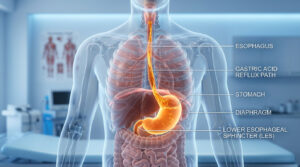
There is no single “best” time, but you should absolutely avoid eating late at night. Since digestion is slow, eating right before bed allows food to sit in the stomach while you lie flat, causing acid reflux and heartburn. Try to finish your last meal at least 3 to 4 hours before sleeping.
Can I eat fast food on Ozempic if I choose healthy options?
It is generally discouraged because fast food is high in sodium and unhealthy fats. However, if you are in a bind, choose grilled options like a grilled chicken wrap or a salad with dressing on the side. Avoid burgers, fries, and fried nuggets at all costs.
Disclaimer
This article is for informational purposes only and does not constitute medical advice. Always consult with your physician or a registered dietitian before starting any new diet or medication regimen, especially when managing conditions like type 2 diabetes or obesity.
References
- Wilding, J. P. H., et al. “Once-Weekly Semaglutide in Adults with Overweight or Obesity.” The New England Journal of Medicine, 2021.
- American Diabetes Association. “Nutrition Therapy for Adults With Diabetes or Prediabetes: A Consensus Report.” Diabetes Care, 2019.
- Mayo Clinic. “Semaglutide (Subcutaneous Route) Side Effects.” Mayo Foundation for Medical Education and Research.
- U.S. Department of Health and Human Services. “Physical Activity Guidelines for Americans, 2nd edition.” 2018.