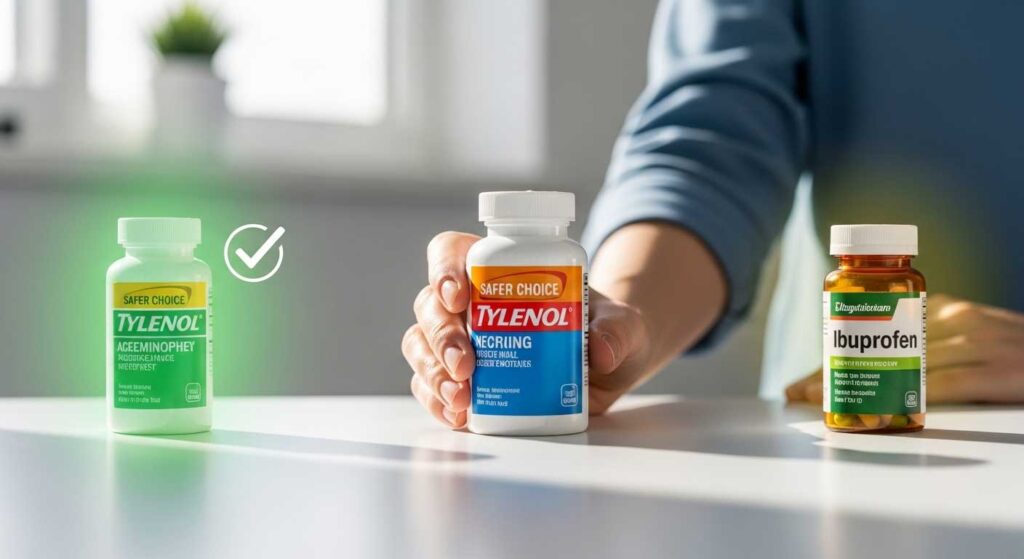
You have a fasting blood test scheduled, but a nagging tension headache or a sore back is making it hard to focus. You know from our previous guide that taking NSAIDs like Advil or Motrin can be problematic for certain lab tests. So, you reach for the Tylenol, assuming it’s the completely safe choice. But is it truly a worry-free alternative? The question, “Can I take Tylenol before a blood test?” is one of the most common and important queries from patients preparing for lab work.
- Tylenol vs. NSAIDs: Why They Aren't the Same
- The Definitive Comparison: Tylenol vs. Ibuprofen Before a Blood Test
- The Most Important Consideration: Tylenol and Your Liver
- Tylenol's Effect on Other Specific Tests
- Your Guide to Safe Usage Before a Blood Test
- Take Control of Your Health with At-Home and On-Demand Testing
- Conclusion: The Safer, but Not Perfect, Alternative
- Frequently Asked Questions (FAQ)
The direct answer is reassuring: for most healthy people taking a single, standard dose, Tylenol (acetaminophen) is indeed the safest pain reliever before blood work. It operates differently from NSAIDs and doesn’t carry the same risks for your kidneys or blood platelets. However, to call it a completely neutral choice would be incorrect. Understanding its specific, though less common, interactions—especially with the liver—is crucial for ensuring your blood test results are as accurate as possible.
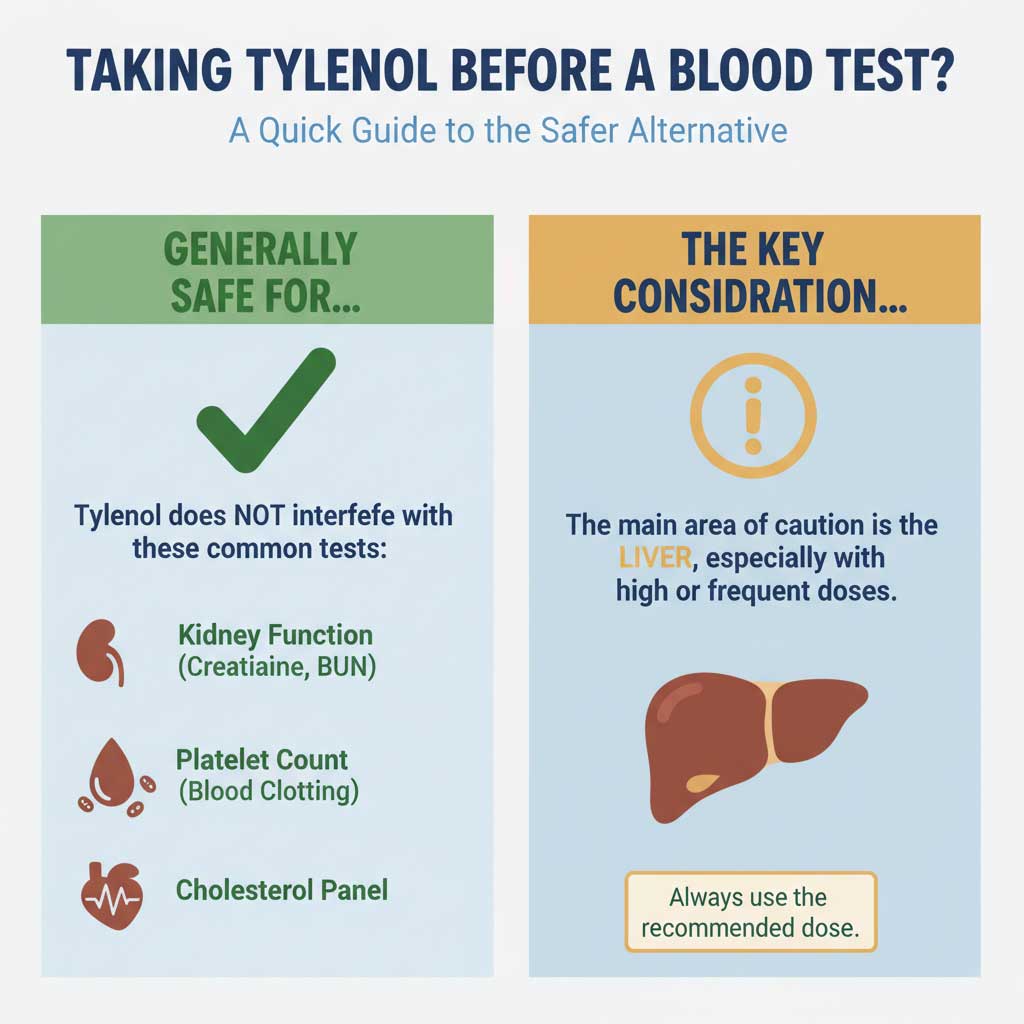
This in-depth guide will provide a comprehensive look at acetaminophen and lab results. We will compare Tylenol vs. Advil before blood test, detail the critical liver function considerations, clarify its effects on a wide range of common tests, and provide clear, actionable guidance on how to use it safely.
Tylenol vs. NSAIDs: Why They Aren’t the Same
To understand why Tylenol is so often recommended over its counterparts, it’s essential to know that they work in fundamentally different ways. This difference in mechanism is the key to their different effects on your body and your lab results.
A Different Mechanism for Different Results
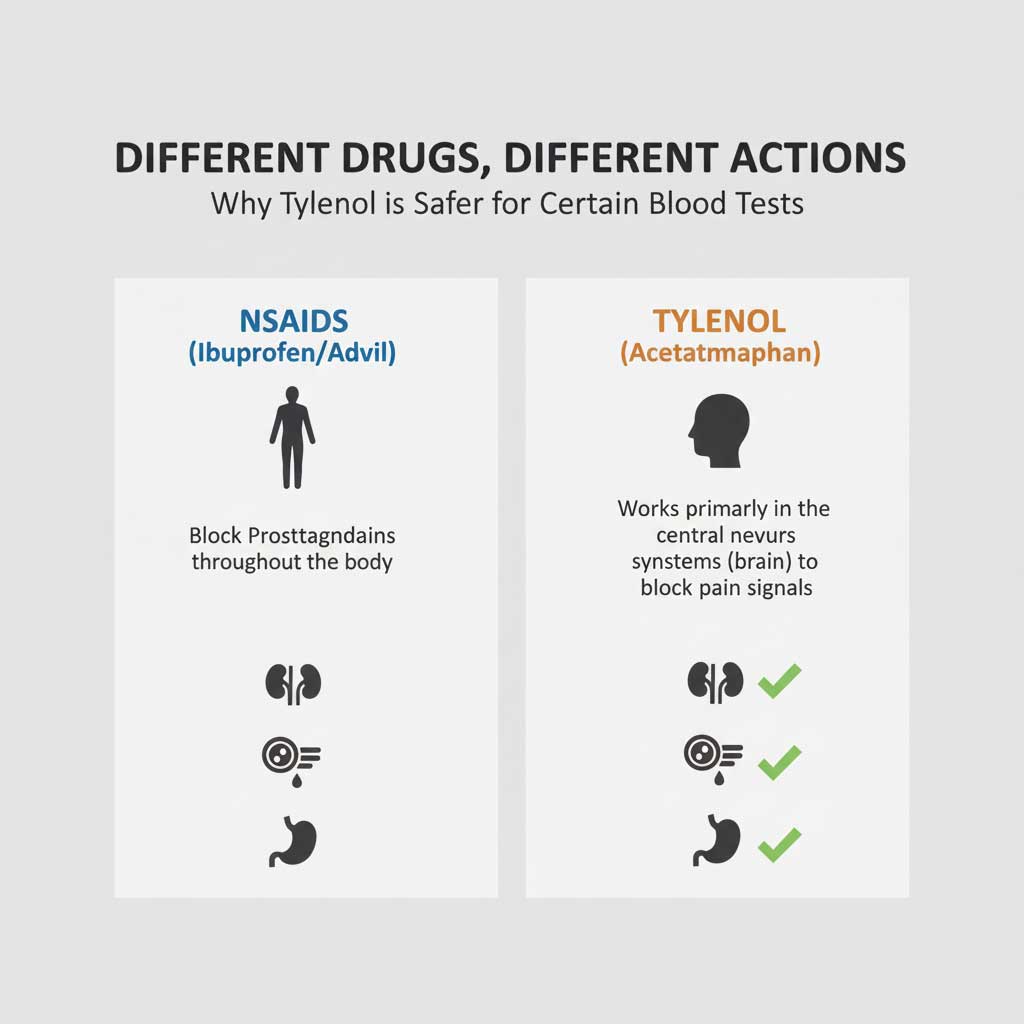
As we’ve discussed, NSAIDs like ibuprofen (Advil) and naproxen (Aleve) work by blocking enzymes called COX-1 and COX-2. This action reduces prostaglandins throughout your entire body. While this is great for reducing pain and inflammation, it also interferes with the protective jobs of prostaglandins, such as maintaining healthy blood flow to the kidneys and helping platelets stick together.
Medication Blood Test Checker
Enter the name of your medication below to check if it's safe before blood tests.
* None of this is medical advice; users must follow their doctor/lab instructions.
Tylenol (acetaminophen) is in a class of its own. Its exact mechanism is still being studied, but it is believed to work primarily in the central nervous system (the brain and spinal cord) to block pain signals. It has very little effect on the COX enzymes in the rest of your body.

The Decisive Difference for Your Blood Test
This is the central reason why the answer to “Can I take Tylenol before a blood test?” is usually yes. Because it doesn’t significantly interfere with prostaglandins outside of the central nervous system, Tylenol does not:
- Affect Kidney Function: It does not constrict the blood vessels in the kidneys. This is the most important factor in the Tylenol vs Advil before blood test debate, especially if you’re having a Tylenol and kidney function test.
- Affect Platelet Function: It does not make your platelets less sticky. The question “does Tylenol thin your blood?” is a common one, and the answer is no, it does not have an anti-platelet effect like aspirin or ibuprofen.
This distinct mechanism makes it the preferred choice for pain relief when the accuracy of a kidney test or concerns about bleeding are paramount.
The Definitive Comparison: Tylenol vs. Ibuprofen Before a Blood Test
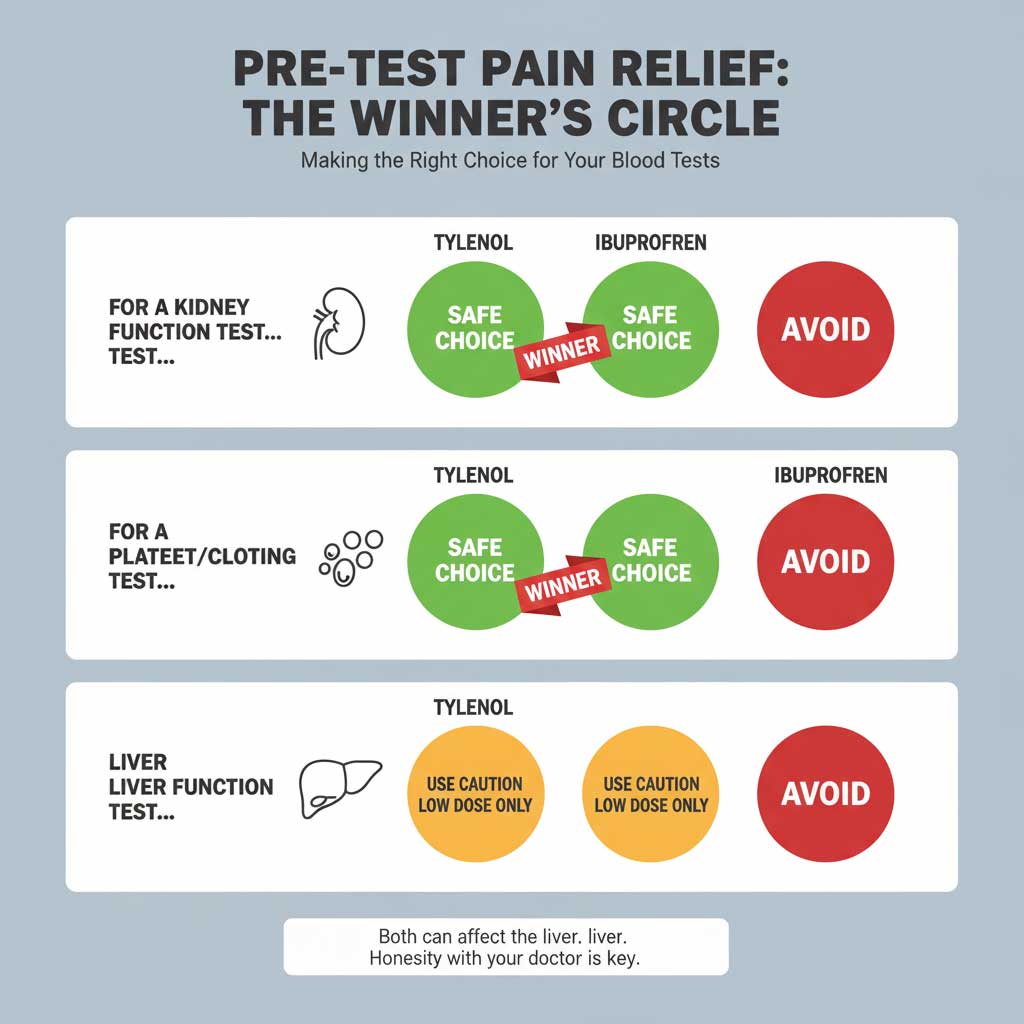
When you’re in pain before a blood draw, making the right choice can feel confusing. This head-to-head comparison is designed to give you a clear, at-a-glance understanding of why one is often preferred over the other for pre-test pain relief.
| Test Category | Ibuprofen (Advil, Motrin – an NSAID) | Tylenol (Acetaminophen) | The Safer Alternative Is… |
| Kidney Function Test (Creatinine, BUN) | High Potential for Interference. Can temporarily reduce kidney blood flow, causing creatinine and BUN to rise. | No Significant Effect. Does not interfere with prostaglandins in the kidneys. Acetaminophen and creatinine levels are not linked. | Tylenol |
| Liver Function Test (AST, ALT) | Moderate Potential. Can raise enzymes, especially with chronic, high-dose use. | High Potential with Overuse. This is Tylenol’s main area of concern. High or prolonged doses can significantly raise liver enzymes. | Depends (A low, single dose of either is likely fine for a healthy person) |
| Platelet Function / Blood Clotting | Moderate Potential. Has a temporary, reversible anti-platelet (blood-thinning) effect. | No Significant Effect. Does not affect platelet function. | Tylenol |
| Routine Tests (CBC, Cholesterol, etc.) | Generally no effect with a single dose. | Generally no effect with a single dose. | Both are generally safe |
| Fasting Blood Sugar (Lab Draw) | No effect. | No effect. | Both are safe |
Summary of the Showdown
As the table clearly shows, if your primary concern is getting an accurate reading on a Tylenol and kidney function test, or if you are on blood thinners or have a bleeding disorder, Tylenol is the undisputed winner. However, the decision becomes more complex when the focus is on a Tylenol and liver function test, which brings us to the most important consideration when taking this medication.
The Most Important Consideration: Tylenol and Your Liver
While Tylenol bypasses the risks associated with kidneys and platelets, it brings its own primary area of caution to the forefront: the liver. Understanding this relationship is key to using acetaminophen safely and ensuring your lab results aren’t misinterpreted.
A Safe Drug, But Not Without Rules
Your liver is your body’s primary filtration and detoxification plant. When you take Tylenol, your liver is responsible for breaking it down (metabolizing it) into substances that can be safely removed from your body. At recommended doses, a healthy liver does this with remarkable efficiency.
The Risk of Overuse and High Doses
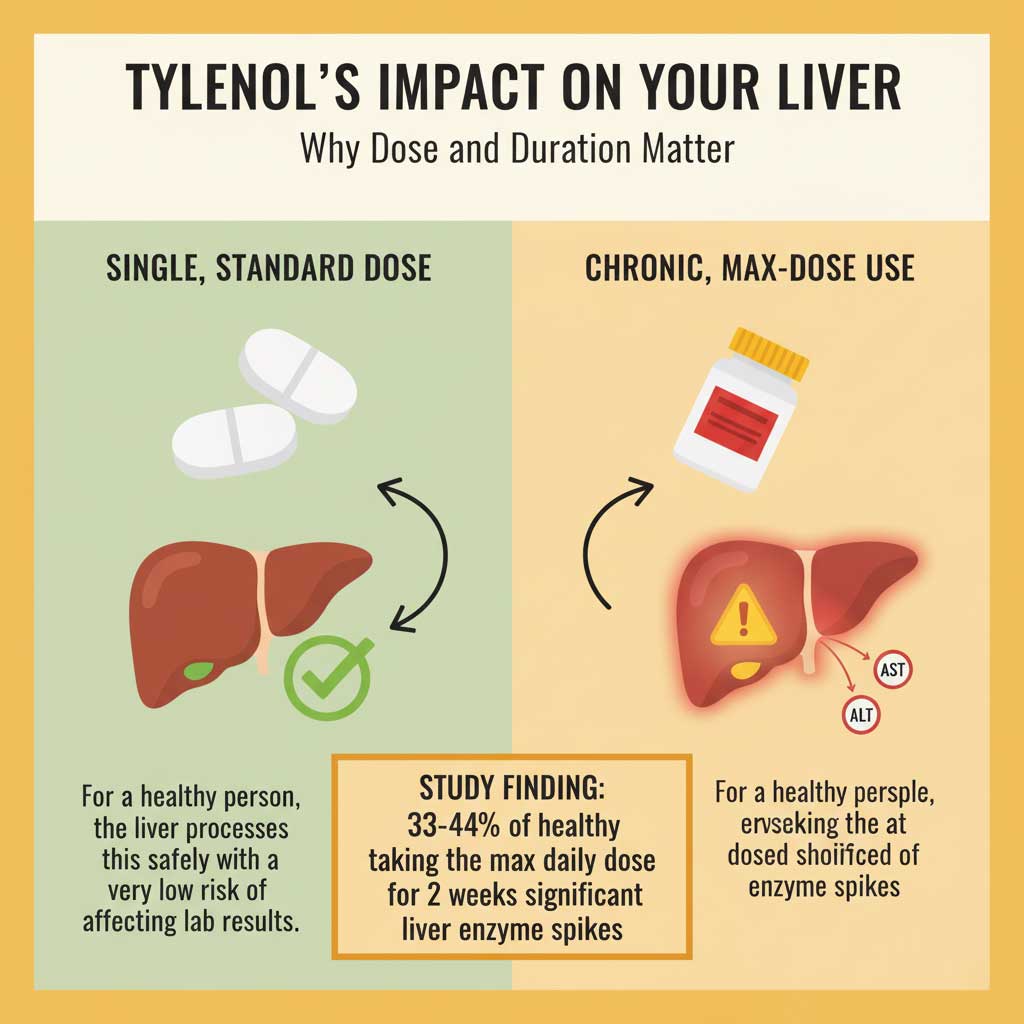
The danger arises when the liver is overwhelmed. When you take too much acetaminophen at once, or take high doses for an extended period, the liver’s main metabolic pathway becomes saturated. The excess drug is then forced down a secondary pathway, which produces a toxic byproduct called NAPQI. A healthy liver has a substance called glutathione that can neutralize small amounts of NAPQI, but it has a limited supply. In an overdose, the glutathione runs out, and the toxic NAPQI starts to damage liver cells.
How This Affects Your Liver Test
This cell damage is the direct answer to the question, “Can Tylenol raise liver enzymes?” When liver cells are damaged, they leak enzymes—like Alanine Aminotransferase (ALT) and Aspartate Aminotransferase (AST)—into your bloodstream. A Tylenol and liver function test measures the levels of these enzymes. Elevated levels signal liver inflammation or injury.
This isn’t just a risk in cases of massive, intentional overdose. The effect can be seen even within recommended doses.
- Critical Data Point: A landmark study published in the Journal of the American Medical Association found that 33-44% of healthy adults taking the maximum recommended daily dose of acetaminophen (4 grams) for two weeks showed ALT elevations more than three times the upper limit of normal. While these enzyme levels typically returned to normal after stopping the drug, this powerful instance demonstrates how even “safe,” chronic, high-dose use can significantly stress the liver and dramatically affect acetaminophen and lab results.
The key takeaway is that for a healthy person, a single, standard dose is highly unlikely to cause a clinically significant change in liver enzymes. The real risk lies with regular, high-dose use, accidental overdose, or in individuals with pre-existing liver conditions.
Tylenol’s Effect on Other Specific Tests
Beyond the critical liver considerations, there are a few other nuanced interactions to be aware of to ensure your lab results are interpreted correctly.
Tylenol and Fasting Blood Sugar: The CGM vs. Lab Draw Distinction
This is a point of significant confusion, especially for individuals managing diabetes. Let’s be perfectly clear.
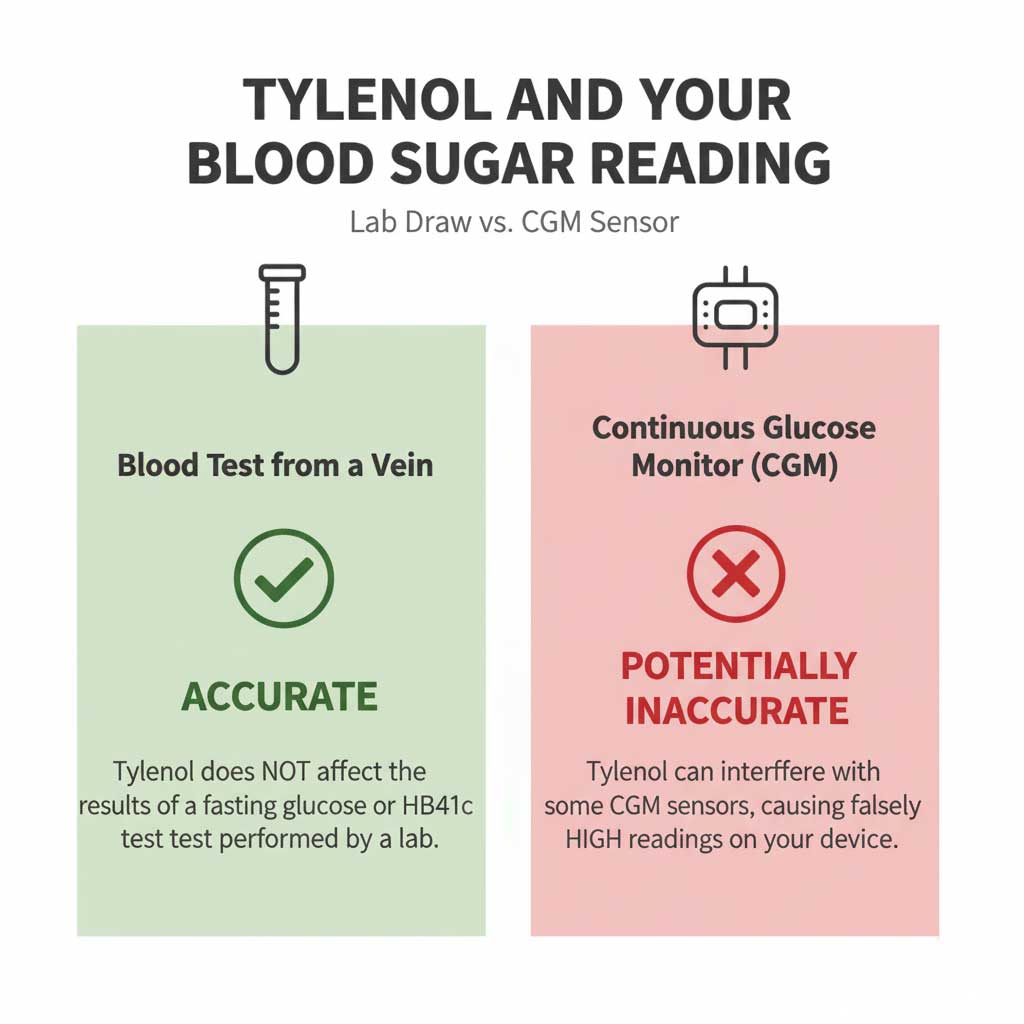
- Lab Blood Draws are NOT Affected: If you are taking Tylenol before a fasting blood test where blood is drawn from a vein in your arm, the results will be accurate. Tylenol does not affect your actual blood glucose levels and does not interfere with the laboratory methods used to measure fasting glucose or your HbA1c.
- Continuous Glucose Monitors (CGMs) ARE Affected: Here’s the important exception. Acetaminophen is known to interfere with the chemical sensor on some Continuous Glucose Monitors, particularly older models of the Dexcom and Medtronic systems. It can cause the device to report falsely high glucose readings. If you use a Tylenol and continuous glucose monitor (CGM), you should not rely on your CGM readings for treatment decisions after taking Tylenol. Instead, you should confirm your blood sugar with a traditional finger-stick test.
The Tylenol and INR Test for Warfarin Users
For patients taking the prescription blood thinner warfarin (Coumadin), there is a well-known potential interaction with Tylenol. Regular use of acetaminophen can inhibit the enzyme that breaks down warfarin in the liver. This can cause warfarin levels to build up, making its blood-thinning effect stronger and causing the INR (a measure of blood clotting time) to rise to potentially unsafe levels.
However, this interaction is dose- and duration-dependent.
- Actionable Data: The risk becomes clinically significant primarily with regular, consistent use of more than 2,000 mg (2 grams) of acetaminophen per day for several consecutive days. A single dose is unlikely to have any effect. Patients on warfarin should always inform their doctor if they need to take Tylenol regularly so their INR can be monitored more closely.
Your Guide to Safe Usage Before a Blood Test
If you’ve determined that Tylenol is the right choice for your pre-test pain, following these guidelines will help ensure both safety and accuracy.
Safe Dosing is Crucial
Always adhere to the dosage instructions on the package.
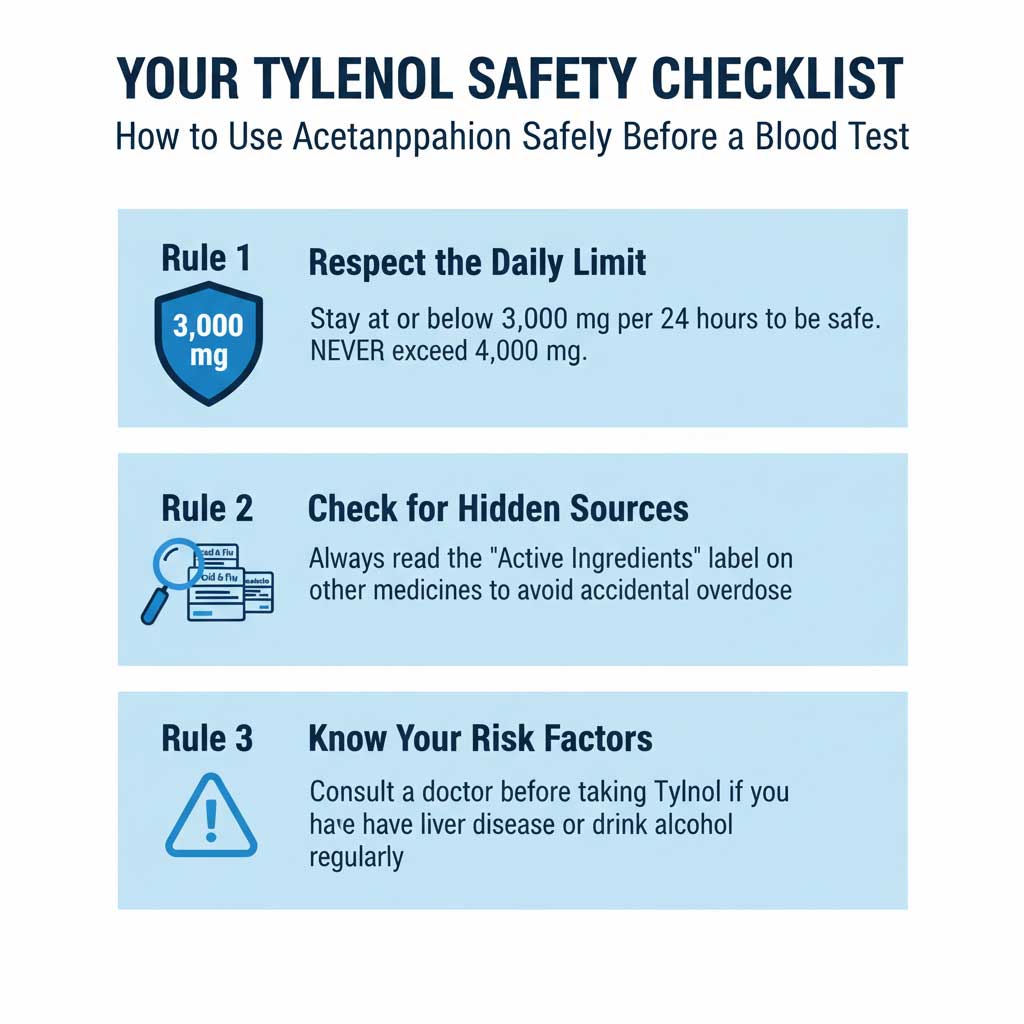
- Maximum Daily Dose of Tylenol: For a healthy adult, the FDA-recommended maximum is 4,000 mg in a 24-hour period. However, due to concerns about liver safety, many doctors and manufacturers now recommend a more conservative maximum of 3,000 mg per day.
- Actionable Advice: When taking Tylenol before a fasting blood test, take the lowest dose that provides relief (e.g., one 500mg tablet or two 325mg tablets) and do not exceed the recommended dose or frequency.
Beware of “Hidden Acetaminophen”
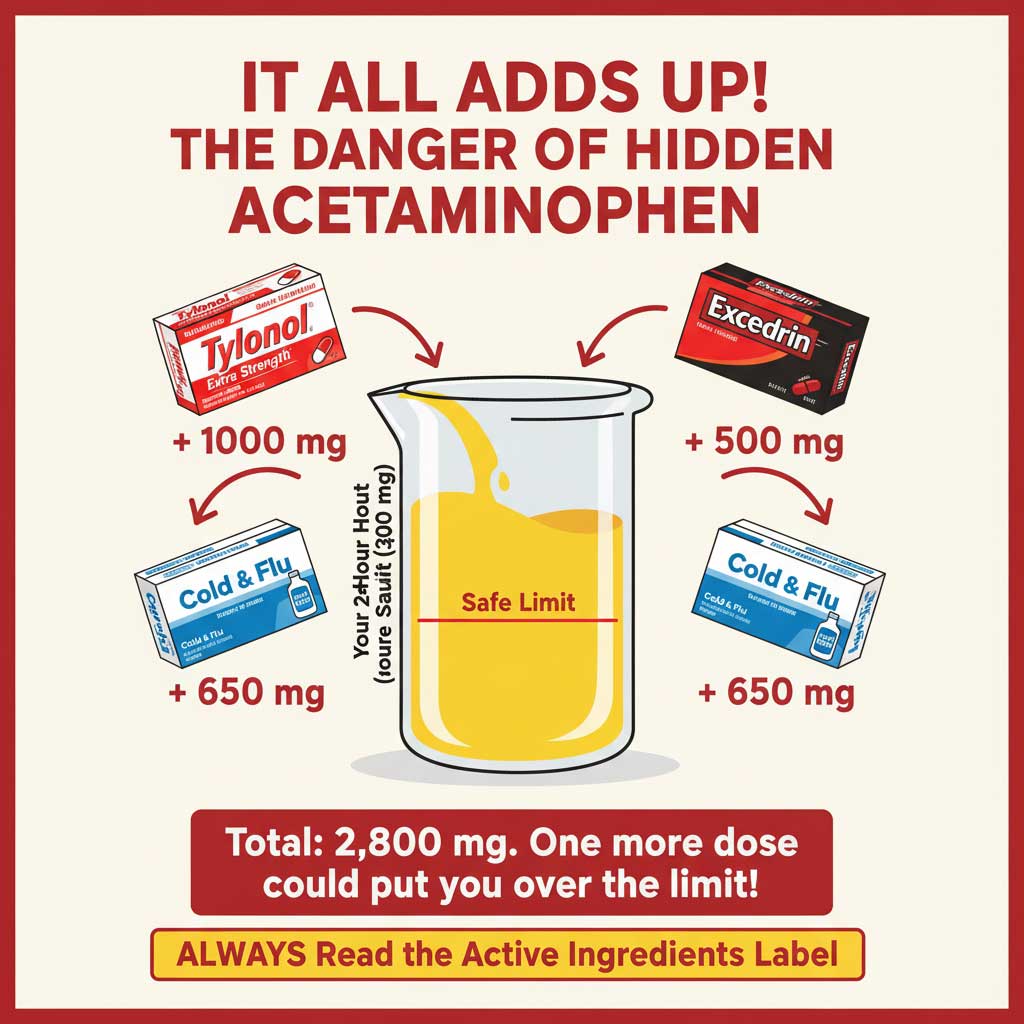
One of the biggest risks of liver injury comes from accidental overdose. Acetaminophen is an active ingredient in hundreds of over-the-counter and prescription products. It’s easy to take more than you realize.
- Common Combination Products: Be aware of hidden acetaminophen in cold medicine like NyQuil/DayQuil, Theraflu, and other multi-symptom flu remedies. It is also in many sinus medications and headache formulas like Excedrin.
- The Rule: Always read the “Active Ingredients” list on the Drug Facts label of any product you take. Add up the total milligrams of acetaminophen from all sources to ensure you stay well below the daily limit.
Who Should Be Extra Cautious?
While Tylenol is safe for most, some individuals must consult their doctor before taking it, especially before a blood test.
- Individuals with any form of liver disease (hepatitis, cirrhosis, fatty liver disease).
- People who consume three or more alcoholic drinks per day. Combining alcohol and Tylenol dramatically increases the risk of liver damage.
- Patients taking warfarin (Coumadin).
Take Control of Your Health with At-Home and On-Demand Testing
Understanding your body’s baseline health is the first step to proactive wellness. Regular monitoring of your liver and kidney function is particularly important if you are a regular user of any over-the-counter or prescription pain medication. HealthCareOnTime.com makes it simple and convenient to access the lab tests you need, on your schedule.
Monitor Your Key Health Markers with Confidence
We put you in the driver’s seat of your health journey. Our direct-to-consumer lab testing panels allow you to monitor your health with ease and transparency.
Comprehensive Liver Function Test (LFT)
Our LFT panel provides a complete and accurate picture of your liver health by measuring key enzymes like AST and ALT. It’s the perfect tool to establish a health baseline or to monitor the effects of medications or lifestyle changes over time. Book your Tylenol and liver function test screening with us today.
Kidney Function Panel
Ensure your kidneys are filtering waste efficiently. Our panel measures creatinine, BUN, and other critical markers, giving you and your doctor the data needed for complete peace of mind, especially when evaluating the Tylenol vs Advil before blood test question.
Annual Wellness Panel
Our most popular panel offers a comprehensive snapshot of your overall health. It includes a liver and kidney function screen, a complete blood count, cholesterol panel, and blood sugar testing. It’s the easiest and most efficient way to stay on top of your health year after year.
Conclusion: The Safer, but Not Perfect, Alternative
Let’s circle back to our original question: Can I take Tylenol before a blood test? The answer is a confident “yes” in most situations. For routine lab work, it stands as the safest pain reliever before blood work because it avoids the significant kidney and platelet-related issues associated with NSAIDs like ibuprofen.

However, its safety is not absolute. It hinges on responsible use. Its potential to impact the liver, while primarily a concern with high or chronic doses, cannot be ignored. The golden rule for any pre-test preparation is communication. A single dose of Tylenol is unlikely to cause problems, but informing your healthcare provider of all medications you’ve taken—over-the-counter or prescription—is the final, crucial step. This honesty ensures your results are interpreted in the proper context, giving you the most accurate picture of your health.