Every week in clinical practice, the same question comes up: how to improve men’s sexual health, performance and stamina. Most men asking this are hoping for a quick prescription, something that treats their body like a machine needing a simple tune-up. But the reality of human physiology is far more interesting, and far more hopeful, than a pill.
Table of Contents
Your reproductive system is one of the most reliable indicators of your overall health. True improvement requires more than temporary fixes. It demands a shift toward long-term biological repair, addressing the root drivers rather than chasing symptoms.
This guide shares the exact clinical blueprint used with private patients. We will walk through the cellular mechanisms that control blood flow, hormone production, and neurological signaling. By the end, you will have an evidence-based roadmap to enhance endothelial function, optimize androgen levels, and master neuromuscular control.
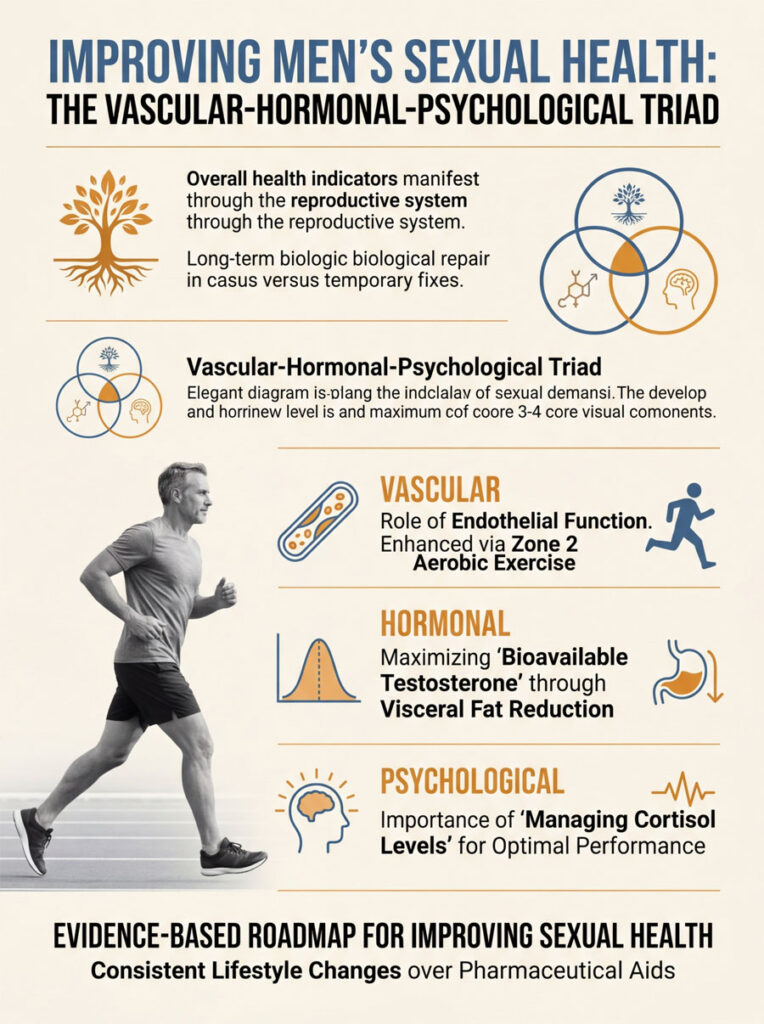
Quick Answer: To effectively improve men’s sexual health, performance and stamina, you must optimize what clinicians call the vascular-hormonal-psychological triad. This means improving endothelial function through Zone 2 aerobic exercise, maximizing bioavailable testosterone by reducing visceral fat, and managing cortisol levels. Consistent lifestyle changes deliver better long-term results than temporary pharmaceutical aids.
Key Clinical Statistics on Male Vitality
- Cardiovascular Link: According to the American Urological Association, erectile issues often precede major cardiac events by 3 to 5 years.
- Sleep Impact: A study in the Journal of the American Medical Association found that sleeping under 5 hours reduces testosterone by 10% to 15% in just one week.
- Vascular Decline: The Massachusetts Male Aging Study shows that sedentary men face a 70% higher risk of declining erectile function.
- Testosterone Binding: Roughly 98% of circulating testosterone is biologically inactive because it is bound by Sex Hormone-Binding Globulin (SHBG) or albumin.
- Stress Factor: Chronically elevated cortisol can reduce natural testosterone production by up to 30%.
- Endothelial Health: Men who burn at least 200 calories daily through targeted exercise have a dramatically lower risk of vascular decline.
Understanding the Vascular-Hormonal-Psychological Triad
To truly understand the mechanics of arousal, you need to know what drives it biologically. Men’s sexual health depends on a complex, tightly synchronized system. Clinicians refer to it as the vascular-hormonal-psychological triad.
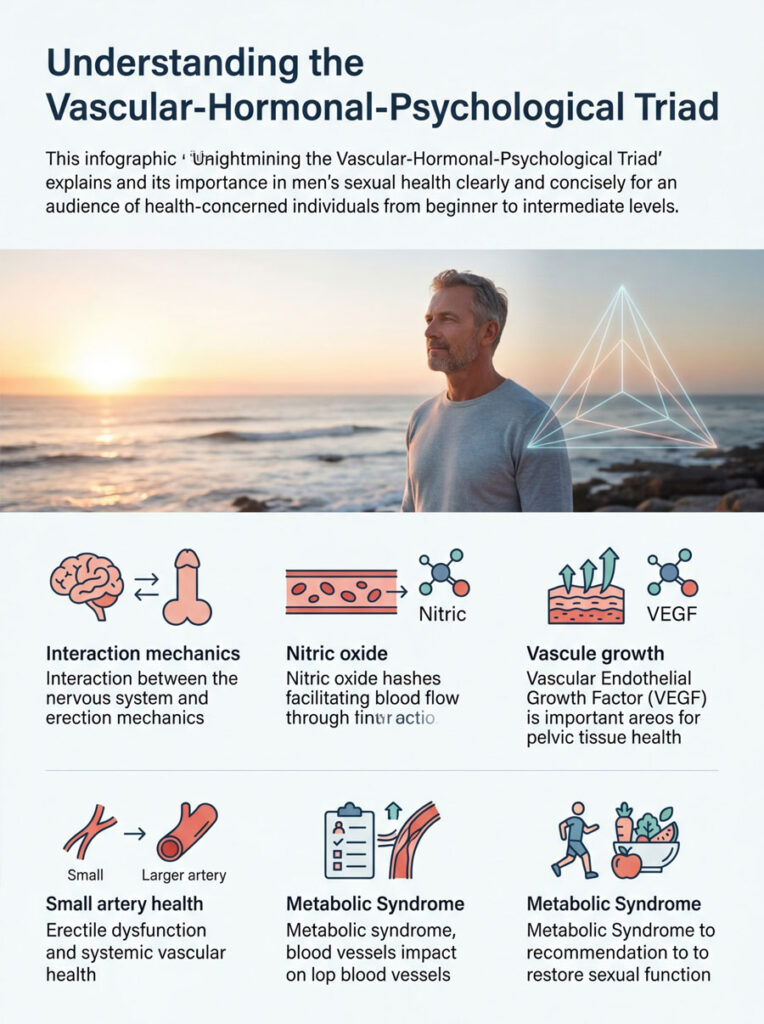
If any single pillar of this triad is compromised, the whole system suffers. Many men try to fix the problem by targeting just one area. They might take a testosterone supplement, for example, while ignoring serious cardiovascular deficits. You simply cannot out-supplement poor blood flow.
Understanding how these three systems interact is the first real step toward reclaiming your vitality.
How an Erection Actually Works
An erection is primarily a hydraulic event triggered by the nervous system. It begins in the brain. When arousal occurs, the parasympathetic nervous system sends signals to nerves in the pelvic region.
This “rest and digest” state is essential. If you are stressed, the parasympathetic system shuts down completely, and arousal becomes biologically impossible regardless of desire.
Once activated, nerve endings release nitric oxide into the penile arteries. Nitric oxide signals smooth muscle cells in the blood vessel walls to relax. This relaxation allows a massive influx of blood to fill the spongy tissue known as the corpora cavernosa, creating an erection.
Clinical Note: Urologists closely monitor Vascular Endothelial Growth Factor (VEGF), a signal protein that stimulates new blood vessel formation. Healthy VEGF levels are required to maintain the structural integrity and elasticity of pelvic tissues over time.
Why Systemic Health Determines Sexual Function
Here is something most men do not realize: the arteries supplying the pelvic region are only 1 to 2 millimeters in diameter. The coronary arteries feeding the heart are 3 to 4 millimeters wide.
What does this mean in practice? Plaque buildup and poor endothelial function will show up in the bedroom long before they appear on an EKG. Your reproductive organs act as an early warning system for cardiovascular disease.
This is precisely why erectile dysfunction is widely recognized as a primary indicator of systemic vascular problems. If the smallest blood vessels are failing, the larger ones are very likely struggling too.
The Danger of Metabolic Syndrome
Metabolic Syndrome directly attacks these tiny blood vessels. It involves a cluster of conditions: high blood pressure, elevated blood sugar, and excess abdominal fat. Together, they create a highly inflammatory environment in the bloodstream.
That inflammation acts like sandpaper on the delicate inner lining of blood vessels. Over time, it prevents them from expanding properly during arousal. According to clinical guidelines, men with compromised erectile function should undergo cardiovascular screening.
By aggressively treating the markers of Metabolic Syndrome, you can restore blood flow naturally, lower inflammation, and allow your vessels to heal. This is the real foundation for lasting male vitality.
The Vascular Pillar: Improving Endothelial Function and Blood Flow
The first and most critical pillar is your vascular system. Blood vessels are lined with a thin layer of cells called the endothelium. How well your endothelium functions determines how effectively blood vessels expand and contract.
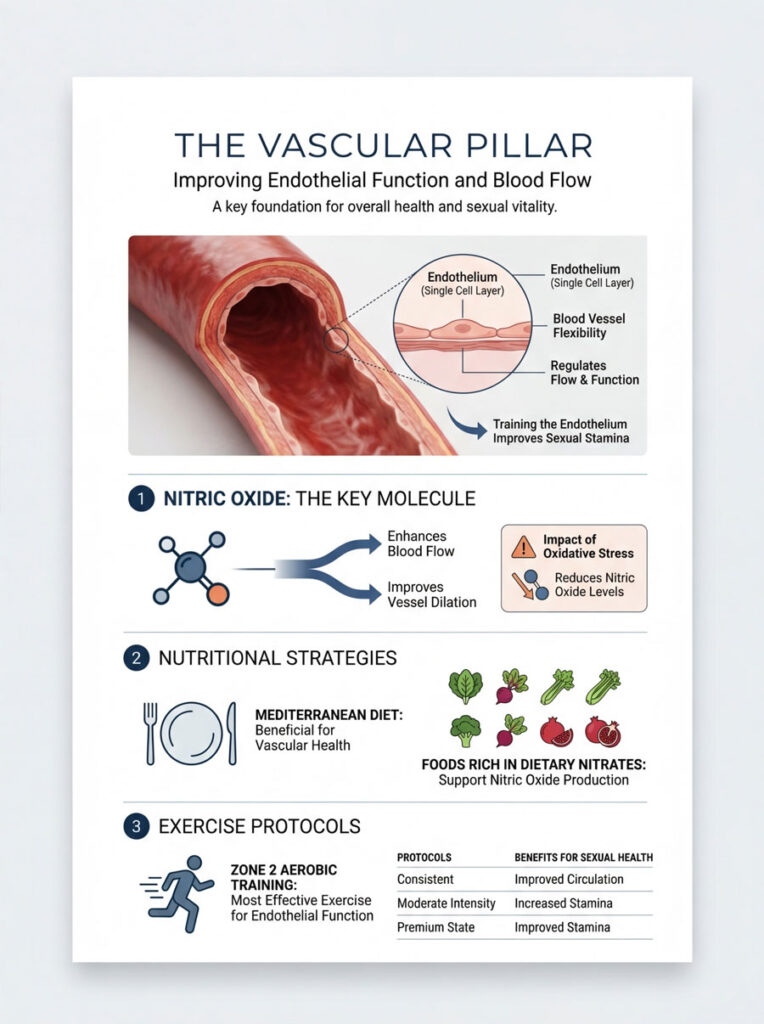
If you want to improve sexual stamina, you must train your endothelium to perform under pressure. When endothelial function declines, vessels become stiff and unresponsive, losing their ability to deliver oxygen and nutrients. This leads to premature fatigue and a rapid loss of rigidity.
The good news is that endothelial function responds strongly to specific lifestyle changes. You can actively reverse vascular aging with the right approach.
Nitric Oxide: The Master Molecule of Vasodilation
Nitric oxide is the master switch for male vitality. Produced by healthy endothelial cells, it activates an enzyme that produces cyclic guanosine monophosphate (cGMP). This chemical relaxes smooth muscle in the pelvic region, allowing blood to rush in and create firmness.
However, nitric oxide has a serious enemy: oxidative stress. This occurs when free radicals outnumber antioxidants in your system. Poor diet, smoking, and lack of sleep generate massive amounts of free radicals that destroy nitric oxide before it can do its job.
Nutritional Strategies for Vascular Health
Diet plays a huge role in protecting your blood vessels. In clinical urology, the Mediterranean Diet is considered the gold standard for endothelial function. It is rich in healthy fats, lean proteins, and specific micronutrients that support vascular repair.
To directly boost nitric oxide, consume dietary nitrates daily. Foods like arugula, spinach, beets, and celery contain high concentrations of natural nitrates. Bacteria in your mouth convert these nitrates into nitrites, and your stomach acid then converts those nitrites into usable nitric oxide.
This natural pathway completely bypasses the need for synthetic vasodilators. It provides a steady, reliable stream of blood flow support throughout the day.
Cardiovascular Conditioning Protocols
Exercise is not just about appearance. It is a targeted medical intervention for your blood vessels. But not all exercise is equally effective for male vitality.
Zone 2 aerobic training is the most effective protocol for building capillary density. Zone 2 means exercising at a steady heart rate where you can still hold a conversation. This specific intensity forces your body to build new mitochondria and expand capillary networks throughout the body, including the pelvic region.
Consistent Zone 2 training is non-negotiable for vascular health.
Exercise Protocols and Their Impact on Sexual Health
| Exercise Type | Primary Benefit | Impact on Sexual Health | Recommended Frequency |
| Zone 2 Aerobic Training | Enhances endothelial function and nitric oxide production | Improves erection rigidity and cardiovascular endurance | 150 minutes per week |
| High-Intensity Interval Training | Stimulates growth hormone and metabolic flexibility | Increases stamina and reduces visceral fat | 2 sessions per week |
| Heavy Resistance Training | Elevates serum testosterone and insulin sensitivity | Boosts libido and supports androgen profiles | 3 sessions per week |
Hormonal Optimization: Testosterone and Androgens
The second pillar of the triad is your endocrine system. Hormones are the chemical messengers that drive desire, energy, and physical recovery. When men ask about improving stamina, testosterone is almost always the first thing they mention.
But a basic testosterone number on a lab report does not tell the whole story. Many men have normal total testosterone yet still suffer from low libido and poor performance. To truly understand male vitality, you need to look much deeper.
The Truth About Bioavailable Testosterone
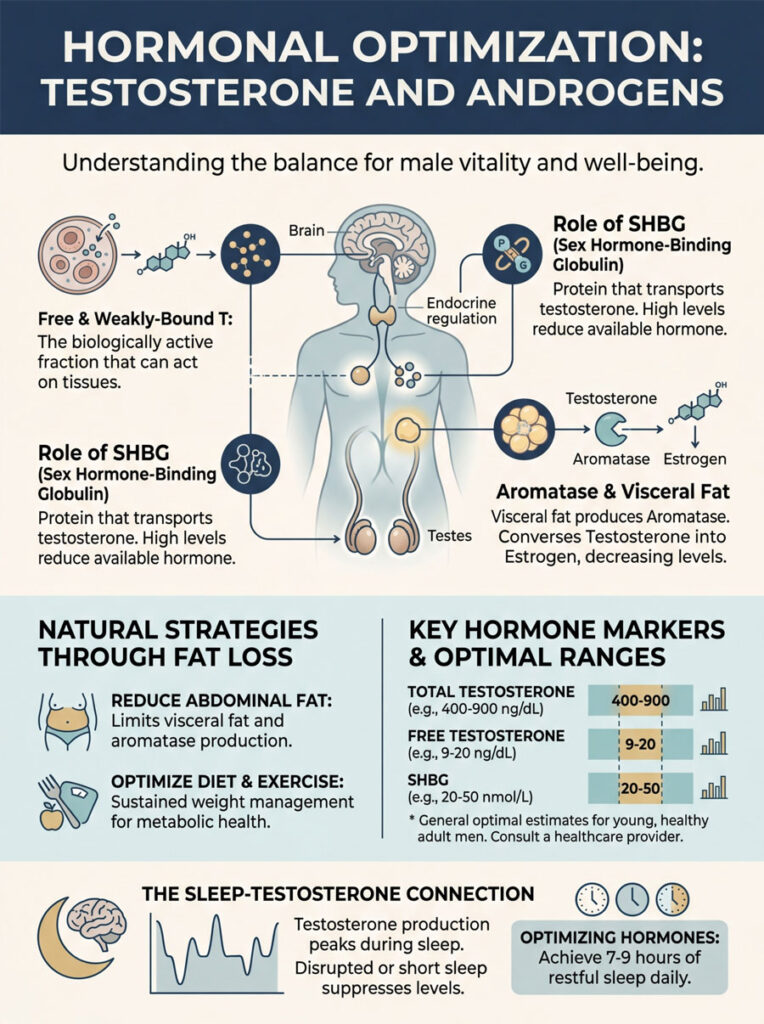
When your testes produce testosterone, it enters the bloodstream immediately. But the vast majority of it binds to a protein called Sex Hormone-Binding Globulin (SHBG) and becomes locked away, unavailable for sexual function, muscle building, or mood regulation.
What matters clinically is Bioavailable Testosterone, which includes free testosterone and testosterone loosely bound to albumin. This is the active hormone that can enter cells and bind to androgen receptors. If your SHBG levels are too high, your active testosterone will be too low, even if your total testosterone looks normal on paper.
Aromatase and Visceral Fat: The Hidden Threat
One of the biggest threats to men’s sexual health is excess belly fat. Visceral fat is not just dead weight sitting on your waistline. It functions as an active endocrine organ that disrupts your hormone balance.
Visceral fat contains high concentrations of an enzyme called aromatase. This enzyme converts testosterone into estrogen through a process called aromatization. When a man carries excess body fat, aromatase levels spike. The body essentially steals bioavailable testosterone and converts it into estrogen, leading directly to low libido, fatigue, and poor performance.
Natural Strategies to Reduce Aromatase Activity
Aromatase inhibition is a primary goal in urological health. The most effective natural approach is simply losing visceral fat. By combining Zone 2 cardio with a caloric deficit, you shrink the fat deposits that harbor this enzyme. As the fat disappears, aromatase levels drop and natural testosterone rises significantly.
Certain micronutrients also act as mild natural aromatase inhibitors. Zinc is particularly effective at protecting testosterone from conversion. Including zinc-rich foods in your diet adds an extra layer of hormonal protection.
Key Hormone Markers and Optimal Ranges
| Hormone Marker | Optimal Range | Impact on Sexual Health |
| Total Testosterone | 600 – 900 ng/dL | Provides the baseline pool of available androgens |
| Free Testosterone | 2% – 3% of Total | Directly drives libido, morning erections, and stamina |
| Estradiol (Estrogen) | 20 – 30 pg/mL | Too high causes ED and mood swings; too low causes joint pain |
| SHBG | 20 – 40 nmol/L | High levels lock up testosterone, making it biologically useless |
The Sleep-Testosterone Connection
If you want to optimize hormones without spending a penny, start with your sleep. Testosterone is not produced in a steady stream. It is released in large pulses during the first deep sleep cycles of the night.
Researchers in the JAMA study restricted young, healthy men to under five hours of sleep per night. Within a single week, daytime testosterone dropped by 10 to 15 percent. That is the hormonal equivalent of aging 10 to 15 years.
For optimal male vitality, aim for 7 to 9 hours of uninterrupted sleep in a dark, cool room.
Neuromuscular Conditioning: The Pelvic Floor Connection
Blood flow and hormones are only part of the equation. The muscles of the pelvic floor are the unsung heroes of men’s sexual health. You can have perfect circulation and high testosterone, but if your pelvic floor is weak, you will still struggle.
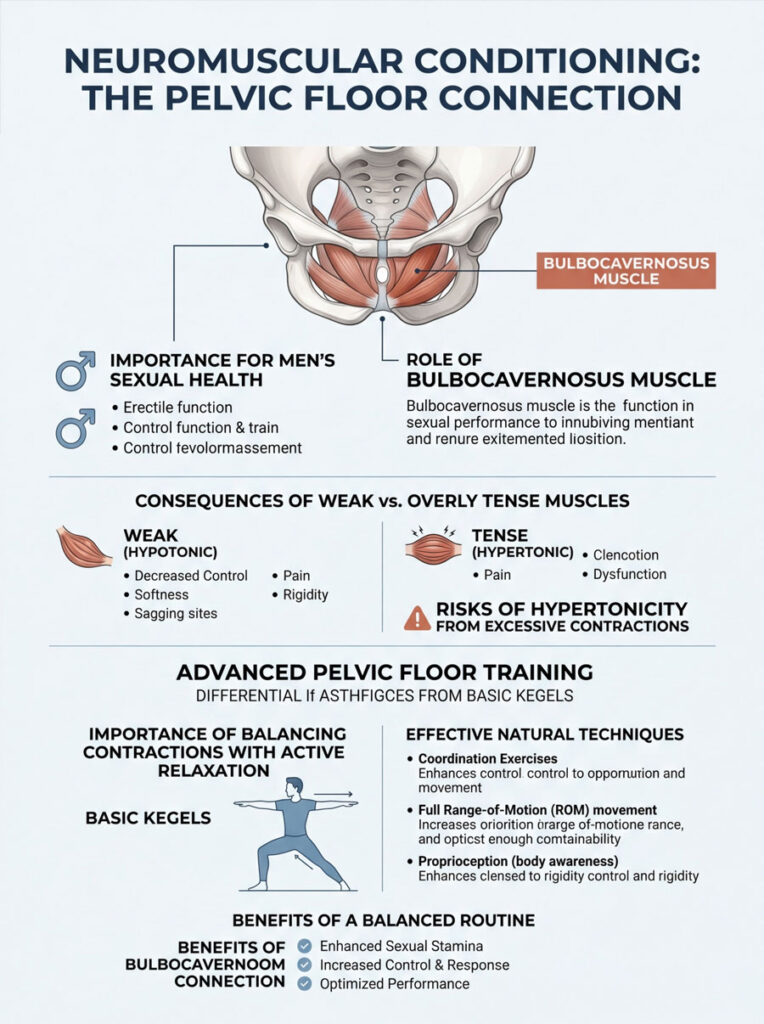
Training these muscles prevents premature fatigue and maintains erection quality. Yet most men completely ignore this muscle group until a serious problem develops.
The Bulbocavernosus Muscle and Why It Matters
The primary muscle responsible for sexual performance is the bulbocavernosus. It wraps around the base of the penis and contracts during an erection to pump additional blood into the glans. More importantly, it controls the ejaculatory reflex. When this muscle spasms uncontrollably, climax occurs.
If the muscle is weak or overly tense, you lose the ability to control this reflex. Strengthening it directly translates to better control and increased rigidity. You can identify it easily: it is the exact muscle you use to stop the flow of urine mid-stream.
Advanced Pelvic Floor Training Protocols
Basic Kegels are a solid starting point, but they are often not enough. Overworking the pelvic floor with excessive contractions can cause hypertonicity, a condition where the muscle becomes too tight, restricting blood flow and causing chronic pain.
The key is balancing contractions with active relaxation. Standard Kegels should always be paired with Reverse Kegels, which involve consciously relaxing and gently pushing down on the pelvic floor.
The Balanced Routine
- Perform 3 sets of 10 standard Kegels, holding each contraction for 5 seconds.
- Follow immediately with 3 sets of 10 Reverse Kegels, focusing on deep relaxation.
- Breathe deeply throughout. Do not hold your breath.
- Train 3 to 4 times per week. The pelvic floor needs rest days just like any other muscle.
This balanced approach keeps the muscle strong enough to trap blood, yet flexible enough to delay the ejaculatory reflex. It is one of the most effective natural stamina techniques available.
Psychological Resilience: Overcoming Cortisol and Performance Anxiety
The final pillar of the triad is your mind. The brain is arguably the most important sexual organ in the body. No amount of physical optimization will help if your psychological state is actively working against you.
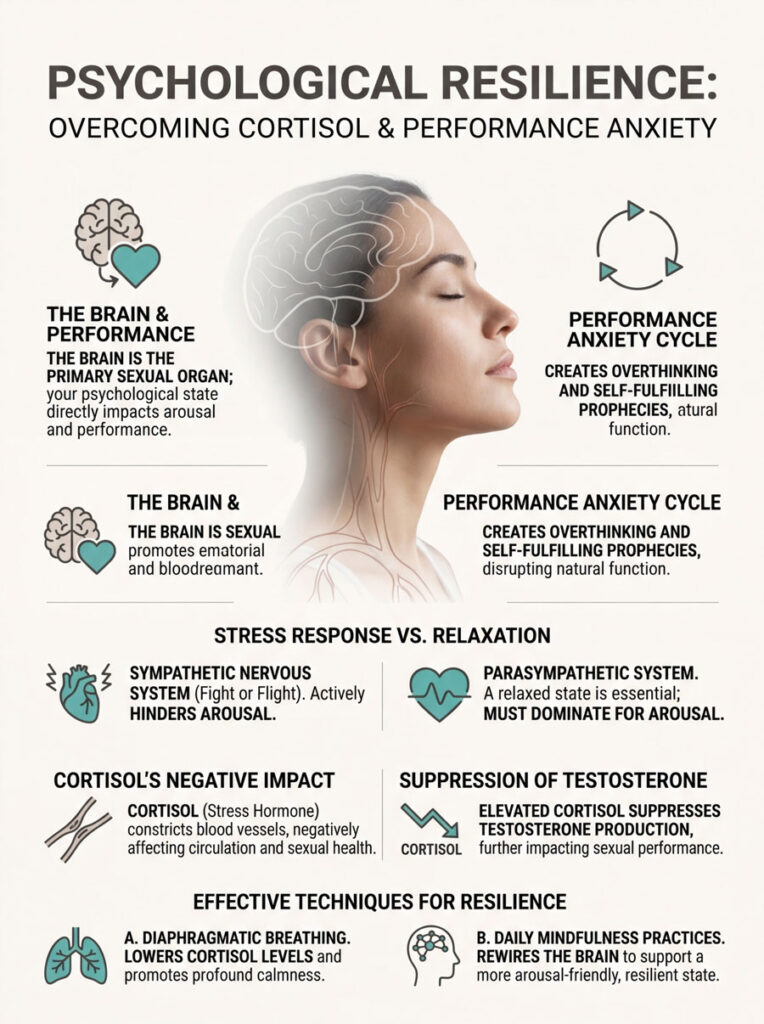
Performance anxiety is a massive barrier. When men experience a failure in the bedroom, they start overthinking the next encounter. This creates a self-fulfilling prophecy that becomes harder to escape with each cycle.
Sympathetic vs. Parasympathetic: The Nervous System Battle
Sexual arousal requires the parasympathetic nervous system. You need to feel safe, relaxed, and present for blood vessels to dilate properly. Anxiety, however, triggers the sympathetic “fight or flight” response.
These two systems cannot operate at full capacity at the same time. When you worry about performance, your brain perceives a literal threat. It activates the sympathetic response, pulling resources away from reproductive systems and directing them toward the heart and limbs. Erection becomes biologically impossible in this state.
Cortisol as a Vasoconstrictor
When the sympathetic system activates, the adrenal glands flood your body with cortisol. While helpful for escaping immediate danger, cortisol is devastating for sexual health.
Cortisol acts as a potent vasoconstrictor, forcing blood vessels to clamp down and narrow. Even if your endothelium is producing nitric oxide, a cortisol surge will neutralize its effects. The blood vessels in the pelvis constrict, killing an erection immediately. Chronically elevated cortisol also suppresses luteinizing hormone, which tells the testes to produce testosterone.
Managing stress is not optional. It is a strict physiological requirement for stamina.
Practical Mindfulness and Somatic Techniques
Telling an anxious person to “just relax” never works. What does work are physical protocols that lower cortisol in the moment.
The most effective method is diaphragmatic breathing. Inhale slowly into the belly for 4 seconds, hold for 4 seconds, and exhale for 6 seconds. This pattern stimulates the vagus nerve, which acts as the physical brake pedal for your nervous system. It shuts off the sympathetic response almost immediately.
Practicing this daily rewires your brain to default to a calmer, more arousal-friendly state.
Clinical Interventions and Supplementation: What the Evidence Shows
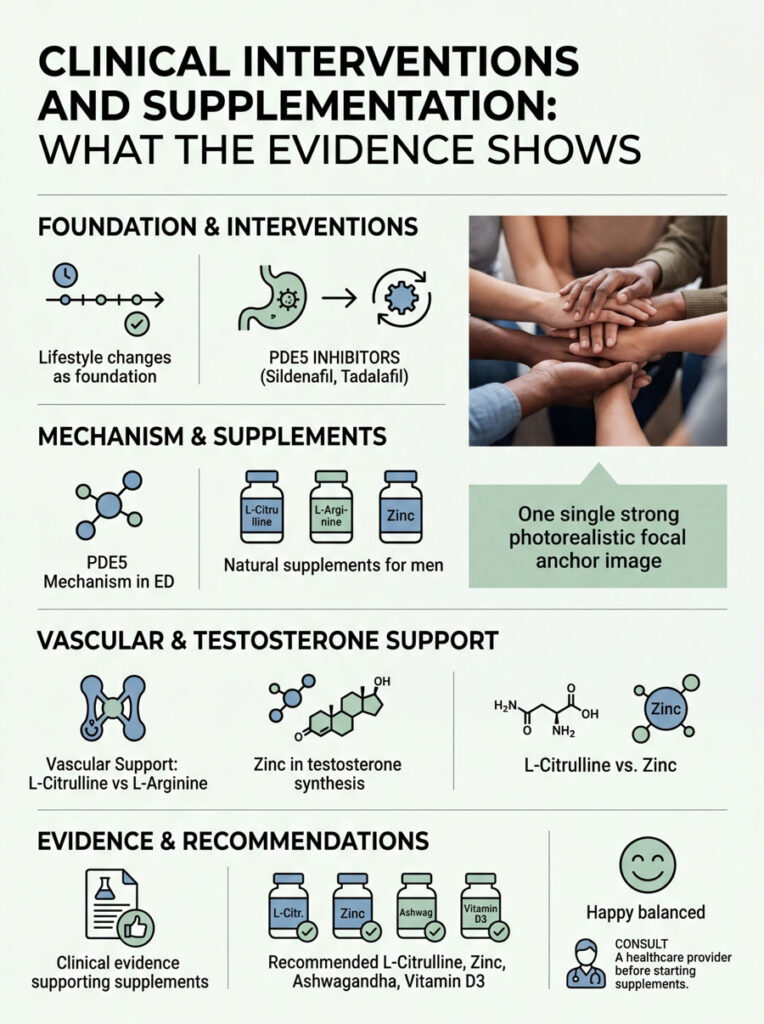
While lifestyle changes are the foundation, clinical tools can serve as a powerful bridge. The supplement industry is full of empty promises. It is essential to separate evidence-based medicine from marketing hype.
PDE5 Inhibitors: How They Actually Work
Medications like sildenafil and tadalafil are Phosphodiesterase type 5 (PDE5) inhibitors, the most commonly prescribed drugs for erectile dysfunction worldwide. They do not create erections on their own. They require natural arousal.
When nitric oxide triggers chemicals that relax blood vessels, an enzyme called PDE5 naturally breaks those chemicals down. PDE5 inhibitors simply block that enzyme, keeping blood vessels dilated for a longer period. They are often used as temporary bridge therapy while patients rebuild confidence and address underlying issues.
Evidence-Based Natural Supplements
For men looking to support their biology naturally, a few compounds have genuine clinical backing.
L-Citrulline is far superior to L-Arginine for vascular support. While L-Arginine is the direct precursor to nitric oxide, the liver breaks most of it down before it reaches the bloodstream. L-Citrulline bypasses the liver entirely, entering the kidneys and converting into L-Arginine at a much higher, more sustained rate.
Zinc is another critical micronutrient. The testes require adequate zinc to synthesize testosterone, and deficiency leads directly to hypogonadism.
Supplements with Clinical Evidence
| Compound | Mechanism of Action | Efficacy | Recommended Use |
| L-Citrulline | Converts to L-Arginine in kidneys, bypassing liver to boost nitric oxide | High | Daily vascular support |
| Zinc Picolinate | Essential for testosterone synthesis and sperm motility | High | Correcting deficiencies |
| Ashwagandha (KSM-66) | Adaptogen that lowers cortisol, indirectly supporting testosterone | Moderate | Stress-induced performance issues |
| Vitamin D3 | Pro-hormone with receptors in the testes for androgen production | High | Maintaining levels above 30 ng/mL |
Real-World Case Studies: Restoring Male Vitality
Medical theory matters, but practical application is where lives change. These case studies highlight what happens when men commit to addressing the full vascular-hormonal-psychological triad.
Restoring Morning Erections Through Lifestyle Changes
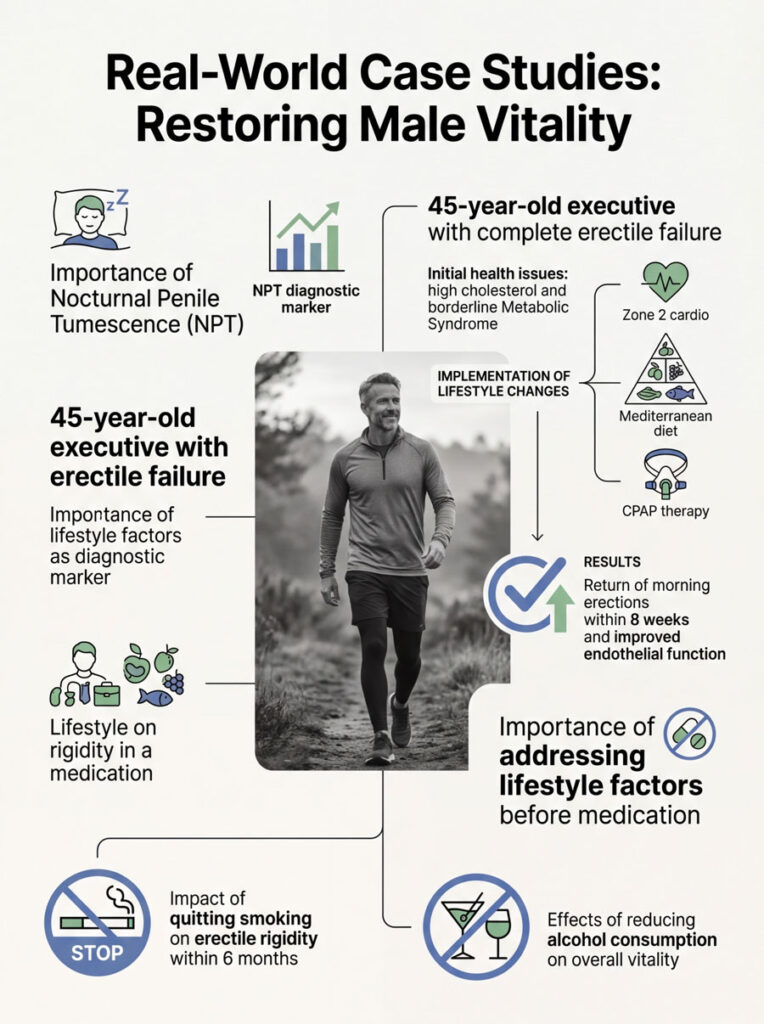
Nocturnal Penile Tumescence (NPT) is one of the most important diagnostic markers in urology. Healthy men experience 3 to 5 erections per night during REM sleep. This is the body’s way of oxygenating pelvic tissues.
A 45-year-old executive presented with complete erectile failure. Lab work revealed high cholesterol and borderline Metabolic Syndrome. He reported zero morning erections over the previous year. His blood vessels were essentially suffocating at night.
Rather than prescribing medication immediately, we implemented a strict Zone 2 cardio routine, a Mediterranean diet, and CPAP therapy for undiagnosed sleep apnea.
The Results
Within 8 weeks of consistent effort, his morning erections returned. This confirmed that his endothelial function was healing and producing nitric oxide again. Daytime performance followed shortly after.
He did not need a lifetime prescription for vasodilators. He simply needed to give his body the right biological inputs. This case is a powerful reminder: always address lifestyle factors before reaching for medication.
The Impact of Quitting Smoking and Reducing Alcohol
No discussion of men’s sexual health is complete without addressing tobacco and alcohol. The clinical data is severe and clear.
Smoking causes immediate vasoconstriction throughout the entire body. Every cigarette clamps blood vessels shut. Over time, toxins cause permanent scarring to the endothelium, dramatically increasing oxidative stress and destroying nitric oxide production.
Alcohol is equally damaging, but for different reasons. As a central nervous system depressant, it dulls the nerve endings responsible for arousal. It also dehydrates the body, lowering blood volume and making engorgement difficult.
Real-world data shows that men who quit smoking see improvement in erectile rigidity within 6 months. Men who limit alcohol report significantly higher vitality compared to heavy drinkers. Eliminating these toxins is a mandatory step in recovery.
Summary and Key Takeaways
If you are serious about figuring out how to improve men’s sexual health, performance and stamina, you must respect the biology of your body. There are no shortcuts that can outsmart human physiology.
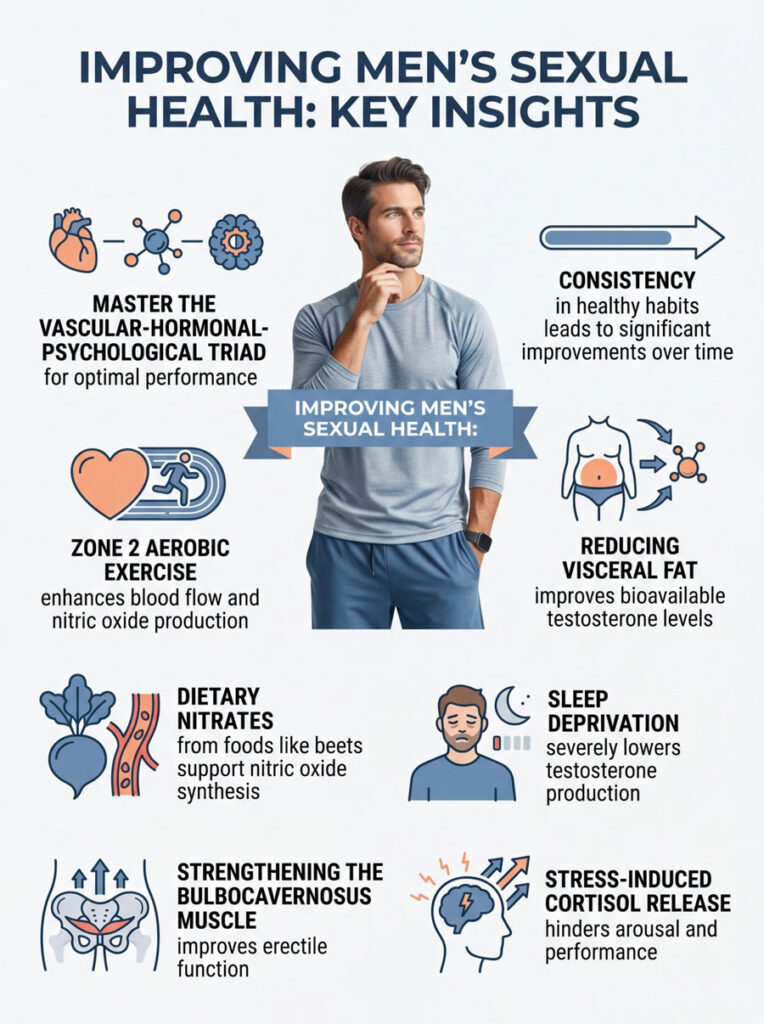
The foundation of long-term success is mastering the vascular-hormonal-psychological triad:
- Protect your endothelial function by reducing oxidative stress and committing to regular Zone 2 cardiovascular training.
- Maximize bioavailable testosterone by prioritizing deep sleep and pursuing fat loss to stop aromatization.
- Manage cortisol levels through conscious nervous system regulation and somatic breathing techniques.
- Train your pelvic floor with a balanced routine of standard and reverse Kegels, 3 to 4 times per week.
- Eliminate environmental toxins by quitting smoking and reducing alcohol consumption.
Consistency is your greatest weapon. A single workout or one healthy meal will not change your life. But daily actions compound massively over time. Stop viewing sexual vitality as an isolated function. Treat it as the ultimate reflection of your overall health. When you build a healthy, resilient body, your performance will follow naturally.
Frequently Asked Questions
How can I naturally improve my sexual stamina and performance?
To improve performance and stamina, you must optimize what I call the vascular-hormonal-psychological triad. This involves enhancing endothelial function through Zone 2 aerobic exercise to boost nitric oxide, maximizing bioavailable testosterone by reducing visceral fat to limit aromatization, and managing cortisol levels to prevent sympathetic nervous system interference during arousal.
Why is Zone 2 aerobic training specifically recommended for male sexual health?
Zone 2 training—steady-state exercise where you can still hold a conversation—is the gold standard for building capillary density and improving mitochondrial health. In urology, we prioritize this because it trains the endothelium (the inner lining of your blood vessels) to produce nitric oxide more efficiently, leading to better blood flow and sustained erectile rigidity.
What is the difference between total testosterone and bioavailable testosterone?
Total testosterone is the entire pool of the hormone in your blood, but roughly 98% of it is bound to Sex Hormone-Binding Globulin (SHBG) or albumin, making it biologically inactive. Bioavailable testosterone is the ‘free’ portion that can actually enter your cells to drive libido, muscle growth, and sexual function. High SHBG levels can leave you with ‘normal’ total levels but the symptoms of low testosterone.
How does excess belly fat impact a man’s hormonal profile?
Visceral fat acts as an active endocrine organ containing high levels of the enzyme aromatase. This enzyme facilitates a process called aromatization, where your body converts testosterone into estrogen. By carrying excess abdominal fat, you are essentially ‘stealing’ your own androgens, which leads to lower libido, increased fatigue, and compromised erectile function.
Can dietary changes really increase nitric oxide levels for better blood flow?
Yes, specifically through the consumption of dietary nitrates found in arugula, spinach, and beets. These nitrates are converted into nitrites by oral bacteria and then into nitric oxide by stomach acid. This natural pathway supports systemic vasodilation, helping the tiny 1-2mm arteries in the pelvic region dilate more effectively during arousal.
How significantly does sleep deprivation affect testosterone production?
The impact is severe and rapid. Clinical studies show that sleeping less than five hours per night can reduce daytime testosterone levels by 10% to 15% in just one week. Because testosterone is produced in pulsatile bursts during deep REM sleep, chronic sleep restriction is equivalent to aging your endocrine system by a full decade.
What role does the bulbocavernosus muscle play in sexual stamina?
The bulbocavernosus muscle wraps around the base of the penis and is responsible for pumping blood into the glans and managing the ejaculatory reflex. Strengthening this muscle through balanced pelvic floor exercises—combining standard Kegels for strength and Reverse Kegels for relaxation—improves both erection quality and neuromuscular control over climax.
Why does stress and anxiety cause immediate erectile difficulties?
Arousal requires the parasympathetic (rest and digest) nervous system. Stress triggers the sympathetic (fight or flight) nervous system, releasing cortisol. Cortisol is a potent vasoconstrictor that forces blood vessels to clamp down, making it biologically impossible for the pelvic tissues to engorge, regardless of the level of mental desire.
Is L-Citrulline more effective than L-Arginine for vascular support?
In clinical practice, L-Citrulline is considered superior because it bypasses initial liver metabolism. While L-Arginine is heavily broken down before reaching the bloodstream, L-Citrulline is converted into arginine by the kidneys, providing a more sustained and reliable increase in plasma arginine levels to support nitric oxide production.
Is there a direct link between erectile function and heart health?
Absolutely. The penile arteries are significantly smaller than the coronary arteries. Consequently, endothelial dysfunction and plaque buildup often manifest as erectile issues 3 to 5 years before a major cardiac event occurs. We view the reproductive system as an early warning barometer for your entire cardiovascular network.
Do medications like sildenafil or tadalafil work without physical arousal?
No. These are Phosphodiesterase type 5 (PDE5) inhibitors, meaning they only work by blocking the enzyme that breaks down the chemicals responsible for vasodilation. They require the initial release of nitric oxide, which only happens during natural arousal, to initiate the process of engorgement.
How long does it take to see improvements after quitting smoking?
Smoking causes acute vasoconstriction and permanent endothelial scarring through oxidative stress. However, the body is resilient; most men begin to see a measurable improvement in erectile rigidity and cardiovascular stamina within 6 months of cessation as the vascular lining begins to repair and nitric oxide bioavailability increases.
Disclaimer
This article is for informational and educational purposes only and does not constitute professional medical advice, diagnosis, or treatment. The content is provided by a board-certified urologist but does not establish a doctor-patient relationship. Always seek the advice of your physician or other qualified health provider with any questions you may have regarding a medical condition or before beginning any new diet, supplement, or exercise regimen.
References
- American Urological Association (AUA) – auanet.org – Clinical guidelines regarding the link between erectile dysfunction and future cardiovascular events.
- Journal of the American Medical Association (JAMA) – “Effect of 1 Week of Sleep Restriction on Testosterone Levels in Young Healthy Men” – Study detailing the 10-15% drop in testosterone due to sleep loss.
- Massachusetts Male Aging Study – Journal of Clinical Endocrinology & Metabolism – Long-term data on sedentary lifestyles and the 70% increased risk of vascular decline.
- Harvard T.H. Chan School of Public Health – The Mediterranean Diet – Analysis of the Mediterranean diet’s impact on endothelial function and vascular health.
- Endocrine Society – endocrine.org – Clinical data on the impact of visceral fat, aromatase activity, and sleep deprivation on male androgens.
- National Institutes of Health (NIH) – Office of Dietary Supplements – Fact sheets on Zinc, Vitamin D, and L-Citrulline for athletic and sexual performance.