The allure of the watermelon diet for weight loss is undeniable in a culture obsessed with rapid transformation. You see the vibrant red fruit, you feel the refreshing crunch, and you hear promises of shedding pounds in mere days. It sounds enticingly simple. Nature provides a sweet, hydrating solution to a complex metabolic problem.
Table of Contents
However, the gap between viral social media trends and physiological reality is often where health issues begin. Weight loss is not just about a single ingredient. It is about how that ingredient interacts with your hormones, your metabolism, and your long-term satiety signals.
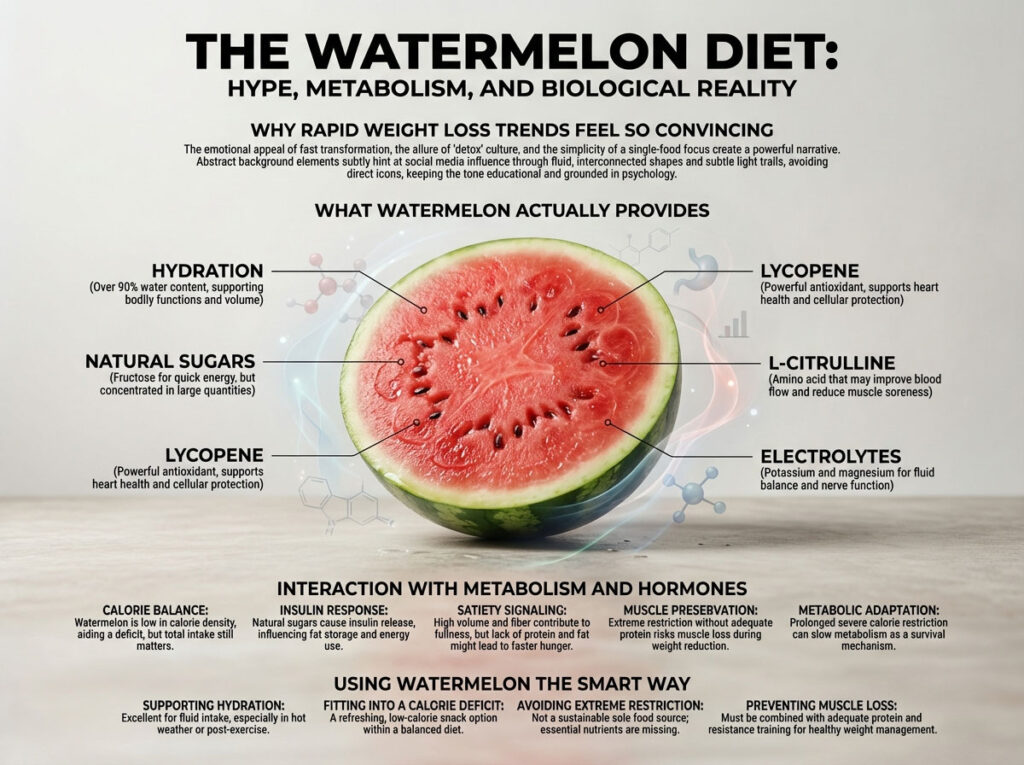
We need to move past the superficial “detox” claims and analyze the biochemistry of this diet. Watermelon is not just sugar and water. It is a complex biological matrix containing lycopene, l-citrulline, and electrolytes that can either support a healthy calorie deficit or, if misused, trigger metabolic adaptation and muscle loss. This guide delves into the mechanisms of how to do the watermelon diet safely, separating the dangerous fad elements from the legitimate, evidence-based strategies that nutrition experts and dietitians actually recommend.
Defining the Watermelon Diet for Weight Loss Protocols
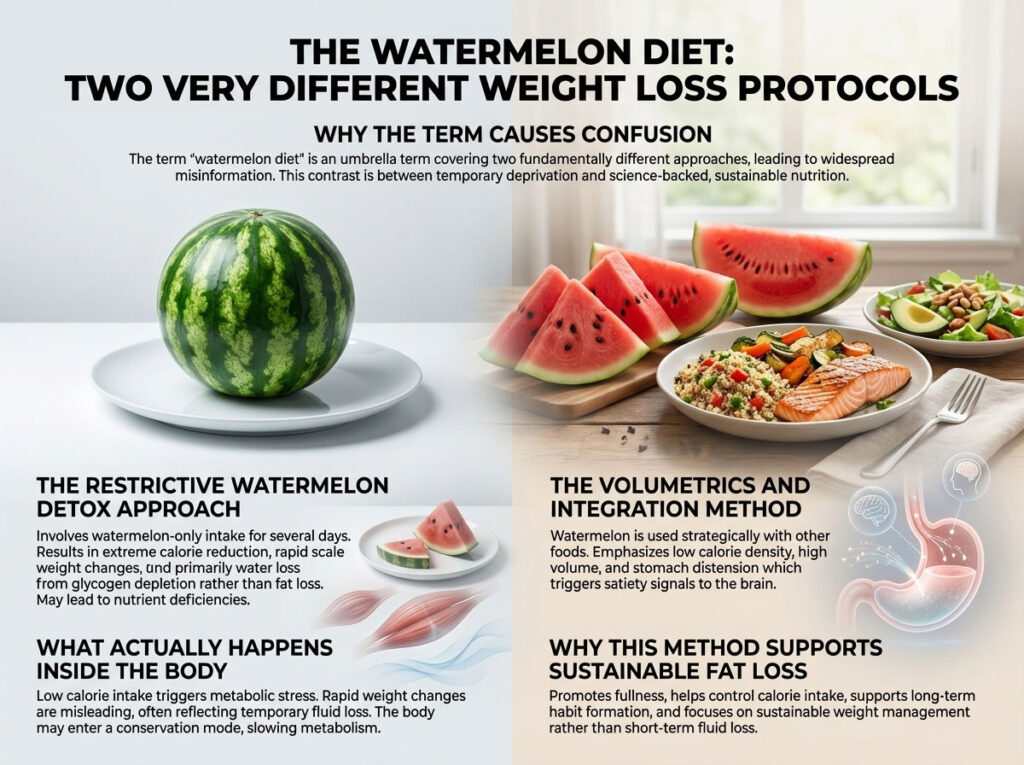
The term “watermelon diet” is a broad umbrella covering two distinct methodologies. One is a crash course in deprivation, while the other is a scientifically supported method of volume eating. To understand is the watermelon diet safe, we must first define which protocol we are discussing.
The Restrictive Watermelon Detox Diet and Cleanse
This is the variation most frequently seen on TikTok and Instagram. It typically involves a strict watermelon only diet for a duration of 3 to 7 days. The premise is that by eliminating all other food groups, the body enters a state of rapid elimination. Proponents claim this clears toxins and forces the body to burn fat.
In clinical reality, this is a starvation protocol masked as a health trend. When you consume only one food source, you create a massive caloric deficit, often dropping below 800 calories a day. The weight lost in this phase is rarely adipose tissue (body fat). It is primarily water weight shedding due to glycogen depletion in the liver and muscles.
The Volumetrics and Integration Approach
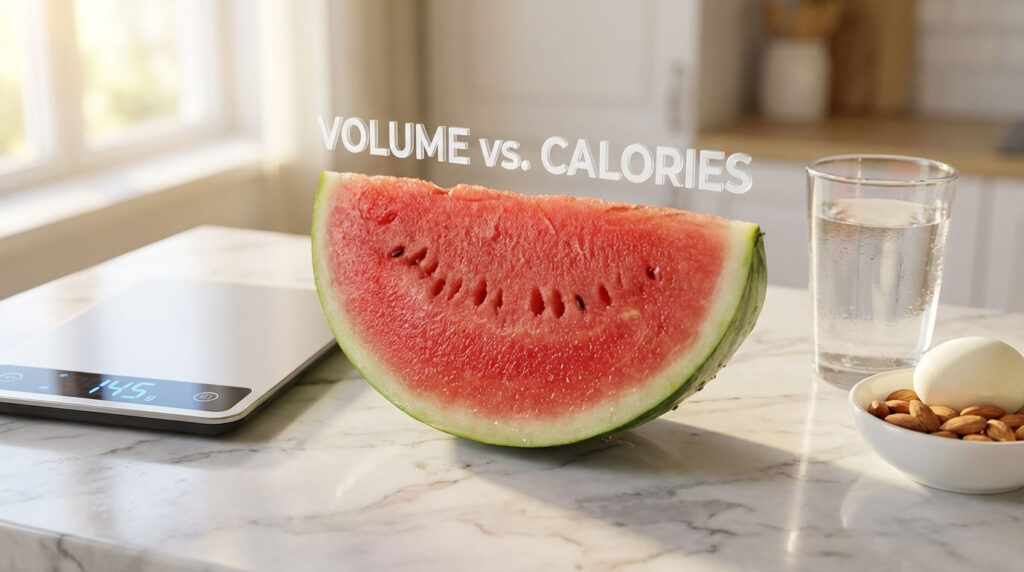
This is the protocol supported by data from the USDA and nutritional science. Here, watermelon for weight loss is used as a strategic tool within a broader dietary context. It is based on the concept of “Volumetrics,” popularized by nutrition researchers to describe eating foods with low caloric density but high physical volume.
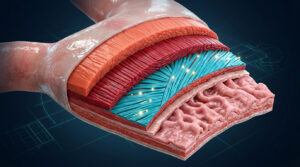
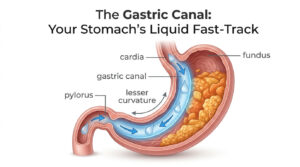
By integrating large portions of watermelon before meals or as high-volume snacks, you physically stretch the stomach lining. This triggers the vagus nerve to signal satiety to the brain without the heavy calorie load of processed snacks. This method focuses on sustainable weight loss habits rather than temporary fluid loss.
Nutritional Profile and Bioavailability of Citrullus Lanatus
To understand the watermelon diet benefits, we must analyze the fruit at a molecular level. Citrullus lanatus (the scientific name for watermelon) offers a unique macronutrient and micronutrient profile that specifically supports metabolic health when consumed correctly.
Caloric Density and Water Content Analysis
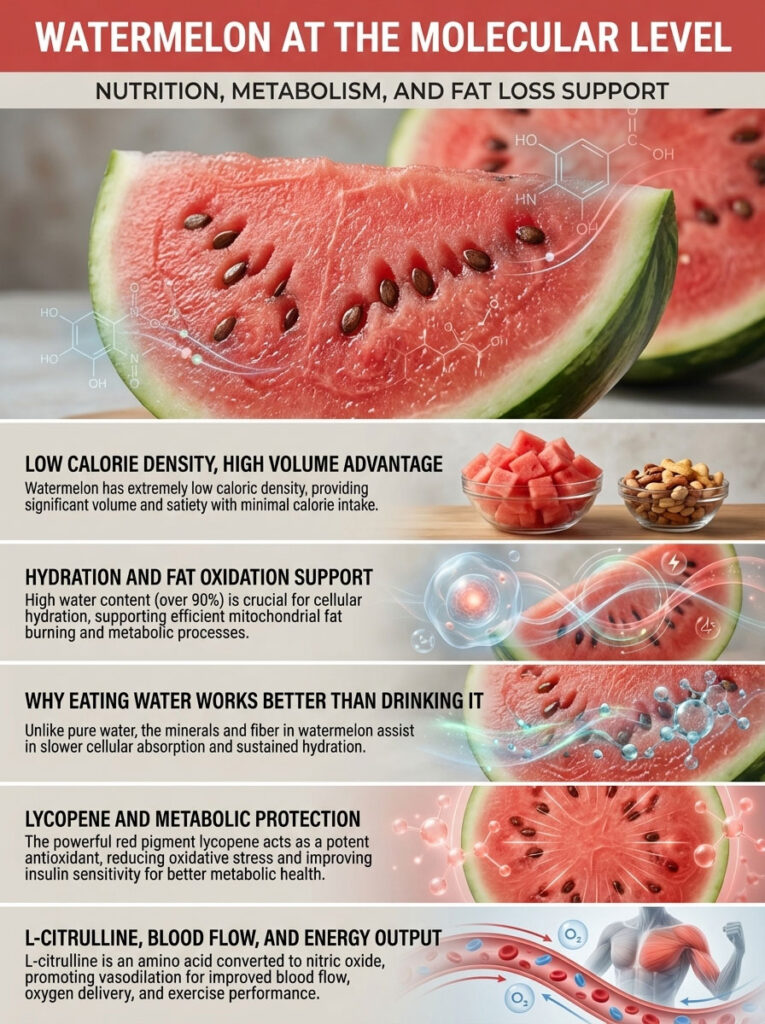
According to the USDA, 100 grams of raw watermelon contains approximately 30 calories. This makes it one of the most effective low calorie fruits for weight loss. For context, 100 grams of a banana contains roughly 89 calories. You can consume nearly three times the volume of watermelon for the same energy cost.
The fruit is composed of 91-92% water. This high water content is critical for weight loss mechanics. Hydration is required for the beta-oxidation of fatty acids. If your cells are dehydrated, the mitochondrial process of burning fat slows down. By eating your water, you ensure better cellular hydration than drinking plain water alone, thanks to the mineral matrix.
Lycopene and Citrulline Mechanisms for Metabolism
Watermelon is a functional food due to its high concentration of bioactive compounds.
- Lycopene: This carotenoid gives the fruit its red pigment. It is a powerful antioxidant. Oxidative stress is often elevated in individuals carrying excess weight, which can lead to systemic inflammation and insulin resistance. High intakes of lycopene help neutralize free radicals, potentially improving the body’s metabolic environment.
- L-Citrulline: This is a non-essential amino acid that the kidneys convert into L-arginine and subsequently into nitric oxide (NO). Nitric oxide acts as a vasodilator, relaxing blood vessels and improving blood flow. This is why many athletes utilize watermelon pre workout for weight loss. Better blood flow means better oxygen delivery to muscles, allowing for higher intensity workouts and improved calorie burning.
Evidence-Based Watermelon Diet Benefits for Fat Loss
When stripped of the “magic pill” marketing, the specific watermelon diet benefits are robust and supported by nutritional science.
Satiety Signaling and Ghrelin Regulation
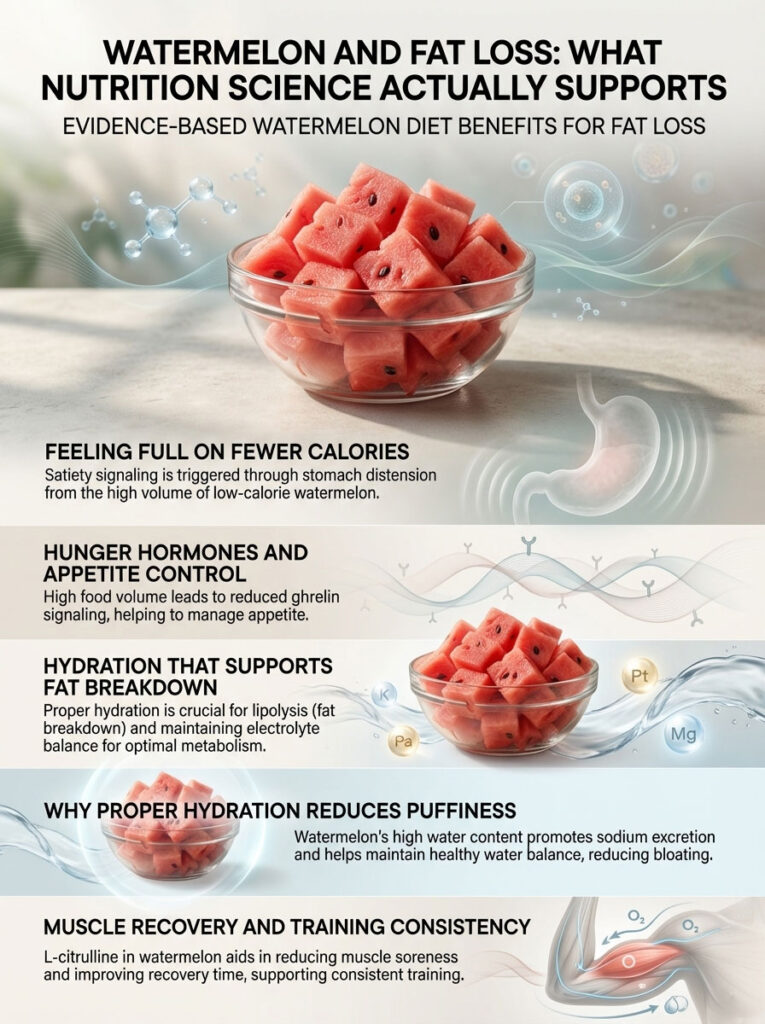
One of the primary causes of diet failure is hunger. A study published in the journal Nutrients highlighted that watermelon promotes greater satiety than iso-caloric low-fat cookies. The mechanism involves the physical distension of the gastric pouch.
When you eat two cups of watermelon, the sheer volume presses against the stomach walls. This mechanical pressure downregulates the production of Ghrelin, the “hunger hormone.” You feel physically full on very few calories. This allows you to maintain a healthy calorie deficit without the psychological distress of feeling empty or starved.
Hydration Impact on Lipolysis and Water Retention
There is a common misconception that drinking water or eating watery foods causes water retention. The opposite is true. Retention is often a defense mechanism against dehydration or high sodium intake.
Watermelon provides potassium and magnesium, electrolytes that regulate fluid balance. By flushing the system with water and potassium, you signal the kidneys to excrete excess sodium. This reduces the “puffy” appearance and helps reveal the results of your fat loss efforts. Furthermore, the process of lipolysis (breaking down fat cells) is hydrolysis-dependent. Water molecules are required to sever the bonds of triglycerides. Chronic dehydration blunts this process.
Reduction of Muscle Soreness and Recovery
Weight loss plans often involve increased physical activity. L-citrulline has been shown in clinical trials to reduce muscle soreness and heart rate recovery time following intense exercise. If you recover faster, you can train more frequently. This consistency is the key to raising your Total Daily Energy Expenditure (TDEE).
Comparative Analysis: Watermelon vs Other Low Calorie Fruits
To visualize why watermelon is superior for volume eaters, we must compare it to other popular “diet fruits.” The data below highlights why watermelon for weight loss is mathematically more efficient for filling the stomach.
| Fruit (100g serving) | Calories | Water Content % | Sugar (g) | Satiety Efficiency (Volume/Cal) |
| Watermelon | 30 | 92% | 6.2 | Highest |
| Strawberries | 32 | 91% | 4.9 | Very High |
| Cantaloupe | 34 | 90% | 7.8 | High |
| Apple (with skin) | 52 | 86% | 10.0 | Moderate |
| Blueberries | 57 | 84% | 9.9 | Moderate |
| Grapes | 69 | 81% | 16.0 | Low |
| Banana | 89 | 74% | 12.2 | Lowest |
Table 1: This comparison demonstrates that watermelon allows for the largest consumption volume for the lowest caloric penalty, essential for managing hunger.
Critical Watermelon Diet Risks and Side Effects
Transparency is essential. The watermelon diet risks are significant, particularly when the fruit is used as a sole source of nutrition.
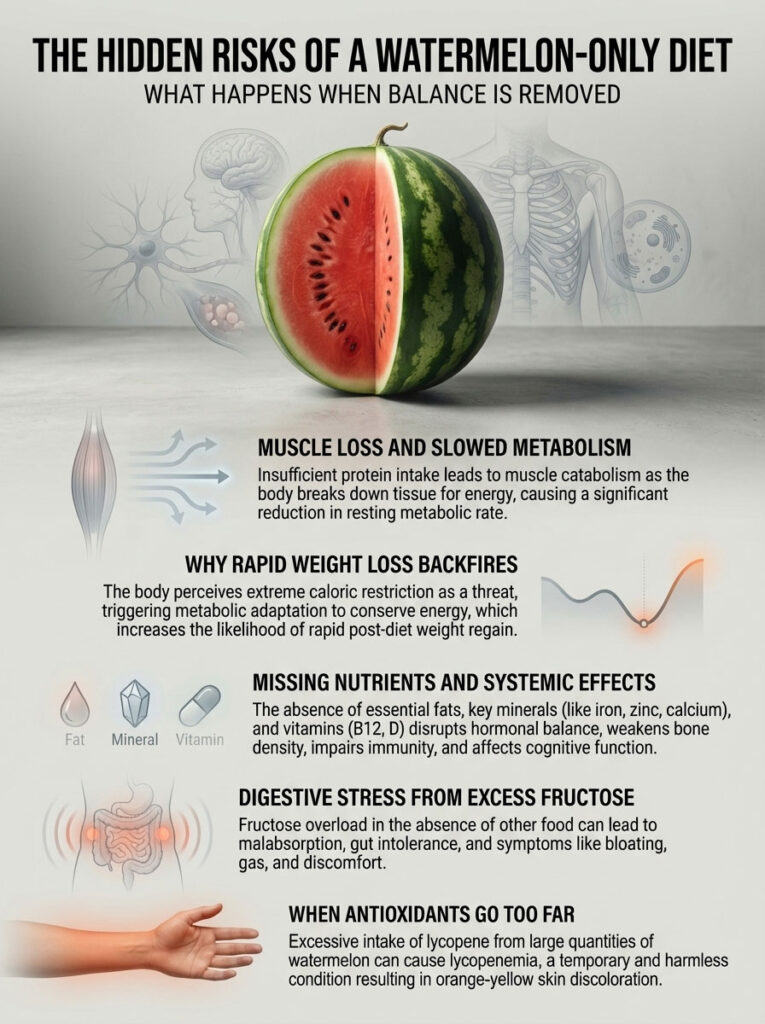
Muscle Catabolism and Metabolic Adaptation
The most severe risk of the watermelon only diet is muscle loss. Watermelon contains approximately 0.6 to 0.9 grams of protein per serving. This is negligible. The human body requires amino acids to maintain muscle tissue, enzymes, and immune function.
In the absence of dietary protein, the body enters a catabolic state. It breaks down its own muscle tissue (gluconeogenesis) to provide energy. Since muscle tissue is metabolically active (burning calories at rest), losing muscle lowers your Basal Metabolic Rate (BMR). This leads to metabolic adaptation, where your body learns to survive on fewer calories. Once you return to normal eating, you regain weight rapidly because your metabolism is slower than when you started.
Nutritional Deficiencies from Restrictive Diets
A watermelon detox diet is inherently unbalanced. It lacks:
- Essential Fatty Acids: Needed for hormone production and brain health.
- Vitamin B12 and Iron: Essential for energy levels and oxygen transport.
- Calcium and Zinc: Critical for bone density and immune health.
Prolonged adherence can lead to fatigue, hair loss, brittle nails, and cognitive brain fog.
Digestive Issues and High Fructose Intake
Watermelon is classified as high in FODMAPs (specifically polyols and fructose). For a significant portion of the population, consuming large amounts of fructose in a short window exceeds the gut’s absorptive capacity. This leads to watermelon diet side effects such as osmotic diarrhea, severe bloating, and abdominal cramping.
Lycopenemia and Skin Discoloration
While rare, excessive consumption of lycopene-rich foods can result in lycopenemia, a condition where the skin takes on an orange-red tint. This is generally reversible but serves as a visual indicator of dietary imbalance.
Safety for Special Populations: Diabetes and Hypertension
A nuanced understanding of blood sugar dynamics is required when asking is the watermelon diet safe for diabetics.
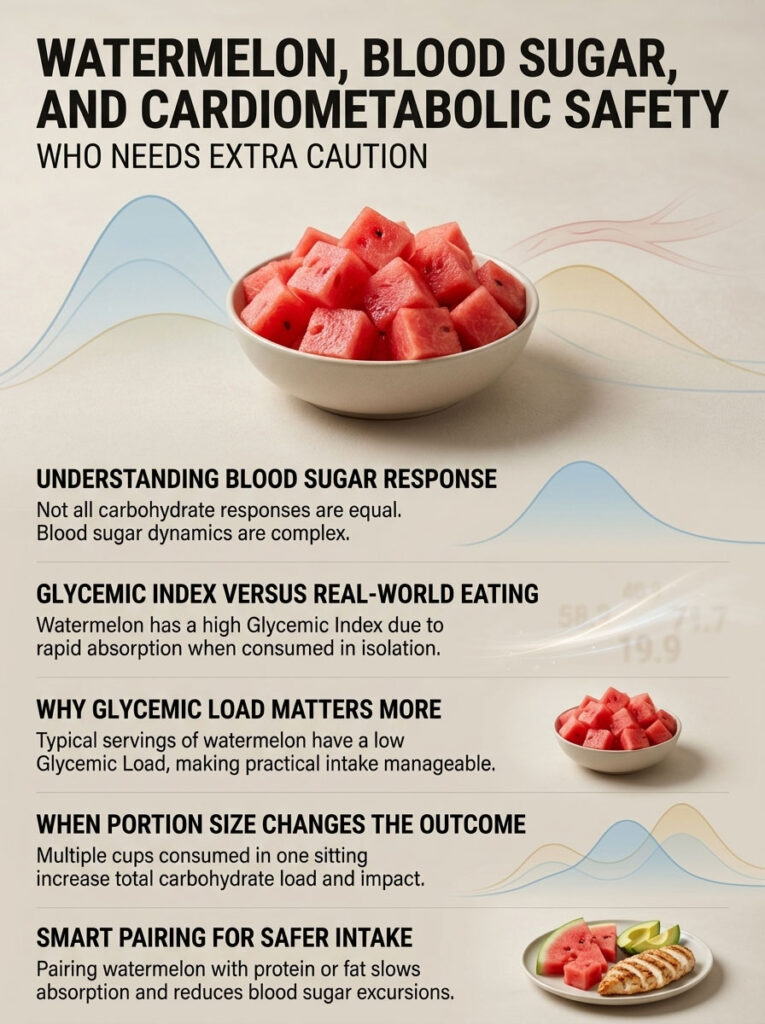
Glycemic Index vs Glycemic Load Analysis
Watermelon has a high Glycemic Index (GI) of 72–80. This number scares many people with insulin resistance. However, GI measures how fast 50 grams of carbohydrates from a food raises blood sugar. To get 50 grams of carbs from watermelon, you would need to eat a massive amount.
The Glycemic Load (GL) is a more accurate measure of a real-world serving size. Watermelon has a low GL (around 5). This means a single cup does not drastically spike blood sugar for most people.
However, on a “watermelon diet” where one might eat 4 or 5 cups in a sitting, the Glycemic Load accumulates. For diabetics, this cumulative load can cause dangerous hyperglycemia. Therefore, watermelon and blood sugar management requires strict portion control and pairing with fats or proteins to slow absorption.
Strategic Implementation: How to Do the Watermelon Diet Safely
To harness the benefits while mitigating the risks, you must follow a structured, balanced diet vs fad diet approach.
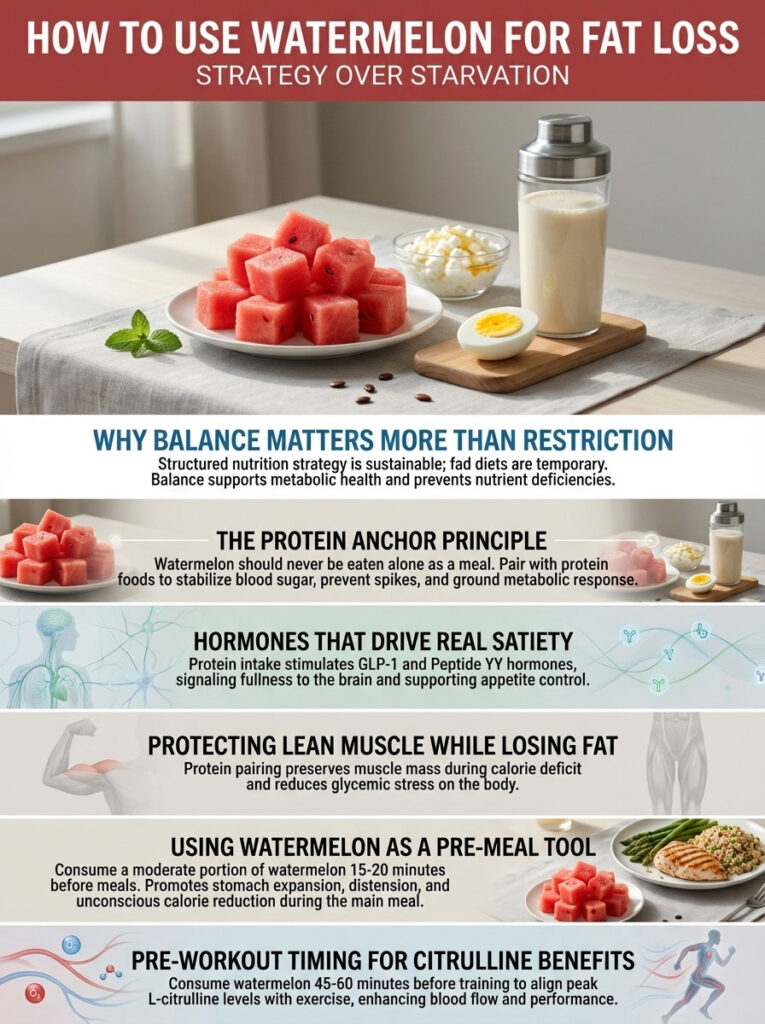
The Protein Anchor Technique
This is the golden rule for making the diet safe. Never consume watermelon alone as a meal. You must “anchor” the sugar and water with a protein source.
- The Science: Protein stimulates the release of Glucagon-like peptide-1 (GLP-1) and Peptide YY, hormones that signal deep satiety.
- The Method: If you have a bowl of watermelon, pair it with 1 cup of cottage cheese, a hard-boiled egg, or a scoop of protein powder. This lowers the aggregate glycemic response and protects lean muscle mass.
Timing Protocols for Fat Loss
- The Pre-Load Protocol: Consume 1.5 cups of watermelon 20 minutes before your main lunch and dinner. The fluid volume will expand the stomach. Studies show this “preload” can reduce caloric intake of the subsequent meal by up to 20% unconsciously.
- The Pre-Workout Citrulline Boost: Eat 1 to 2 cups of watermelon approximately 45 to 60 minutes before training. This times the peak blood concentration of l-citrulline to coincide with your workout, enhancing the “pump” and oxygen efficiency.
Comparative Analysis: Crash Diet vs Sustainable Approach
Understanding the trajectory of your results is crucial. The table below contrasts the outcomes of the two different ways to execute this diet.
| Feature | Watermelon Detox (Crash Diet) | Balanced Watermelon Integration |
| Caloric Intake | Dangerous (<800 kcal) | Sustainable (1400-1800 kcal) |
| Weight Loss Type | Water & Muscle Tissue | Body Fat (Adipose Tissue) |
| Metabolic Impact | Lowers BMR (Damaging) | Maintains/Boosts BMR |
| Satiety Hormones | Ghrelin Spikes (Hunger) | GLP-1 Release (Fullness) |
| Energy Levels | Volatile crashes | Stable and consistent |
| Rebound Risk | Very High (95% regain) | Low (Long-term results) |
Table 2: A strategic comparison highlighting why the balanced approach is the only medically recommended option.
Comprehensive Watermelon Diet Meal Plans
These plans utilize watermelon for weight loss as a core component but ensure all nutritional bases are covered.
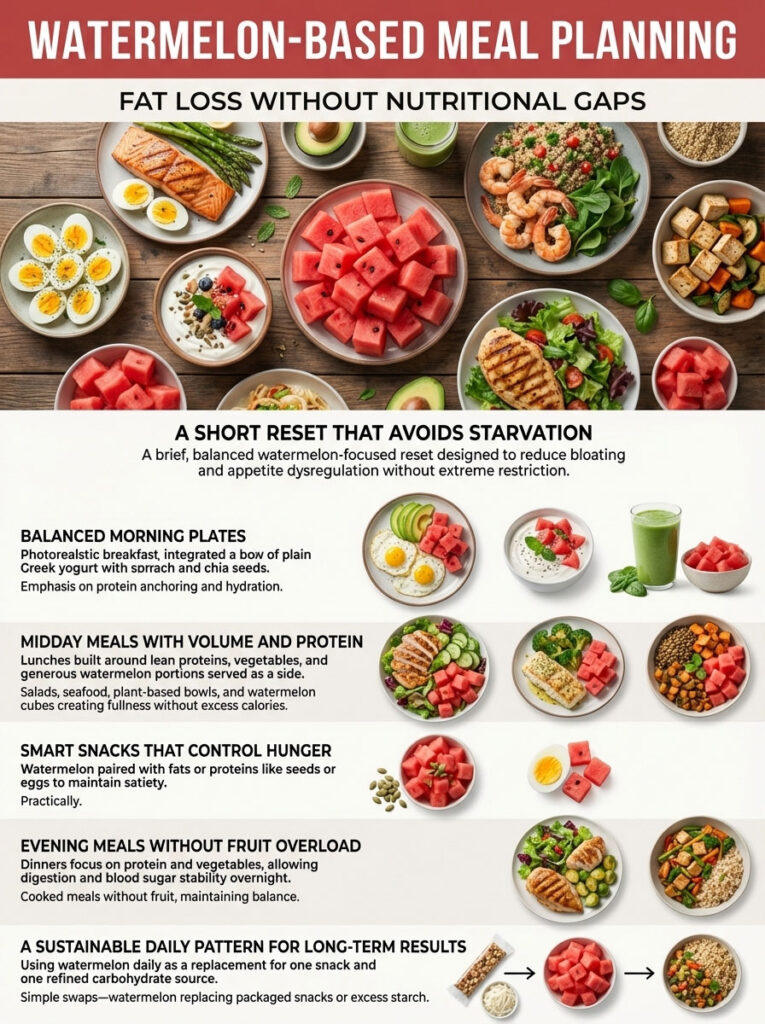
The 3-Day Watermelon Flush (Safe Version)
This short-term plan is designed to reduce bloating and reset appetite without starvation.
Day 1
- Breakfast: Omelet with spinach and mushrooms. Side of 1.5 cups watermelon.
- Lunch: Grilled shrimp salad with mixed greens. 2 cups watermelon cubes on the side.
- Snack: 1 cup watermelon sprinkled with chia seeds (adds fiber and fat).
- Dinner: Baked salmon with asparagus. No fruit.
Day 2
- Breakfast: Greek yogurt (unsweetened) mixed with 1 cup watermelon and mint.
- Lunch: Turkey roll-ups (deli turkey wrapped around cucumber). 2 cups watermelon.
- Snack: Hard-boiled egg and 1 cup watermelon.
- Dinner: Stir-fry tofu with broccoli and bell peppers.
Day 3
- Breakfast: Protein smoothie (Whey/Plant protein, water, ice). Side of watermelon.
- Lunch: Quinoa bowl with black beans and salsa. 1.5 cups watermelon.
- Snack: Handful of pumpkin seeds and 1 cup watermelon.
- Dinner: Grilled chicken breast with zucchini noodles.
The Sustainable Daily Routine
For long-term results, use watermelon to replace one snack and one carbohydrate source daily.
- Example Swap: Instead of having a granola bar (190 calories) for a snack, have 2 cups of watermelon (90 calories).
- Example Swap: Instead of a second serving of rice at dinner, have a starter of watermelon to fill up.
Case Studies and Clinical Data Insights
To validate these strategies, we look to clinical instances and research data.
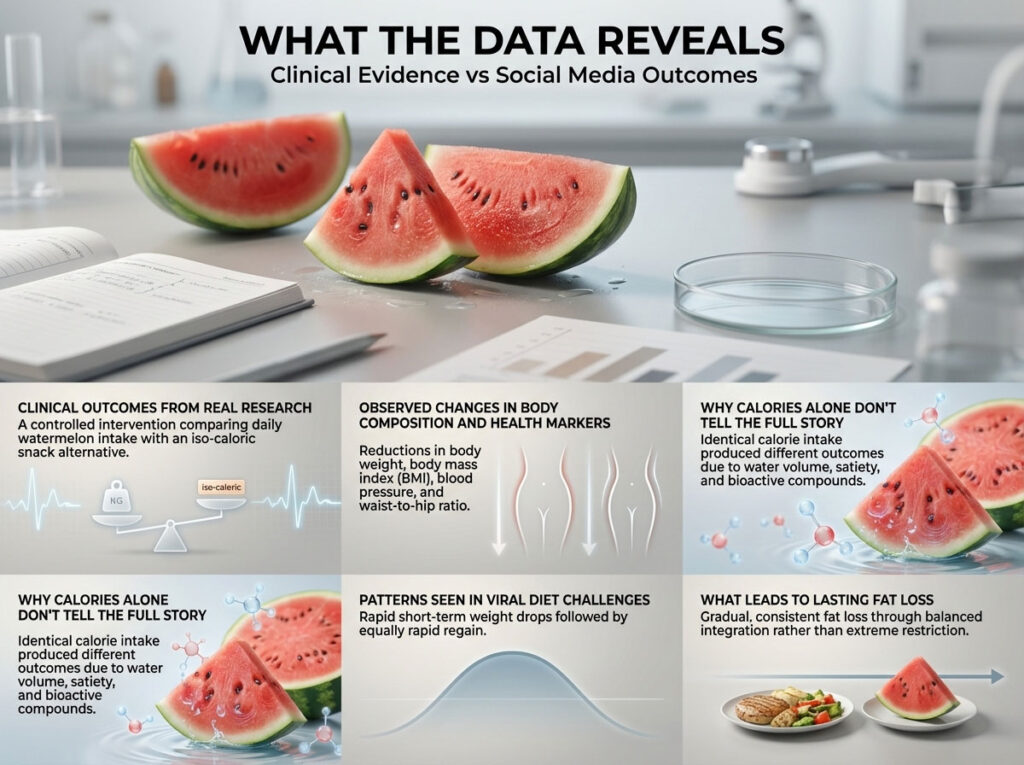
The San Diego State University Intervention
In a controlled study, researchers examined the effects of daily fresh watermelon consumption versus low-fat cookies on satiety and cardiovascular risk factors in overweight adults. The study, lasting four weeks, found that the watermelon group had:
- Significant reductions in body weight and BMI.
- Lower systolic blood pressure.
- Reduced waist-to-hip ratio.
Crucially, the cookie group, despite eating the same number of calories, did not see these benefits. This proves that the watermelon diet benefits extend beyond simple calorie counting; the bioactive compounds and water volume fundamentally change how the body processes energy.
The “Yo-Yo” Phenomenon in Social Media Trends
An observational analysis of the watermelon diet challenge on social platforms reveals a consistent pattern. Participants often document a weight drop of 5 to 10 pounds in a week. However, subsequent updates frequently reveal a regain of that weight within 10 days of stopping the diet. This real-world data reinforces the biological fact that rapid weight loss is fluid loss. The “Balanced Integration” approach discussed above aims to lose 1-2 pounds of actual fat per week, which is statistically more likely to be permanent.
Frequently Asked Questions
How long can you stay on the watermelon diet safely?
If you are following the strict “watermelon only” version, medical experts advise no longer than 24 to 48 hours due to protein deficiency. If you are following the balanced integration method (eating watermelon alongside proteins and fats), you can maintain this way of eating indefinitely as a healthy lifestyle.
Can you eat the watermelon seeds and rind for weight loss?
Yes. The rind is actually higher in l-citrulline than the pink flesh, which can further aid blood flow and workout performance. The seeds, if sprouted or roasted, provide small amounts of protein, magnesium, and healthy fats, making them a nutritious addition.
Does watermelon help with belly fat specifically?
No food targets fat loss in one specific area (spot reduction is a myth). However, watermelon aids in creating an overall caloric deficit and reduces bloating/water retention, which can make the midsection appear leaner and flatter relatively quickly.
Is the watermelon diet safe for high blood pressure?
Generally, yes. The high potassium content helps blunt the effects of sodium, and l-citrulline helps relax arterial walls. Studies have shown watermelon supplementation can reduce ankle blood pressure in middle-aged adults with hypertension. However, consult your doctor regarding potassium intake if you are on medication.
Why do I feel dizzy on the watermelon diet?
Dizziness is a sign of insufficient caloric intake or blood sugar crashes. If you are eating only fruit, your blood sugar spikes and then plummets, leaving you lightheaded. It can also be a sign of electrolyte imbalance or lack of sodium. This is a clear signal to stop the restrictive phase and eat a balanced meal with protein.
Is watermelon good for weight loss at night?
Watermelon is low calorie, so it won’t cause fat gain if eaten at night (unless it pushes you into a calorie surplus). However, its high water content acts as a diuretic. Eating it right before bed may disrupt your sleep cycle with frequent bathroom visits, and poor sleep is detrimental to weight loss hormones.
How much sugar is in the watermelon diet?
A typical strict watermelon diet might involve eating 1kg to 1.5kg of fruit. This equates to roughly 60g to 90g of sugar. While this is natural fructose, it is a significant load for the liver. The balanced approach keeps sugar intake within a moderate, healthy range.
Can I drink watermelon juice instead of eating the fruit?
It is not recommended for weight loss. Juicing removes the fiber and destroys the food matrix that provides satiety. Liquid calories are absorbed much faster, leading to sharper insulin spikes and less feeling of fullness compared to chewing the solid fruit.
What happens if I eat too much watermelon?
Excessive intake (over 3-4 cups in a sitting) can lead to digestive distress, including diarrhea and bloating due to the fructose load. In very rare cases, hyperkalemia (too much potassium) is possible if kidney function is impaired.
How do I transition off the watermelon diet?
If you have done a restrictive cleanse, do not binge on heavy foods immediately. Introduce broths, steamed vegetables, and light proteins like poached eggs. Slowly reintroduce complex carbohydrates like oats or rice over 2 to 3 days to avoid gastric distress and rapid water weight regain.
Is the watermelon diet keto-friendly?
No. Watermelon is primarily carbohydrate and sugar. Even a small serving creates an insulin response that would likely knock a person out of ketosis. It is better suited for low-fat or balanced macronutrient diets.
Does watermelon speed up metabolism?
While no food “boosts” metabolism significantly, the l-citrulline content can support more intense exercise, and the hydration supports efficient mitochondrial function. The prevention of dehydration is its biggest metabolic benefit.
Disclaimer: The content provided in this article is for educational and informational purposes only. It does not constitute medical advice, diagnosis, or treatment. The watermelon diet risks can be severe for individuals with pre-existing conditions such as diabetes, kidney disease, or eating disorders. Always consult with a qualified healthcare provider or a registered dietitian before making drastic changes to your diet or attempting any restrictive cleanse.
References:
- USDA FoodData Central. (n.d.). Watermelon, raw.
- Lum, T., et al. (2019). Effects of Fresh Watermelon Consumption on the Acute Satiety Response and Cardiometabolic Risk Factors in Overweight and Obese Adults. Nutrients.
- Figueroa, A., et al. (2011). Watermelon supplementation reduces ankle blood pressure and carotid augmentation index in obese adults with prehypertension or hypertension. American Journal of Hypertension.
- Tarazona-Díaz, M. P., et al. (2013). Watermelon juice: potential functional drink for sore muscle relief in athletes. Journal of Agricultural and Food Chemistry.
- Collins, J. K., et al. (2007). Watermelon consumption increases plasma arginine concentrations in adults. Nutrition.